History History 6 min read

FROM CHEEKY TRADITIONS TO PROMINENT FIGURES

Top 10 American Universities: Amazing Facts You May Not Know About

Image: RUT MIIT

Every university has its own culture, folklore, customs, and pranks . Some even go back centuries. It may be a long time since you were last in school, but no one can deny college years are an unforgettable period in every person’s life that is forever imprinted on the memory.

For most of its history, the US university system has served the mission of economic and social progress, educating the world's greatest leaders and contributing to unprecedented scientific breakthroughs. In this article, we have gathered some of the most curious facts about the country's most prominent schools .

1
Yale
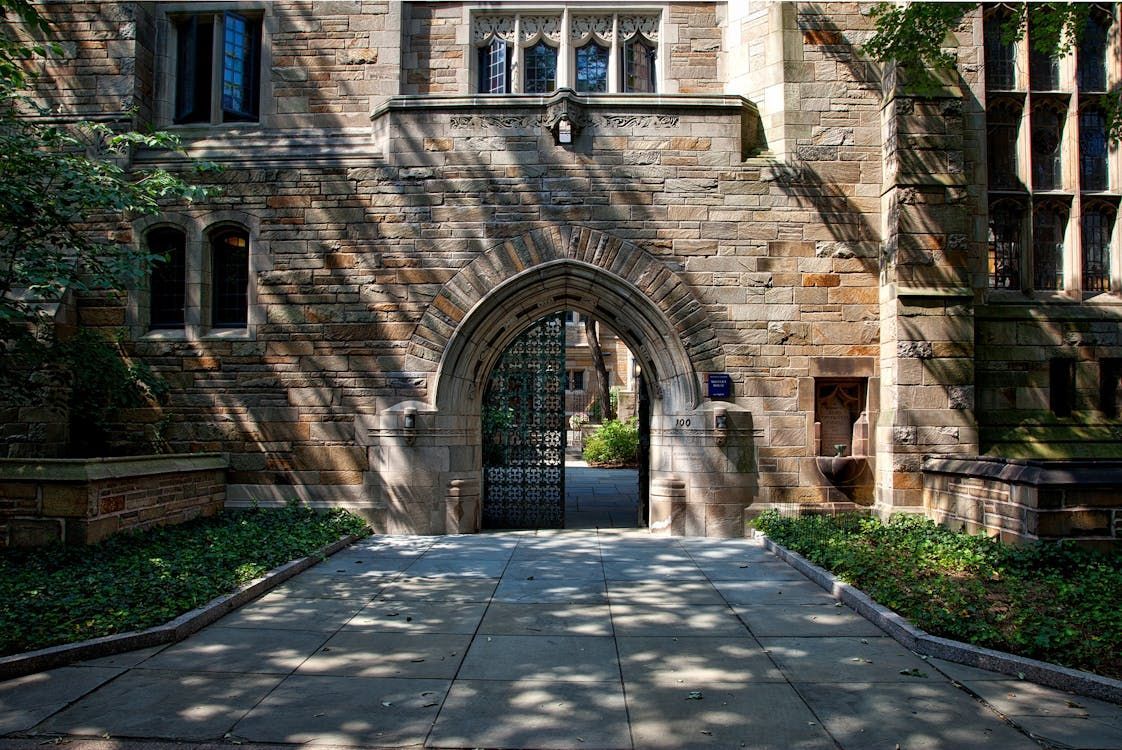
Image: Pixabay

One of America’s most illustrious universities, Yale has been creating stories and forging traditions for more than three centuries. Being one of the oldest universities in the country means you can claim a couple of "oldest". For example, Yale is home to the earliest collegiate daily newspaper still in existence. The Yale Daily News has been around since 1878, reporting consistently five days a week. Also, the Whiffenpoofs, Yale’s oldest a capella group, has been singing every Monday night since 1909 .

Another fun fact? They may not teach magic at Yale, but theuniversity’s residential college system is very similar to the Hogwarts house system portrayed in the famous Harry Potter series . Each year, Yale freshmen are treated to a formal holiday banquet at one of the 17 extravagant Gothic dining halls on campus.

2
Stanford
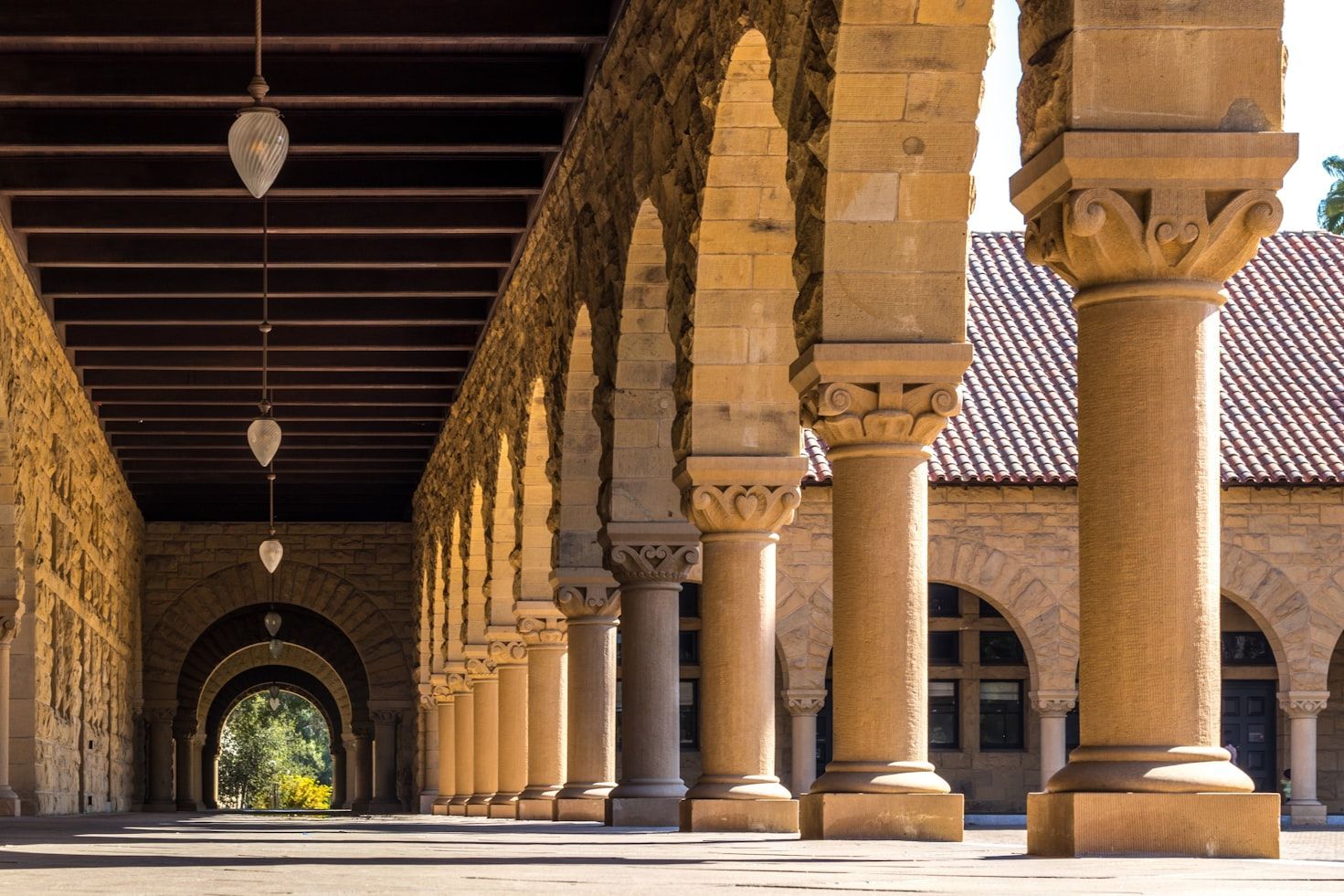
Image: Jason Leung

The campus of Stanford University spans 8,180 acres in the center of the San Francisco Peninsula. It includes 630 buildings, 49 miles of roads, 3 dams, more than 40,000 trees , 25 fountains, a biological preserve, and a historic equestrian barn, among many other special features. It’s so big that it even has its own special zip code!

Perhaps one of the most relevant facts about Stanford is that it is considered the birthplace of Silicon Valley . In the 1930s, the university's Dean of Engineering, Frederick Terman, encouraged his students to stay in the area to develop a high-tech hub. This is how Bill Hewlett and David Packard ended up creating Hewlett-Packard in a garage in Palo Alto not far from campus.

3
MIT
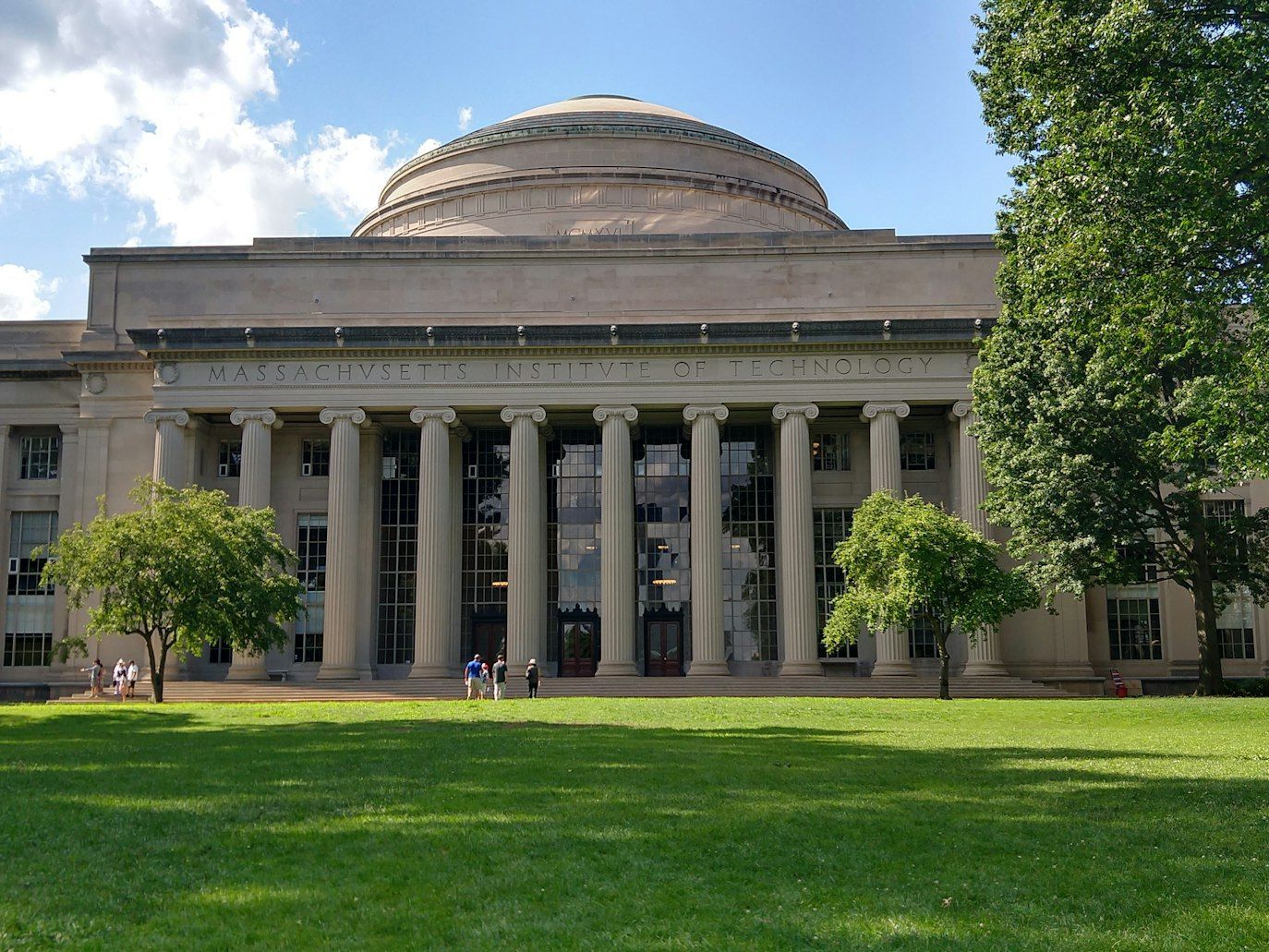
Image: Ana GG

The Massachusetts Institute of Technology was founded on April 10, 1861, just two days before the start of the Civil War. MIT’s official colors are Cardinal Red and Silver Gray and, in 1914, the beaver was chosen as the university’s formal mascot due to its "engineering and mechanical skill and habits of industry."

This distinguished university currently counts 98 Nobel Laureates among its alumni, faculty, and staff. But the nerdy ways of the MIT crowd don't end there.Did you know that acceptance letters for undergraduates are sent out every March 14, in commemoration of Pi Day? Admissions are even delivered at exactly 6.28 pm, which is known as "Tau time" (πx2). No wonder MIT’s motto is mens et manus , Latin for "mind and hand".

4
UCLA
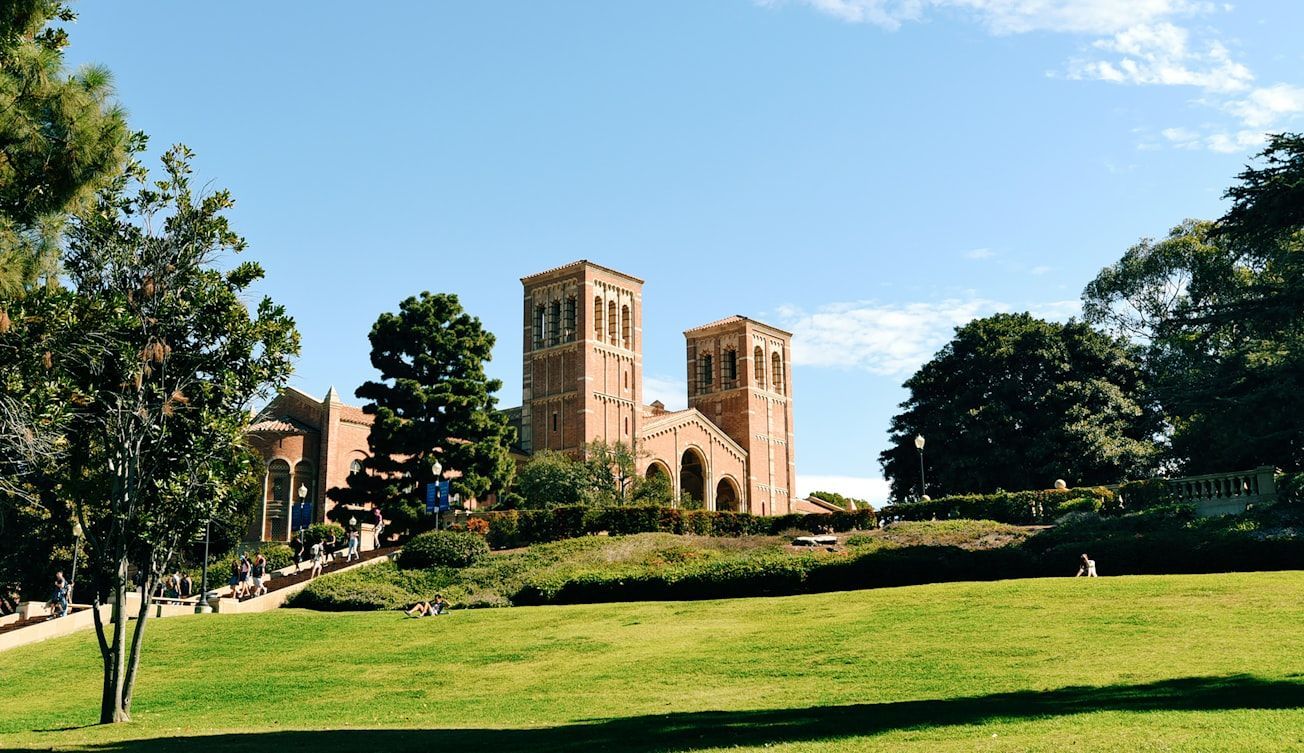
Image: tommao wang

The University of California is synonymous with excellence and innovation, but there are a lot of tidbits about it that even graduates don’t know about. UCLA’s football team has had many nicknames over the years : they were known as the "Cubs", the "Grizzlies", and finally the "Bruins". A live bear even used to take the field at some games until it was banned!

UCLA was also home to some of America’s most prominent cultural icons : James Dean majored in drama, Francis Ford Coppola earned a Master of Fine Arts in Film, NASA astronaut and first mother in space, Anna Lee Fisher, graduated as a doctor and mastered in chemistry, and neuroscientist Dr. Mayim Bialik popularised this field of science with her character in the famous TV series The Big Bang Theory . Can you name any other stars who went to UCLA?

5
Brown
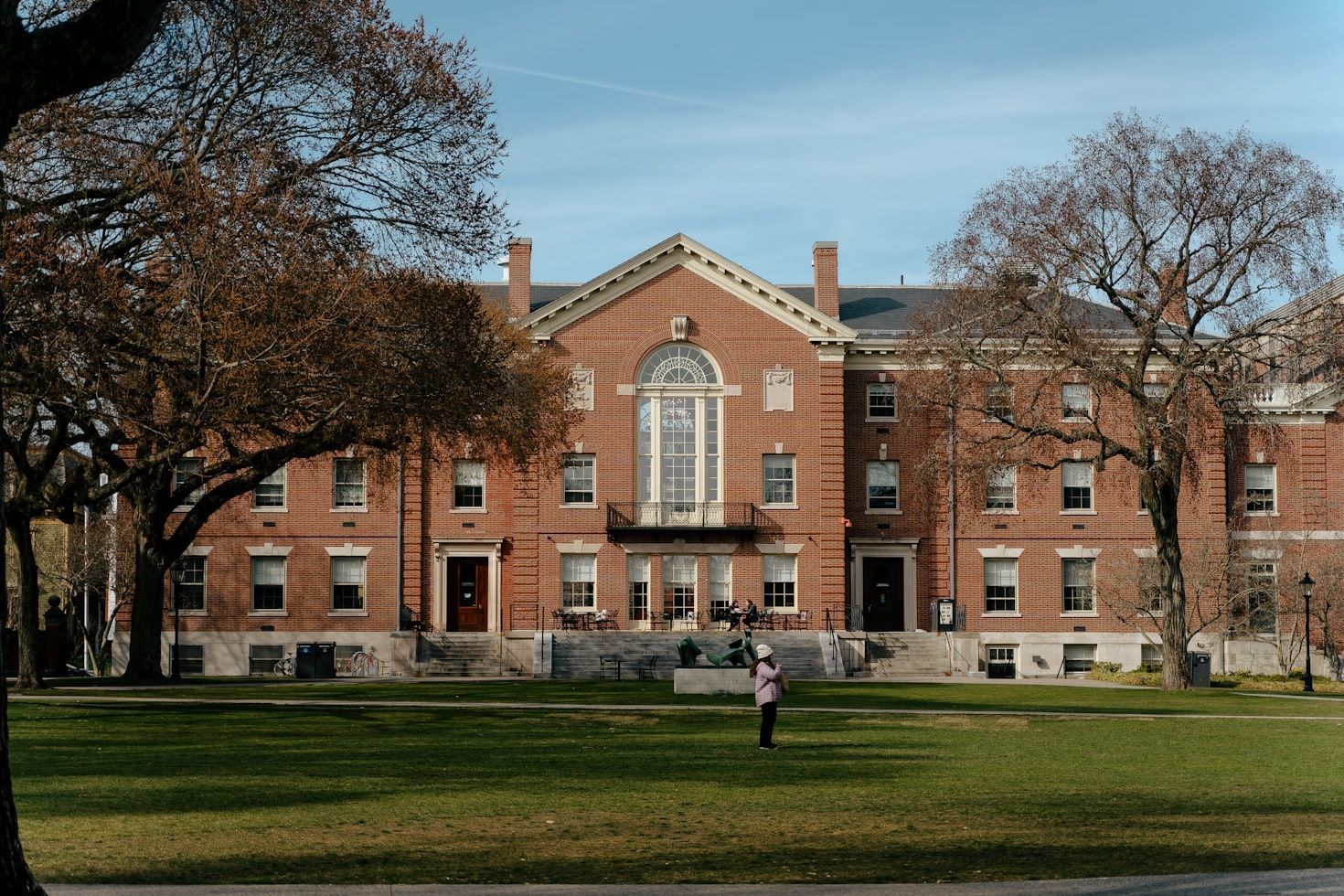
Image: Keming Tan

Founded in 1764, Brown is a leading American research university, the first Ivy League school to accept students from all religious affiliations . Located in Providence, Rhode Island, this school has a bear mascot named Bruno and a library with no windows that resembles a tomb —in fact, rumor has it, that Rush and Annmary Brown Hawkins are buried here. Another one of its libraries, The John Carter Brown Library, holds an invaluable treasure: seven 15th-century letters from Christopher Columbus proclaiming his "discovery" of the Americas.

But perhaps Brown’s most curious feature is Carberry Day. Every Friday the 13th, students celebrate Josiah S. Carberry, a legendary fictional professor of "psychoceramics" who was created as a joke in 1929. Since then, every Carberry Day all students and faculty spread the campus with brown jugs filled with change they donate to the professor and his ‘future late wife Laura’. Have you ever heard of this traditional Brunonian holiday?

6
Johns Hopkins
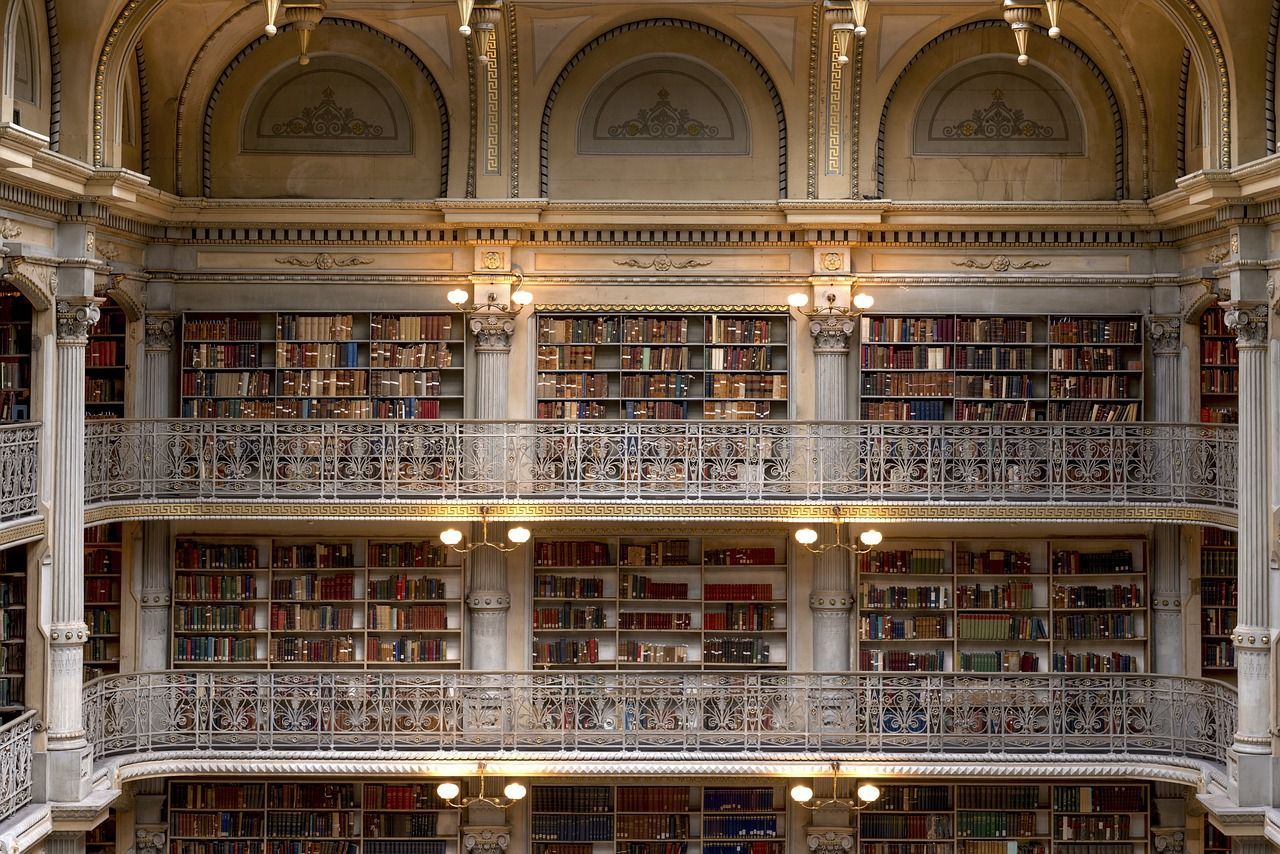
Image: Falkenpost

This university named after the 18th-century Quaker entrepreneur and philanthropist Johns Hopkins was the first research university established in the United States . Johns Hopkins has a long and fascinating history, including mutant rabbit-related mysteries and famous alums: President Woodrow Wilson, Wolf Blitzer, Mike Bloomberg, Tori Amos, and Wes Craven, just to name a few.

Johns Hopkins is also home to some important events in literary history . In 1932, Zelda Fitzgerald was admitted to the university’s hospital and treated for schizophrenia. Soon after, F. Scott Fitzgerald, moved across the street to be closer to his wife. While in Baltimore, they wrote two novels: Save Me the Waltz and Tender is the Night .

7
UPenn

Image: Dyana Wing So

"Here’s a toast to dear old Penn", sing students at the University of Pennsylvania during home football games. Originating in the prohibition years, this tradition of throwing pieces of toast on the field seems to have taken the expression rather literally. Another popular myth at UPenn indicates that freshmen should never cross the compass embedded into the center of Locust Walk if they don't want to risk failing their first exams.

But serious things also happen at this legendary Philadelphia university. For example, it was founded by none other than Benjamin Franklin , the first general-purpose electronic computer was created here in 1946, has 38 Nobel laureates, and many other prominent Americans attended the school, such as Noam Chomsky, Ezra Pound, Warren Buffett, Tory Burch, and John Legend.

8
Caltech
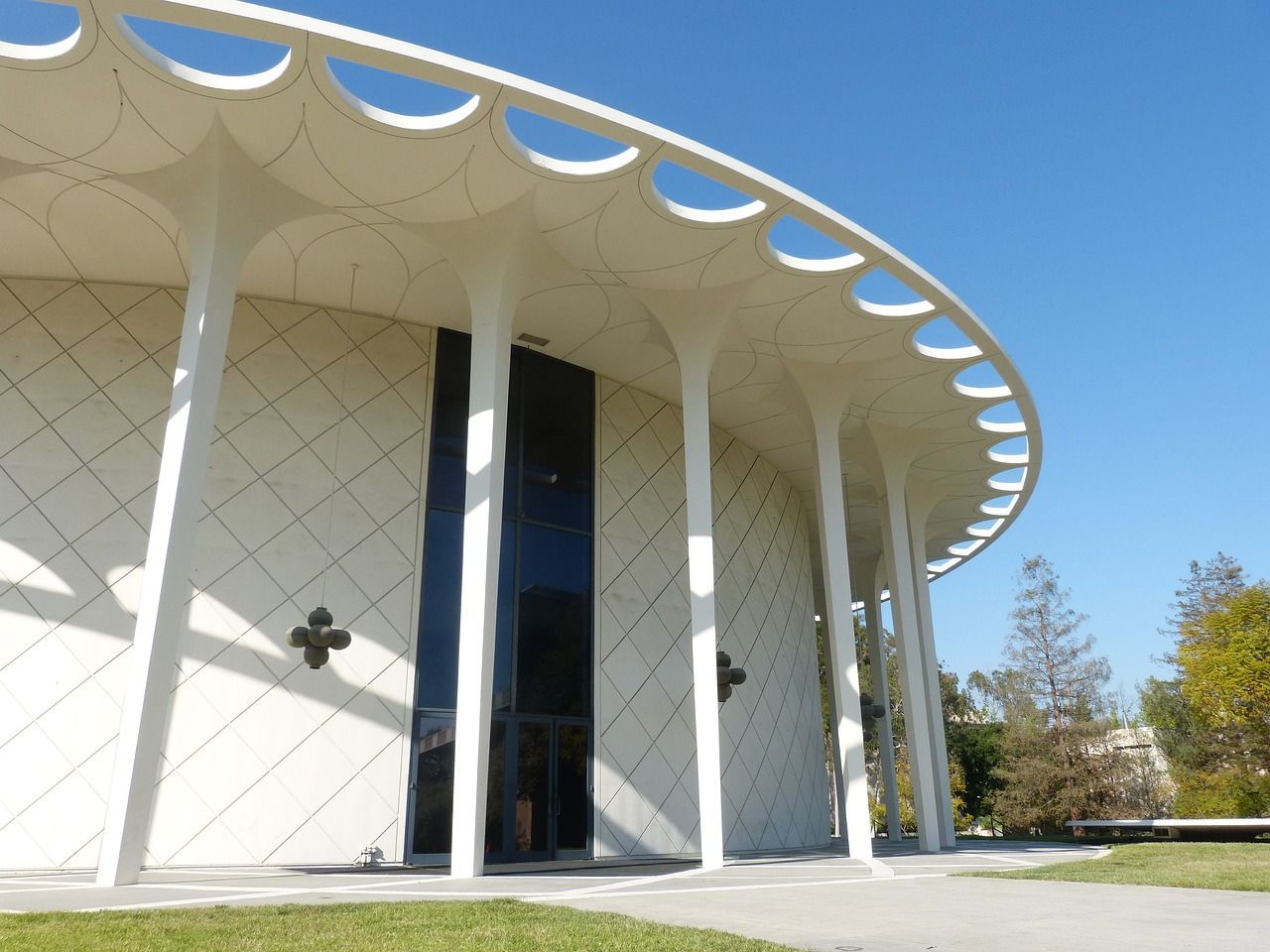
Image: LisetteBrodey

Since its founding in 1891, the California Institute Of Technology has made significant contributions in various scientific fields. It has produced 39 Nobel Laureates and operates the world’s largest optical telescope , located at the Palomar Observatory. Caltech’s most popular major is Computer Science and it also has numerous groundbreaking space-related discoveries under its belt —as a matter of fact, the campus is home to NASA’s Jet Propulsion Laboratory.

While academic excellence is what makes Caltech unique, they also have some quirky traditions. For example, pranks are common practice, often involving rivalries between student houses , especially during Halloween. And it's not all about using their brains, Caltech students put their bodies to work as well. Ditch Day, a celebration whose origins date back to 1921, is said to resemble, wait for it, The Amazing Race .

9
Princeton
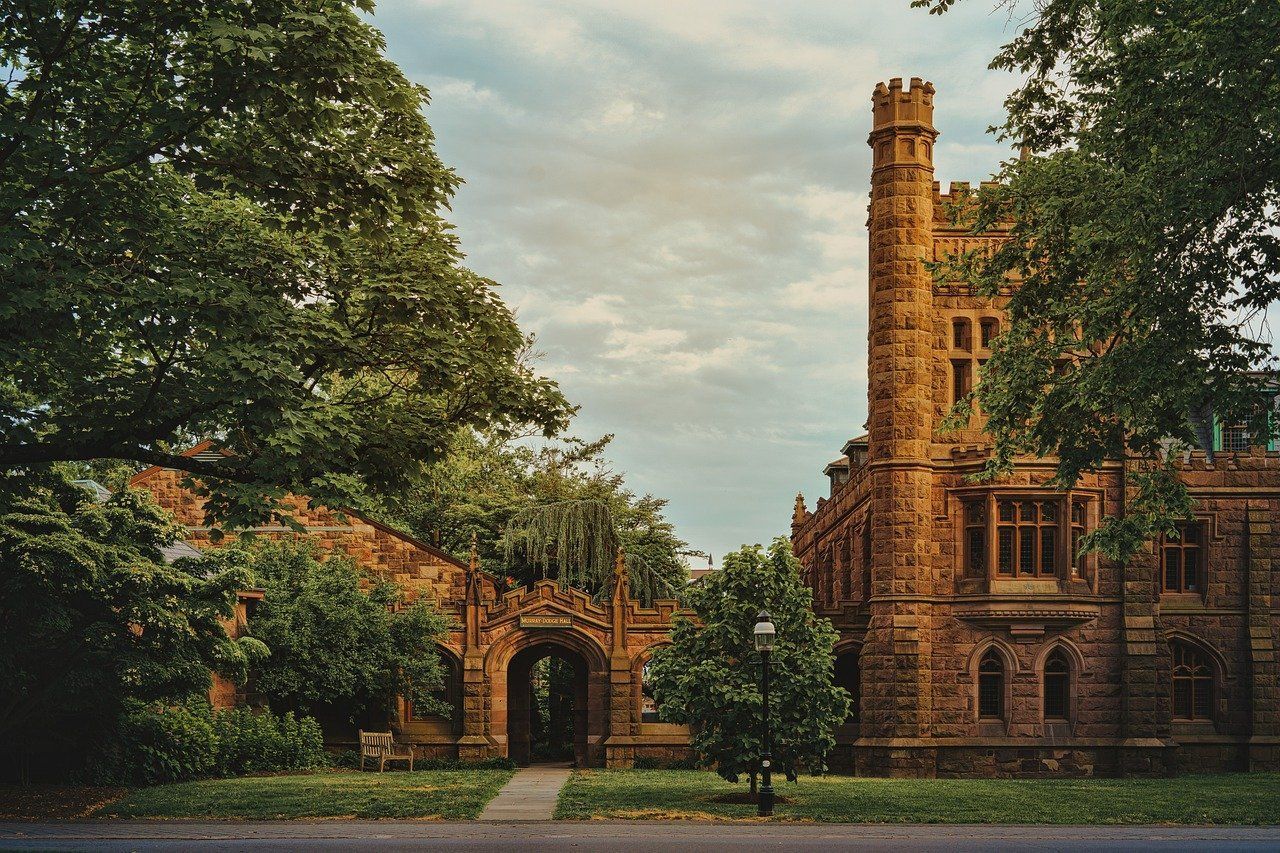
Image: jplenio

The Princeton campus is so picturesque that it has been used as a set for numerous Hollywood productions , including films like A Beautiful Mind and Across the Universe , among others. This renowned Ivy League university also houses the oldest college literary and debating club in the United States , whose graduates include two U.S. presidents, two U.S. vice presidents, and four U.S. Supreme Court justices.

There are more than 60,000 senior theses stored at the Seeley G. Mudd Manuscript Library, for example, those of Michelle Obama, Ethan Coen, Sonia Sotomayor, and Maria Ressa. Princeton University is not only famous on Earth but also in outer space . In November 1969, Charles "Pete" Conrad, a former student and the commander of the Apollo 12 mission, took a Princeton flag to the moon.

10
Harvard

Image: Tamás Mészáros

Harvard University was founded as early as 1636, which makes it the oldest institution of higher education in the United States . With almost 400 years of history, it is not surprising that this prestigious university houses several interesting stories and curious facts to discover. Named after John Harvard, who donated half of his estate and his library of more than 400 books, the school currently has 79 libraries holding about 20.4 million items in 150 miles worth of shelves.

But there’s more! Did you know that eight Harvard alumni signed the Declaration of Independence? Also, Harvard had the first native Chinese instructor to teach Chinese in America, former students won 110 Olympic medals —including 46 gold—, 51 of its affiliates are Nobel laureates, 48 hold a Pulitzer Prize, and 10 won Academy Awards. Not bad, huh?


History History 5 min read

The foundation of the American nation

The Founding Fathers of America: 10 interesting facts

Image: The New York Public Library

We all know who the Founding Fathers were, but we seldom think of them as human beings rather than heroes who gave shape to our country . Despite their amazing deeds, they still were a group of men of varied origins, ideologies, beliefs, and concerns, which led to more than one discussion and rivalry. Let’s learn some more about them!

1
There is no official ‘Founding Fathers’ list

Image: The New York Public Library

Who can be called a Founding Father? The term was coined by Senator Warren G. Harding in 1916 and is used to refer to the leaders of the Revolutionary movement, but there’s no set list . While it is mainly used for key figures such as George Washington, Thomas Jefferson, John Adams, Benjamin Franklin, Alexander Hamilton, John Jay, and James Madison, the term applies broadly to those who signed the Declaration of Independence and the Constitution .

2
4th of July deaths

Image: Stephanie McCabe

The legal separation of the Thirteen Colonies from the British Crown was voted by the Continental Congress on July 2nd, 1776, but was formally adopted on July 4th , immortalizing the date for the rest of American history. But did you know that it is also the death anniversary of three Founding Fathers?

Thomas Jefferson and John Adams both died July 4, 1826, on the 50th anniversary of the Declaration of Independence, while James Monroe died five years later, on July 4th, 1831. Interestingly, John Adams disliked the date chosen for celebrations, as he believed the day of the vote to be more significant.

3
Refusal to sign the Constitution

Image: Howard Chandler Christy, Public domain, via Wikimedia Commons

The Constitutional Convention took place in 1787, from May to September. The Constitution of the United States was presented on September 28, 1787 , but nearly two years had to pass for it to be ratified by all the states, superseding the nation’s first constitution, the Articles of Confederation.

Not all signing constituents agreed on the final seven articles, among them Benjamin Franklin, but three of them in particular —George Mason, Edmund Randolph, and Elbridge Gerry— flat out refused to sign the document . Mason suggested the addition of a bill of rights, but was denied, a suggestion that would ultimately inspire the drafting of the Bill of Rights by James Madison.

4
A lawyer for the enemy

Image: National Archives at College Park, Public domain, via Wikimedia Commons

The Boston Massacre of 1770 was part of the incidents that prompted the start of the Revolutionary movement in the colonies. British soldiers stationed in Massachusetts to support the implementation of the Townshend Acts were confronted by an angry crowd. Overwhelmed, the soldiers opened fire without authorization, resulting in five deaths and six wounded.

During the subsequent trial, Founding Father John Adams worked as a defense lawyer for the British soldiers charged , a decision that prompted public criticism. However, he was a firm believer in the right to a fair trial for everyone, and argued that most soldiers had acted in self-defense. In the end, only two soldiers were convicted of manslaughter, a verdict Adams agreed with.

5
The origins

Image: Alex Boyd

None of the Founding Fathers was born an American (for obvious reasons), but most of them were born in the American colonies and had British origins . Out of the 56 signers of the Declaration of Independence, 47 were born in what is now U.S. territory.

The other nine? Eighth of them came from the British Isles : Two were English-born (Button Gwinnett, Robert Morris), three were Irish (George Taylor, Matthew Thornton, and James Smith), two were Scottish (James Wilson, John Witherspoon), and one was Welsh (Francis Lewis). The last one, Alexander Hamilton, was born in the British West Indies , now St. Kitts and Nevis.

6
The first signature

Image: David Nitschke

Have you ever wondered why people ask for a ‘John Hancock’ when they need a signature? It is all because of Founding Father John Hancock. One of the wealthiest men in the Thirteen Colonies, Hancock was a merchant (and smuggler) by trade, served as president of the Continental Congress, and as Governor of the Commonwealth of Massachusetts after the Revolution.

Why is he associated with a signature? John Hancock was the first person to sign the Declaration of Independence, and his signature stands out because it is visibly larger than the rest. According to legend, he claimed to have made it big so King George would be able to read it.

7
The anti-slavery clause that wasn’t

Image: Hussain Badshah

It is no secret that many Founding Fathers were slaveholders, but there was no unified opinion on the subject. Some, such as George Washington, freed their slaves in their wills, while others, such as Franklin, Paine, Hamilton, and Adams, were passionate abolitionists. Thomas Jefferson was a curious case: while he owned numerous slaves all his life, he was against the international slave trade and believed that America had to abolish slavery gradually to avoid civil unrest.

In his first draft of the Declaration of Independence, Jefferson included his conflicted views on slavery in a paragraph condemning King George III for his role in the Transatlantic Slave Trade and the affronts to liberty caused by this. Ultimately, this clause had to be removed due to the objections of many delegates who supported slavery.

8
The vice president

Image: Ian Hutchinson

When the Constitutional Convention considered the best way to choose a chief executive (a.k.a., the president), they weren’t even considering the figure of the vice president , and had decided that the Senate would elect its own president. After creating the Electoral College, they realized that, being a new country, state loyalty would most likely outweigh loyalty to the union. The solution? Each elector had to choose two candidates, one of which should be from a different state. The two most-voted candidates would be president and vice president, respectively.

The first elected vice president, John Adams, was not happy with the position . He had received a huge amount of votes, but George Washington had still won in a landslide. Although he regarded the position as the "most insignificant office that ever the invention of man contrived", he took on his role as President of the Senate with the utmost dedication.

9
Confidence in the Constitution

Image: Adam Nir

It is difficult to believe that any Founding Father thought the Constitution to be perfect. After all, not only did some refuse to sign it, but they also included the possibility of amending it to better protect the stability and liberties of the country.

Some Founding Fathers, however, lacked confidence in the Constitution as a document. Benjamin Franklin expressed his disapproval of certain clauses . Still, he was not sure they could write one better, so he decided to sign it, faults and all, preferring to doubt himself than halt the constitutional process. On the other hand, Washington believed the Constitution to be much better than the Articles of the Confederation, but he expressed his doubts about the document lasting for more than twenty years.

10
A varied group of men

Image: Nathaniel Currier, CC0, via Wikimedia Commons

The centuries passed, and the wigs on the portraits have created the illusion of the Founding Fathers being a group of old men , but this is not exactly right. Although Benjamin Franklin was around 70 years old during the Revolutionary War, most Founding Fathers were young enough to fight and were between 30 and 45 years old.

The differences of age, background, and ideology between the Founding Fathers were the cause of many discussions, enmities, and rivalries, but these differences contributed to the foundation of the United States of America.

General General 6 min read

Into the wild

Boost your animal instincts with 10 fascinating mammals that roam America

Image: christie greene

Mammals form one of the greatest classes of vertebrate animals. There are more than 5400 known species of mammals in the world, and more than 400 of these species are found in the United States. From terrestrial to aquatic, carnivorous to herbivorous, we have some of the most interesting mammals on the planet. In this article, we have chosen 10 animals that, due to their special characteristics, are already an essential part of our culture. Can you guess which ones they are?

1
Grizzly Bear

Image: Joshua J. Cotten

Grizzly bears ( Ursus arctos horribilis ) are one of the most famous North American mammals, but do you know why they are called that? The grizzly bear is a subspecies of the brown bear. However, although grizzlies are mostly brown, their fur can appear white-tipped or grizzled , which explains their name.

The grizzly bear once lived throughout much of the North American West. Unfortunately, the arrival of Europeans gradually drove it from its original habitat, considerably reducing its population. In 1975, they were listed as threatened under the U.S. Endangered Species Act, and much has been done since then to protect the species. Today, grizzlies can still be found in parts of Wyoming, Montana, Idaho, Washington, and the Alaskan wilderness. They are also one of the most iconic residents of Yellowstone National Park.

2
Gray Wolf

Image: Yannick Menard

We all know that wolves are legendary for their eerie howl, but there are many other interesting facts about this peculiar animal. Gray wolves ( Canis lupus ) are the largest members of the dog family and are native to North America and Eurasia. The size of an adult gray wolf is similar to that of an average dog and it can weigh up to 145 pounds. However, their tracks would outshine those of any dog, as they measure about 5 inches long by 4 inches wide.

Wolves live and hunt in packs of 6 to 10 animals. They are known to travel great distances, even covering 30 miles in a single day. In the United States, gray wolves were hunted to near extinction, although some populations survived and others have since been reintroduced. Today gray wolves can be found in areas such as the Great Lakes states of Minnesota, Wisconsin, and Michigan, the northern Rocky Mountains region, and the northwest.

3
North American River Otter

Image: lovelooking

The North American River Otter ( Lontra canadensis ) is a species of semi-aquatic, carnivorous mammal endemic to the North American continent that can be found along the coasts and rivers of the United States and Canada. Because they are very susceptible to environmental pollution, their population has been reduced considerably in recent years.

It is a mostly nocturnal animal, often seen at dusk or dawn. During the day it takes refuge in burrows with an underwater entrance that leads to a nest chamber lined with plant material and hair. North American River Otters are robust (11 to 31 pounds) and feed on fish and other aquatic prey, such as turtles, frogs, and crabs.

4
Red Fox

Image: Jeremy Hynes

The red fox ( Vulpes vulpes ) is a species of mammal in the canid family. It is the most abundant fox species in the northern hemisphere and can be found in many national parks across the country. As its name suggests, its fur is reddish in color. The tips of the ears and the ends of the legs, however, are black. They have a bushy tail whose tip is usually white, as is their belly.

Although classified as a carnivore, the red fox is actually an omnivore and, above all, a great opportunist. They are astute, have excellent eyesight, and have a keen sense of smell and hearing. They can hunt prey of a wide variety of sizes, from insects and worms to small mammals, birds, and fish. They also feed on certain vegetables, berries, and fruits.

5
Mountain Lion

Image: Robert Sachowski

The cougar ( Puma concolor ), also known as the mountain lion, is a mammal native to the Americas. These large, tan cats are found from the Yukon in Canada to the southern Andes Mountains and Patagonia in South America. In the United States, mountain lions can be found mainly in the western part of the country. However, because of their solitary nature and constant threats from humans, it is difficult to estimate exact population numbers.

Mountain lions are slender and agile felines that can adapt to different conditions and environments. They are strict carnivores and have extraordinary vision and acute hearing, which allows them to capture almost any animal, from insects to squirrels, beavers, elk, and deer.

6
North American Beaver

Image: kidmoses

Beavers are known to be one of the only animals that can affect the ecosystem around them, building watertight dams that help preserve water in streams and rivers. The North American beaver ( Castor canadensis ) is the largest rodent in North America and one of the largest in the world —it can weigh between 24 and 71 pounds! The species is widely distributed throughout the continent, from northern Canada to northern Mexico.

The North American beaver's coat can range from dark brown to reddish brown, and its most distinctive feature, a flattened paddle-shaped tail, allows it to swim. It is perfectly adapted to semi-aquatic life; its ears and nose have valves that close when submerged, and it can close its lips behind its prominent incisors to cut wood underwater.

7
Hawaiian Monk Seal

Image: Sebastian Coman Travel

The Hawaiian Monk Seal ( Neomonachus schauinslandi ) is a species native to the Hawaiian Islands. With its friendly face and long whiskers, it is perhaps one of the most endearing mammals that can be found in our country. Unfortunately, this seal species is endangered because of the large amount of chemical waste produced by the fishing industry on the reefs and beaches of the northern Pacific Ocean.

The Hawaiian Monk Seal is usually solitary but is always seen accompanied by other specimens. It is known to be piscivorous, that is, it feeds mainly on fish and other marine creatures, such as crustaceans and some species of mollusks. Since it is a predator by nature, when hunting it makes the most of its length (approximately 7 feet) and its large body (between 300 to 600 lb) to catch its prey.

8
American Red Squirrel

Image: Rusty Watson

The American red squirrel ( Tamiasciurus hudsonicus ) lives in the United States and much of Canada. It is a rodent mammal easily recognized for its deep reddish fur, long bushy tail, and prominent lower teeth. It can be differentiated from other North American squirrel species because of its smaller size, 11 to 14 inches.

American red squirrels normally live in the shady areas of coniferous forests and are primarily granivores. They feed on seeds, pine cones, nuts, fruit, and occasionally insects, eggs, and birds. It is mainly active in trees but also swims freely, using its tail as a rudder to change its direction.

9
Elk

Image: Judy Beth Morris

Elk ( Cervus canadensis ), also known as wapiti in several Native American cultures, is a species of deer that lives in North America, Central and East Asia. Today, most elk in our country are found primarily in the West, especially in mountainous regions such as Wyoming's National Elk Refuge and Yellowstone National Park. Some eastern states have also reintroduced small herds into natural forest areas.

The most prominent feature of elks is their massive antlers. Each March they shed their antlers, which begin to grow back in May to be ready for the breeding season in late summer. During this time the bellowing of the males echoes through the mountains, announcing the violent battles that serve to decide who mates with whom. The males with the largest antlers, usually the oldest, often win these duels and get to dominate the herd.

10
American Bison

Image: Stephen Leonardi

The American bison is a true symbol of American identity. Not only is it the largest mammal in North America, it is also the national mammal of the United States. In addition, it's one of the greatest conservation success stories of all time.

In prehistoric times, there were millions of specimens of American bison ( Bison bison ) roaming our territory. But by the late 19th century, there were only a few hundred left. Fortunately, thanks to the efforts of several organizations and individuals, the species was reintroduced and today it can be found in a few national parks and reserves as well as in the wild.

Explore more American facts

Choose your favorite category!

General
General

As American as apple pie—the very best America has to offer!

Culture
Culture

Delve into the astounding richness of American lore.

Geography
Geography

Hop in and explore vast and diverse American landscapes.

History
History

Discover the key moments that shaped the United States.