History History 3 min read

What would you take?

You'll never believe the things we've sent into space
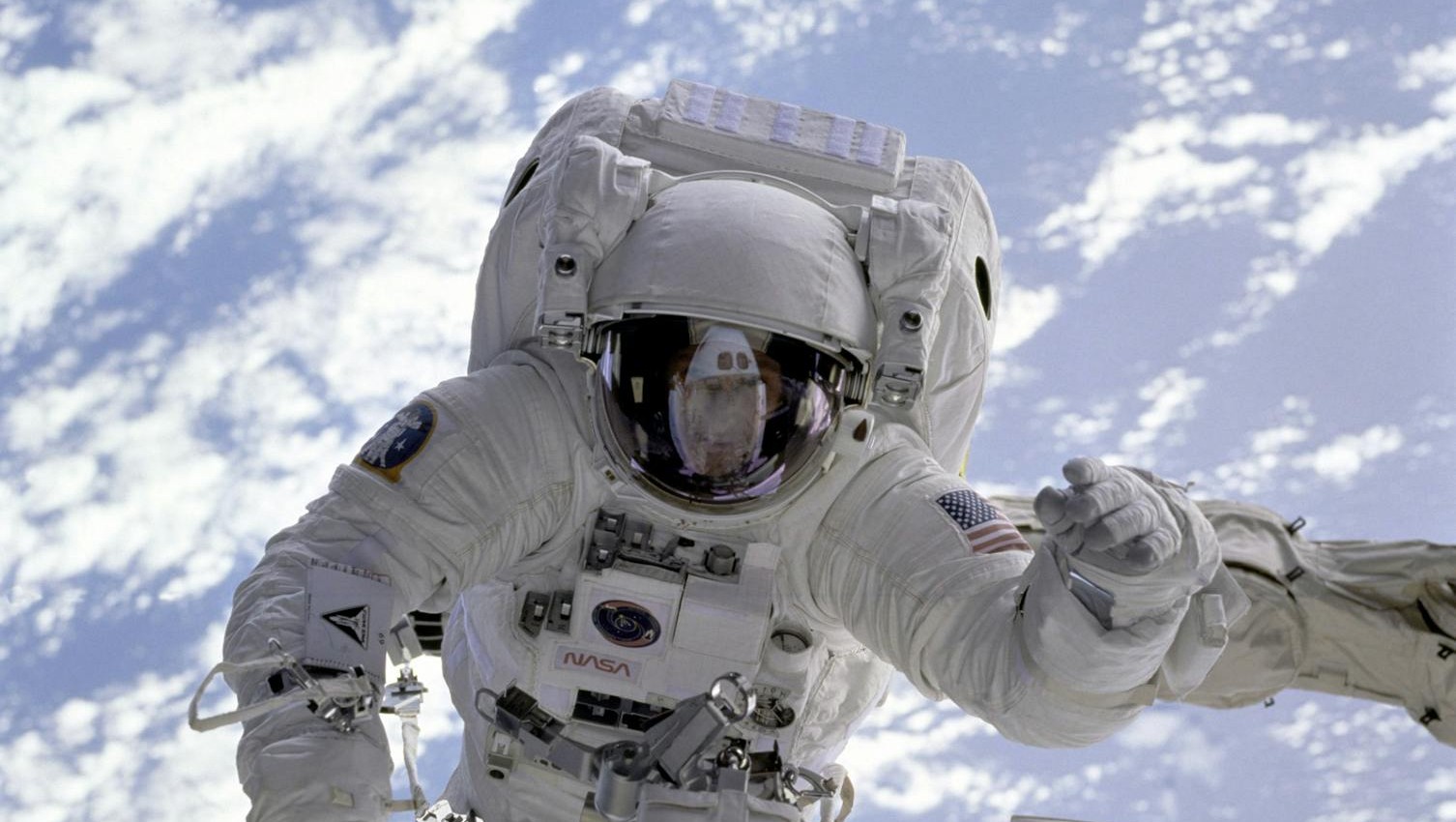
Image: Pixabay / karen_la_banda

NASA has strict rules about non-essential items. And yet, over the decades, astronauts have managed to bring along all sorts of odd objects in their Personal Preference Kits. Sure, some may have been marketing stunts—like the time Pizza Hut delivered a meal to the International Space Station—but others were personal caprices, like David Walker’s gorilla suit smuggled onboard in 1984. Read on to discover the full list!

1
A gorilla suit
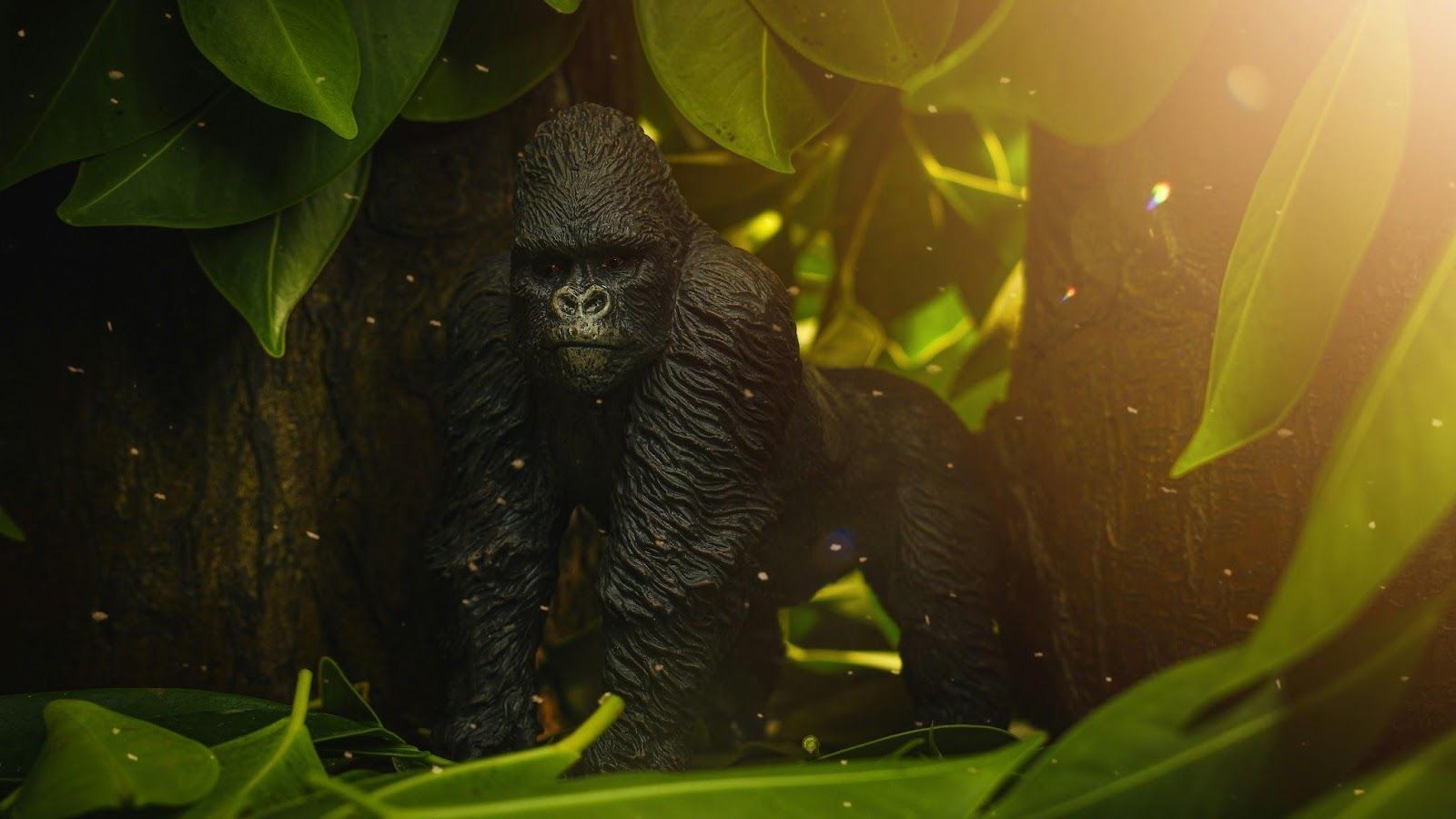
Image: ARTISTIC FRAMES

Space can get boring. It got a little more entertaining for astronaut Scott Kelly in 2016, when his twin brother, Mark Kelly, sent him a vacuum-sealed gorilla suit all the way to the ISS for his birthday.

Kelly’s crewmates didn’t know about it, so he had fun pranking them by suddenly appearing in the suit aboard the station. One of the prank videos went viral. As Kelly put it: "How can you not like space gorilla?"

2
Dirt from Yankee Stadium
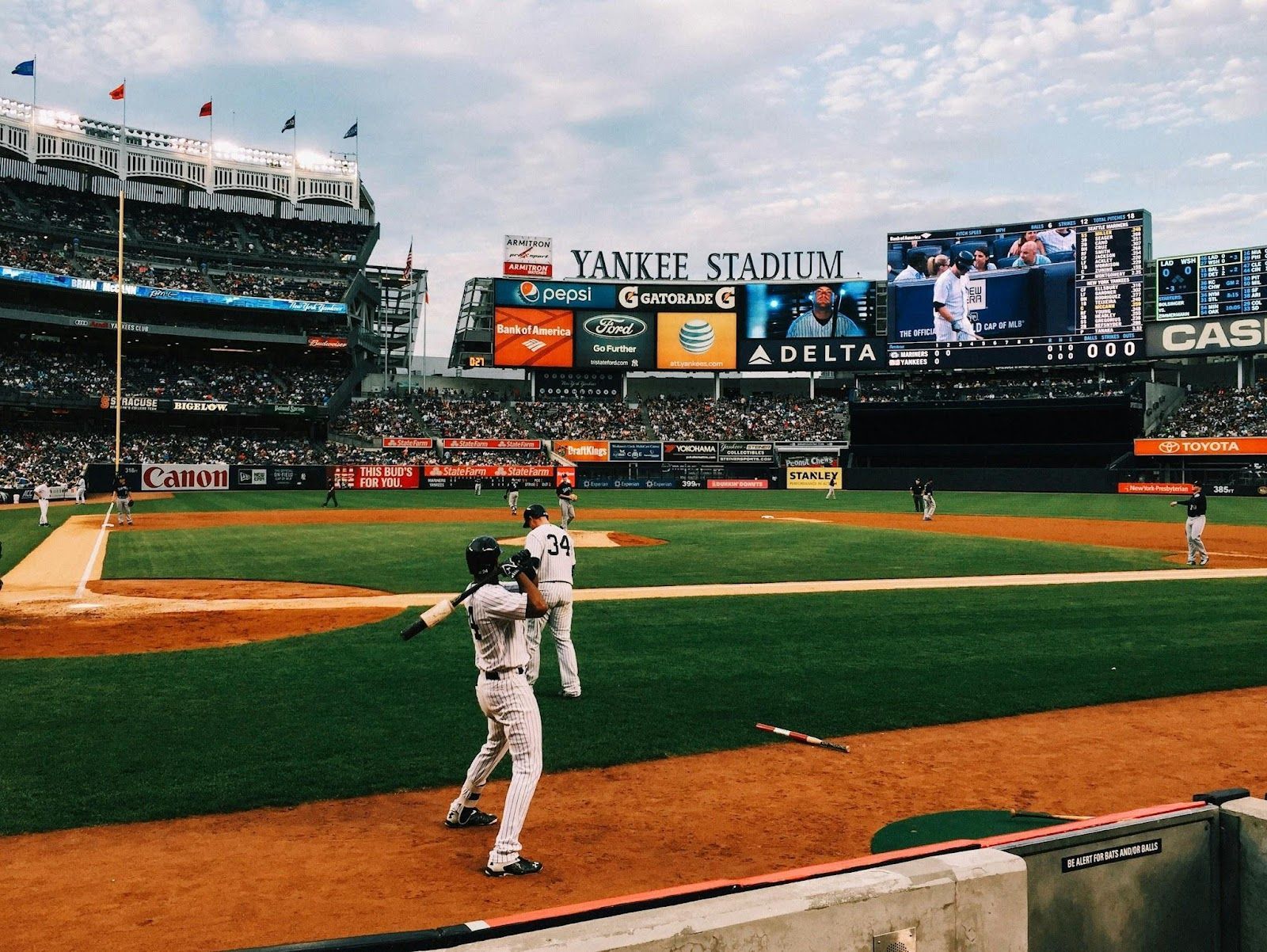
Image: Chanan Greenblatt

Astronaut Garrett Reisman, a lifelong Yankees fan, of course, took a little piece of the Bronx to orbit . In 2008, aboard Space Shuttle Endeavour on mission STS-123, he brought a vial of dirt from Yankee Stadium’s pitcher’s mound—along with other Yankees memorabilia, including items autographed by players.

3
Amelia Earhart’s watch
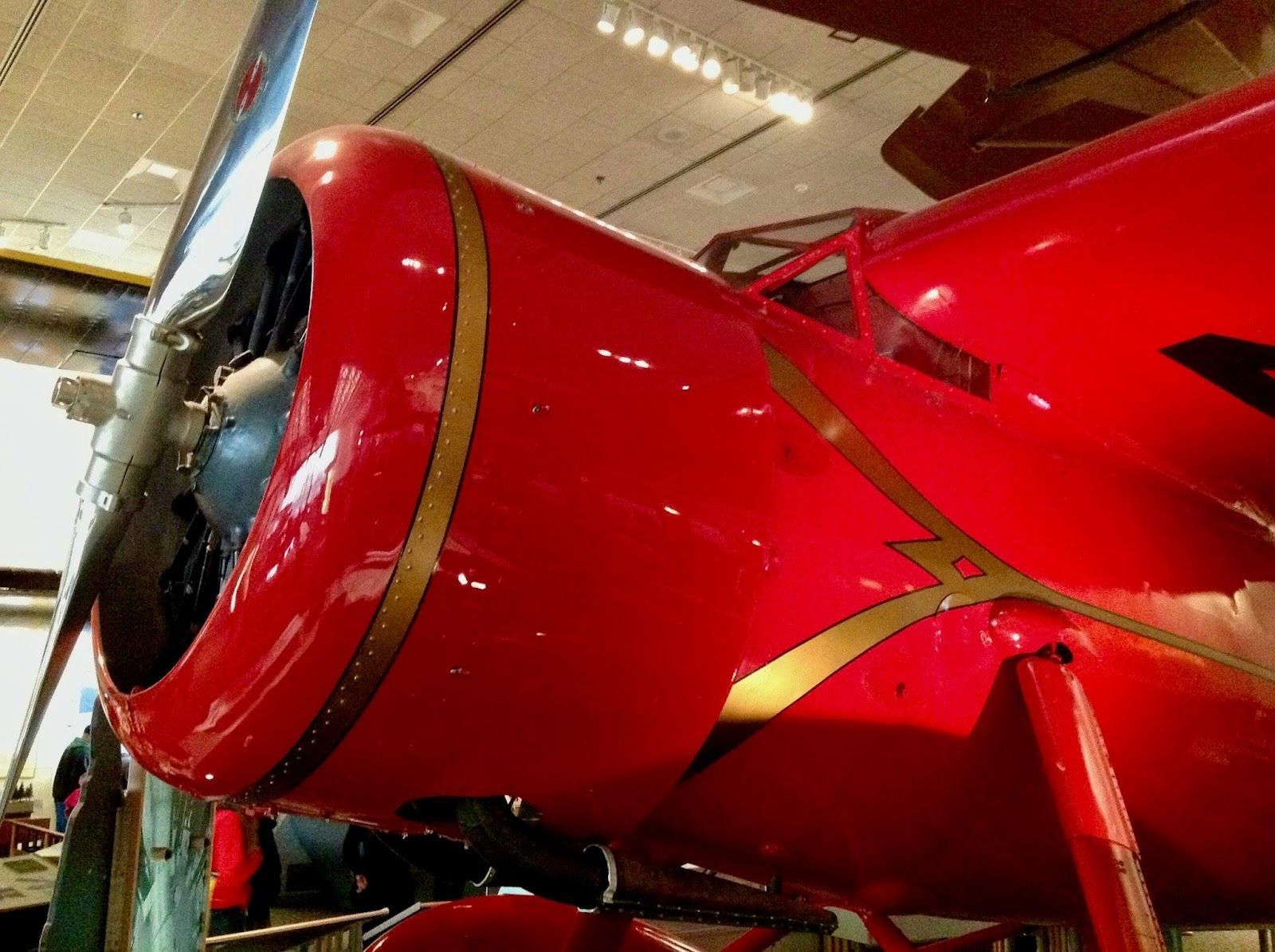
Image: Tomas Martinez

In 2010, astronaut Shannon Walker brought Amelia Earhart’s watch to the International Space Station. The legendary aviator had worn it during two transatlantic flights , and it traveled to space on the 82nd anniversary of her first historic solo flight across the Atlantic.

4
Pizza
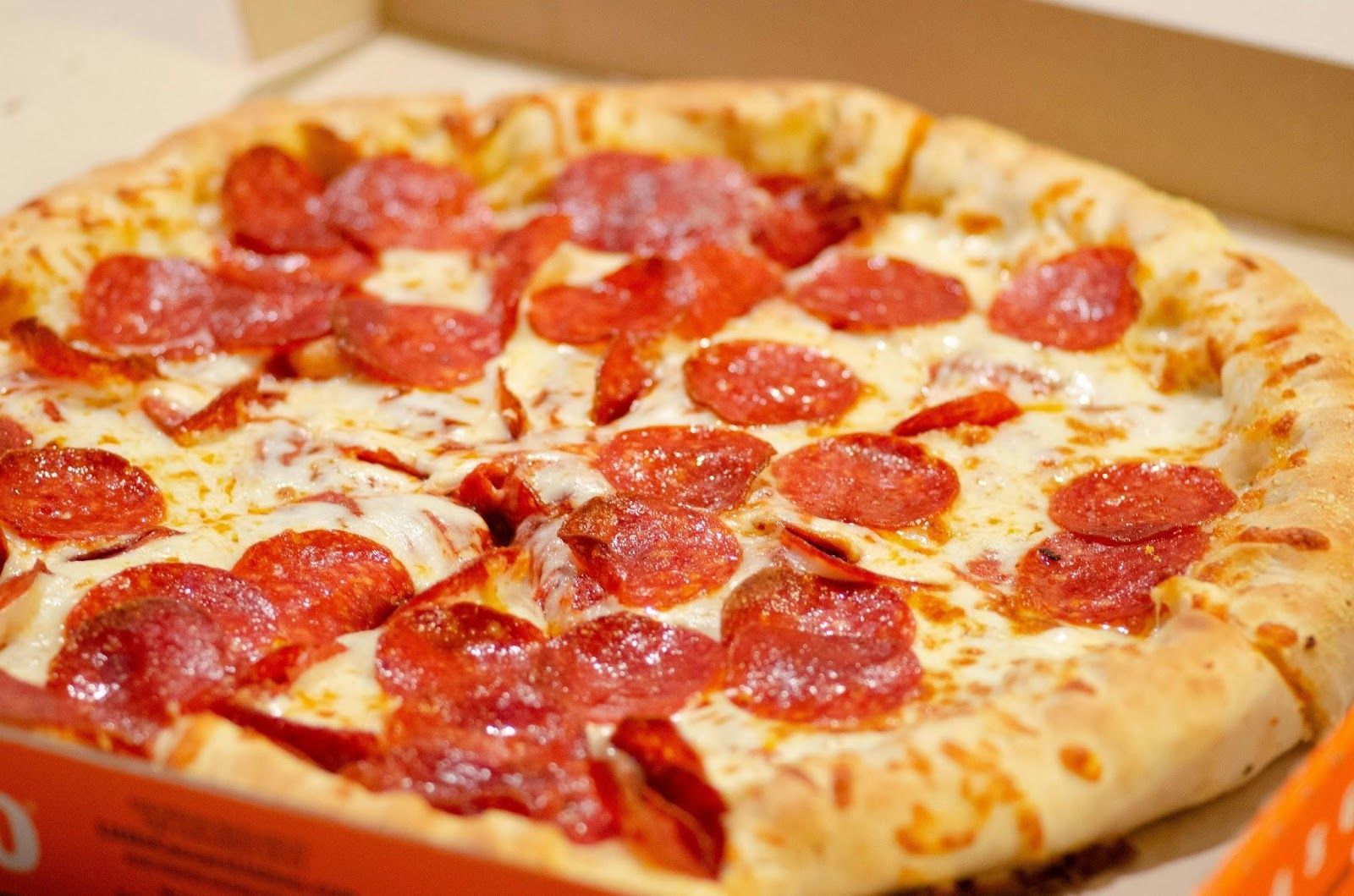
Image: Alan Hardman

Space pizza finally became a reality in 2001, when Pizza Hut paid millions to deliver a vacuum-sealed pizza to the International Space Station.

It was, quite literally, a publicity stunt out of this world . The pizza—topped with salami to withstand space conditions—was eaten by Russian cosmonaut Yuri Usachov aboard the ISS.

5
Pieces of the Wright Brothers’ first plane
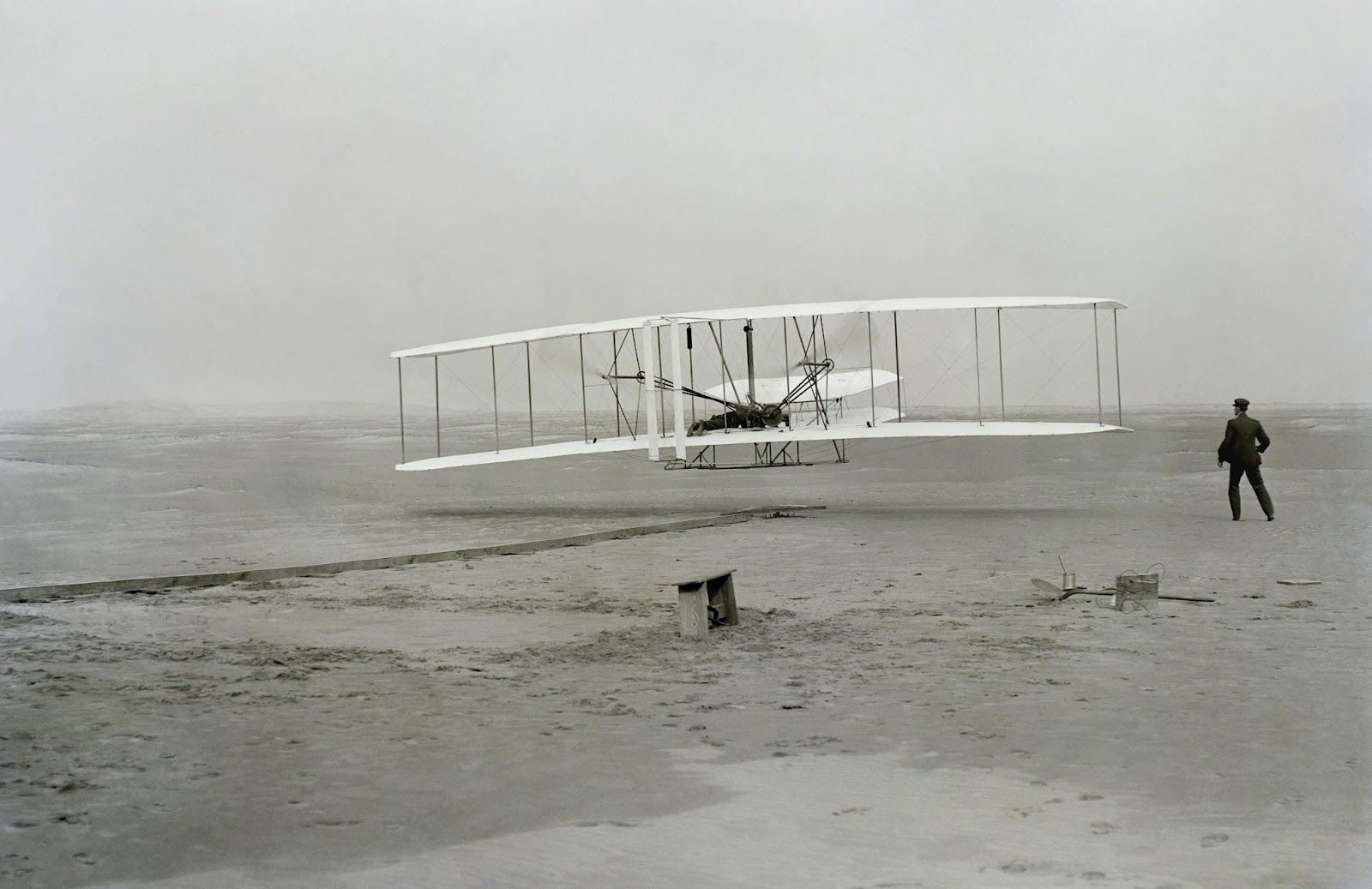
Image: History in HD

Tucked into Neil Armstrong’s spacesuit was a small piece of fabric and a fragment of wood from the Wright Brothers' 1903 Flyer—carried all the way from Kitty Hawk to the Sea of Tranquility . He took them with him as he became the first person to step onto the Moon in 1969.

6
A set of instruments to play "Jingle Bells"
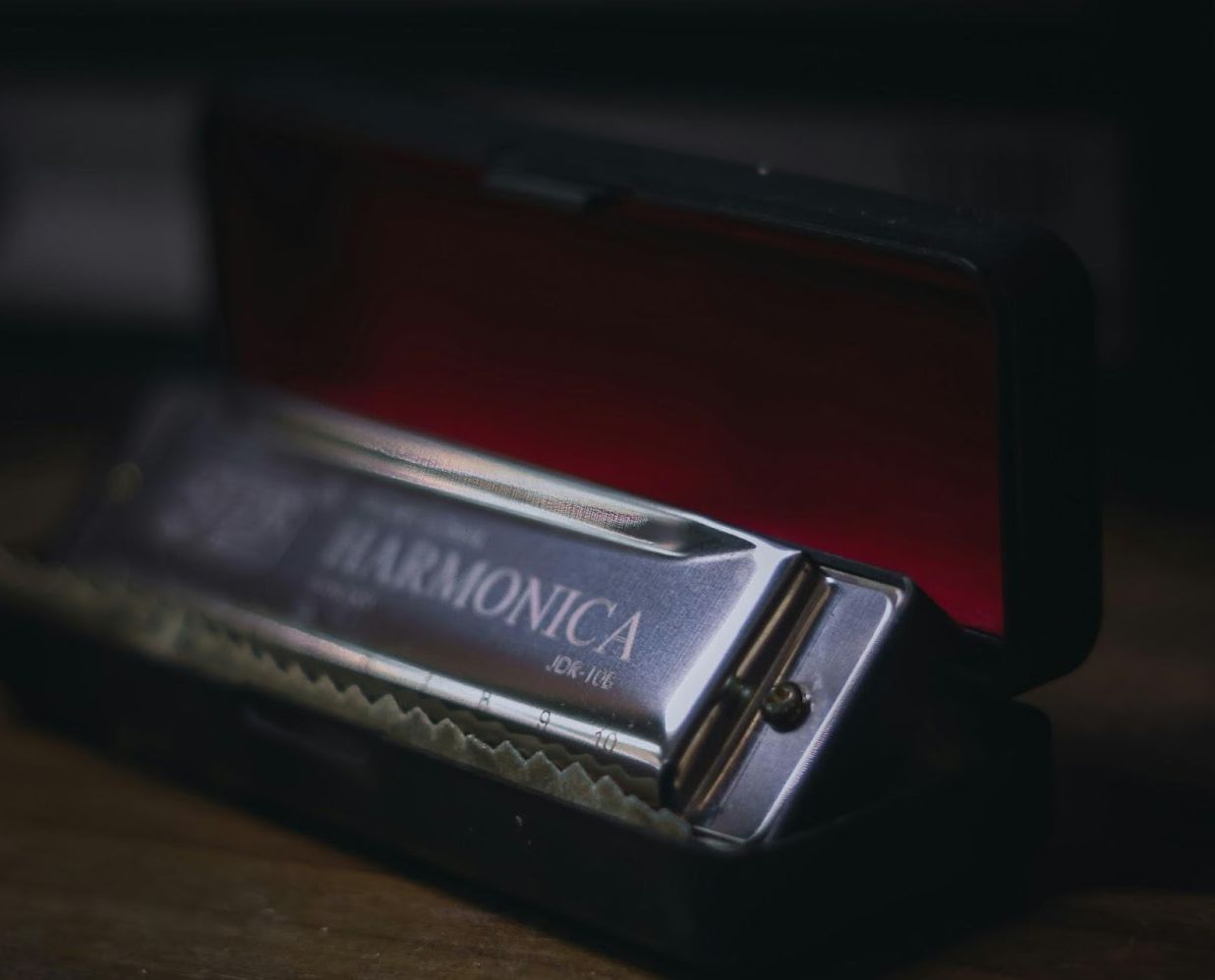
Image: Ali Rashedi

Just before Christmas in 1965, astronauts Wally Schirra and Tom Stafford pulled off a surprise serenade in space.

They had smuggled a harmonica and a set of sleigh bells aboard their Gemini 6A mission and played "Jingle Bells" for Mission Control—creating the first musical performance ever in space . The instruments are now on display at the Smithsonian Institution.

7
Several LEGO pieces
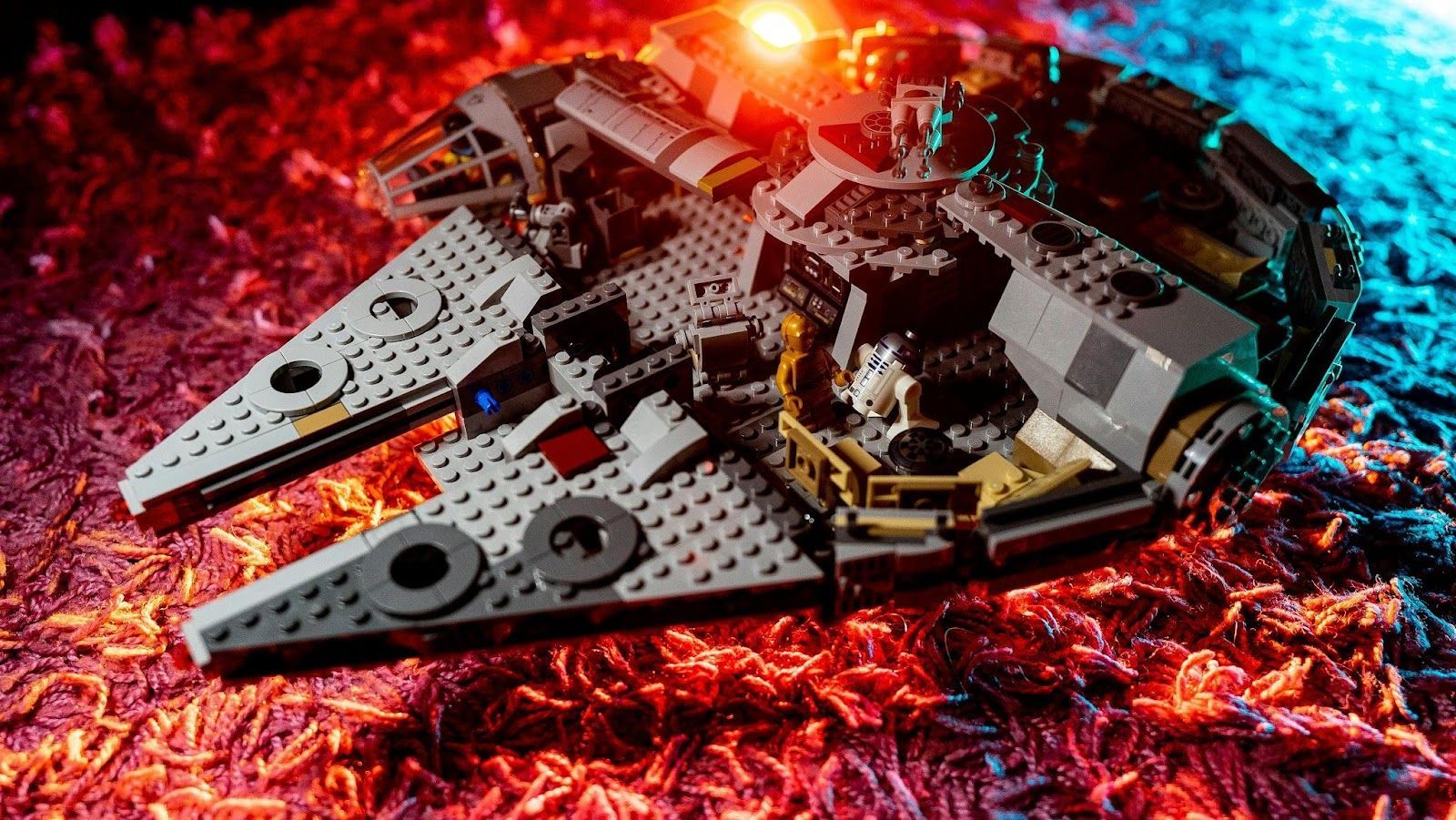
Image: Eugene Chystiakov

NASA's collaboration with LEGO took a literal leap when, in 2011, sets of LEGO bricks were sent to the International Space Station aboard mission STS-133.

Astronauts assembled models—such as the Hubble Space Telescope—in microgravity, engaging students around the world in STEM education.

8
A Buzz Lightyear toy
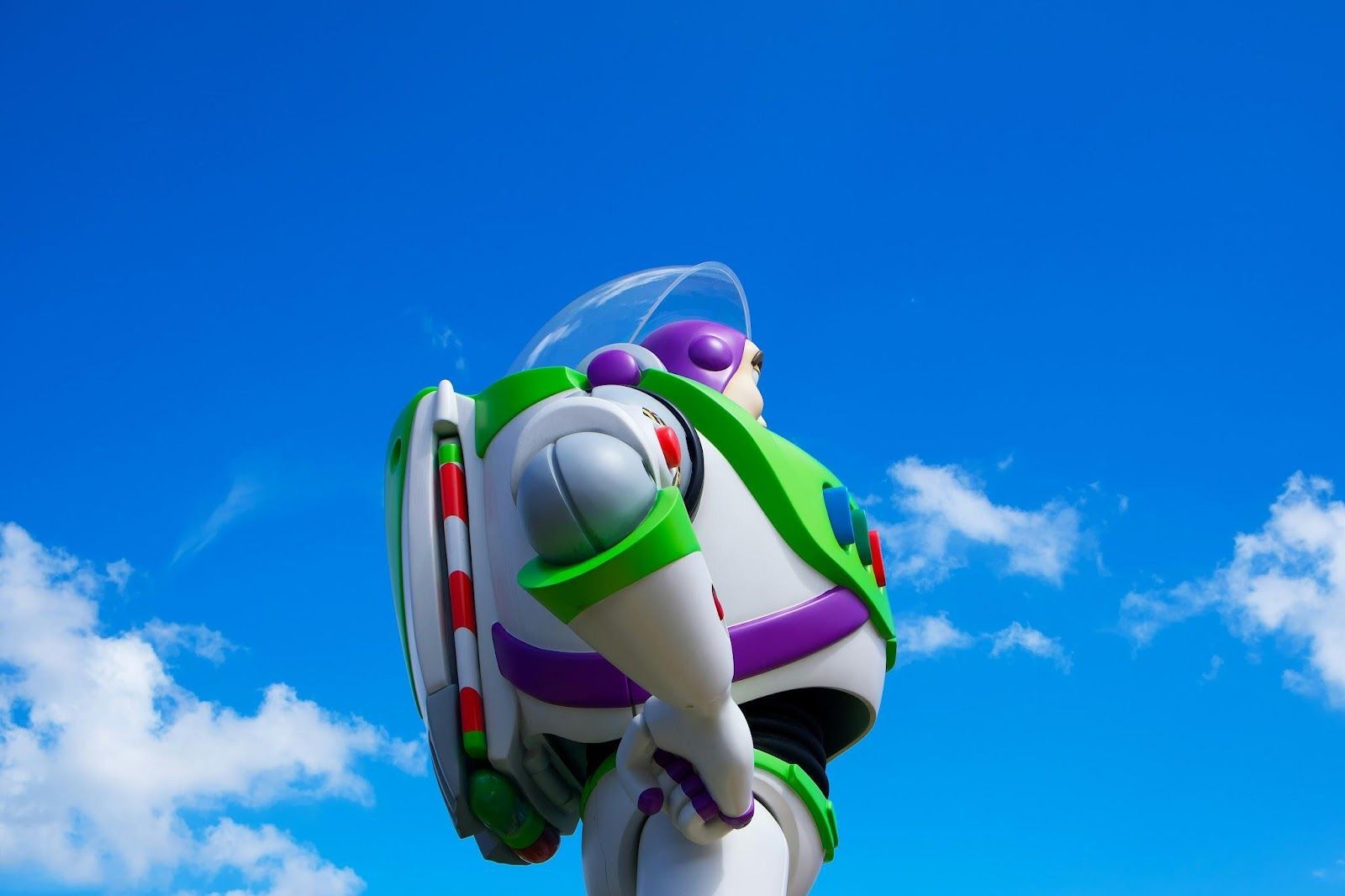
Image: Brian McGowan

Buzz Lightyear truly went " to infinity and beyond " when a 12-inch action figure flew aboard Space Shuttle Discovery in 2008. Spending 15 months on the International Space Station, Buzz was part of NASA’s educational outreach efforts.

Upon return, he was honored with a parade at Disney World and now resides in the Smithsonian’s National Air and Space Museum.

9
A lightsaber
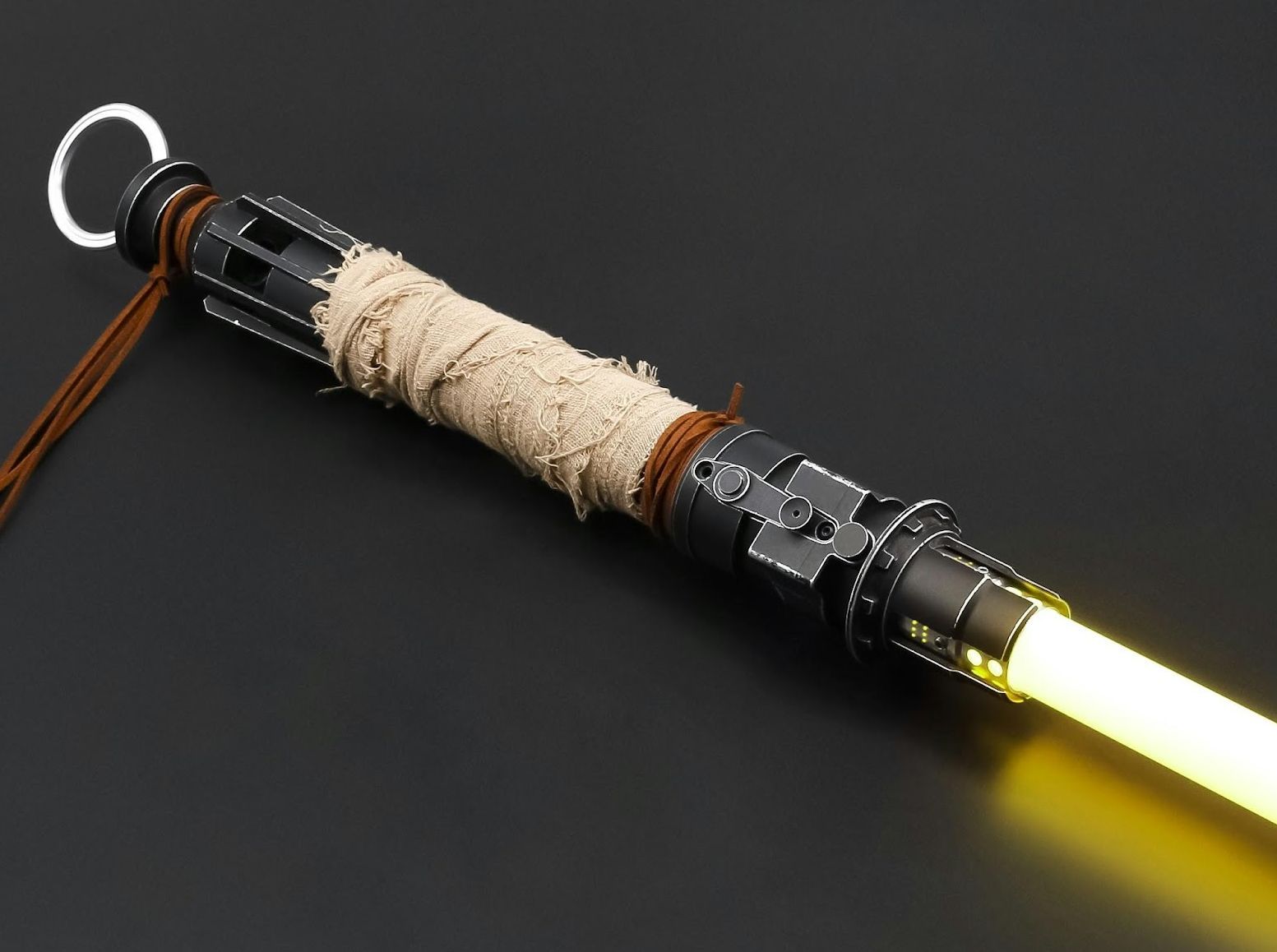
Image: superneox lightsaber

In a nod to sci-fi fandom, a lightsaber prop used by Mark Hamill in Return of the Jedi journeyed to space aboard Space Shuttle Discovery in 2007.

The initiative celebrated the 30th anniversary of Star Wars , symbolizing the intersection of science fiction and real-world space exploration.

10
Dinosaur bones
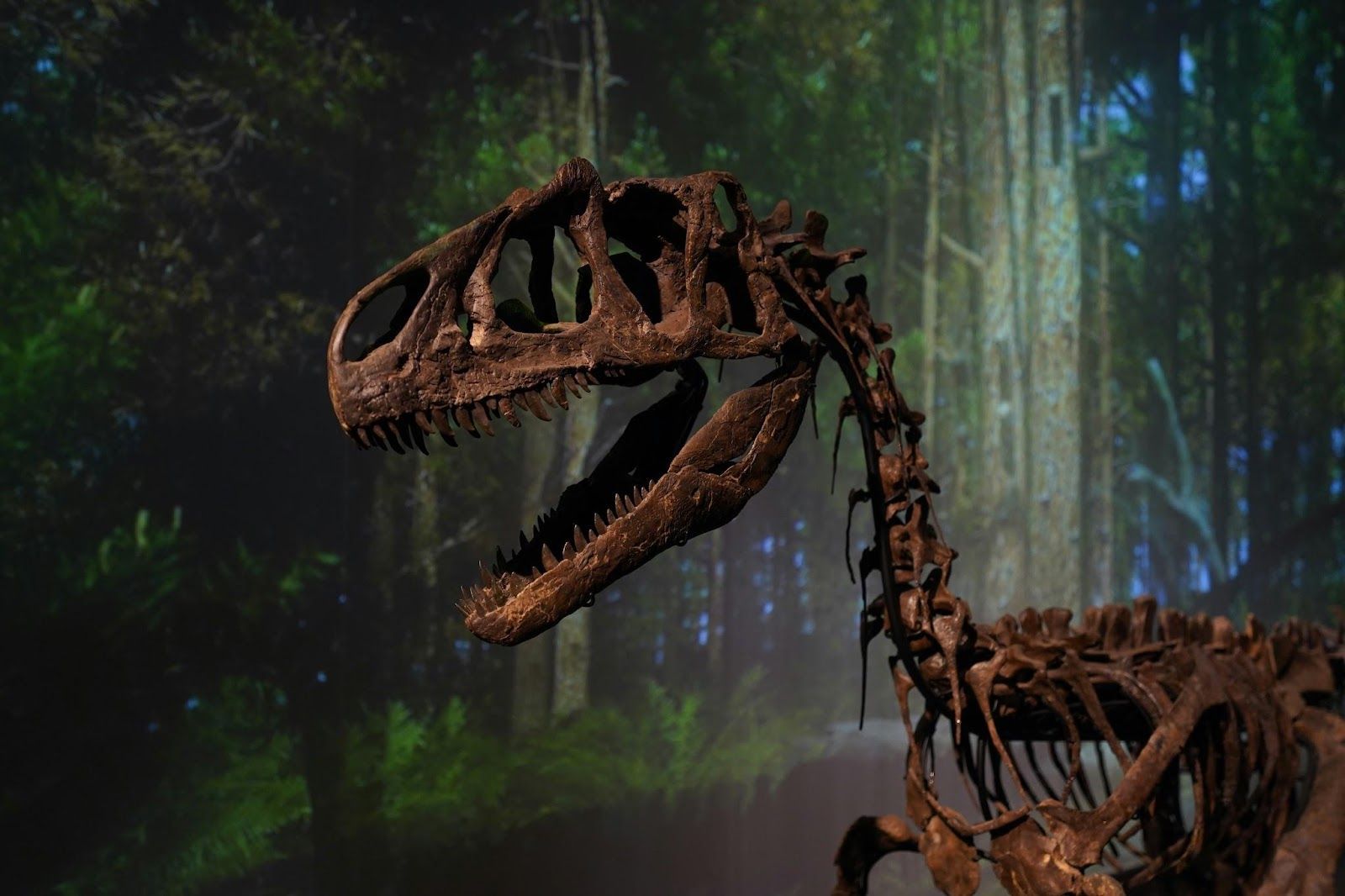
Image: Jesper Aggergaard

In 1985, during NASA's SpaceLab 2 mission, astronaut Loren Acton brought aboard a fossilized bone and a piece of eggshell from Maiasaura peeblesorum , a dinosaur species known for nurturing its young.

These fossils, discovered in Montana , were sent to space to symbolize the connection between Earth’s prehistoric life and space exploration.​

11
Communion bread and wine

Image: James Coleman

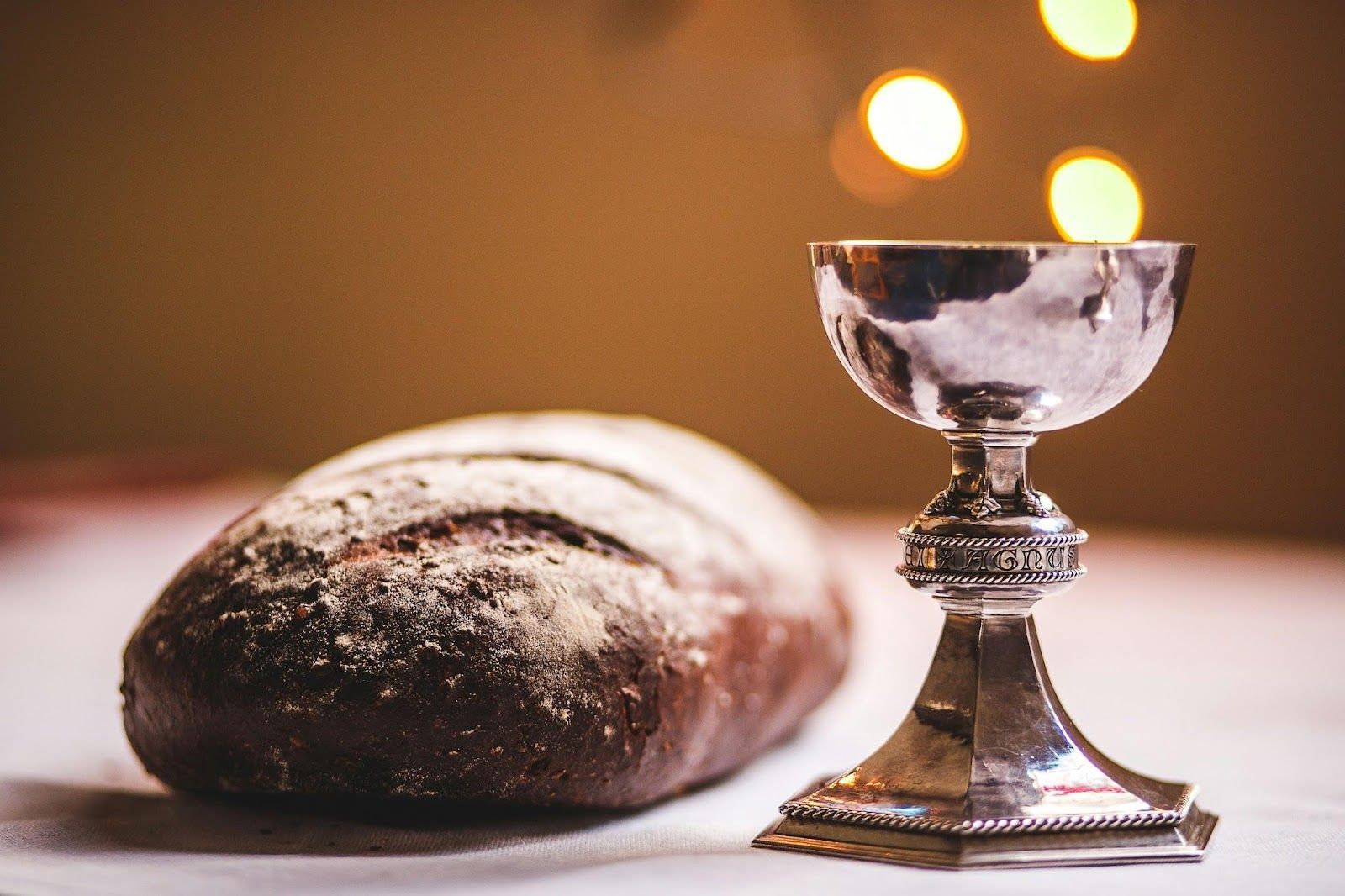
In a very profound gesture, Buzz Aldrin privately took Christian communion aboard Apollo 11. As a Presbyterian elder , he carried a tiny wafer and a small pouch of wine, blessing them while orbiting the Moon shortly after the lunar landing.

12
Golf clubs (and golf balls)
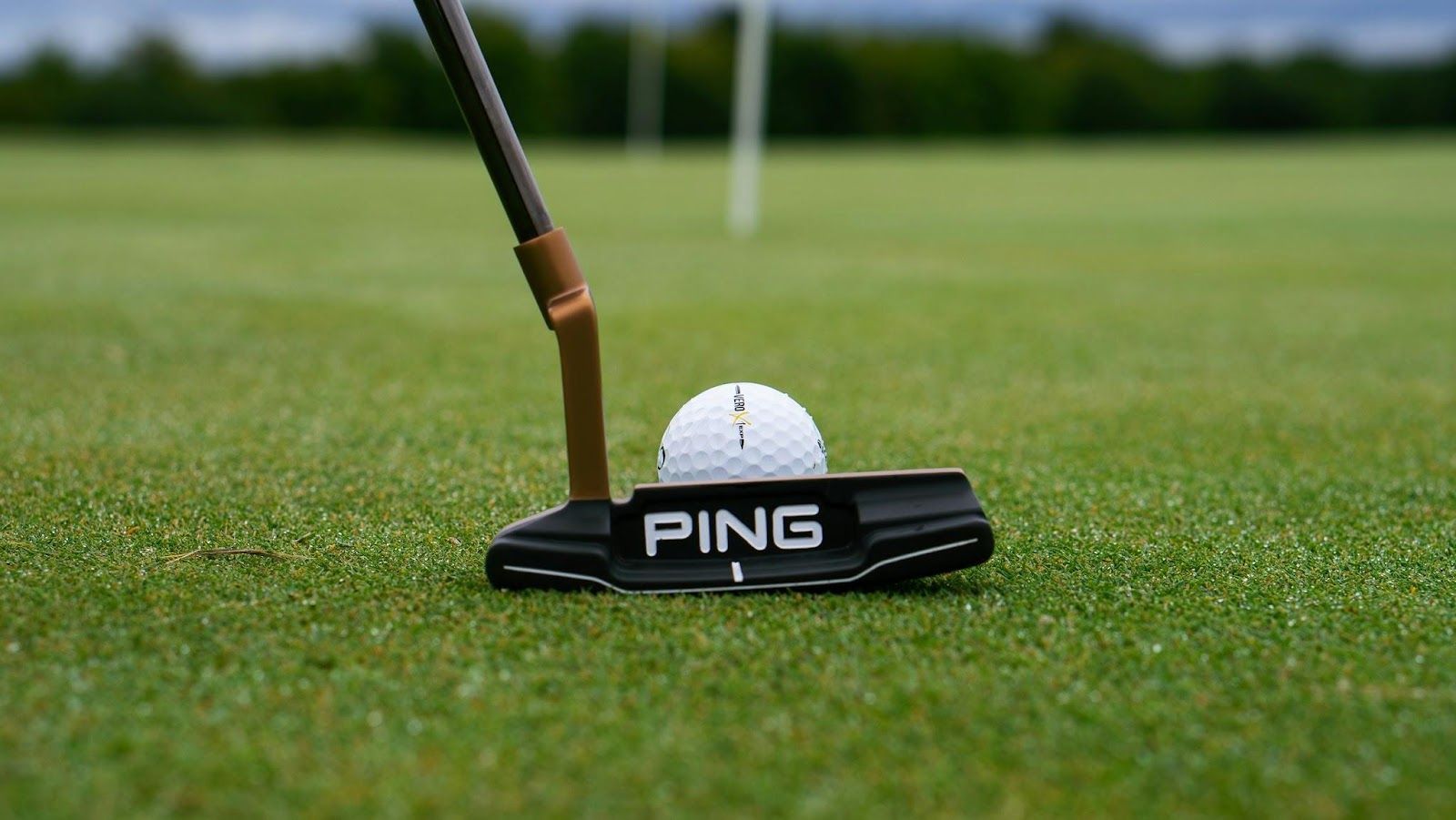
Image: Peter Drew

During Apollo 14, Alan Shepard secretly packed a makeshift 6-iron —a golf club head duct-taped to a lunar tool—and two golf balls.

On live TV, he took a couple of awkward, one-handed swings while wearing his stiff spacesuit. The first ball flopped; the second soared "miles and miles," Shepard joked. It actually traveled about 40 yards, which is quite impressive in lunar terms.
Geography Geography 6 min read

Territorial anomalies

There's a country within the US that was created to avoid double taxation

Image: Pin Adventure Map

Ever thought about how the borders in our country were defined ? States that almost became official, U.S. points that are only accessible through Canada's borders, territorial feuds over taxes, and more have constructed the limits of the country we know today. Here are 10 territorial quirks you probably never knew of.

1
Point Roberts, WA: The 49th parallel accident

Image: United States Geological Survey, Public domain, via Wikimedia Commons

Imagine if you had to cross two borders just to get to the market for a gallon of milk. That’s actually a reality for residents of Point Roberts, Washington. That’s because, following the Anglo-American Convention of 1818, the 49th parallel divided Canada and the U.S. In 1846, the line was extended westward and then officially recognized by the International Boundary Commission in 1925.

However, a tiny tip of the Tsawwassen Peninsula poked out just below that line. Since then, the locals have lived in a boundary quirk. To get to the rest of Washington State by land, they must drive through Canada, show their passports, and do it all over again on the way back.

2
Statue of Liberty: Common misconception

Image: Mohamed Osama

If you want to start a friendly argument at a dinner party, ask whether the Statue of Liberty lives in New York or New Jersey. The funny thing is, both answers are technically right . While the statue physically sits in the waters of the Garden State, Liberty Island is legally an exclave of New York. This dates back to a 1664 land grant by the Duke of York in a document so vague and confusing that it took a 1834 Compact between the two states to settle the deal. New Jersey gets the water and the submerged lands, but New York keeps the monument.

However, the Federal Government actually manages the site through the National Park Service (NPS), providing security and maintenance.

3
The State of Franklin: Failed 14th state

Image: Bennett1203, CC BY-SA 4.0, via Wikimedia Commons

If you think Tennessee was the 14th state to join the Union, there’s a catch. Before Tennessee, there was Franklin. In 1874, three counties in North Carolina felt neglected by their government and decided to strike out on their own . They even elected a governor, John Sevier, and printed their own money. They came just two votes short of being recognized by Congress as a formal state. Eventually, things got heated, and North Carolina sent troops, leading to a small civil war between the locals. By 1879, the dream of Franklin was dead and buried, and the territory became part of Tennessee.

4
Kentucky Bend

Image: Brian Stansberry, CC BY 4.0, via Wikimedia Commons

If you look closely at a map, there’s a piece of Kentucky that looks like it doesn’t belong. That’s the Kentucky Bend, also called the New Madrid Bend, a tiny peninsula in Fulton County that is almost completely separated from the rest of the Bluegrass State . The strange situation was the consequence of the massive series of earthquakes that took place in that area between 1811 and 1812, which were so violent they famously caused the Mississippi River to flow backwards for several hours. When the dust settled, the river had carved a new path that looped around this small patch of land, surrounded by Missouri and Tennessee instead of Kentucky. The 9 residents living there today go through Tennessee just to get to their home state.

5
The State of Deseret: The empire that almost was

Image: Carl Radefeld (cartographer); Joseph Meyer (publisher), Public domain, via Wikimedia Commons

Imagine a state so big it makes Texas look tiny. That almost happened back in 1894, when Mormon pioneers proposed the State of Deseret. The territory comprised what we now know as Utah, most of Nevada, parts of Arizona and Colorado, and a massive chunk of the California coast, including San Diego.

Had it been formalized, it would have been a powerhouse with its own seaport and total control over the West. However, Washington, D.C. wasn’t so keen on one group having that much territory and power, so they whittled it down, and we ended up having the states we know today.

6
The lawless "No Man's Land"

Image: Steve Shook from Moscow, Idaho, USA, CC BY 2.0, via Wikimedia Commons

Have you ever wondered what happens when two governments simply give up on a piece of land? Between 1806 and 1821, there was a strip of land in what is now western Louisiana that was, literally, No Man’s Land. Neither the U.S. nor Spain, which owned part of the territory, could agree on the border, so they declared it "Neutral Ground" to avoid armed conflicts . The plan backfired as, with no laws to contain it, it quickly became a favorite for the outlaws in the West —meaning deserters and bandits hiding there were legally untouchable. The conflict was resolved by the 1819 Adams-Onis Treaty, which officially set the Sabine River as the legal boundary.

7
The Republic of the Indian Stream

Image: Jon Platek, CC BY-SA 3.0, via Wikimedia Commons

In the early 1830s, people living in a small area between New Hampshire and Quebec were fed up, and in this case, taxes were the problem. Both Canada and the US were trying to collect taxes, and nobody likes being double-billed . In 1832, the residents essentially said "neither of them can tax us" and formed their own country called the Republic of the Indian Stream. They had their own constitution and Capitol for four years, until 1836, when the militia marched on the disputed territory to reclaim the land. It wasn’t until 1842, when the land dispute and the double-taxation was definitively resolved by the Webster–Ashburton Treaty, which assigned the land to New Hampshire.

8
The Northwest Angle: Mapping mistake of 1783

Image: Lorie Shaull, CC BY-SA 4.0, via Wikimedia Commons

When the Treaty of Paris was signed in 1783 to end the Revolutionary War, the mapmakers used a chart that was flat-out wrong. They thought the Mississippi River started much further north than it actually did. Because of that mistake, a piece of Minnesota got cut off from the rest of the country . To this day, the "Northwest Angle" is the only place in the lower 48 states north of the 49th parallel. Much like Point Roberts, you have to cross a massive lake or drive through Canada just to visit it.

9
The District of Columbia’s "lost" corner

Image: Tim Mossholder

If you look at a map of D.C., you’ll notice it’s missing a chunk; it’s not a perfect square as it was originally intended. Originally, the capital was a perfect ten-mile square diamond , taking land from both Maryland and Virginia. But by 1846, things got tense. Residents in the Virginia portion, which included Alexandria and Arlington, were worried the federal government would abolish slavery in the District, which was the backbone of their economy. They successfully petitioned to have Virginia "take back" that portion of the land and subsequently changed the shape of the national capital forever.

10
UN Headquarters: International territory

Image: LPulecio-WMF, CC BY 4.0, via Wikimedia Commons

If you want to feel international, go to the United Nations Headquarters on the East River in midtown Manhattan, New York. Once you cross that gate onto the 18-acre site, you are technically leaving the United States. You don’t need to show your passport, but that’s international territory, which means it has its own laws , its own security force, and even its own postal service. It is a legal hole in the middle of New York City.

General General 3 min read

Go beyond baking

Did you know about these 12 unexpected uses for baking soda?

Image: Clint Patterson

As the name suggests, baking soda can be used for, well, baking. But, as it happens, there are many other uses for this wonder product. From cleaner to pesticide remover, to air freshener and beyond, baking soda can do it. Did you know about the following 12 uses?

1
Fridge odor neutralizer

Image: Ello

Baking soda can help a fridge get rid of bad odor particles. To achieve this, you must fill a cup with baking soda and place it in the back of your fridge . The baking soda will absorb any smell in a few hours.

2
Air freshener

Image: A. L.

Unlike most commercial air fresheners, which only release fragrance molecules that mask other smells instead of actually eliminating bad odors, baking soda does neutralize smells .

To achieve this, simply put ⅓ cup of baking soda and a few drops of your favorite essential oil in a small jar. Cover it with a piece of cloth and secure it with a string. Place the jar wherever you need to eliminate the bad odors.

3
Laundry whitening agent

Image: PlanetCare

Baking soda can help remove stains from clothes in the washing machine. That is because it is a soluble salt, which removes dirt and stains .

To try it out, add half a cup of baking soda to your regular amount of laundry detergent. It also helps soften the water, so you may need less detergent than usual.

4
Kitchen cleaner

Image: Le Creuset

When mixed with an acid like lemon juice or vinegar, baking soda can also help control the growth of harmful microorganisms .

To use baking soda in your kitchen, make a paste by mixing baking soda with an equal amount of lemon juice and a bit of water. Apply the paste to the desired surface with a sponge and scrub thoroughly.

5
Garbage odor eliminator

Image: YoNeKeN

As we have seen, baking soda can serve to eliminate smells, and garbage cans are no exception . This can be accomplished by simply throwing some baking soda every few days into the garbage can to neutralize the odors and prevent microbacteria from growing.

6
Multipurpose bathroom cleaner

Image: Steven Ungermann

Just like it can be used to clean kitchens, baking soda can also serve as a natural cleaner for bathrooms. This product comes in handy because it whitens and disinfects many bathroom surfaces .

Make a paste using baking soda and a bit of water, and rub it over the surface you wish to clean.

7
Pesticide remover for fruit and veggies

Image: Jacopo Maiarelli

Pesticides are used to protect crops from insects, germs, rodents, and weeds, but many have harmful effects on human health. A baking soda wash is a good way to remove pesticides from fruits and veggies by soaking them in baking soda and water for 15 minutes.

8
Scorched pot cleaner

Image: Markus Winkler

A scorched bottom in your pot or pan can be a nightmare to clean, but adding baking soda and water and bringing it to a boil will soften up the burnt particles . After the water is boiling, empty the pot and clean it with a bit of washing liquid to remove whatever is left.

9
Oil and grease fire extinguisher

Image: Piotr Chrobot

Believe it or not, baking soda can be used to extinguish some small house fires. Dry chemical fire extinguishers, used to extinguish oil, grease, and electrical fires, contain baking soda. Baking soda reacts with the heat to produce carbon dioxide, which smothers the fire .

10
Neutralizing cat odors

Image: Manja Vitolic

To avoid unpleasant smells on the kitty litter and add a little time between box changes, try sprinkling baking soda inside it . This will eliminate bad odors in your house.

11
Soak up oil

Image: Alexandra Lowenthal

Sprinkling baking soda on top of spilled oil will soak up the liquid. Once the baking soda is in the targeted area, use a stiff-bristled brush to work it into the stain in a circular motion. Then rinse away with hot water.

Explore more American facts

Choose your favorite category!

General
General

As American as apple pie—the very best America has to offer!

Culture
Culture

Delve into the astounding richness of American lore.

Geography
Geography

Hop in and explore vast and diverse American landscapes.

History
History

Discover the key moments that shaped the United States.