General General 3 min read

Will you miss them?

Wedding traditions that are slowly being forgotten
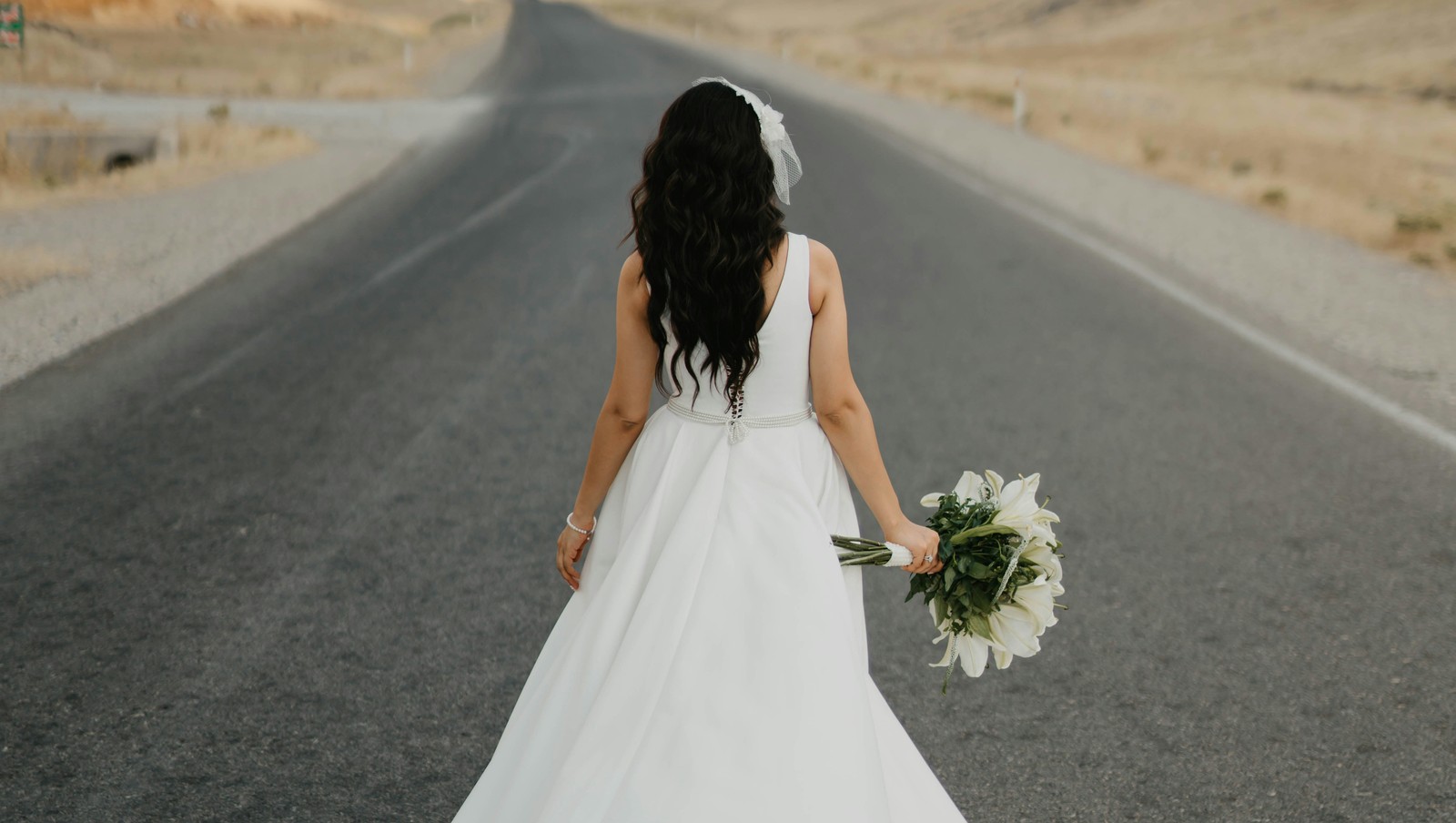
Image: Aranprime

Love, family, and centuries-old customs. Not all of those traditions are making it to the altar anymore, though. Some were born from superstition, others from practicality, and a few from trends that have, well, gone out of style. Many rituals are fading as modern couples trade formality for personality. Do you embrace new forms of celebration, or are you on the nostalgic side? Let’s look at the little old moments that once defined "I do."

1
Not seeing each other before the wedding
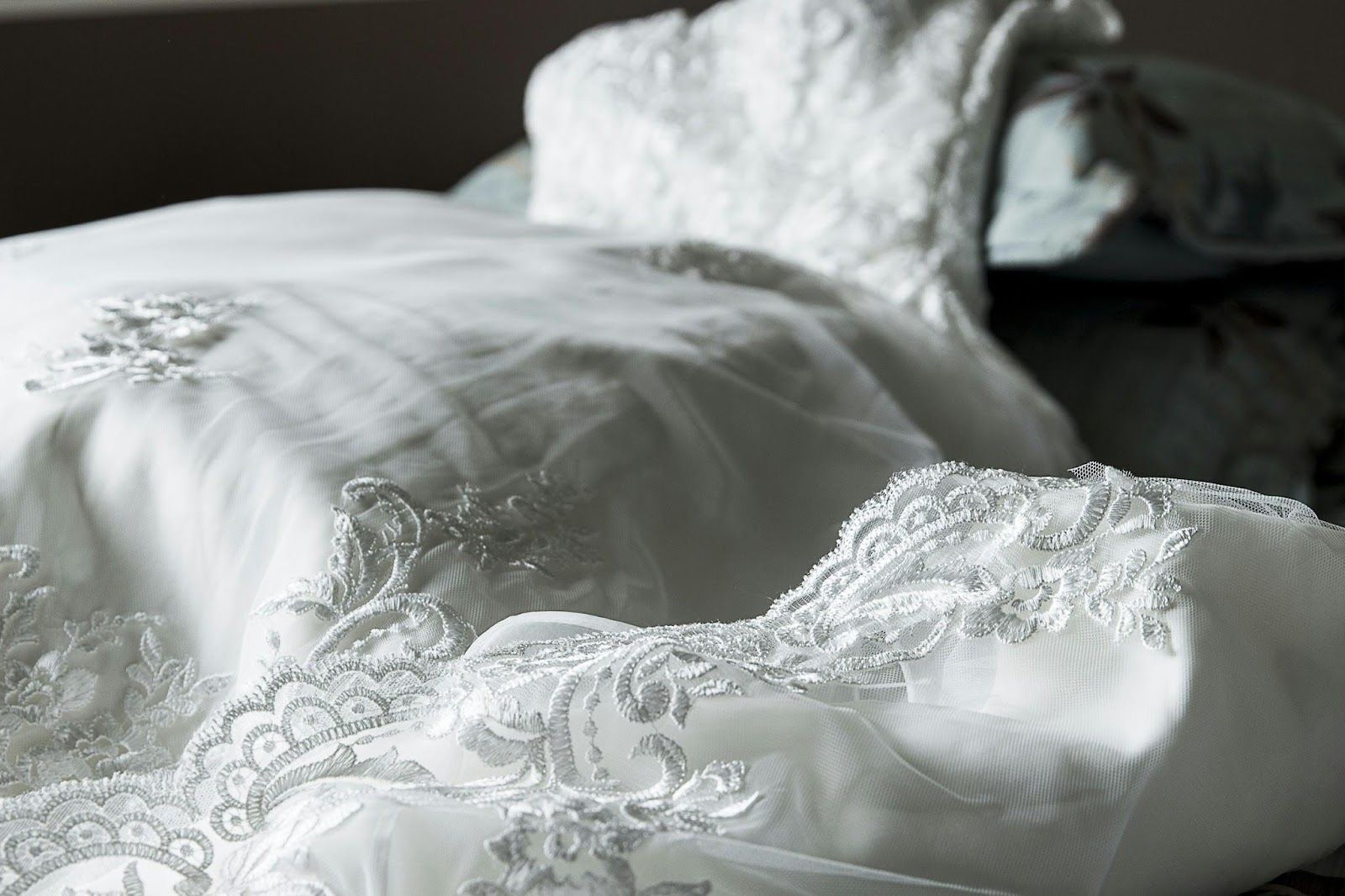
Image: Katy Duclos

Not seeing each other before the wedding was once considered essential. This superstition comes from the era of arranged marriages, when it was feared the couple might back out if they met beforehand. It evolved into the romantic "first look" at the altar. Many couples now skip it in favor of private pre-ceremony photos. Understandable!

2
Marrying in white
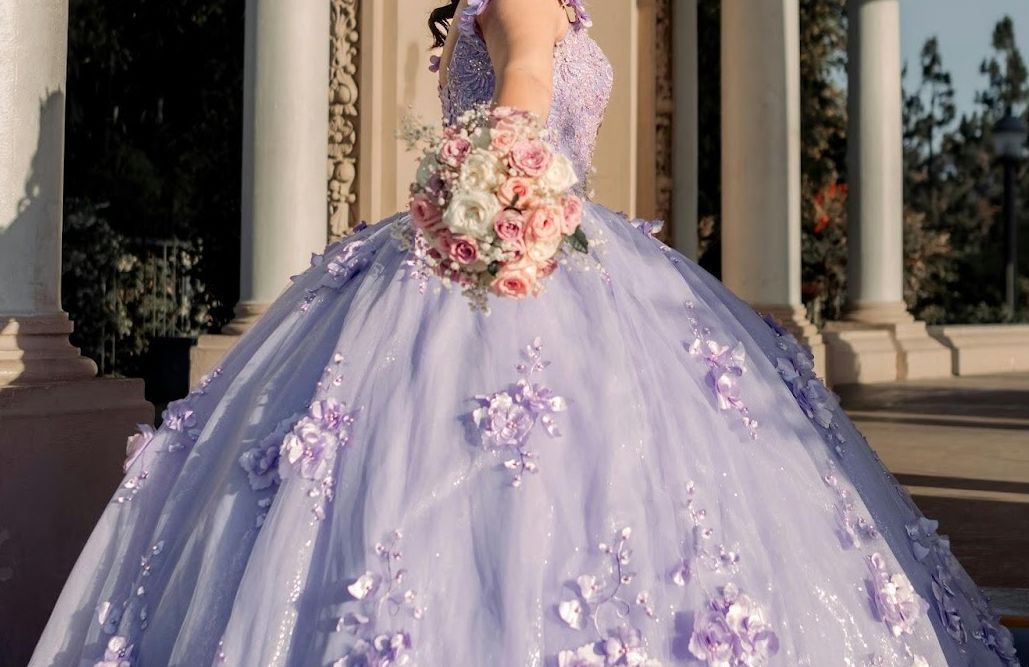
Image: Javier González Fotógrafo

Popularized by Queen Victoria in 1840, the white gown symbolized purity and wealth. U.S. brides embraced the trend for over a century, but modern weddings increasingly feature colorful gowns or non-traditional attire. Some pick their favorite color! Why not?

3
Wearing a veil
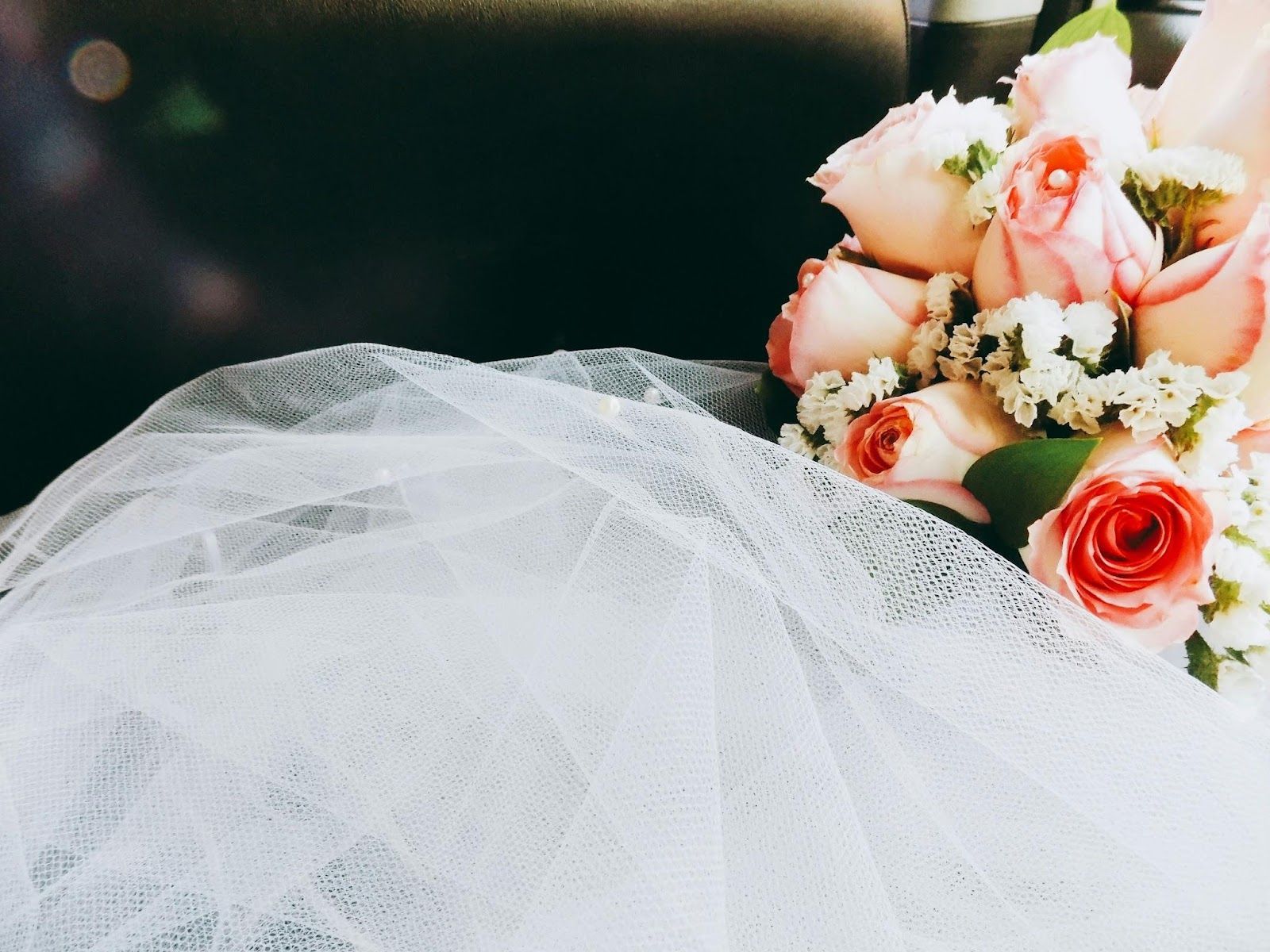
Image: Honey Yanibel Minaya Cruz

Once meant to protect brides from evil spirits or hide them from jealous eyes, the veil became a symbol of modesty. In the U.S., it persisted more as a fashion choice. Today, many brides favor hairpieces, flowers, or nothing at all.

4
Roast speeches
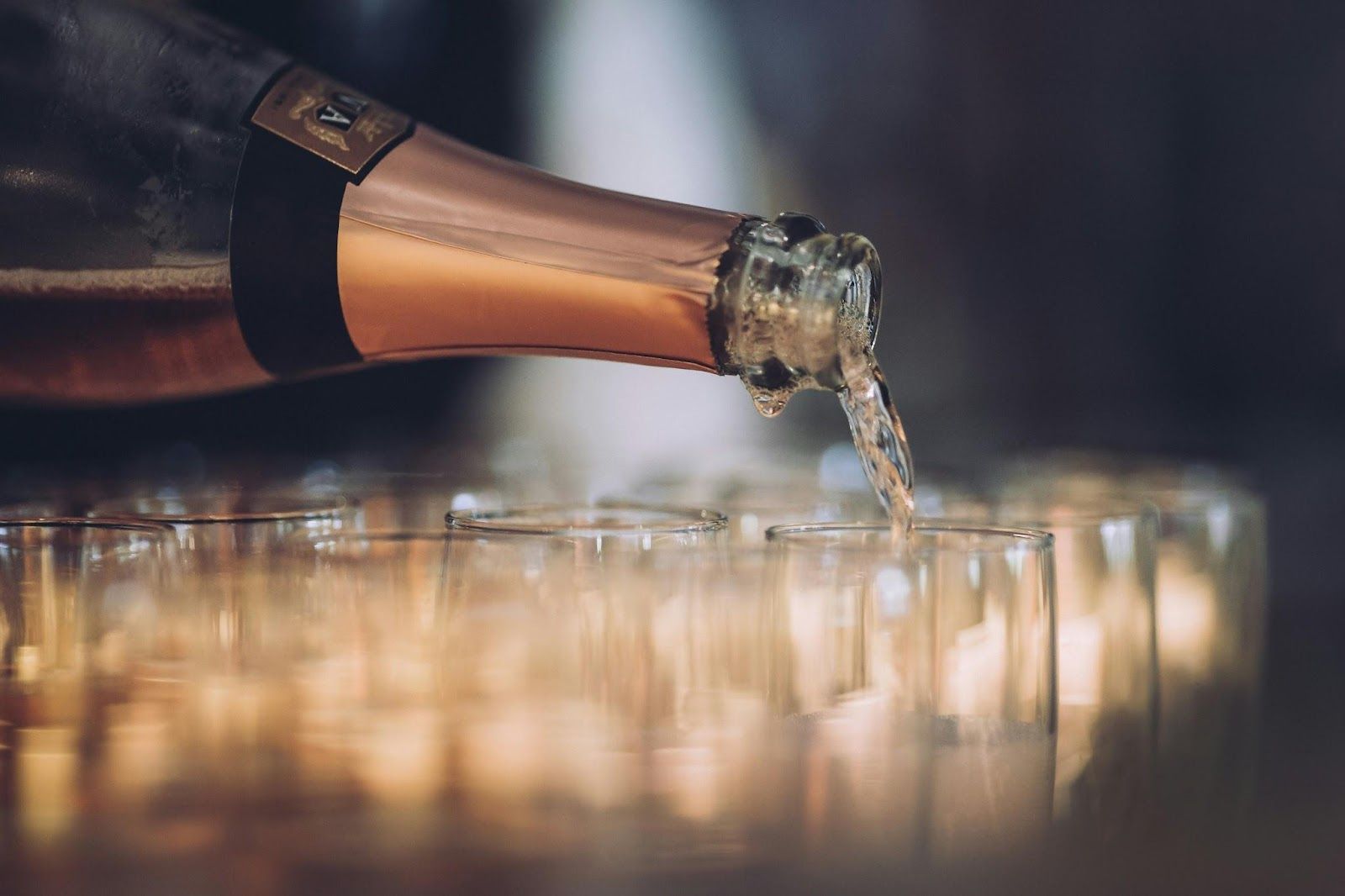
Image: Mads Eneqvist

Roast-style speeches became popular as toasts with a humorous edge, sometimes poking fun at the couple, especially at casual receptions. While funny for some, they’ve also led to plenty of awkward moments. Have you ever seen a video online of particularly harsh ones? As a result, many weddings now stick to heartfelt speeches to avoid offense.

5
Throwing a bouquet
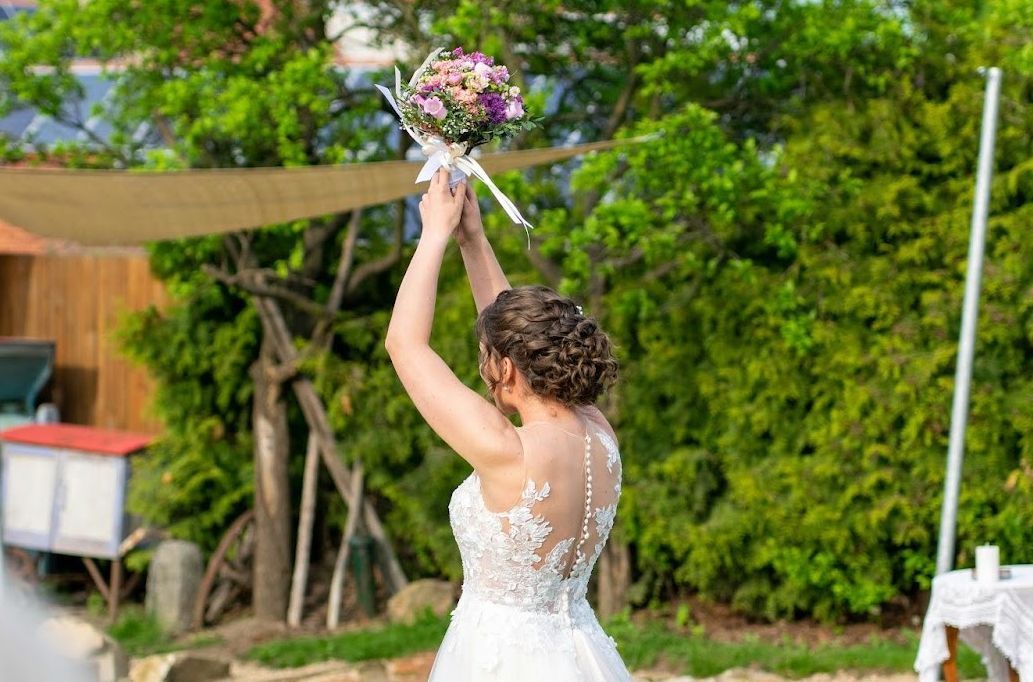
Image: Michal Mikulec

This playful tradition gave single women a "good luck" charm for marriage. It replaced older customs where guests tore pieces from the bride’s dress for luck. Many couples now swap it for alternative games or skip it entirely.

6
Receiving queues
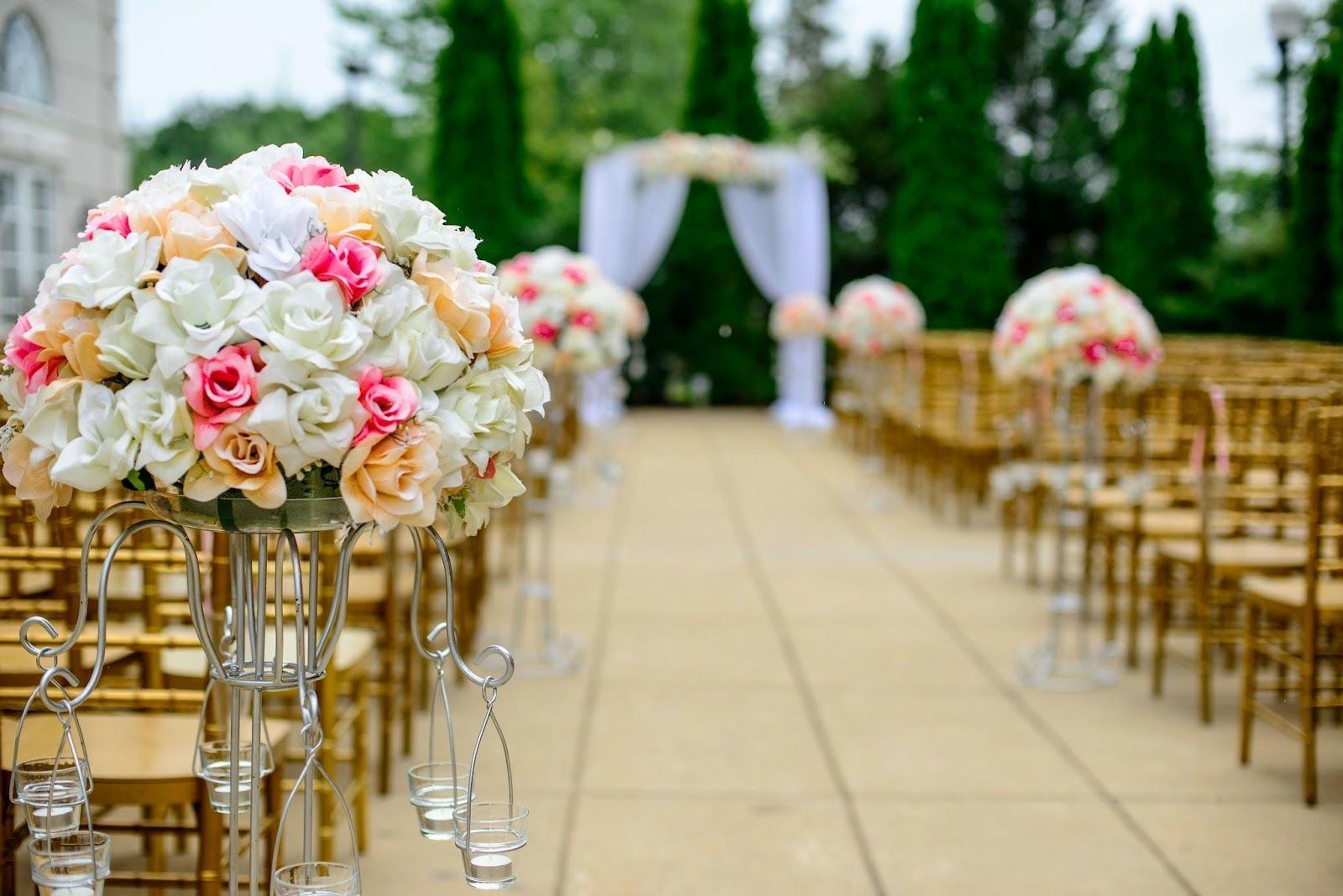
Image: Shardayyy Photography

For decades, couples stood in a formal line after the ceremony to greet each guest in turn. It was a way to ensure everyone felt acknowledged. But some prefer not to miss that informal mingling during the reception! Instead, they spend time with their loved ones more casually, enjoying the natural flow of the party.

7
Matching bridesmaids’ dresses
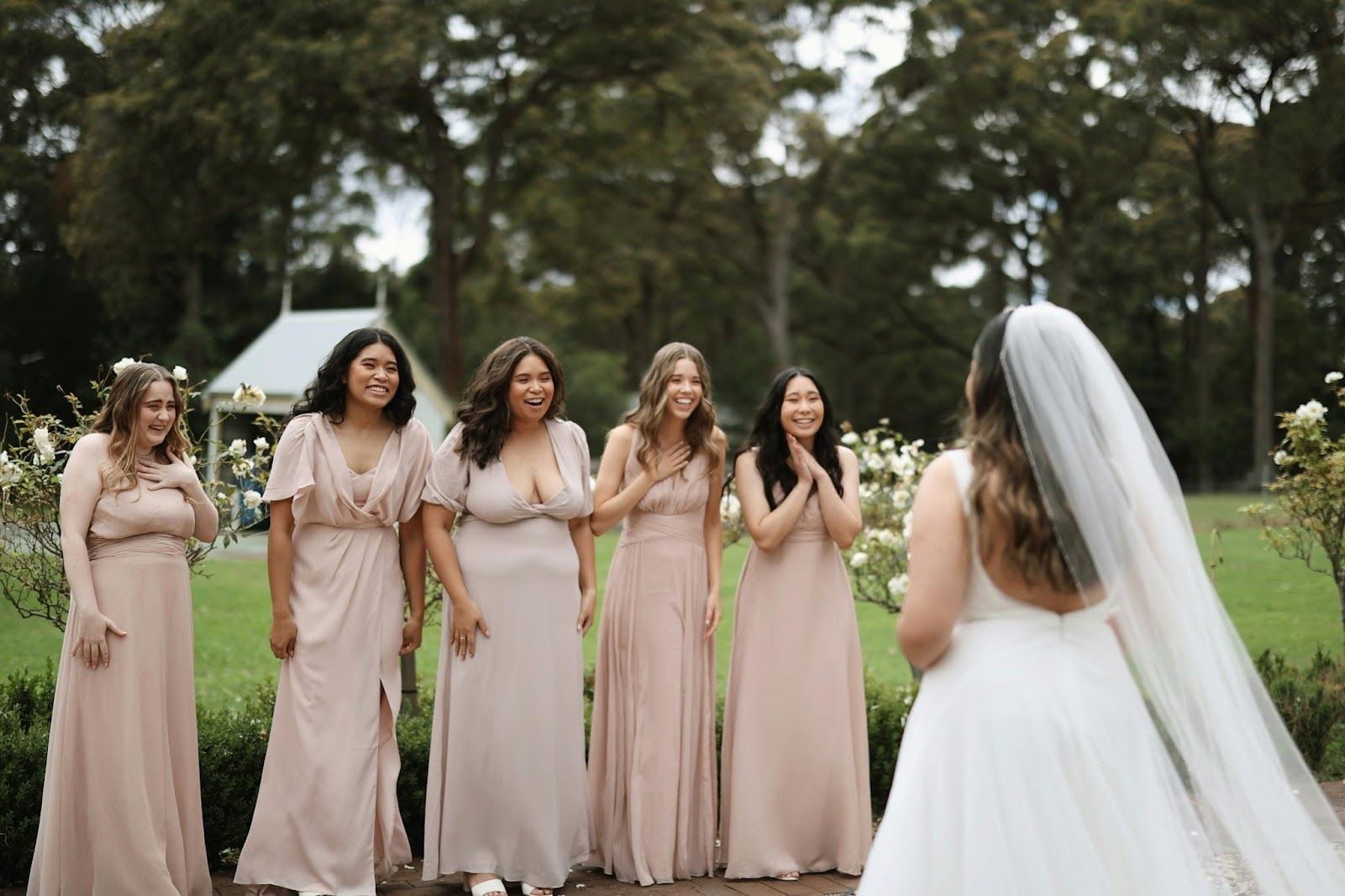
Image: Joeyy Lee

Tradition once had bridesmaids dressed alike in the same color, cut, and fabric to create a uniform look. Today’s weddings often mix styles, shades, and even prints. The change allows friends to choose something flattering—and something they can actually wear again.

8
Full sit-down dinners
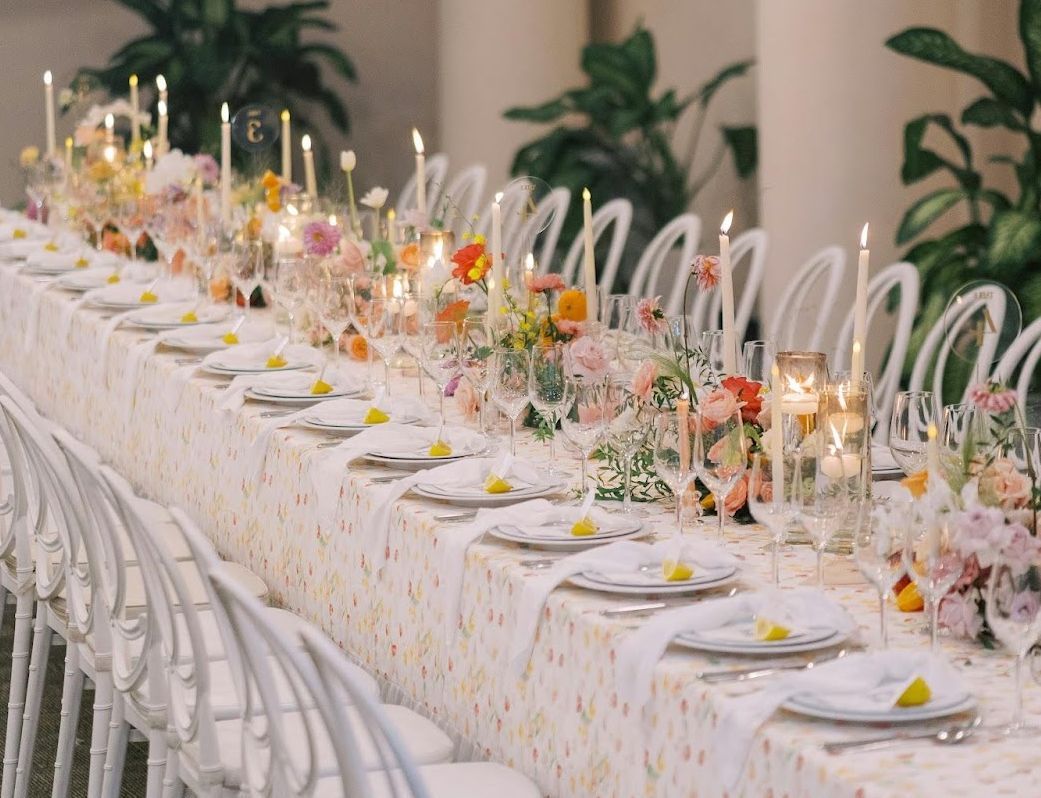
Image: Hồng Xuân Văn

The classic multi-course plated meal was once a wedding reception staple. Today, many couples opt for food trucks, buffet tables, or hearty hors d’oeuvres for a more social, less formal vibe. And, let’s face it, it also helps with costs and keeps the timeline flexible.

9
Saving the top tier of the cake
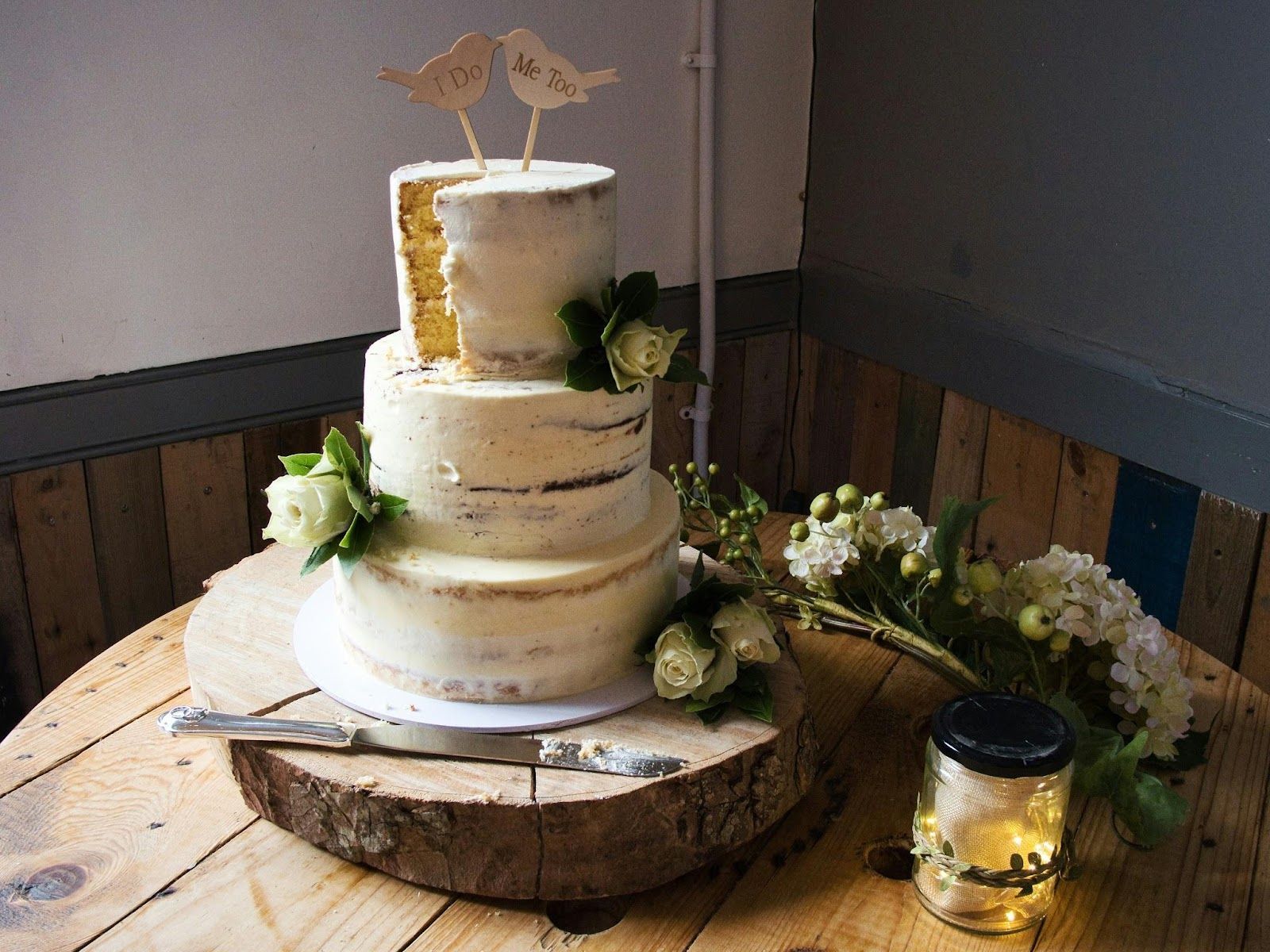
Image: Raquel Ming

Couples once froze the top tier of their wedding cake to eat on their first anniversary, as a symbol of enduring love. But after a year in the freezer, the result was often stale and unappetizing. These days, many order a fresh mini cake instead.

10
Rice throwing
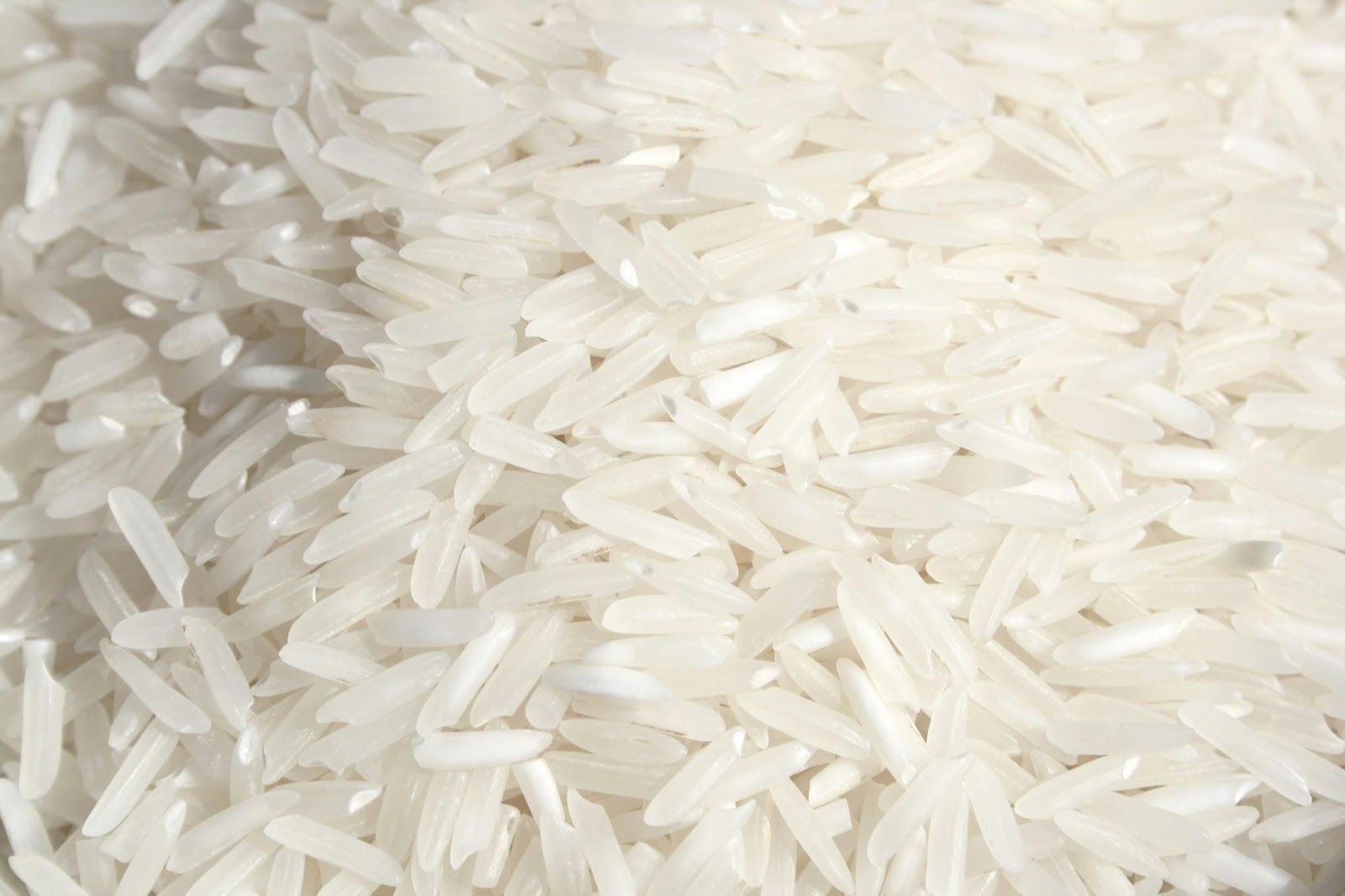
Image: Emma Miller

Showering the couple with rice at the exit was a long-held sign of prosperity and fertility. Concerns over mess, safety, and wildlife led to alternatives like bubbles, sparklers, or flower petals. The celebration remains, just with less sweeping.

11
Dollar dance
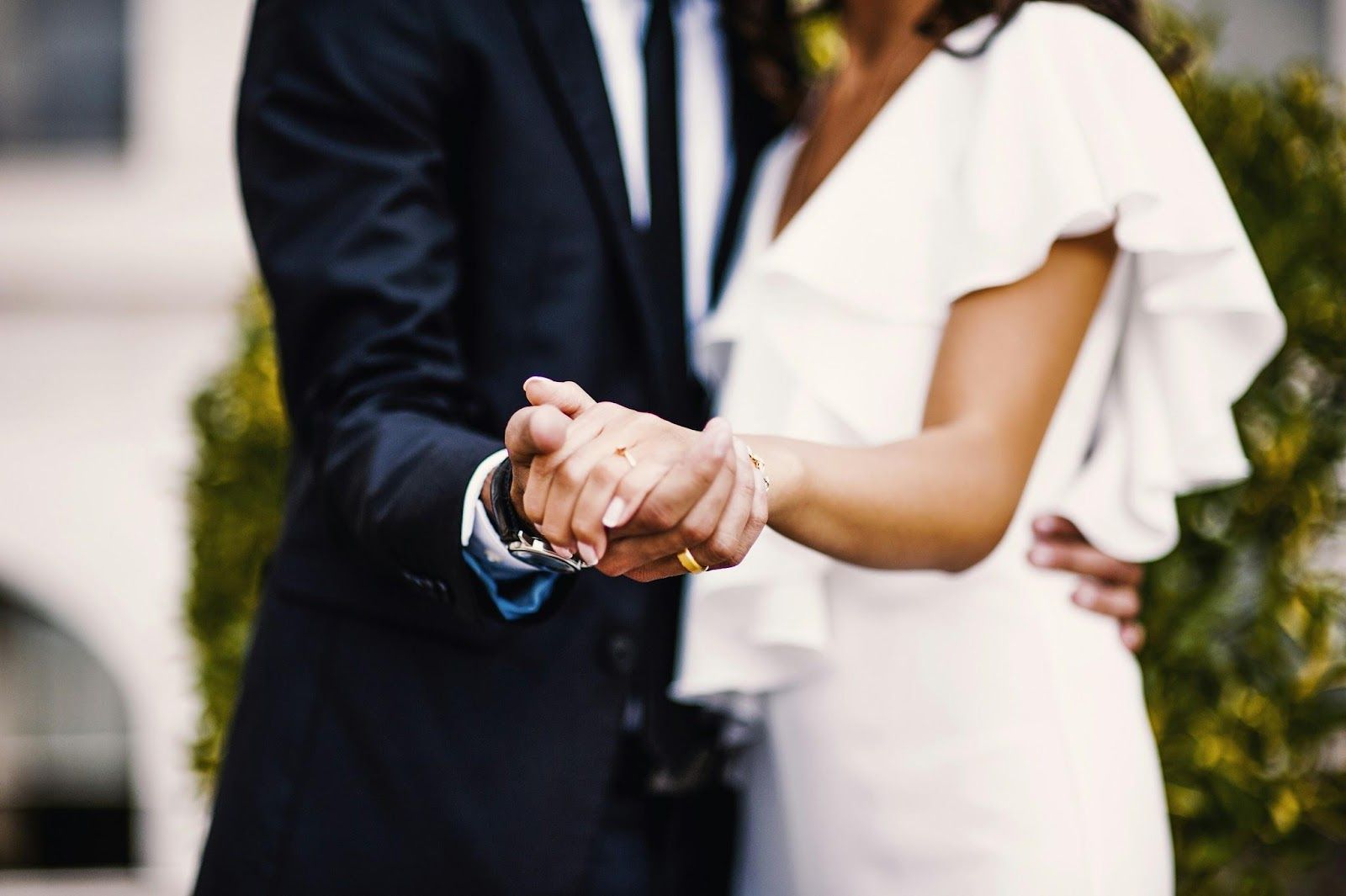
Image: Tiko Giorgadze

In this tradition, guests paid for a short dance with the bride or groom, contributing to the couple’s honeymoon fund. It was playful and personal, but could feel awkward or even outdated. Many couples now skip it in favor of more inclusive group dances.

12
Matching family seating sides
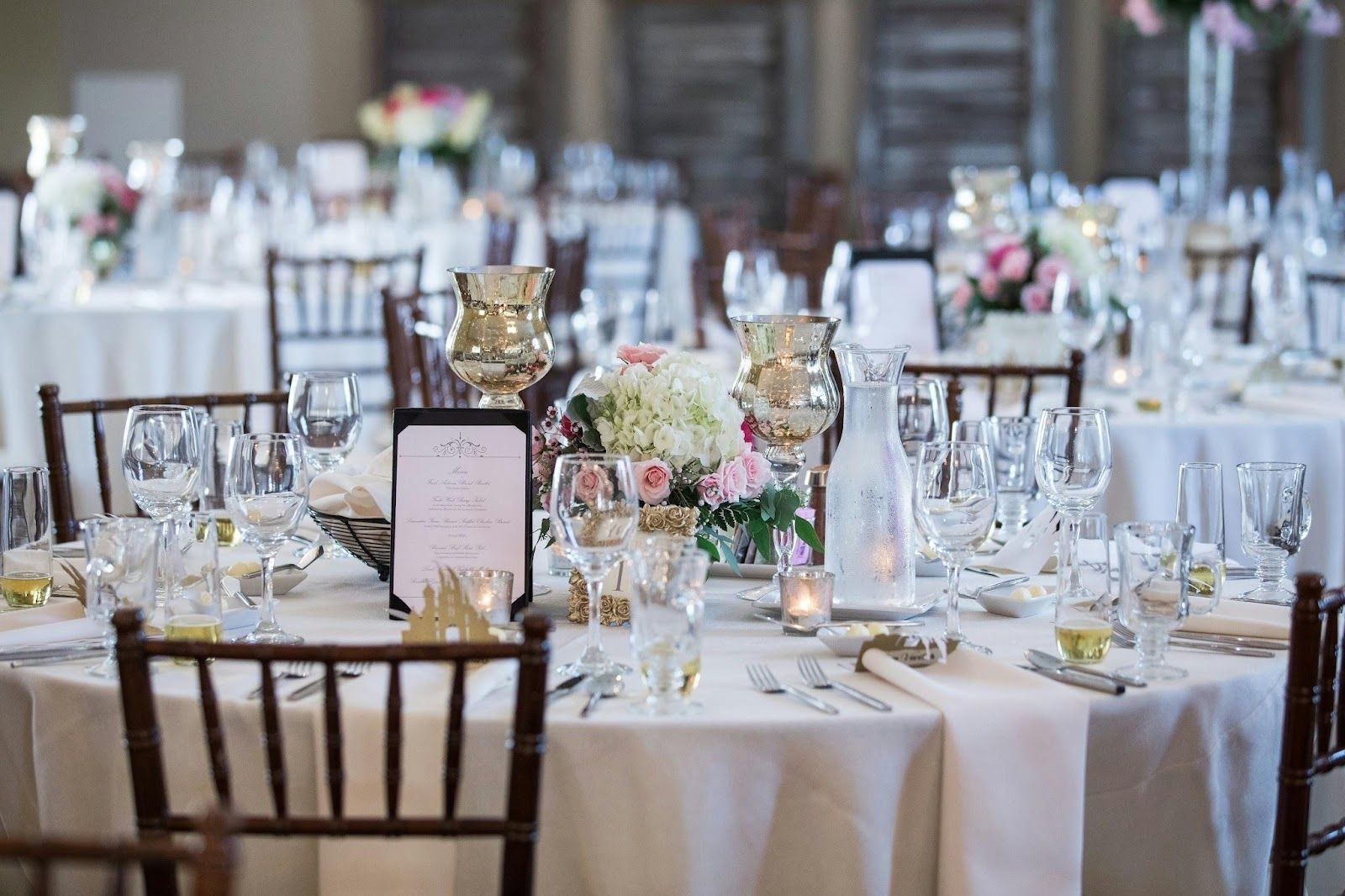
Image: Thomas Beaman

Traditionally, guests sat on the side of the family they knew best—the bride’s family on the left, the groom’s on the right. Today, signs inviting guests to "sit anywhere" reflect a blending of families and a more casual approach. Alternatively, tables may be intentionally assigned to mix new people together.

13
Garter tosses
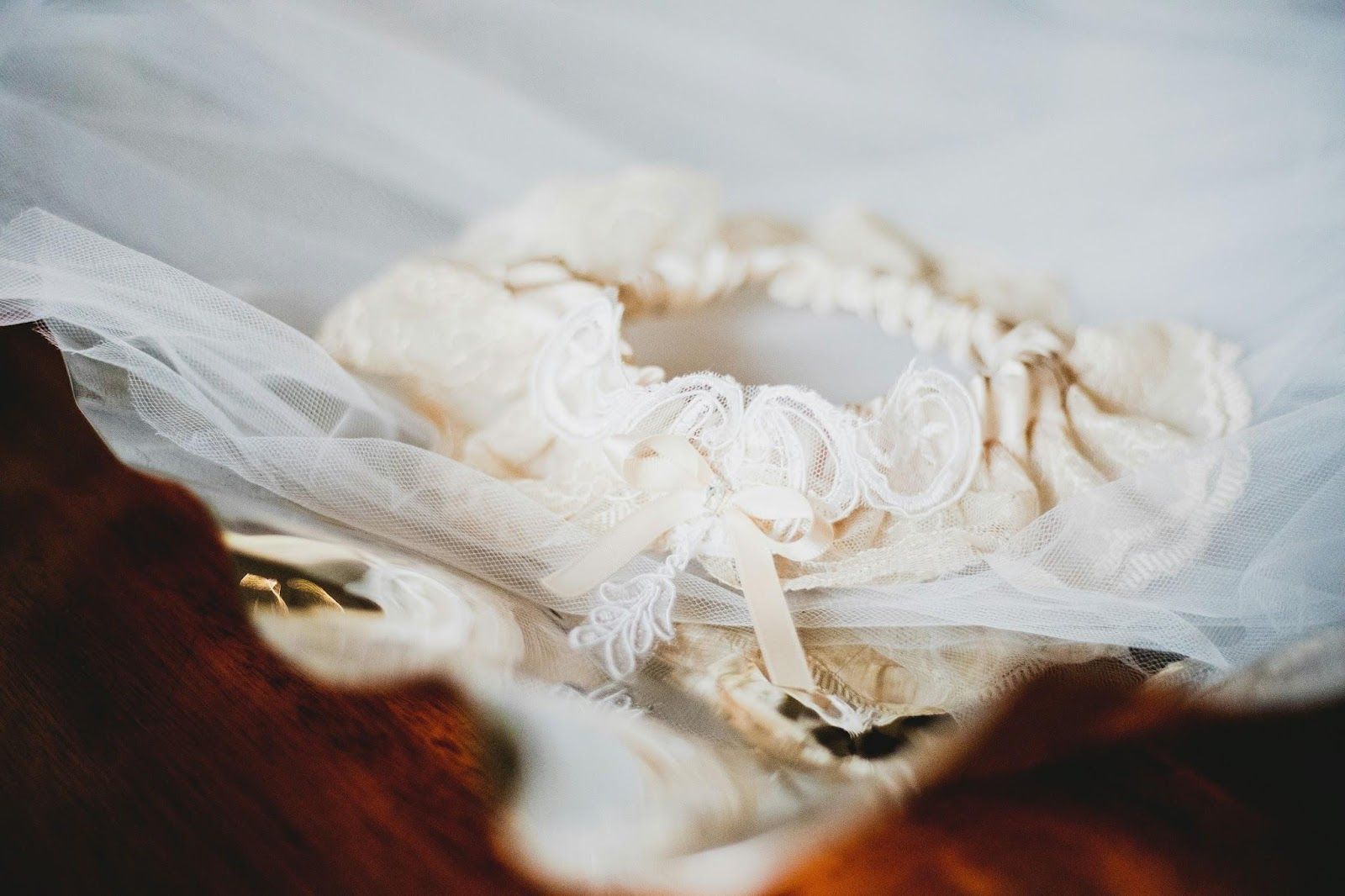
Image: Jeanie de Klerk

Once a bawdy medieval custom where guests scrambled for proof of consummation, it became a lighthearted party moment in American weddings. The groom removes and tosses the bride’s garter to single men. Today, it’s often skipped because it can feel outdated or awkward.

Geography Geography 6 min read

Cowboy culture

Explore the “Lone Star State” with these fun facts about Texas!

Image: Lucas Beck

A song made popular by "the Singing Cowboy" Gene Autry contains these lyrics: "The stars at night are big and bright, deep in the heart of Texas." And while it's true that the "Lone Star State" is known for that single star shining on its flag, Autry wasn’t exaggerating— a star-filled Texan night sky is truly a sight to behold. However, that’s just the tip of the iceberg of the things that make this state so wonderful. With that in mind, we have compiled 10 of our favorite facts about Texas, hoping to inspire your future trip and fill you with pride for our second-largest state. Enjoy!

1
Brisket

Image: Sergey Kotenev

We’ll begin with a Texan staple . Texas boasts a number of extraordinary culinary delicacies, and we could have easily focused on any of them for this entry. As a sign of respect, we’ll mention chili con carne, Texas’ official state dish, as well as the Texas Tommy, a delicious hotdog served with bacon and cheese. However, we must give credit where credit is due to what’s perhaps the most iconic dish in Texan cuisine— we believe that title goes to the almighty brisket.

It’s no secret that Texas barbecues are the stuff of legends, and in that sense, many believe that brisket is the undisputed crown jewel of any barbecue worth its salt. While it's true that this beef cut does take some time to cook in Texan slow-smoking barbecue, briskets are truly something special.

2
Six Flags Over Texas

Image: Zabdiel Gonzalez

Have you ever wondered why the iconic theme park is called "Six Flags?" The name comes from the popular slogan "Six Flags Over Texas," but that doesn’t clarify exactly what those flags represent. Well, the answer lies in Texas history, since it is a direct reference to the six nations that have governed Texas in the past.

Since its foundation, Texas has been governed by Spain, France, Mexico, the Confederate States, and the United States. Not only that, for a brief period Texas was its very own independent country, known as the Republic of Texas. This independent state lasted from 1836 to 1846 before it became our nation’s 28th State.

3
Size

Image: Mick Haupt

Texas might not be our largest state, but it is undeniably massive. As we mentioned earlier, for approximately 10 years the Republic of Texas was its own separate country—and it certainly had the size for it. If Texas was still a separate nation, it would be the 39th largest nation in the world. In fact, the Lone Star state could fit 10 different European nations within its borders and still have room to spare.

Speaking of which, how does Texas fare against other U.S. states? Let’s just put it into perspective: you could fit Rhode Island, our smallest state, 221 times inside Texas. Not only that, you could comfortably fit 10 different states at the same time. Impressive, isn't it?

4
Etymology

Image: Enrique Macias

We’ve referred to Texas by its "Lone Star" nickname so much in this article that you might be inclined to believe that its official slogan is "The Lone Star State." However, you might be surprised to learn that the official one is actually "The Friendly State," a moniker that comes from the etymology of the word "Texas" itself.

The name "Texas" originates from the Caddo word táy:shaʼ, which translates to "friend." It is believed that Spanish settlers called the Caddo people by this word, and eventually named the whole region Provincia de los Texas , meaning "province of the Texas people."

5
Dr. Pepper

Image: Yana Smetana

Need a tasty beverage to wash all that delicious brisket down? We've got you covered, take a trip to Waco, Texas, and visit the Dr. Pepper Museum , housed in the very first building specifically built to bottle this iconic soft drink. Not only will you get a refreshing soda in return, but you’ll also learn all about one of America’s favorite beverages.

As you might have guessed, Waco is the birthplace of Dr. Pepper, created in 1885 by pharmacist Charles Alderton. This soft drink is truly a Texan treasure, regularly enjoyed all across the state. Much like Coca-Cola and other sodas, its recipe is a well-guarded secret, allegedly kept in halves and guarded in two separate safe deposit boxes.

6
Rodeo

Image: Vinny O'Hare

Few things are as synonymous with Texas as rodeo . Cowboy culture is a huge part of what makes this state so special, so if you have a chance, attending at least one rodeo during your visit is a must.

For many Texans, rodeos are more than just a spectacle—they are a way of life that showcases both the daring nature and passionate identity that defines the Lone Star State. There are literally too many rodeos to recommend, but rest assured, the spirit of the Old West still lives in all of them.

7
Lyndon B. Johnson Space Center

Image: History in HD

What’s the first thing that comes to mind whenever someone mentions the 1993 blockbuster Apollo 13 ? You don’t have to answer—we all know it’s Tom Hanks’ iconic delivery of the classic line, "Houston, we have a problem." It’s only natural that this phrase is forever associated with space exploration; after all, the city of Houston has been home to one of NASA’s main facilities for over 60 years.

The Lyndon B. Johnson Space Center is perhaps NASA’s most renowned facility. It’s where manned spaceflight research, training, and flight control are conducted. The center has grown so much in popularity that, in 1967, the city of Houston was given the official nickname "Space City."

8
Weird laws

Image: Tingey Injury Law Firm

Let’s take a small detour to talk about Texas’ wackier side . While the state’s constitution strives to guarantee the happiness and safety of millions of Texans, it also contains its fair share of wacky and weird laws that still exist in our days.

We don’t really have the time or space to deal with every weird Texas law, so here are some of our favorites. For starters, carrying wire cutters is forbidden in Austin, a rule that dates back to whenever cattle owners would settle a dispute by cutting their neighbors’ barbed wire. You should also refrain yourself from walking barefoot on the streets of certain Texan cities, and, thanks to a particularly outdated law, from buying cheese on a Sunday.

9
Texas Eiffel Tower

Image: Estevão Teixeira

Want to experience the majesty of the Eiffel Tower but don’t feel like leaving the country? Don’t worry, Texas has your back. All you need to do is visit the city of Paris (not the French capital, but rather its Texan counterpart) to marvel at a replica of this engineering wonder. While it is significantly smaller than the original, the Texas Eiffel Tower showcases this state’s spirit by sporting a red cowboy hat at its top.

Curiously, Texas's Eiffel Tower was built the same year as another American replica of the Parisian monument. In 1993, both Paris, Texas, and Paris, Tennessee unveiled their replicas. The cowboy hat was added to the Texas Tower in 1998 in a bit of friendly competition since the added height made this tower slightly taller than the one in Tennessee.

10
Presidents born in Texas

Image: History in HD

We’ll end this article by paying homage to some of Texas’ favorite sons. Did you know that Texas is the only state with three different presidential libraries ? What’s curious is that only two U.S. presidents were born in Texas, Lyndon B. Johnson and Dwight D. Eisenhower. However, two other presidents also famously fell in love with the Lone Star State and made it their home.

George H. Bush’s love for Texas is very well-documented. Years before becoming president, he moved to this state with his family after graduating from college. President Bush passed his adoration for Texas on to his children. Years later, his older son George W. became governor of Texas and, eventually, the 43rd president of the United States.

General General 2 min read

Shocking the neighbors

These things are not as common outside the US

Image: Jennifer Kalenberg

America is a land of unique customs and rituals, many of which leave outsiders scratching their heads. From super-sized food to partying habits, these traditions reflect the country’s history, creativity, and widespread patriotism. Here are 10 American practices that are often admired, misunderstood, or simply confusing to people abroad.

1
Tipping everywhere

Image: Sam Dan Truong

Americans tip for almost every service, from coffee to taxis. The standard is 15–20% of the bill. Unlike most countries where service charges are included, tipping is often expected and essential for workers’ income.

Restaurants, bars, and even hair salons rely on it. Since this is not as common elsewhere, tourists often miscalculate or under-tip, causing awkward interactions.

2
Super-sized portions

Image: Nima Naseri

Restaurant portions in the U.S. are notoriously large, often doubling or tripling international standards.

This stems from both historical abundance and marketing strategies that equate quantity with value. All-you-can-eat and combo meals reinforce the "more is better" mentality.

3
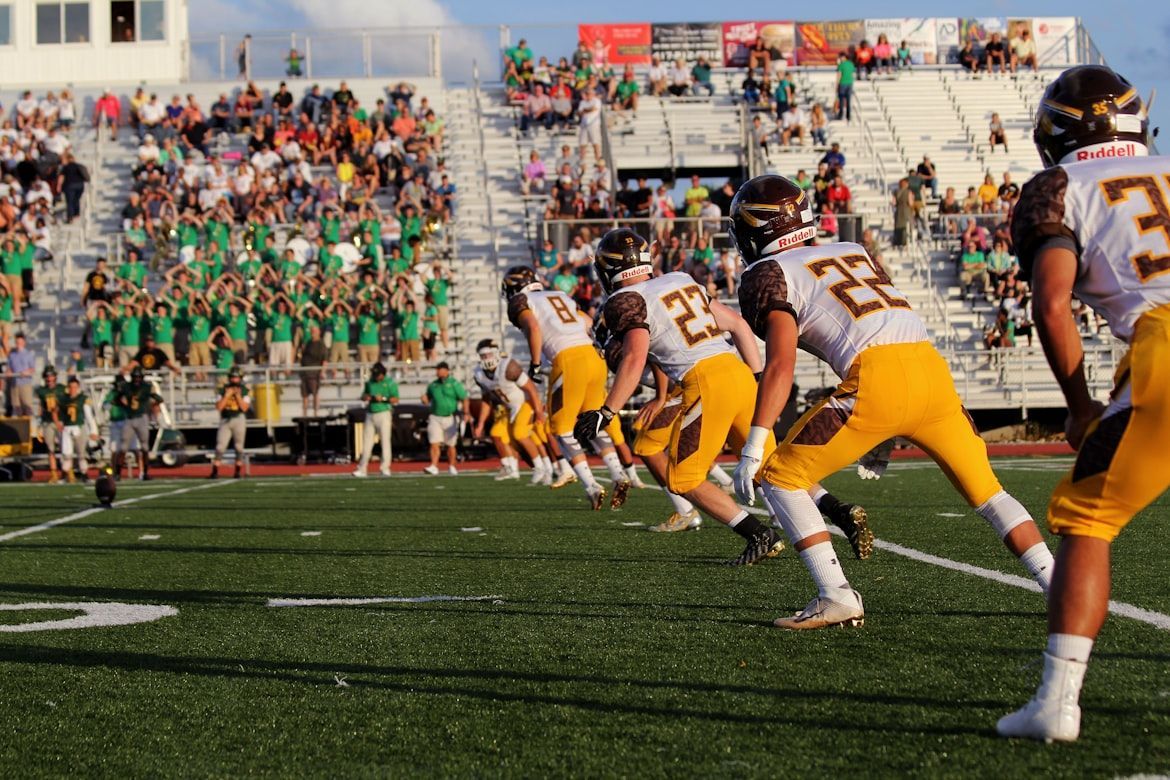
College tailgating

Image: Josh Applegate

Fans arrive hours before football games, grilling and partying in parking lots. Tailgating mixes sports passion with social gatherings, showing regional pride and university loyalty.

This uniquely American tradition often shocks outsiders with the devotion shown to local sports.

4
Black Friday mania

Image: Artem Beliaikin

Originating in Philadelphia in the 1960s, Black Friday marks the start of the holiday shopping season. It’s a consumer spectacle tied as much to capitalism as to tradition.

Retailers use extreme discounts to generate sales; the frenzy often leaves international observers bewildered by the ensuing chaos.

5
Wearing patriotic clothes year-round

Image: Shari Sirotnak

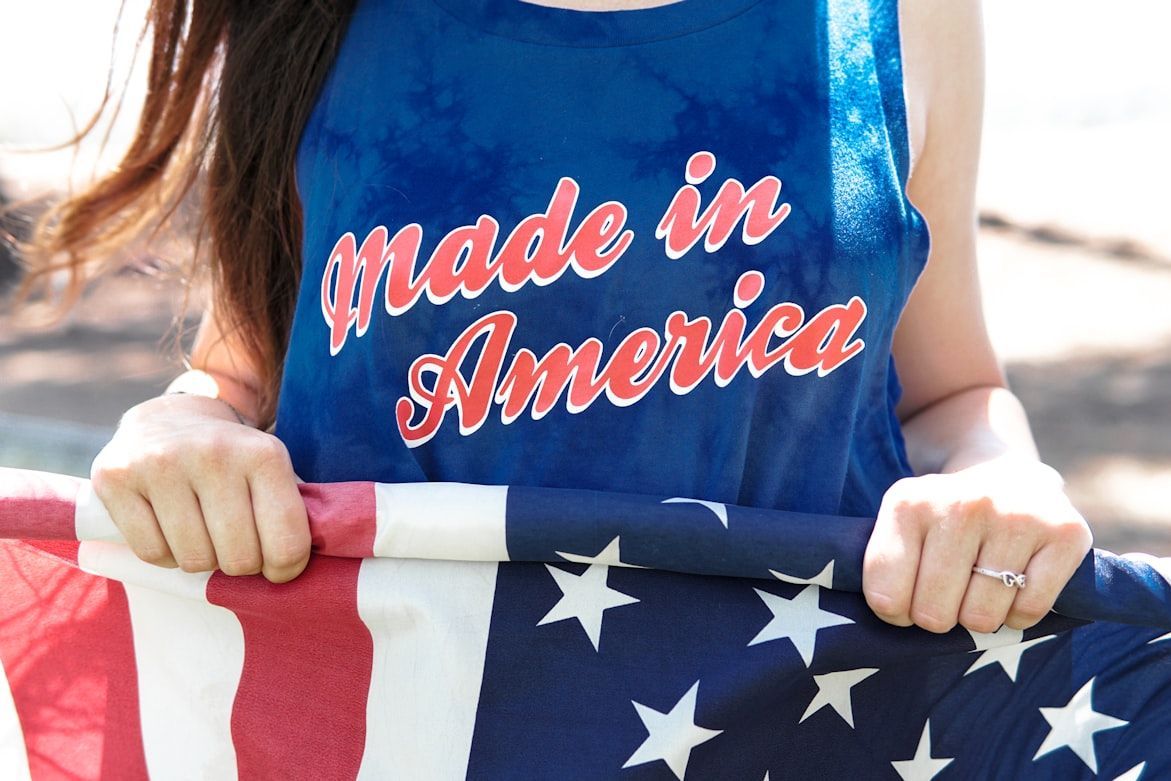
Americans often wear flag-themed clothing even outside national holidays. The practice intensifies during major sporting events, but displaying the flag as apparel reflects civic pride in everyday life.

For many outsiders, wearing a flag as clothing seems unusual, yet this custom embodies American individualism and patriotism.

6
Driving everywhere

Image: why kei

Unlike many countries with extensive public transit, Americans rely heavily on cars. Suburban expansion and urban planning favor personal vehicles.

Gas prices, infrastructure, and cultural identity reinforce driving as normal. Tourists accustomed to walking or trains find long drives mandatory, and as a result, the layout of U.S. cities is unusually spread out.

7
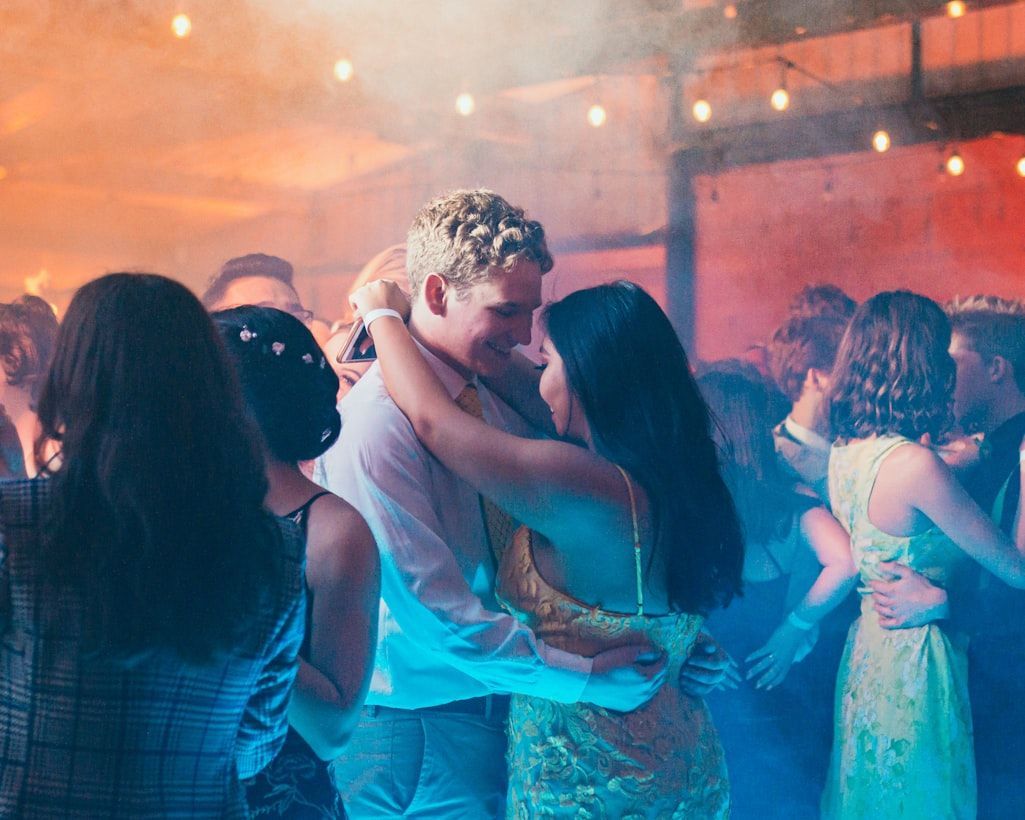
High school proms

Image: Long Truong

Proms evolved in the 20th century as a rite of passage. Teenagers dress formally for dances with elaborate rituals, including crowning kings and queens.

While other countries almost always have some form of graduation celebrations, the formality, expense, and emphasis on dating customs in American proms often confuse foreigners.

8
Obsession with college sports

Image: Riley McCullough

Universities dominate cities with massive stadiums and fanfare. College football and basketball inspire loyalty rivaling professional leagues.

The intensity is unusual internationally, where professional sports typically overshadow collegiate athletics.

9
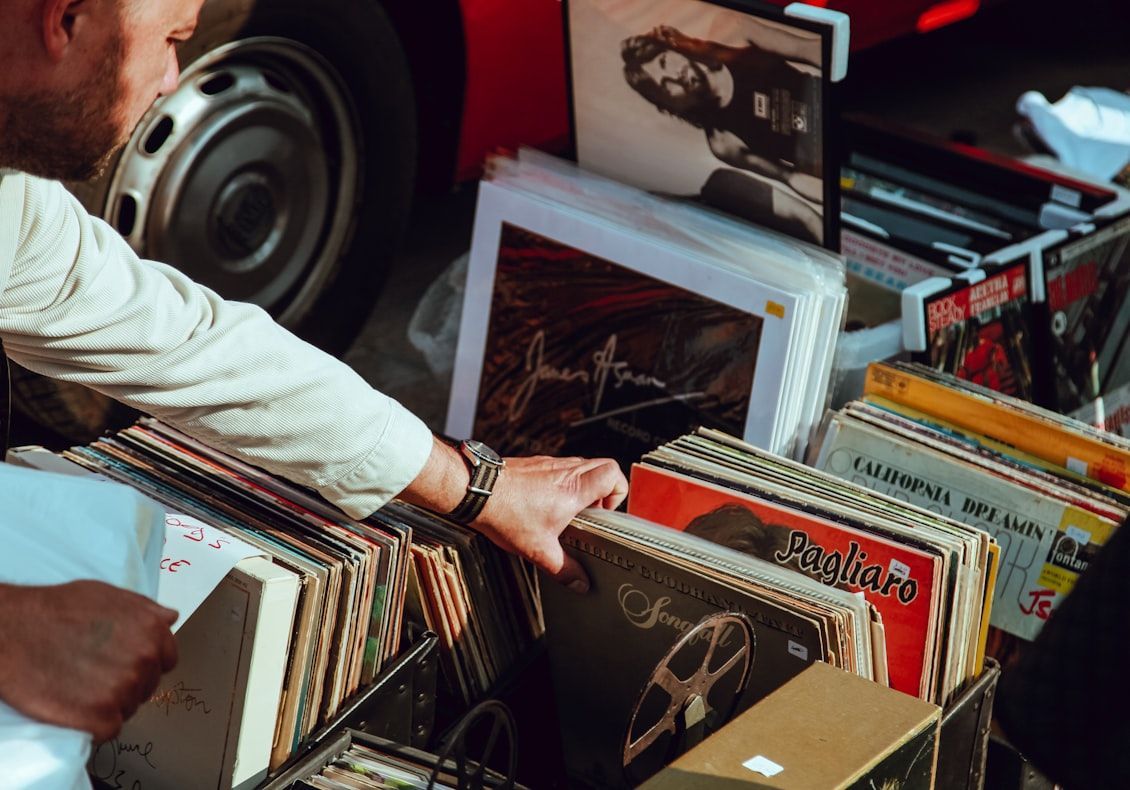
Yard sales

Image: Clem Onojeghuo

Communities host sidewalk sales for secondhand goods. This tradition emphasizes recycling, community interaction, and bargain hunting.

This casual sale of used goods in public spaces is uncommon in many countries, making it a uniquely American practice.

10
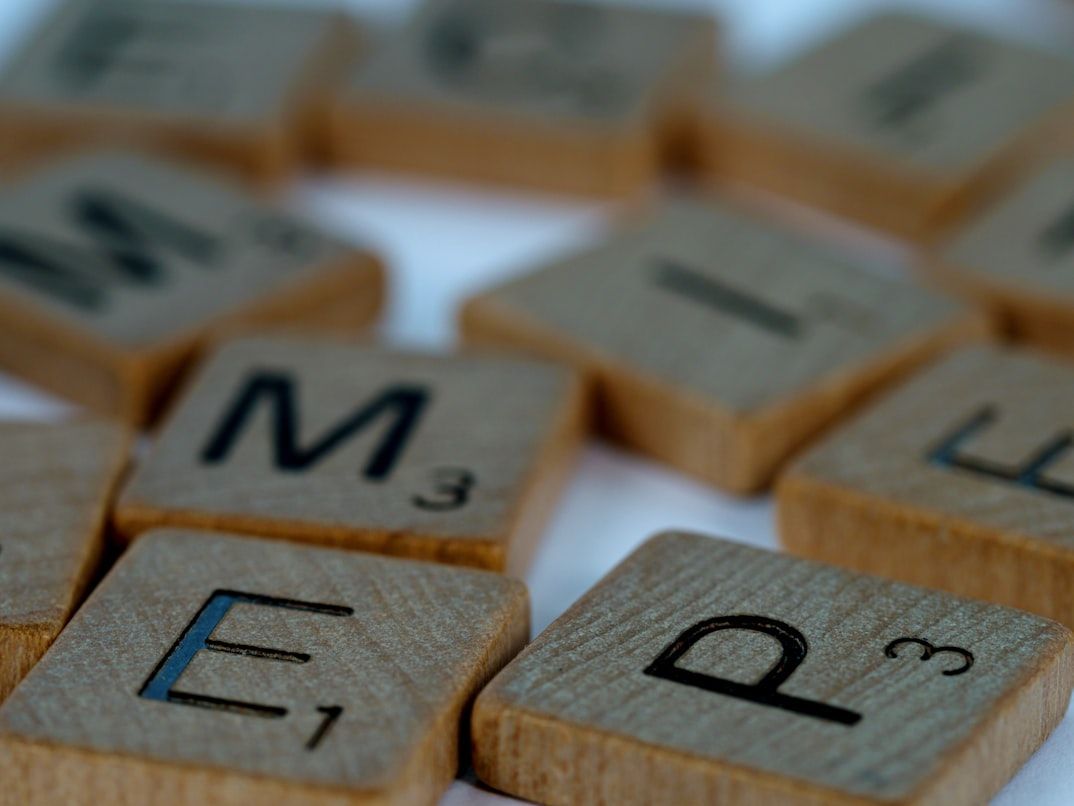
Spelling bees

Image: Brett Jordan

Americans hold intense competitions where kids spell increasingly difficult words aloud. Spelling bees originated in the 19th century as educational contests, promoting literacy and vocabulary skills.

The National Spelling Bee, held annually since 1925, draws contestants nationwide and often surprises outsiders due to English’s tricky spelling rules.

Explore more American facts

Choose your favorite category!

General
General

As American as apple pie—the very best America has to offer!

Culture
Culture

Delve into the astounding richness of American lore.

Geography
Geography

Hop in and explore vast and diverse American landscapes.

History
History

Discover the key moments that shaped the United States.