Geography Geography 4 min read

Try not to laugh!

Why? No name? You won’t believe these US towns are called that!
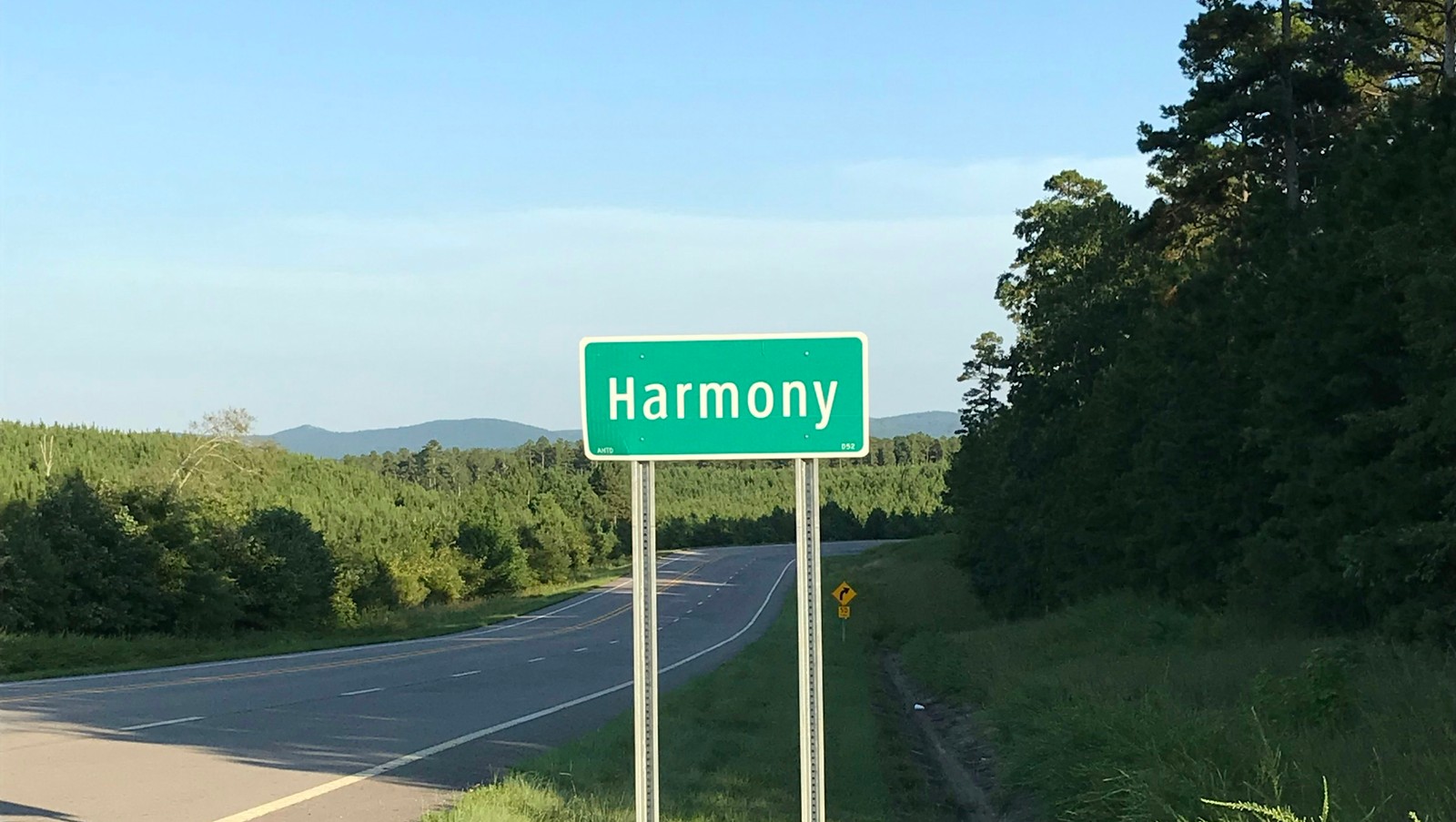
Image: Jeremy Adams

America is home to some truly unique town names… You know, some are charming, some are also confusing , but then again, some make you wonder what exactly the founders were thinking. For example, is Unalaska trying to fly solo? Whether inspired by accidents, geography, or a bit of a je-ne-sais-quoi , these towns prove that creativity knows no bounds. Try to pick a favorite!

1
Unalaska, Alaska
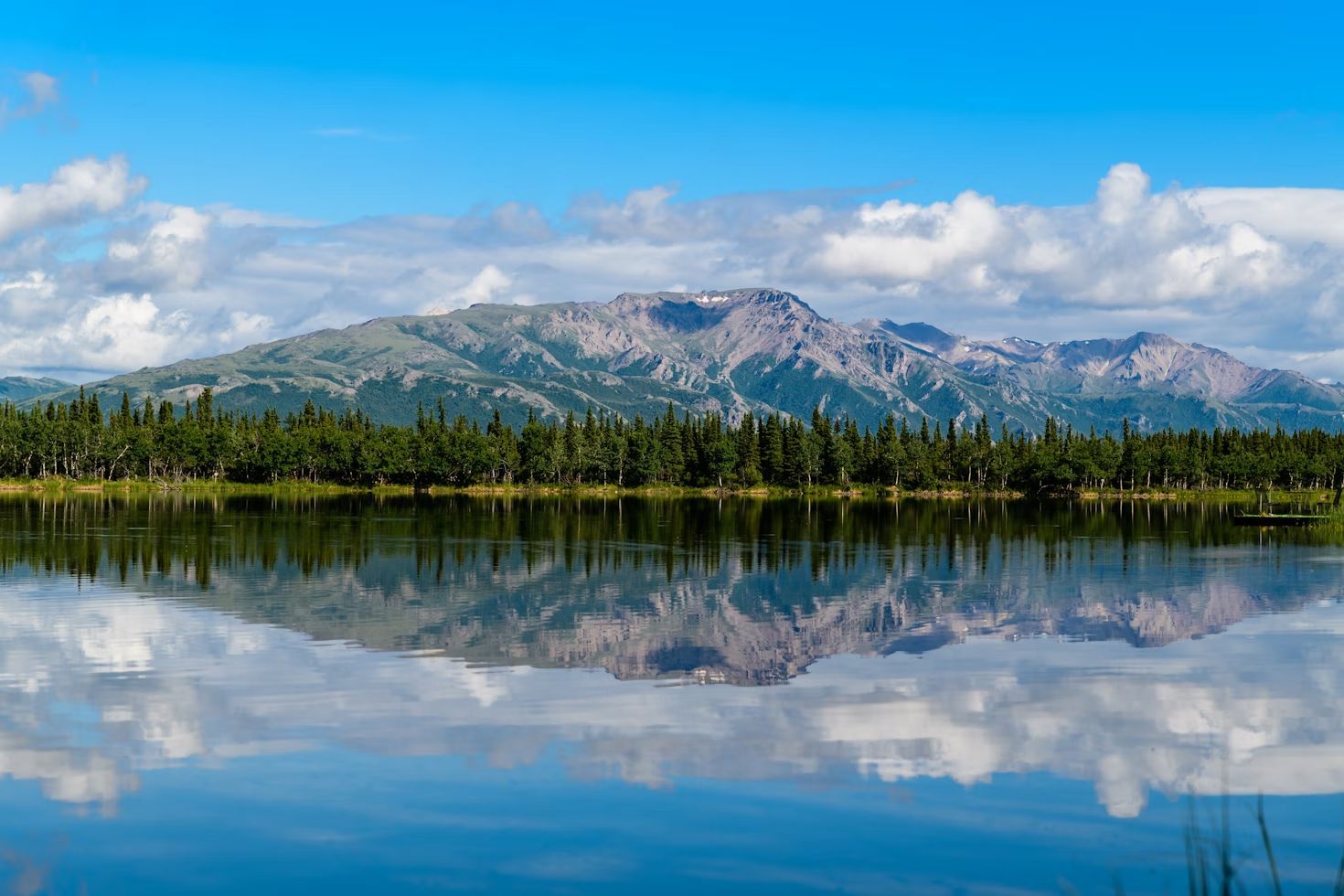
Image: Hari Nandakumar

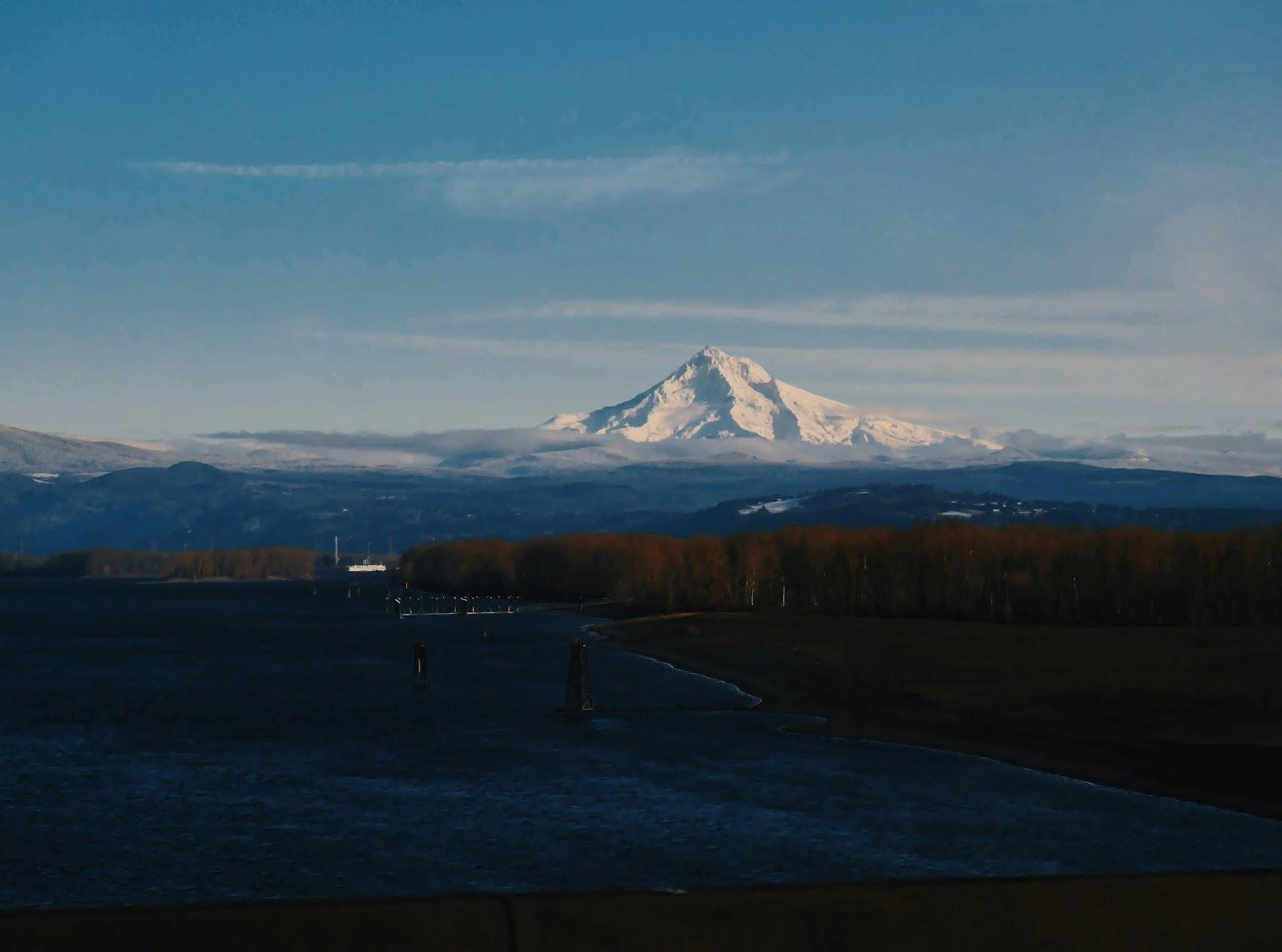
Despite what the name suggests, Unalaska is not trying to break away from the rest of the state. The town’s name comes from Agunalaksh , the original name given by the Unangan people. Over time, spelling and pronunciation changes led to the simplified version: Unalaska.

In the late 1800s, the US Board on Geographic Names made it official, but don’t worry, it’s just the name; the beauty is certainly Alaskan!

2
Why, Arizona
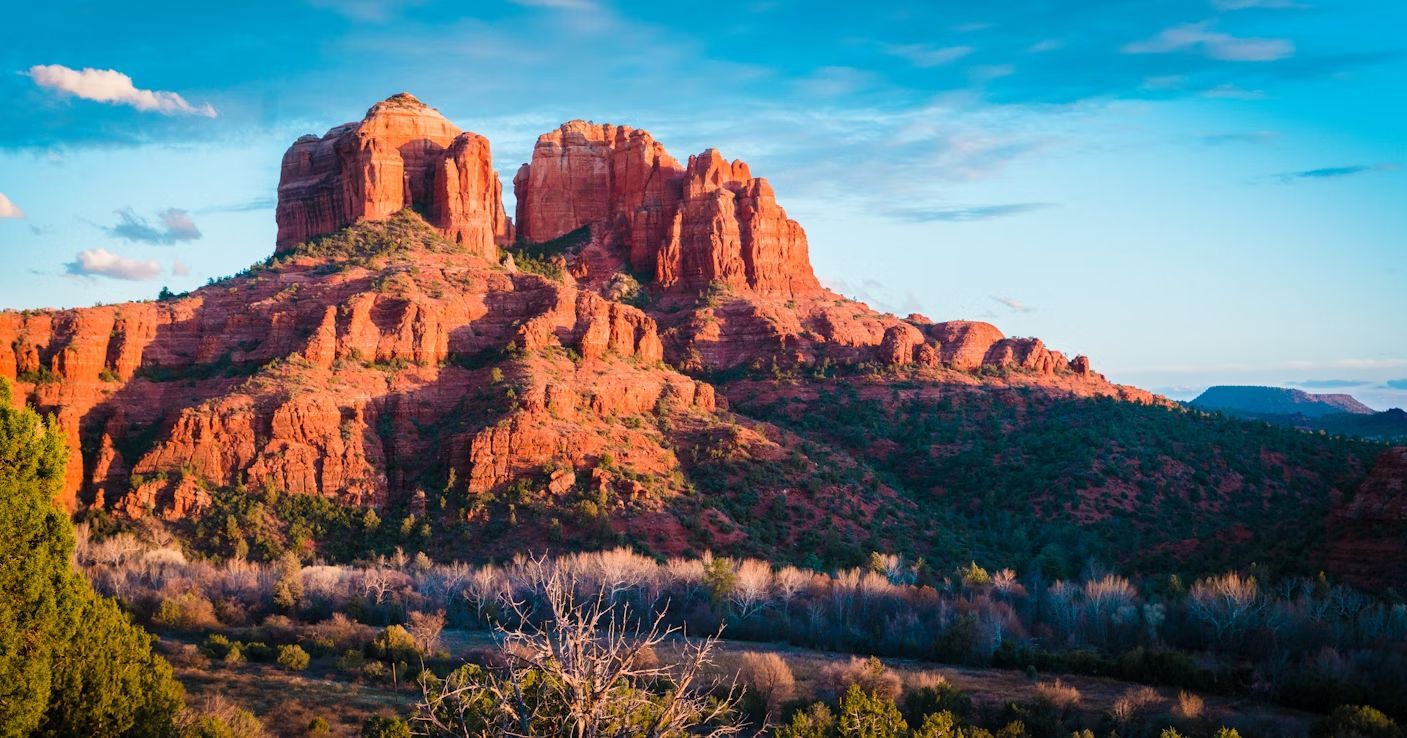
Image: Kaileen Fitzpatrick

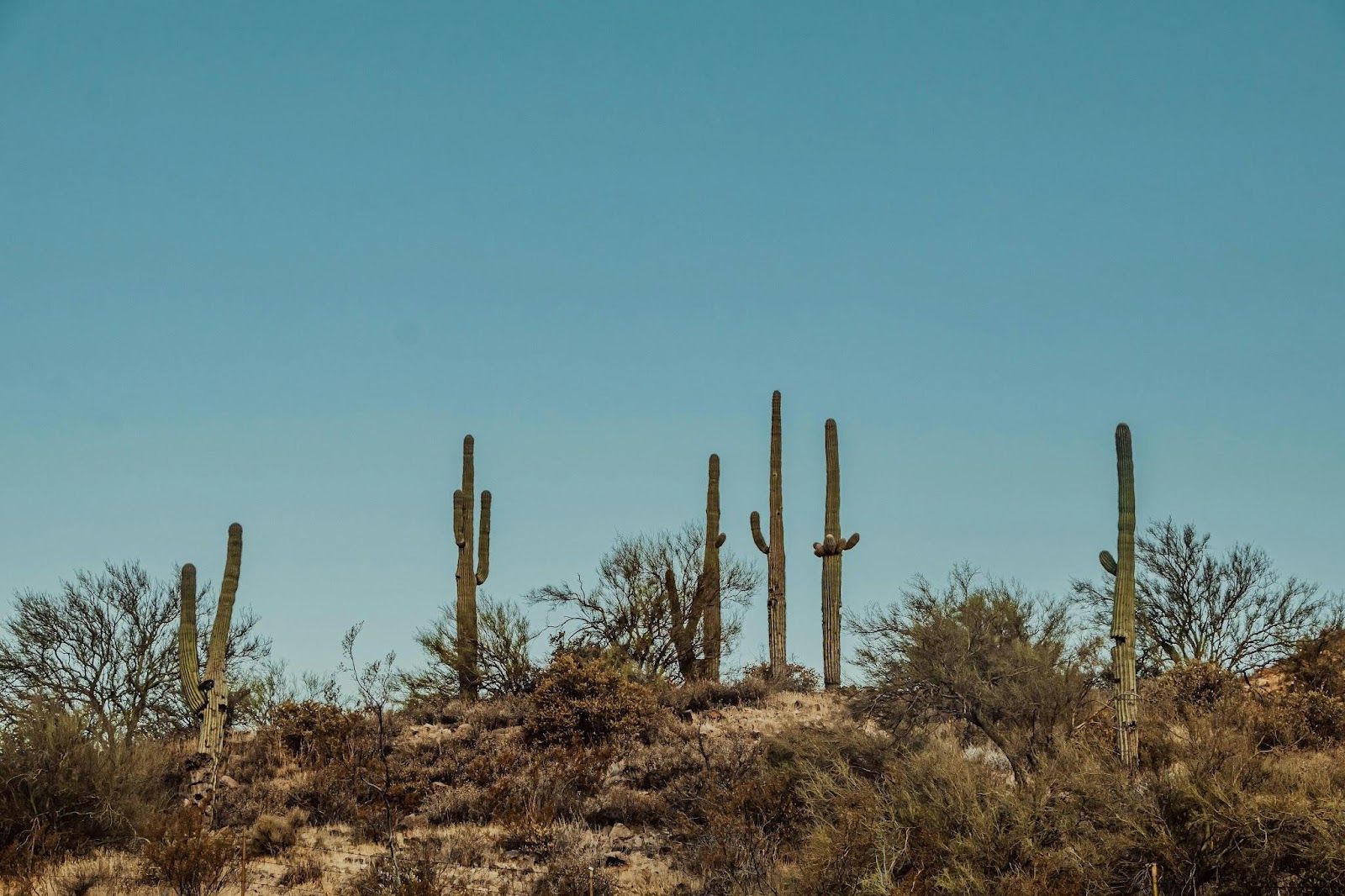
If you’ve ever asked yourself "Why?", you might be thinking too hard. This Arizona town got its name because of a simple road design: State Routes 85 and 86 originally met in a Y-shape.

When it was time to name the community, the locals wanted to call it Y (yes, you read that right), but Arizona law required town names to have at least three letters. So, they got creative and went with Why. Why, right?

3
No Name, Colorado
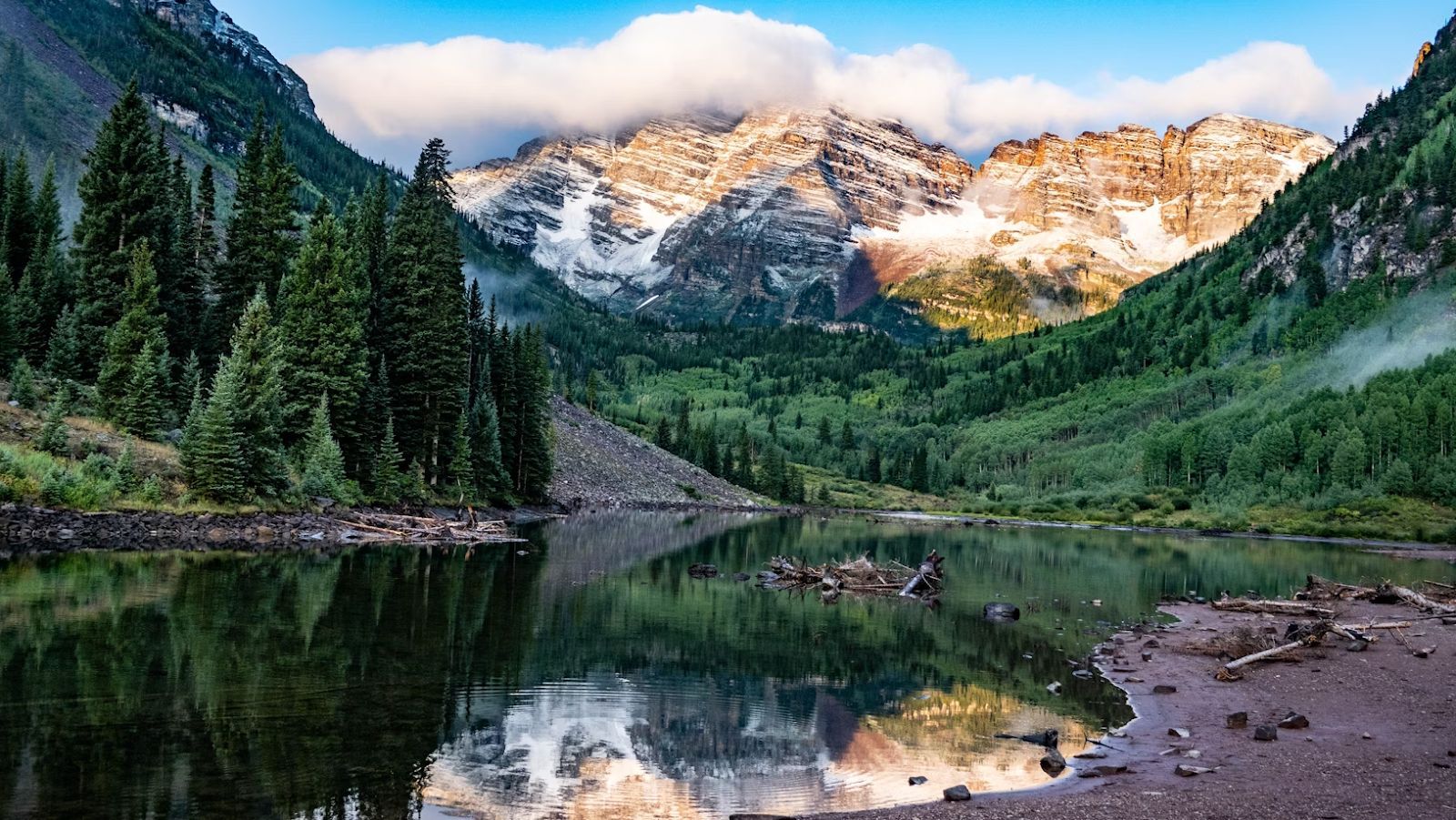
Image: Rich Martello

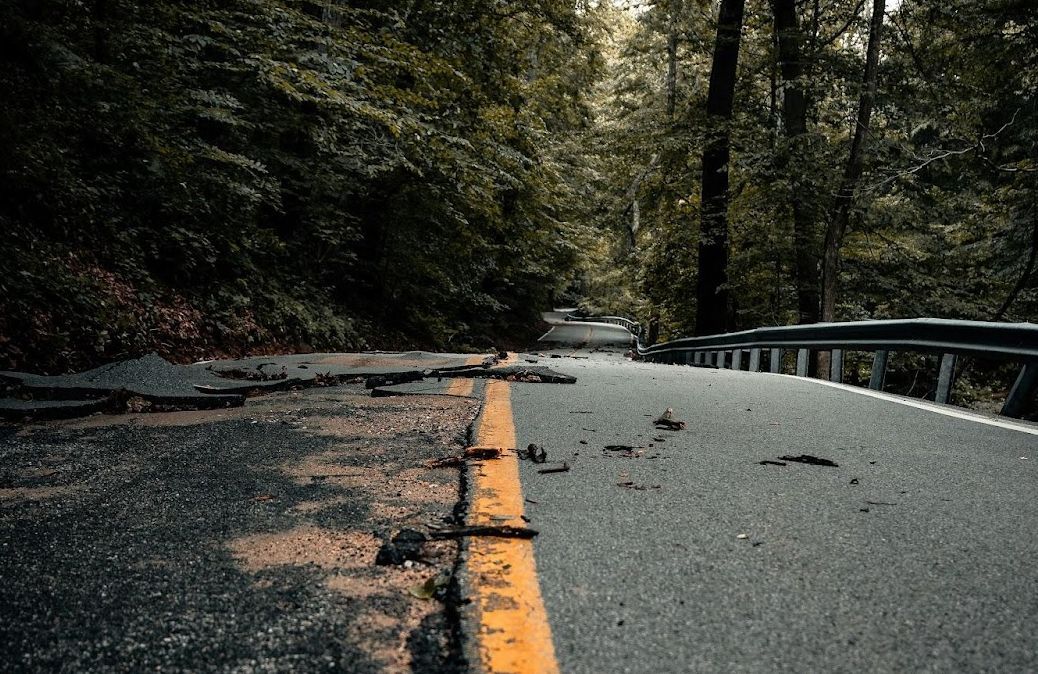
What do you call a town when you just can’t decide on a name? Apparently, (and logically, if we might say so), No Name. The story goes that when developers were working on Interstate 70, they left the town’s exit sign blank.

A transportation official later labeled it "No Name", and the locals decided to go with it . State officials tried to rename the area, but the people weren’t having it. They simply loved it!

4
Burnt Store, Florida
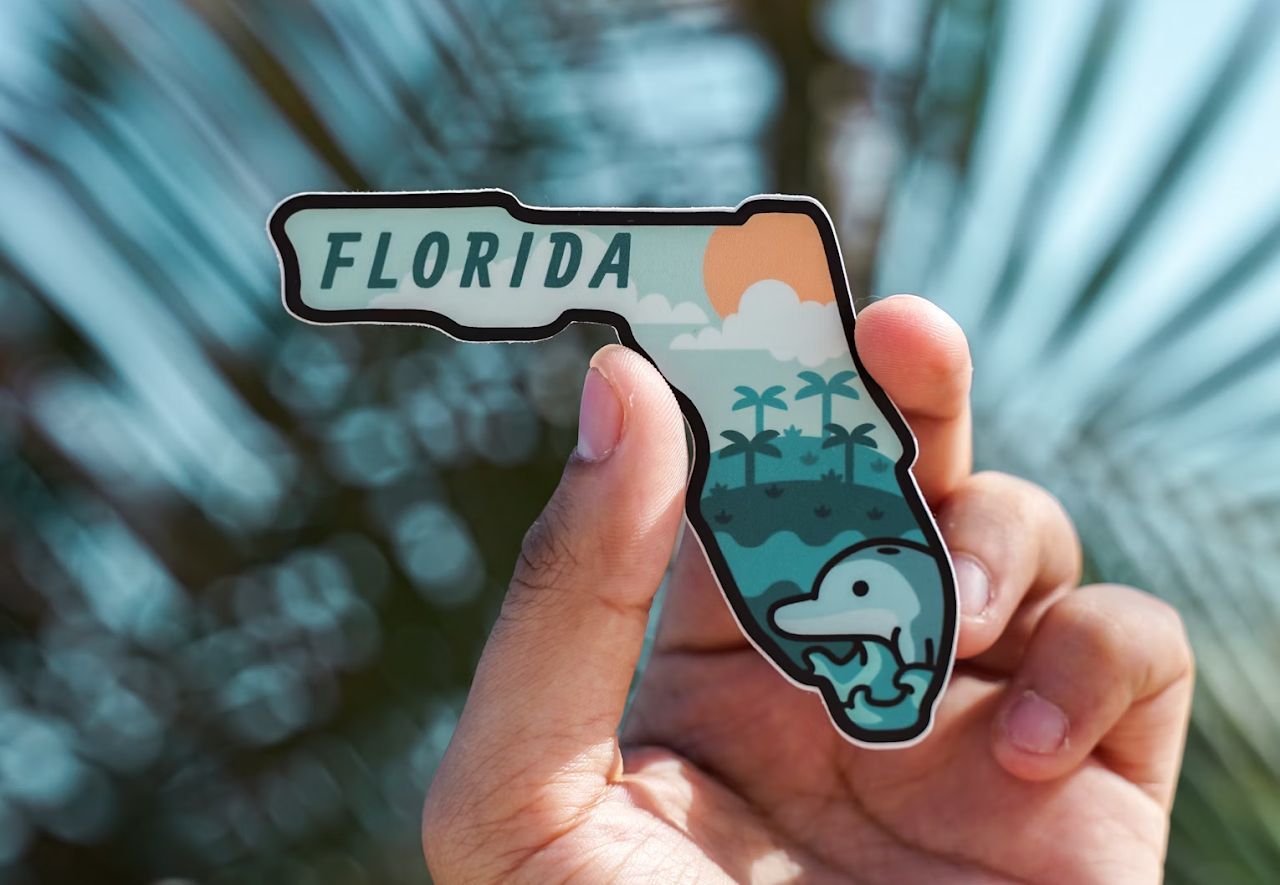
Image: Done By Alex

The name Burnt Store sounds like something out of a Wild West showdown, and the real story (or the legend, actually) isn’t too far off, you know?

Legend has it that in 1849, a trading post on the Peace River was burned to the ground after an attack. The store’s manager, George Payne, had dealings with the Seminole Indians before he was killed in an ambush. Shortly after, the store itself was destroyed. The tragic event left a permanent mark on the town’s history and its name.

5
Santa Claus, Indiana
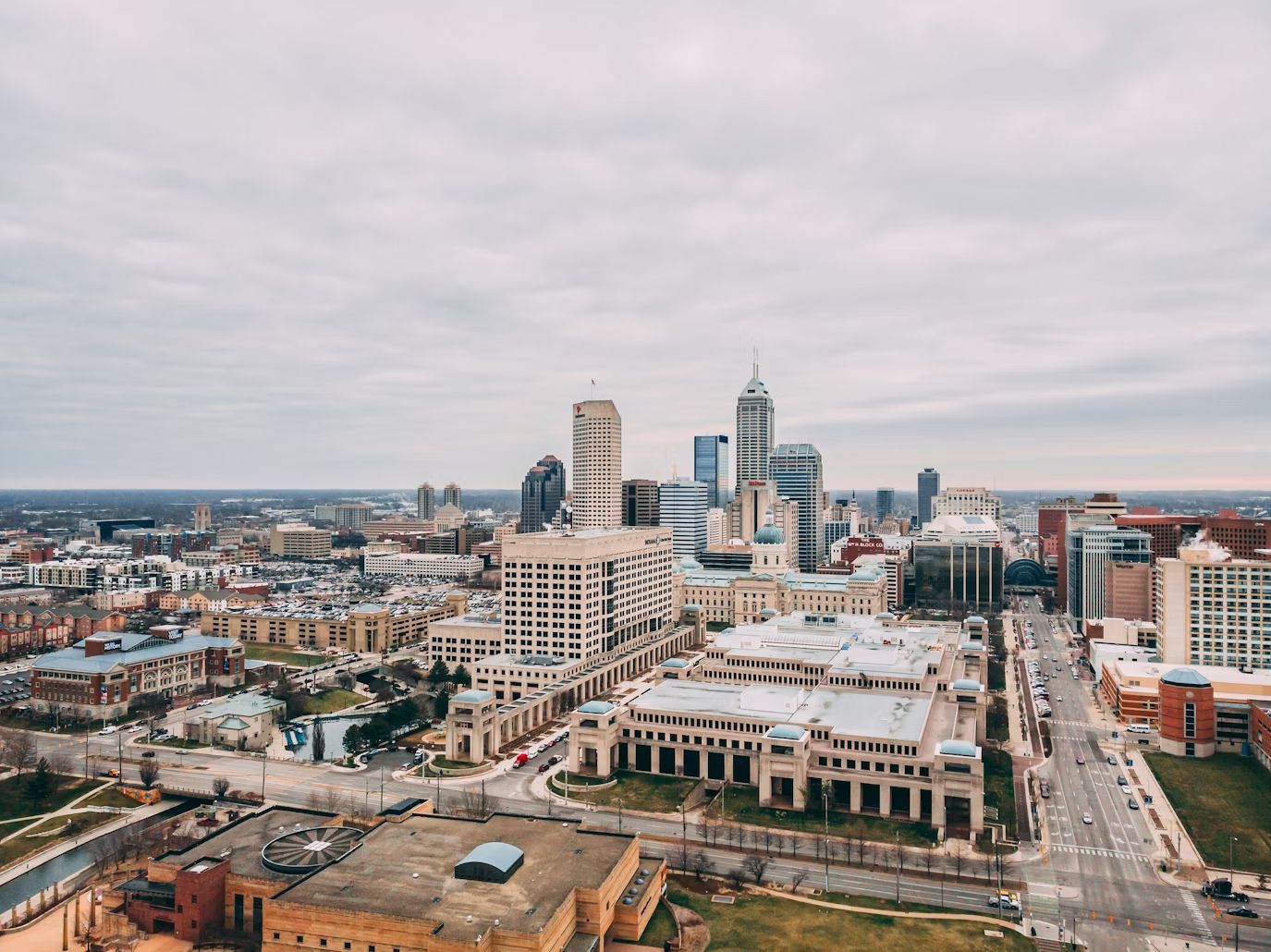
Image: Ryan De Hamer

Originally called Santa Fe, this town located in Indiana had to change its name when officials discovered another Santa Fe already existed in the state.

People saw this as an opportunity, and instead of picking something new and extraordinary, they went all in on holiday spirit and became Santa Claus in 1856.

The town fully embraces its Christmas identity; it has attractions like Holiday World, Lake Rudolph Campground, and Frosty’s Fun Center. If you love the holidays, this is the place to be!

6
Bald Head, Maine
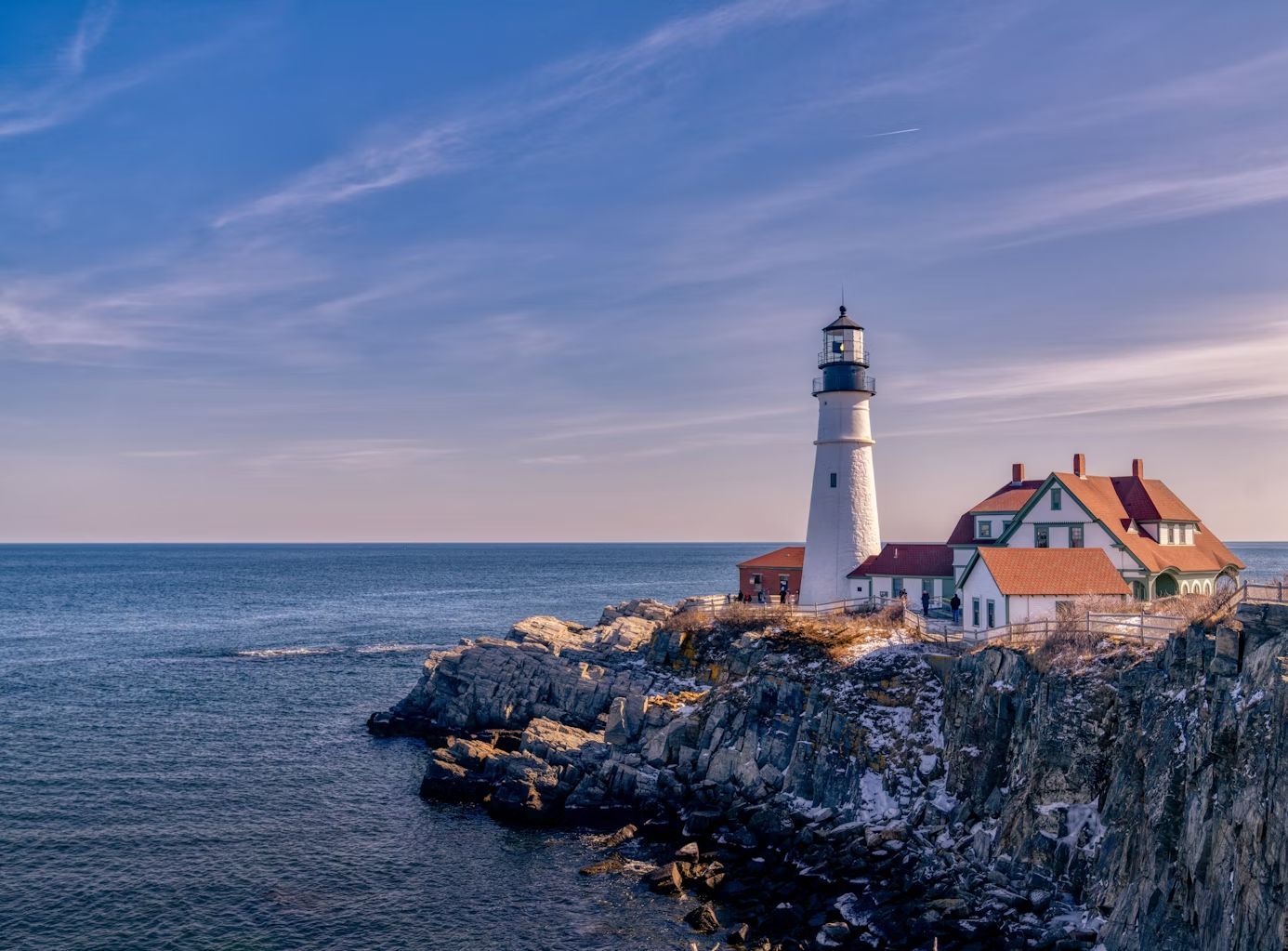
Image: Michael Denning

If you’re expecting a town full of shiny, bald-headed guys, well, you might be disappointed. Bald Head, Maine, actually gets its name from a nearby cliff called Bald Head Cliff .

Now, we all want to know the same: Does it look like a bald head? Sorry to disappoint, but not really. Still, the name has stuck, and the scenic beauty of the area more than makes up for any confusion. Just don’t show up expecting a bald head convention!

7
Accident, Maryland
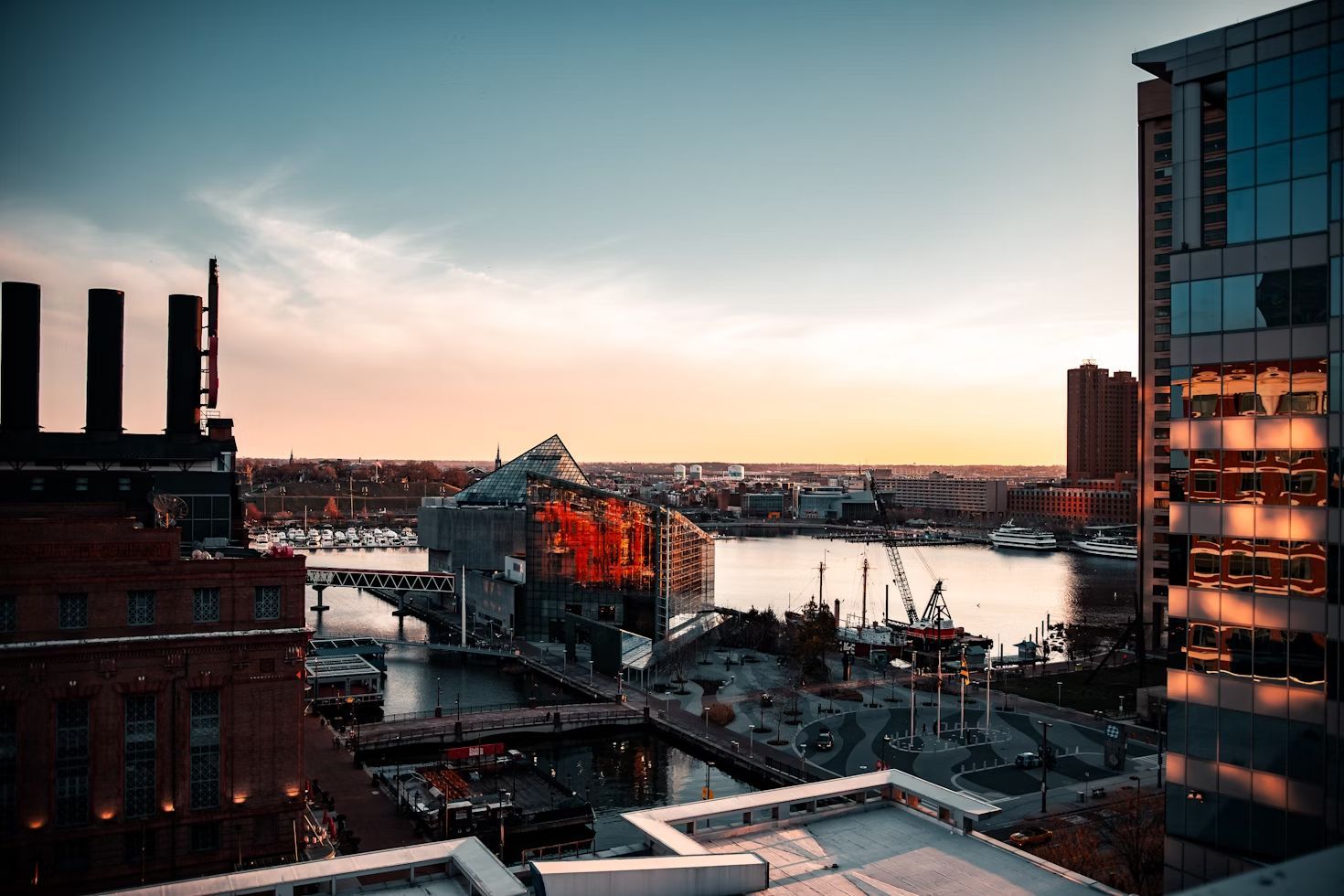
Image: Colin Lloyd

Accident, Maryland, owes its name to an actual accident… Well, kind of. In the 1700s, two land surveyors both accidentally claimed the same piece of land without realizing it . One of them, William Deakins, Jr., later allowed the other, Brooke Beall, to keep it. Rather than rename the town, the name Accident stuck. Talk about a happy accident… And generosity!

8
Whynot, North Carolina
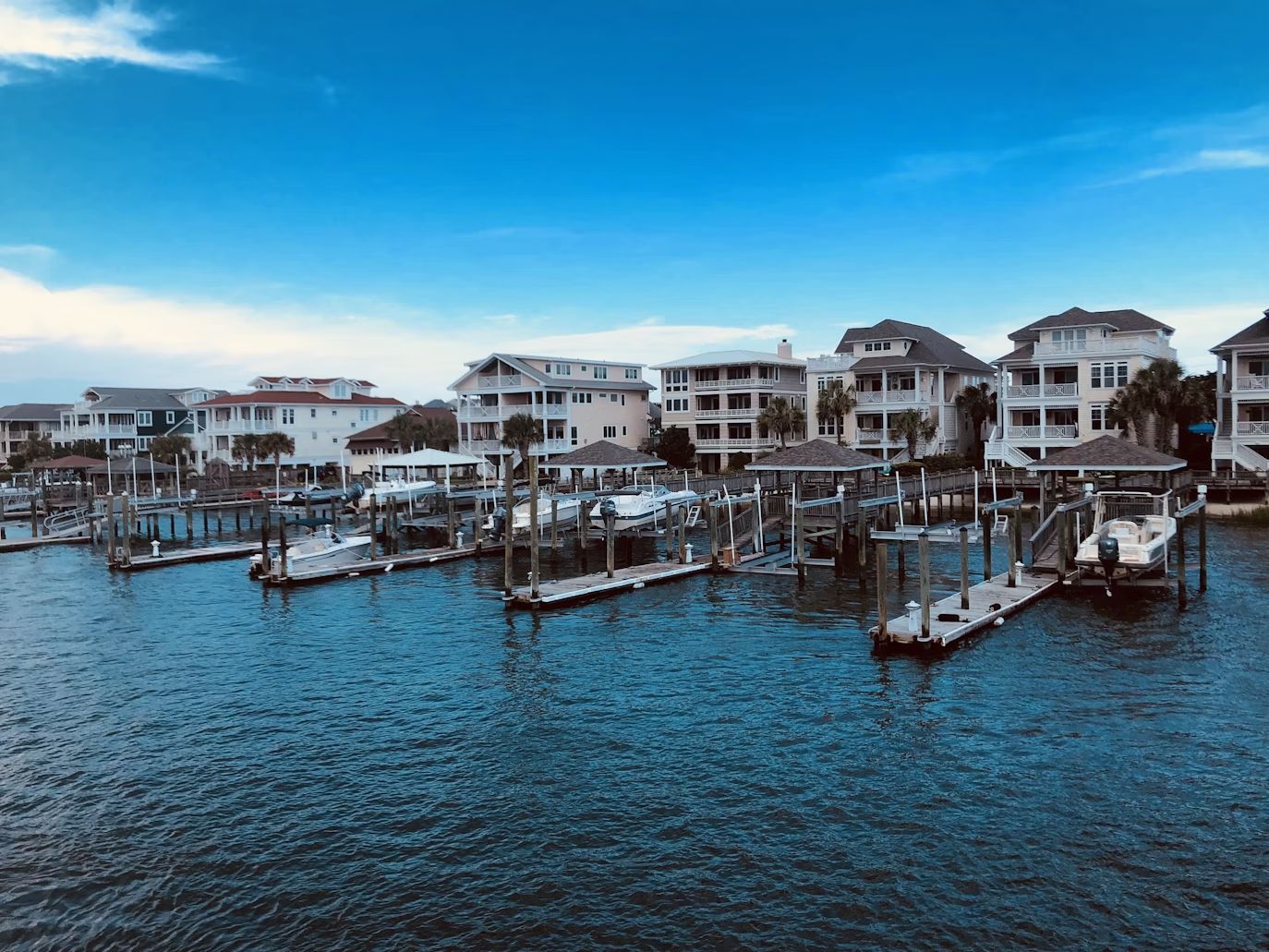
Image: Brendan Steeves

Similar to Why, Arizona, this North Carolina town also came about after a naming debate that got a little too long.

Legend has it that settlers were arguing over what to call their new town when one exasperated resident finally said, "Why not just name it Whynot and go home?" And just like that, Whynot was born.

9
Boring, Oregon
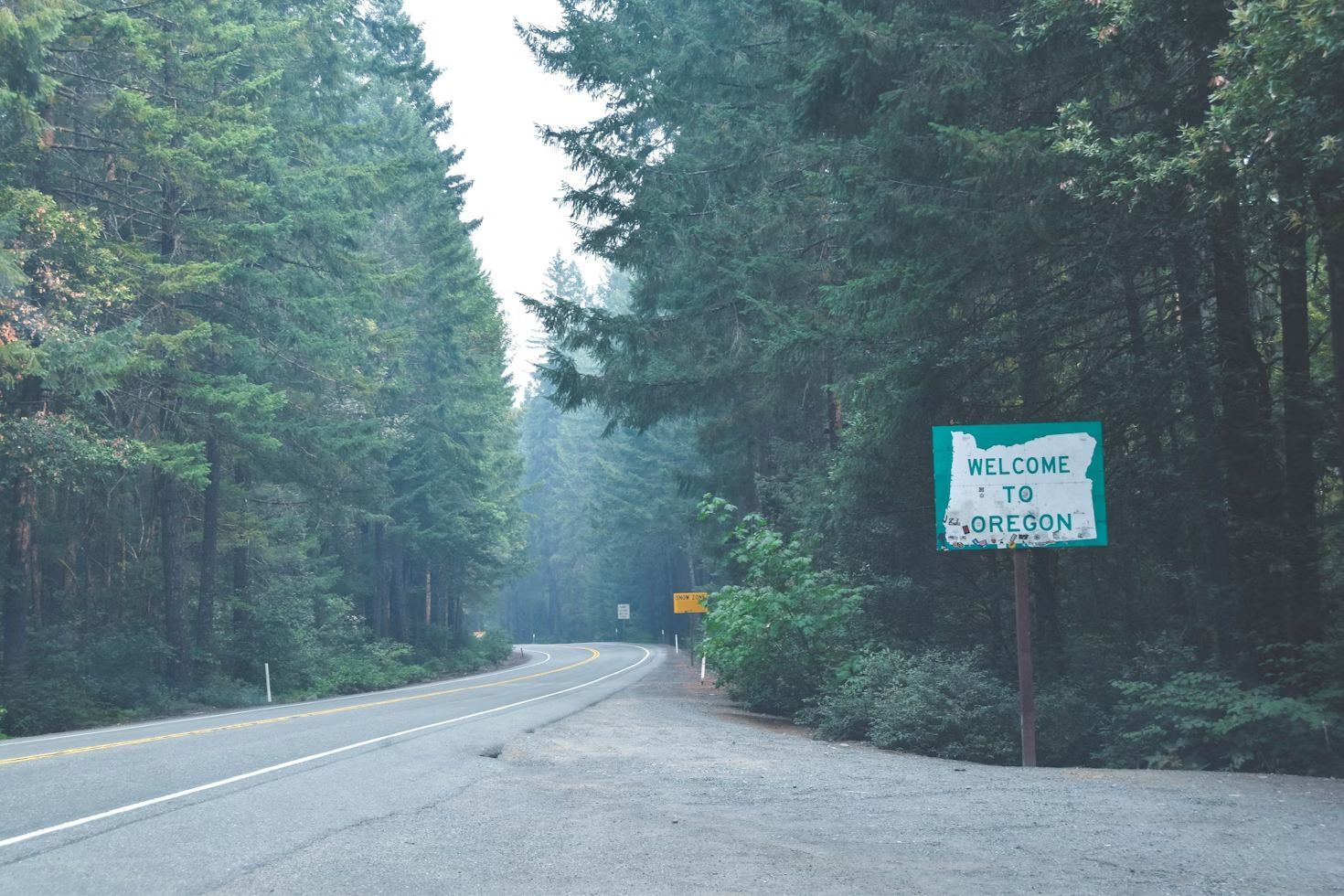
Image: everett mcintire

Yes, we get it. The first thing that comes to mind is "Why would you name your town this?" But despite what the name suggests, Boring, Oregon, isn’t actually boring . If you need some proof, just ask the locals!

Named after William Harrison Boring, one of its early settlers, the town became a hub for the timber industry. To make things even funnier, Boring has international "sister city" partnerships with Dull, Scotland, and Bland, Australia. If you ever visit, you’ll find that Boring is anything but!

10
Mosquitoville, Vermont
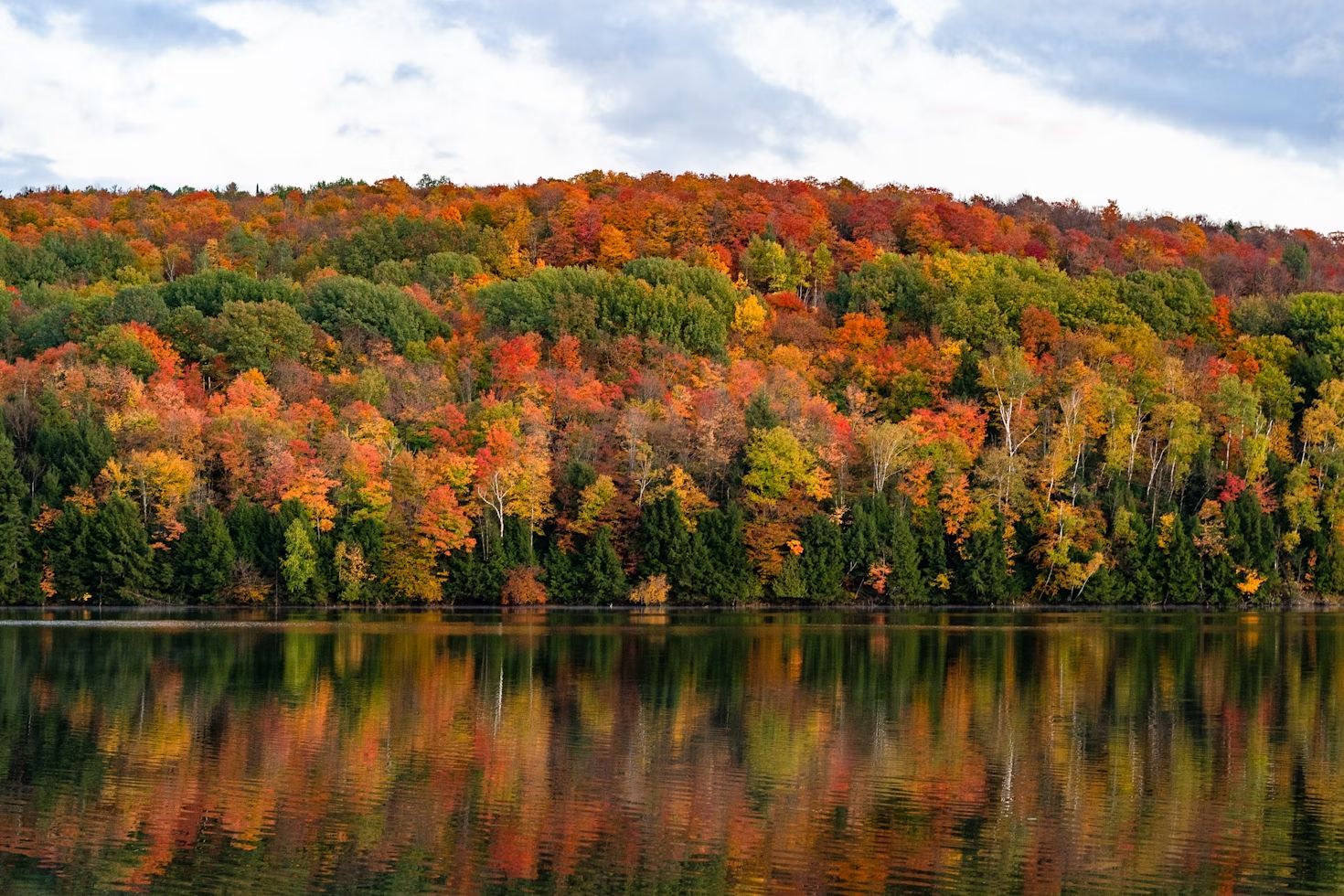
Image: Peter James Eisenhaure

If you were reluctant to visit Boring, imagine visiting Mosquitoville! The name alone makes us want to grab a can of bug spray!

Mosquitoville is actually a small community in Barnet, Vermont, and while we can’t confirm just how many mosquitoes live there, the name doesn’t sound very promising. You’ll just have to go one summer and find out! Only if you dare!


History History 2 min read

Homegrown sounds

How America invented 10 of the world’s biggest music genres

Image: Daniel Angele

If the U.S. has exported anything in abundance, it’s music. From Delta blues to disco, America has shaped the global soundscape with genres that reflect its history, struggles, and triumphs. Join us as we explore 10 of the most influential music styles born on American soil.

1
Blues

Image: Ahmed Rizkhaan

Originating in the Deep South during the late 19th century, blues evolved from African American work songs, spirituals, and field hollers. More often than not, it channeled pain and the harsh realities of life in a segregated America. Formally, its 12-bar blues structure and expressive guitar playing influenced countless other genres, from rock and roll to jazz.

2
Jazz

Image: Carol Highsmith's America

Born in New Orleans in the early 20th century, jazz blended African rhythms, blues, and brass band traditions. It was a revolutionary genre defined by improvisation and syncopation. Great figures like Louis Armstrong and Duke Ellington helped jazz spread worldwide, becoming a symbol of American creativity.

3
Rock and Roll

Image: Ana Grave

Emerging in the 1950s, rock and roll combined elements of blues, gospel, and rhythm and blues to create a high-energy, powerful sound . It soon became the voice of a new, rebellious generation. Pioneers like Elvis Presley, Chuck Berry, and Little Richard became universally beloved legends, forever altering the course of popular music.

4
Country

Image: Ben White

Originating in the southern United States, country music evolved from folk ballads and fiddle tunes brought by European immigrants. Initially, the genre focused on stories about blue-collar American life but later expanded to include love ballads and dance tunes. Today, it remains one of the most popular genres in the U.S.

5
Bluegrass

Image: Priscilla Du Preez

A fast-paced, acoustic offshoot of country, bluegrass emerged in the 1940s thanks to Bill Monroe and his Blue Grass Boys. Drawing from Irish and Scottish folk traditions, it prominently features stringed instruments like the banjo, mandolin, and fiddle. A true heartland gem, bluegrass continues to thrive on festival circuits worldwide.

6
Rhythm and Blues

Image: Matthijs Smit

Rhythm and Blues, or R&B, evolved from blues and jazz in the 1940s, featuring soulful vocals and a strong, "insistent" backbeat. Though its boundaries have been historically difficult to define, it laid the foundation for rock, soul, and funk while remaining a powerhouse in American music for generations.

7
Gospel

Image: Iyinoluwa Onaeko

Rooted in African American church traditions, gospel music emerged in the early 20th century, blending spirituals with blues and jazz influences. Artists like Mahalia Jackson and The Staple Singers were among the first to bring gospel beyond church walls, paving the way for future soul and rock musicians.

8
Soul

Image: Kobe Subramaniam

A direct descendant of gospel and R&B, soul music took center stage in the 1960s with its mix of emotional vocals and deep grooves. Legends like Aretha Franklin and James Brown defined the genre, influencing everything from funk to modern pop.

9
Funk

Image: Krisztián Reischl

Emerging in the 1960s, funk placed a strong emphasis on groove and rhythm, featuring heavy basslines and syncopated beats made for dancing. Pioneers like James Brown, Parliament-Funkadelic, and Sly & The Family Stone helped popularize the genre, whose infectious rhythms later influenced disco, hip-hop, and even rock.

10
Disco

Image: Honey Fangs

Rising in the 1970s, disco blended soul, funk, and Latin influences into a beat-driven, club-friendly sound. More than just a music genre, it became a cultural movement centered on dance, freedom, and glamour. At its peak, artists like Donna Summer and the Bee Gees dominated the airwaves.

Culture Culture 6 min read

How do the most powerful blow off steam?

Which US President spent a quarter of his presidency at a ranch in Texas?

Image: Robert LeRoy Knudsen, Public domain, via Wikimedia Commons

Running the White House is a highly demanding job, so throughout history, many presidents have found ways to relieve the pressure and stress of leading at the highest level of government. When not shaping the path of the nation, presidents have enjoyed a variety of hobbies and pastimes that provide them with leisure time to relax, unwind, and clear their minds. From golfing and swimming to reading and painting, here are 12 U.S. Presidents who found the perfect balance between pleasure and duty.

1
George Washington

Image: Alonzo Chappel, CC0, via Wikimedia Commons

Founding Father and first president of the United States, George Washington, enjoyed many recreational activities during his free time. He was a true outdoorsman—he loved hunting and fishing and was a devoted gardener and farmer .

It’s common knowledge that after deciding not to run for a third term, he retired to his Virginia farm and dedicated the rest of his life to farming. But one fact you may not know is that, in his youth, Washington was a frequent dancer —and rumor has it, he was even extremely good at it! He considered dancing an important social interaction, describing it as "so agreeable and innocent an amusement."

2
Franklin D. Roosevelt

Image: National Archives and Records Administration, Public domain, via Wikimedia Commons

Franklin D. Roosevelt, the only president to be elected to four consecutive terms, led the country through the critical years of the Great Depression and World War II. To maintain a clear mind while navigating such tumultuous times, Roosevelt embraced a number of pastimes. He collected books , stamps , and ship models , for example.

In addition, he was an avid swimmer . After losing the ability to walk due to polio, Roosevelt began swimming three times a week to strengthen his muscles. Following his election, the New York Daily News donated a swimming pool to the White House so he could continue his practice.

3
James A. Garfield

Image: Unknown; part of Brady-Handy Photograph Collection., Public domain, via Wikimedia Commons

Before becoming the 20th president, James A. Garfield enjoyed fishing , hunting , and playing billiards . But he was also exceptionally intelligent and studious.

Though many people may know Garfield for serving just four months in office, he was also the first ambidextrous president of the United States . Not only could he write with both hands, but when asked a question, he could simultaneously write the answer in ancient Greek with one hand and Latin with the other. Pretty impressive, don’t you think?

4
Calvin Coolidge

Image: National Photo Company Collection, Public domain, via Wikimedia Commons

The 30th president of the United States liked riding horses so much that he had an electronic horse installed in the White House. The device had two speeds—trot and canter—and he rode it every day.

That said, Calvin Coolidge was a taciturn man of few words, who enjoyed taking afternoon naps, earning him the nickname "Silent Cal." He also had a very particular sense of humor . He reportedly enjoyed pressing the alarm buttons in the Oval Office or hiding in the garden shrubbery to startle his Secret Service agents.

5
Jimmy Carter

Image: Tuntematon, Valkoisen talon valokuvaajat (01/20/1977 - 01/20/1981), Public domain, via Wikimedia Commons

Throughout his life, Jimmy Carter was a curious man who never stopped doing things. He studied nuclear physics in college, could read two thousand words a minute, wrote numerous books, and even won a Nobel Peace Prize in 2002.

But what did this brilliant man like to do in his spare time? Carter had a variety of hobbies, including painting , poetry , tennis , cycling , fly fishing , and skiing . However, the one activity in which he perhaps excelled most was woodworking . After retiring, the 39th president of the United States set up a garage workshop on his Georgia ranch, where he built furniture that was later auctioned to benefit the Carter Center.

6
John Quincy Adams

Image: Pieter Van Huffel, 1769 - 1844, CC0, via Wikimedia Commons

John Quincy Adams was notoriously meticulous and kept a diary detailing his daily routine. Thanks to this, we now know that the sixth president of the United States liked to relieve the stress of the presidency with an early morning swim .

After waking up around 4 or 5 a.m., Adams would walk two miles to the Potomac River and leave his clothes on the shore before taking a swim. According to lore, one morning, a reporter named Anne Royall snatched his clothes and demanded that the president give her an interview. Adams had no choice but to answer her questions while standing deep in the river, completely naked.

7
Harry S. Truman

Image: Abbie Rowe, Public domain, via Wikimedia Commons

Harry S. Truman governed the United States from 1945 to 1953, right after World War II—a difficult and stressful time, to be sure. To blow off some steam, the 33rd president liked to immerse himself in one of his two long-time passions: reading and music .

Truman had eye problems, which prevented him from participating in sports. As a result, he became an avid reader from an early age—in fact, he once boasted of having read every book in the library by the age of 14. He was also a very skilled piano player , having started lessons at the age of seven.

8
Lyndon B. Johnson

Image: Yoichi Okamoto, Public domain, via Wikimedia Commons

Living up to the legacy of one of the most popular presidents in American history can't be easy. But it appears that the 36th president of the United States knew just how to maintain a good balance between responsibility and leisure. During his five-year administration, Lyndon B. Johnson spent 490 days —about a quarter of his presidency— at the LBJ Ranch in Stonewall , Texas, combining work and vacation so seamlessly that the place became known as "The Texas White House."

At this ranch, Johnson had an extensive collection of vehicles . Among them was the Amphicar, an amphibious passenger car built in the 1960s, which he used to play pranks on his visitors.

9
Richard Nixon

Image: White House Photographer, Public domain, via Wikimedia Commons

Not many people know this, but Richard Nixon was an artistic man. He enjoyed theater—he even met his future wife during a community theater audition—and he could play five musical instruments : piano, saxophone, violin, clarinet, and accordion.

But he was also into sports. In addition to being a huge football fan, he and First Lady Pat Nixon enjoyed bowling . In fact, the Nixons were responsible for moving the White House bowling alley back to the Executive Mansion after it had been relocated to a nearby building years earlier.

10
George W. Bush

Image: Series: Photographs Related to the George W. Bush Administration, 1/20/2001 - 1/20/2009Collection: Records of the White House Photo Office (George W. Bush Administration), 1/20/2001 - 1/20/2009, Public domain, via Wikimedia Commons

During his free time, George W. Bush enjoyed golfing, biking, attending baseball games, and reading American history. He was also a very competitive runner .

However, when the 43rd president of the United States left office, he was only 62 years old—plenty of time to acquire a new pastime. In the years following his time in the White House, Bush surprised many by turning to painting . "I’m a painter," he told Jay Leno on The Tonight Show .

11
Dwight D. Eisenhower

Image: ddd

To relieve the stress of leadership, Dwight D. Eisenhower maintained a number of hobbies that he cultivated throughout his life. One of his main passions was golf , which he played during and after his presidency. He even kept a small putting green in the White House garden and had a four-hole practice course installed at Camp David.

But that’s not all. Ike enjoyed fishing, hunting, shooting, watching Western movies, and playing bridge. He was also an avid painter who often captured natural landscapes and gave them as gifts to friends. After leaving the White House, Ike settled on a farm near Gettysburg, Pennsylvania, where he raised Black Angus show cows that won blue ribbons at state and county fairs.

12
John F. Kennedy

Image: Robert LeRoy Knudsen, Public domain, via Wikimedia Commons

John F. Kennedy was an exercise enthusiast and something of a jock. He played many sports : golf, tennis, swimming, baseball, and football. Despite being an athletic man, he enjoyed smoking between four and five cigars a day—his favorite brands were Upmanns and Monticellos!

But perhaps the hobby that most helped him relax from the tensions of the presidency was boating. Like many members of his family, John F. Kennedy loved to sail and was often photographed at sea with his wife and young children.

Explore more American facts

Choose your favorite category!

General
General

As American as apple pie—the very best America has to offer!

Culture
Culture

Delve into the astounding richness of American lore.

Geography
Geography

Hop in and explore vast and diverse American landscapes.

History
History

Discover the key moments that shaped the United States.