General General 5 min read

Sweet memories

We love these 10 amazing American pies and cakes!

Image: Element5 Digital / Photo By: Kaboompics.com

It shouldn’t come as a surprise that America loves pies and cakes. After all, they are our go-to sweet treats for celebrations and special events. Whether it’s a filling slice of apple pie on the 4th of July or blowing out the candles on your favorite birthday cake, we all have warm memories associated with these delicious desserts. With that in mind, we’ve selected 10 of our favorite American pies and cakes, hoping to pay a fitting tribute to these amazing sweet treats. Enjoy!

1
Apple pie

Image: Priscilla Du Preez 🇨🇦

We’ll start with an undisputed American icon: After all, doesn’t the saying go, "as American as apple pie" ? This iconic treat has been at the heart of countless American traditions, perhaps most notably during Independence Day celebrations. Fireworks and a slice of apple pie are all we need for a 4th of July to remember.

While apple pies originated in 14th-century England, it wasn’t until they arrived in America that they became a global icon. Over the centuries, several recipes and toppings have emerged, such as whipped cream, ice cream, custard, or even cheddar cheese.

2
Key lime pie

Image: American Heritage Chocolate

Who says pies can’t be sour? The Key Lime Pie is the perfect example of a " When life gives you lemons " mentality: it takes the lime, a fruit that no one would want to eat raw, and transforms it into a luscious and delicious treat.

The Key Lime Pie is Florida’s official state pie, as it was invented in the "Sunshine State" during the 1940s. Not only that, but the traditional way to make this pie uses Key limes, which get their name from the Florida Keys where they are grown.

3
Blueberry pie

Image: Diliara Garifullina

Just like pumpkin pies, blueberry pies were first created by American settlers , who used the abundant varieties of blueberries found in the country to make these delicious treats. Over time, their popularity spread to Europe, where people used their own types of blueberries to try to replicate the American versions.

This sweet treat has become synonymous with the state of Maine, where blueberry pie made with wild Maine blueberries was designated as the official state dessert. However, blueberry pie is still happily enjoyed across the entire nation.

4
Pumpkin pie

Image: Alexander Grey

Just like apple pie is the go-to dessert for the 4th of July, pumpkin pie is instantly associated with Thanksgiving . After all, the origins of this delicious treat can be traced back to the very first American colonists, though it was served in a very different manner. Historians believe that these early versions of pumpkin pie were more akin to a type of pumpkin soup, served inside a hollowed-out pumpkin.

Nowadays, the pumpkin pie we know and love is made with eggs, milk, evaporated sugar, and several spices like nutmeg, ginger, and cinnamon, often topped with a generous dollop of whipped cream.

5
Boston Cream pie

Image: Marko Klaric

According to some historians, Armenian-French chef Mossburg Sanzian created a particularly delicious cream-filled cake one afternoon in 1856 at the Parker House Hotel in Boston. Unbeknownst to Sanzian, his creation would eventually become the iconic Boston cream pie , declared Massachusetts’ official state dessert in 1996.

Since that day in 1856, this iconic dessert has gone by many names, such as "chocolate cream pie" and "Parker House chocolate cream pie." You might be confused by our use of the word "cake," but that was no mistake: The Boston cream pie is technically a cake. Its confusing name comes from the fact that, in the 19th century, both cakes and pies were baked in the same pan, which led these two words to become synonyms.

6
Peanut Pie

Image: ROMAN ODINTSOV

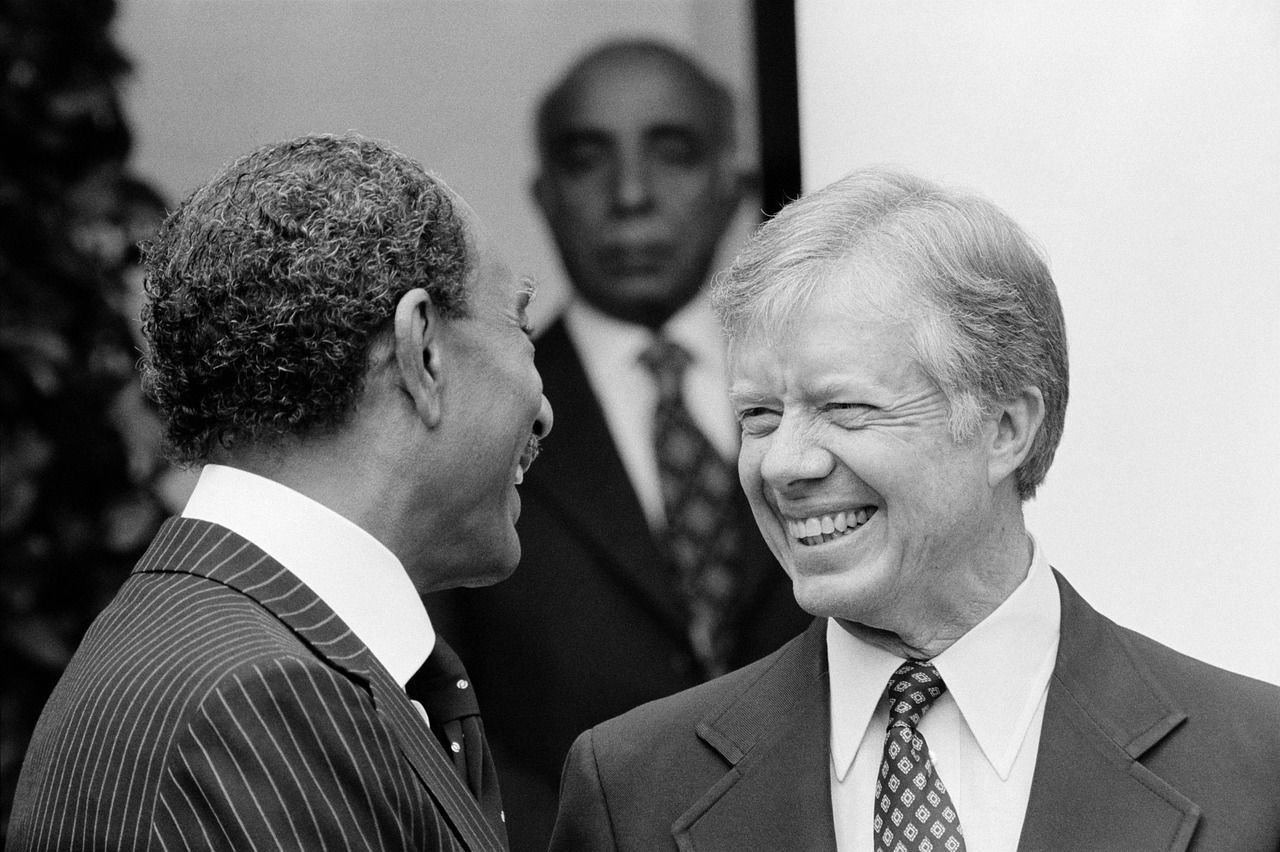
American President James "Jimmy" Carter is still well-known for his love of peanuts, so it stands to reason that his beloved wife, Rosalynn, was known for her delicious peanut pie . After all, this pie is a staple of Southern cuisine and is especially beloved in Carter’s home state of Georgia.

Peanut pie is similar to pecan pie in that they are prepared with similar ingredients, such as corn syrup, eggs, and sugar. However, peanut pie is highly versatile and may include other ingredients, such as molasses, cayenne pepper, bourbon, or cream cheese.

7
Marionberry Pie

Image: Larissa Farber

The marionberry pie is a delicious treat, particularly popular in the Pacific Northwest. After all, this type of blackberry is named after Marion County in Oregon , where it was bred and tested during the 20th century.

As you would expect, the marionberry pie is Oregon’s official state pie, and it truly shows. If you ever happen to visit "The Beaver State" during berry season, you’ll probably be welcomed with a warm smile and a slice of delicious marionberry pie.

8
Peach cobbler

Image: khezez | خزاز

Cobbler is definitely the entry with the most baffling name on this list. After all, what does a shoemaker have to do with this delicious dessert? In any case, don’t let this unusual name discourage you; cobblers are a simple yet amazing sweet treat.

While we would love to include as many types of cobblers as we could find, for brevity's sake, we’ll instead focus on one of the most popular cobblers in America: Peach cobbler combines the sweetness and texture of peaches with a crumbly, sweet topping. In 2013, Texas declared the peach cobbler its official state cobbler.

9
Pecan pie

Image: nikohoshi

Standing on the other side of peanut pie, we have pecan pie, another Southern delicacy . Just like peanut pie, pecan pie might seem simple at first glance, but there are several variants and styles associated with this sweet treat. Different recipes include molasses, honey, or cane syrup.

In the American South, pecan pie is closely associated with the holidays, especially Thanksgiving and Christmas. Due to its status as a cultural icon, Texas declared pecan pie its official state pie.

10
Cherry pie

Image: Nik

While most of us associate the 4th of July with apple pie, it should also be noted that many Americans picture a delicious slice of cherry pie when reminiscing about our Independence Day. Like many other pies on this list, cherry pie can be enjoyed with whipped cream or ice cream.

Cherry pie is also deeply ingrained in American folk songs , such as "Billy Boy," where the titular character is asked whether his bride-to-be can cook a cherry pie. Additionally, cherry pie is linked to George Washington’s birthday, thanks to the popular legend of a young Washington chopping down his father’s cherry tree.
History History 6 min read

Saddle up, partner

Do you know what cowboy life was like? These 11 facts might surprise you

Image: Jordan Crawford

"Oh, give me a home where the buffalo roam,

Where the deer and antelope play,

Where never is heard a discouraging word

And the sky is not clouded all day."

Home on the range - Traditional

If you grew up **dreaming of "being a cowboy and loving the cowboy ways"**—just like the great Willie Nelson sang—maybe that’s the life for you! But not everything is rosy in a cowboy’s life. Behind the romanticized image of wide-open ranges and carefree cattle drives lies one of the toughest jobs ever known. From brutal weather to dangerous animals—and lawless characters of all kinds —those who took this path had their strength, endurance, and grit tested daily. Here are 11 facts that reveal just how grueling life was for these iconic figures of America’s West.

1
Relentless weather

Image: Donnie Rosie

"There's a blizzard coming on, how I'm wishing I was home

For my pony's lame, and he can't hardly stand.

Listen to that norther sigh, if we don't get home we'll die.

But it's only seven miles to Mary Ann's"

The Blizzard - Jim Reeves

Across the plains from Texas to Montana, cowboys faced everything nature could throw at them —from scorching sun to freezing snowstorms and deadly tornadoes. The elements were a constant, unforgiving adversary in this rugged way of life.

Cowboys had to fear not only for their own lives but also for the lives of their cattle —and reining in a panicked herd during a lightning storm was certainly no walk in the park. Even today, with modern gear and technology, those who still drive cattle must rely on their instincts and skill to survive in the wilderness.

2
Dangerous animals

Image: Duncan Sanchez

"Lightning a flashin' everywhere

Thunder a rollin' through the air

Wind and rain, cattle look insane

This herd might stampede tonight"

Stampede - Sons of the Pioneers

Just as the weather tested their endurance, managing both wild and domesticated animals was no easy task. From wild predators to angry bulls, nervous bucks, and rattlesnakes hiding in the tall grass, the cowboy’s world was full of lethal threats.

Stampedes could scatter thousands of cattle in seconds, leaving riders vulnerable to trampling or injury. Even on the relative safety of the ranch, one wrong move could quickly end in tragedy.

3
Limited medical care

Image: Mathieu Stern

"Far away from his New England,

'Neath the southern sultry skies,

On the banks of a little river

They lay him down to die"

The Dying Cowboy - Traditional

An inherently dangerous job, cowboy life inevitably meant that injury was part of the work. Falling from a horse or taking a kick could incapacitate a cowboy for days or weeks, and with no formal workers’ compensation, many had to keep working despite the pain.

Cuts, broken bones, and infections could quickly turn deadly without proper treatment. Many cowboys learned rudimentary medical skills themselves or relied on frontier doctors with minimal supplies. Even today, those working in remote areas are hours away from medical help.

4
Grueling work hours

Image: Bailey Alexander

"Oh say, little dogies, why don't you lay down? [...]

My horse is leg-weary and I'm awful tired

But if I let you get away, I'm sure to get fired

Bunch up, little dogies, bunch up"

Night Herding Song - Harry Stephens

Cattle drives demanded 14 to 18-hour days with barely any rest. Cowboys often worked dawn till dusk, and sometimes even through the night.

The long days involved walking alongside thousands of cattle, breaking trail, and maintaining herd order. Sleep was often just a few hours, squeezed in wherever possible on the open range or near a campfire.

5
Horseback riding

Image: Jon Sailer

"He started his long ride in Prescott

The sun was a hundred or more

On down he rode at full gallop

Into the flat desert floor"

Ride, Cowboy, Ride - Marty Robbins

That brings us to the next point… all of that had to be done on horseback, and let me tell you, riding a horse for hours on end is much harder than it looks! Expert riders may make it seem effortless, but it’s far from easy.

Cowboys needed strong legs, resilient backs, and excellent balance. Horses could become tired or lame, but the cowboy had to press on regardless, often swapping mounts to keep the drive moving.

6
Limited food options

Image: Blake Carpenter

"Bacon and beans most every day

Soon to be eating that prairie hay"

Chisholm Trail - Traditional

Meals were often sparse and repetitive, mostly beans, salted meat, and hardtack. Cooking was done over open fires, with limited tools, and fresh food was a luxury rarely available.

Preserving meat through salting or smoking was essential for long drives. Still, fresh produce was so scarce that vitamin deficiencies—and even scurvy—could develop in some cases.

7
Water scarcity

Image: Jonathan Greenaway

"All day I've faced a barren waste

Without the taste of water

Cool water

Old Dan and I with throats burned dry"

Cool Water - Bob Nolan

Particularly in the arid southern regions of the West, finding clean water was a daily struggle for both cowboys and cattle—a dry creek could mean the difference between reaching the next stop or falling behind entirely.

While most cowboys were savvy navigators of their regions and often knew where to find drinking water, water holes could still be miles apart, forcing long detours or risky stops. Drinking from stagnant sources carried serious risks, including dysentery, cholera, and other waterborne diseases that could quickly incapacitate both men and animals.

8
Long, dusty trails

Image: Bailey Alexander

"The blue skies have failed so we're on our last trail

Underneath these dusty skies

These ain't tears in my eyes

Just sand from these dusty skies"

Dusty Skies - Bob Wills

Cattle drives could stretch over 1,000 miles, with cowboys and their herds enduring endless dust and scorching heat along the trail.

Prolonged exposure to dust caused respiratory problems and irritated eyes, which is why many cowboys tried to limit their exposure using bandanas or makeshift rags to cover their faces. The same cloth also provided protection from the unforgiving sun and drying wind.

9
Lawlessness and violence

Image: Jon Sailer

"Texas Red had not cleared leather

When a bullet fairly ripped

And the ranger's aim was deadly,

with the big iron on his hip"

Big Iron - Marty Robbins

As beautiful and serene as the open range was, the West was also full of danger—outlaws, land disputes, and conflicts over cattle and water were common. Far from the comforts of civilization, the strong arm of the law was often hours or days away, making gunfights, rustling, and revenge killings part of everyday reality.

Cowboys frequently carried firearms for protection, relying on their own skills and the support of their fellow riders to maintain some measure of security on the frontier.

10
Working for dust and pennies

Image: Ashim D’Silva

"And I nearly starved to death, boys

He did mistreat me so

And I never saved a dollar

In the pay of Diamond Joe"

Diamond Joe - Traditional

Despite the danger and hard work, cowboys earned little—sometimes as low as $25 a month, and that was when the boss was being somewhat fair!

The job was seasonal and unstable, with no benefits or retirement plans, so many worked well into old age. Some took on multiple jobs or moved frequently just to get by. Far from lucrative, the cowboy lifestyle was often endured only by those who loved the work or had nowhere else to turn.

11
Isolation and loneliness

Image: Luke Schlanderer

"Cowboys are special with their own brand of misery

From bein' alone too long

You can die from the cold in the arms of a night, man

Knowin' well that your best days are gone"

My Heroes Have Always Been Cowboys - Willie Nelson

While the near-mythological image of the cowboy paints him as a lone, self-reliant hero, the reality is that cowboys depended heavily on one another. Even so, the work could be deeply isolating. Weeks could pass without seeing a town, friends, or family, as they roamed vast, empty landscapes.

This constant solitude often weighed on their mental health, but many fought the loneliness of the trail with campfire songs shared among fellow cowhands or by writing letters to their loved ones.

Geography Geography 3 min read

What's behind American cities' nicknames? Prepare to be surprised!

Image: Trev W. Adams

We love giving our cities all sorts of nicknames—and American cities wear them like badges of honor! But do you know where they come from? Some seem obvious, while others have mysterious origins, but all have a unique connection to the places they describe . Join us for a fun guessing game as we explore the nicknames of six iconic U.S. cities, with their surprising origins revealed in the second half of this list .

1
The Big Apple: New York City

Image: Nik Shuliahin

Everybody knows "The Big Apple" refers to New York— the city that never sleeps . But why, exactly? Is it because there’s a worm (the subway) underneath it? Or is it a metaphor for something we strive for?

2
The Big Easy: New Orleans

Image: mana5280

It sure feels easy to stroll through New Orleans, a city known for its laid-back atmosphere and rich cultural energy, where jazz bands can spontaneously form on any corner and lively public celebrations are always just around the bend. But what’s the story behind its nickname?

3
Motor City: Detroit

Image: Doug Zuba

The most populous city in Michigan, the nickname "Motor City" certainly feels right for its bustling streets and large industrial background —but what exactly led to the adoption of this powerful nickname?

4
Sin City: Las Vegas

Image: Grant Cai

We all know the famous adage: "What happens in Vegas, stays in Vegas." Given the city’s notorious nightlife and gambling scene , it’s understandable—you might prefer to forget how you lost all your savings on a slot machine. But is that the only reason it earned its infamous nickname?

5
The Windy City: Chicago

Image: Ozzie Stern

Situated on the shores of Lake Michigan, Chicago's nickname might seem to stem from its exposure to harsh weather —but sometimes, the obvious answer isn’t the correct one. Is it really the weather, or is something stranger at play?

6
The Mile High City: Denver

Image: Emmanuel Appiah

Is Denver really a "Mile High" city because of its geographical proximity to the towering Rockies, or is it just a nod to its ever-expanding skyline? Keep reading to find out!

And now, the answers:

7
The Big Apple: Horse-racing origins

Image: Taylor Sondgeroth

The nickname originated in the 1920s as horse-racing slang , where "The Big Apple" informally referred to New York’s prize racetracks. Jazz musicians later popularized it, and a 1970s tourism campaign ultimately cemented it as a symbol of the city’s cultural and financial prominence.

8
The Big Easy: Chill and jazz

Image: Robson Hatsukami Morgan

If you followed our line of thought—you were right! This nickname emerged from the city's reputation for its relaxed lifestyle and vibrant jazz scene . While there are many theories about who first used the term—and whether it was originally meant to be derogatory—one thing is certain: all New Orleanians agree it 100% reflects the city’s unique blend of music, culture, and laissez-faire attitude.

9
Motor City: Infinite assembly lines

Image: Austrian National Library

Detroit earned its nickname as the birthplace of the American auto industry. Henry Ford’s revolutionary assembly line and the rise of car manufacturing giants cemented the city’s status as the global automotive capital of the 20th century. In fact, it remains home to the headquarters of America’s largest auto manufacturers—General Motors, Ford, and Chrysler.

10
Sin City: Prohibition defiance

Image: Jakub Dziubak

For a city founded by religious missionaries, "Sin City" is certainly an ironic nickname. In truth, its origins trace back to the construction of the nearby Hoover Dam in the 1930s. Thousands of workers flocked to the city in search of lodging and—presumably—entertainment. This led to the rapid rise of casinos and a thriving underground alcohol industry that—during Prohibition—was as profitable as it was illegal.

11
The Windy City: Long-winded speeches

Image: Kristina Paparo

While many assume it refers to Chicago’s weather, the nickname was actually coined by journalists mocking the boastful speeches of local politicians as they aggressively promoted the city as the ideal location for the World’s Fair. The term was meant to highlight the "hot air" of their rhetoric rather than the city's literal windiness.

12
The Mile High City: A matter of altitude

Image: Bill Griepenstroh

Denver sits exactly 5,280 feet one mile above sea level , earning its nickname, the "Mile High City," quite literally. Its natural elevation, combined with stunning Rocky Mountain views, makes it truly unique. Even more interesting, Denver’s altitude leads to some unusual effects: golf balls can travel up to 10% farther than at sea level, and alcohol tends to hit harder since high altitudes reduce the body's ability to process it efficiently.

Explore more American facts

Choose your favorite category!

General
General

As American as apple pie—the very best America has to offer!

Culture
Culture

Delve into the astounding richness of American lore.

Geography
Geography

Hop in and explore vast and diverse American landscapes.

History
History

Discover the key moments that shaped the United States.