General General 5 min read

MUSICAL TRIBUTES

Did You Know These 10 Songs Named After U.S. States?

Image: weston m

In 1893, a 33-year-old English professor named Katharine Lee Bates took a train ride from Massachusetts to Colorado. The beautiful landscapes and gorgeous scenery of this seemingly inconsequential trip inspired Bates to write the lyrics of a now iconic song that celebrates everything that makes America so amazing. And with that, the patriotic song "America the Beautiful" was born.

Just like Bates, generations of American musicians have captured their love for America in countless songs. We have selected ten of the most moving anthems that celebrate the beauty of our 50 states. Enjoy!

1
"Louisiana Rain" by Tom Petty and the Heartbreakers

Image: Liv Bruce

Iconic musician Tom Petty included this bittersweet track in his third album with the Heartbreakers, titled "Damn the Torpedoes". This 1979 track tells the story of a heartbroken narrator walking down the streets of an undisclosed Louisiana city.

Petty’s slightly scruffy voice goes perfectly with the song’s melancholic and slow tempo. The song’s sliding guitars and harmonica solos provide an amazing background for the song’s thoughtful lyrics, where Petty sings "may never be the same" when he reaches Baton Rouge.

2
"Montana Song" by Hank Williams Jr
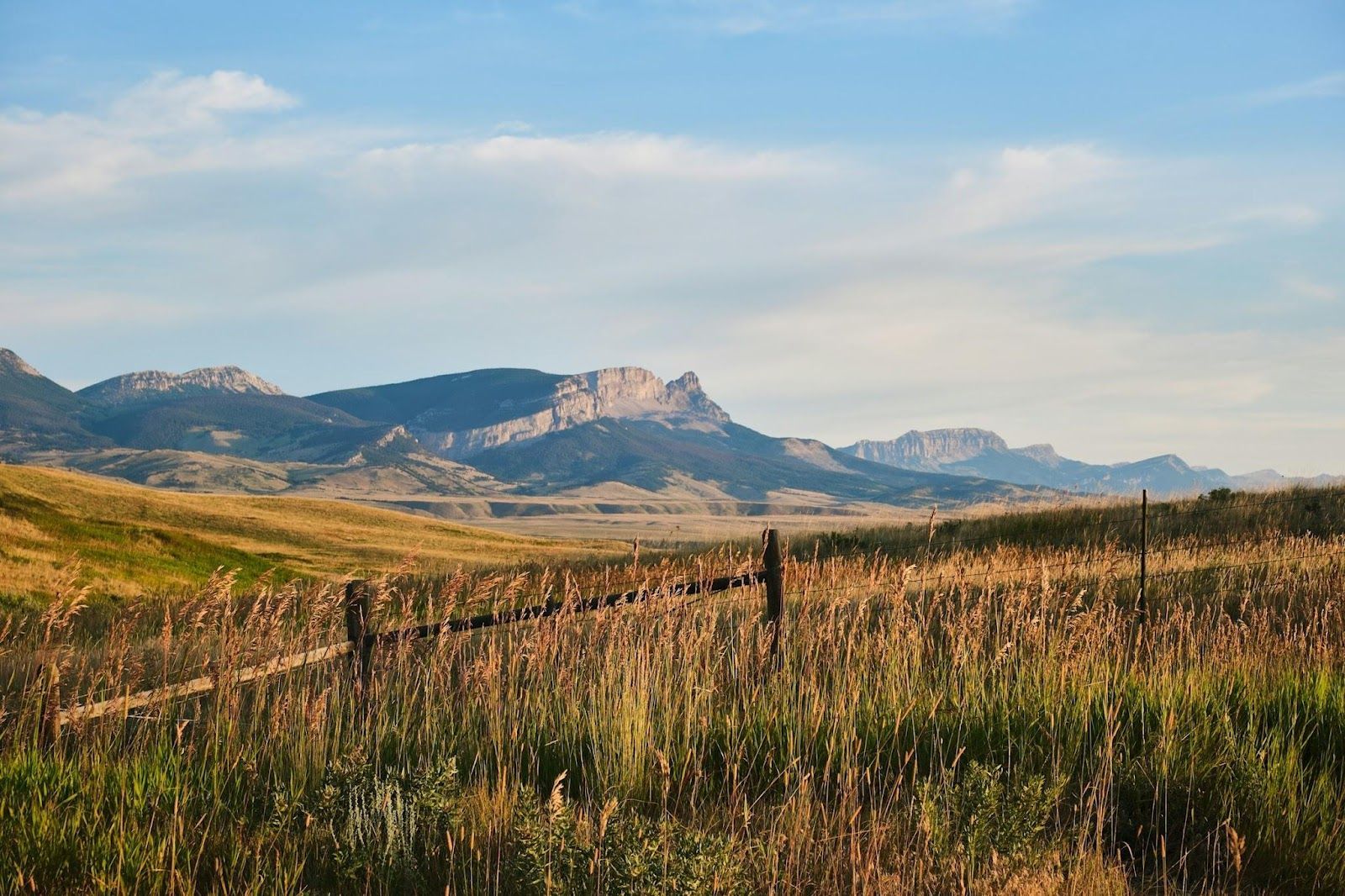
Image: Michael Bourgault

While he was born in Louisiana, musician and songwriter Hank Williams Jr. seems to have a place in his heart for the unparalleled beauty of "the Treasure State" . After all, the lyrics to his 1975 track "Montana Song" speak about a lonesome man "going to Montana to rest my soul".

While Williams’ song definitively centers on the heartbreak the narrator feels after losing "that special someone", it is nearly impossible not to picture Montana’s snowy peaks and cold beauty when listening to this song.

3
"Jersey Girl" by Tom Waits
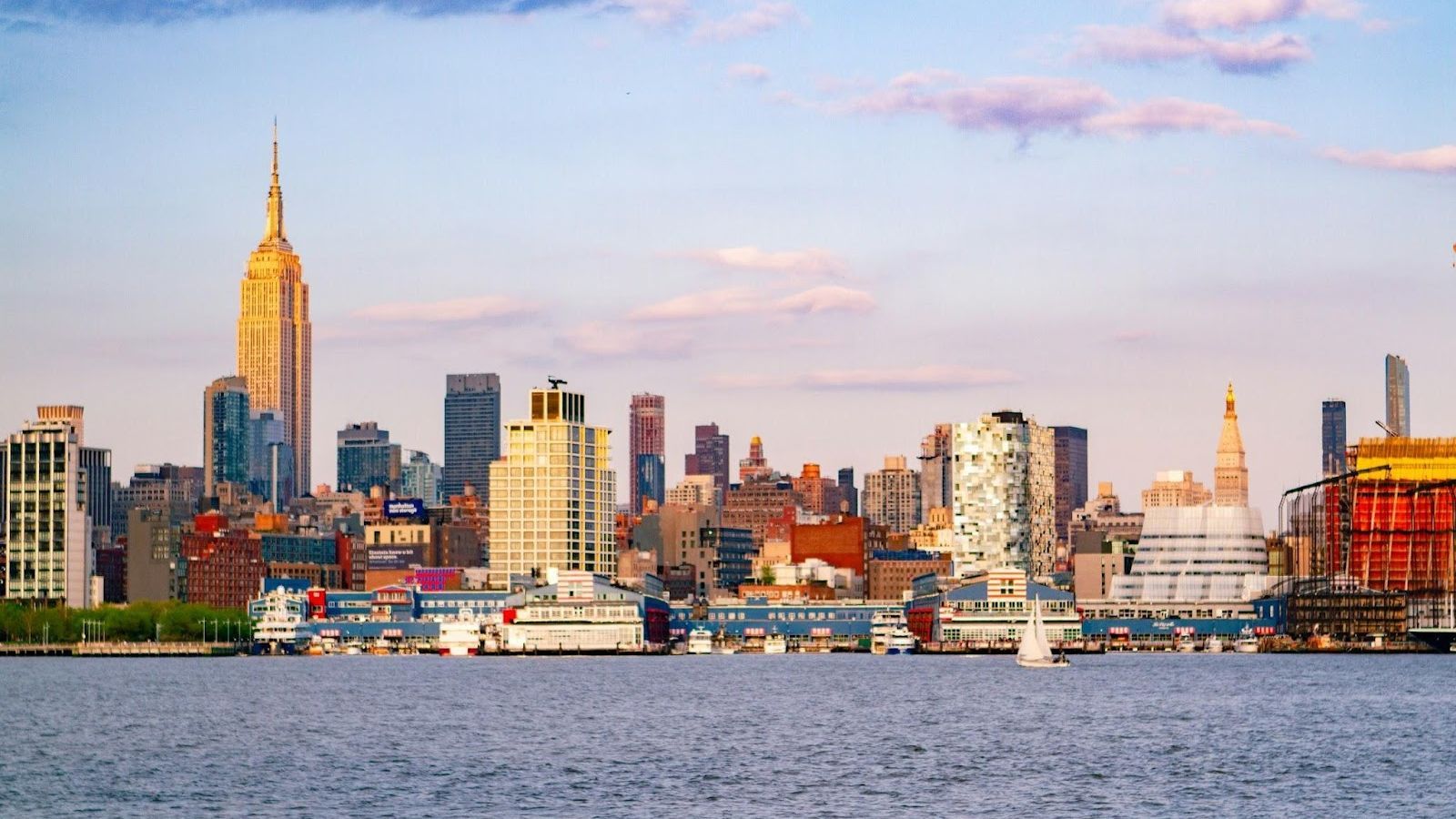
Image: Manisha Raghunath

We have included a fair share of songs about failing relationships in this article, so why don’t we provide some balance with this song about two lovers separated by the Hudson River? When Tom Waits wrote this song for his 1980s album "Heartattack and Vine", he was thinking of his future wife Kathleen Brennan, who, at the time, was living in New Jersey.

While the song is definitively slow-paced and melancholic, it is refreshing to hear Tom Waits’ ragged voice play the part of a man in love. In an interview, Waits admitted, "I never thought I would catch myself saying 'sha la la' in a song".

4
"New Hampshire" by Sonic Youth
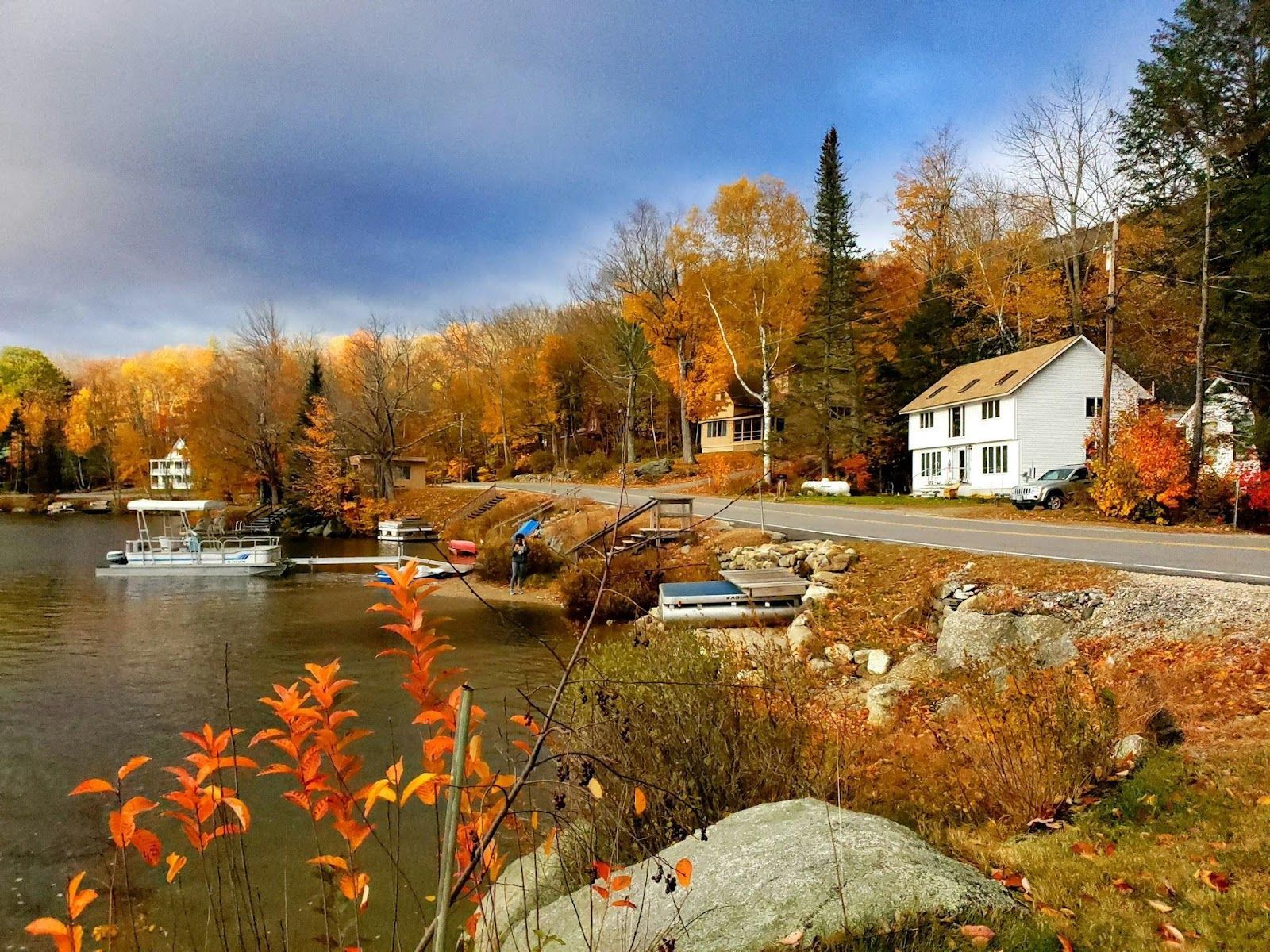
Image: Suraj Gattani

Perhaps the most experimental song in this list, this 2004 track by rock band Sonic Youth features a myriad of electric guitars intertwined with singer Thurston Moore’s voice. "New Hampshire" goes from distorted rock riffs to more expansive and melodic interludes, all the while guided by a slow-paced beat.

The song’s lyrics describe the adventures of Steve and Joe, "the New Hampshire boys", and how they went "beyond/ Doing it for life". While the true meaning of the lyrics is enigmatic, many believe they refer to musicians Steven Tyler and Joe Perry, who met in New Hampshire and formed the band Aerosmith.

5
"New Mexico" by Johnny Cash
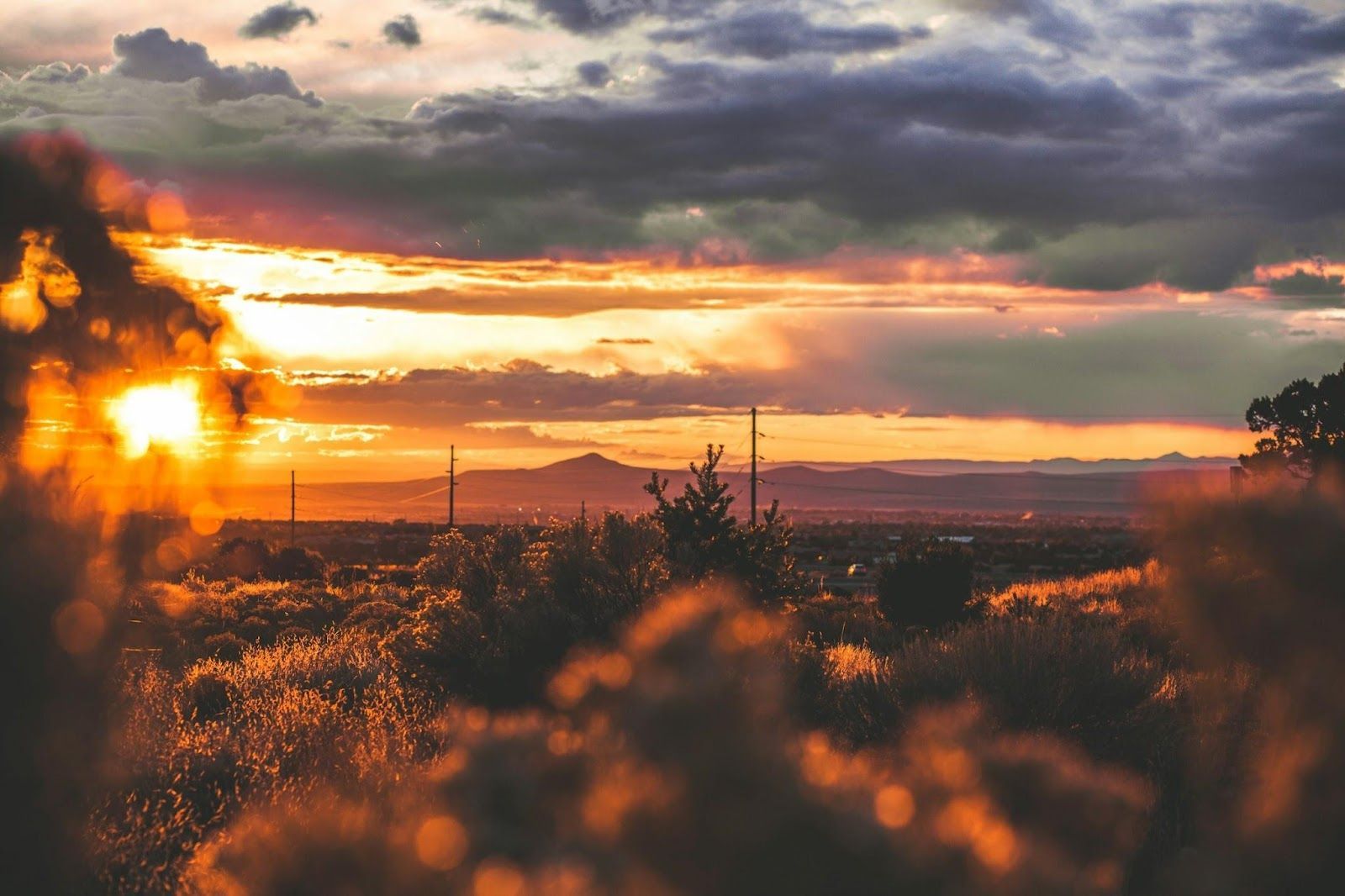
Image: Maddy Baker

If there’s one person in this list that needs no introduction, that’s the "Man in Black" . Johnny Cash’s song about "The Land of Enchantment", aptly named "New Mexico", tells the story of a young man from the town of Griffin traveling to this state for a summer job. Johnny’s characteristic deep voice narrates the prospect of a "pleasant summer out in New Mexico".

However, this is the point at which the narrator stops singing the praises of this state and instead narrates the perils and hardships he experienced in "the God-forsaken country they call New Mexico". Nevertheless, we all know that the parts of this song that describe the beauty of this state are a much more accurate representation of the real New Mexico.

6
"New York, New York" By Frank Sinatra
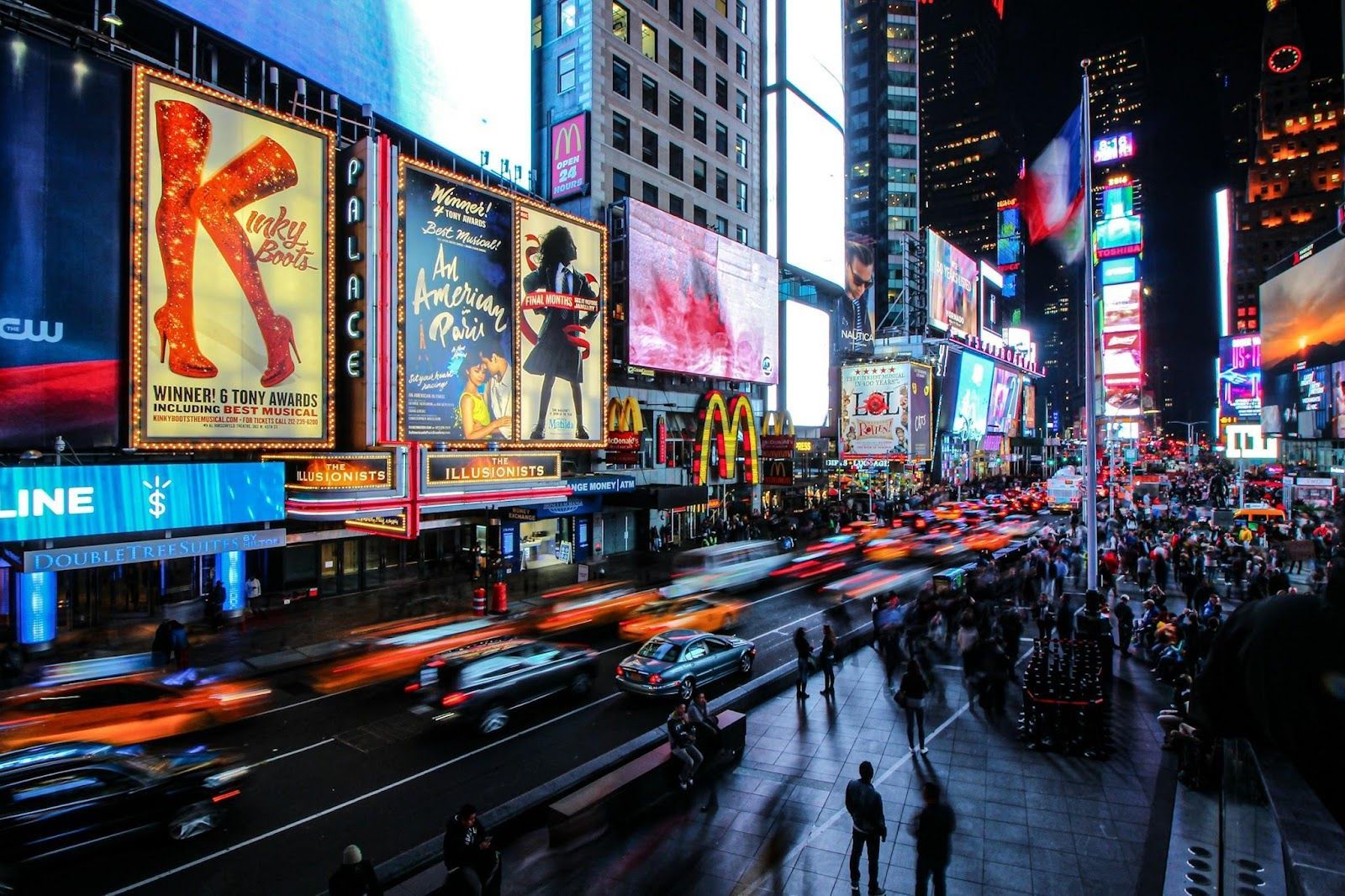
Image: Florian Wehde

This is perhaps the most famous song in this list. Everyone who has ever stepped into New York City, from the grumpy locals to the tourists dazzled by the lights of Times Square, has hummed this Frank Sinatra song at least once in their lifetime.

While it's true that the legendary Liza Minelli was the first one to perform "New York, New York" (as part of the soundtrack for the 1977 Scorsese film of the same name), Sinatra’s rendition is definitively the quintessential version of this song. His dulcet yet powerful voice perfectly describes the sense of wonder most people feel when they see New York City for the first time.

7
"Oklahoma Morning" by Charley Pride
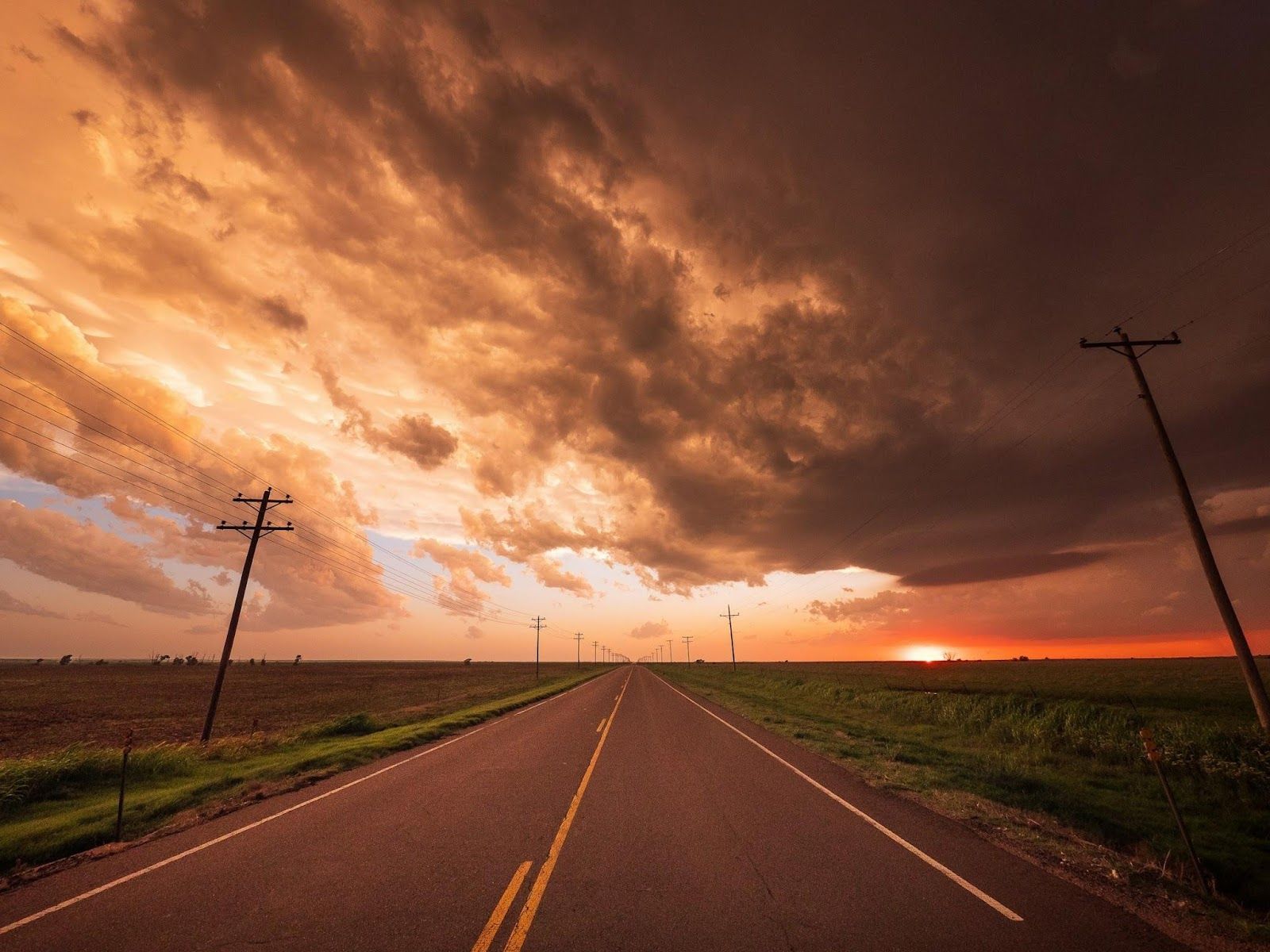
Image: Raychel Sanner

There’s a lot to be said about this love letter to "The Sooner State", but Charley Pride can definitively say it better when he sings "That Oklahoma mornin' / Puts Oklahoma sunshine in my soul". This country song is truly a beloved homage to Oklahoma and is one of the many reasons why this iconic singer was inducted into the Country Music Hall of Fame in 2000.

While the music and Pride’s voice are definitively remarkable, perhaps the true beauty of this song can be found in the lyrics: They perfectly describe the yellow sun and placid warmth of an Oklahoma morning before stating, "There ain't nothin' like an Oklahoma mornin'".

8
"Ohio" by The Black Keys
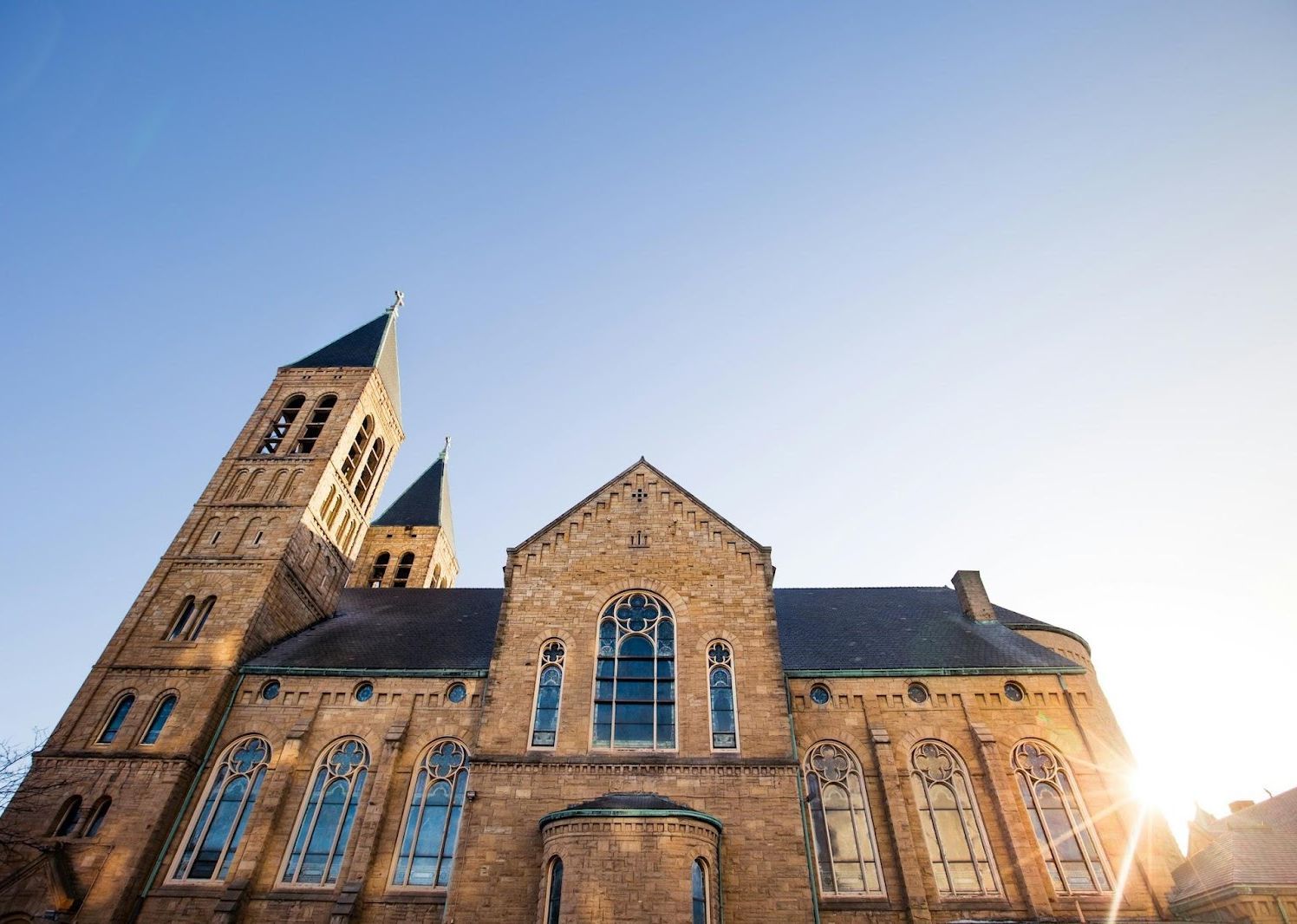
Image: Ben Shbeeb

Both members of the American rock duo The Black Keys were born and raised in Akron, Ohio, so it seems only natural that they felt the need to record their love for this state. Simply titled "Ohio", this song’s lyrics describe the homesickness the narrator feels about finding himself so far away from Ohio while begging for someone to "Get me home/ Before, before I lose my mind".

Singer Dan Auerbach's robust voice manages to turn the name of his home state into a powerful chorus. The guitar riffs seamlessly combine blues and rock chords, resulting in a melancholic but potent track.

9
"Eugene Oregon" by Dolly Parton
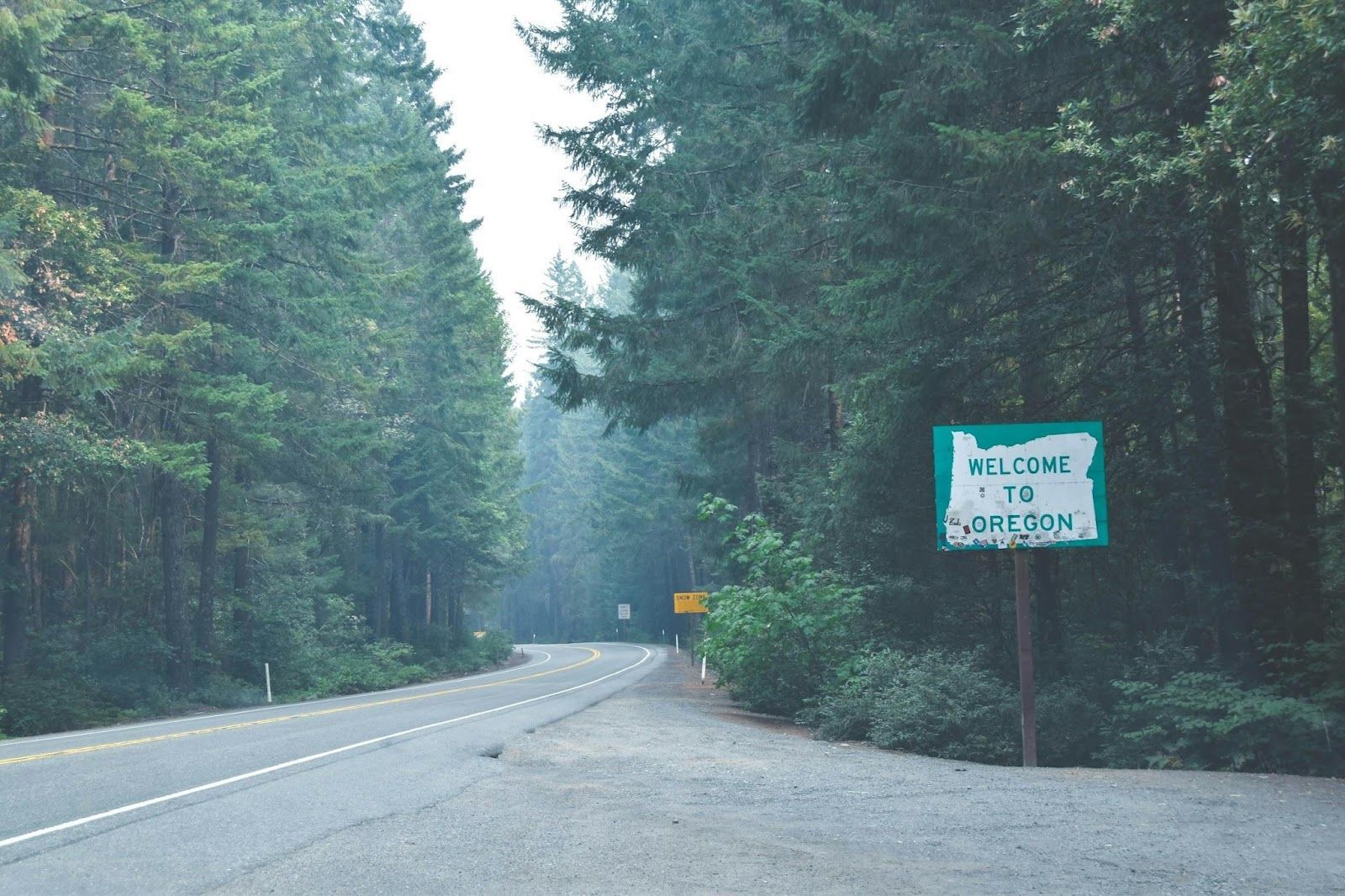
Image: everett mcintire

You might think that a Dolly Parton song in this list would probably center on her beloved Tennessee: Certainly, her 1972 track "My Tennessee Mountain Home" could have been a fitting choice. However, we have instead chosen a less-known song that focuses on another location dear to "The Queen of Country".

The very first line that Dolly sings in this song is "Eugene, Oregon, I'll remember you for the rest of my life". This perfectly encapsulates the tone of the lyrics: Parton expresses her gratitude to this city for its kindness whenever she felt homesick of her Tennessee hometown.

10
"Beautiful Texas" by Willie Nelson

Image: Roberta Guillen

We’ll end this list with a Texas institution. We could have easily chosen any of the songs included in the 1968 Willie Nelson album "Texas in My Soul" for this list: After all, the entire record is Nelson’s tribute to his home state, and is composed of standards and traditional songs that sing the praises of "The Lone Star State".

We ultimately chose "Beautiful Texas" because it truly shows the love Nelson has for this state. The entire lyrics describe Texas’ history and gorgeous scenery , from the "white cotton, green pastures, blue rivers" to the vast fields "where the beautiful bluebonnets grow".

General General 4 min read

Behind the banners

11 U.S. state flags and their hidden meanings

Image: Drei Kubik

Flags are more than mere symbols—they tell stories, capturing the history, pride, and values of each state they represent. Every element, from colors to symbols, was thoughtfully chosen to convey a message tied to the spirit of the state. Join us on a journey across the country as we explore 11 unique state flags and the rich stories behind them.

1
Texas

Image: Joshua J. Cotten

Also known as the Lone Star, Texas’ flag features a single star on a vertical blue stripe, representing the state’s strong independent spirit. The red stripe represents courage, while the white stripe stands for purity.

In fact, the current design was adopted in 1839 during the Republic of Texas, echoing the state's history as an independent republic before joining the Union in 1845.

2
California

Image: Lesli Whitecotton

California's flag features a grizzly bear, a symbol of strength and independence. The star represents California's status as a republic in 1846 during the Bear Flag Revolt, and the red stripe signifies courage.

Interestingly, the bear depicted on the 1911 version of the flag is said to have been inspired by the last California grizzly bear held in captivity.

3
Arizona

Image: Denisse Leon

Arizona’s flag features a golden star surrounded by red and gold rays, symbolizing both the state’s arid landscape and copper mining industry. The blue and red colors are the same shade used on the flag of the United States.

The star commemorates Arizona’s statehood, achieved in 1912, while the thirteen rays symbolize the original Thirteen Colonies.

4
Colorado

Image: Courtney Cook

Colorado’s flag features blue, white, red, and yellow with a bold "C" encircling a golden disk. The blue symbolizes the sky, gold represents the state’s abundant sunshine, white the snowcapped Rockies, and red the "ruddy" earth.

The gold and white elements also honor Colorado’s gold and silver mining industries. Officially adopted in 1911, the flag stands as a tribute to the state’s natural beauty and pioneering heritage.

5
Florida

Image: Karl Callwood

Florida’s flag features a red cross with the state seal at the intersection. The cross represents the state's Spanish heritage, as it was originally founded by Spanish explorers.

The seal depicts a shoreline where a Seminole woman spreads flowers. While some suggest the woman represents the historical heroine Milly Francis, there is no evidence to support this theory. A Sabal palm and a steamboat complete the scene, reflecting Florida's vibrant scenery.

6
Maryland

Image: Gary Cole

Maryland’s flag stands out with its bold black and gold pattern, divided into quarters. The design incorporates elements from the family crest of the Calverts, the state’s founding family.

During the colonial era, Maryland used only the gold and black Calvert arms. The colors fell out of use after American independence but were reintroduced in 1854.

7
South Carolina

Image: Kelly

South Carolina’s flag features a white palmetto tree on a blue field, with a crescent moon beside it. The roots of this design have existed in some form since 1775, being based on one of the first American Revolutionary War flags.

An early version of this flag, known as the Moultrie Flag, was famously flown during the defense of a fortress on Sullivan's Island against the British fleet. The palmetto tree was later added as a symbol of the island’s successful defense.

8
Tennessee

Image: Brandon Hooper

Tennessee’s flag features three stars arranged in a triangular pattern, symbolizing the three regions of the state —East, Middle, and West Tennessee. The red, white, and blue colors align with the state’s commitment to unity and its place in the Union.

The current version, designed by Colonel Le Roy Reeves, was adopted in 1905. However, an earlier version already aimed to represent the state's three distinct regions with three slanted bars of red, white, and blue.

9
Hawaii

Image: little plant

Hawaii’s flag is unique among U.S. state flags. It features a Union Jack in the upper left corner, reflecting the historical ties between Britain and the Hawaiian Kingdom. It was first adopted in the early 19th century by the Kingdom of Hawaii and retained when the state joined the U.S. in 1959.

The eight horizontal stripes represent the eight main islands of Hawaii: Hawaiʻi, Maui, Kahoʻolawe, Lānaʻi, Molokaʻi, Oʻahu, Kauaʻi, and Niʻihau.

10
Indiana

Image: Lucas Beck

Indiana’s flag features a large gold torch, with 19 smaller stars surrounding it, representing Indiana's status as the 19th state to join the Union. The torch symbolizes enlightenment and the path to progress.

Adopted in 1917, the flag’s design was chosen through a contest offering a cash prize. The winning design, created by Paul Hadley of Mooresville, Indiana, was selected as the official flag with only minor modifications.

11
Maine

Image: Aubrey Odom

Maine’s flag features a shield with a pine tree at its center, flanked by a farmer and a sailor, representing the state’s agricultural and maritime heritage. The North Star above the shield symbolizes guidance and Maine’s motto, "Dirigo," meaning "I Lead."

The pine tree is a nod to Maine’s nickname as the Pine Tree State. Adopted in 1909, the flag’s design emphasizes Maine’s strong connection to its natural resources.

Geography Geography 5 min read

What are they actually named?

Is it not the Statue of Liberty? 10 alternate names of iconic landmarks

Image: Cayetano Gil

All across America, we can find iconic landmarks known by everyone, at least by name . But, which name? Like people, some of these landmarks have a nickname so used that many often forget what they are officially called. In other cases, the official name coexists with an ancestral name. Here are ten examples of double-named landmarks!

1
Mt. McKinley/Denali

Image: Jacob Vizek

This Alaskan mountain has changed names several times. Historically called Denali (meaning ‘the big one’) by the Koyukon Athabaskan tribe, it was referred to as Bolshaya Gora (‘big mountain’) by the Russians. After the Alaska purchase, it was temporarily named Densmore's Mountain before gaining the name McKinley in support of the then-presidential candidate. It was renamed Denali in the 1970s at the state level and in 2015 at the federal level, before reverting to McKinley in 2024, although Denali is still the name of the National park that houses it . With this many changes, it’s no wonder some people still mix the names.

2
Liberty Enlightening the World/The Statue of Liberty

Image: Pierre Blaché

This statue is one of the indisputable icons of the USA and of New York City, but not everyone knows that ‘The Statue of Liberty’ is just a popular name. As a gift from France, it was named La Liberté éclairant le monde , or ‘Liberty Enlightening the World’ , but no matter what it’s called, it has become an iconic symbol of American values.

3
Alcatraz Island/The Rock

Image: Shelby Cohron

One of the most infamous American prisons, Alcatraz Island, is located less than two miles from the San Francisco coast. Spanish explorer Juan Manuel de Ayala named it Isla de los Alcatraces or Island of the Pelicans due to the prevalence of these birds. After becoming U.S. territory, Alcatraz Island became a military fort, and then a federal prison that housed some of America’s most notorious criminals. While many believe that it's popularly called The Rock because it was impossible to escape, the nickname is simply due to its rocky appearance and its isolated location.

4
Mt. Rainier/Tahoma

Image: Greg Sellentin

Located in the Mount Rainier National Park, Washington, Mt. Rainier is the tallest mountain (and volcano) in the Cascade Range. Native American tribes of the area have given numerous names to this peak, but the most prominent one is Tahoma or Tacoma , a name still used by some. Officially, however, it is called Mt. Rainier , a name given by the British explorer George Vancouver in the 1790s.

5
Lake Superior/Gitche Gumee

Image: Brian Beckwith

The largest of the Great Lakes, Lake Superior, is one of the biggest freshwater reserves in the world. Its current name originated when French explorers, after traversing Lake Huron, called this lake le lac supérieur (‘the lake above’). After the French and Indian War, the British simply translated the name. However, this lake also has a native name, usually transliterated as Gitche Gumee, a name used by the poet Longfellow in his work The Song of Hiawatha .

6
Mt. Rushmore/The Six Grandfathers

Image: Jake Leonard

This mountain has been considered a sacred place by many tribes of the region —such as the Arapaho, Cheyenne, or Lakota Sioux— who named it ‘The Six Grandfathers’ after their ancestral deities . The place gained its current name when Charles E. Rushmore, a lawyer surveilling the area as a representative of a mining company, asked the name of the mountain. His guide replied that it had no name, but it would from that day be called ‘Rushmore’. The name stuck, and was officially recognized a few decades later.

7
Mission San Antonio de Valero/The Alamo

Image: Gabriel Tovar

The battle of the Alamo is a well-known episode in Texan history, and its location is considered a shrine to Texan valor and liberty. However, what many don’t know is that the place is called Mission San Antonio de Valero , a name given by the Spanish. Where does the ‘Alamo’ name come from? After the place stopped being used as a Catholic mission, it became a military fortress, housing a military unit nicknamed Álamo de Parras after their city of origin, a nickname that extended to the site.

8
Cloud Gate/The Bean

Image: Lance Anderson

Chicago regulars (and even those who never set foot in Chicago) know that The Bean is as iconic as it gets when talking about the city. Inspired by liquid mercury, this impressive sculpture might be shaped like a ginormous jellybean, but its official name is Cloud Gate . The sculptor, Anish Kapoor, initially disliked the popular nickname, but he has reportedly come to terms with it, even saying that he now calls it ‘the Bean’ too.

9
State House Bell/Liberty Bell

Image: Bev Sykes from Davis, CA, USA, CC BY 2.0 , via Wikimedia Commons

At its birth, this bell was simply the bell of the Pennsylvania State House (now Independence Hall). Cast in the 18th century, it cracked the first time it was rung. It was recast twice, but it cracked again in the 19th century. Allegedly rung after the Declaration of Independence, it was hidden during the Revolutionary War, and it changed hands several times in the following century. Despite its popular association with the American Revolution, the ‘Liberty Bell’ name was actually given by anti-slavery groups , who took it as a symbol due to its inscription reading "Proclaim Liberty throughout all the land unto all the inhabitants thereof."

10
Cape Canaveral/Cape Kennedy

Image: Bill Jelen

Originally named Cabo Cañaveral by the Spanish after its abundance of canes, its name was simply anglicized after the territory became part of the United States. In the 20th century, Cape Canaveral became the center of a series of missile and rocket tests, and it was the launch site of the Apollo 11 mission. A few days after J.F.K.’s assassination, the newly-instated President Johnson publicly announced that the cape would be renamed ‘Cape Kennedy’ as a memorial . The name change was not well-received by local Floridians, and the original name was reinstated a decade later, with the full support of the Kennedy family. The NASA space center is still named after President Kennedy.

Explore more American facts

Choose your favorite category!

General
General

As American as apple pie—the very best America has to offer!

Culture
Culture

Delve into the astounding richness of American lore.

Geography
Geography

Hop in and explore vast and diverse American landscapes.

History
History

Discover the key moments that shaped the United States.