Culture Culture 4 min read

Old origins, modern entertainment

Was "America's pastime" invented in America?
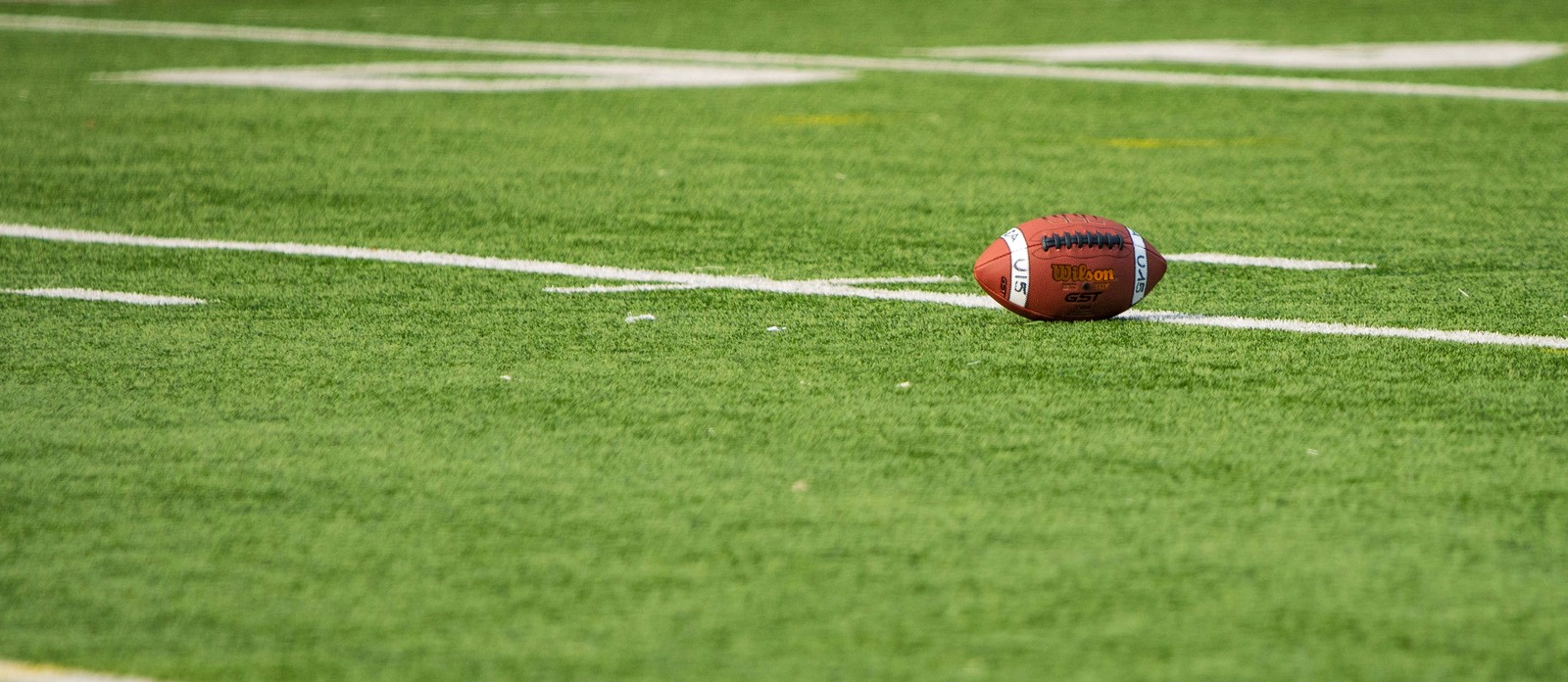
Image: Paolo Aldrighetti

Sports, with their allegiances, rivalries, and championships, play a huge role in our culture, but we sometimes forget that not all sports were born in America. Where did our favorite pastimes originate? How did the rules, guidelines, and equipment evolve? Let’s explore the origins of America’s 10 most popular sports.

1
Football
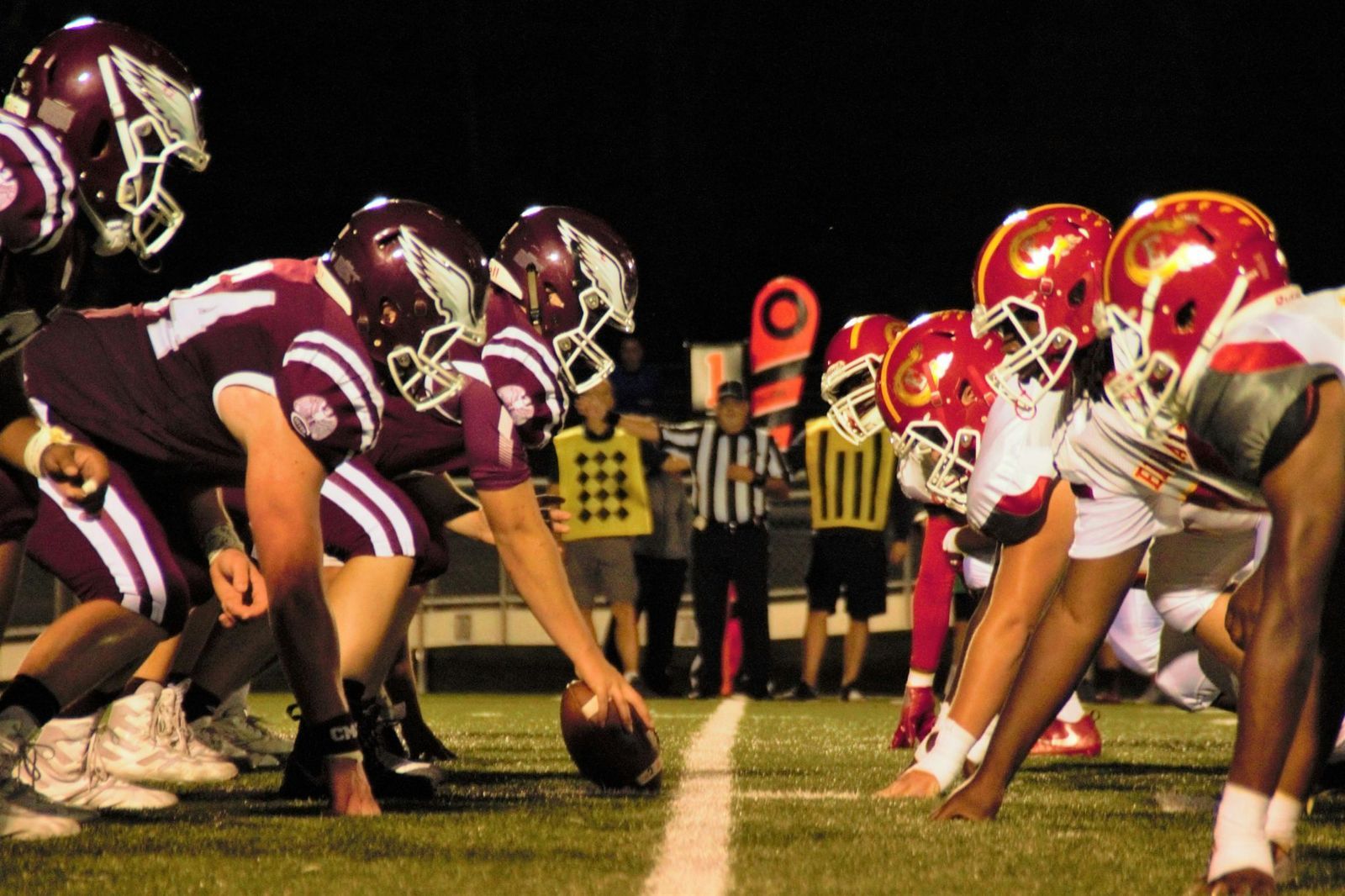
Image: Muyuan Ma

Although born across the Atlantic as a mix between rugby and soccer in 19th-century England , football as we know it today was largely developed at Yale University, which formed its own football program in 1872. The line of scrimmage, the snap, and the system of downs were all American additions.

2
Baseball
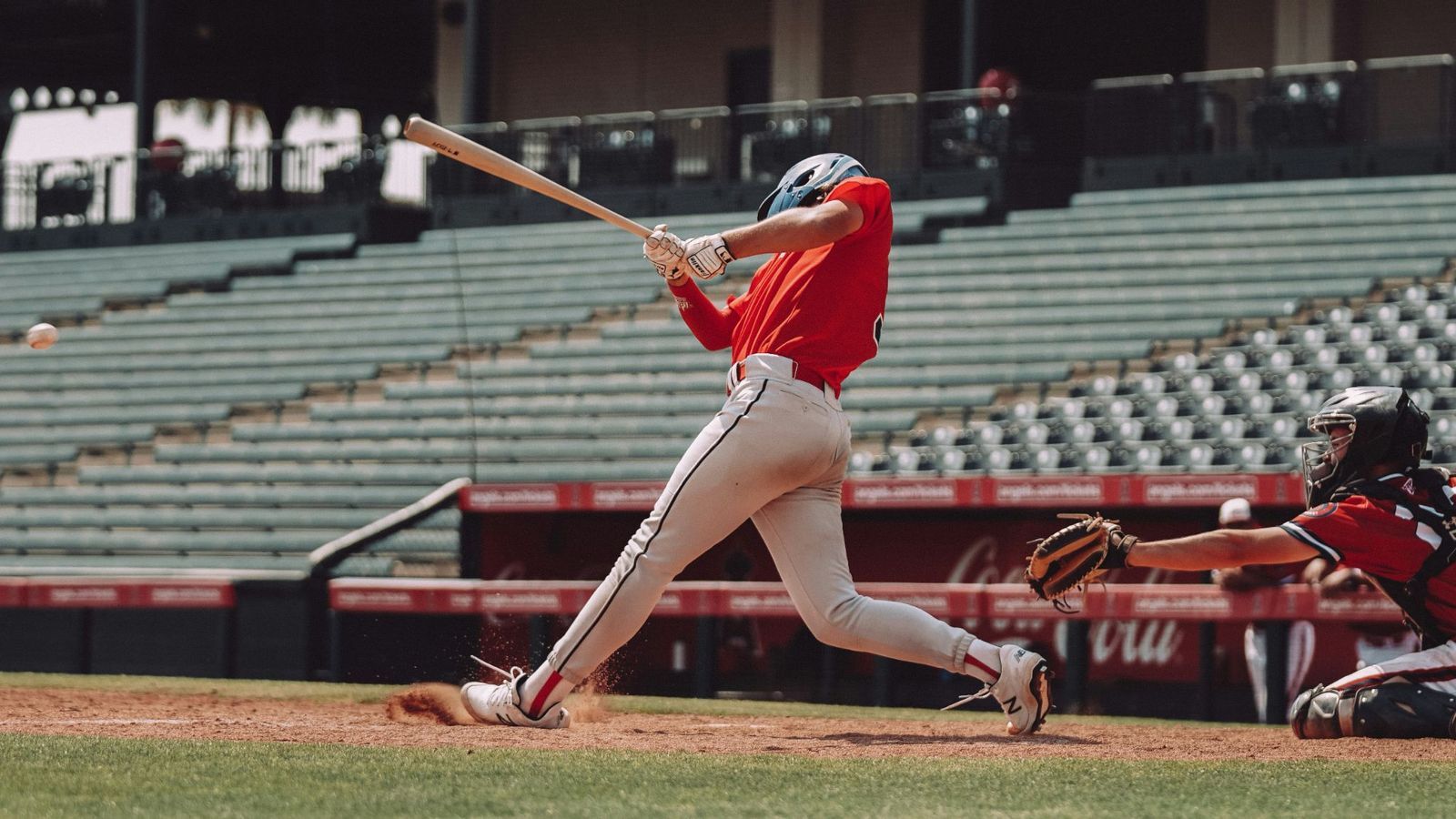
Image: Josh Hemsley

Though derived from English stick-and-ball sports like cricket, baseball is called "America’s pastime" for a reason. By the mid-19th century, rudimentary versions of the game were popular across the country, but they varied greatly. The first official version of the game was created in 1845 by Alexander Cartwright for the New York Knickerbockers Club .

3
Basketball
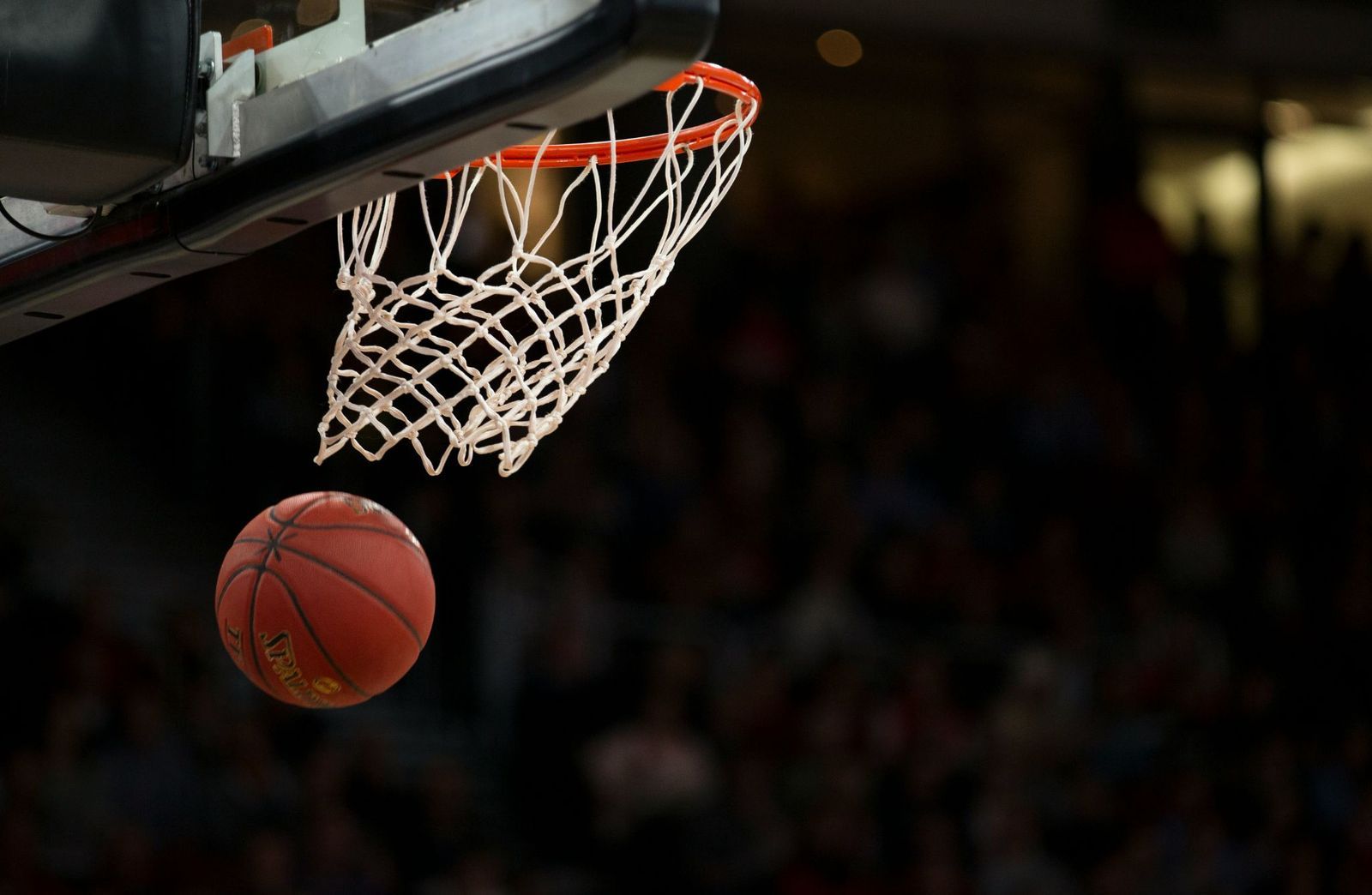
Image: Markus Spiske

Its inventor was Canadian, but we can claim basketball as an American sport, on account of it being developed in Springfield, Massachusetts. In 1891, P.E. teacher James Naismith, hailing from Almonte, Ontario, was looking for a way to keep his students active without exposing them to the harsh December weather. Equipped with a soccer ball and two peach baskets as rudimentary hoops, he developed a basic set of rules and created one of our most competitive sports.

4
Ice hockey
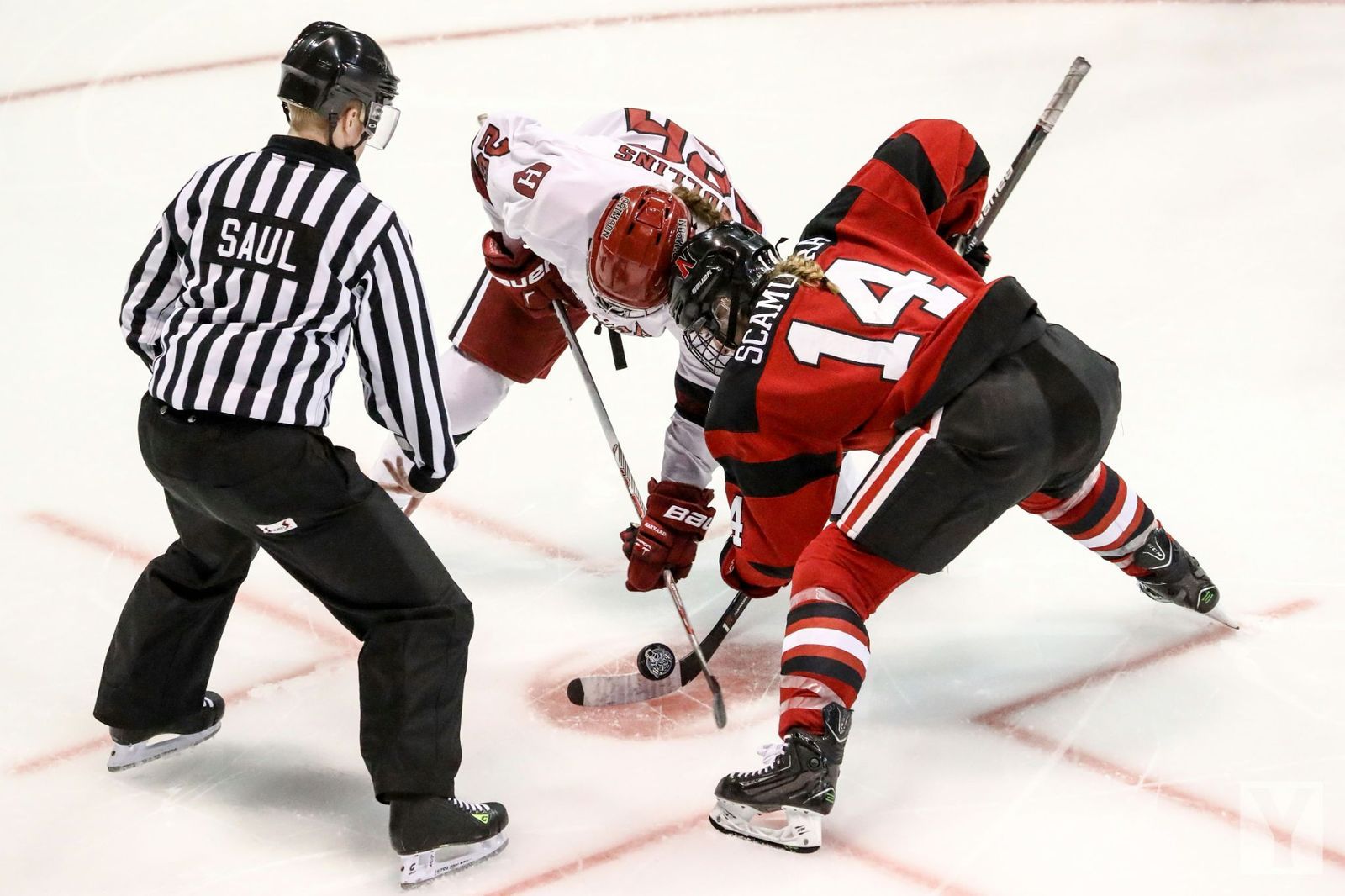
Image: Jerry Yu

Stick-and-ball games have been played for centuries, and records show they existed in ancient civilizations such as Egypt and Persia. Many of these games were brought to America by settlers, where they came across Native American versions, such as lacrosse. But who decided to play on ice? The Canadians, who had long winters and plenty of icy surfaces to spare . In time, ice hockey became much more popular in North America than its field counterpart.

5
Golf

Image: Will Porada

Originating in 15th-century Scotland and initially played by using bent sticks to hit pebbles into sand dunes, this game was so popular that it was banned between 1457 and 1502 because it distracted soldiers. Golf was one of the first games brought to America by Scottish immigrants , and there are 17th-century records about broken window complaints in New York City as a result of its popularity.

6
MMA
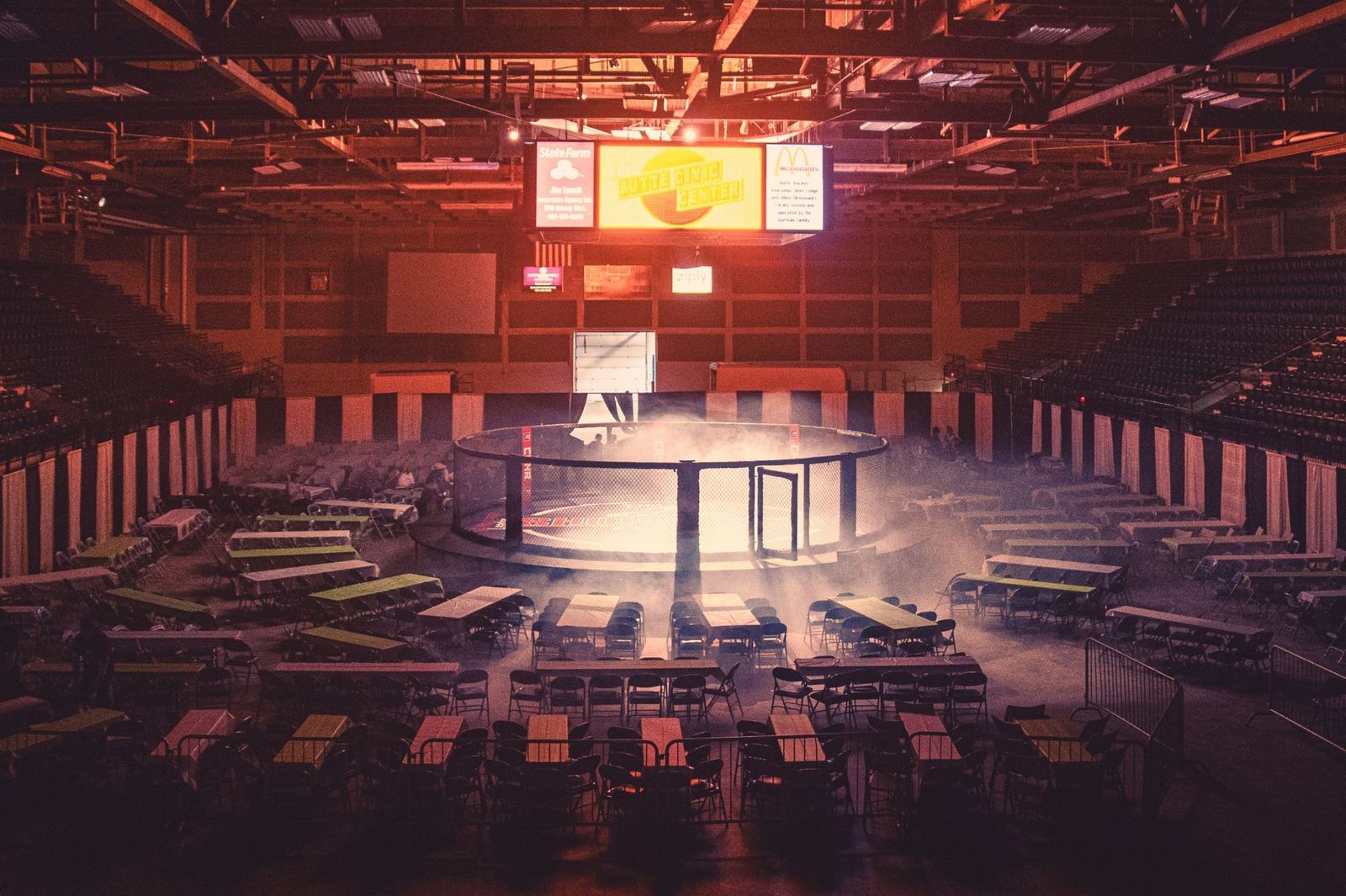
Image: Steven Cordes

Martial arts have been practiced for centuries, often in a mixed format. The Ancient Greeks played pankration , a mix of wrestling, boxing, and street fighting. The MMA that we know today emerged in Denver in the 1990s with the Gracie brothers , of Brazilian origin and with a background in martial arts, who created a single-elimination tournament featuring players from several martial arts and combat disciplines. Though it initially caused a strong reaction due to the violence of the sport, it became accepted as the rules were defined, and has become a global sport.

7
Soccer
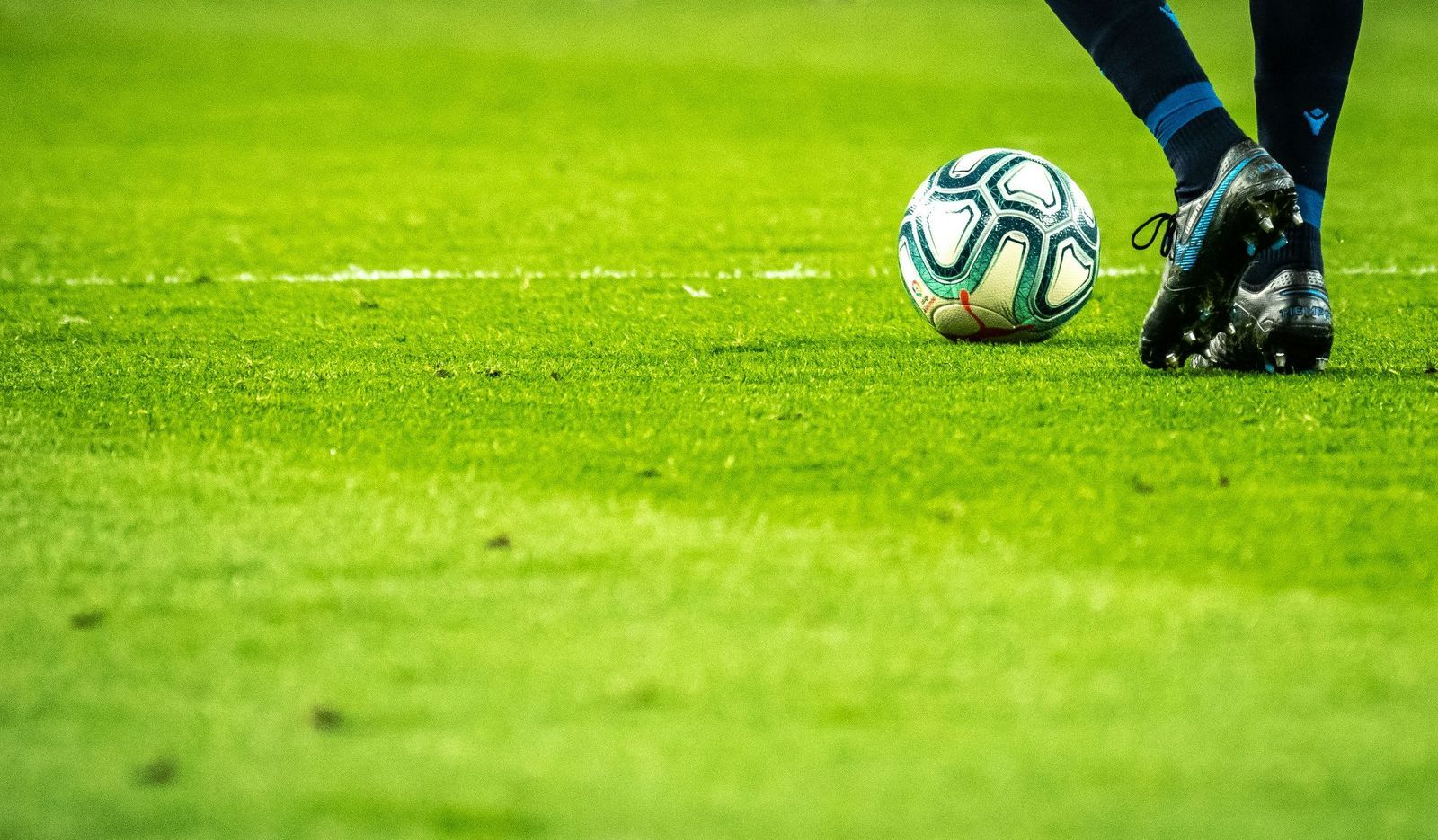
Image: Emilio Garcia

Though played for centuries by many cultures, modern soccer emerged in 1863, when the first rules of the English Football Association were written, separating it from rugby by forbidding the use of the hands to handle the ball. The word ‘soccer’ itself is British as well, a result of students shortening association to assoc/asoccer and then soccer . While the name never stuck in Britain, it did in America.

8
Tennis

Image: John Fornander

Did you know that original tennis used the palm of the hand instead of a racket? Invented in France around the 12th century by monks, it was called jeu de paume , or "game of the palm". The racket was invented a few centuries down the line by the British. Why is it called tennis? When serving the ball, the monks would shout tenez! (‘take it!’). Handball is still played to this day, with over 2,000 devoted courts in New York City alone.

9
Track and field
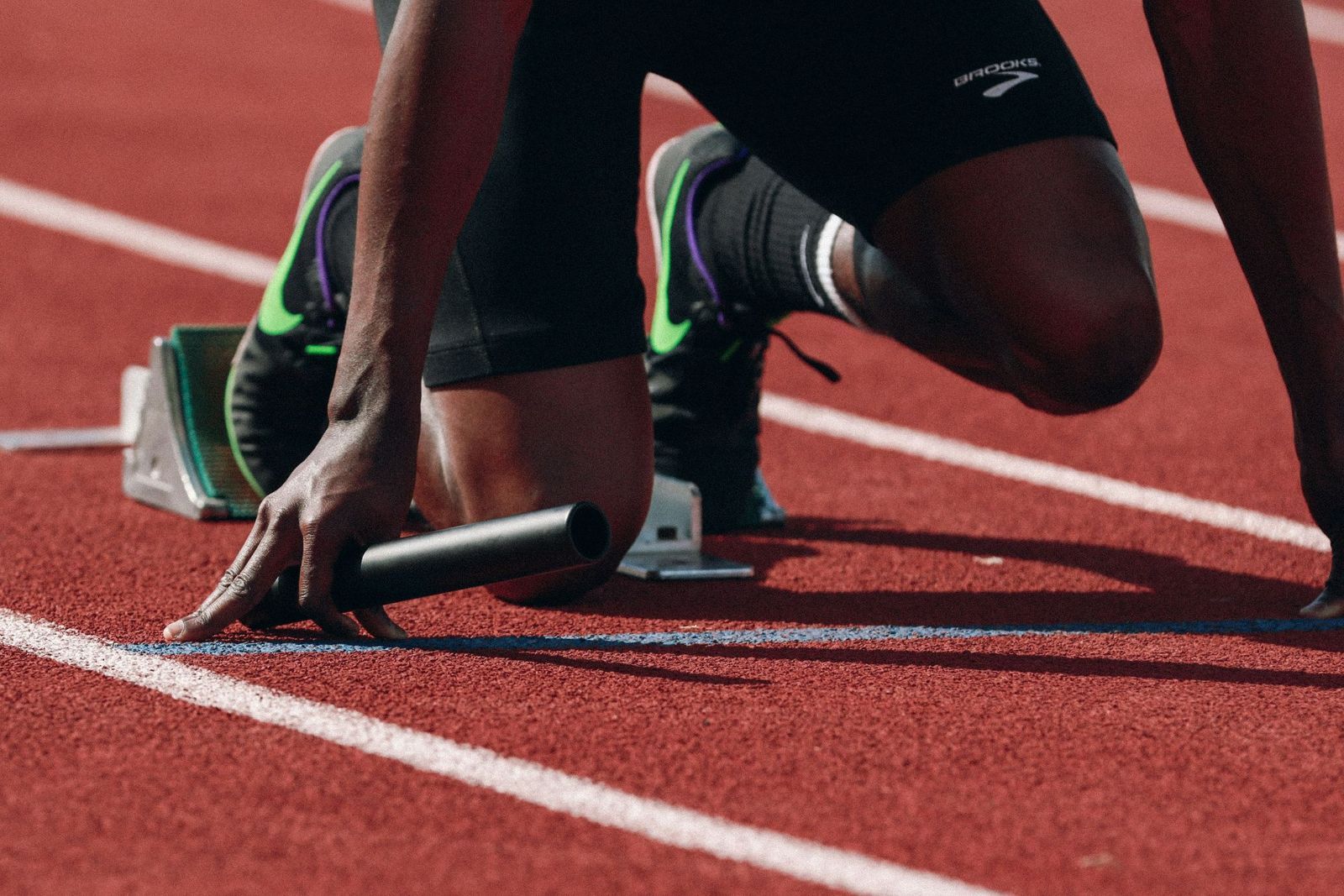
Image: Braden Collum

With roots going back to Ancient Greece, the first records of track and field are the 776 BC Olympic Games, which included the pentathlon, a combination of a 200-meter race, discus and javelin throws, long jump, and wrestling. In America, track and field is one of the most-played high school sports.

10
Motorsports
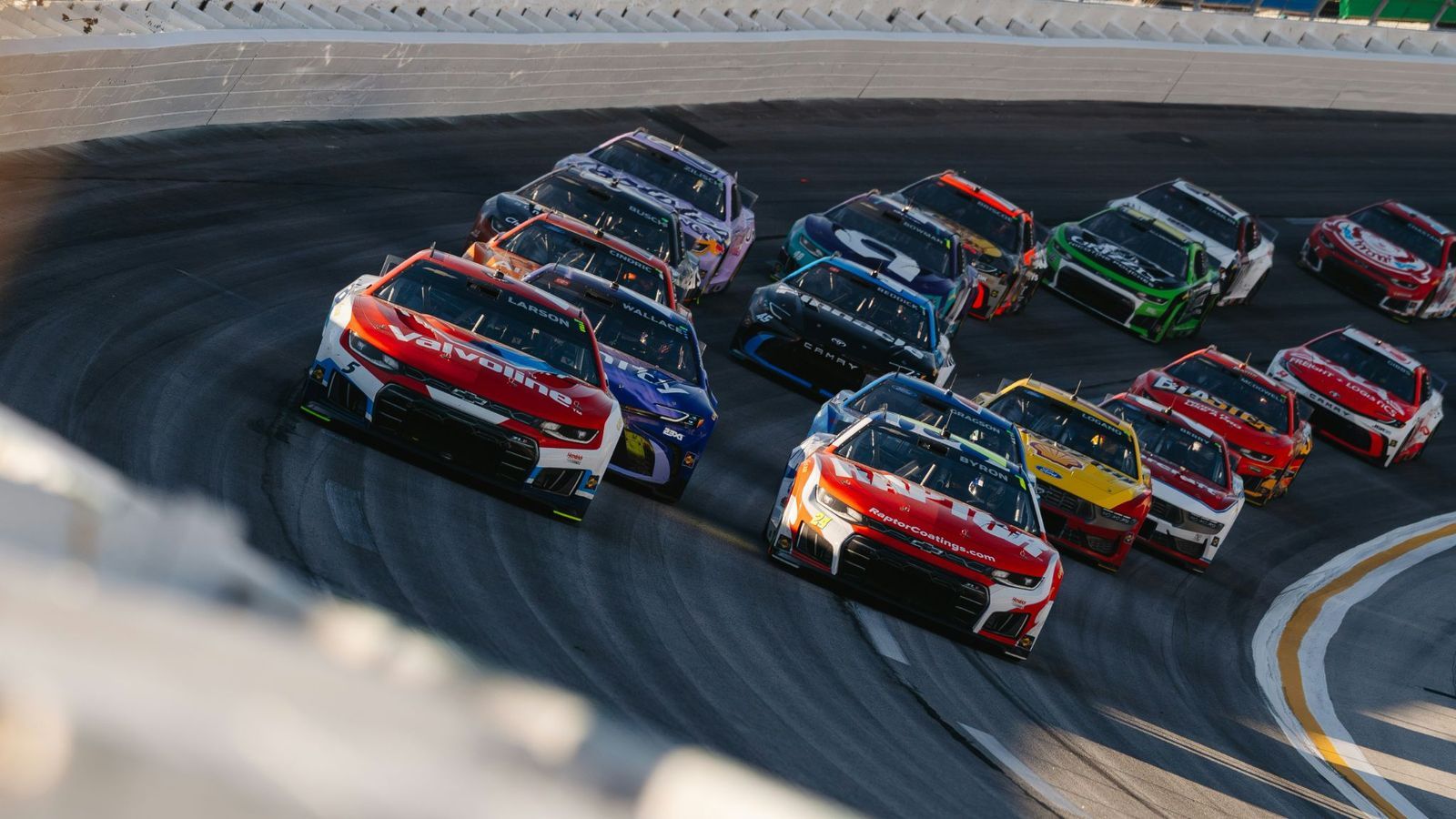
Image: Casey Calhoun

Motorsports is a wide category that includes several different competitions, the most popular in the U.S. being NASCAR. The first motor vehicle competitions date back to late 19th-century France, where races were a way for inventors to test and promote their new "horseless carriages." The first motor race in America was held in 1895 in Illinois, and it sparked an interest in the sport, which led to the construction of the Indianapolis Motor Speedway a few years later.

Geography Geography 4 min read

Time can be on your side

10 road shortcuts in America that can save you hours

Image: Athena Sandrini

Familiar to the locals but hidden from the visitors: Every town has its shortcuts that help us save time and miles when going from A to B. These secret passages become increasingly important in the country’s largest cities, as traffic tends to be a bigger issue in those places. The following ten are useful tips for moving around Los Angeles, New York, Austin, San Diego, or a few other cities. Did you know any of these shortcuts?

1
Hollywood Boulevard, Los Angeles, California

Image: Aman

Los Angeles’ hellish traffic is world-famous and every experienced driver in this city has her or his own shortcuts to save time. But this one is a universal one for sure.

When driving through Hollywood, never take Hollywood Boulevard . Take, instead, Franklin or Fountain to get around the tourist mayhem. And, if you want to avoid the awful traffic of a Hollywood Bowl show, try Mulholland Drive.

2
Getting to the airport in Los Angeles, California

Image: Lukas Souza

Nobody likes missing a flight. Or, at least, most of us don’t care for that particular situation. And, when driving in the terrible Los Angeles traffic, that possibility is always looming in the background.

A sound advice from frequent flyers is to avoid the freeway altogether and take Crescent Heights until it dead-ends. Then, drive through La Cienaga to La Tijera all the way to the symbols that point to the airport.

3
Leaving New York is never easy, New York City, New York

Image: Matteo Catanese

Caught at the right time, New York City traffic can be as bad as LA traffic. And, as it usually happens, commute hours are the worst. The endless crowds and vehicles getting in and out of Manhattan through the different bridges and tunnels can create some serious delays.

Brooklyn Bridge, George Washington Bridge, and the Lincoln Tunnel are some of the most congested routes during rush hours. So, if you have no other options, make sure to schedule extra time just in case the traffic is as bad as it can be.

4
I-95, Miami, Florida

Image: Baron Alloway

Another city with legendary traffic is, without a doubt, Miami. And, as usual, commute hours can be a nightmare. I-95 is a major Interstate Highway on the East Coast and the Miami section is usually very congested . If you are trying to go south from 7 a.m. to 9 a.m. or north from 3 p.m. to 7:30 p.m., you have to expect delays, since those are the peak times for commuters who work downtown.

The High Occupancy Toll (HOT) lanes run from north of Miami to north Dade. You can only enter these lanes before 112/I-95 and you can only get off at the Golden Glades exit. Don’t take these lanes if you are trying to go anywhere between downtown and Northwest 183rd Street as there are no exits. Also, HOT lanes only accept SunPass as payment.

5
Lake Shore Drive, Chicago, Illinois

Image: Neal Kharawala

Continuing with another one of the monster-traffic cities of America, we can’t avoid the Windy City. Locals say that the city has two seasons: winter and construction , as the number of blocked streets, avenues, and roads can be nerve-wracking.

A shortcut locals use when driving through Lake Shore Drive to get off on Michigan Ave, heading southbound with a final destination past Illinois Ave, is to take Inner Lake Shore Drive and avoid the heavy congestion on Michigan Ave, as well as the occasional standstills on southbound Lake Shore Drive.

6
San Felipe instead of Westheimer, Houston, Texas

Image: Kevin Hernandez

Houston locals are familiar with busy Westheimer Avenue and know better than to fall into its trap during rush hour. They’d get stuck between multiple METRO bus routes, potholes, and never-ending construction sites.

The savvy drivers instead use San Felipe to get downtown or to the Galleria in a much shorter time.

7
Loop 202 South Mountain Freeway, Phoenix, Arizona

Image: Nils Huenerfuerst

Even the widest highway will become congested once everyone finds out about it. We are looking at you, Los Angeles. But, for a while at least, new roads offer a smooth and quiet ride to the lucky few who discover them first.

This is the case with Loop 202 South Mountain Freeway. The 22-mile-long portion of the Valley beltway from 59th Avenue on the west side to Ahwatukee , which opened in late 2019, is a smooth drive. Rolling through a part of the Valley unspoiled by development, this freeway has light traffic and no, or very few, holes –for now.

8
San Diego International Airport, San Diego, California

Image: Justin Wolff

It may seem calmer compared to neighboring Los Angeles, but San Diego can have its traffic congestion, like any big city. Getting to the airport on time is always paramount and locals have tricks up their sleeves for this ride.

Drivers can take Washington Street to Pacific Highway and get to the airport that way, or they can also take Pacific Highway north to Barnett, then Lytton, then Rosecrans, then Nimitz, which can be better than going through Sassafras if there’s traffic.

9
LBJ interchange, Dallas, Texas

Image: Zack Brame

Dallas, Texas, is a major city with major traffic jams during rush hours. Trying to get to the LBJ interchange can be a recipe for disaster if you are in a hurry but there is a shortcut that can save quite some time.

If you are on the Central Expressway, you can get off at Coit Road , which will allow you to bypass the interchange. Instead, you'll wind around a corner and find yourself right back at the entrance ramps for LBJ. From there, you just wait for a light and merge back onto LBJ, having skipped over the whole mess.

10
I-35 alternatives, Austin, Texas

Image: MJ Tangonan

Texas’ hippest city, Austin has some major highways, including the I-35, Mopac Expressway (Loop 1), and Highway 183. These big highways can cause big delays if taken from 7 a.m. to 9 a.m. and 4 p.m. to 6 p.m.

But the city provides alternatives. Lamar Boulevard and Burnet Road provide time-saving options for I-35 . During rush hour and special events, knowing these lesser-used routes can save time.

Culture Culture 6 min read

An American legend

“Chairman of the Board”: How much do you know about Frank Sinatra?

Image: Alesan Aboafash

Frank Sinatra truly needs no introduction: from "The Sultan of Swoon" to "Ol’ Blue Eyes," we could fill this entire introduction only with all the iconic nicknames Sinatra collected throughout his life. This singer and actor’s amazing talent and magnetic personality have truly cemented him as one of America’s most iconic artists. While his remarkable career is definitively too extensive to cover in this article, we have selected 10 moments in Sinatra’s life to celebrate the legacy of this groundbreaking American. Enjoy!

1
Early life

Image: Laith Abuabdu

Let’s start with the very beginning, in a small tenement in Hoboken, New Jersey. It’s no secret that Frank is one of the Garden State’s favorite sons, and we like to believe that the feeling was mutual. According to biographers, Sinatra developed his love of music at an early age, becoming interested in big band jazz and singers like Gene Austin and Bing Crosby.

By the time he was a teenager, Frank began singing professionally with a group called "the 3 Flashes," which renamed itself "the Hoboken Four" after Sinatra joined. A few years later, he became the lead singer of the band, which was conducted by Tommy Dorsey, one of the most influential figures in Sinatra’s early career.

2
Time to go solo

Image: Dushawn Jovic

In 1942, Sinatra convinced Dorsey to allow him to record a few solo songs ; these included some of his first hits, like "Night and Day" and "The Song is You." Impressed by the way these recordings sounded, Frank decided it was time to go solo. This was easier said than done, since his contract stipulated that he had to give Dorsey 43% of his lifetime earnings.

After a lengthy legal battle, Frank was able to become a solo artist , although his relationship with Dorsey never recovered. Part of their dispute included the fact that Sinatra offered Dorsey’s conductor, Axel Stordahl, five times his salary to sign with him and become his personal arranger.

3
"Sinatramania"

Image: Ethan Rougon

By the start of the 1940s, Frank’s popularity was soaring, and the whole country seemed to be enraptured by a wave of "Sinatramania." He topped the male singers' polls and was the quintessential idol of "Bobby Soxers," a subculture of teenage girls characterized for their fondness of popular music.

Perhaps this following anecdote can encapsulate how hard the "Sinatramania" had hit America: In 1944, Sinatra returned to the Paramount Theatre in New York after two amazing performances a few years earlier. The audience that gathered for that show was so massive that only 250 people were allowed to enter the theatre, while the remaining 35,000 protested outside. They were so determined to see "the Sultan of Swoon" that their rejection caused a riot known as the "Columbus Day Riot."

4
World War II

Image: Museums Victoria

Sinatra’s birth was a difficult one, and his eardrum was perforated during delivery. This condition made him ineligible for military service during the onset of World War II. However, he did serve his country by raising morale, traveling through Europe, and entertaining the troops towards the end of the war.

Frank performed in several USO tours alongside comedian Phil Silvers. Not only that, many of his radio performances with the "Andrews Sisters" harmony group were broadcast to the soldiers through the American Forces Radio service.

5
Acting career

Image: Los Angeles Times, CC BY 4.0

Sinatra’s acting chops are sometimes overshadowed by his singing career, which is an absolute shame. While he had small singing roles and cameos in 1940 films like Las Vegas Nights and Reveille with Beverly , his breakthrough came with the 1945 musical Anchors Aweigh , in which he starred alongside Gene Kelly and Kathryn Grayson. The film’s success and Academy Award nominations ensured a series of movies with Gene Kelly, including the now iconic On the Town in which Sinatra plays a sailor.

However, Frank’s acting credits are not limited to musicals that showcased his amazing voice; he starred in groundbreaking films like The Manchurian Candidate , High Society, and The First Deadly Sin . Not only that, he was the first choice to play the legendary Detective Harry Calahan in Dirty Harry , but he had to turn down the role. Picture this: There’s an alternate universe in which "The Voice" is the one that utters the film’s famous line, "Do you feel lucky, punk?"

6
The Rat Pack

Image: Los Angeles Times, CC BY 4.0

What’s life without a few friends? The term "rat pack" is an old New Yorker slang name used to describe a group of friends. However, today we use it to refer to a distinct group of actors and singers, the quintessential "Rat Pack" of which Frank Sinatra was one of the shiniest stars.

Alongside Frank, the Rat Pack included iconic singers like Dean Martin, Sammy Davis Jr., Judy Garland, Mickey Rooney, and Nat King Cole. According to legend, the group received its name from Humphrey Bogart and Lauren Bacall after they were seen returning from a night in Las Vegas. Many remember the original iteration of the classic heist film Ocean’s Eleven, which starred five members of the Rat Pack.

7
The Capitol years

Image: Dane Deaner

The 1950s were truly a Renaissance time for Sinatra. While interest in his music had slowly waned over the years, Frank saw the success of the 1953 film From Here to Eternity as an opportunity to revitalize his career. In that sense, that same year, the singer made a move that would prove to be essential in this revival: his signing with Capitol Records .

SInatra’s seven-year contract with Capitol produced some of this singer’s most beloved albums , including "Where Are You?" and "Come Fly with Me." One of the strongest elements behind these albums was arranger Nelson Riddle, who was wonderfully adept at matching Sinatra’s perfectionism.

8
Family life

Image: Jorge Moncayo

Let’s step away from the spotlight for just a moment and focus on Sinatra’s family life . Frank’s four marriages were highly publicized; some of them included Ava Gardner and Mia Farrow, two of the biggest actresses of their time. However, we have decided to instead highlight the most important things that came from his relationships: his children.

Frank had three children with his first wife, Nancy Barbato: Nancy, Frank Jr., and Christina, known as "Tina." Most biographers agree that, while his relationships may have been tumultuous, Frank was by all accounts a devoted father. Two of his children, Nancy and Frank Jr., went on to follow in their father’s footsteps and became singers themselves, with Nancy turning out to be one of the most prominent artists of the ‘60s and ‘70s.

9
Retirement

Image: Los Angeles Times, CC BY 4.0

As the saying goes, "All good things must come to an end," and in 1970, Sinatra announced he would be retiring from recording and performing. However, it should come as no surprise that his retirement was definitively short-lived or, at the very least, as packed with excitement as his career had been.

By the 1970s, Sinatra’s voice had grown coarsened after years of demanding use. However, this only added a new layer of depth to Frank’s singing; audiences loved the deeper and rougher tones he added to his performances. Not only that, in 1980, Sinatra starred in his final film The First Deadly Sin , an extraordinary goodbye to his acting career.

10
Legacy

Image: IrishFireside, CC BY 2.0

On May 14, 1998, Frank Sinatra bid farewell to the world. While he is surely missed, his outstanding legacy still lives on, so we thought dedicating this final entry to some of the many homages this American icon received would be a fitting tribute.

In 1995, to honor Frank’s 80th birthday, the Empire State Building was lit blue to show its appreciation for "Ol’ Blue Eyes." Ten years after his death, the United States Postal Service issued a postage stamp honoring Frank, and Congress passed a resolution declaring May 13 as "Frank Sinatra Day."

Explore more American facts

Choose your favorite category!

General
General

As American as apple pie—the very best America has to offer!

Culture
Culture

Delve into the astounding richness of American lore.

Geography
Geography

Hop in and explore vast and diverse American landscapes.

History
History

Discover the key moments that shaped the United States.