History History 4 min read

Which war was the first to use railroads for troops in the U.S.?
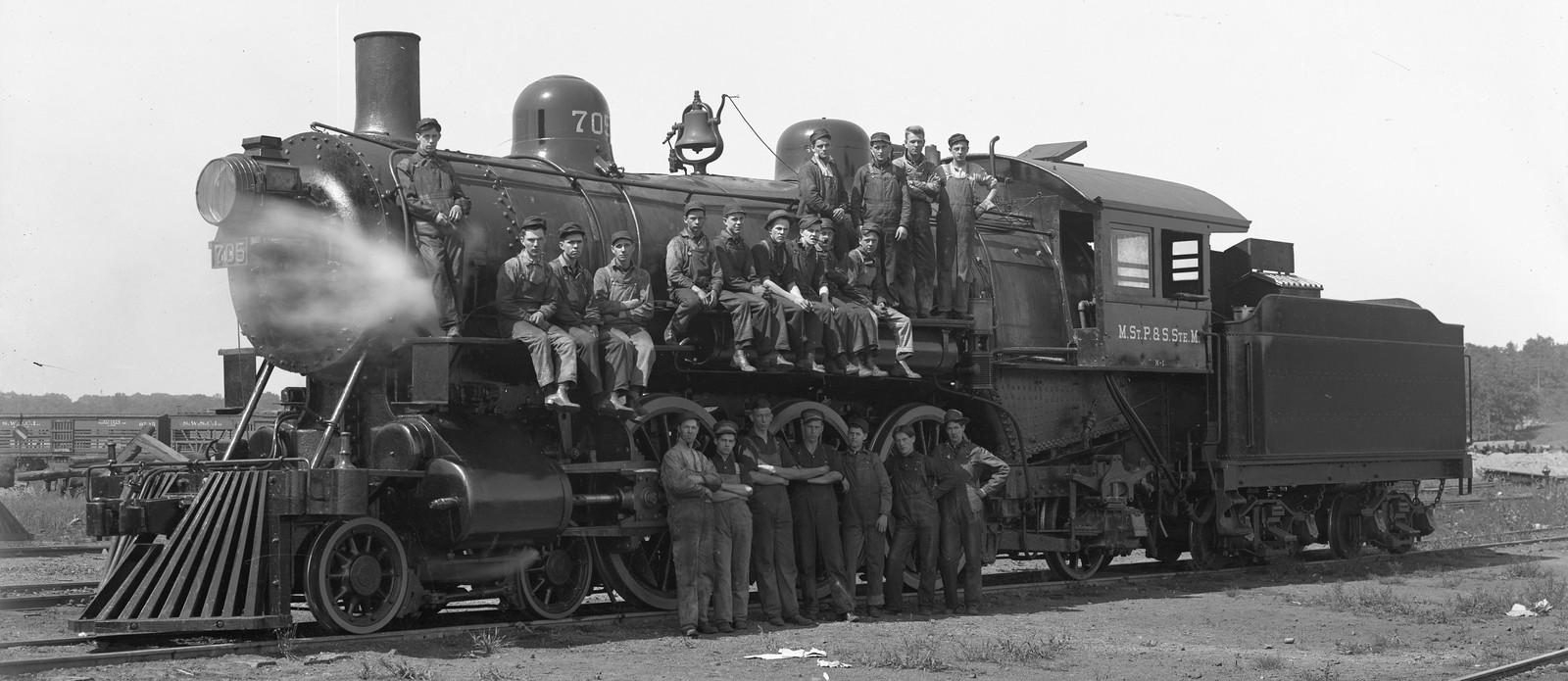
Image: Hennepin County Library, Public domain, via Wikimedia Commons

Before railroads, traveling across America was a slow ordeal involving wooden wagons and muddy trails. But in the 19th century, when thousands of miles of steel tracks were laid down throughout the continent, the United States transformed from a mere agrarian region into an industrial and economic powerhouse.

1
Linking the coasts for unified commerce
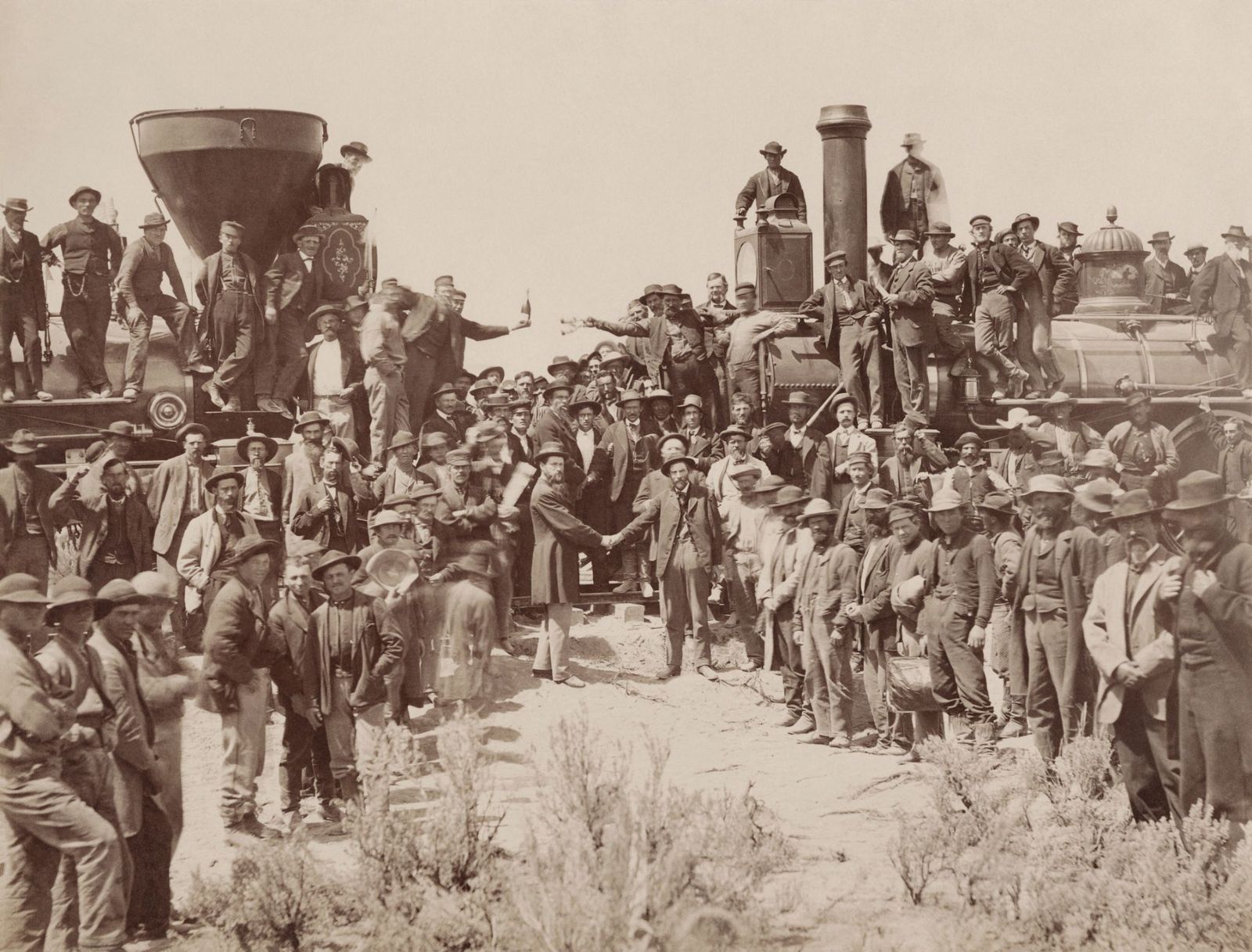
Image: See file page for creator info.

When the first coast-to-coast railroad was completed in 1869, it cut a dangerous six-month journey down to a comfortable six-day ride. Overnight, merchants in New York could sell directly to buyers in San Francisco. This created the world’s first massive national market, allowing goods, raw materials, and finished products to flow across state lines without maritime delays.

2
Accelerating industrialization
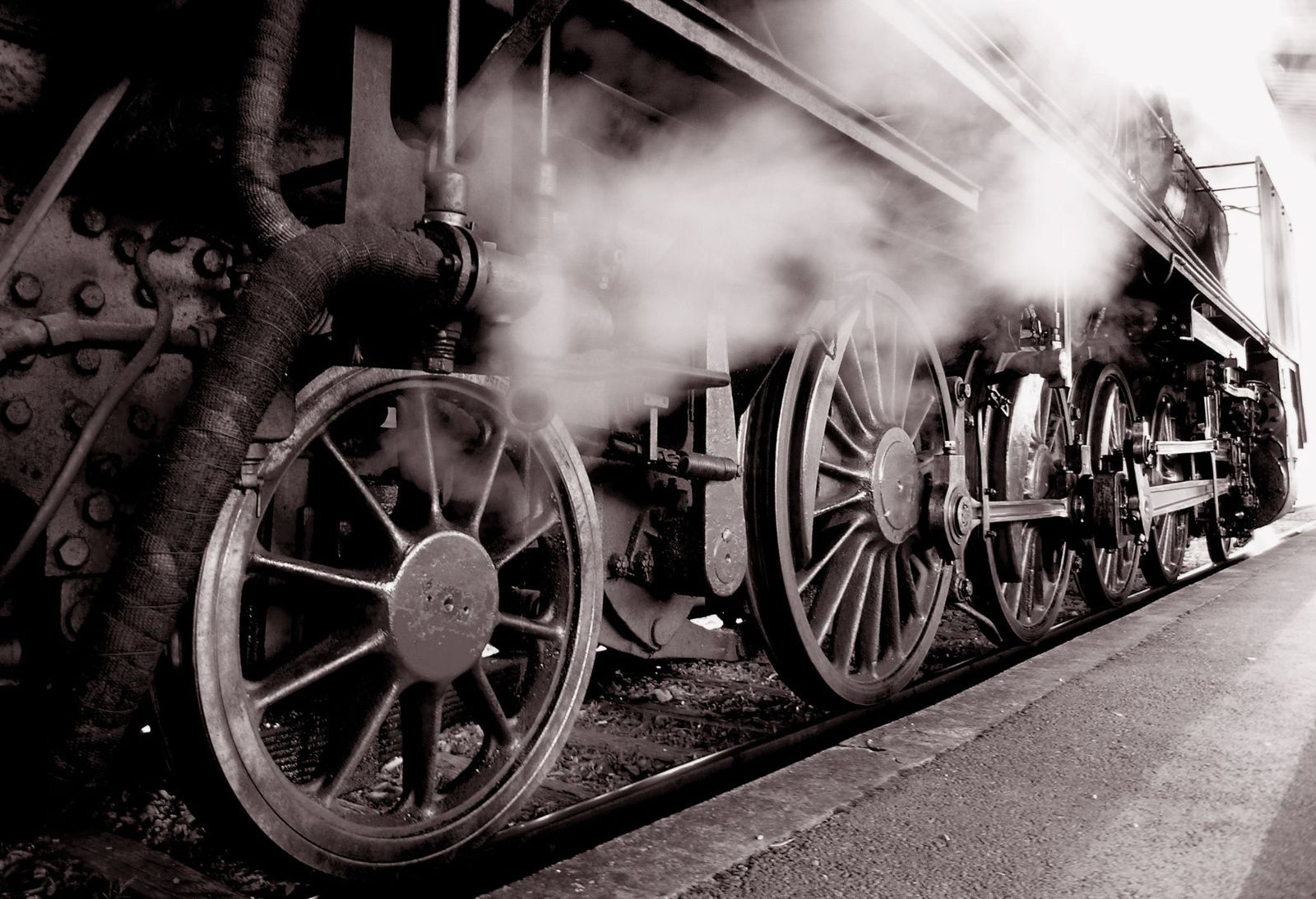
Image: Petar Milošević, CC BY-SA 4.0, via Wikimedia Commons

Railroads carried industrial goods but also were the ultimate consumers of industrial materials. Trains ran on iron (and later steel) rails, burned a huge amount of coal, and required complex steam engines forged in giant foundries, thus creating a cycle. As a result, the country needed more steel mills, coal mines, and lumber yards, directly igniting the American Industrial Revolution.

3
Opening the American West
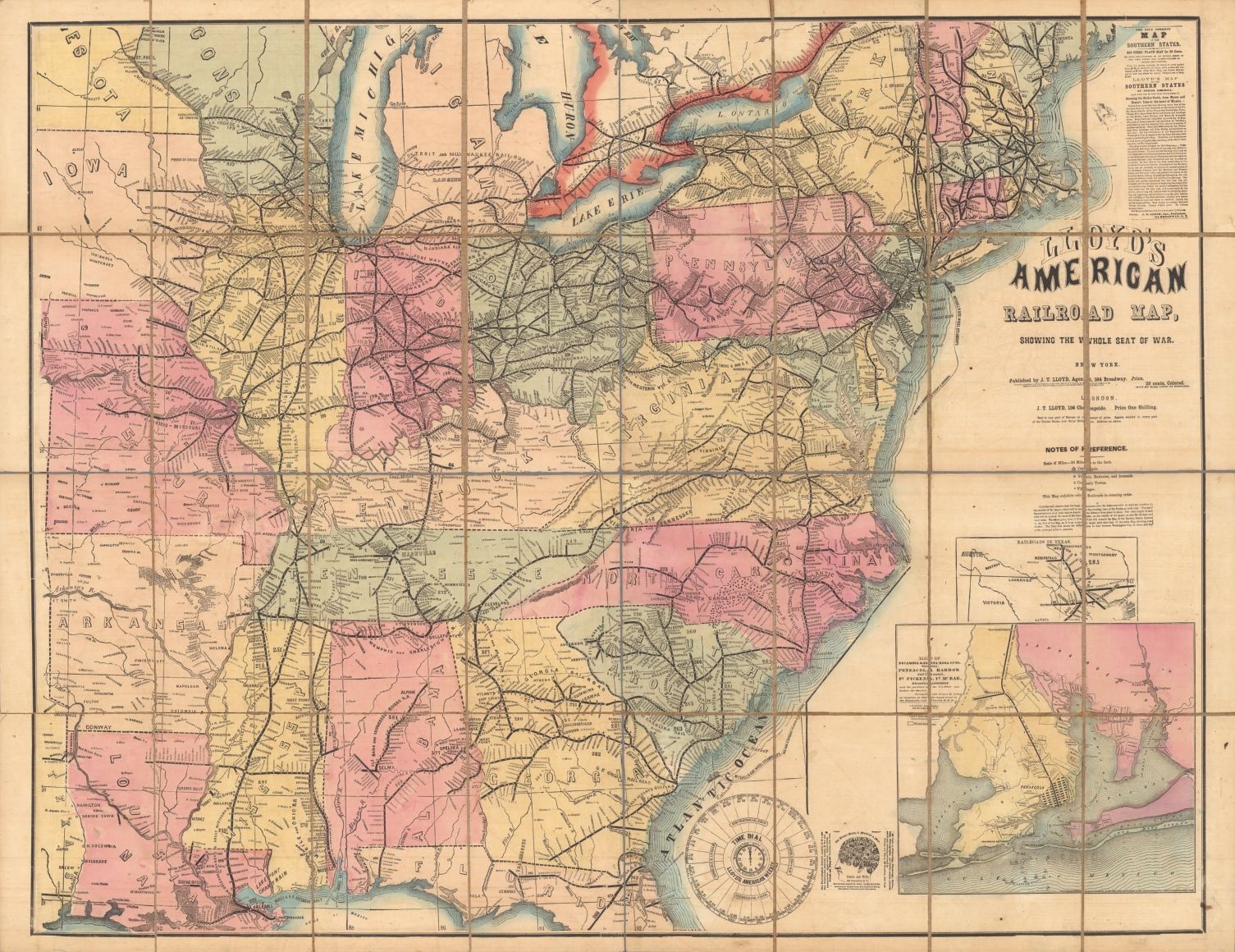
Image: Lloyd, James T., Public domain, via Wikimedia Commons

Before tracks were laid, vast areas of the American West were isolated and difficult to reach. Railroad companies turned inaccessible territories into booming agricultural hubs, mining camps, and timber stations. Federal land grants encouraged pioneers, miners, and entrepreneurs to move west, rapidly transforming untamed wilderness into prosperous territories and new American states.

4
Revolutionizing agriculture
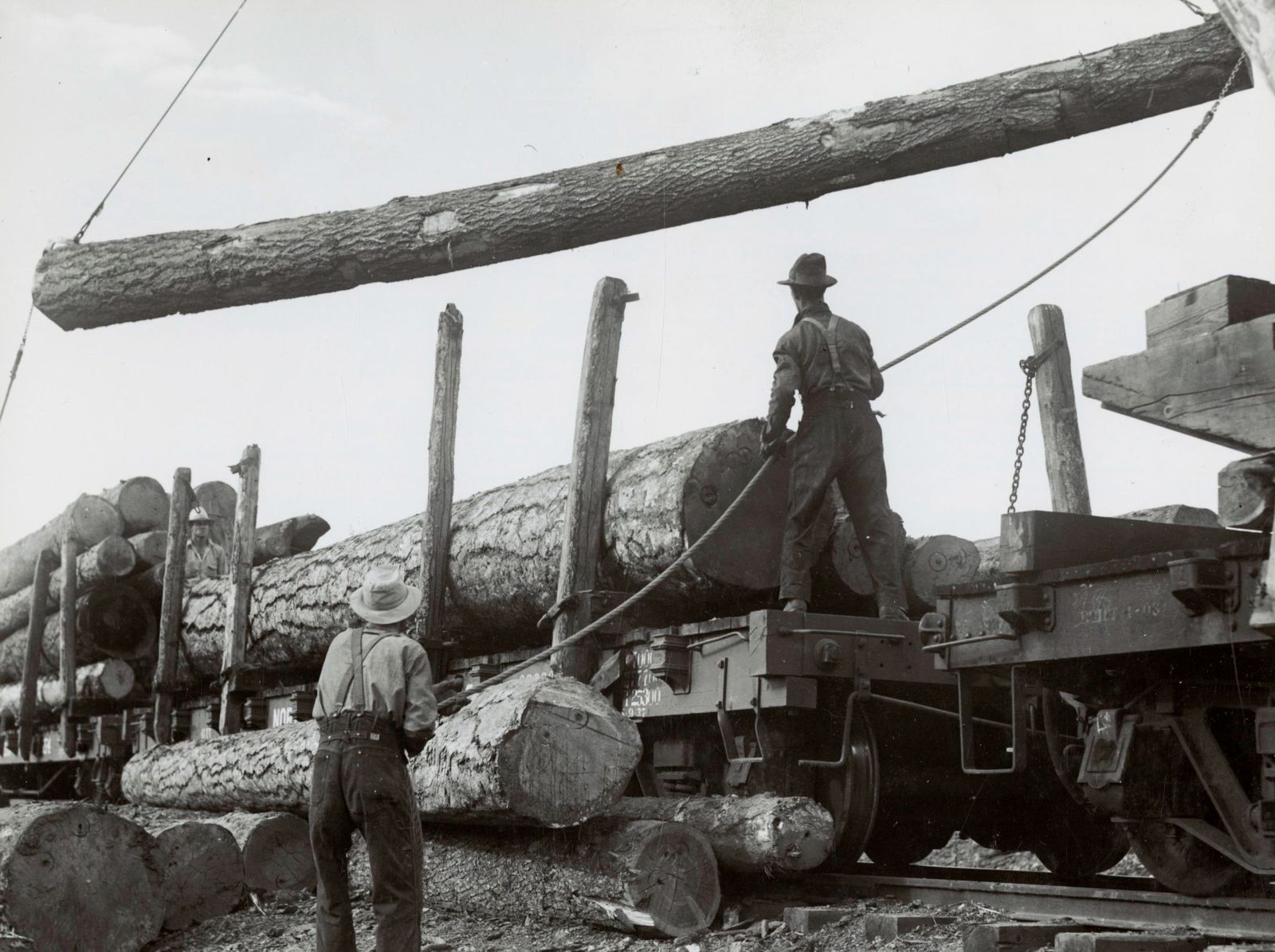
Image: K.D. Swan, US Forest Service, Public domain, via Wikimedia Commons

Before trains, farmers could only grow what they could sell locally before it spoiled. The advent of the railroad, and specifically the invention of refrigerated boxcars in the 1870s, changed food industries forever. Suddenly, beef from Texas, grain from the Midwest, and citrus from California could be shipped to East Coast cities without rotting on the way.

5
Stimulating urbanization
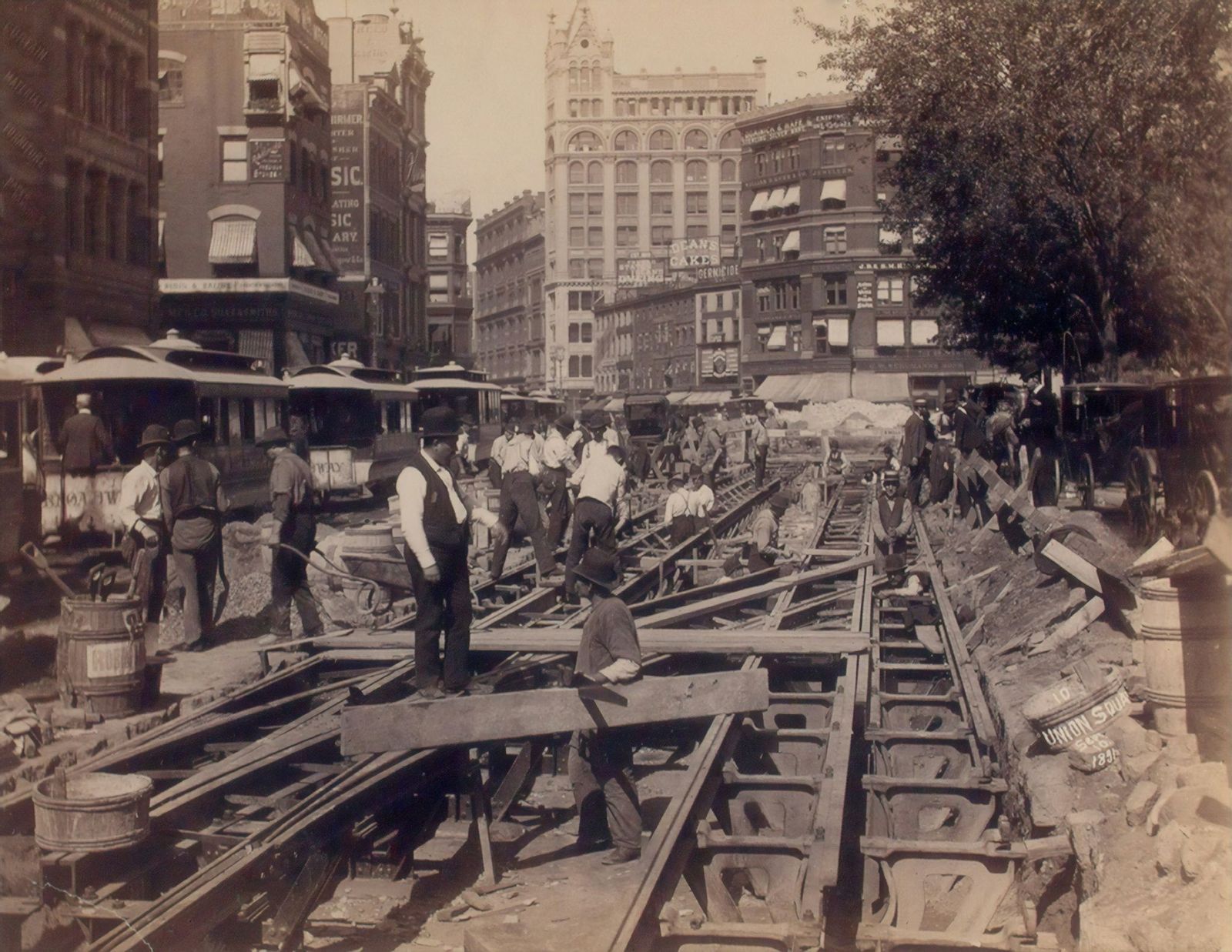
Image: The New York Public Library

Railroads drew the blueprint of modern American geography. Major cities like Chicago, Kansas City, Atlanta, and Denver became prominent not because of oceanic harbors, but because they served as railway junctions. Chicago, for example, transformed from a quiet lakefront trading post into a metropolis of millions as the central hub connecting Western livestock and grain to Eastern consumer markets.

6
Standardizing time across the nation
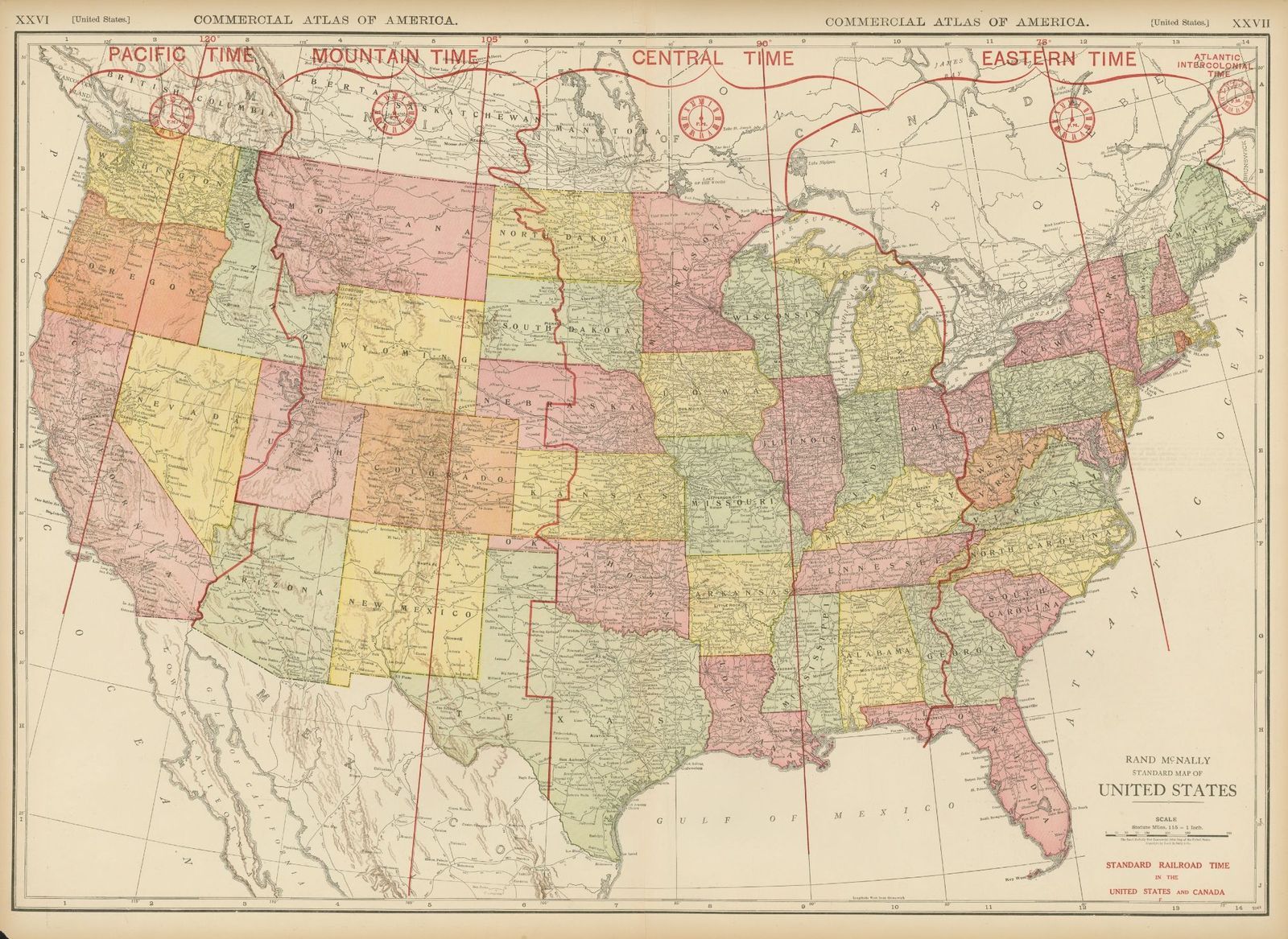
Image: University of Texas at Arlington, Public domain, via Wikimedia Commons

In the early 19th century, every town kept its own local "sun time" based on when the sun hit noon overhead. This meant there were over 300 different local times across the United States, making train scheduling a nightmare. On November 18, 1883, known as "The Day of Two Noons", American railroad companies established four standardized time zones (Eastern, Central, Mountain, and Pacific) for the first time. The U.S. government officially adopted the system 35 years later, giving us the time system we use today.

7
Powering wartime logistics
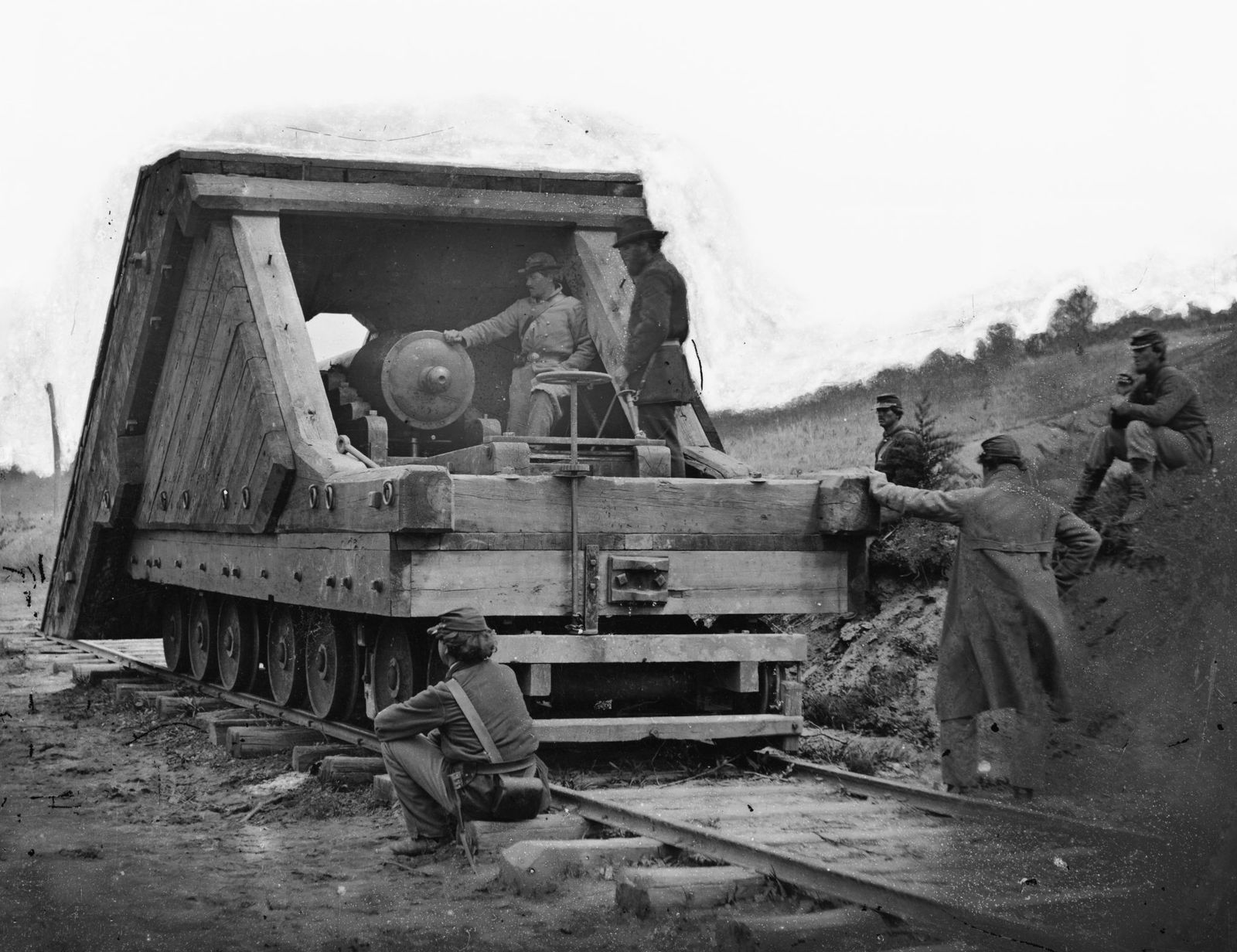
Image: See page for author, Public domain, via Wikimedia Commons

The American Civil War was the first military conflict in history where railroads played a decisive strategic role. The Union’s superior rail network allowed Abraham Lincoln to move tens of thousands of troops, heavy artillery, and medical supplies across hundreds of miles in just days. Decades later, during World War I and World War II, the nation’s coordinated rail network was essential for assembling armaments and moving troops to ports.

8
Attracting immigrants and skilled labor
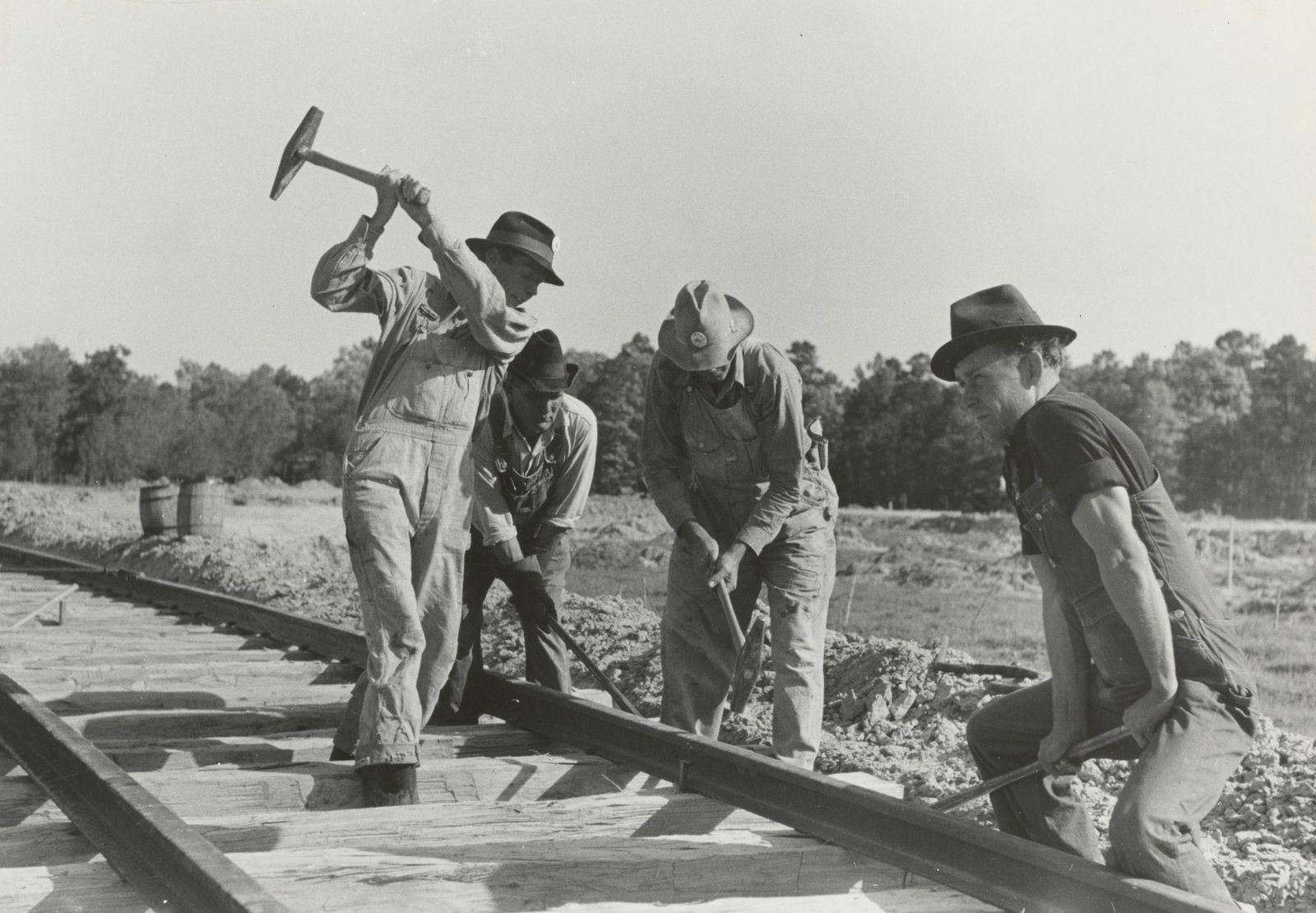
Image: The New York Public Library

Building a rail network for such a big country required a huge labor force. Hundreds of thousands of immigrants—most notably Chinese workers building east through the Sierra Nevada mountains and Irish laborers laying track west across the plains—came to America for work. Many settled in newly founded rail towns, started businesses, and expanded the multicultural fabric of the nation.

9
Fueling innovation in engineering and finance
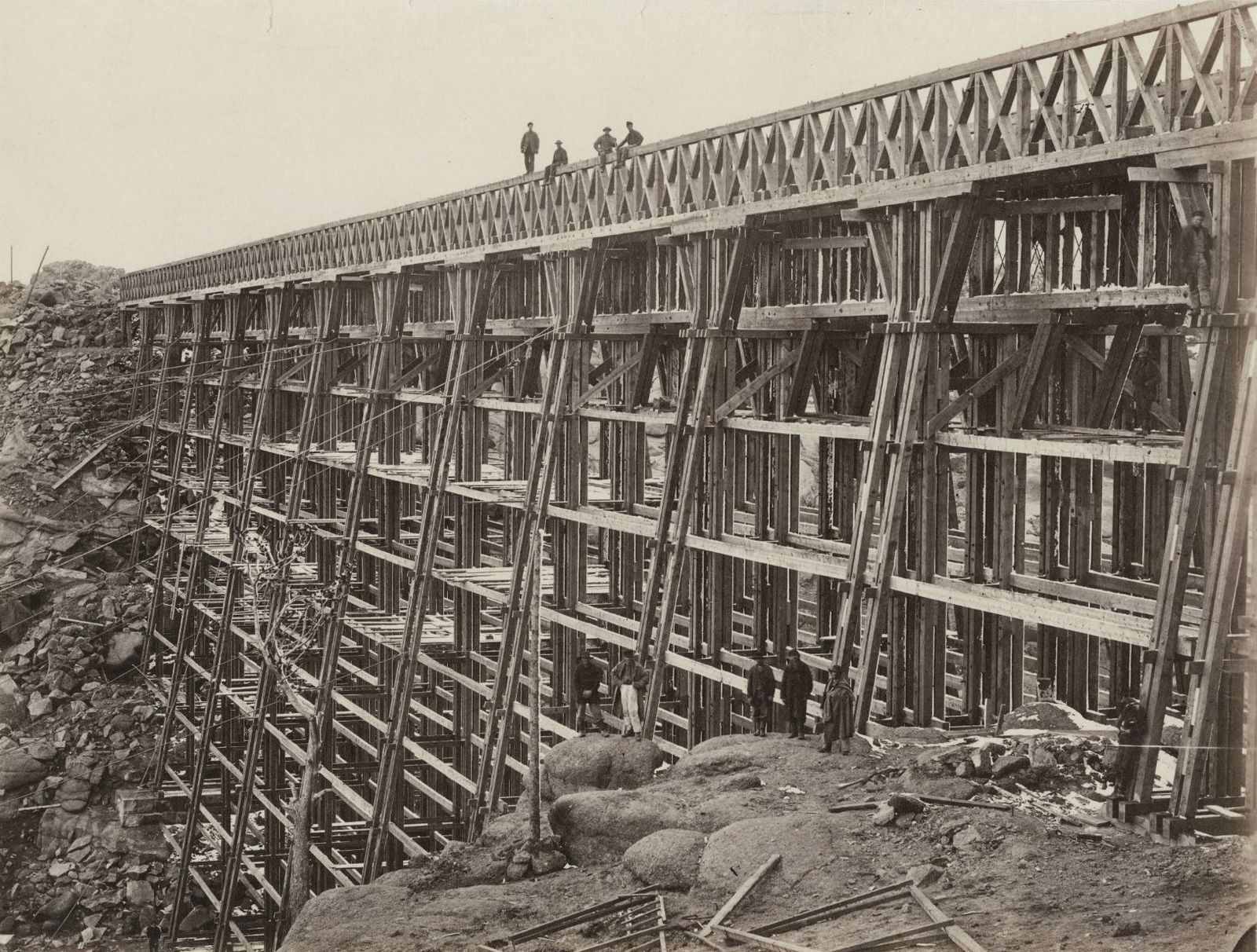
Image: Andrew J. Russell, Public domain, via Wikimedia Commons

Laying tracks across rivers, canyons, and mountain ranges pushed civil engineering forward, pioneering suspension bridges, mountain tunnels, and heavy construction equipment. At the same time, railroads required so much capital that they birthed modern Wall Street. Financial markets grew fast to trade railroad stocks and bonds, while railway executives created the first corporations.

10
Redefining mail and communication
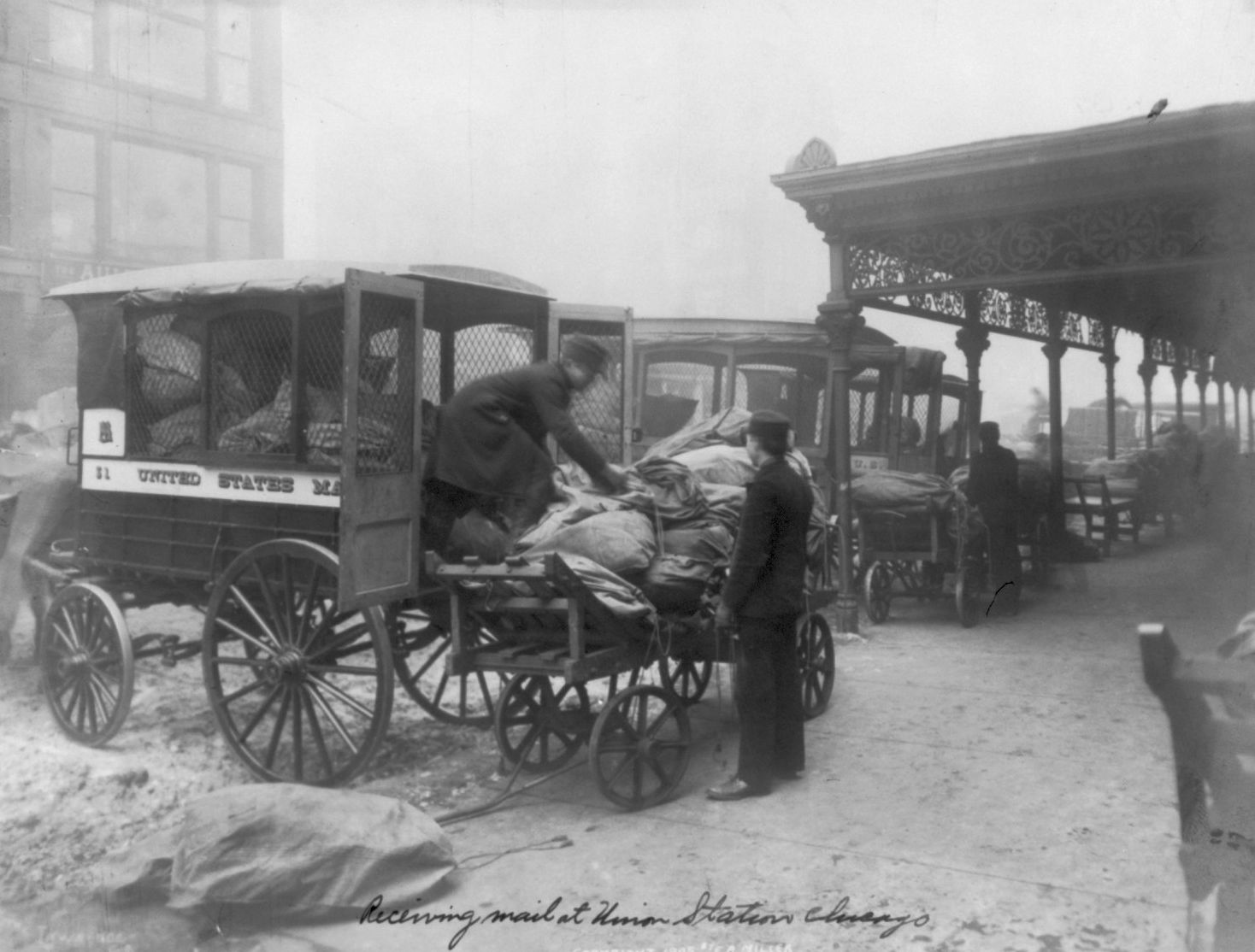
Image: Miscellaneous Items in High Demand, PPOC, Library of Congress, Public domain, via Wikimedia Commons

Railroads moved information incredibly fast. Telegraph lines were connected alongside railroad tracks, establishing instantaneous communication across the country for the first time. Meanwhile, the Railway Mail Service turned passenger cars into mobile post offices where clerks sorted letters on board while traveling at 50 miles per hour, dropping mail delivery times from months down to just a matter of days.
Culture Culture 4 min read

History on canvas

How 10 iconic American paintings shaped modern culture

Image: Girl with red hat

Among the many ways the United States has influenced world culture, art, especially painting, stands out as one of the most significant. From Grant Wood's unparalleled "American Gothic" to Andy Warhol's bold "Campbell's Soup Cans", numerous masterpieces by American artists have traveled the globe, each marking a turning point in art history. Join us as we explore the stories behind these 10 unforgettable American works that have left their mark!

1
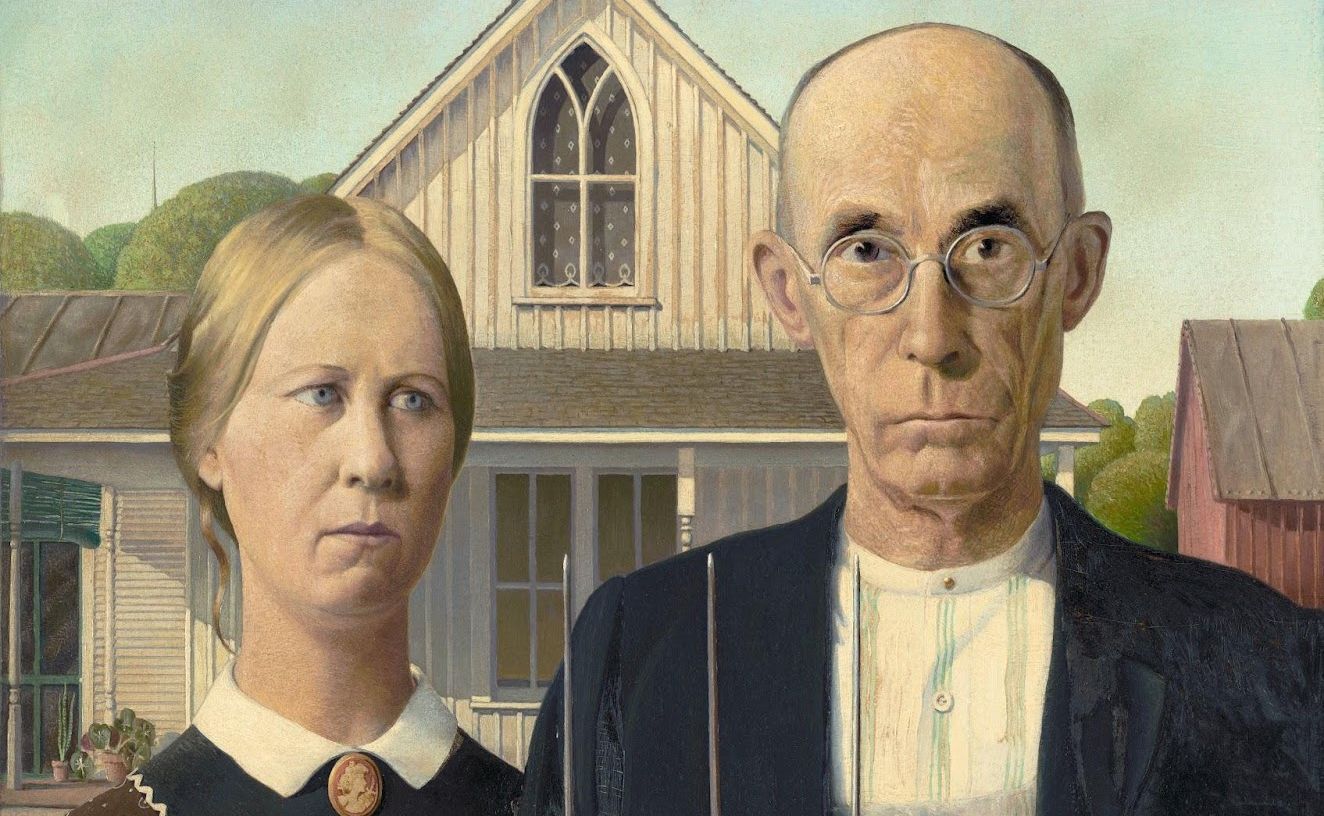
American Gothic (1930) - Grant Wood

Image: Grant Wood, Public domain, via Wikimedia Commons

One of the most internationally recognized American paintings is undoubtedly "American Gothic" by Grant Wood. With a blend of realism and subtle humor, the artist captured the spirit of rural America during the Great Depression. According to legend, Wood was inspired when he saw a Gothic-style house in Iowa and wondered who would live in that house.

2
Nighthawks (1942) - Edward Hopper

Image: Edward Hopper, Public domain, via Wikimedia Commons

There are probably very few people in the world who haven't seen an image of Edward Hopper's iconic " Nighthawks ," referenced so often that it has become a part of pop culture. Although painted during WWII, this work captures something timeless and still relevant today: the loneliness of night in a bustling city.

3
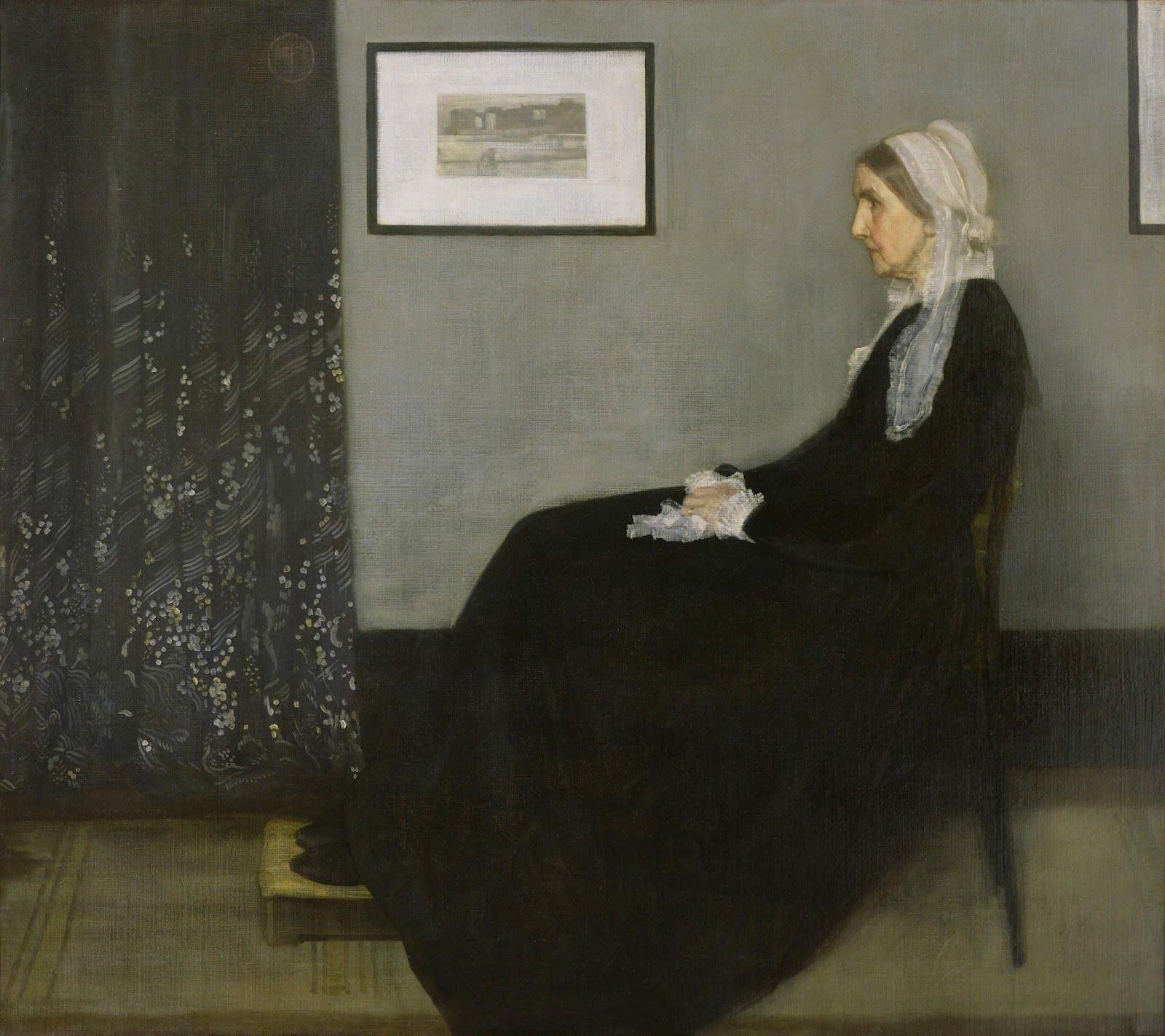
Whistler's Mother (1871) - James McNeill Whistler

Image: James McNeill Whistler, Public domain, via Wikimedia Commons

A painting that marked a turning point in the art world is "Arrangement in Grey and Black No.1" by James McNeill Whistler, better known as "Whistler's Mother." This work transformed portraiture by embracing a sober, harmonious, and minimalist composition that prioritized conveying emotion over intricate detail. The calm expressed in the painting has been widely praised by critics and art scholars alike.

4
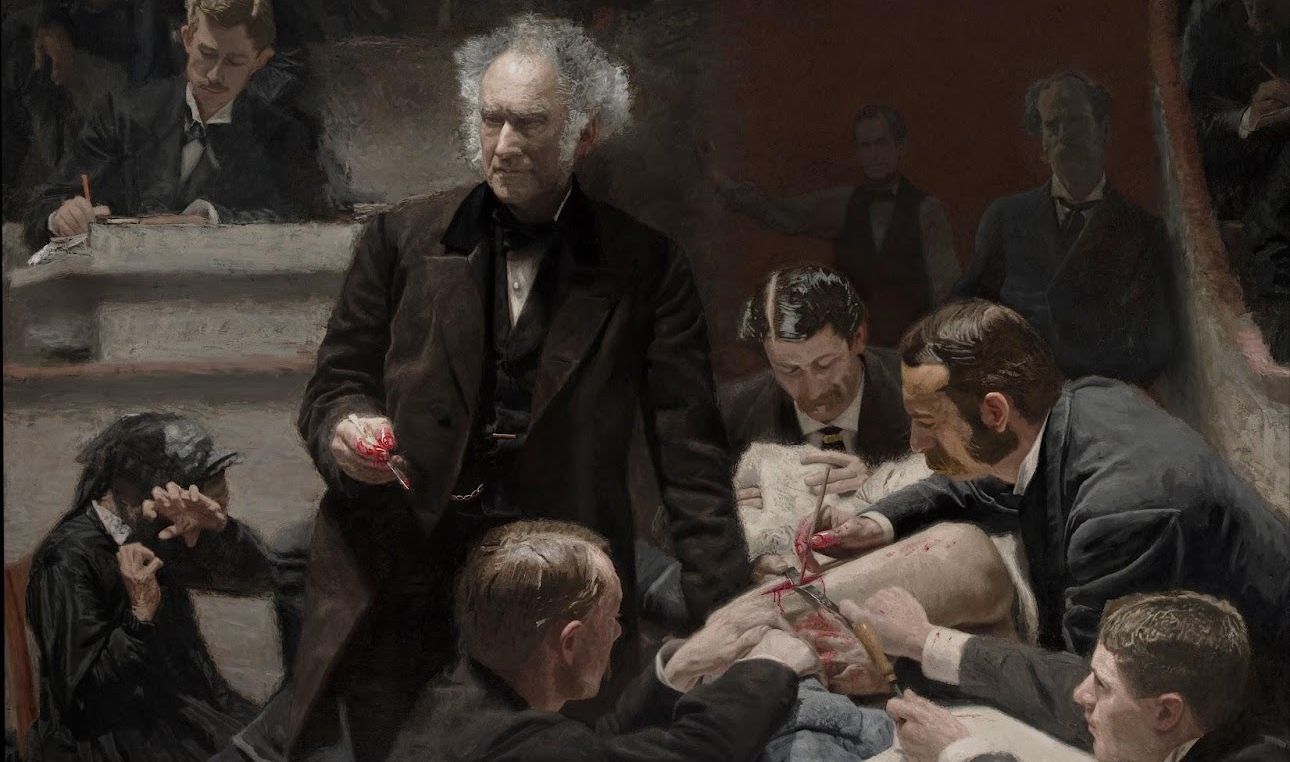
The Gross Clinic (1875) - Thomas Eakins

Image: Philadelphia Museum of Art, Public domain, via Wikimedia Commons

Painted in 1875, "The Gross Clinic" by Thomas Eakins is a masterful realist work that revolutionized art through its dramatic use of light and shadow to portray the stark reality of surgery at the time. It's said that, when first exhibited, it shocked viewers so much that it was moved from the art section to the medical displays area of the Centennial Exhibition in Philadelphia.

5
Christina's World (1948) - Andrew Wyeth

Image: Hithesh Shivakumar

"Christina's World" (1948) by Andrew Wyeth is a world-renowned realist painting celebrated for its beauty and depth. Inspired by his neighbor, Christina Olson, who suffered from a degenerative disease that restricted her mobility, the artist created a powerful image that has impacted for decades. The painting's influence also reached Hollywood, appearing in an iconic scene featuring Mélanie Laurent as Shosanna in Quentin Tarantino's Inglourious Basterds (2009).

6
No. 5, 1948 (1948) - Jackson Pollock

Image: Smithsonian Institution, Public domain, via Wikimedia Commons

"No. 5, 1948" by Jackson Pollock perfectly defines Abstract Expressionism. As a pioneer of drip painting, Pollock broke away from traditional techniques and norms, revolutionizing not only how art was created but also how it was perceived and interpreted. In 2006, "No. 5, 1948" sold for around $140 million, making it one of the most expensive paintings at that time.

7
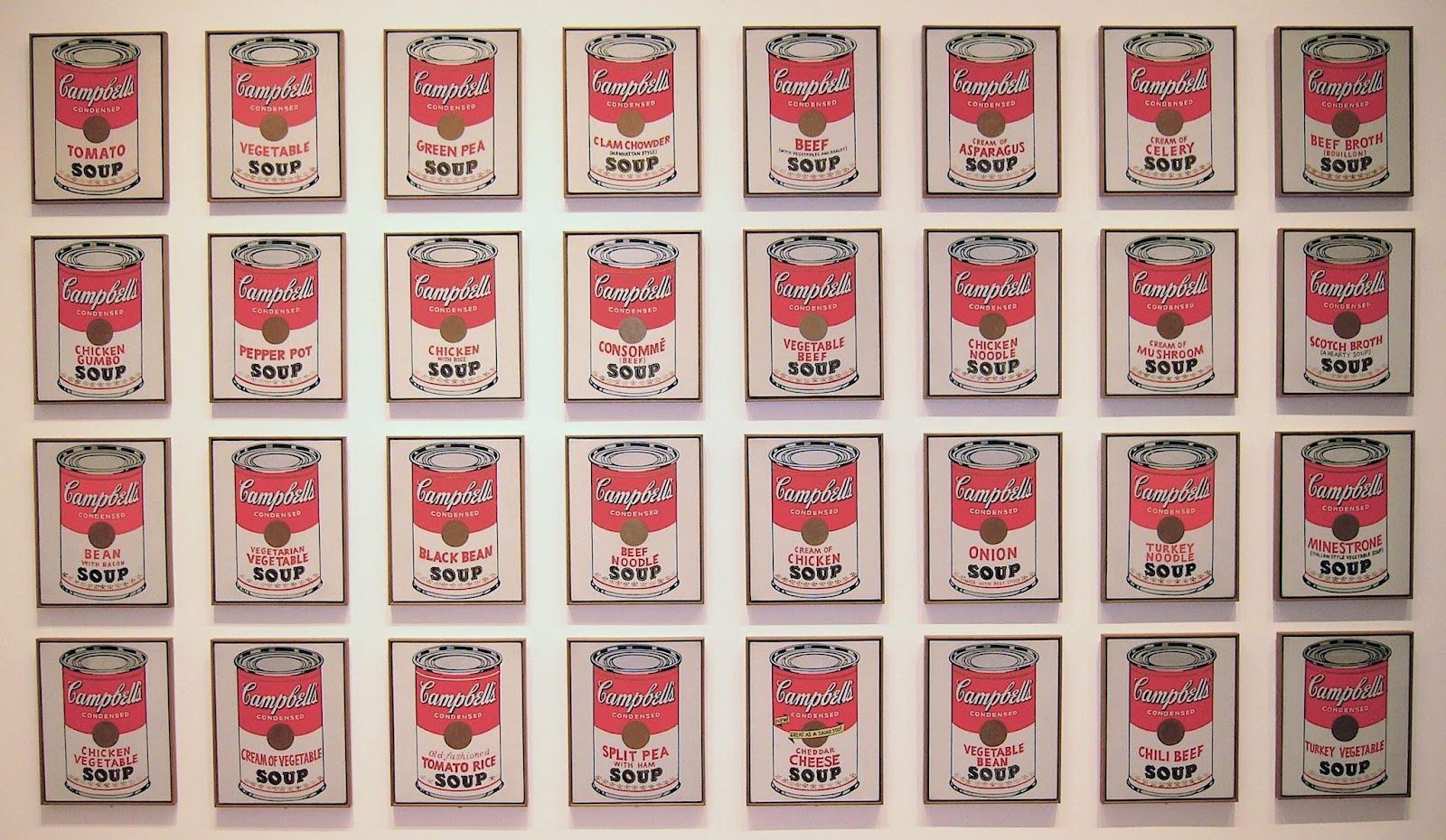
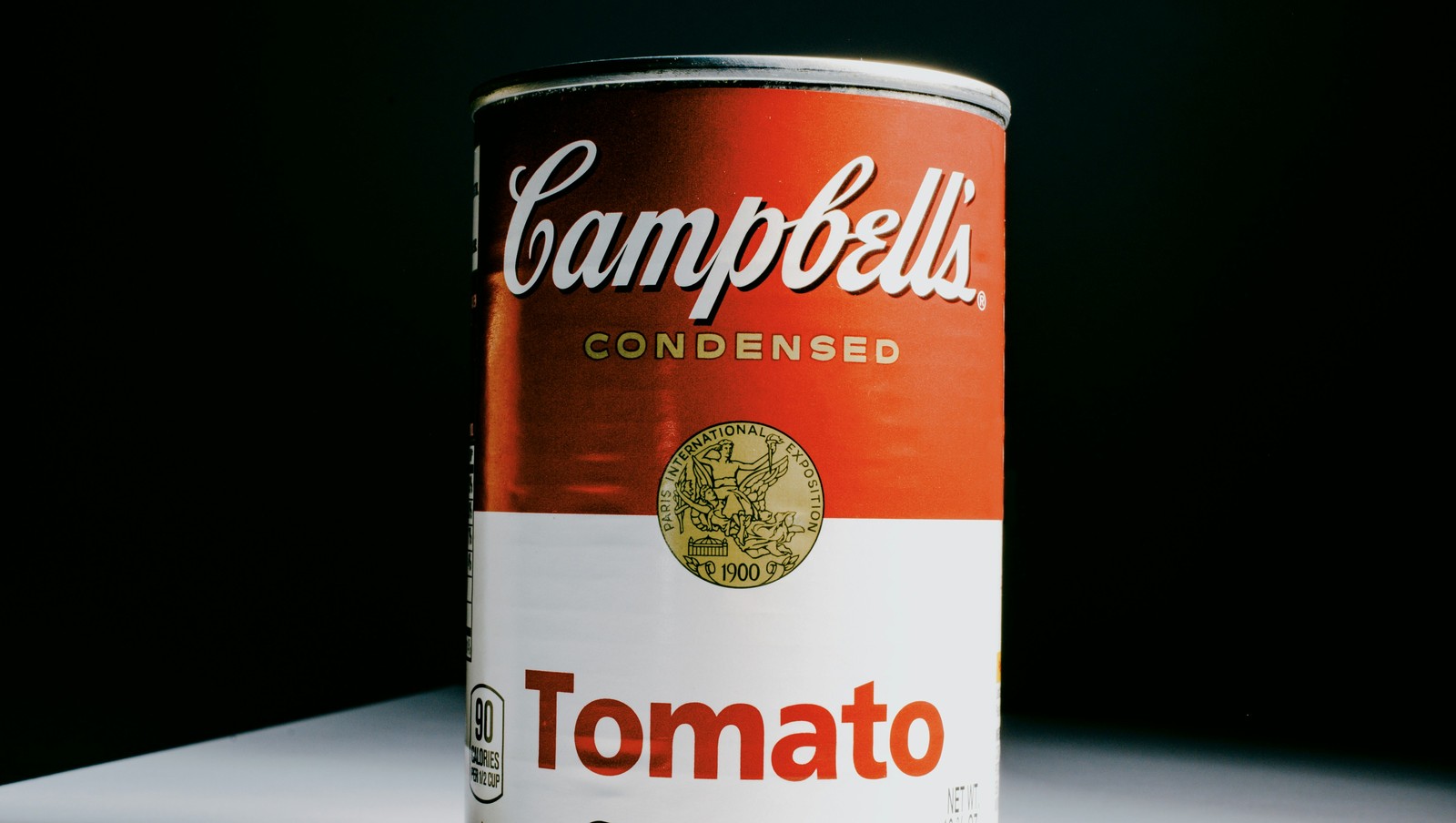
Campbell's Soup Cans (1962) - Andy Warhol

Image: Andy Warhol, Public domain, via Wikimedia Commons

When talking about pop culture, "Campbell's Soup Cans" (1962) by Andy Warhol is an essential reference. Even those unfamiliar with art recognize this work, as Warhol broke through the barriers of the academy to reach a broader audience. By transforming everyday objects into symbols of art, this iconic piece made a strong critique of mass production and consumerism.

8
Portrait of George Washington (1796) - Gilbert Stuart

Image: Gilbert Stuart, Public domain, via Wikimedia Commons

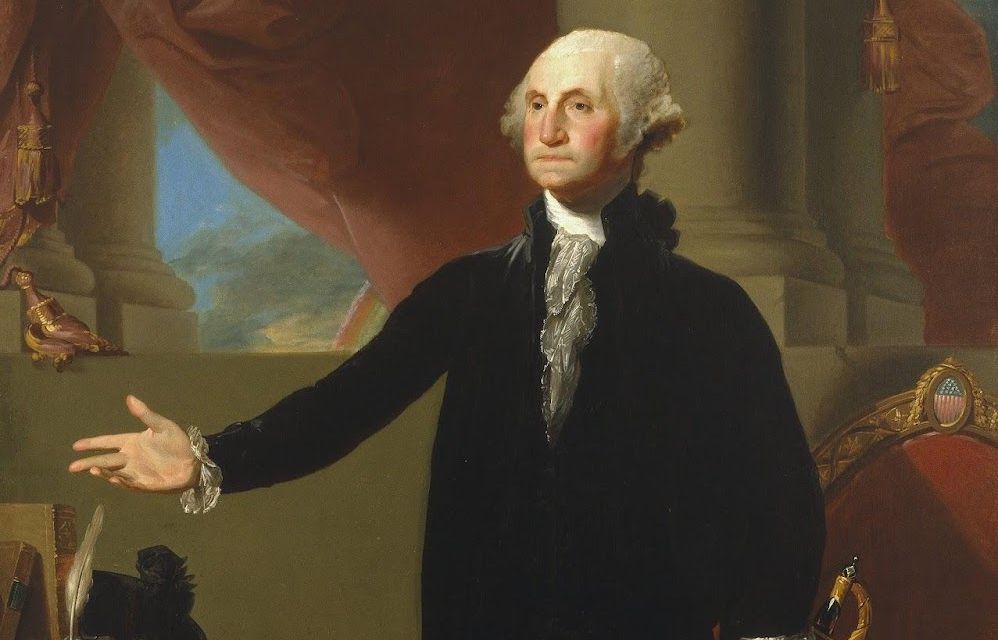
Gilbert Stuart created what is perhaps the most famous portrait of George Washington. Painted in 1796, this work helped define the image of the first US president throughout history. Although Stuart never completed the painting during his lifetime, it became the basis for many other depictions of Washington, including the image on the $1 bill.

9
Freedom from Want (1943) - Norman Rockwell

Image: Hennepin County Library, Public domain, via Wikimedia Commons

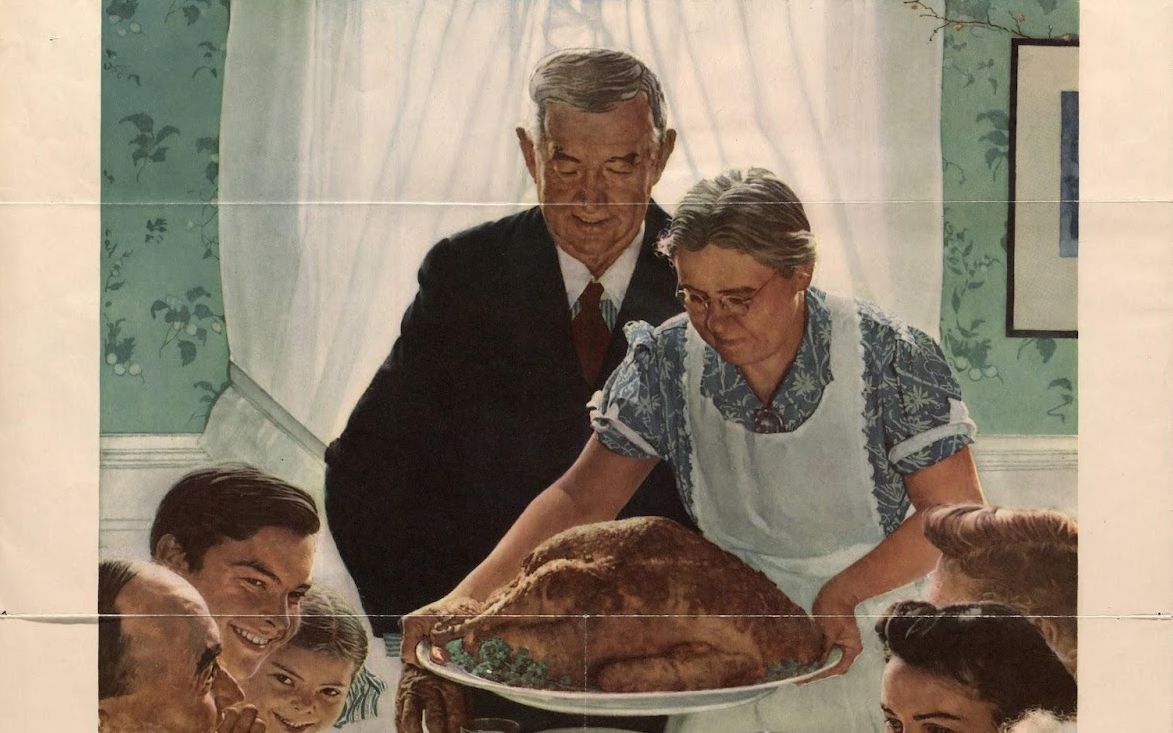
You've probably come across this painting more than once. Inspired by President Franklin D. Roosevelt's 1941 speech on fundamental human rights, Norman Rockwell created his Four Freedoms series. Among the four paintings, "Freedom from Want" (1943) stands out as an icon of American values from the time of its debut to this day.

10
No. 61 (Rust and Blue) (1953) - Mark Rothko

Image: Steve Johnson

Color Field painting wouldn't be what it is today without the groundbreaking work of American artist Mark Rothko, who, along with Barnett Newman and Clyfford Still, helped pioneer the movement. Rothko insisted that his paintings should be displayed and observed in dim lighting, as his use of color fields aims to evoke deep emotional responses in viewers.

History History 3 min read

Test your memory

From flappers to disco: Which decade fits the clue?

Image: Roman Kraft

Every generation has its soundtrack, its fashions, and the major cultural shifts that define an era. Some decades are remembered for their music, others for technology, and some for both. But do you think you can place these moments in time ? We’ve put together six sets of clues about American life across the last century. First, try your hand at guessing the decade, and then scroll down to see the answers!

1
Clue #1

Image: Hybrid Storytellers

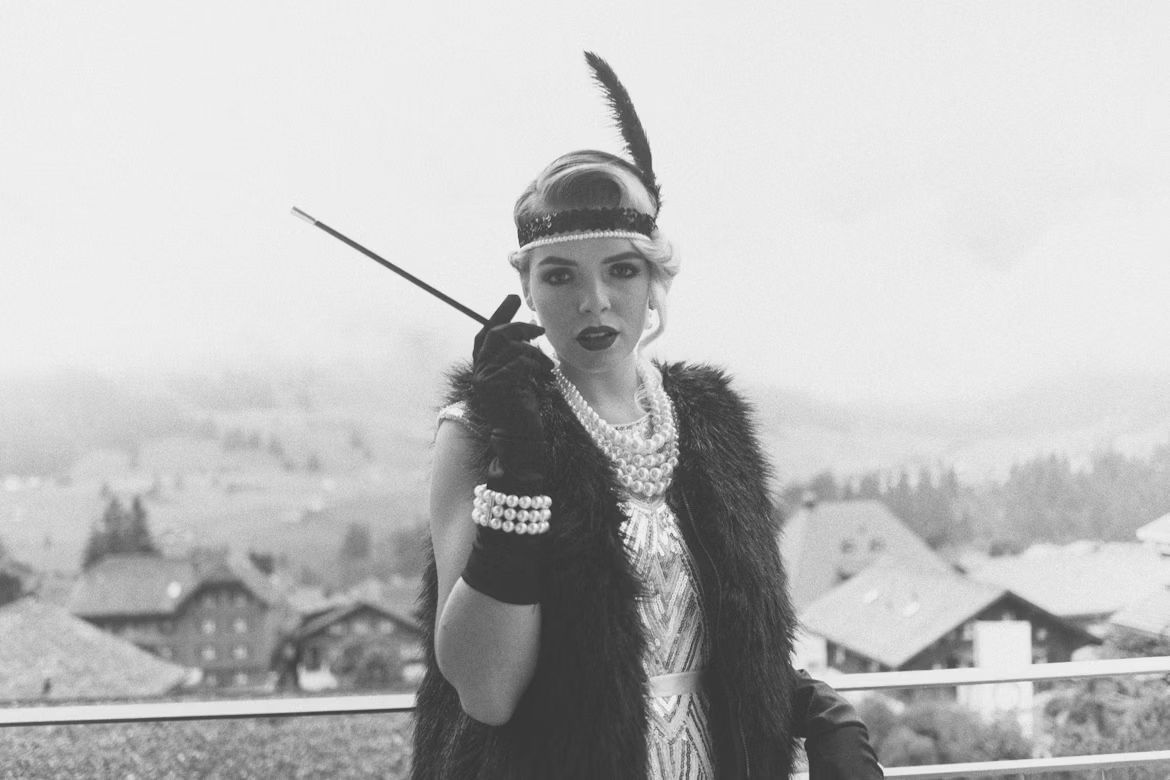
A nationwide ban on alcohol gave rise to speakeasies and bootlegging . Dance halls were alive with new rhythms, and women in shorter skirts shocked traditional society. Cities buzzed with fresh art, literature, and music. Affordable cars began filling the streets, changing how people lived and traveled.

2
Clue #2

Image: Tim Mossholder

The sound of distorted guitars and flannel shirts became the uniform of youth culture. At the same time, toy shops were filled with collectible plush animals and tiny digital pets. Computers were shrinking, and the world was just learning what "online" really meant. Sitcoms about groups of friends or quirky families topped the TV charts, while early cell phones were starting to appear in everyday life.

3
Clue #3

Image: Dominik Mecko

This period glittered with light-up dance floors and pulsing rhythms. Movie theaters drew crowds to see epic space battles and summer blockbusters . Fads like mood rings and quirky pet rocks had their moment in the spotlight. On the flip side, fuel shortages tested patience, and quick-service burger joints began appearing on more street corners.

4
Clue #4

Image: Cesira Alvarado

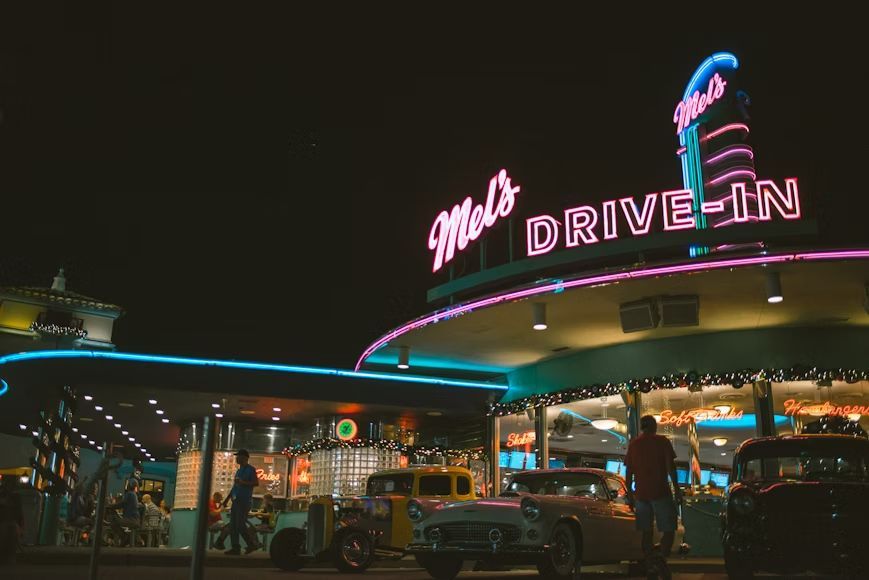
Families grew larger, and shiny new suburbs began to sprawl outside cities. Teenagers tuned in to a fresh sound that worried parents but captivated youth. Cars rolled into drive-ins for movies or burgers, while living rooms glowed with the latest entertainment gadget: the television set.

5
Clue #5

Image: Mitchell Orr

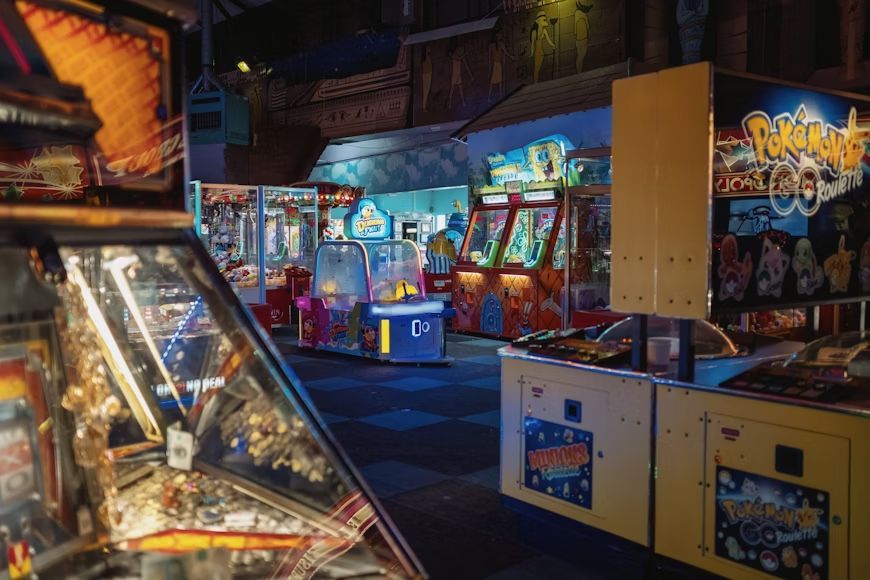
Television expanded with channels devoted to sports and 24-hour news. Music fans were glued to screens watching flashy new music videos . Young professionals embraced big paychecks, bold fashion, and an appetite for luxury. Arcades buzzed with electronic sounds, and living rooms welcomed the first home gaming systems.

6
Answer #1: The 1920s

Image: Marvin Meyer

Known as the Roaring Twenties, this decade was defined by Prohibition, flappers, and the Harlem Renaissance . Jazz poured out of clubs, while the Model T made road trips possible for everyday families. It was a time of innovation, rebellion, and cultural change.

7
Answer #2: The 1990s

Image: Dasha Zhytanska

The internet emerged, fueling the dot-com boom. Grunge bands from Seattle reshaped the music scene, while sitcoms like Friends and Seinfeld ruled TV. Kids collected Beanie Babies and fed Tamagotchis, while cell phones gradually became a part of daily life.

8
Answer #3: The 1970s

Image: Matthew LeJune

Disco fever ruled the nightclubs, and blockbusters like Star Wars rewrote movie history. Quirky fads, such as Pet Rocks, had short but memorable lifespans. Rising gas prices caused long lines at fuel stations, while fast food giants spread across the country.

9
Answer #4: The 1950s

Image: Elizabeth Smith

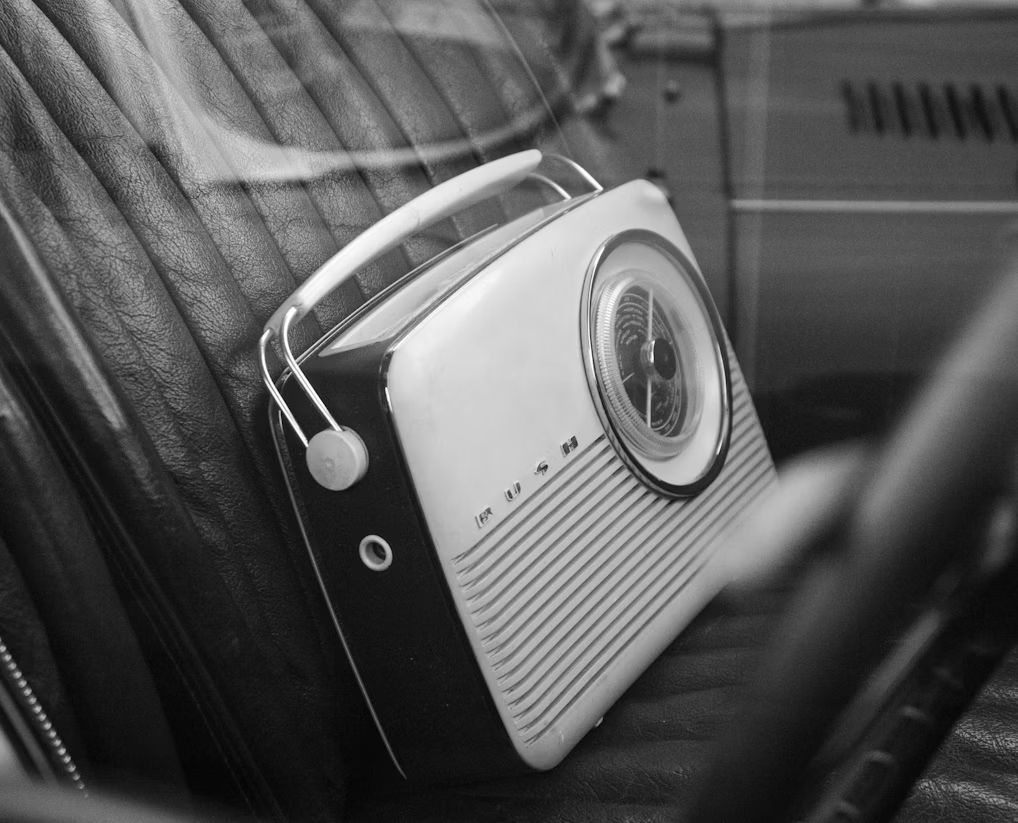
Suburbs such as Levittown expanded rapidly as families grew during the Baby Boom. Rock ‘n’ roll stars like Elvis lit up radios . TV ownership soared, transforming family routines, while drive-ins and diners became favorite hangouts for teenagers.

10
Answer #5: The 1980s

Image: National Cancer Institute

The launch of MTV sparked the music video explosion , while arcades buzzed with hits like Pac-Man and Donkey Kong . Yuppies pursued ambitious careers and embraced neon fashion. Cable television expanded viewing options, and home consoles like the Nintendo Entertainment System brought gaming into millions of households.

Explore more American facts

Choose your favorite category!

General
General

As American as apple pie—the very best America has to offer!

Culture
Culture

Delve into the astounding richness of American lore.

Geography
Geography

Hop in and explore vast and diverse American landscapes.

History
History

Discover the key moments that shaped the United States.