General General 4 min read

Unexplained & unforgettable

Wait, they saw what? 10 UFO sightings that will make you question reality
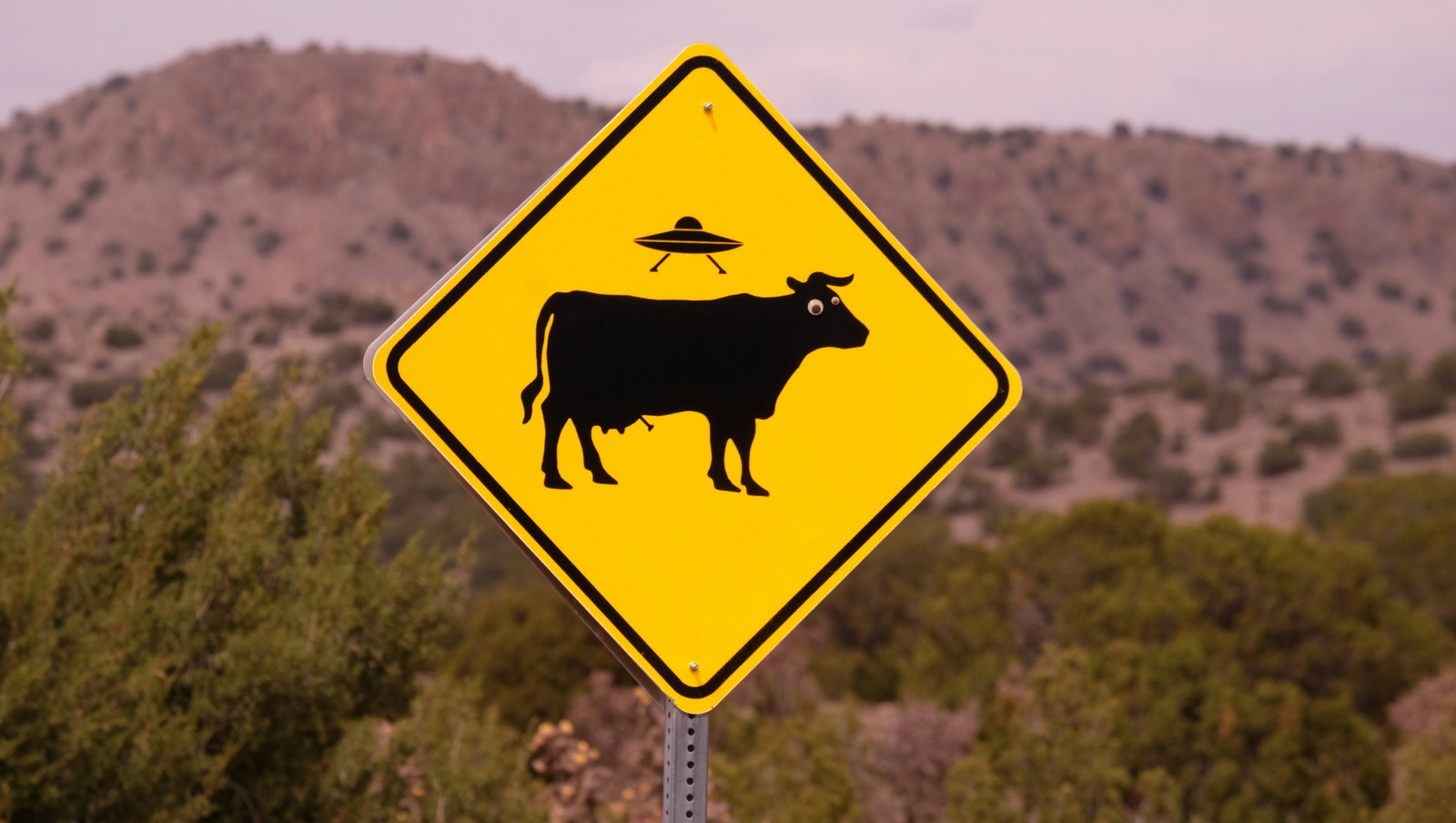
Image: Bruce Warrington

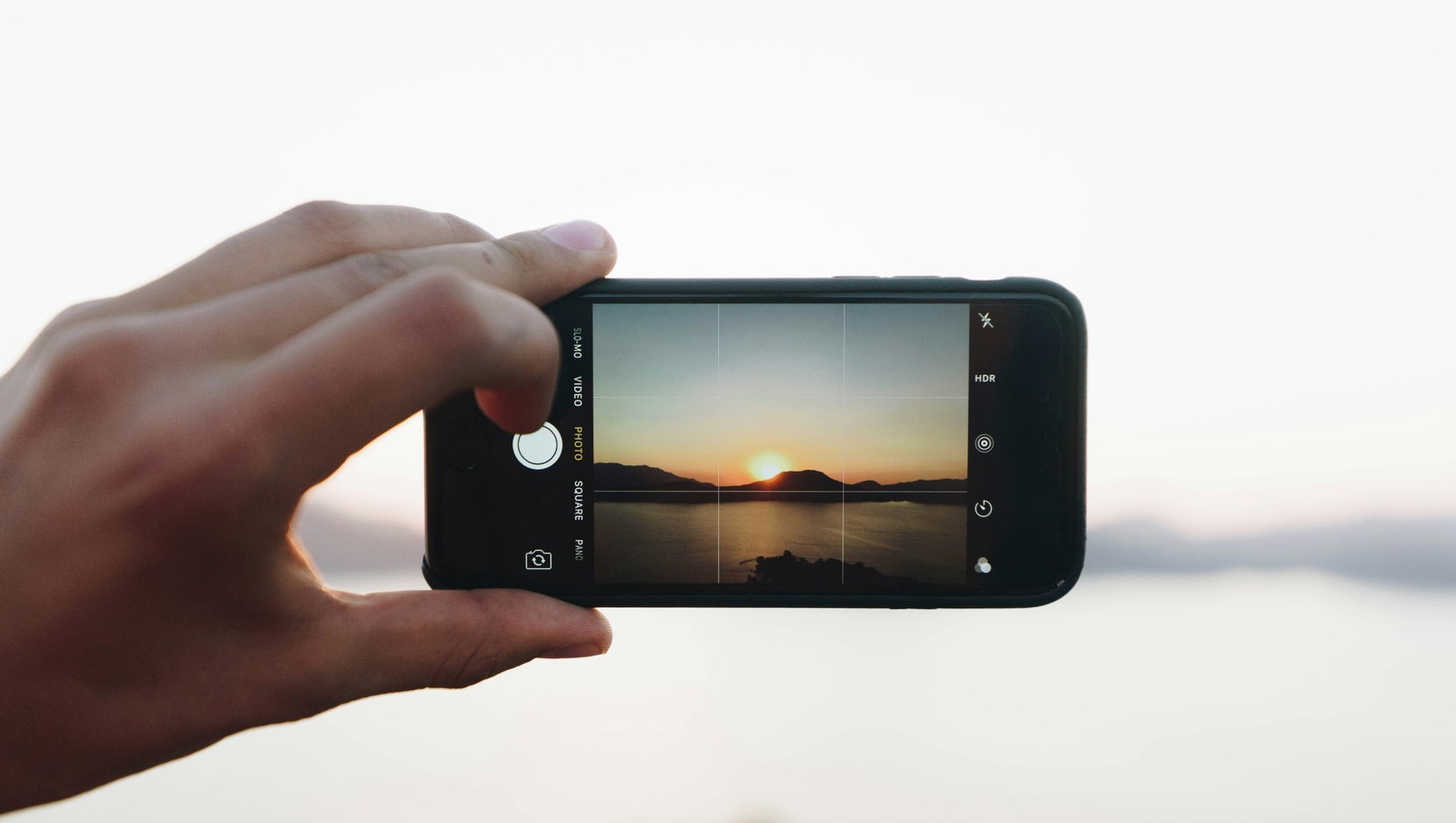
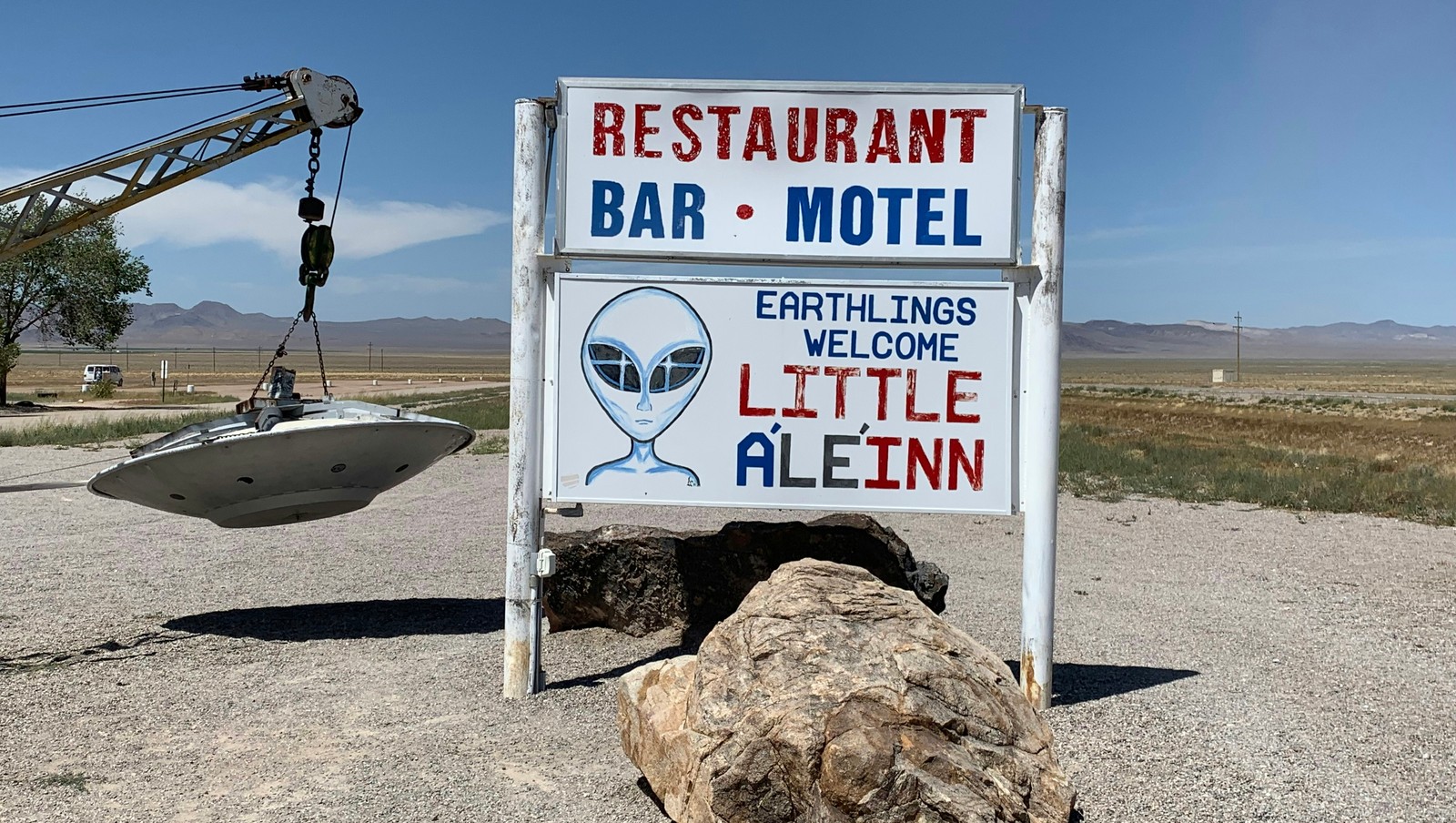
Since the dawn of time, humans have stared at the heavens in search of answers, and the question of life on other planets has always been with us. But sometimes what we see defies explanation. From strange-shaped objects crossing the sky to tales of encounters with extraterrestrials, today we’re remembering 10 shocking UFO stories.

1
Roswell Incident (New Mexico, 1947)
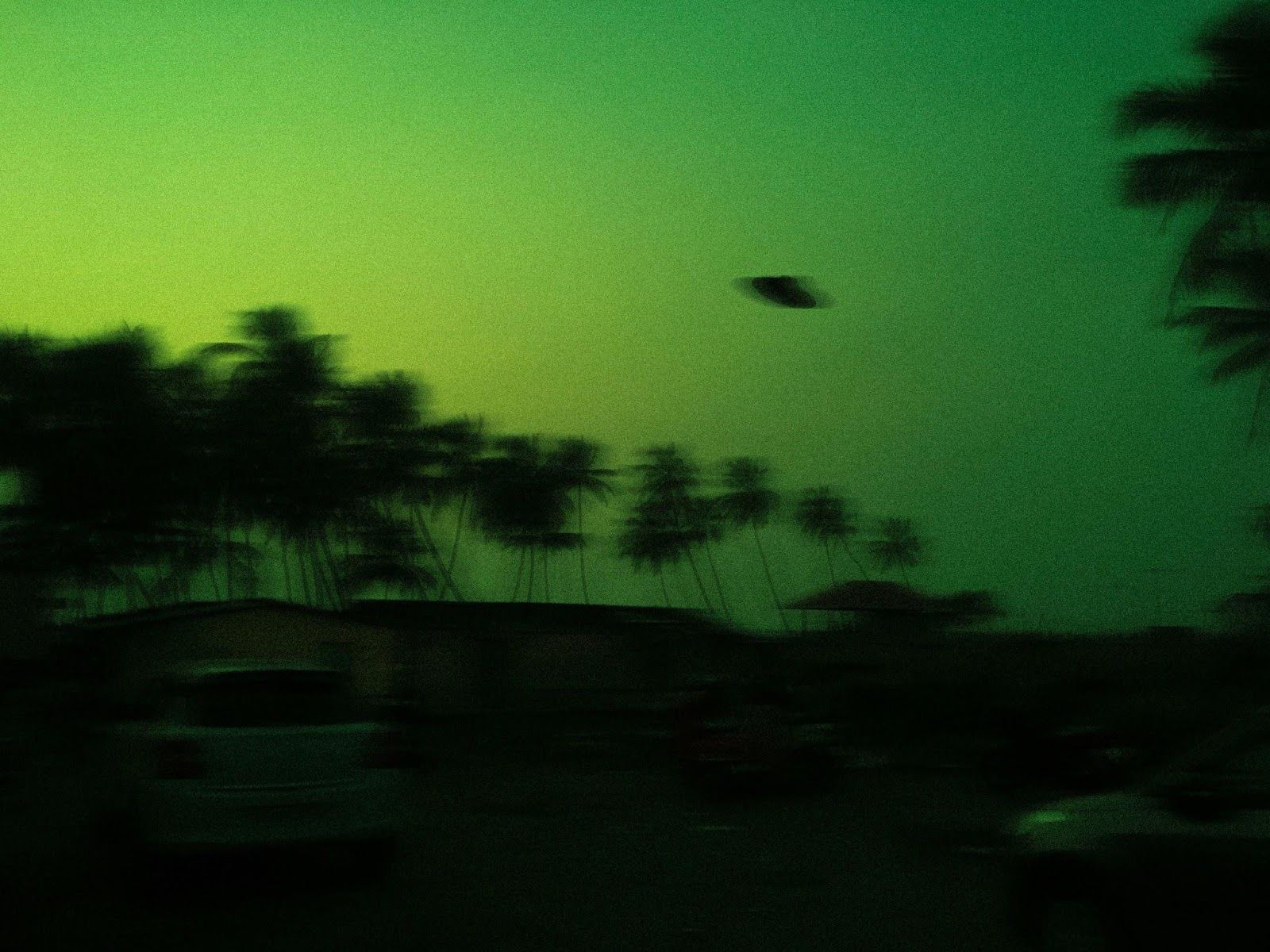
Image: Albert Antony

It was July 1947 when something extraordinary happened near Roswell, New Mexico: a mysterious, large object crashed on a ranch outside the town. It wasn't an airplane, it wasn't a helicopter, it didn't resemble any known aircraft at the time. Interestingly, the military first described it as a "flying disc," only to later retract the statement and claim it was just a weather balloon. This shift caused endless theories and made Roswell perhaps the most famous UFO story of all time.

2
Kenneth Arnold Sighting (Washington, 1947)
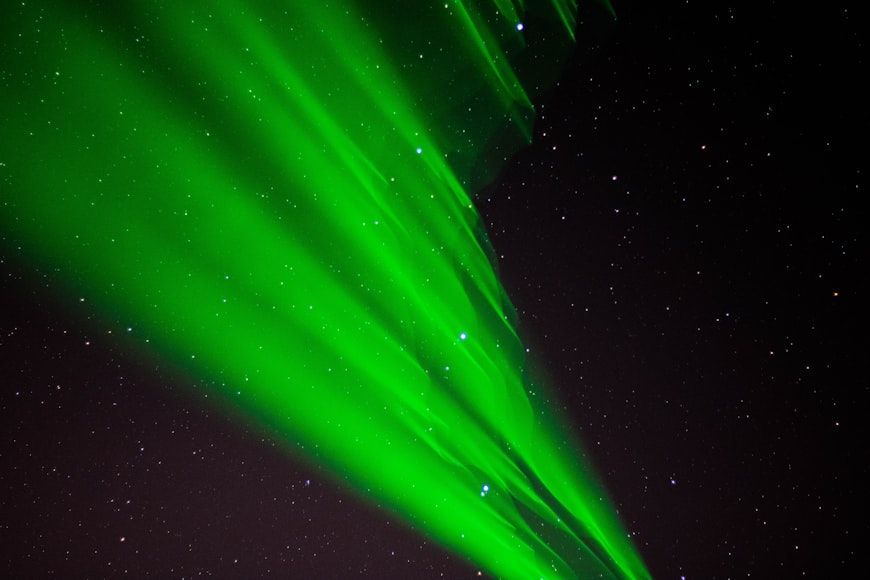
Image: Parastoo Maleki

No one knows the skies better than pilots, and in June 1947, one of them, Kenneth Arnold, saw something that would change the way we think about extraterrestrial life. According to his report, Arnold spotted nine bright objects moving near Mount Rainier, Washington. He described their flight as being like "a saucer skipping across water." That phrase would go on to coin the term "flying saucer," marking what many consider the beginning of the modern UFO era.

3
Washington, DC, Flap (1952)
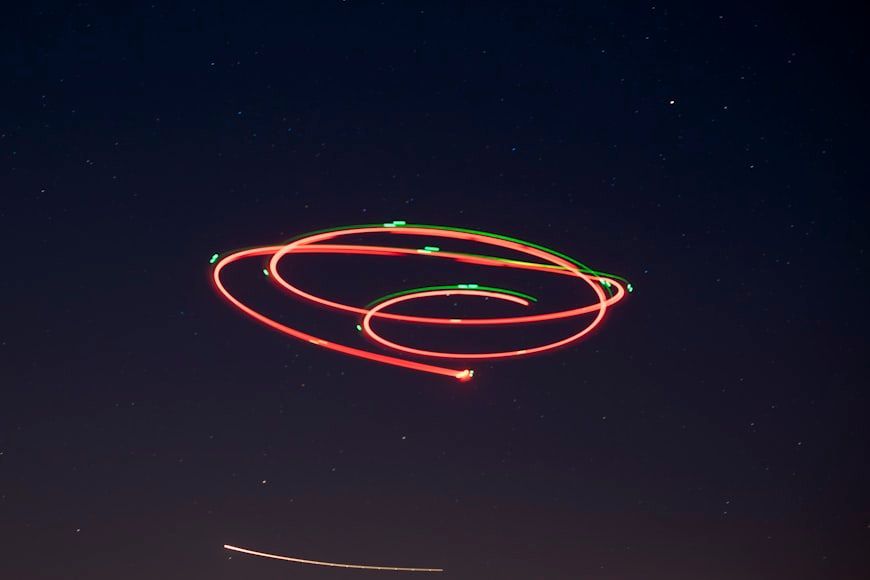
Image: Ben Collins

Do you think UFO sightings only happen in rural or remote areas? Between July 12 and 29, 1952, something unexplainable occurred over Washington, DC. People in the US capital reported seeing mysterious objects moving randomly in the sky. But that wasn't all; pilots and even radar stations reported the same. While the US Air Force suggested that temperature might have affected radar performance, the sightings were never fully and clearly explained.

4
Kelly-Hopkinsville Encounter (Kentucky, 1955)
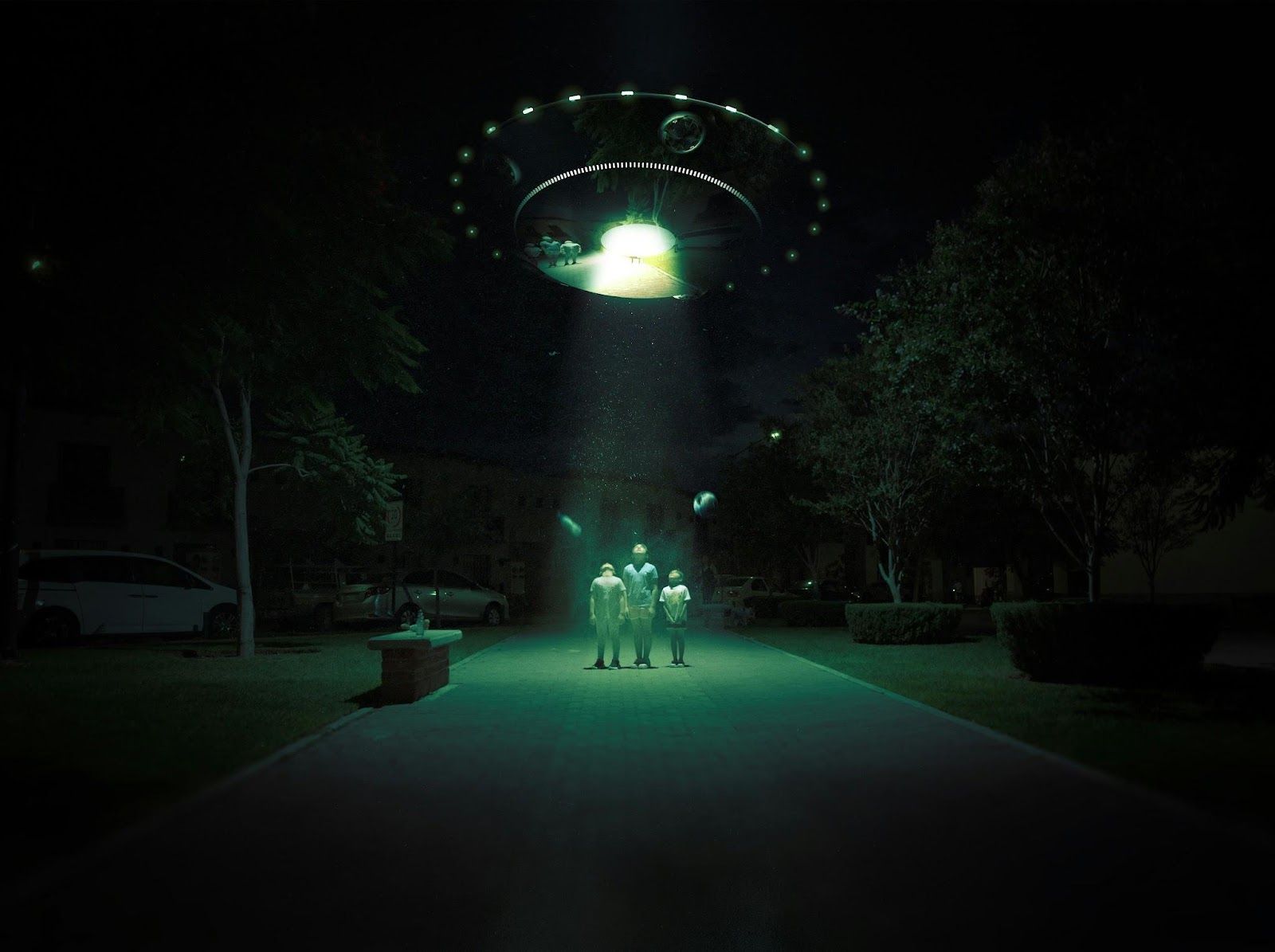
Image: Danie Franco

On August 21, 1955, two families in rural Kelly, Kentucky, experienced something straight out of their wildest nightmares. In the evening, a bright, fleeting light appeared in the sky. According to their reports to the police, the light was followed by the arrival of small creatures with large eyes and long arms, described as "little green men," who allegedly approached their homes and peered through the windows. Terrified, the families shot at them for nearly four hours, until the "little green men" finally seemed to disappear. When police arrived the next day, the houses were empty. According to neighbors, both families had packed up and left, saying the creatures had returned around 3 a.m.

5
Kecksburg UFO Incident (Pennsylvania, 1965)
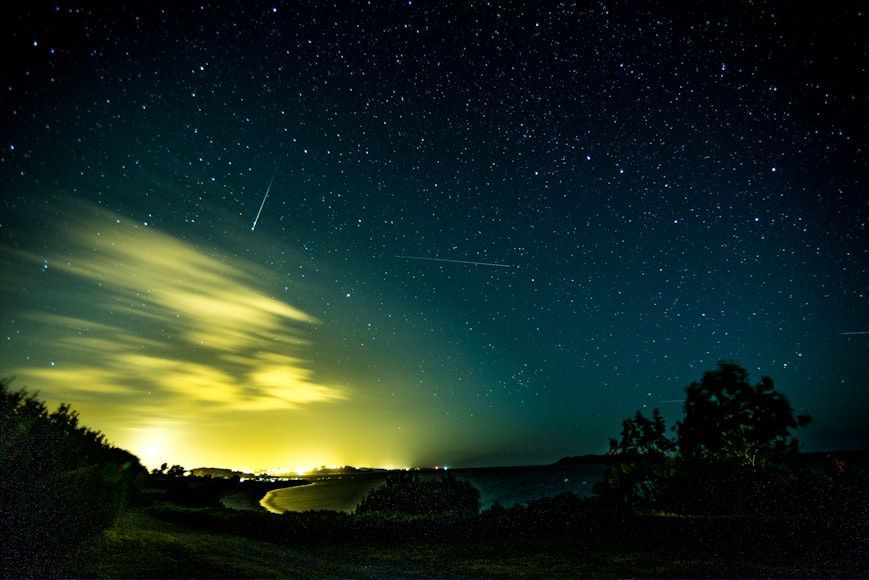
Image: Lamna The Shark

We all know what to do when we see a shooting star: make a wish! But that was far from the reaction in Kecksburg, Pennsylvania, where on December 9, 1965, residents watched what looked like a massive fireball streak across the night sky before crashing into a forest on the town’s outskirts. Some people rushed to the site and claimed they saw a large metallic object shaped like an acorn. The military arrived soon after and launched an investigation that suggested it may have been a meteor or space debris. But the doubters were not convinced, and the event sparked a wave of theories and speculation that continues to this day.

6
Coyne Helicopter Incident (Ohio, 1973)
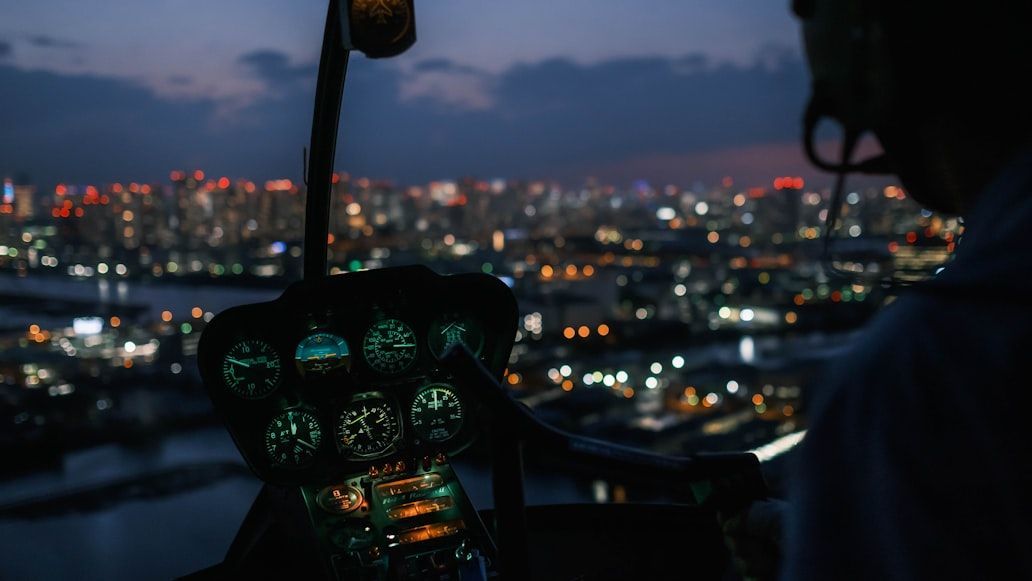
Image: James Pere

On October 18, 1973, near Mansfield, Ohio, something occurred that would challenge even the most stubborn skeptics. Captain Lawrence Coyne was piloting a US Army Reserve helicopter when it was allegedly intercepted by a large, cigar-shaped craft flying erratically at high speed and emitting green and red lights. During the encounter, the helicopter suddenly ascended beyond Coyne’s control. People on the ground witnessed the event and later confirmed parts of the pilot’s account. To this day, the incident remains unexplained.

7
Cash–Landrum Incident (Texas, 1980)
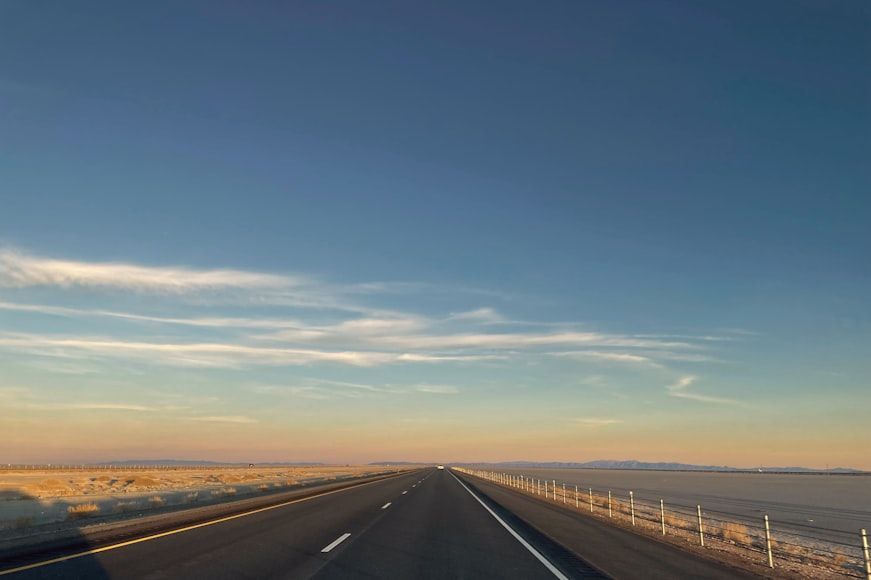
Image: Anton Kapralov

The ’80s were a wild decade, and that even included alleged encounters with alien spacecraft! In December 1980, three people reported a terrifying experience while driving through Texas: they were suddenly forced to stop when a huge craft hovered over the highway. According to their account, the metallic object emitted bright lights and intense heat. Later, all three developed physical symptoms, including burns, nausea, vomiting, and hair loss. Medical reports suggested these effects were consistent with prolonged radiation exposure, although it could not be proven that the incident itself caused the symptoms.

8
Hudson Valley UFO Wave (New York, 1982-1986)
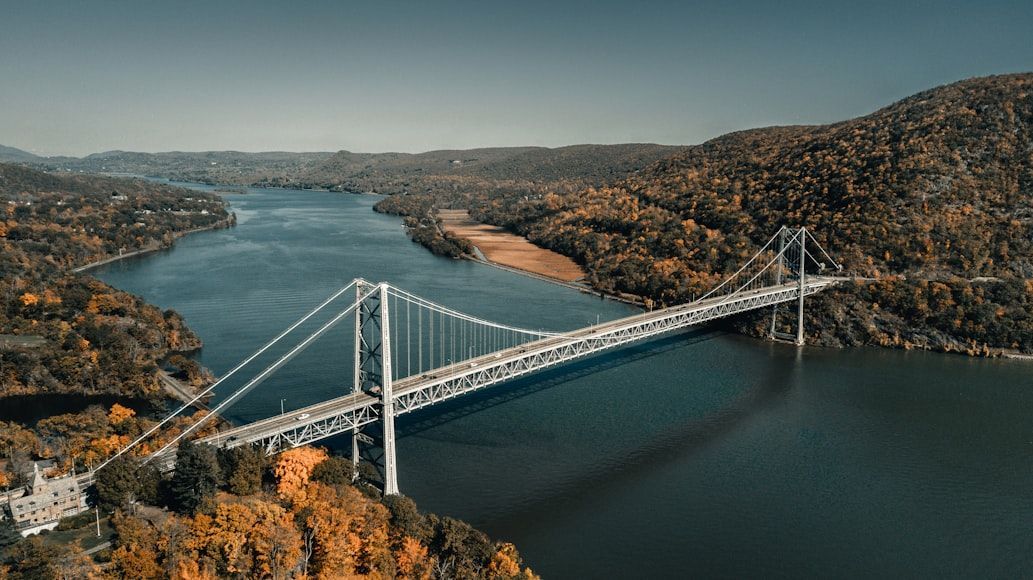
Image: Clay Banks

An isolated UFO sighting involving just a few people is one thing. But it’s quite another when, for years, hundreds of people report sightings in the same place with similar characteristics. We’re talking about New York’s Hudson Valley, where for several years (1982–1986), residents, police officers, and even pilots reported UFO sightings. Many described the same thing: a large craft with a V-shaped row of lights that moved strangely and flew very low, sometimes even approaching houses. While some skeptics claimed they were planes flying in formation, witnesses didn’t fully accept this explanation.

9
Phoenix Lights (Arizona, 1997)
Image: Jaizer Capangpangan

If one person’s sighting seems hard to believe, maybe the testimony of thousands will convince you. In March 1997, one of the most famous UFO events witnessed by large groups occurred. Thousands of people reported seeing the same phenomenon in the skies over Arizona, Nevada, and Mexico: a formation of lights moving silently and strangely across the night sky. Even Fife Symington, the then-governor of Arizona, later claimed he had seen the lights himself.

10
O'Hare Airport Sighting (Illinois, 2006)
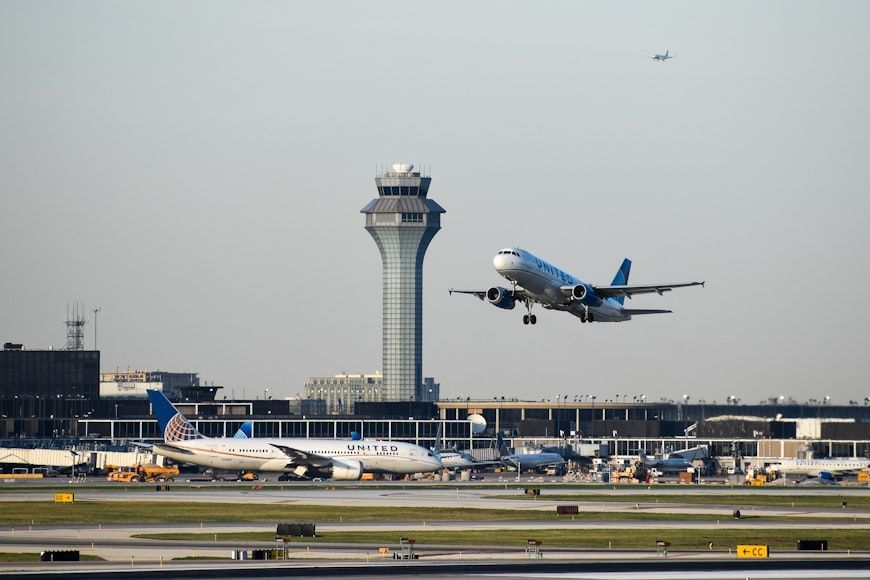
Image: David Syphers

If your skepticism has lasted this long, the next story might make you rethink everything. In November 2006, a large group of pilots, mechanics, and airline staff spotted a metallic, disc-shaped object hovering above United Airlines Gate C17 at O’Hare International Airport just outside Chicago. Witnesses say the object punched a circular hole in the clouds before shooting off. The FAA (Federal Aviation Administration) initially called it a "meteorological phenomenon," but later-released ATC audio reveals tower and ground staff discussing the object in total confusion.

General General 4 min read

Not as common as you think

Foreign visitors are surprised by these common 12 American dining habits

Image: Diane Picchiottino

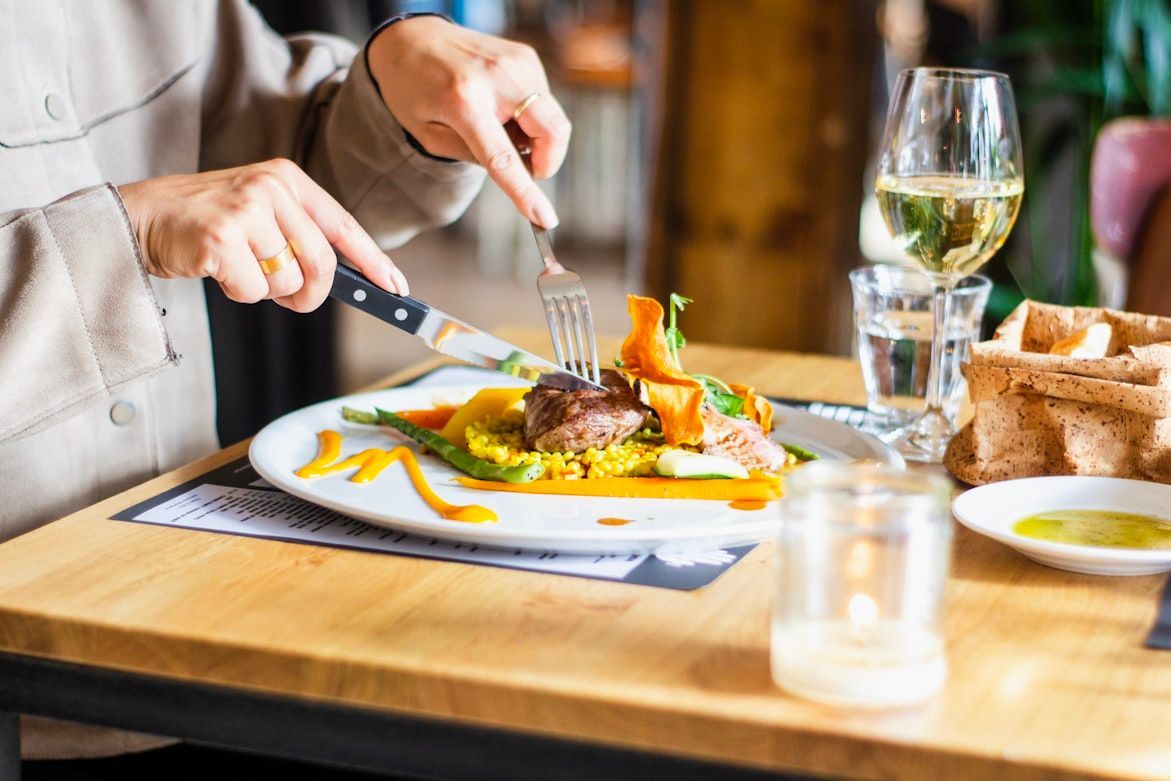
Dining in the U.S. comes with its own set of unwritten rules. Many of these customs feel perfectly normal to Americans, but can surprise visitors from other parts of the world. From how meals are served to how bills are paid, there are many differences that we only notice when we visit other countries. Take a look at 12 of these habits you probably take for granted, but that are uncommon outside of the U.S.

1
Tipping is expected, not optional

Image: Sam Dan Truong

In the U.S., leaving a tip is considered part of the cost of the meal, not a bonus . Diners typically add 15 to 20 percent to the bill, especially in full-service restaurants.

This practice exists because many servers earn lower base wages and depend on tips. In many other countries, service charges are already included in the bill, making the American system feel unusual or even confusing.

2
Free refills are the norm

Image: Roman Kraft

Many American restaurants offer unlimited refills on soft drinks, iced tea, and coffee . Once you order a beverage, it often keeps coming at no extra cost.

Elsewhere, each drink is typically billed separately, and refills are rarely free. For visitors to the U.S., this can feel surprisingly generous compared to their dining experiences at home.

3
Ice comes with everything

Image: Giorgio Trovato

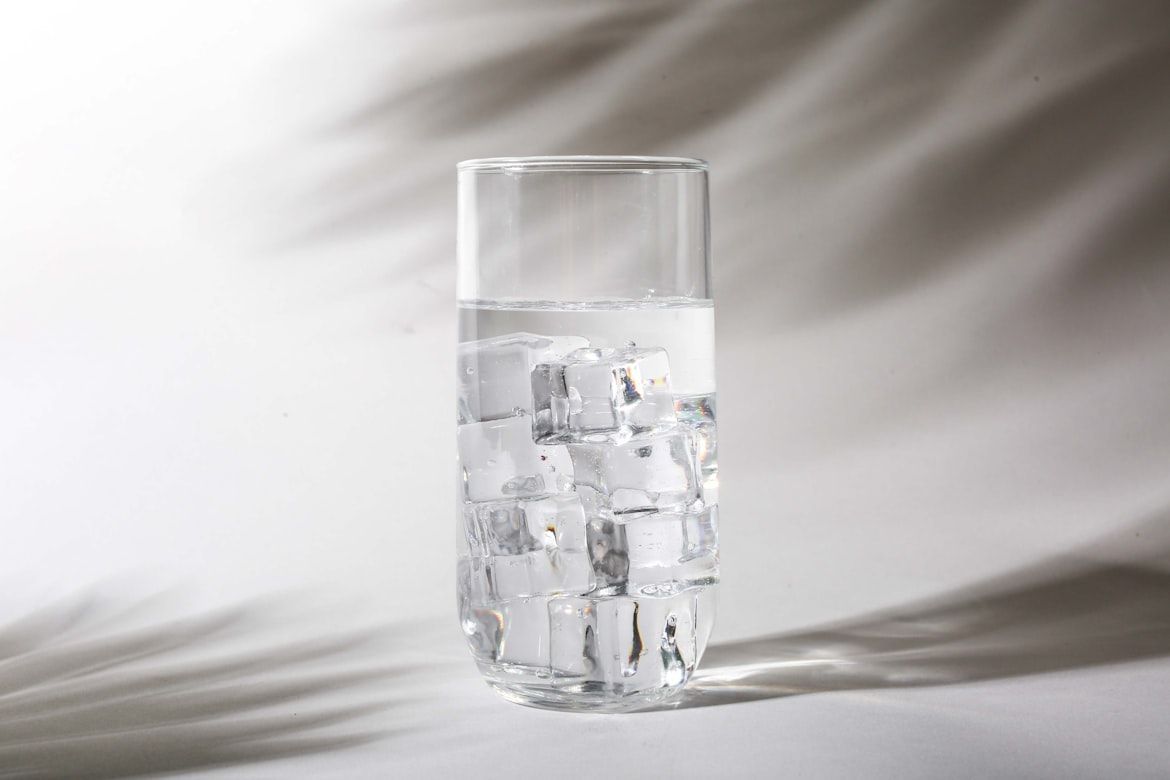
In the U.S., drinks are often served filled with ice, whether it’s soda, water, or even juice . It’s considered a refreshing standard, especially in warmer climates.

In many other countries, ice is used sparingly or avoided altogether. Some people prefer drinks at room temperature, making the American preference for ice stand out immediately.

4
Portions are huge

Image: Sanjip Kadel

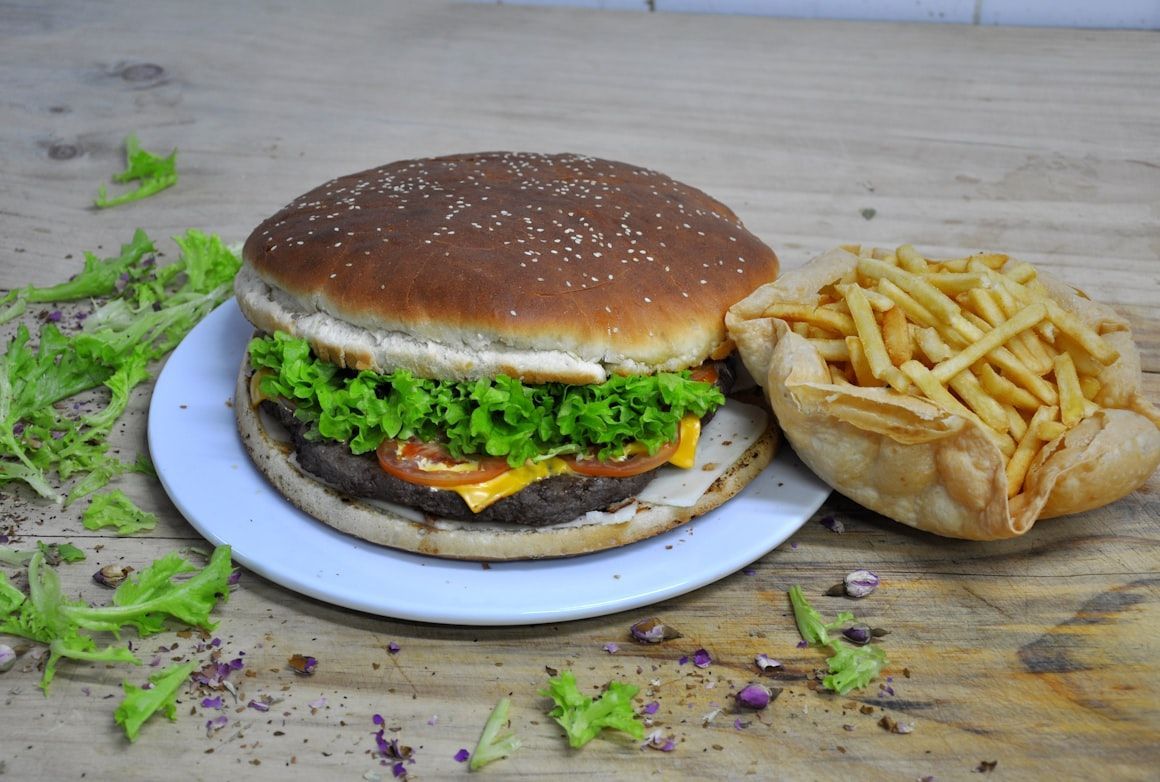
American restaurant portions are known for their size. Many meals are large enough to serve more than one person or to provide leftovers for later .

In contrast, other countries tend to serve smaller, more balanced portions. The American approach reflects a culture of abundance, but it can be unexpected for first-time visitors.

5
Taking leftovers home is typical

Image: Roberto Catarinicchia

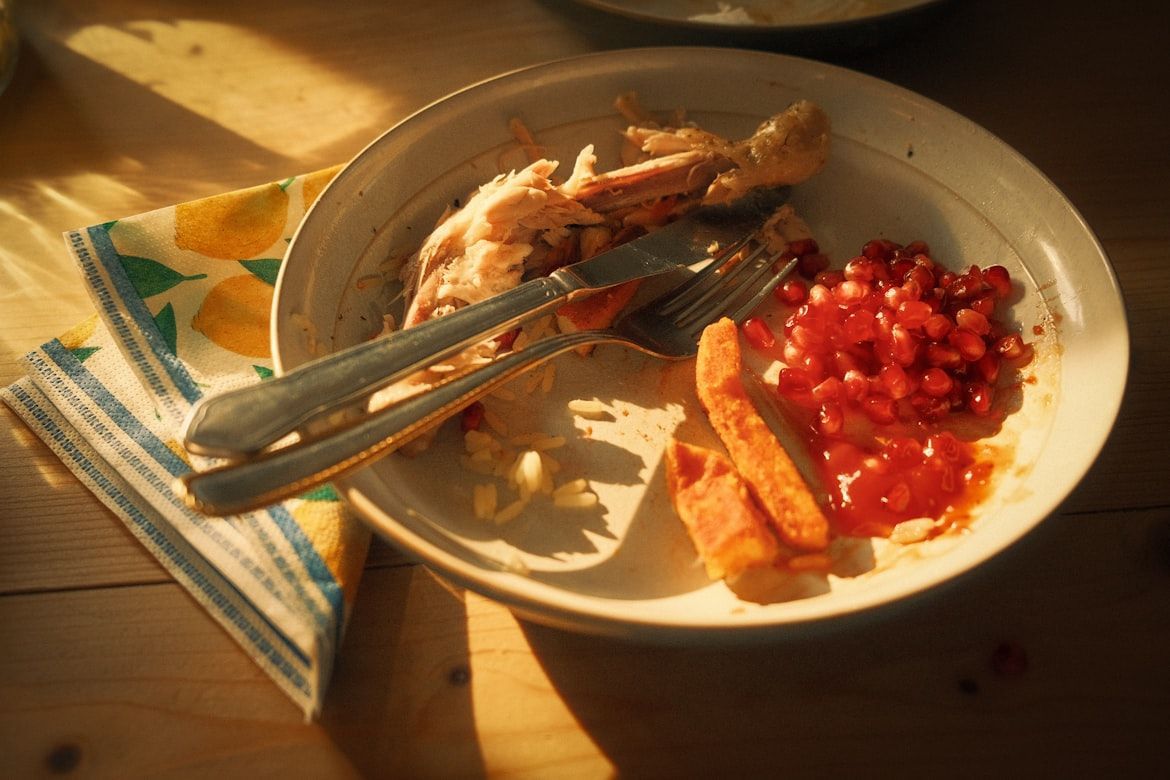
Asking for a take-home container, also known as a "doggy bag," is a normal part of dining in the U.S. Restaurants are prepared for it, and many people expect to leave with leftovers.

In some countries, this practice is less common or even discouraged. The American "doggy bag" reflects both larger portion sizes and a practical approach to reducing food waste.

6
Waiters check in frequently

Image: Negley Stockman

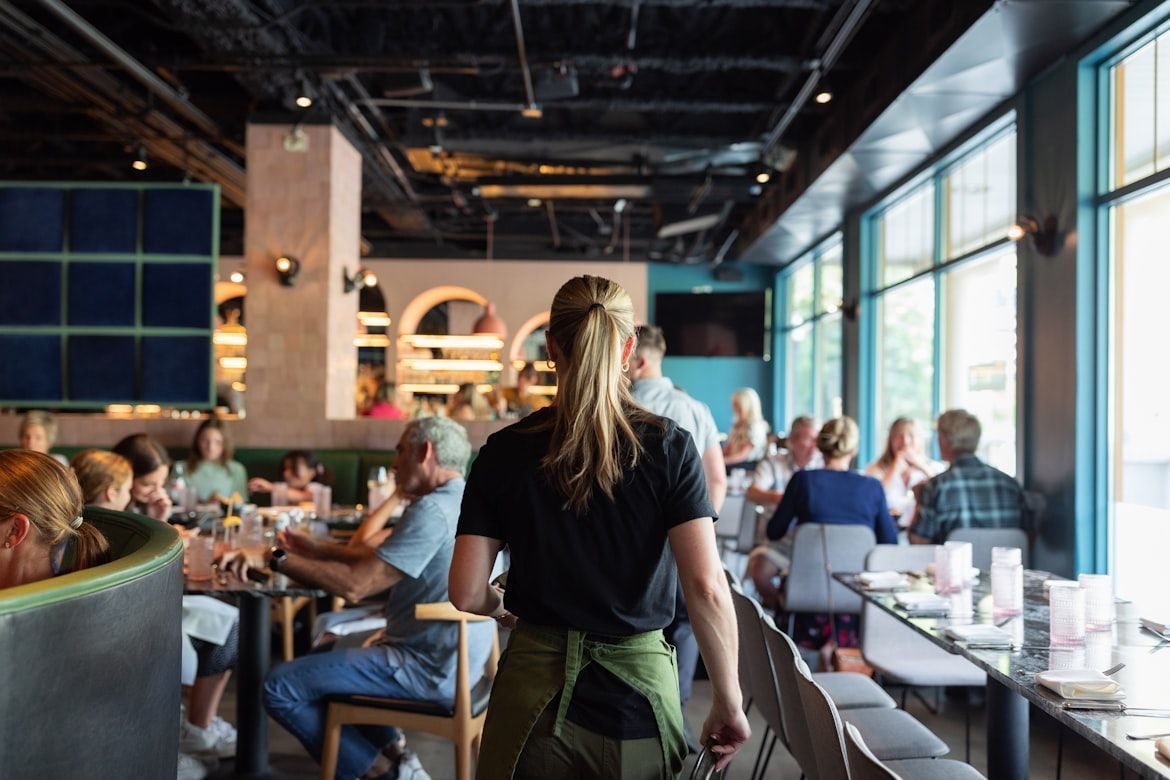
In the U.S., servers often return to the table several times during a meal . They may ask how everything tastes, refill drinks, or check whether anything else is needed.

While meant to be attentive, this can feel intrusive to foreign visitors. In many other cultures, less interruption is preferred, and diners typically signal the server only when necessary.

7
Customizing your order is normal

Image: Artur Tumasjan

In the U.S., it's common to request changes to a dish, such as removing ingredients or adding extras . Restaurants are usually flexible and expect these requests.

In other parts of the world, altering a menu item may be frowned upon. The American habit reflects a strong emphasis on personal choice and individual preferences.

8
Tap water is served automatically

Image: Sugarman Joe

In American restaurants, a glass of tap water is often brought to the table without being requested . It is typically free and refilled throughout the meal.

In many other countries, bottled water is the default and must be ordered separately.

9
Meals tend to move quickly

Image: Louis Hansel

Dining in the U.S. often follows a faster pace. Food arrives quickly, and the bill may be brought shortly after the meal is finished .

In contrast, in many other cultures, meals are meant to be long, relaxed experiences. The American approach reflects efficiency and a faster daily rhythm.

10
Splitting the bill is common

Image: Vitaly Gariev

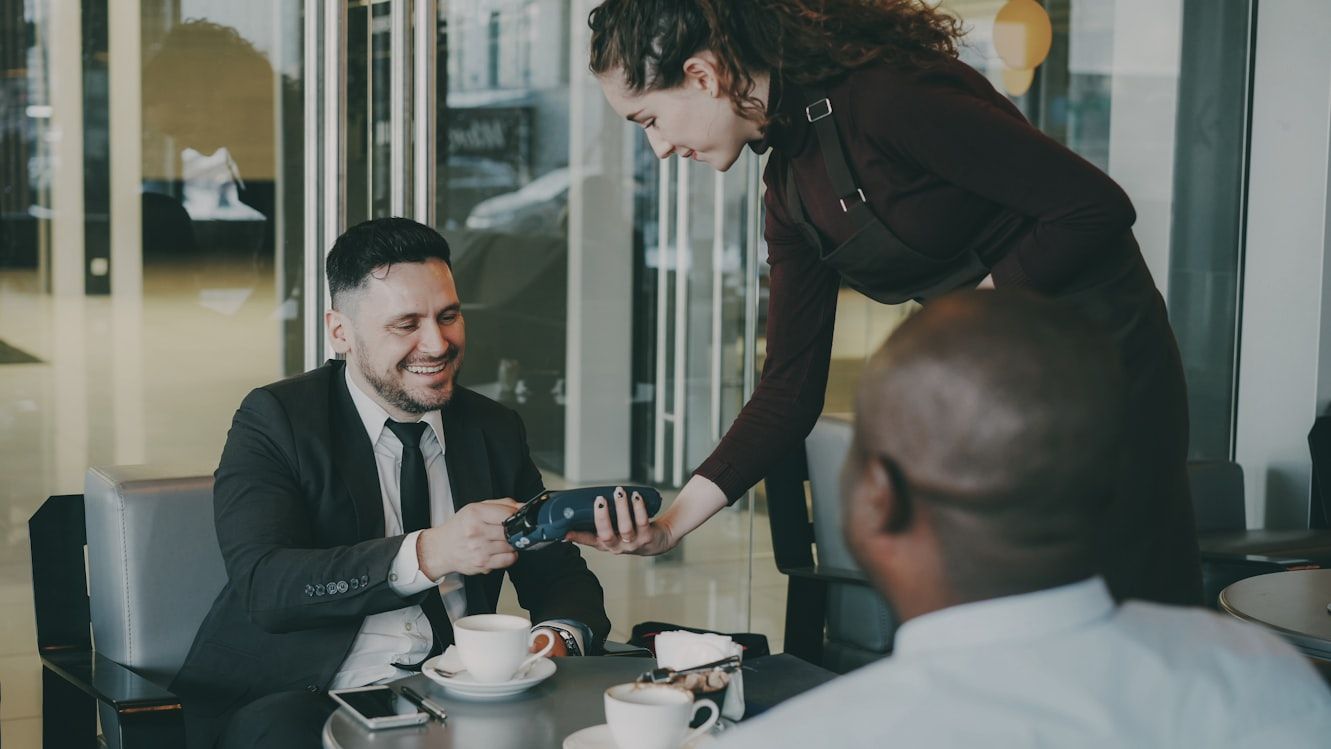
In the U.S., restaurants commonly allow separate checks , making it easy for each person to pay their share. This is especially helpful in group settings.

In many other countries, splitting the bill can be more complicated or is actively discouraged. The American system emphasizes convenience and individual responsibility at the table.

11
Sweet foods are common at breakfast

Image: Brian J. Tromp

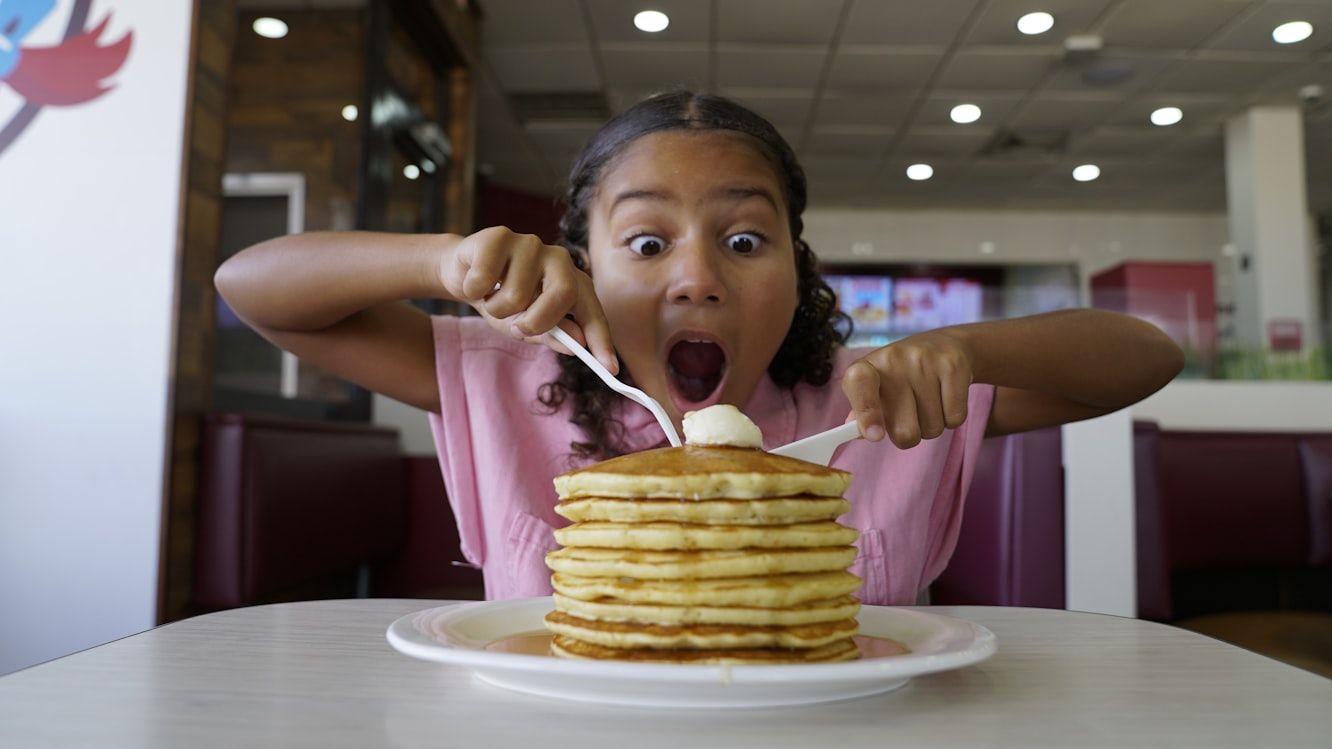
Breakfast in the U.S. often includes sweet items such as pancakes, waffles, pastries, or cereal, alongside eggs, bacon, and toast. Syrup and sugar are common additions at the start of the day.

In many other countries, breakfasts tend to be exclusively savory, featuring foods like bread, cheese, or eggs. The American preference for sweetness can feel like a treat to visitors.

12
Dining is generally casual

Image: Dan Gold

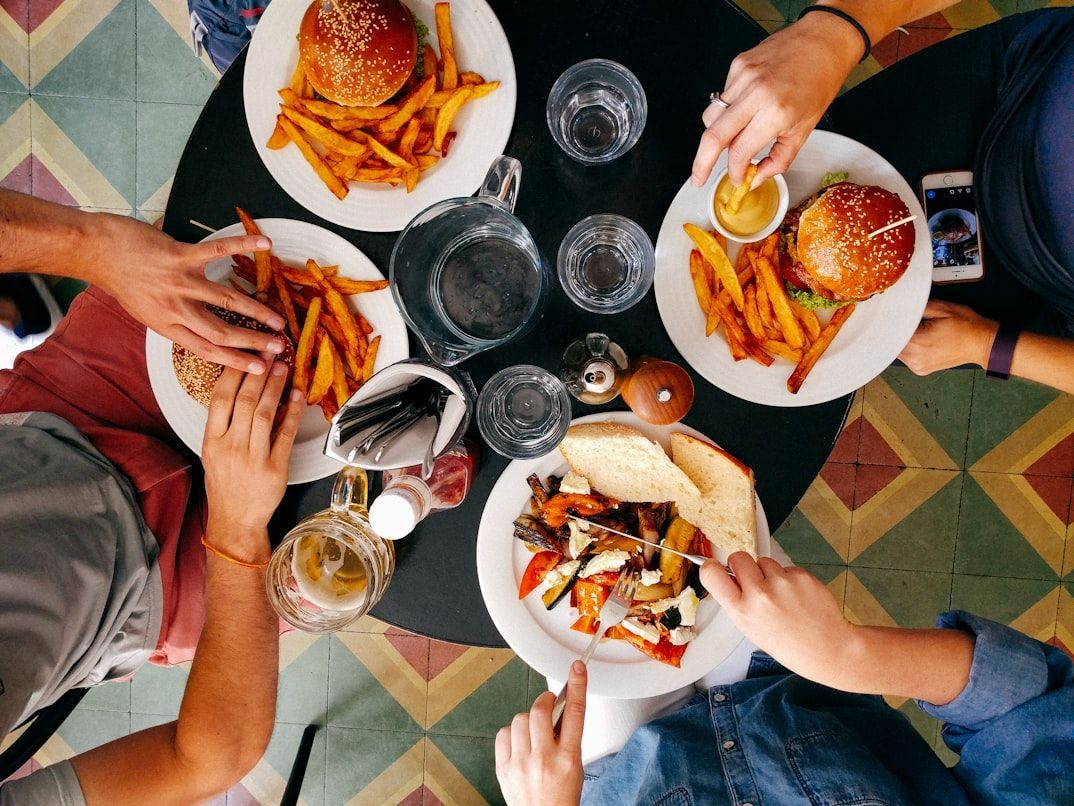
While there are many exceptions at five-star, fine dining establishments, American dining culture is typically relaxed, with fewer formal rules about dress or behavior . People often eat out in casual clothing and informal settings.

In other countries, meals, especially dinner, can be more formal events. The American style reflects a focus on comfort rather than tradition.

Geography Geography 3 min read

What's behind American cities' nicknames? Prepare to be surprised!

Image: Trev W. Adams

We love giving our cities all sorts of nicknames—and American cities wear them like badges of honor! But do you know where they come from? Some seem obvious, while others have mysterious origins, but all have a unique connection to the places they describe . Join us for a fun guessing game as we explore the nicknames of six iconic U.S. cities, with their surprising origins revealed in the second half of this list .

1
The Big Apple: New York City

Image: Nik Shuliahin

Everybody knows "The Big Apple" refers to New York— the city that never sleeps . But why, exactly? Is it because there’s a worm (the subway) underneath it? Or is it a metaphor for something we strive for?

2
The Big Easy: New Orleans

Image: mana5280

It sure feels easy to stroll through New Orleans, a city known for its laid-back atmosphere and rich cultural energy, where jazz bands can spontaneously form on any corner and lively public celebrations are always just around the bend. But what’s the story behind its nickname?

3
Motor City: Detroit

Image: Doug Zuba

The most populous city in Michigan, the nickname "Motor City" certainly feels right for its bustling streets and large industrial background —but what exactly led to the adoption of this powerful nickname?

4
Sin City: Las Vegas

Image: Grant Cai

We all know the famous adage: "What happens in Vegas, stays in Vegas." Given the city’s notorious nightlife and gambling scene , it’s understandable—you might prefer to forget how you lost all your savings on a slot machine. But is that the only reason it earned its infamous nickname?

5
The Windy City: Chicago

Image: Ozzie Stern

Situated on the shores of Lake Michigan, Chicago's nickname might seem to stem from its exposure to harsh weather —but sometimes, the obvious answer isn’t the correct one. Is it really the weather, or is something stranger at play?

6
The Mile High City: Denver

Image: Emmanuel Appiah

Is Denver really a "Mile High" city because of its geographical proximity to the towering Rockies, or is it just a nod to its ever-expanding skyline? Keep reading to find out!

And now, the answers:

7
The Big Apple: Horse-racing origins

Image: Taylor Sondgeroth

The nickname originated in the 1920s as horse-racing slang , where "The Big Apple" informally referred to New York’s prize racetracks. Jazz musicians later popularized it, and a 1970s tourism campaign ultimately cemented it as a symbol of the city’s cultural and financial prominence.

8
The Big Easy: Chill and jazz

Image: Robson Hatsukami Morgan

If you followed our line of thought—you were right! This nickname emerged from the city's reputation for its relaxed lifestyle and vibrant jazz scene . While there are many theories about who first used the term—and whether it was originally meant to be derogatory—one thing is certain: all New Orleanians agree it 100% reflects the city’s unique blend of music, culture, and laissez-faire attitude.

9
Motor City: Infinite assembly lines

Image: Austrian National Library

Detroit earned its nickname as the birthplace of the American auto industry. Henry Ford’s revolutionary assembly line and the rise of car manufacturing giants cemented the city’s status as the global automotive capital of the 20th century. In fact, it remains home to the headquarters of America’s largest auto manufacturers—General Motors, Ford, and Chrysler.

10
Sin City: Prohibition defiance

Image: Jakub Dziubak

For a city founded by religious missionaries, "Sin City" is certainly an ironic nickname. In truth, its origins trace back to the construction of the nearby Hoover Dam in the 1930s. Thousands of workers flocked to the city in search of lodging and—presumably—entertainment. This led to the rapid rise of casinos and a thriving underground alcohol industry that—during Prohibition—was as profitable as it was illegal.

11
The Windy City: Long-winded speeches

Image: Kristina Paparo

While many assume it refers to Chicago’s weather, the nickname was actually coined by journalists mocking the boastful speeches of local politicians as they aggressively promoted the city as the ideal location for the World’s Fair. The term was meant to highlight the "hot air" of their rhetoric rather than the city's literal windiness.

12
The Mile High City: A matter of altitude

Image: Bill Griepenstroh

Denver sits exactly 5,280 feet — one mile — above sea level , earning its nickname, the "Mile High City," quite literally. Its natural elevation, combined with stunning Rocky Mountain views, makes it truly unique. Even more interesting, Denver’s altitude leads to some unusual effects: golf balls can travel up to 10% farther than at sea level, and alcohol tends to hit harder since high altitudes reduce the body's ability to process it efficiently.

Explore more American facts

Choose your favorite category!

General
General

As American as apple pie—the very best America has to offer!

Culture
Culture

Delve into the astounding richness of American lore.

Geography
Geography

Hop in and explore vast and diverse American landscapes.

History
History

Discover the key moments that shaped the United States.