General General 3 min read

Say cheese!

Did you know your phone's camera can do this?
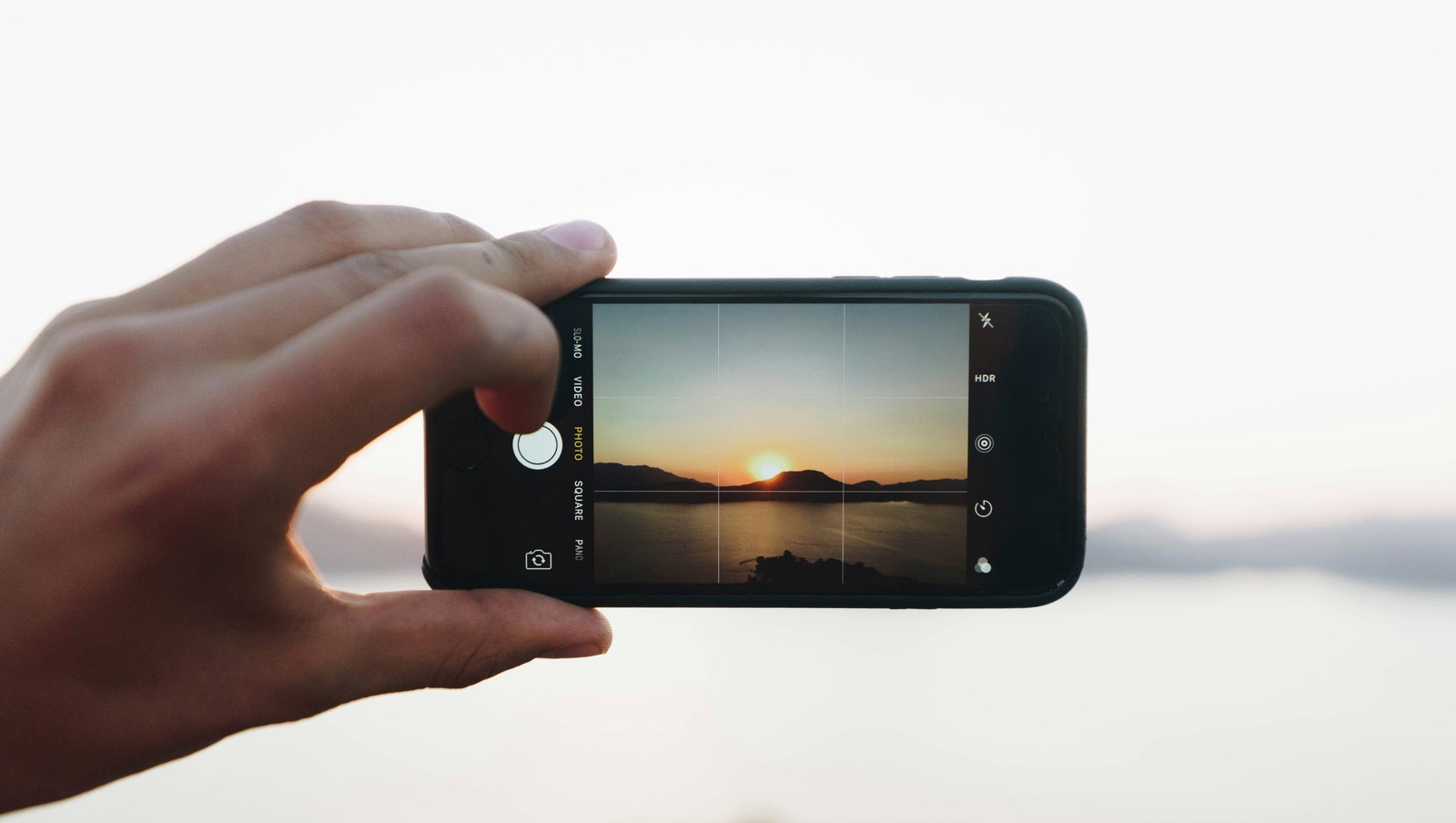
Image: César Guadarrama Cantú

Each year, our smartphones’ cameras improve, with superior lenses and new features that allow savvy users to take incredible photos. Many of those same capabilities are already available on your device. How many of these tricks do you know?

1
Clean your lens

Image: Mika Baumeister

We’ll start with probably the most essential—and somehow most overlooked—tip: take a moment to clean your smartphone’s camera lens. Over time, it can accumulate dust and smudges, which can result in hazy or blurry photos.

Give it a quick wipe with a soft, lint-free cloth . It can make a significant difference in the clarity of your shots.

2
Investigate your camera app

Image: Brett Jordan

Almost every single smartphone comes with a default camera app that’s user-friendly and packed with features. Take some time to explore it , learn how to switch between photo and video modes, and familiarize yourself with settings like Portrait Mode, Night Mode for low-light shots, and Panorama Mode for landscapes.

3
Use gridlines
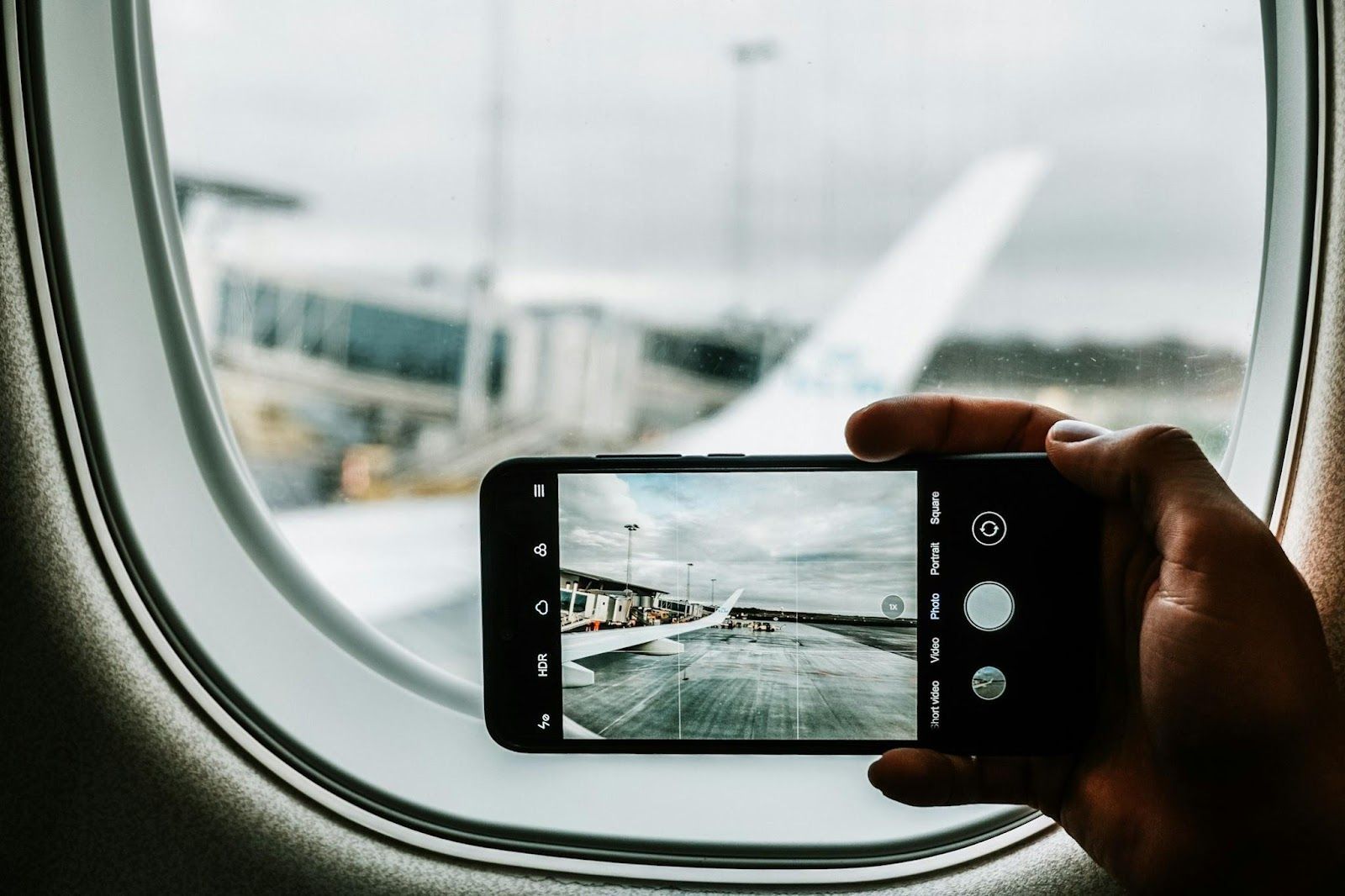
Image: Jonathan Kemper

Gridlines allow you to center your focal points and enhance the visual appeal of your photos. Most mobile camera apps let you turn them on easily. These gridlines strategically divide your screen into thirds , both horizontally and vertically, adding balance and symmetry to your shot .

4
Focus and exposure control
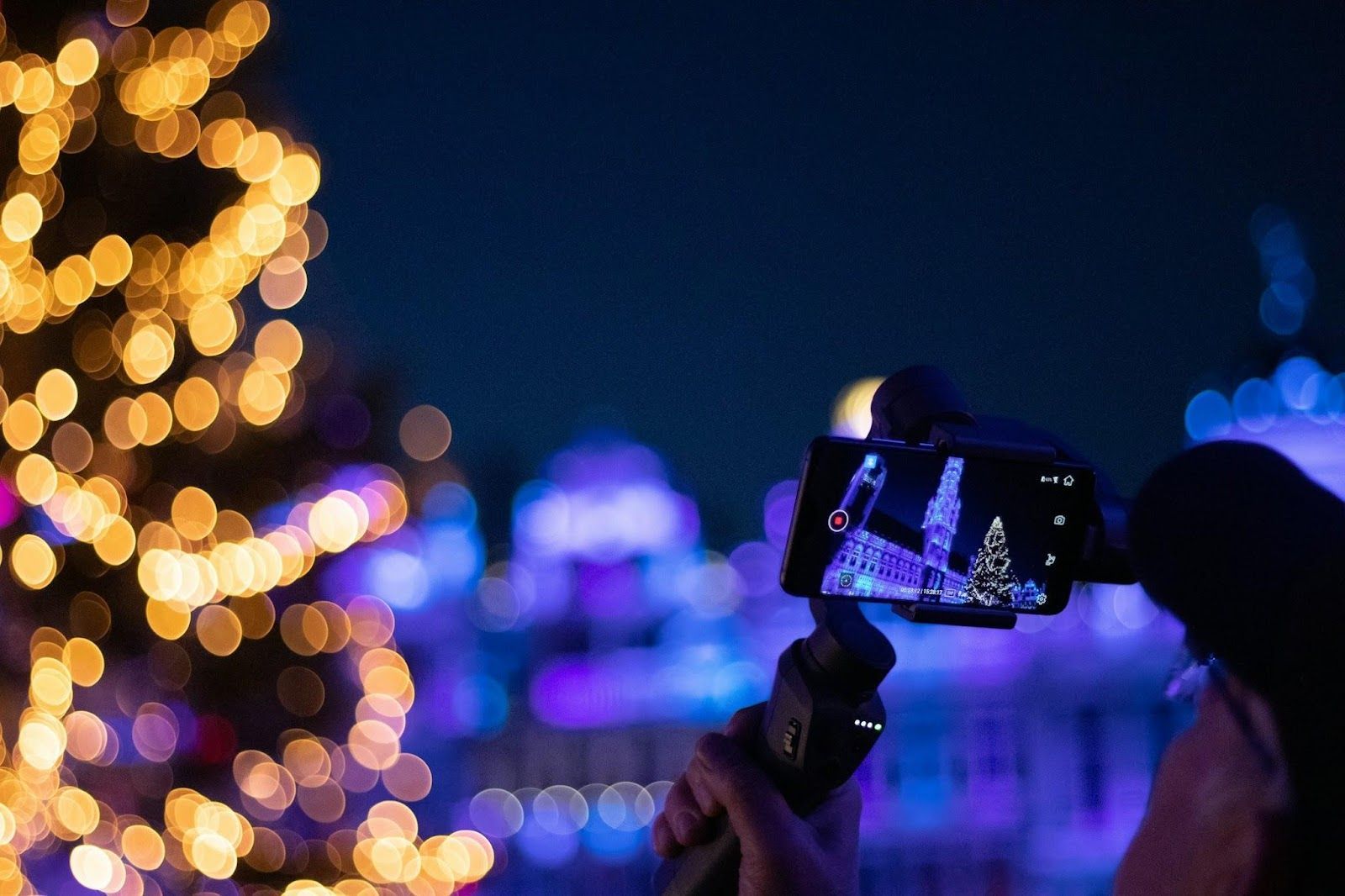
Image: François Genon

Focus and exposure are two of the most important settings you can adjust in a manual camera to achieve different effects in photography. Fortunately, both functions are available on most modern smartphones.

By playing with different focus and exposure points, you can highlight a specific subject against a blurred background or ensure a well-balanced shot in difficult lighting conditions.

5
Lighting

Image: Ben White

Always try shooting in natural light, often referred to as available light, whenever the opportunity arises. Natural light gives a gentle, even illumination that can significantly enhance the quality of your photos.

Avoid harsh, direct sunlight, which can create intense and unflattering shadows, potentially leading to overexposed or underexposed areas. If you're shooting in low light, rest your phone on a flat surface to stabilize it for long exposures.

6
Play with composition

Image: Eaters Collective

Experiment with different angles and perspectives to enhance your subject. Don't be afraid to get low or high for a unique viewpoint. Also, pay attention to what’s in the background and eliminate any distractions that might detract from your subject.

7
Take pictures often
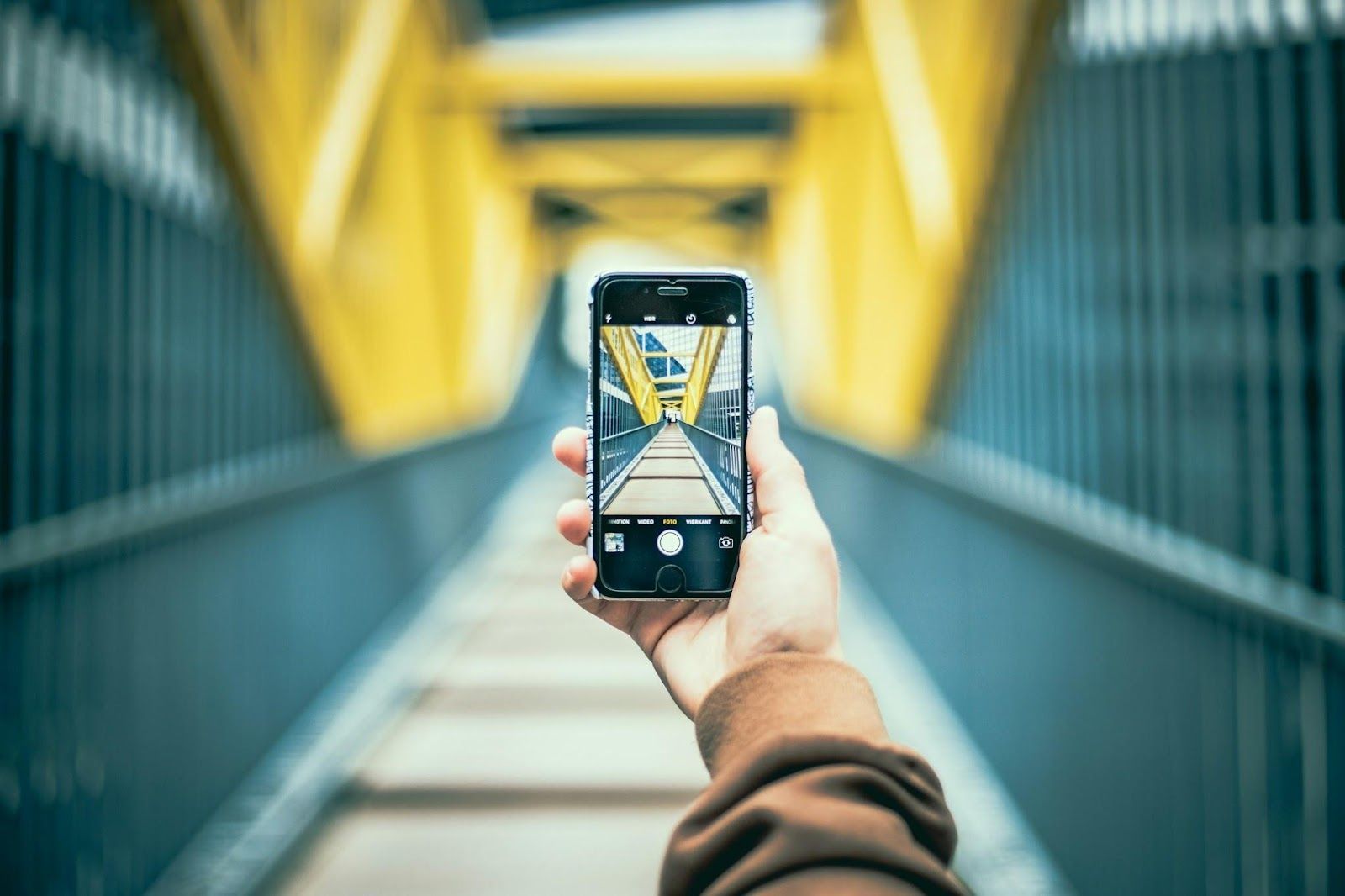
Image: Ferdinand Stöhr

Practice makes perfect. Since your phone is always with you, it’s easy to integrate photography into your daily routine. Whether you snap a selfie or take a few shots on your way to work, there’s no wrong way to be a smartphone photographer. Great photos often come from everyday life.

8
Take many shots

Image: The Free Birds

Long gone are the days when you had only 36 exposures in your camera and had to choose each shot carefully. One of the best things about smartphones is that you can take as many photos as you want, and there is no need to print them to see the results . This makes it much easier to learn and improve as you go.

9
Avoid digital zoom
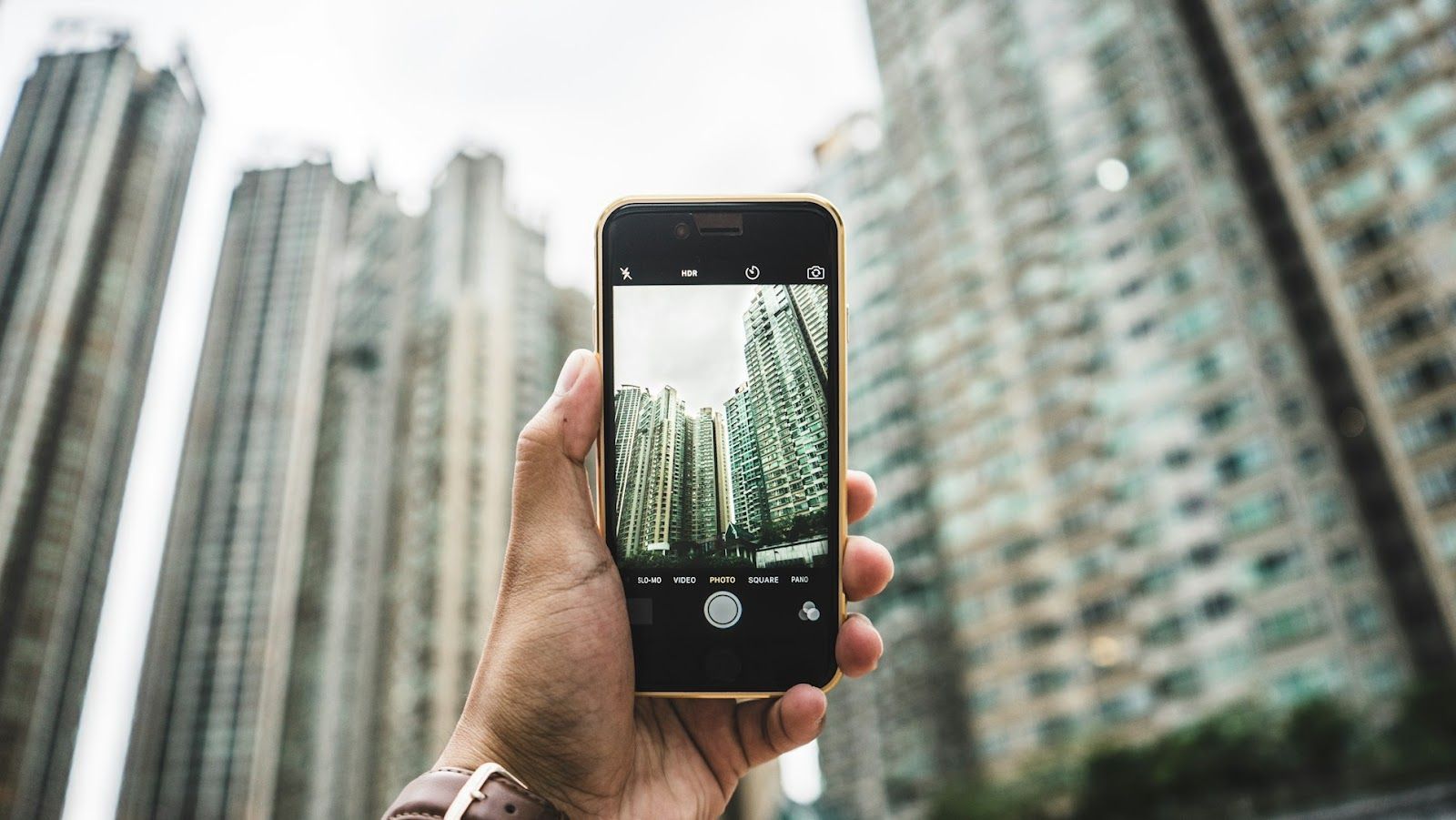
Image: Redd Francisco

Digital zoom generally produces poor-quality images, even on the best smartphones. Avoiding it is one of the basic photography tips for taking better photos. Instead of using a digital zoom, simply move closer to your subject to maintain image quality.

10
Use HDR

Image: Kote Puerto

HDR stands for High Dynamic Range, and it’s a common feature on many smartphones. It enhances detail in both dark and light areas to provide a more balanced exposure . HDR prevents the sky from becoming too bright or the ground from appearing too dark, making it especially useful for landscape photography.

11
Set a high resolution

Image: TheRegisti

Simply put, the higher the resolution of your photo, the better quality it is . When taking pictures, try to get as close to the subject as possible, rather than zooming in. Take advantage of the higher pixel count.

12
Aspect ratio

Image: Alice Donovan Rouse

The aspect ratio determines the width and height of your photograph . The standard 4:3 ratio is versatile, but you can also choose widescreen 16:9 for a cinematic look or square 1:1 for Instagram-ready shots.

Geography Geography 4 min read

Time can be on your side

10 road shortcuts in America that can save you hours

Image: Athena Sandrini

Familiar to the locals but hidden from the visitors: Every town has its shortcuts that help us save time and miles when going from A to B. These secret passages become increasingly important in the country’s largest cities, as traffic tends to be a bigger issue in those places. The following ten are useful tips for moving around Los Angeles, New York, Austin, San Diego, or a few other cities. Did you know any of these shortcuts?

1
Hollywood Boulevard, Los Angeles, California

Image: Aman

Los Angeles’ hellish traffic is world-famous and every experienced driver in this city has her or his own shortcuts to save time. But this one is a universal one for sure.

When driving through Hollywood, never take Hollywood Boulevard . Take, instead, Franklin or Fountain to get around the tourist mayhem. And, if you want to avoid the awful traffic of a Hollywood Bowl show, try Mulholland Drive.

2
Getting to the airport in Los Angeles, California

Image: Lukas Souza

Nobody likes missing a flight. Or, at least, most of us don’t care for that particular situation. And, when driving in the terrible Los Angeles traffic, that possibility is always looming in the background.

A sound advice from frequent flyers is to avoid the freeway altogether and take Crescent Heights until it dead-ends. Then, drive through La Cienaga to La Tijera all the way to the symbols that point to the airport.

3
Leaving New York is never easy, New York City, New York

Image: Matteo Catanese

Caught at the right time, New York City traffic can be as bad as LA traffic. And, as it usually happens, commute hours are the worst. The endless crowds and vehicles getting in and out of Manhattan through the different bridges and tunnels can create some serious delays.

Brooklyn Bridge, George Washington Bridge, and the Lincoln Tunnel are some of the most congested routes during rush hours. So, if you have no other options, make sure to schedule extra time just in case the traffic is as bad as it can be.

4
I-95, Miami, Florida

Image: Baron Alloway

Another city with legendary traffic is, without a doubt, Miami. And, as usual, commute hours can be a nightmare. I-95 is a major Interstate Highway on the East Coast and the Miami section is usually very congested . If you are trying to go south from 7 a.m. to 9 a.m. or north from 3 p.m. to 7:30 p.m., you have to expect delays, since those are the peak times for commuters who work downtown.

The High Occupancy Toll (HOT) lanes run from north of Miami to north Dade. You can only enter these lanes before 112/I-95 and you can only get off at the Golden Glades exit. Don’t take these lanes if you are trying to go anywhere between downtown and Northwest 183rd Street as there are no exits. Also, HOT lanes only accept SunPass as payment.

5
Lake Shore Drive, Chicago, Illinois

Image: Neal Kharawala

Continuing with another one of the monster-traffic cities of America, we can’t avoid the Windy City. Locals say that the city has two seasons: winter and construction , as the number of blocked streets, avenues, and roads can be nerve-wracking.

A shortcut locals use when driving through Lake Shore Drive to get off on Michigan Ave, heading southbound with a final destination past Illinois Ave, is to take Inner Lake Shore Drive and avoid the heavy congestion on Michigan Ave, as well as the occasional standstills on southbound Lake Shore Drive.

6
San Felipe instead of Westheimer, Houston, Texas

Image: Kevin Hernandez

Houston locals are familiar with busy Westheimer Avenue and know better than to fall into its trap during rush hour. They’d get stuck between multiple METRO bus routes, potholes, and never-ending construction sites.

The savvy drivers instead use San Felipe to get downtown or to the Galleria in a much shorter time.

7
Loop 202 South Mountain Freeway, Phoenix, Arizona

Image: Nils Huenerfuerst

Even the widest highway will become congested once everyone finds out about it. We are looking at you, Los Angeles. But, for a while at least, new roads offer a smooth and quiet ride to the lucky few who discover them first.

This is the case with Loop 202 South Mountain Freeway. The 22-mile-long portion of the Valley beltway from 59th Avenue on the west side to Ahwatukee , which opened in late 2019, is a smooth drive. Rolling through a part of the Valley unspoiled by development, this freeway has light traffic and no, or very few, holes –for now.

8
San Diego International Airport, San Diego, California

Image: Justin Wolff

It may seem calmer compared to neighboring Los Angeles, but San Diego can have its traffic congestion, like any big city. Getting to the airport on time is always paramount and locals have tricks up their sleeves for this ride.

Drivers can take Washington Street to Pacific Highway and get to the airport that way, or they can also take Pacific Highway north to Barnett, then Lytton, then Rosecrans, then Nimitz, which can be better than going through Sassafras if there’s traffic.

9
LBJ interchange, Dallas, Texas

Image: Zack Brame

Dallas, Texas, is a major city with major traffic jams during rush hours. Trying to get to the LBJ interchange can be a recipe for disaster if you are in a hurry but there is a shortcut that can save quite some time.

If you are on the Central Expressway, you can get off at Coit Road , which will allow you to bypass the interchange. Instead, you'll wind around a corner and find yourself right back at the entrance ramps for LBJ. From there, you just wait for a light and merge back onto LBJ, having skipped over the whole mess.

10
I-35 alternatives, Austin, Texas

Image: MJ Tangonan

Texas’ hippest city, Austin has some major highways, including the I-35, Mopac Expressway (Loop 1), and Highway 183. These big highways can cause big delays if taken from 7 a.m. to 9 a.m. and 4 p.m. to 6 p.m.

But the city provides alternatives. Lamar Boulevard and Burnet Road provide time-saving options for I-35 . During rush hour and special events, knowing these lesser-used routes can save time.

General General 4 min read

Wave them with pride

Honoring the states: learn about the history of 10 state flags

Image: Tina Chelidze

From the 13 colonies to the consolidation of the 50 states, America’s journey of growth and unity is remarkable. Each state is unique, with distinctive features, mottos, and, of course, flags. Each flag tells a story and honors the rich history and heritage of the state it represents. Among the 50 state flags, we’ve chosen 10 state flags to learn about their design, elements, and the history they represent.

1
New York

Image: Clker-Free-Vector-Images

New York was one of the 13 original colonies and is one of the most populated states today. Its flag, with a vibrant blue in the background, features a sun symbol, one supporter on each side, and the state’s inspiring motto "Excelsior," meaning "ever upward."

The scene in the coat of arms paints a picture of the Hudson River flanked by Liberty on the left, and Justice on the right. Topping it all off is a bald eagle, always majestic, perched atop the world. Powerful, isn’t it?

2
California

Image: Clker-Free-Vector-Images

California was the 31st state to be admitted to the Union (1850) and the history behind its flag has elements present in previous models of banners used by what we know today as Mexico.

This flag was first hoisted in 1846 after American settlers in the territory fought for its independence. Finally, it was recognized as official in 1911.

The flag depicts a grizzly bear —also the official state animal— and a lone red star symbolizing previous attempts to gain independence.

3
Indiana

Image: Clker-Free-Vector-Images

Indiana’s flag was designed by Paul Hadley and approved as the state flag in 1917 after the Daughters of the American Revolution held a flag design contest.

Over the dark blue flag stands a golden torch surrounded by 19 stars . The 13 stars on the outer circle represent the 13 original colonies, while the five stars in the inner circle were added to symbolize the next five states that joined the union, Indiana being the 19th.

The torch? You guessed it right, it represents liberty and enlightenment.

4
Louisiana

Image: Clker-Free-Vector-Images

Blue background abounds among the official state flags and it’s no surprise since it’s one of the national colors. Louisiana’s flag is not the exception.

This flag is the only one to depict a pelican nurturing its offspring in a nest. What is curious about it is that the pelican, an animal that symbolizes devotion to progeny, is crying tears of blood, which represents sacrifice. Underneath, belted in a white ribbon, the state’s motto: "Union, Justice, and Confidence".

5
New Jersey

Image: Clker-Free-Vector-Images

New Jersey’s flag is the only state flag to have a buff background , although it is wrongly depicted as yellow most times. This background color represents the uniform worn by soldiers from New Jersey’s regiments in the Revolutionary War.

In the center of the flag, there is a coat of arms supported by Liberty and the goddess Ceres, representing agriculture. Above the coat of arms, a horse’s head that stands for strength, and, below it, a helmet that symbolizes sovereignty.

6
Arkansas

Image: Clker-Free-Vector-Images

Arkansas’s flag depicts a complex symbolism using well-known elements: a diamond shape, with 25 stars on the outer part, the state’s name in the middle, one star above, and three stars below.

Arkansas was the 25th state to join the union, hence the stars around the diamond. The star over the word "Arkansas" represents the Confederacy to which it was admitted in 1861. The three stars below represent different things: the nations Arkansas belonged to, the Louisiana Purchase, and the fact that it was the third state formed after such purchase. A simple design, yet a complex meaning, don’t you think?

7
Colorado

Image: Clker-Free-Vector-Images

Colorado’s flag is quite simple in its design, although it represents many state elements . For example, the name, a Spanish word that means "red", is symbolized by the red C in the middle. But that’s not all, the letter C also means "columbine" the state flower, represented by the colors blue, yellow, and white. These two last colors also stand for the gold and silver present in the area.

Last, but not least, the letter C stands for "Centennial State" as Colorado became a state in 1876, when the nation was celebrating a century of its independence.

8
Washington

Image: Clker-Free-Vector-Images

Washington is the only state to have a flag with a green background. At the same time, it is the only one to depict a real person . George Washington’s picture is surrounded by a golden ring that reads "The Seal of the State of Washington 1889," the year in which the territory became a state.

The background color refers to the "Evergreen State" while the golden ring represents the wheat areas of the Eastern part of the state.

9
Wyoming

Image: Clker-Free-Vector-Images

This flag was also chosen during a flag design competition held in 1916. It consists of a dark blue background bordered by white and red and, in the center, the silhouette of a bison with the state seal that reads "Great Seal of the State of Wyoming."

Within the seal, the state motto "Equal rights," since Wyoming was the first state to grant women the right to vote. Below the ribbon, a farmer and a cowboy, the main occupations in the state, and two pillars that read "Livestock, mines, grain, oil." And that’s not all, at the bottom, a bald eagle and a star with the number 44, the order of admission to the union.

10
New Mexico

Image: Clker-Free-Vector-Images

Let’s finish this list with what may be the simplest flag of all the 50 states: New Mexico’s. With colors that symbolize the Spanish ruling over the territory, this state flag was adopted in 1925 and it consists of a yellow background with the Zia sun in the center.

The Zia sun is an ancient interpretation of the sun and its design consists of four rays, a sacred number of the Zia. Beautiful, isn’t it?

Explore more American facts

Choose your favorite category!

General
General

As American as apple pie—the very best America has to offer!

Culture
Culture

Delve into the astounding richness of American lore.

Geography
Geography

Hop in and explore vast and diverse American landscapes.

History
History

Discover the key moments that shaped the United States.