General General 4 min read

Quirky patriotism

Uncle Sam's funhouse: America’s oddest facts
Image: RDNE Stock project

America’s a big place, and let’s face it, a little quirky too. For example, did you know that squirrels have a special bridge to cross the street in one state? And that’s not all: from bourbon barrels to squirrel bridges, our country is full of surprises hiding in plain sight. Grab your reading glasses and settle in for a fun ride through some of the weirdest tidbits about the US that you’ve probably never heard before.

1
Kentucky's got more bourbon than people

Image: javier kober

If Kentucky’s barrels of bourbon had voting rights, they’d outnumber the citizens by over two million. Yep, the state has around 5 million people, but more than 7 million barrels. That’s over one barrel per person! Bourbon is big business down there, and the aging process means those barrels are just hanging out, soaking up the Kentucky air. Cheers to that!

2
Lake Superior could soak two continents

Image: Riley Crawford

Try this on for size: Lake Superior holds so much water that it could cover all of North and South America with a foot of water, that’s more than three quadrillion gallons. It’s not just "superior": it’s the largest freshwater lake by surface area in the world! No wonder it looks like an ocean when you stand on the shore.

3
New York City beats 40 states in population

Image: Thomas Habr

Think your state is crowded? New York City alone has more people than 40 of the 50 US states. That’s over 8 million people packed into five boroughs; more than the entire population of states like Nebraska, Idaho, or even Kentucky. It’s one bustling, never-sleeps kind of place, right?

4
Oregon talks the fastest, Mississippi takes it slow

Image: Marek Studzinski

According to a speech analysis study, Oregonians zip through their words quicker than anyone else in the country. On the other hand, people in Mississippi take their sweet time, probably because there's no need to rush when you’ve got good company and a rocking chair.

5
Washington squirrels have their own skywalks

Image: Ilnur Kalimullin

In Longview, Washington, squirrels cross the street using adorable little bridges built specially for them. Locals kept seeing critters get flattened, so they constructed a series of rope walkways in the trees. Now, that’s a whole network called the " Nutty Narrows ." Proof that even squirrels get special treatment in small-town America.

6
You can legally hunt unicorns in Michigan
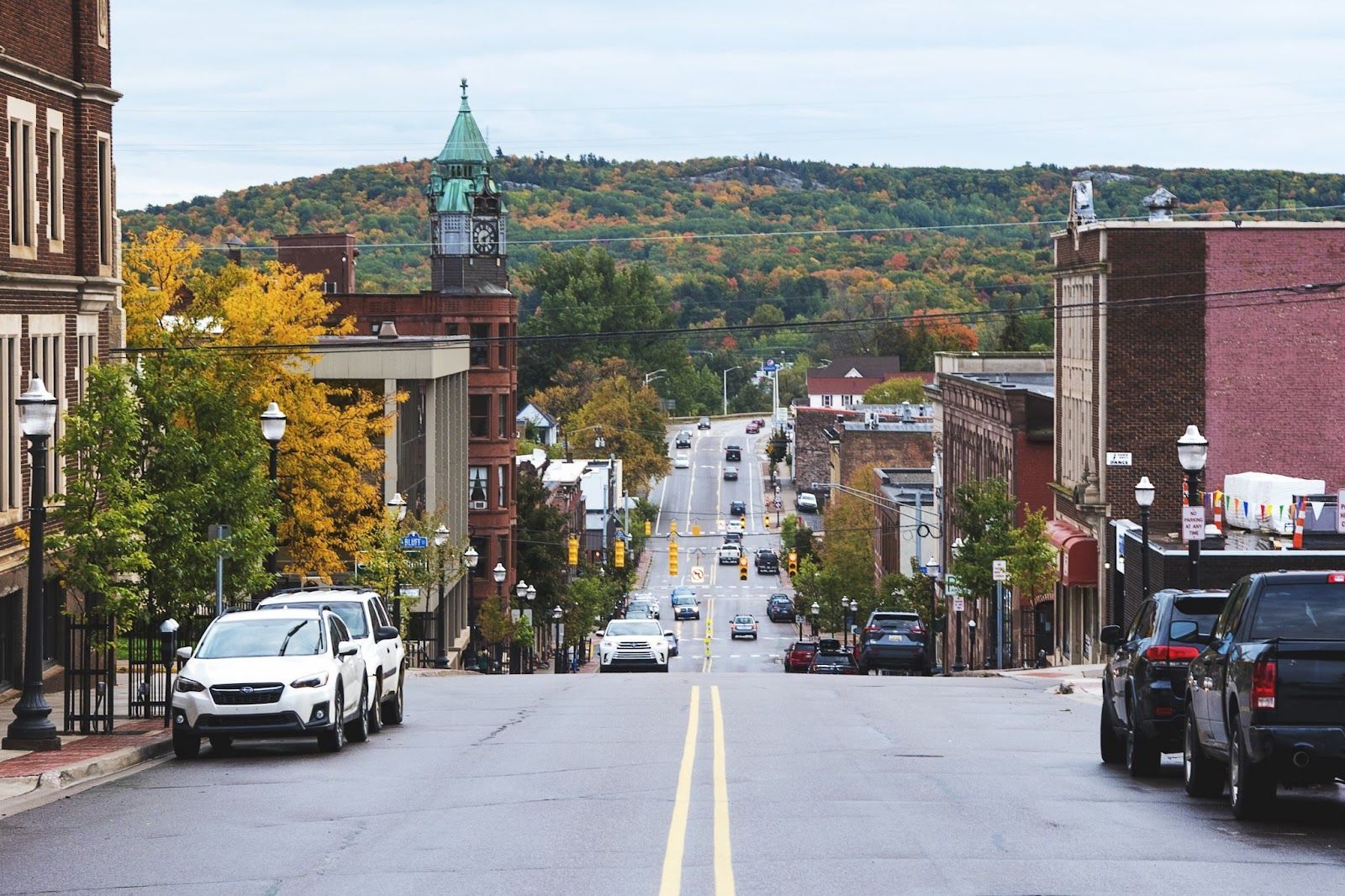
Image: Gary Meulemans

Well… sort of. Lake Superior State University in Michigan offers a whimsical "Unicorn Hunting License" as part of a long-running campus tradition. It’s all in good fun, of course, but the license is real; you can request one. Just don’t expect to catch anything other than smiles.

7
Las Vegas hotels could host you for four centuries

Image: David Lusvardi

If you stayed one night in every hotel room in Las Vegas, it would take you over 400 years to get through them all. That’s around 150,000 rooms, more than any city in the world. Sin City isn’t just flashy; it’s enormous. You could retire three times over before seeing them all.

8

9
Michigan's lavender maze is visible from space

Image: Léonard Cotte

In western Michigan, there’s a sprawling lavender labyrinth so big that it can be seen on Google Earth. Grown by Cherry Point Farm & Market, this fragrant puzzle isn’t just beautiful, it’s relaxing too. Imagine strolling through acres of blooming purple under a summer sky. Have you added it to your bucket list yet?

10
The Hoover Dam’s concrete could pave the nation

Image: Gerda

Here’s a mind-boggling fact: engineers poured enough concrete into the Hoover Dam to build a two-lane highway from San Francisco to New York. How much is that? That’s 4.4 million cubic yards, give or take. It’s a concrete colossus. And it's still standing strong after nearly a century.

11
Boston drivers are the worst, Kansas City’s the best

Image: todd kent

According to insurance data, Boston has more fender-benders and claims than any other large city. Drivers there can be a bit... spirited. Meanwhile, Kansas City drivers, apparently, are so courteous and careful, they top the charts for safety. Beep beep!

12
Kansas could feed the world at least once

Image: Samuel Myles

Each year, Kansas produces enough wheat to bake a whole lot of bread—enough to feed everyone on Earth for about two weeks. That’s nearly 300 million bushels annually. No wonder it’s called the Breadbasket of America. If bread ever becomes currency, Kansas would be rich.

13
Crater Lake is Statue-of-Liberty deep

Image: Jeff Hopper

Oregon’s Crater Lake is no shallow pond—it’s the deepest lake in the US, plunging down 1,943 feet. That’s enough depth to stack six Statues of Liberty, one on top of the other, with room to spare. Yes, you read that right! Formed in the crater of an ancient volcano, it’s as dramatic as it is stunning.

14
Atlanta is peachy... maybe a little too peachy

Image: Ronny Sison

If you’re driving through Atlanta and see Peachtree Street, don’t assume you’re close to your destination because there are over 70 roads with some form of "Peachtree" in the name. Peachtrees, Peachtree Circle, Peachtree Battle… It's a maze of fruity confusion. Now you know, so bring a map!
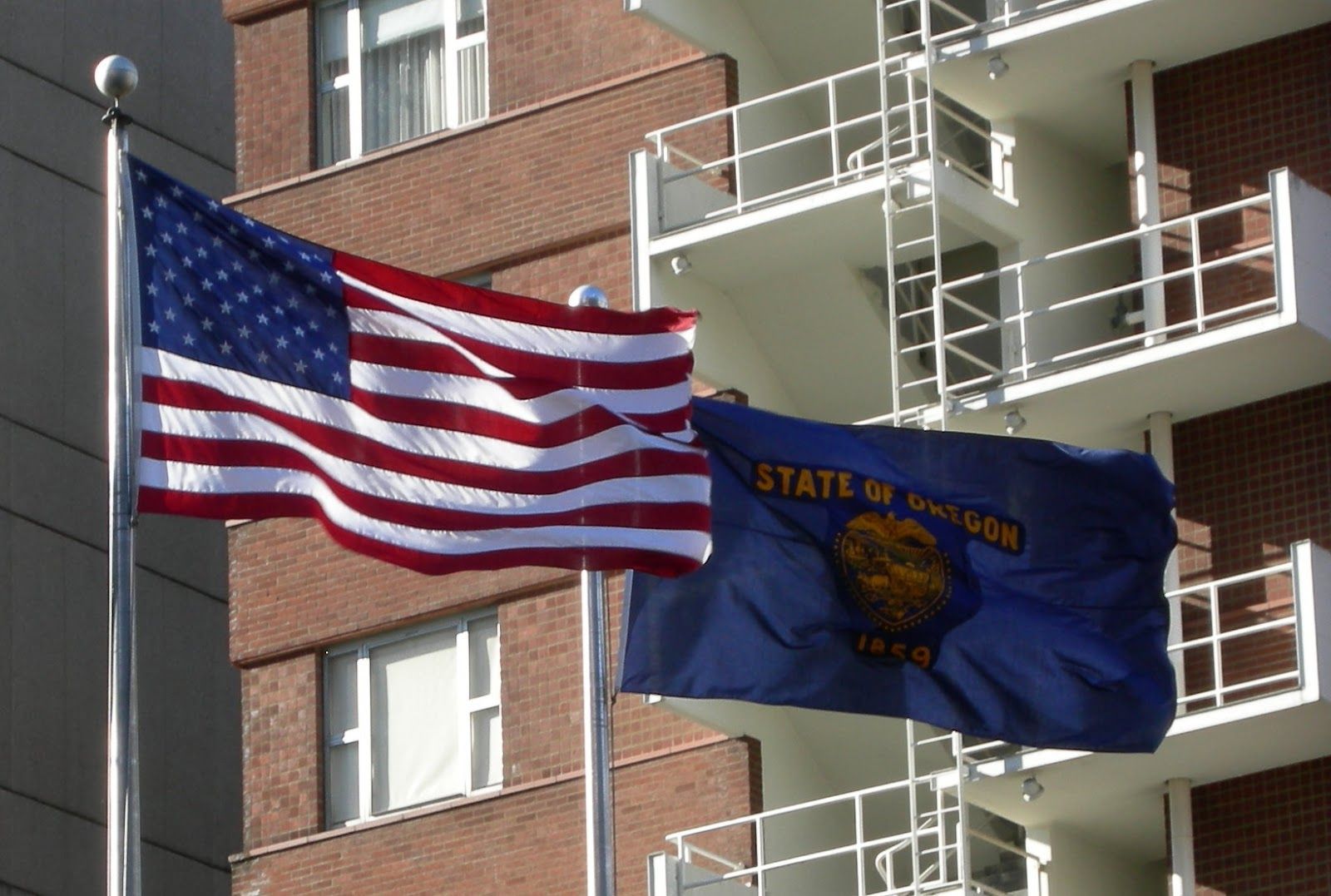
Geography Geography 3 min read

Waving wild

Why does Oregon have a design on the back of its flag? Find out here!

Image: Mathew Schwartz

Every state has its own symbols, and among them, those related to wildlife are often in the spotlight. From tiny bees or birds to huge bears and bison, our state flags display an amazing variety of creatures. But why were they chosen? Let’s find out!

1
Beaver – Oregon (reverse)

Image: Makaristos, Public domain, via Wikimedia Commons

As you’d expect from the Beaver State, this rodent appears on Oregon’s flag. The thing is, you just can’t see it here because it’s on the reverse side! That’s right, Oregon is the only state with designs on both sides of the flag. But why that animal? In the 19th century, the beaver fur trade played a key role in Oregon’s economic growth, forever linking this clever creature to the state’s identity.

2
Bear – California

Image: Drei Kubik

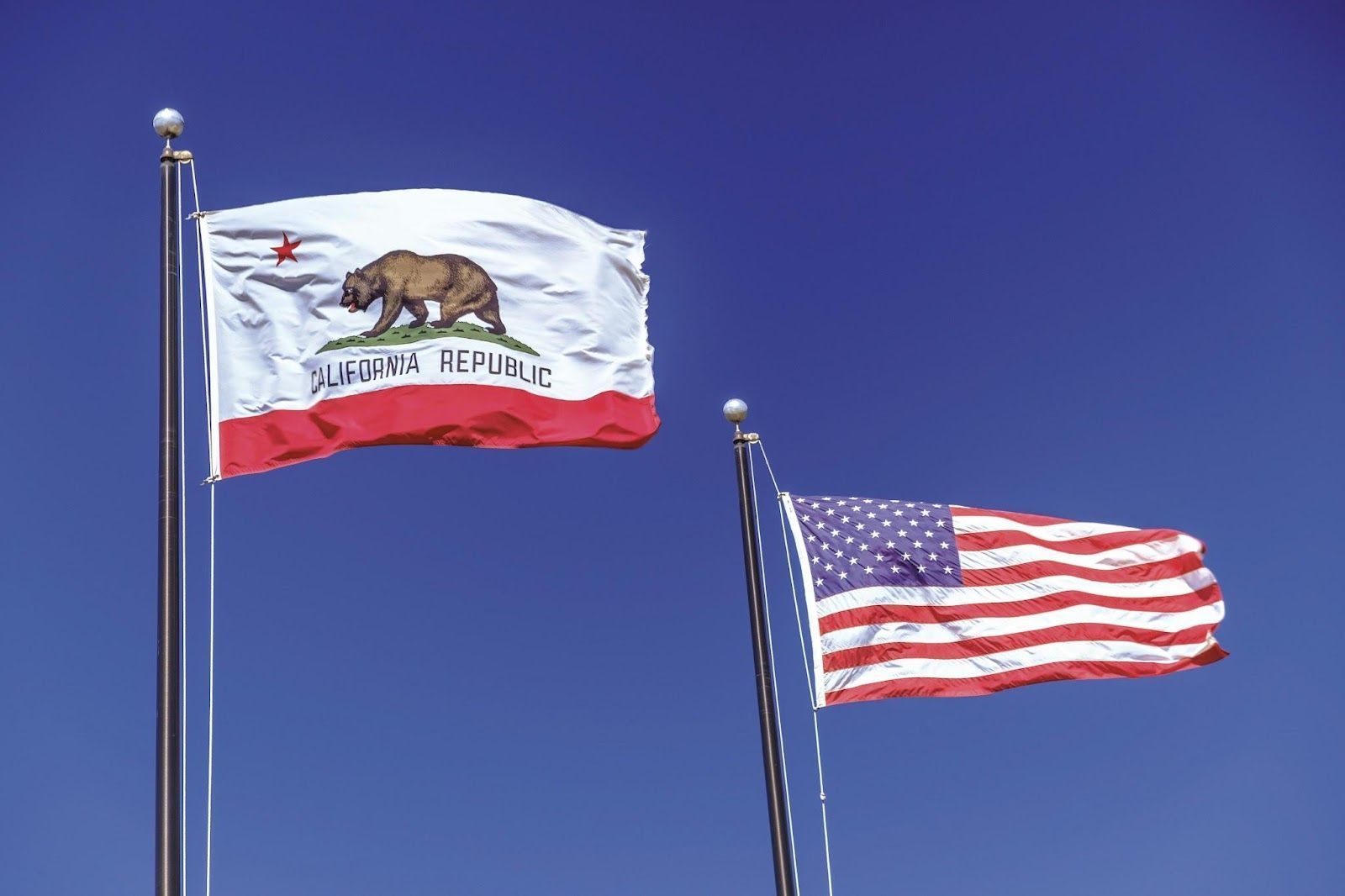
When you think of grizzly bears, California is probably the first state that comes to mind, and for good reason. Its flag is one of the most recognizable in the country. Grizzlies once roamed the region, and although they’re now extinct in the state, the animal lives on as a symbol. Back in the 1840s, American settlers pushing for independence from Mexico raised a flag with a grizzly and a star to mark their revolution. The design has evolved since then, but the iconic bear remains!

3
Bison – Wyoming

Image: Tony Webster, CC BY 2.0 <https://creativecommons.org/licenses/by/2.0>, via Wikimedia Commons

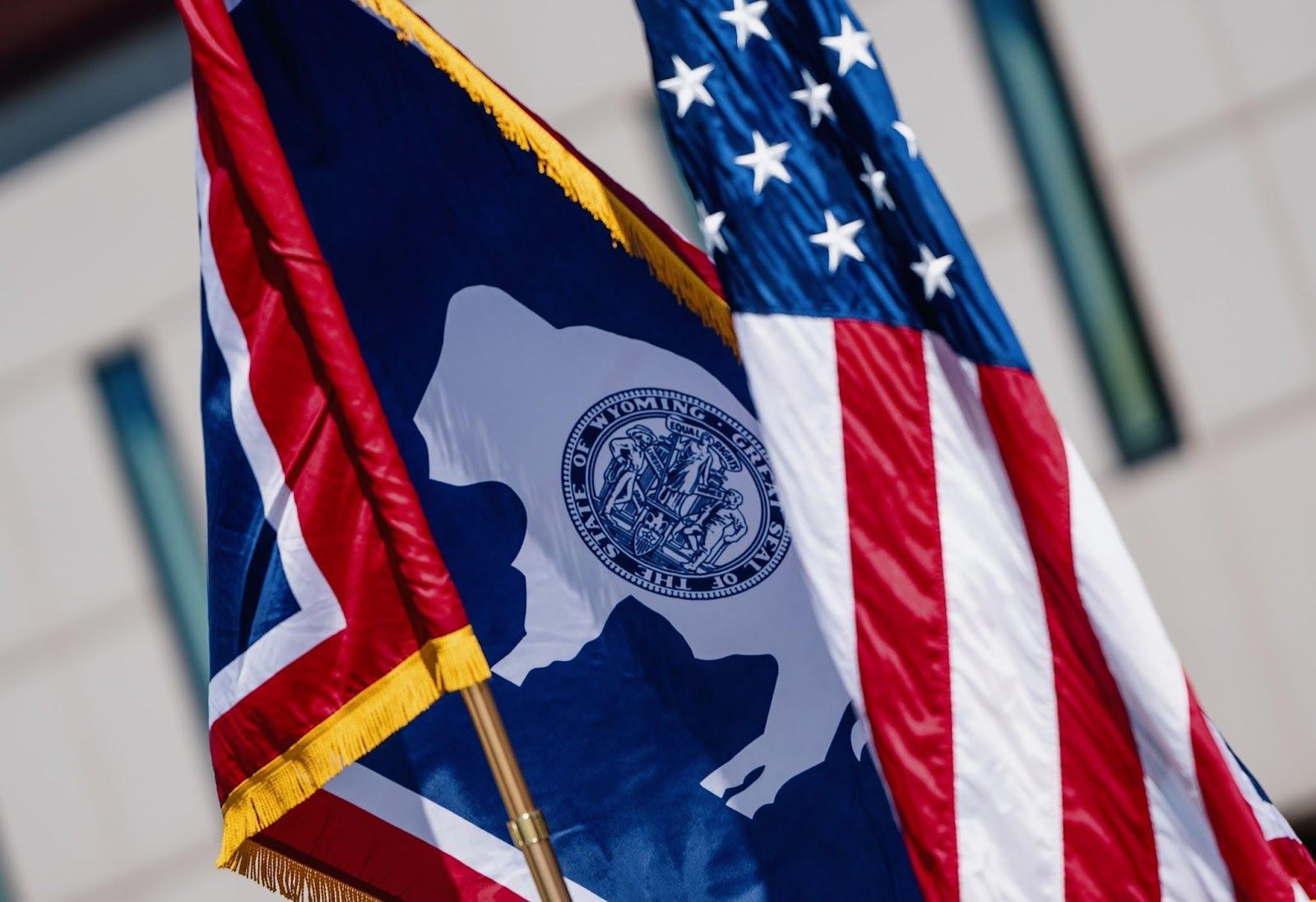
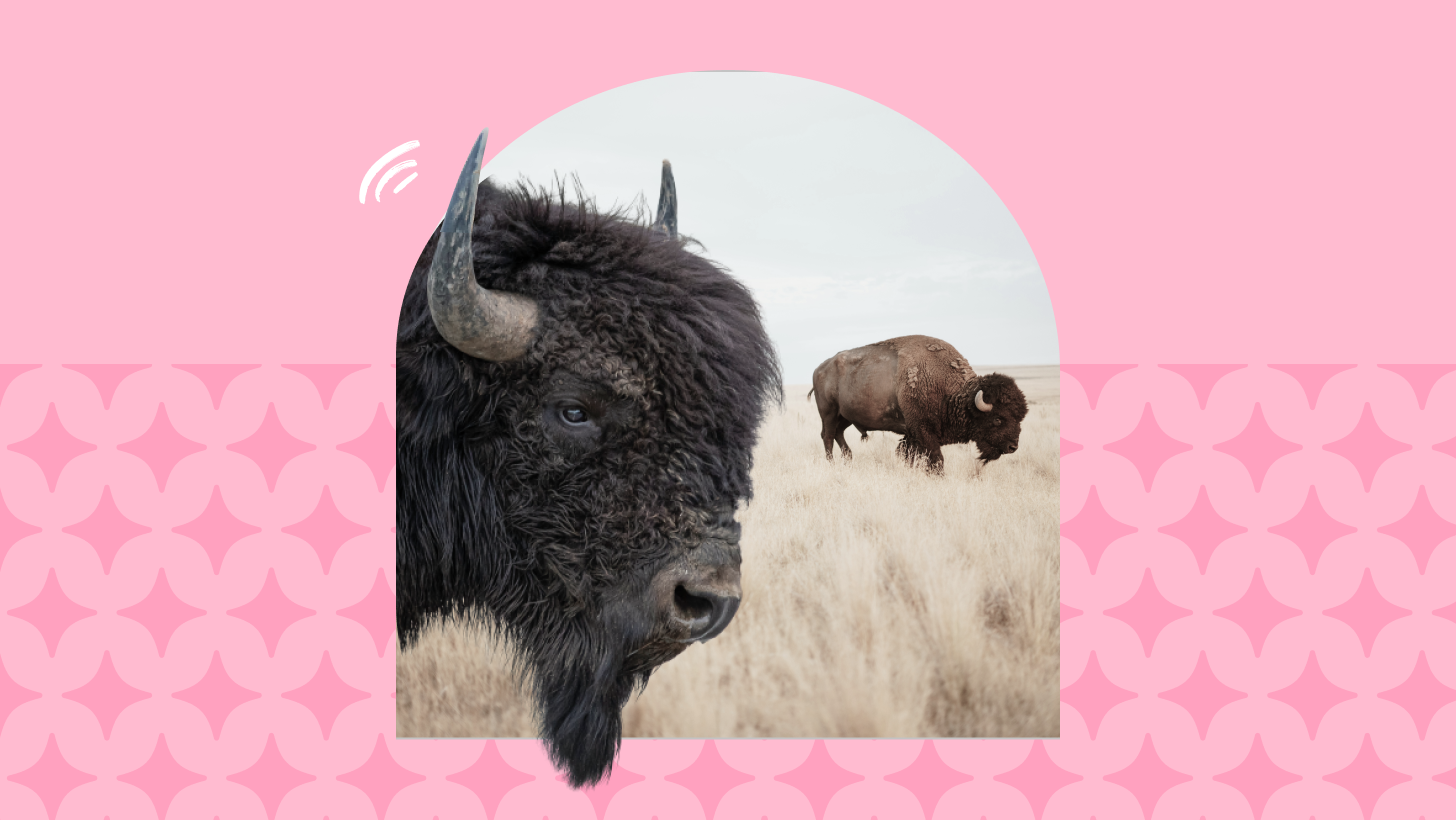
As one of the few places where American bison have roamed freely for centuries, it’s no surprise that this animal was chosen to represent the state of Wyoming. At the center of its flag, the white silhouette of the bison (often called a buffalo) features Wyoming’s coat of arms, which honors the state's key industries: livestock, mining, grain, and oil.

4
Bees – Utah

Image: JohnnyAstros, CC BY-SA 4.0 <https://creativecommons.org/licenses/by-sa/4.0>, via Wikimedia Commons

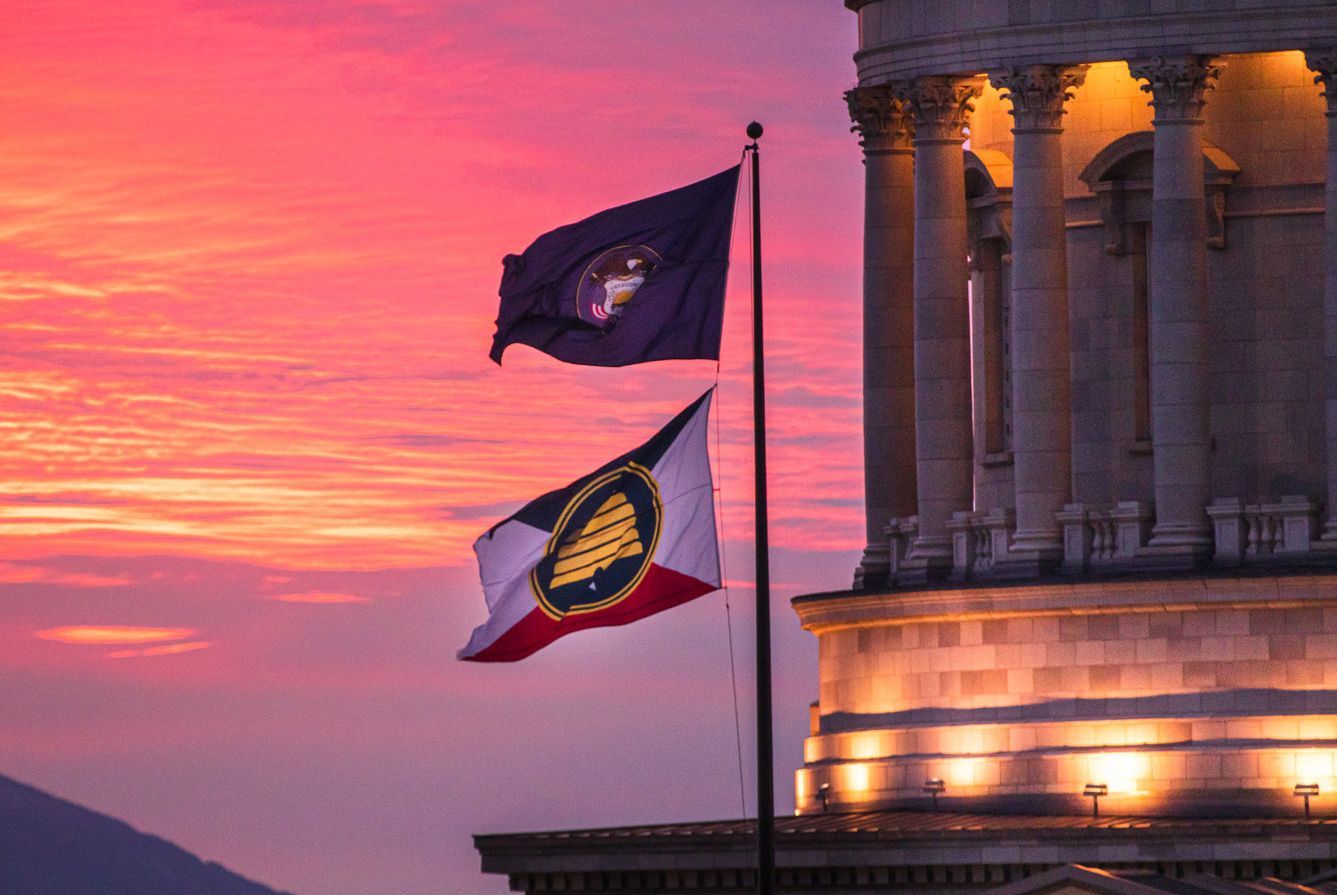
The new Utah flag, adopted in 2024, has a peculiar and modern design. The main characters in this story are none other than bees. Or, actually, a beehive, which was chosen to symbolize community, cooperation, and the hard work that reflects Utah’s industrial spirit.

5
Badger – Wisconsin

Image: Kenneth C. Zirkel, CC BY-SA 4.0 <https://creativecommons.org/licenses/by-sa/4.0>, via Wikimedia Commons

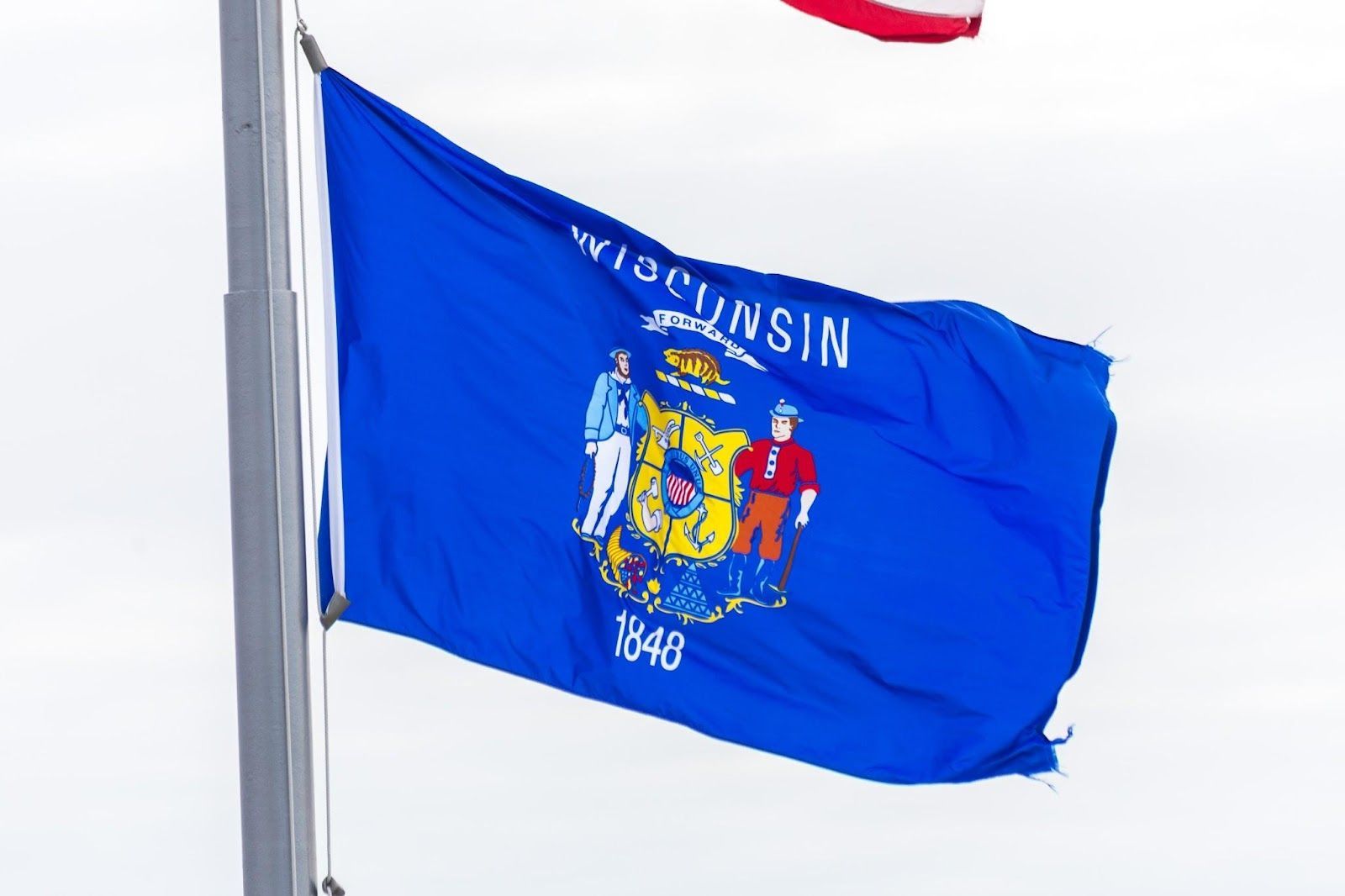
See that small yellow-and-brown figure above the shield on Wisconsin’s flag? Although many people don't notice it, that’s a badger, the state animal. But why a badger? Back in the 1800s, the first lead miners who worked in southern Wisconsin used to live in hillside tunnels during the winter, which resembled badger burrows. These workers were the first to be given the nickname, which was later transferred to the state.

6
Deer and cow- Vermont

Image: Tablelegs6, CC0, via Wikimedia Commons

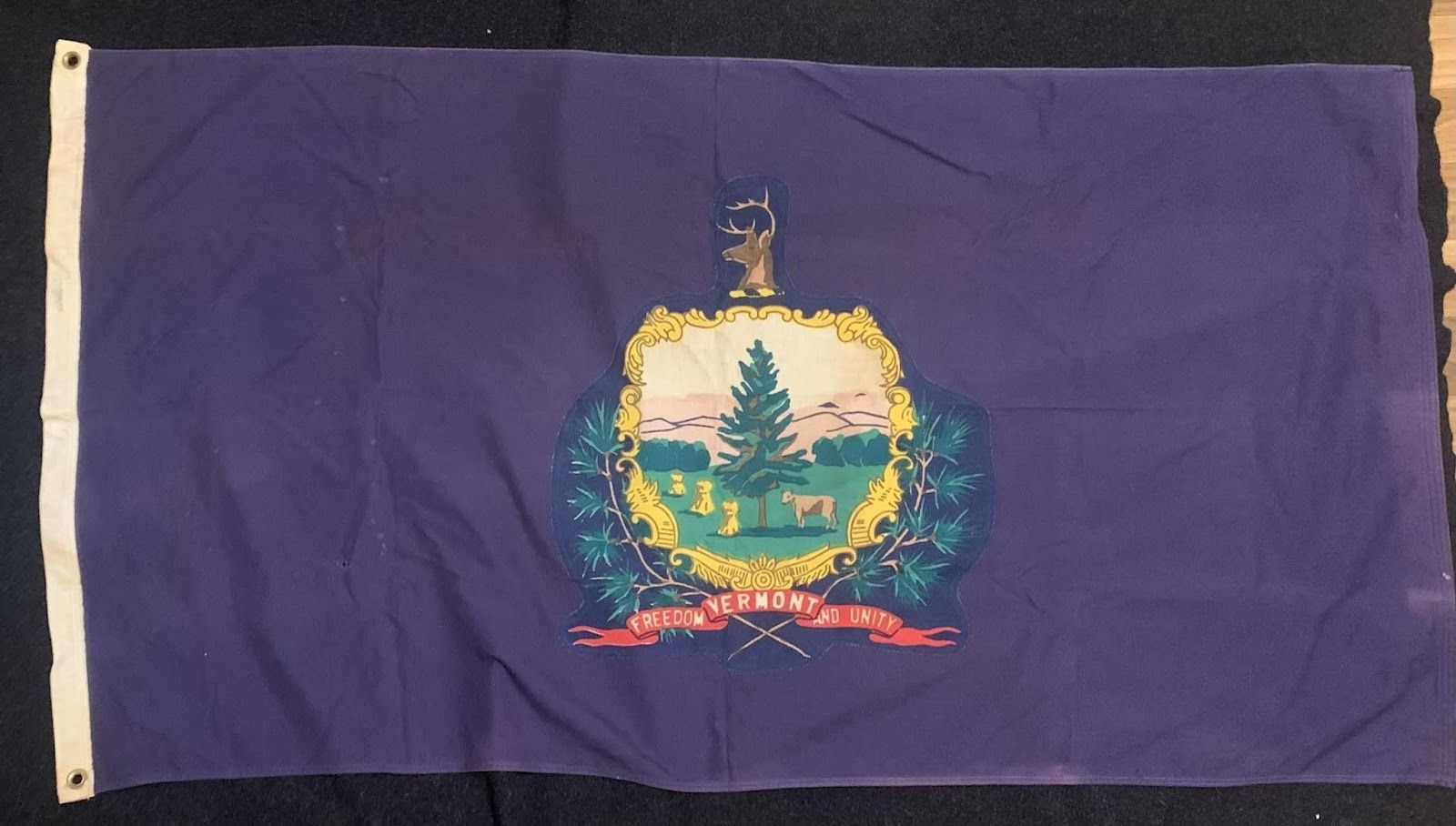
The Vermont flag has plenty to see, but the most striking feature is the deer head that tops the shield. With deer abundant throughout the state, it was chosen to represent all of Vermont’s wildlife. But what about the cow? Tucked inside the shield, this small figure symbolizes the state’s dairy and agricultural industry.

7
Horse – New Jersey

Image: Public domain, via Wikimedia Commons

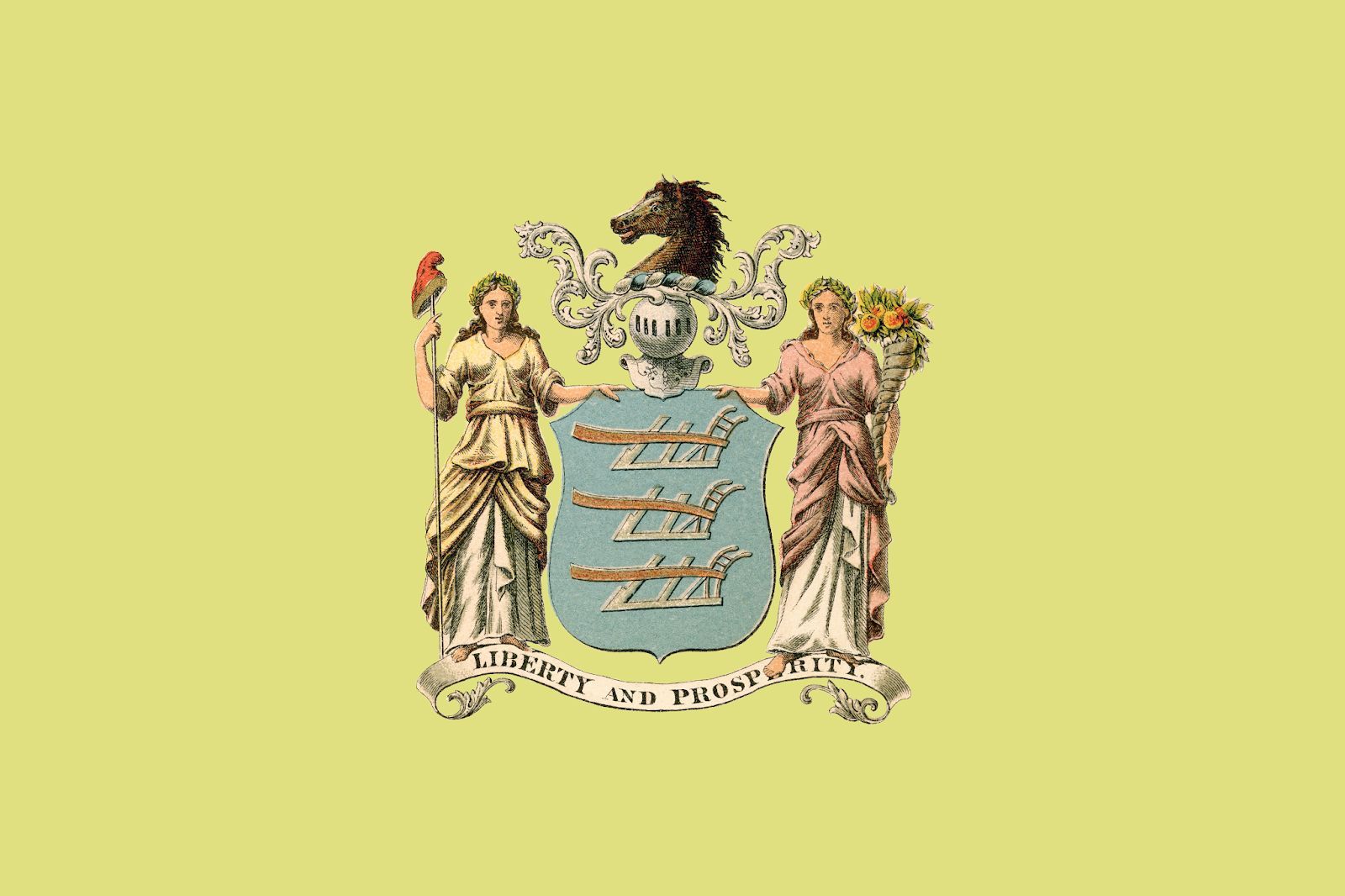
As part of the state coat of arms, a horse appears atop the beautiful New Jersey state flag. As in many other regions, horses were vital to New Jersey’s colonial economy, playing a key role in agriculture. For that reason, in 1777, the coat of arms’ designer placed the horse at the top, symbolizing both strength and the speed of the state’s growth. On both sides of the shield are two women: Liberty and Ceres, the Roman goddess of agriculture, honoring the state motto, "Liberty and prosperity."

8
Moose/Elk – Michigan

Image: Tony Webster, CC BY 2.0 <https://creativecommons.org/licenses/by/2.0>, via Wikimedia Commons

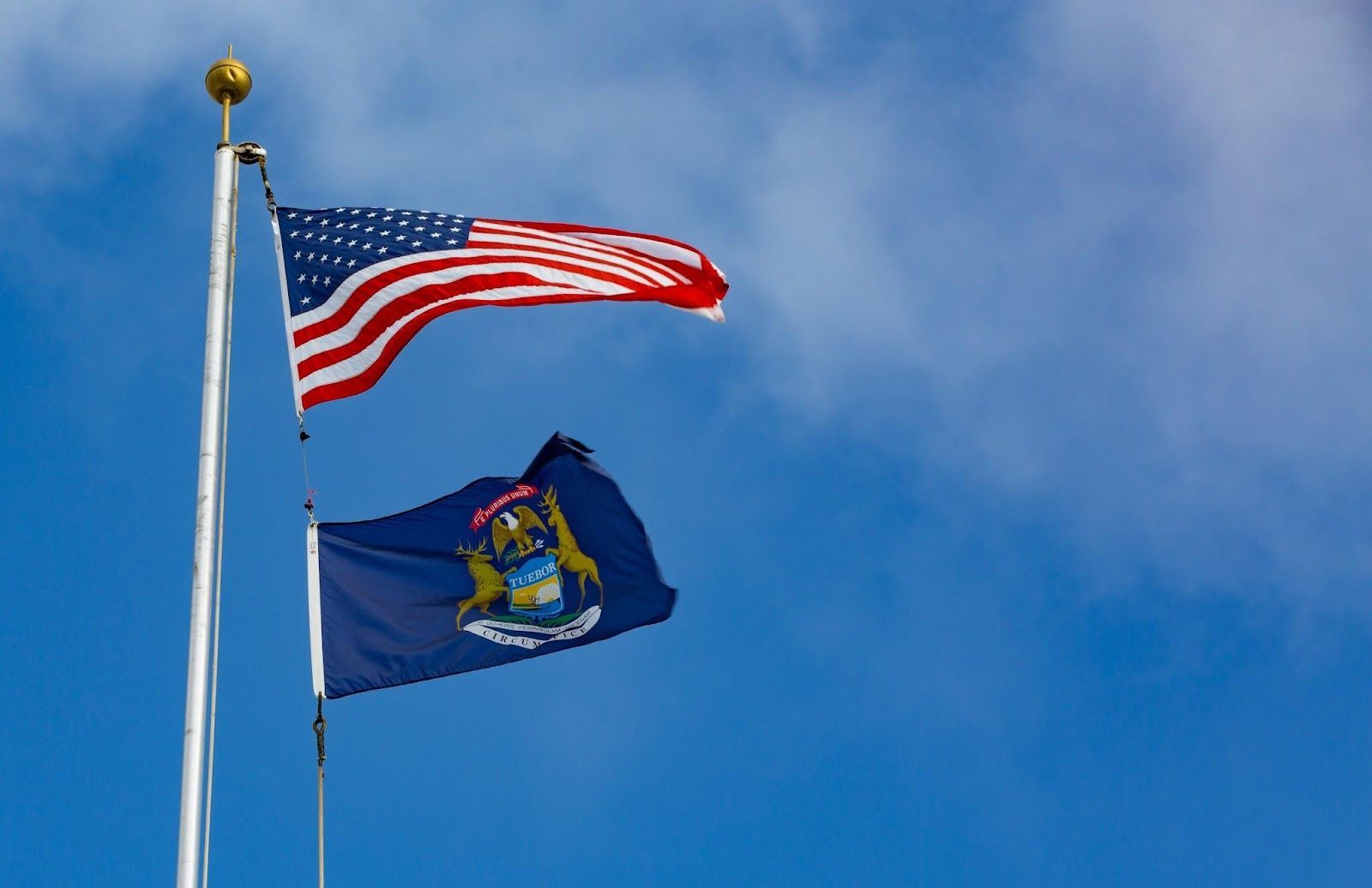
A moose and an elk seem like great choices for offering support, don’t they? That’s exactly what the designers of Michigan’s flag and coat of arms thought. These two majestic animals appear standing on their hind legs, as if holding up the shield. Both native to the state, they symbolize Michigan’s abundant wildlife and natural resources.

9
Pelican – Louisiana

Image: Public domain, via Wikimedia Commons

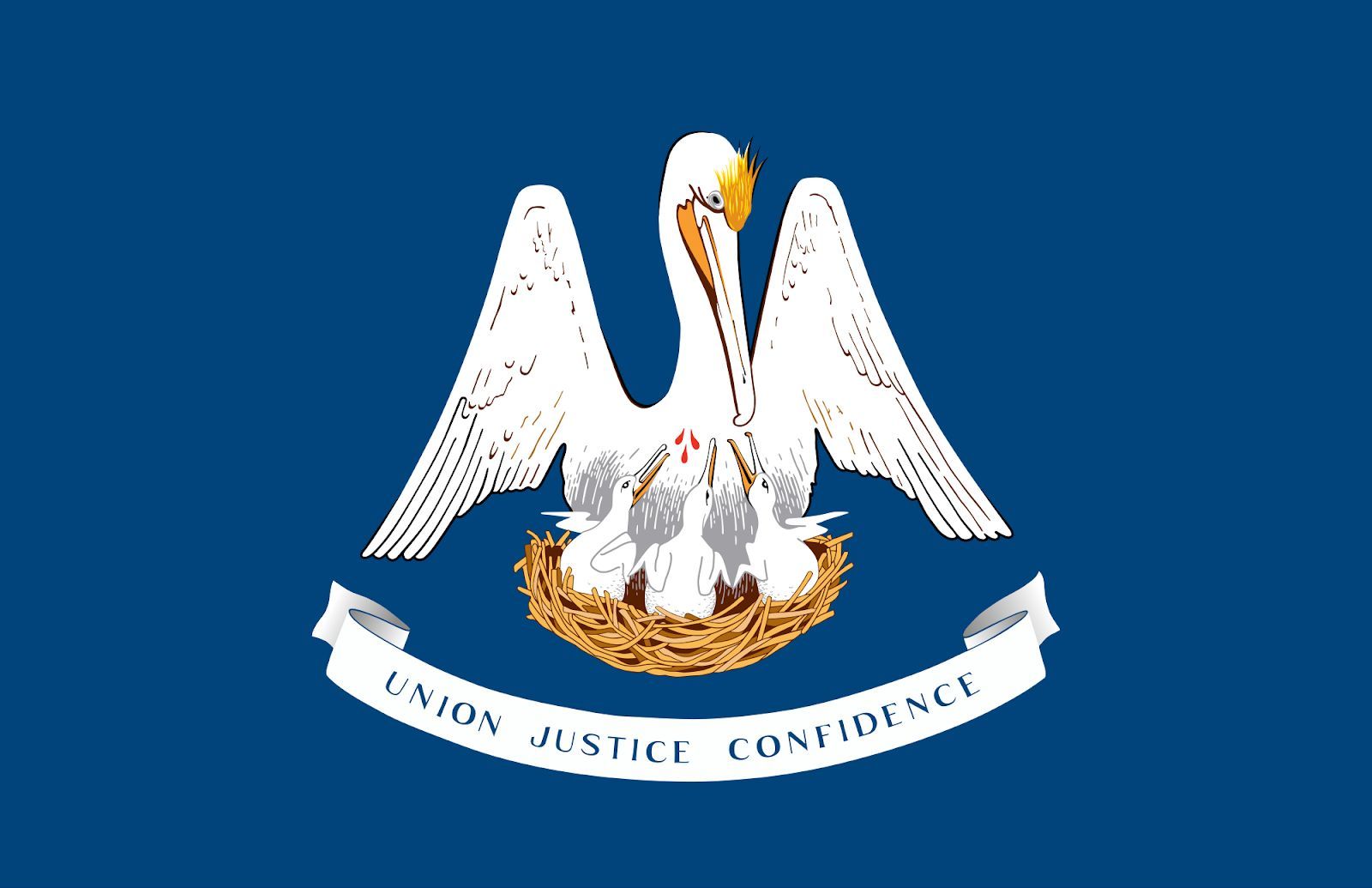
Although the pelican on Louisiana’s state flag is white, its actual name is "brown pelican", a species that abounds along the state’s coast. On both the flag and the coat of arms, the bird is shown wounding itself to feed its young; a strong symbol of devotion and sacrifice that reflects Louisiana’s motto: "Union, Justice, and Confidence."

10
Bald Eagle – Many

Image: Alexas_Fotos

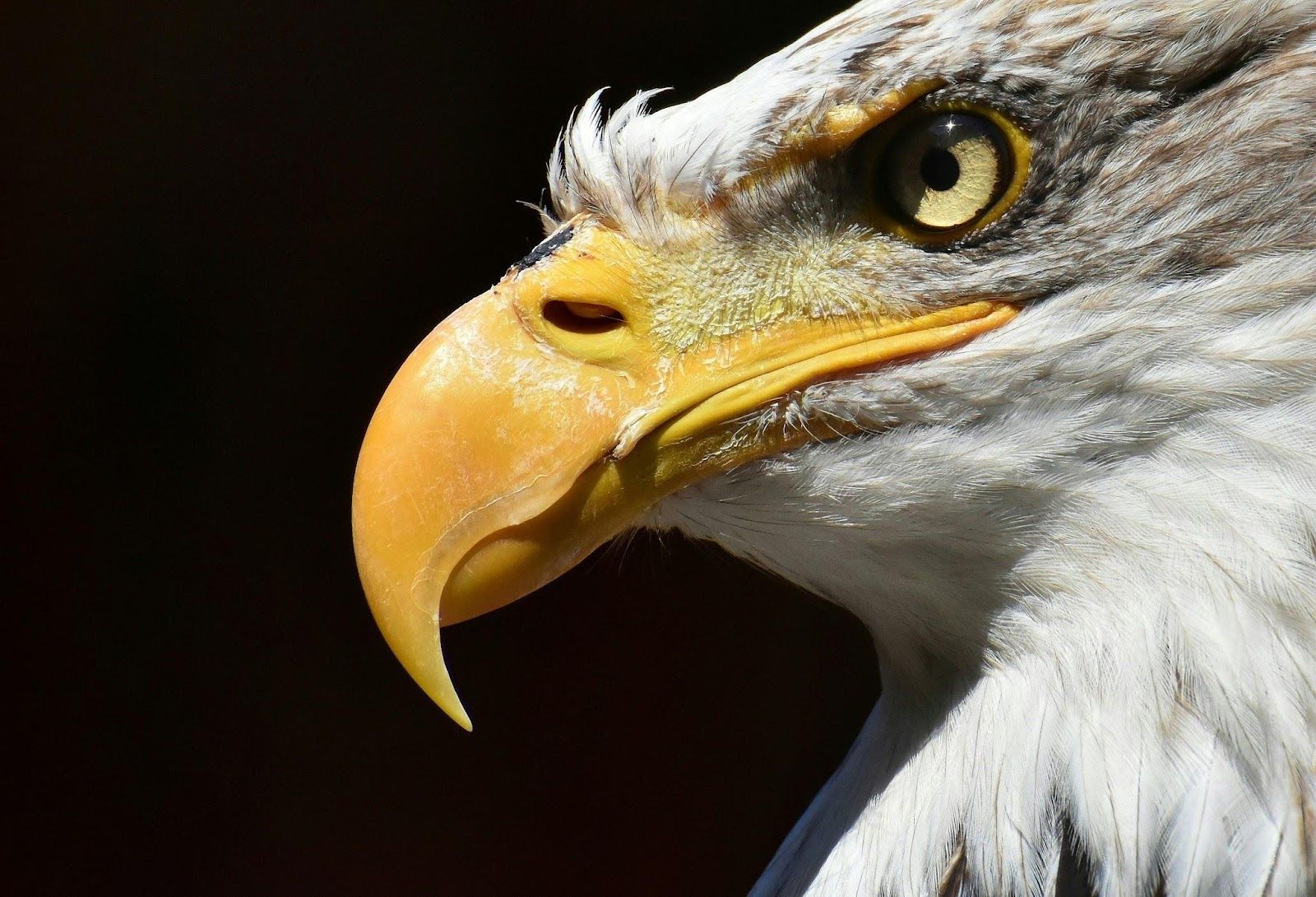
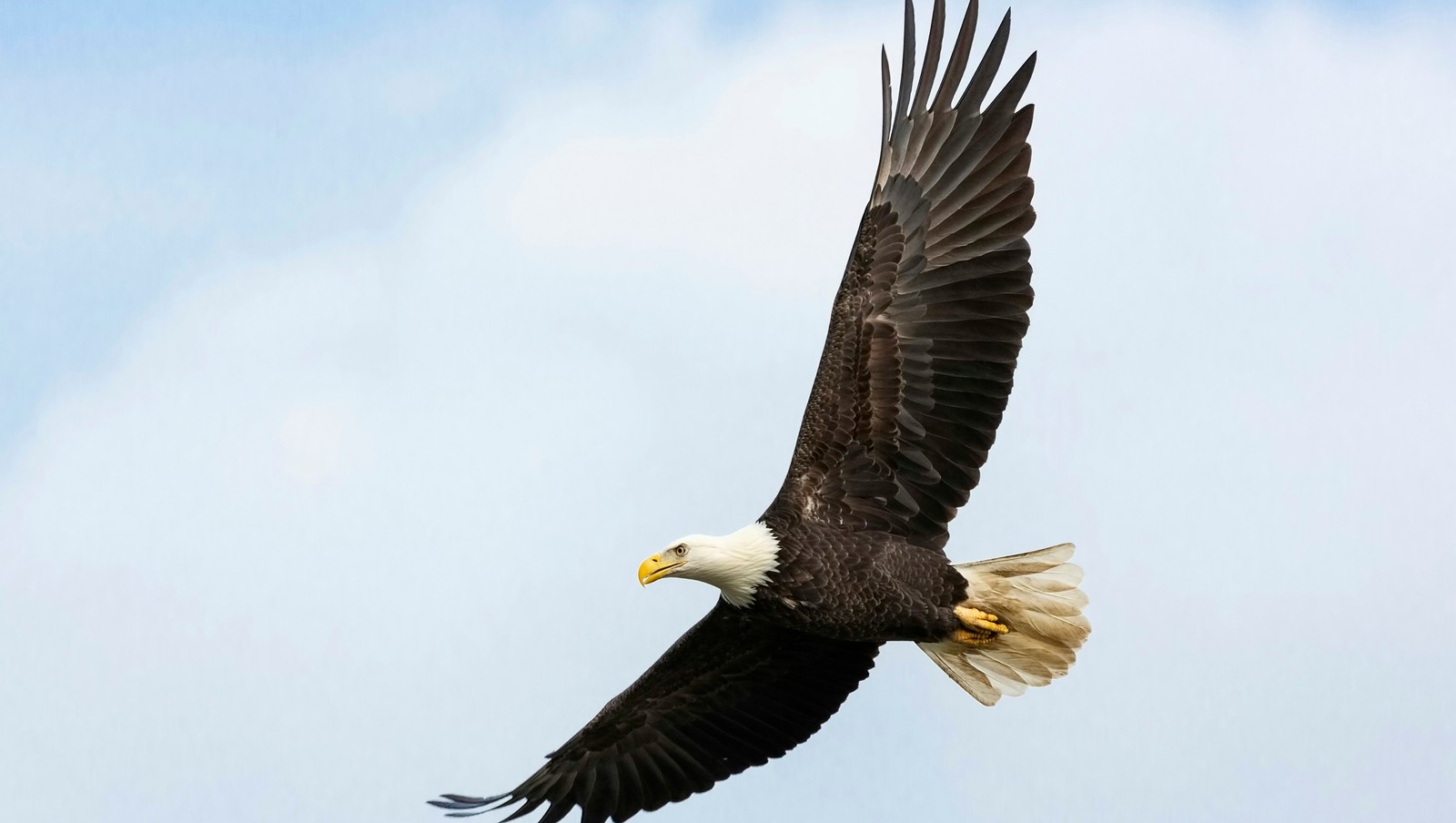
We saved the unmistakable bald eagle for last. Native to North America, this majestic bird has become a symbol of the United States, representing strength, courage, freedom, and longevity. But the eagle isn’t just on the national coat of arms; it also appears on many state seals and flags, including Illinois, Iowa, Michigan, Missouri, New York, North Dakota, Pennsylvania, and Utah’s historic flag.

History History 3 min read

Alternative history

The strange tale of Deseret—and other U.S. states that almost were

Image: Chris Lawton

Ever looked at a U.S. map and thought it could use a few adjustments? You wouldn’t be the first. Over the past 250 years, dozens of proposed states nearly joined the Union —born from bold ideas, local rebellions, or just geographic quirks. While none made it through Congress, they left fascinating marks on American history. From the mysterious lost state of Deseret to the proposed Native American haven of Sequoyah, here are 10 would-be states that nearly carved out a place in the stars and stripes.

1
Franklin

Image: Brett Wharton

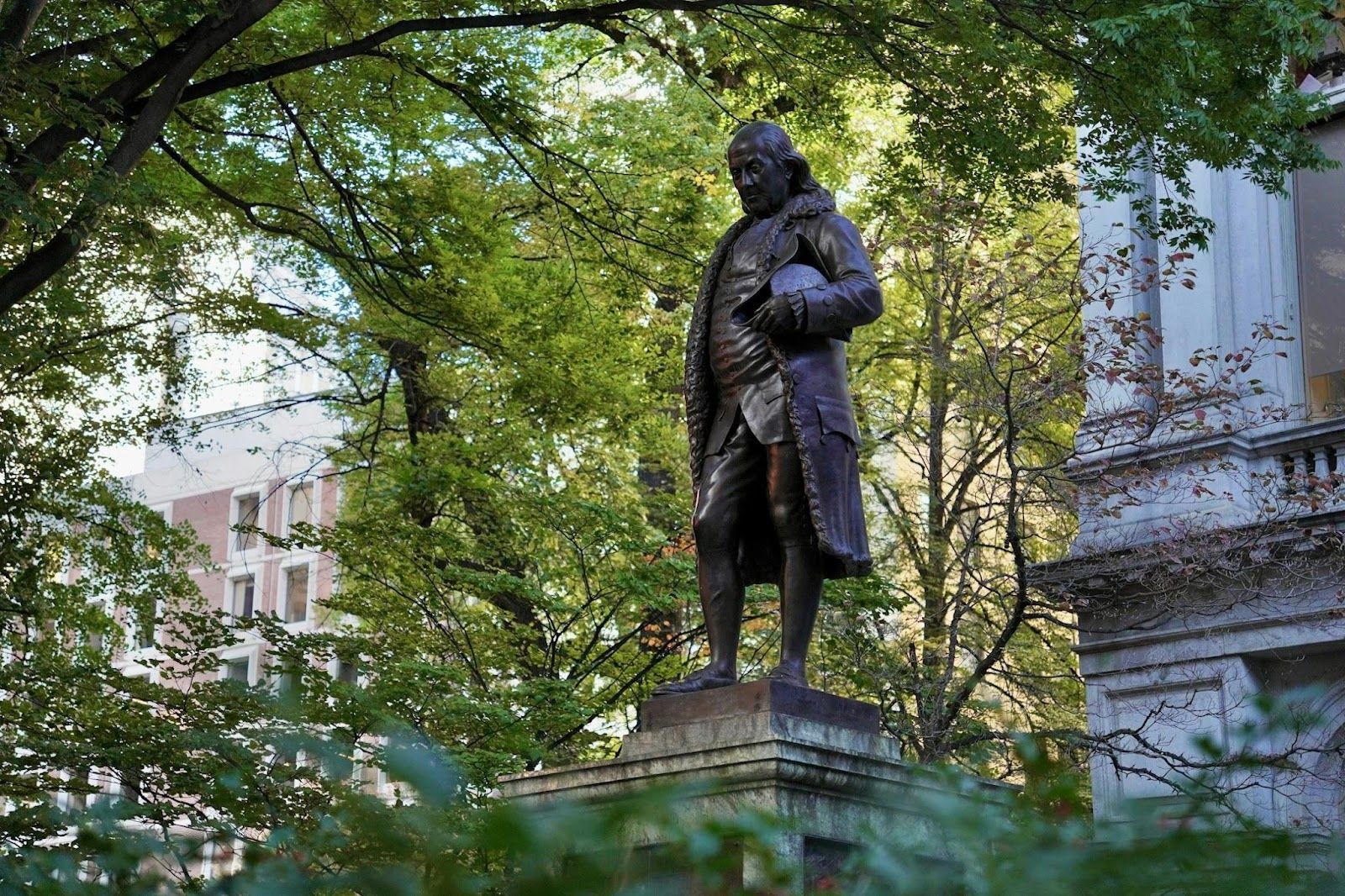
Also known as the Free Republic of Franklin or the State of Frankland, this short-lived territory in eastern Tennessee declared independence from North Carolina in 1784. Its founders even petitioned Congress and appealed to Benjamin Franklin for support—hence the name—but it never gained official recognition.

By 1788, the movement had collapsed, and the area was reabsorbed into North Carolina before eventually becoming part of Tennessee in 1796. Today, the "State of Franklin" lives on mostly in U.S. law school exams as a fictional stand-in for a generic state —often where the imaginary property Blackacre is located.

2
Jefferson

Image: Shelby White

This proposed state has its origins in the 19th-century California Gold Rush, when settlers in the remote, resource-rich region between northern California and southern Oregon pushed for self-governance.

Though their efforts were largely ignored, the movement resurfaced over time. In 1941, frustrated locals staged a symbolic one-day secession. Armed men stopped traffic near Yreka, handing out a Proclamation of Independence declaring the State of Jefferson in "patriotic rebellion" and vowing to "secede every Thursday until further notice."

3
Deseret

Image: SoloTravelGoals

Proposed by Mormon settlers in 1849, the State of Deseret would’ve spanned a massive portion of the West. The name Deseret is derived from the word for "honeybee" in the Book of Mormon, and the vision was of a theocratic state encompassing parts of present-day Utah, Nevada, Arizona, and beyond.

Congress denied the proposal due to its size and religious nature, but a stone donated by Deseret’s supporters in 1853 was still placed in the Washington Monument.

4
Sequoyah

Image: MJ Tangonan

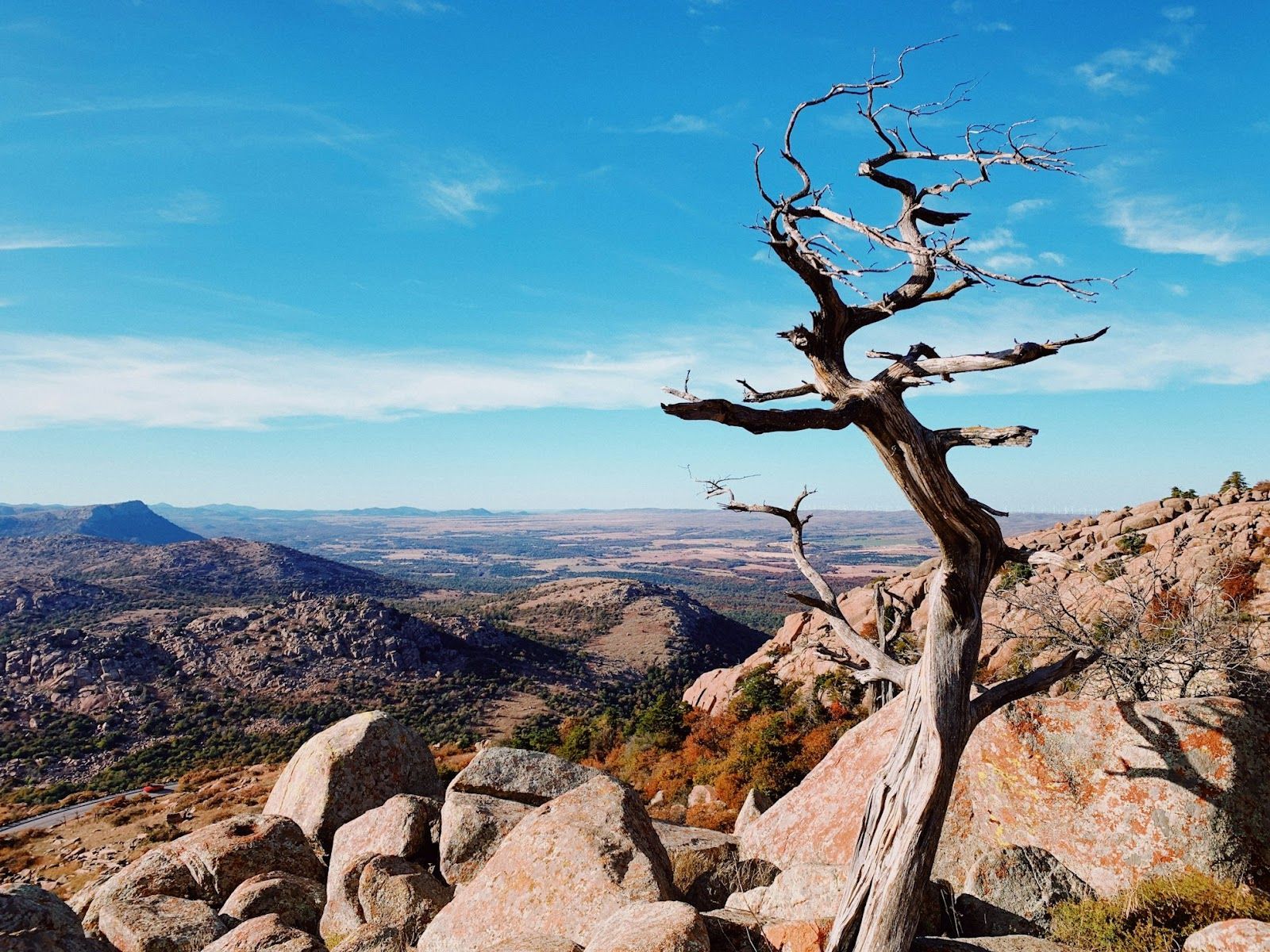
Proposed in 1905, this would’ve been a Native American–majority state in what is now eastern Oklahoma. Despite extensive lobbying by representatives of the Five Civilized Tribes, Congress refused, preferring a single Oklahoma Territory.

Despite its failure, the proposed state’s constitution left a lasting legacy —much of its content was later adopted into the Oklahoma Constitution.

5
Absaroka

Image: Michael Bourgault

Named after the Crow word for "children of the large-beaked bird," the State of Absaroka was proposed in 1939. Comprising parts of Wyoming, Montana, and South Dakota, the idea emerged mainly as a protest against New Deal policies, which were deeply resented by the rural population.

Leaders of the movement even issued license plates, but the effort never gained serious traction and remained a largely symbolic gesture.

6
Westsylvania

Image: Matthew Lancaster

Proposed during the Revolutionary War, Westsylvania would have been a new state formed from the western parts of Virginia and Pennsylvania . Backwoods settlers, feeling neglected by distant colonial governments, sought self-governance.

However, Congress rejected the plan to avoid stirring further conflict during wartime.

7
Superior

Image: Mikaela Charette

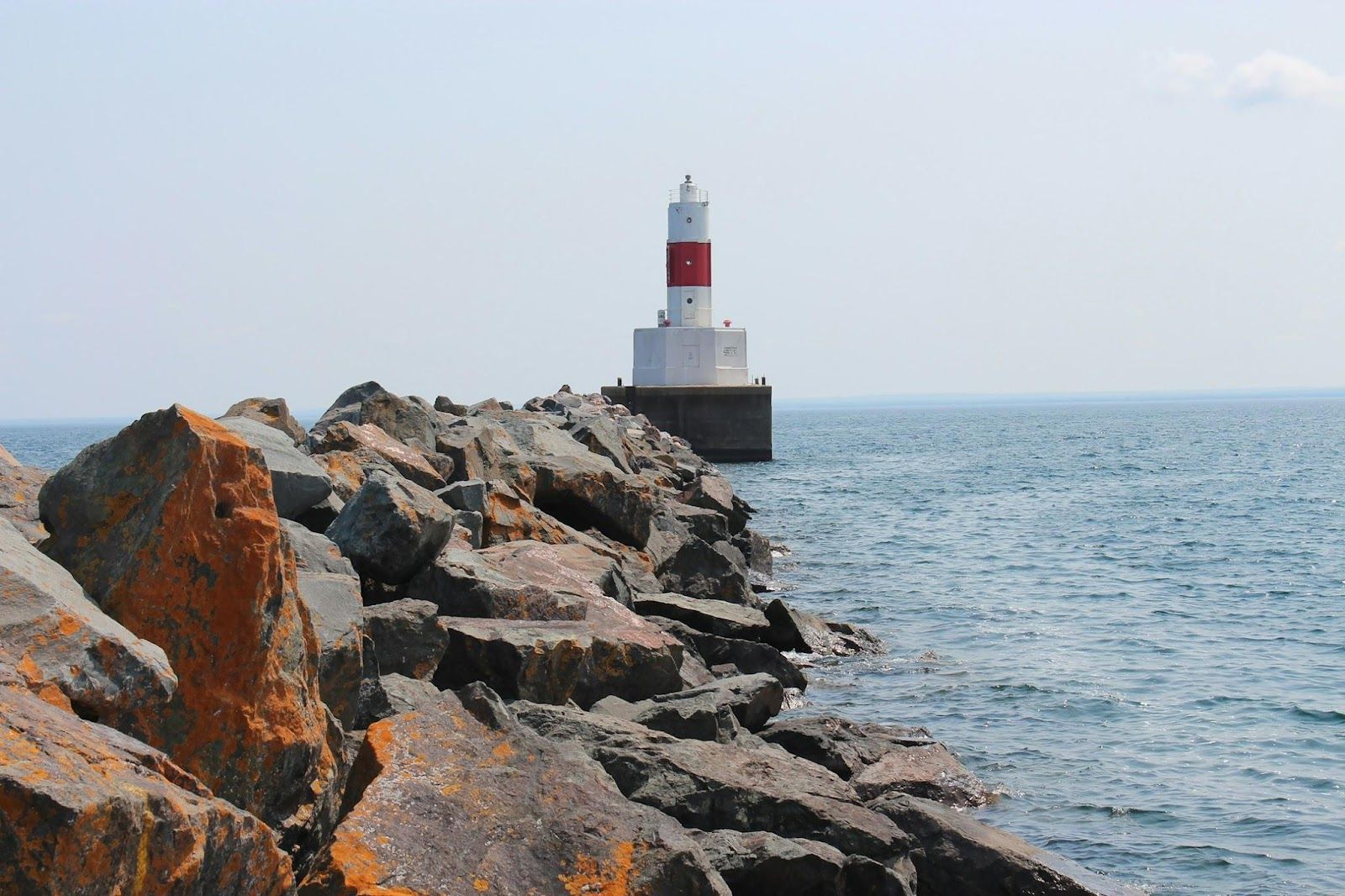
With such a strong regional identity, it was perhaps inevitable that Michigan’s Upper Peninsula would eventually seek statehood. Efforts began as early as the 1850s and resurfaced repeatedly due to the region’s political and economic isolation.

Another proposed name for the state was Ontonagon. Despite these repeated attempts, the Upper Peninsula remained part of Michigan.

8
Lincoln

Image: K. Mitch Hodge

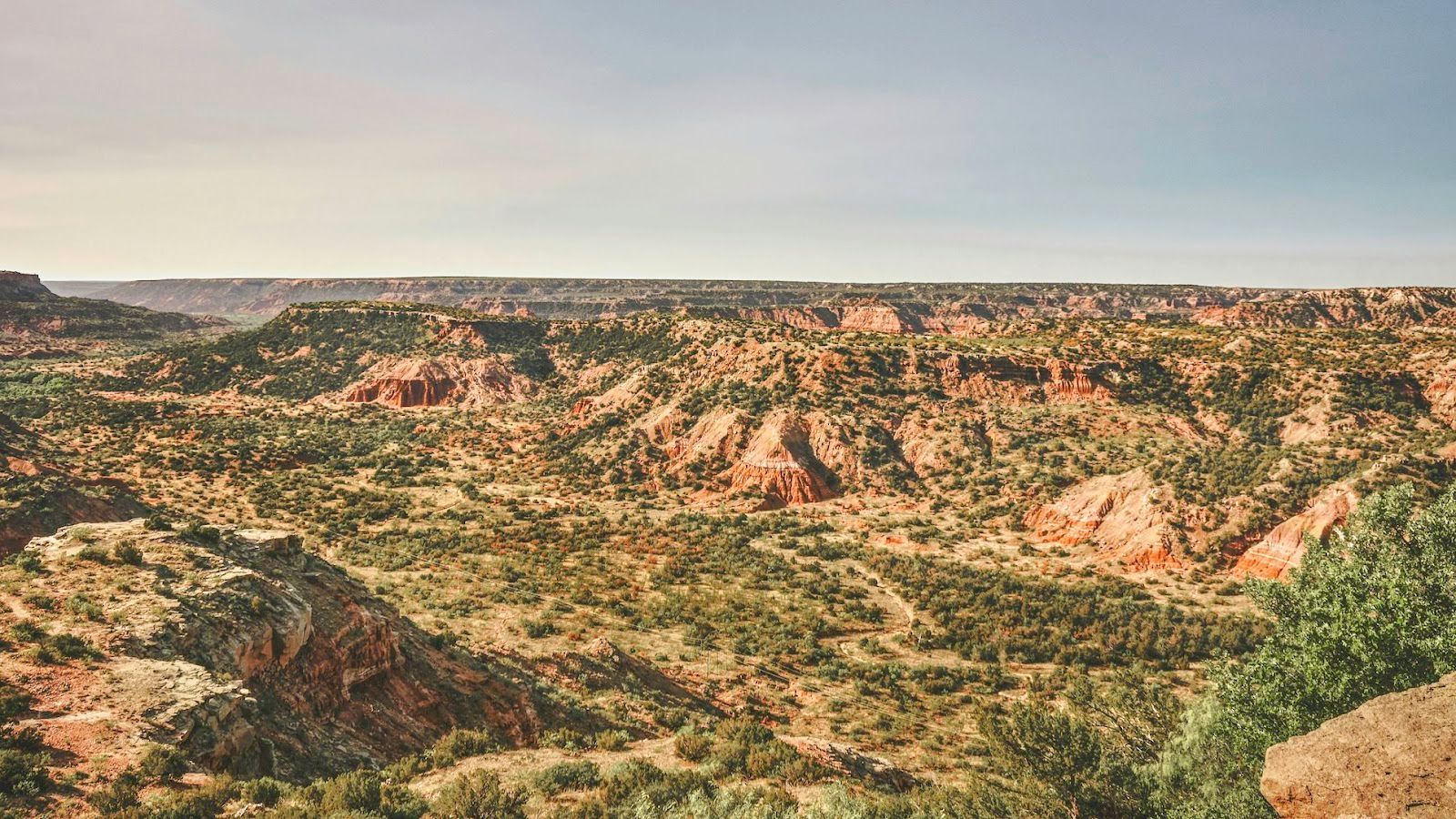
Named for Abraham Lincoln, this proposed state would have split the Texas Panhandle from the rest of the state. Throughout the 1860s and again in the 1880s, residents of the Panhandle and surrounding areas sought separation due to the region’s distance from Austin and cultural differences.

While none of the proposals gained enough federal support, residents of the area still feel distinct today and take pride in their unique identity.

9
Texlahoma

Image: Tommy Bond

Another failed attempt at carving out part of one of the largest states in the U.S., the State of Texlahoma would have—as its name suggests—combined portions of Texas and Oklahoma into a single state.

The push for autonomy was especially strong during the Dust Bowl, when a shared economy and perceived neglect by local governments united residents of both regions.

10
Columbia (D.C. Statehood)

Image: Heidi Kaden

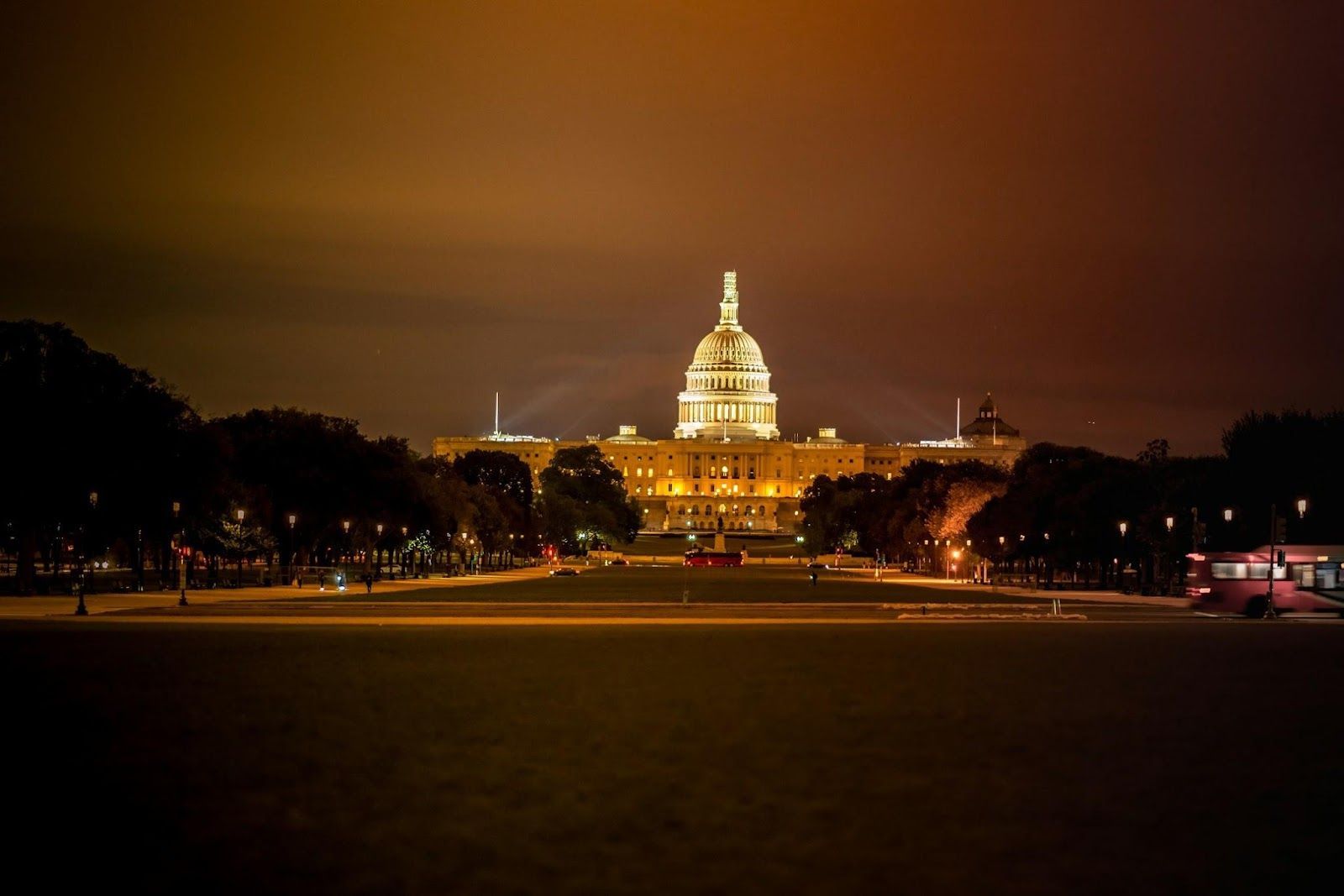
Washington, D.C., has long been considered for statehood under the name of Columbia . Multiple bills and referenda have tried to turn the federal district into the 51st state, as residents pay federal taxes but lack voting representation in Congress.

Despite strong support among D.C. residents, the idea has yet to gain serious traction at the national level.

Explore more American facts

Choose your favorite category!

General
General

As American as apple pie—the very best America has to offer!

Culture
Culture

Delve into the astounding richness of American lore.

Geography
Geography

Hop in and explore vast and diverse American landscapes.

History
History

Discover the key moments that shaped the United States.