General General 3 min read

From pits to plates

BBQ through the States! A finger-licking article on regional styles!
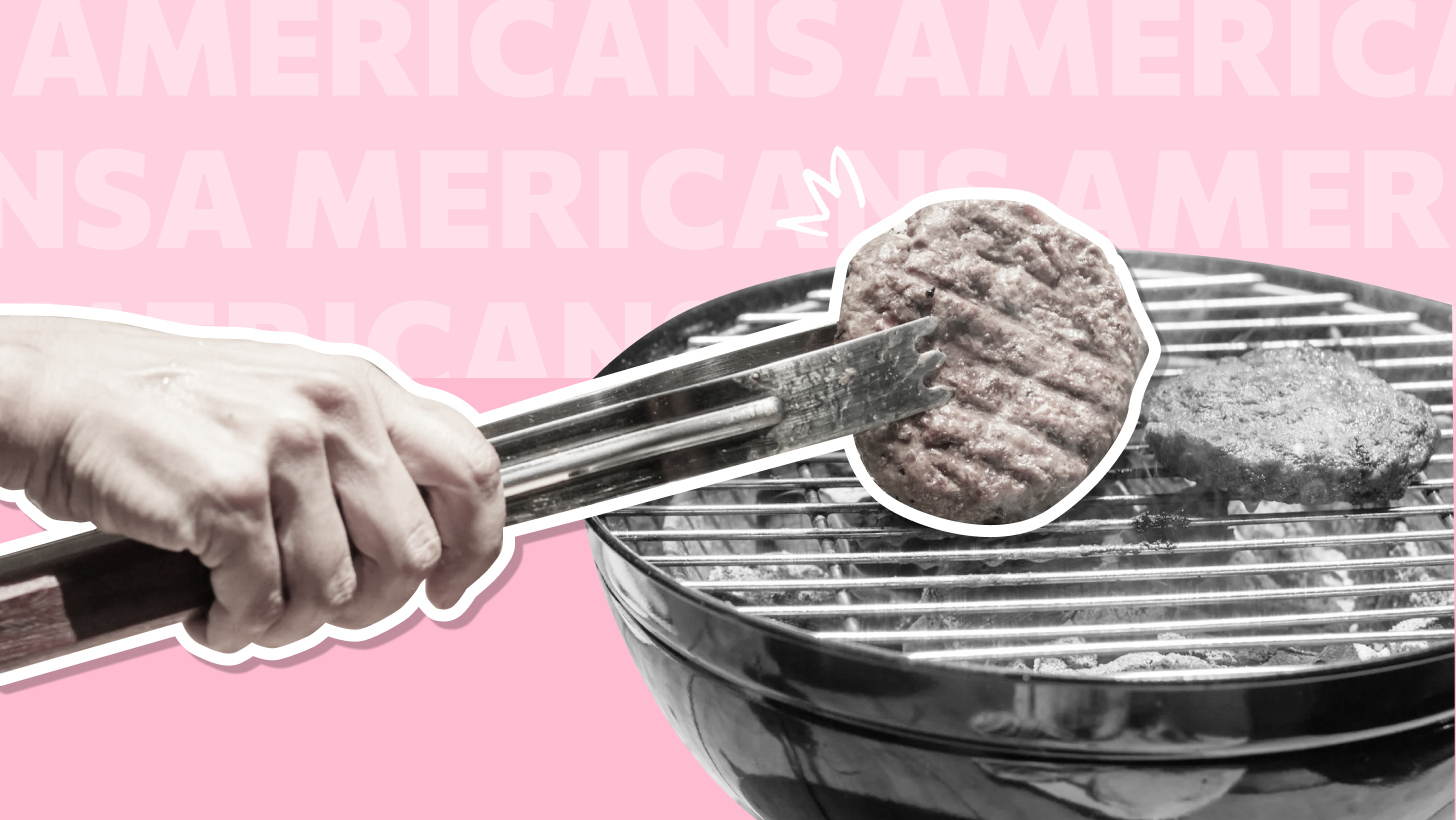
Image: Jaco Pretorius

When it comes to barbecue, the United States is a patchwork quilt of flavors, cooking techniques, and cherished traditions. Each region has its unique approach to barbecuing , which is a reflection of the history, culture, and tastes of the people who call it home. Let’s take a mouthwatering journey across America to explore the most iconic regional BBQ styles and what makes each one special.

1
Memphis

Image: Brian Wegman 🎃

We say Memphis, you probably think of Graceland and Elvis, right? But in Memphis, barbecue is big too. Famous for its pork dishes, Memphis-style BBQ revolves around slow-cooked shoulders, butts, and ribs, often served with a smoky tomato-based sauce or simply seasoned with a dry rub. Pulled pork sandwiches are a staple here, typically paired with tangy coleslaw.

Be warned, if you visit, don’t expect to pry the secret recipes for their rubs or sauces—those are guarded more tightly than gold.

2
Kansas City

Image: Ahmad

Kansas City barbecue is synonymous with variety. This region smokes everything from ribs and brisket to sausages and burnt ends. The hallmark of Kansas City-style BBQ is its sweet, thick sauce made with tomatoes, molasses, and brown sugar.

This style owes much of its legacy to Henry Perry, the "Father of Kansas City Barbecue" whose techniques were passed down to pitmasters like Arthur Bryant and Ollie Gates. Today, Kansas City’s barbecue joints remain legendary destinations.

3
North Carolina

Image: Leo_Visions

In North Carolina, barbecue loyalty is divided . The Eastern Style involves whole-pig barbecue smoked over wood coals and basted with a peppery vinegar sauce. Purists argue this method lets the meat’s natural flavors shine.

The Western Style (a.k.a. Lexington) is focused on pork shoulder, this style features a ketchup-based sauce that’s sweeter than its eastern counterpart. The addition of tomatoes reflects influences from Bavarian settlers in the area.

4
Texas

Image: Israel Albornoz

Texas takes it a step further and we can find multiple styles . At least, three!

On the one hand, Central Texas goes for a simple and straightforward beef brisket seasoned with salt and pepper, then smoked low and slow.

East Texas style features tender beef and pork, cooked until falling off the bone and often served in sandwiches with a thick, sweet sauce.

Now, as for South Texas, meats like cow’s head or goat are slowly smoked in underground pits and served with salsa and guacamole.

5
Alabama

Image: Ruthra Malai

Alabama’s claim to barbecue fame is its unique white sauce, made from mayonnaise, vinegar, and pepper. This creamy, tangy sauce is typically slathered on smoked chicken or ribs, offering a refreshing departure from traditional tomato-based options.

Cities like Birmingham have emerged as culinary destinations, they blend barbecue with Southern hospitality. Who wouldn’t want to try that out?

6
Georgia

Image: Ajeet Panesar

In Georgia, a barbecue is a social event as much as a culinary delight. Pork is the star, often accompanied by smoky brisket, sausages, and chicken. Georgia’s barbecue leans heavily on bold, smoky flavors and can be found in roadside shacks and upscale eateries alike. Each bite reflects the state’s rich culinary heritage.

7
Hawaii

Image: Z Grills Australia

Hawaii has stunning views, dreamy beaches, and delicious dishes too! Hawaiian barbecue is a celebration of its diverse cultural influences. And a result of its diverse climate too.

Kalua pork, cooked in underground ovens , is a staple at traditional luaus, while local BBQ plates often feature Korean-style ribs, Huli Huli chicken, or barbecued seafood. These dishes are served with rice and macaroni salad, a unique island twist to American barbecue.

8
Kentucky

Image: Sergio Arteaga

Kentucky’s barbecue scene is defined by its love of mutton , which is smoked over hickory wood and served with a peppery vinegar dip.

This lesser-known style also includes pork and turkey, which ultimately reflects the state’s agricultural diversity. The city of Owensboro is the epicenter of mutton barbecue. They host annual festivals dedicated to the dish. Even if you’re not big on BBQ, this annual event is worth visiting!

9
Virginia

Image: Carlitos Grill

Some argue that barbecue’s American roots trace back to Virginia, where Native American techniques and African influences merged.

Whether that’s the case or not, Virginia’s regional variations are great. They include sweet tomato-based sauces , tangy vinegar blends, and even sauces with hints of peanut butter. Each micro-region brings its spin, but they all uphold the state’s rich barbecue heritage.

10
South Carolina

Image: Davide Cantelli

South Carolina’s barbecue stands out with its signature mustard-base sauce, known as "Carolina Gold." Influenced by the state’s German settlers, this tangy sauce pairs perfectly with the region’s whole hog cooking.

South Carolina also offers other sauces, including vinegar-based and tomato-based varieties. In this state, you can’t really say there’s not a thing for every taste bud!

General General 4 min read

The American Dream

10 famous actors who became U.S. citizens

Image: Nathan DeFiesta

Many foreign actors adopt an American persona in order to fit into certain roles. After all, Hollywood is one of the world's largest film industries. But some actors have decided to make America their home beyond acting, which has led them to apply for citizenship and become naturalized Americans. Here are 10 actors who were born elsewhere and became U.S. citizens later in life!

1
Arnold Schwarzenegger

Image: Tom Def

Let’s kick it off with someone everybody knows. In case the excessive use of consonants in his last name wasn’t enough of a clue, Arnold Schwarzenegger was born and raised in Austria, where he built a successful career in bodybuilding. After winning major bodybuilding titles, he moved to the U.S., where he continued competing and later transitioned into acting. He became a U.S. citizen in 1983 and went on to serve as Governor of California from 2003 to 2011.

2
Elizabeth Taylor

Image: Daniele Levis Pelusi

One of the brightest stars of 1950s Hollywood, Elizabeth Taylor is known for her unforgettable performances in classics such as Cleopatra , Cat on a Hot Tin Roof , and Who’s Afraid of Virginia Woolf? Born in London in 1932 to American parents from Arkansas, Taylor held dual British-American citizenship from birth. Although she was initially raised in the UK, her family returned to the U.S. when World War II broke out. There, she began what would become a triumphant acting career, earning her first starring role at age 12 in National Velvet .

3
Charlize Theron

Image: barendlotter

Born in Benoni, in what was then the Transvaal province of South Africa, Charlize Theron began her career as a model and later trained as a dancer. While trying (and failing) to get into the film industry, she got her breakthrough thanks to her not being American: she famously caught the attention of a talent agent while arguing with a bank teller who refused to cash her check because she was a foreigner. She became a U.S. citizen in 2007 and has retained her South African citizenship.

4
Liam Neeson

Image: K. Mitch Hodge

Liam Neeson was born and raised in Ballymena, Northern Ireland, and started his career as a theater performer in Belfast and Dublin. After being cast in a minor role in the film Excalibur (1981), he built a successful career in both the UK and the U.S. Neeson acquired American citizenship in 2009 and said he was inspired by the overwhelming support he received from Americans following the tragic death of his wife, Natasha Richardson.

5
Cary Grant

Image: thomas cook

One of the biggest stars of Hollywood’s Golden Age, Cary Grant was born Archibald Alec Leach in Bristol, England. He first came to the U.S. as a teenager in 1920 as part of a theater troupe, and eventually transitioned into film, becoming famous for his romantic comedies before expanding into other genres. In 1942, he became a U.S. citizen and legally changed his name to Cary Grant.

6
Maureen O’Hara

Image: Mike Fox

Maureen O’Hara might not have been born an American, but she earned her place in one of the most American film genres of all: the Western. Born Maureen FitzSimons in Dublin, Ireland, she got her first major role in Alfred Hitchcock’s Jamaica Inn (1939), where she was billed as Maureen O’Hara, a stage name chosen for her by the studio. She rose to stardom soon after with her leading role in John Ford’s How Green Was My Valley (1941), and went on to become iconic in Westerns and adventure films. She became a naturalized U.S. citizen in 1946.

7
Helen Mirren

Image: Hulki Okan Tabak

Ilyena Lydia Mironoff was born in the UK as part of an exiled Russian noble family who eventually changed their surname to Mirren. She started her career as a theater performer in the Royal Shakespeare Company, and went on to achieve major success in film and television. Though she became a U.S. citizen in 2017, she had considered herself American for a long time. In an interview, she revealed that witnessing the 9/11 attacks in New York City gave her an "epiphany" about where her allegiance lay, which helped prompt her decision to become a U.S. citizen.

8
Anthony Quinn

Image: Jorge Aguilar

Many people are surprised to learn that Anthony Quinn was not American-born. Originally named Manuel Antonio Rodolfo Quinn Oaxaca, he was born in Chihuahua, Mexico, to a Mexican mother of Indigenous heritage and an Irish immigrant father. After a short stint as a boxer, he began a successful acting career and became the first Mexican-born actor to win an Academy Award, ultimately winning two Oscars. He became a U.S. citizen in 1947.

9
Olivia de Havilland and Joan Fontaine

Image: Jeremy Yap

Famous actresses, rivals, and sisters Olivia de Havilland and Joan Fontaine were born in Tokyo, Japan, to British parents, making them British subjects from birth. Both were brought up in the United States after their mother moved the family to California. Their careers in Hollywood were marked by a well-publicized sibling rivalry: according to biographies, their mother favored Olivia and discouraged Joan from using the family name, prompting her to adopt the stage surname Fontaine .

Olivia de Havilland became a naturalized U.S. citizen in 1941, just months before the U.S. entered World War II, and she actively contributed to the war effort, including touring to support troops. Her sister Joan gained citizenship a few years later, in 1943.

10
Greta Garbo

Image: Sofia Sforza

Born in Stockholm, Sweden, as Greta Lovisa Gustafsson, Greta Garbo became one of the defining stars of Hollywood’s early Golden Age. After appearing in a supporting role in the Swedish film The Saga of Gösta Berling (1924), she caught the attention of Metro-Goldwyn-Mayer executives, who brought her to Hollywood to begin what became a legendary silent-film career, one that only grew stronger with the transition to sound. After nearly two decades in film, Garbo famously retired from acting in 1941 and later became a U.S. citizen in 1951.

General General 3 min read

Organized living is always better

Most Americans store these 10 items incorrectly. How about you?

Image: Alicia Christin Gerald

Most Americans store household items wherever they seem convenient. Of course they do, why wouldn’t they, right? But as it turns out, over time, heat, humidity, and clutter can quietly shorten an object’s lifespan or make it harder to use. Organizing experts say many common habits are actually working against us. The good news is that small storage changes can make everyday items last longer. Here are some of the most commonly misplaced ones.

1
Books

Image: Ed Robertson

Many of us stash books in closets or basements to save space , but these areas often trap moisture. Over time, humidity can warp covers, yellow pages, and encourage mold growth, especially in older homes.

A better option is open shelving in a living area where air can circulate freely. Keeping books visible not only helps protect them but also encourages reading and makes it easier to enjoy them regularly.

2
Medicine

Image: Joanna Stołowicz

Bathrooms are the most common place Americans store medication, yet heat and steam can reduce a drug’s effectiveness over time . Moisture can also cause pills to break down faster or labels to peel off.

A cool, dry place like a bedroom drawer or hallway cabinet is generally safer. Keeping medication out of the bathroom helps preserve its potency and makes expiration dates easier to track.

3
Important documents

Image: Sear Greyson

Birth certificates, insurance policies, and property deeds are frequently scattered across drawers or stacked in filing piles . This makes them hard to find during emergencies and leaves them vulnerable to damage.

Experts suggest using a dedicated fire-resistant file or document box kept in a consistent location. Centralizing paperwork saves time and reduces stress when documents are suddenly needed.

4
Photo albums and loose photographs

Image: Roman Kraft

Many families store photos in garages or basements, where temperature swings and moisture can cause fading and curling . Once damaged, photographs are often difficult or impossible to restore.

Photos last longest when stored in acid-free boxes kept in interior closets. Proper storage preserves memories and ensures future generations can enjoy family history without deteriorating.

5
Olive oil

Image: Dimitri Karastelev

Many Americans keep olive oil next to the stove for convenience. Unfortunately, exposure to heat, light, and air causes oil to turn rancid faster , affecting flavor and nutritional value.

A cool, dark cabinet away from appliances is ideal. Storing olive oil in a tightly sealed, opaque container further slows degradation. Proper storage helps olive oil retain its taste longer and prevents waste caused by premature spoilage.

6
Coffee

Image: Aldino Hartan Putra

Coffee is often kept in its original bag on the counter or in the pantry. Exposure to air, light, heat, and moisture gradually degrades its aromatic compounds, dulling its flavor , even if the beans are freshly roasted.

An airtight container stored in a cool, dark place is generally best for preserving aroma and taste. This simple change keeps coffee fresher and makes each cup more enjoyable.

7
Bread

Image: Vicky Ng

Many people refrigerate bread to keep it fresh, but cold temperatures actually dry it out faster . The result is a dry, stale texture and often unnecessary food waste.

Freezing bread preserves freshness far more effectively. When wrapped tightly to prevent freezer burn, sliced loaves can be toasted straight from the freezer, extending shelf life without sacrificing quality.

8
Spices

Image: Heather McKean

Spice racks near the stove are common, but heat and steam weaken flavors over time . Spices may still look fine while losing much of their potency and taste.

A drawer or cool cabinet away from heat helps spices last longer. Keeping containers tightly sealed further protects against moisture and oxidation. Better storage keeps meals flavorful and reduces how often spices need replacing.

9
Toothbrushes

Image: Peng Liu

Left uncovered near sinks or toilets, toothbrushes are exposed to moisture and airborne bacteria . This can lead to hygiene issues and faster wear.

Storing brushes upright in a well-ventilated holder that allows them to air-dry completely is generally recommended. Cleaner storage improves longevity and supports better personal hygiene.

10
Batteries

Image: John Cameron

Loose batteries tossed into junk drawers can rub against metal objects such as coins or paper clips, potentially causing short circuits, leaks, or loss of charge . Damaged batteries may ruin devices later.

Keeping batteries stored by type in a labeled container prevents contact issues. Organized storage extends battery life and makes replacements easy to find.

Explore more American facts

Choose your favorite category!

General
General

As American as apple pie—the very best America has to offer!

Culture
Culture

Delve into the astounding richness of American lore.

Geography
Geography

Hop in and explore vast and diverse American landscapes.

History
History

Discover the key moments that shaped the United States.