Geography Geography 6 min read

America's weirdest, wildest, and raddest

Thomas Edison’s last breath? 10 odd roadside attractions across the U.S.

Image: Alvaro Reyes

If there’s one thing we Americans love, it’s things that are bigger, louder, and better than anyone else’s. This might explain why we are home to the largest egg in the world or why we keep Thomas Edison’s last breath in a museum. While it’s true that some of these strange places may seem odd and slightly cringeworthy, each one is interesting in its own right. And while they may not all be worth going out of your way to see, they are certainly worth reading about. Join us to discover 10 roadside attractions that will leave you speechless!

1
Miniature Graceland

Image: Florian Herzog

If you are on the East Coast and you are not planning a trip to the South to visit the real Graceland in Memphis anytime soon, you can always settle for Roanoke, Virginia's miniature version.

The handcrafted structures at Miniature Graceland include the mansion itself, a replica of the Elvis Presley Car Museum, as well as the King's birthplace in the city of Tupelo. This magical tribute was built in 1980 by Don Epperly, an Elvis fan, on the property next to his home. Over time, the attraction deteriorated, but a local group is now in charge of maintaining the site, which can still be visited.

2
World’s largest Christmas store

Image: Brandi Alexandra

Bronner's Christmas Wonderland in Frankenmuth, Michigan, is the self-proclaimed world's largest Christmas store. And no wonder—the amount of electricity required to run the 100,000 lights that illuminate the sales floor costs approximately $1,250 per day.

The salesroom showcases more than 350 decorated trees, and you can find decorations and gifts from 70 countries, as well as over 150 styles of nutcrackers. Also, Bronner's has in-house artists who customize over 100,000 ornaments annually. This place is so fantastic that hundreds of celebrities have visited it. So, now you know—if you're ever in Frankenmuth, chances are you'll be rubbing elbows with a Hollywood star while shopping for your next Christmas tree.

3
Missouri’s Mount Rushmore

Image: Takefreebies

Although often overshadowed by the original Mount Rushmore in South Dakota, Missouri’s Mount Rushmore with Fake Celebrity Heads still manages to attract a crowd. The "monument," located in Branson since 1996, includes sculpted faces of John Wayne, Elvis Presley, Marilyn Monroe, and Charlie Chaplin.

This attraction is part of the Hollywood Wax Museum and is featured on the exterior of the building. Inside, you can find wax replicas of dozens of iconic stars —a true photo opportunity! But, if you get bored, Branson offers plenty of other attractions for the curious tourist. Just next door to the museum, you’ll find the Castle of Chaos, the world's first 5D ride and game, as well as Hannah's Maze of Mirrors.

4
World’s Largest Egg

Image: Daniele Levis Pelusi

There have been four versions of the "World's Largest Egg" throughout the history of Winlock, Washington, where it is displayed. The current version is made of fiberglass, weighs 1,200 pounds , and sits atop a ten-foot steel pole in the center of town. But why an egg?

Until the 1950s, Winlock was America's second-largest egg-producing town, and its residents were very proud of this distinction. In fact, the first "big egg" they built to celebrate it, a canvas version, dates back to 1923. In 1944, it was replaced by a plastic version, and in the 1960s, a fiberglass model took its place. The current version, crafted in 1993, was made possible thanks to a local chicken hatcheryman.

5
Virginia’s Dinosaur Kingdom

Image: Fausto García-Menéndez

If you ever wondered what would happen if giant dinosaurs had fought during the Civil War, look no further than the Dinosaur Kingdom in Natural Bridge, Virginia. Visitors to this quirky destination are treated to scenes of giant plastic lizards devouring Union soldiers in re-enactments of famous battles.

But it’s not all fantasy—there's some truth to it all. The park's 30 fiberglass statues are built around the premise that paleontologists discovered dinosaurs in 1863. This unique attraction was created in 2005 by local artist Mark Cline, who was inspired by the movie The Valley of Gwangi, in which cowboys discover living dinosaurs in a Mexican valley.

6
Thomas Edison’s Last Breath

Image: Zach Lucero

Who wouldn’t want to capture the soul of a loved one before they passed away? Believe it or not, that's what American industrialist Henry Ford did in 1931. Ford considered Thomas Edison a hero and a role model. In fact, as a young man, he took a job at the Edison Illuminating Company while working on his first experimental automobile. Edison, impressed by young Ford’s inventiveness, eventually became his friend.

As the legend goes, Ford asked Edison's son to sit by the inventor's deathbed. Believing that the soul left the body with one’s dying breath, Ford captured the final gasp of his dear friend in a test tube. The artifact, labeled "Edison’s Last Breath?", is now on display at Henry Ford’s Museum in Dearborn, Michigan. If you ever visit, you'll find other interesting memorabilia, like George Washington's camp bed and the rocker in which Lincoln was shot.

7
The Golden Driller

Image: Zbynek Burival

To celebrate the discovery of vast oil reserves in the area, the city of Tulsa, Oklahoma, created a statue depicting an oil worker and presented it at the International Petroleum Exposition in 1953. The monument became so popular that in 1966, a new twenty-two-ton concrete and iron statue of a golden man standing next to an oil derrick was permanently installed in front of the Tulsa Expo Center.

The Golden Driller stands seventy-six feet tall and can withstand a 200 mph tornado. In 1979, it was declared Oklahoma’s official state monument. A plaque at its base reads: "To the men of the petroleum industry who by their vision and daring have created from God’s abundance a better life for mankind."

8
Glass Beach

Image: Kevin Lanceplaine

From 1950 to 1967, the citizens of Fort Bragg, California, dumped tons of garbage onto a nearby beach. Over the decades, the ocean transformed the refuse into thousands of small, smooth, colored glass pebbles that still litter the shoreline today.

Now known as Glass Beach, this area adjacent to MacKerricher State Park attracts thousands of treasure seekers each year. The beach is accessible by foot via a short climb down the cliffs, although collecting the remaining glass is discouraged by State Park Rangers.

9
Hometown of Superman

Image: Zachariah Aussi

Although the rural town of Metropolis, Illinois, is a far cry from the bustling, imaginary city featured in the Superman comics, it has fully embraced its superhero ties. In 1972, Metropolis proudly declared itself the "Hometown of Superman."

A fifteen-foot bronze statue of the Man of Steel stands on Main Street in front of the county courthouse, while Lois Lane has her own statue just a few blocks away. If this inspires you to visit Metropolis, mark your calendar for the second weekend of June. Every year, Superman fans from around the world gather here for the Superman Celebration , which features discussion panels, costume contests, and appearances by celebrity guests.

10
Wonder Tower

Image: Martin Podsiad

One hundred miles east of Denver, in Genoa, Colorado, sits the World’s Wonder View Tower, a tribute to all things weird and obscure. In reality, it was a roadside attraction built in the mid-1920s by American showman P.T. Barnum as a sort of tourist trap. The promoters claimed that if guests climbed to the top, they could allegedly view six different states: Colorado, Kansas, Nebraska, Wyoming, New Mexico, and South Dakota.

For years, the sixty-five-foot tower housed a museum and gift shop featuring stuffed two-headed animals, a collection of 50,000 glass bottles, rooster eyeglasses, and scores of other curiosities. Unfortunately, today the tower is closed to the public due to the owner’s death. Nevertheless, visitors can still admire the weird-looking structure from the outside and, we assure you, it’s totally worth it!

Geography Geography 6 min read

AMERICA’S BEST MANSIONS AND ESTATES

Luxury living: 10 impressive historic homes worth visiting

Image: Ramith Bhasuka

You don't have to travel all the way up to Europe to enjoy grand estates and castles. The United States is full of historic mansions that tell stories of times past, from the Gilded Age to the Roaring 20s. Today, many of these architectural marvels have been carefully restored and are available for public tours. Read on to discover 10 breathtaking mansions where the country's wealthiest and most distinguished American families used to live.

1
Vanderbilt Mansion

Image: Michael Denning

The Vanderbilt Mansion was one of several homes owned by Frederick William Vanderbilt and his wife Louise Holmes Anthony. Built between 1896 and 1899, this 54-room marvel is an excellent example of the Beaux-Arts architectural style , characterized by its grandeur and ornate detailing. In addition, the mansion's interiors are representative of the American Renaissance.

Historically known as Hyde Park, the estate includes 211 acres and is built on a hilltop overlooking the Hudson River. It includes well-groomed flowerbeds, formal gardens, woodlands, and ancillary buildings. In 1940 the Vanderbilt Mansion was designated a National Historic Landmark. Today it’s a historic house museum operated by the National Park Service.

2
Hildene Mansion

Image: sarahlawrence603

Hildene Mansion was built in 1905 by Robert Todd Lincoln, eldest son of President Abraham Lincoln. This Georgian Revival-style mansion is set on a 200-foot promontory, which offers a panoramic view of the Battenkill Valley. The name "Hildene" comes from Old English words meaning "hill" and "valley with stream".

Hildene Mansion remained in the possession of the Lincoln family until 1975. Then, in 1978, the property was acquired by a non-profit organization that restored it, preserving its historic integrity. Today this former summer home is one of Vermont's most popular tourist attractions. Visitors can wander around the large estate and contemplate its opulence: from the grand entry staircase to the original furnishings.

3
Swan House

Image: Michael Starkie

Swan House, located in Atlanta, Georgia, is a historic mansion built in 1928 by Edward and Emily Inman, heirs to a cotton fortune. The mansion's eclectic design combines neo-Renaissance styles with a classical approach. The 28-acre estate features terraced gardens and a cascading fountain on the hillside. Carved or painted swans are a recurring motif throughout the house and gardens.

In 1966, the Atlanta Historical Society acquired the house and grounds. Today, Swan House is part of the Atlanta History Center and operates as a museum documenting 1920s American history. Many of the Inmans' original furniture pieces are still on display, offering visitors a glimpse into the past.

4
Hearst Castle

Image: Mike Hsieh

On the west coast, halfway between San Francisco and Los Angeles, there’s a magnificent mansion, a combination of a medieval castle , a Spanish cathedral , and a Roman temple. Hearst Castle is the result of the feverish dreams of one of the greatest tycoons of the 20th century: William Randolph Hearst.

Facing the Pacific Ocean, this four-building palace has 175 rooms, 40 bathrooms, and gigantic extensions of gardens. An immense semicircular outdoor swimming pool, a private zoo, tennis courts, a huge Gothic-style library, a movie theater, and an airfield are also part of this estate that took almost thirty years to build. Once visited by the most prominent Hollywood stars and politicians of the time, today Hearst Castle is registered as a National Historic Landmark and functions as a museum.

5
Ca d’Zan

Image: Tessa Edmiston

This estate located on the shores of Sarasota Bay was once the exquisite winter residence of American circus magnate John Ringling and his wife Mable. The majestic Ca' d'Zan —Venetian for "John's House"— is an incredible Mediterranean-style architectural beauty built in 1926 to resemble a palace on the Grand Canal in Venice.

The extravagant 5-story building is adorned with stained glass, stucco, and terra cotta details. It features 56 rooms, an 82-foot observation tower, and an impressive marble terrace overlooking the ocean. This residence, an icon of the Florida Boom Years of the 1920s, was restored by the state and opened to the public in 2002.

6
Old Westbury Gardens

Image: Jialin Hu

Old Westbury Gardens, listed on the National Register of Historic Places, is located in Nassau County on New York's Long Island peninsula. The 23-room estate was once the home of businessman John S. Phipps, his wife Margarita Grace, and their four children.

Completed in 1906 by English designer George A. Crawley, the magnificent Charles II-style mansion is set amid 160 acres of formal gardens, woodlands, ponds, and lakes. This former private estate is now a museum that can be visited from April through October. It is also regularly used for cultural events, private parties, and as a film set for Hollywood productions.

7
Oheka Castle

Image: Peter Oswald

Believed to have inspired "The Great Gatsby," Oheka Castle is the largest private home in New York and the third largest in the United States. Although now it’s a hotel, this estate was once the country home of financier and philanthropist Otto Hermann Kahn and his family. In fact, the name "Oheka" is an abbreviation derived from the first letters of his name.

The mansion, located on the North Shore of Long Island in West Hills, New York, was built between 1914 and 1919. In recent years Oheka Castle has gained popularity as a wedding venue for socialites and celebrities and was used for photo shoots , films , and television series. The castle also houses a bar and a restaurant and offers guided tours for regular visitors.

8
Lyndhurst Mansion

Image: Pixabay

Designed in 1838 by the famous American architect Alexander Jackson Davis, Lyndhurst Mansion is a remarkable example of Gothic Revival architecture. This country house is located in Tarrytown, New York, along the Hudson River, and was owned by New York Mayor William Paulding Jr, merchant George Merritt, and railroad magnate Jay Gould.

In 1961, Gould's daughter, Anna Gould, donated it to the National Trust for Historic Preservation. In 1966, Lyndhurst was recognized as a National Historic Landmark, a testament to its historical and architectural significance. Today, the house is open to the public, allowing visitors to explore its unique features and learn about its rich history.

9
Villa Vizcaya

Image: Zoshua Colah

Between 1914 and 1923 philanthropist and conservationist James Deering built this sumptuous mansion as his winter home. Born in South Paris, Maine, Deering suffered from anemia, so his doctors recommended that he seek refuge in a sunny, warm climate. South Florida was the perfect place to recuperate. He lived in Miami until his death in 1925.

In the mid-20th century, the county took possession of the complex and its extensive Italian Renaissance gardens and began operating as a museum. Over the years Villa Vizcaya has hosted countless historic events, such as the meeting between Ronald Reagan and Pope John Paul II, and the first Summit of the Americas. In 1994 it was designated a National Historic Landmark and today is open to the public for tours.

10
The Biltmore Estate

Image: Stephanie Klepacki

In the Blue Ridge Mountains of Asheville, North Carolina stands a true architectural marvel: the Biltmore Estate. At more than 178,926 square feet, this legendary residence with 250 rooms, 35 bedrooms, 43 bathrooms, and 65 fireplaces is the largest privately owned house in the country . Biltmore Estate is also a monument that reflects the grandeur and luxury of the American Gilded Age.

Inspired by the landscape, George Washington Vanderbilt, grandson of industrial titan Cornelius Vanderbilt, set out to build an estate that would combine European elegance with American nature. Designed in the Châteauesque style, the mansion —which reportedly cost $5 million (equivalent to about $183 million today)— was finally inaugurated on Christmas Eve of 1895. Today, the Biltmore Estate attracts millions of visitors every year who are amazed by its architectural splendor and history.

Geography Geography 3 min read

Rediscovering our land

Ghostly caves, surreal swamps, and other US natural oddities

Image: Drahomír Hugo Posteby-Mach

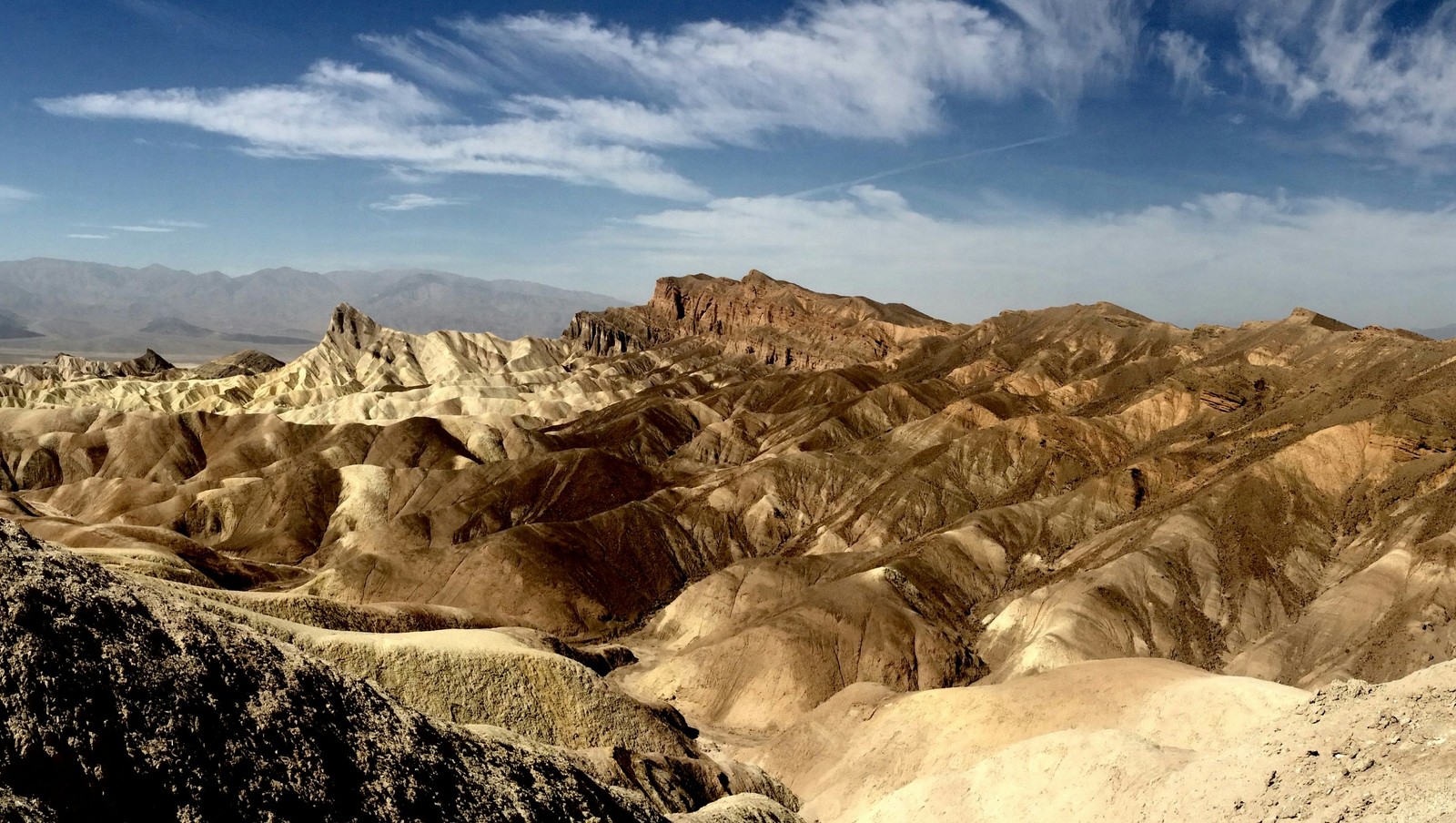
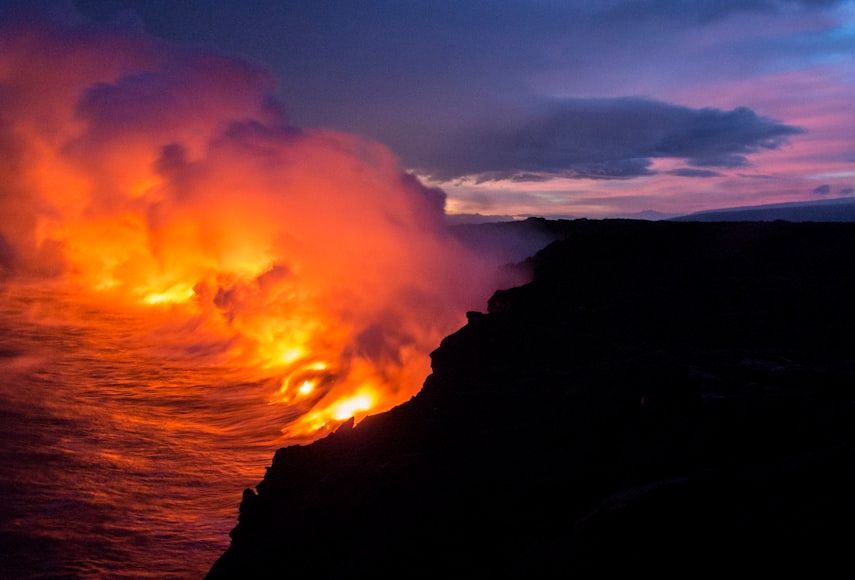
America is as vast as it is diverse, so it's no wonder that you'll find every kind of scenic marvel here, from the ordinary to the truly surreal. Ever heard of a national park filled with volcanoes, where glowing lava flows across the land and pours straight into the ocean? If you’re ready to discover 10 natural wonders in the US that will blow your mind, keep reading!

1
Hawaii Volcanoes National Park, Hawaii

Image: Mandy Beerley

If you've ever imagined what hell might look like, Hawaii Volcanoes National Park could come close—not because it’s a place of suffering (you'll actually witness some of the most incredible views on Earth), but because it's full of glowing, molten, menacing lava. The lava flows from Kīlauea, one of the most active volcanoes in the world. But not everything here burns; this national park is also home to unique flora and fauna.

2
Grand Prismatic Spring, Wyoming

Image: Dan Meyers

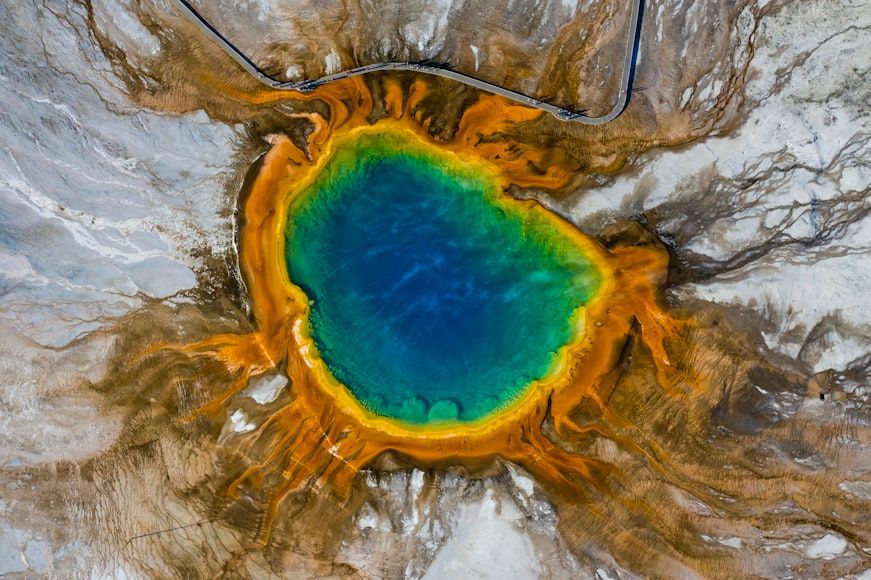
What you're looking at might resemble a weather forecast map, but it's not. It's the Grand Prismatic Spring, Yellowstone's most famous hot spring. With its brilliant blue, orange, yellow, and green hues, it looks like a surrealist painting. Although it might look small in pictures, the Grand Prismatic Spring is huge—about 370 feet in diameter and 160 feet deep. That makes it the largest hot spring in the US and the third largest in the world!

3
Antelope Canyon, Arizona

Image: Fudo Jahic

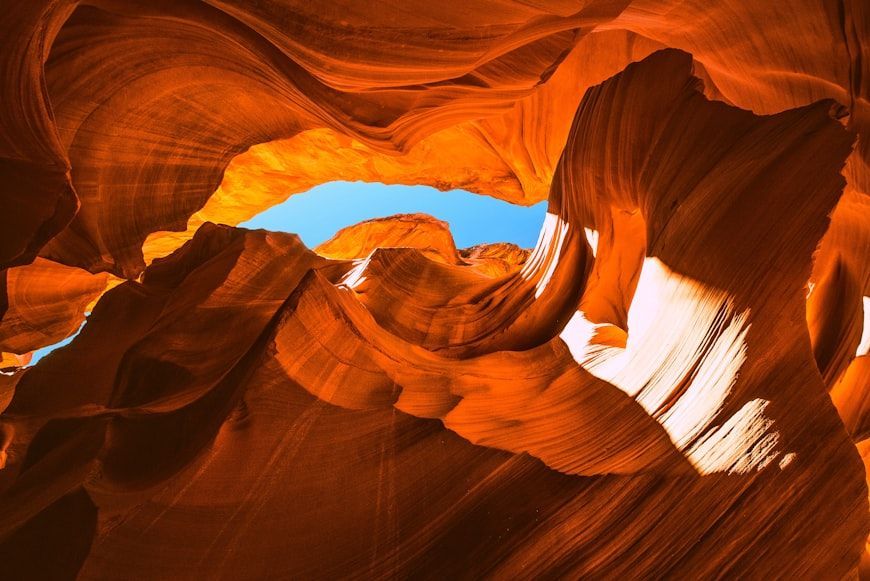
If you want to feel like you're walking through a giant red stone maze, Antelope Canyon near Page, in northern Arizona, is the perfect spot. Carved over thousands of years by flash floods and erosion, its towering walls allow sunlight to stream in from above, creating an unforgettable experience for visitors.

4
Painted Hills, Oregon

Image: Ashley Bard

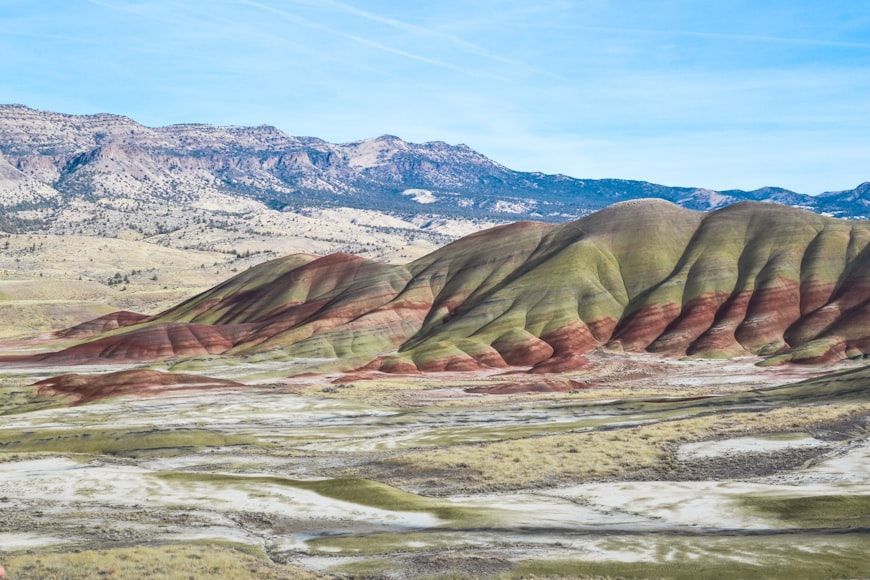
If an artist were to paint a series of enormous hills in vibrant colors, it would probably look a lot like Oregon's stunning Painted Hills. Located within the John Day Fossil Beds National Monument, these hills display stripes of red, yellow, gold, and black. But that's not all! The colors shift with the seasons and change throughout the day, creating a breathtaking, ever-changing landscape.

5
Mendenhall Glacier Ice Caves, Alaska

Image: Salomé Guruli

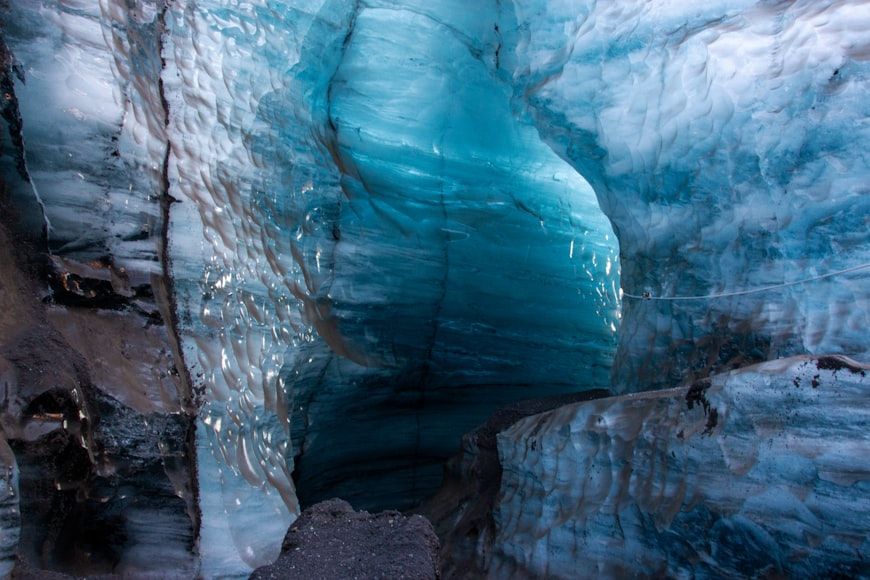
Exploring caves can be risky and terrifying for many, but imagine a cave system made entirely of ice! It sounds like something from a fantasy movie, but it really exists—and it's in Alaska. The stunning Mendenhall Glacier Ice Caves lie beneath the glacier of the same name, formed by meltwater carving tunnels and chambers deep within the ice.

6
Turnip Rock, Michigan

Image: Maria Teneva

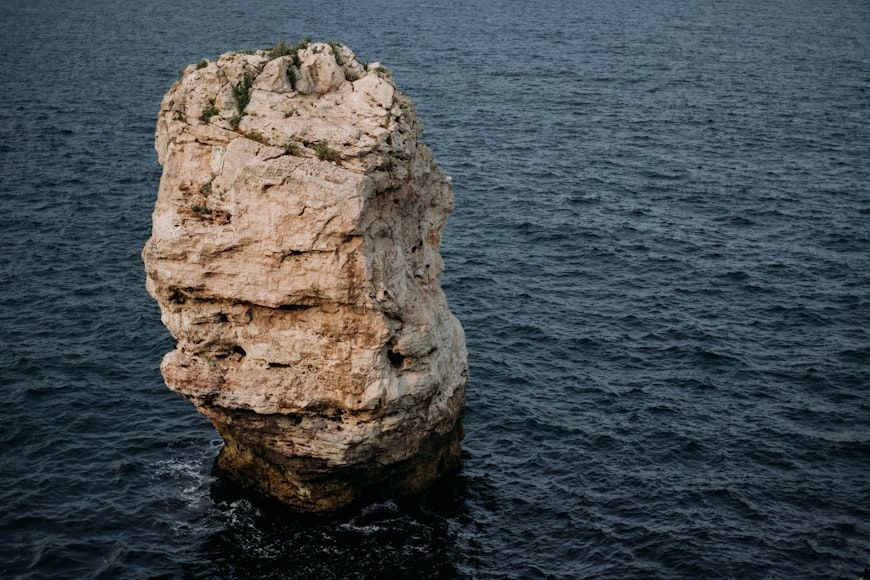
Turnip Rock, located in the famous Lake Huron in Michigan, is as fascinating as it is mysterious. What makes this rock so special? Standing about 20 feet tall, it has a turnip-like shape—its narrow base supports a much wider top—giving it a perfectly balanced appearance that amazes all who see it.

7
Hubbard Glacier, Alaska

Image: Peter Hansen

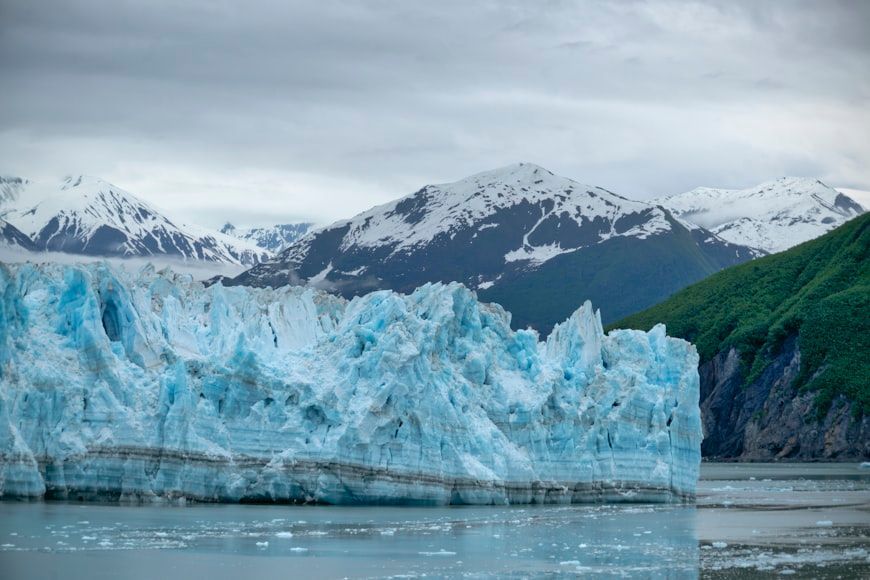
The Mendenhall Glacier Ice Caves are just one of Alaska's many spectacular sights. Another must-see is the incredible Hubbard Glacier in southeastern Alaska, one of the largest and most active tidewater glaciers in North America. Trust us— its sheer size and dramatic ice cliffs will absolutely blow your mind!

8
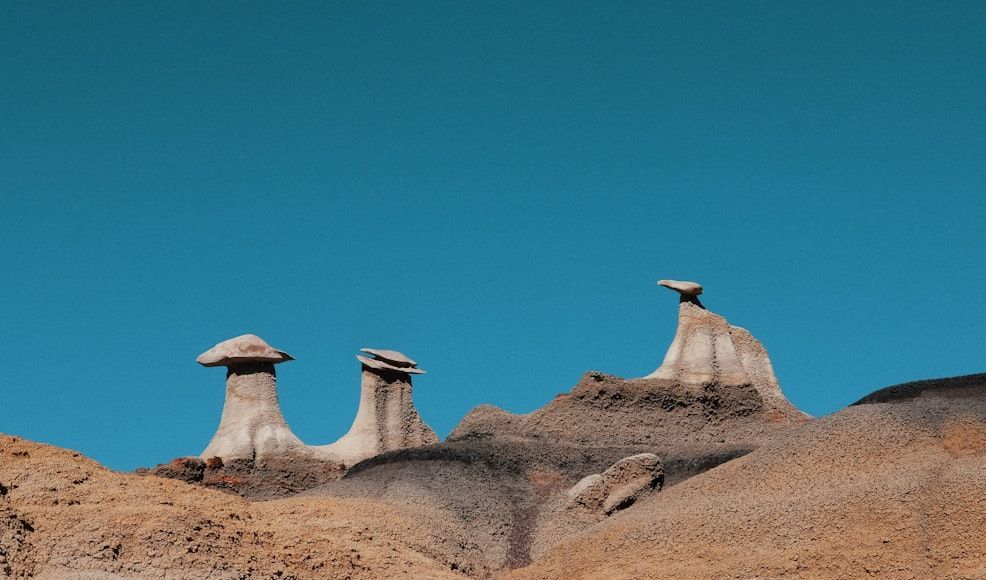
Bisti/De-Na-Zin Wilderness, New Mexico

Image: Robert Harkness

When it comes to surreal landscapes, New Mexico's Bisti/De-Na-Zin Wilderness can't be left out. Its towering rock formations, blending shades of white, gray, red, and orange, were shaped by erosion and look like something straight out of another planet!

9
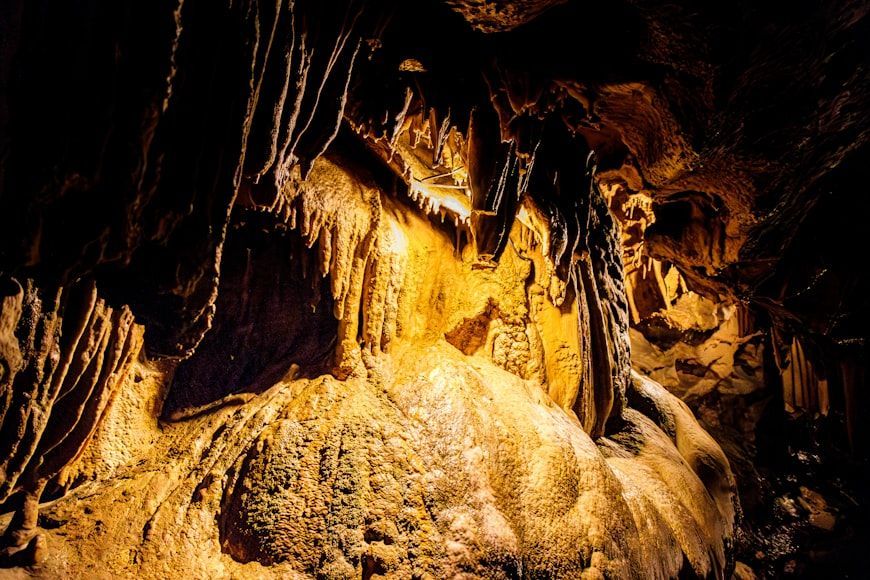
Mammoth Cave, Kentucky

Image: Adrien Tanic

A cave doesn't always have to be a small, cramped space. Mammoth Cave stands out with its enormous underground chambers, filled with impressive rock formations in both shape and size. In fact, it's the world's longest-known cave system—and it's right here in the state of Kentucky!

10
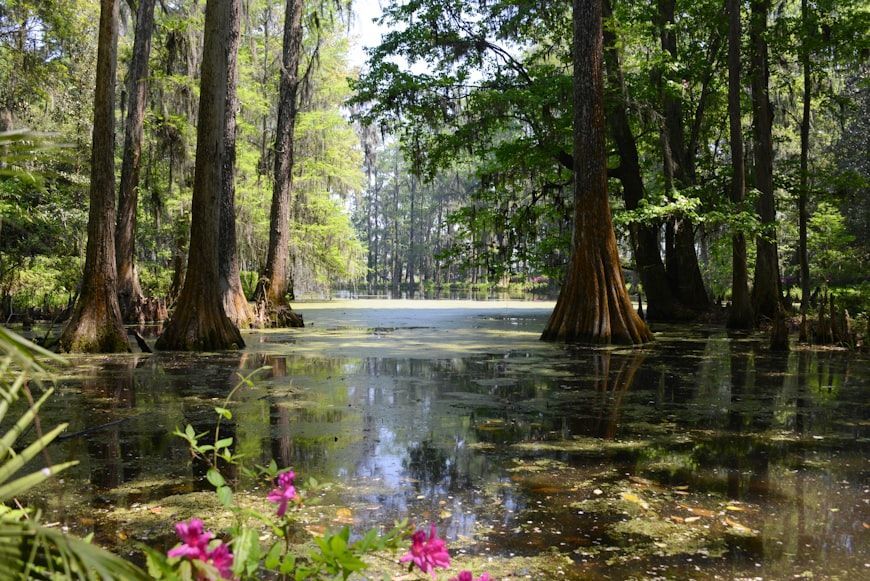
Atchafalaya Basin, Louisiana

Image: Carlo Lisa

If you're easily spooked, Louisiana's Atchafalaya Basin might not be your idea of a fun trip, especially at night! It's the largest swamp and wetland area in the US, packed with twisting bayous, spooky cypress trees, and massive alligators lurking around.

Explore more American facts

Choose your favorite category!

General
General

As American as apple pie—the very best America has to offer!

Culture
Culture

Delve into the astounding richness of American lore.

Geography
Geography

Hop in and explore vast and diverse American landscapes.

History
History

Discover the key moments that shaped the United States.