General General 5 min read

CELEBRATION NATION

Festivals and Fun: Exploring 10 of America's Cultural Celebrations

We live in a fast-paced world. But fortunately, there is always room to pause and celebrate , right? America offers many festivals and celebrations that not only reflect key aspects of our culture but also bring together thousands of people each time they take place. Whether you're into beaches, deserts, or mountains, there's a celebration for you in every corner of the country! Let's check out these 10 American festivals and celebrations you won't want to miss!

1
Albuquerque International Balloon Fiesta

Image: Rory McLaughlin

This festival is a visual feast. If a single hot air balloon in the sky attracts a lot of attention, imagine hundreds of them flying at the same time!

In the 1970s, a group of hot air balloon fans got together in Albuquerque, New Mexico , and decided to honor their passion by creating this festival, which was held for the first time in 1972. In that inaugural year, there were just over 10 balloons, a big difference from the hundreds and hundreds you can see at the festival today.

The Albuquerque International Balloon Fiesta is held annually in early October and lasts for nine days! If you want to go, start planning your visit, as around 800,000 visitors attend the event every year.

2
Coachella

Image: Eric Ward

This is the Coachella Valley Music and Arts Festival, better known as just Coachella.

With the goal of bringing together artists from different genres, Paul Tollett and Rick Van Santen launched the festival in 1999 . Set against the backdrop of the Coachella Valley in the Colorado Desert, the music and dancing create a unique experience.

Although it didn't take place in 2000, Coachella became an annual event starting in 2001 and has grown ever since. Considered one of the largest and most popular music festivals in the world, it attracts around 250,000 people every year.

If you want to enjoy several days of music against a beautiful landscape, you have to attend Coachella. But wait—if you decide to go, don't forget to plan your outfit carefully!

3
Mardi Gras

Image: Carol Highsmith's America

It was the French who brought this tradition to America in the late 17th century. The first American Mardi Gras took place in 1703 in Mobile, Alabama. However, the city of New Orleans, Louisiana, made the celebration famous.

Held annually during the last day of Carnival—that is, the day before Ash Wednesday—Mardi Gras displays its renowned parade full of masks and costumes attracting over a million visitors every year! The celebration is so important that it was declared a legal holiday in Louisiana so everyone can attend.

If you want to experience this incredible festivity and taste some delicious King Cake, you must go to New Orleans for Mardi Gras!

4
South by Southwest (SXSW)

Image: Joey Thompson

Roland Swenson, Louis Black, and Nick Barbaro met in Austin, Texas, in 1987 with a shared idea. They felt that local bands and musicians deserved a chance to showcase their talents. And so South by Southwest was born. Today, the event has grown so much that it is now a massive festival that celebrates not just music but also movies!

SXSW is held in Austin every March, spanning around 10 days. If you are interested in tech, entertainment , and the media industry in general, you can't miss this festival, which attracts about 500,000 people!

5
New Orleans Jazz Festival

Image: JosephHershMedia

Mardi Gras is not the only massive festivity held in New Orleans . The city also hosts the spectacular New Orleans Jazz & Heritage Festival, a major celebration of music and culture.

As the name implies, this festival celebrates jazz music and everyone who loves and plays it, along with other genres like blues,R&B, and gospel. It was founded by George Wein, a music promoter, and was first held in 1970.

This popular event, which includes music, dance, art, and food, takes place over two weeks each spring, between April and May, attracting an impressive 500,000 visitors every year.

6
The Aloha Festival

Image: Taylor Friehl

If you are looking for paradisiacal landscapes, the Aloha Festival is your destination. It takes place every year during September, and you've probably guessed where: in the beautiful state of Hawaii .

With the aim of celebrating and honoring Hawaiian culture, this festival was established in 1946 . Today, the festival spans about two weeks, during which visitors and locals come together to enjoy hula dancing, parades, contests, and art exhibits. It is also a great opportunity to discover delicious Hawaiian dishes .

If you haven't planned your vacation yet, September is the perfect time to visit Hawaii!

7
Chicago Air and Water Show

Image: Nicolas Radzimski

If you're still thinking about the Albuquerque hot air balloon show, we have another celebration that takes place in the sky : the incredible Chicago Air and Water Show.

This show emerged in 1959 as a way to showcase the capabilities and skills of military aircraft and offer an exciting spectacle for people in Chicago. Over the years, the event has become one of the most famous air and water shows.

It is usually held during the third weekend of August. If you want to see aerial tricks and performances—including incredible moves by the famous U.S. Navy Blue Angels and U.S. Air Force Thunderbirds—this festival is the show for you. Just be sure to plan your trip in advance, as it attracts an impressive 2 million spectators each year!

8
Comic-Con

Image: Kashawn Hernandez

Perhaps all you need to create a world-famous event is a group of enthusiastic people who share the same passion as you. Such was the case for the group of comic book fans who gathered in San Diego, California, and held the first Comic-Con in 1970 . Their goal was to celebrate everything from beloved comics and iconic characters to movies, TV series, video games, and pop culture.

Today, Comic-Con has spread around the world. The San Diego convention, in particular, remains one of the most prominent, with around 140,000 people each year.

Many attendees come dressed as their favorite heroes and characters, playing the roles and trading memorabilia with other fans. The event also attracts well-known actors, authors, cartoonists, directors, and animators, so you might meet one of them during your visit!

9
The Sundance Film Festival

Image: Myke Simon

This festival was born in 1978 as the Utah/US Film Festival in Salt Lake City, with the intention of showcasing independent American cinema. A few years later, it was moved to Park City, and it was renamed the Sundance Film Festival in 1985 after Robert Redford's character in the 1969 film Butch Cassidy and the Sundance Kid .

Today, it is a major festival that showcases various film categories and genres, gathering around 120,000 people each January. In addition, the event attracts talented directors, screenwriters, and actors.

If movies are your thing, you know where to run next January!

10
Burning Man

Image: Sasha Matveeva

In 1986, Larry Harvey and Jerry James gathered on Baker Beach in San Francisco, California, and built a large wooden effigy. They then decided to set it on fire , which led to the birth of the Burning Man Festival.

What started as a spontaneous act then grew into an annual event, attracting more and more people each year. The lack of space made that, in 1990, the event was moved to the Black Rock Desert in Nevada, where it is still held today.

Each year, around 70,000 people unite in the desert for 9 days between August and September, performing artistic expressions and exchanging products and gifts. The event culminates in the incredible burning of the effigy, also known as "The Man." If you enjoy adventure and don't mind "a bit" of fire, you must attend this festival!

History History 3 min read

Which one is your favorite?

Did you know that these 12 places had different names?

Image: Mackenzie Cruz

Changing the name of a long-established place can seem shocking to some, but it happens more often than one might think—the recent Mount Denali to Mount McKinley name change is a prime example. Such changes occur for various reasons, and new examples of this phenomenon appear every day. Our readers can probably think of at least one or two. Did you know about the following 12?

1
Big Shanty to Kennesaw

Image: Joe Yates

Changing the name was probably a good idea, as "shanty" is not the most flattering description for this suburban city northwest of Atlanta in Cobb County, Georgia. The original name was given in the 1830s when the Western and Atlantic Railroad was built, and shanty towns were established to house the workers . In 1887, the city’s name was changed to Kennesaw.

2
Rough and Ready to Mountain View

Image: Waldemar

A community with an interesting name, for sure, Rough and Ready was originally named after the Rough and Ready Tavern (also known as the Bagley House ), a stagecoach stop on the route from Macon to northern Georgia.

The name changed in 1956 when the community was incorporated as a city. It was renamed Mountain View —a reference to the fact that, on a clear day, Stone Mountain can be seen 20 miles to the east.

3
Terminus to Atlanta

Image: Gary Doughty

Atlanta, Georgia, was once known as Terminus because it served as the final station of a major state-sponsored railroad . However, as time passed, several other railroads converged in the city, the largest being the Western and Atlantic Railroad— from which the name "Atlanta" comes.

4
Idlewild Airport to John F. Kennedy Airport

Image: Afif Ramdhasuma

Although originally named New York International Airport , the 1948 facility was commonly known as Idlewild Airport . However, following the assassination of John F. Kennedy in 1963, it was officially renamed as it is today, in his honor.

5
New Amsterdam to New York

Image: Luca Bravo

There was a time when New York was called New Amsterdam. In the 17th century, the Dutch established a settlement at the southern tip of Manhattan Island , serving as the seat of the colonial government in New Netherland . It officially became a city in 1653.

However, when the English took control of New Amsterdam in 1664, they renamed it New York after the Duke of York.

6
Minnehanonck to Blackwell to Welfare to Roosevelt Island

Image: Mason C

The third New York-area entry on our list is an island in the middle of the East River , adjacent to Manhattan. It was originally called Minnehanonck by the Native Americans and later became known as Blackwell’s Island.

In 1921, it was renamed Welfare Island, and in 1973, it was renamed once more in honor of former U.S. President Franklin D. Roosevelt.

7
Hot Springs to Truth or Consequences Hot Springs

Image: Ethan Wright-Magoon

Believe it or not, this town accepted a challenge from the 1950s game show Truth or Consequences to change its name in exchange for hosting the program.

Since then, Hot Springs, New Mexico, has been known as Truth or Consequences Hot Springs.

8
Halfway to Half.com to Halfway

Image: everett mcintire

Another example of a town that changed its name in exchange for a reward is Halfway, Oregon. In the 1990s, as part of a marketing campaign , the town agreed to rename itself "Half.com" for an entire year in return for $110,000 and 20 computers for a local school —all to promote an internet start-up.

9
East and West Mauch Chunk to Jim Thorpe

Image: Donnie Rosie

The picturesque borough of Jim Thorpe in Pennsylvania was once known as East and West Mauch Chunk . However, after Native American sports legend Jim Thorpe passed away, the municipality negotiated a deal with his heirs to become the site of his tomb and rename the town in his honor , hoping to boost tourism.

10
North Tarrytown to Sleepy Hollow

Image: Richard Hedrick

North Tarrytown was the home of American writer Washington Irving , who drew inspiration from the town for his short story, The Legend of Sleepy Hollow .

In 1996, the town officially changed its name to Sleepy Hollow , honoring both the writer and the story that brought it worldwide fame.

11
Barrow to Utqiagvik

Image: Alexis Mette

This Arctic Circle city was once known as Barrow , named for its proximity to Point Barrow , America's northernmost point. However, following a referendum approved by residents in 2016, the city's name was officially changed from Barrow to Utqiagvik to better reflect its native roots .

12
Bella Vista to West Pittsburg to Bay Point

Image: Robert Bye

The original name of this community, Bella Vista (meaning "Beautiful View" in Spanish), was changed to West Pittsburg. However, because it was often confused with the western unincorporated section of Pittsburgh, California , the name was revised again in 1993 to Bay Point, reviving a historical name used in the area.

General General 5 min read

10 most nostalgic sounds we grew up hearing — but don't hear anymore

Image: Pressmaster

Few things can trigger nostalgia as much as a sound. The bell of the ice cream truck coming around the corner or the long-gone ringing and dialing of a rotary phone can bring childhood rushing back. Technology wasn’t nearly as advanced, so we had other doodads that filled our everyday lives with their chimes and beeps. Here are 10 sounds etched into our memory that we rarely hear these days — or at all.

1
The rotary phone ring and dialing

Image: C-R-V

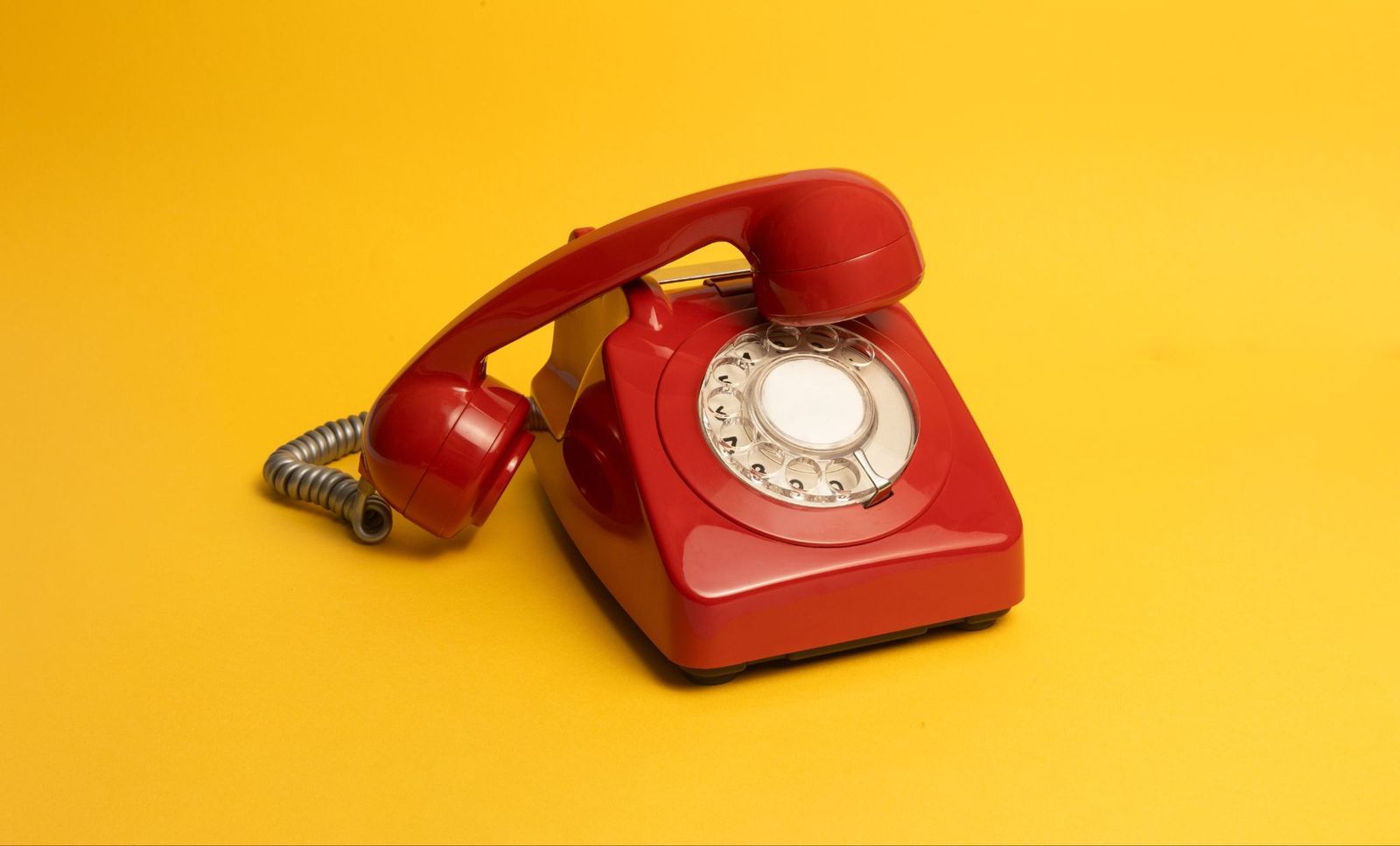
For much of the 20th century, rotary phones were a common sight in homes. Anyone who had one can probably still remember the unmistakable loud "_BRRING_… _BRRING_…" sound of the mechanical ringer inside the phone. And the clicking of the rotary dial snapping back into place was another sound you’d hear in just about every household. Calling someone was definitely a whole different experience from the smooth, easy calls we make today.

2
The NBC chimes

Image: ChicagoPhotographer

Three simple notes (G-E-C) could tell an entire generation that they were tuned to NBC. The NBC Chimes are an audio trademark already ingrained in the collective imagination, and you knew an announcement or some other important cue was coming. Interestingly, NBC actually trademarked the three-note sequence in 1950.

The chimes were originally used by the staff to communicate with each other, and the audience could hear them around 16 times a day, though they’re now used purely as a branding audio logo and are not nearly as frequent.

3
The ice cream truck bell

Image: Kirkam

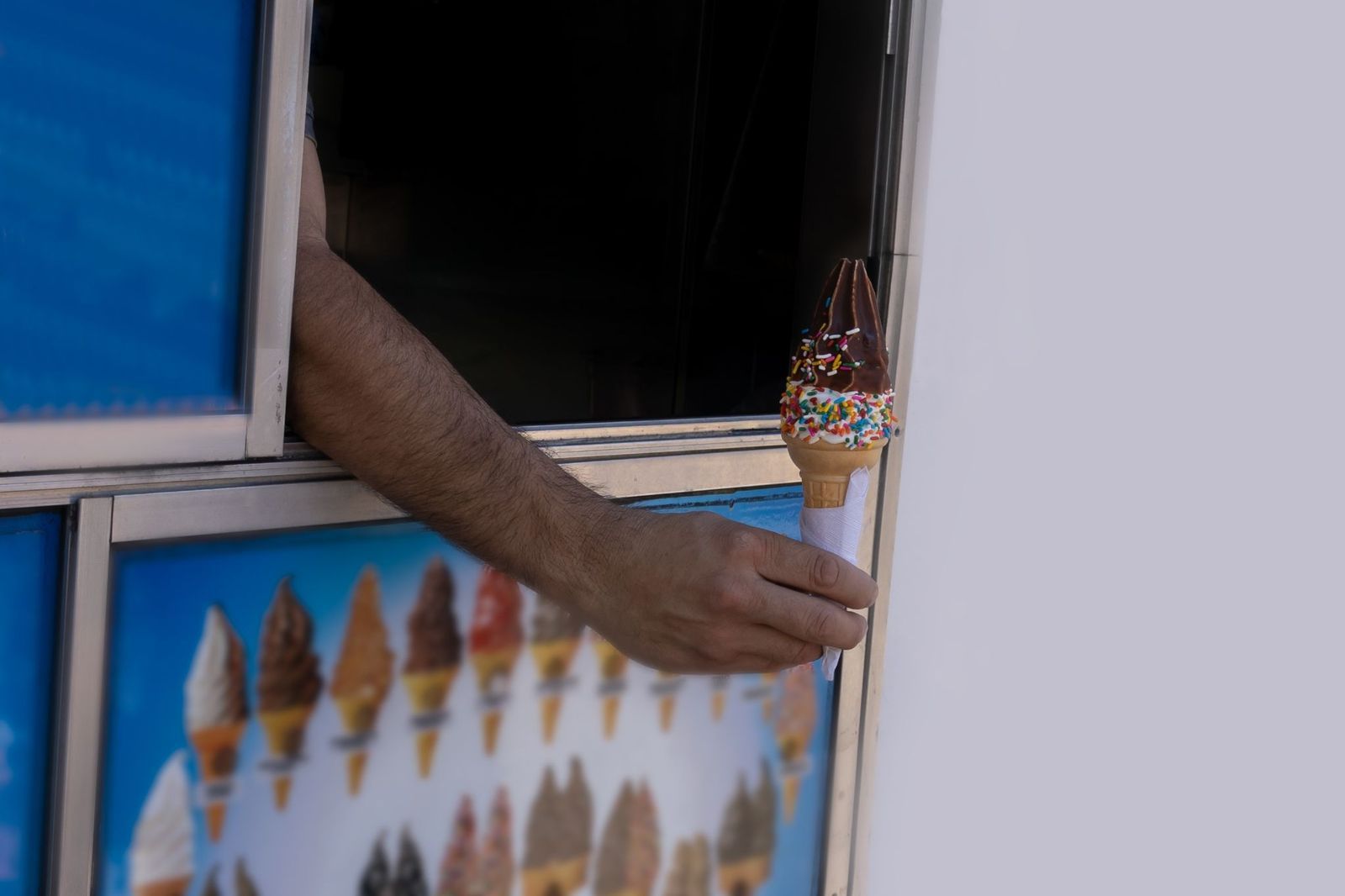
As a kid, the ice cream truck bell was the sound of happiness. It didn’t matter what we were up to; we’d rush toward it the second we heard the bell and beg our parents to "please, please" buy us an ice cream. It was during the 1950s and ‘60s that ice cream trucks became a familiar sight in neighborhoods and later evolved into a tradition of American summer life . Ice cream trucks still maintain a strong presence in places like NYC, Chicago, and Los Angeles, but they’re not as common as they used to be.

4
The school bell

Image: studiomiracle

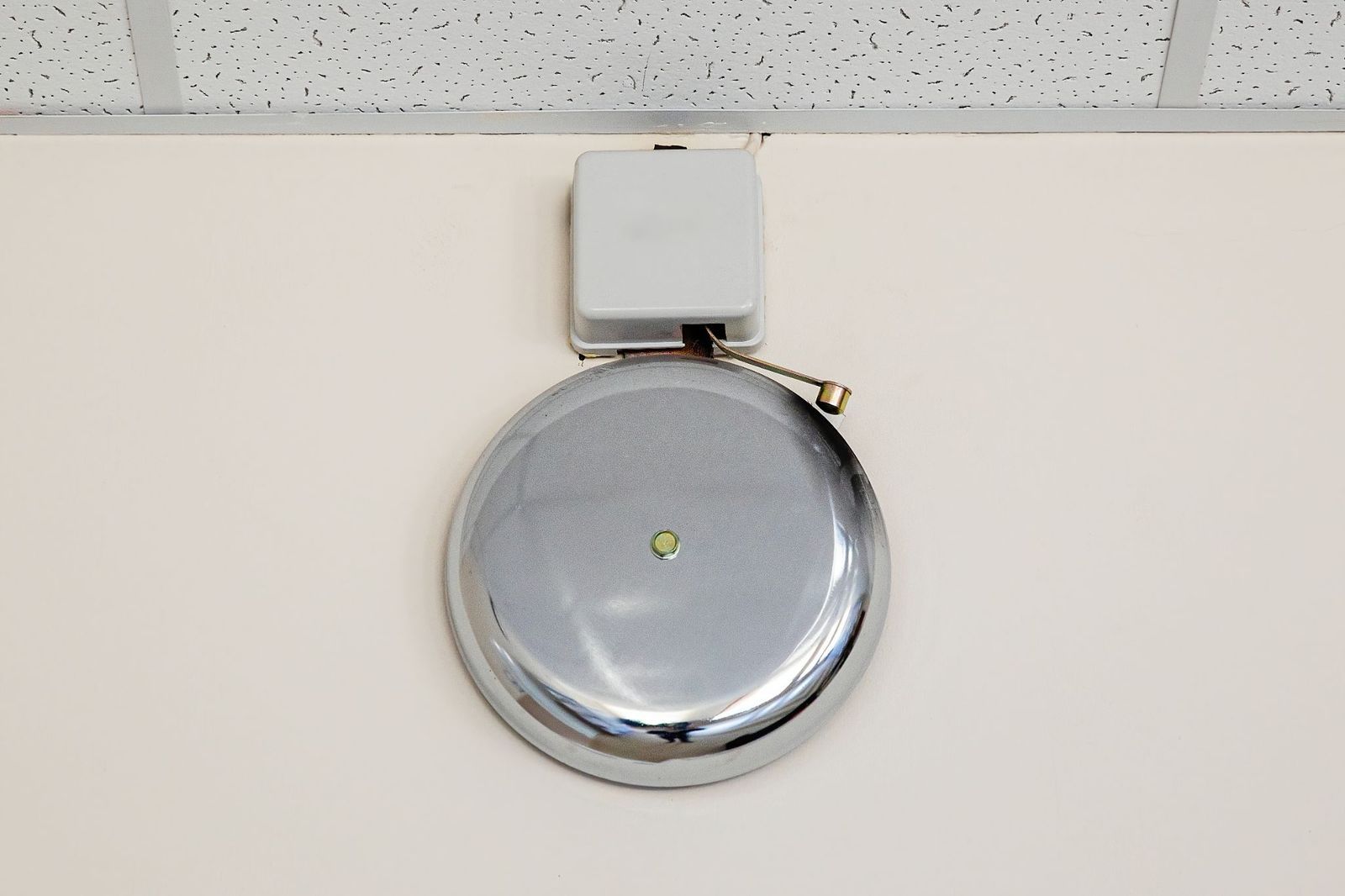
How could the exact same sound mean excitement or disappointment? The loud metal bell basically ran our entire school day: whether it was classes, lunch, recess, or the end of the school day, we’d hear that jarring "brrriiinnnggg " cut through the hallway, and we knew immediately what we had to do.

School bells have stuck around, but those old mechanical bells we grew up with have mostly given way to electronic bells or buzzers.

5
The dial-up modem

Image: StanR Studio

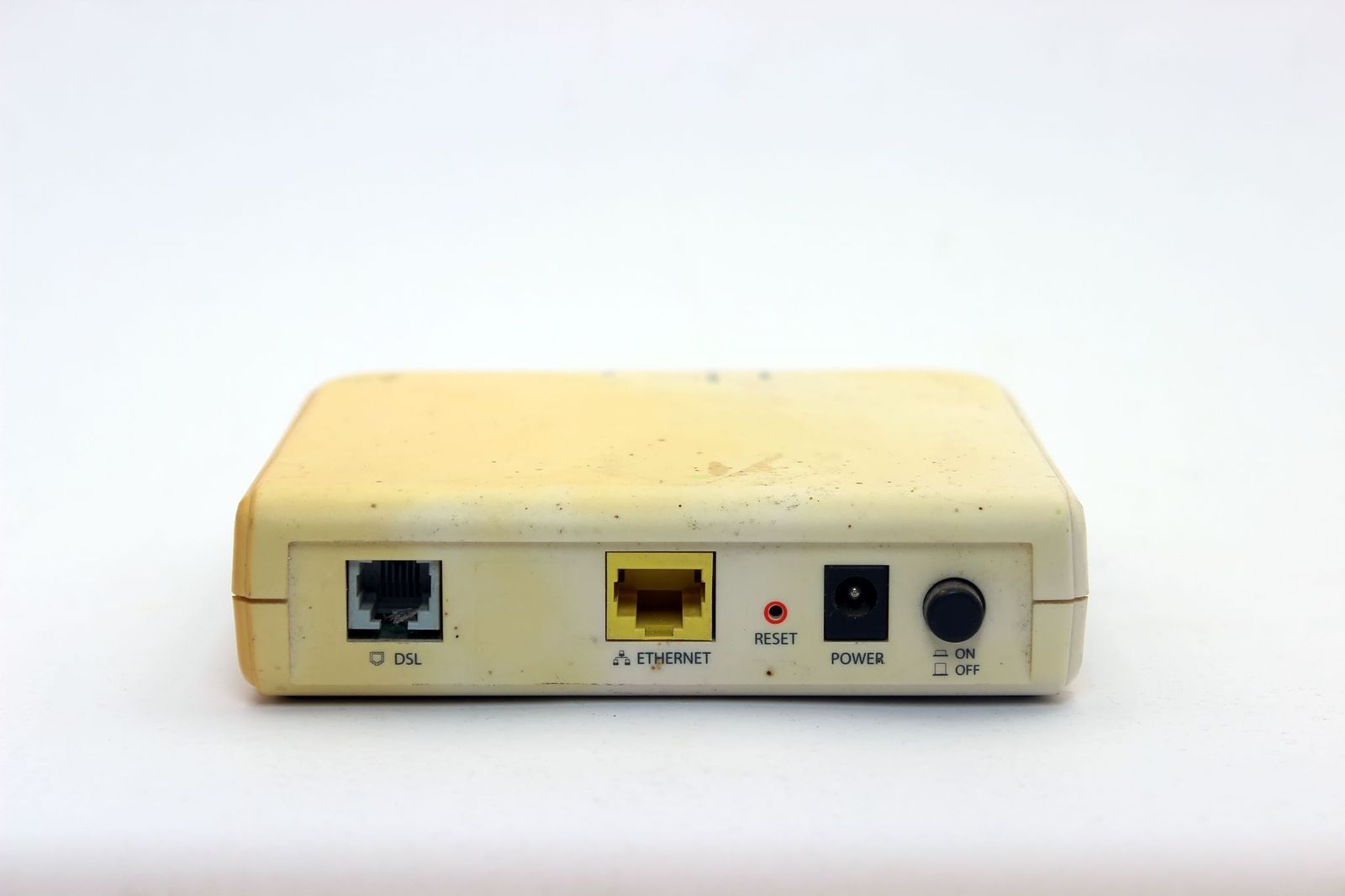
The early days of home internet are pretty funny to explain to younger generations. In the 1990s and early 2000s, before broadband became a common thing, if you wanted to use the internet, of course, you had to give up your phone line. But the real kicker was the sequence of beeps, screeches, clicks, and static-like sounds the modem made to connect to the internet.

The modem wasn’t constantly connected to the internet ; it connected only for those brief moments when you needed to use it for things like sending emails and basic web browsing.

6
The typewriter clacking

Image: Denis Klimov 3000

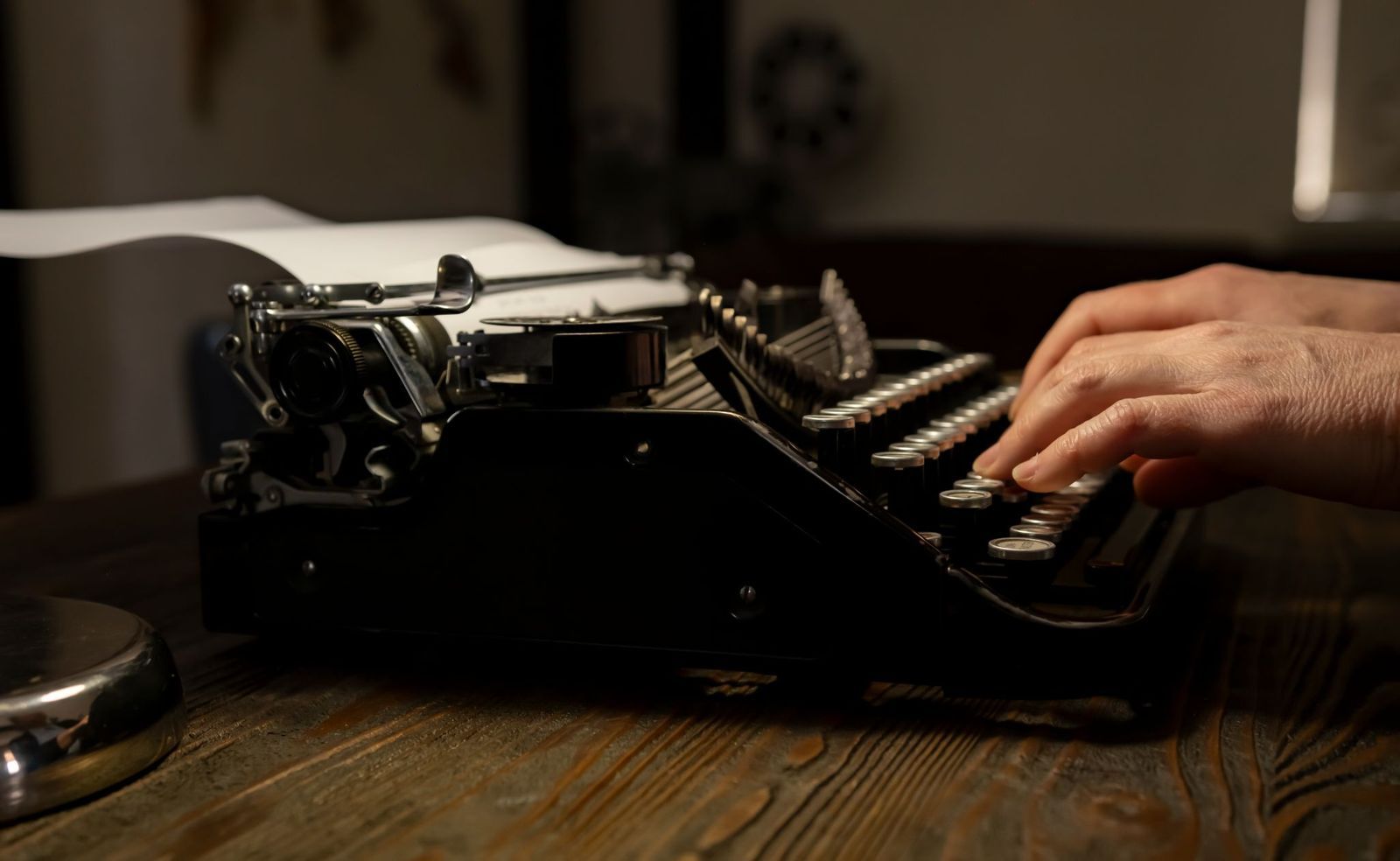
Computer keyboards do make noise, but it’s nothing compared to the clacking and dinging of typewriters. For most of the 20th century, typewriters were the norm: iconic novels and other works were written on one of these, and the " clack, clack, clack… ding !" could be heard in every office across the country.

Almost everything you did with a typewriter made noise: typing, returning the carriage, and even correcting mistakes made a series of sounds.

7
The record needle dropping

Image: Serhii Yushkov

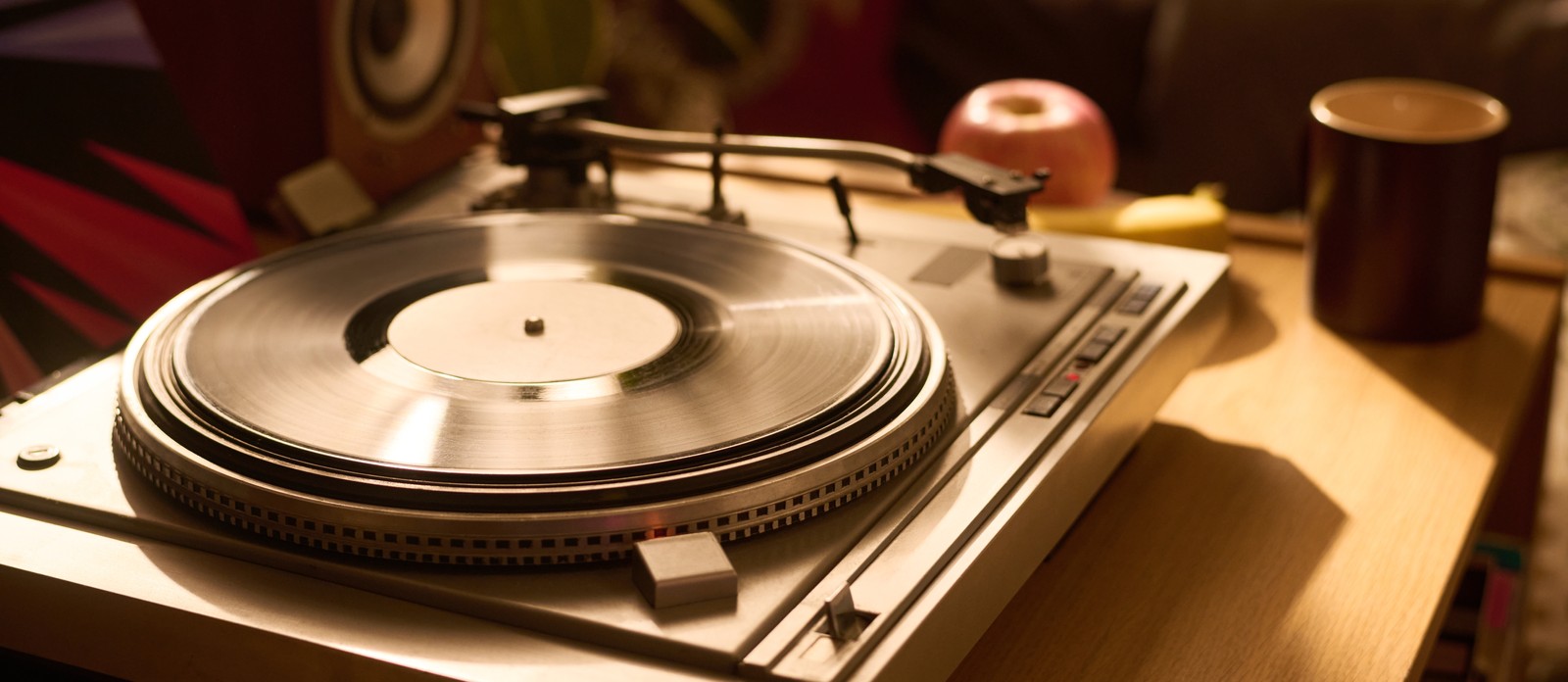
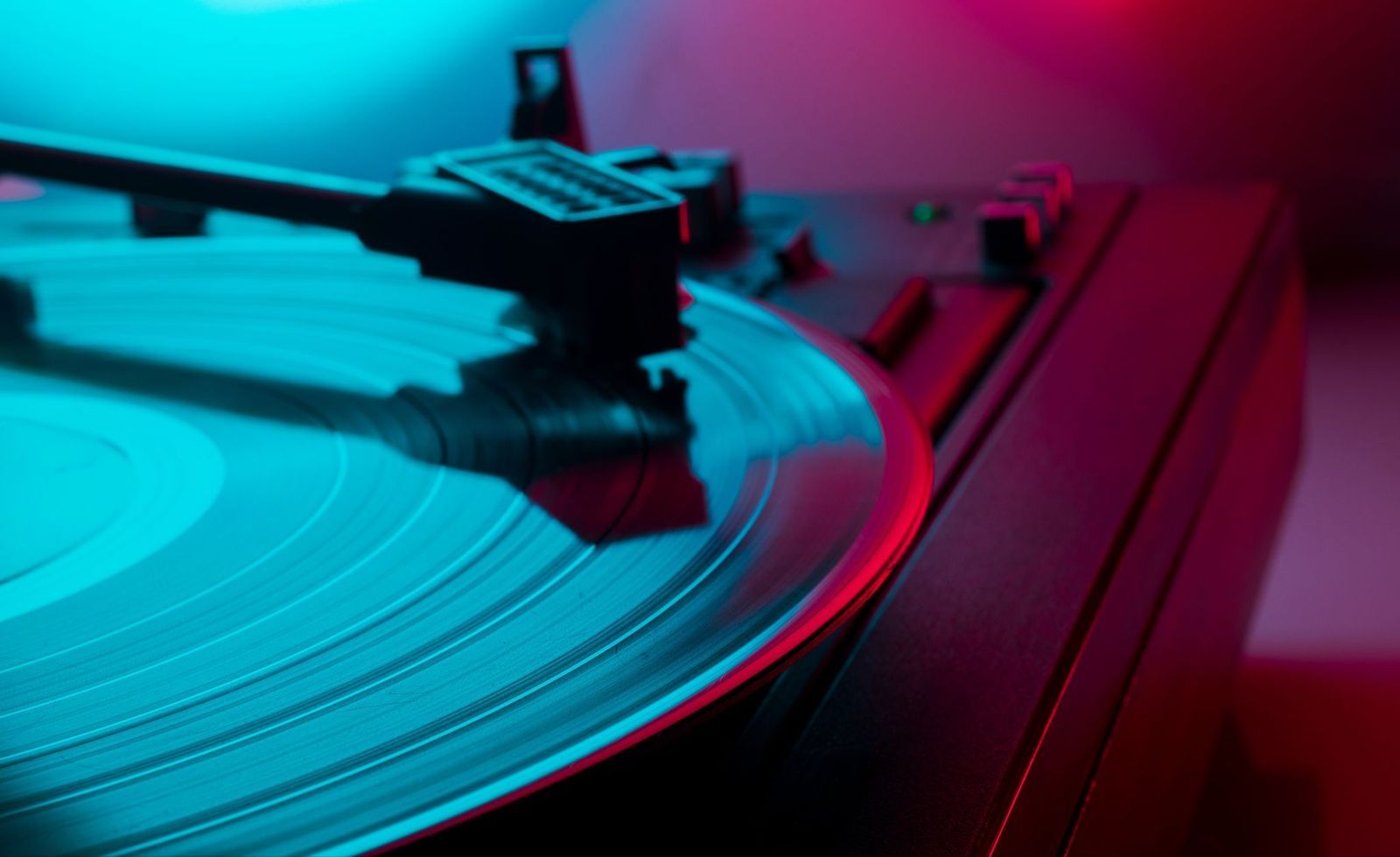
How can something as simple as the sound of a needle hitting a record inspire a nostalgic smile? The brief, scratchy hiss and crackle it made before the music started is so memorable that it became a staple of an era — a fundamental part of the experience of listening to music at home.

Before streaming platforms like Spotify and Apple Music, vinyl records ruled the mid-20th century through the 1980s and then slowly gave way to cassettes and CDs. A time when listening to music meant taking the record out of its sleeve, placing it on the turntable, and lowering the tonearm for the magic to happen. Interestingly, vinyl record sales have made a comeback over the last two decades, growing from less than a million units in 2006 to over 48 million units in 2025.

8
The car horn from the driveway

Image: PeopleImages

Nowadays, you’d likely get a text message from your friend letting you know he’s outside to pick you up or an alert on your phone telling you the Uber is waiting for you. But not so long ago, that was the car horn’s job.

Today you can even share your live location with someone, and they can know exactly when you are arriving. But in the past, you had to listen for that short beep that meant " I’m here ."

9
The cash register "ka-ching"

Image: OsiecK

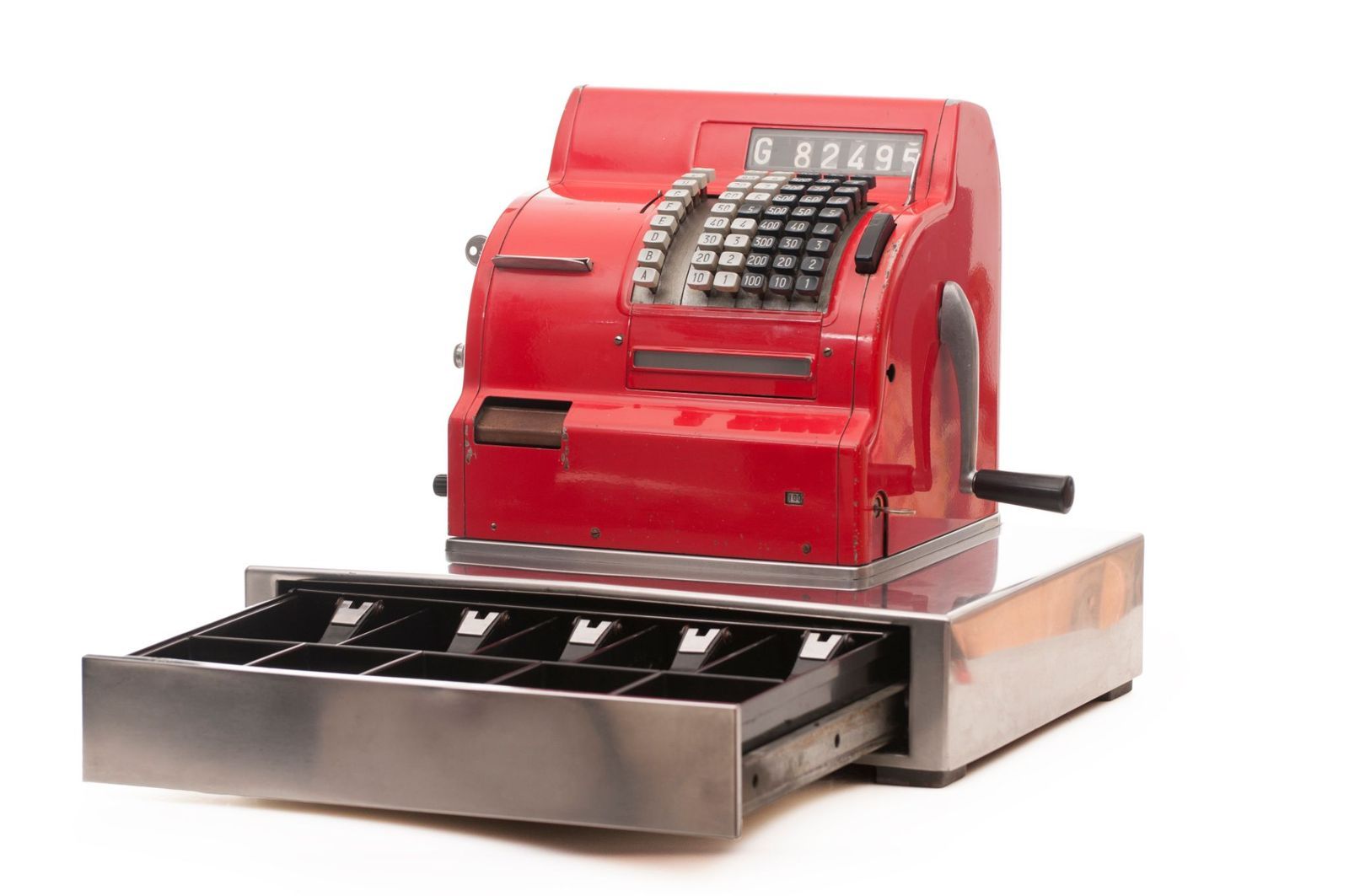
These days, when the only sound you may hear is the chime of your Apple Pay or the POS terminal processing the payment, the classic " ka-ching" of the cash register is long gone. But almost every store you went to had one of these mechanical registers for much of the 20th century.

It was a symphony of noises: keys clicking, a drawer opening, and the bell-like "ding" that meant the sale was completed. The term " ka-ching " became slang to imitate the sound of money being made.

10
The TV going off the air

Image: New Africa

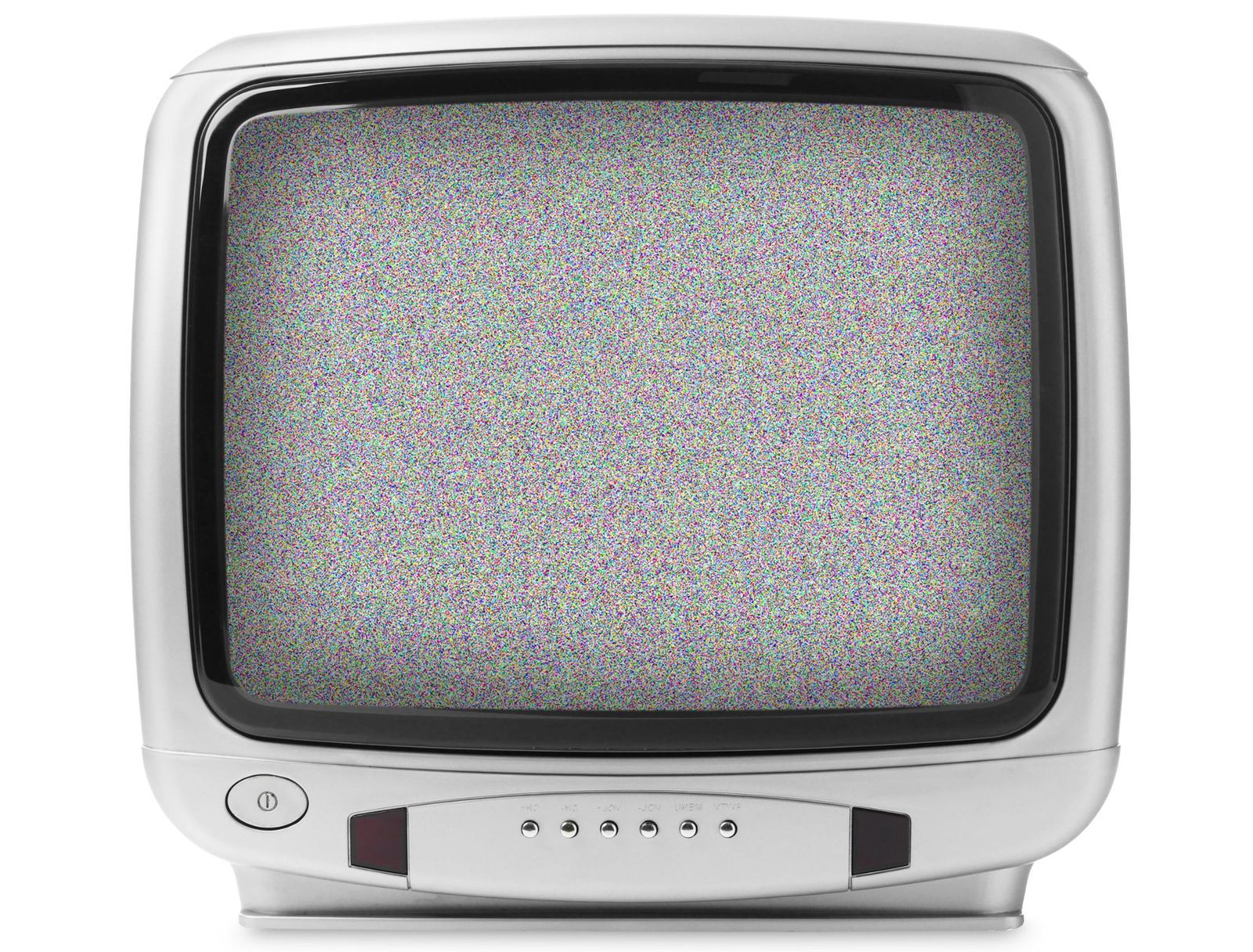
Television didn’t always have 24-hour transmissions. There was a time when a station would sign off for the night after a closing announcement, and you’d be left with a test pattern or static on the screen until it resumed broadcasting the next day. As crazy as it may sound today, television had a beginning and an end, and this sound told you it was time to go to bed.

Starting in the 1980s, especially with the advent of cable TV, many stations began 24-hour broadcasting, and the sign-off slowly became rarer to see.

Explore more American facts

Choose your favorite category!

General
General

As American as apple pie—the very best America has to offer!

Culture
Culture

Delve into the astounding richness of American lore.

Geography
Geography

Hop in and explore vast and diverse American landscapes.

History
History

Discover the key moments that shaped the United States.