General General 3 min read

Feeling uninspired?

Boost your creativity with these 12 easy habits!

Image: Prophsee Journals

Your creativity can be seen as a muscle: if you exercise it, it will grow. And there are many ways you can strengthen your creative brainpower. From taking a walk to reading, staying away from screens, and getting good sleep, these 12 habits will definitely help get your creative juices flowing. Which ones do you know?

1
Keep a journal

Image: Thought Catalog

Writing down your thoughts is a great way to organize them into cohesive ideas . Doing so daily, ideally around the same time every day, generates a creative routine that will promote the appearance of new ideas to emerge consistently around that time.

2
Walking

Image: Chris Hardy

As German philosopher Friedrich Nietzsche once said, "All truly great thoughts are conceived by walking." And while this statement may carry a deeper meaning, it's undoubtedly true that taking a walk helps get the creative juices flowing .

3
Reading

Image: Matias North

Reading not only exercises your brain and improves your vocabulary , but it also boosts your empathy and imagination. People who read literary fiction, in particular, are more likely to understand the feelings and beliefs of others.

4
Unplug

Image: Tobias Tullius

Spend less time in front of screens. Whether it’s your cellphone, computer, or television, unplugging from electronics —even for just a couple of hours each day—can significantly improve your brain’s ability to generate original thoughts and draw inspiration from within.

5
Exercise

Image: Jonathan Borba

This one goes hand in hand with the tip about walking. Exercise is a powerful way to boost your creative energy —it increases your metabolism and provides a sense of accomplishment that can carry over into other areas of your work and personal life.

6
Try new things often

Image: Laura D Vargas

Do something different every day. It could be a small detour from your usual routine or an entirely new activity. Your brain thrives with new things and your creativity feeds on anything that breaks away from the norm.

7
Move around

Image: Christin Hume

Changing locations gives you a new perspective , which affects how your brain processes information. It can be as simple as moving to a different room, working outside for the day, or venturing a bit farther—but it always helps.

8
Identify your best moments

Image: Avi Richards

Some of us work best in the early morning, while some work better late at night. Find the moment of the day when your energy is peaking and take advantage of it. This is the time of day when your concentration is sharpest, and it’s the best time to tackle tasks you've been putting off.

9
Seek out different opinions

Image: Christina @ wocintechchat.com

Creative people tend to interact with people who inspire them and capture their imagination, both in and outside of their own fields. Hearing about different opinions gives you a perspective outside your own and fosters new, creative ideas that you might not have come up with otherwise.

10
Be more curious
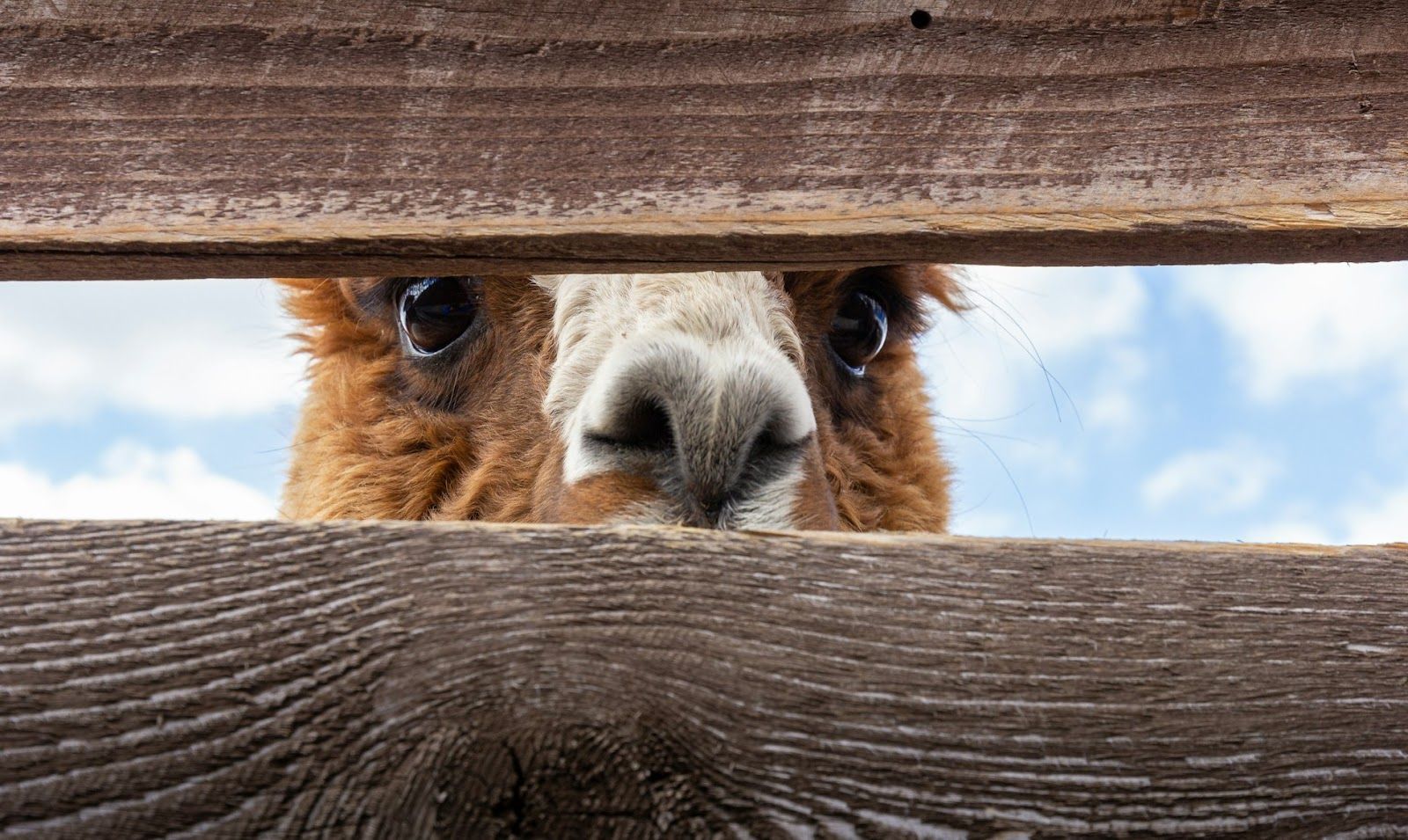
Image: Joakim Honkasalo

Being curious is possibly one of the best ways to fuel your creativity . Make it a point to learn something new every day. Allow yourself to go down rabbit holes and chase ideas—no matter how strange or unproductive they might seem (even if only for a short period).

11
Do not fear failure
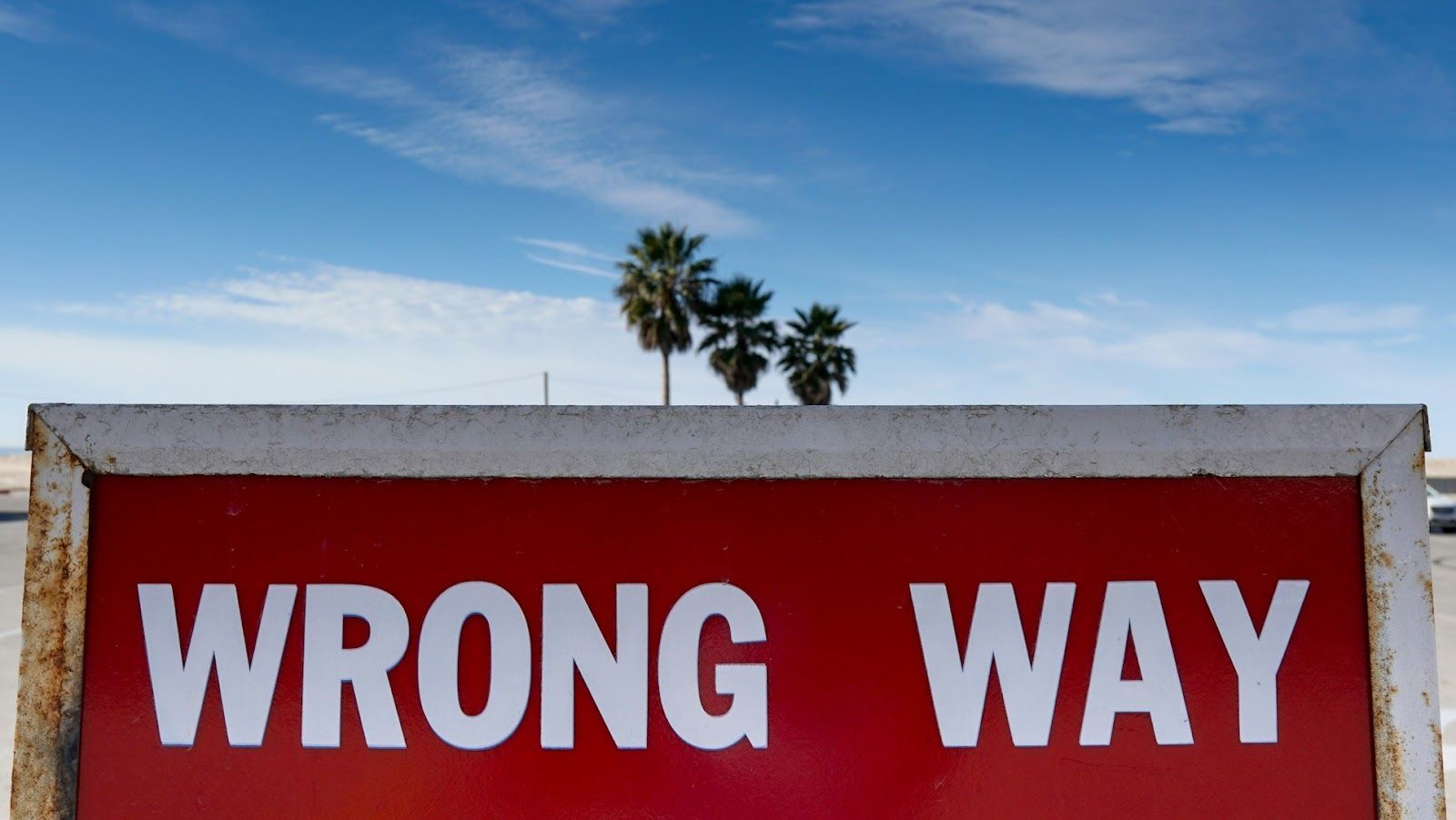
Image: Kind and Curious

Two advantages to be gained from a mistake are finding out empirically what doesn’t work, and learning how to avoid similar situations in the future . This new information increases your experience and allows your imagination to better anticipate scenarios related to those mistakes.

12
Sleep well

Image: Simon Infanger

Last but not least, sleep well. Lack of sleep can slow down cognitive functions, so prioritize getting a good night’s rest to ensure your brain is in top shape to come up with fresh ideas.


General General 4 min read

Beyond the Preamble

The amendment that took 200 years and other intriguing Constitution facts

Image: Anthony Garand

The Constitution is undoubtedly one of the most important documents in our history —and in our present! But even if we think we know everything about it, there are still some surprising details that might shock even the most knowledgeable history fans. Did you know that the 27th Amendment, which is also the last one, took more than 200 years to be ratified? Join us to uncover 10 fascinating facts about the Constitution that many people don't know about!

1
10/12

Image: Sue Winston

We know that the Bill of Rights consists of the first 10 amendments to the Constitution, but did you know that Congress originally proposed 12 amendments? That's right! Yet, the states ratified only 10, leaving two out.

But here's the interesting part: One of these unratified amendments —the one concerning congressional compensation— was ratified more than 200 years later! In 1992, it became the 27th Amendment, which is also the last one.

2
World record

Image: Pierre Bamin

Our Constitution was signed in the 18th century, and while we know it's been a long time, what you might not know is that it is considered the world's oldest written national constitution still in effect today.

With various changes and amendments added over the years, this document not only defined the ideals of our nation but also earned us a world record!

3
The youngest

Image: MJ S

The men who signed this historic document were of varying ages. In fact, the age difference between the youngest and oldest signer was a remarkable 55 years!

The youngest to sign was attorney Jonathan Dayton of New Jersey, who was 26 years old at the time. Do you want to know who was the oldest? Keep reading!

4
The oldest

Image: Adam Nir

Well, as we mentioned, there was a 55-year age gap between the youngest and oldest signers of the US Constitution.

Do you know who the oldest was? That's right, Benjamin Franklin! He was a distinguished 81 years old when he signed this historic document.

5
500 copies

Image: Christa Dodoo

The original Constitution had 500 copies printed for distribution, made by the Founding Fathers themselves. They distributed those copies to members of Congress and state legislatures. Of those 500 original copies, however, only 13 are known to exist today. We have to say that, given that more than 230 years have passed, it's impressive that so many have survived!

6
How much?

Image: Jp Valery

Logically, since so few original copies remain, they ' re incredibly rare and valuable. In fact, one of these original documents was sold in 2021, and you won't believe its price!

You might have imagined it was sold for $5 million, maybe $10 million. But no, this invaluable copy went for $43.2 million. With that sale, it also became the most expensive historical document ever sold at an auction.

7
30 bucks

Image: Barry A

The person who transcribed the original US Constitution signed in 1787 had an important job, didn't he? The man who accomplished this major deed was Jacob Shallus, a clerk of the Pennsylvania General Assembly at the time. He was responsible for taking the text drafted by the Founding Fathers and transcribing it onto parchment: over 4,000 words scribbled down entirely by hand! Surprisingly, he was paid just $30 for this task.

8
Let's celebrate

Image: Kelly Sikkema

In 1789, long before Thanksgiving became an official national holiday, President George Washington issued a proclamation declaring November 26 as a day to give thanks. As it was an occasion for national gratitude, he also encouraged citizens to celebrate the birth of the new nation and the recently established Constitution.

9
A spelling issue

Image: Katherine McAdoo

Being a text from so long ago, some words —particularly proper nouns— may have changed slightly since the Constitution was first drafted. This was the case for the state of Pennsylvania, which is spelled as "Pensylvania" in the original document. However, while some may consider it a misspelling today, it was actually an accepted spelling for the state's name in the 18th century.

Fun fact: You can also find "Pensylvania" engraved on the Liberty Bell!

10
The Father of the Constitution

Image: Richard Hedrick

"The Father of the Constitution" is one of the nicknames given to James Madison, one of our Founding Fathers. And it's these very words that appear on the rare $5,000 bill.

Although this bill is no longer in circulation, if you are lucky enough to get your hands on one, you'll read "James Madison, The Father of the Constitution" next to the portrait of the 4th U.S. President.

General General 4 min read

Which one are you?

Beatniks, hippies, yuppies, and beyond: 10 subcultures decoded

Image: Cottonbro Studio

Unlike generations, which can be easily grouped by years, social labels attached to groups of people with similar interests are not as rigid. Their boundaries blur into each other, and intersections appear. Aesthetic reasons, like music and clothing, bind some of these groups, philosophical reasons bring together others, and some, like hipsters, don’t even recognize themselves as such. Do you recognize yourself as a member of one of the following subcultures?

1
Bohemians

Image: Kinga Howard

Bohemianism, an original subculture that ended up lending its name as an adjective often used to describe other subcultures, is a social and cultural movement that embraces a way of life away from society's conventional norms and expectations . The term comes from the French bohème , and it was used to describe mid-19th-century non-traditional lifestyles, especially those of artists, writers, journalists, musicians, and actors.

Today, the term is used to describe anyone who shows disdain for money, dresses in hippie fashion (more on this later), and appreciates everything art-related.

2
Greasers

Image: Alberto Bigoni

Think John Travolta in _Grease_—yes, Grease . Think Biff Tannen in the 1950s segment of Back to the Future . Greasers emerged in the 1950s and early 1960s from predominantly working-class and lower-class teenagers and young adults in the United States and Canada.

An interest in cars, motorcycles, leather jackets, jeans, and rock music was the common theme among greasers. According to some sources, the subculture’s name was applied to its members partly because of their characteristic greased-back hair.

3
Beatniks

Image: Clem Onojeghuo

The first subculture on this list to adopt the adjective "bohemian," beatniks were a mid-20th-century social movement that embraced an anti-materialistic lifestyle, rejecting consumerism and expressing themselves through art, spirituality, drugs, and sexuality.

The term "beat" was first used by Jack Kerouac in 1948 to describe his group of friends and fellow writers, including Allen Ginsberg, William S. Burroughs, and Neal Cassady. Kerouac said that "beat" had multiple meanings, such as "beaten down," "beatific," "beat up," and "beat out." Beatniks are often stereotyped as wearing black clothing, and speaking in hip slang that incorporates words like "cool," "dig," "groovy," and "square."

4
Hippies

Image: Trevar Skillicorn-Chilver

One of the most famous countercultures of all time, hippies are deeply associated with the 1960s. The term "hippie" originally came from "hipster" (more on this later) and was used to describe the aforementioned Beatniks, who were "hip" to all things sophisticated and fashionable. In fact, early hippies adopted much of the language and values of the Beat Generation.

The festivals of Human Be-In (1967), Monterey (1967), and Woodstock (1969) popularized hippie culture, with its fashion and values influencing culture, popular music, television, film, literature, and the arts. Since the 1960s, mainstream society has assimilated many aspects of Hippie culture.

5
Mods

Image: Michael Schofield

The Mods were a group of stylish, London-based young men and women in the late 1950s, named for their preference for modern jazz. This subculture was known for its distinctive fashion, including tailor-made suits, as well as its love for music and scooters.

By the mid-1960s, their musical tastes had shifted toward rock and blues, with bands like The Who and Small Faces gaining popularity among Mods. Mod fashion was a defining element of the "Swinging London" era, and during this time, the subculture spread to other countries, becoming emblematic of the larger youth culture of the period.

6
Punks

Image: Viktor Forgacs

Another popular subculture, thanks in no small part to its striking visual component, is the punk movement, which encompasses music, fashion, ideologies, dance, film, and visual arts, among other forms of expression. Its strong anti-establishment views, stances on individual freedom, and DIY ethic make punks easy to identify.

Punk fashion includes T-shirts, leather jackets, boots, distinctive hairstyles such as brightly colored hair and spiked mohawks, as well as cosmetics, tattoos, jewelry, and even body modification.

7
Yuppies

Image: Nick Fewings

Anyone who has seen the movies Wall Street (the one with Charlie Sheen and Michael Douglas) or American Psycho knows what a yuppie is. The term stands for "young urban professional" and was coined in the early 1980s as a way to describe young professionals living in a city.

Those labeled as yuppies generally dislike the association, because this characterization often suggests a very materialistic approach to life in general and a cutthroat attitude towards the workplace environment.

8
Skaters

Image: Parker Gibbons

An offshoot of the punk subculture, skater culture rose to prominence in the 1980s when a massive drought in California left numerous empty pools, which skaters used to practice their sport. The rise of magazines like Thrasher and stars like Tony Hawk helped the movement transition from an underground scene to a mainstream sport.

Its aesthetics centered around the preferred type of clothes for skateboarding: baggy and sturdy pants, sneakers, and oversized shirts. Its music was shared by the punk and hardcore movements.

9
Straight Edge

Image: Evgeniy Smersh

Going deeper down the rabbit hole, we encounter the Straight Edge subculture, an offshoot of both skater and hardcore punk cultures. Its followers reject the excesses of the punk scene by abstaining from alcohol, tobacco, and recreational drugs . Many also refrain from casual sex, follow a vegetarian or vegan diet, and avoid caffeine or prescription drugs. The name "Straight Edge" was inspired by the 1981 song "Straight Edge" by the hardcore punk band Minor Threat.

Overall, Straight Edge culture promotes a lifestyle of self-discipline, health, and community, and it continues to evolve while maintaining its roots in the hardcore punk scene.

10
Hipsters

Image: John Fornander

The final entry on the list is dedicated to the most modern subculture in it: the hipsters. Mostly associated with perceived upper-middle-class white young adults who gentrify urban areas , hipster culture has been critiqued for lacking authenticity and focusing on consumption.

As mentioned earlier, members of this subculture typically do not self-identify as hipsters, as the term’s connotations are often unflattering. It is no coincidence that the term evokes the previously mentioned Beatniks, as that subculture can be seen as an early precursor to hipster culture.

Explore more American facts

Choose your favorite category!

General
General

As American as apple pie—the very best America has to offer!

Culture
Culture

Delve into the astounding richness of American lore.

Geography
Geography

Hop in and explore vast and diverse American landscapes.

History
History

Discover the key moments that shaped the United States.