General General 3 min read

First ladies’ tales

These First Ladies saved Washington's portrait and crashed frat parties
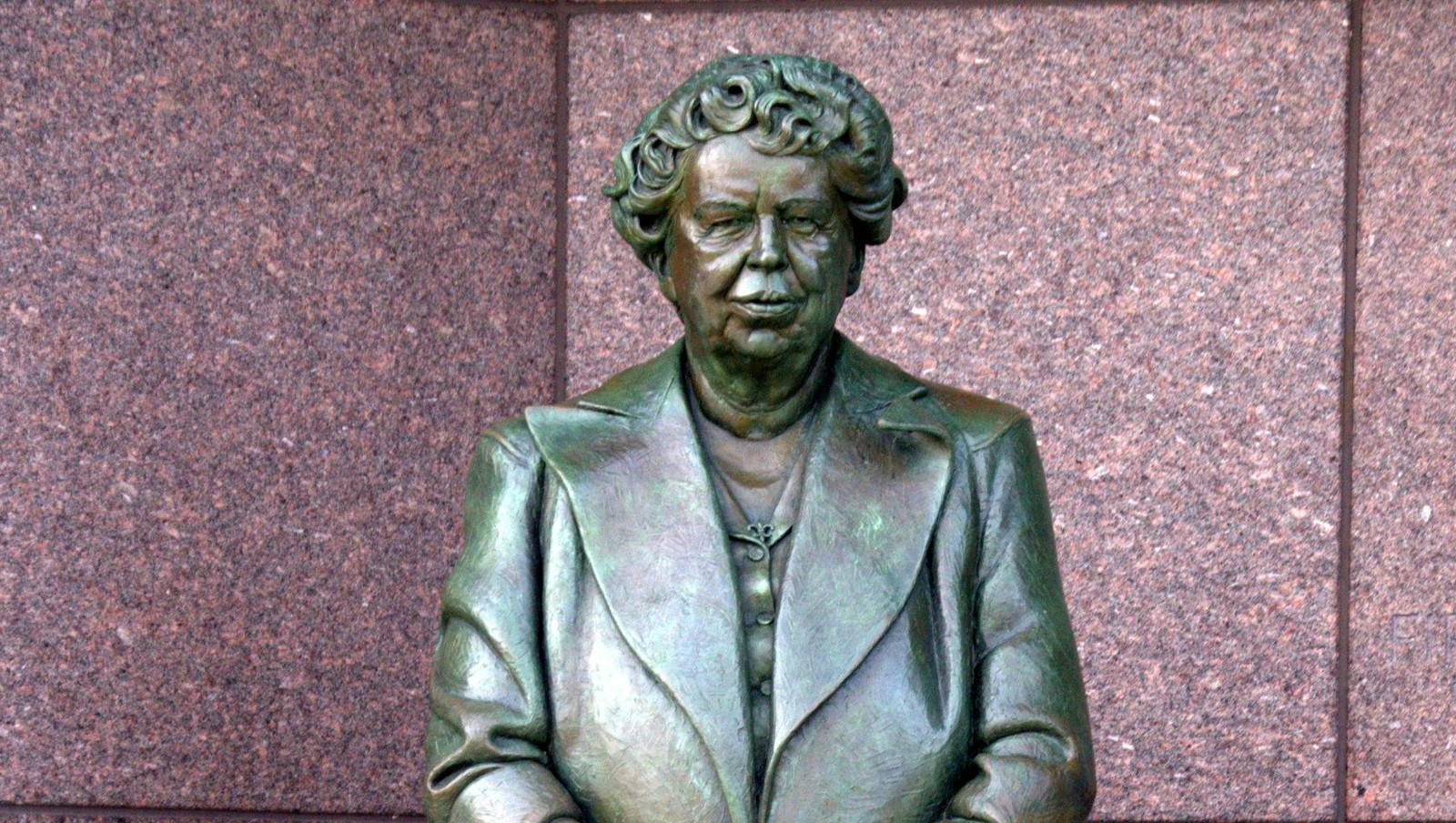
Image: Pedro Gutierrez

Sure, we all remember the men who sat in the Oval Office. But the women at their side? They’ve been style icons, quiet influencers, behind-the-scenes bosses—and a few had quirks that might make you raise an eyebrow. Some shaped policy. Others shaped fashion. A couple even snuck into frat parties. These facts about First Ladies prove they were anything but background characters.

1
Mamie Eisenhower was all in on pink

Image: Jei Lee

Mamie loved pink—she loved it so much that she committed fully to it. Her wardrobe? Pink. Her bathroom? Pink. Her Christmas decorations? You guessed it. The obsession grew so much in the 1950s that people started calling that particular shade "Mamie Pink." Entire kitchens and bathrooms across the country followed suit. Basically, she was the original style influencer!

2
Eleanor Roosevelt had a press corps, but no men were allowed

Image: The Climate Reality Project

If we’re talking about extraordinary First Ladies, Eleanor Roosevelt takes first place. She wasn’t passive at all; she really used her power. For example, she held more than 300 press conferences as First Lady, but only invited female journalists. Why? To ensure women reporters could keep their jobs during the Great Depression. That’s how you use your platform!

3
Edith Wilson quietly took over after her husband’s stroke

Image: Amy Hirschi

When President Woodrow Wilson suffered a stroke in 1919, his wife Edith didn’t just support him—she actually stepped in. She screened his communications, reviewed paperwork, and even made some decisions on his behalf. Some historians say she was essentially running the country. No title. No credit. But she kept things going. What a loyal First Lady!

4
Michelle Obama won a Grammy for reading

Image: 2H Media

Not all Grammys go to singers, you know! Michelle Obama, for example, won one in 2020 for Best Spoken Word Album, narrating her memoir Becoming . It’s just one more thing to add to her impressive list: lawyer, mom, health advocate, style icon—and Grammy winner. Not bad, huh?

5
Dolley Madison saved a piece of American history
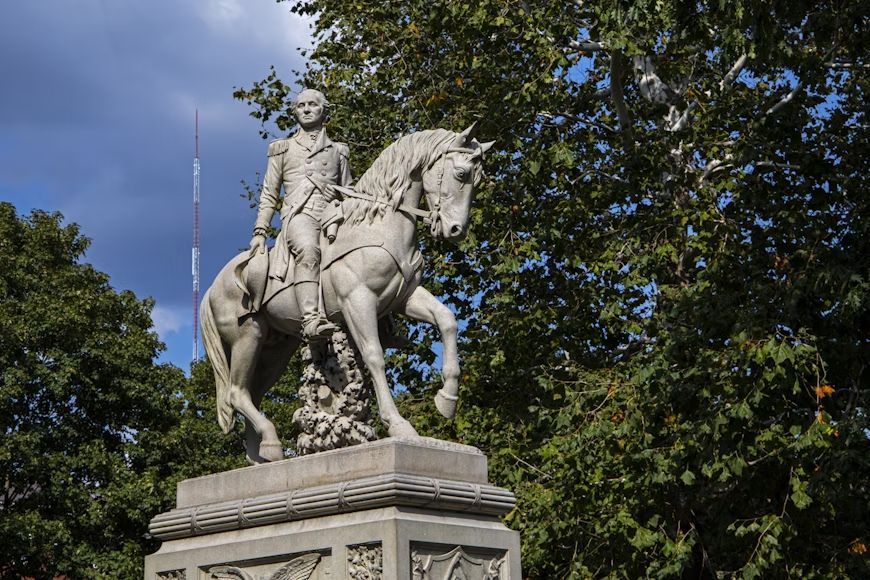
Image: Walter Martin

When the British were about to burn Washington in 1814, Dolley Madison didn’t just pack up the silver—she made sure George Washington’s portrait was removed from the wall and carried to safety. That same painting still hangs in the White House today. Remarkably, Dolley hosted elegant tea parties even while preserving national artifacts.

6
Pat Nixon was the first to rock pants in public

Image: BBiDDac

In the early 1970s, it was a big deal when Pat Nixon wore trousers to a public event. Up until that point, First Ladies stuck to dresses. Well, women in general, right? Her choice stirred up headlines, but let’s be real: it was a practical move. Sometimes comfort is the statement.

7
Lou Hoover could speak fluent Chinese
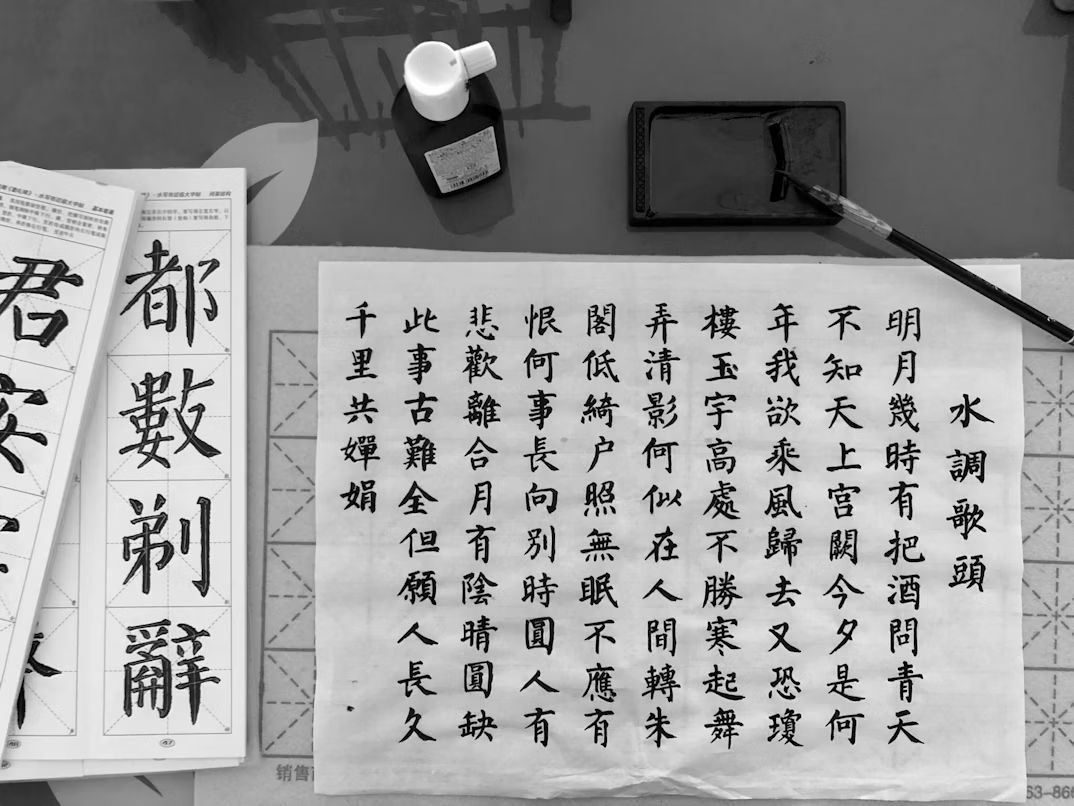
Image: Cherry Lin

Lou Hoover was no ordinary First Lady. She spoke Mandarin Chinese fluently, and she and her husband Herbert used it to have private conversations in public—pretty genius, honestly. She also held a degree in geology and could out-hike most people in D.C. Did you know any of this?

8
Jackie Kennedy smoked a lot in private
Image: Daniele Levis Pelusi

To the public, Jackie Kennedy was a fashion icon: pillbox hats, white gloves, and perfect posture. Behind the scenes, however, she was a heavy smoker. The public didn’t find out until much later. She wasn’t any less of a lady because of this—but you know, they show us whatever they want, right?

9
Melania Trump was a model and a polyglot

Image: Clarissa Watson

Melania Trump brought something completely different to the East Wing. She’s the only First Lady who worked as a professional fashion model and the only one whose first language wasn’t English. She speaks five languages. Say what you want—in whatever language—she’ll probably understand it.

10
Rosalynn Carter sat in on cabinet meetings

Image: Hoàng Ngọc Huy

Rosalynn Carter wasn’t content to just host luncheons—she sat in on Cabinet meetings, the first First Lady to do so since Eleanor Roosevelt. Why? Because she wanted to be fully informed when supporting her husband’s decisions.

11
Barbara Bush once crashed a frat party
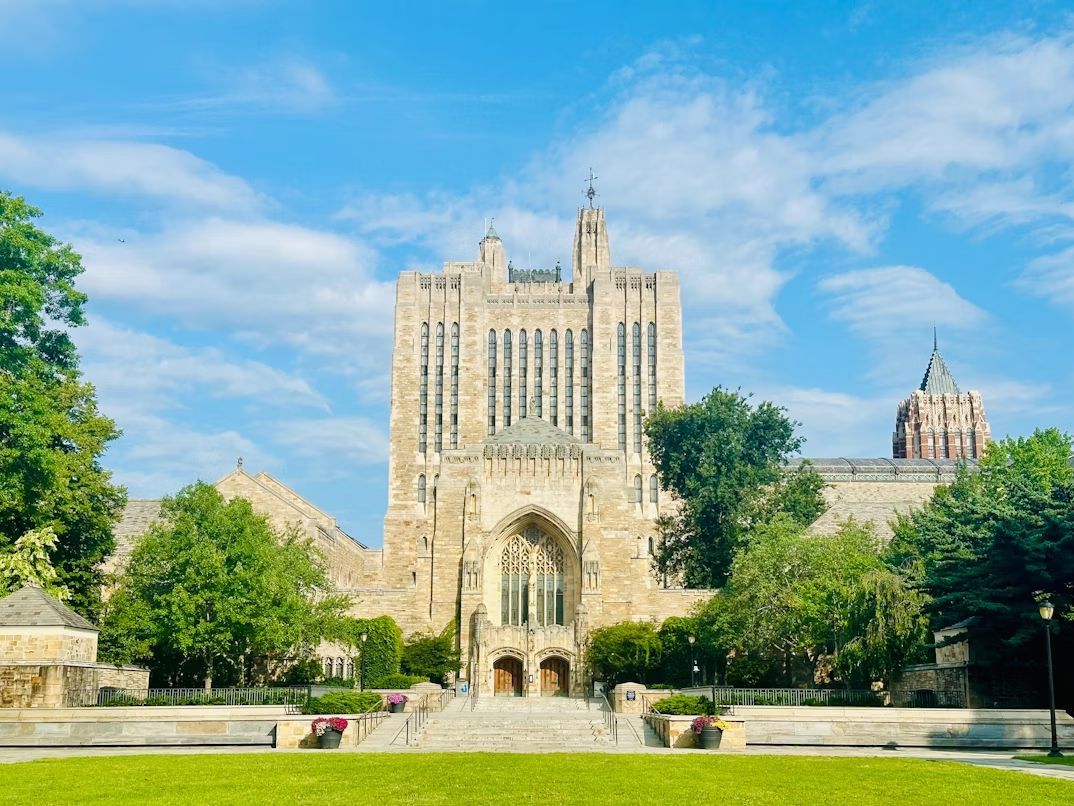
Image: Richard Liu

Long before she became America’s grandma, Barbara Bush had a fun, mischievous side. While visiting George at Yale, she once showed up at a frat party in costume—and blended right in. There goes the stereotype that First Ladies are all etiquette and pearls.

Culture Culture 4 min read

FOLK HEROES

Tales From The Heartland: 10 Larger-Than-Life American Folk Figures

Image: Tim Mossholder

Nations make their heroes as embodiments of their shared values. Woven into their tales of might and their bold adventures are valuable lessons that are passed down through the ages. American legends are no exception, and these larger-than-life characters have captivated our imaginations for generations. From colossal lumberjacks to legendary steel-driving men, join us to explore the fascinating tales behind 10 of America’s most enduring folk heroes.

1
Paul Bunyan

Image: Abby Savage

Paul Bunyan , the colossal lumberjack of American folklore, is said to have cleared forests from the Northeast to the Pacific Northwest. With his blue ox, Babe , he performed incredible feats of strength, like carving out the Grand Canyon just by dragging his axe behind him, and creating the Great Lakes with his footprints.

Originating in oral traditions among lumberjacks, Bunyan’s exaggerated exploits gained momentum with the American westward expansion during the 19th century and soon became deeply ingrained in the popular imagination.

2
Johnny Appleseed

Image: Aarón Blanco Tejedor

Born John Chapman, Johnny Appleseed wandered the American frontier planting apple trees and spreading goodwill in the early 19th century. A devout Christian, he became a folk hero for his kindness, environmentalism, and pioneering spirit.

Contrary to the popular image of Johnny Appleseed randomly scattering apple seeds, he was a skilled nurseryman who meticulously planted apple tree nurseries. Each nursery was carefully fenced to shield the saplings from livestock and wildlife. After establishing these nurseries, he entrusted them to neighbors but revisited them periodically.

3
Pecos Bill

Image: JosephHershMedia

Pecos Bill , a fictional cowboy raised by coyotes in the wilds of Texas, became a larger-than-life figure known for taming cyclones and roping tornadoes. His adventures, first popularized in the early 20th century, embody the frontier spirit and Texas mythology, blending humor with tales of rugged individualism.

Among his many tales, one credits him with creating the Gulf of Mexico . According to legend, during a severe drought in Texas, Pecos Bill lassoed a storm cloud in California and brought it to Texas. The resulting deluge caused extensive flooding, ultimately forming the Gulf.

4
Davy Crockett

Image: Joseph Corl

Davy Crockett , known as the "King of the Wild Frontier," was a real-life frontiersman later turned politician whose exploits were mythologized even during his lifetime. Born in East Tennessee, he quickly gained fame for his sharp hunting skills and captivating storytelling.

During his time in the U.S. Congress, he staunchly opposed many of President Andrew Jackson’s policies, particularly the Indian Removal Act, and championed the rights of small landowners. Crockett’s life ended with valor at the Battle of the Alamo , solidifying his folk legend as a symbol of courage and patriotism. His legacy remains an enduring part of American history.

5
Calamity Jane

Image: Vidar Nordli-Mathisen

Martha Jane Canary, better known by her alias Calamity Jane, was a frontierswoman and scout famed for her sharpshooting skills and daredevil exploits. During her youth, she stepped up to provide for her large family, taking on various jobs, from ox team driver to scout for Fort Russell. Eventually, she embraced the rough and adventurous lifestyle that made her a legend.

Despite her fearsome reputation, Calamity Jane was compassionate and often helped those in need. Her adventures in the Wild West alongside figures like Wild Bill Hickok cemented her status as a legend of the American frontier.

6
Molly Pitcher

Image: Garry T

Molly Pitcher, the nickname given to Mary Ludwig Hays McCauley, became famous for her bravery during the American Revolutionary War. Although several historical figures are known by this moniker for similar deeds, Mary Ludwig Hays distinguished herself during the Battle of Monmouth in June 1778, where she served as a water carrier for the soldiers.

When her husband, an artilleryman in the Continental Army, fell to enemy fire, she took his place, swabbing and loading the cannon with such bravery and determination that she earned a commendation from George Washington.

7
Daniel Boone

Image: Scott Longerbeam

Daniel Boone was a legendary frontiersman and explorer who blazed trails through the Appalachian Mountains and into Kentucky. Born in 1734, Boone became famous for his expert hunting and survival skills, as well as his role in establishing the Wilderness Road, a trail that facilitated westward migration through the Cumberland Gap.

After serving as a militia officer during the Revolutionary War, he was briefly taken in by the Shawnees in the Northeastern Woodlands. After a few years, he returned and continued to help protect the Kentucky settlements.

8
Buffalo Bill

Image: Judy Beth Morris

William Frederick "Buffalo Bill" Cody was a legendary figure of the American West, known for his Wild West shows that toured the United States and Europe. Born in 1846, Cody was a skilled buffalo hunter, Army scout, and showman who brought cowboy skills and frontier life to audiences worldwide.

He earned his nickname after the Civil War by providing Kansas Pacific Railroad workers with buffalo meat, hunting record numbers of the animal. He even engaged in hunting competitions with his partner, Bill Comstock. His legendary figure has been frequently portrayed in film and television, especially during the height of the Western genre in the 1960s.

9
Wild Bill Hickok

Image: Pablò

James Butler Hickok, famously known as Wild Bill Hickok, was a legendary figure of the American Old West. Born in 1837, Hickok gained fame as a skilled marksman, gambler, and lawman.

Though his exploits were certainly exaggerated by the outlandish tales he told about himself, he was involved in several notorious gunfights during his life. Most notably, he dueled with Davis Tutt, a local gambler with whom he had various disagreements, particularly over their mutual affection for the same woman.

10
John Henry

Image: Lucio Patone

John Henry was a legendary steel-driving man whose man-against-machine tale epitomized the strength and resilience of the American worker. An African American freedman, his dangerous job involved hammering steel drills into rocks to create holes for explosives used to blast open railroad tunnels.

According to the legend, John Henry's prowess was tested in a race against a steam-powered drill. He won the race but tragically died after victory, hammer in hand when his heart gave out from the immense physical stress.

Geography Geography 5 min read

Are you brave enough?

Only for adventurers: These are 10 of the harshest American landscapes!

Image: Soly Moses

There’s no denying that American landscapes are beautiful . However, while the stunning wonder of these 10 locations is undeniable, they are definitely not for the faint of heart. These places are perfect for adventurers, for those with the urge to push themselves and explore harsh yet rewarding terrains. With that in mind, here’s our selection of 10 of the most demanding and harsh American National Parks, hoping to awaken your adventurous spirit and offer a glimpse of their beauty so you can enjoy it from the comfort and safety of your home. Enjoy!

1
Mojave Desert

Image: Paulius Dragunas

The possibility of being stranded in the desert has always terrified humankind. Can you imagine being completely alone in the harsh and unforgiving heat? Luckily, nowadays it’s extremely difficult to get lost in the Mojave Desert . However, that doesn’t mean visiting this gorgeous landscape isn’t a demanding endeavor.

The Mojave Desert spans four different western states and is crossed by the Colorado and Mojave rivers. One of its most famous locations is the area known as Death Valley , the point of lowest elevation in North America and the hottest place on Earth during the summer.

2
Mount Rainier

Image: Taylor

Also known as Tahoma, Mount Rainier National Park is located approximately 59 miles from Seattle. As you might guess, the main attraction of this park is the titular Mount Rainier, the highest mountain in the state of Washington and a formidable challenge for daring adventurers.

Mount Rainier’s official summit elevation is 14,410 feet, and it is one of the most popular climbing spots in the world. That doesn’t mean it is an easy climb—quite the contrary, in fact. In order to reach the summit, climbers must traverse glaciers similar to those found in southern Alaska. Of the approximately 11,000 climbers who attempt to summit Mount Rainier each year, only about 50% succeed.

3
Gates of the Arctic National Park

Image: Sauvage

The northernmost park in the United States, Gates of the Arctic National Park, is definitely hard to reach. In fact, it is the least visited park in the country due to its remoteness and lack of infrastructure.

In any case, camping and hiking are allowed in the park, though they are not for the faint of heart. The extreme temperatures, with an annual minimum average of −42.6 °F, make it a challenging yet alluring landscape for those seeking adventure.

4
Glacier National Park

Image: Michael Kirsh

While Montana’s Glacier National Park offers recreational opportunities for people of all ages, including kayaking, fly fishing, and hiking, many tourists visit the park seeking a more thrilling experience. They aren’t disappointed, as the park features numerous climbing challenges, including five peaks over 10,000 feet .

However, we recommend visiting during the tourist season. In winter, temperatures can plummet, with a historical low of -38°F. Additionally, the area is prone to sudden temperature changes, which can pose challenges for adventurers.

5
Lake Clark National Park

Image: Clayton Manche

Much like Glacier National Park, Lake Clark is not necessarily a severe environment during the tourist season. It offers a variety of recreational activities, ranging from bird-watching to more thrilling pursuits like kayaking and rafting. However, the extremely low temperatures and intense snowfall make this park much harsher during the winter months.

With a record-low temperature of -18°F, Lake Clark becomes inhospitable during the colder months. Not only that, but the park is not accessible by roads; only air taxis and boats can reach it.

6
Big Bend National Park

Image: Simon Hurry

As with many other parks on this list, we should start with a small disclaimer: Don’t be discouraged from visiting Big Bend National Park . Not that you need our warning—after all, half a million tourists enjoy the park's magnificence every year. However, a point should be made that the harsh desert conditions of Big Bend do provide a challenge that should not be overlooked.

According to Search & Rescue team reports, 1 in 1,000 visitors requires assistance of some kind. Although most of this assistance is not life-threatening (often involving mild dehydration), it highlights the importance of taking necessary precautions when visiting the park.

7
Rocky Mountain National Park

Image: Michael Kirsh

Located in the heart of Colorado , Rocky Mountain National Park offers unmatched views of the stunning Rocky Mountains, as well as numerous alpine lakes and lush forests that completely surround the park. However, there are many hazards you should be aware of if you plan to visit this beautiful location.

Visitors should be cautious of steep cliffs, falling rocks, cold temperatures, and adverse snow conditions. Additionally, the area is infamous for its recurring wildfires, so campers must be careful not to leave anything that might increase the risk of fire.

8
Great Basin National Park

Image: Shawn Powar

The arid beauty of Great Basin National Park is truly second to none. Although it is located in a desert area , the plants and vegetation have majestically adapted to the dry climate. With that in mind, you can also adapt and thoroughly enjoy this park if you keep these safety suggestions in mind.

We’ll mention just some of the safety tips recommended by the National Park Service for visiting Great Basin: For starters, remember that cell phone service is limited, so don’t rely entirely on your phone. Also, be mindful of sun exposure and take precautions to avoid sunburn and dehydration. One last thing: Like all desserts, heat is not the only concern. The park’s temperature drops significantly at night, so try to not be caught in the open when the sun goes down.

9
Voyageurs National Park

Image: Tim Umphreys

Located in northern Minnesota, right on the border with Canada, Voyageurs National Park was named after the French-Canadian fur traders who frequently traveled the area. It is particularly famous for its many lakes , which offer activities like kayaking, canoeing, and fishing.

However, there are a few dangers that boaters should be aware of, such as the many hazardous rocks hidden in the water. Additionally, during the winter season, many visit the park to engage in snowmobiling, which must be practiced carefully to avoid any soft spots.

10
Kobuk Valley National Park

Image: Adrià Masi

Kobuk Valley National Park is as massive as it is undeveloped. Although the park is larger than the state of Delaware, there are no roads leading to it , nor any internal roads or trails within the park. Visitors must arrive by air taxi, weather permitting, and bring all their gear and supplies if they intend to backpack, camp, or boat.

Not only that, the weather conditions in the park can be extreme, even during the summer, and are completely unpredictable. In any case, as with all the other parks in this article, we don’t want to dissuade you from visiting Kobuk Valley if you choose to. We simply want to emphasize the importance of keeping safety a paramount priority during your trip.

Explore more American facts

Choose your favorite category!

General
General

As American as apple pie—the very best America has to offer!

Culture
Culture

Delve into the astounding richness of American lore.

Geography
Geography

Hop in and explore vast and diverse American landscapes.

History
History

Discover the key moments that shaped the United States.