Culture Culture 4 min read

Time to play

I'll Take "Best American game shows of all time" for 200, please!
Image: Alberto Contreras / Eyestetix Studio

Game shows are often tinged with controversy: "Where do the networks get the money for the prizes?" "Are they rigged?" Despite these mysteries, game shows have been a staple of entertainment since the dawn of television. A typical scene from childhood involves us sitting on the couch, surrounded by our family, screaming the correct answer at the TV set. Many game shows from the 50s and 60s are still on the air today; others are newer, but they all have in common that they are a healthy way of unwinding after a busy day. Let us present to you the 10 game shows every American has watched at least once!

1
Wheel of Fortune

Image: See page for author, Public domain, via Wikimedia Commons

Created in 1975 and still on the air, Wheel of Fortune features three contestants competing to solve a word puzzle, in a manner similar to Hangman , to win money and prizes. For 41 years, it was hosted by Pat Sajak and Vanna White to great ratings success. In 2024, Sajak announced his retirement and was replaced by presenter and producer Ryan Seacrest.

Throughout the years, Wheel of Fortune has had many international adaptations and is currently the longest-running syndicated game show in U.S. television history.

2
Family Feud

Image: RDNE Stock project

And the survey says... Family Feud is hilarious! For most of the past 45 years, this game show has offered us fun and innocent entertainment. Family Feud has had different hosts, such as Richard Dawson and Steve Harvey, and has introduced us to some of the most curious American families and some of the most unexpected answers in television history.

Winner of several Emmy Awards and exported to over 50 international markets, we hope to have Family Feud for many more years!

3
Press Your Luck

Image: g

Remember The Whammy? This show's mascot, an animated devil, was the one thing to avoid at all costs to win the most money in Press Your Luck . And answer a few questions correctly, of course!

Press Your Luck first aired in 1983 . It was discontinued and resurrected many times since, but in 2019, it came back to stay. Nowadays, it airs on ABC and is hosted by actress, director, and producer Elizabeth Banks.

4
The Price is Right
Image: d

In a 2007 article, TV Guide selected The Price is Right as "the best quiz show of all time". Do you agree? It's the longest-running daytime game show in North American television history, so it makes sense. The original version ran from 1956 to 1965 on NBC, while the current version has been running since 1972 on CBS.

Bob Barker, who hosted The Price is Right for 35 years, turned this show in which contestants must guess the exact price of different products, into an all-time institution. We will forever remember his voice uttering the famous catchphrase "Coooome on down!"

5
Card Sharks

Image: Amanda Jones

There have been four different versions of Card Sharks from 1978 to 2021, presented by famous hosts like Jim Perry, Bob Eubanks, and Joel McHale.

The show is based on some random but funny survey questions contestants must answer to control a row of oversized playing cards. Will the next card be higher or lower? Place your bets!

6
Who Wants to Be a Millionaire

Image: Anete Lusina

Phone a friend or ask the audience: Is Who Wants to Be a Millionaire one of the best game shows TV has ever given us? We certainly think so, and that's our final answer!

Unlike most of the programs listed in this article, Who Wants to Be a Millionaire is not a native American show but rather a British format. Yet, U.S. audiences seem to have embraced it with open arms. Because, let's be honest, who would turn down the chance to win a million dollars?

7
Hollywood Squares
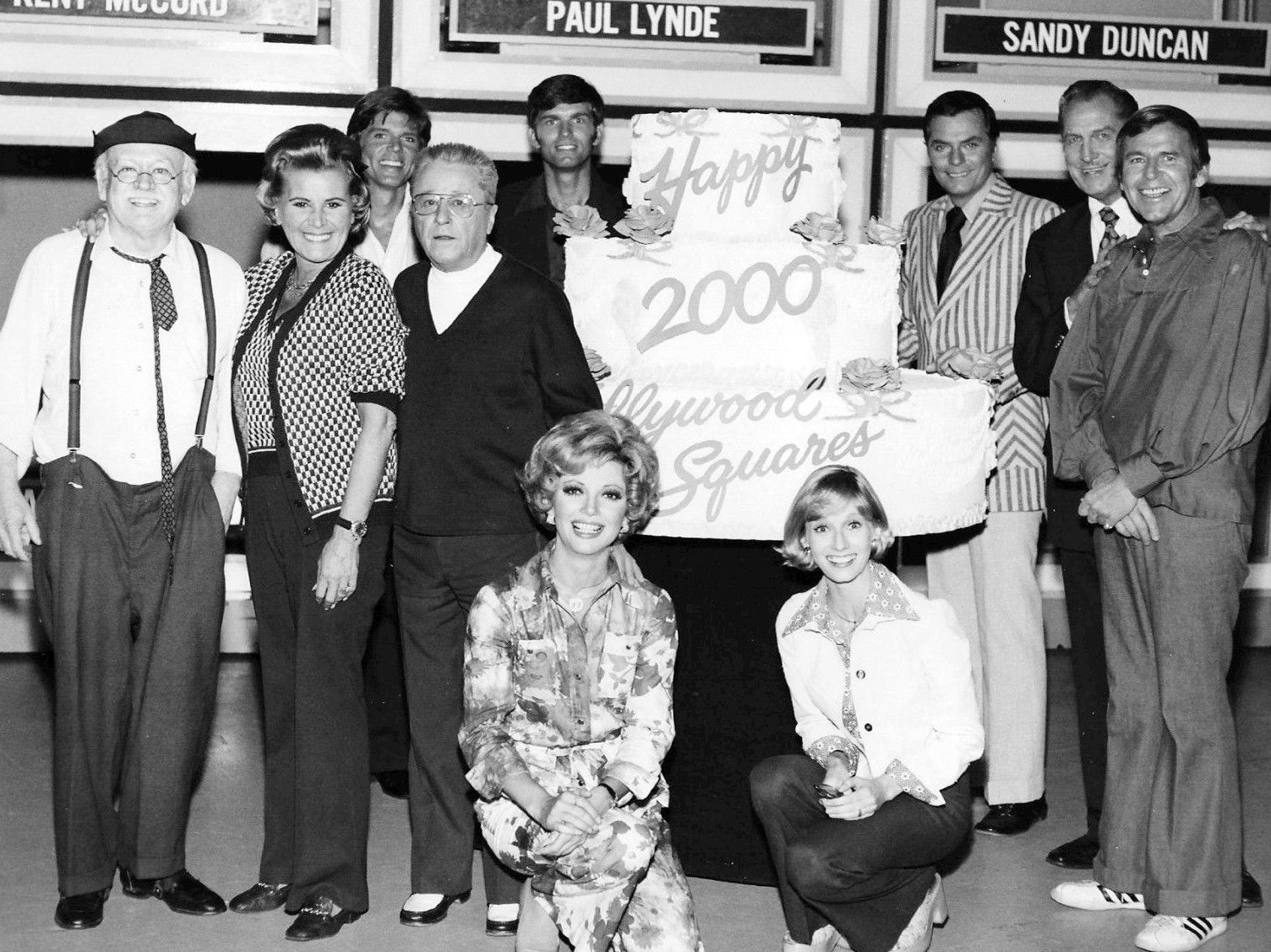
Image: NBC Television, Public domain, via Wikimedia Commons

During the years it remained on the air, many celebrities took up the squares of this sort of human tic-tac-toe. Personalities like Vincent Price, Joan Rivers, Kathy Griffin, and Whoopi Goldberg, among others, not only made this show fun but also legendary.

Hollywood Squares aired from 1966 to 2004 with a couple of interruptions in between and was presented by different hosts. However, that didn't stop it from winning several Emmy awards and being regarded as one of the greatest game shows ever.

8
The Dating Game

Image: Pexels

We are so used to the many dating shows now on the air that we take them for granted. However, The Dating Game , which first premiered in 1965, was a true pioneer. Since its release and until 2021, the show was revived several times with different variants but the same appeal.

The format was very simple: a single man or woman would ask questions to three unseen candidates. At the end of the episode, he or she would choose one to go on an all-expenses-paid date. The Dating Game is also known for having featured many stars before they became famous, like Burt Reynolds, Farrah Fawcett, Steve Martin, Suzanne Somers, and Arnold Schwarzenegger, among others.

9
Deal or no Deal
Image: Giorgio Trovato

This show doesn't have a long history on television, but those mysterious silver suitcases that may —or may not— hide lots of cash deserve a place on this list.

Deal or No Deal is, in fact, an American version of a Dutch game show that first premiered on NBC in 2005. It was hosted by Canadian comedian and TV personality Howie Mandel. Despite its ratings success, it was eventually discontinued in 2019.

10
Jeopardy!
Image: Possessed Photography

Did you know that the original name intended for this show was What's the Question ? Luckily, a skeptical executive who was not convinced by the game's concept said, "It doesn't have enough jeopardy". And the rest is history!

A quiz competition with a twist, Jeopardy! is one of the most beloved game shows in America. The first version of this iconic TV program aired on NBC from 1964 to 1975. In 1984, Jeopardy! returned to the small screen as a daily syndicated series —hosted by the legendary Alex Trebek and narrated by Johnny Gilbert— and is still on the air today.
General General 5 min read

Say cheese!

Did you know American cheese is not actually cheese?

Image: Jonathan Borba

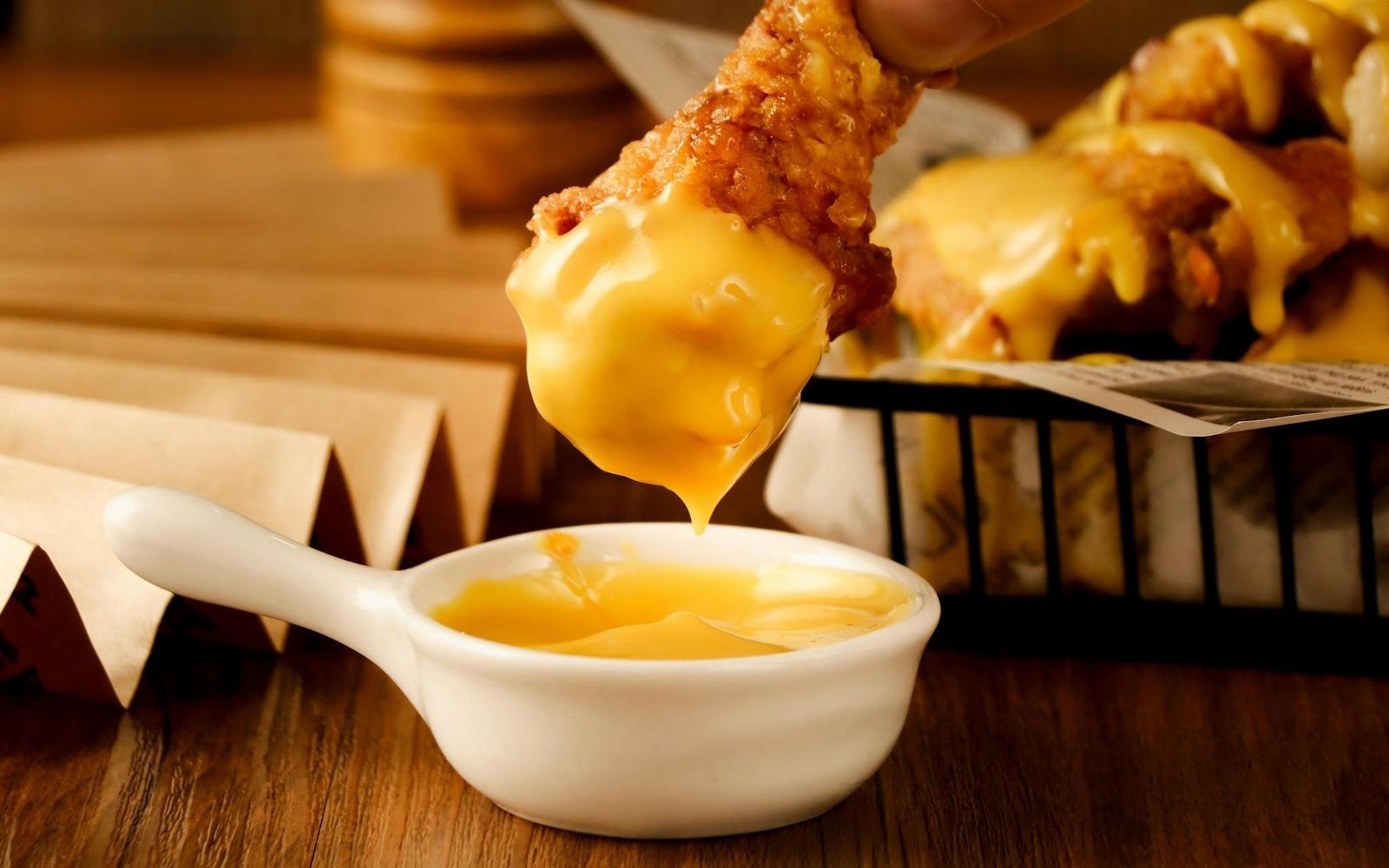
Few foods trigger as much heated debate as the neon-orange, perfectly square slice of American cheese. To culinary purists, it’s an industrial piece of rubber. But to the backyard grill master and the late-night grilled cheese enthusiast, it is a scientific masterpiece of consistency and meltability. The truth is, American cheese has been both witness and party to U.S. history, from World War I to Apollo missions. Before you peel back the wrapper on your next slice, let’s dive into 10 mind-melting facts that prove American cheese is one of the most fascinating—and misunderstood—innovations in food history.

1
It was invented in Switzerland

Image: NastyaSensei

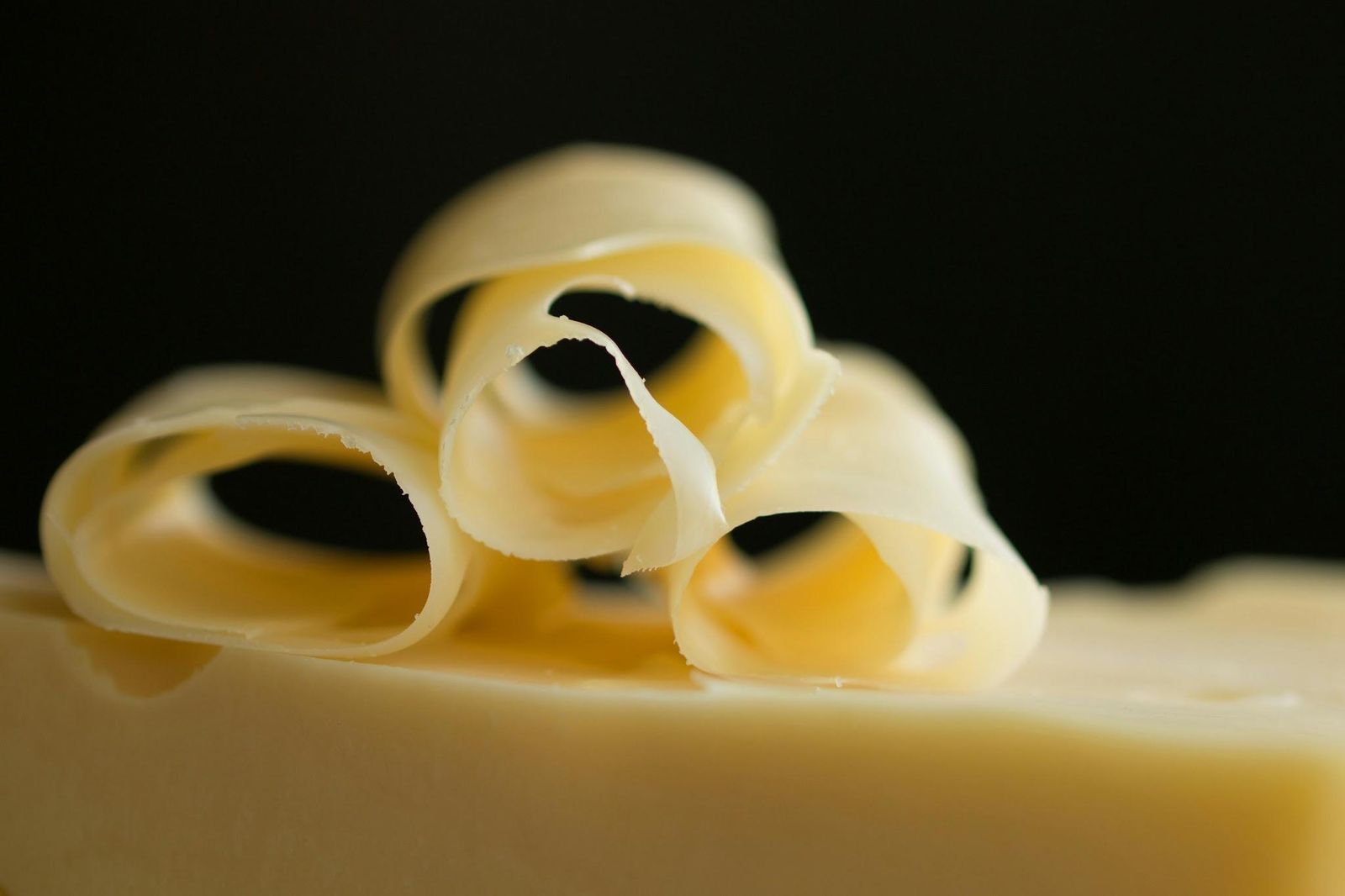
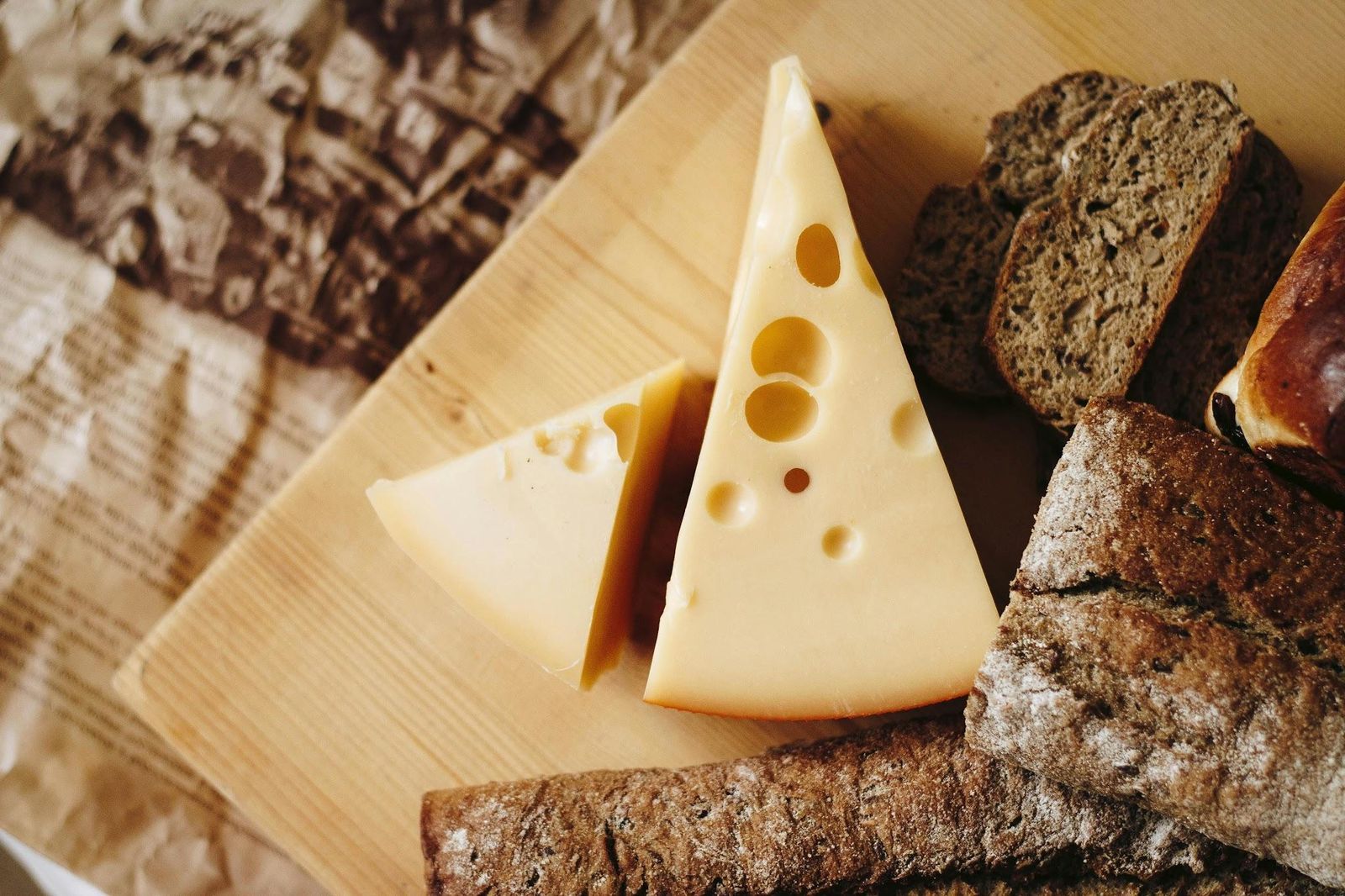
While the name suggests a US origin, the technology that created American cheese actually began in the heart of the Alps. It was developed in 1911 by Swiss researchers Walter Gerber and Fritz Stettler, who were looking for a way to extend the shelf life of their country’s famous Emmental cheese.

The problem with traditional cheese is that it eventually dries out, molds, or separates into a greasy mess when heated. By shredding the cheese, adding sodium citrate, and heating it, the Swiss duo discovered they could create a stable, smooth product that didn't separate. While they weren't trying to create "American" cheese as we know it today, their emulsification process laid the foundational science for every single-wrapped slice produced today.

2
It was popularized by a Canadian

Image: Martylunsford, CC BY-SA 4.0, via Wikimedia Commons

The man responsible for the global dominance of American cheese was James L. Kraft. Ring any bells? Kraft was a Canadian immigrant who moved to Chicago in 1903. While he didn't invent the concept of processed cheese, he perfected the industrial scale of its production and marketing.

Kraft noticed that retailers struggled with cheese spoilage; if a wheel of cheddar didn't sell quickly, it was a total loss. He experimented with various methods of heating and blending cheese until he found a formula that could be canned and shipped long distances without spoiling. In 1916, he received a patent for his "processed cheese," and during World War I, the U.S. government purchased millions of pounds of it for soldiers, cementing its privileged place in the American diet.

3
It was almost called "Embalmed Cheese"

Image: Internet Archive Book Images, No restrictions, via Wikimedia Commons

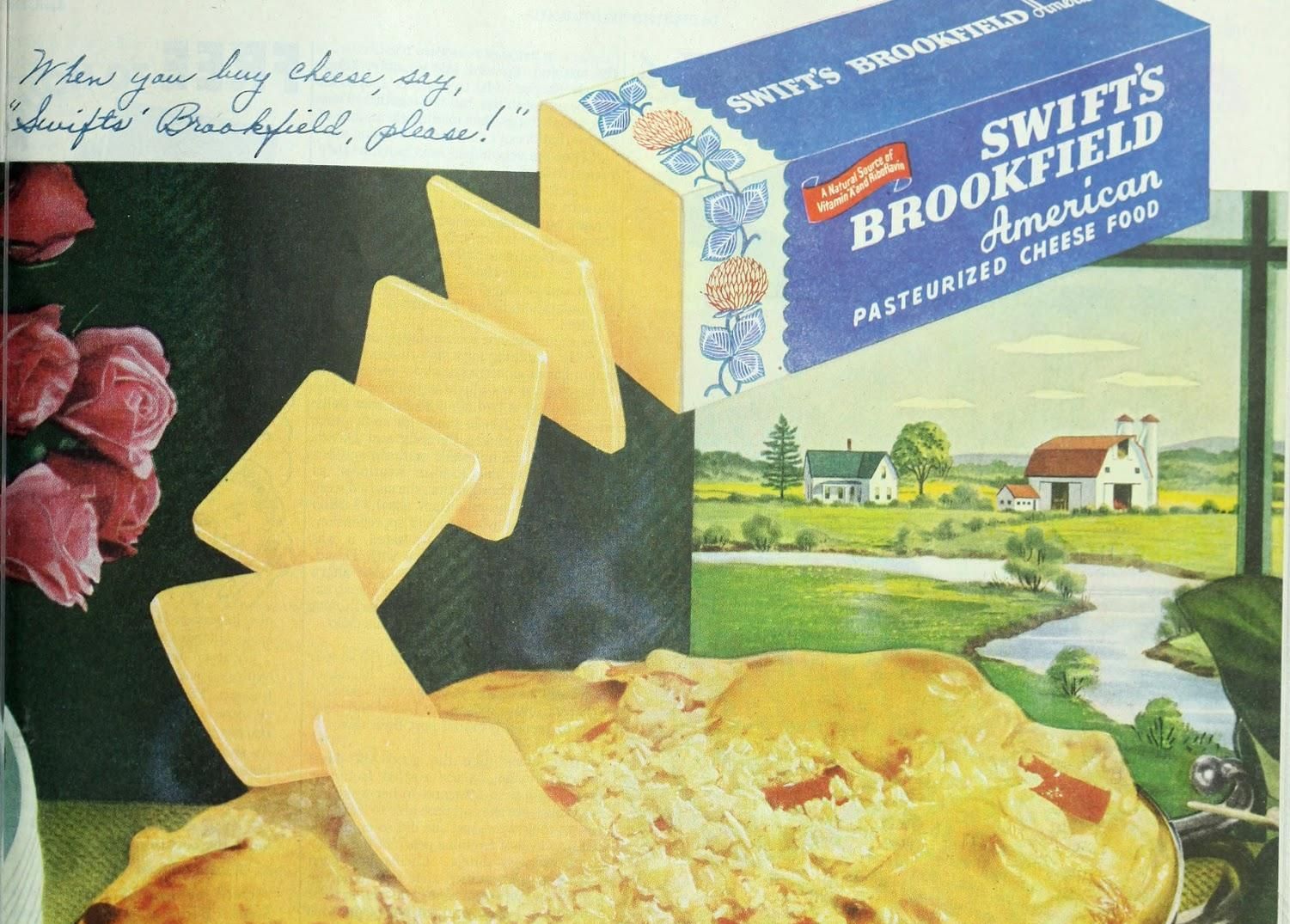
When processed cheese first hit the market, it had its detractors. Traditional cheesemakers were horrified, and so were pure food advocates. These critics argued that the product shouldn't even be called cheese. They’ve even gone so far as to call it "embalmed cheese" because of its unnaturally long shelf life and the chemical emulsifiers used to keep it stable. Yet, Kraft’s marketing prowess and the sheer convenience of the product ultimately won the naming battle. At least in the court of public opinion.

4
Technically, it isn’t cheese

Image: RDNE Stock project

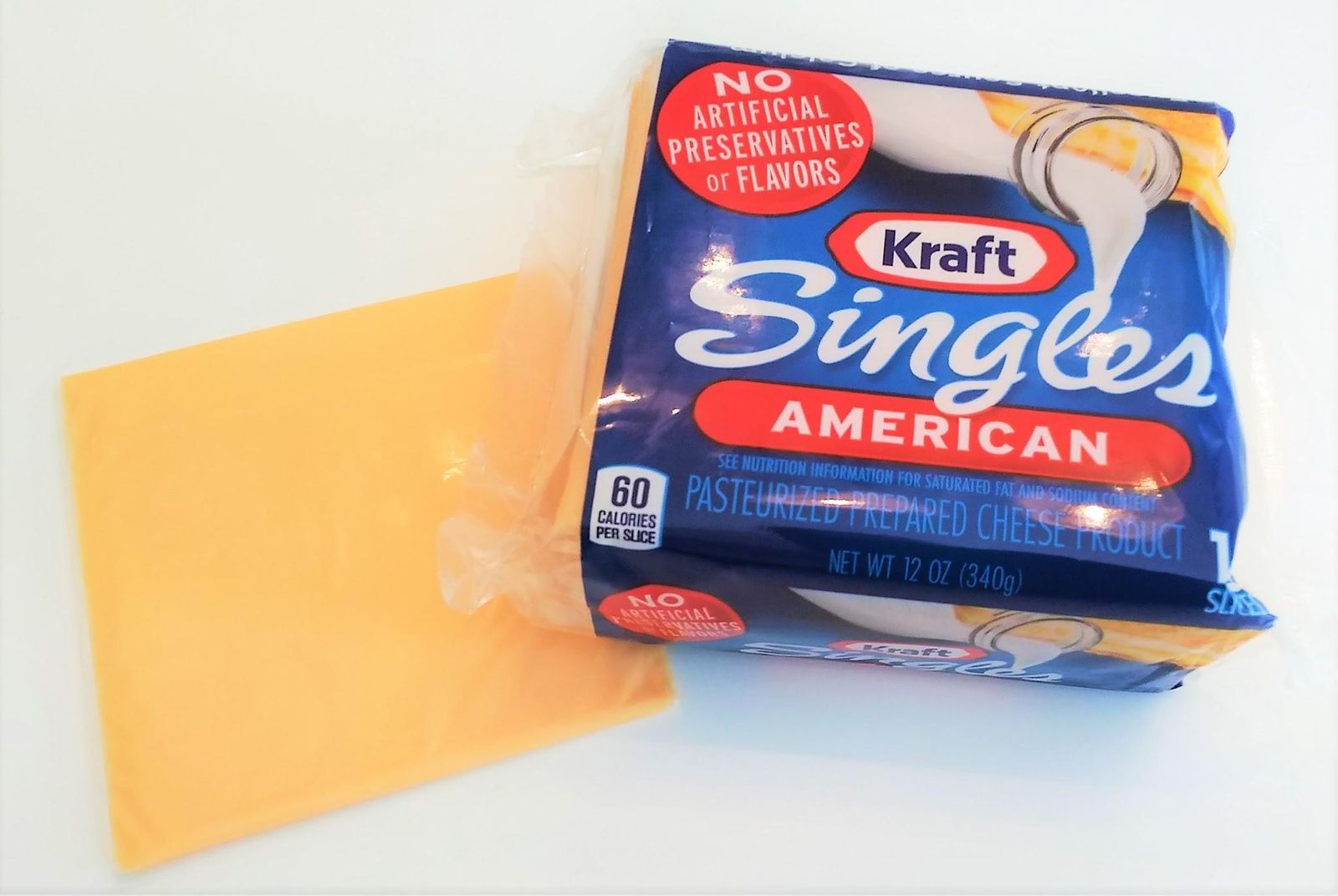
Kraft may have won the battle among the people, but legally, American cheese is not considered cheese. If you look closely at the packaging, you will rarely see the word "cheese" on its own. Because of strict FDA regulations, most varieties are legally classified as "Pasteurized Process Cheese Product" or "Pasteurized Process American Cheese Food."

To be labeled "cheese," a product must be made primarily of milk, salt, and enzymes. Processed American cheese, however, is made by blending real cheese—usually cheddar or Colby—with emulsifying salts, whey, and sometimes extra milk or fats.

5
Any cheese can be made into American cheese

Image: Edita Brus

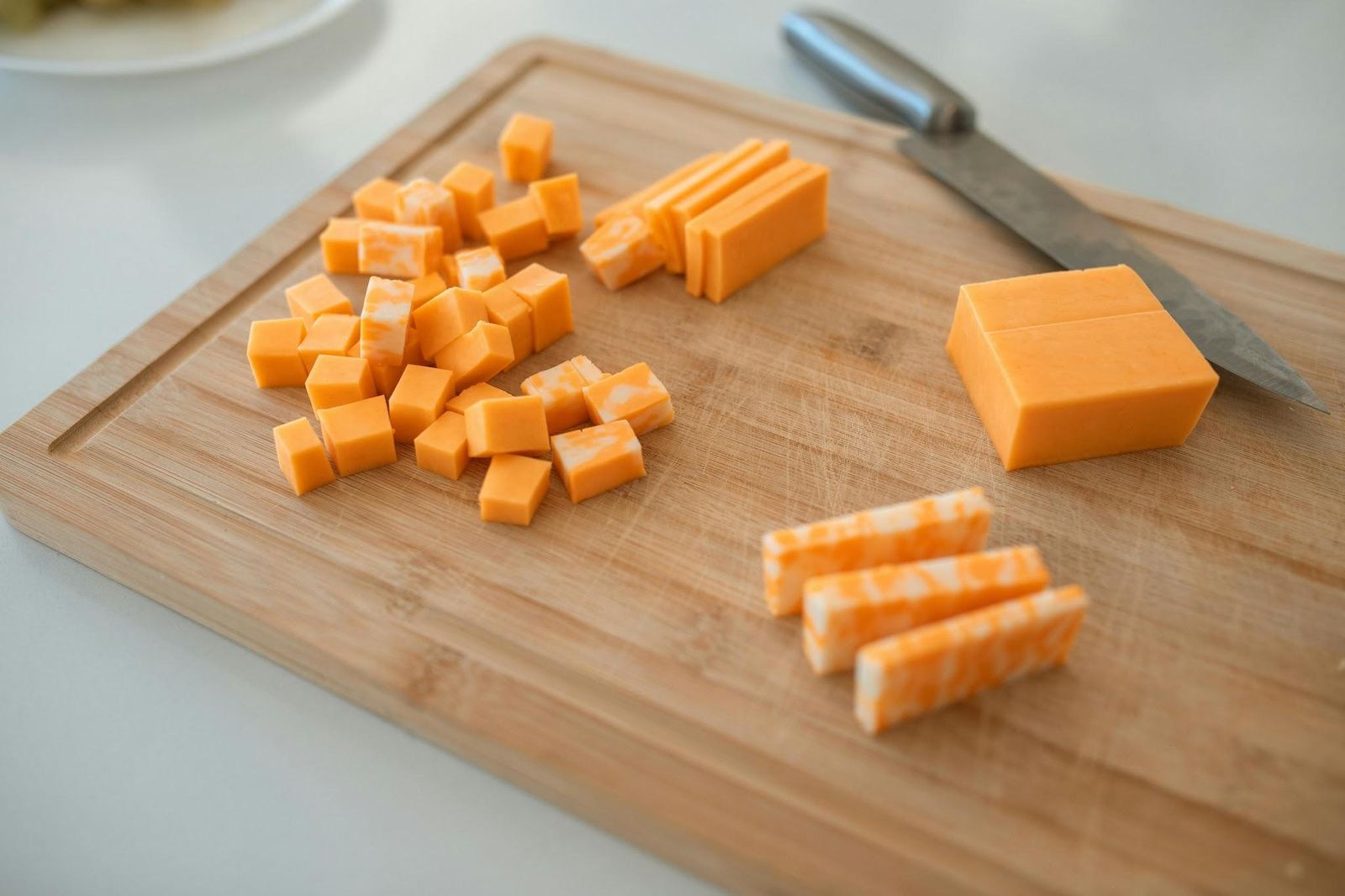
The term "American cheese" refers more to a process than a specific flavor. In theory, you could make "American-style" brie, blue cheese, or parmesan. The defining characteristic is the addition of an emulsifier, which breaks down the proteins and allows the fats and water to stay together.

In fact, some high-end chefs now make their own artisanal American cheese with aged cheddars processed with sodium citrate to create a slice that has the complex flavor of an expensive block but the melting point of a Kraft Single.

6
It isn’t naturally yellow

Image: jianwei zhu

The vibrant orange-yellow hue of American cheese is entirely a cosmetic choice. Traditionally, cheese color varied by the season; when cows ate fresh grass in the summer, their milk contained more beta-carotene, leading to a naturally yellowish cheese. To make their cheese look high-quality all year round, cheesemakers began adding dyes.

American cheese takes this tradition to the extreme. It is typically colored with annatto, a seed from the achiote tree. Without this dye, American cheese would be a pale, creamy white, which is how it is sold in many delis as "White American". Yes, that’s right, there is no flavor difference between the white and yellow versions.

7
It has an extremely low melting point

Image: VinĂ­cius Caricatte

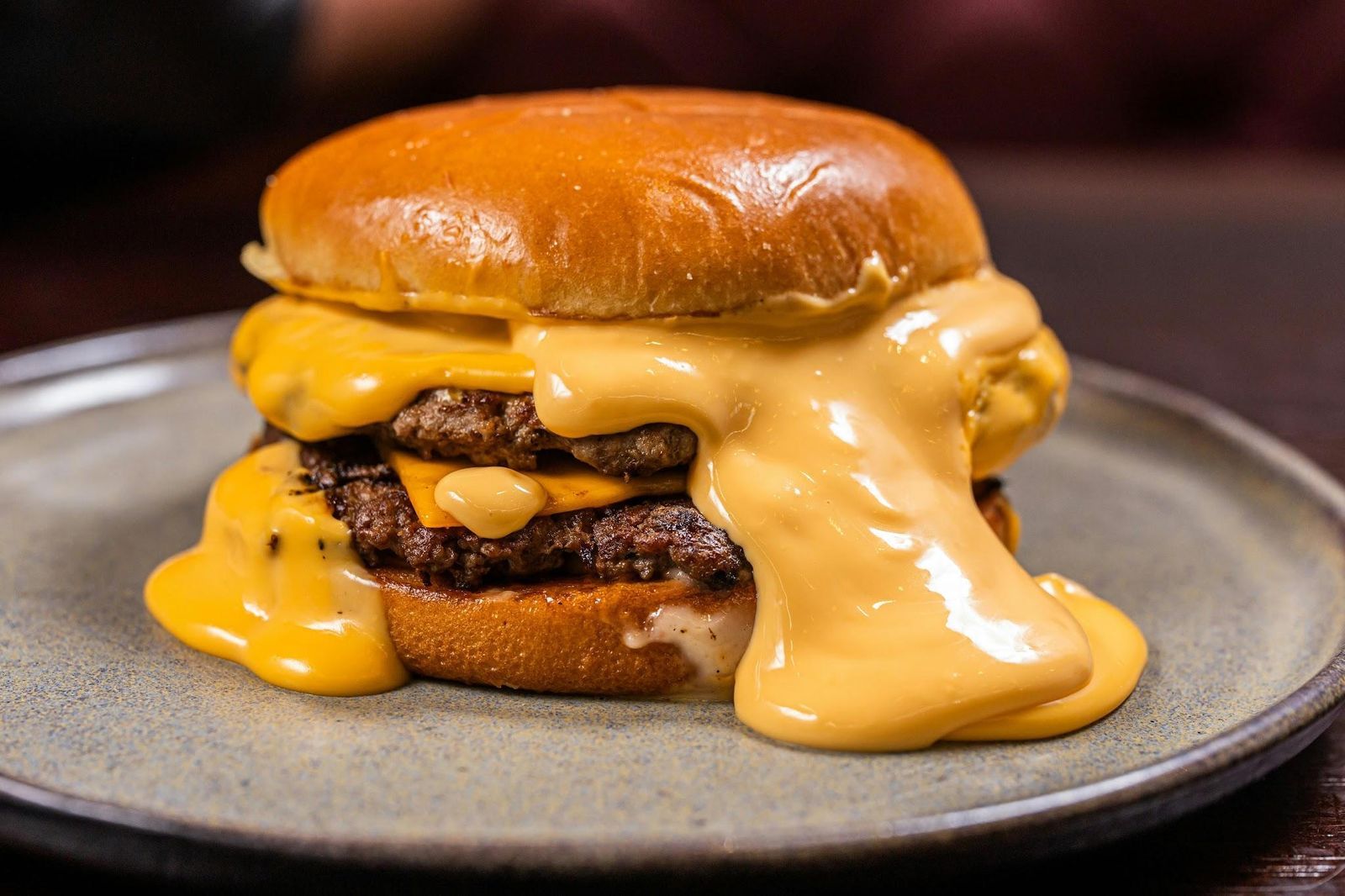
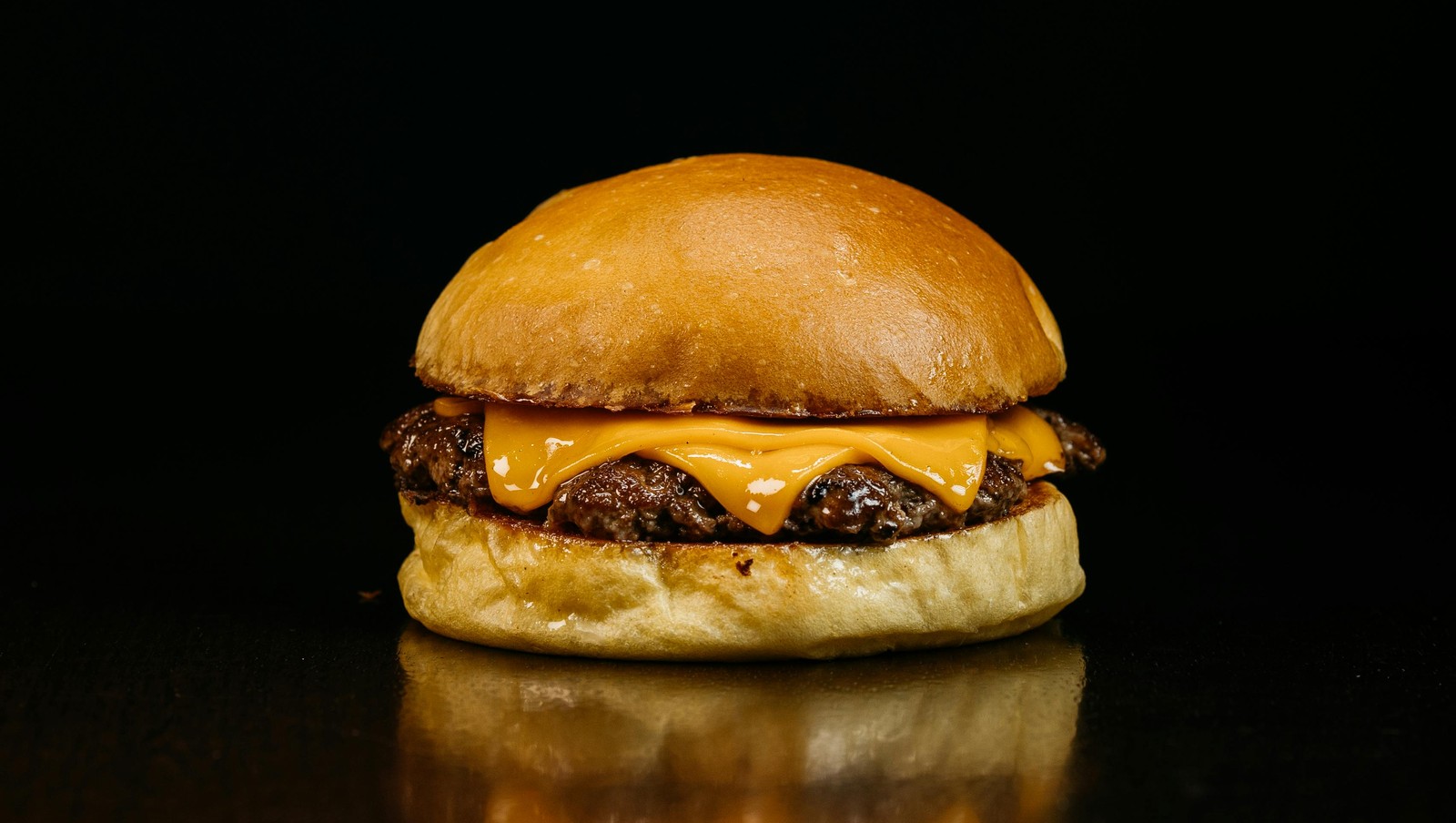
The scientific superpower of American cheese is its meltability. Traditional cheeses have a protein structure that tightens when heated, which is why a slice of aged cheddar on a burger often results in an oily puddle and a rubbery clump.

Because of the emulsifying salts, the proteins in American cheese can withstand heat without clumping together. This gives it an incredibly low and stable melting point, transforming the slice into a silky sauce. This is why it remains the undisputed king of grilled cheese sandwiches.

8
It’s been in space

Image: NASA, Public domain, via Wikimedia Commons

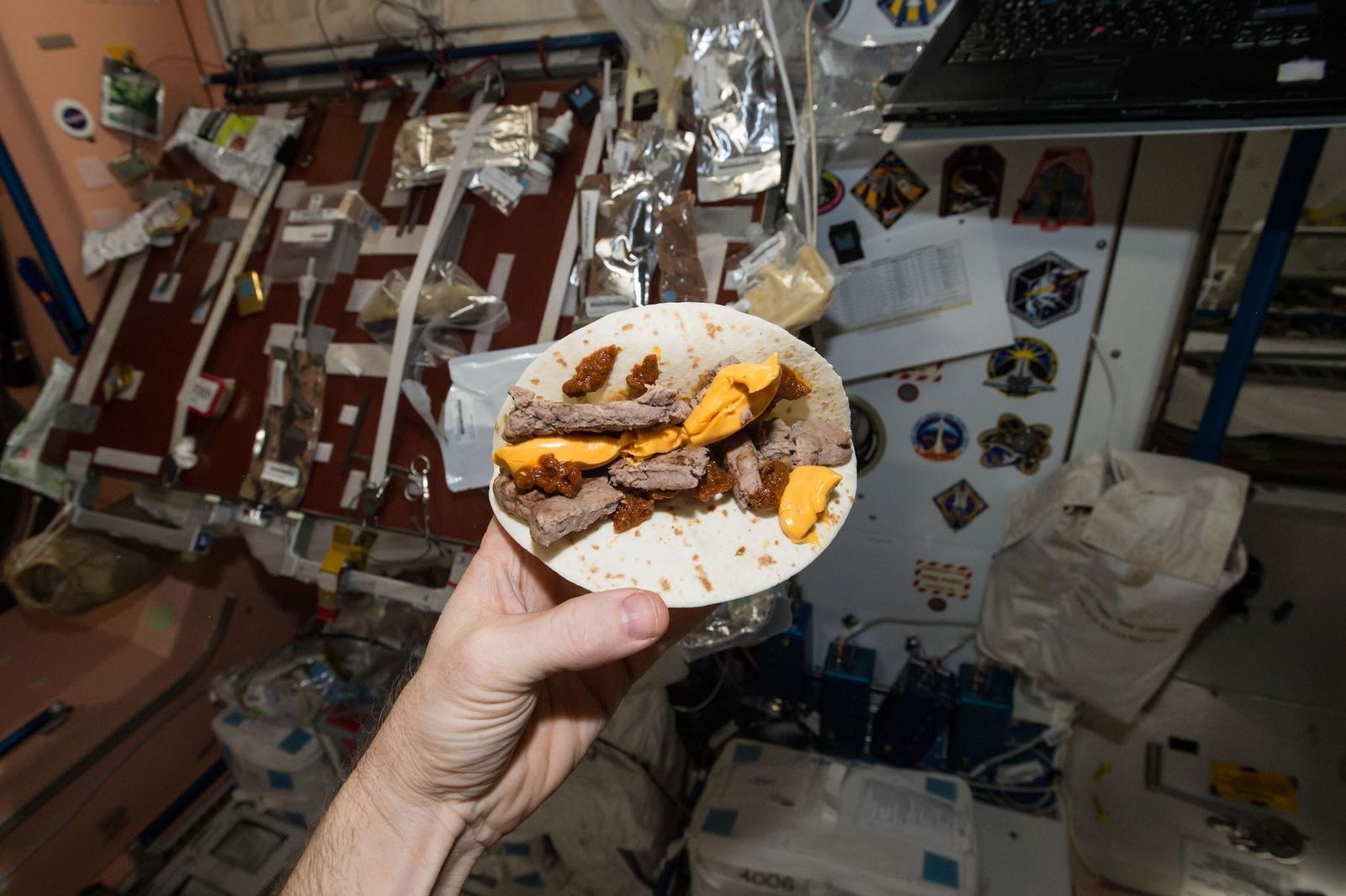
When you're hurtling through orbit in a cramped capsule, you need food that is stable, easy to eat, and won't crumble into thousands of tiny, electronics-clogging pieces. American cheese fit the bill perfectly for early NASA missions.

Processed cheese in tubes or cubes was a staple of the Apollo missions. Because it doesn't separate or sweat oil in varying temperatures and pressures, it was one of the few dairy products that could reliably provide flavor and calcium to astronauts.

9
It helped bring cheese to the masses

Image: Internet Archive Book Images, No restrictions, via Wikimedia Commons

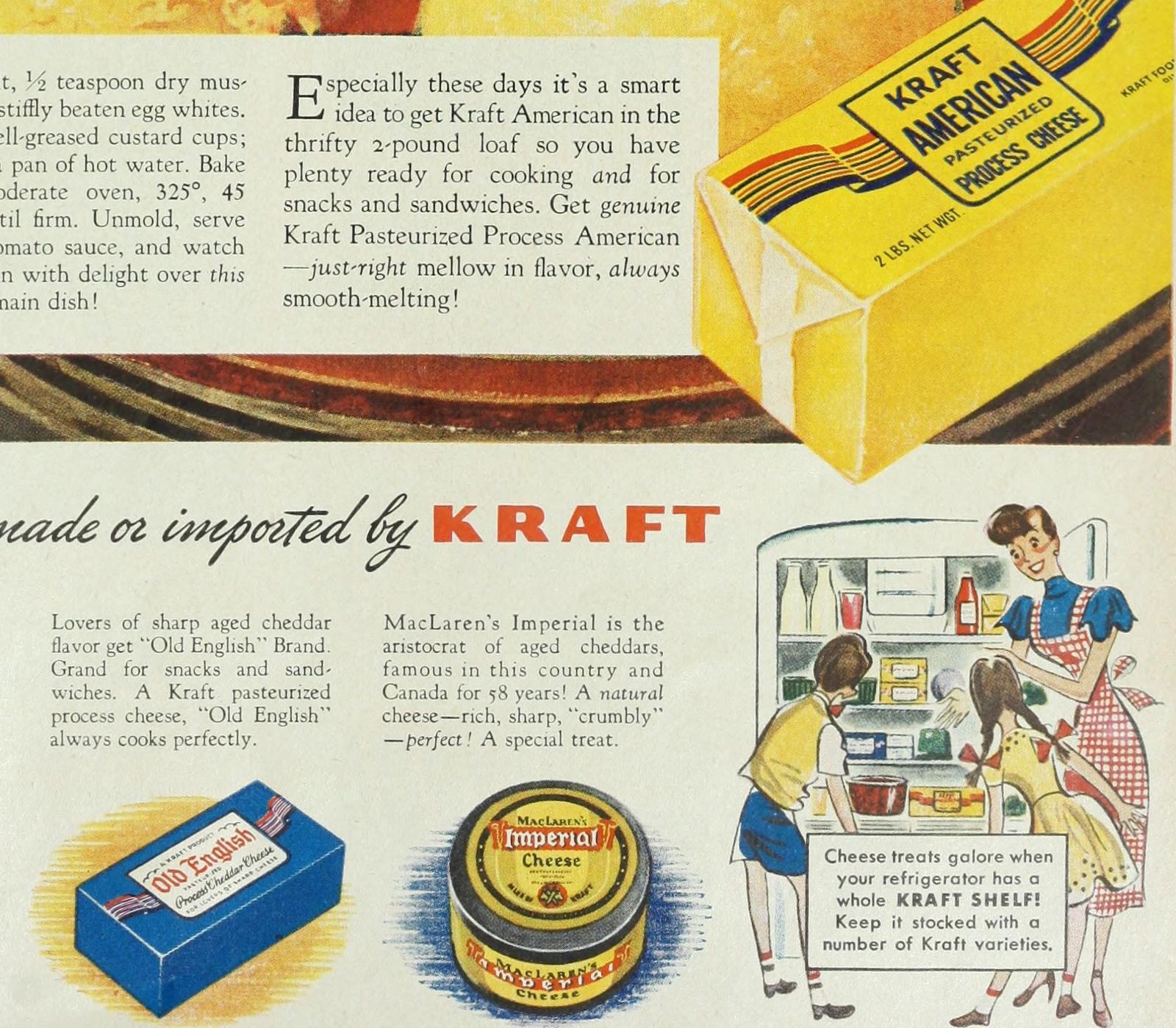
Before the advent of processed cheese, cheese was often a seasonal luxury. It was difficult to transport, expensive to store, and highly variable in quality. James L. Kraft’s invention changed that. By creating a product that was uniform in flavor and shelf-stable, he made cheese affordable and accessible to every corner of the United States.

10
The U.S. Government once gave it out

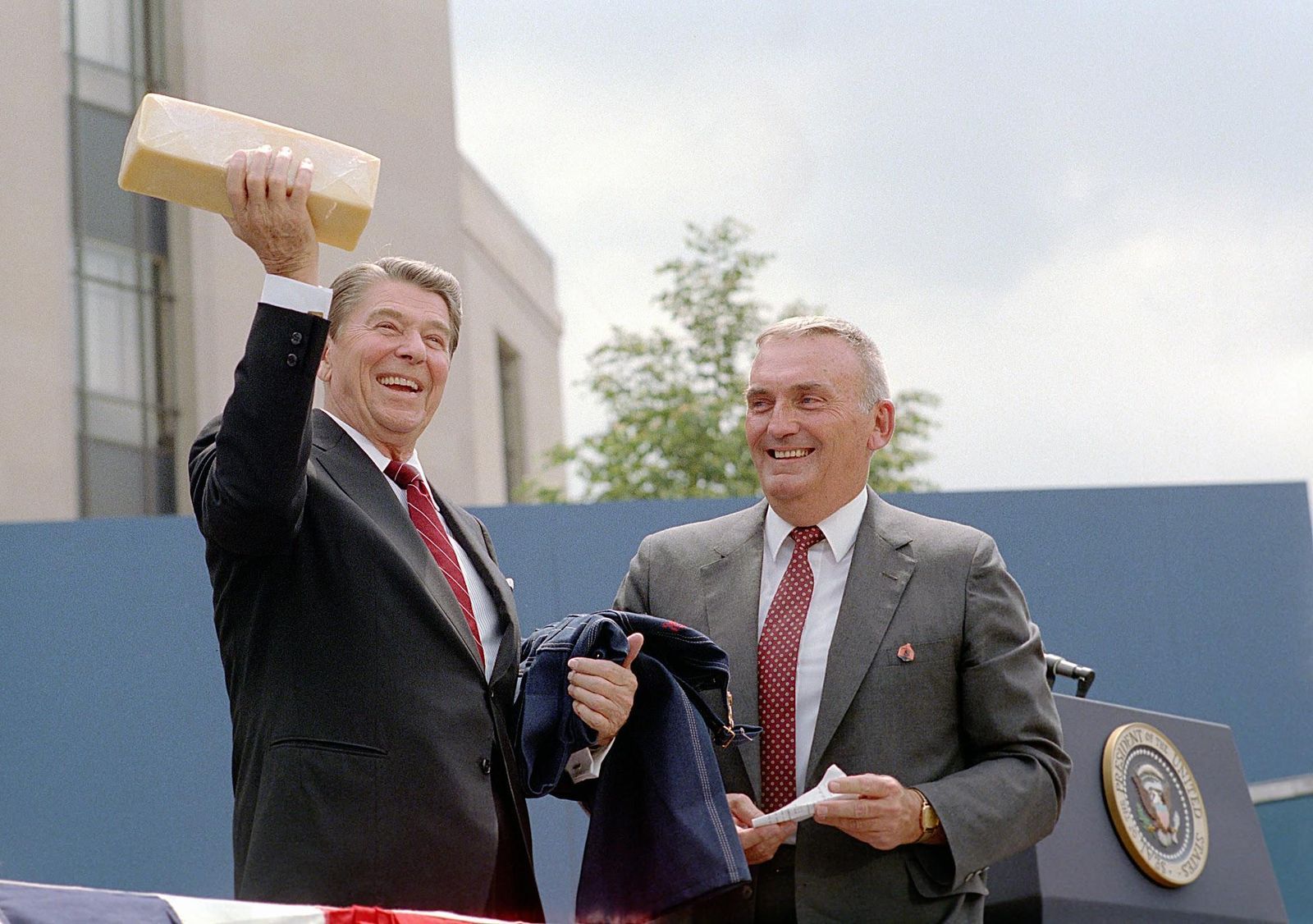
The U.S. government not only bought tons of American cheese during World War I. In the 1980s, the term "government cheese" became a thing. During a period of dairy surpluses, the government bought millions of pounds of cheese to prop up prices for struggling farmers.

To avoid letting it rot, the Reagan administration began distributing five-pound blocks of cheese to low-income families, seniors, and schools. For many who grew up in that era, that pale orange processed cheese was a lifesaver.

Geography Geography 4 min read

A cross-country road trip

From Chicken Dinner to Psycho Path: The funniest street names in America!

Image: Joel Colvin

Many streets are named after significant figures or events, like Independence Avenue, Washington Street, or JFK Boulevard. But sometimes, a street's name isn't tied to a serious theme or story. Across all 50 states, you'll find streets and roads with names so strange they'll make you wonder if they're real or just a joke. If you want to have fun, join us on a tour of 10 US streets with the craziest names!

1
Psycho Path - Traverse City, Michigan

Image: Grigorii Shcheglov

If you like puns, you'll love the people from Traverse City, Michigan. But why? Because they decided to turn one of their streets into a clever joke.

Here is the name they chose for a street in their city: "Psycho Path"! We have to admit it's a good one! This, in fact, earned them the first place for having the wackiest street name!

2
No Name Lane - Glenwood Springs, Colorado

Image: Justin Lawrence

It seems that Coloradans had some creative challenges when naming some places. A perfect example is "No Name Lane," a street just east of Glenwood Springs. But the street is actually located within an area named "No Name," confusing, isn't it? And that's not all! In this region, you can also find landmarks such as No Name Canyon, No Name Creek, and, of course, the main road: No Name Lane.

3
Chicken Dinner Road - Caldwell, Idaho

Image: Cisco Lin

Can a street make you hungry? Well, a street name might! That's exactly what happened to us when we discovered a road in Caldwell, Idaho, with a rather appetizing name. We're talking about "Chicken Dinner Road," which, a few years ago, raised controversy among animal advocates who proposed shortening the name to simply Chicken Road. What do you think?

4
Boring Road - Decatur, Georgia

Image: Simon L

Well, we get it, the name of this street might not sound the most exciting, but don't let it fool you! Boring Road in Decatur, Georgia, is actually home to some pretty nice houses.

Though the name might not sound inviting, it probably comes from someone with the last name "Boring" rather than a reflection of the area's lack of excitement.

5
Robbers Road - Lincoln, Nebraska

Image: Bruno van der Kraan

This street doesn't exactly invite us to take a leisurely walk, especially not at night! But we have to defend the honor of Robber's Road in Lincoln, Nebraska, as its name actually comes from the famous Robber's Cave located in the area.

Robber's Cave is a historic sandstone cave that, according to legend, once served as a hideout for criminals, and that's why it has such a peculiar name! Today, the cave is a tourist spot in Lincoln, attracting many curious people to the area.

6
Memory Lane - Mt. Prospect, Illinois

Image: Benjamin Elliott

There's a place where you can literally take a walk down memory lane, and it is here in the United States! More precisely, it's in Mount Prospect, Illinois.

This town in the Prairie State is home to a street called "Memory Lane," though it wasn't always that way. Originally named "Hill Street" in the 1920s, the street was renamed by the late 1940s.

7
Captain Bacon Road - Yarmouth, Massachusetts

Image: Thought Catalog

Dear breakfast lovers, this could become your new favorite street! We're talking about Captain Bacon Road, located in Yarmouth, Massachusetts.

While there are several theories behind the name of this street, one thing is for sure: Captain Bacon Road has sparked a lot of curiosity (and hunger)!

8
Zzyzx - Mojave Desert in California

Image: frank mckenna

While it might look like a typo, "Zzyzx" is actually the name of a road in California's Mojave Desert. In fact, this unusual word not only designates a road but also refers to a small settlement in the state.

The name "Zzyzx" was invented in the 1940s by Curtis Howe Springer, a man who established a health resort and spring in the area. He wanted the name to be unforgettable, so he created "Zzyzx," intending it to be the last word in the dictionary.

9
Unexpected Road - Buena Vista, New Jersey

Image: Christian Lue

A phone call, a piece of news, even love; many things in life can be unexpected. But a street? Well, it seems so! If you don't believe us, you can ask the people of Buena Vista Township, New Jersey.

In this town, there's a street literally called "Unexpected Road," and in 2006, it earned a spot on a rather peculiar list: A survey by The Car Connection ranked it as the 7th wackiest street name!

10
English Muffin Way - Frederick, Maryland

Image: Rachel Park

Surprisingly, Captain Bacon is not the only breakfast-related street. You can also take a stroll down English Muffin Way in Frederick, Maryland.

What's interesting is that just off English Muffin Way sits a Bimbo Bakeries USA facility, famous for producing Thomas' English Muffins! Ok, now we're craving one.

Explore more American facts

Choose your favorite category!

General
General

As American as apple pie—the very best America has to offer!

Culture
Culture

Delve into the astounding richness of American lore.

Geography
Geography

Hop in and explore vast and diverse American landscapes.

History
History

Discover the key moments that shaped the United States.