Culture Culture 3 min read

Remember where you started

These 10 global brands were born in small American towns

Image: Haithem Ferdi / Ric perin

Everybody has to start somewhere, and that’s true for brands too, no matter how big they are. While many big names are born in major industrial and commercial hubs, quite a few very successful businesses have emerged from small American towns—and many of those brands remain headquartered in their hometowns to this day. Take a look at the following brands, all major players in their markets, and their cherished hometowns. Have you ever been to any of these towns?

1
Walmart

Image: Marques Thomas

When it comes to big brands, Walmart is one of the largest in the country, and even the world. But its humble beginnings can be traced back to Bentonville, Arkansas , where Sam Walton opened his first store, aptly named Walton’s, in 1950.

Since then, the company has grown into a business worth over $530 billion, with stores all around the globe. Yet, its headquarters remain in the small town of Bentonville.

2
Hormel Foods

Image: Hannes Johnson

From Skippy to Country Rock and even Spam, the Hormel Foods label carries a lot of successful brands. However, when the company was founded in 1891 in Austin, Minnesota, it began as a much more modest venture.

Even after over 130 years and a huge growth, the brand still remains in the charming little town of Austin and has no plans to relocate.

3
Kellogg's

Image: Yvens Banatte

In 1894, America’s breakfasts changed with the invention of the cornflake. W.K. Kellogg invented this wonder at the Battle Creek Sanitarium, a health resort run by his family. A few years later, in 1906, Kellogg founded his own company, the Battle Creek Toasted Corn Flake Company.

To this day, the massive company, which generates $13.5 billion in annual revenue, remains in Battle Creek, Michigan , a city of 51,000 residents.

4
Dick's Sporting Goods

Image: Artificial Photography

If you’ve ever thought that Dick's Sporting Goods sounds a bit like the name of a small-town shop, you are not wrong. The founder, Richard Stack, started his business in 1948 by opening a small fishing tackle store in Binghamton, New York.

By 1970, Stack had expanded the business to include gear for all kinds of sports and outdoor adventures. Today, the company, which is still family-run and operates out of Binghamton, generates $7.3 billion in annual revenue.

5
Kohler

Image: Oxana Melis

It’s not often that a town changes its name in favor of a company born there, but that’s exactly what happened in the tiny village of Riverside, which renamed itself Kohler. The company was founded in 1900 as a plumbing manufacturer and has since expanded its business into faucets, sinks, and toilets.

And, while the company has grown to be a multi-million-dollar enterprise, its headquarters remain in the picturesque village of, yes, Kohler, Wisconsin .

6
Progressive Corporation

Image: Jamie Street

Progressive Corporation is one of the largest car insurance companies in the U.S., also providing coverage for boats, motorcycles, and RVs. However, it started small in Mayfield Village, Ohio , in 1937. The company was founded by lawyers Jack Green and Joseph Lewis in their hometown, and it has remained headquartered there to this day.

7
CVS

Image: Tbel Abuseridze

This ubiquitous pharmacy chain opened its first store in 1963, and just seven years later, it had expanded to 100 locations. Today, CVS operates 10,000 stores nationwide while maintaining its small-town identity, thanks in large part to its headquarters in Woonsocket, Rhode Island .

8
Caterpillar

Image: Sindy Süßengut

A brand known for its ruggedness, Caterpillar Inc. makes tractors, construction, and mining equipment, and even clothing. The company is ranked in the Forbes list as one of the most valuable brands in the world, with over $51 billion in revenue. Despite its global success, Caterpillar still maintains its headquarters in the small town of Deerfield, Illinois .

9
The Hershey Company

Image: Janne Simoes

It makes sense that The Hershey Company, probably the biggest chocolate brand in the world, is headquartered in Hershey, Pennsylvania . The company produced its first product, Hershey’s Cocoa, in 1894 and has continued to grow and innovate ever since, all the while remaining in the small town that saw its birth.

10
Sonoco

Image: Kelly Sikkema

This packaging company produced its first product, a cone-shaped paper yarn carrier, over 120 years ago in Hartsville, South Carolina . These days, Sonoco is the world's largest producer of paperboard containers.

Despite its growth, the company has remained loyal to its roots, and its headquarters are still based in Hartsville.
History History 4 min read

The strangest battles ever fought

11 of America’s shortest wars and strangest battles in history

Image: Chandler Cruttenden

Some of America’s most memorable conflicts weren’t long campaigns but rather quick clashes, odd standoffs, or brief fights that, for one reason or another, became well known. These short or unusual events often reveal how chaotic, improvisational, or downright strange these kinds of situations can be in real life. Take a look at 11 of these curious affairs involving our nation.

1
The Pig War (1859)

Image: Pascal Debrunner

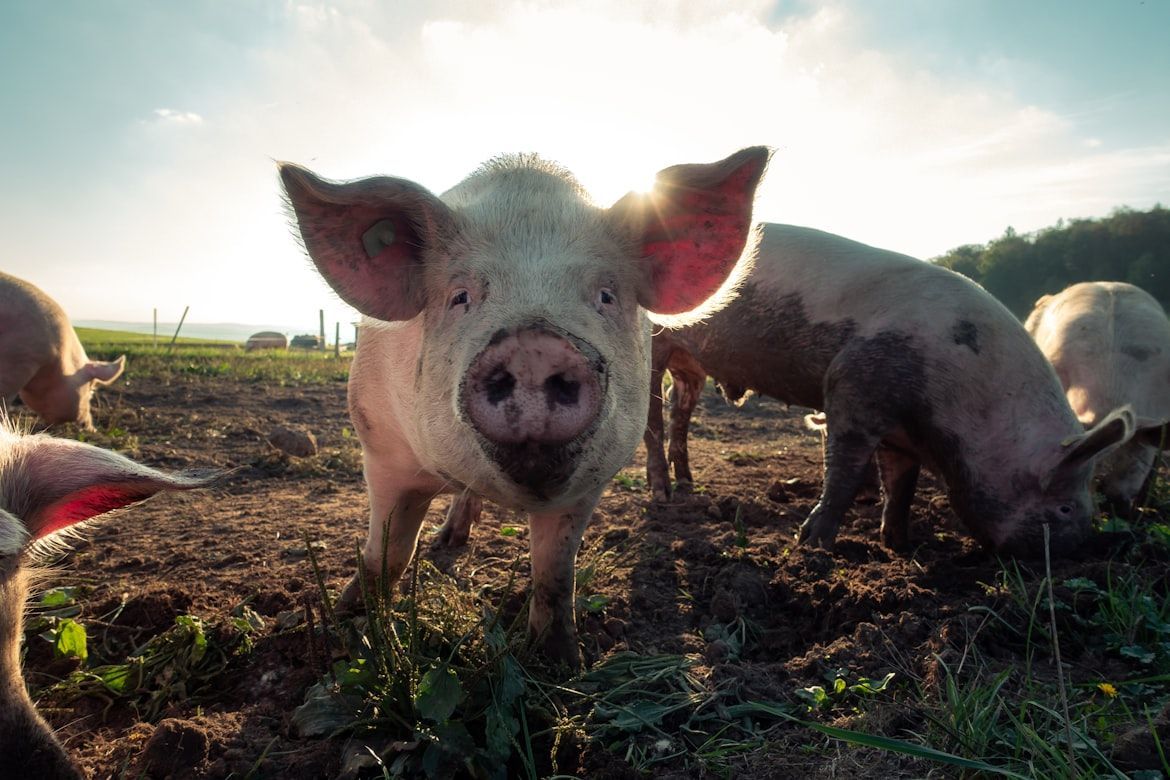
A boundary dispute on San Juan Island nearly escalated into a U.S.-British war after an American farmer shot a British-owned pig that was rooting in his garden . Troops rushed in, tensions rose, and both sides came to the verge of open conflict.

Thankfully, the "war" ended without a single human casualty. Diplomacy prevailed, leaving history with a famously absurd standoff where the only fatality was the unfortunate hog that started it all.

2
The Toledo War (1835-36)

Image: Leo Escala

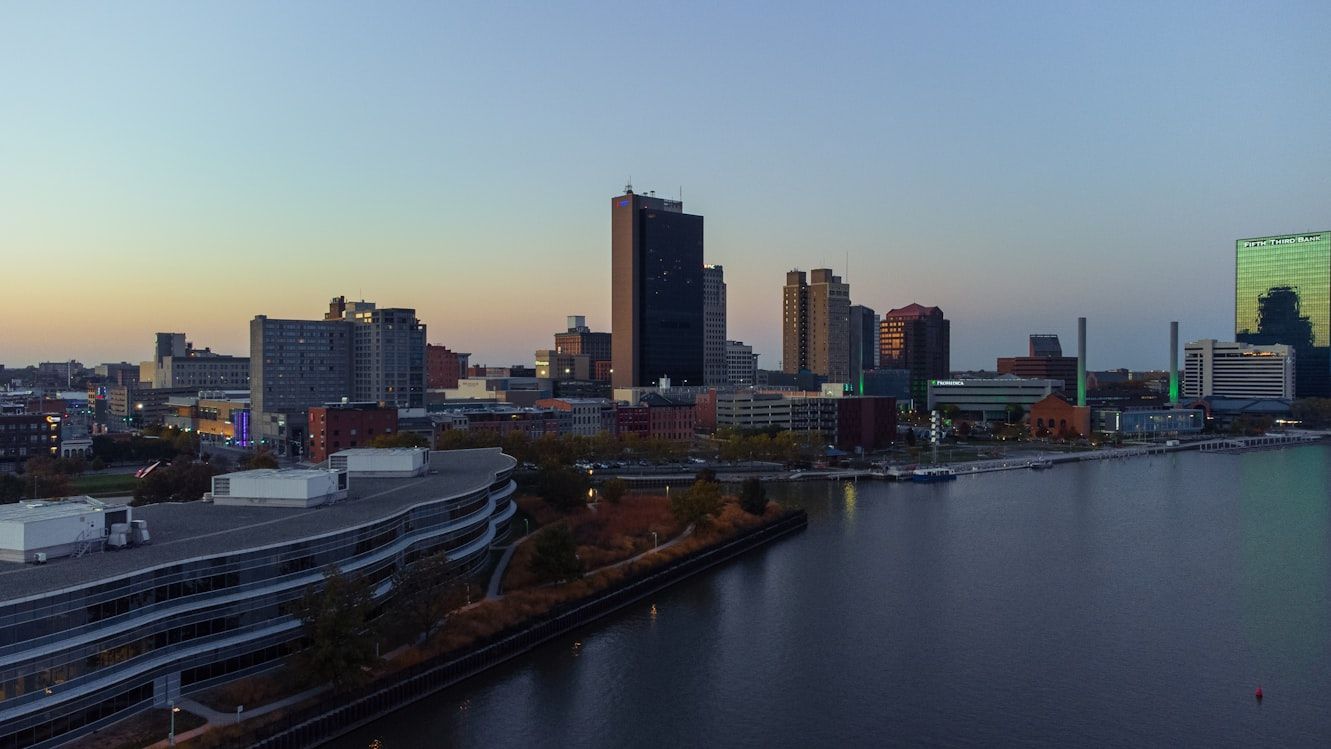
Believe it or not, Michigan and Ohio once squared off over a slim strip of land containing the city of Toledo . Militias mobilized, tempers flared, and political rhetoric soared past anything that the dispute really deserved.

The conflict produced only one injury: a sheriff was stabbed with a pocket knife. It ended with Michigan receiving the Upper Peninsula as compensation.

3
The Aroostook War (1838-39)

Image: Jason Abdilla

A mix of lumberjacks, militias, and confused officials sparked a border showdown between Maine and British Canada. Though the name sounds dramatic, the "war" consisted mostly of shouting, arrests, and paperwork .

Still, it lasted less than a year and recorded no combat deaths. Its odd blend of frontier folklore and diplomatic missteps gave it a reputation as one of America’s most harmless "wars."

4
Battle of Lake Erie (1813)

Image: National Historical Museum of Sweden (NHM)

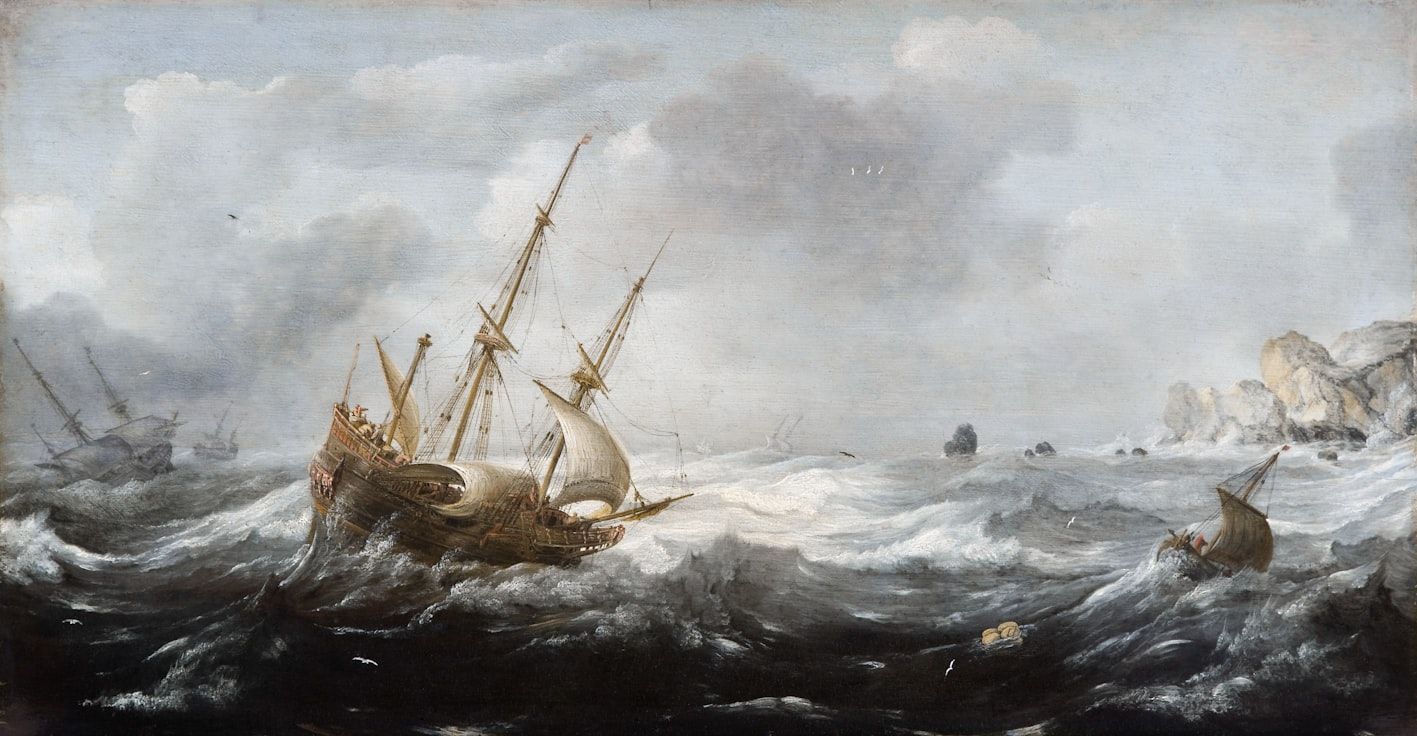
In a fierce naval engagement that lasted only a few hours, Commodore Oliver Hazard Perry secured control of Lake Erie during the War of 1812 . His quick, decisive victory shifted momentum in the northern theater of the war.

The battle is remembered for its speed and for Perry’s bold message: "We have met the enemy, and they are ours."

5
Battle of Blair Mountain (1921)

Image: Art Institute of Chicago

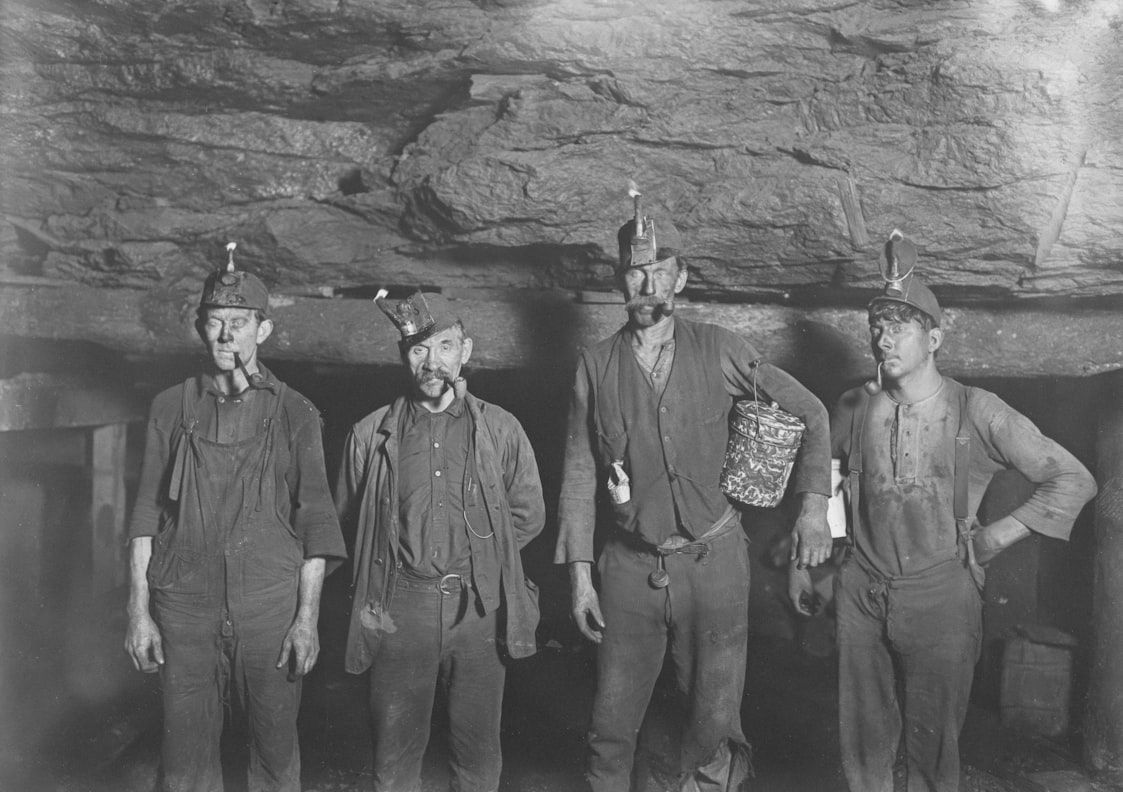
For five tense days in West Virginia, thousands of coal miners armed themselves against hired gunmen, local law enforcement, and eventually federal troops . It became the largest labor uprising in U.S. history.

Despite its scale, the conflict ended quickly once the Army intervened. Its strange blend of union struggle, machine guns, and biplanes made it one of the most dramatic yet short-lived labor battles ever fought.

6
Battle of Athens, Tennessee (1946)

Image: Thi Nguyen Duc

World War II veterans took matters into their own hands and clashed with a corrupt county political machine after years of election wrongdoing. In a single night of gunfire and sieges, the veterans seized the jail and exposed the fraud .

By morning, order was restored and democracy reclaimed. The brief uprising became a legendary example of ordinary Americans pushing back against local tyranny.

7
Shelling of Fort Stevens (1942)

Image: Ray Graciano

During World War II, a Japanese submarine surfaced off the Oregon coast and fired on Fort Stevens for roughly fifteen minutes . The startled gunners held their fire to avoid revealing their positions.

No lives were lost, and damage was minimal. Still, the brief attack stands out as one of the only direct assaults on the U.S. mainland during the war.

8
Battle of Palmito Ranch (1865)

Image: Rosanne Rapata

Fought in Texas weeks after the Confederacy had effectively collapsed, this short skirmish featured U.S. and Confederate troops battling despite the war’s official end . Confusion and poor communication kept the fighting alive.

The engagement lasted only a few hours but became the Civil War’s final battle. Its odd timing makes it a historical footnote with a bizarre twist.

9
Battle of Ambos Nogales (1918)

Image: Art Institute of Chicago

A border misunderstanding escalated into a sudden firefight between U.S. and Mexican troops in the twin towns of Nogales, Arizona, and Nogales, Sonora. The shooting lasted only a few hours but drew civilians into chaos.

The brief clash prompted both governments to rethink border security. It remains the only World War I-era battle fought on U.S. soil involving foreign troops .

10
The Great Locomotive Chase (1862)

Image: Naveed Ahmed

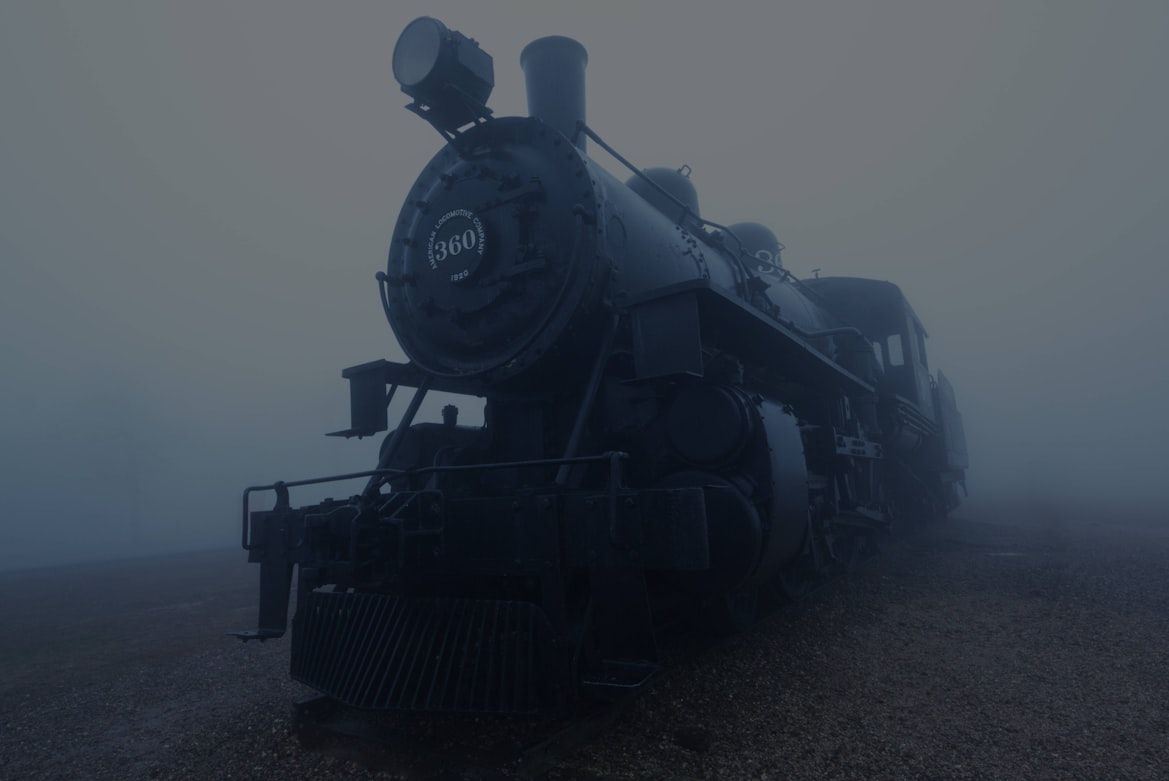
Union raiders stole a Confederate locomotive and sparked a dramatic pursuit through northern Georgia. The "battle" unfolded across railroad tracks and small towns over the course of a few hours.

Though unconventional, it was officially a military operation and became legendary for its daring and scope. The episode showed how even a train theft could become an act of war.

11
Little Belt Affair (1811)

Image: The New York Public Library

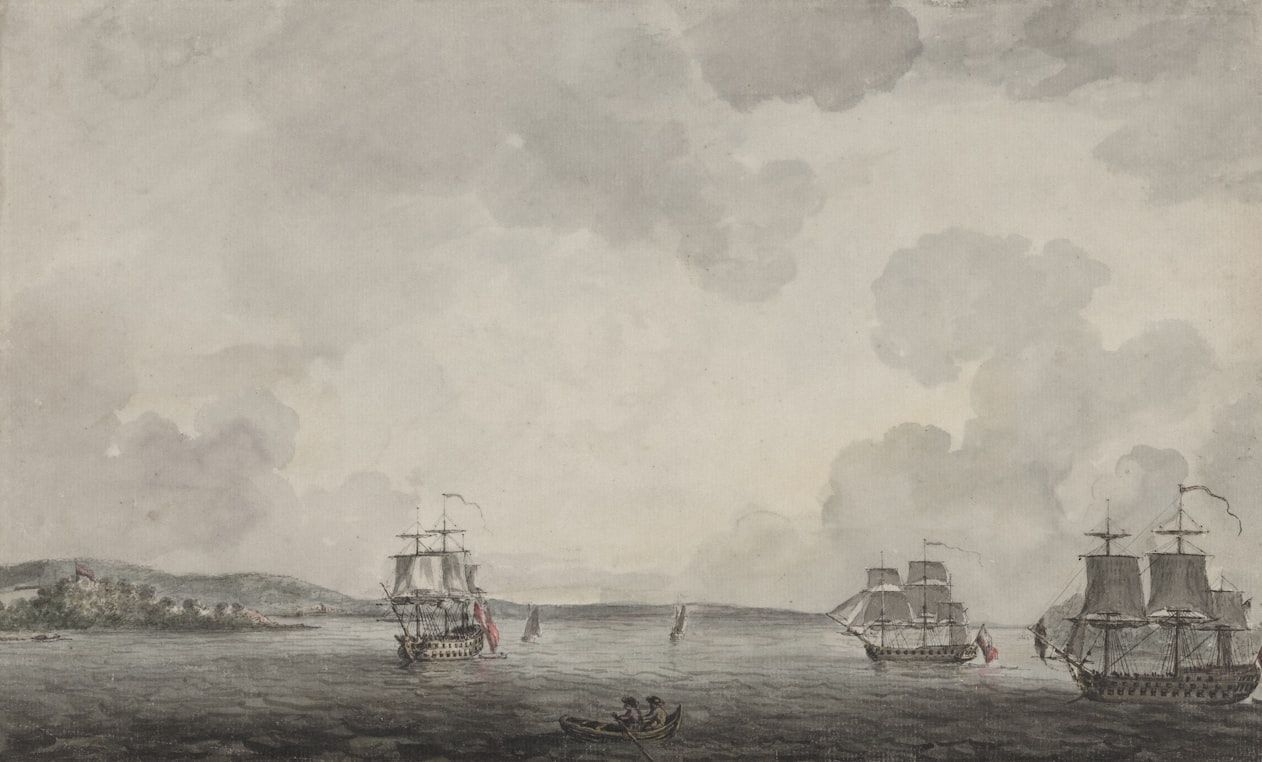
This brief naval encounter between USS President and HMS Little Belt lasted less than an hour. Confusion over signals led to sudden gunfire and heavy damage to the British vessel.

The brief clash worsened tensions between the two nations and helped push the U.S. and Britain toward the War of 1812.

History History 4 min read

Sip back in time

Ombibulous times: Talking the talk of prohibition

Image: Moussa Idrissi

Back in the 1920s, when alcohol was outlawed but far from out of reach, people got creative—not just with cocktails, but with their lingo, too. From secret bars to shady drinks and sly lawmen, the Prohibition era brewed up a whole dictionary of clever slang. Some of these phrases are still with us today, while others sound like something out of an old gangster flick. Let’s raise a (legal) glass and dive into the wild vocabulary of the dry years!

1
Giggle water

Image: Tristan Gassert

Sounds fun, doesn’t it? "Giggle water" was slang for champagne, but later came to mean any kind of alcoholic drink that made you feel good.

The term popped up around 1910 and hung around well into the ’20s. Lighthearted and cheeky, it captured the mood of a tipsy good time. It was all laughs—until the next morning.

2
Blind pig

Image: Annie Spratt

A "blind pig" was code for an underground bar, or speakeasy, where patrons paid to see an "exotic animal" and conveniently received a cocktail with the show. This ruse was an early attempt to skirt the law. The term dates back to the 1800s and had a cousin in crime: the "blind tiger." No matter the name, nobody was there to admire animals—they came for the booze.

3
Juice joint

Image: John Hernandez

At first glance, this might sound like a fruit stand. But during the 1920s, a "juice joint" was slang for a speakeasy—especially the more modest ones. However humble, they had it all: music, dancing, and definitely drinks, legal or not.

The name originally referred to soda stands, but it didn’t take long before it meant something much stronger. If you were thirsty during the dry years, this was a must-stop.

4
Jake walk

Image: Ve al perfil de Andreas M Andreas M

Here’s a sobering one. "Jake" was shorthand for Jamaican ginger extract, a legal tonic with high alcohol content. But manufacturers altered it to skirt regulations—and the results were tragic. Drinkers developed a distinct limp from nerve damage, called the "Jake walk" or "Jake leg." Thousands were affected, especially in the South. It became both a medical crisis and a dark symbol of the risks people took to sneak a drink.

5
Ombibulous

Image: Kelsey Chance

Writer H.L. Mencken had a way with words—and a taste for booze. In 1920, he dubbed himself "ombibulous," meaning he happily drank anything alcoholic, no matter what. He was also known for calling bootleggers "booticians," always with a wink. A strong critic of Prohibition, Mencken turned his drinking habits into witty declarations.

6
Needle beer

Image: Wil Stewart

You know the drill: desperate times, desperate measures. Some barkeeps took regular beer, injected it with alcohol via a syringe through the cork, and served it up as the real deal. This DIY hack became known as "needle beer." It was risky and often poorly mixed, but in an era when options were slim, creativity was all people had. Probably not the safest pint you ever drank, though.

7
Brick of wine

Image: Kym Ellis

Yes, really! You could buy a block of grape concentrate, add water, and wait—voilà, wine! These "bricks" came with an ironic warning not to store them in a cool, dark place (wink, wink), or they might "accidentally" ferment. For wine lovers who craved a glass during the dry years, this was a sly workaround. Just add water, patience, and a sense of humor, of course!

8
Bathtub gin

Image: Bjarne Vijfvinkel

Not a flavor—a method. "Bathtub gin" referred to homemade hooch often mixed in, you guessed it, a bathtub. Tall bottles didn’t fit under sink taps, so a larger space was needed. We’ve said it before, and we’ll say it again: how creative could they get?

The quality varied wildly, and safety wasn’t exactly guaranteed. However, it became the generic term for all sorts of homebrewed booze.

9
Teetotaler

Image: Jessica Smith

This word originated before Prohibition but got plenty of use during it. A "teetotaler" is someone who avoids alcohol entirely. The term comes from the emphatic "T" in "total abstinence." It gained popularity thanks to temperance movements in the 1800s, long before the ban was official. While others were sneaking into blind pigs, teetotalers were proudly saying, "Thanks, but no thanks."

10
Dry

Image: engin akyurt

If you were "dry," you were all in on Prohibition. Drys supported the ban, and dry counties banned alcohol completely. Agents who enforced the law were often called "dry agents." The term became both a political and cultural identifier. You were either dry or...

11
Wet

Image: CHUTTERSNAP

...you were wet. A "wet" person supported legal alcohol sales, plain and simple. Wet cities and counties allowed booze to flow, and many Americans never bought into the dry movement. The wet/dry divide wasn’t just about drinks—it represented a much larger cultural clash. And as we know now, the wets eventually won.

12
Whale

Image: Todd Cravens

Not a sea creature, but someone who could drink like a fish. A "whale" was a heavy drinker, often the life of the party and the last one standing. Whether at a juice joint or speakeasy, whales had reputations to uphold. The term lives on today in gambling circles, too—but back then, it was all about your booze tolerance.

Explore more American facts

Choose your favorite category!

General
General

As American as apple pie—the very best America has to offer!

Culture
Culture

Delve into the astounding richness of American lore.

Geography
Geography

Hop in and explore vast and diverse American landscapes.

History
History

Discover the key moments that shaped the United States.