Geography Geography 8 min read

Big cities’ secrets

There's a city buried under Seattle, and most people never see it
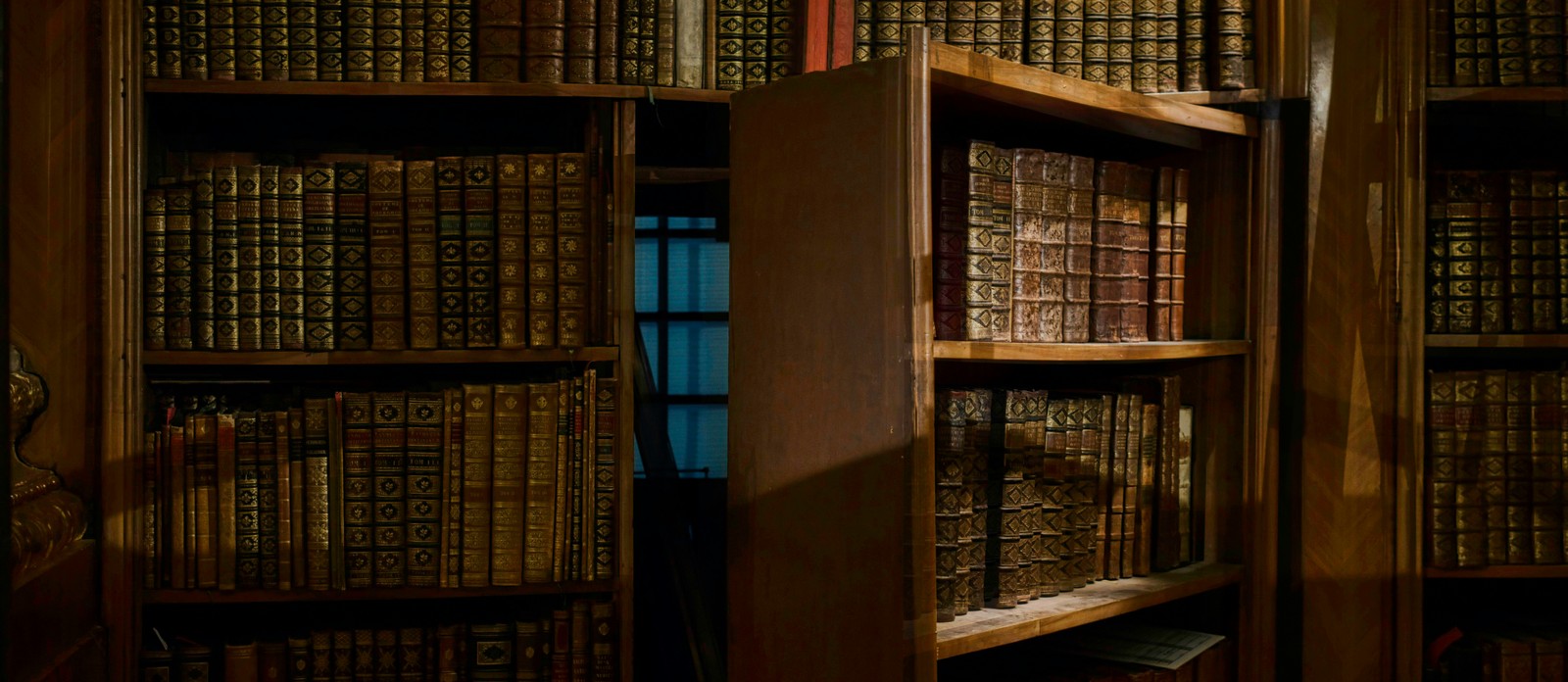
Image: Stefan Steinbauer

You probably think you’ve seen everything America has to offer, from the bright lights of the Big Apple to the Hollywood sites in Los Angeles. But hidden in the big cities are places that don’t get much of the spotlight but deserve more. Beneath Seattle are buried streets frozen in time. In Chicago, engineers actually made a river flow backward. And in Portland, there’s a tiny park supposedly built for leprechauns. These and more unusual spots are hiding in plain sight. Here’s the story behind them and where you can find them.

1
Seattle: The Seattle Underground
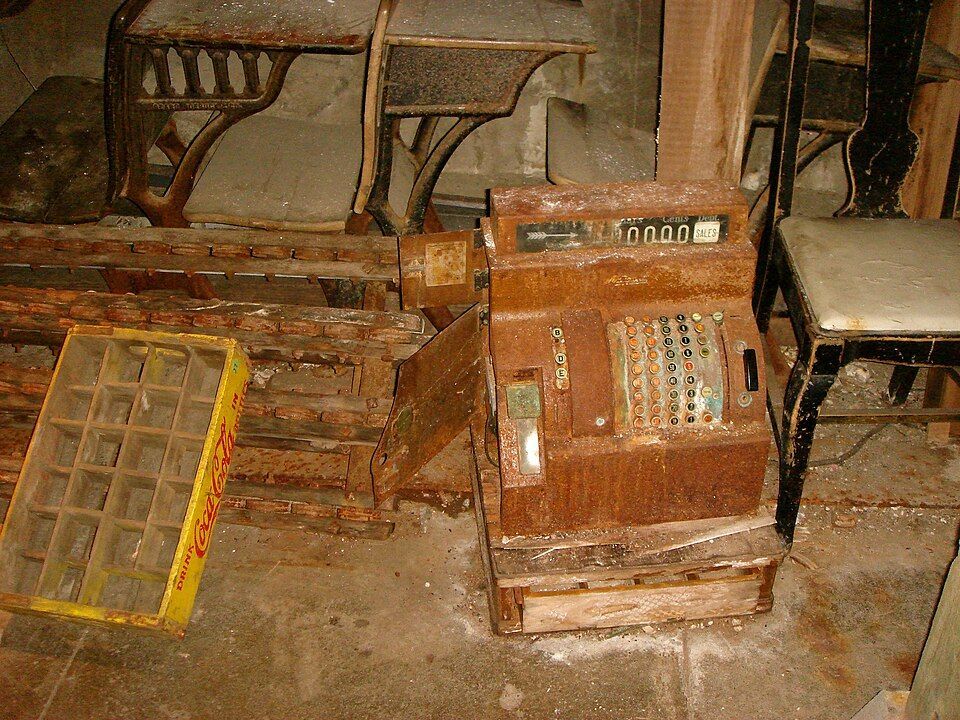
Image: Ronincmc, CC BY-SA 4.0, via Wikimedia Commons

People usually visit Seattle for the seafood, waterfront views, coffee culture, and the famous Space Needle. But underneath the busy sidewalks lies part of the city most tourists never realize exists. Beneath Pioneer Square sits the Seattle Underground, a network of old streets and storefronts buried below modern Seattle.

This area dates back to the Great Seattle Fire of 1889, which destroyed much of downtown. City leaders decided to rebuild the streets one story higher to improve drainage problems that had plagued the city for years. For a while, businesses operated below street level, but eventually this lower level was abandoned. Today, guided tours take visitors through the underground passageways and old sidewalks and mix ghost stories and old city legends with the real story below Emerald City.

2
Chicago: The Chicago River
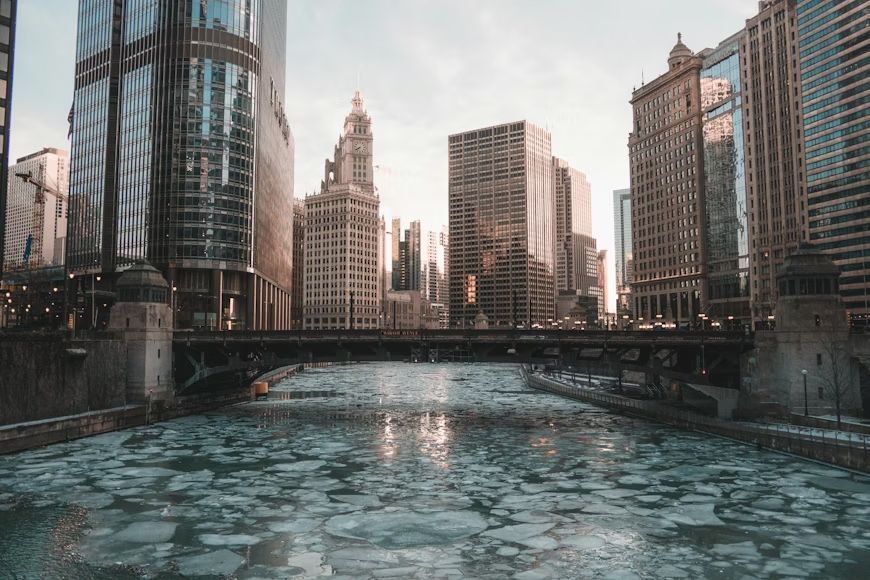
Image: Alex Azabache

Between deep-dish pizza, Wrigley Field, jazz clubs, and the towering skyscrapers, few cities feel more American than Chicago. It’s also home to the magical Chicago River, which, in 1900, actually flowed backwards.

Back in the late 1800s, Chicago faced a dangerous problem. The river carried sewage and industrial waste into Lake Michigan, the same lake supplying the city’s drinking water. Disease outbreaks of typhoid and cholera became increasingly serious, and engineers realized something drastic had to happen. In 1900, after years of planning and digging canals, they built a series of canals and locks, like the prominent Chicago Sanitary and Ship Canal, connecting the Chicago River to the Des Plaines River, forcing the water to flow toward the Mississippi River watershed. That way, they reversed the river’s direction so the contaminated water would flow away from the lake instead of into it. The natural flow was forever altered, but it remains central to city life, especially during St. Patrick’s Day when, according to tradition, it’s dyed bright green every year.

3
New York City: NYPL hidden apartment
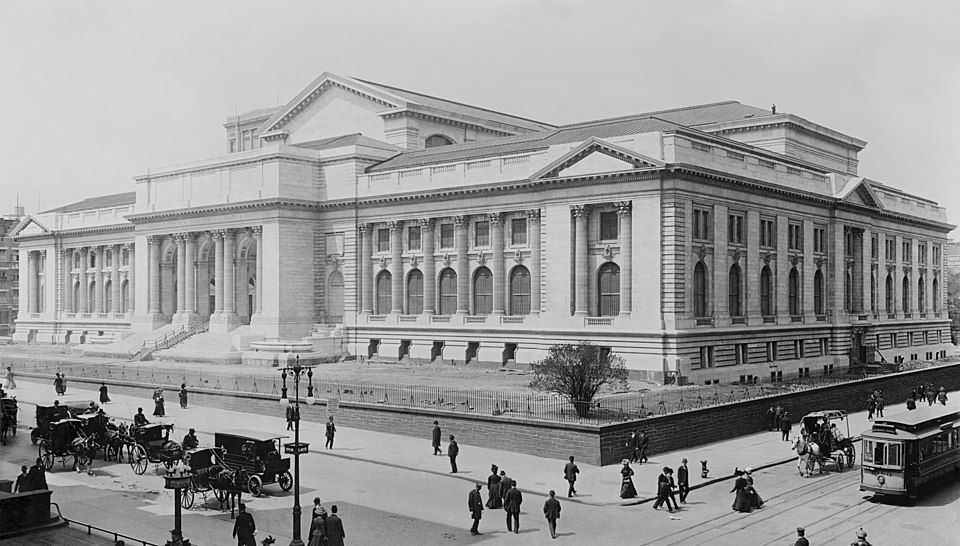
Image: Detroit Publishing Company, Public domain, via Wikimedia Commons

Yellow taxies, Central Park, Broadway shows, and nonstop energy have made New York City feel magical. The Big Apple hides many secrets, and the apartment inside the New York Public Library Main Branch is just one of them.

In 1910, the library superintendent, John Fedeler, and his family moved into a private eight-room apartment tucked inside the library. This was so that someone would always be available to maintain the huge building. With bedrooms, a kitchen, and a living area, a full home is hidden behind doors that most visitors passed by. The family lived there until 1941, when the space was converted into offices and storage areas. However, the library still offers tours where visitors can learn about its history.

4
Portland: Mill Ends Park
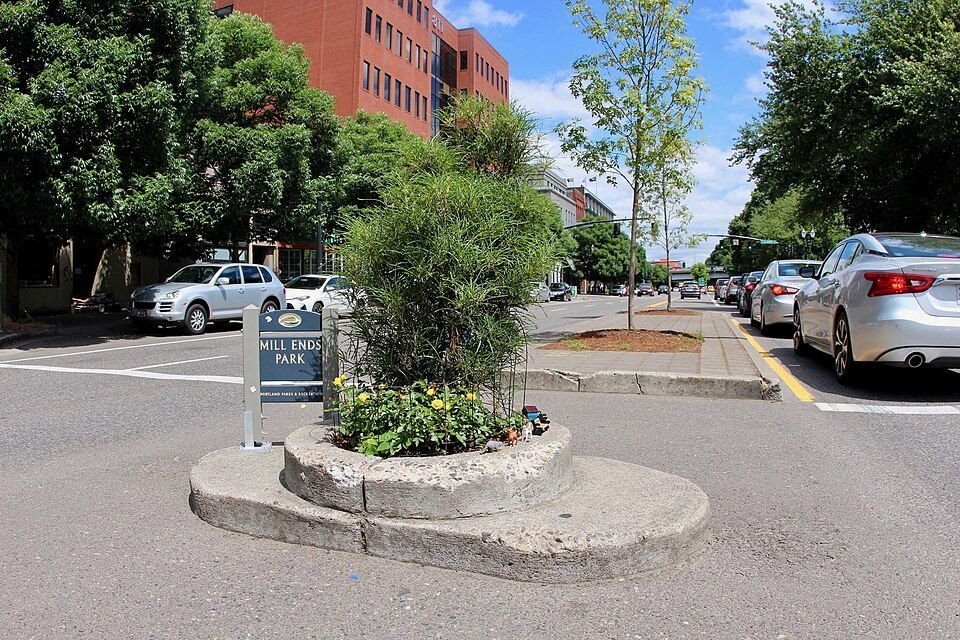
Image: daveynin, CC BY 2.0, via Wikimedia Commons

When you think of Portland, you may think of Washington Park or Forest Park. But if you pay close attention, you can also visit Mill Ends Park. At just two feet across, it holds the Guinness World Record as the world’s smallest park.

At first glance, it looks more like a flowerpot than a public landmark, but the story goes back to 1948, when journalist Dick Fagan noticed an empty hole that had been meant for a light pole. Tired of staring at it from his office window, he planted flowers there and jokingly claimed that, since it was so small, it was a park for leprechauns. The joke took on a life of its own, and in 1976, it was dedicated on St. Patrick's Day. Today, it’s a must-do for travelers going through Portland, and locals continue treating it with surprising seriousness.

5
Houston: The Beer Can House
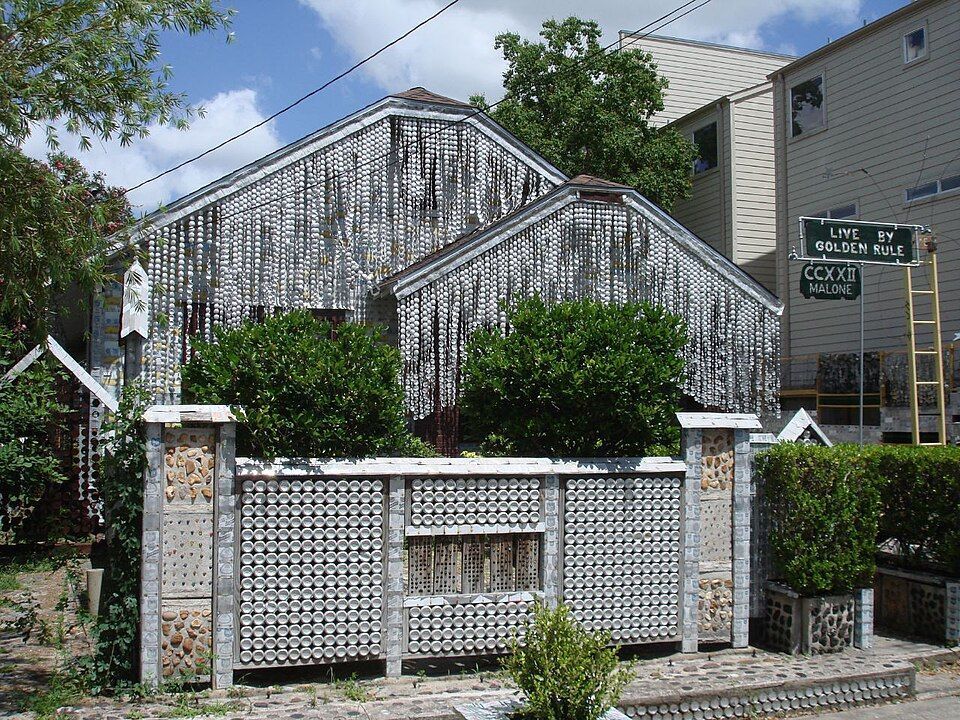
Image: Andrew Wiseman, CC BY-SA 3.0, via Wikimedia Commons

Everything is bigger in Texas, and Houston is no exception. If you’ve been there, you’ve probably visited NASA, the Museum District, and tried a local barbecue joint. But you’ve probably missed a quirky house hidden among the neighborhoods. Located at 222 Malone St, sits the Beer Can House. The name is self-explanatory, since it’s a house covered with beer cans.

In 1968, John Milkovish decided he was tired of painting and maintaining the exterior of his property. Instead, he began flattening beer cans and attaching them to the house. What started as a hobby slowly turned into a full-blown obsession involving more than 50,000 cans. The house went from being a neighborhood curiosity to a roadside attraction to finally being a protected local landmark in 2001. In 2010, Time magazine even ranked it as one of America's top 50 roadside attractions. True to his Texan blood, John Milkovish built something big.

6
San Francisco: The Wave Organ
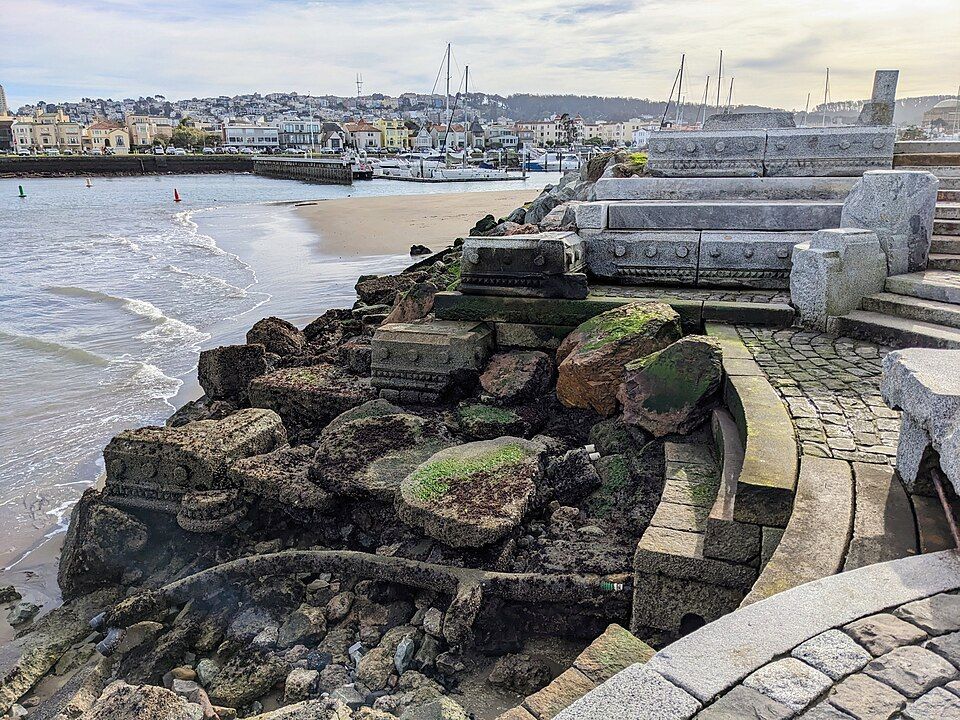
Image: The wub, CC BY-SA 4.0, via Wikimedia Commons

No trip to San Francisco is complete without taking the cable car or a picture at the Golden Gate. But tucked away near the Marina District is an attraction many tourists completely miss. The Wave Organ is a gigantic acoustic sculpture that turns ocean waves into music.

Completed in 1986 by artist Peter Richards, t he installation consists of a series of pipes extending into the bay. As tides rise and waves move through the pipes, they create eerie sounds ranging from soft bubbling to deep echoes. Richards was inspired by recordings of artist Bill Fontana, made of sounds coming from a vent pipe of a floating concrete dock in Sydney, Australia. In 1980, he received a grant from the National Endowment for the Arts and tested the first prototypes during the 1981 New Music Festival. Five years later, he completed this sonic sculpture that runs entirely on nature.

7
Los Angeles: La Brea Tar Pits
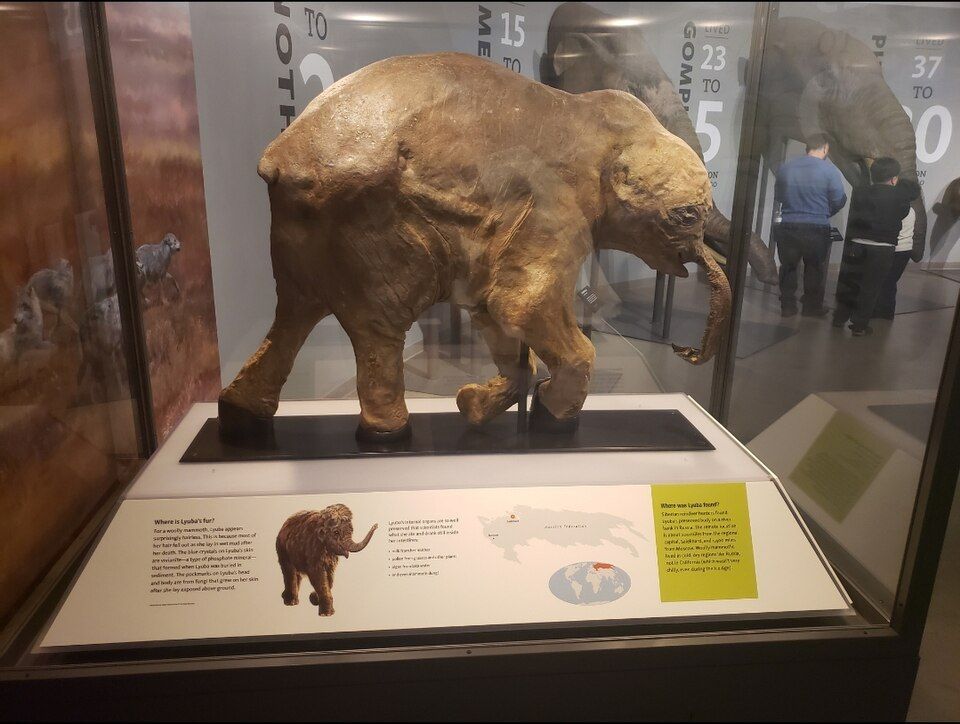
Image: WikiWhens, CC BY-SA 4.0, via Wikimedia Commons

Los Angeles is all about Hollywood, palm trees, and the beaches. But it’s also home to one of the world’s most important prehistoric sites. The bubbling black pools at La Brea Tar Pits have been trapping animals for tens of thousands of years.

Long before Los Angeles was the city it is today, natural asphalt constantly came up from underground. Mammoths, saber-toothed cats, dire wolves, and other Ice Age animals became trapped there, preserving their skeletons remarkably well. Scientists began excavating fossils in the early 1900s, and discoveries continue to this day. The fossils recovered from the site are countless. Visitors can explore the museum for $18 and watch active excavations while surrounded by modern office buildings and traffic.

8
Seattle: The Giant Shoe Museum
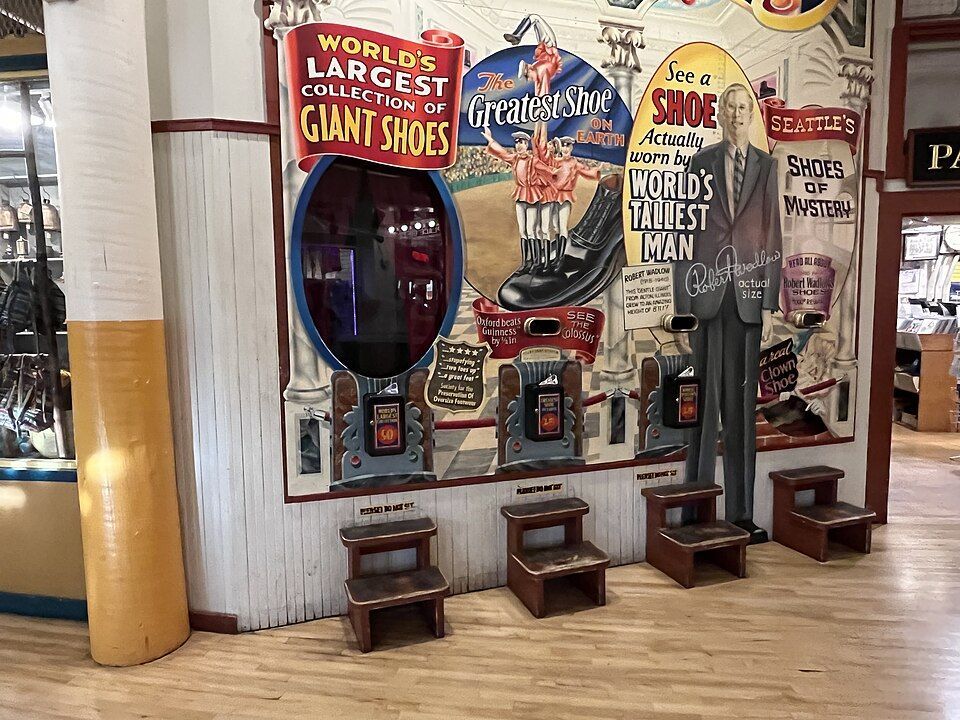
Image: Another Believer, CC BY-SA 4.0, via Wikimedia Commons

Seattle already has its share of unusual attractions, especially around Pike Place Market, where fishmongers toss salmon through the air, and crowds line up for fresh pastries. But the Giant Shoe Museum, located there, is even stranger. A single exhibit wall dedicated to oversized footwear , the museum works like an arcade peep show. Visitors drop coins into viewing slots to reveal displays featuring enormous boots, giant clown shoes, and other gigantic footwear.

The museum was founded in 1997 by Danny Eskenazi after he became obsessed with his grandfather’s missing item: the shoe of Robert Wadlow, the tallest man in history. He even offered $1,000 to anyone who could find that Wadlow shoe. Sadly, the shoe remains lost, but his obsession led to the discovery of other shoes worn by Wadlow and more footwear that is now displayed in the museum.

9
Boston: Great Molasses Flood Site
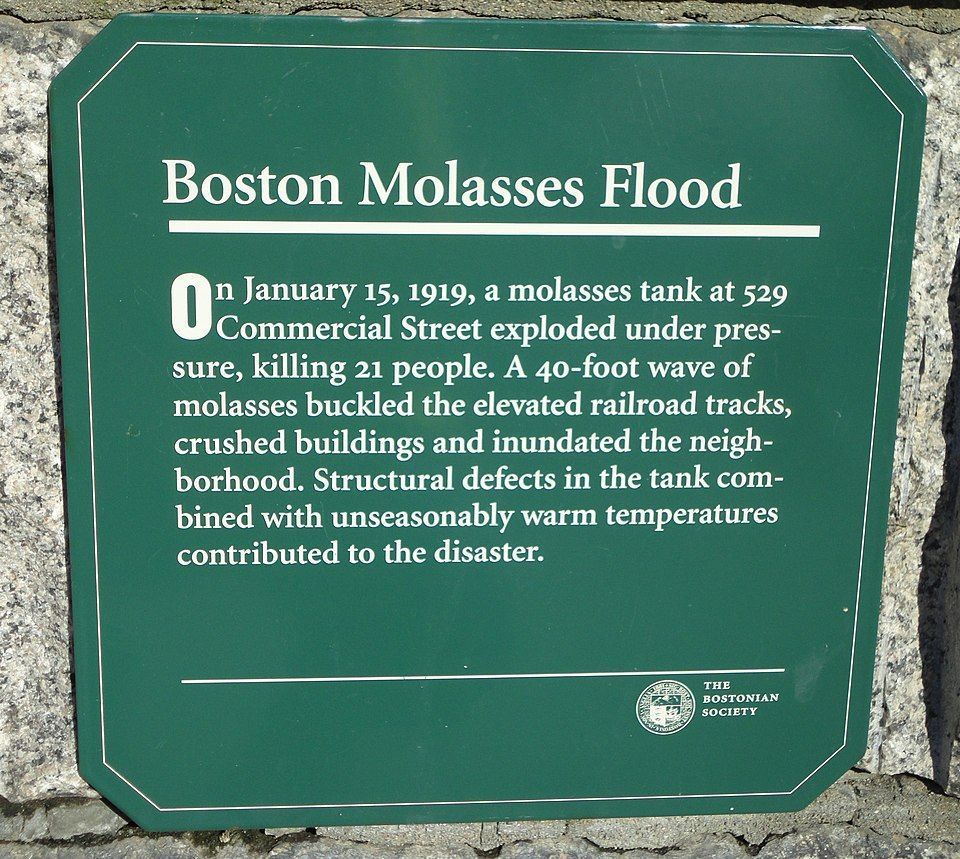
Image: MLHalsey, CC BY-SA 3.0, via Wikimedia Commons

Boston's most popular spots blend colonial and Revolutionary War history with vibrant neighborhoods that feature top attractions like the Freedom Trail, Fenway Park, and the Boston Public Garden. But it’s also home to the remains of a disaster.

In 1919, Boston experienced the Great Molasses Flood. A massive molasses storage tank burst in the North End neighborhood, unleashing more than two million gallons of syrup into the streets. After 21 people lost their lives, the disaster led to stricter construction safety regulations across the country, and the tank was never rebuilt. Today, visitors can still walk through the neighborhood where it happened. There’s no giant syrup wave anymore, thankfully, but plaques and local tours continue telling the story.

10
Lake Havasu City: The London Bridge
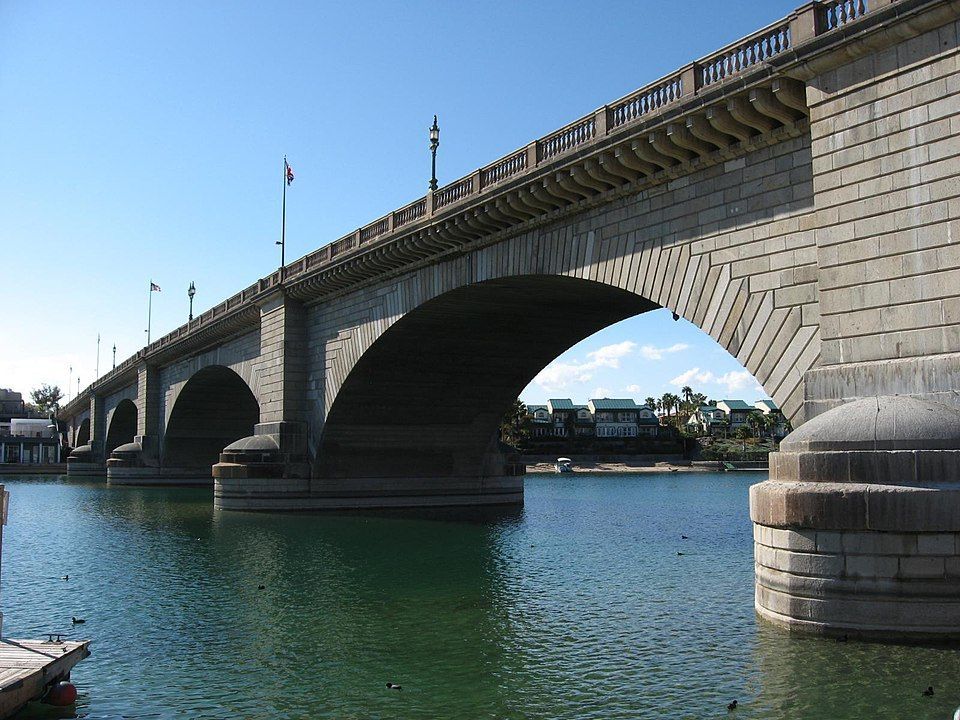
Image: Ken Lund from Las Vegas, Nevada, USA, CC BY-SA 2.0, via Wikimedia Commons

Driving through Lake Havasu City in Arizona, you expect desert landscapes, boating, and blazing summer heat. You probably don’t expect to stumble across a famous bridge from England, especially not the original London Bridge itself.

In 1831, John Rennie designed and opened the London Bridge spanning the River Thames. By the 1960s, the bridge started sinking under the weight of modern cars and traffic. Robert P. McCulloch, founder of Lake Havasu City, saw this as an opportunity and, in 1968, he purchased the bridge for $2.4 million. The bridge was dismantled and reconstructed in the Arizona desert, and completed in 1971. What once connected two sides of London now links mainland Lake Havasu City with Pittsburgh Point that visitors and locals enjoy every day.

11
Atlanta: The Center for Puppetry Arts
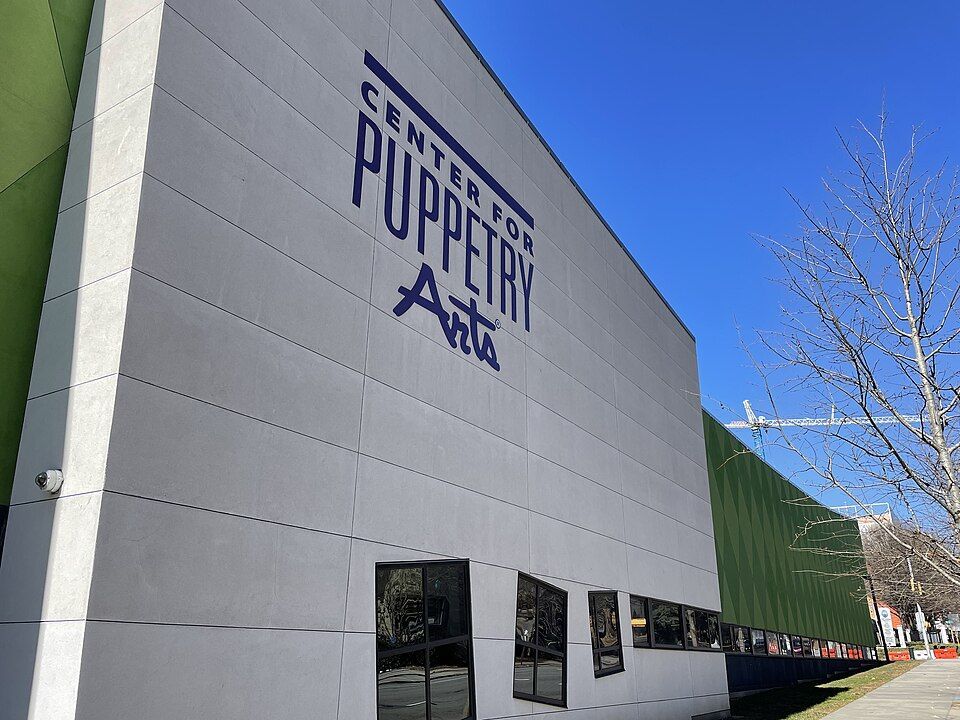
Image: Tyler Lahti, CC BY-SA 4.0, via Wikimedia Commons

Atlanta is often associated with Southern cooking, a busy airport, and its important role in the Civil Rights Movement. But tucked inside the city is also the Center for Puppetry Arts, which houses the world’s largest collection of Jim Henson’s original Muppets.

The center opened in 1978, when puppeteer Vincent Anthony transformed a former elementary school into a home for puppet arts. From the very beginning, the project had a special connection to Jim Henson himself. He and Kermit the Frog helped inaugurate the center, and over the years, Henson became one of its biggest supporters. The center expanded significantly between 2007 and 2015, adding the permanent Jim Henson Collection and the impressive Worlds of Puppetry Museum. Unlike many museums, this place is hands-on. Guests can watch live performances, explore exhibits from puppet traditions, and revisit characters that shaped generations of childhood memories.
Geography Geography 3 min read

When words cross the border

Lost in translation: The word differences between the U.S. and Canada

Image: Lara Jameson

When it's time for dinner, do you set out "serviettes" or "napkins"? People in the US and Canada may share a language, but you'd be surprised how many everyday objects have completely different names in each country. If you’re an American planning a trip to Canada—or a Canadian heading south—this article is for you!

1
Table manners

Image: Mika Baumeister

If you're dining out in Canada, don't be surprised if you hear someone ask for a "serviette." It might sound really fancy, but it's just the Canadian way of saying what Americans call a "napkin!"

2
Leftovers confusion

Image: Henry Kobutra

When it's time to clear the table and clean the dishes, things can get confusing between Americans and Canadians. In the US, you'll hear "throw the leftovers in the garbage disposal," but up north in Canada, it's called the "Garburator."

Though it might sound like they’re talking about two different things, it’s the same device—just different names!

3
Let's run

Image: Bruno Nascimento

Both Canadians and Americans use the term "running shoes" to mean athletic shoes designed for jogging or exercise. But there's one word that sets them apart: "runners."

In Canada, "runners" are what you wear on your feet. In the US, they are the people wearing them!

4
A matter of power

Image: Mike Winkler

What do you call that thing you use to plug in several devices at once? Your answer might reveal where you're from. If you say "power strip," chances are you're American. But if you call it a "power bar," you're probably Canadian!

5
Rubber bands

Image: Andres Siimon

They're small but super handy, so it's worth knowing what to call them no matter where you are! In Canada, people ask for "elastics" when they need to bundle papers or bills. But ask for "elastics" in the US, and you might get a confused look. Americans almost always just call them "rubber bands" instead.

6
Colorful vocabulary

Image: Sara Torda

Coloring was undoubtedly one of the most delightful parts of childhood, and some people still enjoy it as adults! If you're one of them, you probably have a good collection of colored pencils. But if you're in Canada and need to buy some, keep in mind they call them "pencil crayons" up there.

7
It's all about gas

Image: Ali Mkumbwa

In both the United States and Canada, a "gas station" is the place where you stop to fill up your car with fuel. But while that term is widely understood and used in both countries, in some regions of Canada, you might also hear it referred to as a "gas bar."

8
Park…

Image: John Matychuk

If you’re Canadian, don’t ask an American where the "parkade" is— they’ll probably look confused . While "parkade" is perfectly normal in Canada, Americans usually say "parking garage," "parking deck," or just "parking lot."

9
Sweet words

Image: NordWood Themes

Those delicious brownies wouldn't be the same without a nice layer of powdered sugar on top, right? And while we can agree on how tasty it is, we don't all agree on what to call it. Here, it is "confectioners' sugar" or simply "powdered sugar," but in Canada, they prefer another name for the same product: "icing sugar."

10
Folder/ Duotang

Image: Savannah Wakefield

Remember that school folder with metal prongs to hold your papers, the ones you could easily add or remove pages from? In the US, we just call it a "pronged folder." But in Canada, they have a totally different name for it: they call it a "duotang!" Have you ever heard of that one?

Culture Culture 5 min read

Spooky icons

Are you brave enough to read about these terrifying horror characters?

Image: Jamaal Hutchinson

October is definitely the spookiest month of the year. With the advent of the 10th month, a myriad of scary characters appear everywhere to celebrate Halloween! This ghostly yet fun holiday is at the center of many of our warmest memories. Who didn’t have a lovely time trick-or-treating with friends, looking sharp and dashing in an amazing costume? However, Halloween is also the time for scary movies—a time to huddle together in front of the sofa and tune into a bloodcurdling film that will keep us up all night. With that in mind, we have decided to pay tribute to 10 of the most terrifying horror characters of all time. While definitely scary, these monsters have truly earned a place in our hearts, so let’s show them a little love with this small homage. Without further ado, here’s our pick!

1
Michael Myers from Halloween

Image: norbert velescu

Who better to start this Halloween list than the main villain from Halloween ? John Carpenter’s iconic horror film not only marks the debut role of beloved actress Jamie Lee Curtis, but it also introduced the world to the terrifying Michael Myers , a murderous mental patient with a thirst for blood.

One of Michael’s most terrifying traits is his blank and unfeeling expression, provided by his chilling rubber mask. Interestingly enough, the mask itself probably wouldn’t be as scary on its own; it is a mask of Star Trek actor William Shatner , only painted white and with some traits changed in order to make it scarier.

2
Freddy Krueger from A Nightmare on Elm Street

Image: Enrique Guzmán Egas

The 1984 film A Nightmare on Elm Street is considered by many to be the quintessential slasher horror film of the ’80s, and with good reason: Wes Craven had the genius idea to turn our slumber into one of the scariest environments ever. If, for whatever reason, you feel inclined to thank the character responsible for turning our dreams into nightmares, then you can send your regards to Freddy Krueger.

Freddy’s look is definitely unforgettable: Who can overlook that stripped sweater, black fedora, and, perhaps more menacing, that sinister-looking bladed glove? This killer’s menacing image certainly sent shivers down our spines and made most of us dread going to bed.

3
Jason Vorhees from Friday the 13th

Image: Justin Campbell

Michael Myers is not the only masked menace to make it onto this list! Jason Vorhees made his first appearance in the 1980 slasher Friday the 13th , which depicted a group of campers meeting their end at Jason’s hands in the fictional Camp Crystal Lake. This towering, murderous revenant hunts teenagers at night, armed with his trusted machete and his now-iconic hockey mask.

Jason has appeared in many different films, including an entire franchise reboot in 2009. Not only that, a 2003 film pitted him against another king of the slasher genre, Freddy Krueger. Without spoiling the ending, we can honestly say that both of these horror giants prove their mettle.

4
The Thing from The Thing

Image: Robert Haverly

Don’t let this slightly vague name fool you: The Thing is one of the scariest horror characters in history. John Carpenter’s 1982 masterpiece introduced the world to this mysterious alien creature, able to shapeshift into any object imaginable.

What’s probably most terrifying about this shadowy being is that we never truly see its true form; therefore, this alien can be as terrifying as our imaginations allow it to be. However, don’t let this statement imply that we are discrediting Carpenter’s groundbreaking visual effects, as anyone who has seen any of his amazing creations can testify.

5
The Fly from The Fly

Image: Pedro Miguel Aires

Who knew that a little housefly could be so terrifying? While the original 1958 film is incredibly advanced for its time, David Cronenberg’s 1986 rendition of The Fly left an indelible mark on an entire generation with its uncanny special effects and chilling story.

In this film, Jeff Goldblum plays Seth Brundle, an eccentric scientist whose DNA gets fused with that of a fly after an experiment goes wrong. The resulting hybrid monster’s appearance is truly a remarkable tribute to the talent of this film’s makeup department, which earned them a well-deserved Academy Award.

6
Rachel McNeil from The Exorcist

Image: Kelly Sikkema

Many consider The Exorcist to be the best horror film ever made, and with good reason: not only is it bone-chilling, but it is also a wonderfully crafted film that has led it to be selected by the U.S. National Film Registry for preservation.

A big part of what made this film so incredibly terrifying was the contrast between the sweet and innocent 12-year-old Regan McNeil (wonderfully portrayed by Linda Blair) and the dark demon that possesses her. Legendary Swedish actor Max von Sydow also shines in this film, playing the titular exorcist, Father Lankester Merrin.

7
Chucky from Child’s Play

Image: Erik Mclean

This is a toy you don’t want to see lying around your house! Directed by Tom Holland, the 1988 slasher film Child’s Play features Chucky , a seemingly harmless doll possessed by the soul of a serial killer. While this might not seem particularly menacing, Academy-nominated actor Brad Dourif’s portrayal of this plastic killer truly terrified an entire generation.

The first movie was such a success that it spawned an entire franchise that’s still relevant today, with a TV series premiering in 2021. However, most fans agree that no film will ever surpass the original Child’s Play , an undisputed gem of the slasher genre.

8
The Ghostface Killer from Scream

Image: Nik

Speaking of the slasher genre, we would be remiss if we didn’t include Wes Craven’s iconic 1996 film Scream . This movie is not only terrifying, but it is also a true love letter to the entire genre: In fact, one of the first deaths in the film occurs after a character gets a question about horror trivia wrong.

A huge part of what made Scream so frightening is its antagonist. The Ghostface Killer’s main strength is that he is not a supernatural creature by any definition of the word. Not only that, this mysterious character’s presence adds a layer of intrigue to the film, as the reveal of his true identity becomes a definitive turning point in this masterpiece.

9
Pennywise from It

Image: Nong

Much like the monster from The Thing , the audience never witnesses the true form of this chilling Eldritch monster. However, the main antagonist of Stephen King’s classic novel It often dons the disguise of Pennywise, a scary clown hell-bent on terrifying the town of Derry, Maine.

To date, Pennywise has been portrayed on the big screen on two separate occasions: first by Tim Curry in the 1990 miniseries and later by Swedish actor Bill Skarsgård in the 2017 film adaptation and its 2019 sequel. In both cases, these actors were able to bring a fascinating layer of horror to a colorful figure usually associated with making people smile.

10
The Shark from Jaws

Image: Marcelo Cidrack

Granted, calling Steven Spielberg’s Jaws a horror film is probably not entirely accurate. However, we can comfortably state that the shark antagonist of this 1975 thriller truly terrified moviegoers around the world.

It is pretty hard to state the impact that this shark had, suffice to say, people at the time were incredibly scared to go back into the water due to this movie. Fun fact: Did you know that the shark has a name? Well, a nickname at least: it was called "Bruce" by the film crew, after the name of Spielberg’s lawyer.

Explore more American facts

Choose your favorite category!

General
General

As American as apple pie—the very best America has to offer!

Culture
Culture

Delve into the astounding richness of American lore.

Geography
Geography

Hop in and explore vast and diverse American landscapes.

History
History

Discover the key moments that shaped the United States.