Culture Culture 6 min read

Monocles and mottos: Meet the 12 most beloved commercial icons in history
Image: Rubaitul Azad

They have crashed through brick walls, debated car insurance in British accents, and convinced us that a monocle is the height of legume fashion. Mascots are more than just corporate logos; for many of us, they are the familiar faces of childhood and the icons of American pop culture. But do you know the real stories behind the faces? We’ve compiled the ultimate list of the characters that defined American advertising history. Keep reading to see if your favorite character made the list!

1
Chester Cheetah
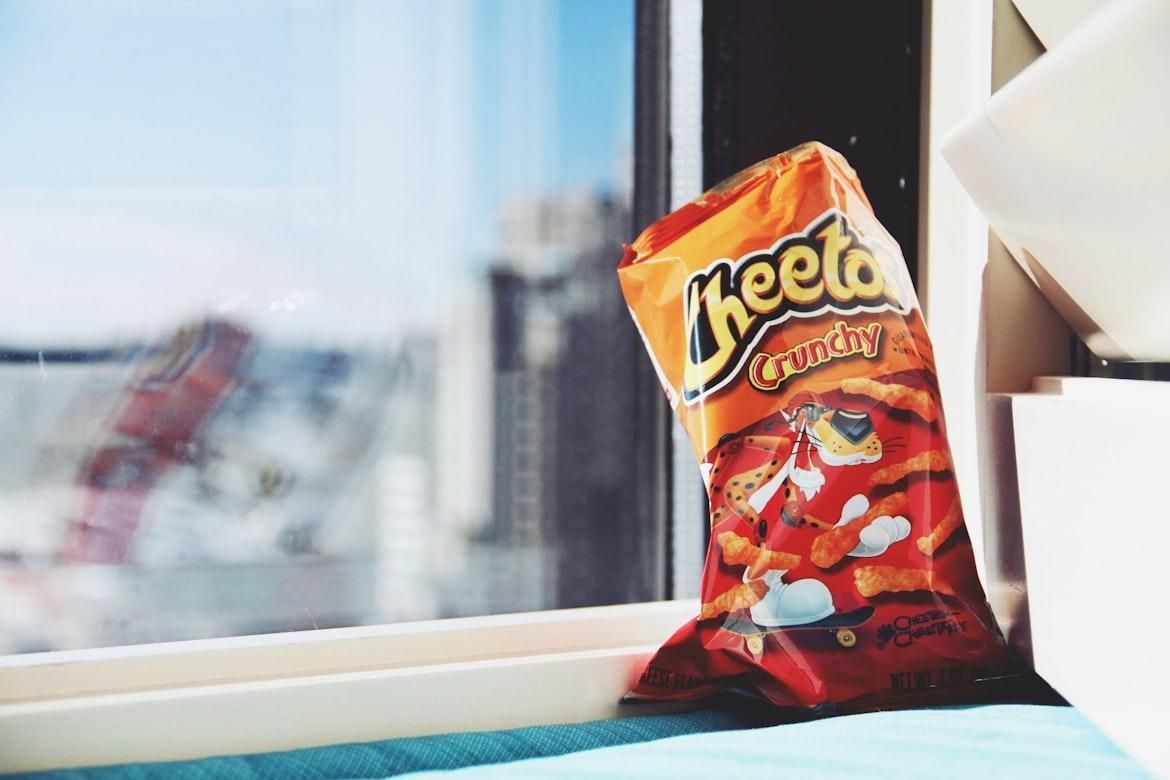
Image: Giorgio Trovato

Chester Cheetah joined Cheetos marketing in 1986 with a stylized, sunglasses-wearing design that reflected the youth-focused advertising of the time. His orange fur, black spots, and exaggerated long limbs gave him a modern appearance that differed from the more conventional mascots used in earlier decades.

Often depicted in cartoon adventures trying to get Cheetos from others using his hip attitude and humor, Chester began appearing in licensed merchandise and even two video games released for major home consoles. These additional uses helped increase his presence outside television ads and made him familiar to a wider audience.

2
Tony the Tiger
Image: Sten Ritterfeld

Tony the Tiger is probably one of children’s favorite mascots. Well, of course, he is gr-r-reat! Tony debuted in 1952 as part of Kellogg’s national push for its frosted cereal line. His early design resembled a traditional tiger on all fours, but by the 1960s, he was consistently illustrated standing upright. This adjustment to a more human-like figure made the character more attractive to children who started seeing him in print materials and television commercials. His striped orange coat and red scarf have remained stable features for decades, helping kids recognize the mascot across changing styles over the years.

3
Mr. Peanut
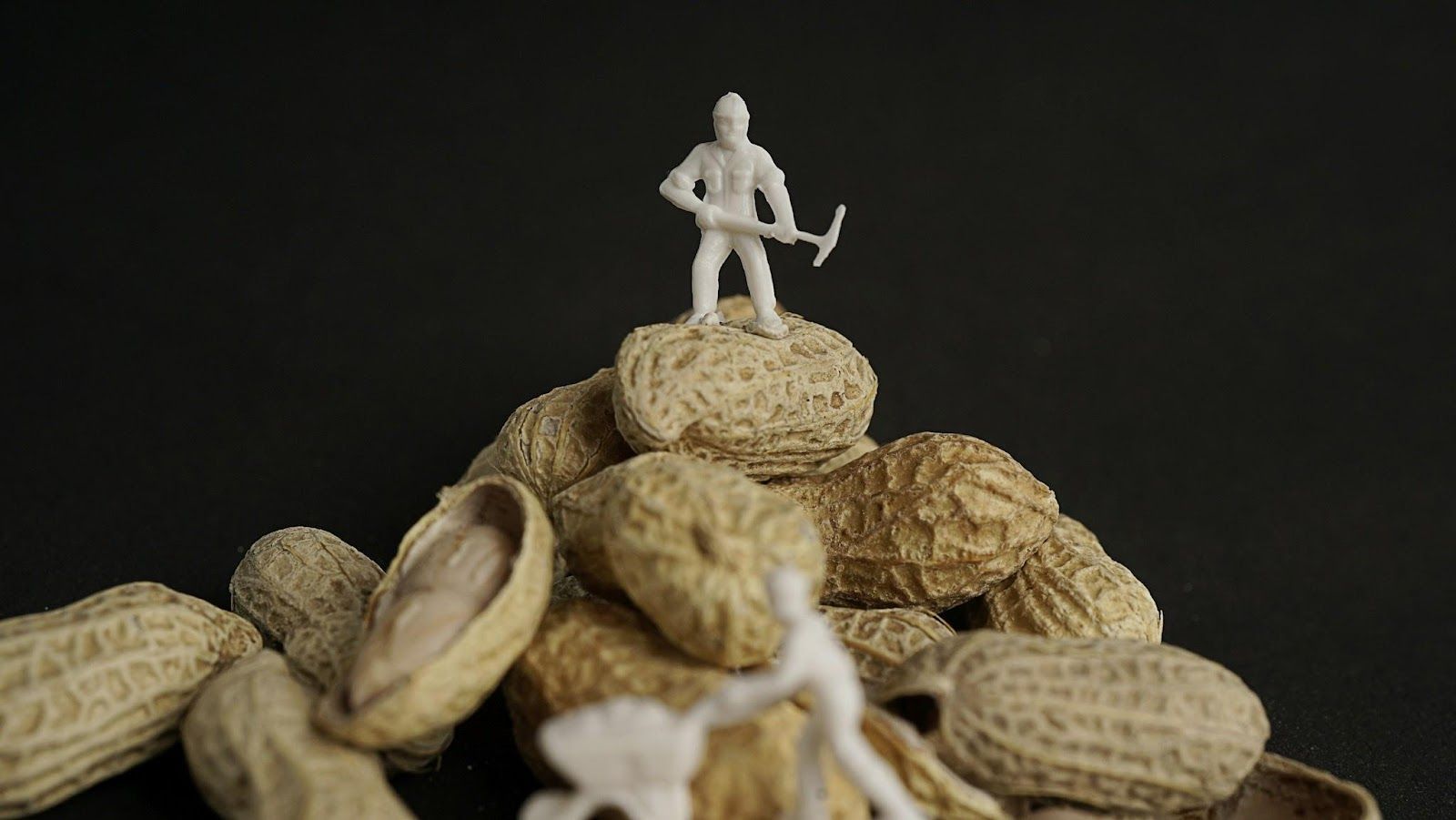
Image: Afif Ramdhasuma

Mr. Peanut entered American advertising as early as 1916, after Planters Nut & Chocolate Company held a public contest and selected a drawing submitted by a schoolboy from Virginia. The company later added the top hat, monocle, and cane, creating the formal look that became standard on packaging and billboards.

The suave, walking peanut we know and love appeared consistently in print ads and store displays, serving as a recognizable figure for the brand. During the mid-20th century, when packaged snacks and "gourmet" branding became more common in supermarkets, Mr. Peanut was used to reinforce the idea of a higher-quality product.

4
Colonel Sanders
Image: He Junhui

In the 1950s, American entrepreneur Harland Sanders became the public face of his restaurant chain, Kentucky Fried Chicken, taking part in promotional photos, interviews, and appearances that helped introduce the brand to a wider audience. His white suit and black string tie were items he regularly wore, and the company adopted them as key visual elements to create a consistent look for KFC.

By the 1960s, his image was used on signs, packaging, and national advertising, giving customers a familiar figure associated with the product. Unlike most mascots, his portrayal was based on a real person whose small roadside business had grown into a national treasure.

5
Pillsbury Doughboy
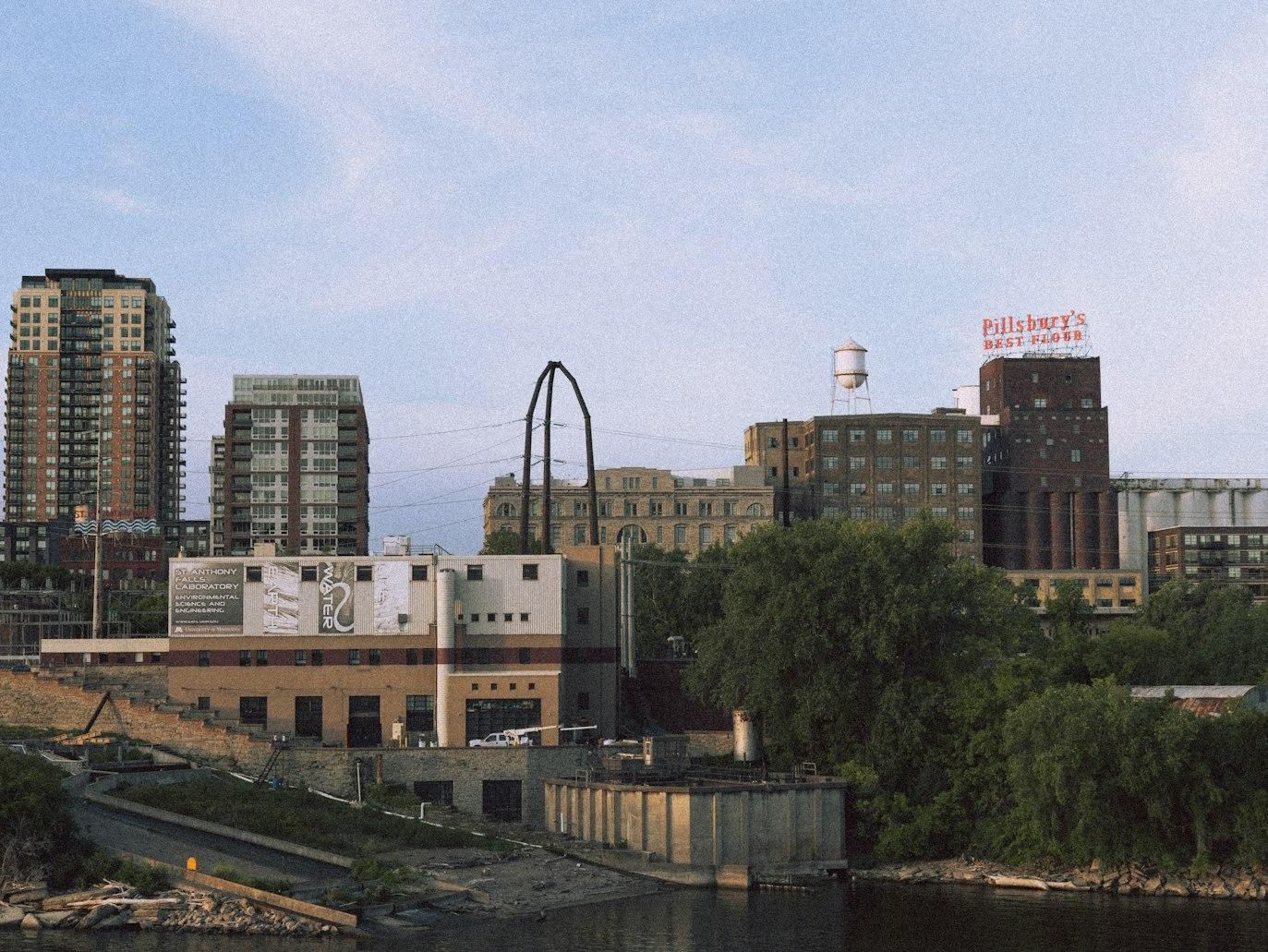
Image: Nikoloz Gachechiladze

The Pillsbury Doughboy was introduced in 1965 using stop-motion animation in his early commercials, a common technique for character advertising at the time. His soft white body, chef’s hat, and neckerchief became standard symbols in Pillsbury promotions beginning in the late 1960s.

During the 1970s, he appeared regularly on national television, helping advertise refrigerated dough products that were marketed as convenient options for home cooks. His role remained consistent across these campaigns, making him one of the brand’s most recognizable features.

6
The Kool-Aid Man
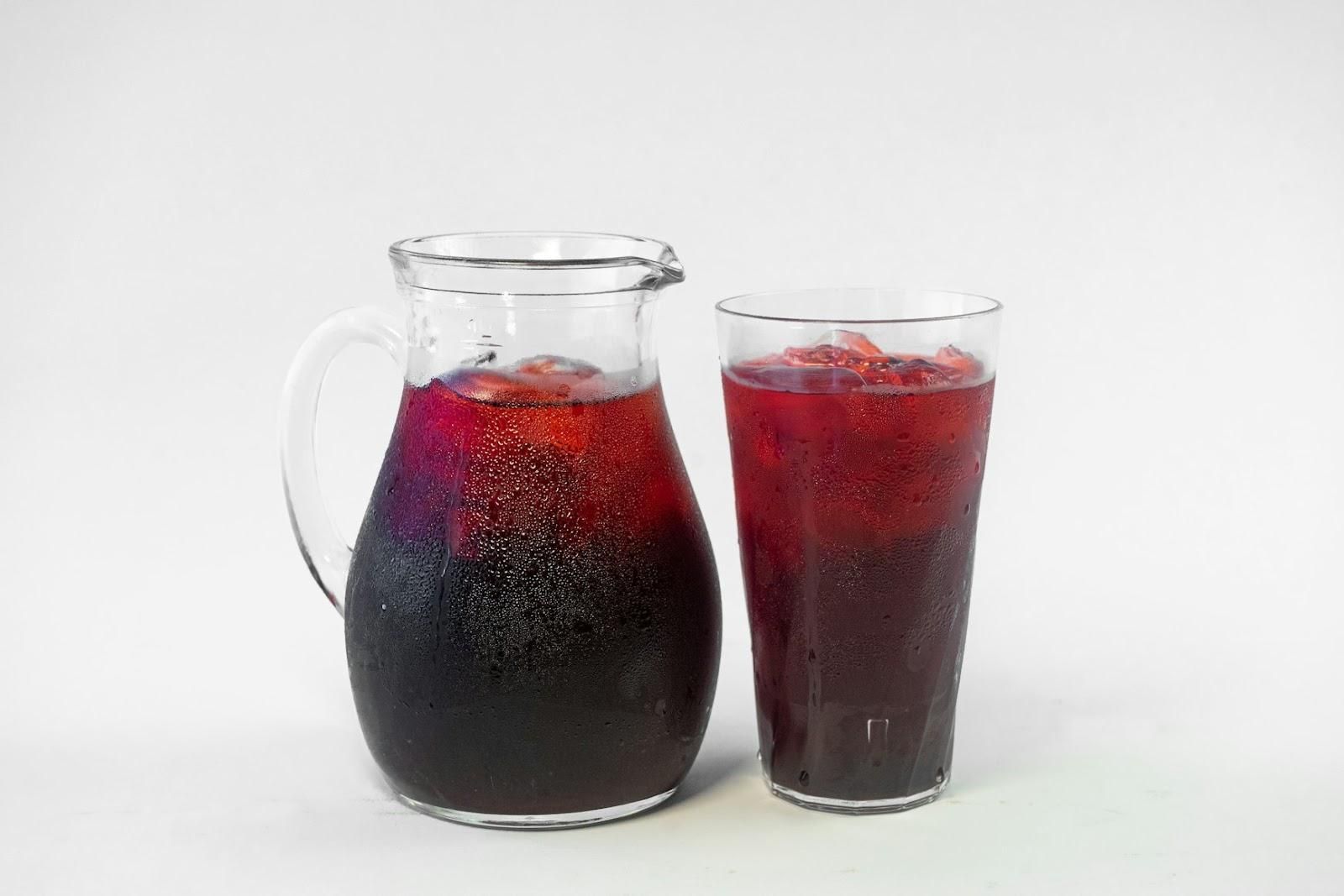
Image: Fotografía de Alimentos

In just a few years, this mascot evolved from a simple smiling pitcher to a whole pop culture icon. Oh yeah! The Kool-Aid Man’s first television appearances began in the 1970s, building on earlier print versions. His clear, rounded glass body and bright red interior were easy for children to recognize, and the short catchphrase became closely linked to the product.

During this period, he was featured regularly in Saturday-morning TV advertising and in-store promotions aimed at families. These campaigns emphasized Kool-Aid as an inexpensive, easy-to-prepare drink mix, thanks to a character that brings joy and fun, making sure people have a good time.

7
GEICO Gecko
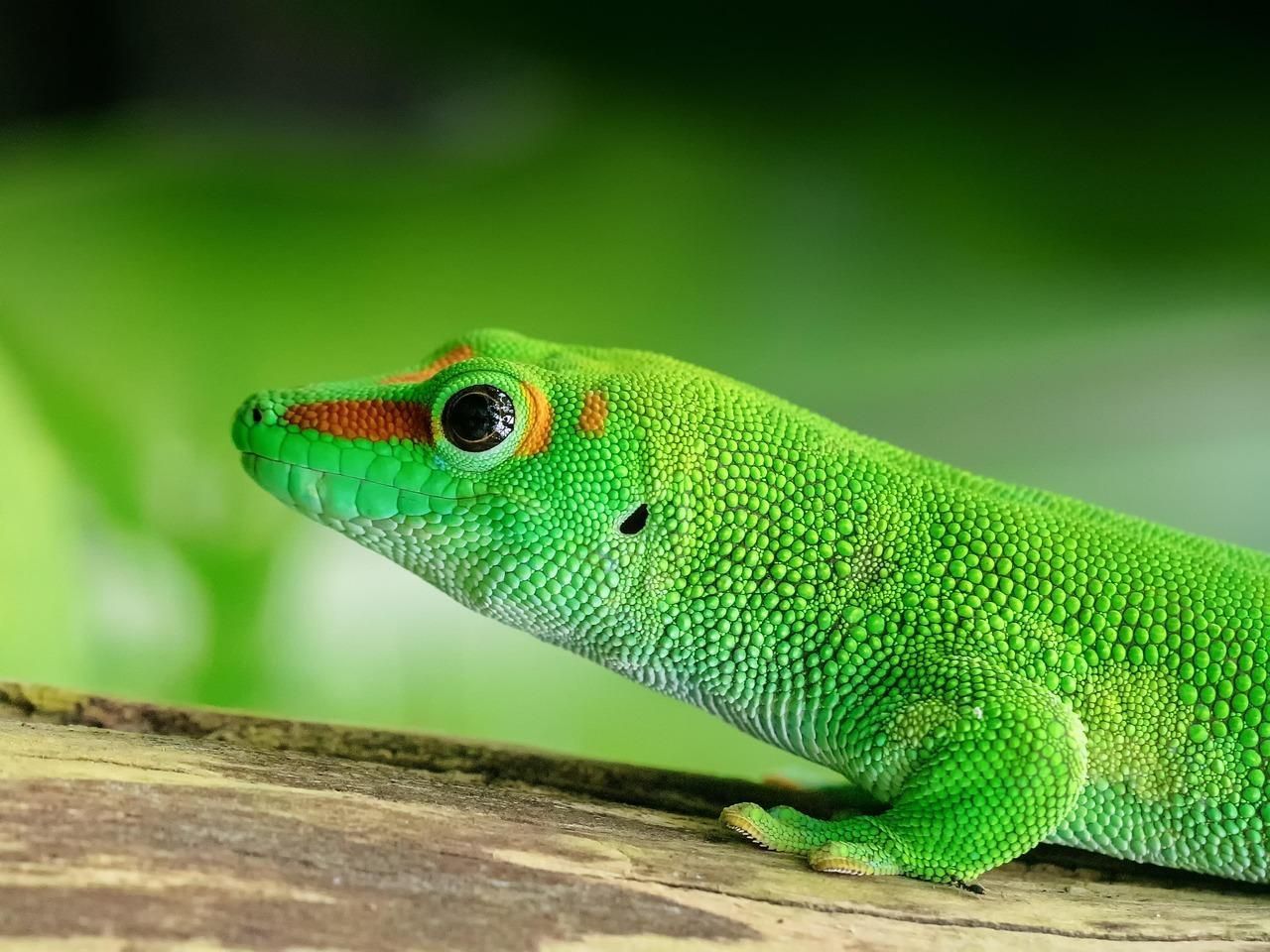
Image: moonzigg

Born after a 1999 SAG strike that limited live actors, the animated GEICO Gecko became a beloved, relatable brand ambassador who could present insurance information in a clear, approachable way. His small upright stance, green coloring, and British accent made him easy to identify and set him apart from the fast-paced commercials common at the time.

Over the years, he became a regular presence in campaigns that explained discounts, policy options, and general coverage details. His continued use across national TV, radio, and online platforms helped establish him as one of the brand’s most recognizable marketing tools. Can you quote his famous catchphrase?

8
Energizer Bunny
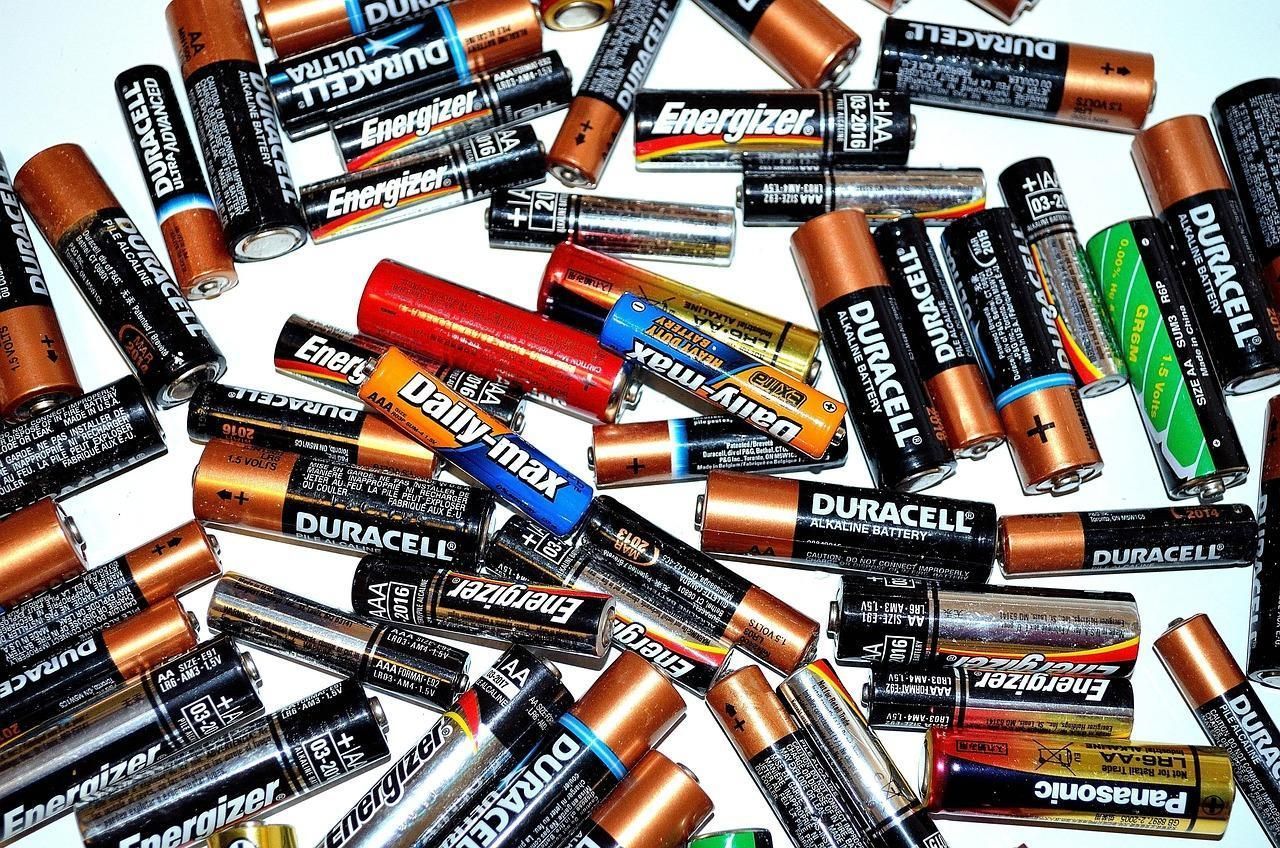
Image: PublicDomainPictures

Did you know the Energizer Bunny is actually a parody of the Duracell Bunny? Premiering in 1989, a year later than its main competitor, the pink rabbit was shown wearing sunglasses and flip-flops and carrying a large bass drum.

Throughout the 1990s, the Energizer Bunny was featured in several parody-style spots that placed him inside mock versions of other commercials before he continued walking and drumming. His image became closely linked to Energizer batteries' long-lasting power, becoming a pop culture icon representing the endurance and tenacity of the American People.

9
Ronald McDonald
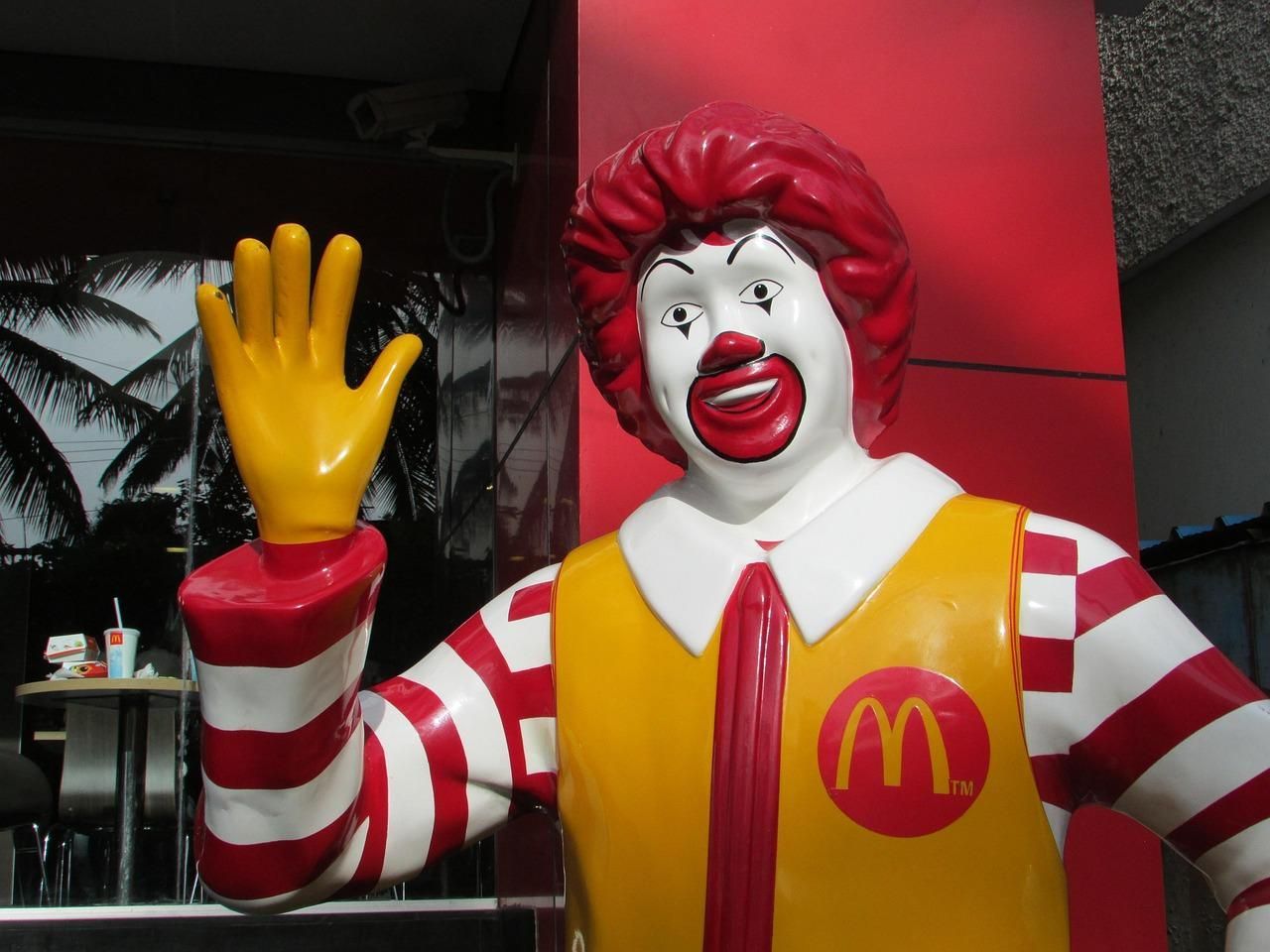
Image: Vijayanarasimha

Ronald McDonald is one of the most beloved characters among American children. He appeared nationally in 1963, adapted from earlier characters that had been used in local McDonald’s advertisements. With his red wig, white face makeup, and yellow jumpsuit, he lives in the magical McDonaldland with friends, representing fun and charity.

These key visual elements helped audiences recognize him instantly at store openings, public events, and televised commercials. From the 1960s through the 1980s, Ronald also participated in school visits and community programs that promoted basic safety messages and family-oriented activities. In just a few years, Ronald McDonald grew into a global icon that even inspired more characters synonymous with both fun and philanthropic missions .

10
Mr. Clean
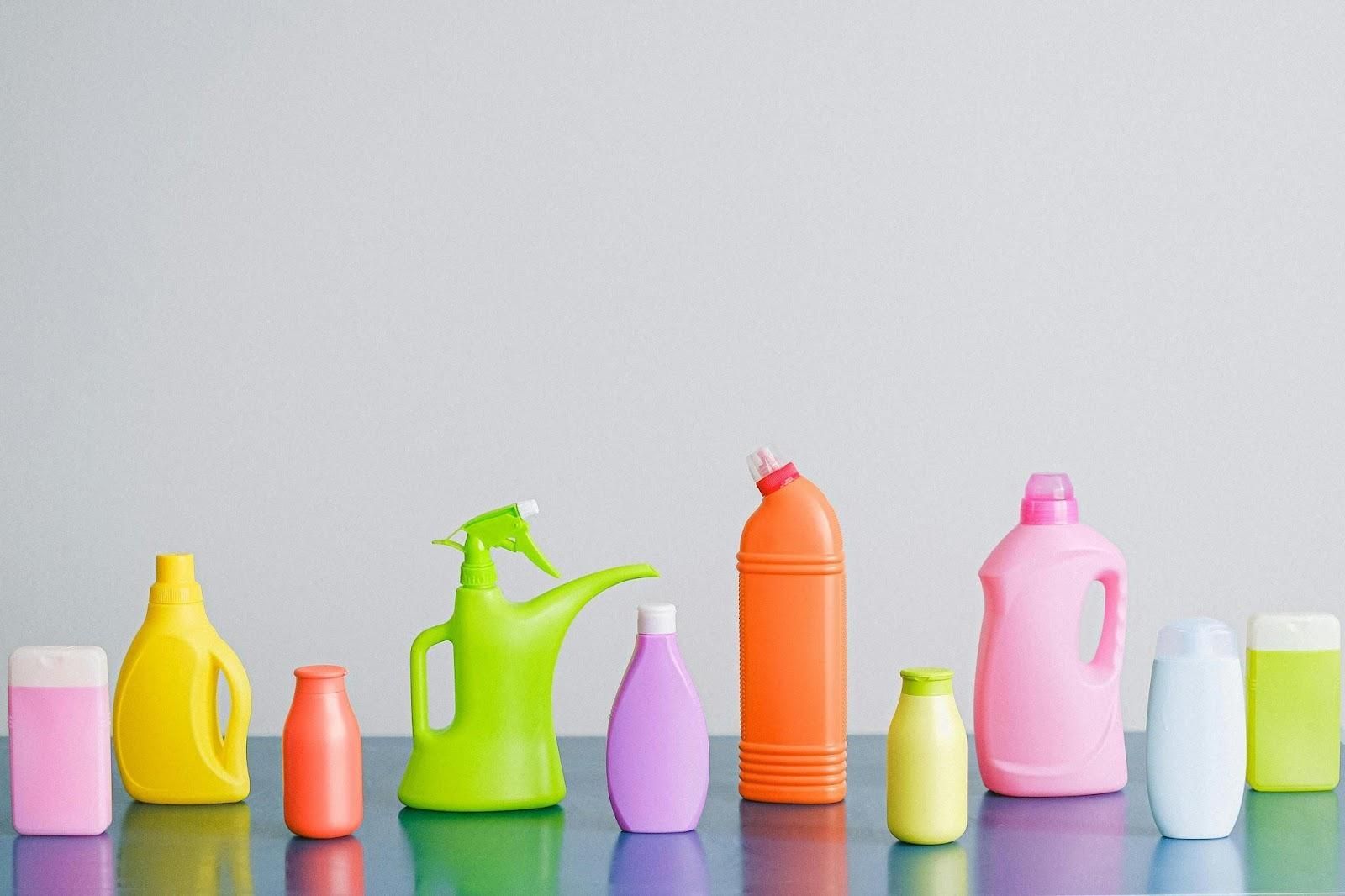
Image: Anna Shvets

Who wouldn't trust a product promoted by a strong, reliable, muscular man? Introduced in 1958 and inspired by a U.S. Navy sailor, Mr. Clean appeared in packaging and commercials with his arms crossed and wearing a white T-shirt and a gold earring. His image, symbolizing powerful, effortless cleaning magic, helped shoppers to quickly recognize the product on crowded shelves.

The character’s straightforward design also aligned with a broader mid-century trend toward household products marketed as time-saving solutions. Over time, Mr. Clean continued to serve as a stable visual symbol for the brand’s focus on reliability and ease of use.

11
Betty Crocker
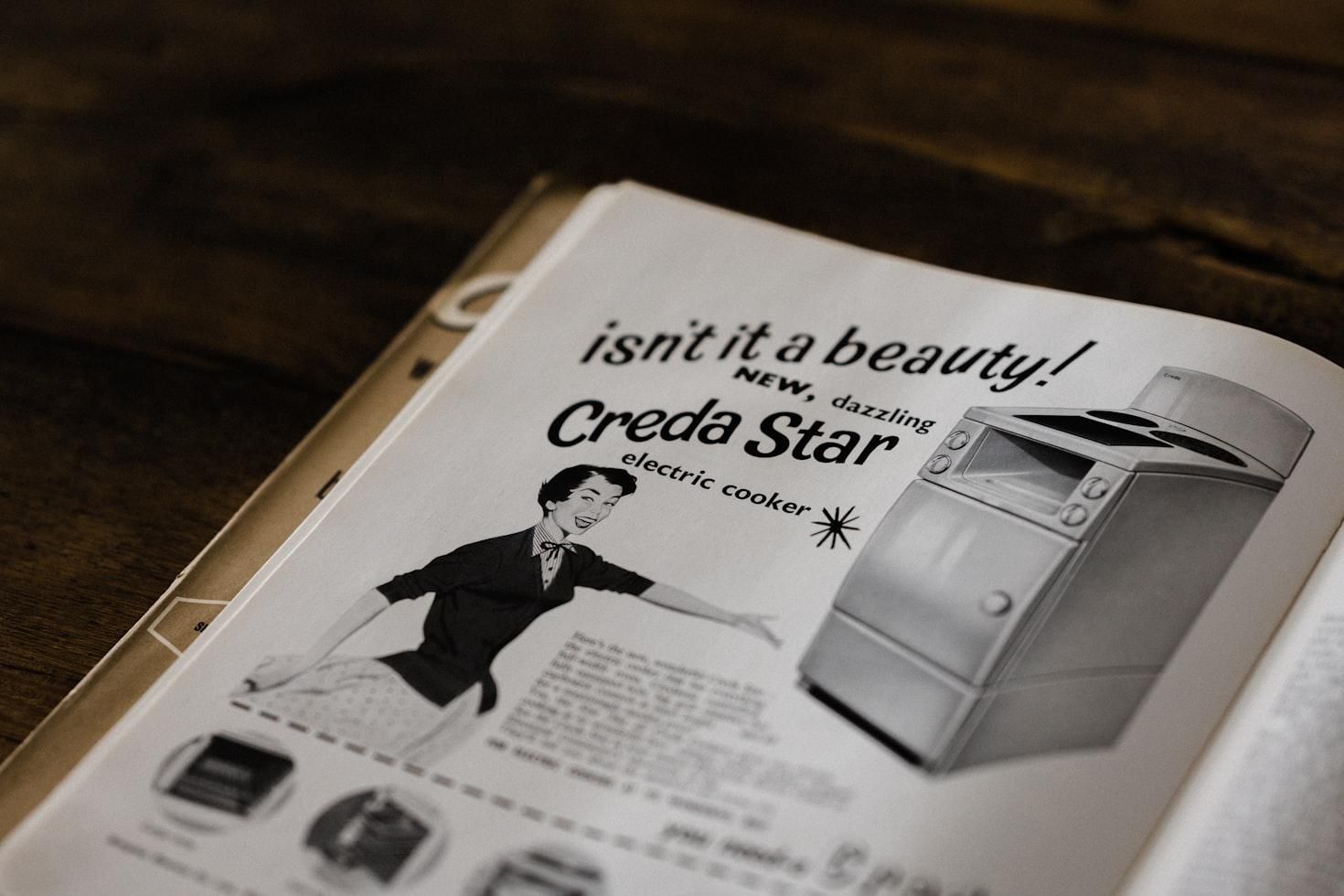
Image: Annie Spratt

Even more than a hundred years after her creation, Betty Crocker is still a beloved cultural icon representing home baking and American domesticity. She was first introduced in 1921 as a customer-response identity providing written answers to home-baking questions sent to the company. The name combined the friendly-sounding "Betty" with the surname of a retired company director, William G. Crocker.

She evolved from a voice on radio shows to the first portrait in 1936, which was repainted multiple times throughout the 20th century, and was adjusted to match changing American fashion while keeping the same general facial features. By the 1940s, she was widely recognized through cookbooks, recipe pamphlets, and radio guides that presented standardized instructions for home bakers.

12
"Rich Uncle" Pennybags
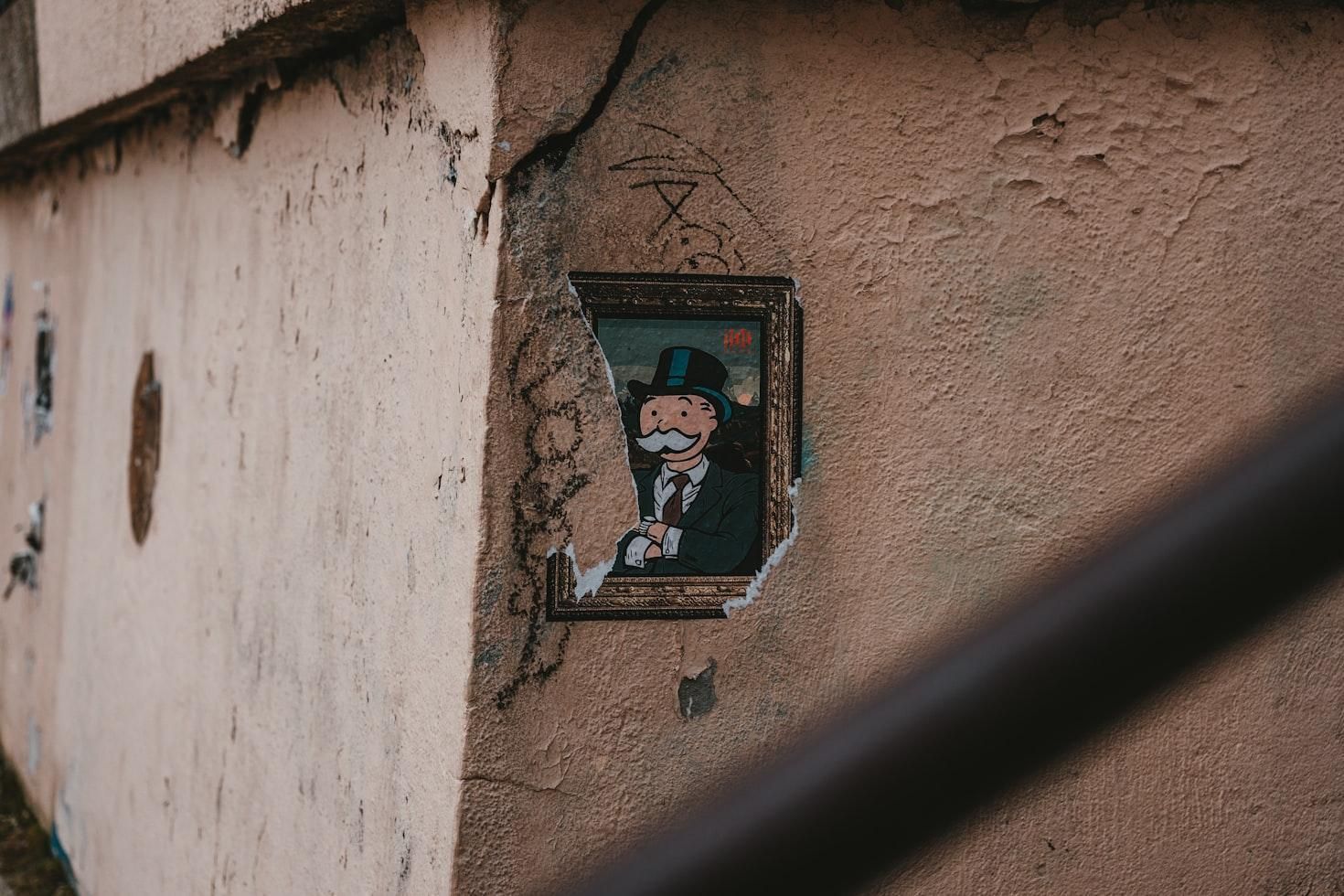
Image: Julian Hochgesang

Rich Uncle Pennybags is the mustachioed, top-hatted mascot of the Monopoly board game, a character designed to embody wealth and capitalism. His image, first introduced in 1936, was loosely based on Gilded Age tycoons like J.P. Morgan, which helped signal the game’s focus on property and finance.

When Monopoly grew in popularity and began distributing international editions in the 1970s, the mascot was added to rule books, game boxes, and licensed versions sold in different countries. Fun fact: Contrary to popular belief, Pennybags never wore a monocle. Think about that!

General General 3 min read

Lady Liberty enlightens the world with her torch

Image: Dudubangbang Travel

The Statue of Liberty stands proudly on Liberty Island in New York Harbor, raising her torch high above her head as a symbol of freedom and hope. This American icon has welcomed millions of immigrants and visitors, becoming one of the most recognizable landmarks across the globe. Let's dive into 12 fascinating facts about this beloved American monument!

1
Her torch has been replaced

Image: Mateus Maia

Lady Liberty is no longer holding her original torch. The first one, made out of copper and covered in gold leaf, was replaced in 1986 due to extensive damage. The current torch sports a 24-karat gold flame, which gleams in the sunlight by day and is illuminated by torchlights at night.

2
What happened to the original torch?

Image: Epicgenius, CC BY-SA 4.0 <https://creativecommons.org/licenses/by-sa/4.0>, via Wikimedia Commons

The original torch is on display in the Statue of Liberty Museum on Liberty Island. It was removed on July 4, 1984, after leaks from rain and corrosion from the elements damaged it beyond repair. It was replaced in 1986 with the current replica and inaugurated by First Lady Nancy Reagan.

3
The view from the top

Image: Lowe, Jet, creator, Public domain, via Wikimedia Commons

Visitors could originally climb up to a small observation deck inside the Statue of Liberty's torch. However, the structure was damaged in an explosion in 1916, and access to the torch has been closed ever since.

4
Lady Lighthouse

Image: Luke Stackpoole

From 1886 to 1902, the Statue of Liberty served as an official lighthouse, guiding ships and welcoming visitors into New York Harbor with 14 electric lamps housed inside the torch.

5
A gift from France

Image: Albert Fernique, Public domain, via Wikimedia Commons

To celebrate the centennial of American Independence and the friendship between the American and French nations, the people of France gifted the Statue of Liberty to the United States in 1886.

6
Gustave Eiffel

Image: Carol M. Highsmith, Public domain, via Wikimedia Commons

Gustave Eiffel, the very same engineer behind Paris' most famous tower, designed Lady Liberty's inner iron framework. His design allowed the statue to withstand the strong winds and harsh weather conditions in New York Harbor. The entire puddled iron structure was replaced by corrosion-resistant stainless steel in 1986.

7
She wasn't always green

Image: Maarten van den Heuvel

Lady Liberty's outer shell is made out of copper. It originally had a shiny brown color, but exposure to the elements over time caused the copper to oxidize, giving the statue the famous green patina it is known for.

8
The New Colossus

Image: Gautam Krishnan

Emma Lazarus, the famous American author and poet, was inspired by the Statue of Liberty to write a poem titled The New Colossus . Lines from the sonnet are now inscribed on a bronze plaque on the statue's pedestal.

9
A challenging trek

Image: Zoshua Colah

Visitors to the Statue of Liberty's famous crown observation deck must do so by climbing 354 narrow steps. The view from the top, however, sure is worth it!

10
Visitors from the Seven Seas

Image: Laurenz Heymann

Lady Liberty's crown has seven rays or spikes. The number was chosen to mirror the Seven Seas of ancient literature, as well as the seven continents of the world, meaning Asia, Africa, North America, South America, Antarctica, Europe, and Australia. Through this symbol, the Statue of Liberty extends her message of freedom across the globe.

11
Her left hand

Image: Ron Cogswell from Arlington, Virginia, USA, CC BY 2.0 <https://creativecommons.org/licenses/by/2.0>, via Wikimedia Commons

Besides the torch in her right hand, Lady Liberty is holding a tablet in her left hand. The tablet reads JULY IV MDCCLXXVI . In Roman numerals, that is July 4, 1776, the date of the American Declaration of Independence.

12
Broken chains

Image: Atsme, CC BY-SA 4.0 <https://creativecommons.org/licenses/by-sa/4.0>, via Wikimedia Commons

The Statue of Liberty stands 305 feet from the ground to the tip of her torch, making her one of the tallest statues in the world. At her feet lie broken shackles and chains, symbolizing the abolition of slavery, oppression, and tyranny.

History History 5 min read

CHEERS TO ALL

Sipping through history: 10 cocktails from the Prohibition Era

Image: Frames For Your Heart

Isn’t it crazy to think there was a time when alcohol was prohibited? Now, some things simply can’t be taken from society. It’s only logical that as liquor was prohibited, the ways to disguise it flourished across the country. After all, crises do create opportunities! That is what bartenders thought anyway, and that is how many of the best cocktails came to be during the dry years. From Ward 8 to the classic Old Fashioned, the drinks we love today have been around for a long time, and we’ll tell you all about them in this article.

1
Ward 8

Image: Alex Kubsch

The Ward 8 is a cocktail with a bit of political history . Created in 1898, it is believed to have been made in Boston to celebrate a victory: Martin M. Lomasney’s seat at the state’s legislature. This mix of rye whiskey, lemon juice, orange juice, and grenadine offers a sweet and slightly tart taste that was a hit in the speakeasies.

The drink’s vibrant color and balanced flavor made it a favorite during Prohibition. It’s a bit more complex than some of the other cocktails of the time, but it’s worth every sip. Shake with ice, strain, and serve in a chilled glass for a sip of political history. Or to celebrate a victory of your own!

2
The South Side

Image: Bri Tucker

This refreshing drink's origin is a matter of speculation. The main theories suggest that it was either created after the South Side district of Chicago , Illinois, or the Southside Sportsmen’s Club on Long Island. Whichever the origin, the popularity of the drink is connected to Al Capone’s preference for it.

It’s a blend of gin, fresh mint, lime juice, and simple syrup, making it crisp and revitalizing. The mint and lime give it a fresh, lively flavor that’s perfect for any occasion. Shake with ice, strain into a chilled glass, and garnish with a mint sprig for a touch of elegance.

3
Sidecar

Image: Jia Jia Shum

The drinks were quite inventive, but the names? We’ll have to see about that. The Sidecar cocktail is believed to have been named after the motorcycle attachment in London or Paris around the 1920s. Nevertheless, the drink found it’s way across the Atlantic and into every bartender’s guide during the Prohibition.

Made with cognac, orange liqueur, and lemon juice, it’s a smooth, tangy cocktail that packs a punch. Its balanced flavor profile made it a favorite among those who sought both style and substance in their drinks. Shake it with ice, strain it into a sugar-rimmed glass, and you’ve got yourself a ride worth taking.

4
Highball

Image: Timothé Durand

If a cocktail’s name comes from a phrase that means "you’re good to go," you simply have to drink it, don’t you think? Well, that’s the case with the Highball cocktail. This drink’s name may come from railroad signs, where a raised globe meant that the track ahead was clear.

Now, as for the ingredients, the drink has several variations, but the classic ones are scotch and soda. The Highball is a simple yet elegant cocktail that has stood the test of time. It’s made by mixing whiskey (or gin) with a generous amount of ginger ale or soda water, served over ice in a tall glass. Garnish a Collin-type glass with a lemon or lime wedge, and you’ve got a drink that’s both easygoing and refreshing.

5
Old Fashioned

Image: Johann Trasch

If we’re discussing the classics, we can’t ignore the Old Fashioned, the number one drink of all time . Do you need any proof? Ask as many bartenders as you like, and they’ll each give you a different recipe. That’s because, as old as the drink is, it is also highly popular and has been the subject of countless versions ever since it was created.

The Old Fashioned dates back to the early 19th century, but it truly came into its own during Prohibition. This classic drink combines whiskey, a sugar cube, bitters, and a twist of citrus. The simplicity of the recipe made it a reliable choice when quality ingredients were hard to come by.

6
Corpse Reviver

Image: Timothé Durand

Mornings after can be quite tough, and these names aren’t making them any easier! The Corpse Reviver was so named because it was intended as a "hair of the dog" remedy to revive the drinker from a hangover . This cocktail is a complex mix of gin, lemon juice, Cointreau, Lillet Blanc, and a dash of absinthe. It’s a drink that packs a punch but is also surprisingly smooth and balanced.

The Corpse Reviver No. 2, in particular, became popular during the Prohibition era for its bold flavor and reputed restorative properties. Have you ever tried this one?

7
Mary Pickford

Image: Kurt Liebhaeuser

Named after the silent film star Mary Pickford, this cocktail is as glamorous as its namesake . It’s a fruity blend of white rum, pineapple juice, grenadine, and maraschino liqueur. The drink is sweet and vibrant, with a striking pink color that was as eye-catching in the 1920s as it is today.

Created in Havana, Cuba, it quickly became popular among Hollywood’s elite during the Prohibition era. Shake all the ingredients with ice, strain into a chilled glass, and then garnish with a cherry for a touch of old Hollywood glamour.

8
Gin Rickey

Image: Rajasekhar R

The Gin Rickey was a Prohibition favorite for its simple ingredients and refreshing taste. Made with gin, fresh lime juice, and soda water, it’s light, crisp, and perfect for warm summer nights. This drink was named after Colonel Joe Rickey, a lobbyist known for his love of mixing bourbon with sparkling water.

During Prohibition, gin replaced bourbon as the spirit of choice due to its easy availability. It’s a low-calorie, no-sugar-added option that was as much a hit then as it is now. Simply pour over ice and garnish with a lime wedge for a zesty kick.

9
Bee’s Knees

Image: Ash Edmonds

The Bee’s Knees is a classic example of how Prohibition-era bartenders used sweeteners to mask the harsh taste of homemade gin. You may think using honey for a cocktail is quite ordinary, but back in the day, this was quite an innovation. This delightful cocktail mixes gin, fresh lemon juice, and honey for a sweet and tangy flavor.

The name itself is a slang term from the 1920s, meaning "the best," and this drink certainly lives up to it. It’s refreshing and light, perfect for sipping on a sunny afternoon. Shake with ice and serve in a chilled glass for a taste of history’s sweeter side.

10
French 75

Image: Stephen Harlan

The French 75 is as powerful as the artillery piece it’s named after. This cocktail combines gin, lemon juice, sugar, and a bubbly splash of champagne, making it both elegant and dangerously easy to drink.

Legend has it that the drink was invented in Paris and quickly became popular in American speakeasies. The effervescence of champagne made it a celebratory favorite, while the gin added just the right amount of kick. Serve it in a champagne flute with a lemon twist, and you’ll feel like you’re celebrating in style.

Explore more American facts

Choose your favorite category!

General
General

As American as apple pie—the very best America has to offer!

Culture
Culture

Delve into the astounding richness of American lore.

Geography
Geography

Hop in and explore vast and diverse American landscapes.

History
History

Discover the key moments that shaped the United States.