General General 4 min read

What is your city known for?

There's a Toilet Paper Capital of the World (here in the USA)?
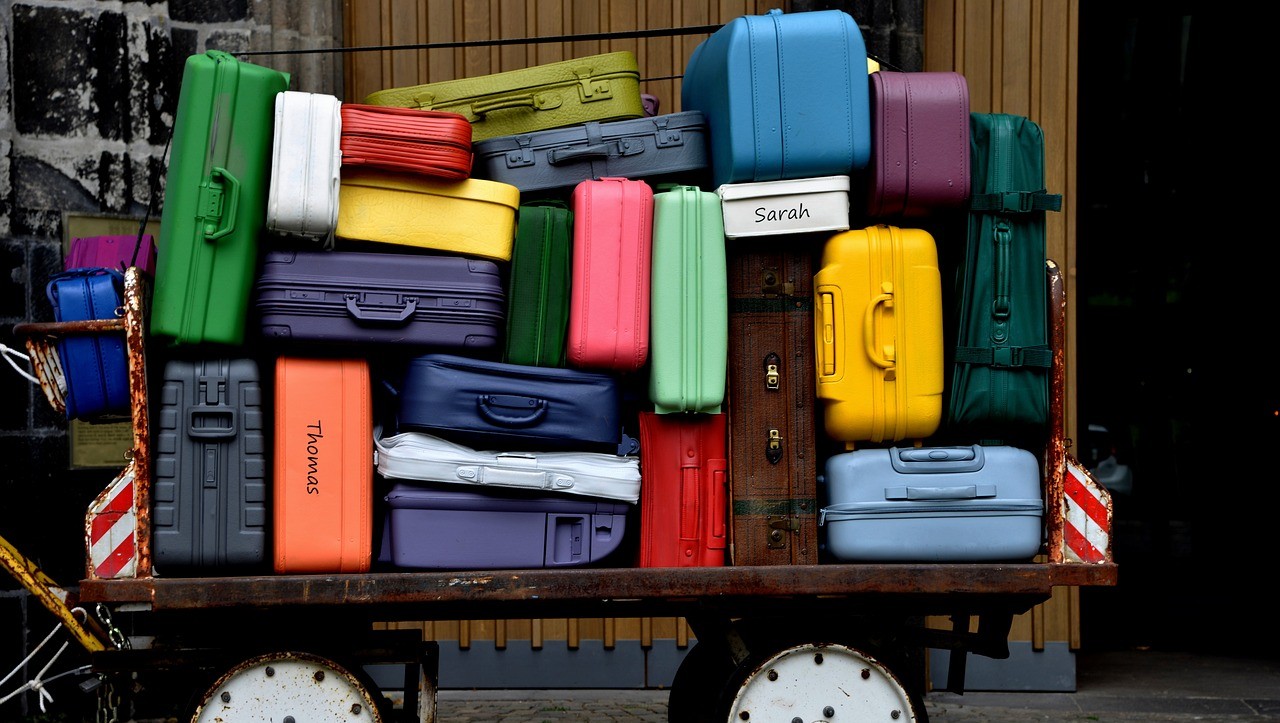
Image: Alexas_Fotos

From toilet paper to corn cob pipes to farm toys, all across the U.S., many small towns have long taken pride in being the "world capital" of something—sometimes expected, sometimes completely surprising. Whether it’s about local history, a booming industry, or just a clever marketing move, each one has its own story. Let’s take a tour of 12 of the most memorable "capitals" around.

1
Toilet paper capital of the world

Image: Erik Mclean

It may sound like a peculiar thing to be proud of, but if the first splinter-free toilet paper in the world had been created in your town, chances are you would be just as delighted by this local achievement.

Until the early 1900s, cheap mail-order publications were the economical wipe of choice. But in 1935, a Green Bay paper producer developed a method of "linenizing" paper, which made toilet paper both softer and "splinter-free."

2
Leap year capital of the world
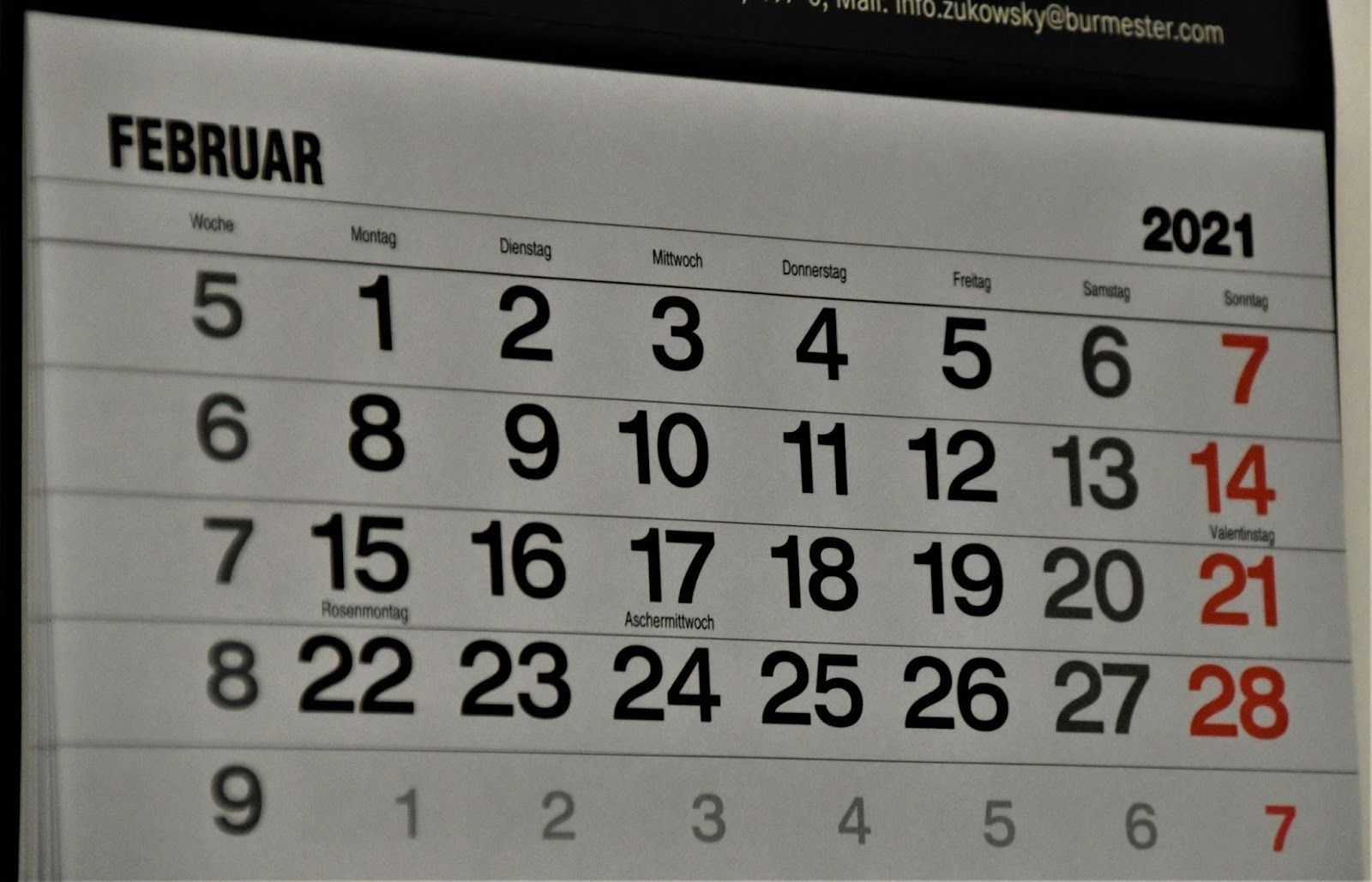
Image: Waldemar

While it might seem like a good reason, the twin towns of Anthony, New Mexico, and Anthony, Texas, were not actually founded on February 29.

In 1988, a member of the local Chamber of Commerce who had a February 29 birthday proposed a community festival on that date . Since then, the celebration has grown each year to include events and a popular parade.

3
Earmuff capital of the world

Image: Jad M.

Earmuffs are essential in cold climates, and the citizens of Farmington, Maine, are well aware of this. That’s why the town celebrates Chester Greenwood Day every first Saturday in December, honoring the local inventor of the handy device.

4
Lost luggage capital of the world
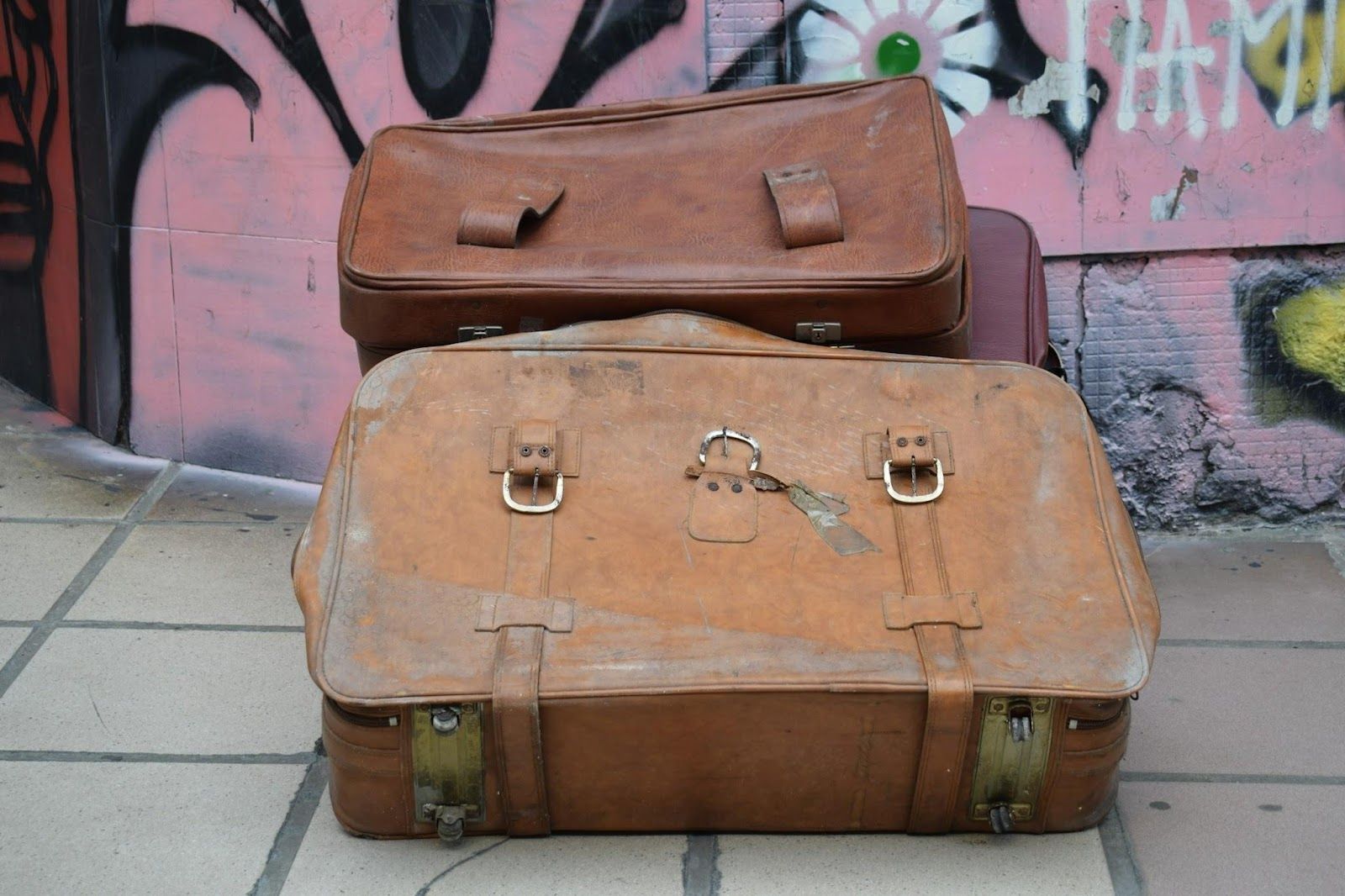
Image: Marija Zaric

Did you know that all lost and unclaimed luggage from U.S. airlines ends up in a single location? Scottsboro, Alabama, is home to the Unclaimed Baggage Center , which, since 1970, has sold, donated, or recycled these items for the public, making it the only lost-luggage retailer of its kind in the country.

5
Speed capital of the world

Image: Marc-Olivier Jodoin

If speed is the measure by which a place is judged, being called the "world capital of speed" might not be such an unreasonable claim. Northwestern Utah is home to a massive, 30,000-acre expanse of barren salt flats where the Bonneville Speedway is located.

This stretch is used for extreme motorsports, and several land speed records have been set here, earning the area its famous title.

6
Shark attack capital of the world
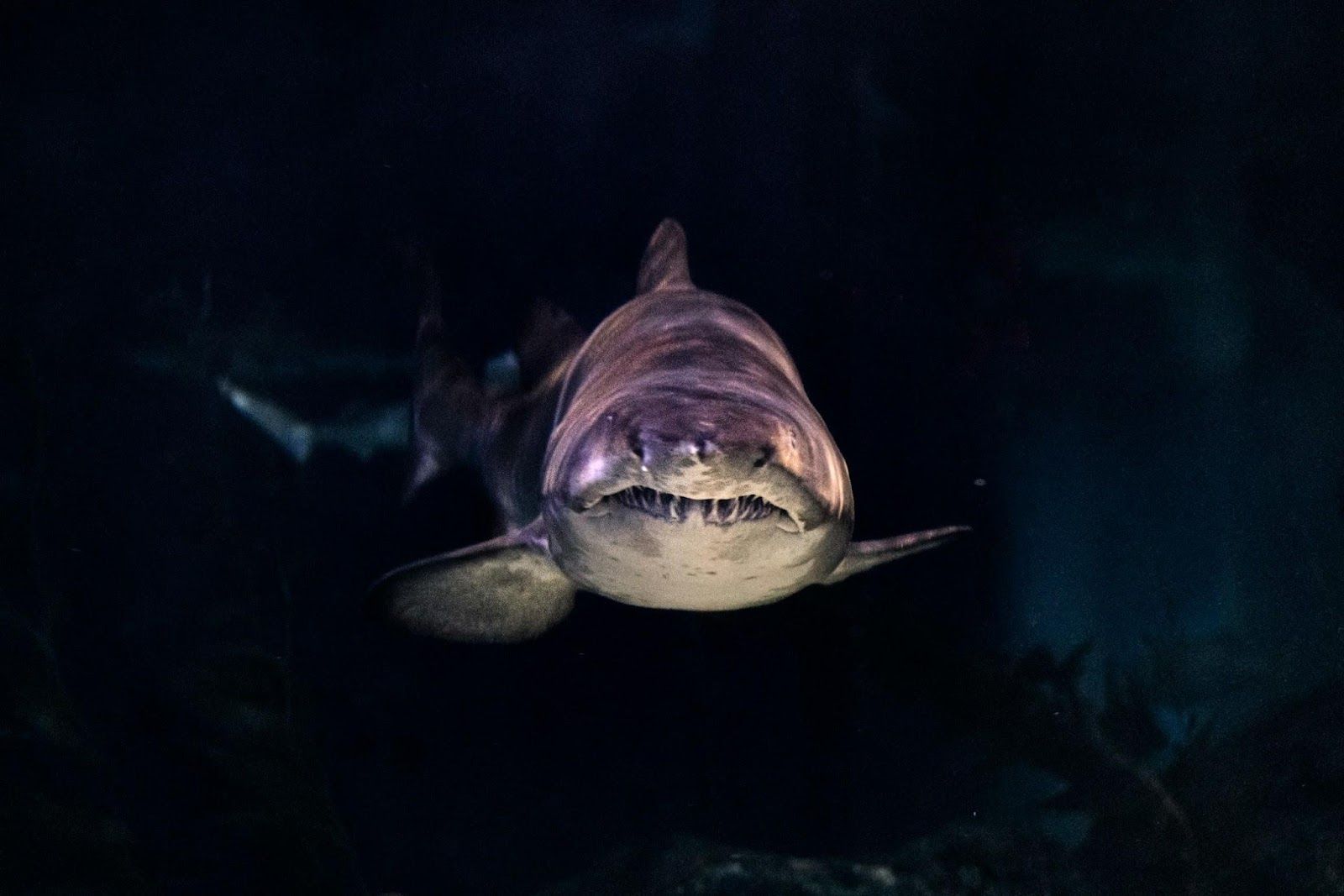
Image: Wai Siew

This infamous title goes to New Smyrna Beach, Florida. According to the International Shark Attack File—a scientifically verified database of global shark attacks—this town is indeed the Shark Attack Capital of the World, and anyone who has swum here has likely been within 10 feet of a shark.

Fortunately, shark attacks along this central Florida coastline rarely prove fatal, and the number of incidents has declined in recent years, likely due to changing migration patterns of the blacktip shark.

7
Barbed wire capital of the world
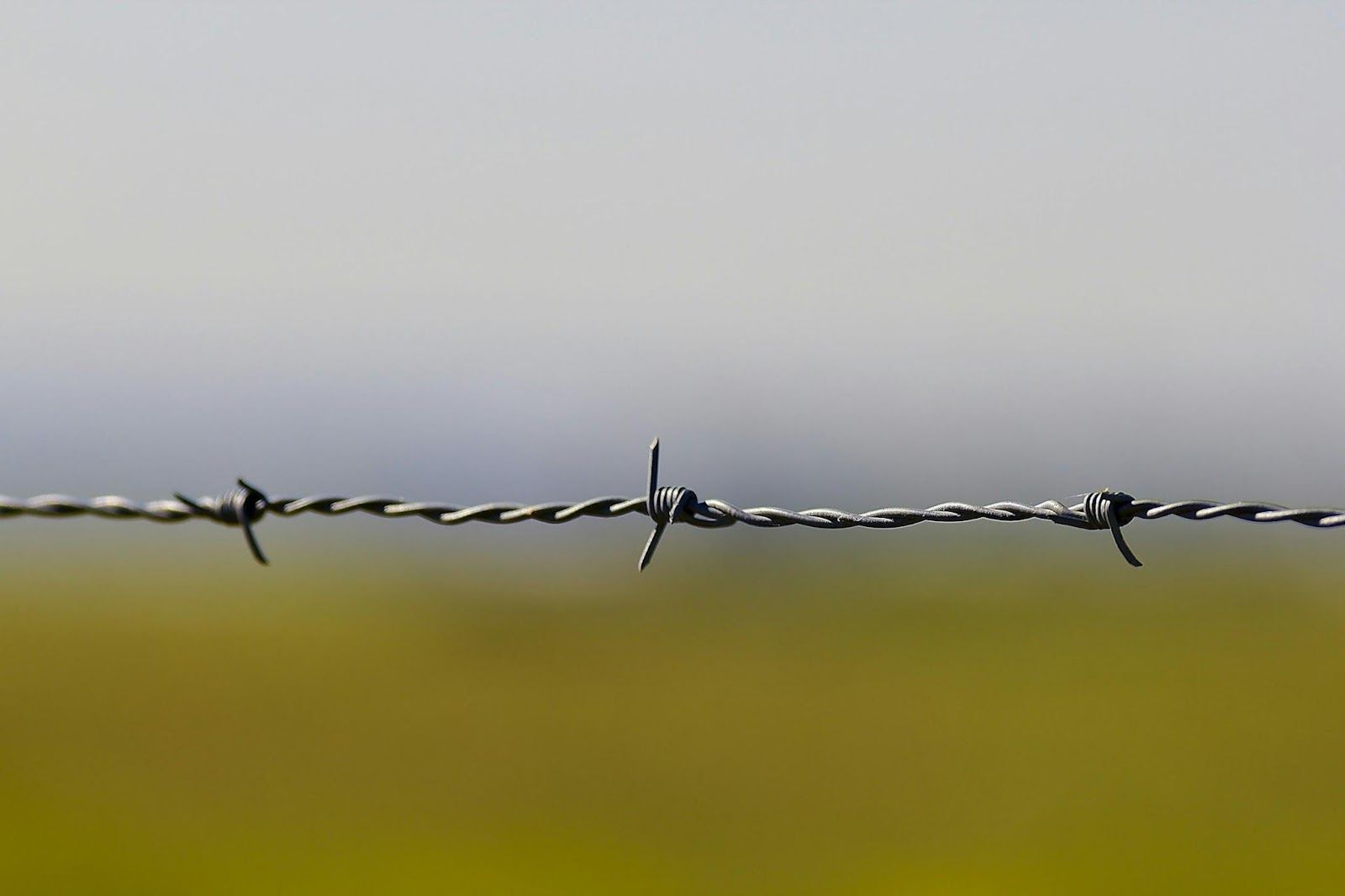
Image: Daniel Eledut

Barbed wire was not invented in La Crosse, Kansas, but it certainly plays a significant role in the town’s history. Much of this product passed through the midwestern town after its invention in the late 1800s, becoming an important part of La Crosse’s settlement and agricultural development.

By the 1960s, La Crosse had become a major hub for barbed wire collectors , leading to the establishment of the Kansas Barbed Wire Museum .

8
Corn cob pipe capital of the world
Image: Daniel Gregoire

While pipes may not be as ubiquitous as they once were, corn cob pipes are even rarer these days. But in Washington, Missouri, these corncob products are still a popular item.

In 1869, a local woodworker invented the pipe , and its success led to a whole roster of corn cob pipe manufacturers. Today, the only factory in the world still solely dedicated to making these pipes is located in Washington, Missouri.

9
Decoy capital of the world
Image: Susan Weber

It took a lot of wooden ducks to earn this town the title of Decoy Capital of the World. At one point, more wooden ducks and geese were carved here than anywhere else on Earth.

Originally used strictly to lure waterfowl for hunters, these decoys have since become collectors’ items and treasured works of art. In 1986, the Havre de Grace Decoy Museum opened to preserve the town’s historical and cultural legacy.

10
Carpet capital of the world
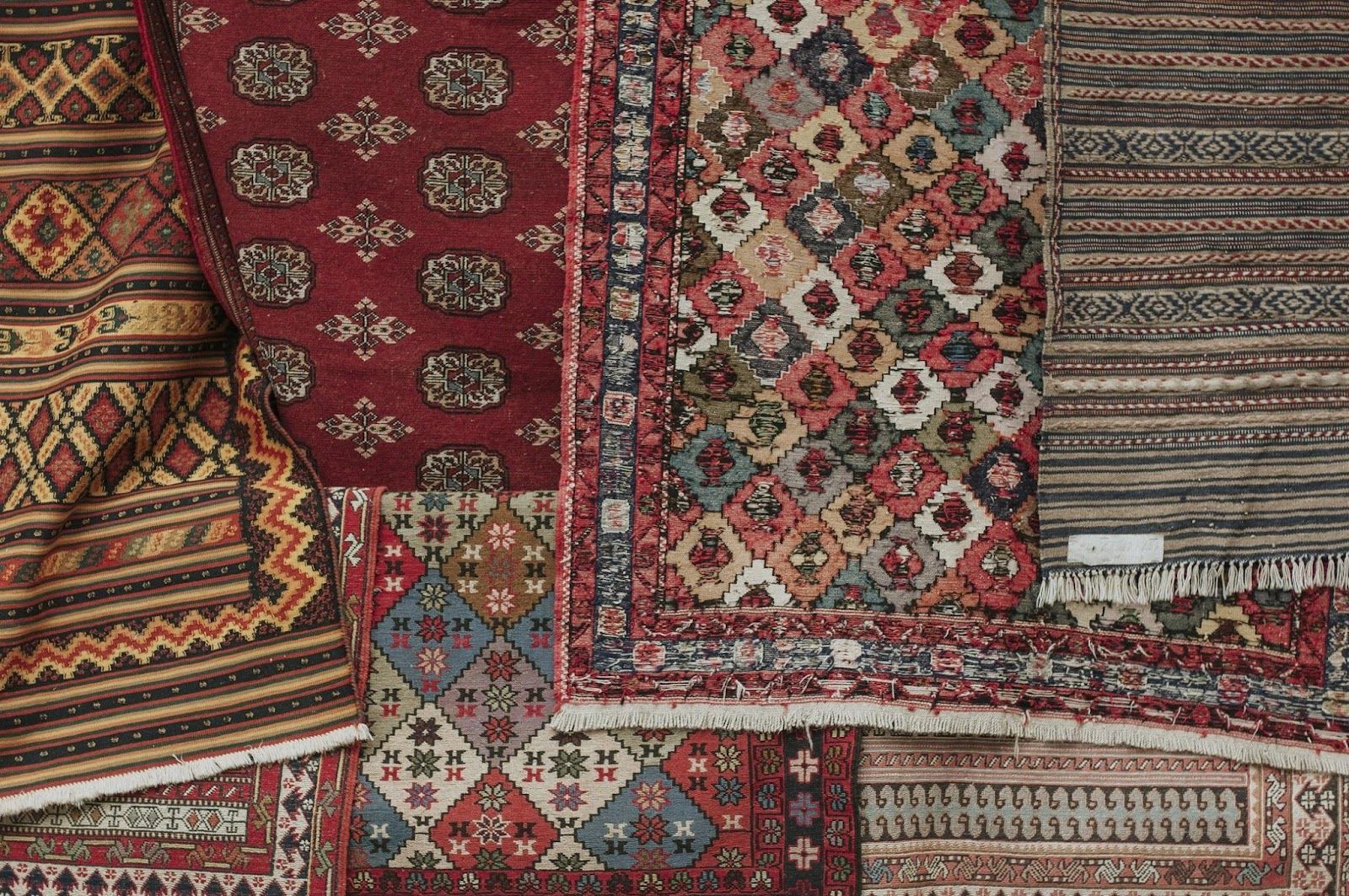
Image: Juli Kosolapova

If you think most carpets are still made in the Middle East, think again. Approximately 90% of the world’s carpet comes from the city of Dalton, Georgia . More than 30,000 people are employed in its massive carpet industry—impressive considering the city’s population is just under 35,000.

11
Cow chip throwing capital of the world
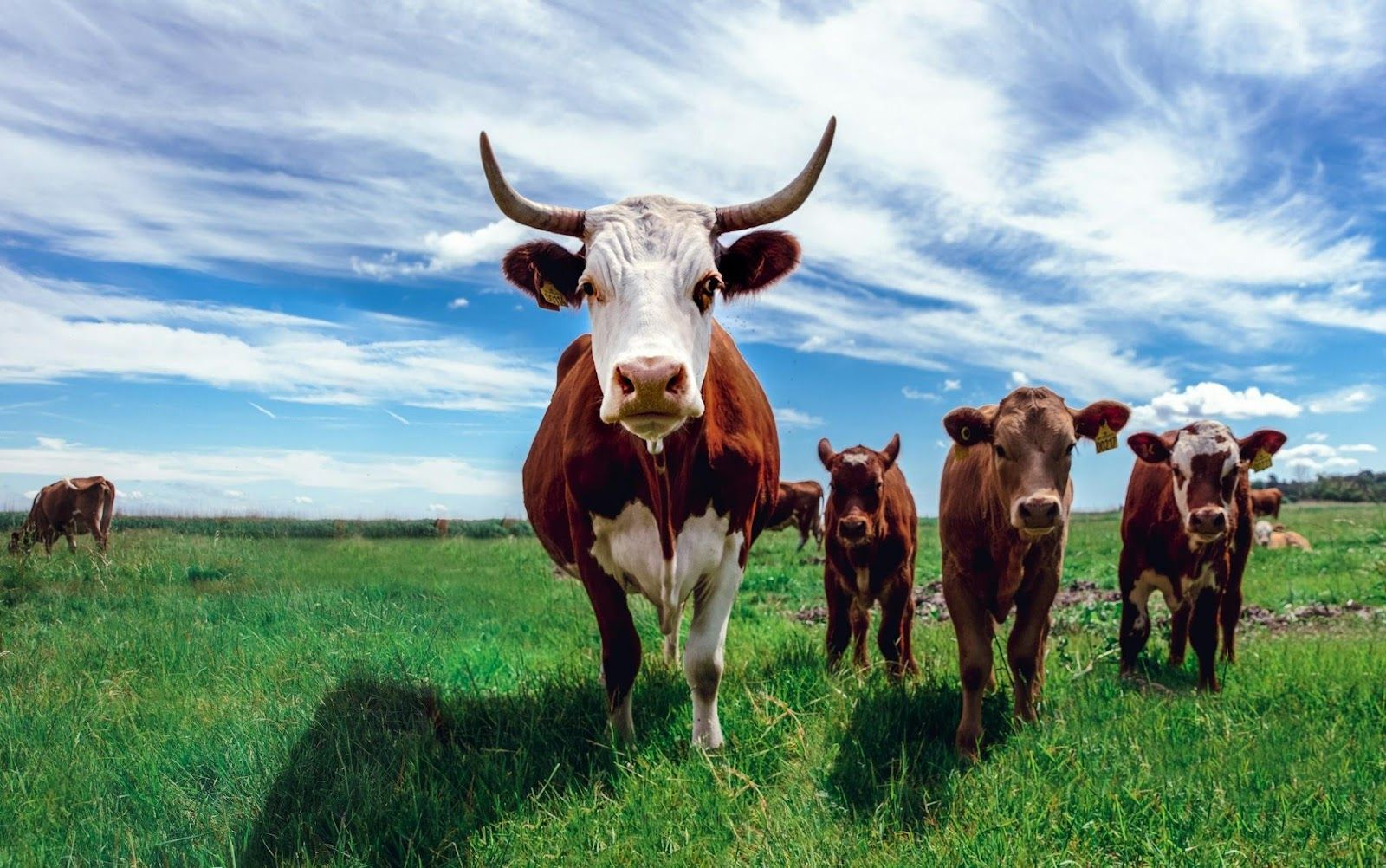
Image: Jonas Koel

If tossing a piece of dried cow manure like a Frisbee sounds like your idea of fun, Beaver, Oklahoma, is the place to be. Every April, the town hosts the world’s largest cow chip throwing competition.

12
Farm toy capital of the world
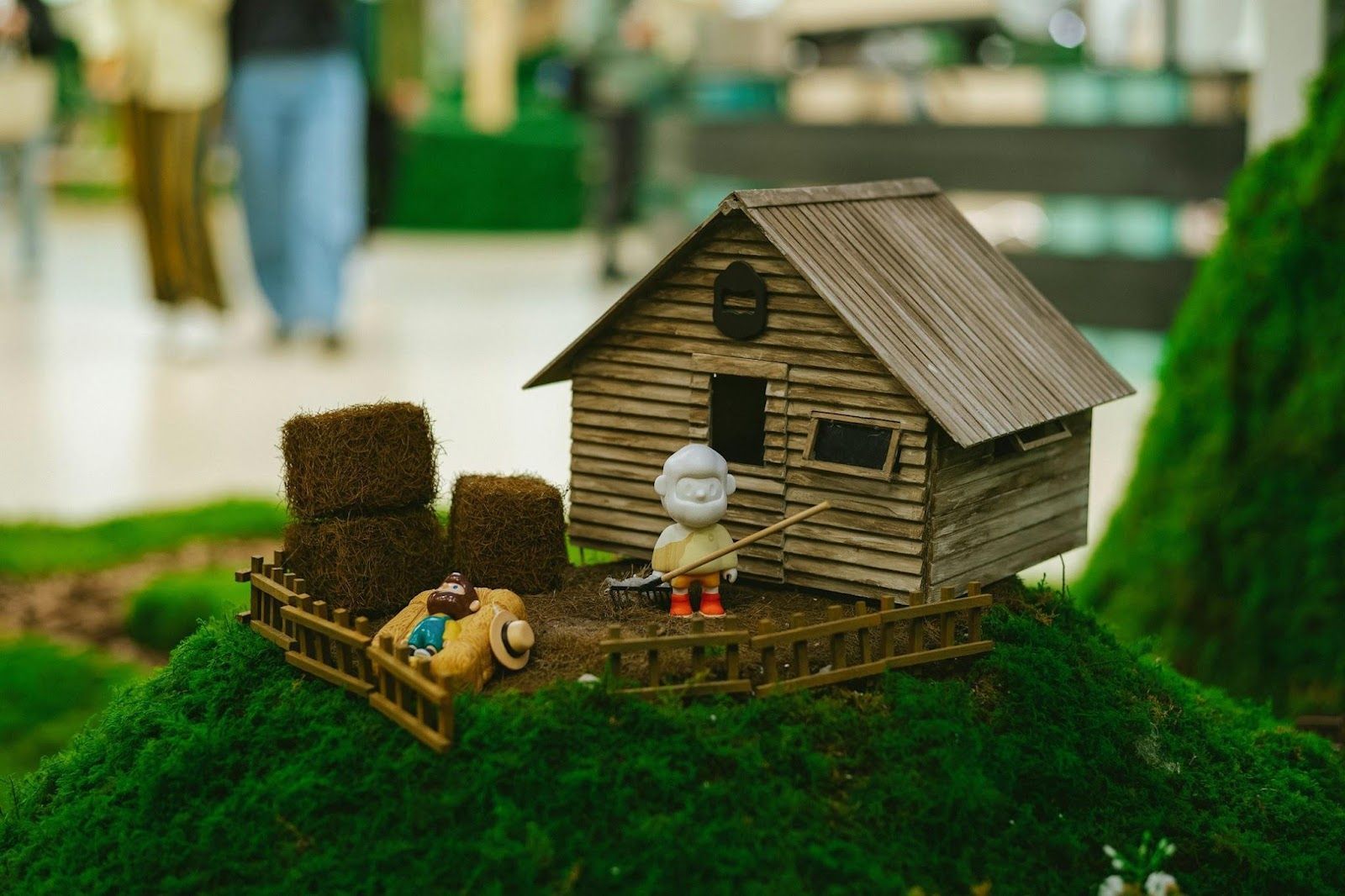
Image: tommao wang

Farm toys may disappear once there are no kids in the house—but not in Dyersville, Iowa, the Farm Toy Capital of the World. This town is home to the National Farm Toy Museum , which houses the largest collection of its kind and attracts approximately 30,000 visitors each year.
History History 3 min read

Leeches are not a cure

From mercury to leeches: 12 historical cures deadlier than the disease

Image: garten-gg

Friedrich Nietzsche’s famous saying, "What doesn’t kill you makes you stronger," may be true in many aspects of life, but it certainly does not apply to everything, as our ancestors perilously discovered. Modern medicine required a lot of experimentation to get to where it is, and a lot of things that were once considered beneficial were, in fact, not. Believe it or not, these 12 procedures were once common practice. Thankfully, that is no longer the case.

1
Rabies

Image: Samuell Morgenstern

Rabies-infected people and animals cannot swallow water. This is why rabid dogs drool at the mouth, because they are unable to swallow.

In the ancient world, a "cure" for rabies involved forcibly submerging people in bodies of water to force the liquid intake . Quite often, the consequence, as you might have guessed, was death by drowning.

2
Bloodletting

Image: David Trinks

In the days when barbers were also designated surgeons, bloodletting was a common cure for multiple conditions. This gruesome technique was performed not just using surgical tools but also by using leeches , which were directly applied on the human body , to suck blood out of the wretched individuals who required treatment.

3
Madstones

Image: Atul Vinayak

Folk remedies were common in a time when seeking professional medical help was a luxury for most people. Popular in mid-19th-century America, madstones were big hairballs extracted from the guts of goats and deer .

These objects were believed to possess medicinal properties, such as curing rabies and serving as an antidote to various poisons.

4
Chloroform

Image: Carlos Felipe Ramírez Mesa

Many substances that we now recognize as poisonous were once believed to be beneficial to health. During the 19th century, chloroform was commonly used as an anesthetic in surgeries .

However, later studies revealed that long-term exposure to chloroform could cause liver and kidney damage, respiratory depression, and may even increase the risk of cancer.

5
Arsenic

Image: Denise Chan

Another poisonous substance once thought to be beneficial was arsenic, which was used to treat malaria, syphilis, and other ailments during the 19th and early 20th centuries.

However, it was later discovered that arsenic exposure could lead to poisoning, causing severe health complications and even death.

6
Mercury

Image: Benjamin Hibbert-Hingston

Similar to chloroform and arsenic, mercury was once thought to be beneficial to the human body. However, as scientific understanding advanced, its harmful effects became widely known .

Today, we know that mercury is highly toxic and can cause severe damage to the kidneys and nervous system.

7
Urine

Image: Fotografía de Alimentos

Drinking urine for medicinal purposes was common in ancient Egypt, Greece, and Rome, where it was believed to have therapeutic benefits and was used as a remedy for various health conditions, including kidney and liver problems .

8
Trepanning

Image: Mathew Schwartz

Trepanning, a common medical practice in ancient civilizations, involved drilling a hole in the skull to relieve pressure or treat a variety of medical ailments such as headaches, seizures, and mental disorders .

However, due to the lack of modern anesthesia and surgical tools, the procedure was extremely dangerous and carried significant risks.

9
Cupping

Image: Katherine Hanlon

Creating a vacuum on the skin using heated glass cups was a popular therapy for various conditions, including pain, inflammation, respiratory problems, and digestive disorders . While not a particularly harmful technique, aside from the markings left on the skin, its benefits have not been scientifically proven.

10
Mummy powder

Image: Narciso Arellano

In medieval times, it was commonly believed that "mummy powder" possessed healing properties. This substance was made from ground mummies obtained from Egypt and was thought to be particularly effective in treating wounds, headaches, and digestive issues .

11
Nightshade

Image: Georg Eiermann

Nightshade is a poisonous plant with soothing properties, which was used as a pain reliever as it can induce a state of calm in the user.

However, this plant is also highly toxic and can cause hallucinations, delirium, and even death if consumed in large quantities.

12
Tobacco

Image: Juano colombo

It might be hard to believe today, but back in the 1600s, schoolchildren were encouraged to smoke cigarettes , which were then thought to be disinfectants.

Cigarettes were also believed to be beneficial for both the lungs and the mind. Thankfully, we now know better.

History History 5 min read

Historic events

10 iconic celebrity moments that happened at American hotels

Image: João Pires

The number of famous people who have spent time in historic hotels is directly proportional to the amount of fascinating stories concealed within the walls of these luxurious accommodations. From Elvis and Marilyn to Martin Luther King and Lucky Luciano, here are 10 of the most iconic celebrity moments that took place at the best American hotels.

1
Elvis Presley’s senior prom

Image: No-longer-here

Did you know Elvis Presley wore actual blue suede shoes to his senior prom? In 1953, at just 18 years old, the soon-to-be King of Rock and Roll attended Humes High School's formal dance at The Peabody Hotel in Memphis.

Wearing a tuxedo for the first time, Elvis picked up his date, a 14-year-old girl named Regis Wilson, in a dark blue rented Chevy. Once they were at the Continental Ballroom Elvis confessed he didn’t know how to dance, so they spent the night watching from the sidelines. Sadly, a few weeks later Regis’ family decided to move to Florida and they never saw each other again.

2
I have a dream

Image: Unseen Histories

2023 marked the 60th anniversary of the famous "I Have a Dream" speech. But did you know that Martin Luther King Jr wrote the finishing touches for it in the lobby of The Willard InterContinental hotel just hours before addressing the people gathered at the Lincoln Memorial?

It's no wonder such an important event in U.S. history occurred at this Washington D.C. hotel. Located just a few blocks from the White House, the Willard was witness to numerous key political moments: It was Lincoln's temporary residence before his inauguration, and Calvin Coolidge lived here during his vice presidency. Not only that, the lobby of this hotel is where Ulysses S. Grant coined the term "lobbyist".

3
Marilyn’s last photoshoot

Image: Marten Bjork

In late June 1962, six weeks before her passing, Marilyn Monroe was photographed in suite 261 of the Bel-Air Hotel in Los Angeles. The most desired and sought-after actress at the time arrived at the hotel with a suitcase loaded with dresses and necklaces and ordered three bottles of Don Perignon. Over the next three days, photographer Bert Stern took 2,571 snapshots of her.

These iconic images were published by Vogue magazine just one day after her death and have since become history as the last portraits of one of the most beloved American stars of all time.

4
Blonde on Blonde

Image: Janka Jonas

The Hotel Chelsea in New York City boasts perhaps the longest list of celebrity residents: Mark Twain, Patti Smith, Jimi Hendrix, Janis Joplin, Stanley Kubrick, Leonard Coen, Sid Vicious and Robert Mapplethorpe all resided here at some point since its opening in 1884.

Another famous guest who spent time at this iconic Manhattan hotel is American singer-songwriter Bob Dylan. More bohemian than glamorous, the place fitted perfectly with the musician's style and was the ideal environment for his upcoming work. And so, in 1965 while staying in room 211, Dylan wrote a couple of songs for his seventh studio album, Blonde on Blonde .

5
First Organized Crime Convention

Image: cottonbro studio

The Blackstone in Chicago is best known as "The Hotel of Presidents" since it has welcomed several heads of state since its opening in 1910. However, it is also associated with some notorious American gangsters. Al Capone himself reportedly held meetings at this hotel while getting his haircut in the barbershop during the Prohibition Era.

Another Blackstone infamous guest was Italian-born gangster Charles "Lucky" Luciano. In 1931, he hosted his first crime convention in the hotel's Crystal Ballroom. Apparently, the purpose of the meeting was to create a board of directors for his "National Crime Syndicate", a confederation of several criminal organizations.

6
The birth of the Academy Awards

Image: Felix Mooneeram

This story involves not one but two mythical American hotels. In 1927, film producer and co-founder of Metro-Goldwyn-Mayer, Louis B. Mayer, felt the need to create an organization that would bring together all the players in the film industry. He invited a small group to a formal banquet at the Ambassador Hotel in Los Angeles where he officially presented his idea of an Academy of Motion Picture Arts and Sciences.

A few months later, on May 11, the first organizational meeting was held in the Crystal Ballroom of the Biltmore Hotel. At that meeting, they appointed the first authorities and granted the first honorary membership to American inventor Thomas Edison. In addition, they agreed to establish an annual award. According to legend, art director Cedric Gibbons sketched the design of the Oscars statuette that very day on one of the hotel's napkins.

7
The British invasion

Image: Boer, Poppe de, CC0, via Wikimedia Commons

By 1964 the Beatles had become so popular that it was no surprise that 3,000 fans were waiting for them at New York's John F. Kennedy Airport the first time they traveled to the United States. The Fab Four stayed at The Plaza in Manhattan and the scenario was the same: the hotel was overrun by hordes of teenage girls who eventually found their way into the fire stairways.

Paul, John, Ringo, and George occupied the 10-room Presidential suites on the 12th floor. They sometimes waved to the fans downstairs, guarded by over 50 policemen. After four days of commotion, the hotel authorities did not want them to return, so, on subsequent visits, the Beatles stayed at the Warwick Hotel.

8
Golden Globe splash

Image: Carolyn Ne

In 1999, before the Golden Globes ceremony, Angelina Jolie promised that if she won the award for Best Actress for her role in the movie Gia she would take a dip in the Beverly Hilton pool. She not only held her promise but also was accompanied by some friends and even ended up throwing in a journalist.

In an interview, the actress said that the dare came about because one very hot summer afternoon when she was a girl, she ended up diving into the hotel pool with a girlfriend. As expected, they were kicked out and she never came back —that is, until the night of the famous splash, ball gown and all!

9
Good Will Hunting

Image: Life-Of-Pix

Since its opening in 1976, the Viceroy L'Ermitage in Beverly Hills, Los Angeles, has been a true Hollywood institution. Celebrities like Elizabeth Taylor, Brad Pitt, and Laurence Olivier, have stayed in one of the 116 suites of this luxurious and secluded hotel numerous times.

But perhaps the spot that holds the most mystique in this hotel is The Lobby Lounge and Bar, once known as the Writer's Bar. Rumor has it, that this is where the biggest names in the industry used to hold their meetings and writing appointments. Apparently, the most fantastic stories in the history of cinema were conceived here, one of these masterpieces being Good Will Hunting . In this bar, Ben Affleck and Matt Damon penned the script for one of the most beloved films of the 20th century. Did you know that?

10
Bungalow 4

Image: Andrew Campana

American business tycoon Howard Hughes was possibly the most peculiar long-time hotel resident who ever lived. Hughes stayed at several hotels during his lifetime but he had a soft spot for the renowned Beverly Hills Hotel in California. So much so that in 1942 he bought three or four of the famous pink stucco bungalows and moved in.

This hotel, built in 1912, accommodated all his eccentricities, including making room for his personal chef —apparently, the only one who knew exactly how to make his favourite pineapple upside-down cake— and delivering his roast beef sandwiches to a specific tree on the premises. Being a billionaire certainly has its perks!

Explore more American facts

Choose your favorite category!

General
General

As American as apple pie—the very best America has to offer!

Culture
Culture

Delve into the astounding richness of American lore.

Geography
Geography

Hop in and explore vast and diverse American landscapes.

History
History

Discover the key moments that shaped the United States.