Geography Geography 3 min read

Carved in stone

Who nearly replaced Roosevelt? 10 truths about Mount Rushmore!
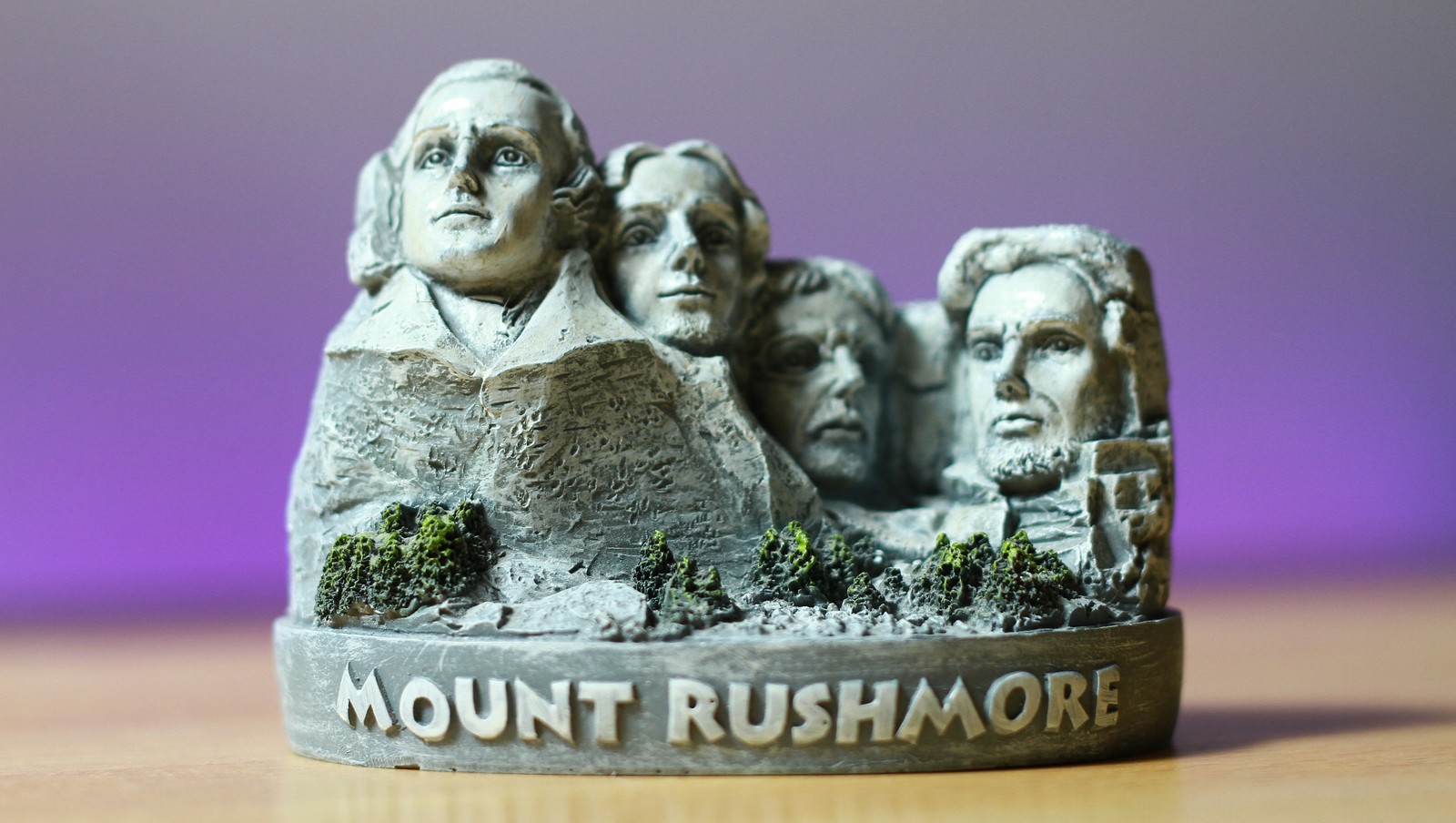
Image: Takefreebies

We've all seen Mount Rushmore, whether in person or on screen. But this monumental landmark is more than just four giant heads carved into granite. If you want to discover some surprising facts they don't teach in schools, read on!

1
A tough decision

Image: Spencer James Lucas

While the first three figures —Washington, Jefferson, and Lincoln— were almost unanimously agreed upon, there was some debate over who should be the fourth face on Mount Rushmore. Gutzon Borglum, the sculptor, advocated for Theodore Roosevelt, but others believed Woodrow Wilson should be included. In the end, Borglum stuck with his original choice, and that's why today we see Teddy Roosevelt up there on America's Shrine of Democracy.

2
The original plan

Image: Jon Sailer

While it's hard to picture the Black Hills without the iconic faces of Washington, Jefferson, Roosevelt, and Lincoln, the original idea for Mount Rushmore was actually quite different. At first, Sculptor Gutzon Borglum envisioned a more complex job (yes, even more complicated than it already is!) In his original plan, he imagined not just the presidents' heads but their upper bodies as well! There was even talk of including other key figures from American history, like explorers Lewis and Clark.

3
14 long years

Image: piotr sawejko

We can assume that carving the giant heads of 4 presidents into the granite was no easy task. But do you know how long it took to complete the monument we see today? 14 years! That's right; 14 years of hard work, 400 men, and a whole lot of dynamite went into bringing this colossal project to life.

4
The first

Image: Spencer James Lucas

As the first President of the United States and widely known as the "Father of His Country," George Washington was a must for this incredible monument. In fact, his face was the first to be completed and was officially dedicated in a grand ceremony. In addition, as part of the powerful symbolism behind the work, Washington's sculpture is also the most prominent.

5
Starting over

Image: Raimund Schlager

One of the many unexpected construction challenges involved the placement of Thomas Jefferson's sculpture.

The original plan was to place Jefferson's face to the left of Washington. However, when the dynamiting process began, they found quartz beneath the surface, which made it impossible to continue carving in that spot. After 18 months of work, they "erased" (yes, again, with dynamite) what they had of Jefferson and started over to the right of Washington, where it is today.

6
The secret door

Image: Tommy Bond

Did you know there's a secret room hidden behind the 60-foot-tall heads on Mount Rushmore? The sculptor had big plans for the monument, including a Hall of Records carved into the mountain to store important national documents like the Constitution. And he started to build it! However, when Congress found out that part of the budget was set aside for the Hall of Records, they asked Borglum to focus solely on carving the heads.

7
The last one

Image: caleb weiner

After Washington's, the other faces followed: Jefferson's was dedicated second, and Lincoln's was officially unveiled in 1937. So, which one came last? That's right! The last to be completed was Theodore Roosevelt's, with his iconic mustache included! Of course, members of the Roosevelt family attended the big ceremony.

8
The legacy

Image: Ashim D’Silva

Building Mount Rushmore took many years. Unfortunately, Gutzon Borglum, the mind behind the project, didn't get to see it fully completed, as he passed away just a few months before the work officially ended. However, it was his son Lincoln who stepped in to complete the great work his father had started.

9
An extra foot

Image: Andrew Ling

Borglum believed this monument should stand the test of time, built to inspire and be admired for thousands of years to come. So, how did he achieve that? Some historical sources suggest one of Borglum's techniques was adding extra material to certain angled areas of the sculpture, like Washington's nose, for example. That's right! It's believed that the author added an extra foot to George Washington's nose to help it better withstand erosion over time.

10
The man behind the name

Image: Pamela Huber

Long before the presidents were carved into the Black Hills, a New York lawyer paid a visit to the area, and that visit wouldn't go unnoticed. In 1885, attorney Charles E. Rushmore was at the site for business, and he asked for the name of a particular peak. When they told him it didn't have a name, he jokingly suggested they could call it "Rushmore Peak." Charles E. Rushmore was actually the first person to make a private donation to get the project started: $5,000! And so it was that his name stuck.
Culture Culture 4 min read

They said, "No Thanks."

These 10 stars did not accept their awards. And they had their reasons!

Image: Mirko Fabian

Have you ever imagined yourself winning an Oscar or an Emmy? While that might sound like a dream come true for many people, some stars have actually turned down major awards. From clashes with fellow nominees to political statements, each had their own reasons. Keep reading to discover why these 10 famous stars said "no thanks" to these recognitions.

1
Marlon Brando

Image: Trailer screenshottrailer at IMDB, Public domain, via Wikimedia Commons

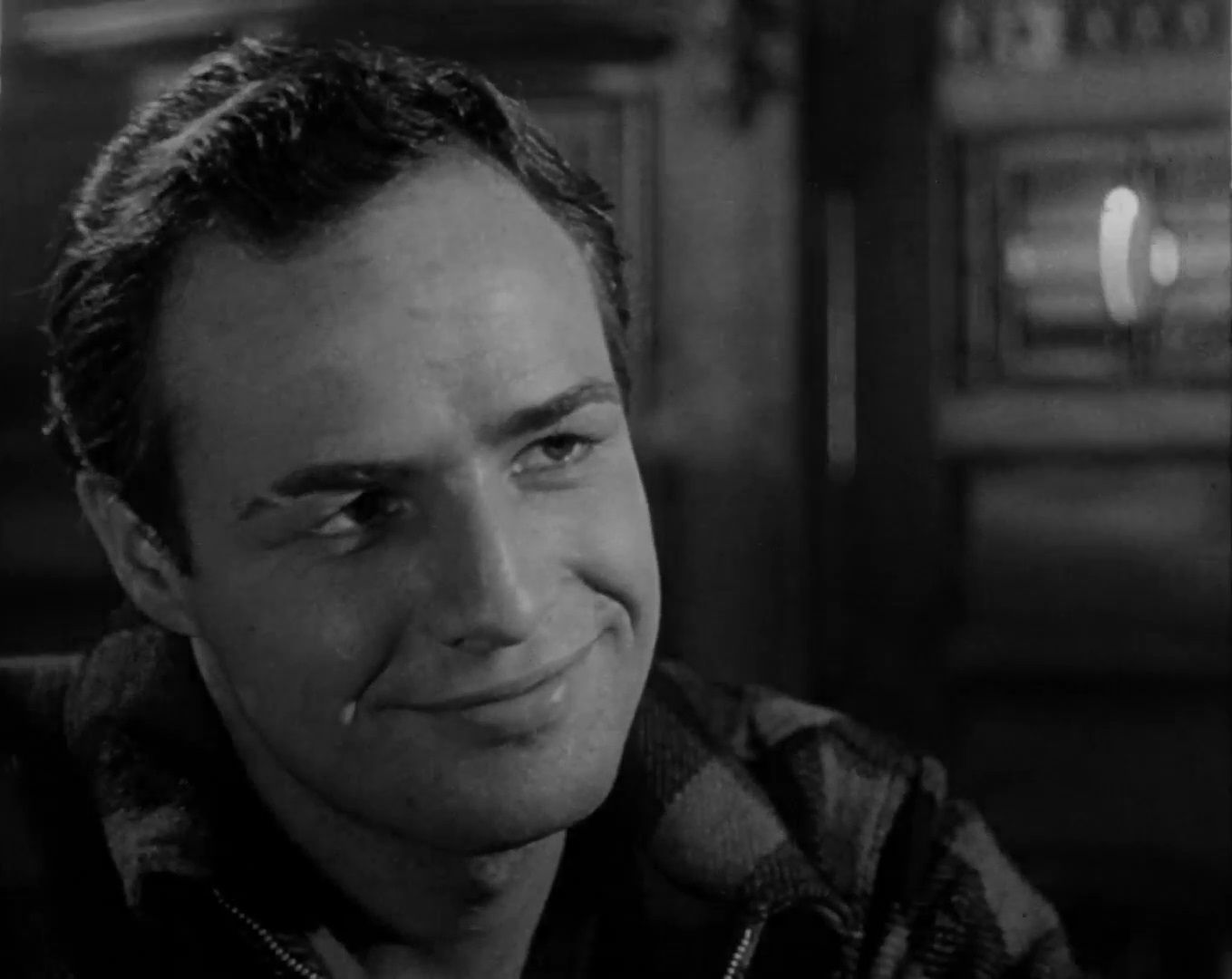
Marlon Brando was one of Hollywood’s most iconic stars, admired for his talent, charisma, and unforgettable roles. He won his first Oscar for On the Waterfront (1954), but things took a very different turn with his second win. When The Godfather earned him another Academy Award in 1972, Brando refused to attend and sent a Native American representative in his place, using the moment to protest Hollywood’s mistreatment and misrepresentation of Indigenous peoples.

2
Tom Cruise

Image: Gabriel Hutchinson Photography, CC BY-SA 4.0 <https://creativecommons.org/licenses/by-sa/4.0>, via Wikimedia Commons

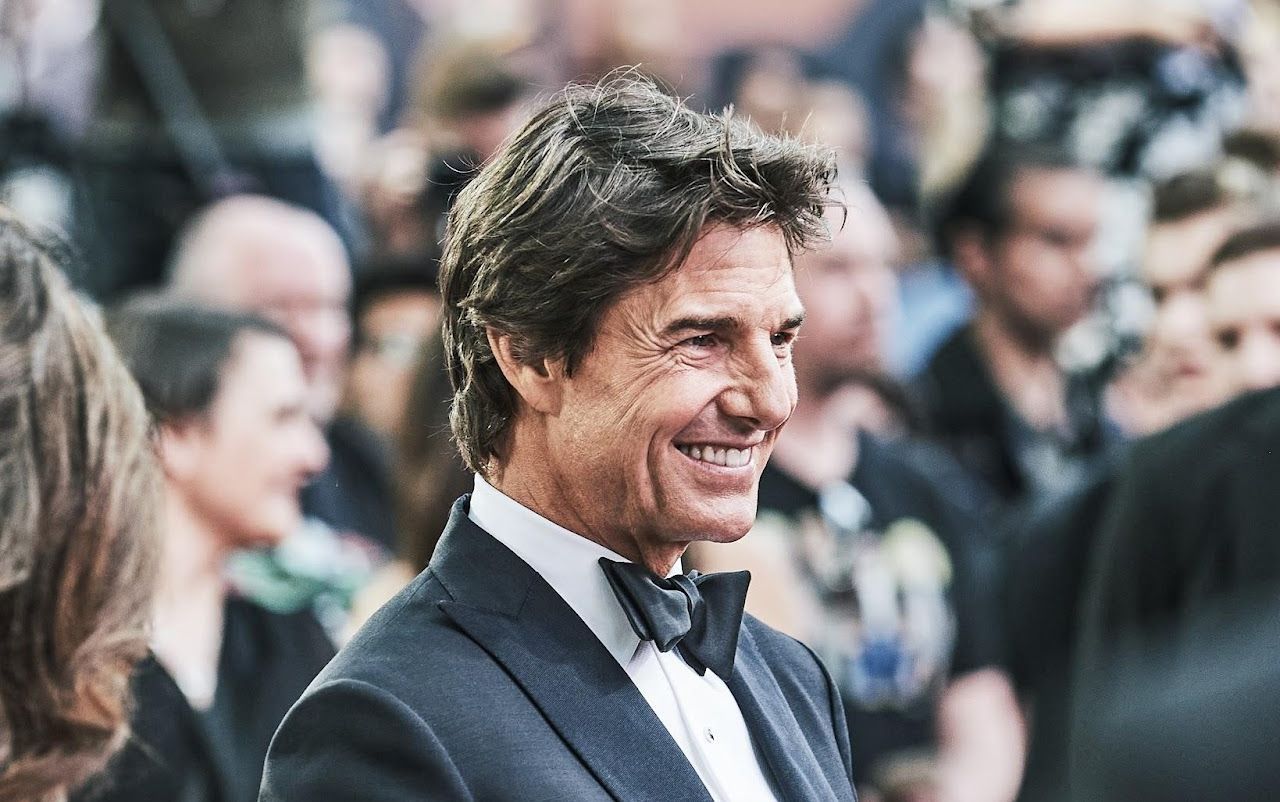
Like many of the actors on this list, Tom Cruise is a global icon whose career has earned him three Golden Globes: Best Actor for Jerry Maguire (1996), Best Actor for Born on the Fourth of July (1989), and Best Supporting Actor for Magnolia (1999). But in 2021, he made headlines for a very different reason: he returned all three awards. According to reports, Cruise did so as a protest against the ethics and lack of diversity within the organization behind the Globes.

3
Woody Allen

Image: Andreas Tai, CC BY-SA 3.0 <https://creativecommons.org/licenses/by-sa/3.0>, via Wikimedia Commons

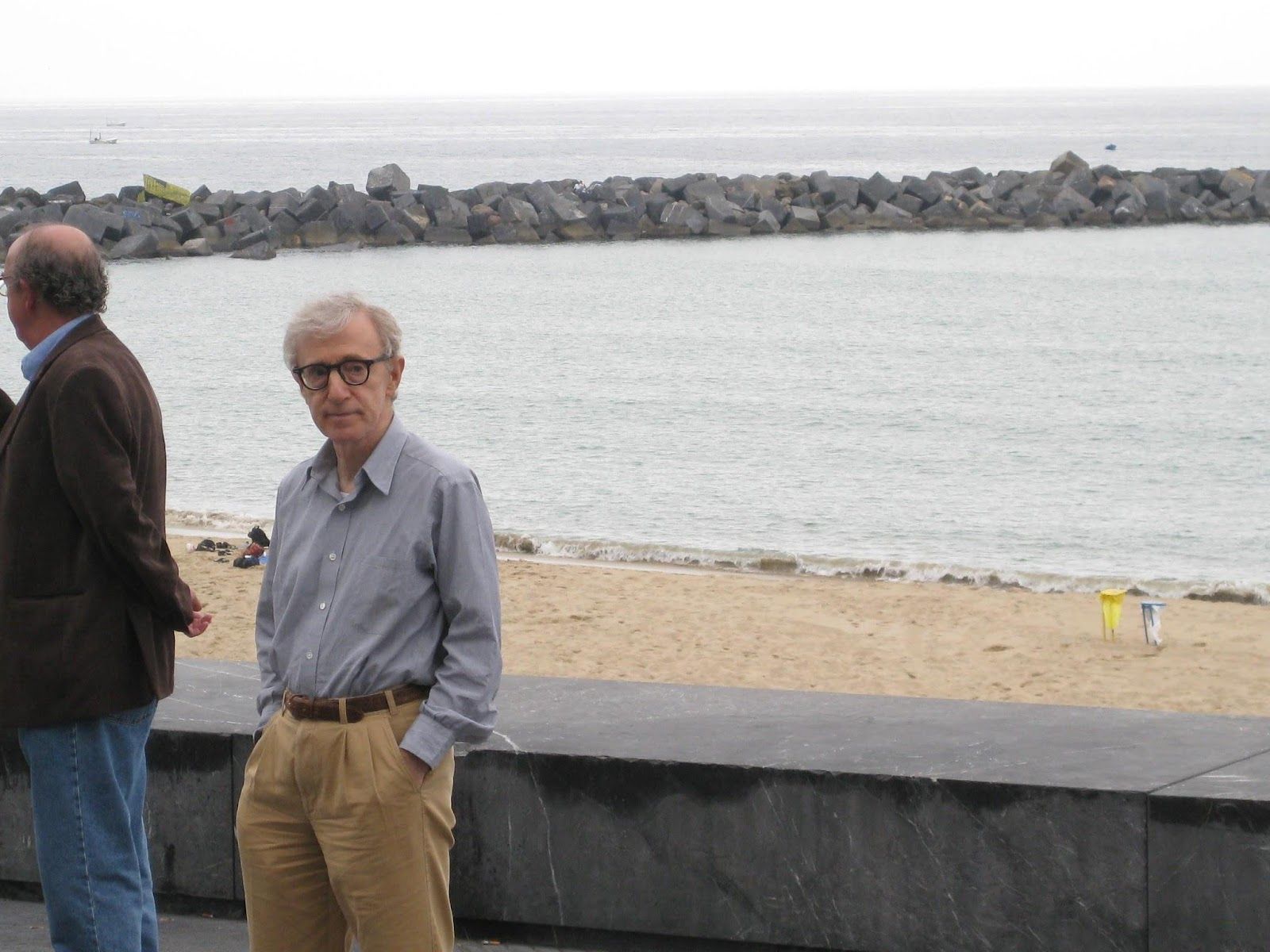
Woody Allen is known for refusing to participate in awards season, despite earning many nominations throughout his career. With around 24 Academy Award nominations, he has attended virtually none of the ceremonies. He has won four Oscars, but he never went to pick them up, though he did not decline or return them. And it’s not just the Oscars: Allen rarely attends any award ceremonies, including the Golden Globes.

4
George C. Scott

Image: Directed by Stanley Kubrick, distributed by Columbia Pictures, Public domain, via Wikimedia Commons

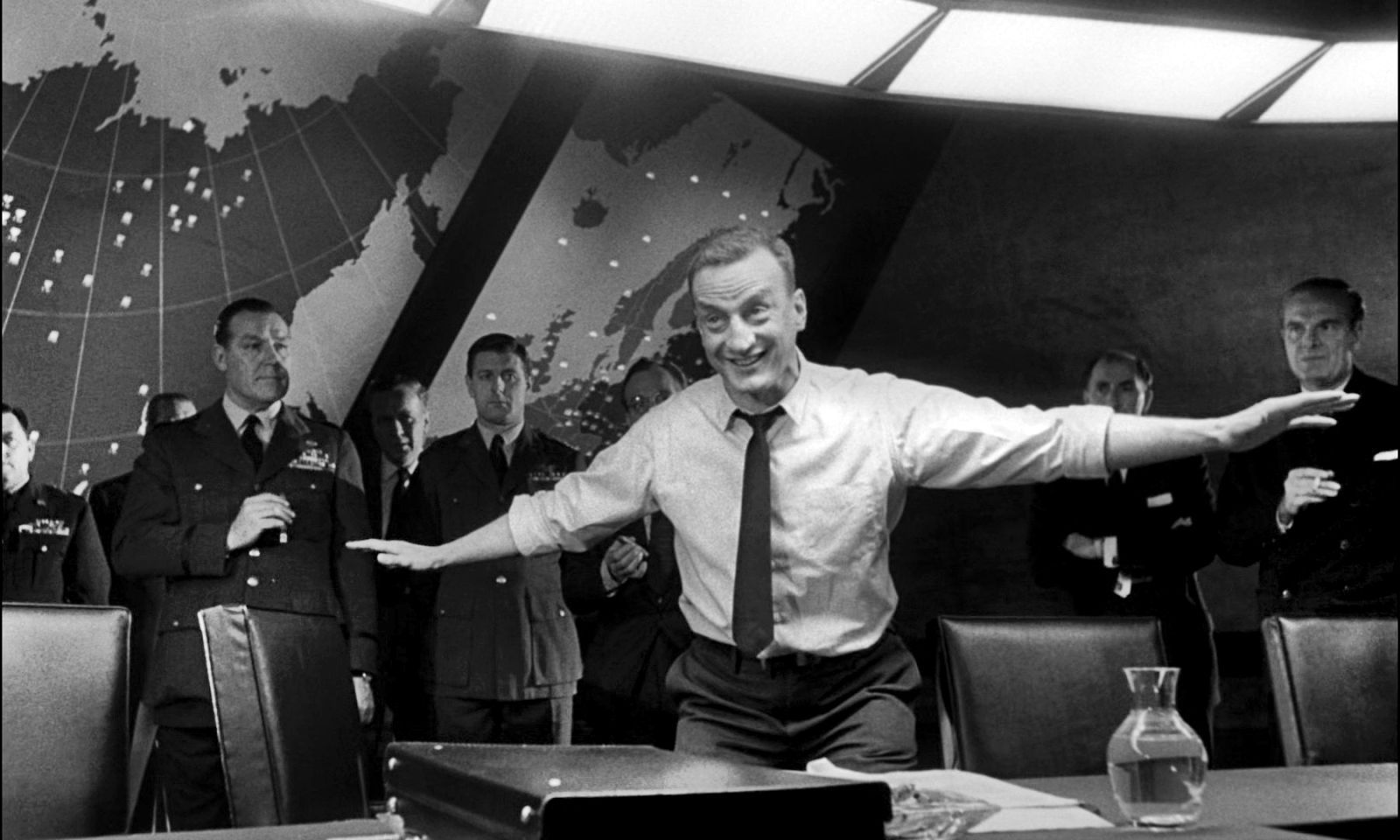
George C. Scott was one of Hollywood’s great classic stars, celebrated for his powerful work on both stage and screen. And he was also the first actor in history to refuse an Oscar. Not only did he decline nominations for The Hustler (1961) and The List of Adrian Messenger (1963), but he also rejected the Best Actor award he won for Patton (1970). Scott believed that each performance is too unique to be ranked against another, and that art should never be treated like a competition. What do you think?

5
Dolly Parton

Image: https://upload.wikimedia.org/wikipedia/commons/0/08/Dolly_Parton_with_guitar.jpg

Actors aren’t the only ones who turn down awards; musicians do it too. One of them is Dolly Parton, who has declined more than just music honors. She was selected three times for the Presidential Medal of Freedom and turned it down each time. The first two refusals were during the pandemic, and the third came from her concern that accepting might seem politically partisan. In addition, in 2022, she also declined a nomination to the Rock & Roll Hall of Fame, saying she hadn’t yet "earned that right."

6
Katharine Hepburn

Image: Metro-Goldwyn-Mayer Studios; Restored by Adam Cuerden, Public domain, via Wikimedia Commons

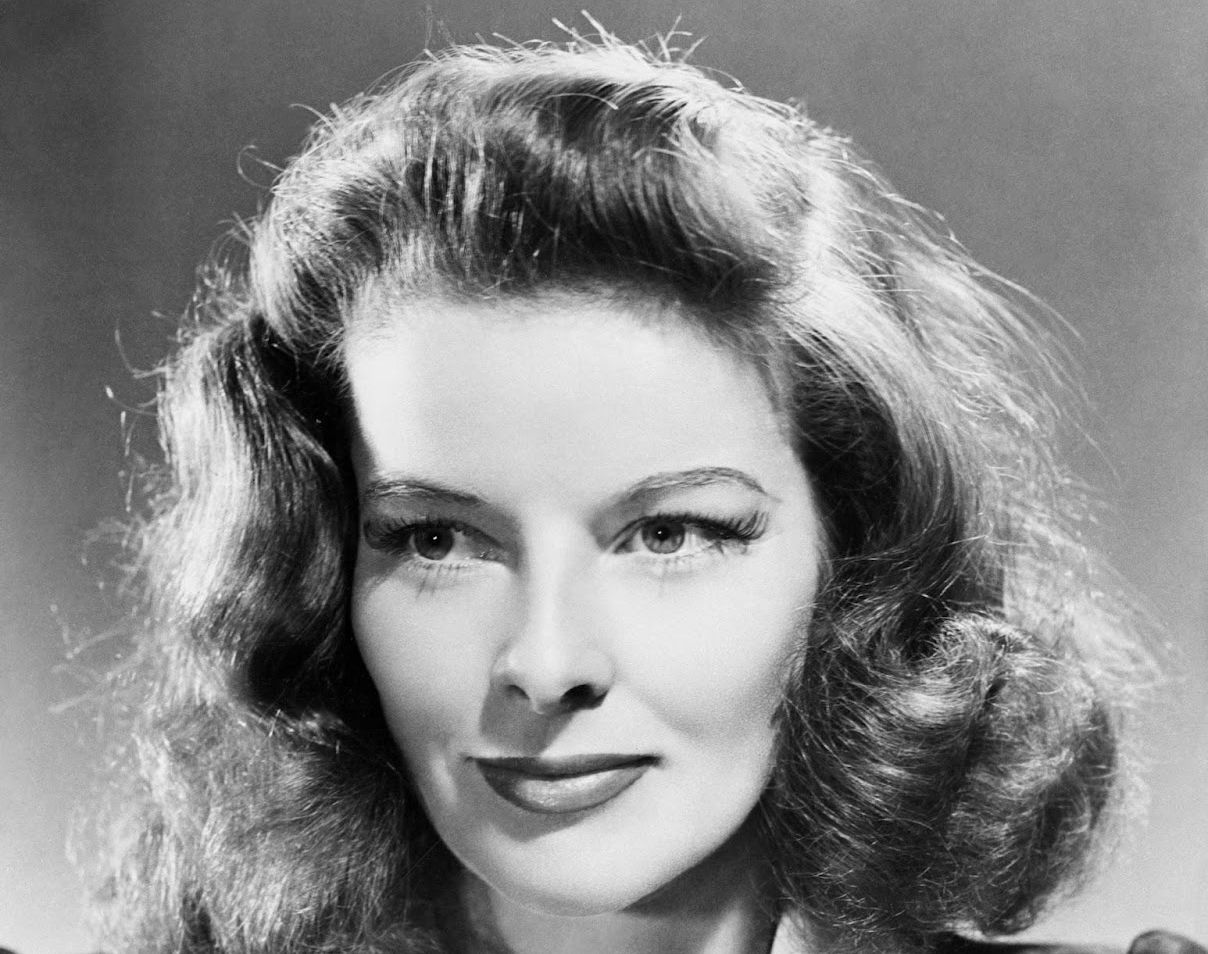
The incredible Katharine Hepburn won four Oscars! But she never showed up to collect a single one. She always sent someone else to accept them on her behalf. In fact, she only attended the Oscars once, and it wasn’t to receive an award but to present one. When asked why she stayed away, she summed it up perfectly: "Awards are nothing; my reward is my work."

7
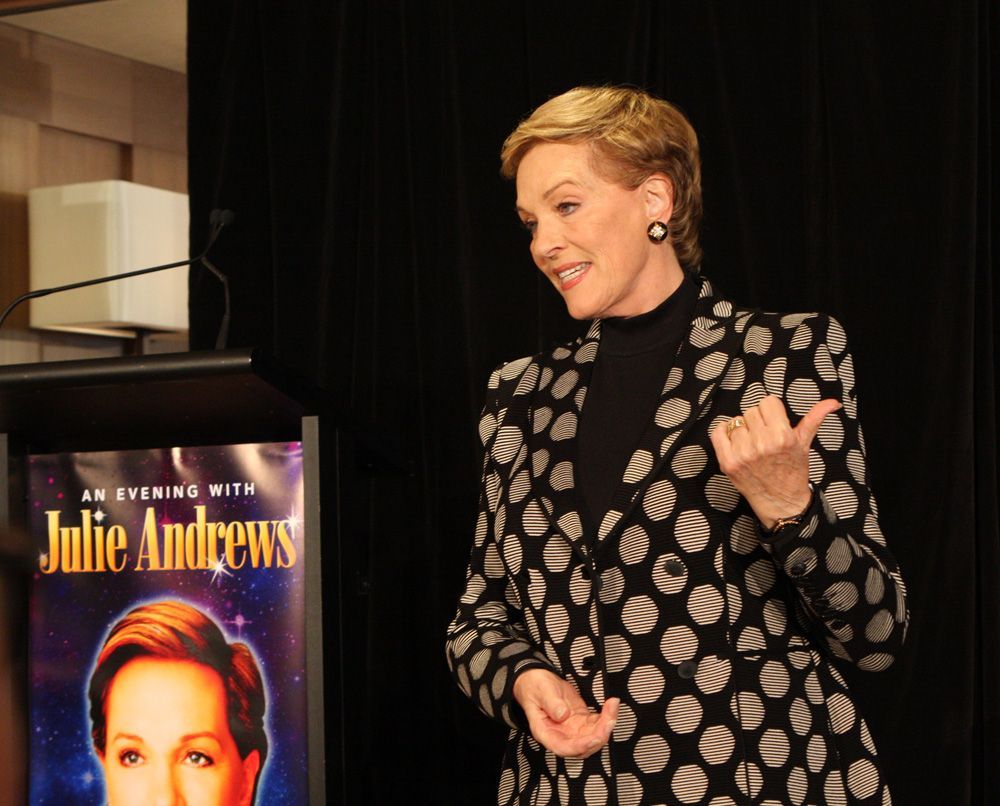
Julie Andrews

Image: Eva Rinaldi, CC BY-SA 2.0 <https://creativecommons.org/licenses/by-sa/2.0>, via Wikimedia Commons

Born in the United Kingdom, Julie Andrews is adored by Americans for many reasons, including the unforgettable films, such as Mary Poppins (1964) and The Sound of Music (1965). But beyond her cinematic gems, she also built a remarkable career in theater. In 1996, she received a Tony nomination for her role in Victor/Victoria , and chose to decline it. Why? Because she was the only member of the entire cast and production recognized, and she simply didn’t think that was fair.

8
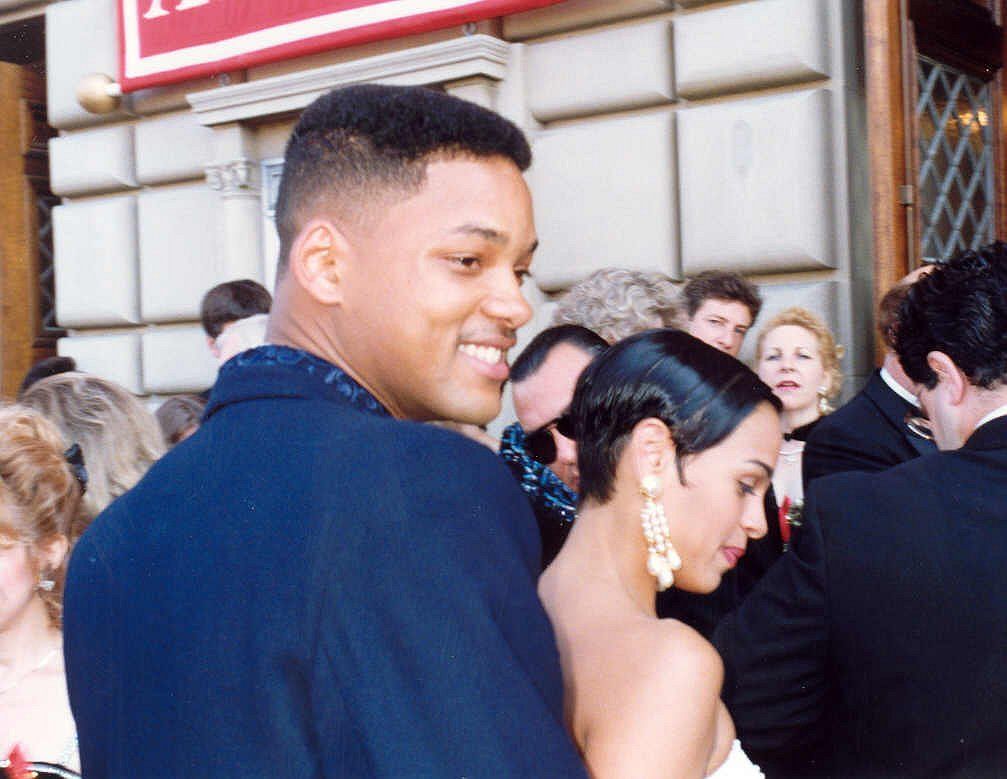
Will Smith

Image: photo by Alan Light, CC BY 2.0 <https://creativecommons.org/licenses/by/2.0>, via Wikimedia Commons

In the late 80s, Will Smith and DJ Jazzy Jeff won the first-ever Grammy for Best Rap Performance. But when they learned that their category wouldn’t be televised, they chose to boycott the 1989 Grammy Awards in protest. They didn’t turn down the award itself, but their stand made an impact: the following year, the rap category was broadcast on air, finally receiving the same visibility as the others.

9
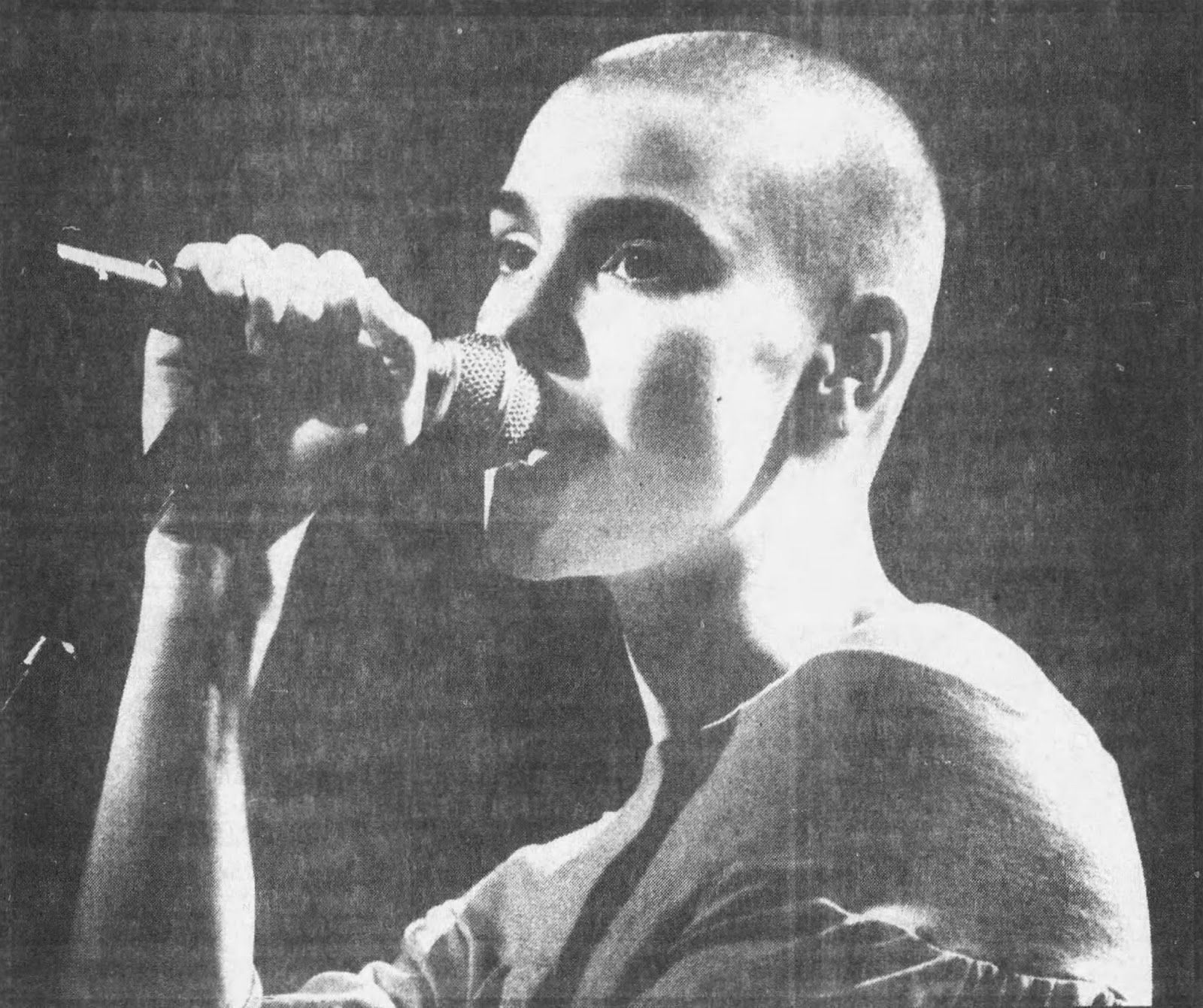
Sinéad O'Connor

Image: Globe photo/Dave Shea, Public domain, via Wikimedia Commons

Sinéad O'Connor was world-famous, and in America, we remember her mainly for the unforgettable hit "Nothing Compares 2 U." As a passionate activist, she carried her convictions into her career choices, which led her to turn down her Grammy nomination. She specifically asked that her name be withdrawn, arguing that the Grammys were too commercial and rewarded popularity over ethics, artistry, and musical integrity.

10
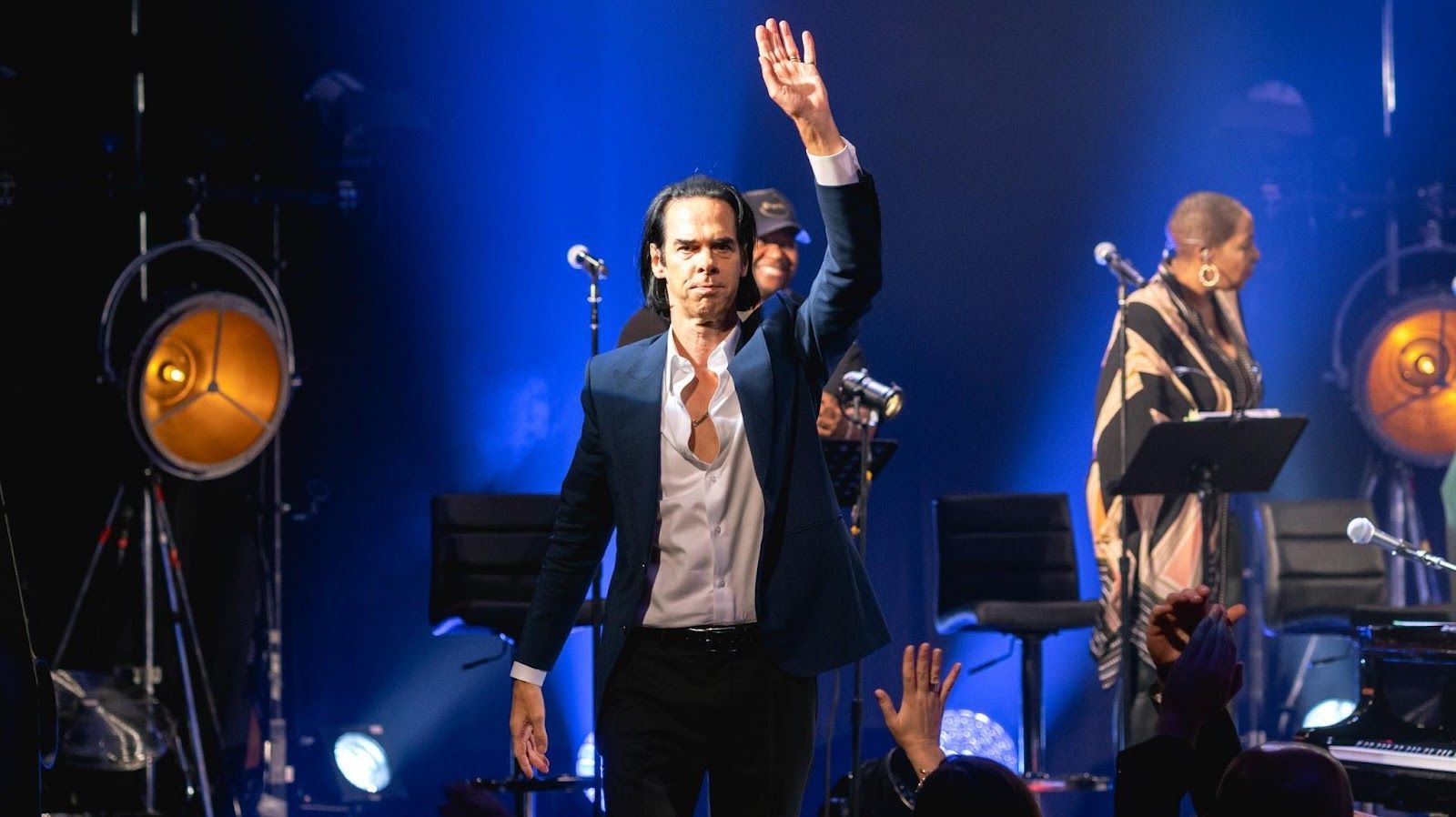
Nick Cave

Image: Raph_PH, CC BY 2.0 <https://creativecommons.org/licenses/by/2.0>, via Wikimedia Commons

Australian artist Nick Cave declined his nomination for Best Male Artist at the 1996 MTV Video Music Awards. He even sent a formal letter asking that his name be withdrawn, famously saying: "My muse is not a horse, and I am not in any horse race."

Culture Culture 4 min read

Words of wisdom

The words of these 10 Americans will forever live in history!

Image: Emmanuel Ikwuegbu

Quotes have the magical property of allowing us to learn, enjoy, and marvel at the minds of some of the greatest thinkers in our history. It doesn’t matter when or where, we can all learn a thing or two from these wonderfully crafted words. With that in mind, we have decided to celebrate the ingenuity and intelligence of some of the most prominent Americans in history by highlighting some of their best quotes. So, without further ado, enjoy the wisdom that these 10 Americans have to offer!

1
"Float like a butterfly, sting like a bee" - Muhammad Ali

Image: Johann Walter Bantz

Much like his innate and groundbreaking boxing technique, legendary boxer Muhammad Ali had a way with words: He was able to craft sharp and insightful commentary in interviews and press conferences. In that sense, Ali was able to perfectly summarize his incredible fighting style with a short and simple phrase, in what’s probably his most famous quote: In 1964, before his iconic fight with Sonny Liston, a 22-year-old Ali stated that he would "float like a butterfly, sting like a bee".

2
"America is another name for opportunity" - Ralph Waldo Emerson

Image: NASA

Ralph Waldo Emerson was one of the most influential and groundbreaking American poets in history. It is no small praise for Walt Whitman to refer to Emerson as "his master", nor for Friedrich Nietzsche to call him "the most gifted of the Americans". Emerson’s collection of essays and writings gives us a glimpse into the quick wit and way of words this American had, so it stands to reason that the Emerson quote we chose for this article showcases his brevity and resourcefulness: "America is another name for opportunity".

3
"I have a dream" - Martin Luther King, Jr.

Image: Elizabeth Villalta

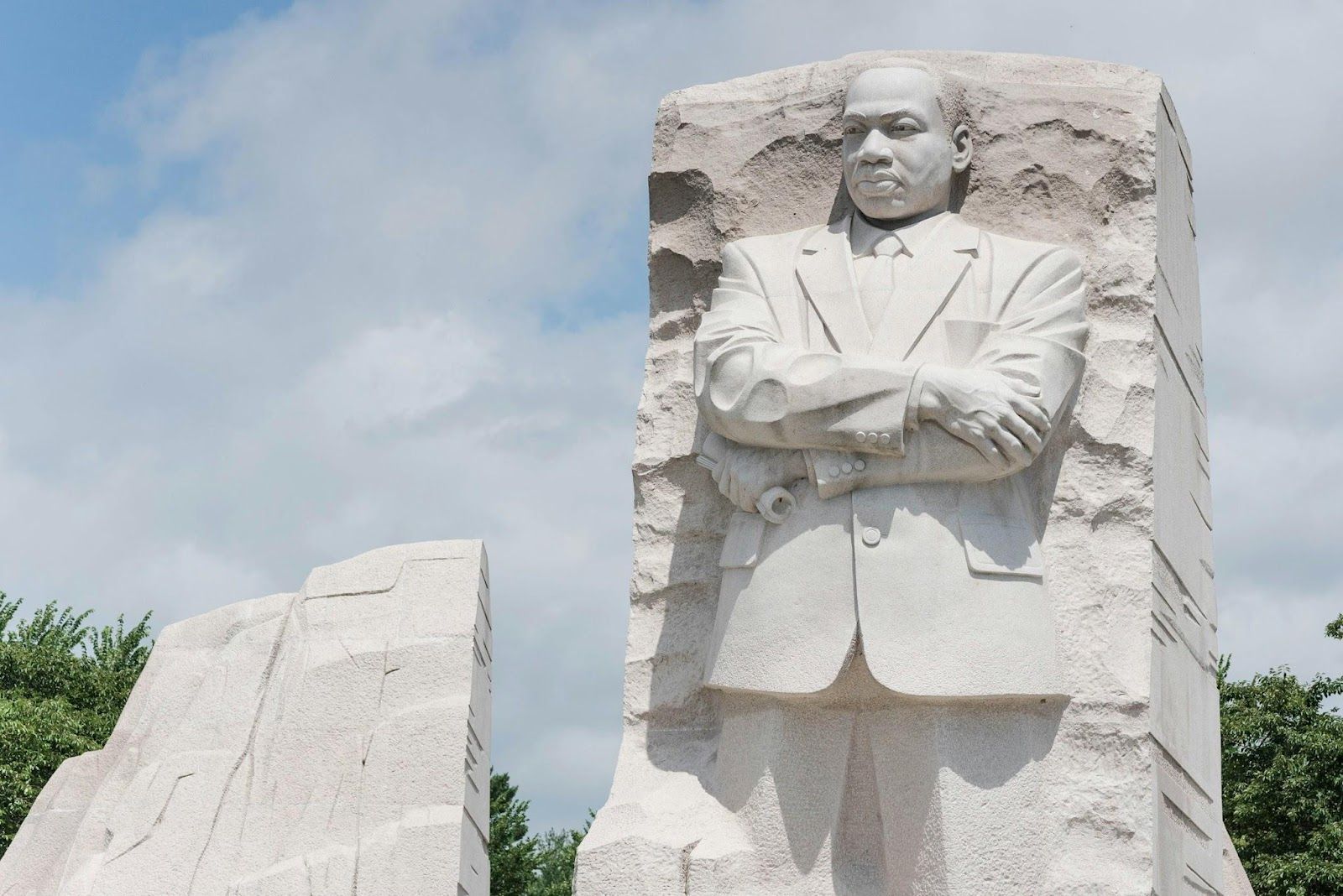
Not many know this, but Martin Luther King’s most famous quote came from a sudden moment of inspiration: Standing in front of over 250,000 supporters from the steps of the Lincoln Memorial, Dr. King departed from his prepared text and spoke from the heart, delivering a speech that had his now-iconic "I have a dream" phrase as its main theme. Most historians consider this speech to be a turning point in the history of the civil rights movement and a proud testament to Dr. King’s resolve and determination.

4
"Ask not what your country…" - John F. Kennedy

Image: Florida Memory

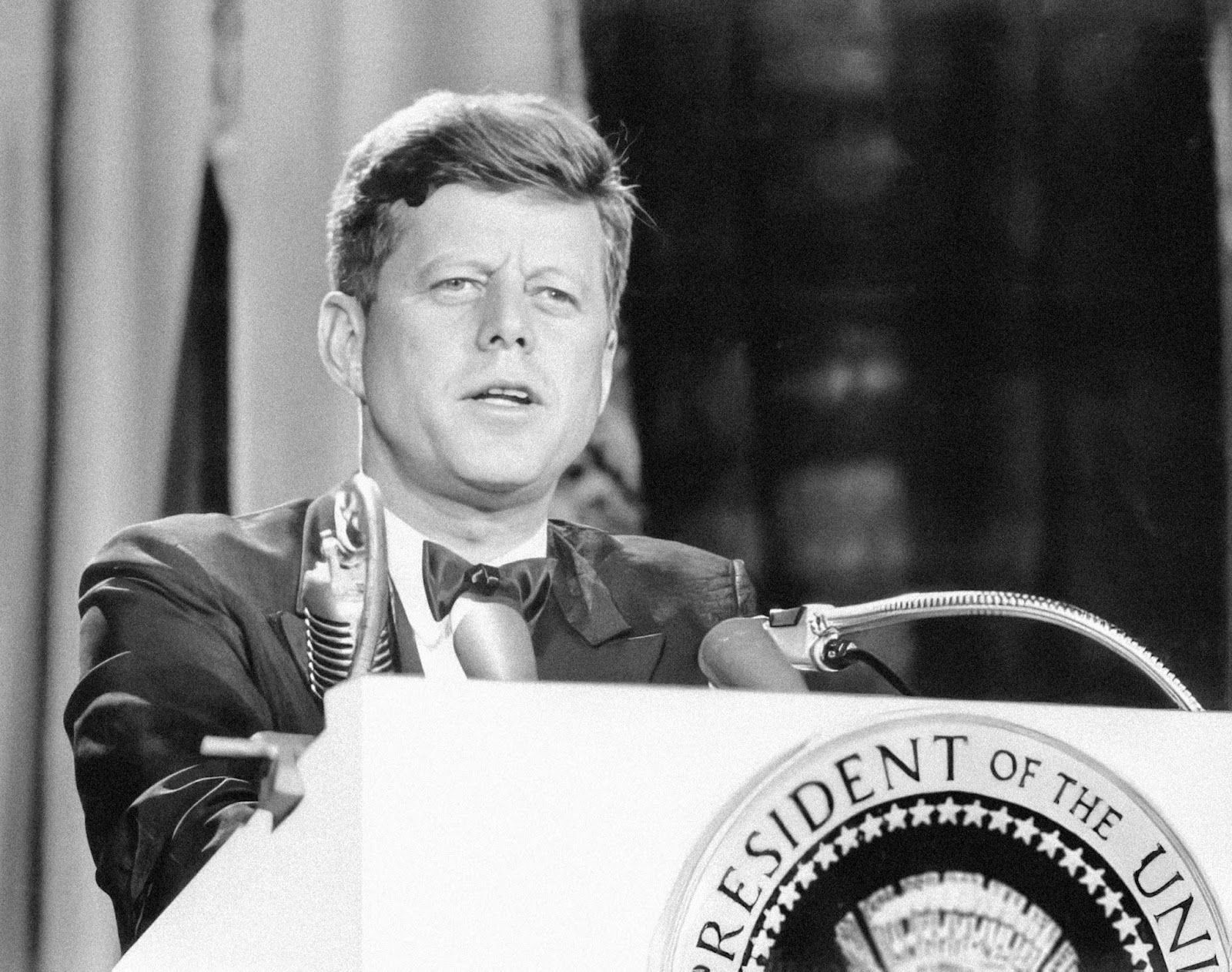
Civil service is definitely a big responsibility: The men and women in the government are naturally held to a high standard of scrutiny. In that sense, President Kennedy’s words during his inauguration speech truly cemented something that citizens often overlook: When our 35th President said "Ask not what your country can do for you – ask what you can do for your country" , he asked the American public to always keep the welfare of their country and fellow Americans in mind.

5
"Four score and seven years ago" - Abraham Lincoln

Image: Ed Fr

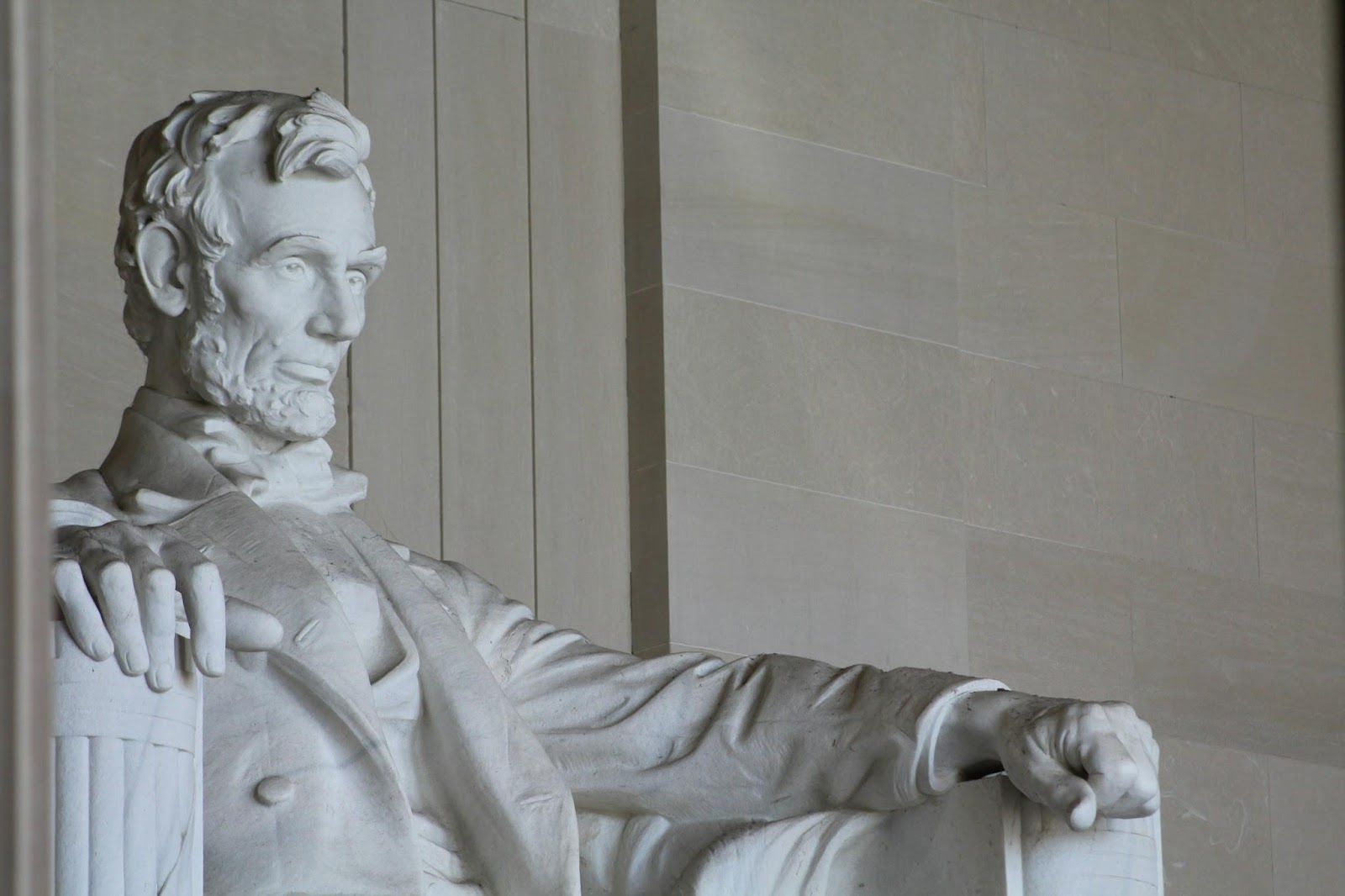
Granted, we couldn’t include the entire Gettysburg Address in this article, but we have instead decided to choose a phrase that’s as famous as this iconic speech. While we can’t be sure that President Lincoln knew the effect these words would have on American history, we do know that he was an exceptional writer, so it is no wonder that we still remember the opening lines of this famous speech: "Four score and seven years ago".

6
America, to me, is freedom - Willie Nelson

Image: Priscilla Du Preez 🇨🇦

Country music is synonymous with American culture, so it shouldn’t come as a surprise to learn that one of the most patriotic quotes in this article comes from country music legend Willie Nelson. This beloved musician once stated, "America, to me, is freedom". What’s perhaps most moving about this simple yet powerful phrase is that it effortlessly describes what many of us feel whenever we think about America.

7
"To be good, and to do good, is all we have to do" - John Adams

Image: iStrfry , Marcus

Leave it to a Founding Father to perfectly describe what patriotism is all about. John Adams once stated this powerful phrase: "To be good, and to do good, is all we have to do". Much like the JFK quote we previously mentioned, our second President encouraged us to love our country and always strive to keep it a wonderful place to live.

8
"We must be free not because we claim freedom but because we practice it" —William Faulkner

Image: Tom Hermans

There’s no denying that William Faulkner was one of the most influential writers of the 20th century: A Nobel laureate, Faulkner has written such American classics like "As I Lay Dying" and "The Sound and the Fury". Much of his work centers around the American South, and on what he felt were the values that America holds most dear. In that sense, the following quote is as insightful as what can be found in Faulkner’s many books: "We must be free not because we claim freedom but because we practice it".

9
"In the face of impossible odds, people who love this country can change it." —Barack Obama

Image: frank mckenna

Standing in the very same spot in which Martin Luther King had made his iconic "I Have a Dream" speech, President Obama spoke in front of a gathered crowd of hundreds and delivered one of his most famous quotes: "In the face of impossible odds, people who love this country can change it." Besides being a great quote by our 44th President, this phrase is also a living testament to the influence that Dr. King had on all Americans.

10
"Liberty, when it begins to take root, is a plant of rapid growth" -George Washington

Image: Ryan Quintal

We’ll end this article with a phrase that comes straight from the mind of the Father of our country. In a letter to fellow Founding Father James Madison, George Washington wrote: "Liberty, when it begins to take root, is a plant of rapid growth". When you think about it, this phrase is an almost perfect summary of the ideas and beliefs that fueled the American Revolution, and that would eventually help build this great country of ours.

Explore more American facts

Choose your favorite category!

General
General

As American as apple pie—the very best America has to offer!

Culture
Culture

Delve into the astounding richness of American lore.

Geography
Geography

Hop in and explore vast and diverse American landscapes.

History
History

Discover the key moments that shaped the United States.