The ultimate ranking of the 12 most unforgettable movie beasts
Image: Elijah Mears
American cinema has produced many monsters that remain easily recognizable decades after their first appearance. From stop-motion creatures of the 1930s to the practical effects of the 1980s and modern computer-generated imagery (CGI), these films have helped shape how audiences perceive movie monsters. Together, these examples show how design, technique, and ingenuity turned fictional creatures into lasting icons of popular culture. Has your favorite monster made the list? Find out now!
1
King Kong (1933)
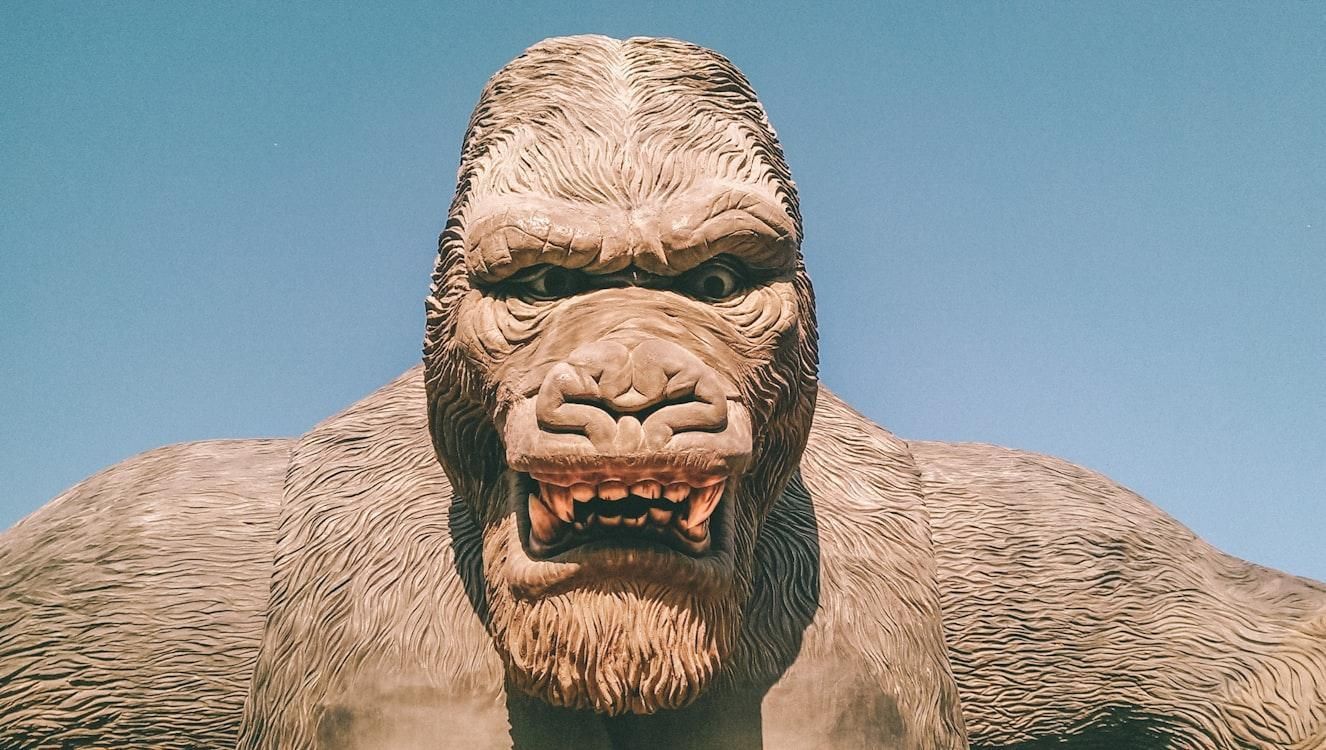
Do you remember the famous scene atop the Empire State Building, where a giant ape defends his beloved Ann Darrow from attacking biplanes? How could anyone forget! King Kong , which debuted as early as 1933, was created using stop-motion animation, combined with rear projection and miniatures. Kong is portrayed as both a destructive force and a sympathetic character. The film became one of the most influential monster movies in American cinema and led to multiple remakes and spin-offs over the decades.
2
Dracula (
Bram Stoker’s Dracula
, 1992)
Francis Ford Coppola’s cinematic rendition of the famous vampire was released in 1992 and relied heavily on practical effects and elaborate costumes. Gary Oldman’s Dracula appears in several distinct visual forms, including an elderly nobleman and a younger, more polished figure. The film openly references earlier screen versions, particularly Bela Lugosi’s 1931 performance, which established the cape, accent, and formal demeanor that many Americans still associate with the character.
3
The Rancor (
Return of the Jedi
, 1983)
The Rancor, a massive reptilian monster from the Star Wars universe, first appeared in Return of the Jedi in 1983. The creature, brought to life using stop-motion animation, is known for its powerful claws, sharp teeth, and intimidating roars, often kept as a dangerous pet or prisoner in pits by crime lords like Jabba the Hutt. Despite limited screen time, the Rancor became one of the most memorable monsters in the Star Wars saga.
4
The Xenomorph (
Alien
, 1979)

The Xenomorph first appeared in Alien, the famous sci-fi horror film starring Sigourney Weaver and directed by Ridley Scott. Designed by artist H.R. Giger, the creature is instantly recognizable by its elongated head, inner jaw, and biomechanical body. The monster functions as a relentless, silent threat rather than a speaking villain. Its terrifying design became central to a long-running franchise that included sequels, toys, video games, and even theme park attractions.
5
Gill-man (
Creature from the Black Lagoon
, 1954)

Introduced in 1954, the Gill-man is an amphibious humanoid living in the Amazon. The creature was brought to life using a full-body suit, with separate actors for land and underwater scenes. Its scaly body, webbed hands, and large, expressive eyes set it apart from other monsters of the era. The film was released during the 3D movie boom of the 1950s, which helped draw large audiences. If you’ve seen the film, we bet you’ve experienced a few chills!
6
Audrey II (
Little Shop of Horrors
, 1986)
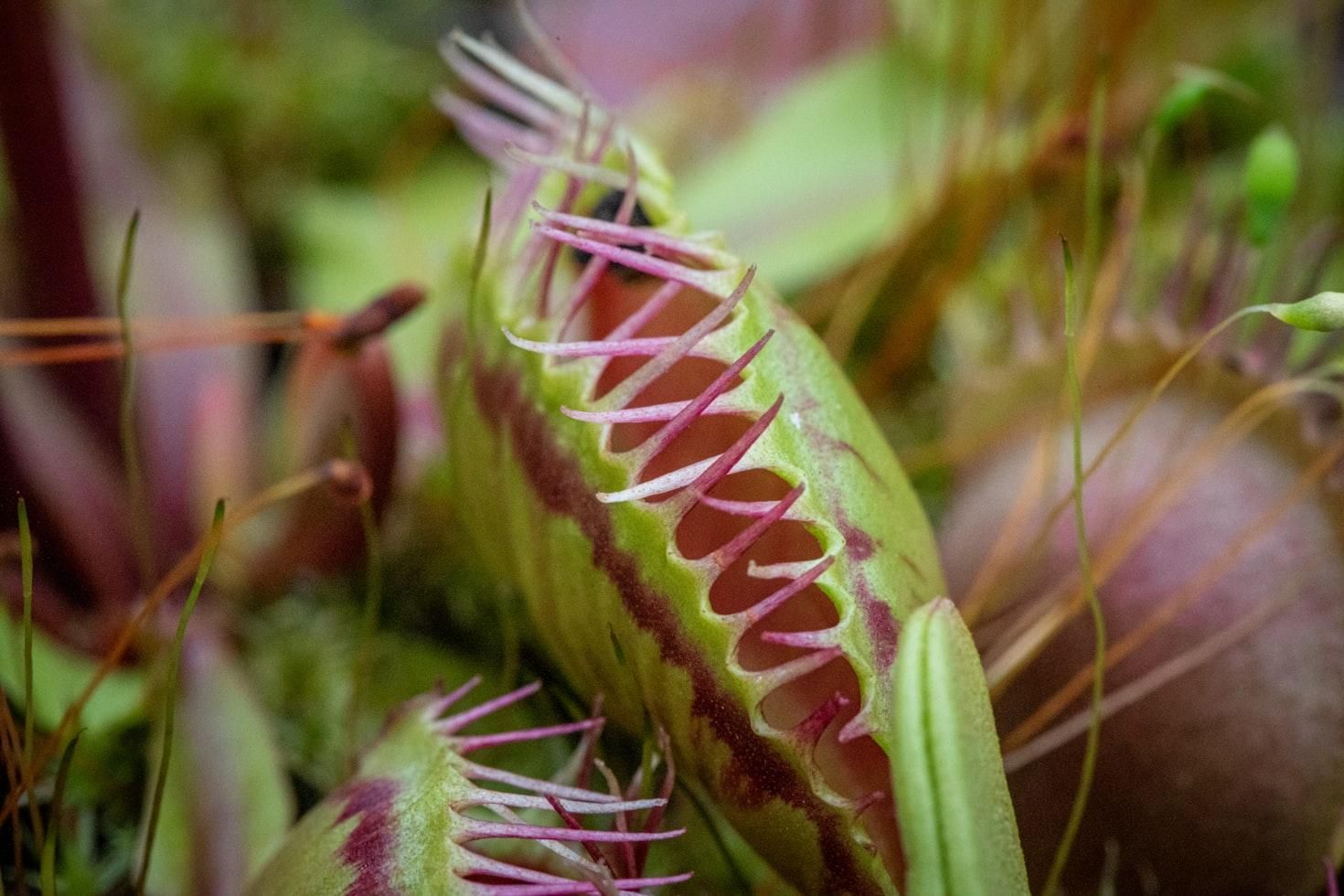
The sassy and manipulative Audrey II from Little Shop of Horrors is a large, carnivorous, talking plant created using puppetry and mechanical effects. Its design evolves throughout the film as it "grows," requiring multiple versions of the puppet to achieve each stage. The character’s unique mix of menace and comedy helped make it one of the most recognizable non-human monsters in American musical cinema.
7
Thing (
The Thing
, 1982)
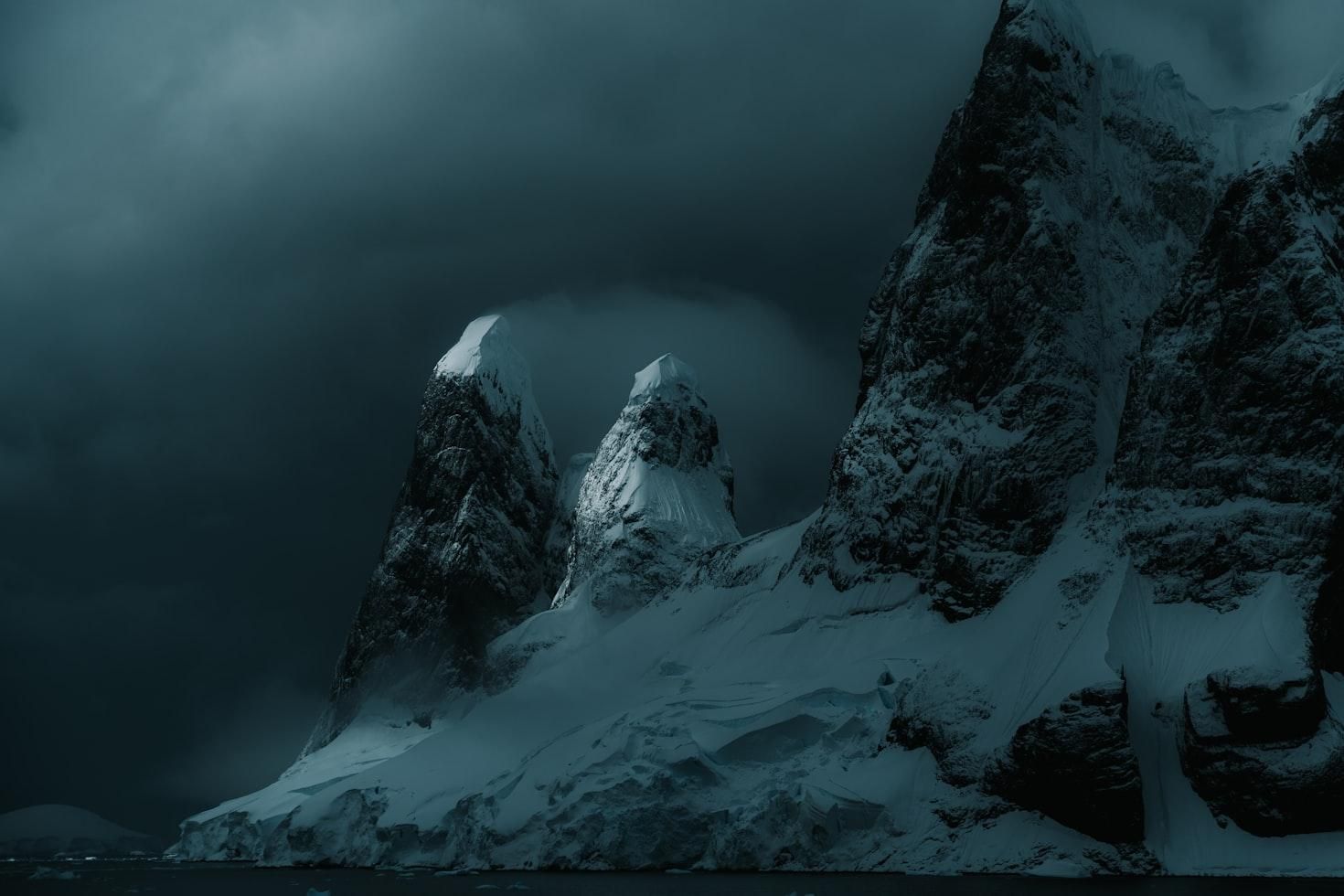
John Carpenter’s The Thing premiered in 1982, introducing a terrifying shape-shifting alien that can imitate people and animals, making it nearly impossible to identify. The creature’s look was created using extensive practical effects, including animatronics and prosthetics. Set in the icy isolation of Antarctica, the film became well known for using physical effects rather than computer graphics, a choice that helped it remain visually striking decades later.
8
Werewolf (
An American Werewolf in London
, 1981)
John Landis’s An American Werewolf in London featured groundbreaking practical makeup effects. The unforgettable werewolf transformation scene, shown in full light rather than shadows, shocked audiences and became a milestone in cinematic creature design. The monster itself appears as a large, wolf-like creature with elongated limbs. Starring David Naughton and Griffin Dunne, the film combined horror and humor, helping it stand out among other monster movies of the era.
9
Yautja (
Predator
, 1987)
The 1987 film Predator was groundbreaking in introducing a humanoid alien hunter equipped with advanced technology. Its tense combination of science fiction and high-stakes action captivated audiences of the late 1980s.
The creature is instantly recognizable by its dreadlocked head, mandibles, and thermal-vision mask. Known as Yautja, or Hish-qu-Ten, the Predator became a recurring figure in sequels, comics, and crossover films, cementing its place as one of cinema’s most iconic extraterrestrial monsters.
10
Nosferatu (
Nosferatu
, 2024)
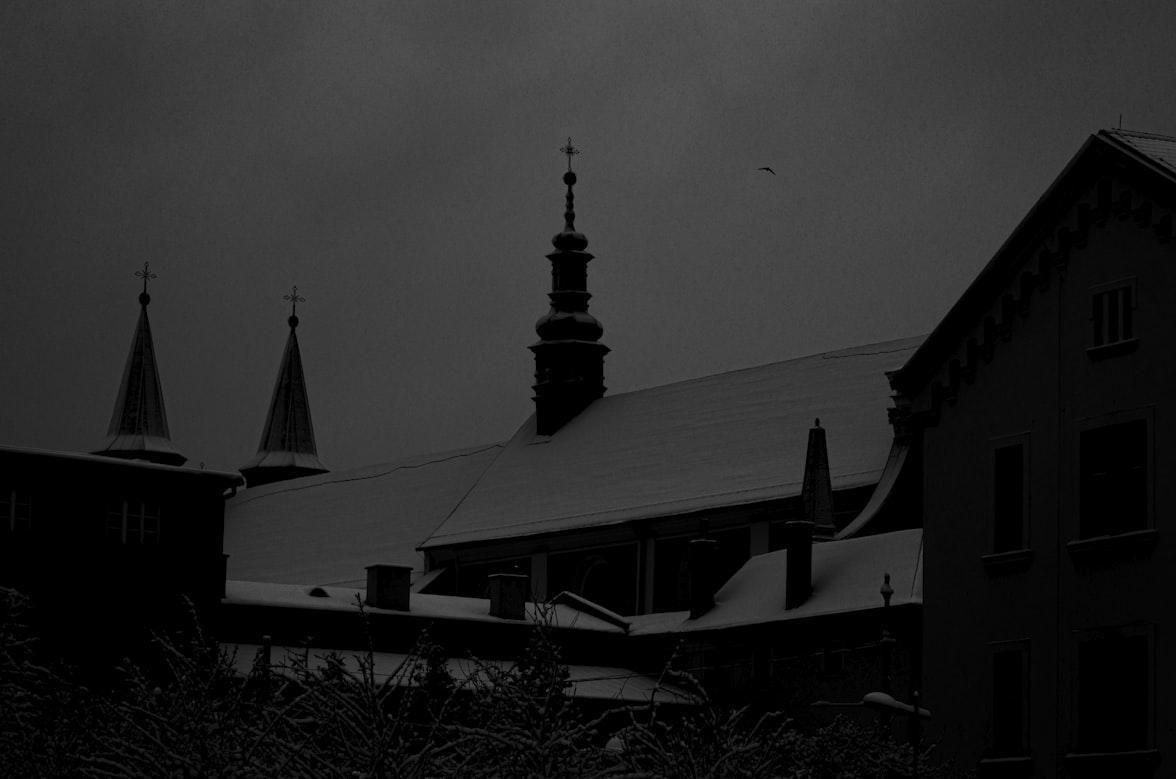
Released in 2024, Robert Eggers’ Nosferatu revisits the classic silent-era vampire tale with a darker, more historically grounded design. This time around, Count Orlok is shown as a decaying, human-looking figure rather than a romantic aristocrat, with pale skin, thinning hair, and period-accurate clothing. The film was shot largely in Eastern Europe, but aimed squarely at American audiences familiar with classic horror. Its approach highlighted mood and atmosphere over spectacle, connecting a 1920s character to modern horror sensibilities.
11
Graboids (
Tremors
, 1990)
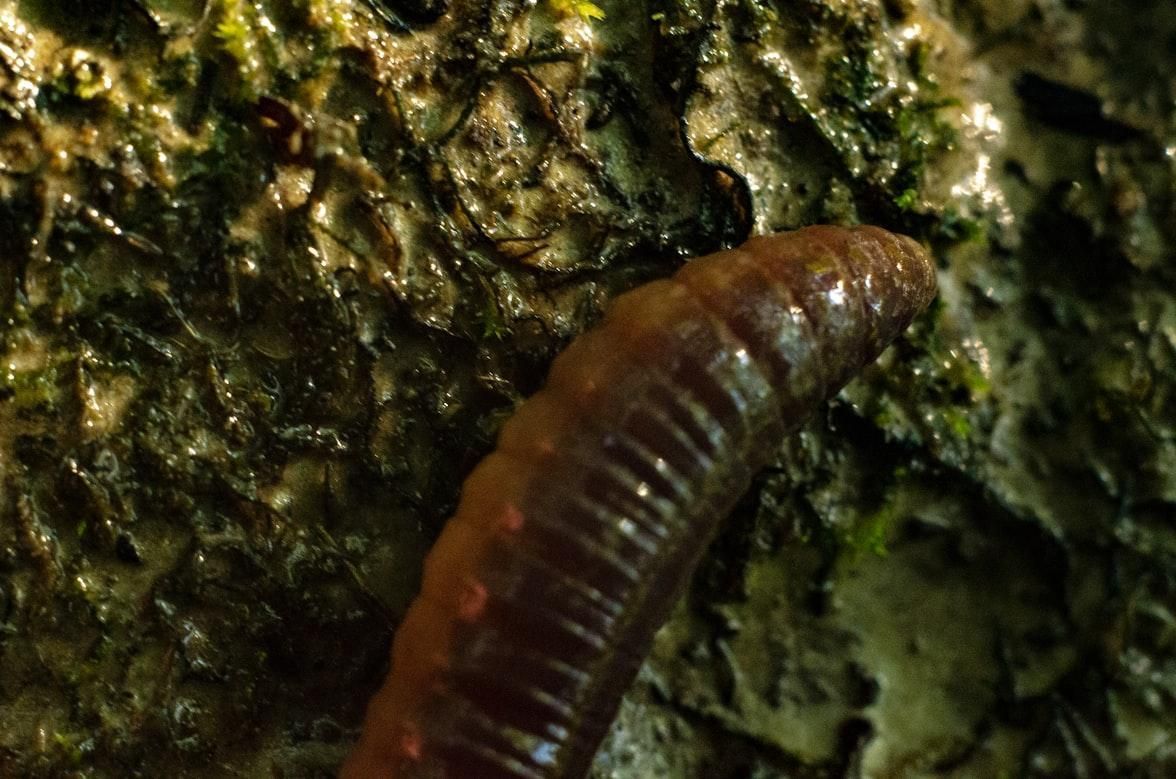
Graboids, the massive, worm-like predators with circular mouths lined with sharp teeth and tentacle-like tongues, were created using large mechanical props and practical effects. These underground creatures from Tremors have limited visibility and rely on vibrations, which adds a suspense element that appealed to mainstream audiences at the time. They were really scary, don’t you think?
12
Frankenstein’s Monster (
Frankenstein
, 2025)
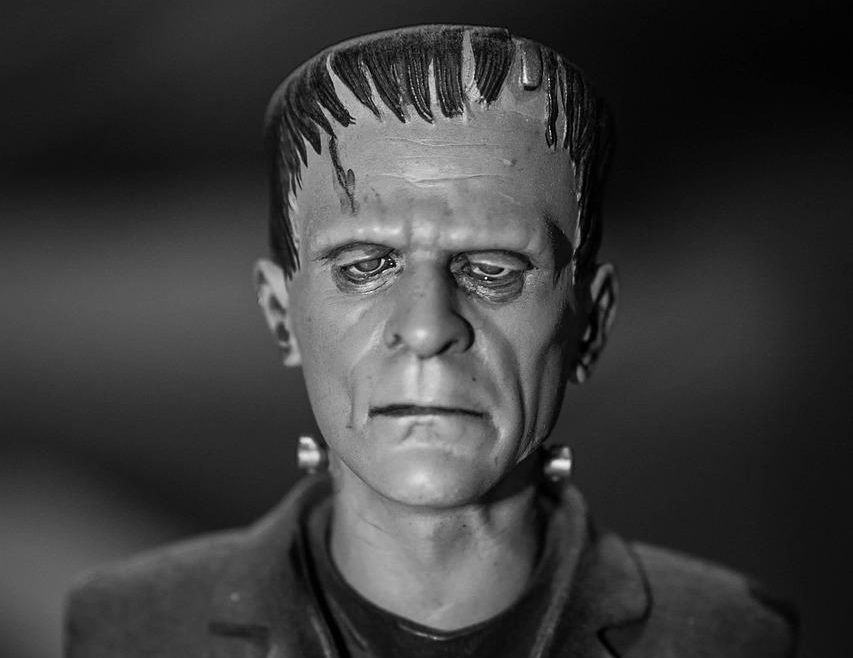
This modern version of Frankenstein revisits the classic monster first popularized in the U.S. by the 1931 film. In keeping with the preconceived image that many viewers have, the monster retains its stitched skin, heavy movements, and a silent presence. Although it is the most recent film on our list, the creature’s appearance and physicality lean heavily on practical makeup and prosthetics rather than on computer-generated visual effects, reflecting Guillermo del Toro’s preference for tactile, artisanal creature design. Thanks to his decision, the character remains a figure shaped by human actions rather than a simple villain.