History History 5 min read

Blast from the past

10 things from the '70s and '80s kids no longer do today

Image: DS Stories

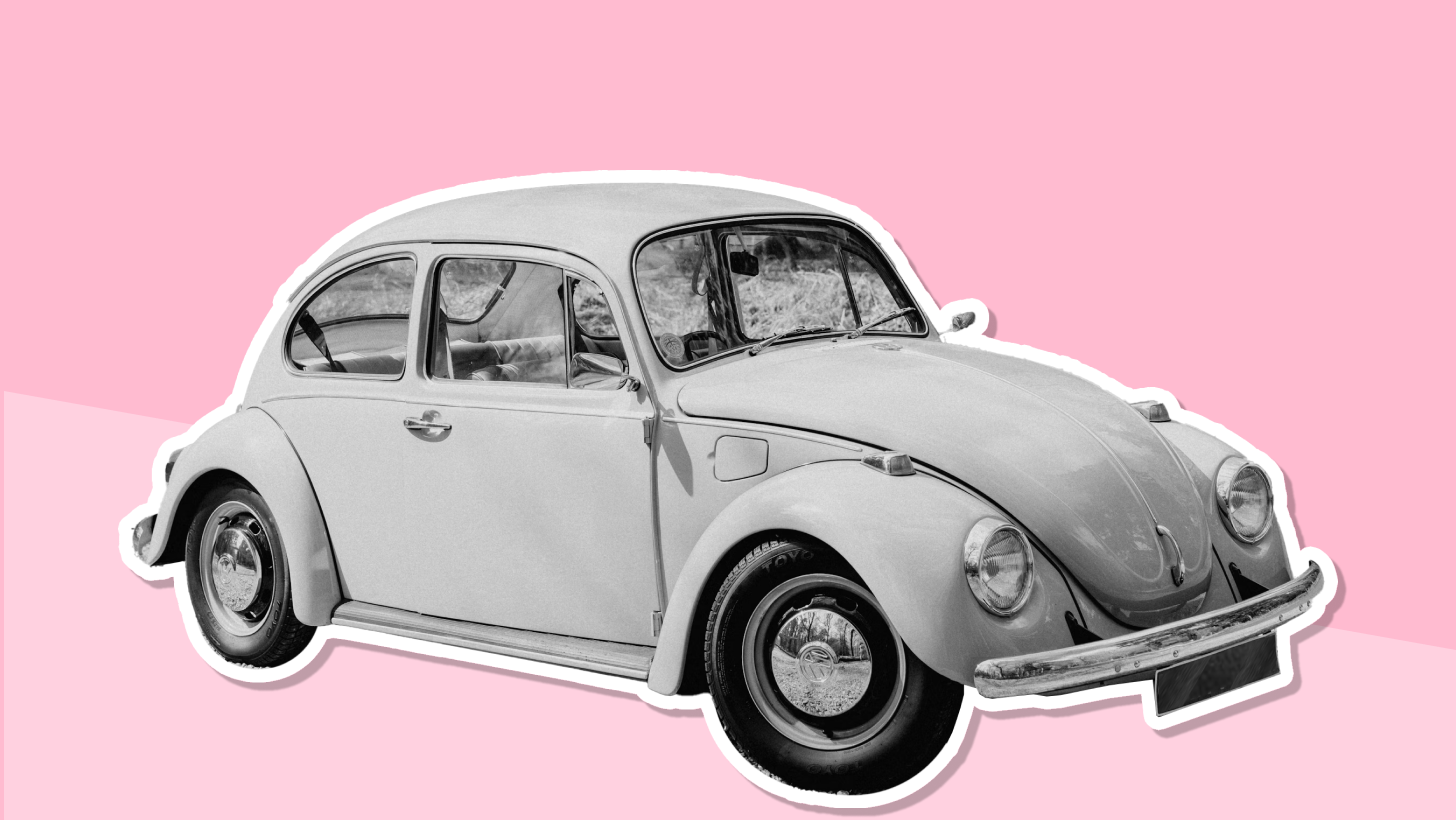
The 1970s and 1980s were a golden era of innovation, quirky habits, and simple pleasures. However, as technology and society have evolved, many of those activities and experiences have gradually disappeared from our daily lives. While some customs are still practiced today, there are plenty of other things we used to do that we can no longer enjoy. Take a stroll down memory lane and discover 10 things that younger generations may never get to experience.

1
Calling on the go
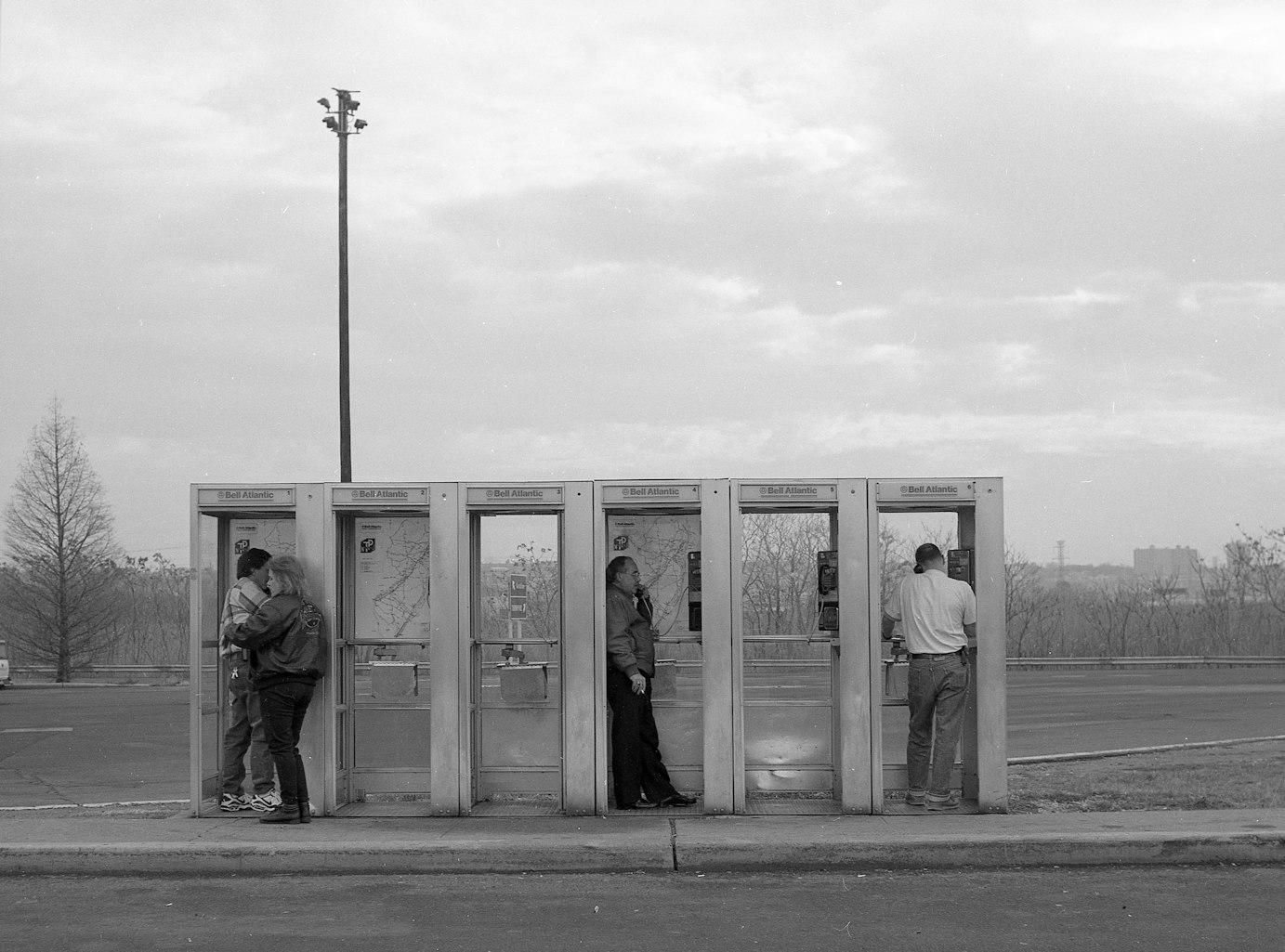
Image: Peter Conrad

Remember scrambling for a few coins just to make a call? Payphones were once the only option when we were out and about. Stepping into that narrow booth, shutting the door behind you, and enjoying a moment of privacy in the middle of a busy street—there was something almost comforting about it. It was like entering your own little world, at least for a couple of minutes. These days, all we need is a quick tap on our smartphones, and we're instantly connected, texting or calling without a second thought. It’s hard to imagine how reliant we once were on those old, clunky machines.

2
Renting movies

Image: Lucas Pezeta

The thrill of stepping into a bustling video store was unlike anything today’s streaming services can replicate. You’d wander down aisles packed with vividly colored VHS tapes , each promising a new adventure. Flipping over the box to study the cover art, reading the credits on the back, and debating with a friend about which one to choose was a delightful experience. Even the faint scent of plastic immediately meant you were in for a treat! That simple ritual of holding a tape in your hands created a sense of anticipation and excitement that no algorithm could ever replace.

3
Inflight smoking

Image: Willem van de Poll, CC0, via Wikimedia Commons

In the past, flying meant more than just traveling from one city to another—it also came with the freedom of lighting up a cigarette at 30,000 feet. Airplanes had designated smoking sections where passengers could relax, chat, and enjoy a puff as the clouds drifted past the windows. It wasn’t limited to a cramped bathroom stall; entire rows of seats were reserved for smokers, allowing a haze of cigarette smoke to linger in the cabin. Today, someone flicking a lighter mid-flight feels downright impossible, but back then, it was a part of air travel, blending seamlessly into the normal routines of passengers and crew alike.

4
Watching TV shows at specific times

Image: Bruna Araujo

Back in the ’60s, ’70s, and ’80s, the television set was the heart of the home. Evenings were carefully planned around the networks’ schedules, with everyone rushing to grab a spot on the couch to catch their favorite shows. There were no streaming platforms, DVRs, or on-demand options—if you missed an episode of M A S H or Dallas , you had to wait for a rerun . The ritual of sitting together, passing the popcorn, and reacting in unison to every twist and punchline created shared experiences that shaped conversations at school, at work, and across society.

5
Recording songs off the radio

Image: Jon Tyson

Before iPods and Spotify playlists, listening to music was a hands-on, almost ritualistic experience. If you wanted to capture that perfect song, you had to park yourself next to the radio, finger poised over the record button, ears straining to catch the opening notes before the DJ’s voice intruded. Each recording you made became a personal treasure, a handcrafted collection of melodies carefully curated to match your mood or even remind you of your secret crush. These homemade mixtapes weren’t just recordings; they were little time capsules, unique expressions of your feelings, created with patience, care, and a touch of magic that no digital playlist could ever fully imitate.

6
Hitting up the arcade

Image: Roger Ce

During the 1980s, video arcades were the ultimate playground . Stepping inside those dark rooms meant entering a world of blinking lights, beeping machines, and the unmistakable clatter of buttons being mashed in furious competition. Dropping a token into a machine carried such a thrill! The energy—the smell of popcorn and soda, the laughter echoing across the room— created an immersive social experience. Modern home consoles and online gaming may be more convenient, but they rarely capture that electric, face-to-face camaraderie and the pure sensory joy of an arcade packed with neon lights and catchy sound effects.

7
Navigating paper maps
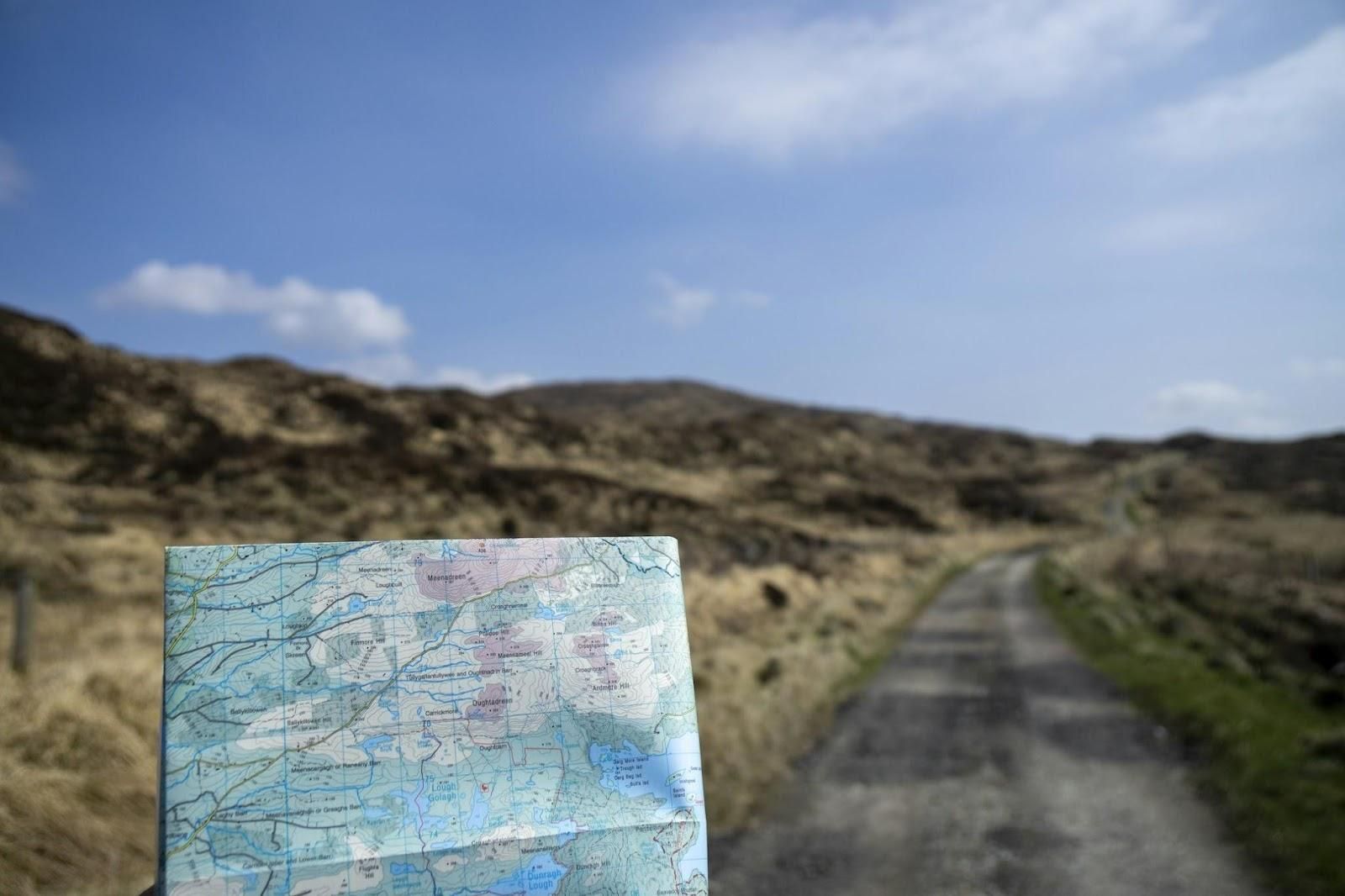
Image: Hendrik Morkel

Before the age of GPS and smartphones, road trips relied on good old-fashioned physical maps. Those oversized sheets of paper stretched across car seats and dashboards, as everyone tried to find the best route. Planning a trip meant carefully studying every road, estimating distances, and hoping you didn’t make a wrong turn. And when you inevitably did? You’d pull over, wave down a stranger, and ask for directions—sometimes discovering hidden diners, quirky roadside attractions, or scenic shortcuts along the way. Getting lost wasn’t just a misfortune; it was part of the adventure, turning every detour into a memorable story, something today’s satellite navigation could never give you.

8
Reading newspapers

Image: Claudio Schwarz

Settling into your favorite chair with a steaming cup of coffee and unfolding the paper was the ultimate morning ritual. It wasn’t just about catching up on the news— it was about the experience itself. Turning each page carefully, scanning headlines, lingering over the sports scores, chuckling at the comics, and sometimes discussing the day’s stories with family or neighbors made it a shared tradition. Today, with news available instantly on our phones and tablets, that slow, deliberate connection—the feeling of being present with the world as it woke up—has virtually disappeared.

9
Listening to music on a Walkman

Image: cottonbro studio

Ah, the Walkman—that small rectangular marvel encapsulating the world of music right inside your pocket. You could carry an entire collection of albums with you, from Elvis to Sinatra, and listen wherever you went. Whether strolling to school, waiting for the bus, or just wandering around the neighborhood, your personal soundtrack followed you everywhere. Popping in a cassette, pressing play, and letting the songs sweep you away, drowning out the outside world and turning every ordinary moment into a private concert, was pure magic.

10
Hanging out at the mall

Image: Jeyakumaran Mayooresan

Before the internet transformed the way we shop, malls were bustling social hubs . In the ’70s and ’80s, they weren’t just places to buy things. At shopping centers, you ate pizza and spent hours wandering around, window-shopping, or trying on clothes that were probably out of your budget. The mall was the ultimate hangout spot—whether you were meeting new people, catching up with old friends, or simply enjoying the cool air conditioning on a sweltering summer day.

General General 4 min read

Meet your local fauna

Which animals can only be found in North America? 11 native species

Image: Tracy Jentzsch

In today’s globalized world, we sometimes forget that many animal species are native to a specific region , despite having been introduced to other habitats. Some of these species seamlessly adapt to their new environments with minimal to no negative impact, but many become invasive, disrupting ecosystems and preying on native fauna and flora. North America’s ecosystems have their fair share of native species that have become so familiar worldwide that their origins are often overlooked. Here are 11 species that originated in North America!

1
American Alligator

Image: Joshua J. Cotten

Did you know that American alligators are one of only two alligator species in the whole world ? China is the only other place with an alligator species, the Chinese alligator. Often confused with their relatives, the crocodiles and the caimans, alligators can be differentiated by the shape of their teeth, their round snouts, their darker color, and their preference for freshwater habitats. An inhabitant of tropical and subtropical wetlands, the American alligator can be found throughout the Southeastern U.S.

2
Nene

Image: Lyle Wilkinson

Also known as the Hawaiian goose, this bird can only be found in its wild state across the islands of Maui, Kauaʻi, Molokai, and Hawaiʻi . Believed to be distantly related to the Canada goose, the nēnē is considered the rarest goose species in the world and is a protected species. Thanks to successful conservation efforts, it has been reclassified from endangered to near threatened. It has also been designated as the official state bird of Hawaiʻi.

3
Common Raccoon

Image: Chris Ensminger

If you are asked to describe a raccoon, the common raccoon, native to North America, will most likely come to mind. The other two species of raccoon—also native to the Americas—present marked differences in color and size. Their name is derived from the Algonquian aroughcoune , meaning ‘he who scratches with his hands.’ The unusual shape of their thumbs, combined with their cleverness, allows them to open closed containers to access food and trash, which has earned them the nickname of "trash pandas." Due to human intervention, they have become a highly invasive species in European and Asian ecosystems.

4
Monarch Butterfly

Image: Alex Guillaume

One of the most recognizable butterfly species, the Monarch can be identified by its orange and black wings with white spots . Monarch subspecies can be found across the Americas, but the North American monarch is especially known for its remarkable migratory behavior. As winter approaches, monarch butterflies in the northern United States travel thousands of miles to overwintering sites in California and central Mexico. In spring, they will return home in time for summer.

5
North American Beaver

Image: Tim Umphreys

Though North American beavers are related to those found in Asia and Europe, their genetics are so different that they are unable to mix. North American beavers are generally larger and darker than their Eurasian counterparts , and they have a broader and longer tail. They are a widespread species across the Continental U.S., Canada, and northern Mexico and have been chosen as the official state mammal of Oregon and New York.

6
Bald Eagle

Image: Mathew Schwartz

Widely recognized as a national U.S. symbol and featured in multiple official imagery , the bald eagle came close to extinction in the late 20th century. Found across most of North America, it favors habitats near large bodies of water. Fun fact: bald eagles were named after the color of their head feathers, as the word ‘bald’ was anciently used for ‘having a white head.’

7
Alligator Snapping Turtle

Image: U.S. Fish and Wildlife Service Southeast Region, Public domain, via Wikimedia Commons

Like the reptile it takes its name from, this pointy reptile is only found in freshwater habitats across the U.S. The spiky ridges on its shell give it an armored tank appearance, but these will flatten as the turtle ages. They have an extremely powerful bite , and they have been known for biting human fingers off, which makes them a dangerous animal that should be approached with caution.

8
Texas Blind Salamander

Image: Ryan Hagerty/USFWS, Public domain, via Wikimedia Commons

Unlike other entries on this list, this amphibian can only be found in a very specific place: San Marcos, Texas . Considered to be a critically endangered species, the Texas blind salamander lives in underground caves and streams and is highly sensitive to water pollution and droughts.

9
Coyote

Image: Dylan Ferreira

Also known as the American jackal or prairie wolf, the coyote fulfills a key role in North American ecosystems by helping regulate the population of smaller animals and consuming carrion that could otherwise spread disease. Somewhat friendly toward humans, coyotes play an important role in Native American folklore, and there are recorded cases of domesticated coyotes.

10
Giant Kangaroo Rat

Image: Harrison, George, Public domain, via Wikimedia Commons

Although kangaroos are native to Australia, giant kangaroo rats are found only in California . Preferring dry, sandy habitats that allow them to dig burrows, these rodents are known for using foot stomps as a way of communicating. Due to habitat loss caused by agriculture, the giant kangaroo rat has been classified as an endangered species.

11
American Mink

Image: Alexandre Daoust

American minks can be found across Alaska, Canada, and the northern and central United States, both in the wild and on farms. Although they are not specifically bred to be tame, they are officially considered suitable to be pets if trained from a young age. Their introduction to many parts of Europe, Asia, and South America has harmed native species, and they have been classified as invasive in many of these regions.

Geography Geography 6 min read

Where nations merge

These American border towns are nothing like what you'd expect

Image: Nicole Geri

America's border towns offer a unique glimpse into where two nations meet and merge. These communities blend languages, cuisines, traditions, and daily life in ways that create something entirely their own. These towns remind us that borders on maps don't always divide people; sometimes they bring them together in the most interesting ways.

1
Buffalo, New York / Niagara Falls, Ontario

Image: Stephen Crane

Here, one of America's most famous natural wonders creates a binational tourist destination that draws millions annually . The Peace Bridge connects the cities, facilitating a relationship that goes far deeper than tourism. Buffalonians regularly cross for theatre performances at the Shaw Festival, cheaper prescription medications, and a lower legal drinking age.

The cultural blending also shows up during matchups between the Buffalo Sabres and the Toronto Maple Leafs. While the rivalry is intense, it reflects a shared Great Lakes identity shaped by decades of cross-border movement. Canadian shoppers have long made Buffalo malls a destination, while Americans enjoy Windsor-style pizza and Tim Hortons coffee on the Canadian side. The accent in this region reflects generations of cross-border mixing and shared Great Lakes culture.

2
Detroit, Michigan / Windsor, Ontario

Image: Nils Huenerfuerst

Detroit and Windsor form one of the busiest international crossings in North America, connected by both the Ambassador Bridge and the Detroit-Windsor Tunnel. Over 8,000 trucks cross daily, carrying a quarter of all trade between the U.S. and Canada. But beyond commerce, these cities share deep cultural ties : Detroiters pop over to Windsor for Caesar cocktails and Canadian beer, while Windsor residents cross for Red Wings games and shopping at Somerset Collection.

During Prohibition, Windsor became Detroit's not-so-secret supplier, creating smuggling routes and speakeasies that became Motor City legend. Today, you can stand on the Detroit riverfront and see Canada closer than many American suburbs.

3
Laredo, Texas / Nuevo Laredo, Tamaulipas

Image: JoshDavid Photos

Laredo is one of the oldest crossing points on the U.S.-Mexico border, founded in 1755. The city's Washington's Birthday celebration, oddly enough, is one of the largest such celebrations in the country, spanning nearly the entire month of February and including participants from both sides of the border.

The economy here revolves around international trade, with massive amounts of freight crossing daily between the two nations. But beyond commerce, the cultural blend shows up everywhere—in the predominance of bilingual conversations, in restaurants serving cabrito alongside barbecue, and in the way holidays are celebrated with traditions from both countries.

4
Blaine, Washington / Surrey/White Rock, British Columbia

Image: Jess Barnett

Blaine sits at the western end of the U.S.-Canada border, where the line literally runs through Peace Arch Park—a unique binational park where families can picnic with relatives from either country without going through customs. The Peace Arch monument itself straddles the border, inscribed with "Children of a Common Mother" and "Brethren Dwelling Together in Unity."

Residents on both sides share a love of hiking, craft beer, and fish and chips. Blaine residents drive to Surrey for groceries at Canadian supermarkets, while British Columbians come south for gas, milk, and Trader Joe's runs . The Cascadia bioregion identity—encompassing B.C., Washington, and Oregon—often feels more meaningful to locals than national boundaries.

5
Derby Line, Vermont / Stanstead, Quebec

Image: Ascended Dreamer, CC BY 4.0, via Wikimedia Commons

Derby Line and Stanstead share the most uniquely porous border in North America . The Haskell Free Library and Opera House was deliberately built straddling the international boundary in 1904, with the stage in Canada and most seats in the U.S. A black line on the floor marks where one country ends and another begins—no passport required.

Several homes and buildings in town sit directly on the border, with front doors in one country and back doors in another. Before 9/11 and increased border security, locals would casually cross back and forth multiple times daily without much thought. While regulations have tightened, the community identity remains binational.

6
Sault Ste. Marie, Michigan / Sault Ste. Marie, Ontario

Image: Calvin Lecuyer

The "Twin Saults" are literally the same city split down the middle by the St. Marys River and the International Bridge . Founded as a single French missionary settlement in 1668, the community was divided when the border was formalized after the War of 1812. Today, residents on both sides maintain that they're really one town with an inconvenient international boundary running through it.

The Soo Locks on the American side and the Canadian locks create a shared identity around Great Lakes shipping—watching massive freighters navigate the locks is a regional pastime. Hockey culture dominates both sides, with junior leagues and recreational teams mixing Canadian and American players. Families cross the bridge for shopping, dining, and visiting relatives as casually as driving across town.

7
Hyder, Alaska / Stewart, British Columbia

Image: Jasper Malchuk Rasmussen

While Hyder sits on the Alaskan Panhandle, it functions like a practical island: with no roads connecting it to the rest of the state, its only lifeline is a two-mile stretch of pavement leading into Stewart, B.C. This forced detour through Canada has effectively turned Hyder into a 'suburb' of its Canadian neighbor, where the border is a formality and the geography is the boss. With a population hovering around 20 people, Hyder has no bank, no post office, and spotty cell service—but it does have Stewart, B.C., just two miles away. The 400 residents of Stewart provide the services Hyder lacks, creating a dependence that makes the border almost irrelevant to daily life .

Hyder runs on Pacific Time rather than Alaska Time, uses Canadian currency, and Canadian area codes. Kids from Hyder attend school in Stewart. The towns share a volunteer fire department and emergency services.

8
Nogales, Arizona / Nogales, Sonora, Mexico

Image: Andrew Schultz

Ambos Nogales—"Both Nogales"—is what locals call this split city where the international boundary literally runs down the middle of town. Before modern border security, people would step back and forth across the line to shop, visit family, or grab lunch.

The American side has a population of around 20,000, while the Mexican side has grown to over 300,000. Despite the size difference, the cultural exchange remains strong. Arizona residents cross for affordable dental care and authentic Sonoran cuisine, while Mexican families come north for shopping at American chain stores. The shared history runs deep—many families have relatives on both sides , and the sense of being one divided community persists despite the increasingly fortified border.

9
San Diego, California / Tijuana, México

Image: Barbara Zandoval

The San Ysidro Port of Entry between San Diego and Tijuana is the busiest land border crossing in the Western Hemisphere, with around 70,000 northbound vehicle passengers daily . This constant flow has created a cultural fusion zone where fish tacos meet California beach culture, and where thousands of people hold jobs on one side while living on the other.

Craft beer culture flourishes on both sides, with breweries collaborating across the border. Street art in both cities shares similar styles and themes, while music festivals regularly feature artists from both nations.

10
El Paso, Texas / Ciudad Juárez, México

Image: Nils Huenerfuerst

El Paso and Juárez form one of the world's largest binational communities, with over 2.5 million people living in the combined metro area . Families routinely cross the border for work, school, shopping, and Sunday dinner. The Franklin Mountains provide a stunning backdrop to this bustling cultural exchange, where Tex-Mex cuisine was practically invented and where speaking both English and Spanish isn't just common, it's essential.

The downtown areas of both cities sit so close you can practically wave to someone across the Rio Grande. Street vendors sell elotes and hot dogs side by side, while radio stations broadcast to audiences in both countries simultaneously.

Explore more American facts

Choose your favorite category!

General
General

As American as apple pie—the very best America has to offer!

Culture
Culture

Delve into the astounding richness of American lore.

Geography
Geography

Hop in and explore vast and diverse American landscapes.

History
History

Discover the key moments that shaped the United States.