General General 6 min read

Borrowed anthems

The songs you always loved weren't written by who you think

Image: Rawpixel.com

You're at a barbecue, and someone puts on "Hound Dog." Everyone loves it, and everyone assumes it's pure Elvis. Then someone says, "You know he didn't write that, right?" Or maybe you're at a summer party and "Livin' on a Prayer" comes on. Everyone screams the chorus, and nobody stops to think: who actually wrote this thing? A lot of the songs we sang in the car or danced to at parties were handed off, sold, recorded by someone else, and became massive hits under a different name . Let's take a look at 10 of the most famous examples.

1
"Hound Dog" , Elvis Presley
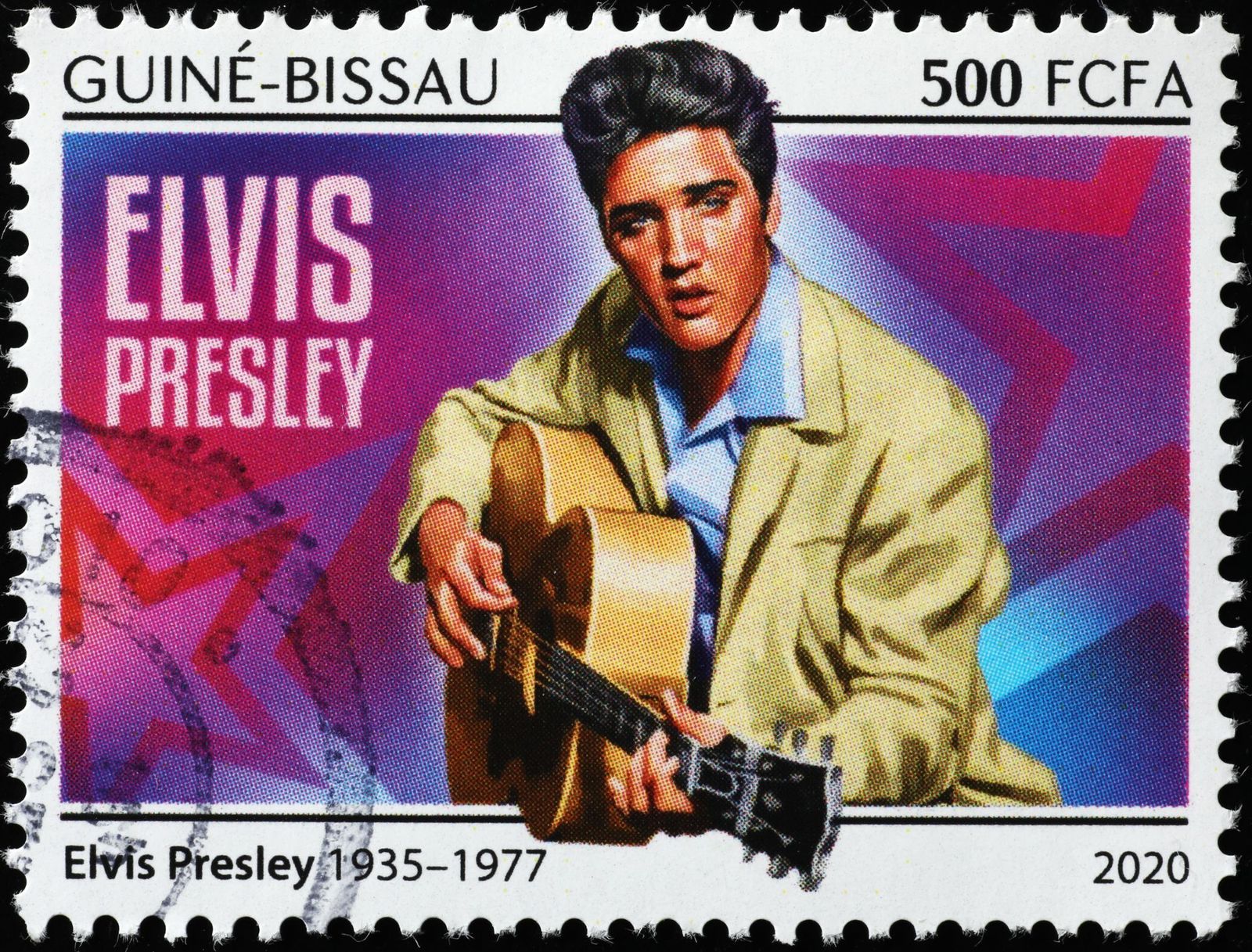
Image: spatuletail

Elvis made this song his signature, and it's hard to imagine it belonging to anyone else. But "Hound Dog" was written in 1952 by Jerry Leiber and Mike Stoller, and was first recorded by Big Mama Thornton, a blues singer from Alabama. Her version was a raw, powerful blues track, and it was a genuine hit.

Elvis recorded his version in 1956 and turned it into something faster, rockabilly, electrifying . For anyone who grew up in the '50s or '60s, it probably takes you right back to a specific moment: a sock hop, a drive-in, a transistor radio on a summer night. It carries a kind of pure rock-and-roll energy: rebellious, playful, unstoppable.

2
"Livin' on a Prayer" , Bon Jovi
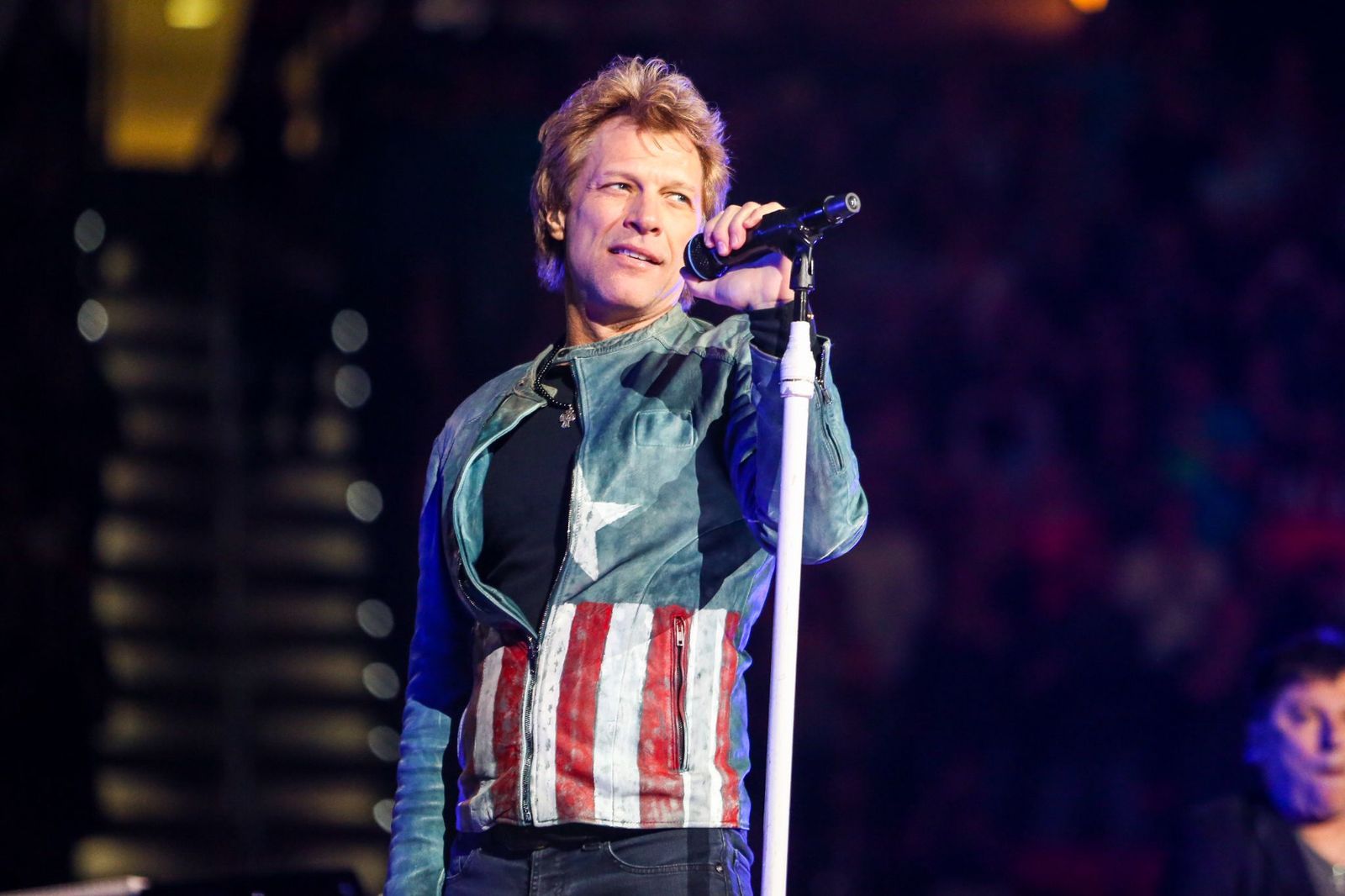
Image: Steve Sykes

Pumping fists, packed arenas, everyone screaming "Whooooa, we're halfway there!", it's the kind of energy that doesn't age. Jon Bon Jovi and Richie Sambora wrote it together in 1986, along with songwriter Desmond Child , pulling inspiration from the working-class New Jersey world around them.

The song hit number one in the U.S. and became an anthem for anyone who's ever had to scrape by and stay hopeful. It brings out something almost joyful in people: this defiant, communal "we're going to make it" spirit.

3
"I Will Always Love You" , Whitney Houston
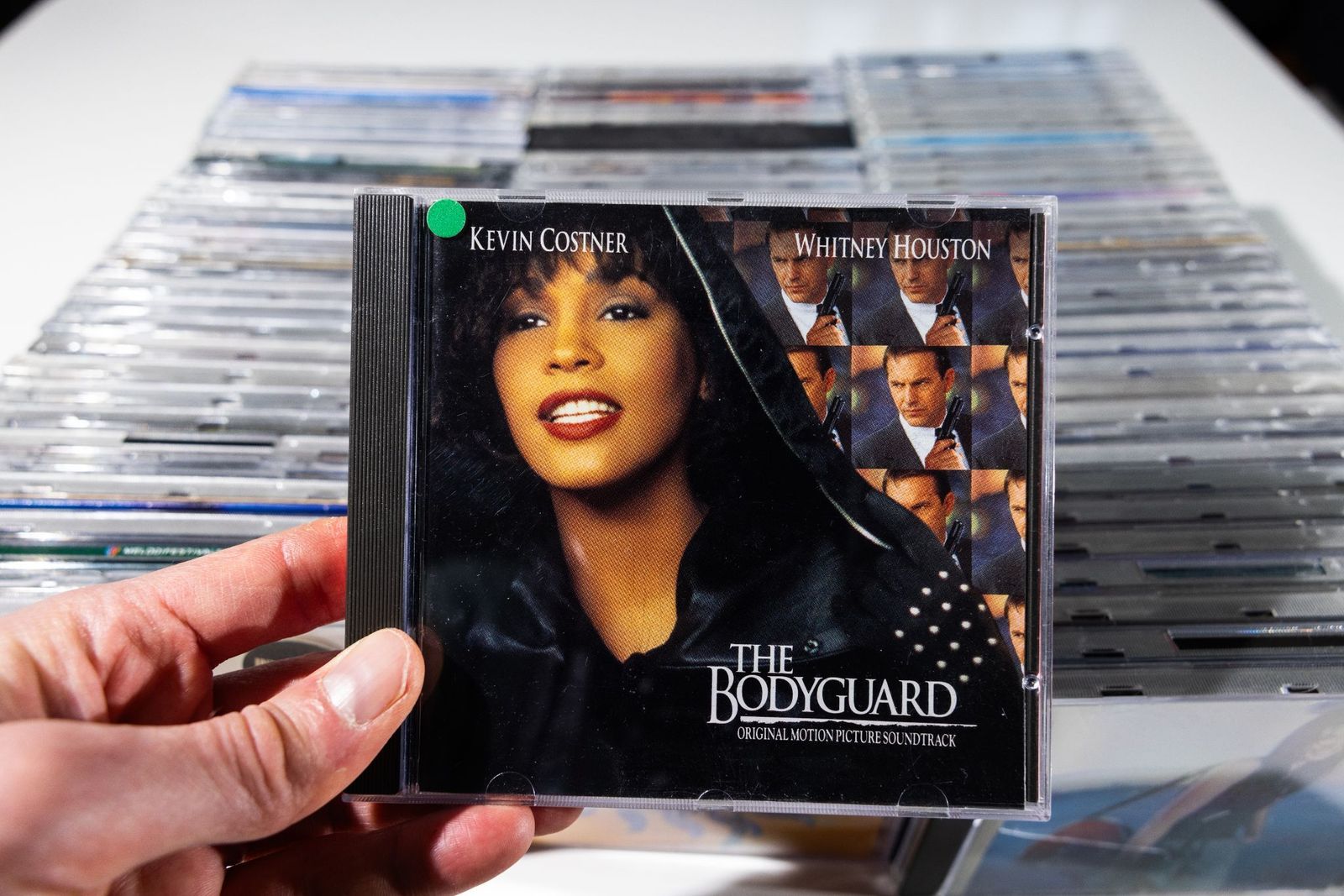
Image: Jeppe Gustafsson

Most people under 50 think this is a Whitney Houston song, but Dolly Parton wrote it back in 1973, sitting in Nashville. She was leaving her mentor and business partner, Porter Wagoner, to go solo, and the song was her way of saying goodbye: with love, but firmly.

Then Whitney came along in 1992 for The Bodyguard soundtrack and turned it into a stadium-sized emotional explosion. Where Dolly's version was warm and heartfelt, Whitney's was pure power. It connects to just about everyone, but especially to people who've ever had to let someone go. Which version do you like best?

4
"Respect" , Aretha Franklin
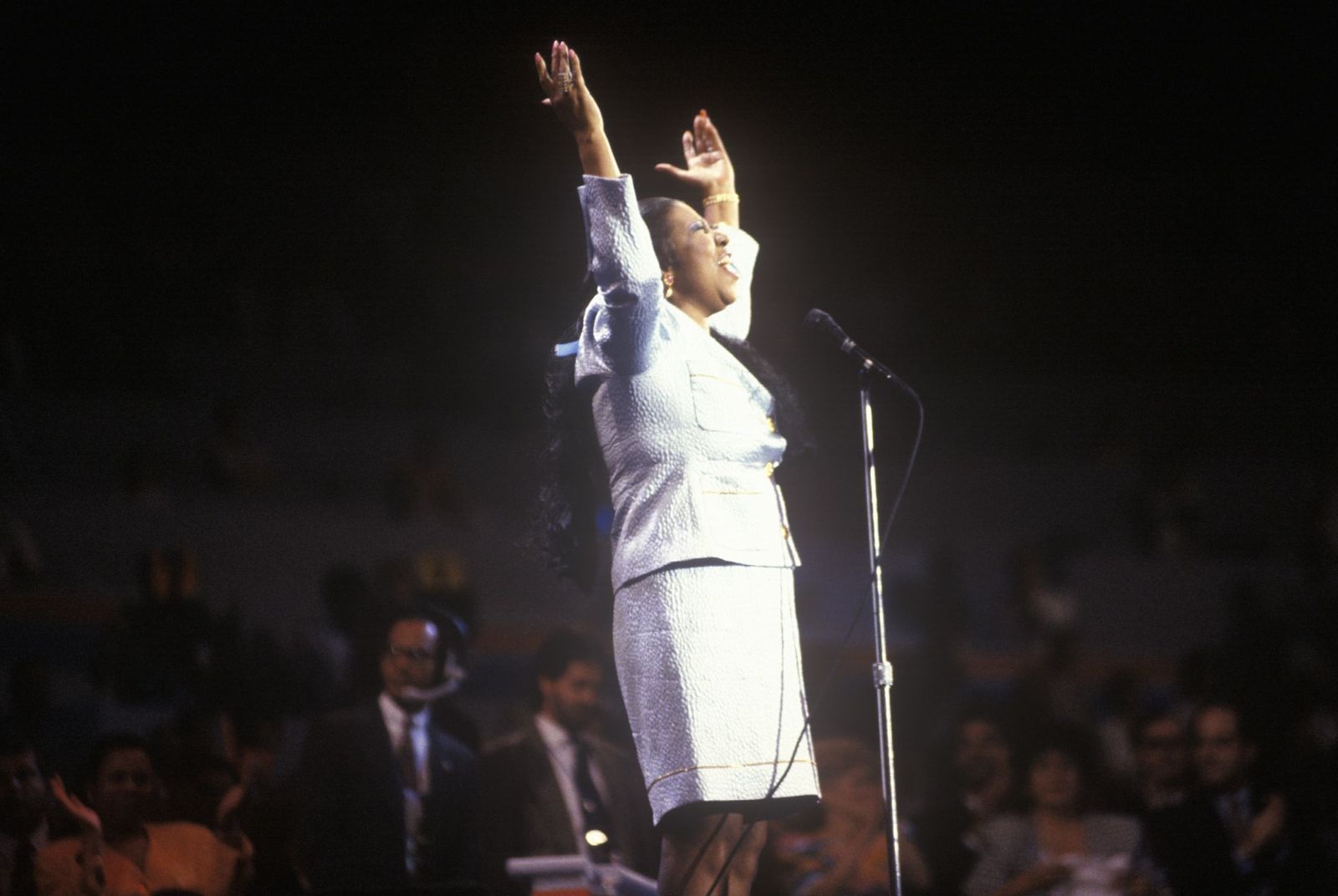
Image: Joseph Sohm

This is one of those cases where the cover so thoroughly eclipses the original that most people don't even know an original exists. Otis Redding wrote and recorded "Respect" in 1965, and it was a decent soul hit for him; a man asking his woman for a little respect when he comes home.

Then Aretha Franklin got hold of it in 1967, rewrote parts of it, added that now-iconic spelling-out of the word, and completely flipped the meaning . Suddenly, it was a woman demanding respect from men, from society, from everyone. It became an anthem of the civil rights movement, the women's movement, and basically every movement that involved people standing up and saying enough.

5
"Girls Just Want to Have Fun" , Cyndi Lauper
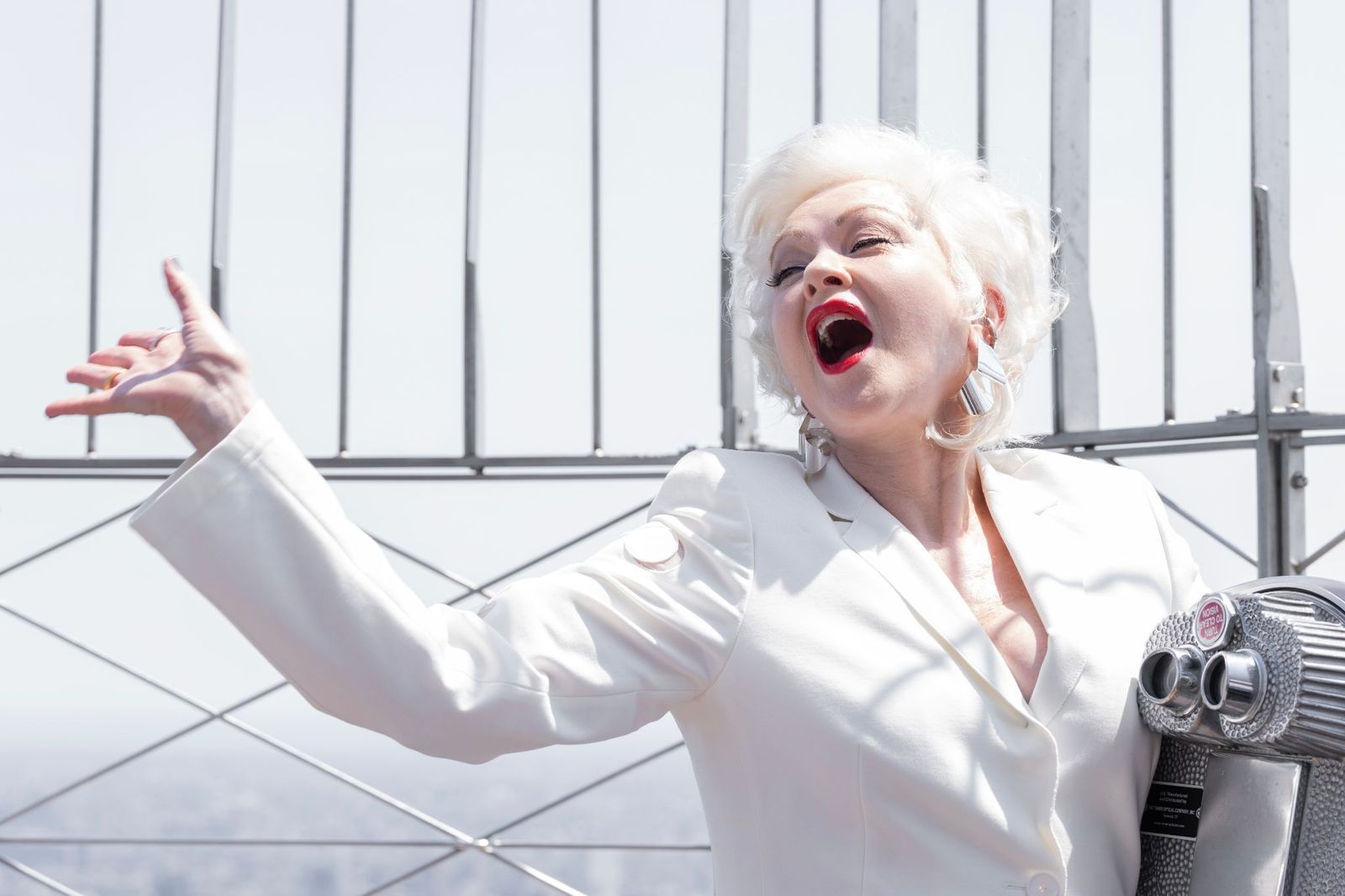
Image: lev radin

Cyndi Lauper made this song her own so completely that it's almost shocking to learn she didn't write it. Robert Hazard, a Philadelphia-based musician, wrote it around 1979 as a kind of tongue-in-cheek song from a man's point of view, about his own desire to just have fun without commitment.

When Cyndi recorded it in 1983, she completely reframed it: it became a declaration of independence for young women who just wanted to live their lives on their own terms . If you had a daughter, a niece, or any teenage girl in your life in the '80s, you heard this song approximately ten thousand times.

6
"Nothing Compares 2 U" , Sinead O'Connor
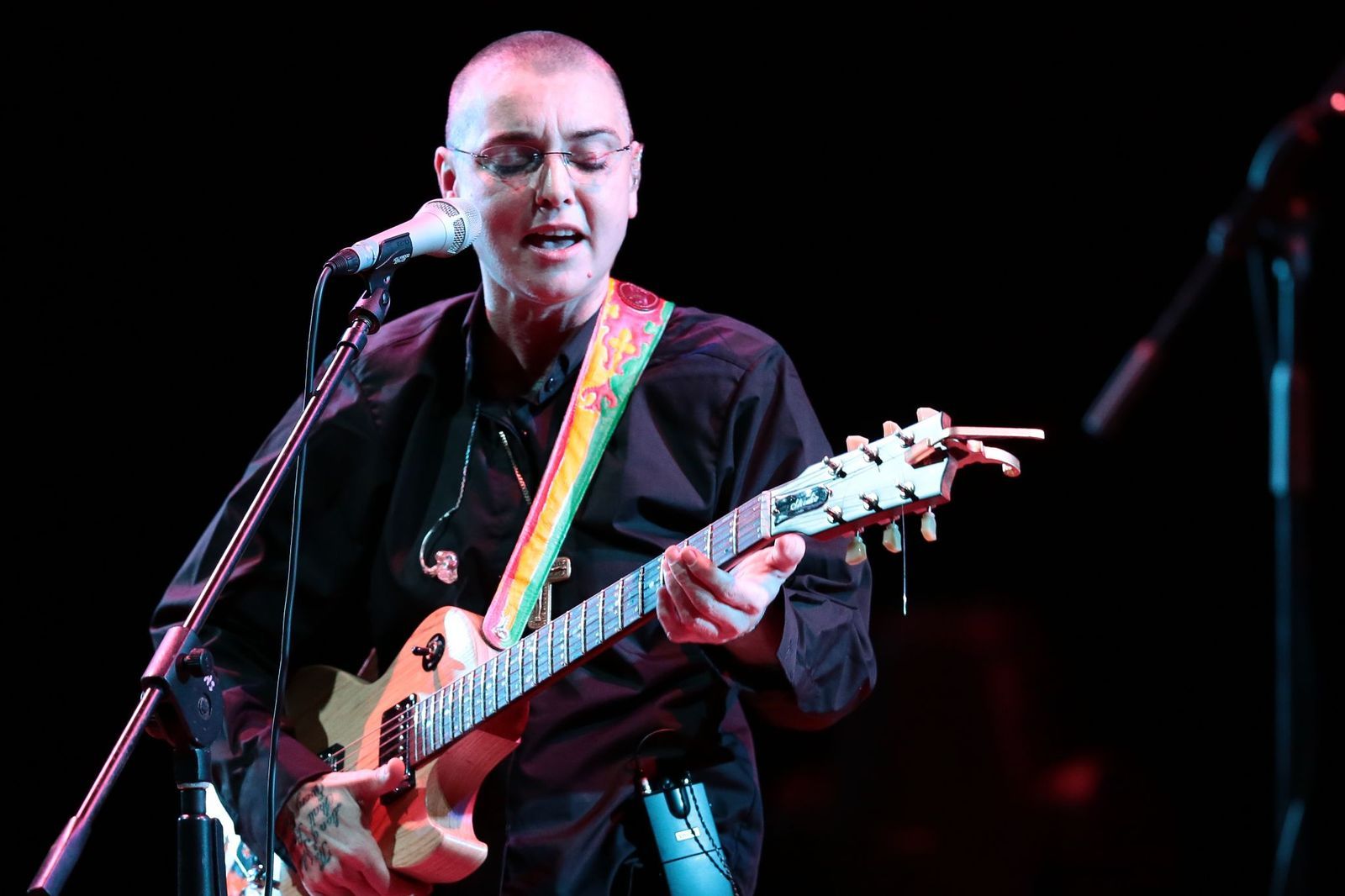
Image: Matteo Chinellato

Few music videos have hit people as hard as Sinead O'Connor, alone on screen, tears streaming down her face, singing this song in 1990. It felt impossibly raw and personal. But the song was written by Prince back in 1984, and was first recorded by a side project of his called The Family.

Sinead stripped it down and made it devastating. It became one of the most emotionally powerful recordings of the decade . You probably heard it on adult contemporary radio, or remember exactly where you were the first time you really listened to it. It's a song about grief and absence and not being able to fill a void someone left behind.

7
"I Love Rock 'n' Roll", Joan Jett & the Blackhearts
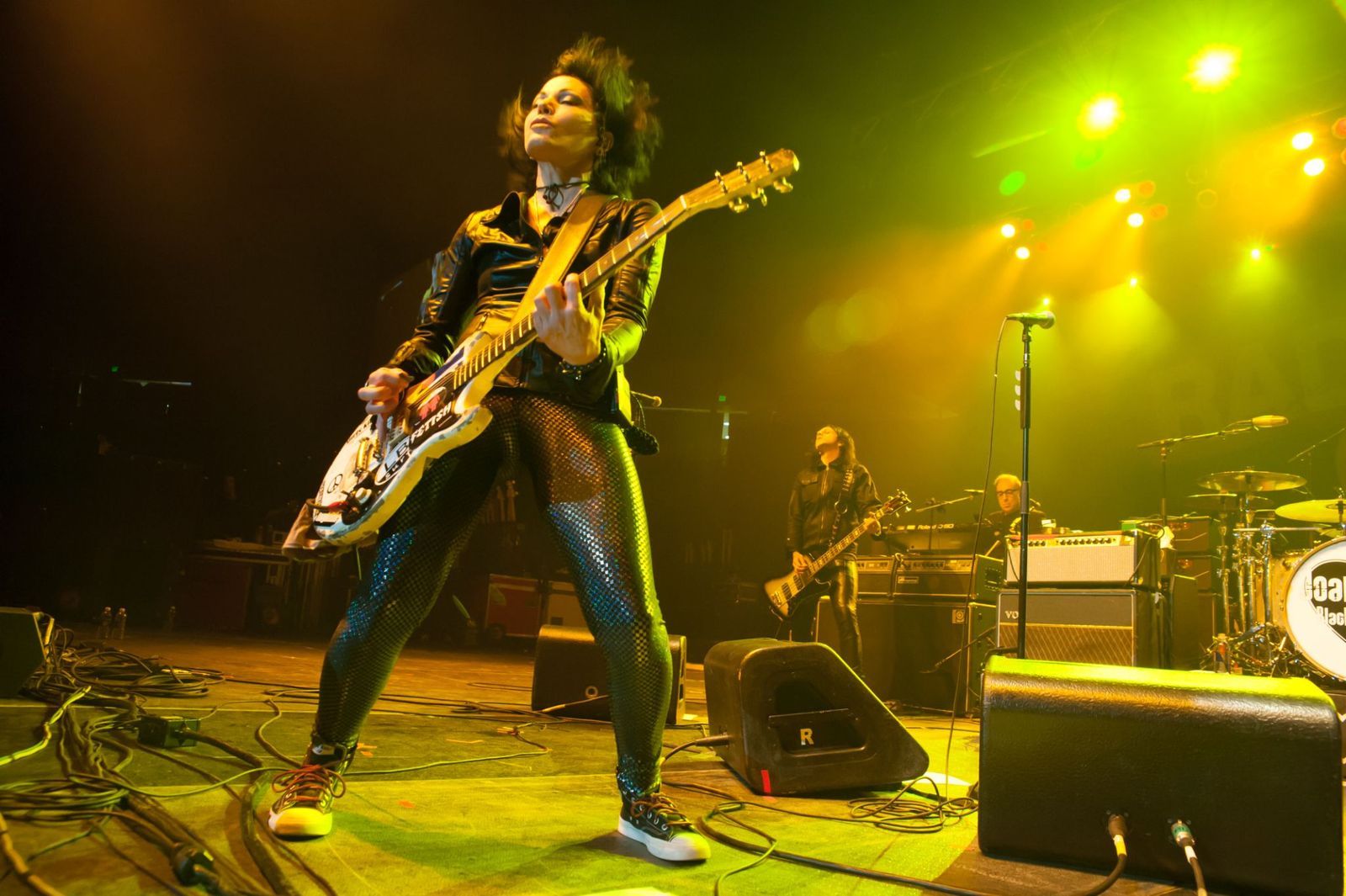
Image: Randy Miramontez

Few songs scream pure, unapologetic rock and roll like this one. But Joan Jett didn't write it: a British glam rock band called The Arrows did, back in 1975, in London. Lead singer Alan Merrill said he wrote it as a direct response to the Rolling Stones' "It's Only Rock 'n Roll," which he felt was a little too apologetic about loving the music.

Joan Jett saw The Arrows perform it on British TV in 1976 while touring the UK with The Runaways, and the song stuck with her . She recorded it in 1981, and it rocketed to number one, sitting there for seven weeks. You've heard it blasting from jukeboxes, at sports events, in movie montages, at pretty much every party where someone wanted to get the energy up fast.

8
"I Don't Want to Miss a Thing" , Aerosmith
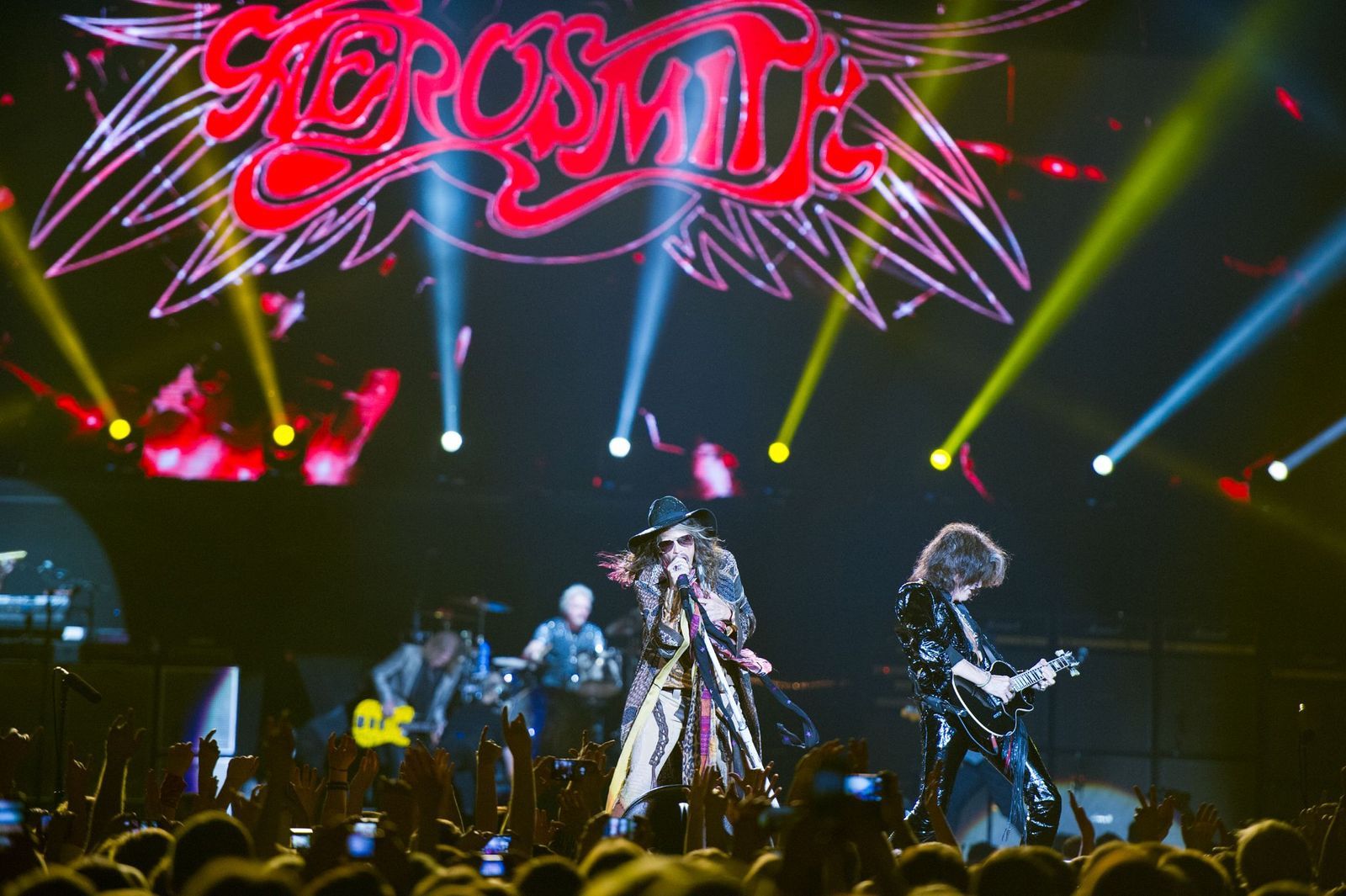
Image: JuliusKielaitis

Tyler belting it out, that unmistakable raspy voice: it feels so Aerosmith. But the song was actually written by Diane Warren, one of the most prolific and successful songwriters in pop history , who penned it in 1998 specifically for the movie Armageddon. Warren has said she wrote it while watching her boyfriend sleep, thinking about not wanting to miss a single moment with someone you love.

Aerosmith recorded it, and it became their first number-one pop hit. It hits hard for anyone who's ever been deeply in love, or who's lost someone and wishes they'd paid more attention while they had the chance.

9
"Bette Davis Eyes", Kim Carnes

Image: IgorVer

This was the biggest song in America in 1981, and it spent nine weeks straight at number one on the Billboard Hot 100 . Kim Carnes' raspy, smoky delivery made it feel completely hers. But the song was written in 1974 by Jackie DeShannon and Donna Weiss, both inspired by a classic old Hollywood film . DeShannon recorded her own version, but it barely registered.

Seven years later, Carnes took it into a Los Angeles studio, added a driving synth arrangement that was pure early MTV, and transformed it into the sound of an era. The real-life Bette Davis, then 73 years old, wrote personal letters to the songwriters and to Carnes to thank them for making her "a part of modern times." The song connected with anyone who'd ever been dazzled by someone they couldn't quite figure out, which is pretty much everyone.

10
"Blame It on the Rain" , Milli Vanilli
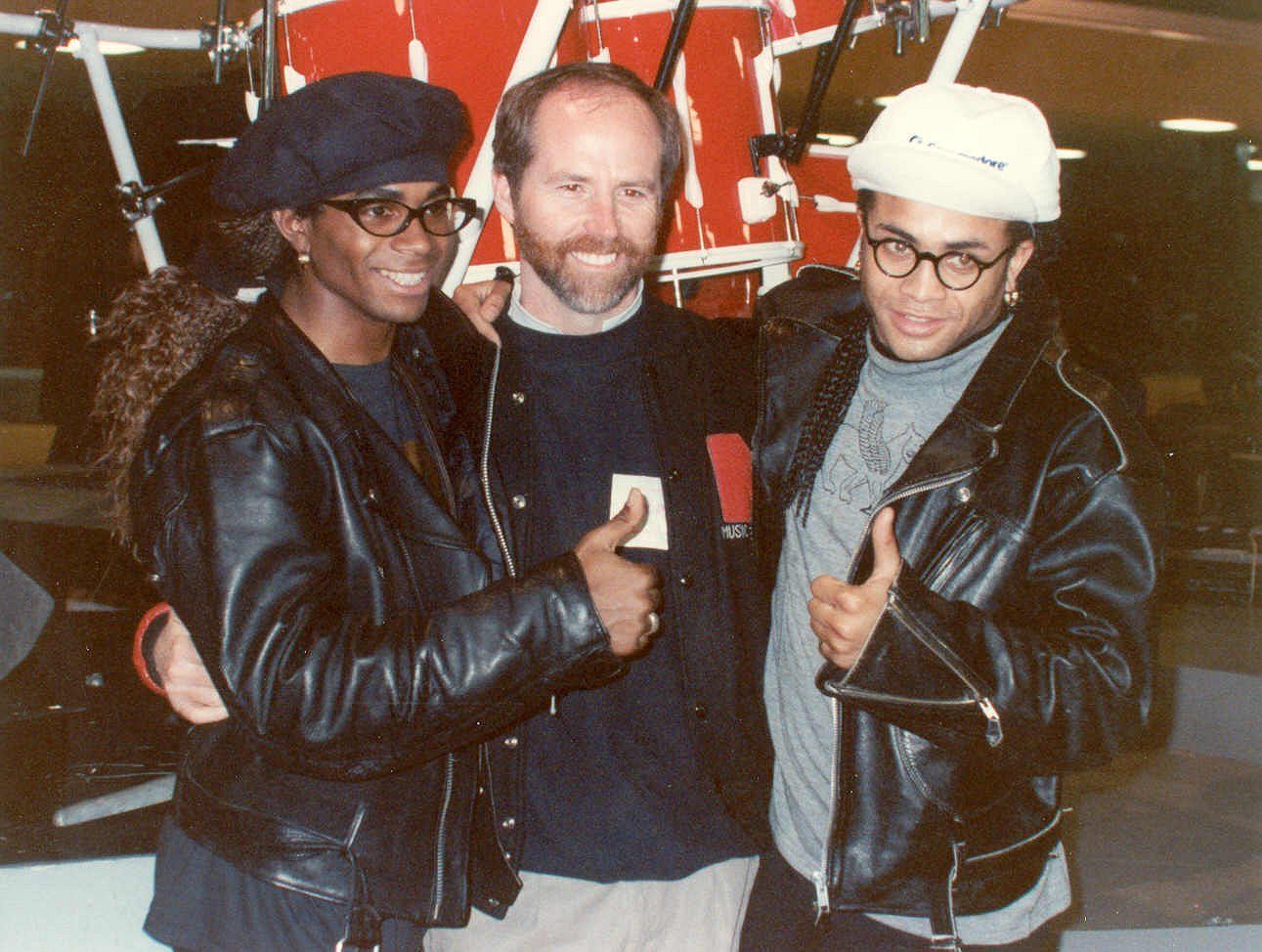
Image: photo by Alan Light, CC BY 2.0, via Wikimedia Commons

You probably remember the Milli Vanilli scandal: in 1990, it came out that Fab Morvan and Rob Pilatus, the two beautiful, dreadlocked faces of the duo, hadn't actually sung a single note on their records . The real vocals were by studio singers. Their Grammy was revoked. It was a whole thing.

But before all that exploded, "Blame It on the Rain" was a legit #1 pop hit in 1989. It was written by Diane Warren (yes, the same woman who wrote "I Don't Want to Miss a Thing"), and it's a smooth, sweet ballad about blaming the weather for a relationship going wrong. You probably heard it on pop radio, maybe slow-danced to it without knowing what you were slow-dancing to.


Culture Culture 4 min read

Unforgettable lines

These 13 TV catchphrases are still stuck in your head—admit it!

Image: Shutter speed

TV in the golden years gave us more than just entertainment—it gave us catchphrases we’ve been quoting ever since. Whether you were glued to your set in the ‘60s or rewinding VHS tapes in the ‘80s, chances are these lines are burned into your brain. They were punchy, funny, and unforgettable. And let’s be honest—sometimes they still sneak out of our mouths even now. Let’s stroll down memory lane and revisit the most iconic catchphrases from classic American TV.

1
"How you doin’?" – Friends

Image: Malavika Pradeep

Friends gave us a lovable group of New Yorkers navigating life and love. But it was Joey Tribbiani’s cheesy yet charming "How you doin’?" that stole the spotlight. This flirty greeting, delivered with a confident grin, became a pop culture gem and Joey’s signature move. It’s the kind of line that can’t help but make you smile—even if you’re not on a date at Central Perk.

2
"You got it, dude", "How rude!", and "Have mercy" – Full House

Image: H031175

Full House warmed hearts with its family-centered humor and wholesome charm. Michelle Tanner, the tiny powerhouse, gave us "You got it, dude," and "How rude!"—adorable comebacks with surprising sass. Meanwhile, Uncle Jesse’s "Have mercy" was his smooth, rock ’n’ roll way of reacting to… well, just about anything worth swooning over.

3
"Well, isn’t that special?" – Saturday Night Live

Image: Asit

With sketches that parodied everyone and everything, SNL gave us the ultra-judgy Church Lady. Dana Carvey’s purse-lipped creation mastered the art of sarcasm. You didn’t need to be holy to recognize that smug tone.

4
Fonzie’s "Aaaay" – Happy Days

Image: Robbie Noble

Arthur Fonzarelli, aka Fonzie from Happy Days , made leather jackets cool and jukeboxes come to life with a single punch. His signature "Aaaay," complete with thumbs-up, said it all—cool, confident, and just a little bit rebellious.

Whether he was fixing a motorbike or schooling Richie on life, Fonzie’s catchphrase became a national symbol of laid-back swagger.

5
"Did I do that?" – Family Matters

Image: White.Rainforest ™︎ ∙ 易雨白林.

Steve Urkel from Family Matters was the lovable nerd who left a trail of chaos behind him. Whenever a plan backfired—and we all know they usually did—he’d pop out with his nasal "Did I do that?" It was part apology, part mischief, and it made Urkel a household name. That clumsy charm was irresistible, even when he turned the Winslows’ house upside down.

6
"Yada, yada, yada" and "Newman" – Seinfeld

Image: Dilip Ale

Seinfeld , the "show about nothing," gave us plenty of quirky phrases. "Yada, yada, yada" became shorthand for skipping the boring parts—or hiding juicy gossip. And then there was Jerry’s exasperated, drawn-out "Newman" whenever his nemesis neighbor appeared. Both lines are still used today. Sometimes, saying very little says it all.

7
"Dy-no-mite!" – Good Times

Image: J Williams

J.J. Evans from Good Times had a big personality and an even bigger catchphrase: "Dy-no-mite!" He’d shout it with such enthusiasm that you couldn’t help but laugh. It captured his upbeat attitude in a show that balanced humor with tough realities. That one word became a rallying cry of fun and energy in every episode.

8
"And that’s the way it is" – CBS Evening News

Image: appshunter.io

Walter Cronkite signed off each evening with calm, steady authority: "And that’s the way it is." It wasn’t flashy, but it became iconic because it felt real and trustworthy. In a time when Americans gathered around the TV for the news, that line gave a sense of closure and comfort after a long day.

9
"Come on down!" – The Price Is Right

Image: Kenny Eliason

The Price Is Right turned everyday folks into instant game show stars with four exciting words: "Come on down!" Bob Barker’s booming voice (and later Drew Carey’s) invited contestants to race down the aisle and guess the price of, well, just about everything. That line still gets hearts racing for bargain hunters and lucky guessers alike.

10
"Yabba Dabba Doo!" – The Flintstones

Image: papazachariasa

Fred Flintstone’s caveman cheer, "Yabba Dabba Doo!" from The Flintstones was pure cartoon joy. Whether he was sliding down a dinosaur’s tail after work or just in a good mood, that prehistoric phrase made everyone’s inner child want to shout it too. It was goofy, energetic, and unforgettable.

11
"Norm!" – Cheers

Image: Quan Nguyen

Whenever Norm walked into Cheers , the whole bar would greet him with a booming "Norm!" It wasn’t just a greeting; it was a welcome from friends who felt like family. That running gag captured the cozy, familiar vibe of the show, where everybody really did know your name.

12
"Nip it in the bud" – The Andy Griffith Show

Image: Glenn Carstens-Peters

Barney Fife, the overly enthusiastic deputy from The Andy Griffith Show , had his own way of handling trouble: "Nip it in the bud!" He meant to squash the problem early, though his methods were often hilariously over the top. The line became a comical mantra for over-preparing and overreacting—Barney style.

13
"Marcia, Marcia, Marcia" and "Oh, my nose!" – The Brady Bunch

Image: Bruna Araujo

The Brady Bunch gave us sibling drama in its purest form. Jan’s jealous cry of "Marcia, Marcia, Marcia" captured classic middle-child woes, while Marcia’s anguished "Oh, my nose!"—after getting hit with a football—was a dramatic moment that still gets laughs. Both quotes are etched into the memories of anyone who grew up watching the blended Brady family.

History History 6 min read

The forgotten seconds in command

How long did it take for a Vice President to be charged with a felony?

Image: Brandon Mowinkel

How many vice presidents do you remember? We know that several presidents served initially in the number two role, and that a few of them had to step up to the presidential office due to death or resignation. But beyond that, what else is there to know? Well, many things, but we’ll stick to unusual facts and circumstances. Which one was accused of murder? Why are they called Veep? Were they always chosen by their party? Let’s dive into some interesting Vice Presidents of the U.S.

1
The criminal Veep

Image: See page for author, Public domain, via Wikimedia Commons

America never lacked politicians who were suspected criminals —vice presidents included— but not every day is the second most important person in the nation formally accused of murder. It is a known fact that Aaron Burr, America’s third vice president, fatally shot founding father Alexander Hamilton in a duel in 1804. What many don’t know is that he was formally indicted for that murder in New York and New Jersey , but he fled to South Carolina and never stood trial, and the charge was eventually dropped. He was also accused of treason, but we can’t say that he was unique among politicians in that sense.

2
The first Veep that was actually elected

Image: Benjamin Henry Latrobe, Public domain, via Wikimedia Commons

Did you know that, in the beginning, vice presidents were not elected as running mates of a presidential candidate? For the first three presidencies, the position was filled by the runner-up, which created endless conflicts. After all, who wants to work with the guy who beat you? After Thomas Jefferson struggled to govern with Aaron Burr as his second, he pushed for the 12th Amendment, which allowed vice presidents to be elected on their own . For his next term, Jefferson chose George Clinton as running mate —not only because he was popular, but also because his age (65 years old) made it unlikely that he would challenge Jefferson’s successor, James Madison, for the presidency. In the end, Jefferson didn’t have to worry about it because Clinton was the first vice president to die while in office in 1812.

3
The unelected Veep

Image: White House, Public domain, via Wikimedia Commons

In 1973, Vice President Spiro Agnew resigned under accusations of corruption. The newly ratified 25th Amendment stated that the president, Richard Nixon, had to nominate someone for the position, to be later ratified by Congress. He chose Gerald Ford, at the time the House Minority Leader , and widely respected by his peers. Less than a year later, Nixon was forced to resign due to the Watergate scandal, and Ford assumed the presidency, making him the only vice president and president who was not elected.

4
The first Veep to have a ‘Second Gentleman’

Image: The White House, Public domain, via Wikimedia Commons

We’ve had many memorable First Ladies in our history, but, seeing that we never had a female President, we don’t know what that role would look like in a reversed situation. But what about a Second Gentleman? In 2021, Kamala Harris was the first woman to serve as Vice President, and her husband, Doug Emhoff, became the first ‘Second Gentleman’ of the nation , which meant that the acronym for the position (SLOTUS) had to be updated to SGOTUS.

5
The first Veep to be a proper Veep

Image: Abbie Rowe, Public domain, via Wikimedia Commons

Where does the use of "Veep" for vice president come from? In 1949, Alben W. Barkley was elected as VP under President Harry S. Truman. Barkley thought that ‘Mr. Vice President’ was a mouthful, and it sounded too formal. His grandson suggested the term Veep (after the VP initialism) , which became popular when Barkley told the story to the press. Although the following vice president, Richard Nixon, refused to use the term out of respect for Barkley, it has become the common phrase used to informally refer to vice presidents.

6
The shortest Veep-to-President pipeline

Out of the fifteen vice presidents to later become president, nine of them did so due to the president dying or resigning. The 10th Vice President, John Tyler, was not only the first Veep to assume the role after the President’s death, but also the Veep with the shortest tenure in American history. After only 31 days in office, in 1841, he became president due to the passing of William Henry Harrison , setting the precedent that vice presidents who assumed the presidency were official and not just acting presidents.

7
The first Veep to live at Number One Observatory Circle

Image: National Archives and Records Administration, Public domain, via Wikimedia Commons

Unlike presidents, vice presidents didn’t always have an official residence. Up until 1974, when Congress designated Number One Observatory Circle as the official residence of the vice president , Veeps lived in their own houses. At the time, Vice President Nelson Rockefeller refused to move in and only used the house for entertaining guests. Walter Mondale was the first vice president to officially move in with his family in 1977.

8
The Veeps that had to step down

Image: Karl Schumacher, Public domain, via Wikimedia Commons

Only two out of the 50 vice presidents in American history resigned their position. In 1832, Andrew Jackson’s vice president, John C. Calhoun, resigned during his second term to accept a seat in the Senate after a series of political differences with Jackson. In 1973, Spiro Agnew was accused of corruption and bribery , and charged with tax evasion. He resigned and pleaded no contest to the charges. His President, Richard Nixon, would also resign less than a year later.

9
The Nobel Veeps

Image: MSGT Fernando Serna, USAF, Armed Forces Inaugural Committee, Public domain, via Wikimedia Commons

Only two vice presidents were awarded the Nobel Peace Prize: Charles G. Dawes received the prize in 1925 for the "Dawes Plan", an initiative to stabilize the German economy after WWI , while Al Gore received it in 2007 —jointly with the Intergovernmental Panel on Climate Change— for his efforts towards the conscientization of man-made climate change . Some also include Theodore Roosevelt in this list on account of his having served as vice president, but at the moment of receiving the prize in 1906, he was serving his second term as president.

10
The youngest and oldest Veeps

Image: Abbie Rowe, Public domain, via Wikimedia Commons

According to the Constitution, the minimum age requirement for the vice president is 35 years old. The youngest ever vice president in office was John C. Breckinridge at 36 years old , serving under James Buchanan in 1857, followed by Richard Nixon and J.D. Vance, who both assumed the role at 40 years old. The oldest vice president to take office was Alben Barkley, who in 1949 served under Harry S. Truman at 71 years old , followed by Charles Curtis at 69 years old, and Hubert Humphrey at 67 years old.

Explore more American facts

Choose your favorite category!

General
General

As American as apple pie—the very best America has to offer!

Culture
Culture

Delve into the astounding richness of American lore.

Geography
Geography

Hop in and explore vast and diverse American landscapes.

History
History

Discover the key moments that shaped the United States.