Culture Culture 6 min read

Wartime Inventions

Why M&M's never melt in your hand: 10 wartime inventions

Image: Shutterstock

The phrase "Necessity is the mother of invention" is especially apt during wartime. During World War II, for example, soldiers needed lots of things to survive that didn’t exist yet. These inventors weren’t just scientists: mothers, businessmen, and car companies joined the challenge, too. When the Army asked, they took action and invented these 10 products that remained part of our everyday lives long after wartime.

1
Duct Tape Was Made to Protect Ammunition Cases

Image: Shutterstock

During World War II, the ammunition boxes sent to American troops were sealed with paper tape and dipped in wax to keep water out. Soldiers were supposed to pull a small paper tab to open them quickly. But the thin tape could tear, leaving them struggling to reach the ammunition. Vesta Stoudt, who packed and inspected these boxes at the Green River Ordnance Plant in Illinois, recognized this danger. She also had two sons serving in the U.S. Navy, so she devised a solution.

Stoudt proposed replacing the paper tape with a strong, waterproof cloth tape that soldiers could easily pull off. As she had no response from her supervisors, she wrote directly to President Franklin D. Roosevelt, including drawings of her idea. Roosevelt sent the proposal to the War Production Board, which asked a Johnson & Johnson operating company to manufacture the tape. It not only worked, but troops soon used the strong tape to repair boots and fix military vehicles too. Today, duct tape is still the solution to many everyday repairs.

2
M&M’s Were Designed With Soldiers in Mind
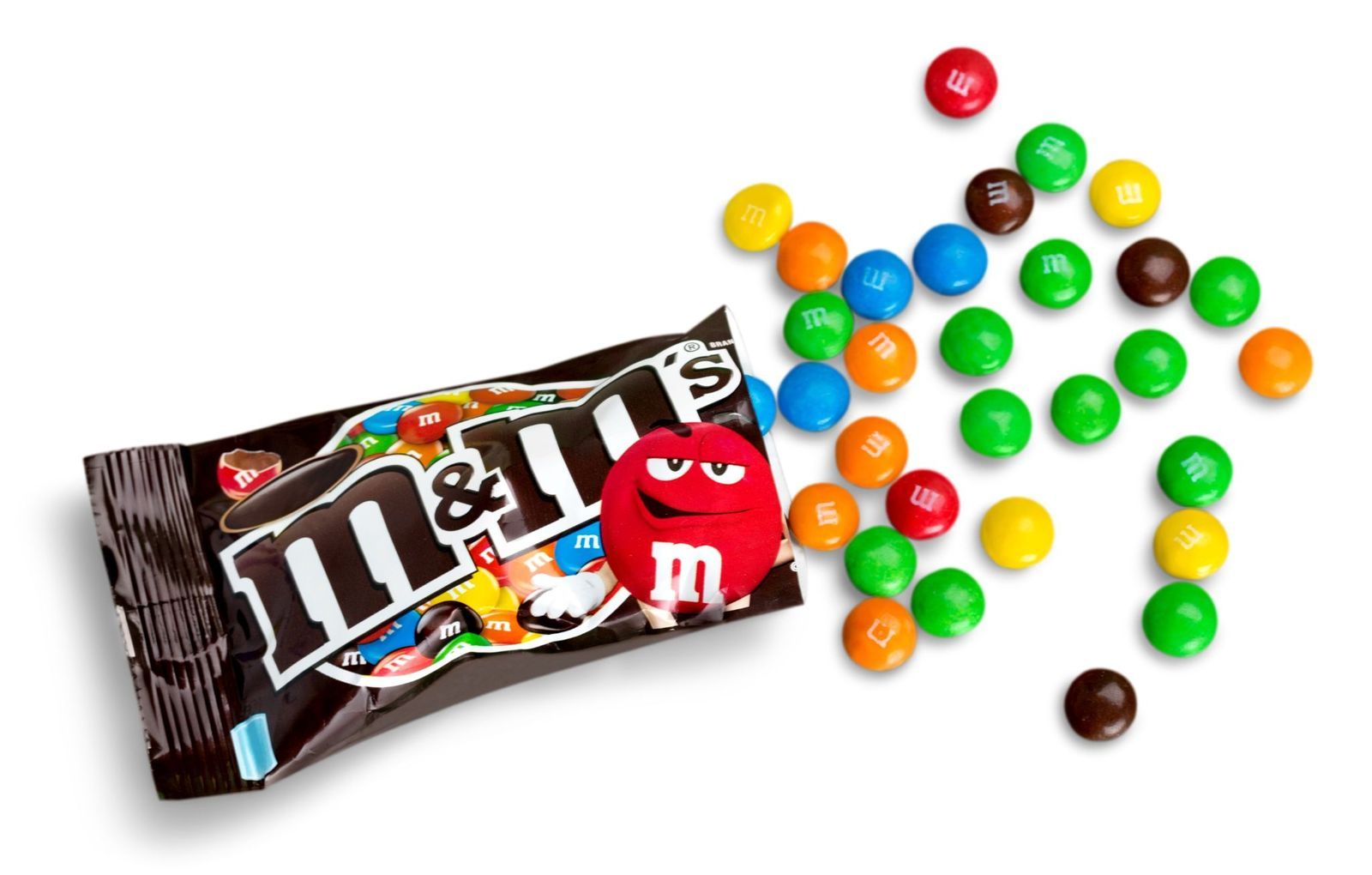
Image: Shutterstock

You probably remember the iconic M&M's slogan "melts in your mouth, not in your hand." Well, this characteristic was intentionally created for troops, allowing them to eat chocolate even under the hot sun.

When businessman Forrest Mars Jr. was travelling to Spain in the late 1930s during the Spanish Civil War, he observed how soldiers ate chocolate encased in sugar shells. The sugar crust prevented the chocolate from melting, and soldiers could enjoy the treat, even in hot temperatures. Mars soon partnered with Bruce Murrie, the son of Hershey's president, to secure a steady supply of chocolate for American troops. Their collaboration led to the creation of M&Ms, named after the initials of their last names. By 1947, the candy was made available to the public.

3
The Jeep Was Built for the U.S. Army

Image: Shutterstock

In 1940, the U.S. Army asked automakers to create a small four-wheel-drive vehicle that could carry soldiers across rough terrain. Bantam, Willys, and Ford entered the competition, and Willys won the main production contract. However, the final Willys MB also borrowed some of Ford’s flat grille and hood fastener design.

The new Jeep could travel through mud, climb steep roads, and reach places trucks couldn’t. Soldiers and mechanics could repair it quickly, and its parts were easy to remove and replace. Soldiers liked it so much that demand continued after they returned home, and Willys introduced the civilian CJ-2A in 1945 shortly after the war ended. The modern Jeep Wrangler still carries the same adventurous spirit.

4
The Slinky Started With a Naval Engineer’s Spring
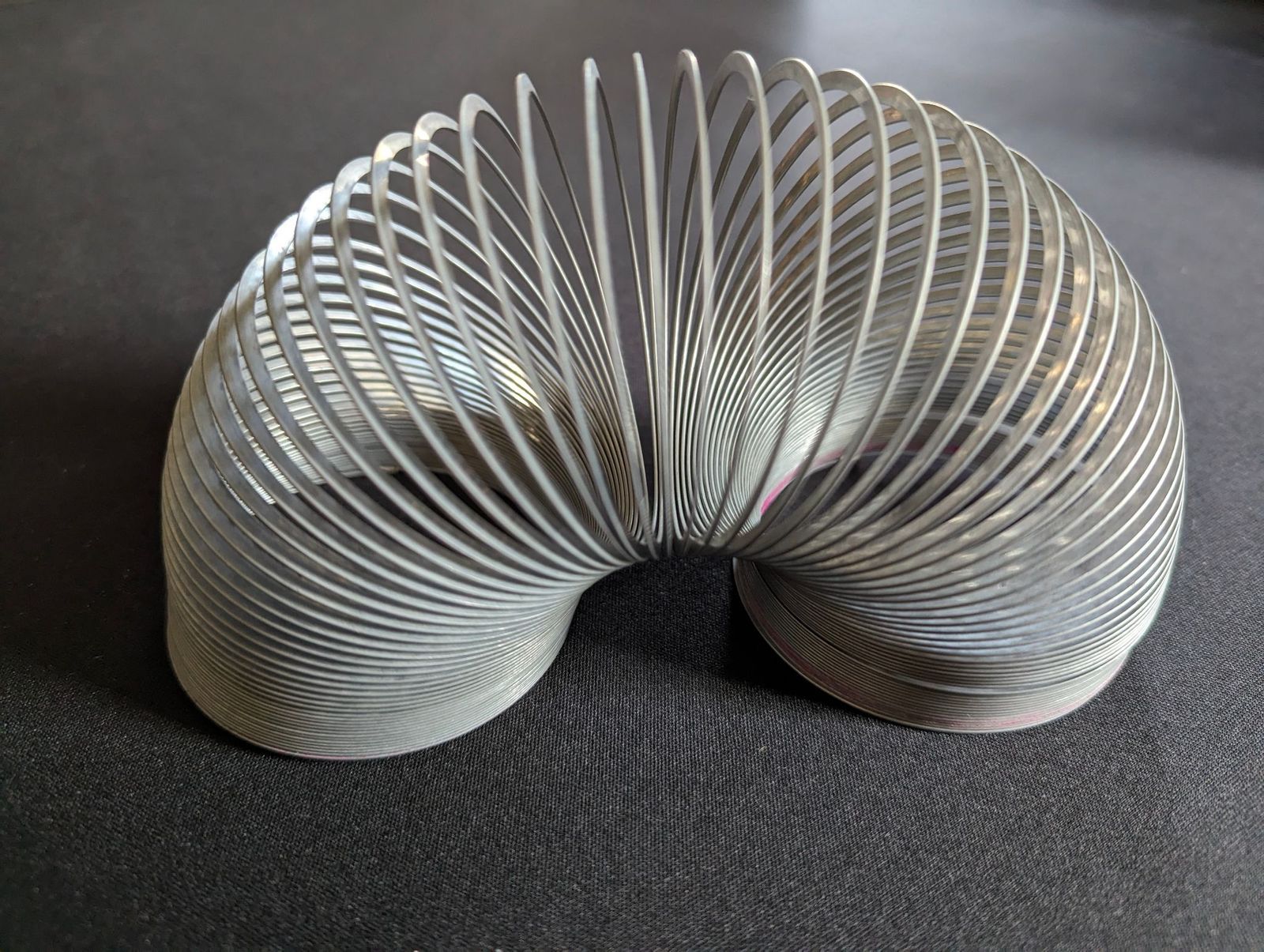
Image: Shutterstock

In 1943, naval engineer Richard James was developing a spring to keep equipment steady on ships during rough seas. One day, he knocked one of his experimental springs onto the floor. Instead of falling in one place, it moved end over end. James rapidly realized its potential as a toy.

He spent the next two years finding the right size and tension for the spring. His wife, Betty, named it "Slinky," because of its smooth movement, and they introduced it to the market in 1945. But shoppers were confused and didn’t know what to make of it at first. The situation changed after James demonstrated it at a Philadelphia department store: all 400 Slinkys were sold in less than two hours.

5
Super Glue Emerged From Wartime Research

Image: Shutterstock

Today, we use Super Glue to repair broken items, for crafting, woodworking, and for countless quick fixes. But in 1942, chemist Harry Coover created it while trying to make a clear plastic for military gunsights during World War II. He was testing chemicals called cyanoacrylates when his team found that they stuck to almost everything they touched. As that feature made them unsuitable for the original project, the researchers moved on.

Coover encountered the chemicals again in 1951 while his team was developing materials for jet canopies. This time, he realized that their powerful bond was useful because it required no heat or pressure. Kodak later refined the adhesive and released it as Eastman 910 in 1958. That accidental discovery became widely known as Super Glue.

6
Silly Putty Grew Out of a Search for Synthetic Rubber
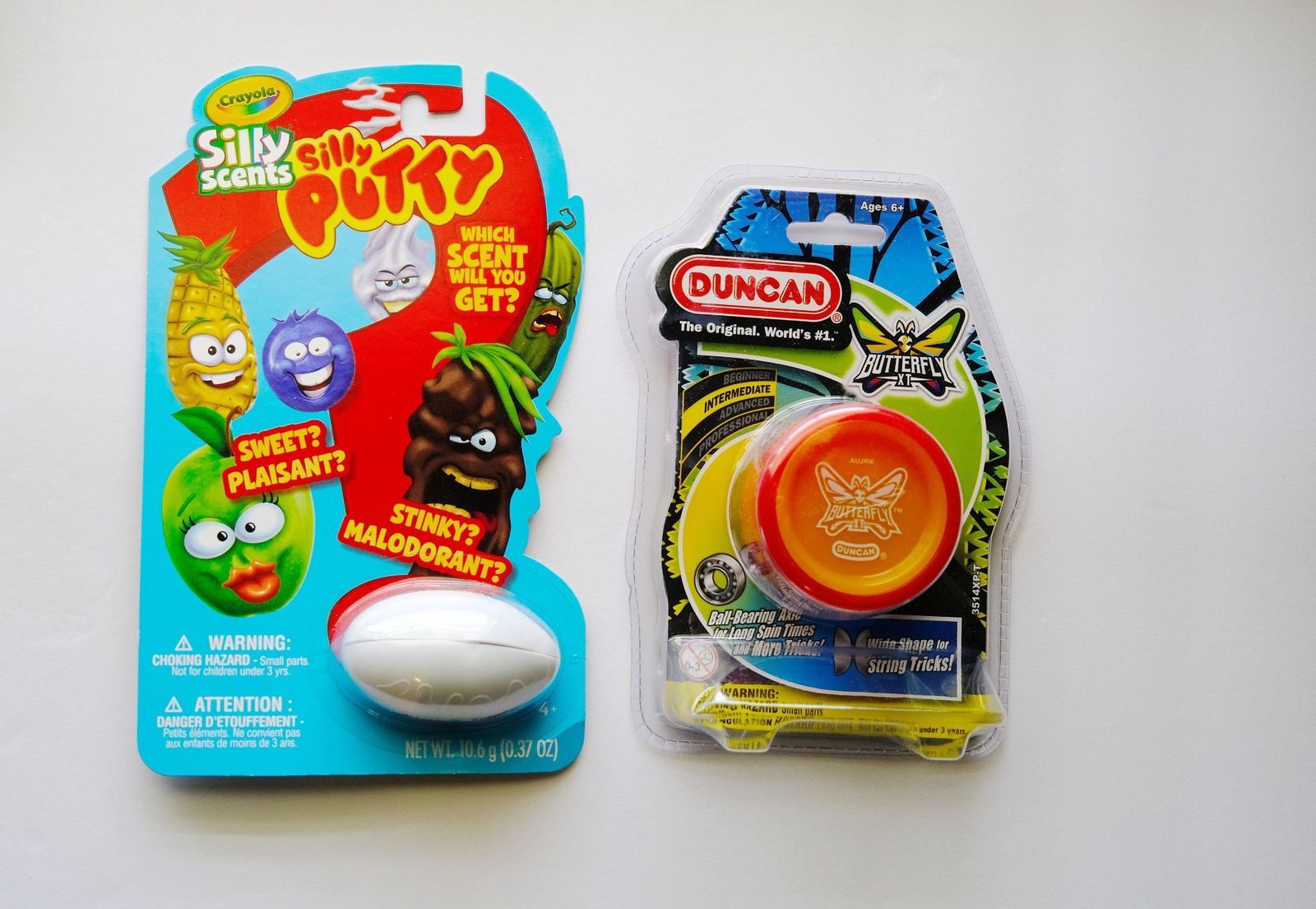
Image: Shutterstock

Silly Putty is that stretchy stuff that comes in plastic eggs and bounces and bends, depending on how you pull it. It was created during World War II, when rubber was needed for tires, boots, gas masks, and other military supplies. Japan’s expansion in Asia cut the United States off from much of its natural rubber, so American scientists were forced to look for a replacement.

In 1943, General Electric engineer James Wright mixed boric acid with silicone oil and created a strange, elastic material. It bounced higher than rubber, but it wasn’t strong enough for the military’s needs. General Electric shared samples with scientists, hoping someone might find a practical use for it. Meanwhile, people began passing it around at parties for fun. At one of them, hosted by a General Electric executive, businessman Peter Hodgson watched guests play with it, recognized its potential as a toy, named it Silly Putty, and in 1950, he commercialized it.

7
Frozen Orange Juice Was Developed for American Troops
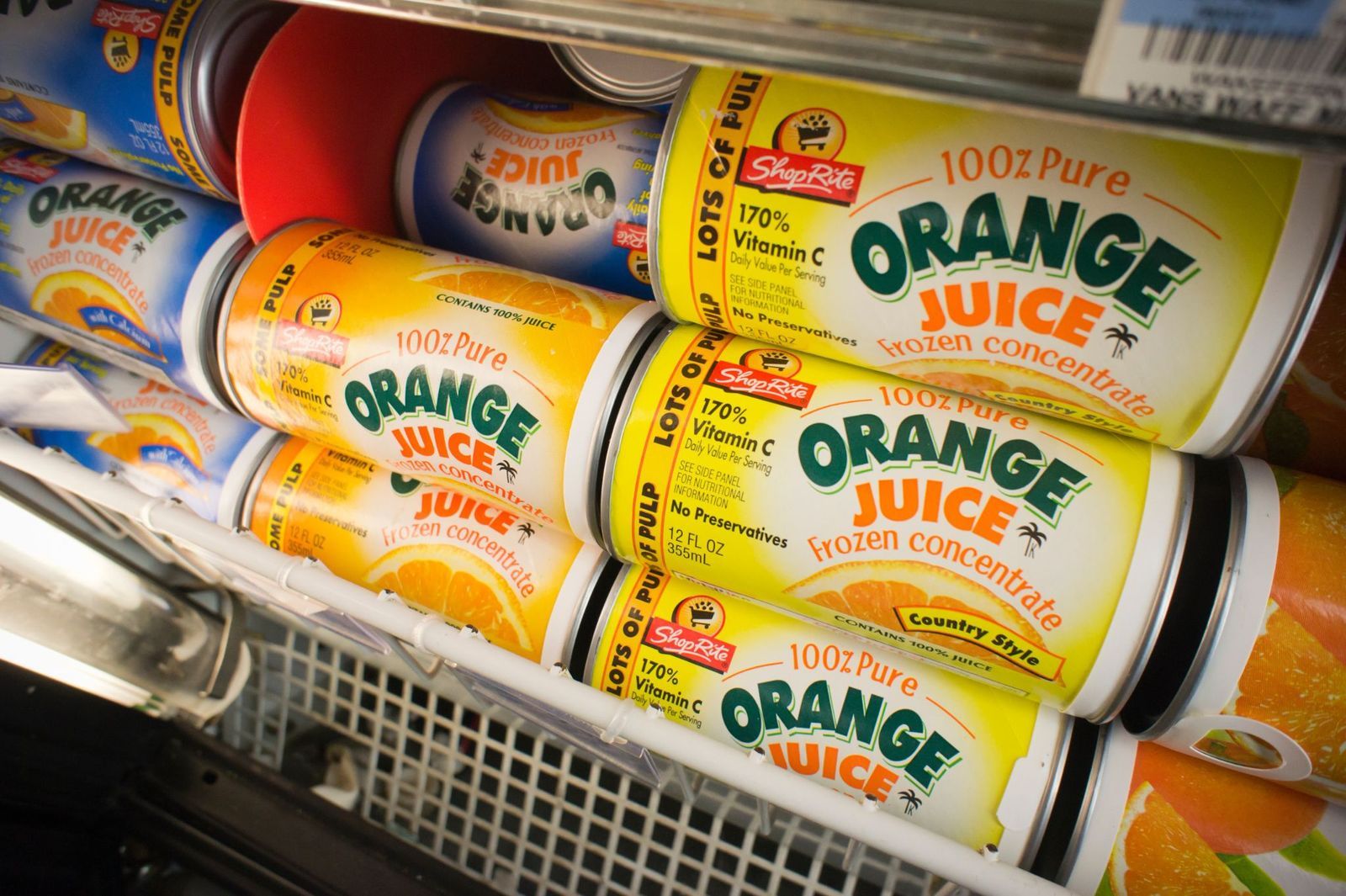
Image: Shutterstock

Orange juice provides vitamin C, which supports the immune system and helps the body heal wounds. During World War II, the military understandably needed to make sure troops received enough vitamin C. However, regular frozen juice lost its fresh taste during storage and transport, sometimes developing a flavor compared to turpentine. So in 1942, the Army asked researchers to create a frozen version that could travel without losing its flavor.

And by 1945, scientists of the Department of Agriculture removed water from fresh juice at low temperatures and then added a little fresh juice back into the concentrate. The process preserved the orange oils responsible for its familiar taste. The Army ordered 500,000 pounds, but the war ended before the product could be delivered. Instead, it reached American grocery stores in 1946 under the name Minute Maid and soon became a breakfast favorite.

8
Penicillin Became Widely Available Through U.S. Wartime Production
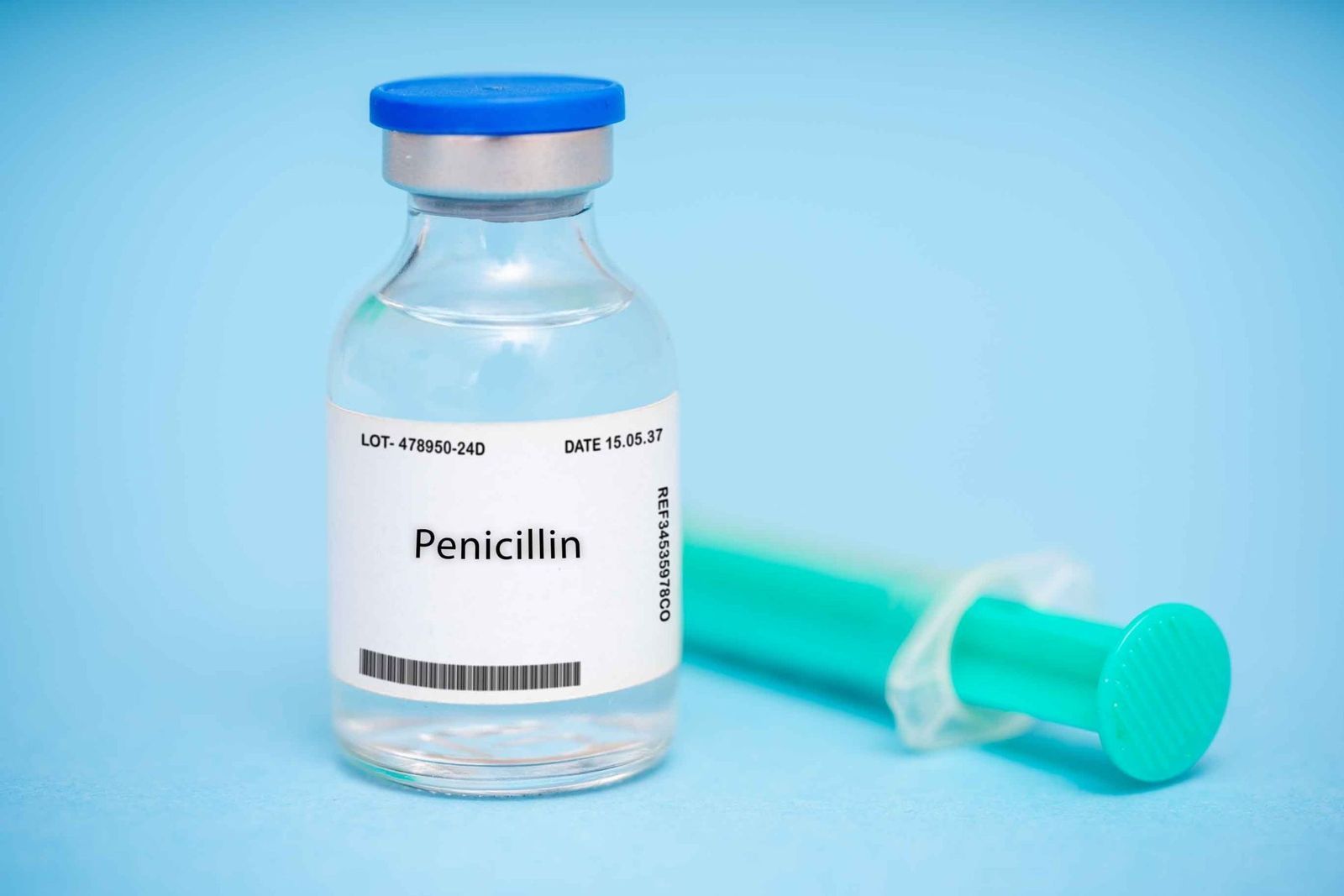
Image: Shutterstock

Penicillin offered a powerful solution to bacterial infections, which could otherwise turn a small wound deadly. But there was still one major problem: even a small amount took a lot of time and effort to produce. With thousands of wounded troops needing treatment during combat, the Allies had to find a way to produce much more of it.

British researchers brought their work to the United States, where government laboratories and drug companies took on the challenge. Scientists then found that growing the mold in deep tanks with a corn-based liquid produced much larger amounts . By 1944, American factories were making enough penicillin to treat Allied troops wounded during the D-Day invasion.

9
Aerosol Bug Spray Protected Soldiers From Insects

Image: Shutterstock

A mosquito bite wasn’t just annoying during war; it could literally take a soldier out of action. In tropical regions, mosquitoes carried malaria and other diseases that sickened lots of soldiers. An easy way to kill insects in tents and planes was needed, and large sprayers weren’t that practical.

Department of Agriculture researchers Lyle Goodhue and William Sullivan developed a small pressurized canister that released insecticide as a fine mist. Nicknamed the "bug bomb," it allowed troops to spray an entire space in seconds. It was patented in 1943, and more than 40 million cans were produced for military use during the war. It didn’t take long for that same technology to be used for home repellents.

10
Synthetic Rubber Kept American Vehicles Moving
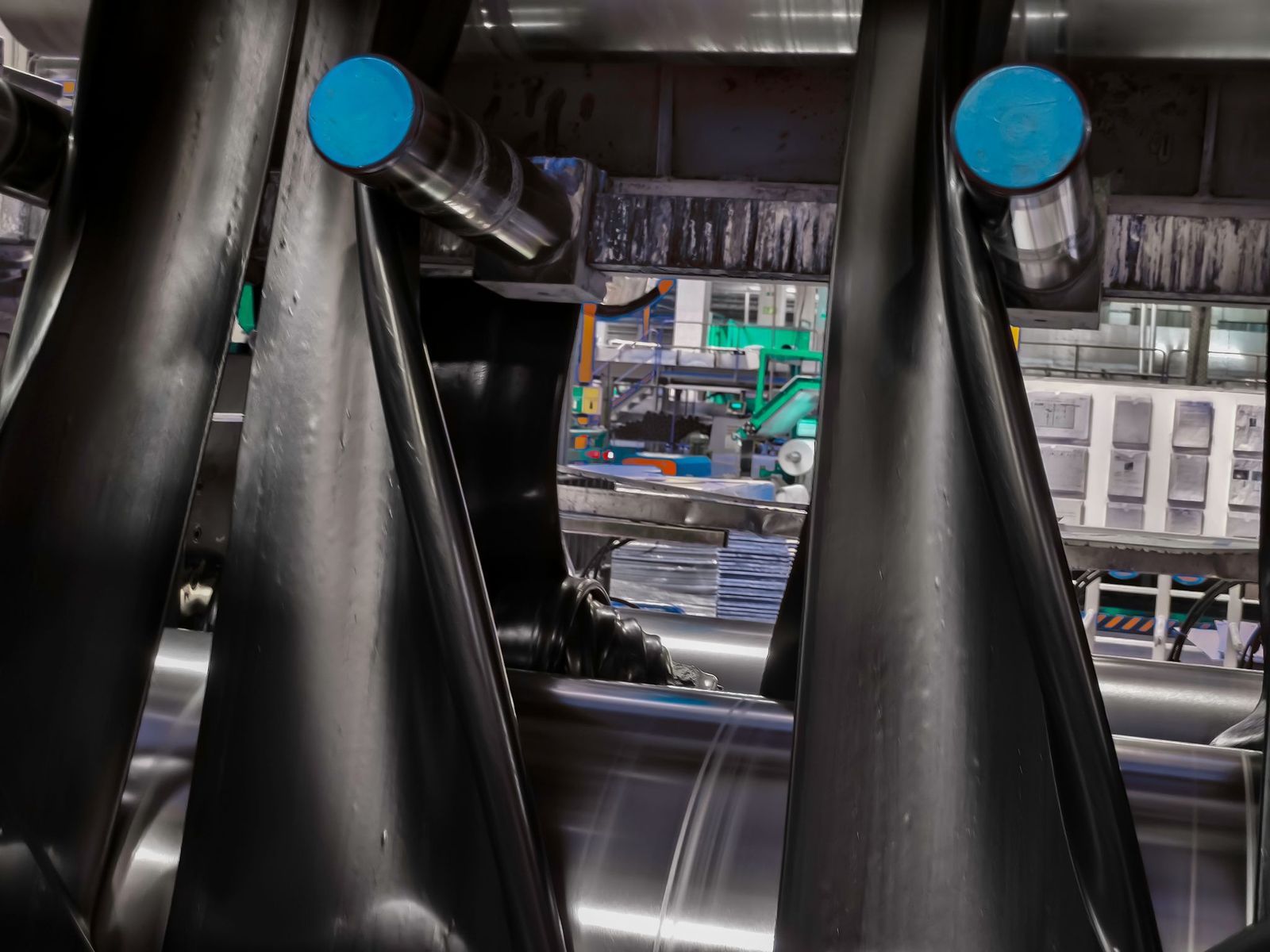
Image: Shutterstock

A great number of wartime items needed natural rubber. — to make tires, hoses, engine belts, seals, life rafts, gas masks, and many other waterproof parts . But after Japan captured major rubber-producing areas in Southeast Asia, the U.S. lost access to most of its supply. Recycling and rationing efforts helped, but it wasn’t enough.

The government took action and brought oil, chemical, and tire companies together to build a synthetic-rubber industry at home. Made mostly from petroleum-based chemicals, the new material could do many of the same jobs as natural rubber. U.S. production grew from only 230 tons in 1941 to more than one million tons in 1945. Synthetic rubber kept military vehicles moving during the war and remained essential for tires and other everyday products afterward.

Culture Culture 6 min read

Stories of blockbusters

Otherworldly budgets: The most expensive movies ever made

Image: 金 运 / Denise Jans

Alien invasions, superhero fights, and sinking ships are never easy to stage. Although Hollywood production companies don’t always disclose exact expenditures, some reports allow us to calculate which mega-productions were the most expensive at the time of their creation. A major movie production typically has a budget of around $100 million . However, the lowest budget on this list of blockbusters was $258 million–and that was in 2007. Which iconic scenes specifically made incredible bumps in these budgets? Were they worth it? Discover surprising facts about ten incredibly expensive movies in this article.

1
Spider-Man 3 (2007)

Image: Dante Muñoz

Tobey Maguire’s Spider-Man had been one of the most successful hits of the 2000s . That’s why, when Spider-Man 3 (2007) began production in 2005, it was given the highest budget of any movie in history at the time: around $258 million.

If you’ve seen this movie, you might have guessed that the biggest portion of the budget went into special effects for its three different villains. The New Goblin, Venom, and Sandman were three separate challenges for the visual effects team, particularly Sandman , played by Thomas Haden Church. Groundbreaking technology had to be developed to animate explosive sand fists and parting bodies of sand, making the character’s action scenes cost millions of dollars each.

2
Titanic (1997)

Image: Derek Oyen

To begin with, building the full-scale ship model and massive water tank for Titanic (1997) cost over $150 million. Director James Cameron was very particular about authenticity, so the ship’s interior design was meticulously designed to match that of the original Titanic. At the time, it was also the most expensive movie ever made. But one might argue it was all worth it.

The CGI, stunts, and practical effects used for replicating the sinking sequence were especially costly. Bear in mind that Leonardo DiCaprio and Kate Winslet were already known young talents by the time they were cast for this movie, so they took a small share of the fortune—around $5 million between them. Famously, though, James Cameron forfeited his paycheck to keep the movie under budget, much like Jack climbing down from the door to keep Rose afloat. It worked out in the end because he earned $97 million from backend profits.

3
Avengers: Infinity War (2018)

Image: André Volkmann

Balancing the stories of all of these superheroes was just as challenging as paying all the corresponding actors. Avengers: Infinity War (2018) had an estimated budget of almost $400 million. Who could forget the battle scenes filled with as many timeless superheroes as A-list actors? Reportedly, Robert Downey Jr. alone took home around $75 million after backend deals.

This two-hour-and-a-half movie had over 2,500 visual effects shots, which included the destruction of a planet and a ship, as well as an epic battle in the fictional Wakanda . Not to mention the advanced motion-capture technology required for Josh Brolin’s portrayal of Thanos, the villain of the film.

4
Avengers: Endgame (2019)

Image: Igor Bumba

When Avengers: Infinity War was released, it became the highest-grossing superhero film in history, amassing over $2 billion at the box office. But that title lasted it around a year, until its sister sequel Avengers: Endgame (2019) surpassed it. The sequel cost roughly the same as the previous installment but came just shy of earning $3 billion .

Just like the previous ones, this Avengers installment had a star-studded cast that included Scarlett Johansson, Chris Evans, and Chris Hemsworth. A feast of 3 hours worth of cameos, the movie ended with a climactic final battle scene, where almost every hero from the Marvel Cinematic Universe assembled. Making this movie involved hundreds of extras, an enormous amount of CGI, masterful choreography, and an unprecedented skill for star scheduling .

5
Pirates of the Caribbean: At World’s End (2007)

Image: cottonbro studio

Pirates of the Caribbean: At World’s End had a budget of around $300 million, making it one of the most expensive films ever at the time of its 2007 release. Whoever watched this film will remember a waterfall at the edge of the world or a massive final battle between two ships over a maelstrom. Those takes relied heavily on CGI, but not entirely. As with previous productions in the franchise, filming required large-scale water sets and multiple ships to be built. The cost of both practical and visual effects for these scenes was astronomical.

Admittedly, a significant portion of the budget went to the ensemble cast, particularly Johnny Depp, who received a notable pay bump following the massive success of the first two films. Keith Richards , the Rolling Stones guitarist, was also famously featured, adding to the film’s star power.

6
Avengers: Age of Ultron (2015)

Image: Deepak Rastogi

Surprise! The Avengers movie with the most colossal budget was the least liked of the four. It sometimes puzzles fans to learn that it cost $365 million in 2015, which, adjusted for inflation, would be over $430 million today.

Avengers: Age of Ultron (2015) had to use massive amounts of CGI to create cinematic takes on the levitating fictional city of Sokovia. Destruction, flying characters, drones, and explosions contributed significantly to the costs. More importantly, filming on location and flying so many celebrities around the globe added to the expense. This movie showed scenes filmed all over the world, including the U.S., South Africa, Italy, South Korea, and England.

7
Star Wars: The Rise of Skywalker (2019)

Image: LJ

Lightsaber battles have never been cheap. Star Wars: The Rise of Skywalker (2019) had a reported production budget of around $275 million. It was the third Star Wars movie produced by Disney, and while the budget had decreased compared to the previous installments, it was still a financial success.

The final battle sequence on the Sith planet Exegol required a fortune, but it needed to: as it served as the climax of Disney’s trilogy. Special effects even included the scenes of characters like General Leia, played by the late Carrie Fisher . The film faced the unique challenge of incorporating footage of Fisher filmed for previous Star Wars movies after her passing in 2016.

8
Pirates of the Caribbean: On Stranger Tides (2011)

Image: Pixabay

Even though the 4th installment of the Pirates franchise had relatively low reviews, it became the second film in the saga to surpass a billion dollars in box office revenue. Released in 2011, Pirates of the Caribbean: On Stranger Tides had a staggering budget of $379 million.

Mermaids, zombies, splitting ships, boats on fire, and a Fountain of Youth all required the coordination of several visual effects teams. The salaries of new stars like Penélope Cruz , along with filming locations across Hawaii, the UK, California, and Puerto Rico, added to the costs. Also, this was the first movie in the franchise to be shot for 3D screenings .

9
Jurassic World: Fallen Kingdom (2018)

Image: Nick Wehrli

A movie that revolves around dinosaurs fleeing from a volcanic eruption , Jurassic World: Fallen Kingdom (2018), received an estimated budget of around $432 million. How are dinosaurs created? Much like the earlier films of the saga, this one used a mix of CGI and animatronics , especially for the more up-close, intimate scenes involving Velociraptors and an Indoraptor.

For the dinosaur auction scene, a whole large-scale set was built. Filming also took place in Hawaii, England, and Spain. The stars of the Jurassic World trilogy, Chris Pratt and Bryce Dallas Howard, reportedly earned around $10 million each.

10
Star Wars: The Force Awakens (2015)

Image: Rod Long

When Disney acquired the rights to produce movies from Lucasfilm , it proceeded to give the first installment of their Star Wars reboot the biggest budget it had ever given. That was over $447 million in 2015.

With J.J. Abrams directing a Star Wars movie after so long, he could indulge in creating a full-size Millennium Falcon , animatronic creatures, and remote-controlled puppetry. The Starkiller Base destruction sequence was one of the most expensive scenes. Not to mention that the legendary face of Star Wars , Mark Hamill, had a very short cameo at the end of this movie; that one-minute feature alone earned him $3 million .

Culture Culture 6 min read

Geniuses at work

We're here today because of them! Meet 10 Americans who changed history

Image: Quino Al

The United States is a land of progress and innovation, so it makes sense that many of the world's most important inventors and scientists are Americans. From breakthroughs like the lightning rod and the light bulb to advancements in the world of medicine, biology, and astronomy, there have been many men and women who, from different fields of study, have contributed to the scientific progress of our country and the entire world. Join us as we review these 10 American inventors and scientists who changed history!

1
Thomas Edison

Image: Call Me Fred

When it comes to inventors, we can't fail to mention the incredible Thomas Alva Edison.

Edison was born on February 11, 1847, in Milan, Ohio, and since he was a child, he showed his interest and talent in mechanics and electricity. At the age of 11, he set up his first laboratory in his parents' home, and by the age of 12, he ran his own business: a newspaper he designed, printed, and sold himself.

Creator of the phonograph (the first device capable of recording and reproducing sounds) and a fundamental part in the development and popularization of inventions such as the electric light bulb and the motion picture camera, Edison patented more than 1000 creations during his lifetime. Impressive!

2
Benjamin Franklin

Image: Dan Mall

Born in Boston, Benjamin Franklin was one of our Founding Fathers, the men whose principles, values, and ideas shaped America. But as if that weren't enough, Franklin was also a renowned scientist, inventor, and polymath.

A pioneer in the field of electricity, he's remembered for his famous kite experiment, which demonstrated the electrical nature of lightning and led to the invention of nothing less than the lightning rod. In addition, he's also credited with iconic inventions such as the first efficient wood-burning stove (later known as "the Franklin Stove"), the bifocal glasses, and the glass armonica.

3
Samuel Morse

Image: The New York Public Library

Unlike other scientists and inventors on this list, Samuel Morse began his journey in a completely different field: art.

Morse studied at Yale, where he completed his studies in 1810. He then embarked on a trip to Europe to continue his artistic education, but this trip awakened another peculiar interest in him. Frustrated by the communication methods of his time, Morse focused his creativity on finding ways to transmit information over long distances using electrical signals. Thus, the revolutionary telegraph was born, along with its way of communication, the Morse code.

4
The Wright Brothers

Image: Simon Fitall

The Wright Brothers were the famous siblings who, in the 20th century, achieved a goal long sought by humanity: flight.

Wilbur and Orville Wright are credited with inventing, building, and flying the world's first successful airplane. As you probably know, on December 17, 1903, they made the first sustained flight in history using the Wright Flyer, their iconic invention.

On that December morning, the brothers flipped a coin, letting fate decide who would be the first to test the aircraft. Although Wilbur won, that first attempt failed. So it was Orville who flew for 12 seconds, traveling 120 feet over Kitty Hawk, North Carolina.

5
George Washington Carver

Image: Tom Hermans

George Washington Carver was born in the 1860s in Diamond, Missouri. In the 1890s, his intelligence and hard work enabled him to enter Iowa State College (now Iowa State University), where he earned a master's degree in agricultural sciences. In 1896, he became the head of the agriculture department at Tuskegee Institute in Alabama, where his career as a professor and a researcher took off.

Thanks to his investigations and tests, George Washington Carver made major contributions to agriculture, including his innovative techniques for crop rotation . In addition, he developed many and varied peanut products, such as oil, flour, soap, and ink, helping to make this crop one of the key products of the country's economy.

6
Carl Sagan

Image: Vaibhaw Kumar

The stars and the mysteries of the universe captivated the famous Carl Sagan from an early age. Born in Brooklyn, New York, in 1934, Sagan studied at the University of Chicago, where he earned degrees in physics, astronomy, and astrophysics, eventually working and collaborating with NASA.

His contributions to the field of astronomy earned him a position in projects such as the Mariner, Viking, Voyager, and Galileo missions, thanks to which we have learned a lot about Venus, Mars, and Jupiter. The famous high temperatures of Venus, for example, were confirmed thanks to his work.

Additionally, his book and series Cosmos attracted the public's interest in astronomy, inspiring many others to follow in his footsteps.

7
Grace Hopper

Image: Museums Victoria

While computer programming may seem like a modern issue, the pioneers of this field were already working as early as the 1940s.

Grace Hopper graduated in mathematics and physics in 1928 and obtained a master's degree and a Ph.D in mathematics from Yale University in 1934. Famous as a pioneer in the world of programming, Hopper's work began during World War II when she joined the US Naval Reserve. There, she worked on the earliest electromechanical computers and developed extensive and complex manuals to operate them.

Her greatest contribution came from her work with mathematical codes, which she translated and adapted into innovative machine-readable language. That innovation led to the creation of the first high-level programming languages.

8
Jonas Salk

Image: Олег Мороз

Jonas Salk is none other than the mind behind a medical milestone: the polio vaccine.

In the 1940s, Salk was beginning his career in medical research. While working at the University of Michigan, his work was crucial in developing the first successful influenza vaccine for the military during WWII. This event marked his later study of the poliovirus.

Polio was devastating during the first decades of the 20th century, but that changed dramatically thanks to Salk's work. The scientist led a team that succeeded in developing the first safe and effective injectable inactivated poliovirus vaccine (IPV) in 1955, and the rest is history.

9
Barbara McClintock

Image: digitale.de

Although her name may not be as instantly recognizable as some others on this list, her work definitely is. Barbara McClintock has undoubtedly made one of the most significant contributions to medicine and genetics.

In the 1940s and 1950s, she worked with chromosomes, investigating their role in inheritance, which led to discoveries that forever changed our understanding of genes.

Before her, genes were believed to be fixed and immutable. But McClintock came to change that idea with her most famous contribution: the discovery of transposable elements, aka "jumping genes." She demonstrated that jumping genes are present in multiple organisms, including humans, and play an essential role in genetic evolution.

10
Alexander Graham Bell

Image: Misho Tektumanidze

Alexander Graham Bell became interested in sound and communication at a young age, something that led to his greatest and most remembered contribution: the telephone.

Although born in 1847 in Edinburgh, Scotland, Alexander Graham Bell settled in the United States in 1871 and became an American citizen years later. It was here that he developed most of his experiments and research.

After years of experimenting with methods to transmit sound through electrical currents, Bell finally spoke into his invention on March 10, 1876, saying to his assistant, "Mr. Watson, come here. I want to see you." That was the first successful telephone call in history.

Explore more American facts

Choose your favorite category!

General
General

As American as apple pie—the very best America has to offer!

Culture
Culture

Delve into the astounding richness of American lore.

Geography
Geography

Hop in and explore vast and diverse American landscapes.

History
History

Discover the key moments that shaped the United States.