History History 7 min read

Hidden stories

The secret WWII project hidden beneath the White House
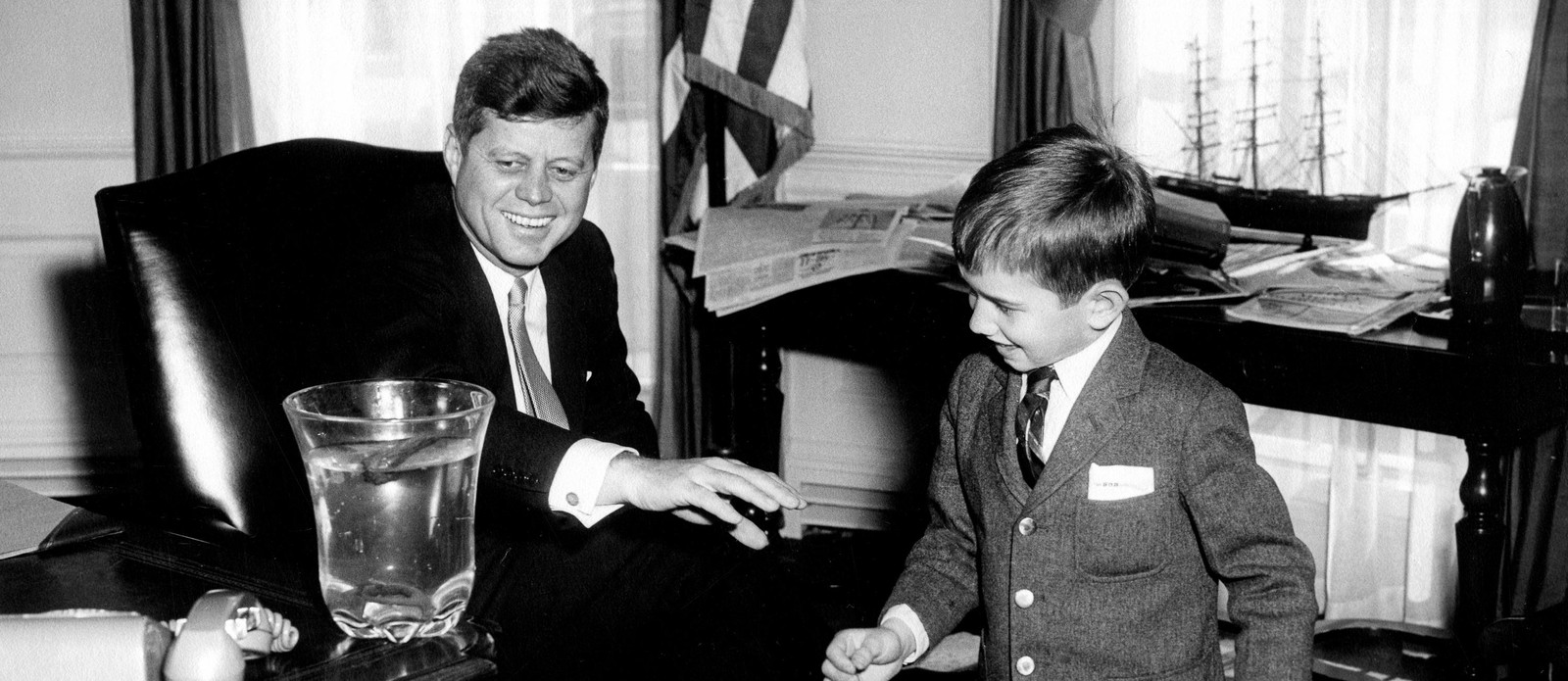
Image: Abbie Rowe. White House Photographs. John F. Kennedy Presidential Library and Museum, Boston, Public domain, via Wikimedia Commons

Did you know the White House wasn’t originally meant to be white? Or that hidden underground spaces were built beneath it? For more than 200 years, we have seen the White House in movies, on the news, in family photo albums from Washington trips, and during some of the biggest moments in our country’s history. But behind those famous walls are stories most have never heard. From fires and secret construction projects to strange traditions and forgotten moments, these are 10 surprising White House stories that most of us were never taught in school.

1
It was almost completely torn down
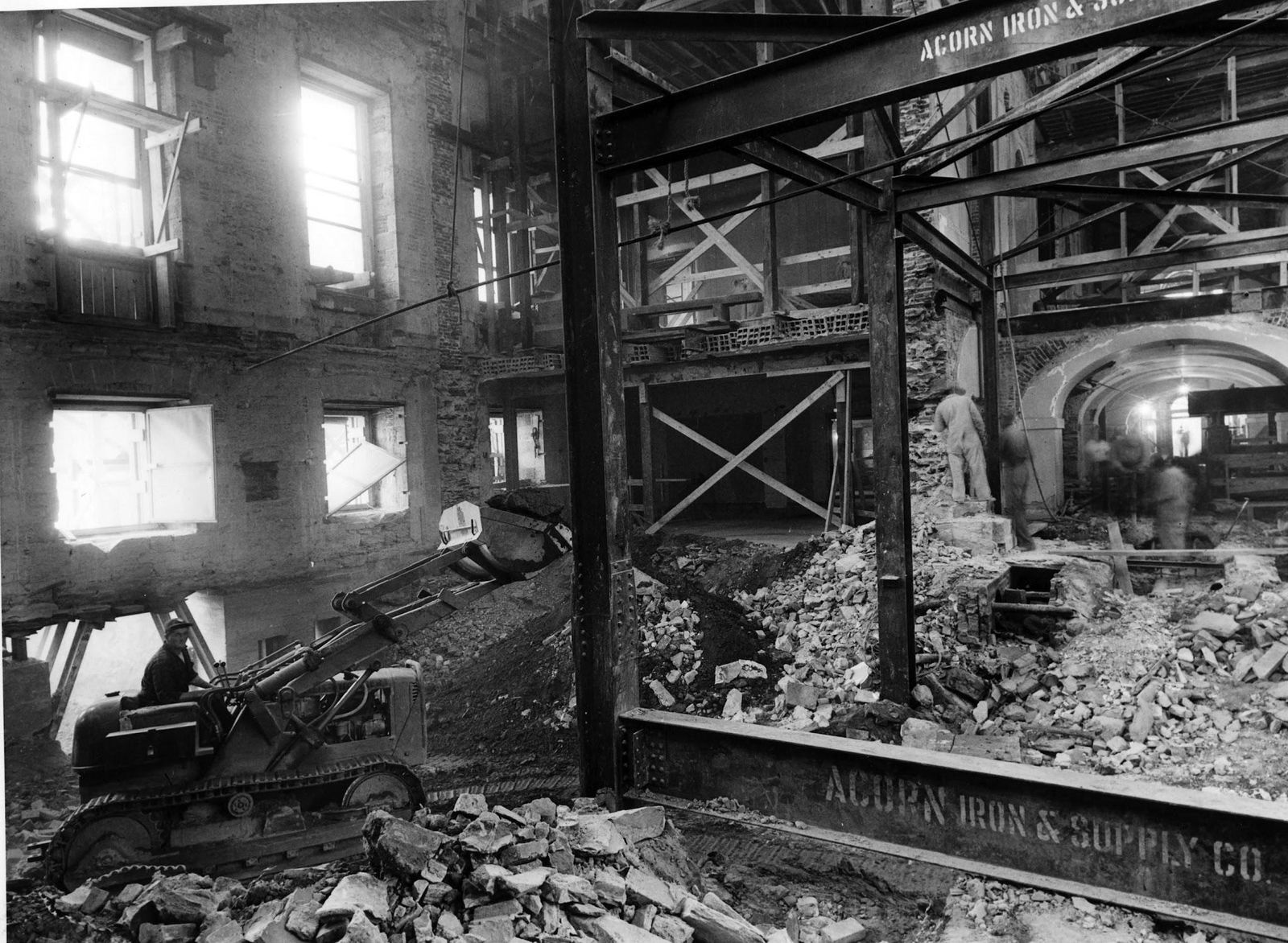
Image: Abbie Rowe, Public domain, via Wikimedia Commons

Did you know that very little of today’s White House interior is actually original? Looking at the building now, it’s hard to imagine that it was once so unstable that it was in danger of collapsing.

By 1948, after decades of heavy use, outdated wiring, poor structural supports, and years of renovations layered over one another, the White House had become unsafe. Floors and walls cracked, and parts of the residence were literally sinking. President Harry S. Truman even joked that the place felt haunted because it made so many strange noises. Rather than abandon it, Truman launched a massive reconstruction project with Congress. Between 1948 and 1952, nearly the entire interior was gutted and rebuilt while the original exterior walls were preserved, giving America a strong and reliable White House.

2
During WWII, they built an underground bunker

Image: rc.xyz NFT gallery

Did you know there’s a fortified bunker hidden beneath the White House? A couple of years before Truman’s famous renovation, another major project was quietly built beneath the presidential residence.

In 1942, during World War II, President Franklin D. Roosevelt ordered the construction of a secure underground shelter to protect government leaders in case Washington, D.C., came under attack. Built quickly and in great secrecy, the bunker was completed within months, though it was luckily never needed during the war. Today, the facility is known as the Presidential Emergency Operations Center, or PEOC, and it was famously used in 2001 by President George W. Bush and again in 2020 by Donald Trump.

3
It was not originally meant to be white
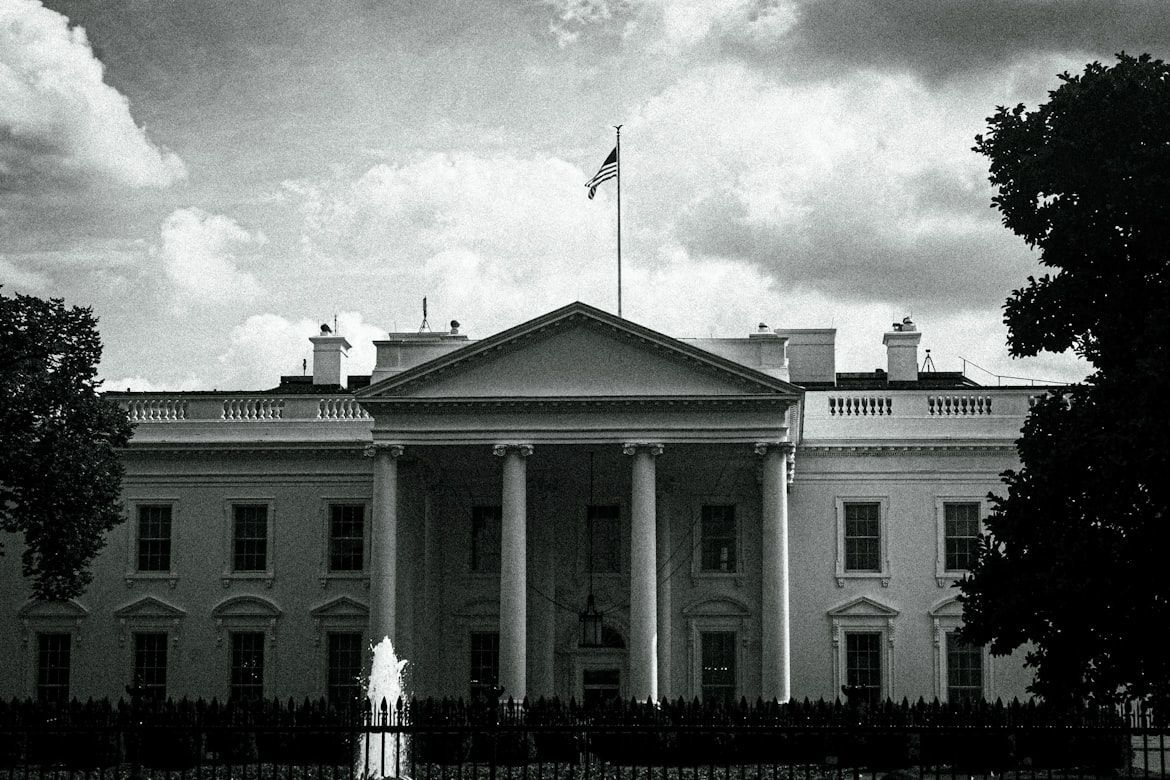
Image: Andriy Miyusov

Can you imagine if it were called "the Gray House"? Today, it’s impossible to picture America’s most famous home as anything other than bright white, but that wasn’t the original idea.

During construction in the 1790s, workers covered the exterior sandstone with a lime-based whitewash to protect it from moisture, cracking, and harsh winter weather. The coating gave the building a pale grayish appearance, not the brilliant white we recognize today. A long-standing myth claims the White House was painted white to hide the burn marks left after British troops set it on fire in 1814, but in reality, the building had already been whitewashed years earlier. Still, after the fire and reconstruction, the white exterior became permanent and eventually inspired the famous name "White House," though for many years people still called it the "President’s House."

4
10 people have died in the White House
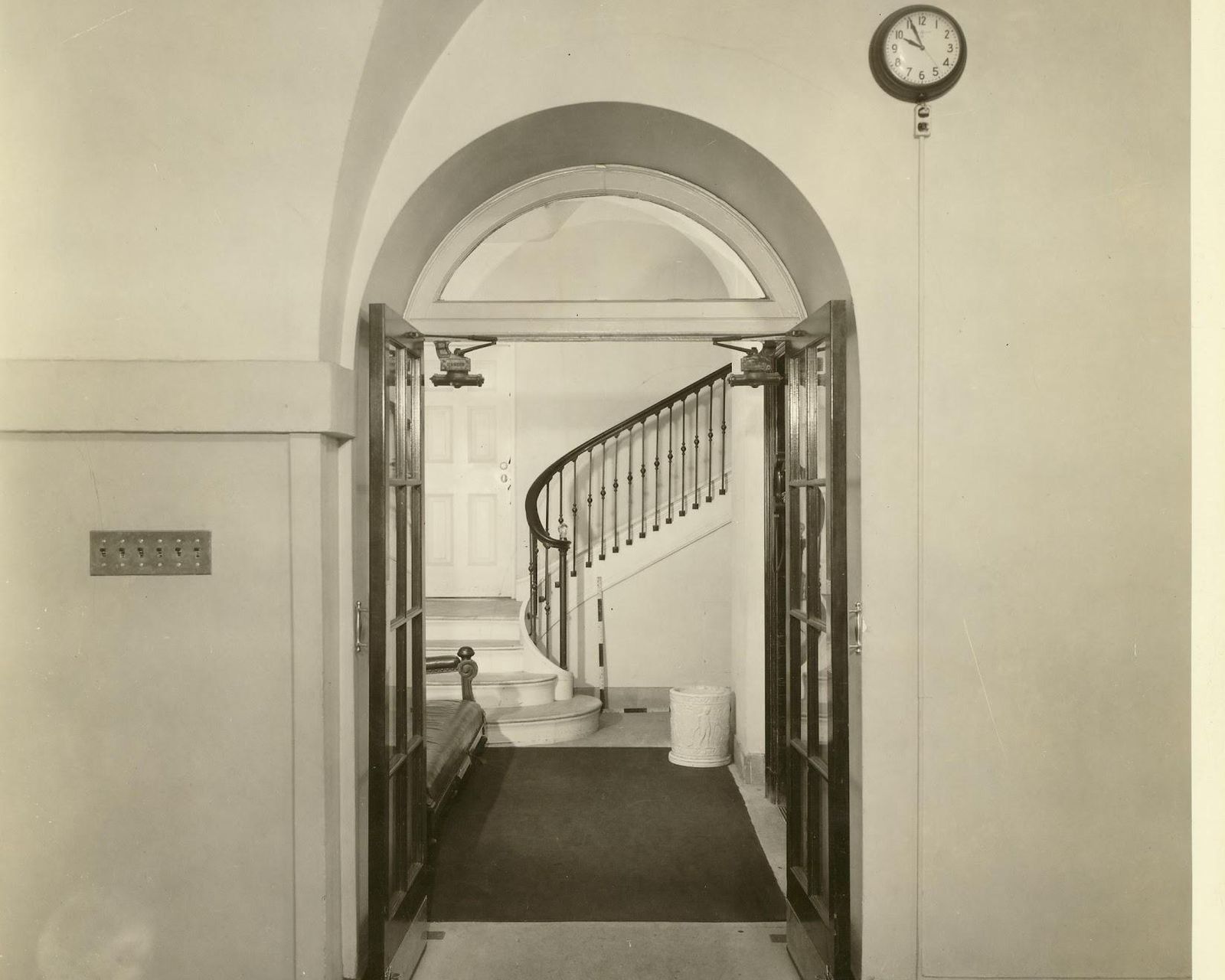
Image: Woodrow Wilson Presidential Library Archives from Staunton, VA, No restrictions, via Wikimedia Commons

Many people have lived and worked in the White House over the centuries, but, according to the White House Historical Association, only 10 people are officially recorded as having died inside the presidential residence.

Among them were two U.S. presidents. William Henry Harrison died there at age 68 in 1841 after falling seriously ill, likely from contaminated water. Zachary Taylor died at age 65 in 1850 from a severe stomach illness after attending Fourth of July celebrations in extreme heat. Three First Ladies also passed away in the White House: Letitia Tyler in 1842, Caroline Harrison in 1892, and Ellen Axson Wilson in 1914. Other deaths included presidential relatives, aides, and staff members, among them Abraham Lincoln’s son, Willie Lincoln, whose death at the age of 11 in 1862 deeply affected the family and became one of the White House’s most heartbreaking stories.

5
Presidential whims
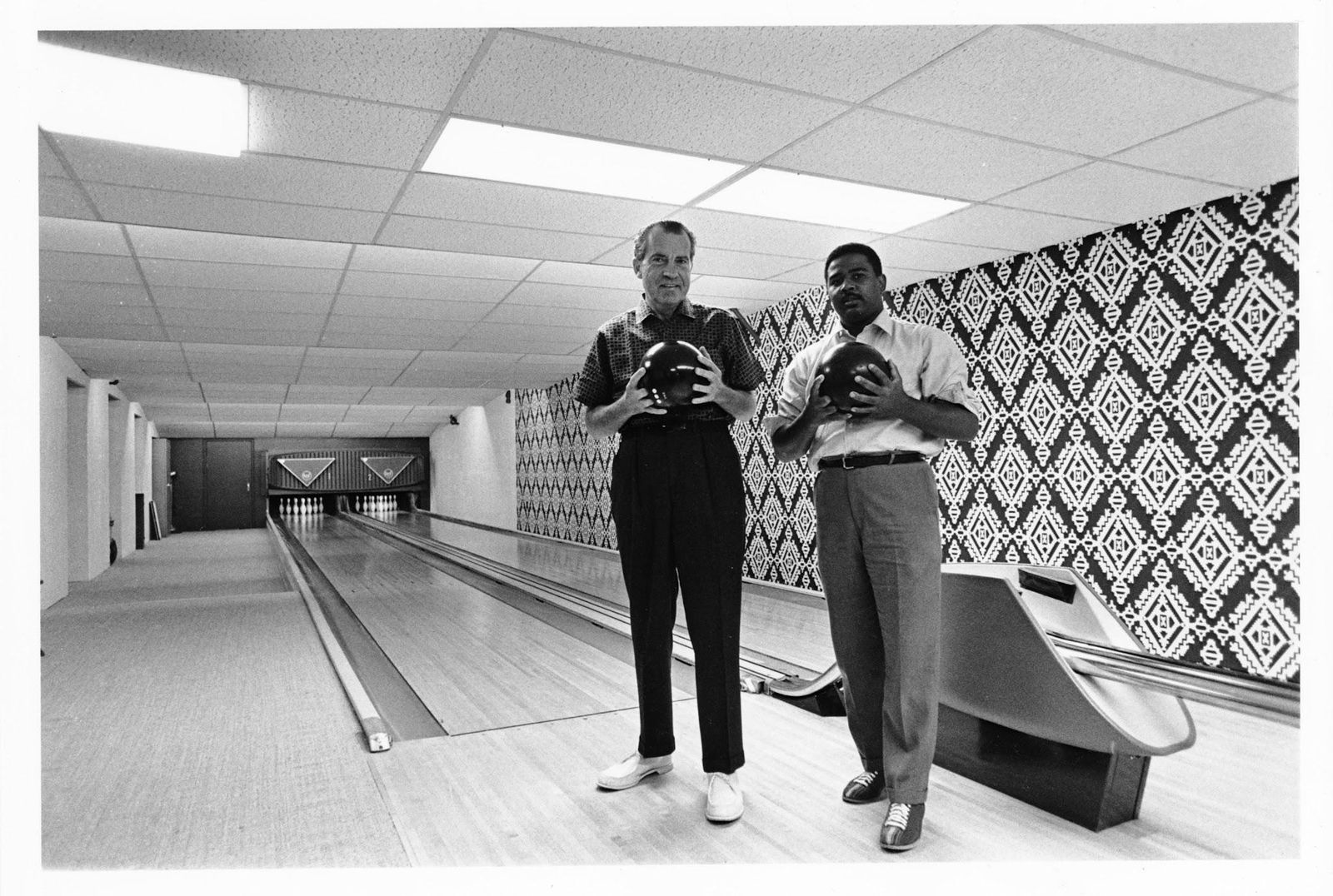
Not every White House renovation happened due to war, damage, or urgent repairs. Some changes came simply from the personal tastes and hobbies of the presidents who lived there, and over the years, there have been quite a few memorable ones.

In 1973, Richard Nixon installed a one-lane bowling alley beneath the North Portico. Years later, in 1989, George H. W. Bush added a regulation horseshoe pit near the White House grounds, where he often relaxed and challenged visitors, including Queen Elizabeth II, to games. Then, in 2009, Barack Obama had the South Lawn tennis court modified so it could also be used for basketball, one of his favorite sports.

6
Jackie Kennedy's furniture
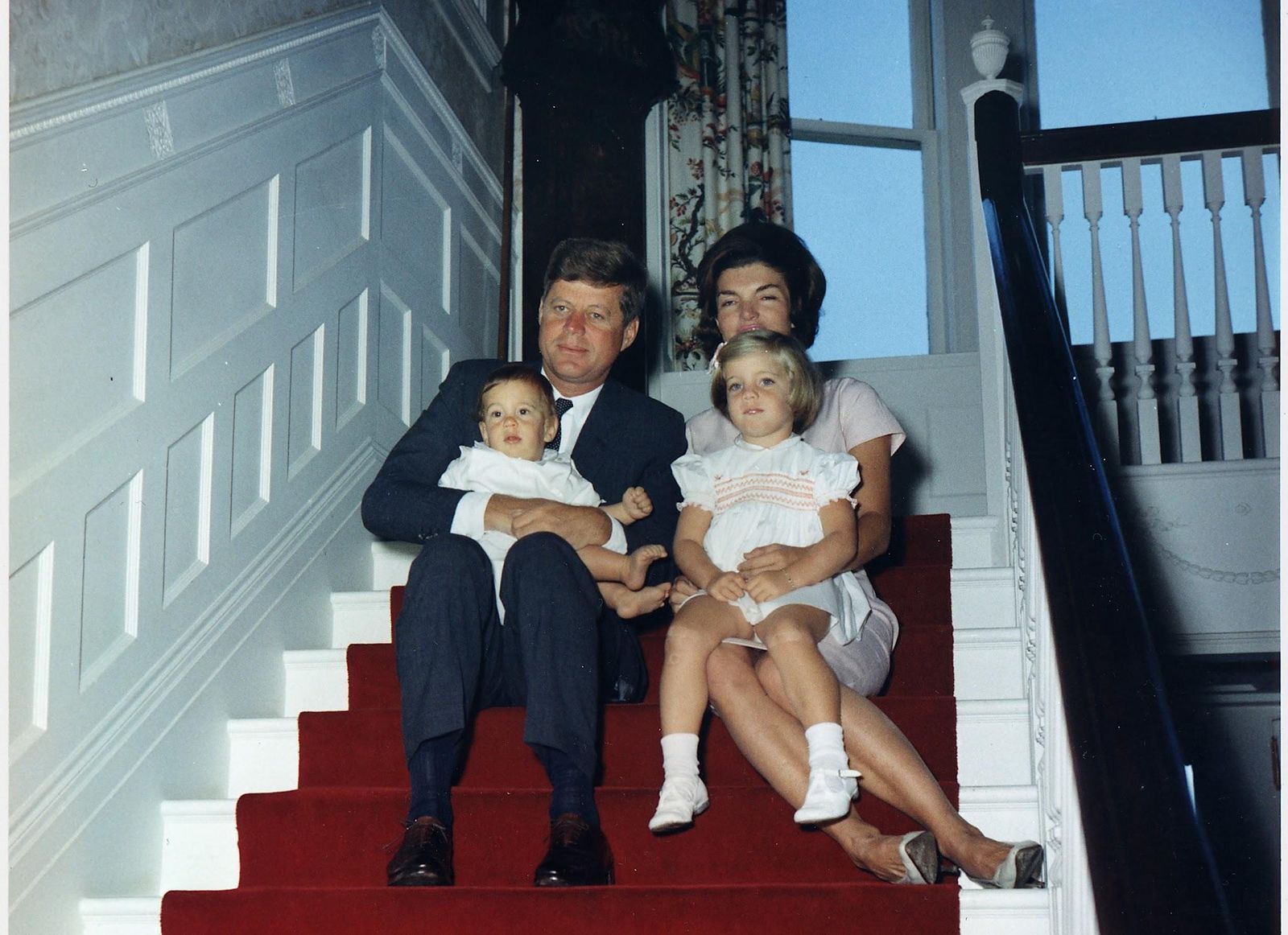
Image: Robert LeRoy Knudsen, Public domain, via Wikimedia Commons

When the Kennedy family entered the White House in 1961, the first lady was disappointed to find that many of the historic rooms had lost much of their original character.

Determined to restore the White House’s history and elegance, Jackie Kennedy famously launched a massive restoration effort. She helped create the White House Fine Arts Committee, brought in historians and curators, and filled the residence with genuine antiques and historical pieces tied to past presidencies. On February 14, 1962, an estimated 46 to 56 million people tuned in to watch the First Lady’s televised tour of the White House, making it one of the most-watched programs of its era. She also supported a congressional act that made many of the White House’s historic furnishings official property of the nation, so future presidents could no longer sell, replace, or discard them.

7
Official name changes
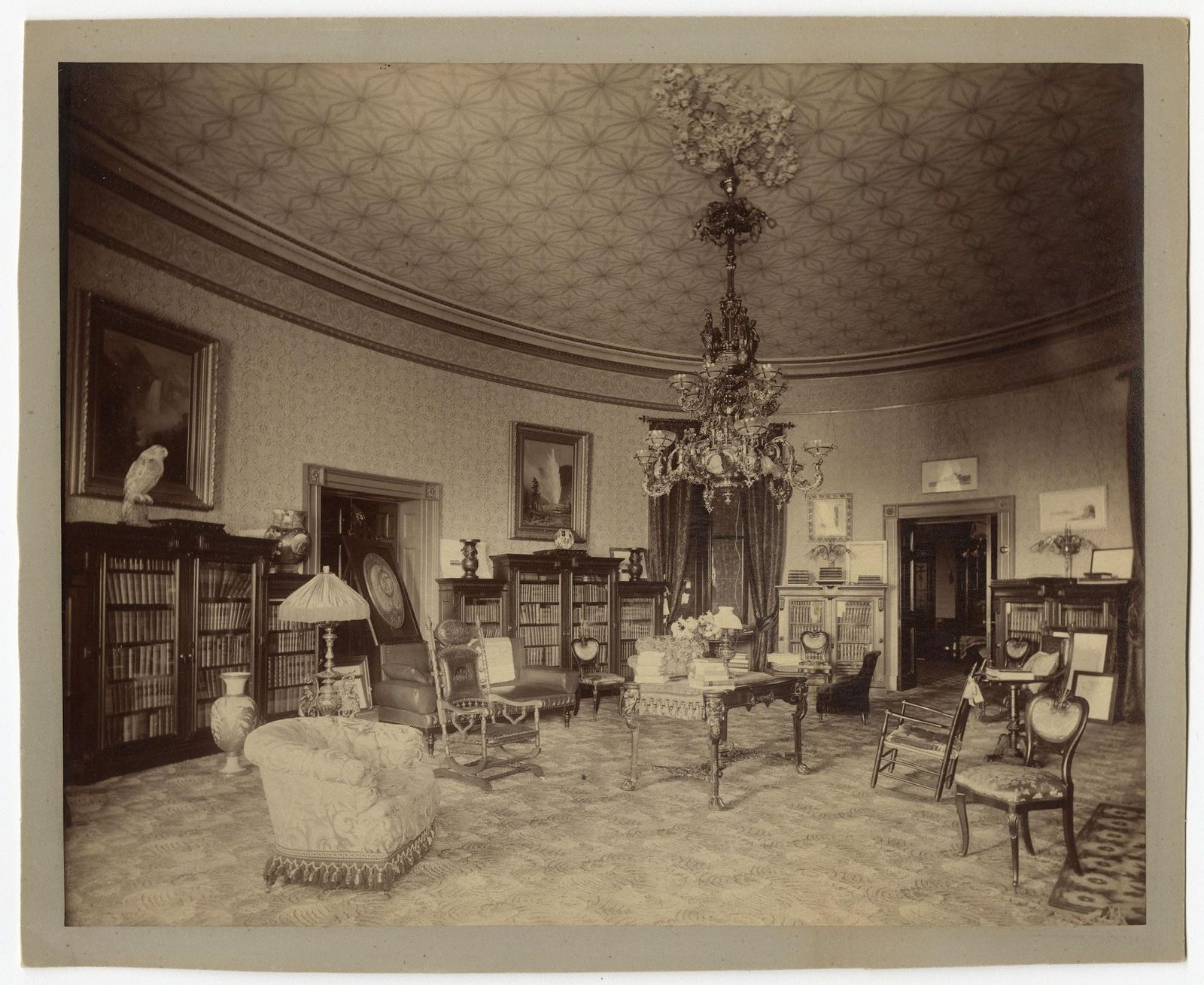
Image: Benjamin Harrison Presidential Site, Public domain, via Wikimedia Commons

As we mentioned, the building was not always white, and therefore was not always officially called the White House. For much of the 19th century, Americans usually referred to it as the "Executive Mansion" or the "President’s House." Even after its famous white exterior made the nickname popular, it still was not the building’s official name.

That finally changed in 1901, when Theodore Roosevelt began printing "The White House" on presidential stationery. According to official sources, Teddy Roosevelt preferred this name because it clearly separated the president’s residence from the many state "executive mansions" used by governors across the country.

8
It was once America's largest house
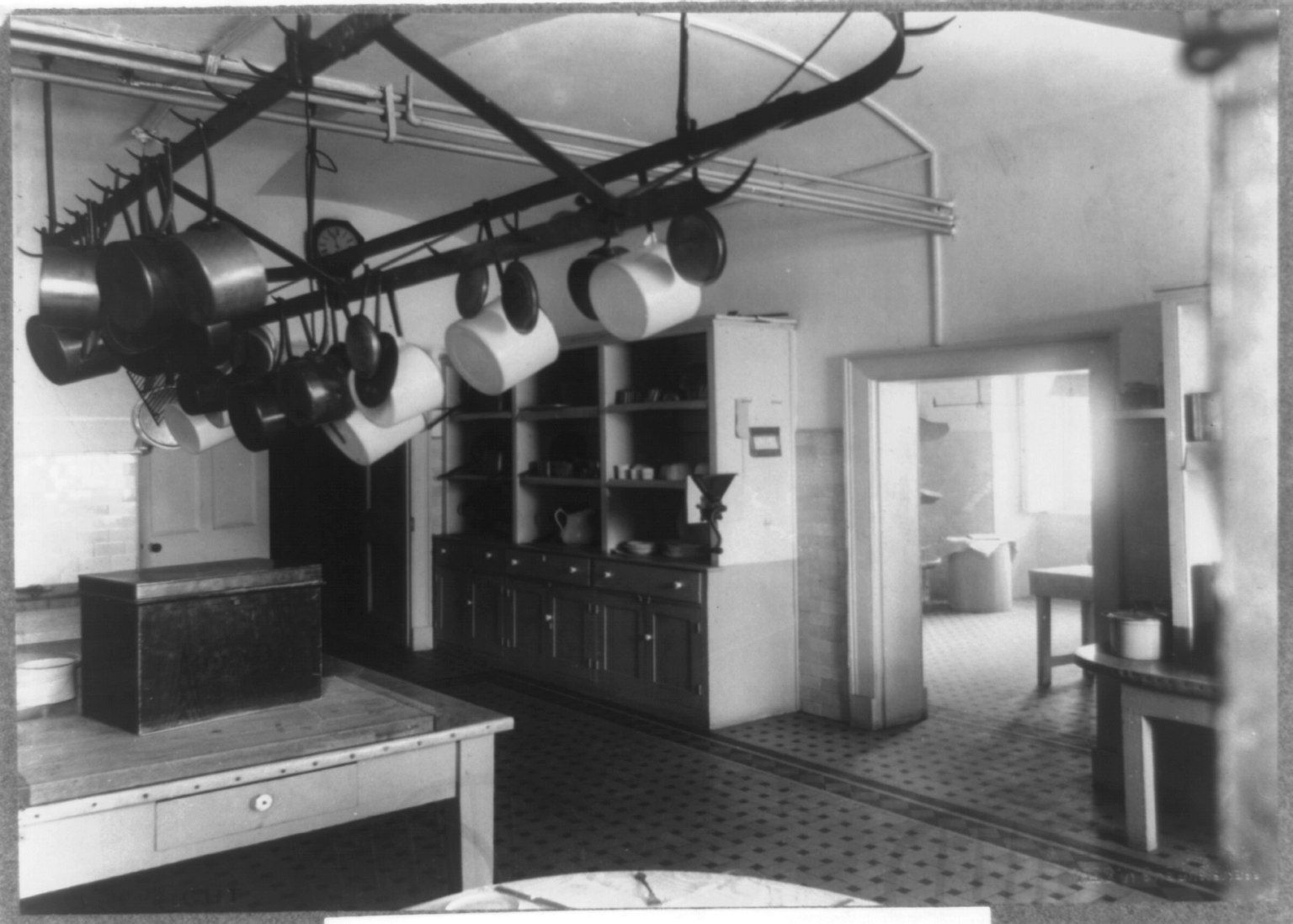
Image: Miscellaneous Items in High Demand, PPOC, Library of Congress, Public domain, via Wikimedia Commons

There is one thing about the White House that no one can deny: it has always been huge, even in its early days.

When the White House was first occupied in 1800, it already contained more than 100 rooms spread across three floors, making it one of the grandest homes in the United States at the time. In a time when most Americans lived in modest houses or farms, the presidential residence was seen as a palace. Many historians even consider it the largest private residence in the country during its early years. Today, the White House covers about 55,000 square feet, though modern private buildings, like the Biltmore Estate in North Carolina, are now far larger.

9
President Benjamin Harrison’s fear
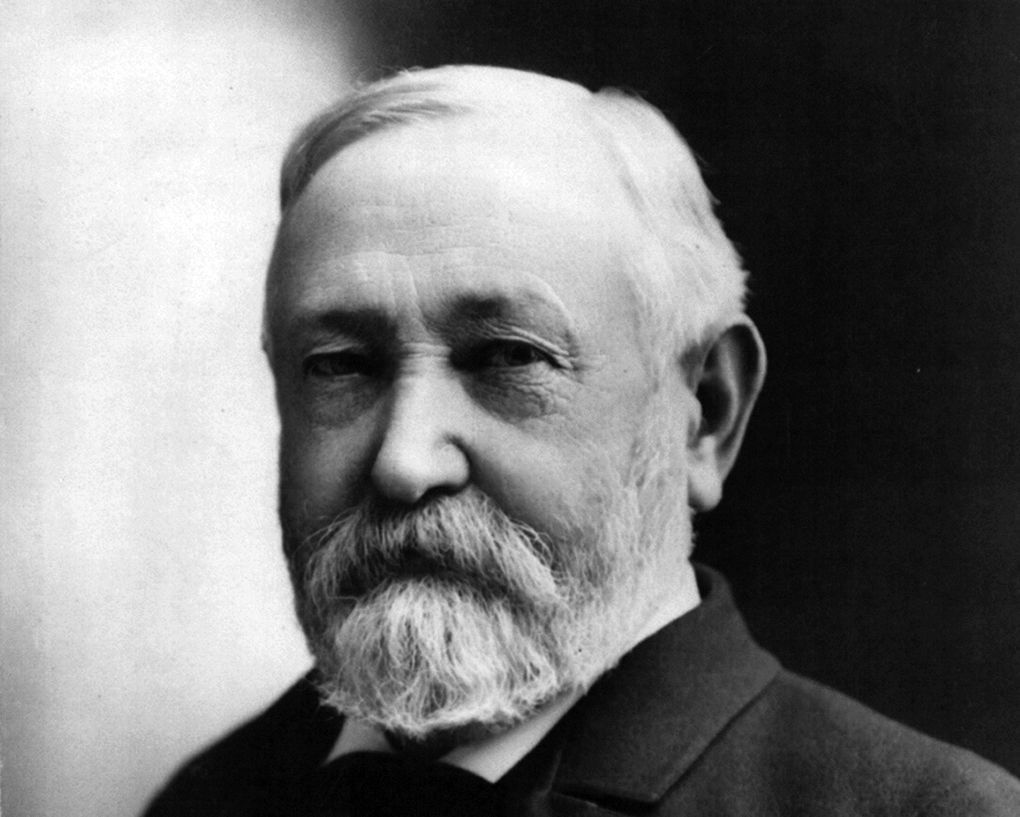
Image: Joseph Gray Kitchell (1862–1945)[1], Public domain, via Wikimedia Commons

Among the many changes the White House has undergone over the years, few were as revolutionary as the arrival of electricity.

For nearly a century after it was built, the presidential residence relied on candles, oil lamps, and gas lighting. That finally changed in 1891, when electricity was installed during the presidency of Benjamin Harrison. But, like many families in that era, the Harrisons were not exactly thrilled by this modern invention. According to White House stories passed down over the years, President Harrison and First Lady Caroline Harrison were so nervous about the possibility of electric shock that they rarely touched the light switches themselves. Instead, they often asked the house staff to turn the lights on and off for them.

10
Hillary Clinton’s special gift
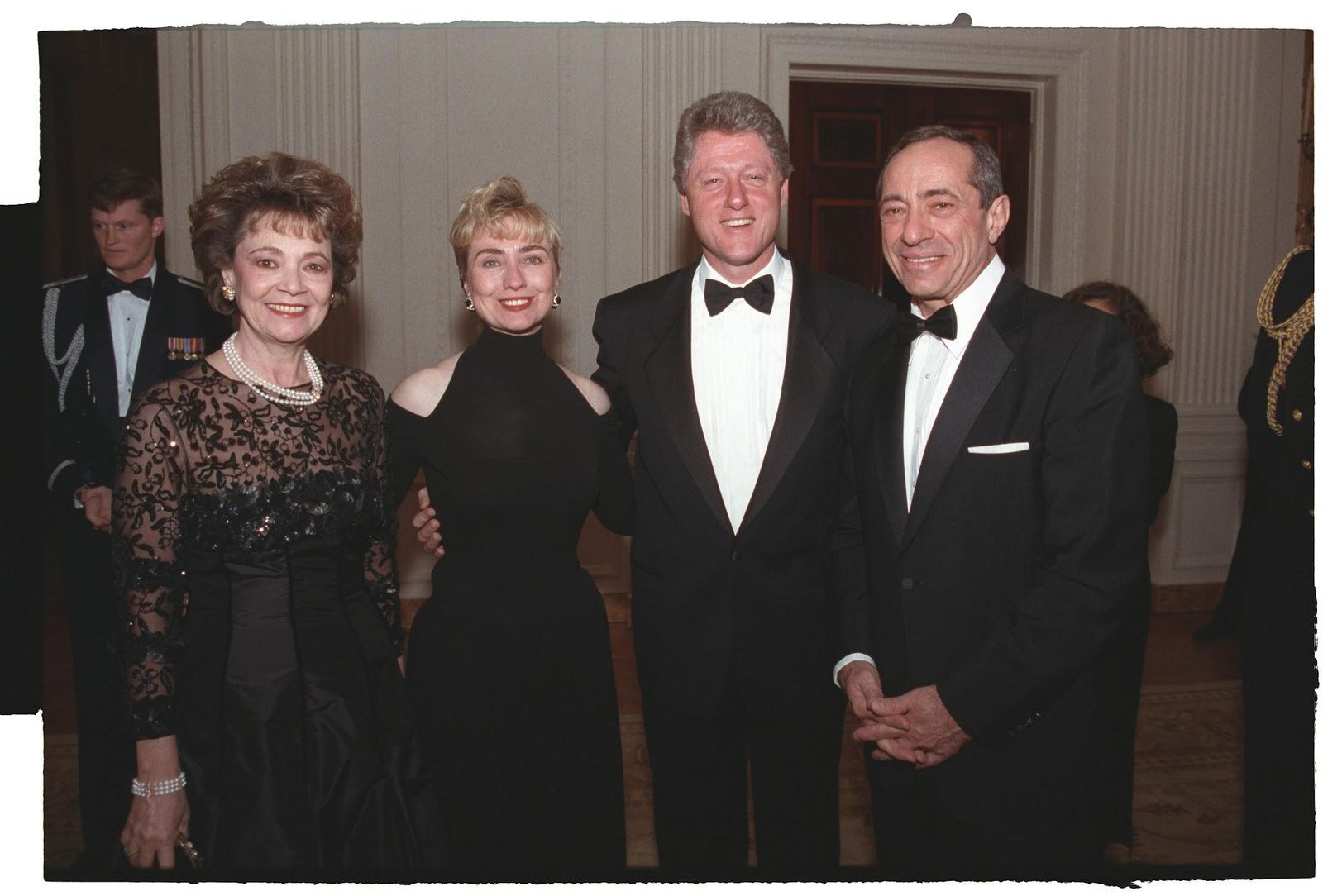
Image: Ralph Alswang, Public domain, via Wikimedia Commons

Of course, Jackie Kennedy wasn’t the only First Lady to leave her mark on the White House. Hillary Clinton added her own personal touch as well, this time as a gift for her husband.

In 1996, Hillary Clinton transformed a little-used room on the White House’s third floor into a private music room for President Bill Clinton. The gift came during the year of Bill Clinton’s 50th birthday and reflected one of his best-known passions: music. Complete with space for listening to records and playing his famous saxophone, the room gave the president a quiet retreat inside the White House.

Geography Geography 5 min read

Time for a road trip!

Let’s hit the road and journey through the American West Coast!

Image: Dino Reichmuth / Clément Proust

America is undoubtedly the perfect country for a road trip, isn’t it? This beautiful country of ours is filled to the brim with gorgeous landscapes, breathtaking scenery, and well-maintained highways that seamlessly connect all 50 states. However, it shouldn’t come as a surprise that the United States is massive, and a road trip covering the entire country would be a huge (albeit rewarding) endeavor. With that in mind, we have selected 10 of the most amazing stops you should definitely include whenever you’re planning an unforgettable trip through the West Coast states. Enjoy!

1
Pacific Coast Highway

Image: Lance Anderson

We’ll begin this hypothetical trip of ours in California, and "The Golden State" offers an equally convenient and panoramic way to travel along its stunning coastlines. California State Route 1 is known by many names, such as Cabrillo Highway, Shoreline Highway, or Coast Highway, but it is perhaps best recognized as the "Pacific Coast Highway."

This state route crosses many iconic and gorgeous locations in California, including Big Sur, the San Francisco Bay Area, and the Monterey Bay Area. Beyond its scenic beauty, the Highway is a pop culture icon in its own right, referenced in songs by bands like the Beach Boys and the Decemberists.

2
Yosemite

Image: Jordi Vich Navarro

Yosemite truly needs no introduction. This iconic national park spans 759,620 acres across four California counties, with nearly 95% of its total area designated as wilderness.

From its stunning giant sequoia trees to its breathtaking waterfalls, granite cliffs, and pristine streams, the park offers something for everyone. Yosemite is a quintessential example of the natural beauty America has to offer.

3
Red Rock Canyon State Park

Image: Kristen P

Since we’re still on the California portion of our fictional road trip, let’s make a quick stop at another natural treasure. Red Rock Canyon State Park is renowned worldwide for its stunning rock formations and its arid yet strikingly beautiful scenery.

While the weather is definitively drier than in other parts of California, don’t think for a moment that nature is absent in Red Rock Canyon. In fact, this park is home to the rare Red Rock Canyon monkeyflower, a unique flower found exclusively in this region.

4
California’s Lost Coast

Image: Paulius Dragunas

Last but certainly not least on the California leg of our trip is the stunning region known as the "Lost Coast." Situated in Humboldt and Mendocino counties, this area earned its name because it remains largely natural and undeveloped, the product of a surge in depopulation in the 1930s.

While the inaccessibility of the area is definitively a hurdle—its steep terrain makes establishing roads difficult—we highly recommend it to those adventurous enough to explore on foot. Its pristine, unspoiled landscapes are truly a sight to behold.

5
Willamette Valley

Image: Dan Meyers

Let’s now step into the wonderful state of Oregon to continue our fictional journey. What better place to start our tour through the "Beaver State" than through the beauty of Willamette Valley ? While this region is undeniably vast—stretching 150 miles and encompassing Oregon’s five largest cities—we’d like to highlight a few features that truly make this valley a beautiful area.

Driving through this predominantly agricultural landscape, publicized in the 1820s as a "promised land of flowing milk and honey," means running across rather scenic and bountiful sights. Trust us: watching the golden grapevines shimmer in the autumn sun is just one of the many experiences that make Willamette Valley so magical.

6
Oregon Coast

Image: Kevin Butz

The Oregon Coast not only offers unparalleled and gorgeous sights of the Pacific Ocean, but it's also a unique and massive area that encompasses more than 25 cities, lush landscapes, and a rich variety of birds, marine life, and other wildlife.

As you would expect, the many wonders of this area make the Oregon Coast a popular tourist destination. Those looking for adrenaline-fueled activities may be interested in surfing or sandboarding, while some history buffs might find intrigue in historic landmarks such as Fort Clatsop, Battle Rock, and Oregon’s many lighthouses.

7
Olympic National Park

Image: Georg Eiermann

Now that the route has taken us to the state of Washington, why not visit Olympic National Park and its gorgeous sights? Originally designated as Mount Olympus National Monument by President Theodore Roosevelt, this park is divided into four distinct regions, each hosting three unique ecosystems.

Due to its amazing variety, a single entry could never encompass all the natural wonders this park has to offer. However, we can highlight a few favorites: for instance, Mount Olympus, the tallest peak in the Olympic Mountains, or the Hoh Rainforest, renowned for its stunning Bigleaf maples.

8
The San Juan Islands

Image: David Lang

The San Juan Islands is a four-island archipelago at the border between Washington State and the Canadian province of British Columbia. The Islands are considered the go-to place for birdwatching enthusiasts, boasting the highest concentration of bald eagles in the contiguous United States.

If bird-watching is not your thing, don’t worry—there’s plenty more to see and do on these breathtaking islands. Several ferry tours offer access to some of the best panoramic views of the region, which, as you might imagine, are nothing short of stunning.

9
Denali National Park

Image: Bryson Beaver

We’ve now arrived in the final state of our West Coast road trip. In that sense, what better place to conclude our journey than the "Last Frontier"? With that in mind, let’s begin our exploration of Alaska with what many consider to be the state’s crown jewel: Denali National Park.

Denali holds the distinction of being the highest peak in North America, and while this is truly no small feat, that’s not what makes this area so special. This mountain’s immense size is rivaled only by its breathtaking magnificence. Denali is renowned for its stunning glaciers, lush forests, and diverse wildlife, which includes brown bears, beavers, and Arctic foxes.

10
Kenai Fjords National Park

Image: Kedar Gadge

Kenai Fjords National Park’s beauty is as stunning as it is diverse. Its landscapes are marked by truly unique and stunning features, such as glaciers, islands, and fjords. In addition to its remarkable terrain, the park is home to a wide variety of wildlife, including bald eagles, black bears, and sea otters.

Designated by President Carter in 1978, the park is primarily visited by cruise ships and tour boats. Thousands of visitors are awestruck each day by the grandeur of Kenai Fjords, including the famous Exit Glacier, which is located at the end of the park’s only road.

Geography Geography 6 min read

Lights, cameras, cities!

Cities as movie characters: have you seen these 10 great examples?

Image: Teitur Hansen / Andrew Adams

Our country produces countless quality movies every year, drawing inspiration from a vast range of places, people, and events. One of the most classic sources of inspiration is the array of wonderful cities scattered across the nation. For example, Gone With the Wind wouldn’t be the same if set anywhere other than Atlanta, and the same goes for movies like Rocky , set in Philadelphia, or Casino , in Las Vegas. These movies take us on journeys through cities that are as much characters as the actors themselves. Let’s take a look at 10 films that are closely tied to the cities that inspired them.

1
Atlanta - "Gone with the Wind"

Image: Brad Huchteman

We can’t think of a film that captures the South quite like Gone with the Wind , can you?

In this sweeping epic that tells the story of love, war, and survival during the Civil War, Atlanta plays a crucial role as the backdrop for Scarlett O’Hara’s turbulent life and relationships, especially with Rhett Butler, played by the great Clark Gable.

The brilliance of the film and Scarlett’s story, iconically portrayed by Vivien Leigh, mirrors the history and transformation of Atlanta itself, a city that goes from bustling to ravaging due to war.

If you’re from Atlanta, cheer proudly—your city made it to the top of this list!

2
St. Louis - "Meet me in St. Louis"

Image: Chris Hardy

Some movies make us wonder: Which came first—the city’s popularity or the movie’s? In any case, we can’t deny that some movies and cities share equal popularity, regardless of which one started it. That is the case of Meet Me in St. Louis a charming, feel-good musical that transports us to turn-of-the-century St. Louis.

The film follows the Smith family as they experience love, heartbreak, and the excitement of the 1904 World’s Fair. The one and only Judy Garland stars as Esther, and her unforgettable performance of "Have Yourself a Merry Little Christmas" makes this film a holiday favorite. St. Louis shines as the backdrop, from the family’s cozy home to the city’s festive atmosphere, giving the story an old-fashioned warmth.

3
New York City - "12 Angry Men"

Image: Jason Briscoe

Movies that were inspired by The City that Never Sleeps? Well, that could be an article in itself. From The Godfather to Taxi Driver to Do the Right Thing , the list is truly endless. But for the sake of this article, we’ve committed to only one and that’s 12 Angry Men .

This classic courtroom drama follows twelve jurors as they decide the fate of a young man accused of murder. Set in the heart of New York City, 12 Angry Men contrasts the pressure and intensity of city life, against the claustrophobic jury room, where tempers flare. The cast is led by Henry Fonda, who plays a calm and reasoned juror who slowly persuades the others to see the case in a different light.

Much like living in this city, watching the film makes you feel every emotion possible!

4
Washington, D.C. - "All The President’s Men"

Image: Harold Mendoza

Washington, D.C., is the capital of our country, and when you think of it, you think of politics, prominent figures, and government matters. Combine that with the Watergate scandal—an event that shook America’s political class to its core—and you have the foundation for a compelling movie.

Based on a true story, All the President’s Men follows Washington Post journalists Bob Woodward and Carl Bernstein as they investigate political corruption at the highest level. Washington, D.C., serves as the backdrop to a story that offers a front-row seat to the unraveling of a presidency. Robert Redford and Dustin Hoffman deliver standout performances as the determined reporters who refuse to give up.

Washington, D.C., is the perfect setting for this high-stakes thriller.

5
Philadelphia - "Rocky"

Image: Jonathan Gong

"Every champion was once a contender who refused to give up," said Rocky, and with that, Philadelphia became forever associated with persistence, resilience, and, of course, boxing.

Philadelphia is inseparable from Rocky , the story of a down-and-out boxer who gets the chance of a lifetime. Sylvester Stallone stars as Rocky Balboa, whose iconic run up the steps of the Philadelphia Museum of Art is as legendary as the movie itself. The city’s blue-collar spirit is on full display, making it the perfect backdrop for Rocky’s fight for respect and glory. Philly becomes a symbol of perseverance, where dreams are chased, and grit is rewarded.

Honorable mentions: The Wrestler (2008), The Sixth Sense (1999), and Blow Out (1981) also showcase Philly’s diverse storytelling.

6
Miami - "Scarface"

Image: aurora.kreativ

What do you think of when you think of Miami? For us, it’s not just the beaches or the Everglades—it’s Tony Montana. And not because Miami is exactly dangerous, but because Scarface and its unforgettable anti-hero have been living rent-free in our minds ever since it premiered.

If you’ve seen it, you know it: this film takes us on a wild ride through the rise and fall of Tony Montana , played by Al Pacino in one of his most iconic roles.

As for the city, Miami—with its sunny beaches and drug-fueled underworld—serves as the perfect backdrop for Tony’s relentless climb to power. The city itself becomes a symbol of both opportunity and excess, where fast cars, palm trees, and glowing lights mask a darker reality. While we don’t think this is an accurate representation of this beautiful city, we can’t deny it was a supreme one!

7
Chicago - "Home Alone"

Image: Fineas Anton

Chicago has seen some incredible productions, from the namesake musical to _The Untouchables_—each capturing the spirit of this dynamic city in its own way. But since we’ve already discussed crime-related films, let’s dive into comedy. And if we combine Chicago and the comedy category , nothing beats Home Alone .

In the movie, we follow Kevin, a kid left behind in the city while his family heads off on a holiday trip. Alone and loving it, Kevin, played by Macaulay Culkin, soon has to defend his home from two not-so-bright burglars, portrayed by Joe Pesci and Daniel Stern.

The cozy suburban setting is perfectly snowy and festive, making it feel like the ultimate holiday getaway. Well, that is if you can ignore the burglars!

8
Detroit - "True Romance"

Image: Alex Brisbey

Movies that mention Elvis Presley? Yes, please! This movie has action, an Elvis fan, and a great city—Detroit—and we have Quentin Tarantino to thank for it.

True Romance takes viewers on a wild ride through Detroit, following Clarence, played by Christian Slater, and Alabama, played by Patricia Arquette, as they try to outrun the mob.

The streets of Detroit and the industrial vibe of the city perfectly match the film’s fast-paced, chaotic energy. It’s a Tarantino film, one is expecting this kind of rhythm.

It’s a love story wrapped in a crime drama, with a dash of dark humor and a lot of action. The Motor City isn’t just a backdrop, we can consider it a character that adds to the rawness of the film.

9
San Francisco - "Mrs. Doubtfire"

Image: Josh Hild

10

San Francisco has that heartwarming spirit, and the story of a father who would do anything for his kids perfectly matches that vibe—it’s highly relatable, don’t you think?

In Mrs. Doubtfire , we follow Robin Williams although he’s not in his usual clothes. He dresses up as an elderly British woman, Mrs. Doubtfire, to work as a nanny and stay close to his kids.

The hilly streets of the City make it a perfect background for all the shenanigans going on in the family. From the classic foggy mornings to the iconic scene on the Golden Gate Bridge, the movie takes us around San Francisco with a perfectly matched playful spirit.

11
Las Vegas - "Casino"

Image: David Lusvardi

Quite appropriate, don’t you think? When you think of Vegas, you think of card games, gambling, a nice drink in your hand, and a comfortable hotel to return to.

In the movie Casino, we are taken into the neon lights and dark underbelly of Las Vegas, where the lives of casino operators and the mob intertwine . Directed by Martin Scorsese, the film stars Robert De Niro, Sharon Stone, and Joe Pesci in a dazzling, dangerous story about power, money, and, of course, betrayal.

Las Vegas, with its unique and vibrant spirit, is the perfect setting for this story in which stakes are high and risks even higher. Have you watched it?

Explore more American facts

Choose your favorite category!

General
General

As American as apple pie—the very best America has to offer!

Culture
Culture

Delve into the astounding richness of American lore.

Geography
Geography

Hop in and explore vast and diverse American landscapes.

History
History

Discover the key moments that shaped the United States.