History History 5 min read

FURRY RESIDENTS

Remember These 10 Famous Presidential Pets?

Over the years, the White House has seen many different residents. And among the most peculiar are the presidential pets that have roamed those halls and gardens throughout history. While our presidents have had different exotic animals -such as alligators and bear cubs- it's the more traditional pets that won the hearts of the whole country.

You've probably heard of the famous Fala, Socks, and Checkers, right? These beloved animals are just a few of the 10 most famous presidential pets . Let's take a look at their stories!

1
Fala Roosevelt

Image: Nathália Arantes

A star in his time, the charming dog we knew as Fala was a great companion to Franklin D. Roosevelt during his time in the White House .

The dark-coated Scottish Terrier arrived in 1940 as a gift for Roosevelt and reached his peak of fame thanks to the President's remembered "Fala Speech" from 1944 , in which he jokingly mentioned the dog.

While we all knew him by his nickname, it is said that the pet's full name was actually "Murray the Outlaw of Falahill," in homage to a Scottish ancestor of Roosevelt.

2
Bo and Sunny Obama

Image: Zé Maria

Bo and Sunny , the Obamas' two Portuguese Water Dogs, became famous across the country and even internationally.

Bo came to the White House as a gift from JFK's younger brother , Senator Ted Kennedy, in 2009 . His peculiar name was a decision by Barak's daughters, Malia and Sasha Obama, in honor of Michelle Obama's father. His presence in the media was frequent, and he even had his own web page for fans to dedicate gifts or words of affection to him. Sunny, meanwhile, came into the family 4 years later, in 2013, and became Bo's faithful companion.

And here's a fun fact : The Portuguese Water Dog breed was chosen by the Obama family because its coat is hypoallergenic , which helped prevent the allergies of their eldest daughter, Malia, from being triggered.

3
Socks Clinton

Image: jbc

Choosing a name for your pet is no easy task. But this was not the case for Bill Clinton and his family.

Socks , adopted from a shelter in Little Rock, Arkansas, was easily recognizable by his peculiar appearance. With black fur and white paws , it was almost as if this cat's name was printed on him.

When Clinton came to the White House in 1993 , Socks quickly became a star and even appeared in merchandise and toys with his face on them.

4
Buddy Clinton

Image: Siep van Groningen

But it wasn't all rosy for Socks Clinton.

When Buddy , a beautiful chocolate Labrador Retriever, arrived in the family in December 1997 , Socks didn't receive him in the best way. Let's just say they got along like "cats and dogs." Fortunately, it is said that after a while, they got to know each other and got along much better.

Like his cat brother, Buddy also garnered media attention and became quite famous. As a celebrity, people would often ask for photos with him!

5
Checkers Nixon

Image: Matteo Vistocco

If we discuss true dog celebrities, we can't overlook Checkers , Richard Nixon's iconic Cocker Spaniel.

Joining the family in 1952 , Checkers didn't become a "presidential pet" or reside in the White House. However, his name didn't go unnoticed during Nixon's campaign as the Republican candidate for vice president.

You probably remember the iconic "Checkers Speech" of 1952 , in which Nixon mentioned Checkers in a move that mimicked Roosevelt's "Fala Speech" and ultimately contributed to Nixon's election as Vice President.

6
Liberty Ford

Image: David Moynihan

Liberty , with her playful and friendly personality, was the first Golden Retriever to inhabit the White House.

Liberty came to the Ford family in 1974 when Gerald was already President of the United States. Some stories suggest that Ford had a deep connection with Liberty. It is said that Ford had a special sign that he would use with the dog, particularly when he wanted to end an awkward or heavy conversation. When Liberty received the signal, she would approach and warmly greet the guest.

Some of Liberty's most typical appearances during the Ford administration were her walks along with Susan , the youngest daughter of the Ford family.

7
Pushinka Kennedy

Image: Berkay Gumustekin

Now it's the turn of Pushinka , a dog that wasn't born in America but went on to become a loved presidential pet!

But she was not just any puppy. She was the offspring of Strelka , one of the first dogs to travel into space and return safely aboard Korabl-Sputnik 2 in 1960.

After her space journey, Strelka gave birth to a litter of puppies, including one named Pushinka . In 1961 , Pushinka was gifted to John F. Kennedy by Soviet Premier Nikita Khrushchev. Pushinka lived happily in the White House during JFK's presidency, and she even had offspring in the halls of the Executive Mansion! What an extraordinary life for a pup, right?

8
Macaroni Kennedy

Image: Zosia Szopka

But Pushinka was not the only pet in the Kennedy White House. Among the animals in the presidential family was Macaroni , a pony gifted to Caroline , daughter of President John F. Kennedy.

Isn't it true that almost every girl dreams of having a pony? Vice President Lyndon B. Johnson and his wife, Lady Bird Johnson, made Caroline's dream come true by giving her this cute gift in 1962 .

Of course, it quickly became the little girl's favorite and was often photographed with her. Macaroni was quite a celebrity at the time, and even made the cover of Life magazine in 1963!

9
Millie Bush

Image: Rafaëlla Waasdorp

Even though the 90s might feel like they were just yesterday, it's been quite a while since then, and some unforgettable events took place during that decade.

For example, a presidential pet "wrote" a book . That's right! Millie's Book , published in 1990 , was ghostwritten by Barbara Bush's chief of staff and tells the life in the White House from the dog’s perspective. But Millie was not only a bestselling author , she was also an honorary member of the American Kennel Club!

Millie, an English Springer Spaniel , joined the family of Barbara and George H. W. Bush in 1985 as a gift from friends. She remained with Bush until 1997, and even after her passing, some of her puppies continued to be part of the family.

10
Barney Bush

Image: paje victoria

Shortly after George W. Bush was elected President of the United States in 2000 , a cute Scottish Terrier named Barney came into his life.

With his playful personality, Barney stole everyone's attention during his time in the White House. He was also the star of the "Barney Cam" videos during the holiday season, in which the little dog was seen roaming around the White House and playing with family and staff members, always wearing his distinctive blue, red, and white patriotic collar . Do you remember him?
History History 7 min read

Hidden origins

The real reason Abraham Lincoln was first called "Honest Abe"

Image: English: Photograph by Capitol Records, per a credit found in the 1959 edition of the International Celebrity Register at page 696. No known source credits an individual photographer., Public domain, via Wikimedia Commons

"The Babe," "Honest Abe," "The Chairman of the Board," "The Boss." We’ve heard these nicknames everywhere: on baseball broadcasts, late-night television, radio broadcasts, and newspaper headlines. In many cases, the nicknames became even more famous than the real names of the luminary in question. But have you ever wondered how these legendary monikers were born? Some came from childhood moments, others from personality traits, scandals, accidents, and unforgettable careers. From presidents and athletes to singers and Hollywood legends, here are the fascinating stories behind some of the most iconic nicknames in American history.

1
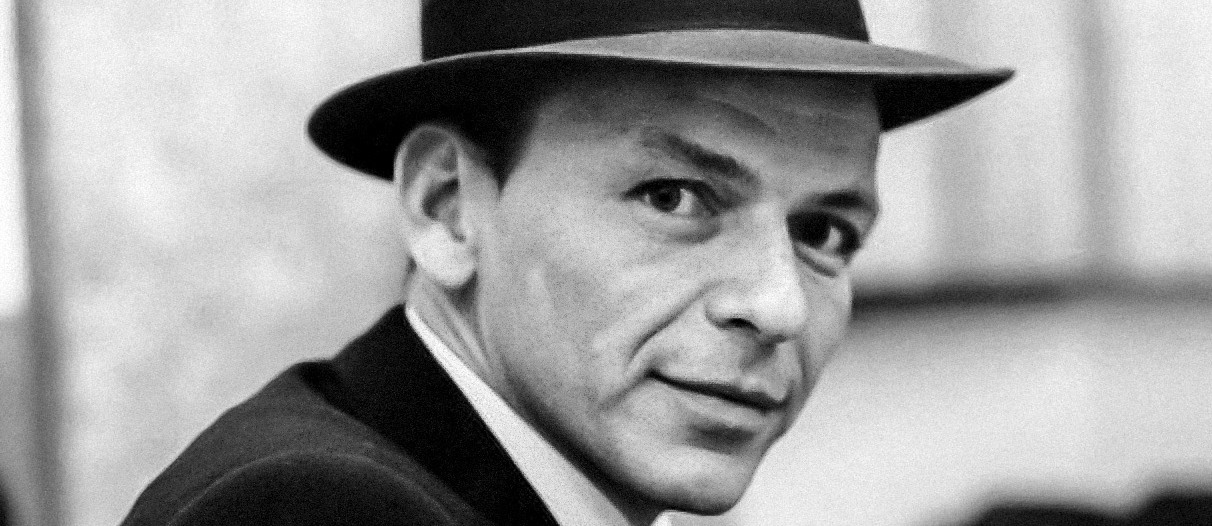
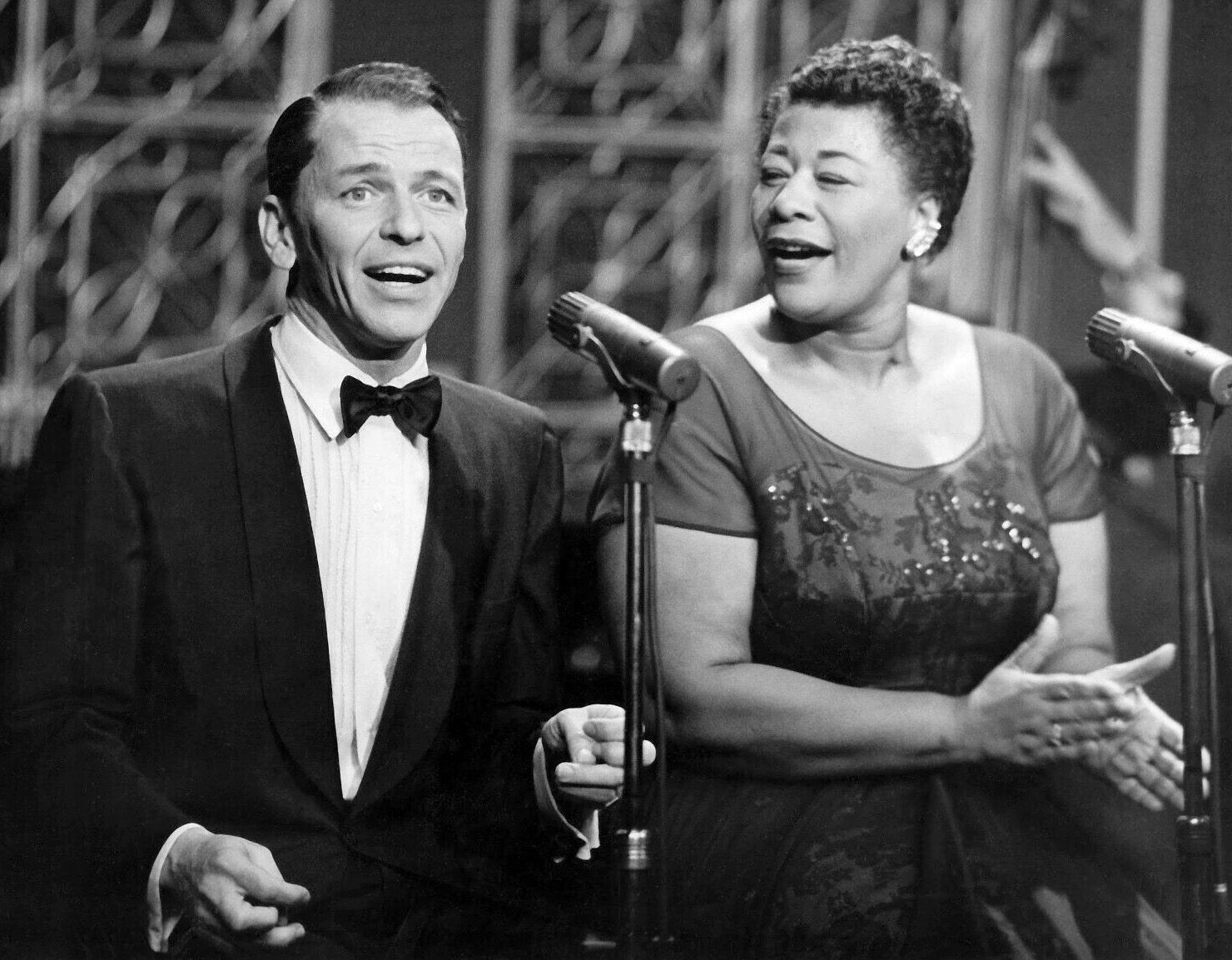
Frank Sinatra: "The Chairman of the Board"

Image: English: Distributed by ABC. Photographer unknown., Public domain, via Wikimedia Commons

Frank Sinatra had many nicknames (including "Ol’ Blue Eyes" and "The Voice"), but none more iconic than "The Chairman of the Board." Do you know where it comes from?

By 1960, Sinatra was tired of record executives telling him what to sing and how to sing it. So he did something unusual at the time: he founded his own label, Reprise Records, which made him not just a singer, but the man in charge. "The Chairman of the Board" was already around in the 1960s, but by the early 1970s, New York radio legend William B. Williams popularized it as a sobriquet that perfectly captured Sinatra’s power and influence in American entertainment. Ironically, despite how famous the title became, Sinatra himself reportedly hated it, according to his wife Barbara Sinatra.

2
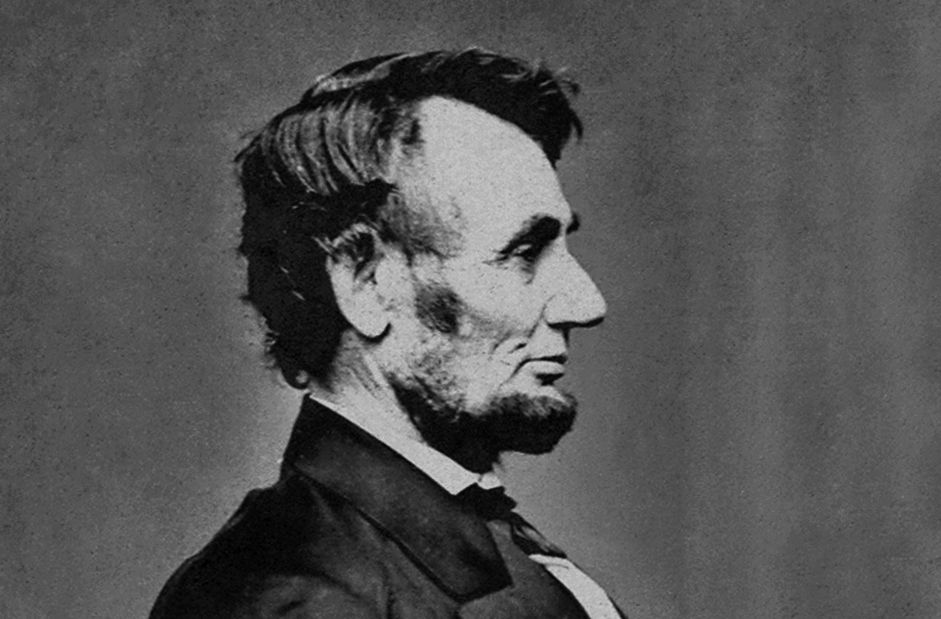
Abraham Lincoln: "Honest Abe"

Image: Library of Congress, Public domain, via Wikimedia Commons

There may be many famous presidents in American history, but only one became forever linked with honesty itself: Abraham Lincoln. However, the nickname "Honest Abe" started long before he entered the White House.

The reputation began in the 1830s, when a young Lincoln worked as a store clerk in New Salem, Illinois. According to famous stories repeated for generations, he would walk miles just to return a few pennies to a customer he had accidentally overcharged. As a lawyer in the 1850s, he became known for refusing shady tactics and even encouraging clients to settle disputes instead of fighting. By the time Lincoln entered national politics, his honesty had become widely known, and even political rivals like Stephen A. Douglas openly recognized it.

3
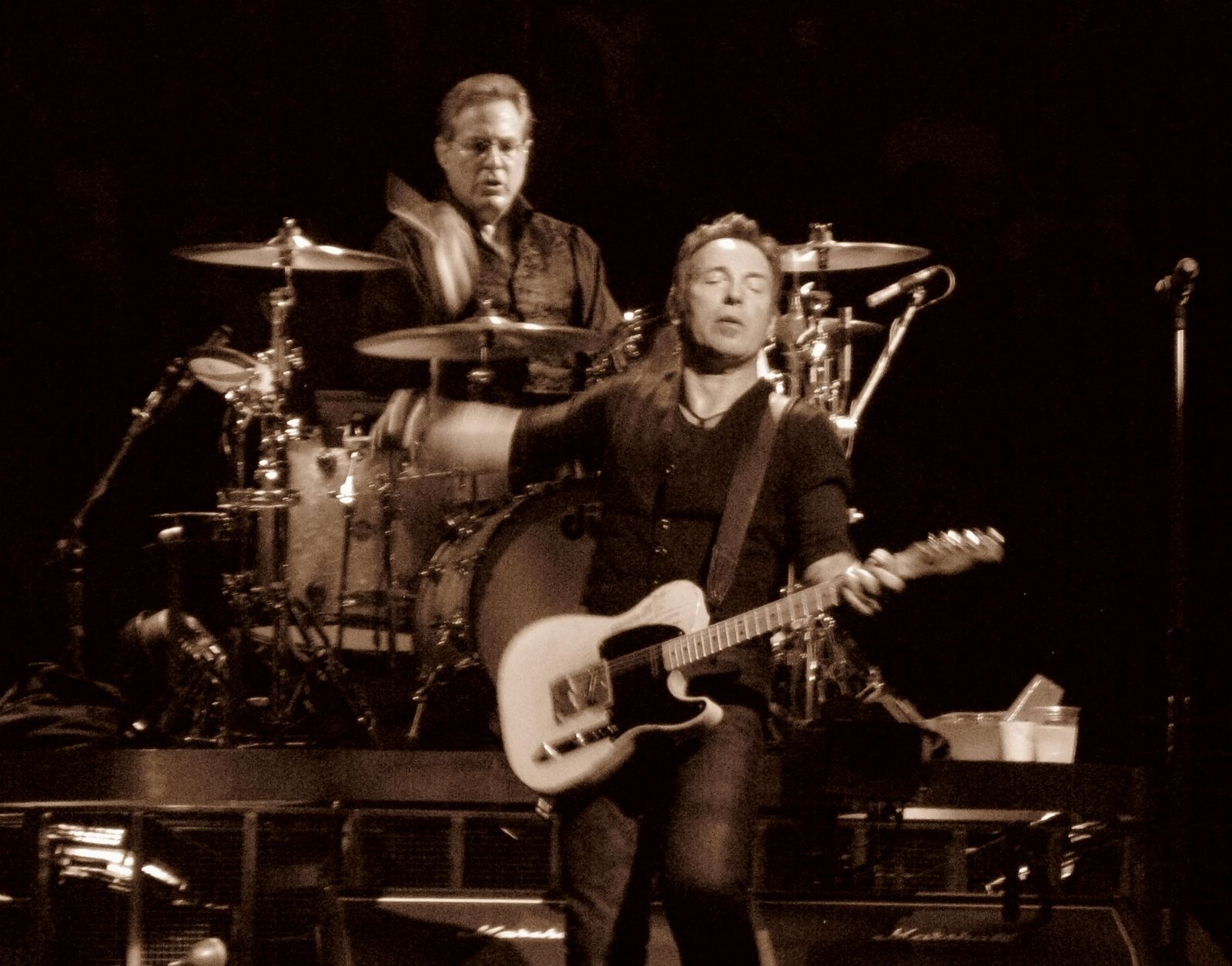
Bruce Springsteen: "The Boss"

Image: Christopher Sikich, CC BY-SA 2.0, via Wikimedia Commons

In the early 1970s, Bruce Springsteen was touring with the legendary E Street Band when he picked up the nickname that would stay with him forever: "The Boss." But the story behind it is better than most people think.

After playing bars and clubs, Springsteen was often the one collecting the band’s nightly pay from club owners, counting the money, and distributing it to each one of his colleagues. Before long, the band members jokingly started calling him "the boss." According to guitarist Steven Van Zandt, it began as an inside gag within the band, but the nickname fit Springsteen’s leadership style so perfectly that it soon spread far beyond the group.

4
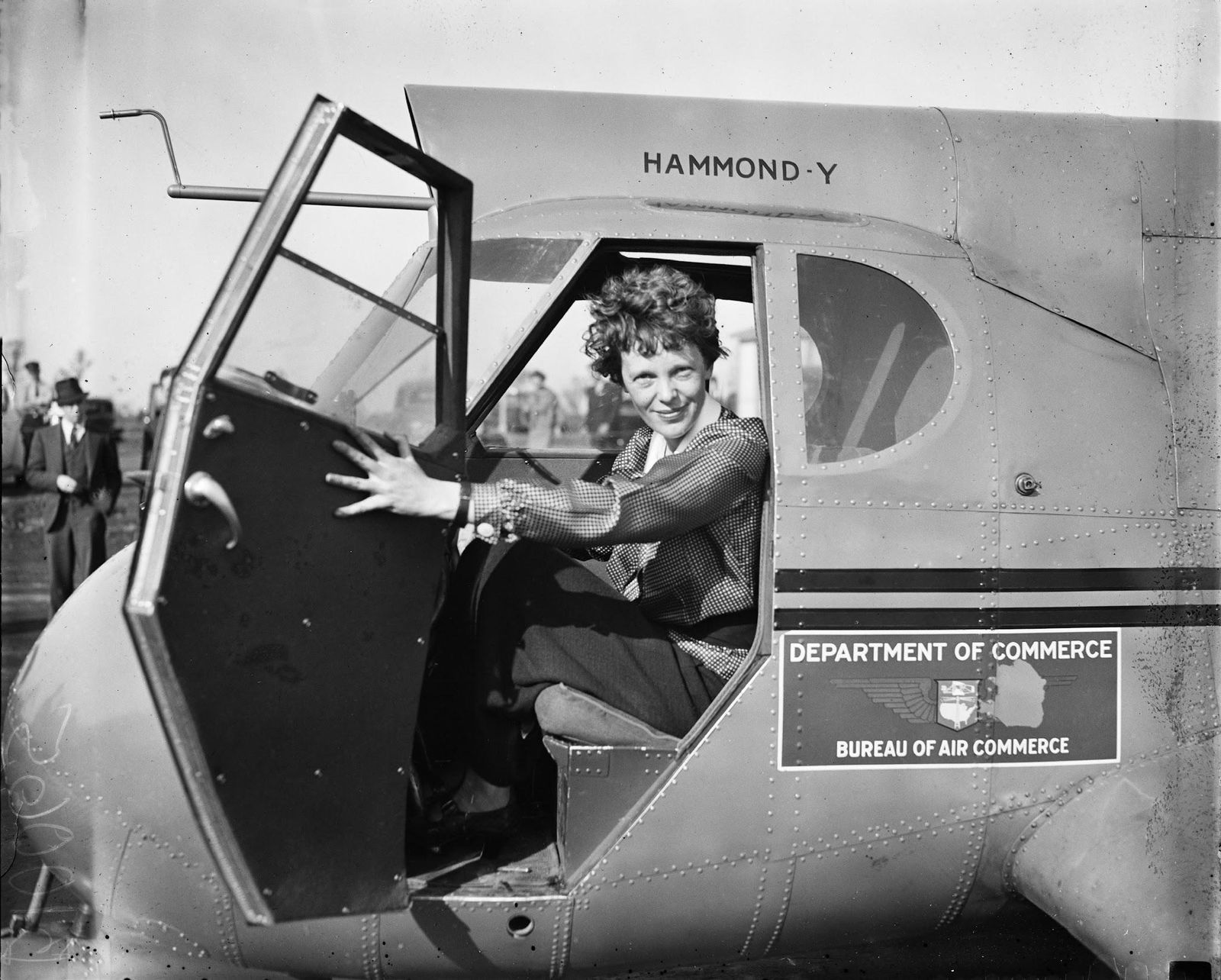
Amelia Earhart: "Lady Lindy"

Image: Harris & Ewing, Public domain, via Wikimedia Commons

Amelia Earhart will always be remembered as the pioneering pilot who became the first woman to fly solo across the Atlantic in 1932, breaking records and opening doors for women in aviation. But long before her mysterious disappearance in 1937, Americans already knew her by an iconic nickname: "Lady Lindy."

The nickname appeared in the late 1920s after the press noticed striking similarities between Earhart and famed aviator Charles Lindbergh, the first man to complete a solo nonstop flight across the Atlantic in 1927. Reporters pointed not only to their groundbreaking flights, but also to their surprisingly similar appearance: both were tall, slim, and known for their windblown hair and calm public dispositions. Since Lindbergh was famously called "Lucky Lindy," newspapers soon began calling Earhart "Lady Lindy," and it quickly became popular.

5
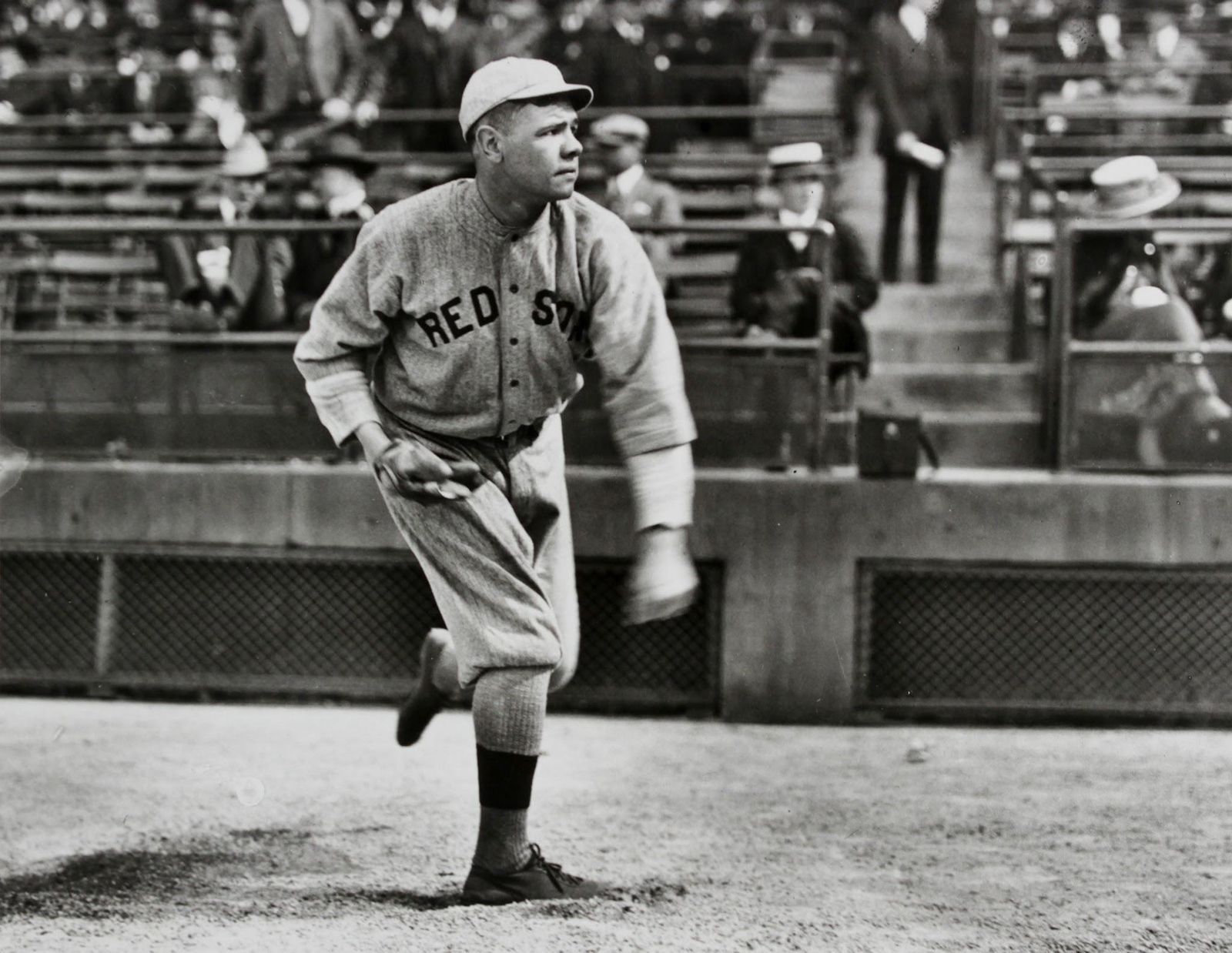
George Herman Ruth: "Babe"

Image: Frances P. Burke, Public domain, via Wikimedia Commons

Babe Ruth became such a giant in American sports that many people forgot his real name was George Herman Ruth Jr. Did you know that he actually got the nickname "Babe" when he was still a teenager?

In 1914, the 19-year-old rookie signed with the then-minor league team, the Baltimore Orioles. Because he was so young, team owner Jack Dunn became his legal guardian while he traveled with the club. Teammates quickly started jokingly calling Ruth "Dunn’s baby" or simply "the Babe." What started as clubhouse teasing soon spread to sportswriters and fans, and before long, "Babe Ruth" became one of the most legendary names in sports history.

6
Eleanor Roosevelt: "First Lady of the World"

Image: FDR Presidential Library & Museum, CC BY 2.0, via Wikimedia Commons

Eleanor Roosevelt became First Lady in 1933, but long before that, she had already set out on the path that would lead her to become known as "The First Lady of the World."

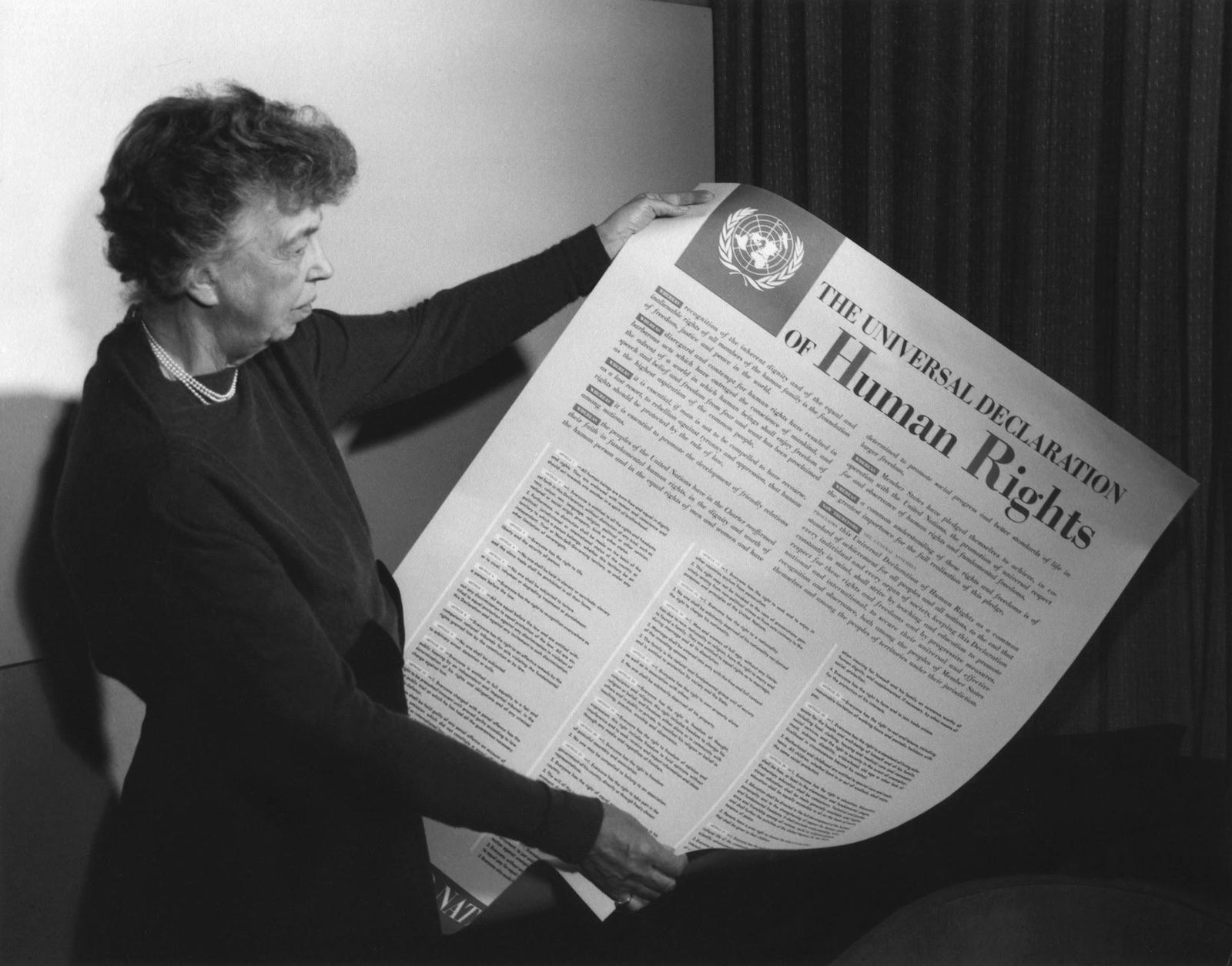
In the late 1920s, she became increasingly active in women’s rights and social reform, and by the time her husband, Franklin D. Roosevelt, entered the White House, she was already widely known. As First Lady from 1933 to 1945, she reshaped the role, holding press conferences, writing her "My Day" column, and visiting troops during WWII. After leaving the White House, she served as the first US delegate to the United Nations and helped write the Universal Declaration of Human Rights, the final act to secure her name as "The First Lady of the World."

7
William Cody: "Buffalo Bill"

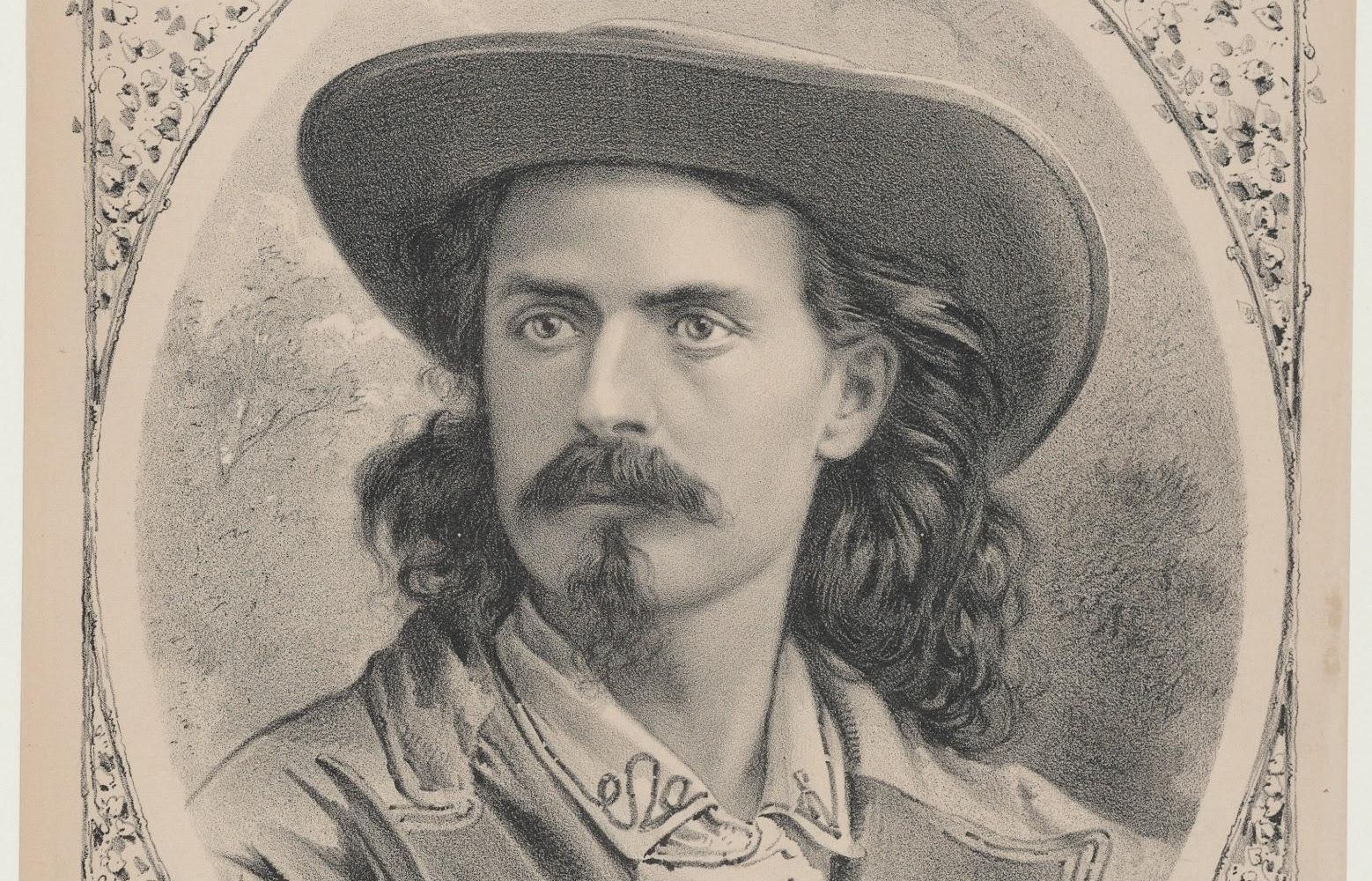
William F. Cody, better known as "Buffalo Bill", became one of the most legendary icons of the American Old West, long before Hollywood ever existed.

In 1867–1868, Cody was hired to supply bison meat to workers building the Union Pacific Railroad, quickly earning a reputation as a skilled hunter. Reports from the time say he killed thousands of buffalo during this period, helping feed large crews across the frontier. In 1868, he also won a popular hunting contest against another famous hunter, Billy Comstock, reportedly killing 69 buffalo to Comstock’s 46. That fame on the frontier is what earned him the nickname "Buffalo Bill", a name that would later become world-famous when he reinvented himself as a showman.

8
Franklin D. Roosevelt: "Great Sphinx"

Image: Unknown or not provided, Public domain, via Wikimedia Commons

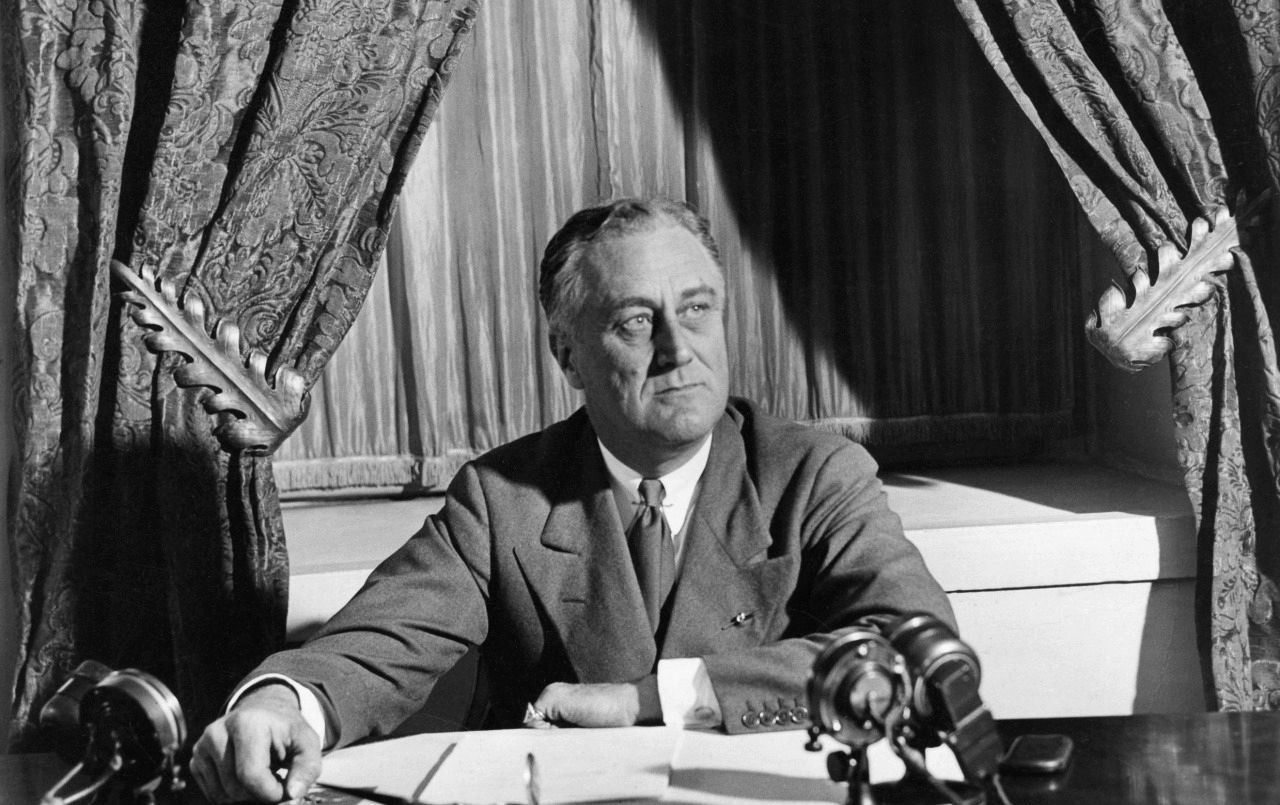
Franklin D. Roosevelt was known by those closest to him as a naturally reserved man, a trait that became even more pronounced after he was diagnosed with polio in 1921.

According to historians and biographers, Roosevelt revealed very little about his emotions, his health, or even his political intentions. That secrecy carried into his presidency as well. As the 1940 election approached, he refused to say whether he would run for a third term or not, keeping both journalists and other politicians guessing. His silence became part of his reputation, so the press of the time nicknamed him "the Great Sphinx" as a reference to his ability to keep his thoughts and intentions well hidden.

9
Shaquille O'Neal: "The Big Aristotle"

Image: Keith Allison from Baltimore, USA, CC BY-SA 2.0, via Wikimedia Commons

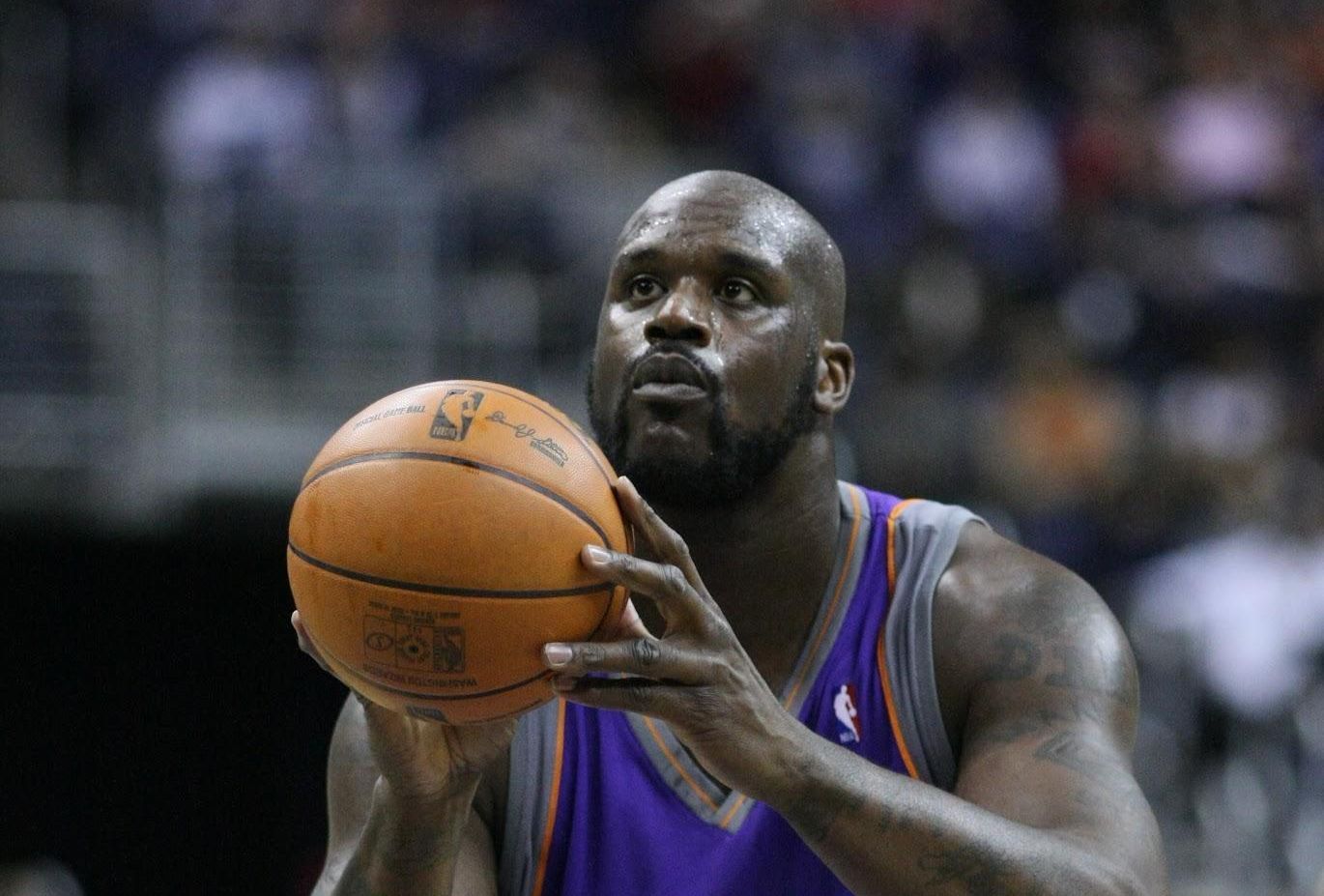
Unlike the other figures on this list, Shaquille O’Neal has a nickname story with a twist: no one gave him the alias. He gave it to himself.

After winning his NBA MVP in 2000 while leading the Los Angeles Lakers to a 67–15 season, Shaq began calling himself "The Big Aristotle." The idea, as he explained, was to reflect more than just size and strength; he also wanted to project wisdom and discipline. He not only took the Greek philosopher's name as a tribute, but also used it to reference him often. One of Aristotle’s quotes he frequently repeated was: "Excellence is not a singular act, it's a habit."

10
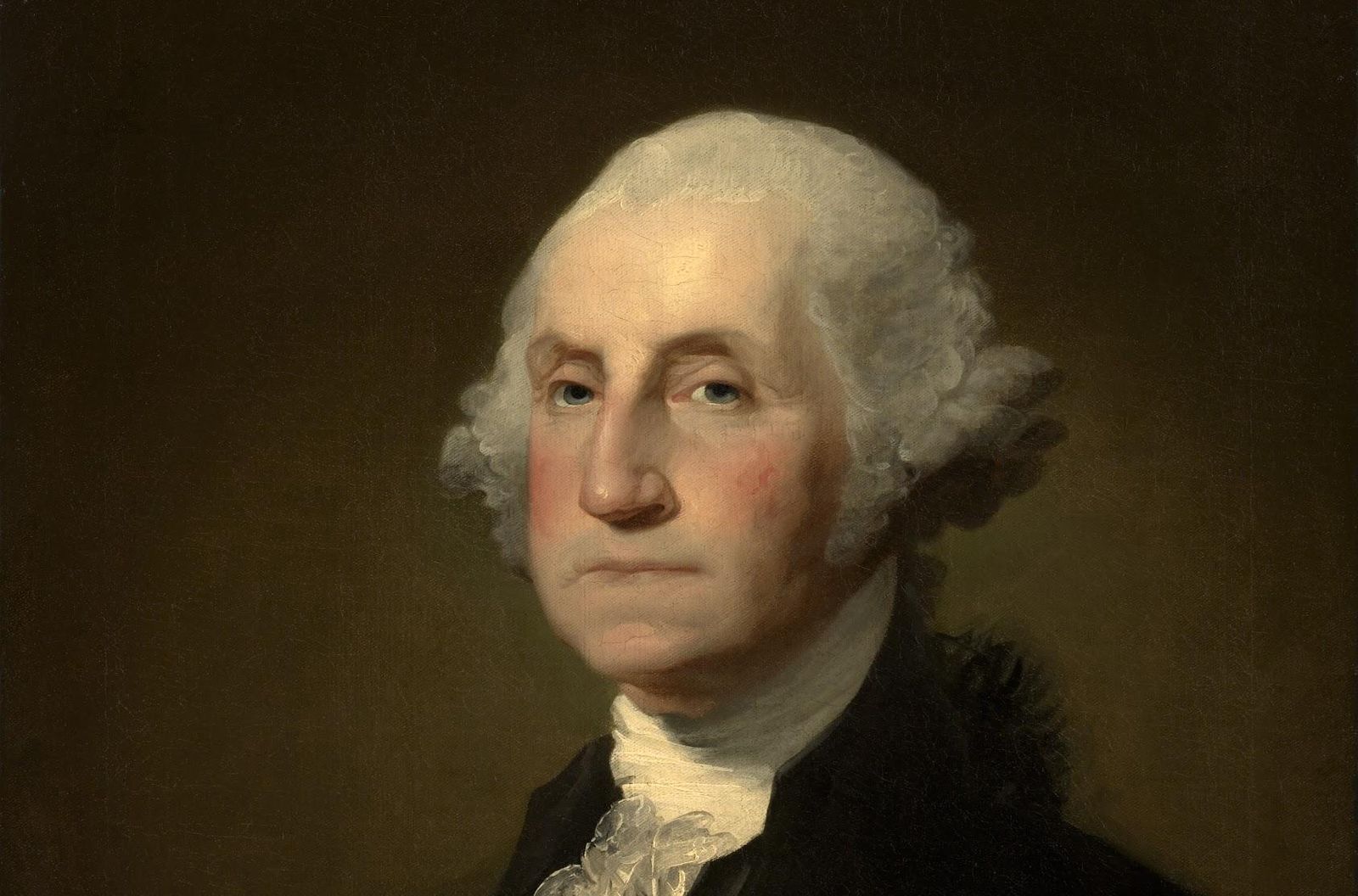
George Washington: "American Fabius"

Image: Gilbert Stuart, Public domain, via Wikimedia Commons

George Washington (1732–1799) is best known as the "Father of His Country," for leading the Continental Army to victory in the Revolutionary War and later becoming the nation’s first president. But during the war, he also earned another interesting nickname.

Washington often avoided direct, large-scale battles, instead using patience, retreats, and strategy to wear down British forces. This approach was inspired by Roman general Quintus Fabius Maximus, who defeated stronger enemies by delaying and avoiding decisive conflict. Because of this strategy, Washington became known as the "American Fabius."

History History 6 min read

Behind the everyday

Brilliant minds that changed our lives: check 10 American creations!

Image: Bruno Cervera

Let’s be real, American inventors have given us some pretty amazing stuff over the years. Consider how the Walker Method was a blessing for black women’s hair, or how praised the Kodak camera was and still is. All these things made America what it is. And the best part? Many of these creations have become so much a part of our daily routines that we don’t even stop to think about where they came from! So, grab your favorite drink, kick back, and let’s take a look at 10 American inventors whose brilliant ideas have changed the game in ways no one saw coming!

1
The Walker Method by Madame C. J. Walker

Image: TopSphere Media

It was Einstein who said that in the midst of every crisis lies an opportunity, and if he said so, it must have been for good reason. Or so thought Madam C.J. Walker, born Sarah Breedlove, who turned her personal hair loss struggles into a revolutionary business.

Do you know how hair is different for everyone? Well, she created a specialized hair care system for Black women that included pomade, a specific brushing technique, and heated combs. She called it the "Walker Method," and it was all about creating confidence while taking care of hair. Walker’s products became wildly popular because she also empowered others by training saleswomen and teaching them entrepreneurial skills.

2
Portable fridge by Frederick Jones

Image: Eric Prouzet

Frederick Jones’ brilliance lies in his ability to solve real-world problems—like the need to transport perishable goods safely (or keeping our soda cold at the beach).

During World War II, he developed portable refrigeration units, developed during World War II, made it possible to transport food, blood, and medicine to soldiers on the frontlines. This invention didn’t just change the war effort; it revolutionized how we transport essentials today.

A self-taught engineer, Jones received over 60 patents, many related to refrigeration but also to X-ray machines and engines. His cooling technologies still affect our daily lives, from grocery stores to hospital supplies. With his work, Jones quietly transformed modern logistics. He showed us that staying cool under pressure can lead to incredible things!

3
Ironing board by Sarah Boone

Image: Eric Vö

We get so used to certain everyday objects, that we usually forget (or not even think about) who was the brilliant mind behind them. Take the ironing board, for example, have you ever wondered who made ironing a little easier?

Well, the creator was Sarah Boone, a dressmaker who improved the basic ironing board design.

In the late 1800s, ironing clothes meant laying them flat on a wooden plank which was, ultimately, awkward and inefficient. Boone improved it with a design of a curved, padded board that fit better inside dresses and allowed for easier pressing.

It was collapsible for storage, a feature we still appreciate today. Boone’s 1892 patent made her one of the first Black women in America to secure such recognition. Thanks to her, ironing boards became a must in every home and, ironing, an easier task for everyone!

4
Electronic television by Philo T. Farnsworth

Image: Muhammed ÖÇAL

Philo T. Farnsworth might not be a household name, but his creation certainly is. Farnsworth is responsible for the first electronic television. As a young boy, Farnsworth’s dream was to transmit images electronically, and in 1927, that is exactly what he did.

Life was not fair with him so, although much of his career was spent in legal battles defending his invention, his technology paved the way for modern broadcasting. Beyond television, Farnsworth also contributed to radar and nuclear fusion research. While RCA eventually marketed the first home televisions, Farnsworth’s work was the true foundation of it all. So, turn your modern TV on and cheer to Philo!

5
Super Soaker by Lonnie Johnson

Image: Michael Starkie

Not all inventions are created in a lab, some of them happen by accident, like Lonnie Johnson’s Super Soaker! While working on a heat pump for NASA, Johnson came up with a new idea in his bathroom. When a powerful jet of water shot out of his experimental device, he realized he had a potential toy in his hands.

After tweaking the design, he sold it to the Larami Corporation in 1989, and the Super Soaker became a backyard sensation. Ever since, millions of kids (and adults, don’t deny it!) have enjoyed epic water fights thanks to this fun twist of fate.

6
Kodak Moments: George Eastman’s Picture-Perfect Idea

Image: britt gaiser

Photography wasn’t always as simple as point-and-shoot, but George Eastman changed that forever. In the late 1800s, he invented the Kodak camera and made it affordable and easy for the average person to snap photos. His invention included a roll-holder device and a new type of flexible film, which made cameras lighter and more portable. Before Eastman, photography was a complicated process reserved for professionals, as you can imagine.

But by 1900, with the launch of the Brownie camera, every man and woman could document their everyday lives. Eastman’s vision of making photography "as convenient as the pencil", as he put it, became a reality. Now, every selfie we take can be traced back to his work.

7
Handy pencil sharpener by John Lee Love

Image: Detmold

Next time you sharpen a pencil, thank John Lee Love for making it a whole lot easier. This talented carpenter and inventor patented a portable pencil sharpener that was rather similar to the ones we use today.

Originally known as the "Love Sharpener," his design was simple, yet genius: The main benefit was it could fit in your hand and didn’t require much effort. Before his invention, sharpening a pencil meant dealing with large, bulky devices. He fully understood it’s the small details that make life easier and more effective so, his invention was, as we can see today, highly popular!

8
Sewing machine by Isaac Singer

Image: Claudio Schwarz

Don’t we all have a mother or grandmother who wouldn’t just put away their Singer machine? Well, the name Singer is nothing less than its creator’s last name. Isaac Singer’s sewing machine invention didn’t just change fashion, it changed the whole industry.

His design from 1850 included a presser foot and could sew 900 stitches per minute, a huge improvement compared to previous models. Singer’s machine was versatile too, able to sew curves, not just straight lines, making it easier to tackle a wide range of garments. Now, about the company, that was the result of his connection with Edward Clark, together they turned the invention into a household name.

9
Model T by Henry Ford

Image: Nadine E

Some creations are popular worldwide, but they started in our country and no article about our inventions would be complete without mentioning the assembly line by Henry Ford. Ford invented the car, that’s right, and thanks to it he put the whole country on wheels with the Model T. This car represented the first affordable vehicle for the everyday American.

As if that wasn’t enough, Ford’s biggest breakthrough came five years later, in 1913 with the moving assembly line, which cut production time and reduced the cost of manufacturing. This meant more Americans could own cars, changing life as we knew it. Before Ford, cars were luxury items for the rich, but the Model T and the way it was manufactured made personal transportation accessible.

10
Apple computer by Steve Jobs

Image: Tetsuya Tomomatsu

Sadly, Steve Jobs was not the inventor of the first computer ever. However, alongside Steve Wozniak, they brought computers out of laboratories and into our homes.

Up until this moment, computers were not an everyday object and even if that wasn’t until later, the path’s first steps were taken by this dynamic duo.

In 1976, they started Apple Computers in Jobs’ family garage. They created machines that were more affordable and user-friendly than anything else at the time. Their first major hit was the Apple II, which helped define the personal computer market.

Jobs left the company and came back a few years later but, the rest, from the Mac, to the iPod, to the iPad and every cellphone every year, is simply history!

Explore more American facts

Choose your favorite category!

General
General

As American as apple pie—the very best America has to offer!

Culture
Culture

Delve into the astounding richness of American lore.

Geography
Geography

Hop in and explore vast and diverse American landscapes.

History
History

Discover the key moments that shaped the United States.