History History 7 min read

The reason the Oval Office has such an iconic shape
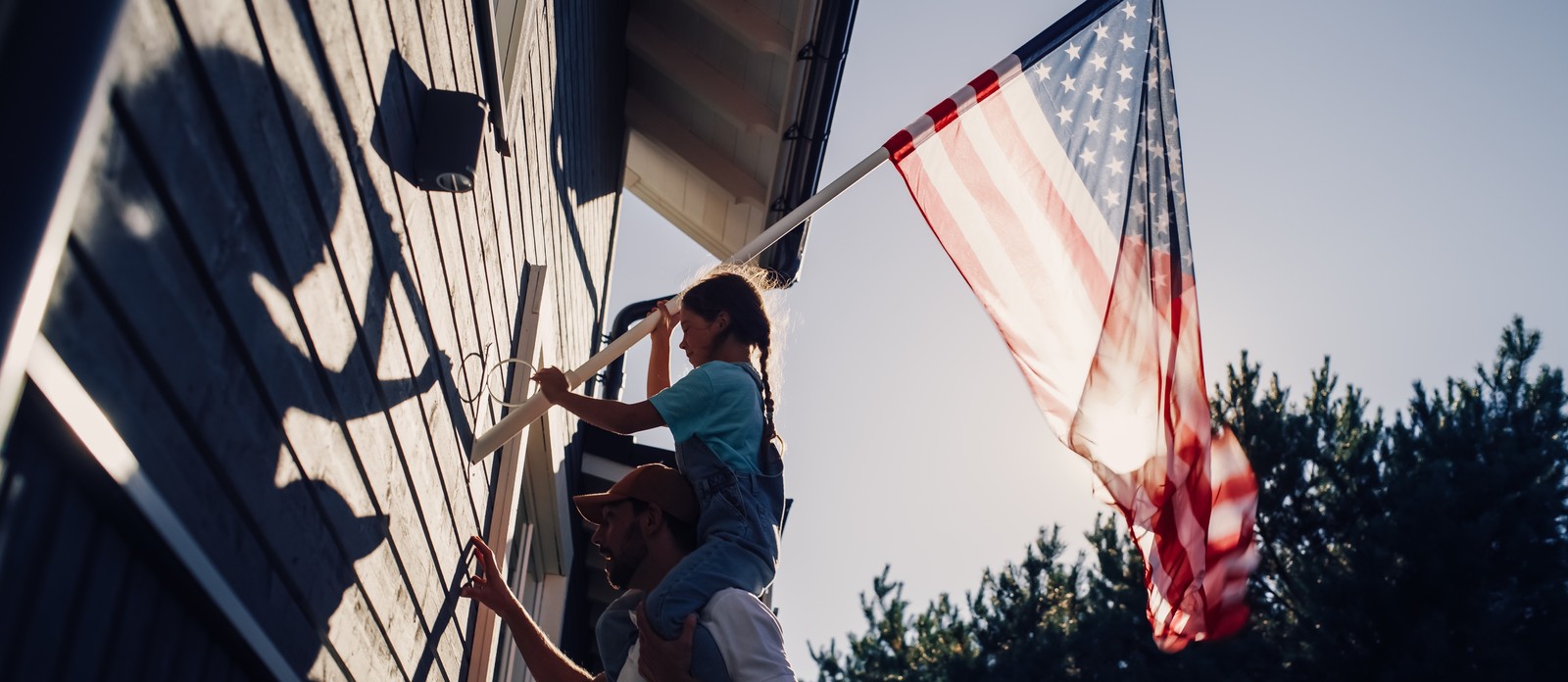
Image: Gorodenkoff

Some traditions seem to have been around forever. The Easter egg hunt at the White House, or the Teddy bear in most kids’ bedrooms. A turkey is pardoned every Thanksgiving. As it turns out, some traditions and food items trace back to a single president having a very ordinary, human moment: a soft spot for a scared animal, a craving from a trip abroad, a wife tired of watching her husband go unnoticed. Here are the real stories behind them.

1
The White House Easter egg roll
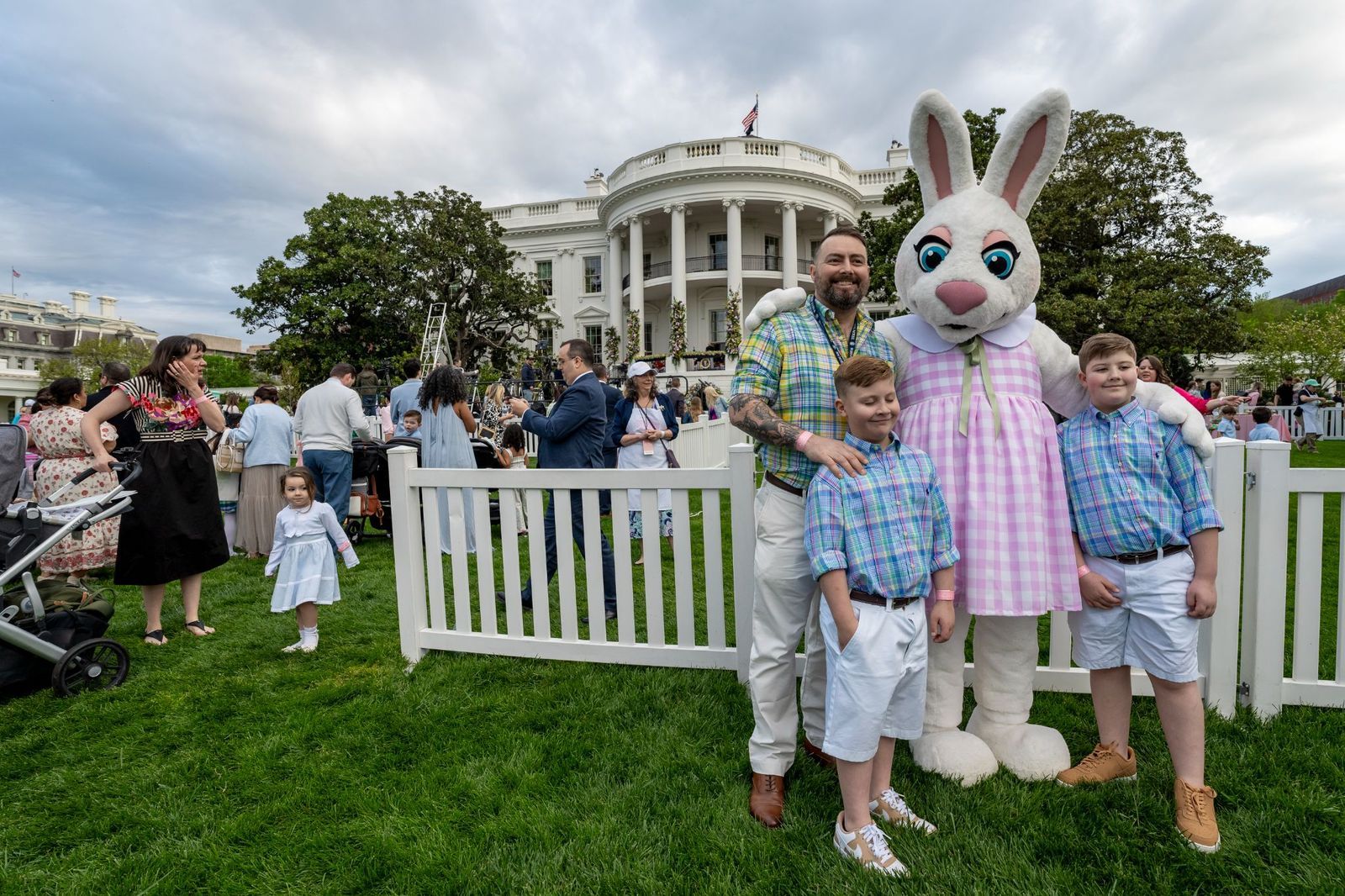
Image: The White House, Public domain, via Wikimedia Commons

In the 1870s, Washington kids rolled colored eggs on the Capitol lawn every Easter Monday until Congress banned the practice in 1876 to save the grass. On Easter Monday 1878, a group of those disappointed children walked up Pennsylvania Avenue to the White House gates. President Rutherford B. Hayes told his guards to let them in , and the South Lawn became their new playground. Word spread fast, and by the following year, hundreds of families showed up expecting the same welcome. Hayes never announced a policy; he just opened a gate for some kids with nowhere else to roll their eggs, and a White House holiday tradition was born, with future presidents dutifully continuing it.

2
The "Teddy Bear" stuffed animal
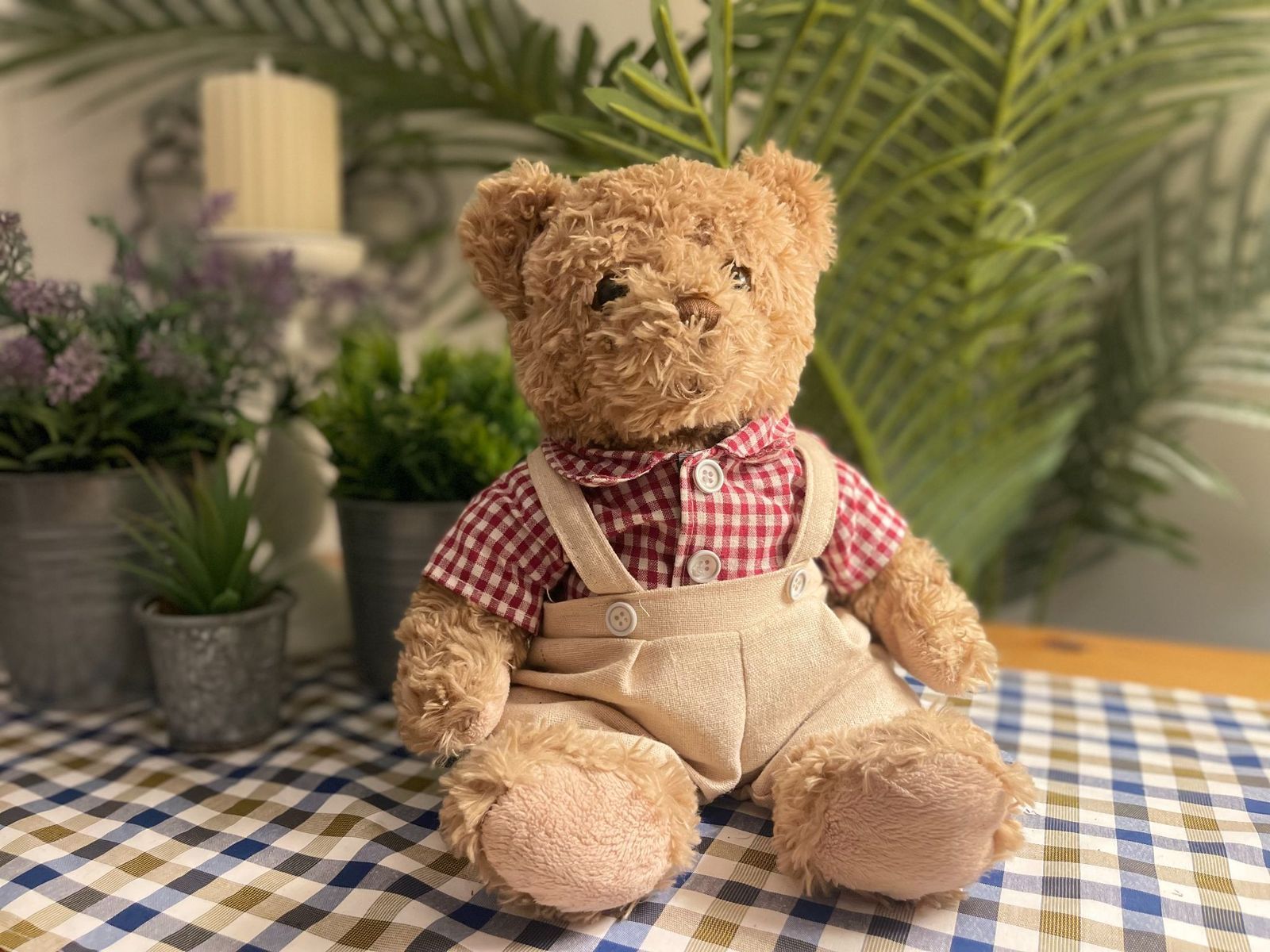
Image: Jimmy Parker

That stuffed bear tucked in with a grandchild owes its existence to a presidential hunting trip gone sideways.

In November 1902, Theodore Roosevelt traveled to Onward, Mississippi, hoping to bag a bear as the rest of his hunting party had. After days with no luck, his guides cornered an exhausted old bear, tied it to a tree, and invited the president to take the easy shot. Roosevelt refused, calling it unsportsmanlike. The story ran in the newspapers nationwide, and Washington Post cartoonist Clifford Berryman turned it into a sketch titled "Drawing the Line in Mississippi." Brooklyn shop owner Morris Michtom saw the cartoon, sewed a small stuffed bear, and displayed it in his windows as Teddy’s Bear. Customers wanted one immediately, and a toy industry was born from a single act of mercy.

3
The official Thanksgiving turkey pardon
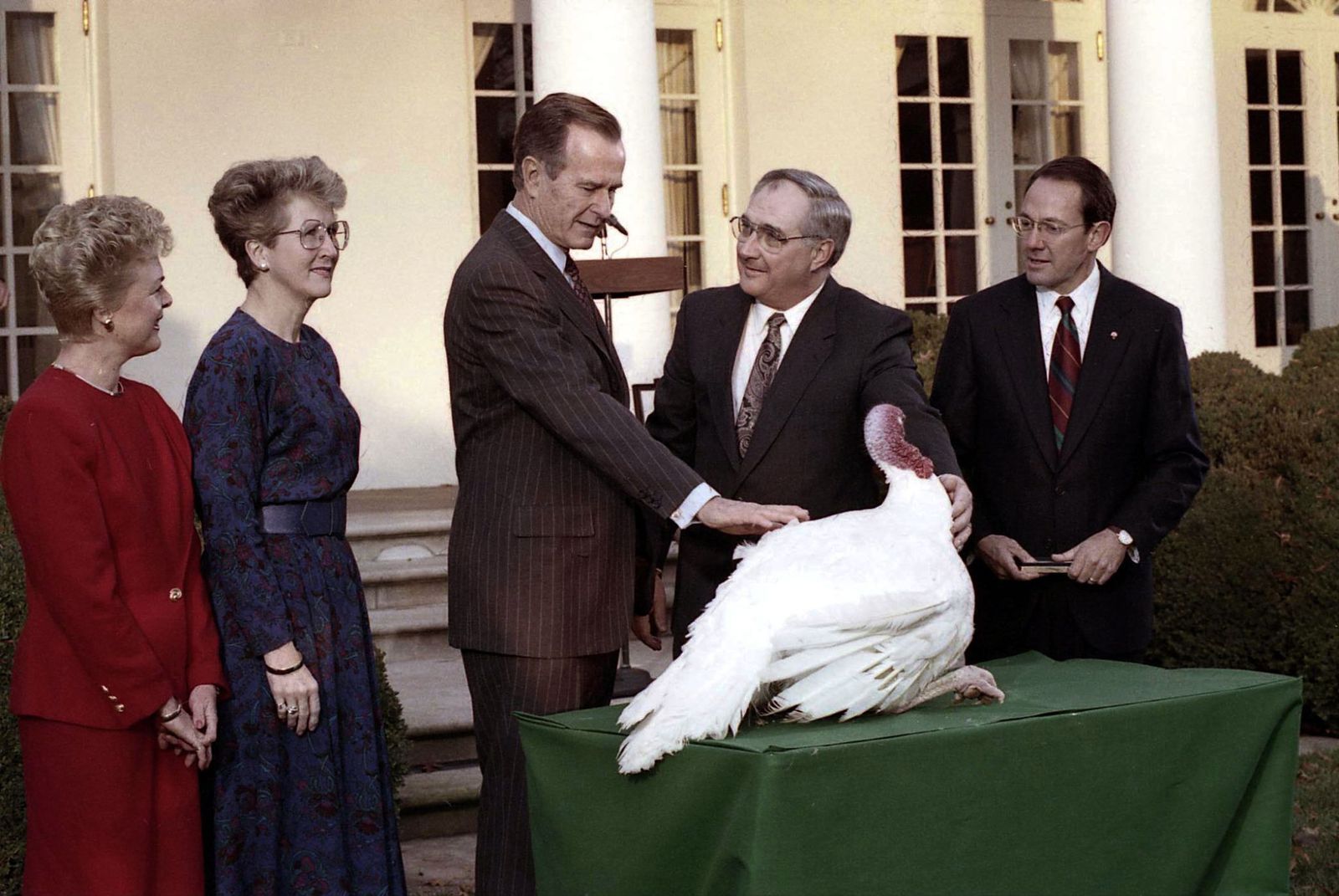
Image: Credit: George H.W. Bush Presidential Library and Museum, Public domain, via Wikimedia Commons

Every November, cameras gather in the Rose Garden to watch the president spare a turkey from the Thanksgiving table, a moment that feels as old as the holiday itself. But the origin of that ceremony is very recent.

For decades, presidents from Truman onward accepted a ceremonial turkey each year, and most of those birds ended up exactly where you’d expect. That changed on November 17, 1989. As animal rights activists picketed nearby, President George H. W. Bush looked at a visibly nervous tom turkey and improvised , telling the crowd he’d granted the bird a presidential pardon on the spot and that it would live out its days on a farm instead. The line got a laugh, but Bush kept it going the next year, and the year after. What started as a spontaneous joke became the official ceremony every president has repeated since.

4
The shape of the Oval Office
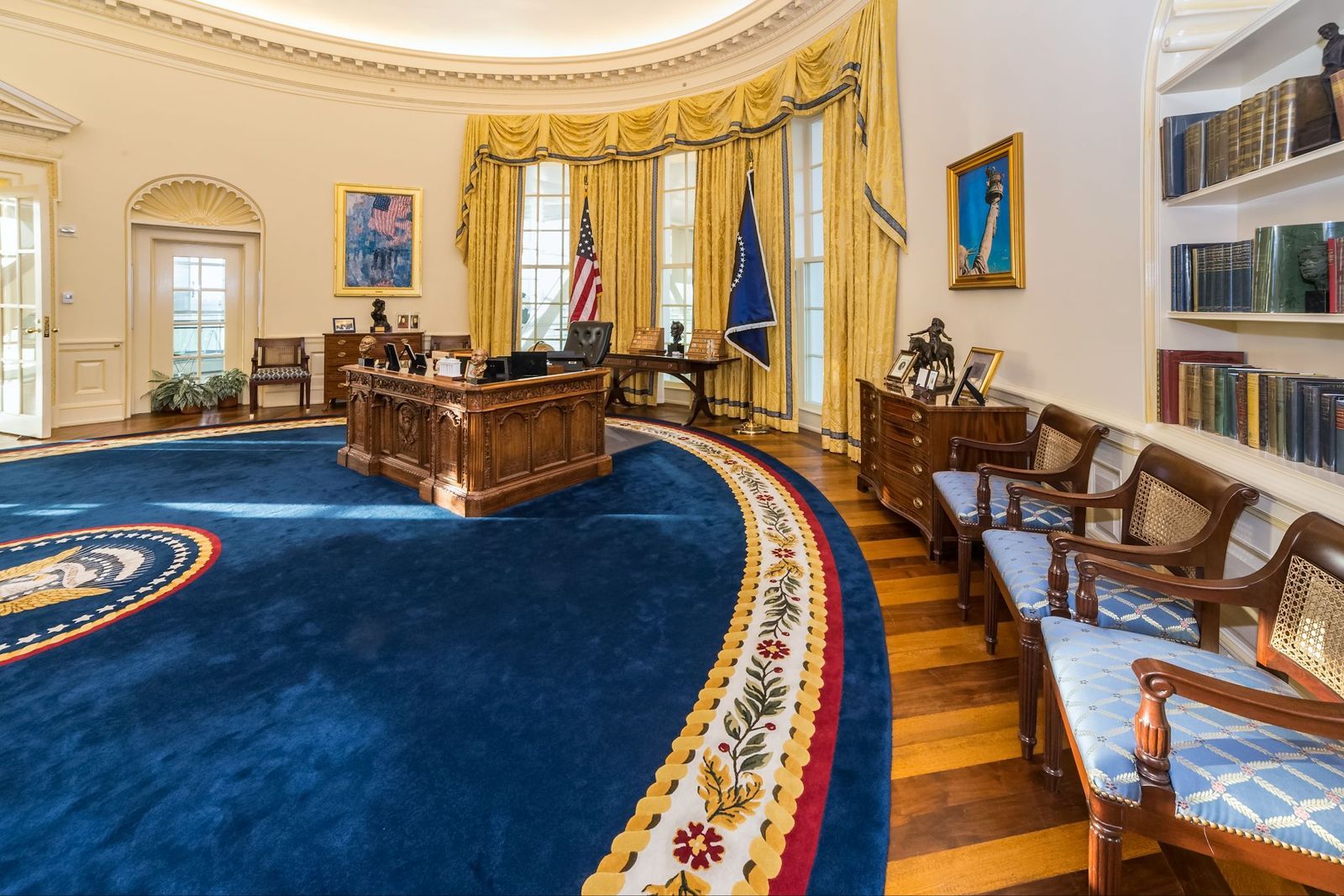
Image: amadeustx

The Oval Office is instantly recognizable: the presidential seal carpet, that famous desk, the flags and busts. But the curved shape itself traces back to one president's frustration with cramped quarters.

When William Howard Taft took office in 1909, he found the West Wing, built as a temporary fix under Theodore Roosevelt, too small and too disconnected from the rest of the White House. Taft held a competition for architects to expand it into something permanent. The winner, Nathan Wyeth, looked to the White House's own Blue Room, an oval-shaped parlor where presidents had greeted guests since the early 1800s, and echoed its shape for the new presidential office. Construction finished that same year. Every president since has worked inside walls first curved to match a room built more than a century before any of them took office.

5
Modern gourmet macaroni and cheese in the U.S.
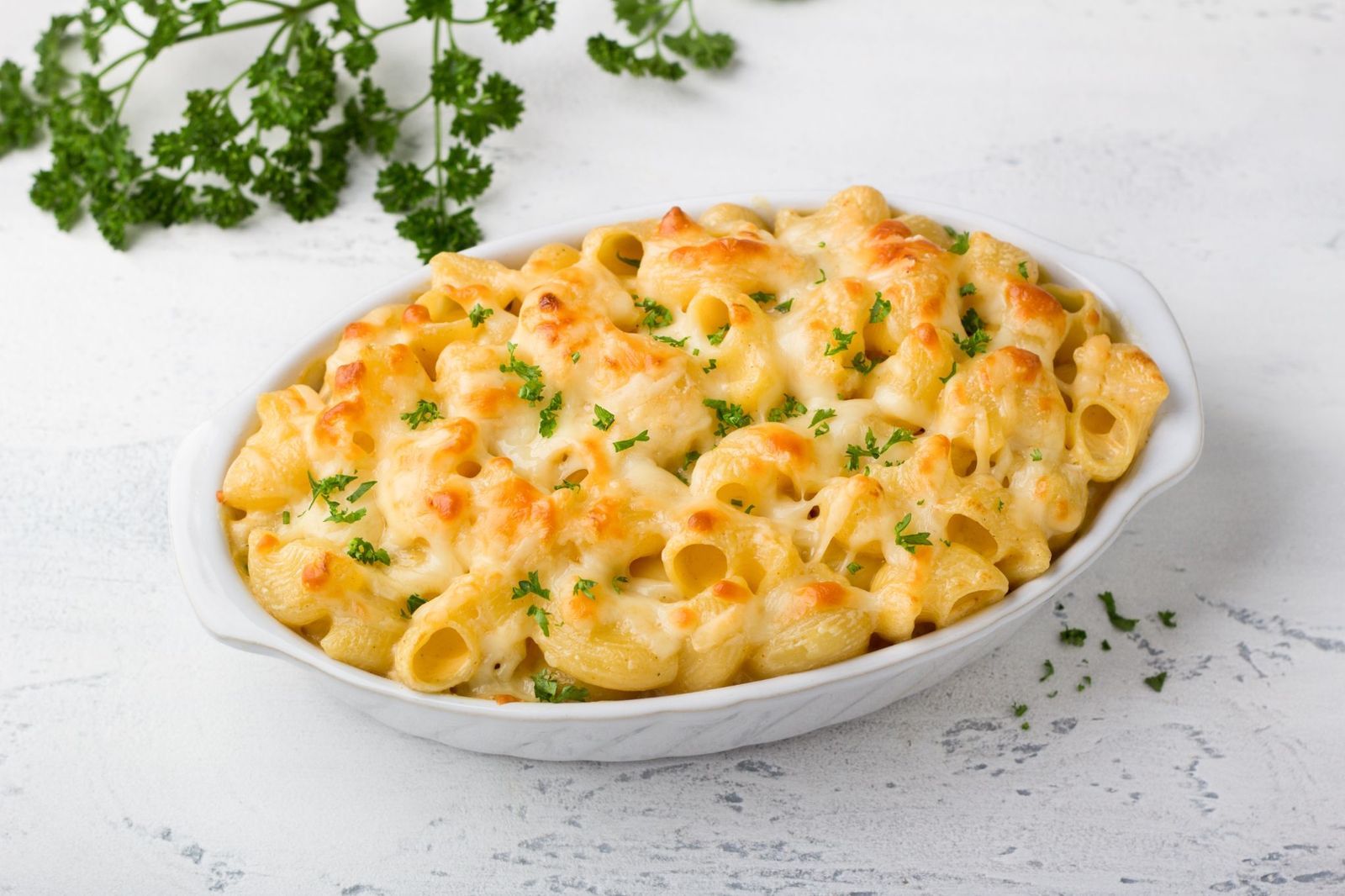
Image: olepeshkina

Mac and cheese shows up at potlucks and holiday tables across the country, but its American debut came from a president with expensive European taste.

While serving as minister to France in the 1780s, Thomas Jefferson fell for the pasta dishes he encountered in Paris and Italy. He had a pasta press shipped home, but kept importing macaroni and parmesan from Europe for years. In 1802, as president, Jefferson served a baked macaroni dish at a formal White House dinner. Not every guest was impressed. Congressman Manasseh Cutler called the pie disagreeable, mistaking the pasta for onions until a fellow diner explained what it was. Cutler’s confusion didn’t stop the dish from catching on, and it’s been a comfort food staple ever since.

6
Presidential marching music: "Hail to the Chief"
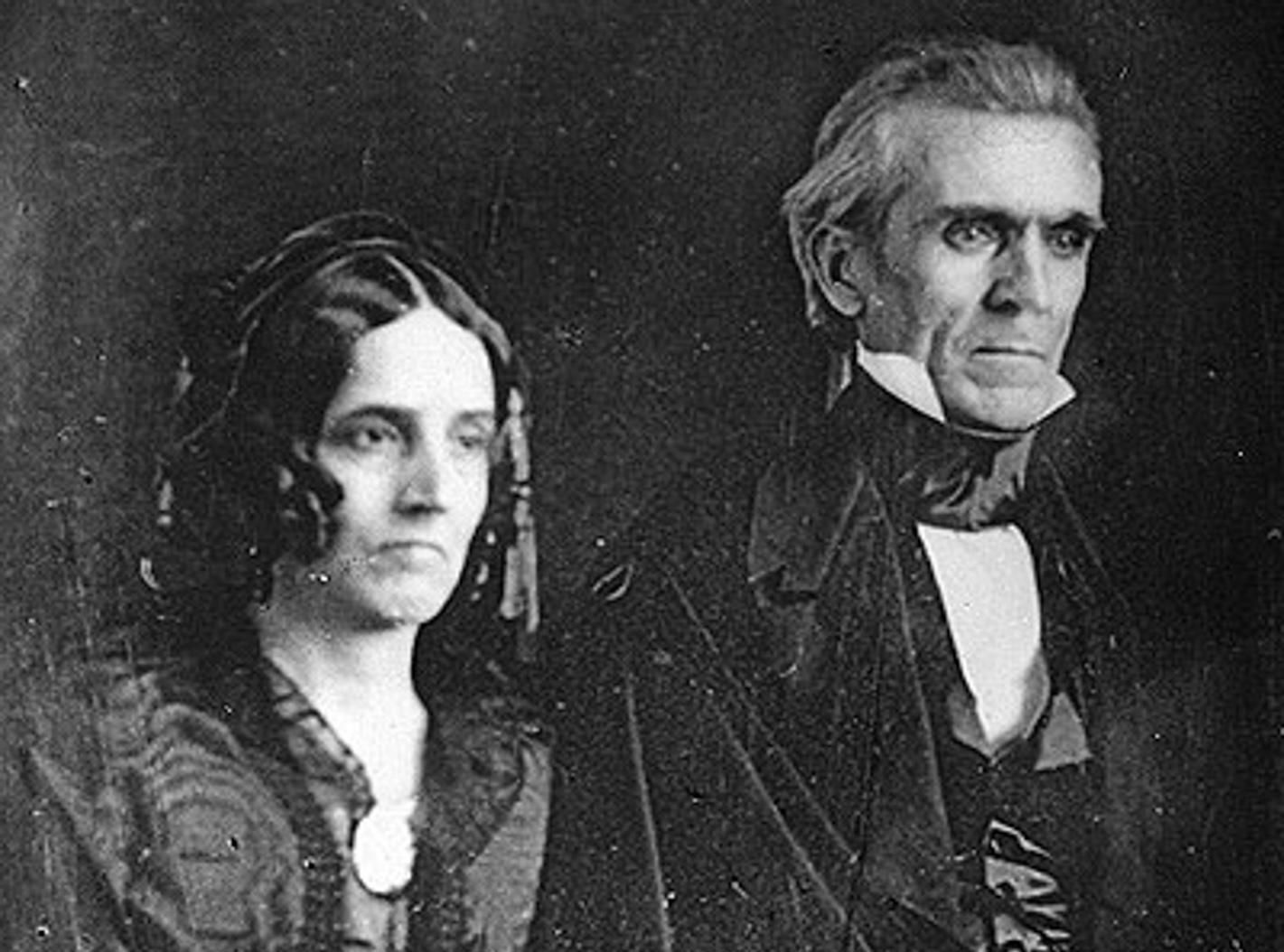
Image: alamy, Public domain, via Wikimedia Commons

Whenever a president walks into a room for a major event, the Marine Band strikes up the same tune, and the crowd knows exactly who just arrived. That entrance music exists because James K. Polk had the opposite problem.

Elected in 1844, Polk was famously soft-spoken and easy to overlook in a crowded hall, the kind of president who could walk into a reception and have half the room not notice. His wife, Sarah Childress Polk, decided that wouldn’t do. She arranged for the Marine Band to play "Hail to the Chief" whenever her husband entered a room, giving guests a clear cue that the president had arrived. The tune, written by English composer James Sanderson and reserved for special events like inaugurations, had been around for 40 years prior to Polk’s taking office, although it was during his presidency when it started opening the door for every Commander-in-Chief.

7
The national Christmas Tree Lighting ceremony
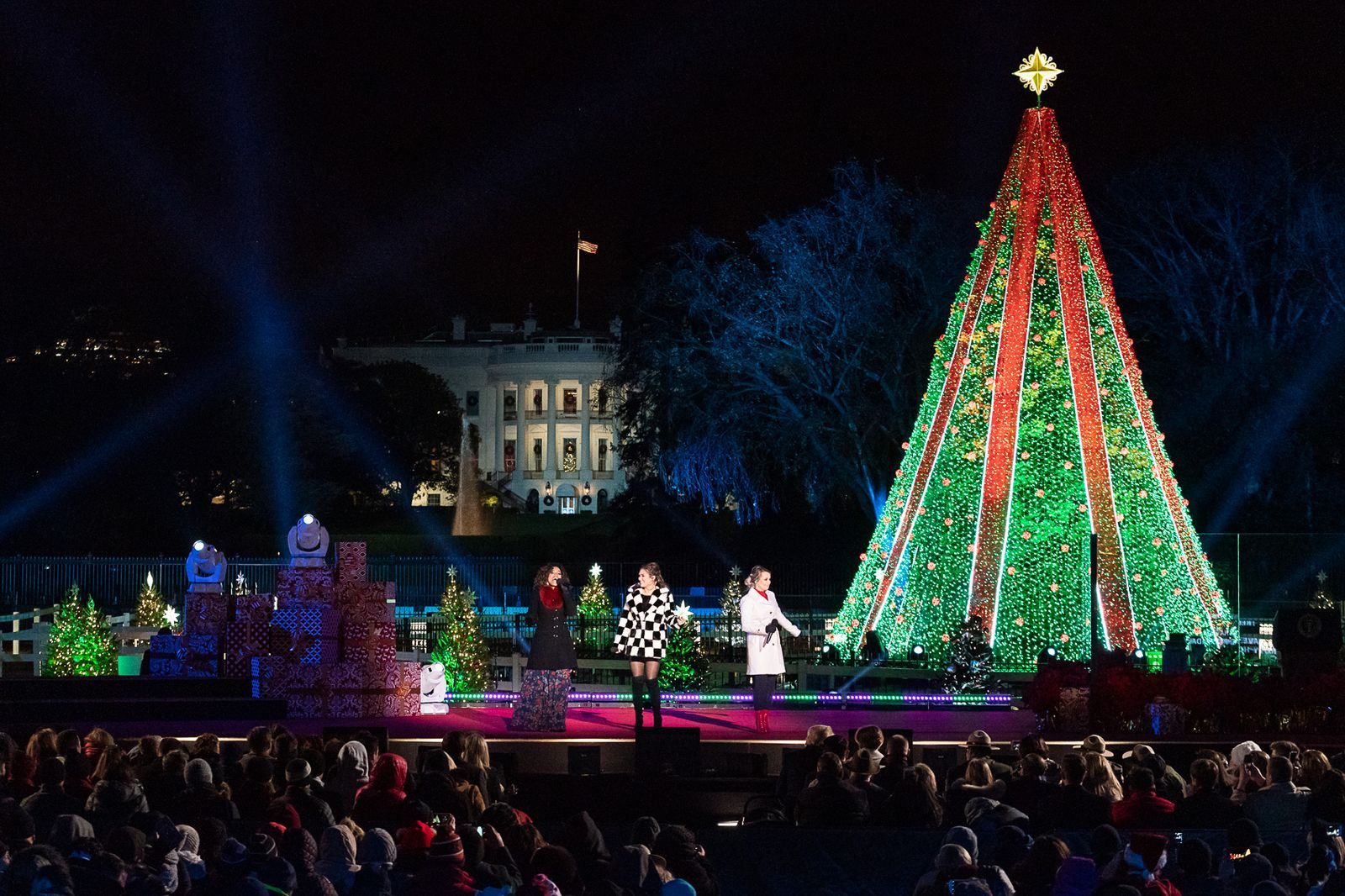
Image: The White House from Washington, DC, Public domain, via Wikimedia Commons

The National Christmas Tree Lighting each December draws crowds to the Ellipse just south of the White House, but the very first one almost happened somewhere else entirely.

In November 1923, organizers asked First Lady Grace Coolidge for permission to put a community Christmas tree on the White House grounds. She already had a carol sing planned for the North Lawn and didn’t want two events competing, so she suggested the Ellipse instead. On Christmas Eve, President Calvin Coolidge walked over from the White House, pressed a button, and lit a 48-foot balsam fir donated by his home state of Vermont in front of thousands of spectators. True to his famously quiet nature, Coolidge said nothing and simply flipped the switch, letting the lights be the show.

8
The presidential "First Pitch" at Major League Baseball games
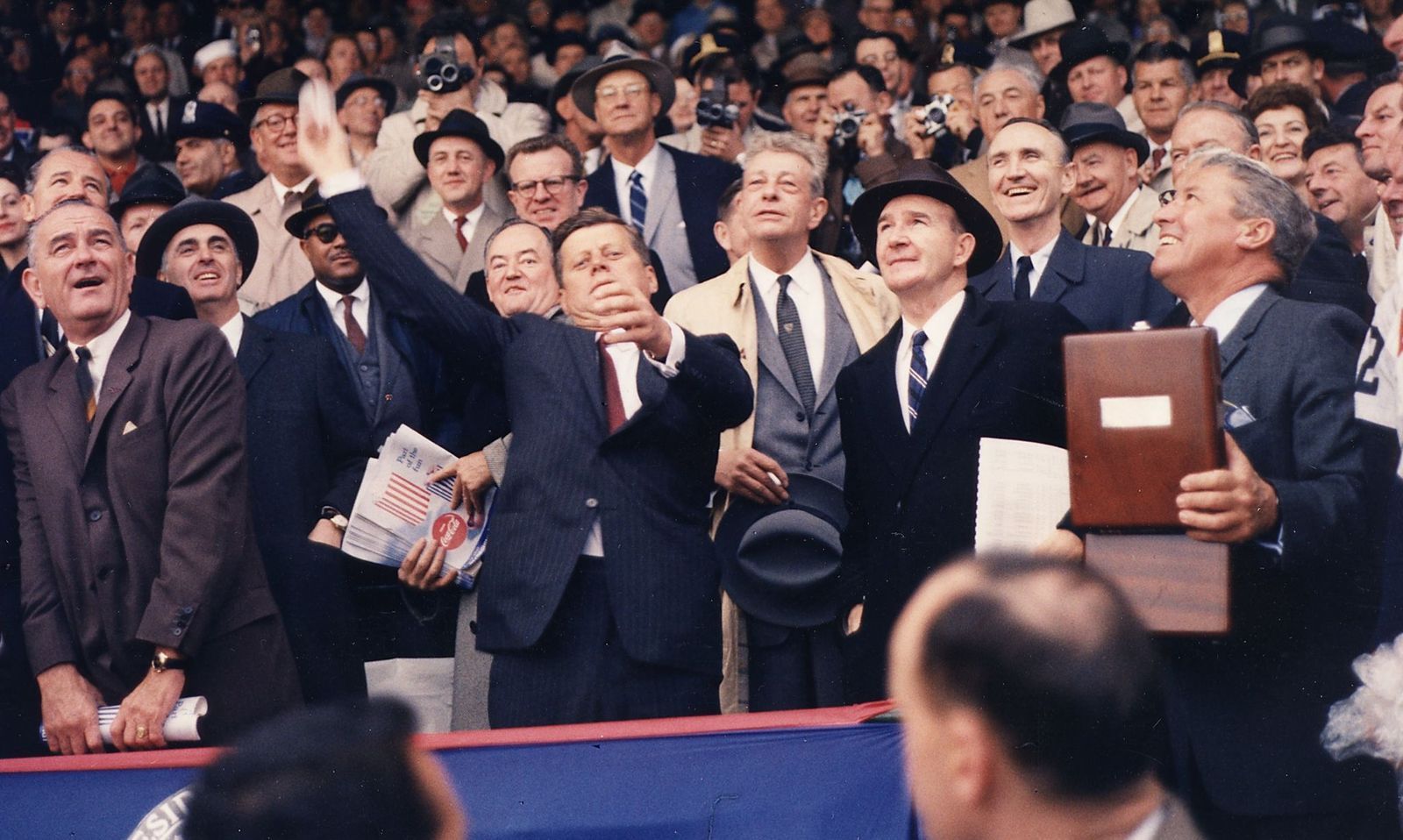
Image: Robert LeRoy Knudsen, Public domain, via Wikimedia Commons

Every baseball season still opens with someone tossing a ceremonial first pitch, a tradition that dates back to a president who almost wasn't invited.

On April 14, 1910, William Howard Taft attended the Washington Senators' opener against the Philadelphia Athletics, in Washington, D.C. The plan was for him to throw to Washington Senators catcher Gabby Street, since ace pitcher Walter Johnson had shyly turned down the honor. Taft had other ideas. From his box seat, he turned and fired the ball straight to Johnson instead, who caught it, kept it as a souvenir, and later had the president autograph it. Johnson went on to pitch a one-hit shutout that afternoon. Taft returned to throw another first pitch in 1911, and the ceremony has opened baseball seasons for presidents ever since.

9
Blueberry Jelly Belly Beans
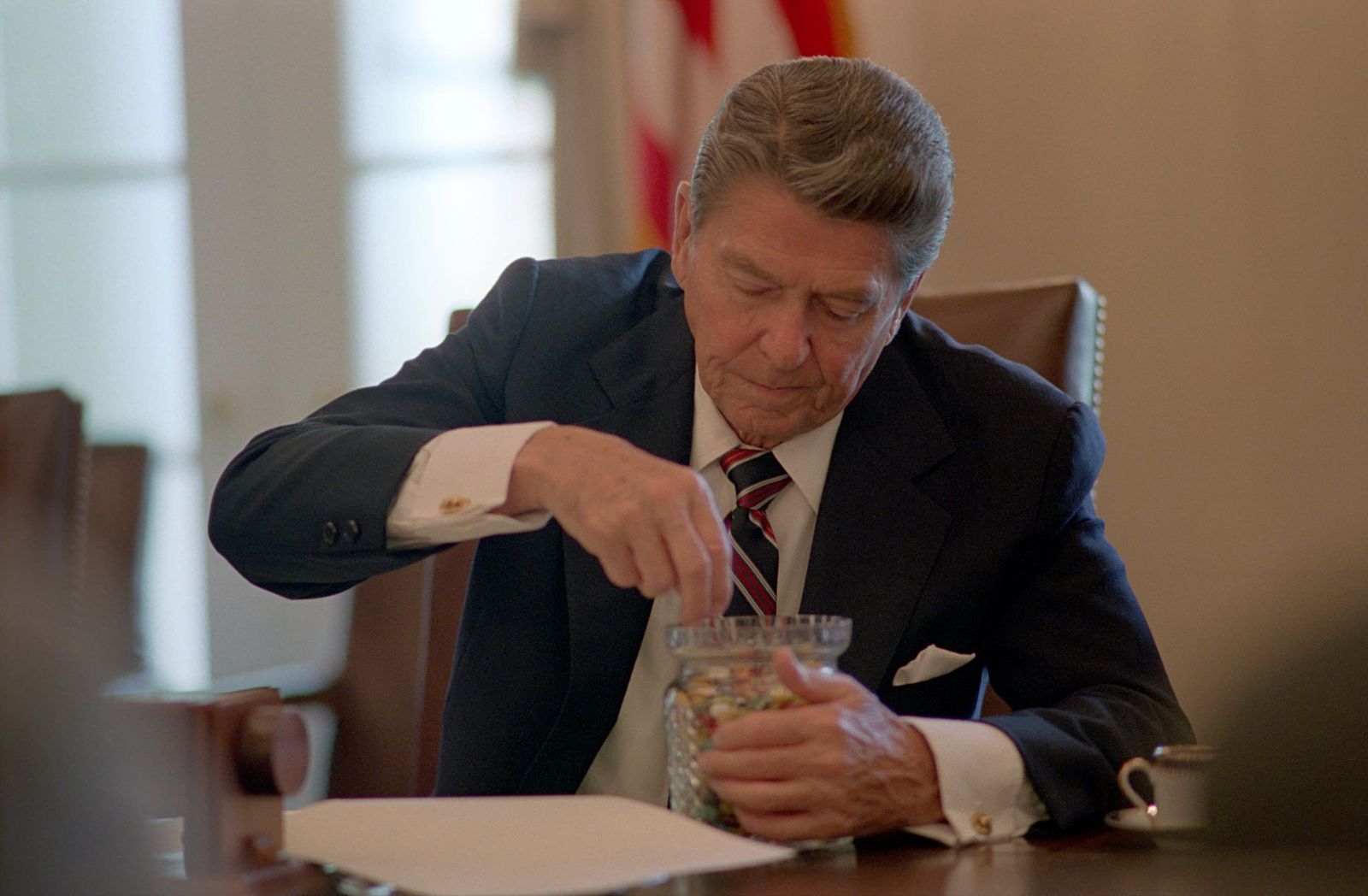
Image: National Archives and Records Administration, Public domain, via Wikimedia Commons

Grab a bag of Jelly Belly beans today, and you'll likely find blueberry among the flavors, a color that didn't exist until one president requested it.

Ronald Reagan started eating jelly beans in 1966 to help quit pipe smoking, and by the time he reached the White House, he kept jars in the Oval Office and Cabinet Room alike. For his 1981 inauguration, Reagan wanted a patriotic red, white, and blue display . Jelly Belly already made Very Cherry for red and Coconut for white, but nobody had ever needed a blue bean before, so there wasn't one. The company invented the blueberry flavor specifically for the occasion and shipped three and a half tons of beans to Washington for the celebration. More than 40 years later, blueberry remains one of Jelly Belly's most popular flavors.

10
Hoover-ball, a new sport
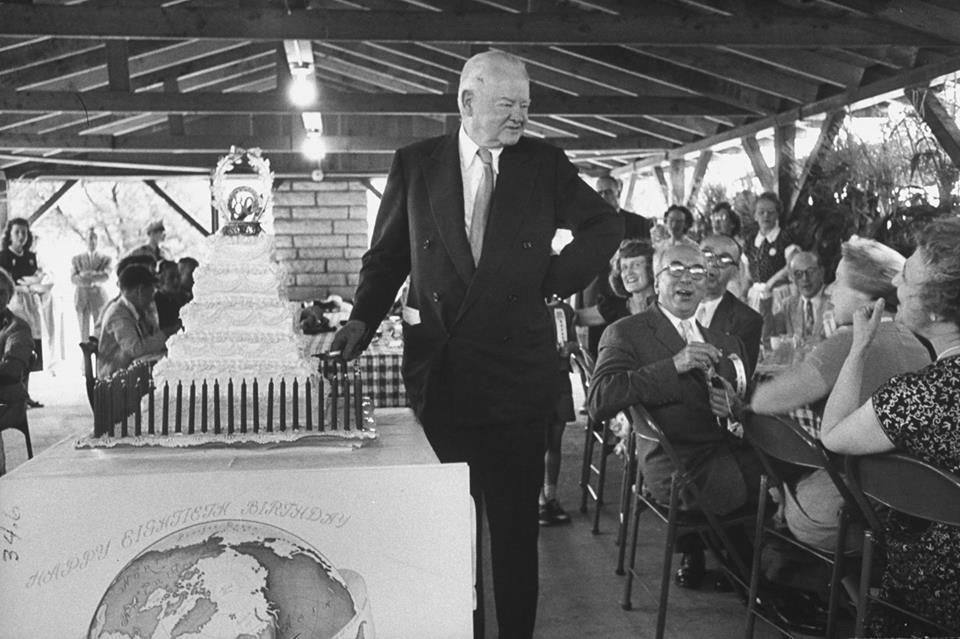
Image: English: NPGallery, Public domain, via Wikimedia Commons

Presidential influence is not to be denied. And one former president even gave Americans a new sport. When Herbert Hoover entered office in 1929, his doctors were concerned about his weight and lack of exercise. His physician, Joel T. Boone, came up with an answer that was considerably more fun than a daily walk.

Boone adapted the game from medicine-ball exercises and tennis , creating a sport in which players stood on opposite sides of a net and threw a heavy medicine ball back and forth. The game quickly became a regular activity on the White House grounds, and players even earned a nickname: the "Medicine Ball Cabinet." Although it never became mainstream, the sport lived on through local competitions in Hoover’s hometown of West Branch, Iowa.

Geography Geography 5 min read

Thriving in the heat

This is the most dangerous scorpion in all of North America!

Image: Dennis Thompson / PetrCZ

The desert can be one of the most dangerous environments for humans. However, despite the harsh conditions, a surprising number of species not only can survive but also exhibit incredible traits and abilities. If you're ready to meet 10 of these powerful (and, we must admit, threatening) creatures, keep reading!

1
Chuckwalla

Image: Matthew Mentley

The chuckwalla can grow up to 16 inches long, making it one of the largest desert lizards. However, its size isn't the most impressive thing about it. What sets it apart from the rest is its ability to inflate like a balloon to twice its size! That's right; chuckwallas inflate their bodies to fit perfectly into holes and crevices in rocks, making it nearly impossible for predators to pull them out.

As if that weren't enough, these lizards live in desert environments with virtually no water. Although they do take in some liquid, most of their hydration comes from the plants they eat.

2
Kangaroo rat

Image: Michael Jerrard

The incredible kangaroo rat is a specialist in surviving the harshest environments. One of its talents is construction; this rodent knows how to build elaborate burrows in sandy soils for shelter and protection. In addition, kangaroo rats have fur-lined cheek pouches that allow them to carry food from where they find it back to their burrows.

But what makes them unique is their jumping ability. As small rodents (just 3.5 to 5.5 inches), their leap is surprising: they can reach up to 9 feet in a single bound! Plus, like the chuckwalla, the kangaroo rat also survives in the desert on minimal water intake.

3
Gila monster

Image: David Clode

The Gila monster is as famous as it is amazing. This reptile, native to the southwestern United States and northern Mexico, stands out for its unique appearance: a dark, scaly skin with pink or orange spots. In addition, the Gila monster has something that makes it special: it's one of only two venomous lizards in North America. Its potent venom is full of neurotoxins that affect the nervous system of its prey, causing intense pain, swelling, bruising, and even paralysis.

4
Mojave green rattlesnake

Image: Photo by Mark Bratton, Public domain, via Wikimedia Commons

While any snake can be terrifying to most of us, the Mojave Green Rattlesnake stands out for several reasons.

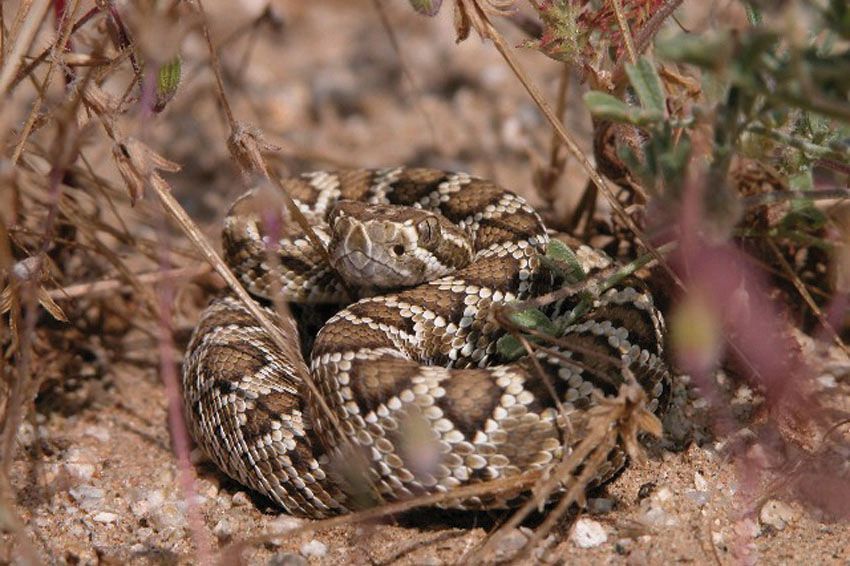
The crotalus scutulatus —according to its scientific name— is distinguished by its greenish hue, which not only gives it its characteristic nickname but also helps it camouflage in the desert sand. This snake is not only venomous but is considered one of the most dangerous rattlesnakes! Its potent venom contains neurotoxins that, if left untreated with antivenom, can be lethal to various species, including humans.

5
Cactus wren

Image: Carol Lee

You've probably tried transplanting a cactus or got close to one, only to end up with tiny thorns that pricked you for days. But this doesn't happen to the cactus wren, an amazing bird known for its exceptional adaptation to the desert.

As its name implies, one of the most impressive features of the cactus wren is its ability to build large and sturdy nests on cacti without getting hurt. As if that weren't impressive enough, the bird's cleverness leads it to cover its nest with snakeskin to discourage potential predators. Incredible, right?

6
Green tarantula

Image: Thomas Oldenburger

Spiders are among the most feared creatures by humans. But if there's one spider that could scare even the bravest, it's the Mojave green tarantula, which can grow up to 4 inches long and has legs that span up to 6 inches!

Its venom delivers intense pain to its prey while simultaneously paralyzing them. In addition, these tarantulas have urticating hairs that irritate predators' skin, eyes, and respiratory systems. On the other hand, one of their great traits is their lifespan: This species can live up to 25 years in the wild!

7
Sidewinder rattlesnake

Image: Michael Jerrard

The sidewinder rattlesnake is definitely one of the desert bosses. You can tell it’s dangerous just by seeing it: Its typical triangular, flat head is topped with two horns that don't look friendly at all.

But what makes it a unique species is its movement pattern. This snake doesn't move in a straight line but in a sidewinding motion, lifting its body off the ground in a zigzag pattern. That allows it to confuse its prey while moving quickly without getting burned by the hot sand.

8
Pinyon jay

Image: frank mckenna

The cactus wren is not the only bird on this list; the pinyon jay also has its place. Nicknamed "forest farmers," pinyon jays bury the seeds of pinyon pines to eat later. The seeds they leave uneaten sprout into new pines, creating a symbiotic relationship between tree and bird. Even more impressive is their incredible memory: pinyon jays can remember thousands of seed burial locations, even months after hiding them!

9
Desert tortoise

Image: Abraham Weiss

Unlike bears and other animals that hibernate during the winter, desert tortoises enter a form of hibernation known as brumation. This occurs when it's very hot to save energy and they need to protect themselves from the heat. To do so, desert tortoises create deep burrows using their strong, shovel-like front legs. In addition, they can live up to 50 years in the wild, making them one of the longest-living reptiles.

10
Bark Scorpion

Image: Andrey Tikhonovskiy

When it comes to danger, the Bark Scorpion of the Mojave Desert is also one of the stars on this list. Considered one of the most dangerous scorpions in all of North America, this arachnid has a light yellowish body with darker spots. It tends to hide under rocks or trees, so you know where to be most careful. While it's not famous for attacking humans, it may sting if it feels threatened.

History History 4 min read

Dystopian spoilers ahead

No Michael J. Fox as Marty McFly? 12 films nearly turned out differently

Image: Roger Ce

It’s hard to imagine classic movies with different stories or characters than the ones we know today, but there are many examples of Hollywood blockbusters that were originally supposed to be very different—and, thanks to wise (or accidental) decisions, were changed for good. Imagine Back to the Future without Michael J. Fox, or a version of Jaws where the shark swims away. It sounds wild, but it nearly happened. Here are some surprising what-ifs from iconic films that just missed the cutting room floor.

1
More Jaws

Image: Karen Zhang

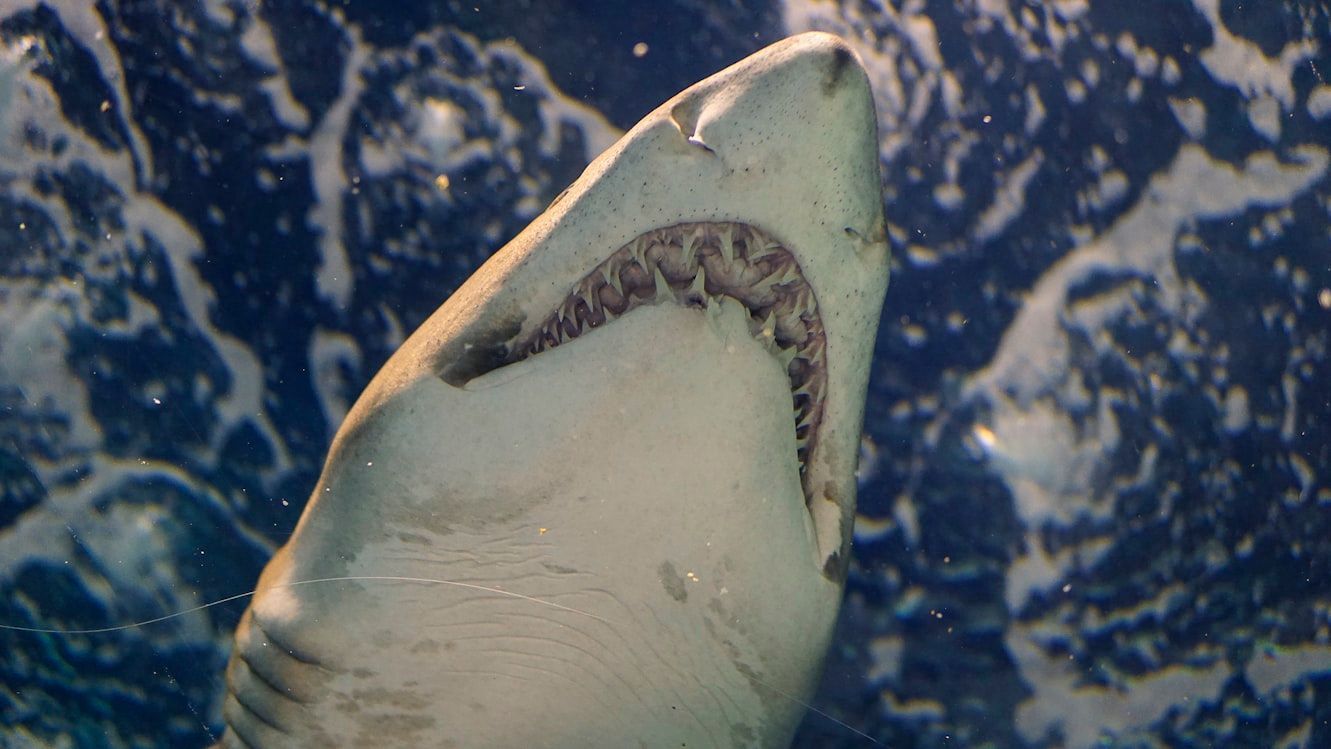
One early idea for the Jaws ending involved not one shark, but several . After the first was killed, Brody would’ve seen more fins approaching , hinting the threat wasn’t over.

Another scrapped version, closer to the novel, had the shark drift away after being harpooned, leaving Brody alone at sea. Both endings were dropped in favor of the explosive finale we know today.

2
Titanic’s Jack & Rose

Image: Edwin Petrus

Claire Danes, best known at the time for Romeo + Juliet , turned down the role of Rose in _Titanic_—and says she has "no regrets" today. It’s tough to picture anyone but Kate Winslet in that part.

Matthew McConaughey also came close to playing Jack. He was confident he had the role, but Leonardo DiCaprio ultimately got it.

3
Psycho, in Technicolor

Image: Maxime Roedel

These days, many assume Alfred Hitchcock shot Psycho in black and white for artistic or symbolic reasons. It turns out that it was just a budget issue .

Paramount found the concept too "distasteful," so Hitchcock financed the film himself. Despite its now-legendary status, the studio initially gave it only a limited release.

4
When Harry Almost Didn’t Meet Sally

Image: Nur Fadhillah Fajarudeen

Director Rob Reiner began When Harry Met Sally after his divorce, feeling cynical about love. Originally, the film was written so that Harry and Sally would remain just friends.

But during production, Reiner fell in love again—and changed his mind. The ending was rewritten so the two characters end up together , giving the rom-com its iconic, heartwarming finish.

5
Saturday Night Gump

Image: Yosuke Ota

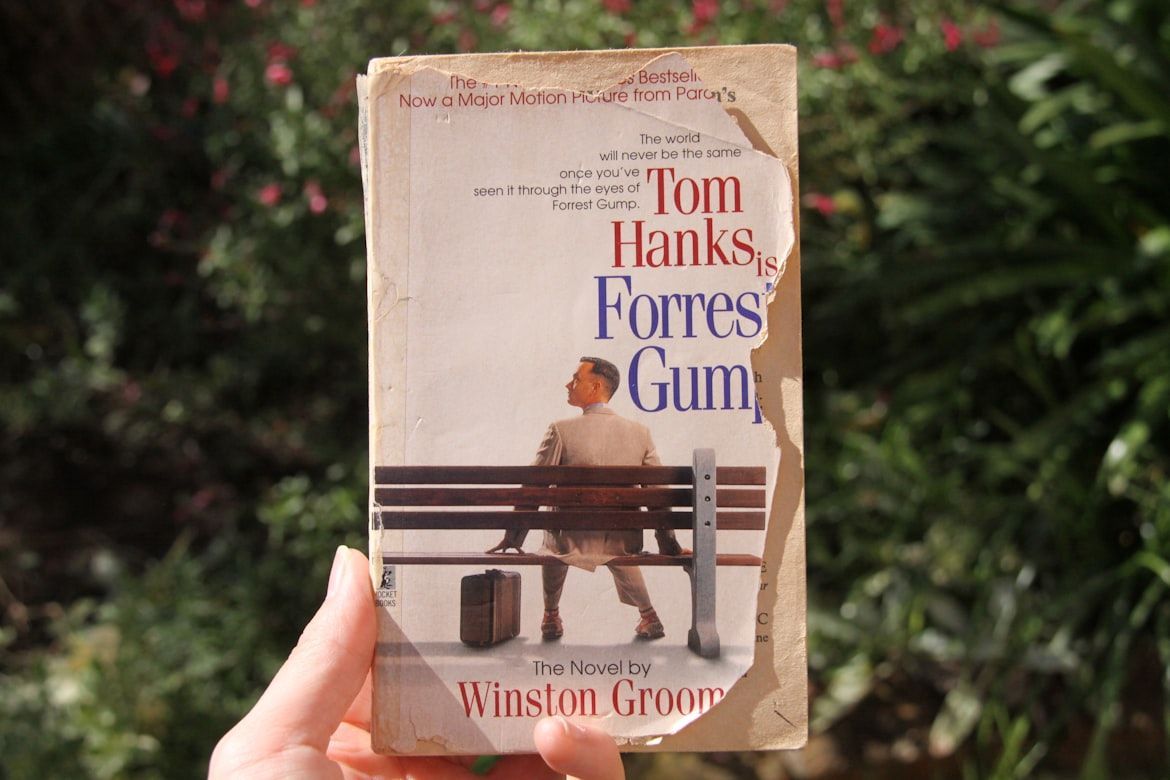
Believe it or not, John Travolta was originally offered the role of Forrest Gump —but he turned it down, and the part went to Tom Hanks instead.

Still, Travolta went on to star in Pulp Fiction , which became a huge hit, so in the end, it worked out for everyone.

6
Pretty Sad Woman

Image: Krists Luhaers

The original Pretty Woman script—titled _3000_—was a dark drama about sex work, ending with Edward leaving Vivian. It had little romance or humor and was meant to serve as a cautionary tale.

Al Pacino and Michelle Pfeiffer once auditioned, but things changed after Julia Roberts and Richard Gere were cast. Their charm shifted the tone, and rewrites led to the romantic ending we know today.

7
The Slaptrix

Image: Markus Spiske

Will Smith was originally offered the role of Neo but turned it down. He has since praised Keanu Reeves’s performance in The Matrix and admitted he would have ruined the film.

Smith's a great actor, but it's tough to picture anyone but Reeves as Neo, dodging bullets in slow motion.

8
Fatal Attraction

Image: Pawel Janiak

Screenwriter James Dearden disliked the altered ending to Fatal Attraction . Originally, Alex framed Dan for her murder, but test audiences didn’t like it .

As a result, the team reshot the film’s climax, giving Alex a more conclusive fate. The new version offered clearer consequences and closure, making it far more satisfying for viewers.

9
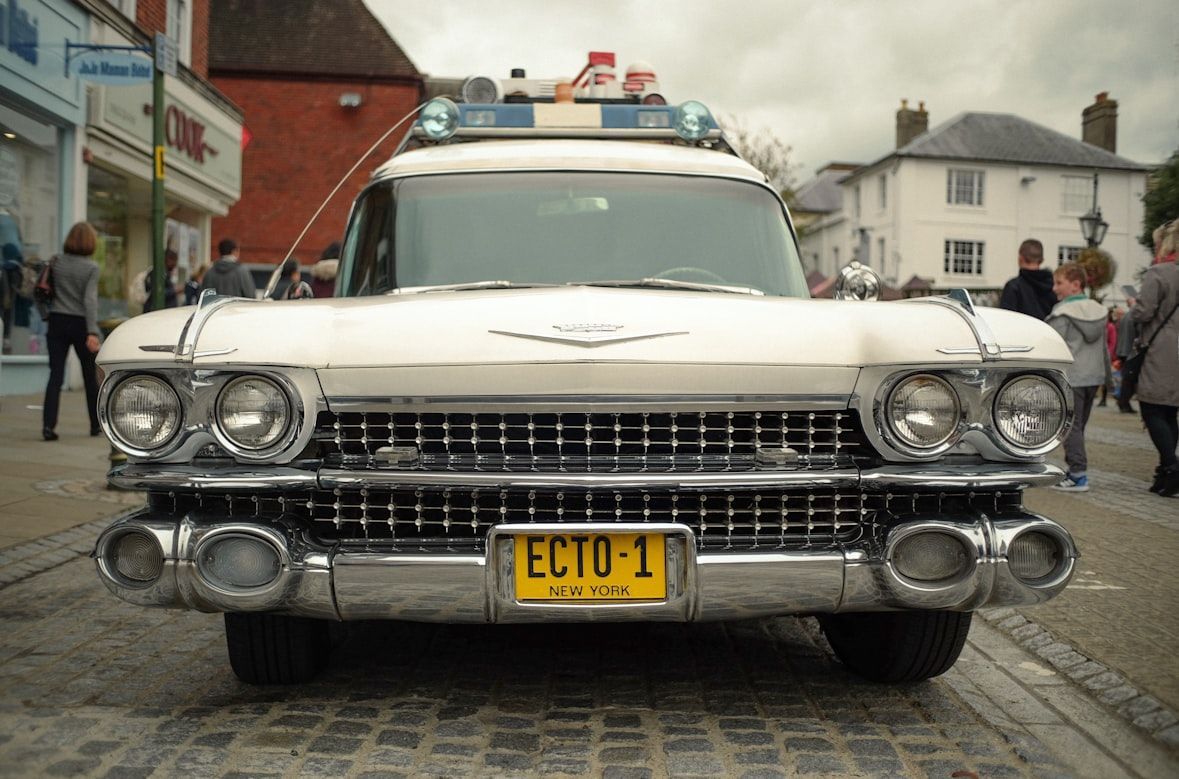
Ghost Smashers

Image: Viktor Forgacs

Dan Aykroyd’s original Ghostbusters concept—called _Ghost Smashers_—was a wild sci-fi adventure involving time travel and dimension-hopping .

Filmmakers simplified the story, shifting the focus to ghost-catching instead. That change transformed it into the hilarious, iconic classic we know today.

10
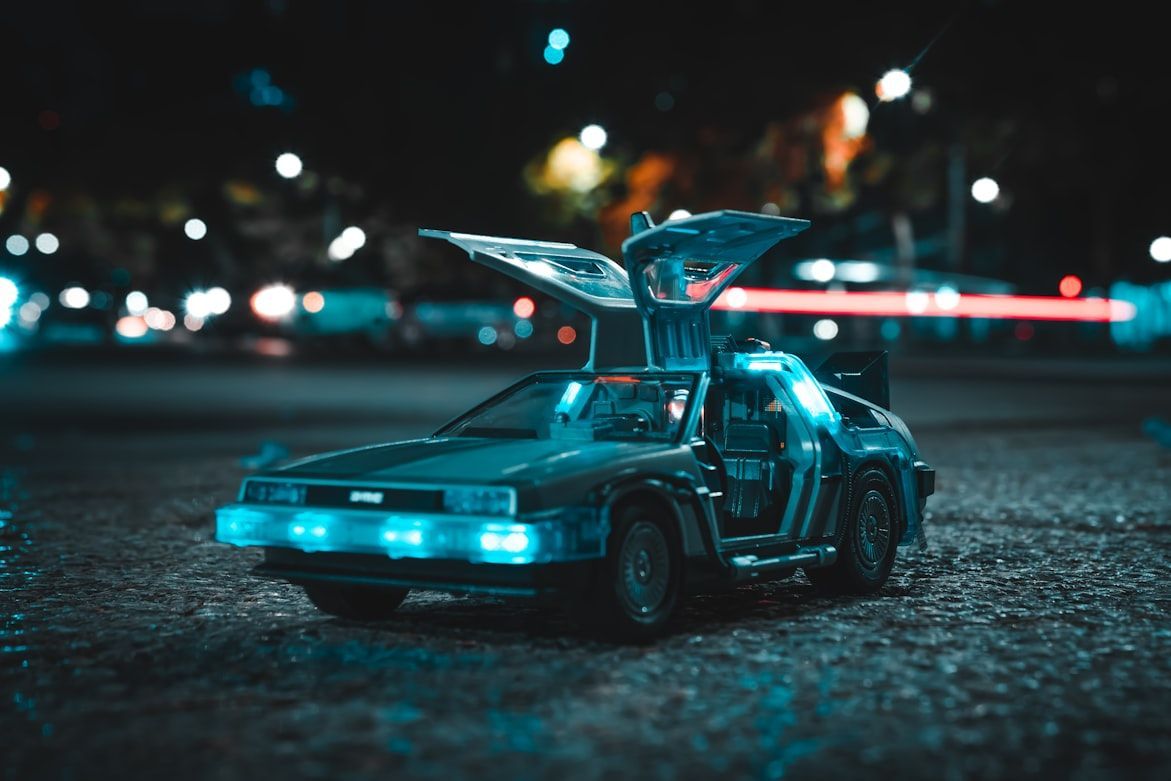
No Marty McFly

Image: Roger Ce

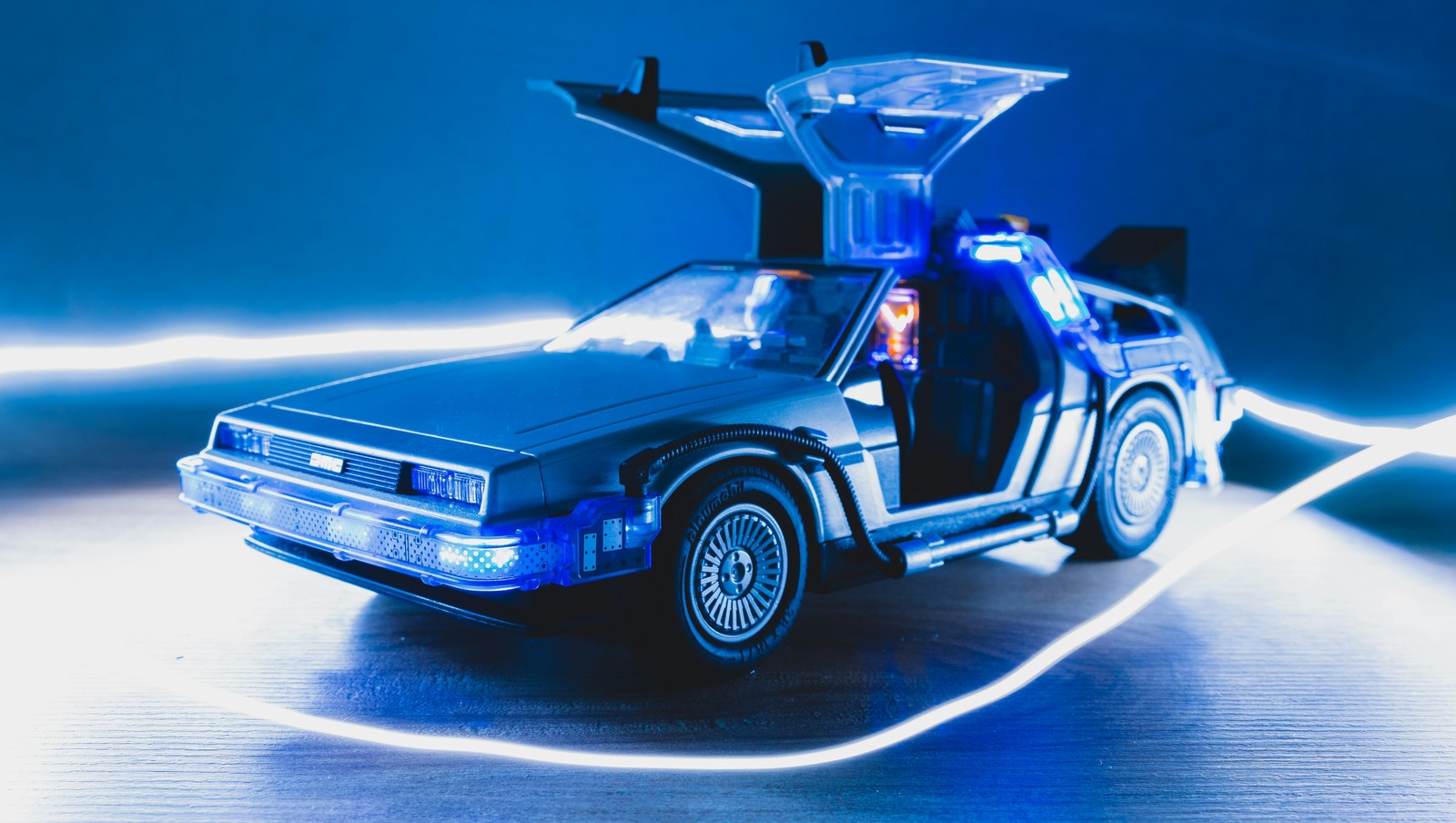
Eric Stoltz was originally cast as Marty McFly in Back to the Future, and even filmed several scenes. However, director Robert Zemeckis and producer Steven Spielberg felt that Stoltz didn’t embody the comedic, fun-loving spirit they were looking for.

As a result, Michael J. Fox was brought in to play the iconic Marty—and the rest is history. It’s hard to imagine the film without Fox’s perfect balance of humor and charm.

11
No Michael Corleone

Image: Enrique Bancalari

Al Pacino nearly missed out on playing Michael Corleone in The Godfather . Director Francis Ford Coppola had doubts about Pacino’s fit for the powerful role, and stars like Jack Nicholson and Robert Redford were also considered .

Luckily, Pacino was cast, and his intense, layered performance became iconic. His portrayal added depth that helped make the film a lasting classic.

12
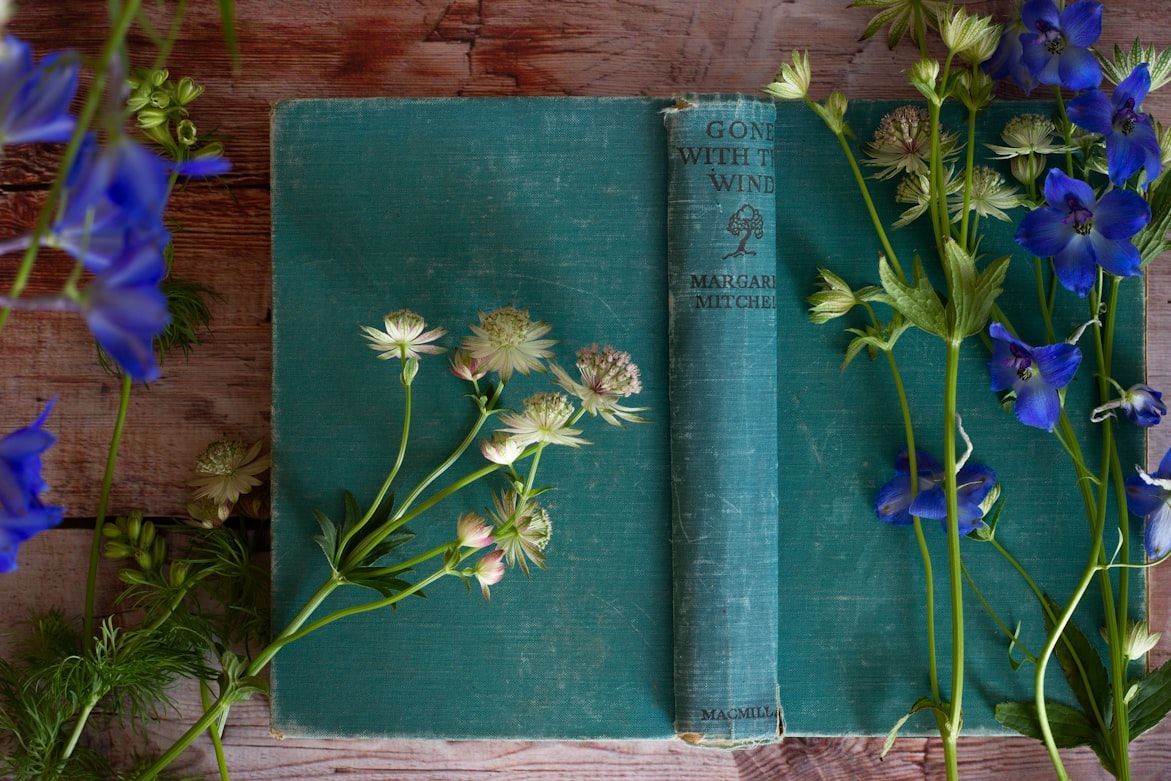
Gone With No Lead Actress

Image: micheile henderson

Gone With the Wind began filming without a lead actress, and Clark Gable was reportedly less than thrilled when Vivien Leigh was finally cast as Scarlett O’Hara.

The production faced creative clashes, including pushback on the film’s tone and even Rhett Butler’s famous line. Fortunately , "Frankly, my dear, I don’t give a damn" stayed in .

Explore more American facts

Choose your favorite category!

General
General

As American as apple pie—the very best America has to offer!

Culture
Culture

Delve into the astounding richness of American lore.

Geography
Geography

Hop in and explore vast and diverse American landscapes.

History
History

Discover the key moments that shaped the United States.