General General 4 min read

America's deadliest jobs

The real risks behind the 10 most dangerous jobs in the U.S.
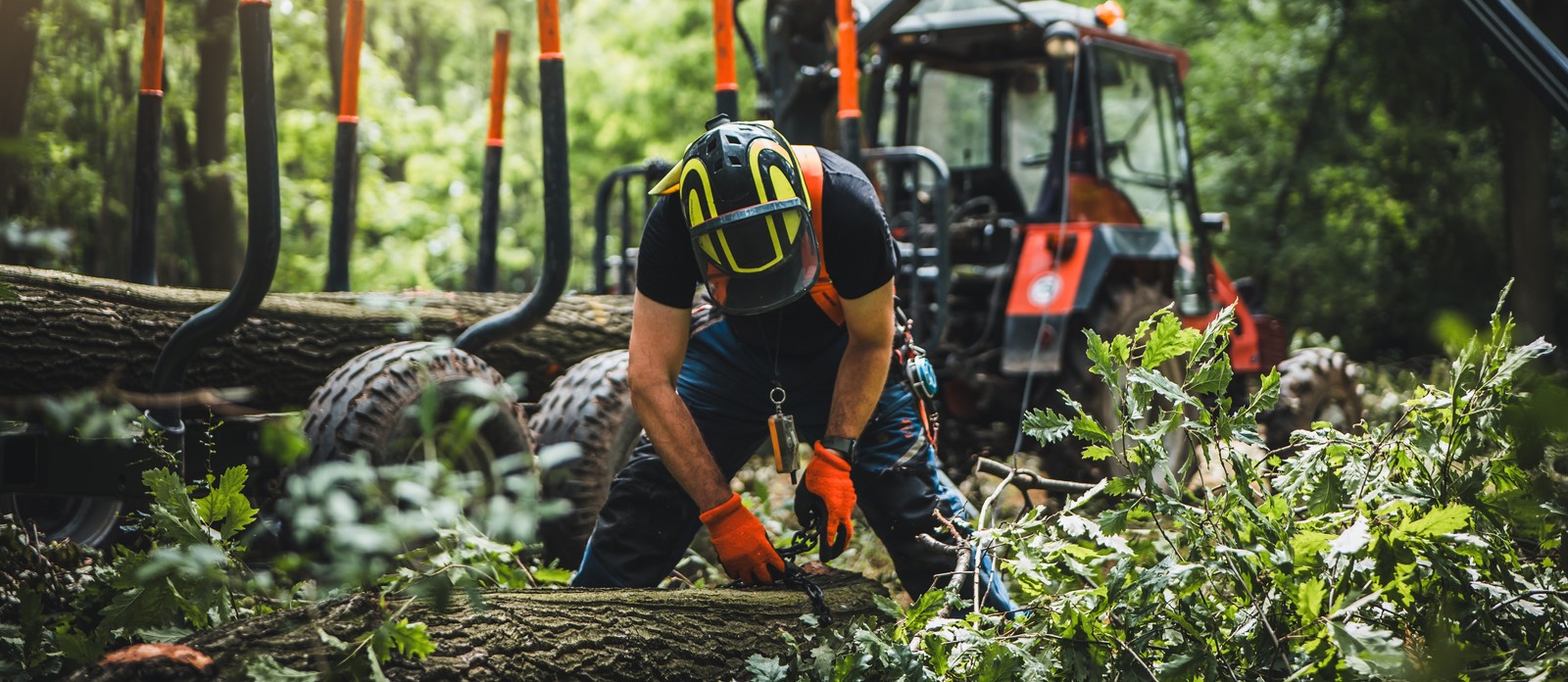
Image: Peter Kniez

Accidents can happen on just about any job, but a paper cut truly doesn't compare to what workers in logging or commercial fishing face every day. These jobs aren't for the faint of heart : chainsaws, hundred-foot trees, freezing seas, and machinery that doesn't care how careful you are. The folks who do this work train hard, build real skill, and summon the kind of bravery most of us never have to at the office. What’s more, they must follow strict safety rules—because one slip really can be their last.

1
Logging workers
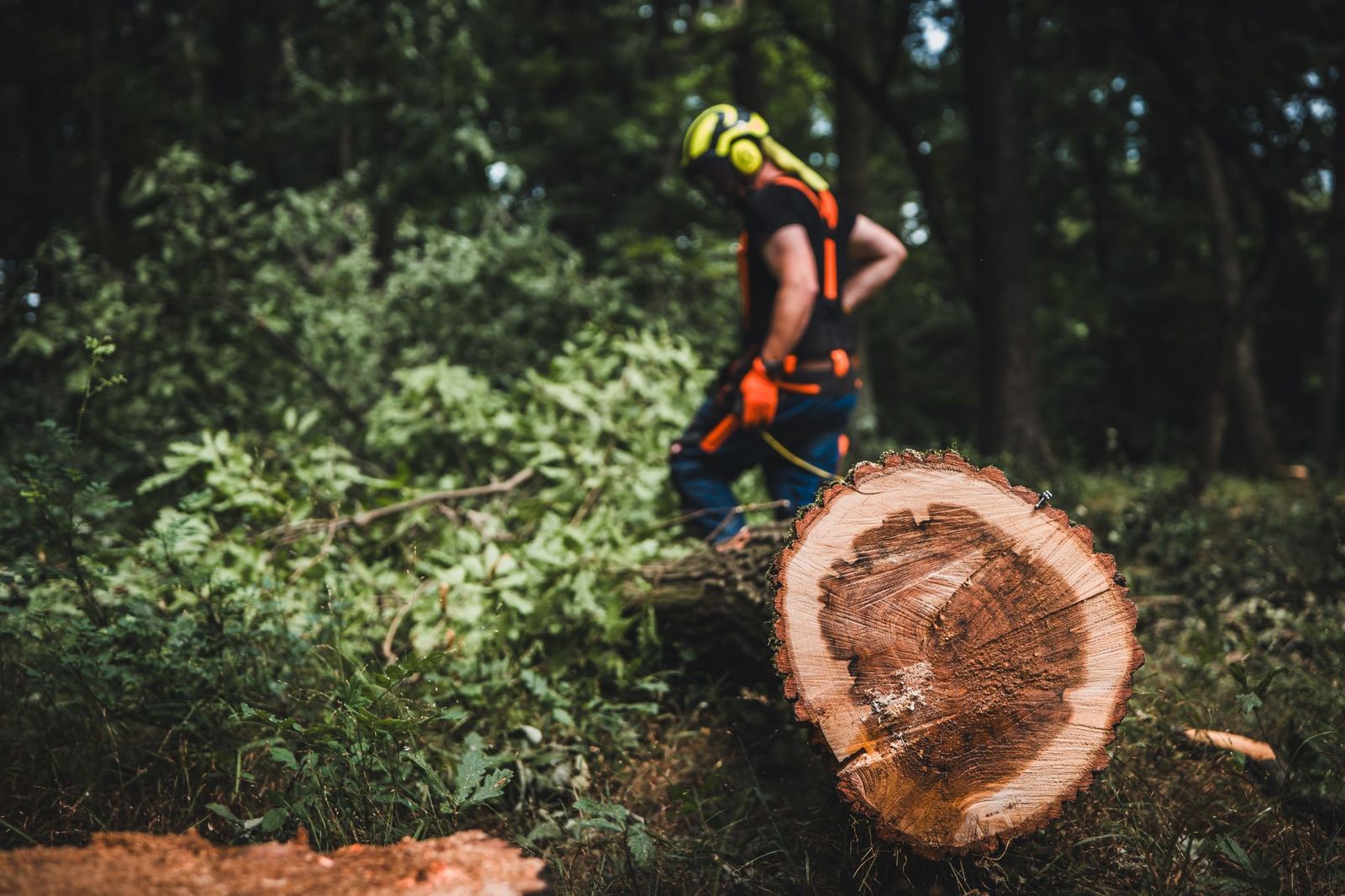
Image: Peter Kniez

Loggers cut down trees for lumber, paper, and everything in between, often deep in remote forests using chainsaws and heavy equipment. It takes real physical stamina, sharp judgment, and constant awareness of your surroundings . A tree can fall the wrong way, equipment can jam, or a loose branch can drop from above.

Picture a veteran logger yelling "timber!" only for the wind to shift at the last second. Makes your worst office mishap look pretty tame by comparison.

2
Fishing and hunting workers
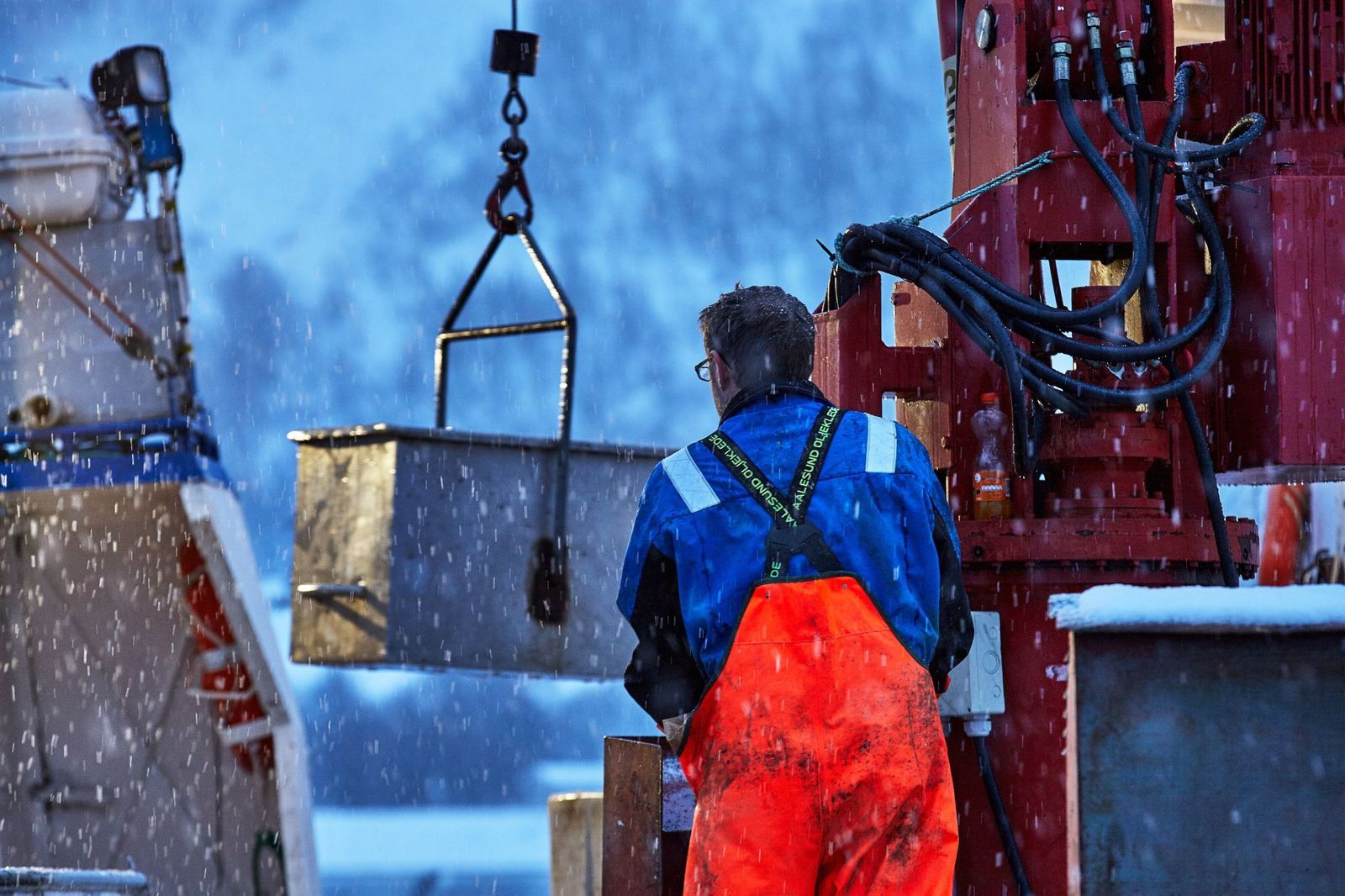
Image: Miroslav Denes

Commercial fishing and hunting crews work far from shore, sometimes for weeks, hauling in their catch through brutal weather. It takes endurance, boat-handling skills, and a tolerance for isolation most of us can't imagine. Storms, rogue waves, and equipment failures can turn routine into catastrophe fast .

Next time you order fish at a restaurant, spare a thought for the crew who braved the open ocean for it.

3
Aircraft pilots and flight engineers
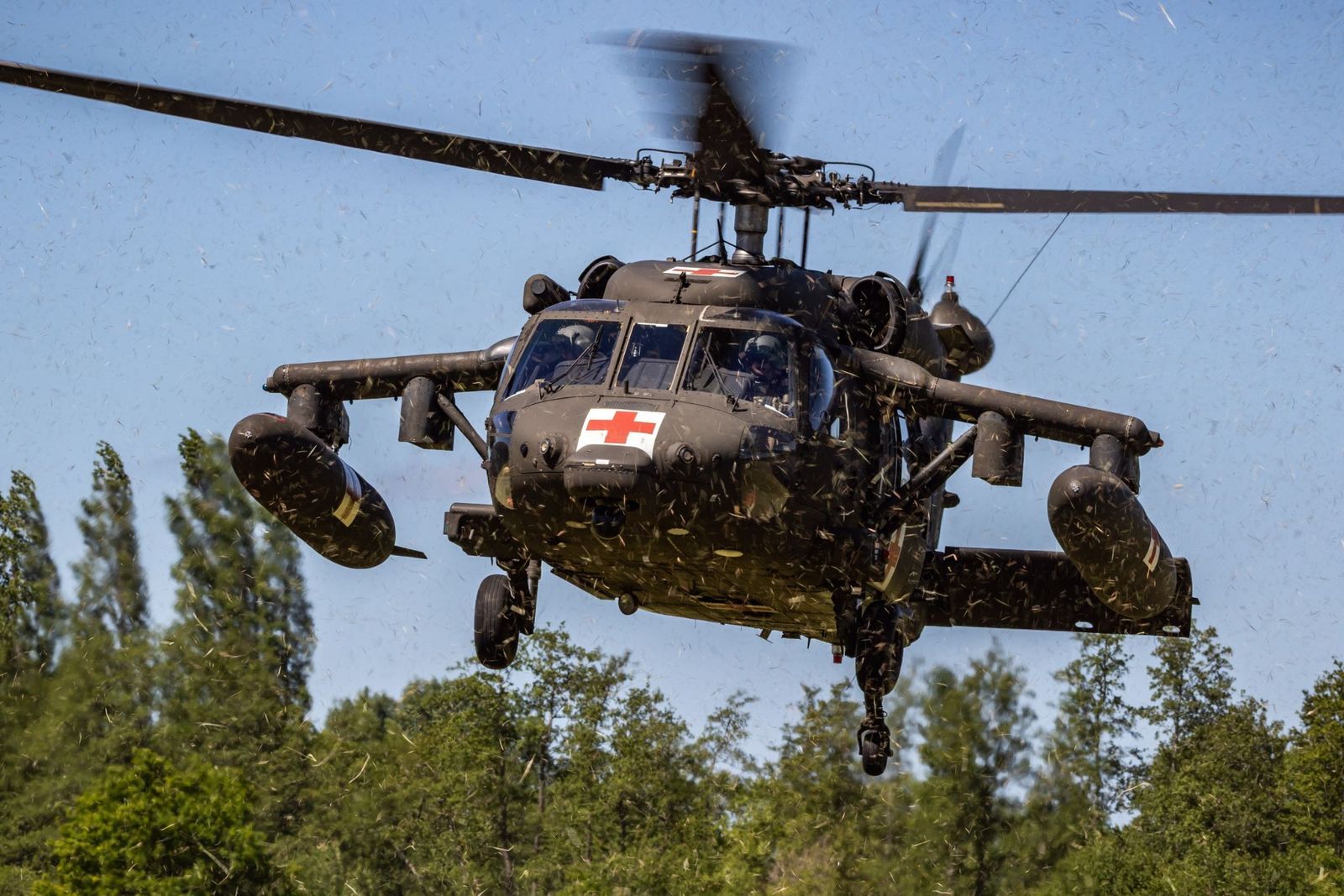
Image: VanderWolf Images

These pilots fly small planes and helicopters for cargo runs, aerial surveys, medevac flights, or crop-dusting: jobs far removed from a typical airline cockpit . It demands precision flying, split-second decisions, and calm under pressure . Mechanical failure, sudden weather, or a rough landing strip can spell disaster.

4
Roofers
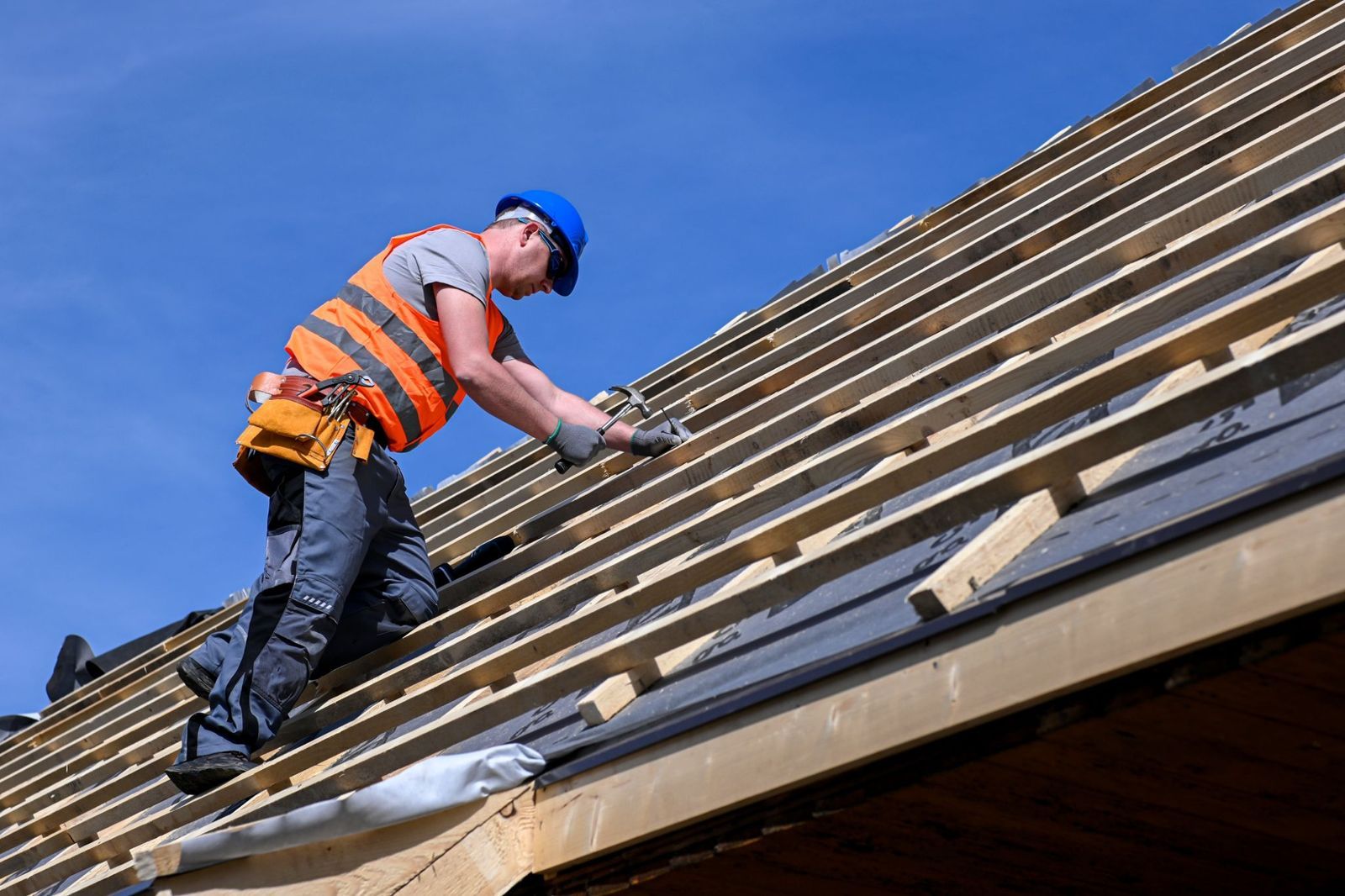
Image: Juraj Kral

Roofers install and repair the roofs over our heads, balancing on slanted, sometimes slick surfaces in blazing heat or biting cold. The job demands balance, full-body strength, and total focus: one careless step is all it takes . Falls remain the biggest danger, especially without a proper harness.

Picture a roofer shingling a two-story house on a windy afternoon, steadying himself as a gust hits. Next time you gripe about cleaning gutters, remember someone does this all day, 30 feet up.

5
Refuse and recyclable material collectors
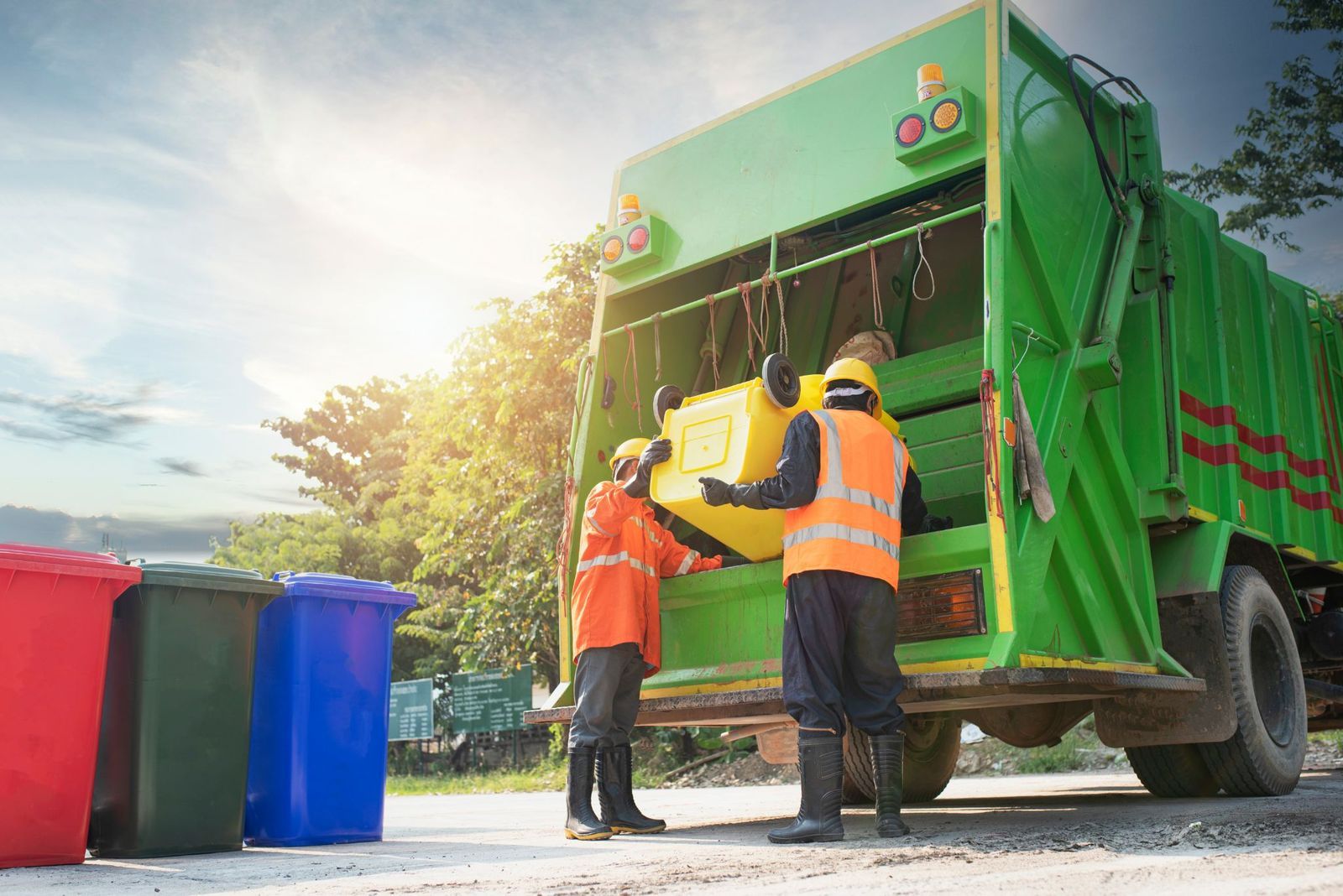
Image: Somchai_Stock

Garbage and recycling collectors keep neighborhoods running, riding trucks and lifting bins before most of us are even awake. It takes strength, stamina, and constant vigilance around fast-moving traffic and heavy machinery . Accidents often happen when a distracted driver doesn't see them, or a limb gets caught in equipment.

It's a job we rarely think about… until the week the bins don't get emptied.

6
Structural iron and steel workers
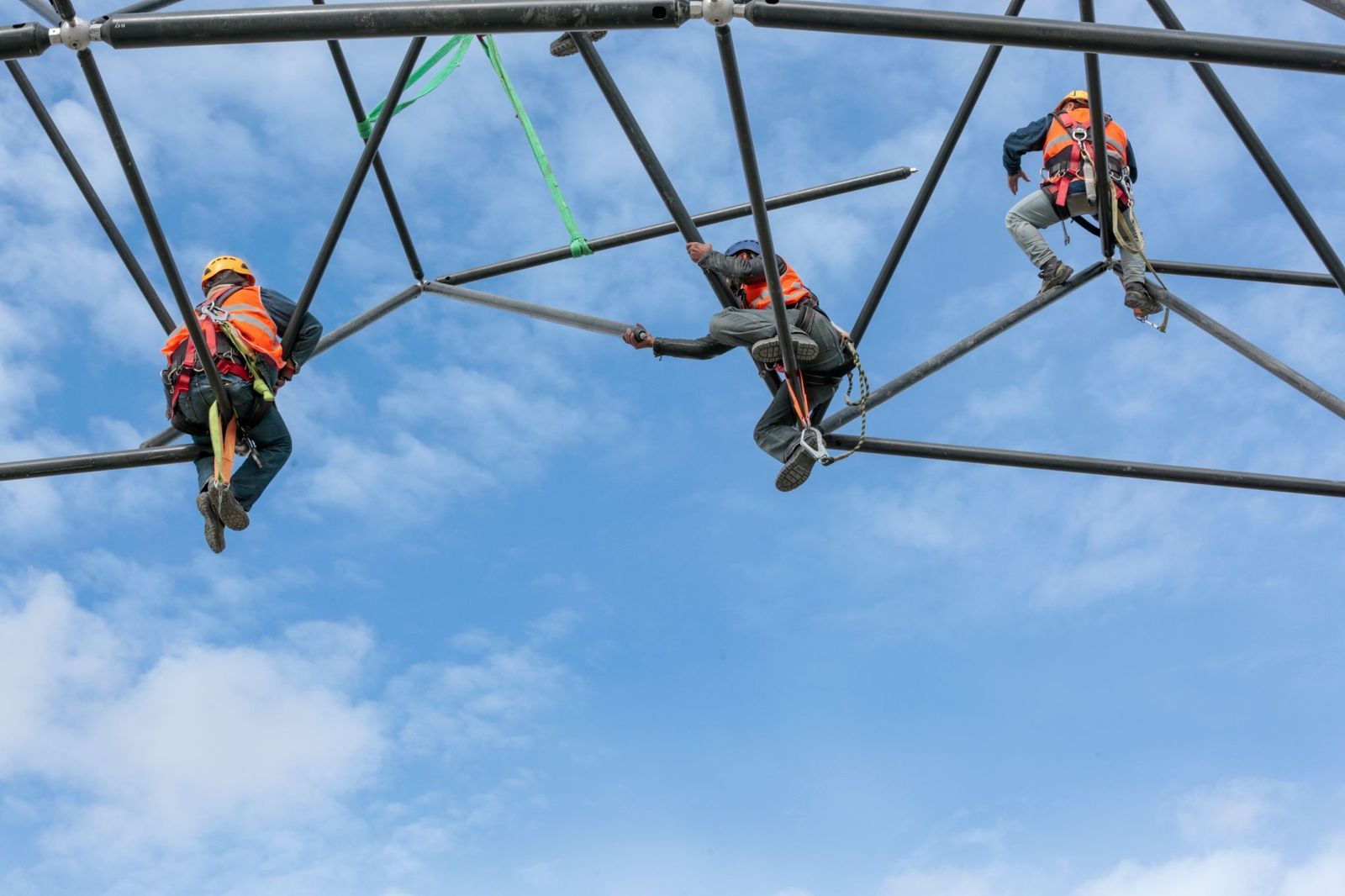
Image: Bulent camci

Ironworkers assemble the steel skeletons of skyscrapers and bridges, walking beams hundreds of feet up with only a harness for company. The job demands "nerves of steel" plus balance and precise coordination. A missed clip, a gust of wind, or a dropped tool can be fatal .

7
Truck drivers
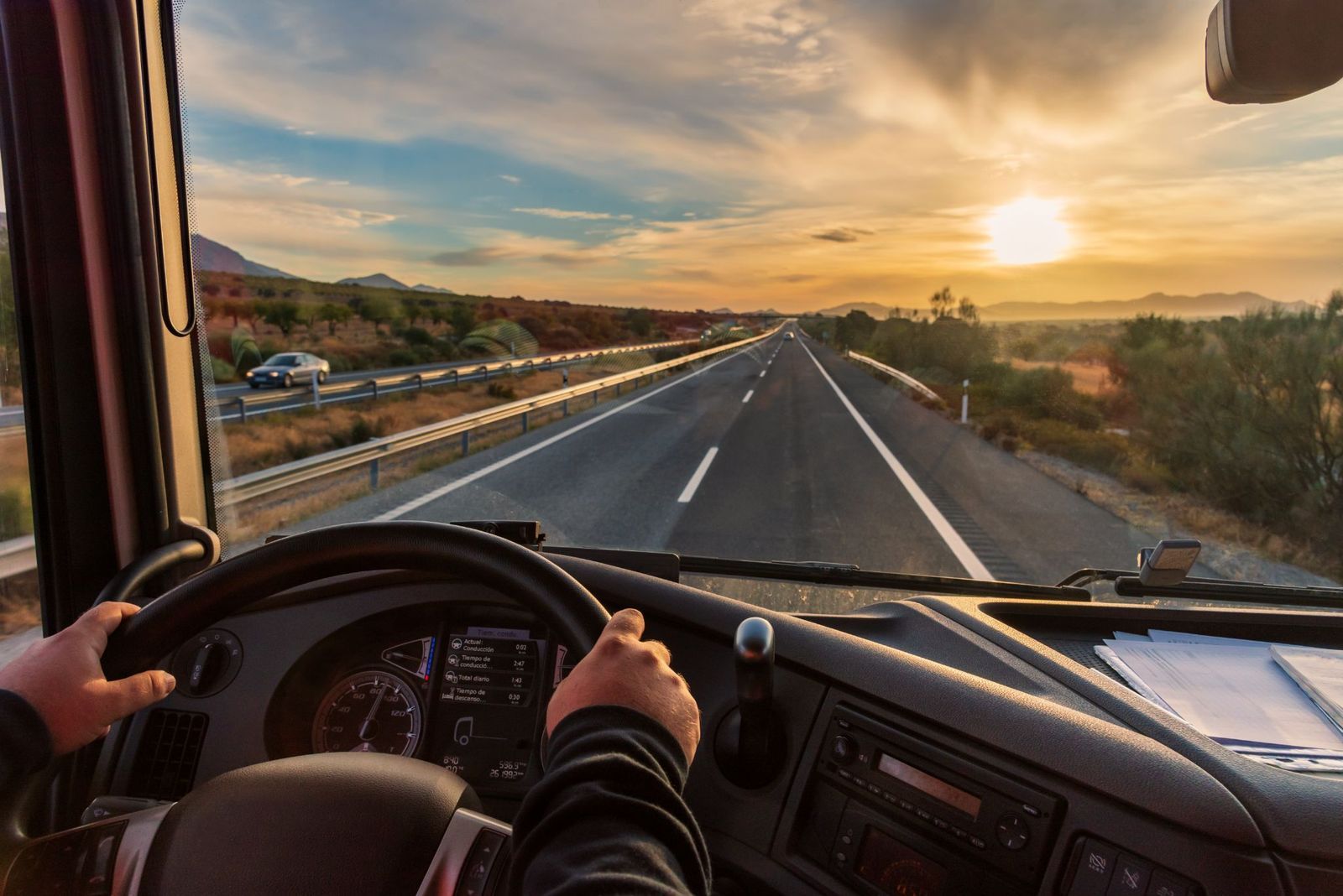
Image: Miguel Perfectti

Truck drivers haul goods across the country, spending long hours behind the wheel through every kind of weather and traffic. The job demands discipline, endurance, and staying sharp on empty highways at 2 a.m. Fatigue, distracted drivers, and rough road conditions cause countless accidents .

Imagine a trucker fighting drowsiness on a dark interstate, energy drink in hand, still hours from the next rest stop. It's worth remembering: nearly everything in your house got there because someone pushed through exhaustion to deliver it.

8
Farmers, ranchers, and agricultural managers
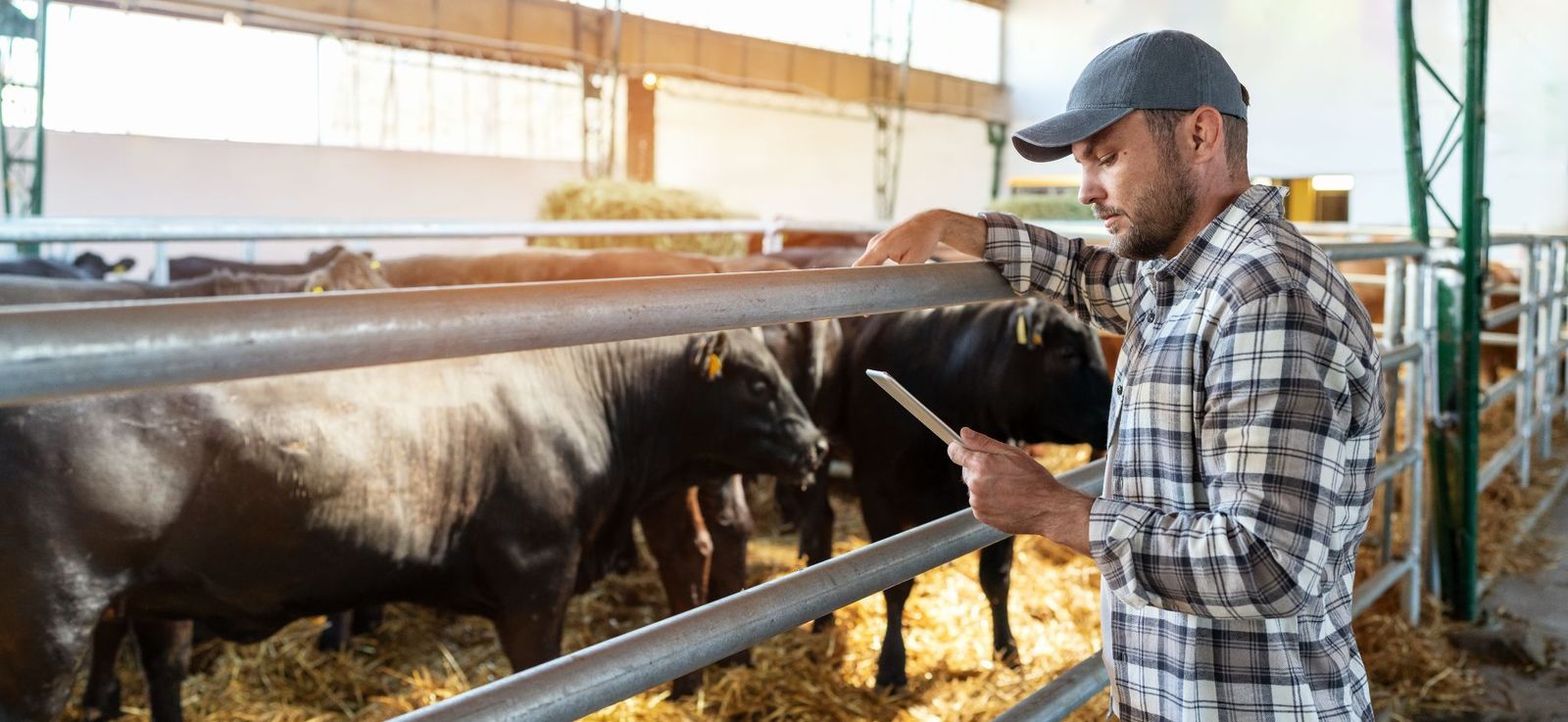
Image: Barillo Images

Farmers and ranchers manage crops, livestock, and heavy machinery, often working alone across vast land from dawn to dusk. The work demands mechanical know-how, physical toughness, and quick thinking around unpredictable animals and equipmen t. Not to mention, tractor rollovers and machinery entanglements are constant threats.

9
Power line workers
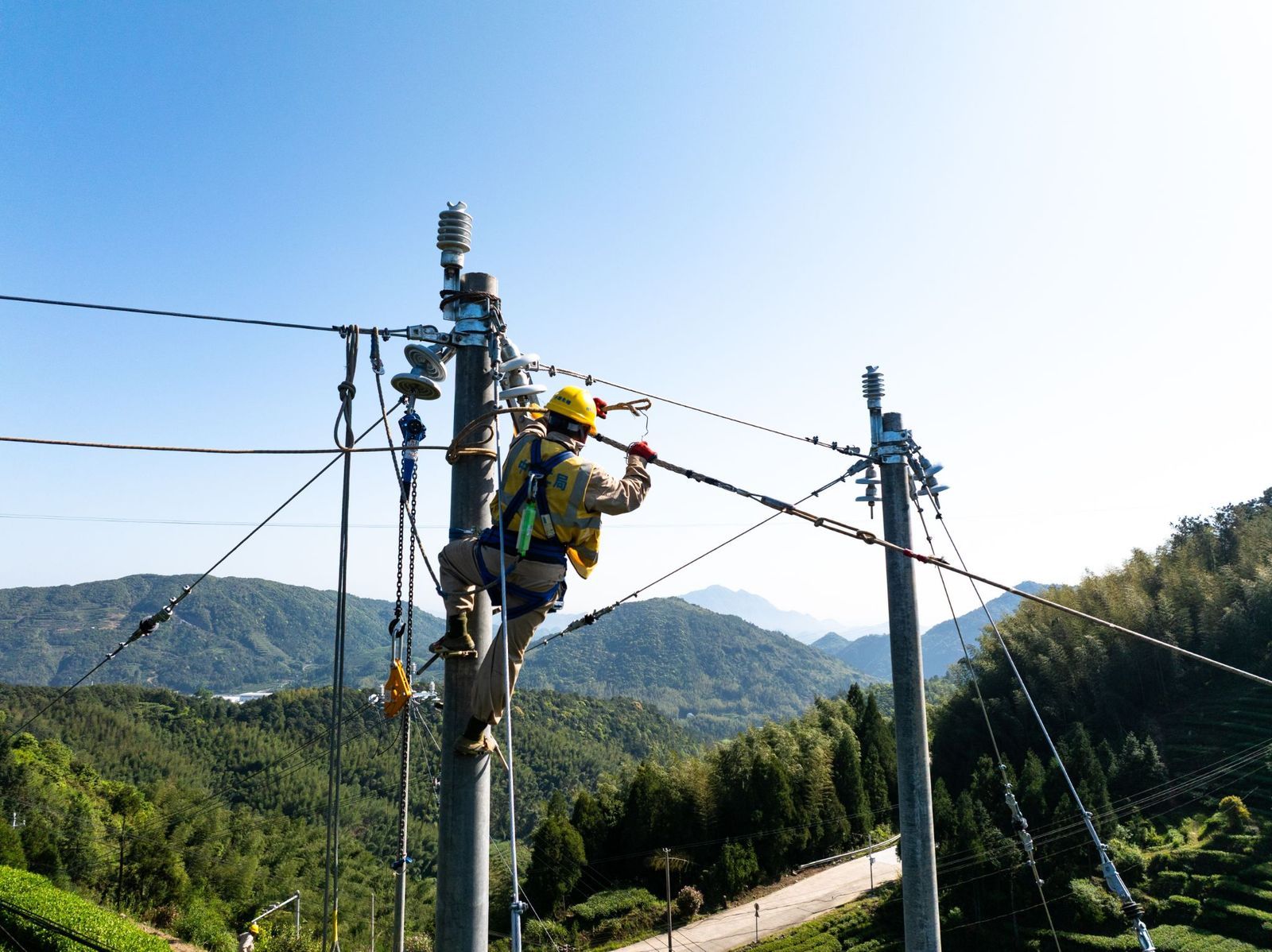
Image: zhu difeng

Power line workers climb utility poles and towers to install and repair electrical lines, often in storms when outages need fixing fastest. The job requires technical training, physical fitness, and total respect for high-voltage electricity . One wrong move near a live wire can be lethal, and falls add another layer of danger.

Imagine a lineman restoring power mid-hurricane, rain pouring, wires sparking nearby. Next time your power comes back after an outage, remember someone braved the storm to make that happen.

10
First-line supervisors of construction workers
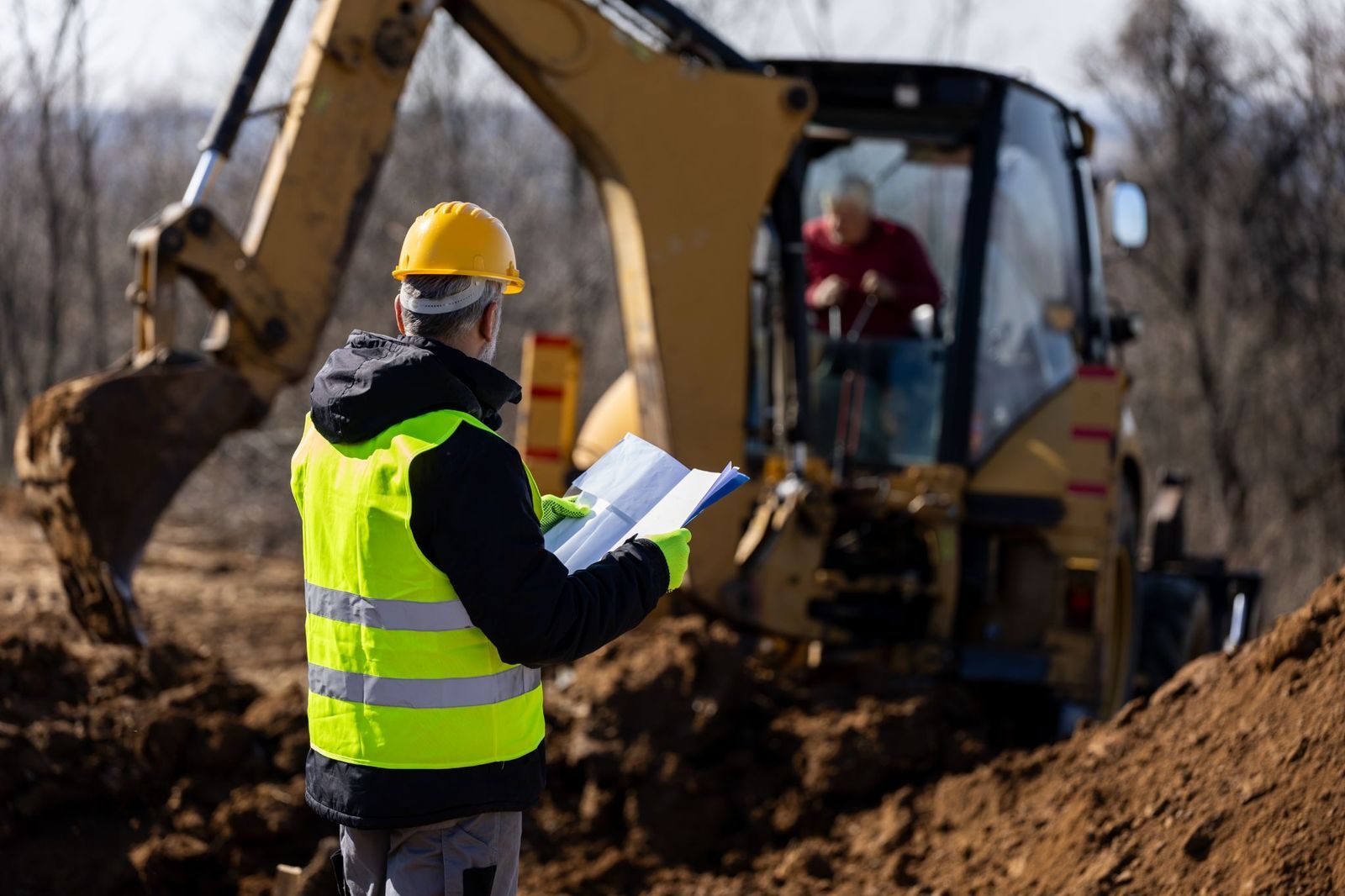
Image: zoff

These supervisors oversee construction crews, coordinating schedules, safety protocols, and hands-on work across the whole site. The role demands leadership, sharp attention to detail, and a willingness to step into the same hazards as their crew. Falling debris, heavy equipment, and structural collapses put them at risk daily .

Culture Culture 4 min read

Did you know?

What does "R2-D2" mean? Surprising facts about movies we've all seen

Image: Samuel Regan-Asante

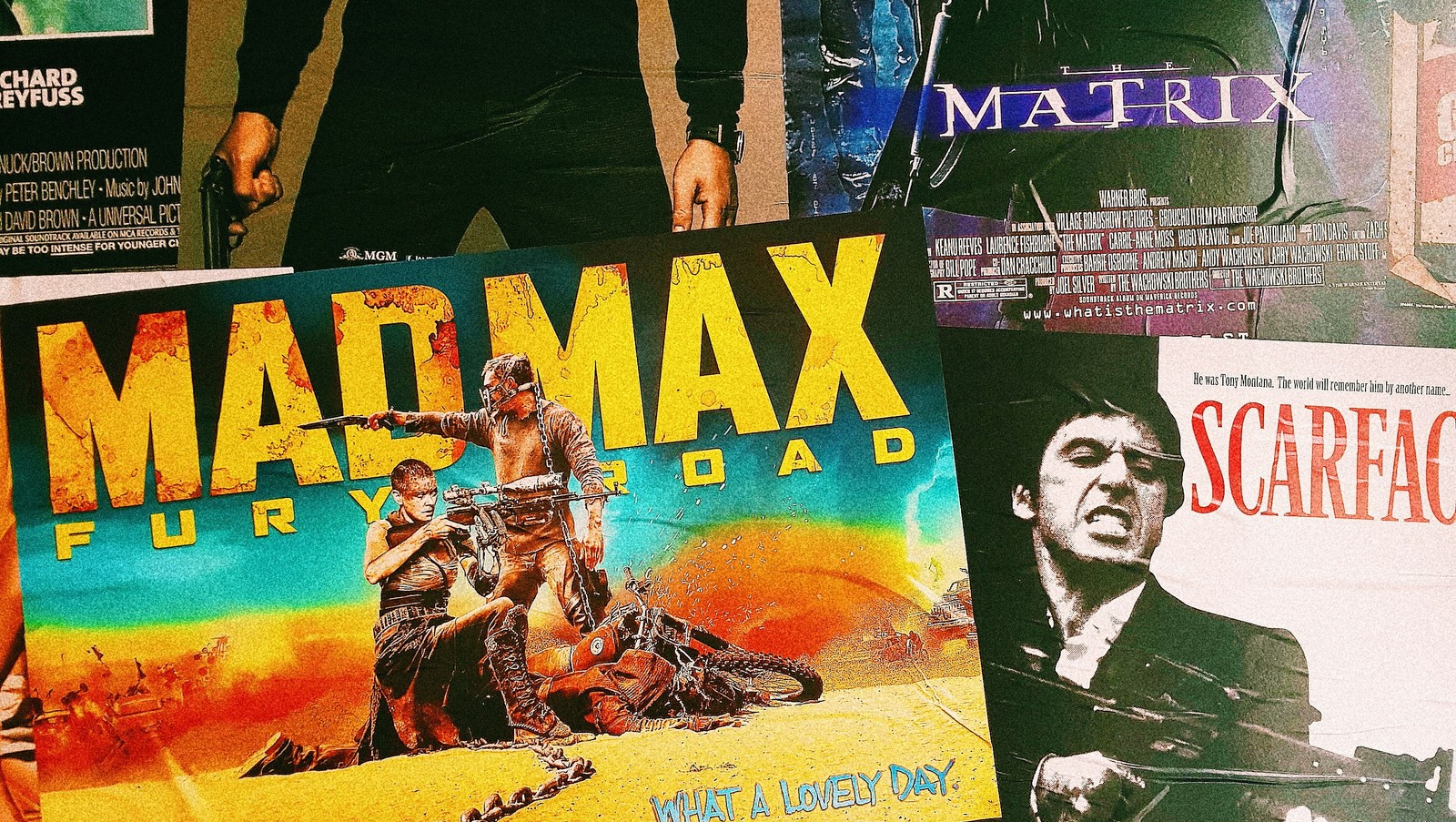
What did Martin Scorsese first think about Scarface ? What does R2-D2 mean, exactly? And what type of toy was Woody the Sheriff supposed to be, at first? The answers to these questions are some lesser-known stories behind some of Hollywood’s most memorable titles. Read on to learn a tale or two about movies we’ve all watched.

1
X-Men (2000)

Image: Alex Green

Remember the scene when Magneto and Professor X play a tense, symbolic game of chess? Well, the actors certainly do. Here’s why: Neither Patrick Stewart nor Ian McKellen knew how to play chess before filming.

So, director Bryan Singer brought in a Canadian chess Grandmaster to help design the game the two men would share by choreographing each piece's movement based on the high-strung dialogue they were having —Professor X needed to win.

2
E.T. the Extra-Terrestrial (1982)

Image: Sreevishnu Nair

Did you know that E.T., the beloved extraterrestrial who wanted to phone home, was intentionally designed to have no specified gender ?

Director Steven Spielberg expressed that his intention was to define E.T. as a "plant-like" creature, neither male nor female, and that this was explicitly explained in earlier versions of the script.

However, in the film, young Elliott insists that he knows the gender of his newfound friend: "He’s a boy," he explains to his sister when she asks. The audience went along with Elliott’s interpretation, and hence E.T. is considered to be male.

3
How the Grinch Stole Christmas (2000)

Image: Alex Stone

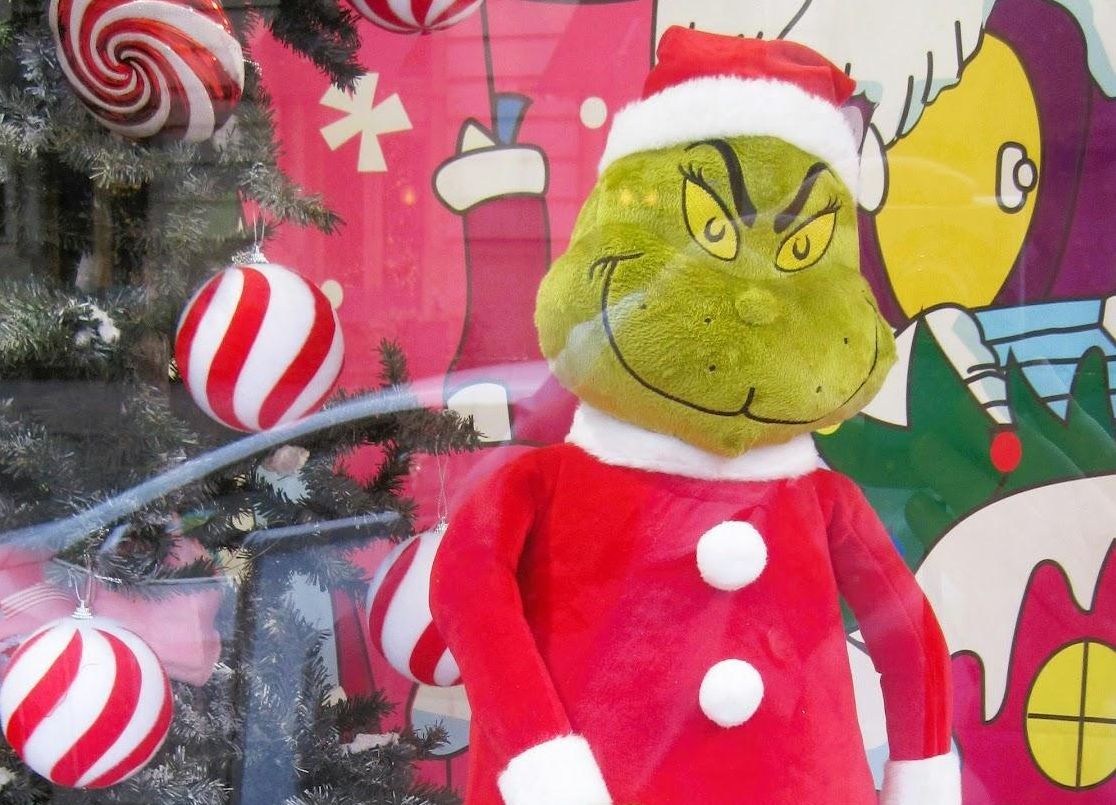
Jim Carrey loathed the process of becoming The Grinch. Though the Dr. Seuss character was fun to play, sitting for hours and hours for makeup and costume until the green look was perfected, he said, was exhausting.

So, he was shocked one day when he arrived on set, only to find yet another Grinch ready there before him. It was none other than director Ron Howard, who had been up since 3:30 am, getting into full costume in solidarity with him.

4
The Nightmare Before Christmas (1993)

Image: Elin Melaas

Watching Tim Burton’s The Nightmare Before Christmas, one might take for granted that the stop-motion marvel took years of painstaking effort. Around 227 puppets were built for the production because each character had multiple duplicates to allow shooting on many sets simultaneously.

The protagonist Jack Skellington alone needed nearly 400 different heads to capture enough facial expressions.

5
Toy Story (1995)

Image: Stone Hood

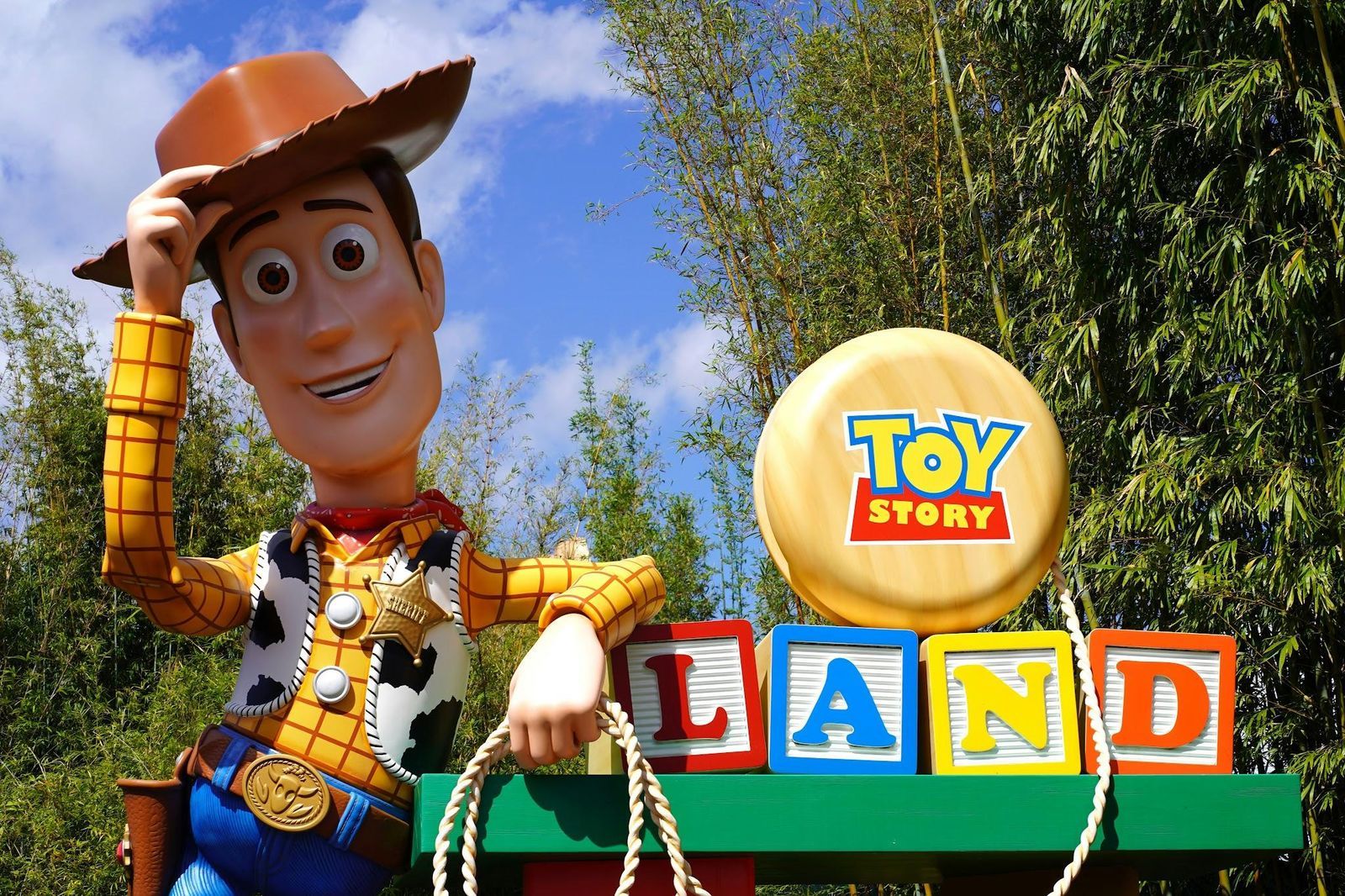
Even though we all recognize Woody the Cowboy, there was a time when the leading character of Toy Story was going to be… quite different.

Sheriff Woody was at first conceived as a ventriloquist dummy . But the Pixar creators thought that a softer cowboy toy would be a little bit friendlier. What do you think?

6
Star Wars: A New Hope (1977)

Image: Christian Maass

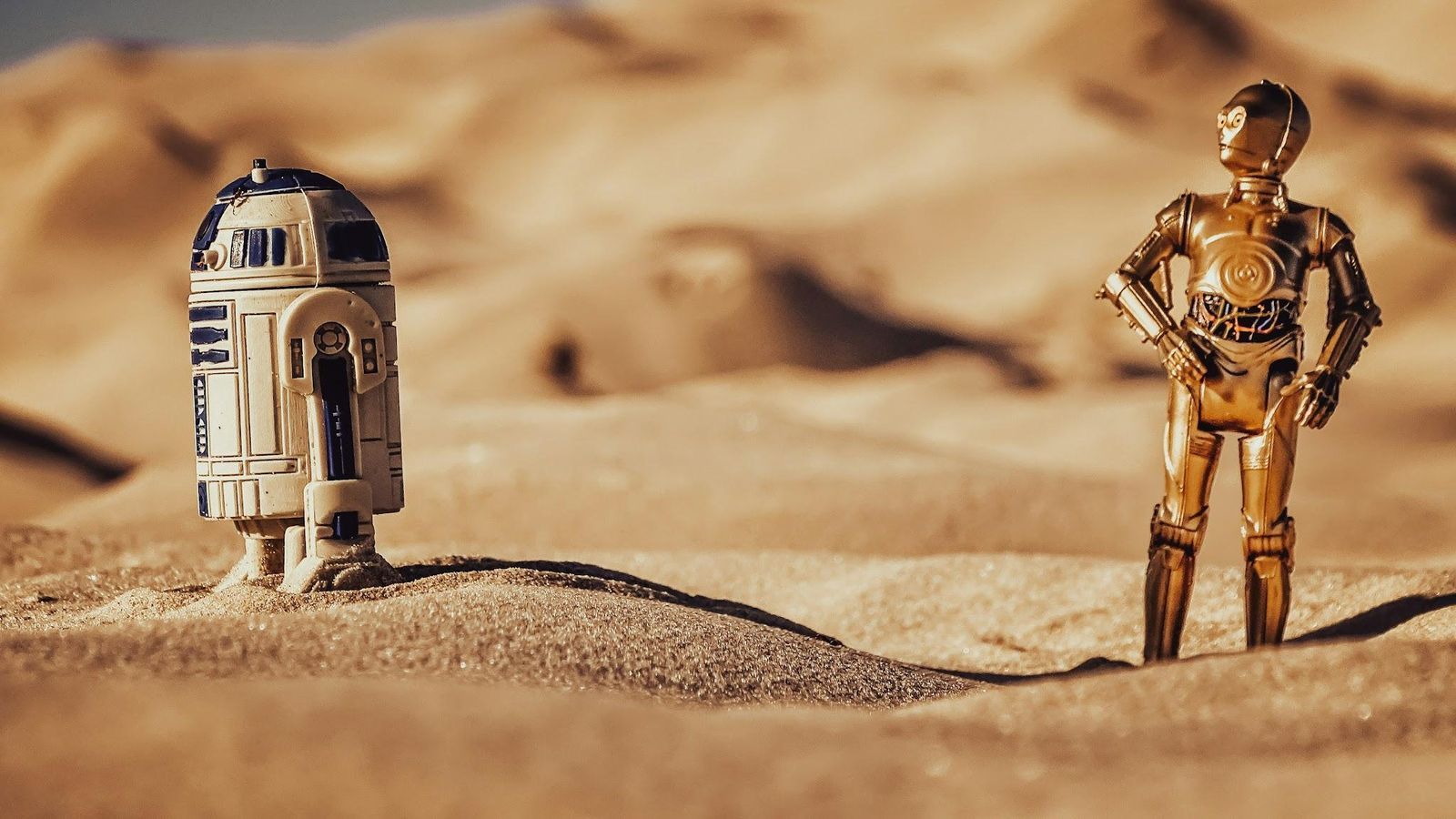
We all know the loyal little robot of the Star Wars world. But R2-D2’s name came about unintentionally. While filming a previous film, George Lucas had liked an abbreviation he heard his sound editor shout one day: "R2, D2".

It referred to "Reel 2, Dialogue Track 2" . But the expression sparked Lucas’s imagination.

7
Home Alone (1990)

Image: Liubomyr Vovchak

Yes, Kevin is nine years old in the movie. But most of his "dangerous" moments were handled by a 30-year-old stuntman in kid-sized clothes!

Still, some injuries were inevitable. And they didn’t come from hanging from a zipline or sliding downstairs: No, young Macauley Culkin got a scar from Joe Pesci accidentally biting his fingers too hard in one scene.

8
Interstellar (2014)

Image: SpaceX

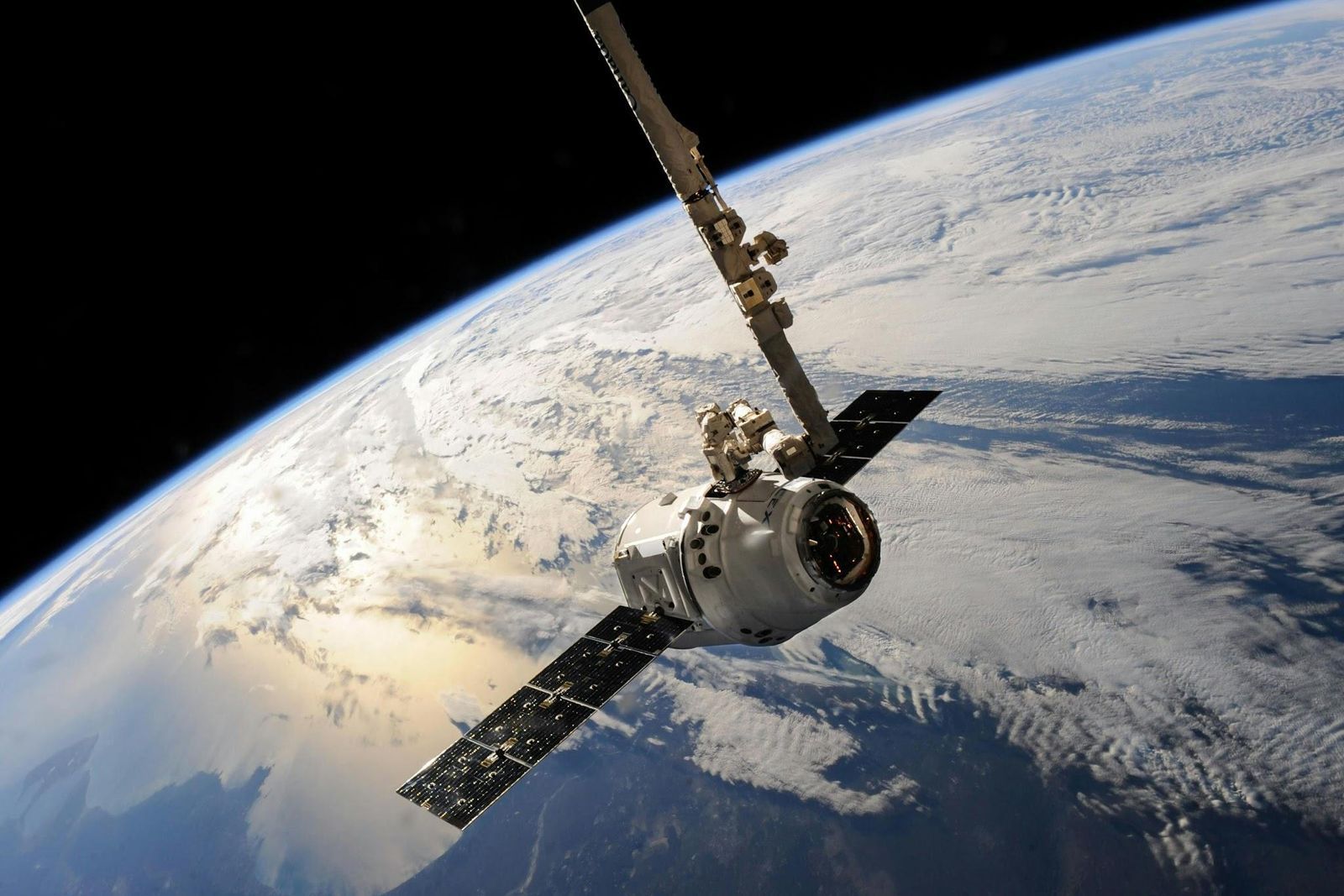
Christopher Nolan’s Interstellar is well known for its ambitious science fiction vision. But Nolan went above and beyond with details. For example, the robot TARS wasn’t a CGI creation: it was physically built (a kind of "puppet-robot").

Plus, the space suits the actors wore were designed with functioning oxygen units and cooling tubes! Needless to say, though, all scenes were filmed on Earth.

9
The Matrix (1999)

Image: Markus Spiske

Did you know that Johnny Depp was the first choice to play Neo for The Matrix ? As an up-and-coming actor in the 90s, the writers had considered him perfect for the role. However, fate decided Keanu Reeves would take the part, and the rest was history.

Reeves didn’t have it easy, though: the Wachowskis had him read philosophical books like Simulacra and Simulation by Jean Baudrillard, Out of Control by Kevin Kelly, and Introducing Evolutionary Psychology by Dylan Evans.

10
Scarface (1983)

Image: Bryant's Juarez

After Martin Scorsese saw Brian De Palma’s Scarface, he reportedly told actor Steven Bauer: "It’s great… but they’re going to hate it ."

He wasn’t wrong. Critics did hate it, at first. They called it vulgar, excessive, hysterical, and violent. Scorsese himself had been criticized for the violence in his own work, so he recognized the pattern instantly. However, as we know, audiences eventually made it a cult classic.

General General 4 min read

DID YOU KNOW THESE 10 REGIONALISMS?

Asking for a pancake in Michigan: 10 American foods with varying names

Image: charlesdeluvio

Like love, food is a universal language that bonds us together through shared experiences. However, much like love, the world of food and dishes can also change its names from place to place. Listed below are ten examples of everyday foods that are known by different names in various parts of the country. Stick around until the end, and you will learn some curiosities, including where you should ask for a mango if you want a bell pepper!

1
Pancakes

Image: Ala

Imagine you are a tourist in Michigan and decide to go for pancakes. You enter a suitable establishment, sit at the counter, and ask… what, exactly? Yes, most people call them pancakes, and there is a fair chance that you will receive just that without further questions, but if you want to speak like a local, you will ask for flapjacks .

The "flap" part of flapjack is derived from the word the British used to mean "flip." As for the "jack" part, historians say it may refer to the small size of the pancake because "jack" referred to something that was small. You’ll hear pancakes more in the North and flapjacks in the South, but there are exceptions, such as the Flapjack Shack in Traverse City, Michigan.

2
Dessert Toppings

Image: Kate Trysh

For many Americans, dessert toppings for ice creams and milkshakes are like cheese on a pizza: a must. If you happen to be one of them and are visiting New England, you should know that the local word for toppings is " with jimmies. "

Jimmies are a subgroup of the larger category of dessert toppings known as sprinkles, although people across the U.S. might use the terms interchangeably. Jimmies are cylindrical sprinkles, but some people use the word to refer specifically to chocolate or colored varieties. As for round sprinkles, they are technically marketed as nonpareils.

3
Cold Sandwiches

Image: Allen Rad

The word "sandwich" has come to represent practically any food that is stuffed between two pieces of bread and can be eaten—usually—with your hands. But in certain regions of America, this ubiquitous food item goes by different names.

Pennsylvania has its own term: hoagie . Back in the day, the Italian-American community lived in an area called Hog Island, and local cooks were known for their big "Hog Island Sandwiches," which eventually became known as "hoagies." In New England, many people call a sandwich a grinder . That’s because it’s traditionally made from Italian bread, which has a thicker crust than the typical sandwich bread.

4
Stuffing or Dressing?

Image: Louis Hansel

In the northern parts of the U.S., stuffing refers to the thick mixture of seasoned breadcrumbs or croutons often used to fill poultry dishes.

But, in the southern parts of the country, the word used to describe that is dressing . Yes, the same word that is used in the North to describe any kind of liquid topping for salads. It can be confusing, right?

5
Pop or Soda?

Image: Taylor Swayze

Soft drinks are referred to by different names in different parts of the country. If you are on the East Coast, along the Illinois-Missouri border, in southeastern Wisconsin, California, or nearby areas, you probably call it soda .

However, if you are from the Great Plains region or the Midwest, you likely refer to it as pop . And, if you refer to it as Coke or cola —whether it’s Coca-Cola or something else—you’re most likely from the South.

6
Jelly donuts as Bismarck

Image: Leon Ephraïm

Jelly donuts are quintessentially American. These delicious pastries filled with sweet jelly are everywhere—and for good reason. However, in the midwestern region of the country, as well as in Alberta and Saskatchewan in Canada, jelly donuts have a different name altogether.

That is because the German immigrants who settled in the region named the dessert "Bismarck" after the 19th-century Prussian chancellor, Otto von Bismarck because those pastries were a favorite snack of his.

7
Milkshakes as "frappes"

Image: Sebastian Coman Photography

A milkshake and a frappe are pretty much the same thing across most of the country—and even the world, we dare say. However, that’s not the case in New England. If you were to ask for a milkshake in that area, you would receive a slightly different—but equally delicious—beverage.

Nearly everywhere else in the U.S., a milkshake is made with milk, ice cream, and syrup blended together. But in New England, that's a recipe for a frappe . A milkshake in that part of America consists of just milk and syrup, shaken or blended until a foamy head appears.

8
Casseroles as a hotdish

Image: sheri silver

A casserole is a warm dish made by layering meat, vegetables, and noodles, along with a can of condensed soup thrown into the mix and then taken to the oven. However, in Minnesota, that same recipe is called a hot dish.

According to Howard Mohr, author of How to Talk Minnesotan , "A traditional main course, hotdish is cooked and served hot in a single baking dish and commonly appears at family reunions and church suppers."

9
Poached Egg vs. Dropped Egg

Image: Unsplash

New England has appeared a couple of times already on this list, and it’s about to make another appearance. In most parts of the country, the cooking technique of gently dropping an egg into boiling water is called "poaching an egg."

But in New England, the name for this technique has a much more literal term, calling this particular preparation a dropped egg .

10
Peppers and Mangoes

Image: Paul Morley

We’ll close this list with perhaps the most curious case of regional naming we came across. In the Midwestern region of the country, a "mango" does not refer to the tropical fruit commonly known as a mango.

Instead, if a midwesterner asks for a mango at a local grocery store, they will receive a mild, green bell pepper . The suggested explanation for this is that as green bell peppers ripen, they develop red-gold splotches that make them look similar to mangos.

Explore more American facts

Choose your favorite category!

General
General

As American as apple pie—the very best America has to offer!

Culture
Culture

Delve into the astounding richness of American lore.

Geography
Geography

Hop in and explore vast and diverse American landscapes.

History
History

Discover the key moments that shaped the United States.