General General 3 min read

Do you want to believe?

Not every American mystery has been solved. Did you know about these 12?
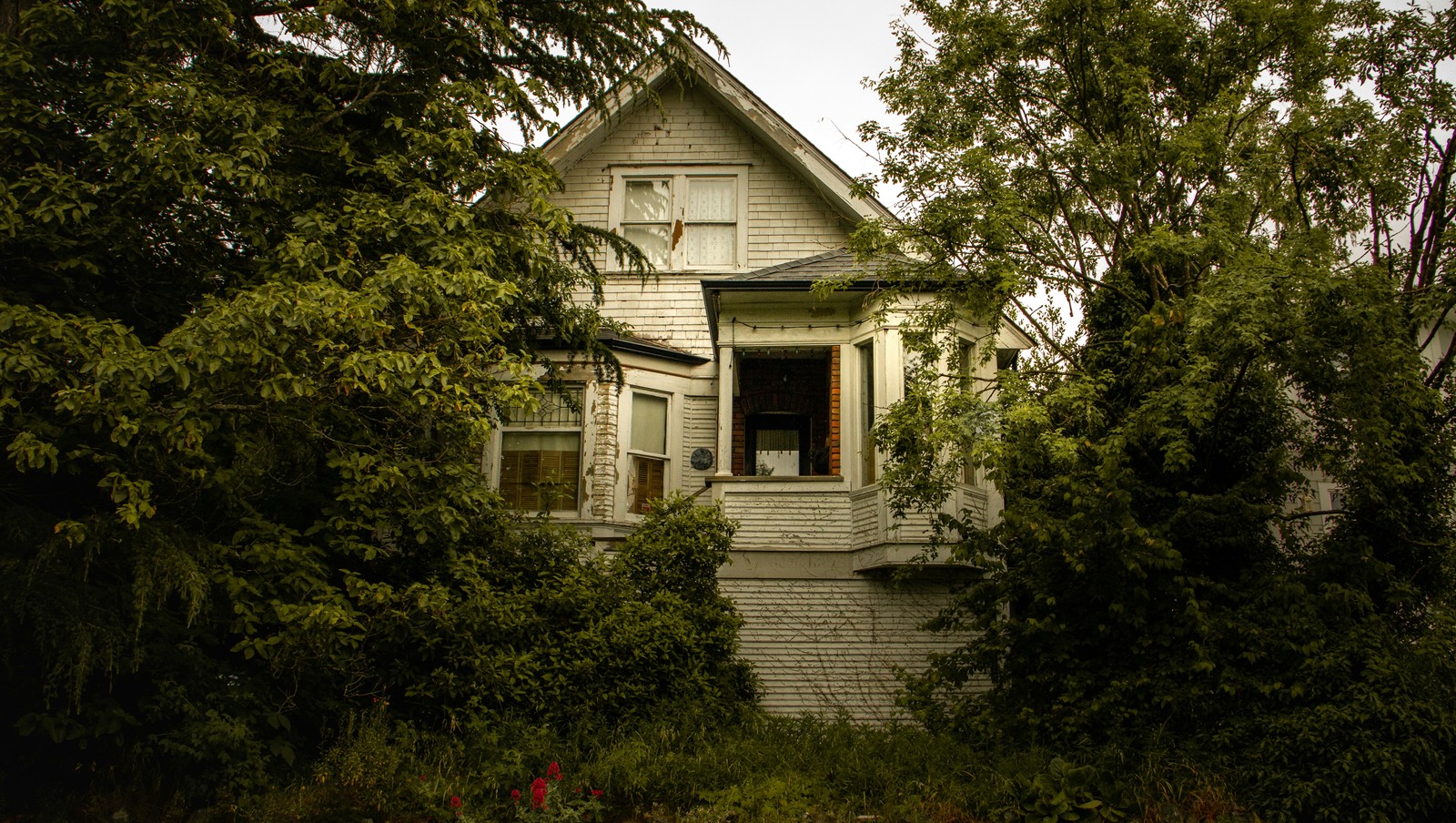
Image: Sonya Romanovska

America has its share of baffling mysteries. From strange sounds and lights to puzzling artifacts and cryptic codes, many oddities keep historians, scientists, and everyday folks wondering. Have you heard of these 12 fascinating unsolved mysteries in and around the U.S.?

1
The Beale Ciphers - Virginia
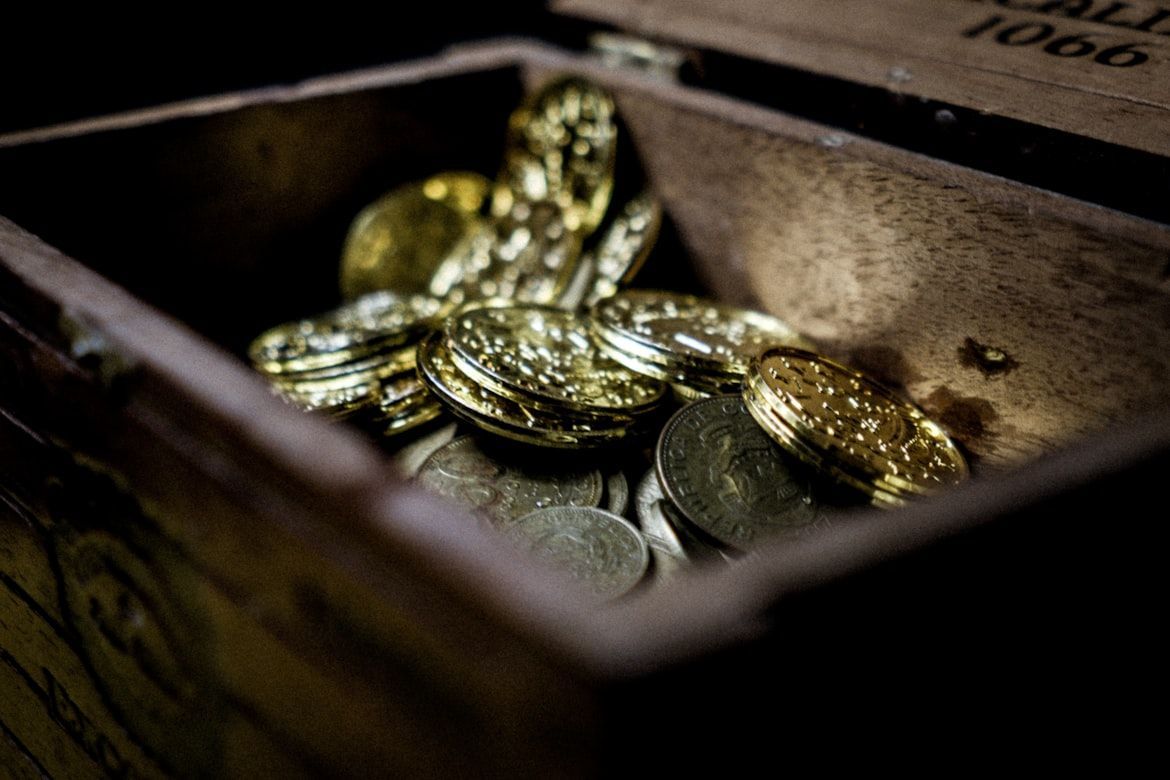
Image: Bjorn Pierre

In the early 1800s, three coded papers surfaced, said to reveal the location of a hidden treasure in Virginia . Only one cipher (the second) has been partially decoded using the Declaration of Independence, pointing to a stash of gold, silver, and jewels.

Treasure hunters and cryptographers have tried for decades to crack the remaining ciphers. Yet, so far, no one has succeeded.

2
The Georgia Guidestones - Georgia
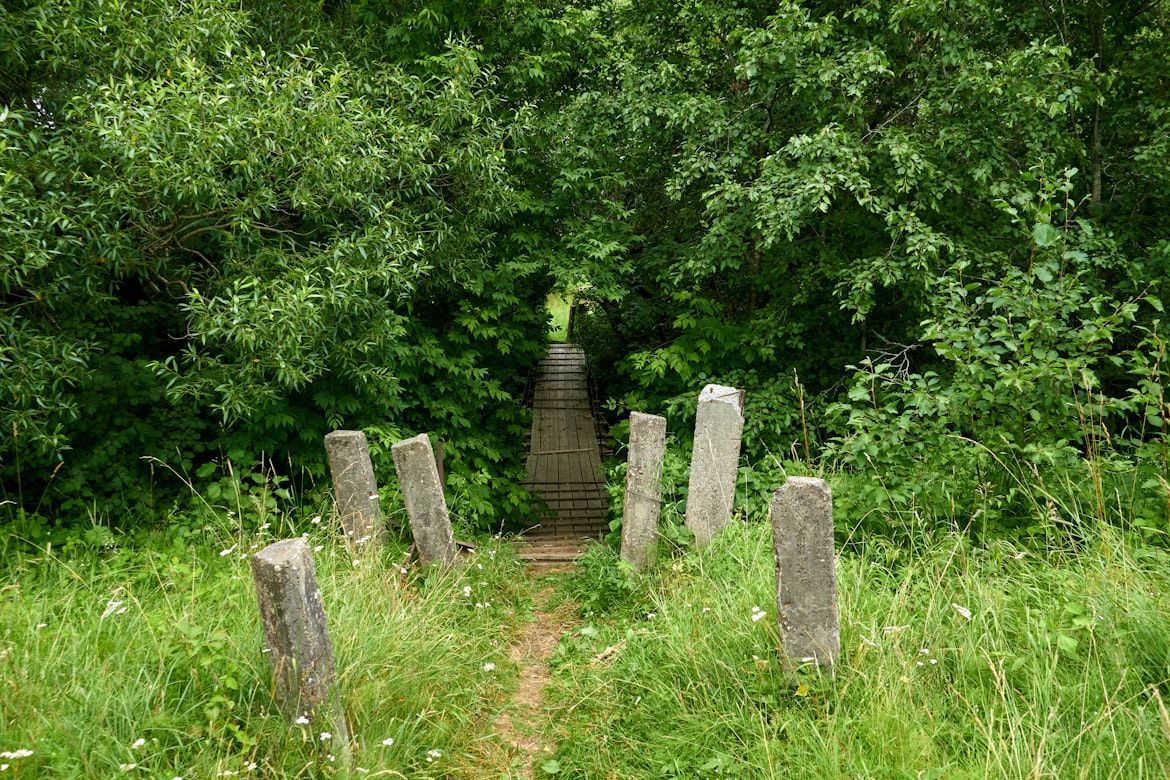
Image: Andrey Nuraliev

Erected in 1980, the granite monument carried inscriptions in multiple languages , laying out guidelines for humanity’s future. The massive slabs earned the nickname "America’s Stonehenge."

The mystery lies in who commissioned it. The sponsor used a pseudonym and never revealed their identity. Too bad they were destroyed in 2022 after being damaged by an explosion.

3
The "Wow!" Signal - Ohio, 1977
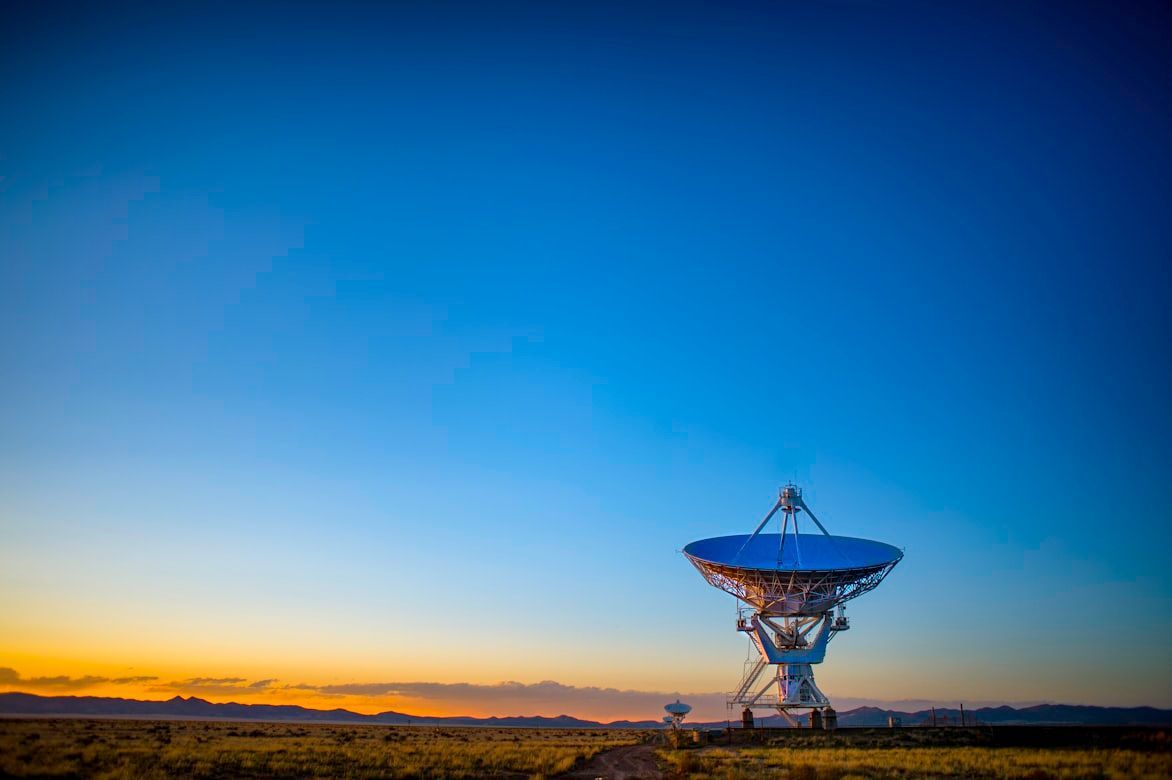
Image: Donald Giannatti

One night in 1977, Ohio State University’s Big Ear telescope picked up a deep-space radio burst lasting 72 seconds . Astronomer Jerry Ehman circled it and wrote "Wow!" beside the data.

The signal has never been definitively explained. Whether it was a passing comet, a reflection, or something else, no one knows.

4
Roanoke Colony’s "CROATOAN" - North Carolina
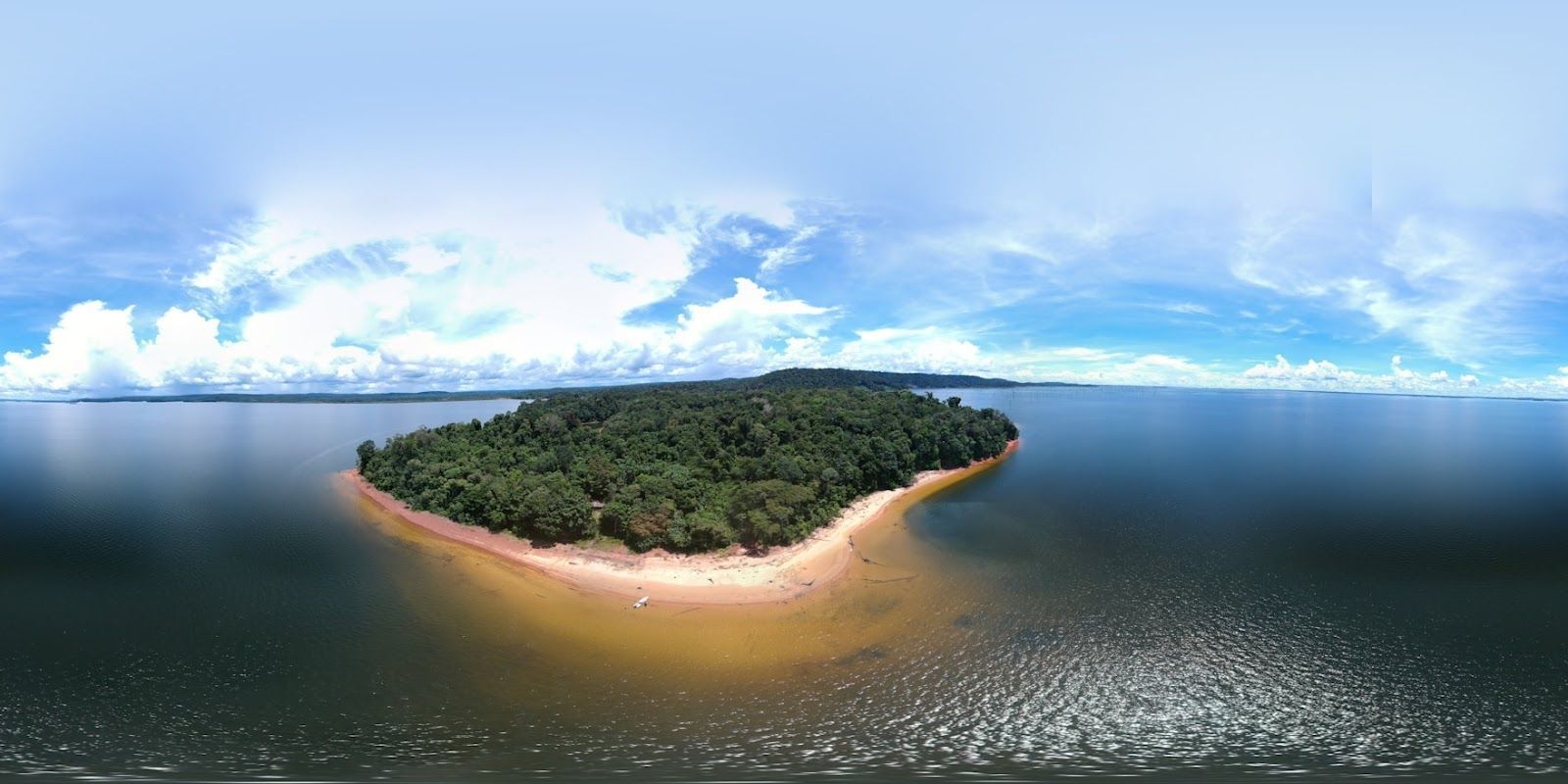
Image: Rogean James Caleffi

In the late 1500s, settlers on Roanoke Island disappeared, leaving only the word "CROATOAN" carved on wood . Their fate remains one of the earliest American mysteries.

Some think they merged with local tribes, while others suggest they relocated. Without proof, the vanished colony remains a puzzle historians love to revisit.

5
The Taos Hum - New Mexico
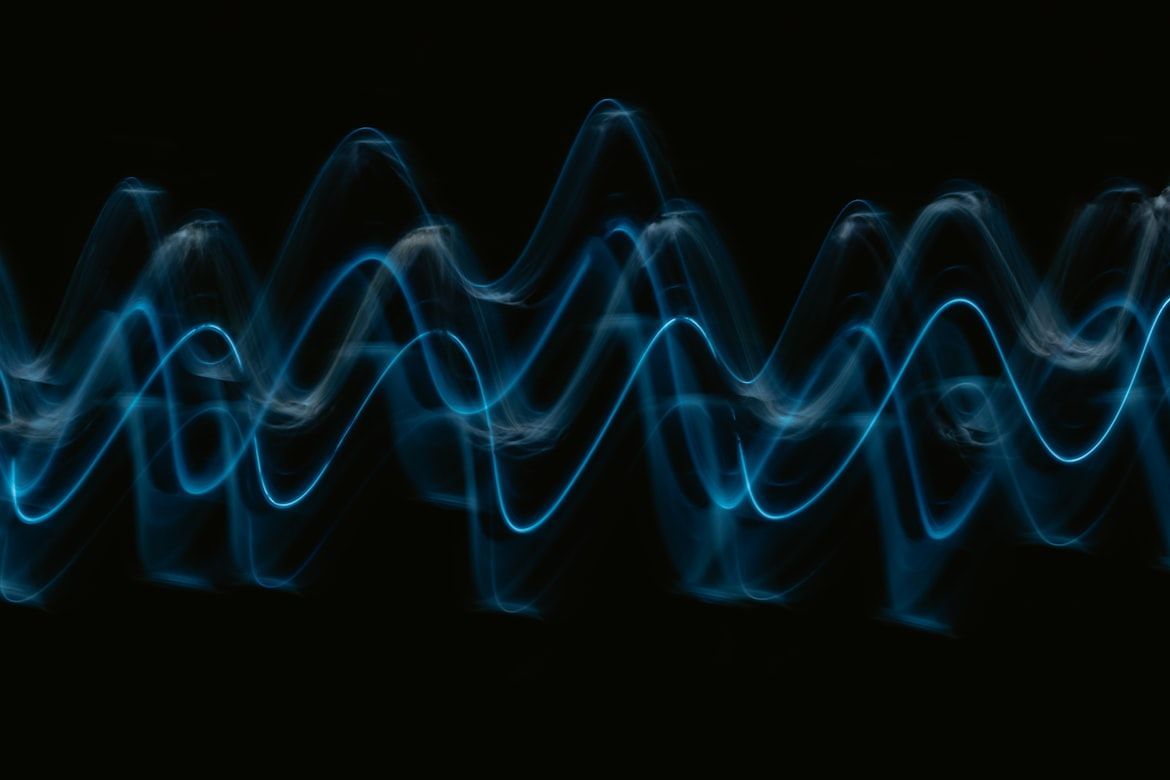
Image: Pawel Czerwinski

Since the 1990s, some residents of Taos report hearing a low, steady humming sound . It’s described like a distant diesel engine idling in the desert.

Some studies suggest it may be related to low-frequency industrial noise or tinnitus in some individuals. The reality is, scientists have studied the phenomenon but haven’t pinned down a cause.

6
Marfa Lights - Texas
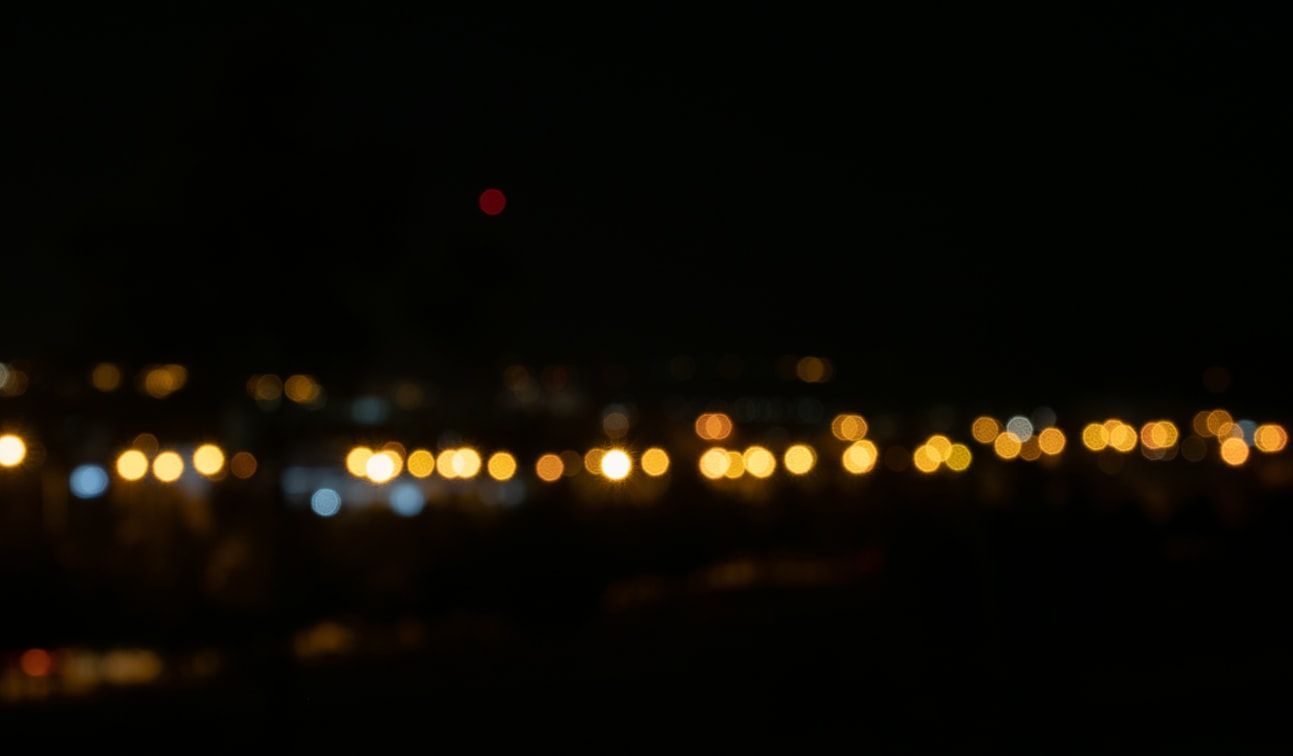
Image: Dwiinshito

Out in West Texas, glowing orbs have appeared on the horizon for generations . They shimmer, split, and move in ways that seem inexplicable.

Tourists flock to Marfa hoping to catch a glimpse. Some suggest car headlights or atmospheric tricks, but the mystery remains.

7
Bloop-Like Ocean Sounds - Pacific Ocean
Image: berenice melis

In the 1990s, NOAA hydrophones picked up a booming, low-frequency sound in the Pacific Ocean . Nicknamed "the Bloop," it was louder than known whale calls.

Theories ranged from icequakes to giant sea life. NOAA later concluded the sound was likely caused by large icequakes from Antarctic ice breaking apart.

8
The Upton Chamber - Massachusetts
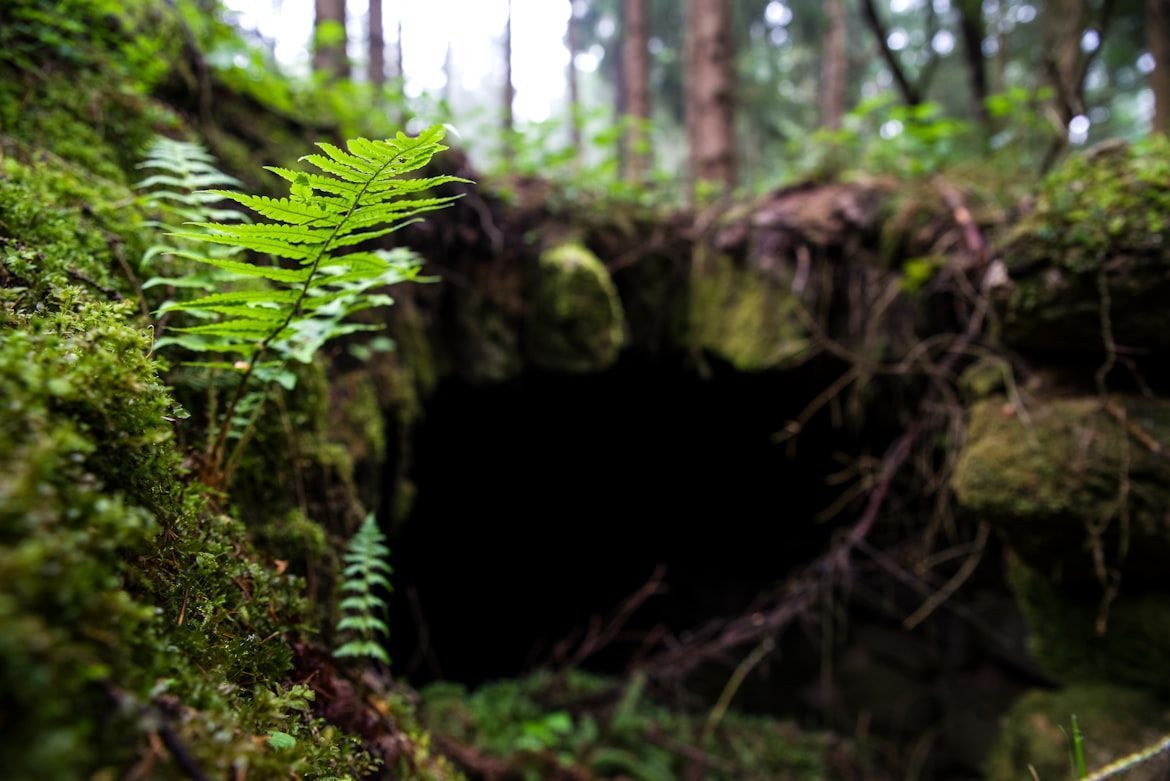
Image: cubicroot XYZ

Hidden in Massachusetts is a stone tunnel leading to a small underground chamber . Its age and purpose are still debated.

Some believe it was a colonial root cellar, while others argue it predates settlers entirely. Without records, the chamber remains an enigmatic piece of New England history.

9
America’s Stonehenge - New Hampshire
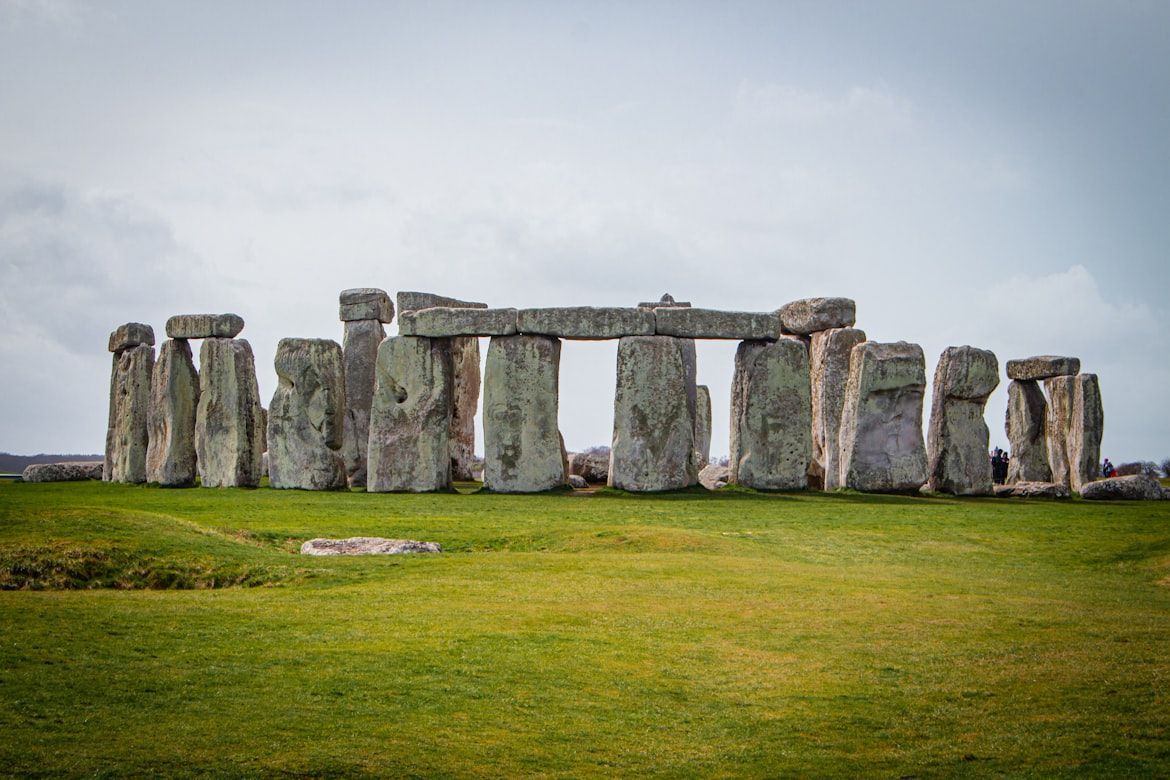
Image: Priyank V

This site features stone walls, chambers, and standing slabs . Some argue it was built by Native Americans, while others see evidence of pre-Columbian visitors.

While some alternative theories suggest ancient origins, most archaeologists believe the structures are from the colonial-era. Whatever its origin, it’s a fascinating stop for curious travelers.

10
The Great Serpent Mound - Ohio
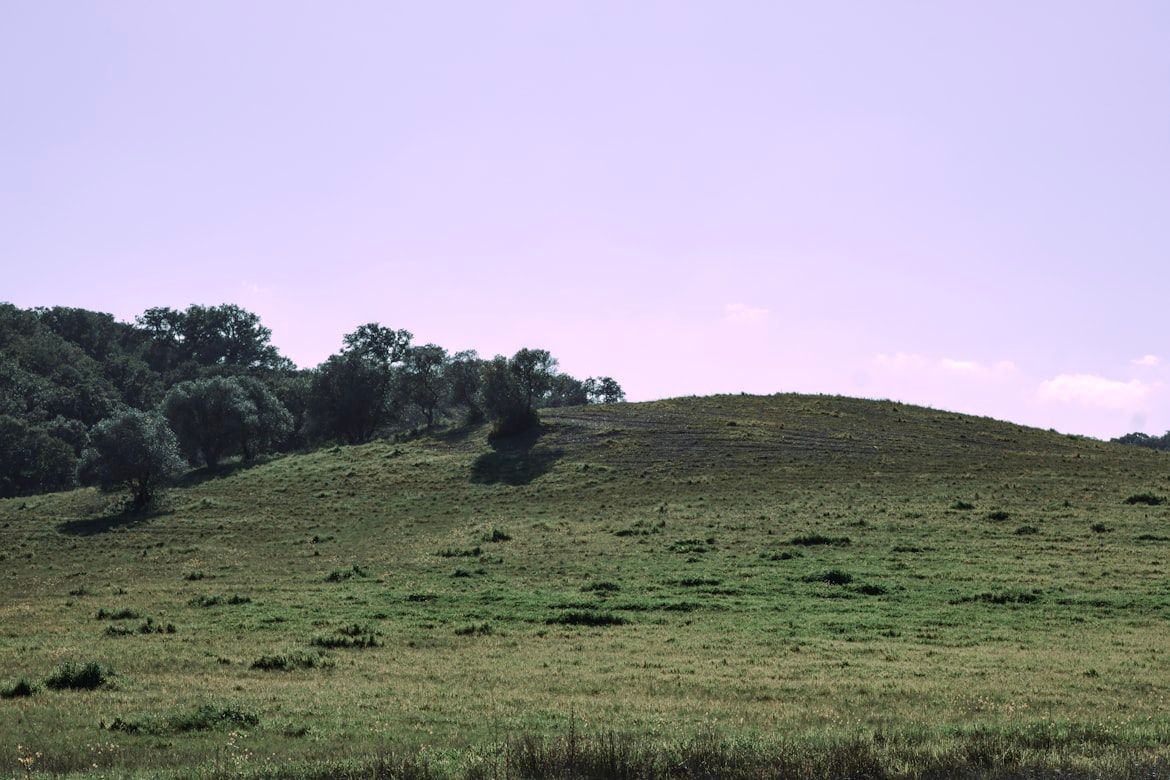
Image: Bodega

In southern Ohio lies a massive prehistoric earthwork shaped like a winding serpent . Stretching over 1,300 feet, it curves and coils across the landscape in striking detail.

Scholars agree it was built by Indigenous peoples, but its purpose is unclear. Some suggest it was a ceremonial site or calendar, while others see cosmic symbolism.

11
The Blythe Intaglios - California
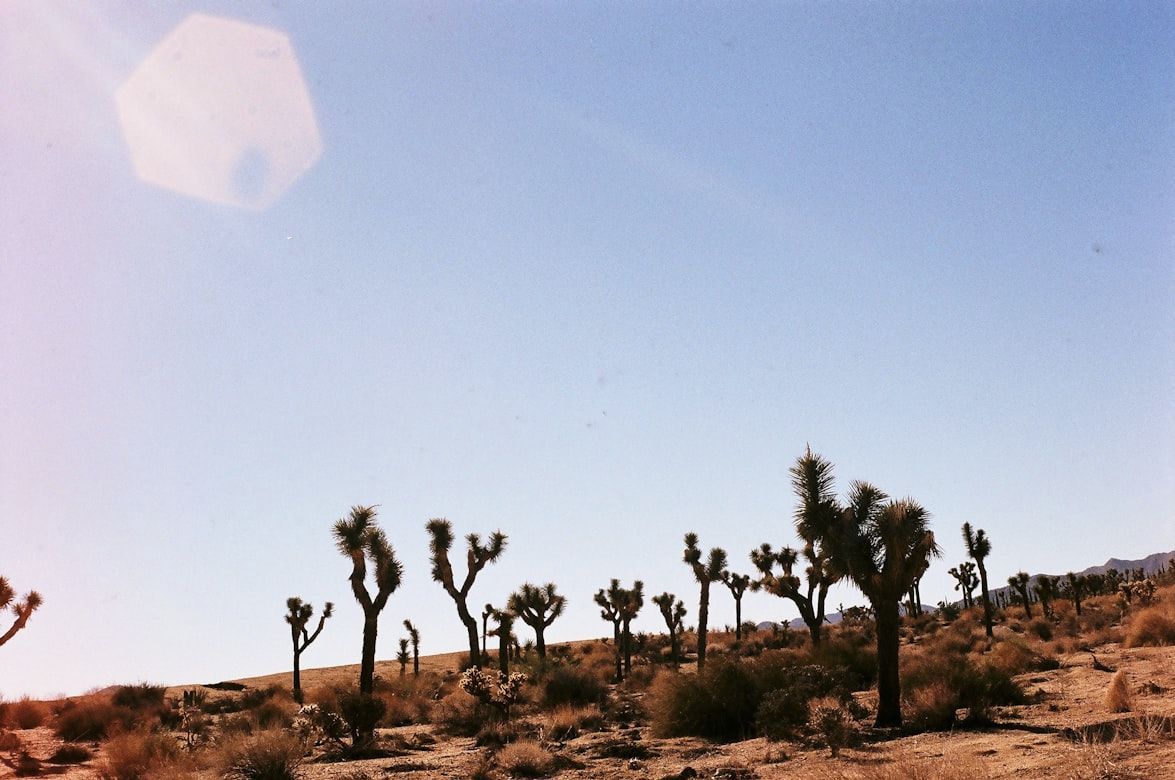
Image: Brandon Hoogenboom

Etched into the Colorado Desert, these giant figures depict humans and animals , some over 170 feet long. They’re best seen from the air, raising questions about how and why they were made.

Created centuries ago by Native Americans, their exact age and purpose remain uncertain.

12
Judaculla Rock - North Carolina
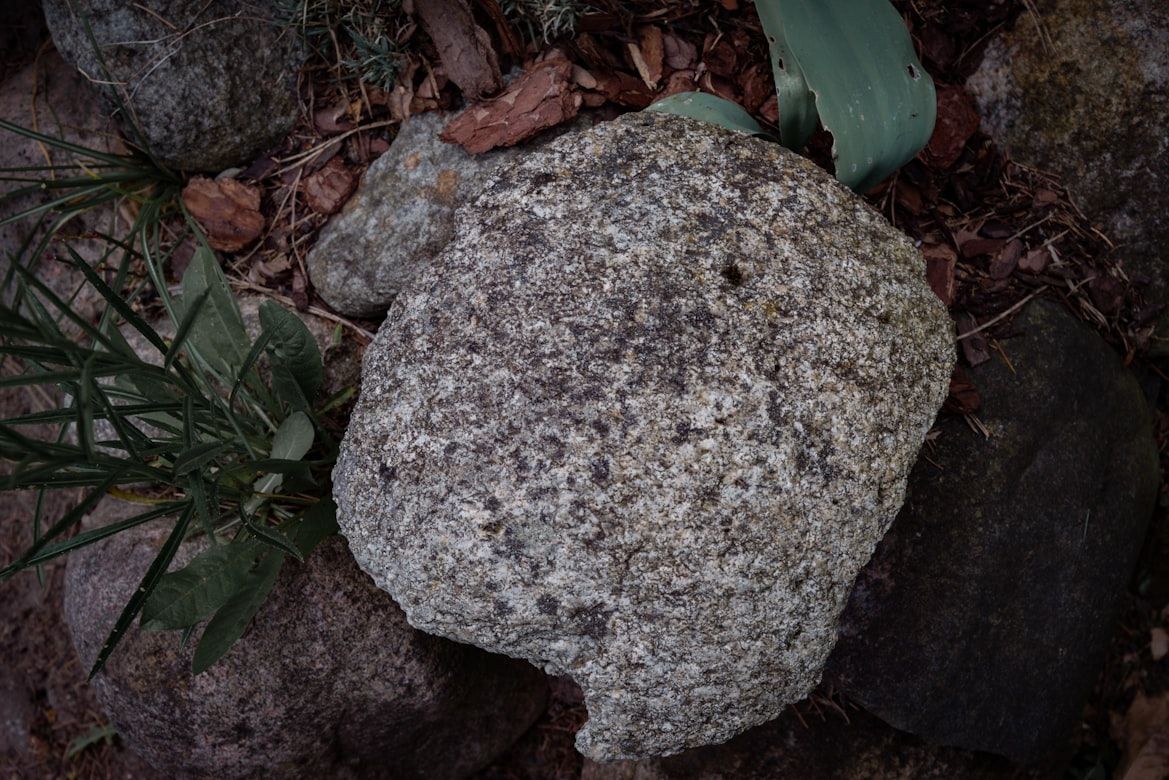
Image: malwina nogaj

This large boulder is carved with hundreds of mysterious petroglyphs . Shapes, lines, and symbols cover its surface, their meanings long lost to time.

The Cherokee connect the markings to Judaculla, a legendary giant. Whether the rock was a sacred site, a map, or something else, the exact meanings of many carvings remain unknown.


Geography Geography 3 min read

Rediscovering our land

Ghostly caves, surreal swamps, and other US natural oddities

Image: Drahomír Hugo Posteby-Mach

America is as vast as it is diverse, so it's no wonder that you'll find every kind of scenic marvel here, from the ordinary to the truly surreal. Ever heard of a national park filled with volcanoes, where glowing lava flows across the land and pours straight into the ocean? If you’re ready to discover 10 natural wonders in the US that will blow your mind, keep reading!

1
Hawaii Volcanoes National Park, Hawaii

Image: Mandy Beerley

If you've ever imagined what hell might look like, Hawaii Volcanoes National Park could come close—not because it’s a place of suffering (you'll actually witness some of the most incredible views on Earth), but because it's full of glowing, molten, menacing lava. The lava flows from Kīlauea, one of the most active volcanoes in the world. But not everything here burns; this national park is also home to unique flora and fauna.

2
Grand Prismatic Spring, Wyoming

Image: Dan Meyers

What you're looking at might resemble a weather forecast map, but it's not. It's the Grand Prismatic Spring, Yellowstone's most famous hot spring. With its brilliant blue, orange, yellow, and green hues, it looks like a surrealist painting. Although it might look small in pictures, the Grand Prismatic Spring is huge—about 370 feet in diameter and 160 feet deep. That makes it the largest hot spring in the US and the third largest in the world!

3
Antelope Canyon, Arizona

Image: Fudo Jahic

If you want to feel like you're walking through a giant red stone maze, Antelope Canyon near Page, in northern Arizona, is the perfect spot. Carved over thousands of years by flash floods and erosion, its towering walls allow sunlight to stream in from above, creating an unforgettable experience for visitors.

4
Painted Hills, Oregon

Image: Ashley Bard

If an artist were to paint a series of enormous hills in vibrant colors, it would probably look a lot like Oregon's stunning Painted Hills. Located within the John Day Fossil Beds National Monument, these hills display stripes of red, yellow, gold, and black. But that's not all! The colors shift with the seasons and change throughout the day, creating a breathtaking, ever-changing landscape.

5
Mendenhall Glacier Ice Caves, Alaska

Image: Salomé Guruli

Exploring caves can be risky and terrifying for many, but imagine a cave system made entirely of ice! It sounds like something from a fantasy movie, but it really exists—and it's in Alaska. The stunning Mendenhall Glacier Ice Caves lie beneath the glacier of the same name, formed by meltwater carving tunnels and chambers deep within the ice.

6
Turnip Rock, Michigan

Image: Maria Teneva

Turnip Rock, located in the famous Lake Huron in Michigan, is as fascinating as it is mysterious. What makes this rock so special? Standing about 20 feet tall, it has a turnip-like shape—its narrow base supports a much wider top—giving it a perfectly balanced appearance that amazes all who see it.

7
Hubbard Glacier, Alaska

Image: Peter Hansen

The Mendenhall Glacier Ice Caves are just one of Alaska's many spectacular sights. Another must-see is the incredible Hubbard Glacier in southeastern Alaska, one of the largest and most active tidewater glaciers in North America. Trust us— its sheer size and dramatic ice cliffs will absolutely blow your mind!

8
Bisti/De-Na-Zin Wilderness, New Mexico

Image: Robert Harkness

When it comes to surreal landscapes, New Mexico's Bisti/De-Na-Zin Wilderness can't be left out. Its towering rock formations, blending shades of white, gray, red, and orange, were shaped by erosion and look like something straight out of another planet!

9
Mammoth Cave, Kentucky

Image: Adrien Tanic

A cave doesn't always have to be a small, cramped space. Mammoth Cave stands out with its enormous underground chambers, filled with impressive rock formations in both shape and size. In fact, it's the world's longest-known cave system—and it's right here in the state of Kentucky!

10
Atchafalaya Basin, Louisiana

Image: Carlo Lisa

If you're easily spooked, Louisiana's Atchafalaya Basin might not be your idea of a fun trip, especially at night! It's the largest swamp and wetland area in the US, packed with twisting bayous, spooky cypress trees, and massive alligators lurking around.

History History 3 min read

Black blood

How oil powered the world: a story of America’s most lucrative industry

Image: Provincial Archives of Alberta

Since the first oil well was drilled, the United States’ crude oil industry has been a story of ambition, innovation, and power. Here are 10 pivotal moments—from the first black gold gush to the modern shale surge—that defined the role of oil in America.

1
1851: Early refining emerges

Image: Cedrik Wesche

Just before the drilling boom, chemists like Samuel Kier developed small stills to refine crude oil into kerosene for lamps.

That innovation turned oil from a curiosity into a practical commodity. Kerosene replaced whale oil, making lighting cheaper and more widely available, and it created demand for a reliable crude supply.

2
1859: First commercial well

Image: Provincial Archives of Alberta

On August 27, 1859, Drake Well near Titusville, Pennsylvania, drilled by Edwin L. Drake, became the first purposefully drilled commercial oil well in U.S. history.

This moment ignited the first true American oil boom. Suddenly, it was possible to produce large volumes of crude—not just collect surface seepage—and to refine it into useful fuels.

3
1860s–1870s: Pennsylvania oil rush

Image: Jeff W

Word of the Drake success spread fast, and drilling spiked throughout Pennsylvania. Towns such as Titusville swelled almost overnight as wells and refineries spread along Oil Creek Valley.

Railroads extended into western Pennsylvania to transport oil across the country, embedding petroleum into America’s emerging industrial infrastructure.

4
1890s: Dawn of the automobile

Image: Matthew Lancaster

By the 1890s and into the early 20th century, the rise of the automobile created growing demand for gasoline , which had previously been a relatively minor byproduct of crude oil refining.

This shift moved oil’s primary role away from lighting and industrial lubrication and toward transportation fuel , setting the stage for petroleum to dominate America’s energy needs in the decades that followed.

5
1900s–1910s: Rise of big oil companies

Image: Russel Bailo

Following early successes, oil refining and distribution consolidated. Firms like Standard Oil Company rose to dominate refining, pipelines, and distribution networks.

At the same time, new oil fields and competition still challenged monopolies and spread oil wealth and infrastructure across more regions of the country.

6
1914–1945: Oil & war

Image: Roman

During both World War I and World War II, U.S. oil production and refining capacity became critical to the Allied war effort , fueling ships, vehicles, aircraft, and manufacturing.

That strategic role cemented oil’s position not only in industry but also in American global power, military strategy, and foreign policy.

7
1960: A global oil cartel forms

Image: Christian Harb

On September 14, 1960, the main oil‑exporting nations formed the Organization of the Petroleum Exporting Countries (OPEC) to coordinate oil production and influence prices globally.

Though initially limited in power, OPEC’s rise began to challenge American dominance , setting the stage for decades of geopolitical tension around oil supply.

8
1969: Santa Barbara oil spill

Image: matt brown

In early 1969, a blowout from an offshore drilling platform released tens of thousands of barrels of oil into the waters off California’s coast, devastating marine life and beaches.

The resulting public outrage helped trigger a surge in environmental awareness and regulation, marking a turning point in how the oil industry was perceived socially and politically.

9
1970–1973: Peak and decline

Image: Documerica

By 1970, U.S. conventional oil production reached its peak, but soon after began a decline as domestic fields matured and couldn’t keep up with the growing demand.

As American production fell, the country gradually became more reliant on foreign oil, a shift that would have major economic and political repercussions.

10
2000s–2010s: Top oil producer again

Image: engin akyurt

In the early 2000s, engineers refined techniques like hydraulic fracturing and horizontal drilling. This unlocked vast shale‑oil and shale‑gas reserves previously uneconomical to tap.

From about 2010 onward, U.S. crude oil production rose sharply, reversing decades of decline. By 2019, the country was producing at levels not seen since the early 1970s.

Explore more American facts

Choose your favorite category!

General
General

As American as apple pie—the very best America has to offer!

Culture
Culture

Delve into the astounding richness of American lore.

Geography
Geography

Hop in and explore vast and diverse American landscapes.

History
History

Discover the key moments that shaped the United States.