General General 4 min read

The president's daughter and her pony that inspired Neil Diamond's song
Image: Rawpixel.com

What do a presidential pony, a World War I canine hero, and a Hollywood pooch have in common? They were all pets who became famous in their own right, proving that some true stories are stranger than fiction. Let’s discover which four-legged sidekick inspired Neil Diamond to write "Sweet Caroline", and which critter went from almost becoming Thanksgiving dinner to a member of the First Family named Rebecca . Here are 10 of our country's most incredible pets.

1
Macaroni, JFK’s daughter’s famous pony
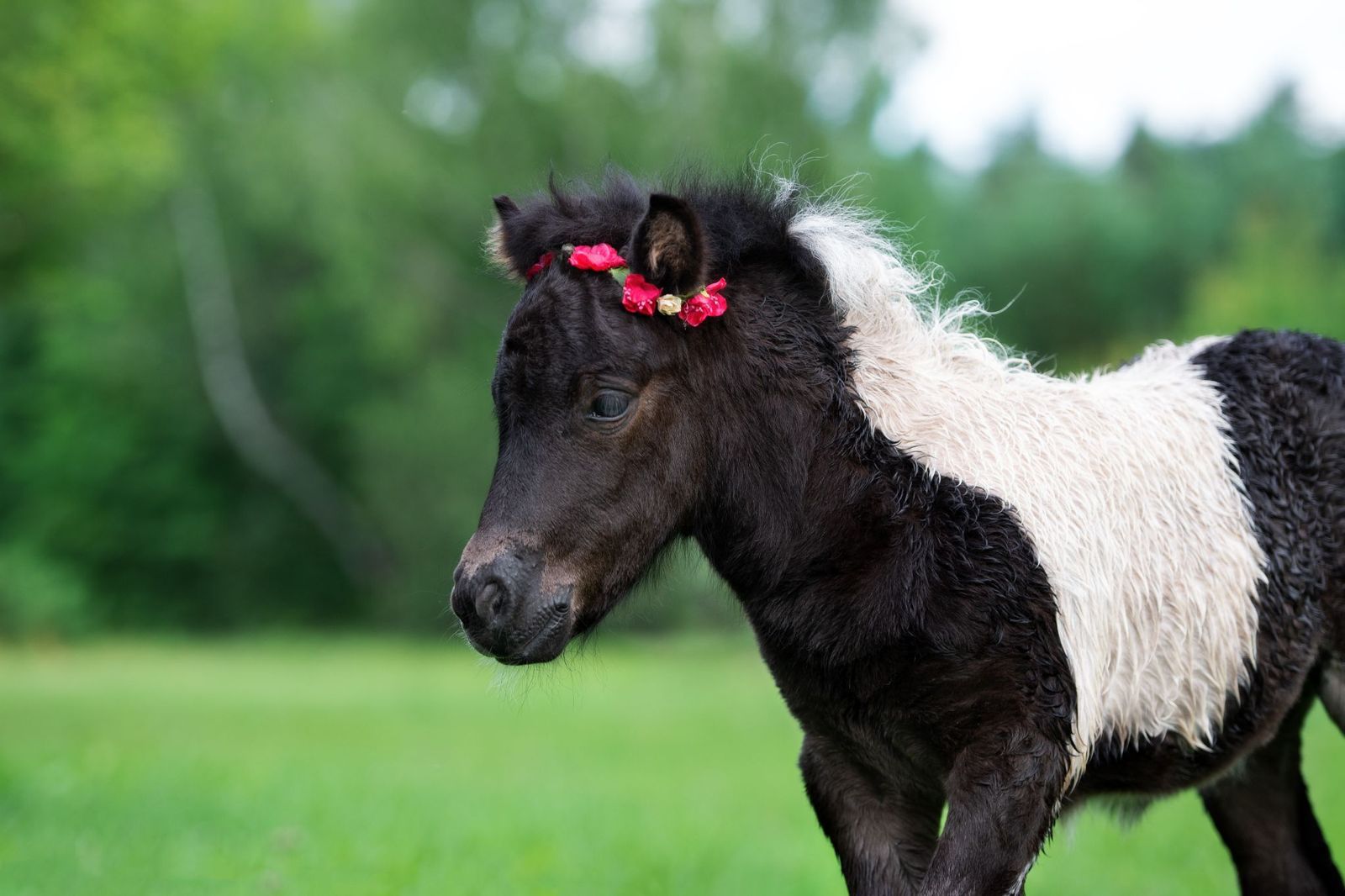
Image: otsphoto

Macaroni, a 10-year-old Shetland gelding given to John F. Kennedy’s daughter, Caroline Kennedy, as a gift by Vice President Lyndon B. Johnson, became a beloved White House celebrity.

The famous pony was seen roaming freely on the South Lawn, received endless fan letters, and even appeared together with Caroline on the cover of Life Magazine in 1962_._ A photograph of the pair together is also said to have inspired Neil Diamond to write the hit song "Sweet Caroline," although the song wasn’t released until 1969.

2
Balto, the sled dog who became a hero
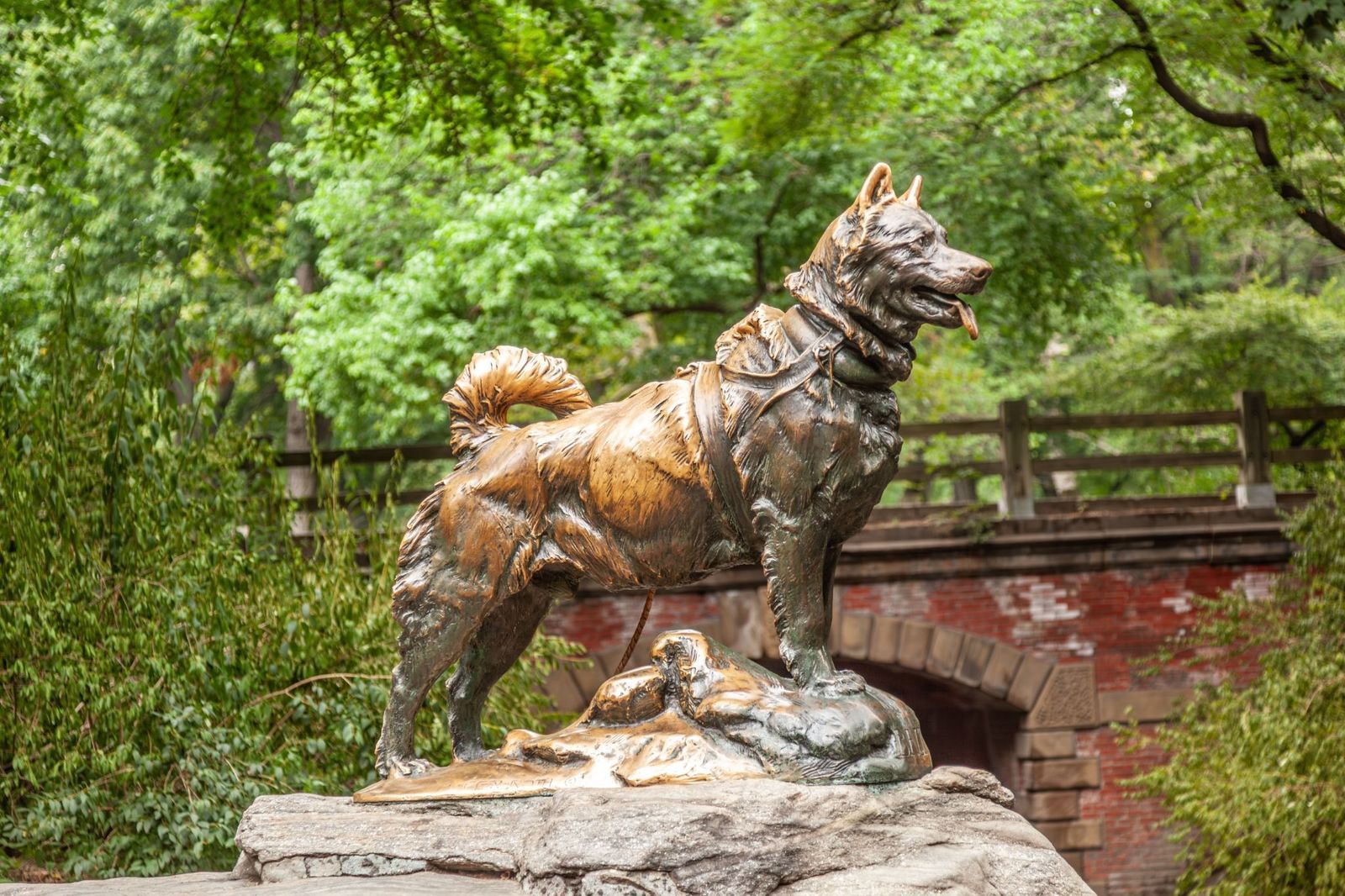
Image: travelview

In January 1925, a black-and-white Siberian Husky named Balto led his team through brutal winter conditions, including a blinding 50-below-zero blizzard, on the final 53-mile leg of a relay known as the Great Race for Mercy to deliver life-saving diphtheria antitoxin to the people of Nome, Alaska.

In doing so, he not only became a national hero, but also an international icon.

3
Sergeant Stubby, the WWI war dog
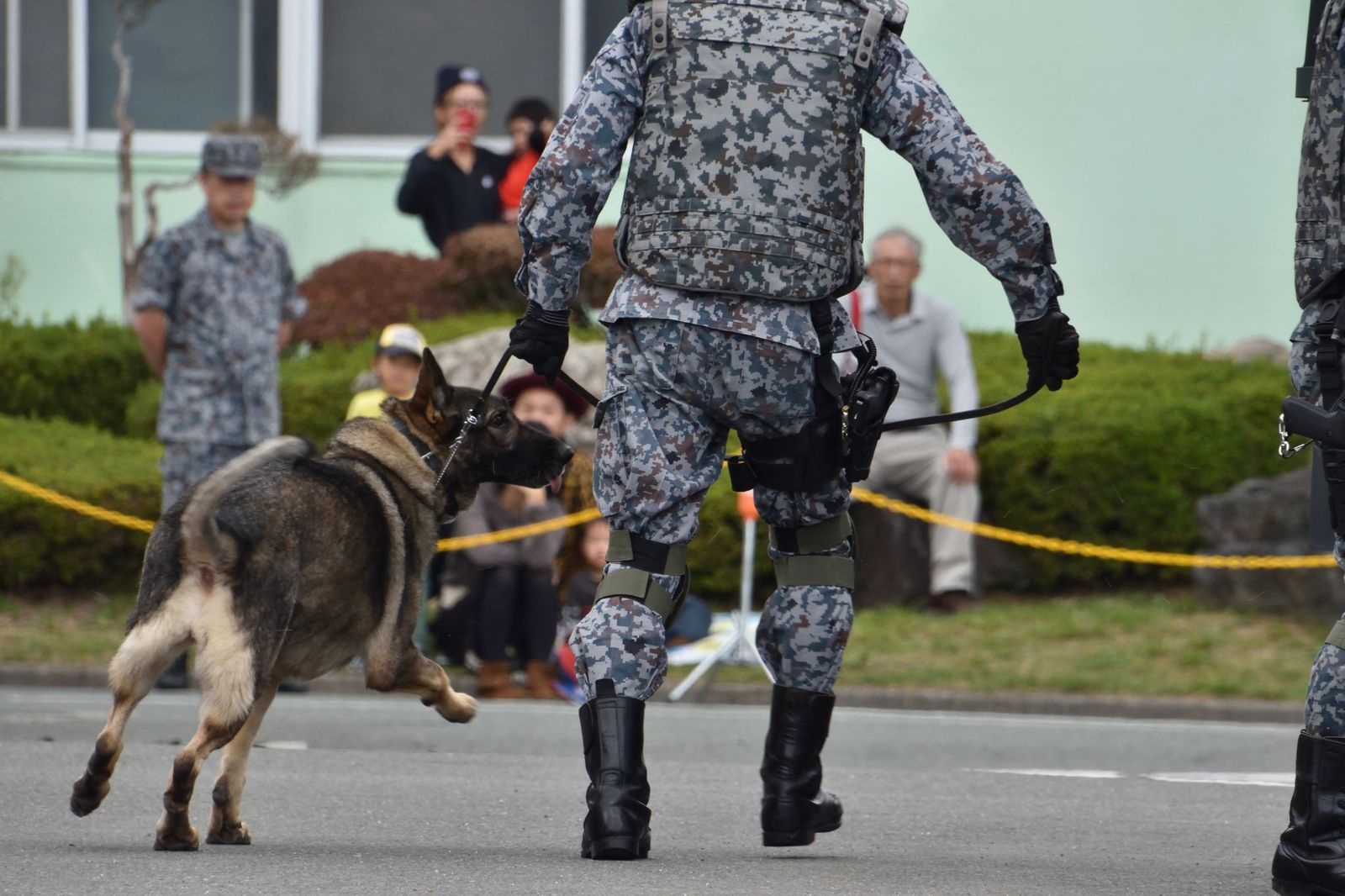
Image: Josiah_S

Sergeant Stubby was a stray dog who served with U.S. troops during World War I. He became famous for reportedly warning soldiers about mustard gas attacks and helping locate wounded men.

He served 18 months, participated in 17 battles, saved countless lives, and became the only dog known to have been promoted to sergeant through combat . He was later hailed as one of the most decorated war dogs of World War I.

4
Toto, the dog behind The Wizard of Oz
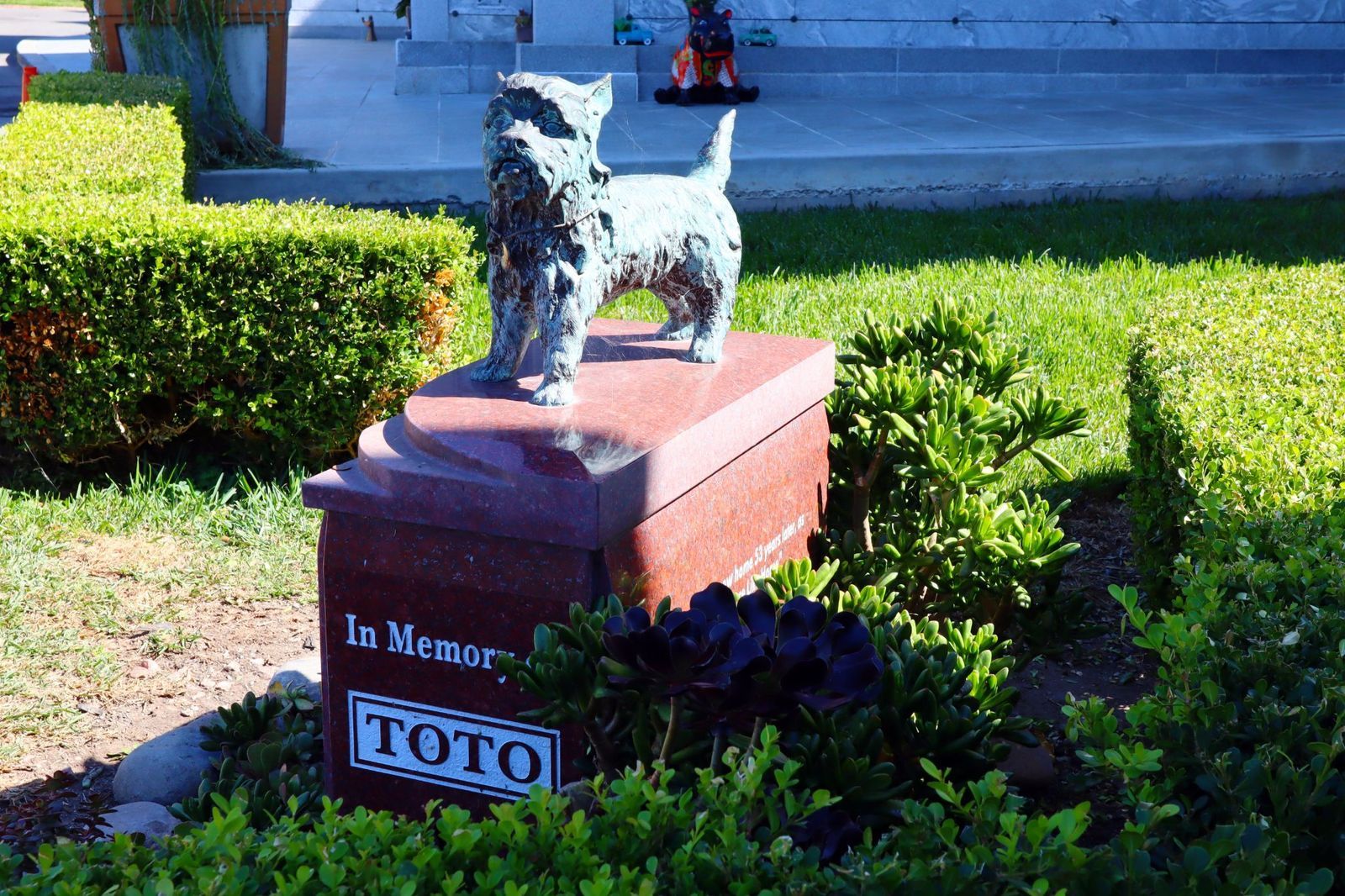
Image: Walter Cicchetti

Toto in The Wizard of Oz (1939) was played by a female brindle Cairn Terrier named Terry and earned a reported $125 a week during filming. It was an unusually high salary for an animal actor and more than some human performers on the production.

She also survived several injuries on set, including when a cast member stepped on her paw, and became so well known for her role that eventually her name was changed to, you guessed it, "Toto".

5
Theodore Roosevelt’s extraordinary menagerie
Image: Ermolaev Alexander

Theodore Roosevelt’s children brought an astonishing assortment of animals (over 40) to the White House, including snakes, a badger, a macaw, a hyena, guinea pigs, and a pony named Algonquin, who was once taken up the White House elevator to visit Roosevelt’s sick son Archie.

Carefully looked over by each of his six lively children and the 26th president who encouraged their adventures, this wild collection turned the Executive Mansion into quite a vibrant and chaotic home.

6
Lassie, America’s most beloved fictional dog
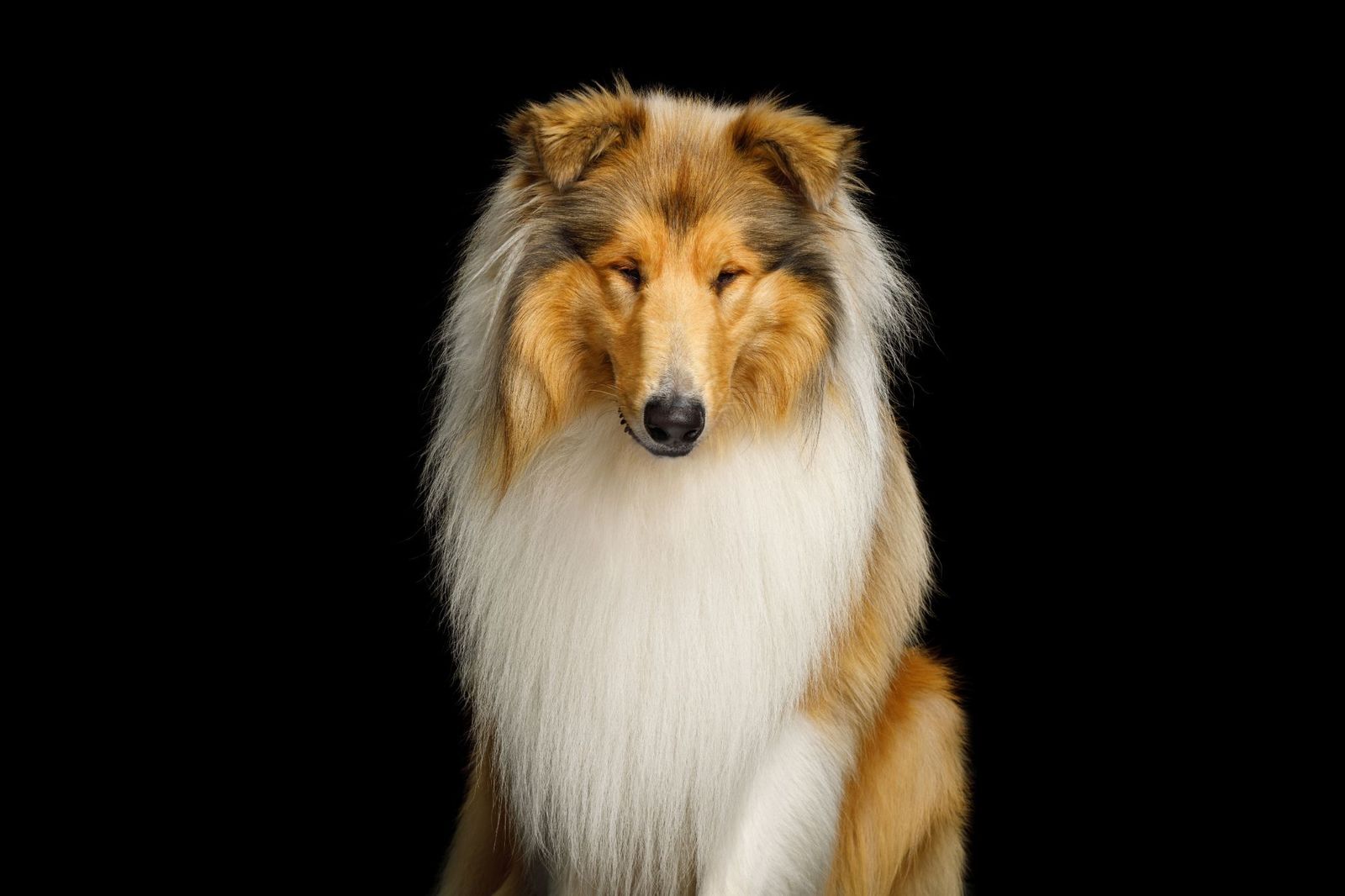
Image: Seregraff

Lassie first appeared in a 1938 story by Eric Knight and the 1940 novel Lassie Come-Home , before becoming a movie and television icon, with the classic TV series running from 1954 to 1973.

The true stories behind the real-life animal actors are equally fascinating. A male collie named Pal became the first in a long line of collies to portray Lassie, helping to turn the fictional character into a beloved American icon; he stunned the director with his ability to swim against the current.

7
Millie, the presidential dog who became an author
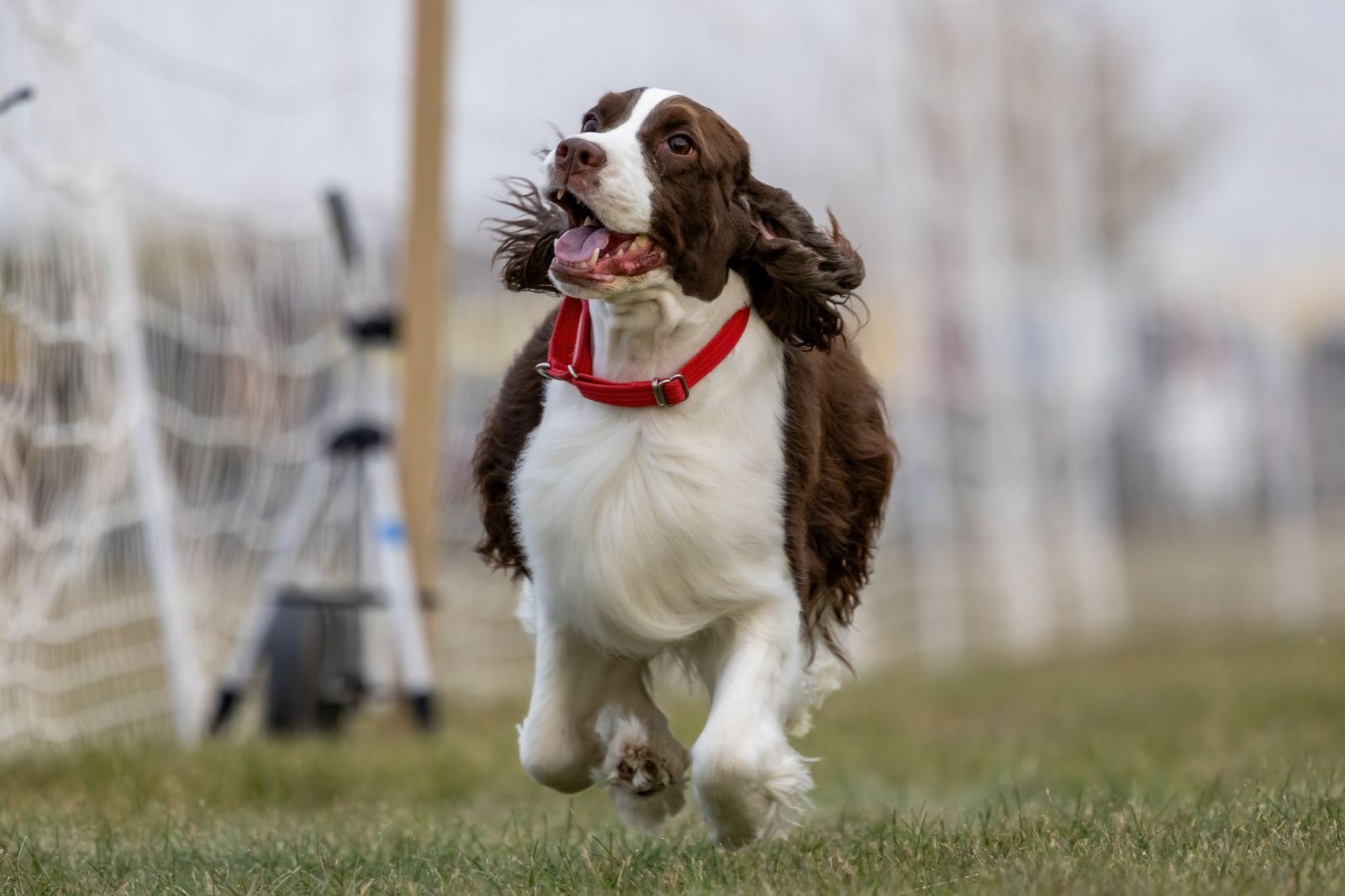
Image: Cavan-Images

Millie was an English Springer Spaniel who belonged to George H. W. Bush and First Lady Barbara Bush. The pup became a published author in 1990 with Millie’s Book , a children’s book written by the First Lady from Millie’s perspective .

It became Number 1 on the New York Times nonfiction bestseller list, with proceeds benefiting Baraba Bush’s family literacy foundation.

8
Smoky, the tiny WWII hero

Image: Pavel L Photo and Video

This four-pound Yorkshire Terrier, found in a New Guinea foxhole in 1944, not only became a World War II hero, but is also widely regarded as one of the first therapy dogs.

Handled by Corporal William "Bill" Wynne, she survived 150 air raids, flew 12 combat missions, and helped pull a communication wire through a 70-foot pipe only eight inches wide, while serving alongside American troops and assisting patients in military hospitals.

9
Rebecca, Calvin Coolidge’s Thanksgiving raccoon
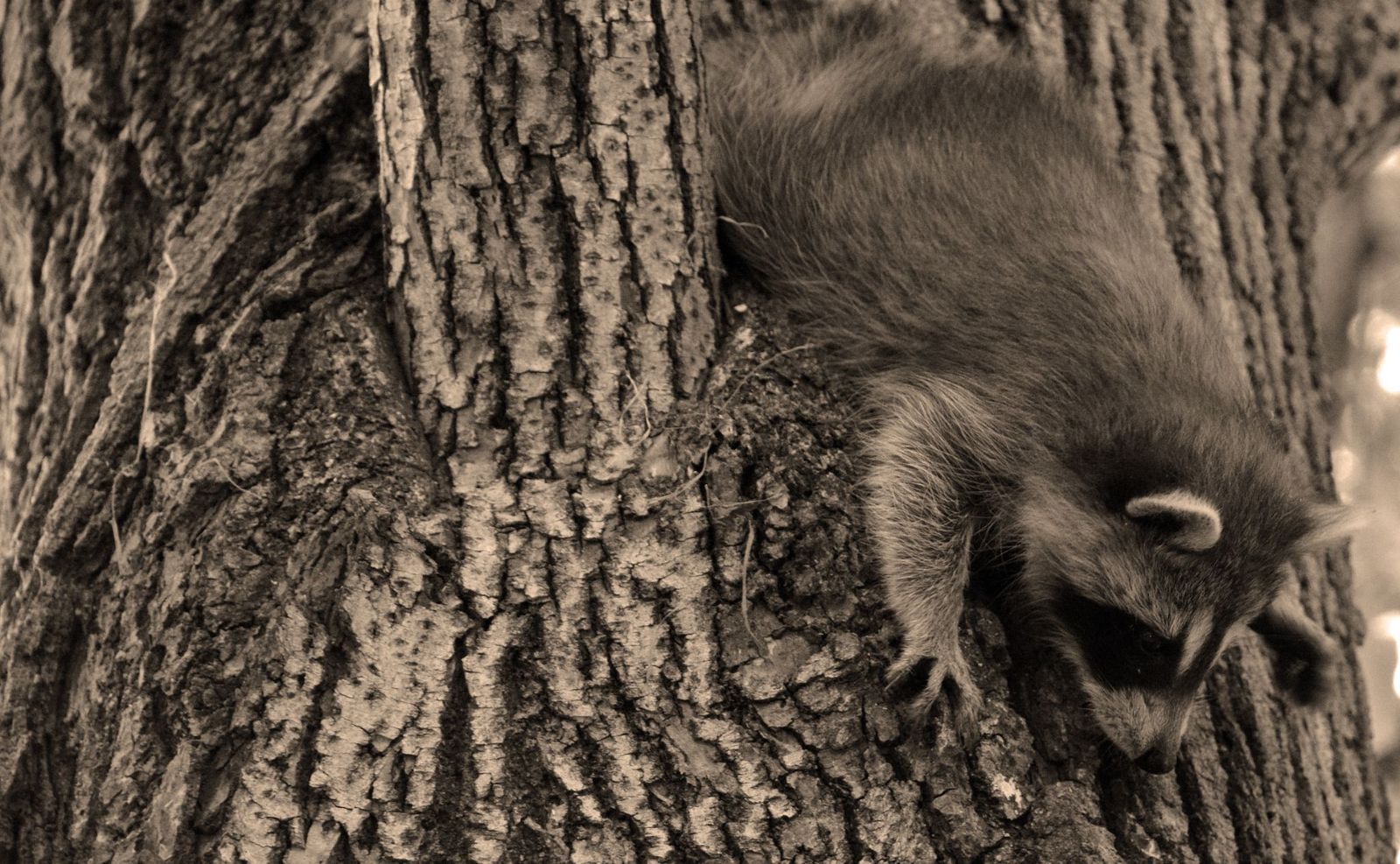
Image: meunierd

A raccoon was sent to President Calvin Coolidge’s White House in November 1926 by a Mississippi supporter, intended as a potential Thanksgiving dinner . Instead, the animal-loving First Family spared her, and First Lady Grace Coolidge named her Rebecca.

She became a presidential pet, roaming freely around the White House and even escaping from the grounds several times.

10
Socks, the White House cat
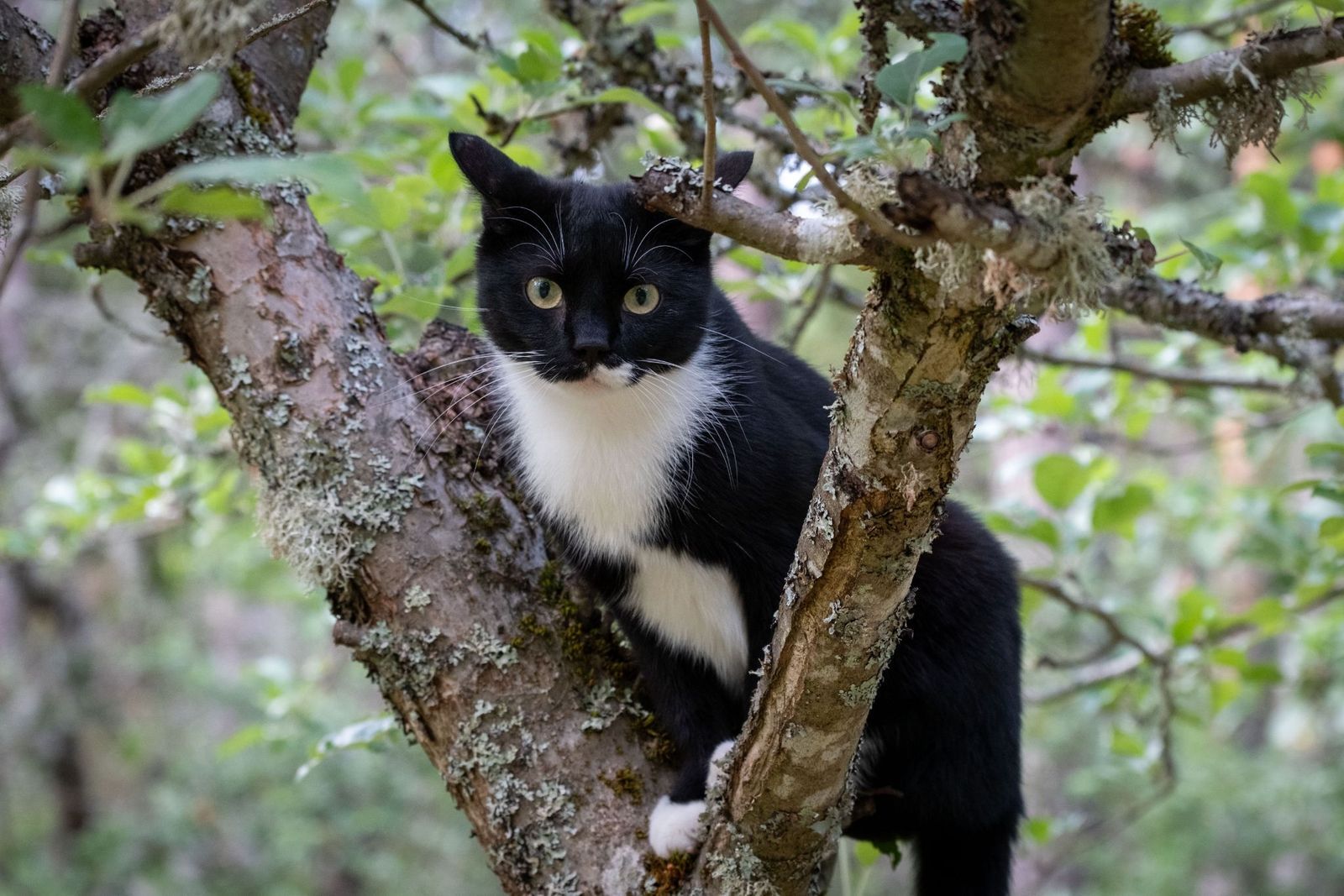
Image: Vesna Kriznar

The stray black-and-white tuxedo cat from Arkansas, Socks, was adopted by the Clinton family, became a national celebrity, and even appeared on the White House website.

Known for his press room podium appearances and for becoming an early internet celebrity, Socks was one of the most recognizable pets of the 1990s. He even inspired a children’s book, Dear Socks, Dear Buddy , before dying at age 20 in 2009, and his rivalry with the family’s dog, Buddy, also became a memorable White House story.

General General 7 min read

Was it Humphrey Bogart or Elizabeth Taylor? The true story of Gerber Baby

Image: Mel Rebesco

Remember waiting by the TV on Saturday morning, bowl in hand, while Cap’n Crunch sailed the Sea of Milk and Lucky the Leprechaun dodged another gang of kids? Those familiar faces hide some genuinely surprising stories. One mascot has a secret name that most don’t know. Another was almost named after a rat. A baby food company kept its most famous face a secret for 50 years. Here are 12 old friends in a whole new light.

1
The Gerber Baby - Gerber Baby Food

Image: Robson90

For decades, parents opening a jar of Gerber baby food saw the same sweet, sketched baby face staring back. But almost nobody knew who that baby was.

In 1928, the Fremont Canning Company, later Gerber, held a contest for a new advertising image. While most artists submitted elaborate paintings, Dorothy Hope Smith entered a simple charcoal sketch of her four-month-old neighbor, Ann Turner Cook. The judges loved the sketch exactly as it was and told Smith not to finish it. Because model releases weren’t standard at the time, rumors about the baby’s identity spread for years, with names ranging from Elizabeth Taylor to Humphrey Bogart. Cook stayed quiet for decades, partly to avoid attention, before revealing the truth around the sketch’s 50th anniversary in 1978. She later became a teacher and a mystery novelist. She remained remarkably private despite being one of America’s most recognizable advertising (baby) faces.

2
The Trix Rabbit - Trix Cereal

Image: PJ McDonnell

Every Saturday-morning kid knew the routine: the Trix Rabbit would create some ridiculous disguise, get dangerously close to the cereal, and then hear those four familiar words: "Silly rabbit, Trix is for kids." But the rabbit wasn’t even Trix’s first mascot.

When the cereal launched in 1954, a flamingo appeared on the box. The rabbit arrived five years later as a hand puppet created by writer Joe Harris, who also came up with the famous slogan. For years, General Mills deliberately kept the rabbit from eating Trix, believing it sent the wrong message about instant gratification. An astonishing 99 percent said the rabbit deserved a bowl, so he finally got his taste in 1980, although it has remained a rare event. In 2016, the company held a nationwide search for a real rabbit to appear on limited edition boxes. A two-pound Holland Lop bunny from Houston named Cinnabun won the honor.

3
Chuck E. Cheese - Chuck E. Cheese

Image: Erman Gunes

The next time a Chuck E. Cheese birthday brings back memories of flashing arcade lights and tokens, remember that the restaurant almost had a much stranger name.

Nolan Bushnell, who co-founded Atari, wanted a family restaurant where people could eat pizza and play arcade games. For his mascot, he thought he had ordered a coyote costume — but got a rat costume instead. Bushnell embraced the mix-up and initially planned to call the chain "Rick Rat’s Pizza." Fortunately, his business partners stepped in and vetoed the idea, pointing out that marketing a rat-themed restaurant wasn't the best way to sell pizza to families. He settled on Chuck E. Cheese, partly because the alliteration reminded him of names like Mickey Mouse. The first Chuck E. Cheese’s Pizza Time Theatre opened in San Jose, California, on May 17, 1977. After filing for bankruptcy in 1984, the company merged with rival ShowBiz Pizza Place, creating the chain that is beloved today.

4
Cap’n Crunch (a.k.a. Horatio Magellan Crunch) - Quaker Oats

Image: PJ McDonnell

Back in the 1960s, a TV commercial showed a bowl of cereal waiting, and a cartoon ship called S. S. Guppy sailing across the screen, commanded by a captain with a giant jaw. That’s Captain Horatio Magellan Crunch.

Quaker Oats hired the animation studio behind Rocky and Bullwinkle to draw a mascot in 1963, and writer Allan Burns, who later went on to co-create The Mary Tyler Moore Show , based the captain on the fictional British naval hero Horatio Hornblower. But the name came from a much simpler place: Quaker wanted a cereal that stayed crunchy even in milk. More interestingly, the Cap’n’s crew, young sailors named Alfie, Brunhilde, Carlyle, and Dave, were named using the first four letters of the alphabet so kids could remember them easily. And here’s the twist: even though he’s a Captain, his uniform only has three stripes, which technically makes him a Commander. In any case, 60 years later, he hasn’t earned a fourth stripe, but has gained America’s love.

5
Charlie the Tuna - StarKist

Image: Billy F Blume Jr

If you hear "Sorry, Charlie" and think of a cartoon tuna desperately trying to get canned, you’re not alone.

In 1961, copywriter Tom Rogers created Charlie for StarKist, basing the character’s beatnik personality, beret, and thick glasses on his real-life friend Henry Nemo, a musician known for his hip style and slang. In TV commercials, Charly was always trying to prove he had "good taste." He painted pictures, dressed like an intellectual, and offered cultured opinions to get StarKist’s attention. Instead, a hook would appear with a sign saying "Sorry, Charlie," because StarKist wanted tuna that tasted good, not tuna with good taste. The joke became part of everyday language. Charlie’s distinctive Brooklyn voice came from actor Herschel Bernardi, who played him for more than two decades. Though the character faded from advertising in the 1980s, StarKist brought him back in 1999.

6
Lucky the Leprechaun - Lucky Charms

Image: Sheila Fitzgerald

If you grew up pouring a bowl of Lucky Charms, you probably remember chasing down every last marshmallow shape before the oats disappeared. That cereal, and its green top-hatted mascot, came from a fairly ordinary lunch break.

In 1963, General Mills product developer John Holahan was looking for a new use for the company’s cereal lines. Inspired by his own favorite candy, Circus Peanut, he chopped some up and mixed them into Cheerios. The result became Lucky Charms, and on St. Patrick’s Day 1964, an animated leprechaun originally called L.C. Leprechaun introduced the cereal to the country in a splashy, expensive ad campaign. But the mascot’s reign wasn't entirely uninterrupted. In 1975, General Mills tested swapping him for a gentle, absent-minded wizard named Waldo, hoping a friendlier character would appeal to kids. Although Waldo tested well with focus groups, he couldn't match the leprechaun's charisma, and General Mills scrapped the national rollout to let Lucky reclaim his pot for good.

7
Woodsy Owl - U.S. Forest Service

Image: Forest Service Photography, Public domain, via Wikimedia Commons

If an elementary school assembly in the 1970s included a lesson about littering, Woodsy Owl may have been part of the show. Created by the U.S. Forest Service with artist Harold Bell, Woodsy emerged from the environmental movement surrounding the first Earth Day in 1970.

He officially debuted on September 15, 1971, when Agriculture Secretary Clifford Hardin introduced him in Washington, D.C. His famous message, "Give a hoot, don’t pollute," became so recognizable that Congress passed the Woodsy Owl Act in 1974 to protect his name and image from misuse. Over time, Woodsy’s message expanded beyond littering to conservation and environmental responsibility, eventually becoming "Lend a hand, care for the land." Alongside Smokey Bear, he remains one of America’s best-known government-created characters, with more than five decades of classroom posters, songs, and public-service campaigns behind him.

8
The Quaker Man ("Larry") - Quaker Oats

Image: Jeppe Gustafsson

The round-faced man wearing a wide-brimmed hat on a Quaker Oats canister has been around for generations. Many assume he is William Penn, the Quaker who founded Pennsylvania. He isn’t.

Quaker Oats registered its trademark in 1877, describing it simply as "a figure of a man in Quaker garb." The company chose the image because Quakers were associated with honesty, integrity, and purity, qualities the brand wanted attached to its oats. Officially, the man never had a name. Unofficially, people inside the company have reportedly called him Larry for years, although nobody seems to know exactly where the nickname came from. He has also had several faces over the decades.

9
Slats, Jackie and Leo the Lions - MGM Studios

Image: Alex Millauer

Anyone who has watched a classic MGM movie knows that roar. But the famous lion mascot actually began with a college connection.

In 1916, advertising executive Howard Dietz needed a symbol for Goldwyn Pictures, a studio that would eventually become part of MGM. Dietz had attended Columbia University, whose mascot was a lion and whose fight song included the words, "Roar, Lion, Roar." He borrowed the idea. The first MGM lion, Slats, appeared in 1924, but there was a funny problem: movies were still silent. Slats never actually roared for audiences. That changed in 1928 when Jackie became the first MGM lion whose roar could be heard on film after synchronized sound arrived. Since then, seven different lions have played the role. The most familiar, simply called Leo, debuted in 1957 and remained MGM’s symbol for more than six decades, making him one of the longest-running mascots in entertainment history.

10
The Burger King - Burger King

Image: frankieleon, CC BY 2.0, via Wikimedia Commons

Long before the unsettling Burger King mascot began appearing in commercials, the character was simply a cheerful drawing sitting above a restaurant sign.

The first version appeared in 1955 above Burger King's original Miami location, seated on what the company called a "burger throne." He remained mostly decorative until the early 1970s, when an animated version began appearing in children's commercials. Then came the strange version many longtime viewers remember. In 2003, an advertising agency reportedly found an oversized Burger King helium-balloon head for sale on eBay. That discovery helped inspire the silent, giant-headed King who suddenly appeared beside beds , in doorways, and even around celebrities. In 2015, he joined Floyd Mayweather’s boxing entourage in a stunt reportedly costing Burger King $1 million. The company officially retired that version of the King in March 2026, ending a bizarre chapter of the brand’s mascot.

History History 4 min read

Olympic legacy

United States at the Olympics: Gold, Glory and Greatness

Image: Anna Shvets

Team USA has dominated the Olympics for over a century. Our athletes have racked up medals, broken records, and hosted the most events. From teen champions (do you know how old the youngest athlete was?) to historic gold medal sweeps, American athletes have made their mark. From swimmers to gymnasts to track stars, they have brought speed, skill, and power to the Olympic Games. We're here to explore some of the coolest records and achievements that make the US an Olympic powerhouse!

1
The US: The ultimate Olympic host

Image: Obed Hernández

If hosting the Olympics were a sport, the US would take home the gold medal, as America has welcomed the Games eight times —more than any other country.

The Summer Olympics have taken place in St. Louis (1904), Los Angeles (1932, 1984), and Atlanta (1996), while the Winter Olympics have been held in Lake Placid (1932, 1980), Squaw Valley (1960), and Salt Lake City (2002).

And that’s not the end—Los Angeles is gearing up for 2028, so it’s safe to say the torch never stays away for too long!

2
Winning more medals than anyone else

Image: Ethan Wilkinson

If there’s one thing Team USA knows how to do, it’s win medals—a lot of them. As of 2024, the US has claimed a staggering 2,765 Summer Olympic medals (including 1,105 golds) and 330 Winter Olympic medals . No other country even comes close.

Whether on the track, in the pool, or on the ice, American athletes have consistently outperformed the competition.

3
Dominating track, field, and the pool

Image: Austris Augusts

Certain sports just seem to bring out the best in American athletes . From Jesse Owens on the track to Katie Ledecky in the pool to Carl Lewis soaring through the air, American athletes have rewritten the record books time and time again.

In track and field, for example, the US holds the record for the most gold medals, with over 400.

When it comes to swimming, Team USA has made an even bigger splash, earning more than 570 total Olympic medals—the most in any single sport.

4
Michael Phelps: The GOAT of the Olympics

Image: Braden Egli

Speaking of rewriting the record books, we need to talk about Michael Phelps—the most decorated Olympian of all time.

With 28 medals (23 gold, 3 silver, 2 bronze) , the legendary swimmer dominated the pool across five Olympic Games. His eight gold medals at Beijing 2008 were a record-breaking feat, proving that when it comes to Olympic greatness, no one comes close. Phelps didn’t just set records—he shattered them, leaving behind a legacy that may never be topped.

5
Winter Games greatness: Apolo Ohno’s record run

Image: Filip

While the Summer Olympics have clearly brought in the most medals, the US has had its fair share of Winter Olympic heroes.

The most decorated of them all? Apolo Ohno , the short-track speed skating sensation. Ohno raced to eight Olympic medals, cementing his place as America’s greatest Winter Olympian. You simply had to watch him dodge crashes, make last-second moves, and celebrate with his signature goatee.

6
When the US brought home 83 golds in one year

Image: Viktor Forgacs

The 1984 Los Angeles Olympics marked a golden era for Team USA—and we mean that quite literally.

With the Soviet Union and several other countries boycotting the Games, American athletes dominated, winning 83 gold medals —the most ever at a single Summer Olympics.

7
The only time the US won just one gold

Image: Matthew Fournier

But it wasn’t always like that—there were times when the story went differently for Team USA. While 1984 was all about collecting golds, 1980 was a different story.

That year, Team USA won only one gold medal… but what a gold it was! The US men’s hockey team, made up of young college players, pulled off the famous "Miracle on Ice , " defeating the heavily favored Soviet team before going on to win gold. One gold medal? Sure. But it was one of the greatest moments in Olympic history.

8
A medal sweep like no other

Image: Mia de Jesus

The 1904 St. Louis Olympics were unlike any other—and not just because it was the first time the Games were held in the US.

Due to travel difficulties and a lack of international participation, Team USA won over 80% of all medals awarded . While it wasn’t exactly a fair fight, it still stands as the biggest medal sweep in Olympic history. Sometimes, just showing up is half the battle, you know?

9
Youngest US champion: A 13-year-old diving prodigy

Image: Austrian National Library

Most Olympic champions train for years before making their mark—but that wasn’t the case for Marjorie Gestring , who won a gold medal in diving at just 13 years and 268 days old at the 1936 Berlin Olympics. While most kids her age were just starting middle school, she was standing atop the Olympic podium. To this day, she remains the youngest US Olympic champion ever.

10
Simone Biles: The queen of US gymnastics

Image: Brian Wangenheim

When it comes to American gymnastics, Simone Biles is in a league of her own. With 11 Olympic medals (7 gold, 2 silver, 2 bronze), she is the most decorated US female gymnast in history.

Her powerful routines, gravity-defying skills, and unmatched mental toughness have made her an icon, inspiring future generations of gymnasts. Whether she’s flipping, twisting, or making history, Biles continues to raise the bar—literally.

Explore more American facts

Choose your favorite category!

General
General

As American as apple pie—the very best America has to offer!

Culture
Culture

Delve into the astounding richness of American lore.

Geography
Geography

Hop in and explore vast and diverse American landscapes.

History
History

Discover the key moments that shaped the United States.