History History 4 min read

The strangest battles ever fought

11 of America’s shortest wars and strangest battles in history
Image: Chandler Cruttenden

Some of America’s most memorable conflicts weren’t long campaigns but rather quick clashes, odd standoffs, or brief fights that, for one reason or another, became well known. These short or unusual events often reveal how chaotic, improvisational, or downright strange these kinds of situations can be in real life. Take a look at 11 of these curious affairs involving our nation.

1
The Pig War (1859)
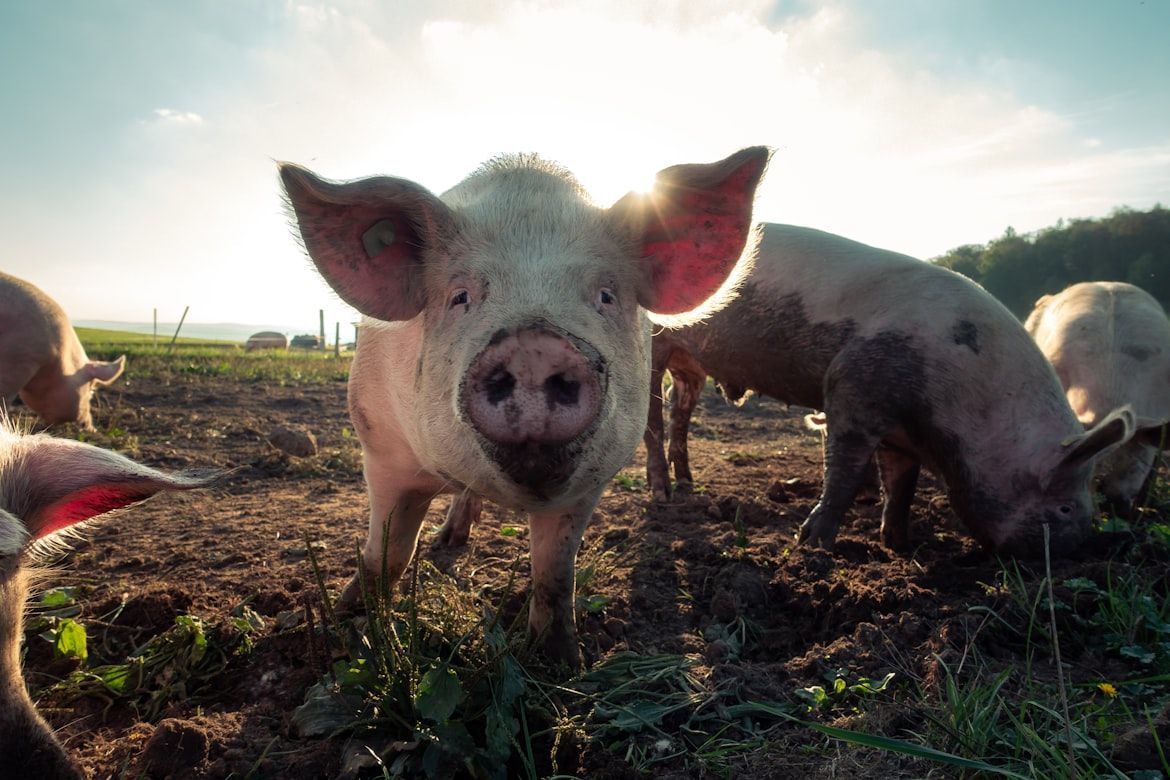
Image: Pascal Debrunner

A boundary dispute on San Juan Island nearly escalated into a U.S.-British war after an American farmer shot a British-owned pig that was rooting in his garden . Troops rushed in, tensions rose, and both sides came to the verge of open conflict.

Thankfully, the "war" ended without a single human casualty. Diplomacy prevailed, leaving history with a famously absurd standoff where the only fatality was the unfortunate hog that started it all.

2
The Toledo War (1835-36)

Image: Leo Escala

Believe it or not, Michigan and Ohio once squared off over a slim strip of land containing the city of Toledo . Militias mobilized, tempers flared, and political rhetoric soared past anything that the dispute really deserved.

The conflict produced only one injury: a sheriff was stabbed with a pocket knife. It ended with Michigan receiving the Upper Peninsula as compensation.

3
The Aroostook War (1838-39)
Image: Jason Abdilla

A mix of lumberjacks, militias, and confused officials sparked a border showdown between Maine and British Canada. Though the name sounds dramatic, the "war" consisted mostly of shouting, arrests, and paperwork .

Still, it lasted less than a year and recorded no combat deaths. Its odd blend of frontier folklore and diplomatic missteps gave it a reputation as one of America’s most harmless "wars."

4
Battle of Lake Erie (1813)
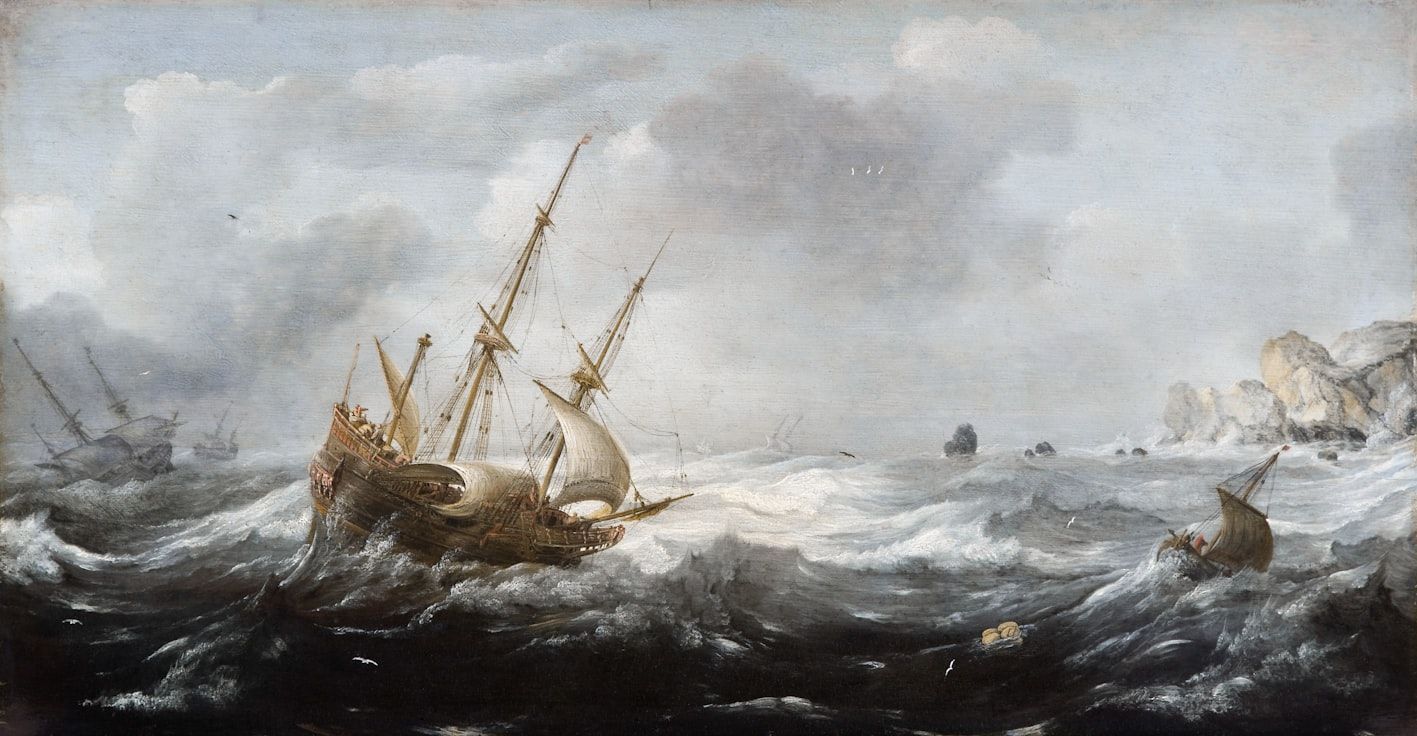
Image: National Historical Museum of Sweden (NHM)

In a fierce naval engagement that lasted only a few hours, Commodore Oliver Hazard Perry secured control of Lake Erie during the War of 1812 . His quick, decisive victory shifted momentum in the northern theater of the war.

The battle is remembered for its speed and for Perry’s bold message: "We have met the enemy, and they are ours."

5
Battle of Blair Mountain (1921)
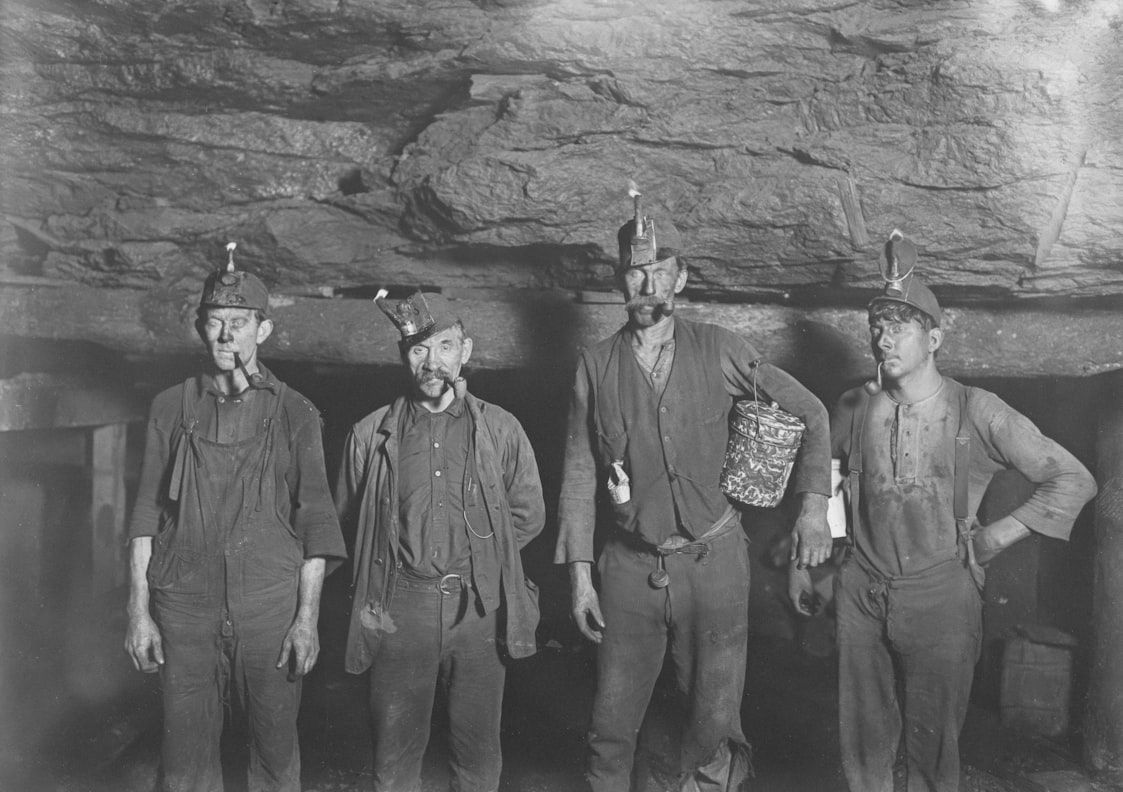
Image: Art Institute of Chicago

For five tense days in West Virginia, thousands of coal miners armed themselves against hired gunmen, local law enforcement, and eventually federal troops . It became the largest labor uprising in U.S. history.

Despite its scale, the conflict ended quickly once the Army intervened. Its strange blend of union struggle, machine guns, and biplanes made it one of the most dramatic yet short-lived labor battles ever fought.

6
Battle of Athens, Tennessee (1946)
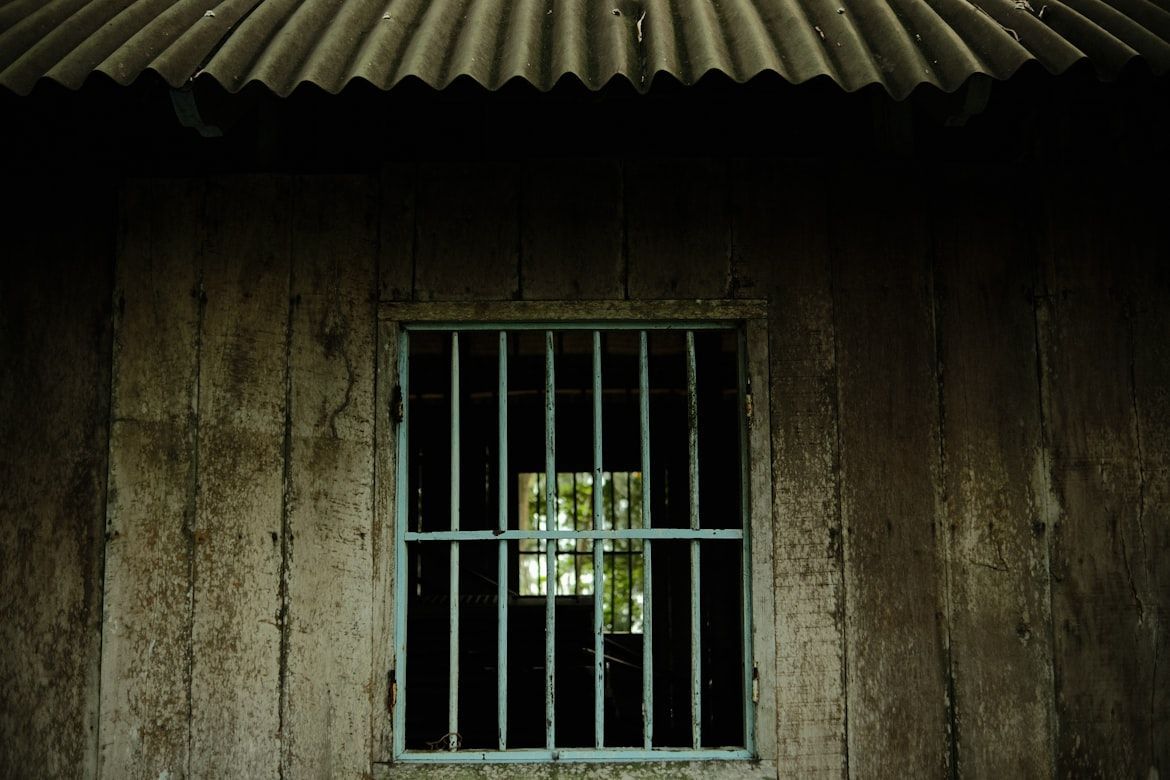
Image: Thi Nguyen Duc

World War II veterans took matters into their own hands and clashed with a corrupt county political machine after years of election wrongdoing. In a single night of gunfire and sieges, the veterans seized the jail and exposed the fraud .

By morning, order was restored and democracy reclaimed. The brief uprising became a legendary example of ordinary Americans pushing back against local tyranny.

7
Shelling of Fort Stevens (1942)
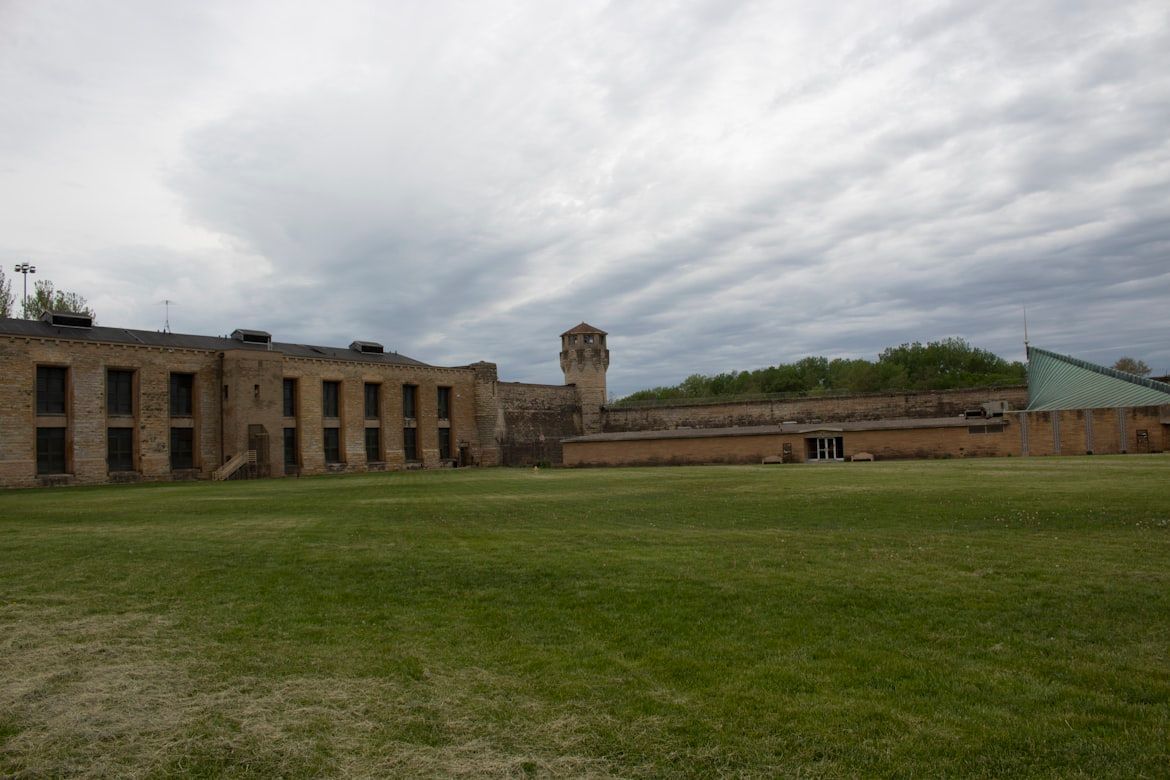
Image: Ray Graciano

During World War II, a Japanese submarine surfaced off the Oregon coast and fired on Fort Stevens for roughly fifteen minutes . The startled gunners held their fire to avoid revealing their positions.

No lives were lost, and damage was minimal. Still, the brief attack stands out as one of the only direct assaults on the U.S. mainland during the war.

8
Battle of Palmito Ranch (1865)
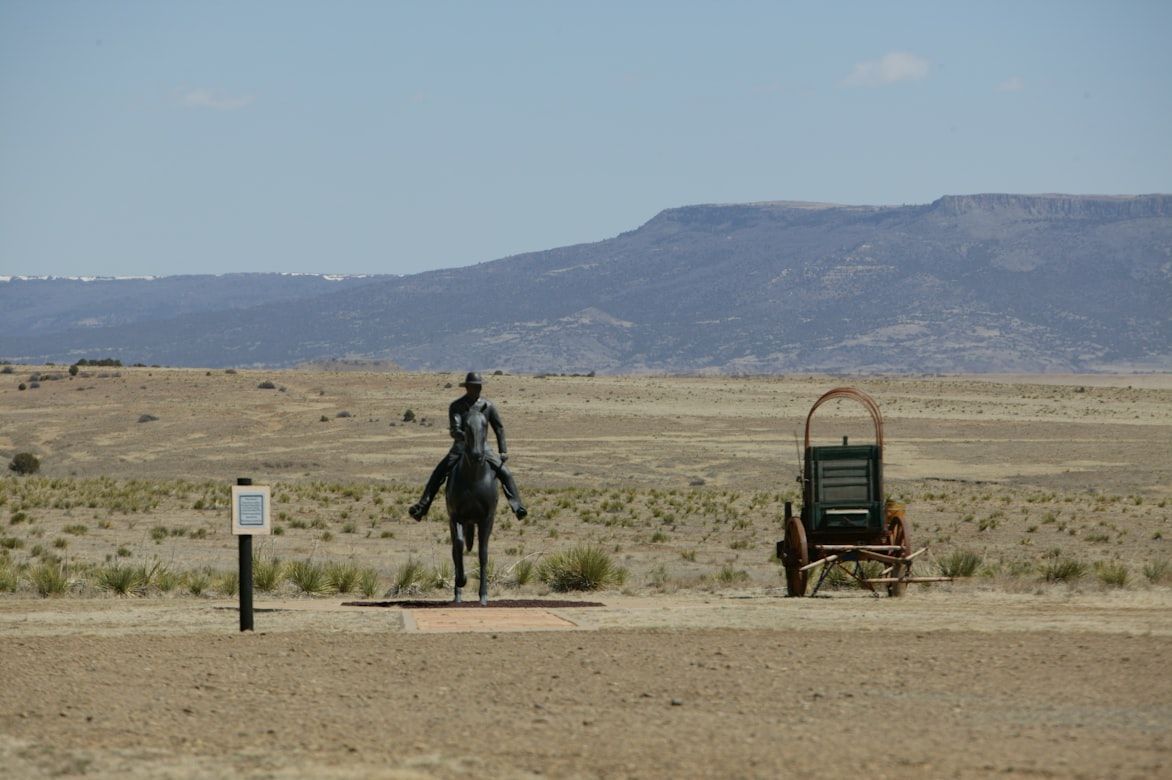
Image: Rosanne Rapata

Fought in Texas weeks after the Confederacy had effectively collapsed, this short skirmish featured U.S. and Confederate troops battling despite the war’s official end . Confusion and poor communication kept the fighting alive.

The engagement lasted only a few hours but became the Civil War’s final battle. Its odd timing makes it a historical footnote with a bizarre twist.

9
Battle of Ambos Nogales (1918)
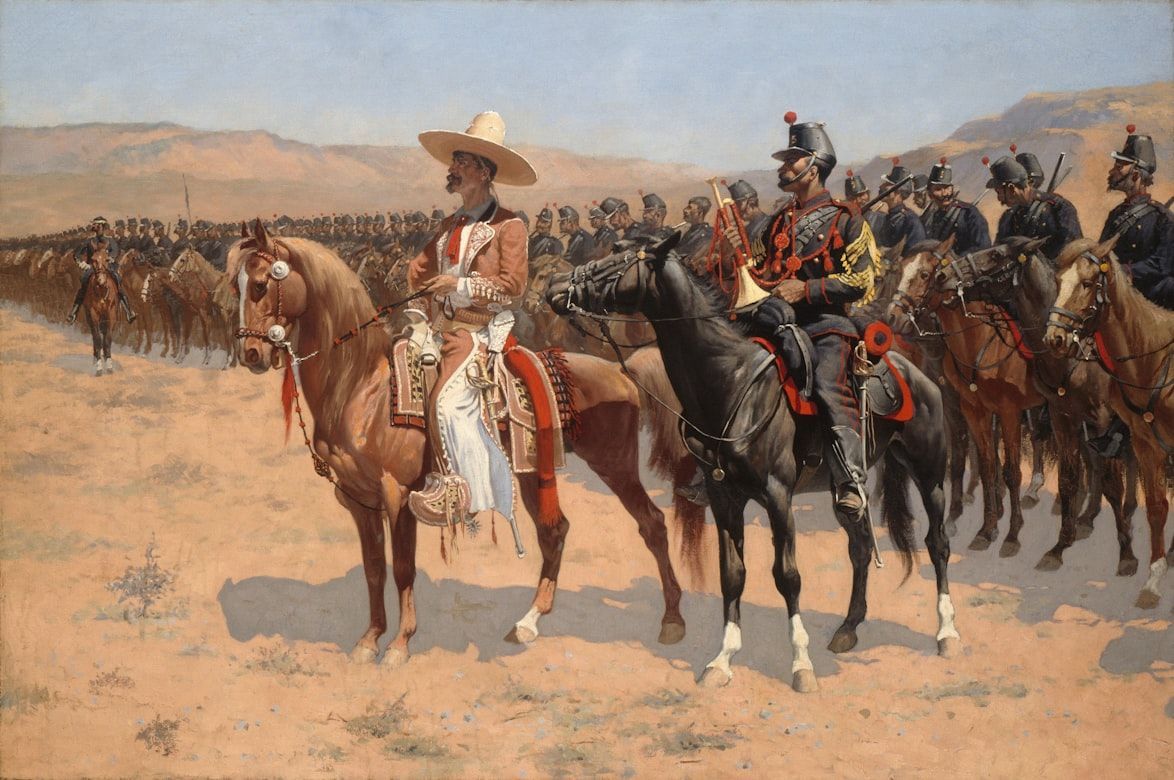
Image: Art Institute of Chicago

A border misunderstanding escalated into a sudden firefight between U.S. and Mexican troops in the twin towns of Nogales, Arizona, and Nogales, Sonora. The shooting lasted only a few hours but drew civilians into chaos.

The brief clash prompted both governments to rethink border security. It remains the only World War I-era battle fought on U.S. soil involving foreign troops .

10
The Great Locomotive Chase (1862)
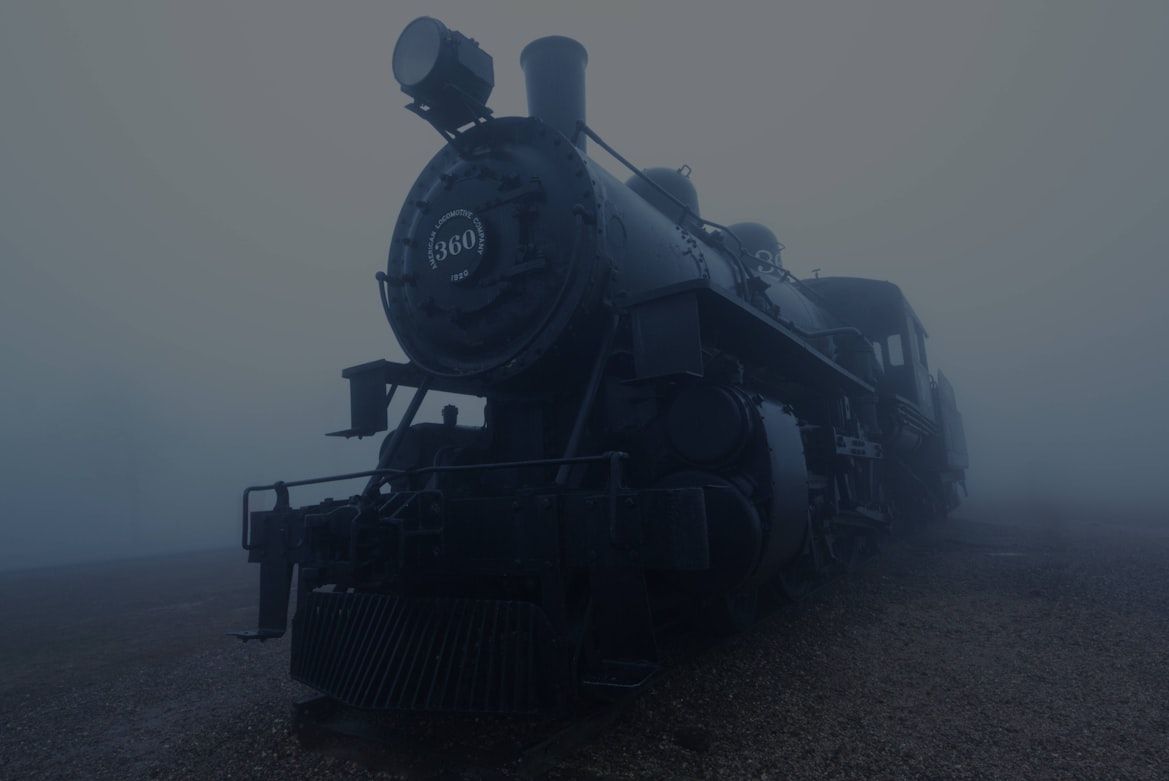
Image: Naveed Ahmed

Union raiders stole a Confederate locomotive and sparked a dramatic pursuit through northern Georgia. The "battle" unfolded across railroad tracks and small towns over the course of a few hours.

Though unconventional, it was officially a military operation and became legendary for its daring and scope. The episode showed how even a train theft could become an act of war.

11
Little Belt Affair (1811)
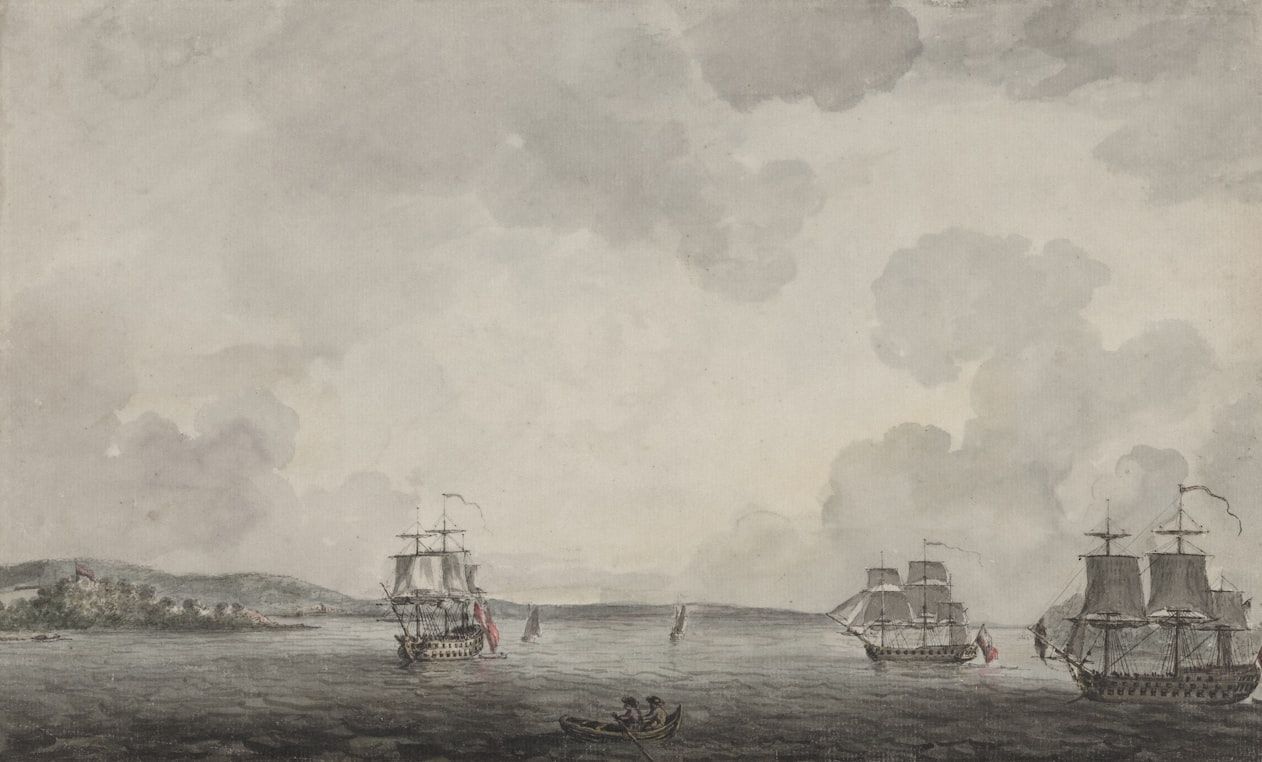
Image: The New York Public Library

This brief naval encounter between USS President and HMS Little Belt lasted less than an hour. Confusion over signals led to sudden gunfire and heavy damage to the British vessel.

The brief clash worsened tensions between the two nations and helped push the U.S. and Britain toward the War of 1812.
History History 3 min read

Is the journey really the destination?

Did you know that Lewis and Clark never reached their original goal?

Image: Sam Mgrdichian

The spirit of exploration and the drive for immortality have long driven Americans to venture into the unknown, across continents, into polar ice, and over vast oceans. But, while many achieved greatness, some of the most compelling stories come from those who did not meet their original goals.. Did you know about these 10 examples?

1
Lewis and Clark (1804–1806)

Image: Museum of New Zealand Te Papa Tongarewa

Everybody knows about Lewis and Clark and their glorious quest across the nation, but what most don’t know is that they originally set out to find a continuous water route, the fabled Northwest Passage, from the Mississippi River to the Pacific Ocean. Commissioned by President Jefferson, the journey was meant to open up western trade routes.

Although they reached the Pacific, they confirmed that no such navigable waterway existed. Their journey was a landmark of exploration, but their primary goal remained unaccomplished .

2
Lady Franklin Bay Expedition (1881–1884)

Image: David BP

The 1881 Adolphus Greely-led expedition aimed to establish a scientific research station in the high Arctic and gather meteorological and astronomical data as part of the First International Polar Year.

But two relief ships failed to reach them due to ice. Stranded for over two years, only 7 of 25 men survived. While some data was collected, the mission was a logistical and human failure .

3
Frederick A. Cook (1908)

Image: Roxanne Desgagnés

American explorer Frederick Cook claimed he reached the North Pole in 1908, beating Robert Peary by a year. His announcement stirred immediate controversy and public excitement.

However, Cook failed to provide verifiable proof, and his claim was largely discredited . He also falsely claimed the first ascent of Denali. His goals, while grand, were never validated .

4
Amelia Earhart (1937)

Image: Shaun Bell

Amelia Earhart sought to be the first woman to fly around the world along the equator. Her journey was a bold attempt to push the limits of aviation and global navigation.

Tragically, she vanished over the Pacific near Howland Island. Despite massive search efforts, neither she nor her plane was found. Her historic goal remains unfulfilled .

5
USS Jeannette Expedition (1879–1881)

Image: Hector John Periquin

The Jeannette Expedition set out to reach the North Pole via the Bering Strait, based on a theory that a warm current could carry ships through the ice.

Instead, the ship was trapped and crushed by ice. The crew made a desperate trek across Siberia, with many dying from exposure and starvation. The pole was never reached , and the voyage ended in tragedy.

6
Crocker Land Expedition (1913–1917)

Image: Annie Spratt

Backed by Robert Peary’s reports, this expedition aimed to locate "Crocker Land," a supposed Arctic landmass seen on a prior voyage.

After weeks of travel, they discovered it was a mirage. The team was stranded for years due to failed rescue attempts. Their quest failed because the land never existed .

7
American Karakoram Expedition (1953)

Image: Daniel Born

Led by Charles Houston, the expedition aimed to be the first to summit K2, the world’s second-highest mountain after Everest. The team climbed high and established advanced camps.

Trapped by a severe storm, they made a heroic retreat. One climber died, and the summit remained out of reach . Their attempt was noble, but ultimately unsuccessful.

8
Ziegler Polar Expedition (1903–1905)

Image: ArcticDesire.com Polarreisen

The abundance of Arctic expeditions on this list is not a coincidence. This area is tough to traverse, and much of it remains unknown. This particular expedition sought to reach the North Pole via Franz Josef Land. The crew wintered in the Arctic with supplies and dogs for the attempt.

Severe ice and harsh conditions thwarted their progress. They were stranded for two years and never neared the pole. Though most survived, the mission failed in its main goal .

9
Zebulon Pike (1805)

Image: Mathew Benoit

In 1805, Army officer Zebulon Pike was tasked with exploring the headwaters of the Mississippi River. The goal was to identify its true source and assert U.S. presence in the newly acquired Louisiana Territory.

Facing poor maps, freezing conditions, and supply shortages, Pike never reached the actual source . Though he gathered useful data, the mission failed to meet its primary objective.

10
American China-Everest ’82 Expedition (1982)

Image: Andreas Gäbler

Led by Lou Whittaker, this team aimed to summit Mount Everest via the remote Chinese (Tibetan) side, which was an unusual and challenging route for American climbers at the time.

Despite significant progress, they turned back just 1,500 feet from the top due to difficult conditions. The summit remained unreached .

Culture Culture 4 min read

Words of wisdom

The words of these 10 Americans will forever live in history!

Image: Emmanuel Ikwuegbu

Quotes have the magical property of allowing us to learn, enjoy, and marvel at the minds of some of the greatest thinkers in our history. It doesn’t matter when or where, we can all learn a thing or two from these wonderfully crafted words. With that in mind, we have decided to celebrate the ingenuity and intelligence of some of the most prominent Americans in history by highlighting some of their best quotes. So, without further ado, enjoy the wisdom that these 10 Americans have to offer!

1
"Float like a butterfly, sting like a bee" - Muhammad Ali

Image: Johann Walter Bantz

Much like his innate and groundbreaking boxing technique, legendary boxer Muhammad Ali had a way with words: He was able to craft sharp and insightful commentary in interviews and press conferences. In that sense, Ali was able to perfectly summarize his incredible fighting style with a short and simple phrase, in what’s probably his most famous quote: In 1964, before his iconic fight with Sonny Liston, a 22-year-old Ali stated that he would "float like a butterfly, sting like a bee".

2
"America is another name for opportunity" - Ralph Waldo Emerson

Image: NASA

Ralph Waldo Emerson was one of the most influential and groundbreaking American poets in history. It is no small praise for Walt Whitman to refer to Emerson as "his master", nor for Friedrich Nietzsche to call him "the most gifted of the Americans". Emerson’s collection of essays and writings gives us a glimpse into the quick wit and way of words this American had, so it stands to reason that the Emerson quote we chose for this article showcases his brevity and resourcefulness: "America is another name for opportunity".

3
"I have a dream" - Martin Luther King, Jr.

Image: Elizabeth Villalta

Not many know this, but Martin Luther King’s most famous quote came from a sudden moment of inspiration: Standing in front of over 250,000 supporters from the steps of the Lincoln Memorial, Dr. King departed from his prepared text and spoke from the heart, delivering a speech that had his now-iconic "I have a dream" phrase as its main theme. Most historians consider this speech to be a turning point in the history of the civil rights movement and a proud testament to Dr. King’s resolve and determination.

4
"Ask not what your country…" - John F. Kennedy

Image: Florida Memory

Civil service is definitely a big responsibility: The men and women in the government are naturally held to a high standard of scrutiny. In that sense, President Kennedy’s words during his inauguration speech truly cemented something that citizens often overlook: When our 35th President said "Ask not what your country can do for you – ask what you can do for your country" , he asked the American public to always keep the welfare of their country and fellow Americans in mind.

5
"Four score and seven years ago" - Abraham Lincoln

Image: Ed Fr

Granted, we couldn’t include the entire Gettysburg Address in this article, but we have instead decided to choose a phrase that’s as famous as this iconic speech. While we can’t be sure that President Lincoln knew the effect these words would have on American history, we do know that he was an exceptional writer, so it is no wonder that we still remember the opening lines of this famous speech: "Four score and seven years ago".

6
America, to me, is freedom - Willie Nelson

Image: Priscilla Du Preez 🇨🇦

Country music is synonymous with American culture, so it shouldn’t come as a surprise to learn that one of the most patriotic quotes in this article comes from country music legend Willie Nelson. This beloved musician once stated, "America, to me, is freedom". What’s perhaps most moving about this simple yet powerful phrase is that it effortlessly describes what many of us feel whenever we think about America.

7
"To be good, and to do good, is all we have to do" - John Adams

Image: iStrfry , Marcus

Leave it to a Founding Father to perfectly describe what patriotism is all about. John Adams once stated this powerful phrase: "To be good, and to do good, is all we have to do". Much like the JFK quote we previously mentioned, our second President encouraged us to love our country and always strive to keep it a wonderful place to live.

8
"We must be free not because we claim freedom but because we practice it" —William Faulkner

Image: Tom Hermans

There’s no denying that William Faulkner was one of the most influential writers of the 20th century: A Nobel laureate, Faulkner has written such American classics like "As I Lay Dying" and "The Sound and the Fury". Much of his work centers around the American South, and on what he felt were the values that America holds most dear. In that sense, the following quote is as insightful as what can be found in Faulkner’s many books: "We must be free not because we claim freedom but because we practice it".

9
"In the face of impossible odds, people who love this country can change it." —Barack Obama

Image: frank mckenna

Standing in the very same spot in which Martin Luther King had made his iconic "I Have a Dream" speech, President Obama spoke in front of a gathered crowd of hundreds and delivered one of his most famous quotes: "In the face of impossible odds, people who love this country can change it." Besides being a great quote by our 44th President, this phrase is also a living testament to the influence that Dr. King had on all Americans.

10
"Liberty, when it begins to take root, is a plant of rapid growth" -George Washington

Image: Ryan Quintal

We’ll end this article with a phrase that comes straight from the mind of the Father of our country. In a letter to fellow Founding Father James Madison, George Washington wrote: "Liberty, when it begins to take root, is a plant of rapid growth". When you think about it, this phrase is an almost perfect summary of the ideas and beliefs that fueled the American Revolution, and that would eventually help build this great country of ours.

Explore more American facts

Choose your favorite category!

General
General

As American as apple pie—the very best America has to offer!

Culture
Culture

Delve into the astounding richness of American lore.

Geography
Geography

Hop in and explore vast and diverse American landscapes.

History
History

Discover the key moments that shaped the United States.