History History 5 min read

New professions

The president who went back home to produce whiskey
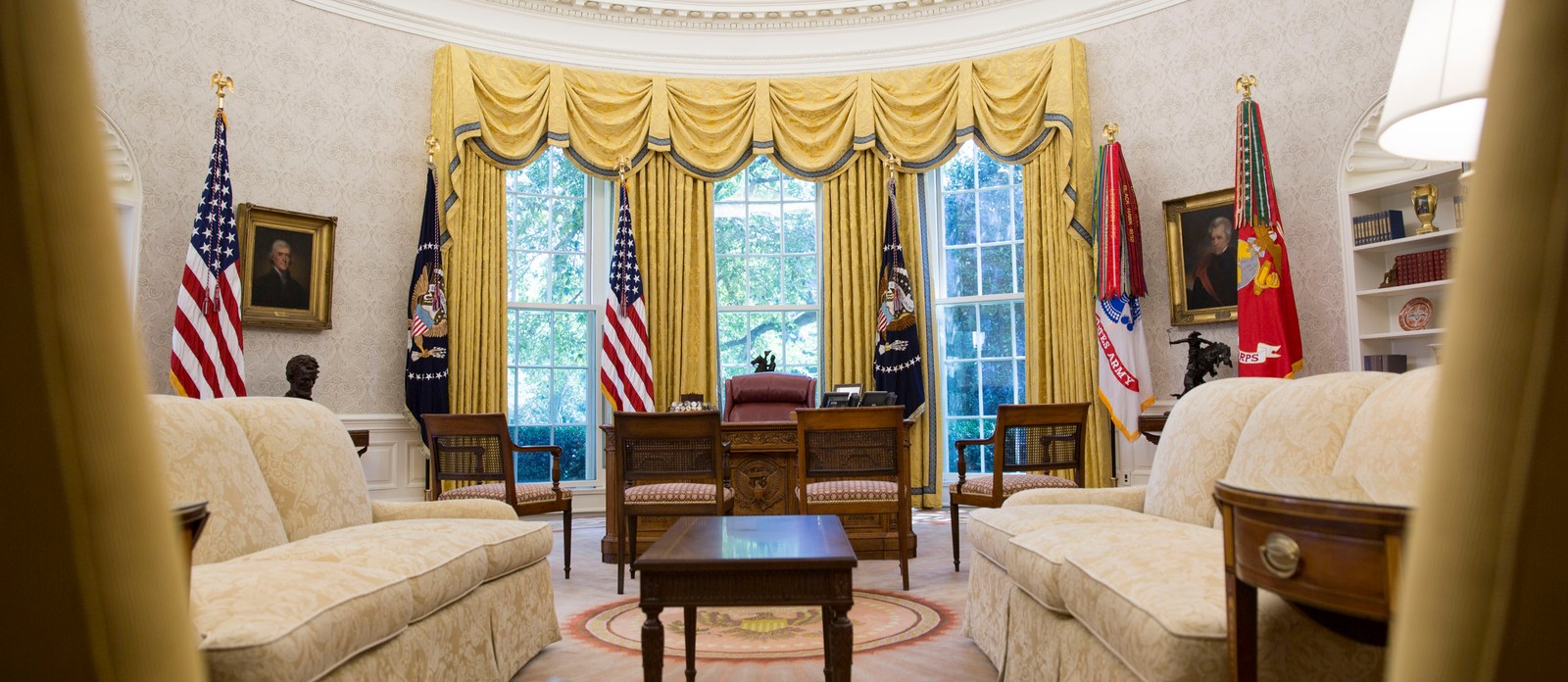
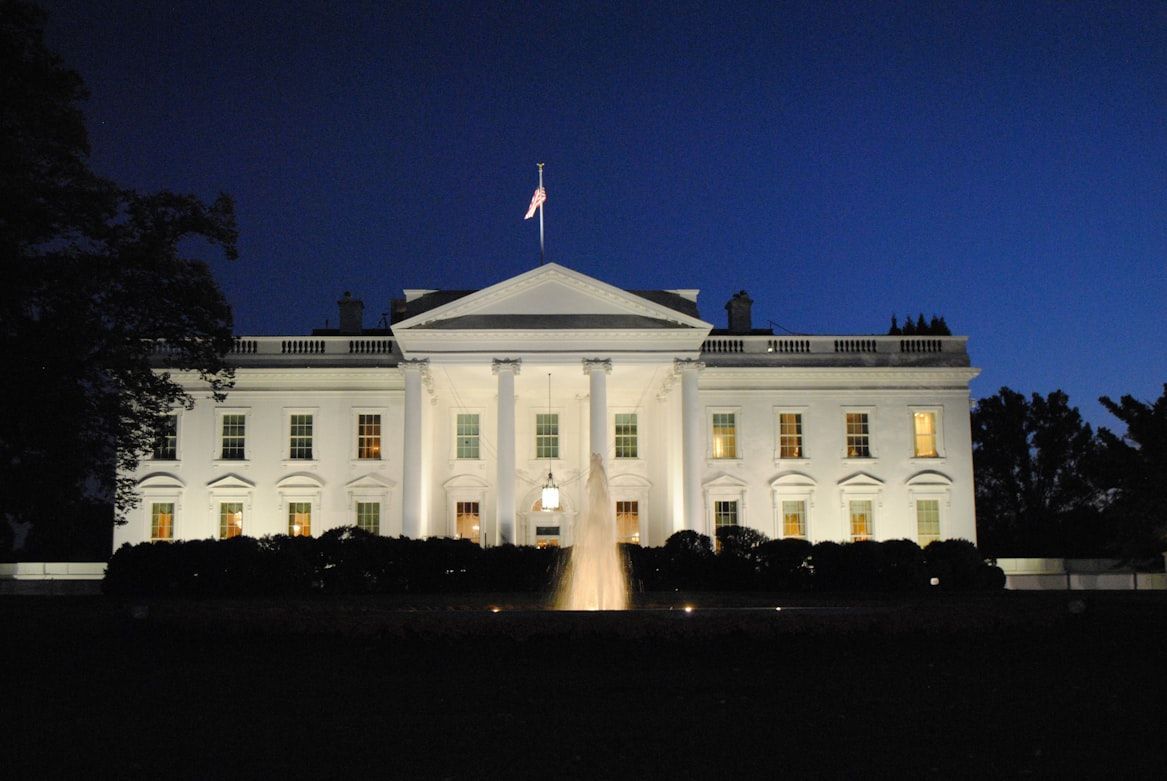
Image: White House, Public domain, via Wikimedia Commons

Being the President of the United States of America is a sure-proof way of being remembered by generations to come, be it for one’s triumphs and achievements, for one’s mistakes, or even for being unremarkable. But what does one do after being the most powerful person in the country? Here are 10 American presidents and their endeavors after retiring from office.

1
George Washington: Whiskey distiller
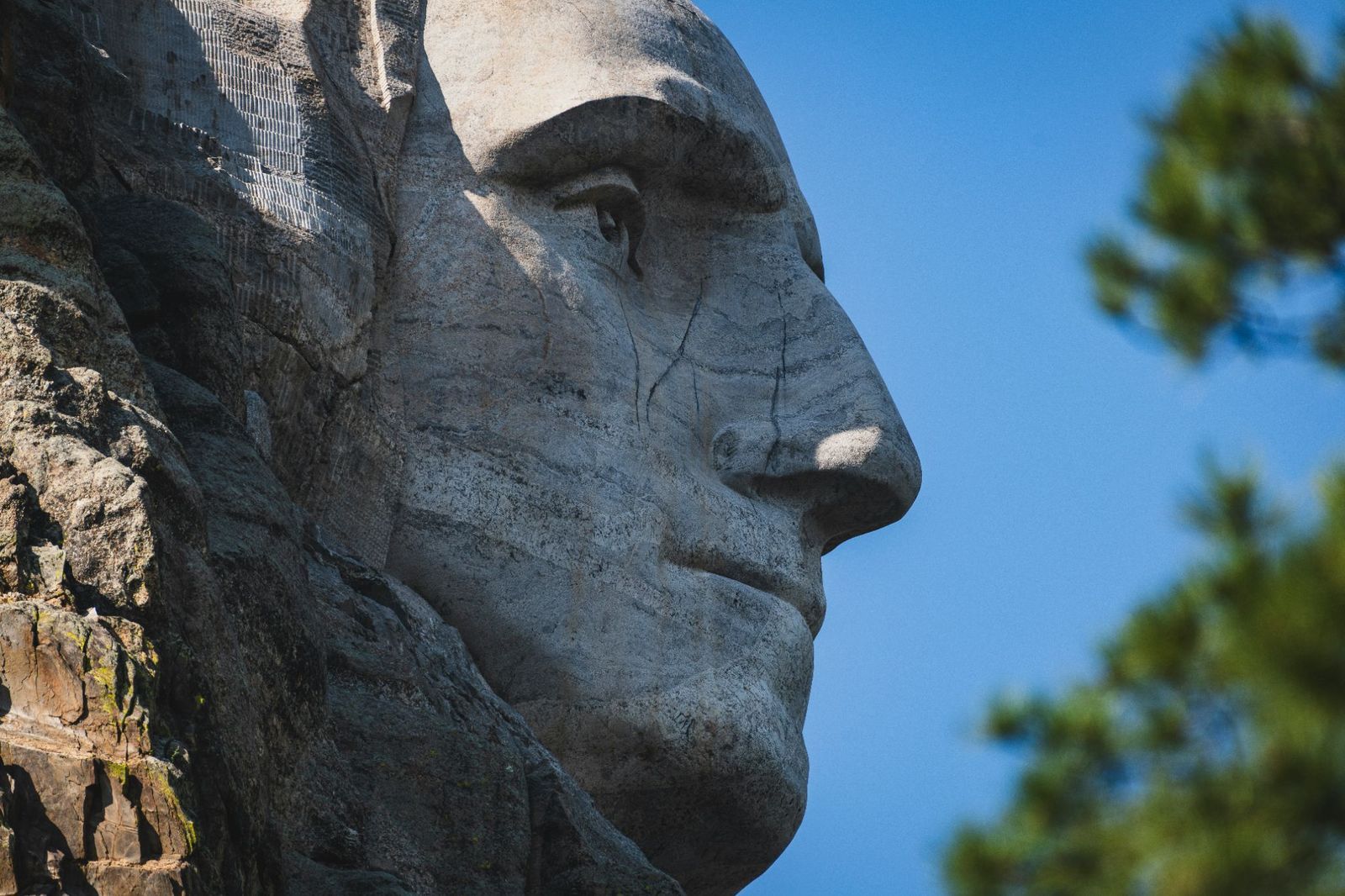
Image: Jon Sailer

George Washington’s retirement after his second presidency (1797) was important in itself as it set a precedent for presidents only serving two terms —although this was only a tradition and not a legal limit until the ratification of the 22nd Amendment in 1951. Despite his enormous prestige, George Washington decided to retire from public life and returned to his Mount Vernon estate , focusing on agriculture and building a whiskey distillery that would become one of the biggest in the country. He was appointed General of the Army by President Adams in 1798, but he never actively served in that position.

2
John Adams: Farmer and writer
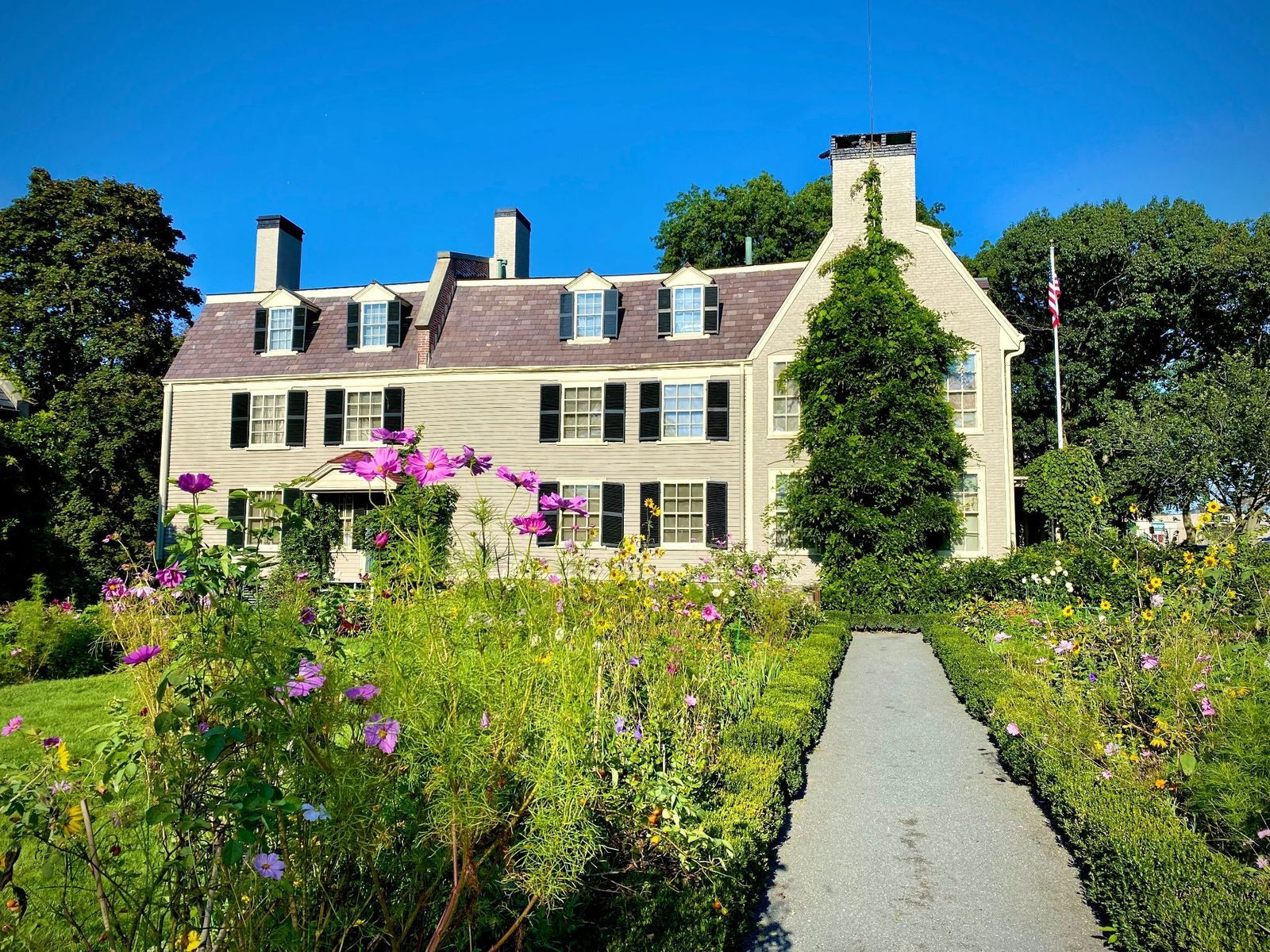
Image: Storied Vistas

In 1801, John Adams retired to Massachusetts, where he would spend the rest of his life managing his estate and writing his autobiography . Reconciled with his former friend and long-time rival Thomas Jefferson, they exchanged letters and writings for more than a decade. After seeing the inauguration of his son, John Quincy Adams, as the 6th American president in 1825, Adams died on July 4, 1826. Famously, his last words were "Thomas Jefferson still survives", not knowing Jefferson had passed a few hours earlier.

3
Thomas Jefferson: Founder of the University of Virginia
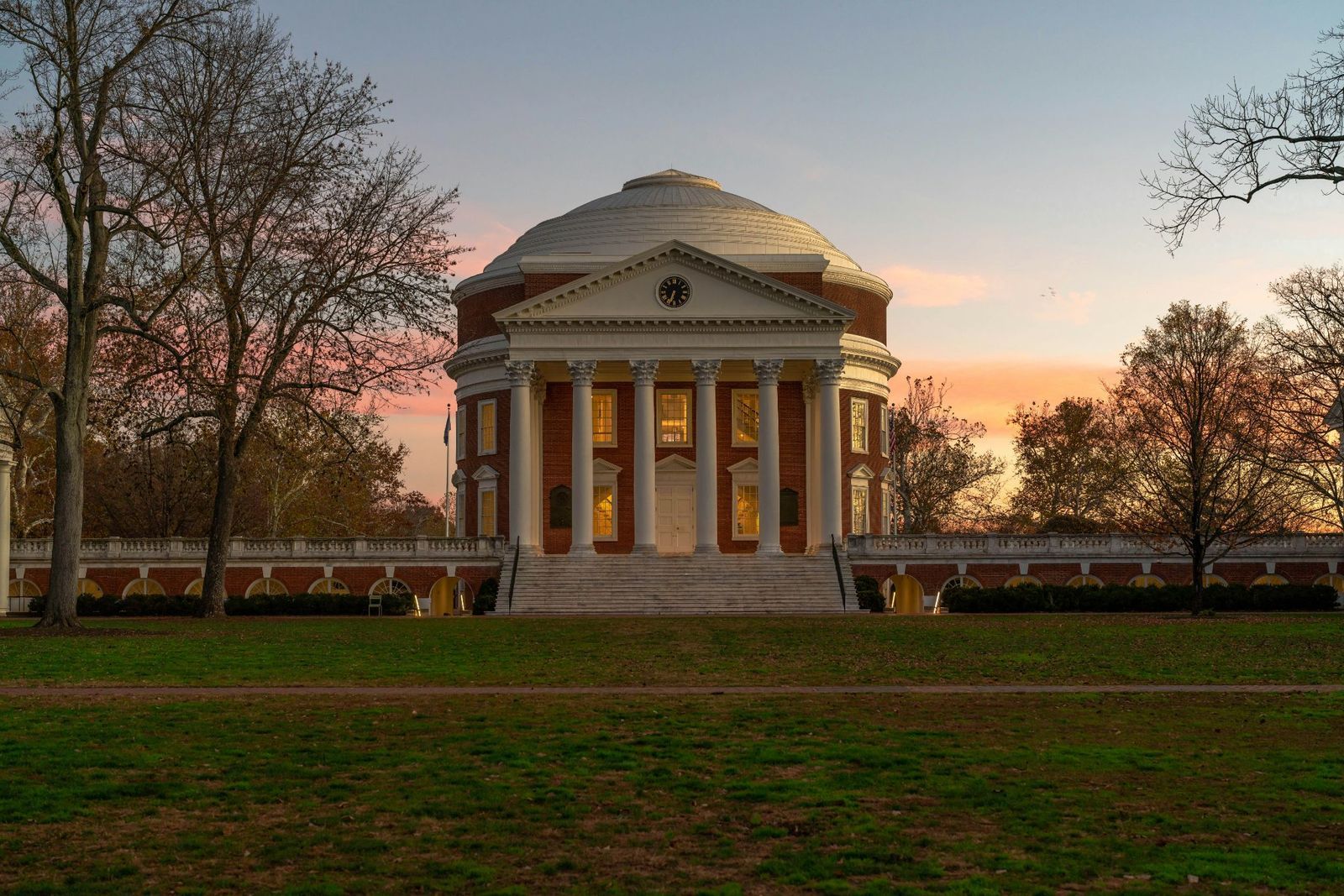
Image: Tim Thorn

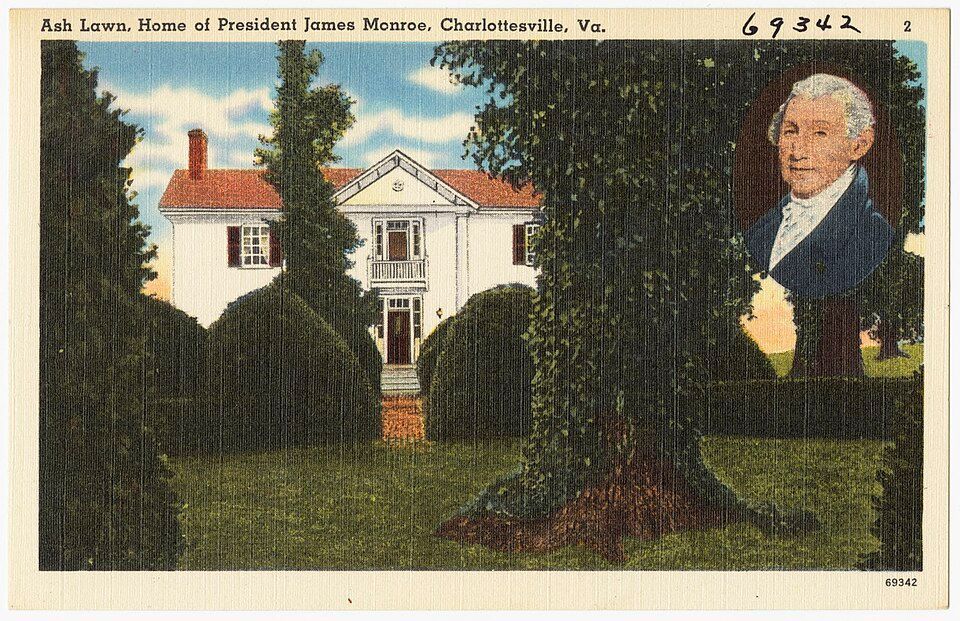
After leaving the White House in 1809, Thomas Jefferson went back home to Monticello, Virginia, where he devoted his time to reading, writing, and science, while corresponding with many political figures of the time. In 1815, he sold his personal book collection to Congress to help replace the books burned by the British in 1814. A firm believer in education as a pillar of society, Jefferson envisioned a university where students could pursue studies not offered in other institutions. He chose the location, campaigned for the state charter, designed the buildings and the curriculum, and served as the first rector of the University of Virginia.

4
William H. Taft: Supreme Court Justice
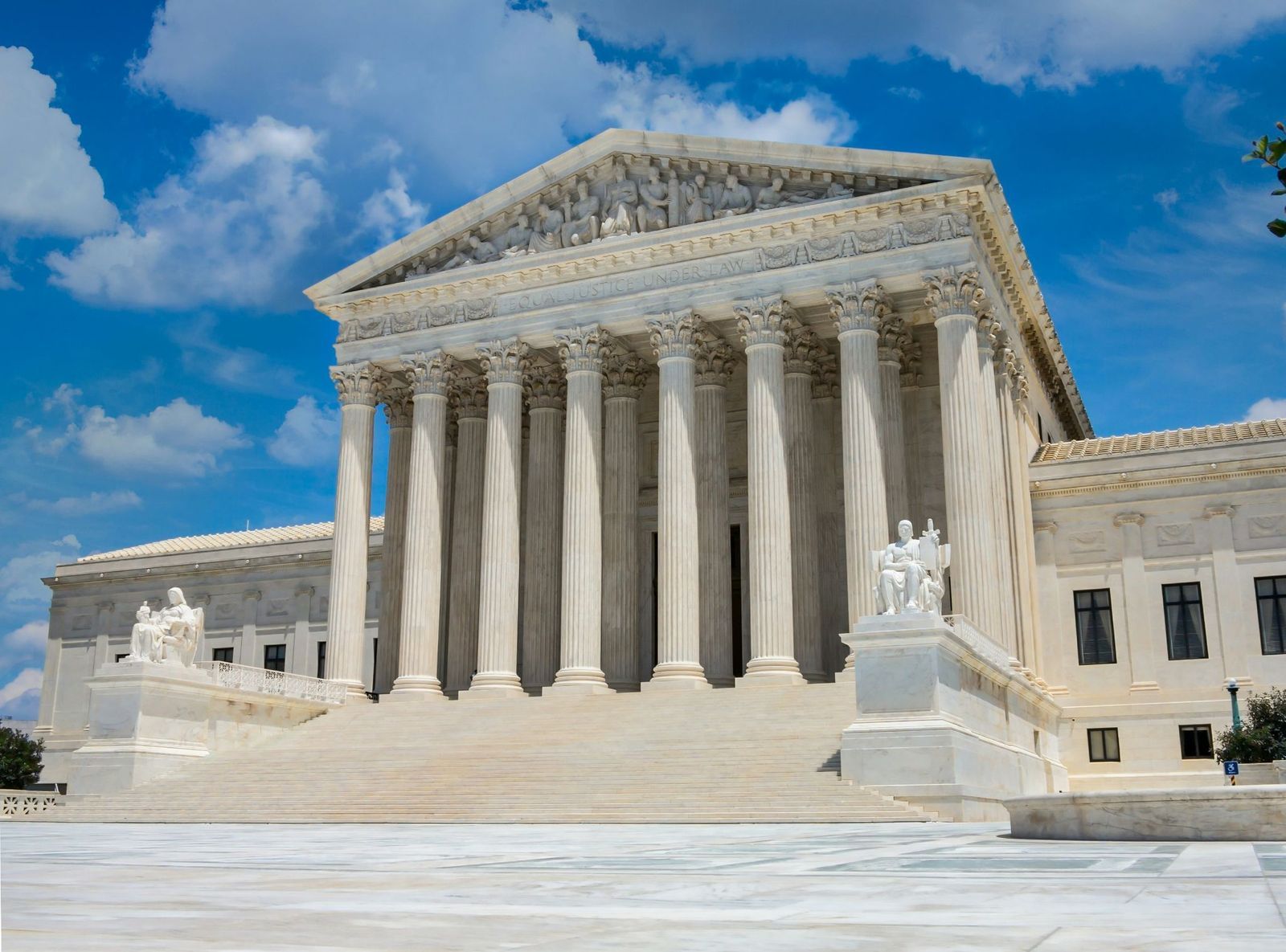
Image: Fine Photographics

Upon his retirement from office in 1913, Taft considered returning to the practice of law. However, he had appointed many federal judges —a few Supreme Court Justices included— which created a conflict of interest. Instead, he decided to accept a position as a lecturer at Yale University. In 1920, after Harding was elected president, Taft was offered a position as a Supreme Court Justice, and he accepted , making him the only person to be both President and Chief Justice of the Supreme Court. After his appointment, Taft focused on organizing the legal system and making it more efficient, and campaigned for the construction of the Supreme Court building.

5
Grover Cleveland: Lawyer
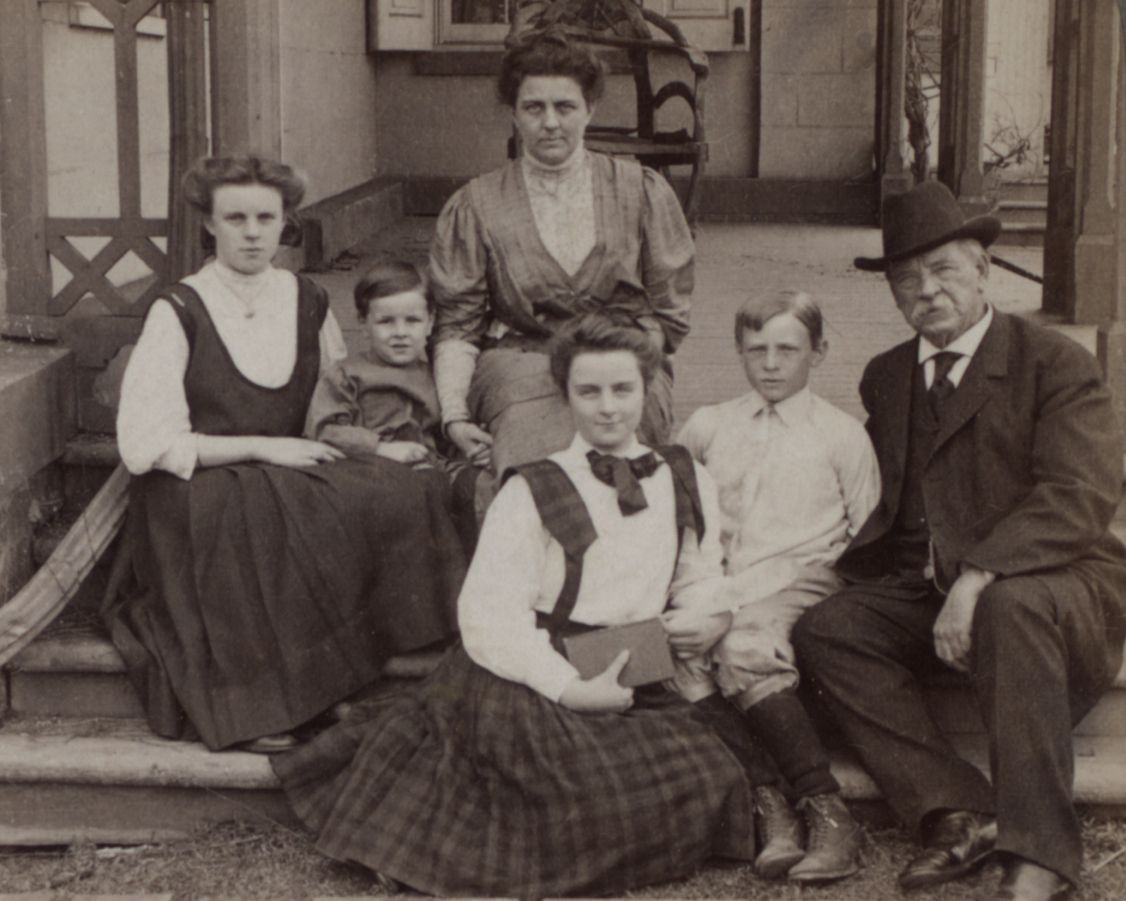
Image: Underwood & Underwood (Publisher), Public domain, via Wikimedia Commons

After losing re-election in 1889, Cleveland took a position at a law firm in New York City and mostly stayed out of politics. A year before the 1892 election, however, he wrote a public letter against President Harrison’s economic policies that quickly made him a favored candidate and won him the Democratic nomination. After winning the election and serving his second term, Cleveland went back to practicing law. He is one of only two presidents to have served two non-consecutive terms.

6
Theodore Roosevelt: Explorer
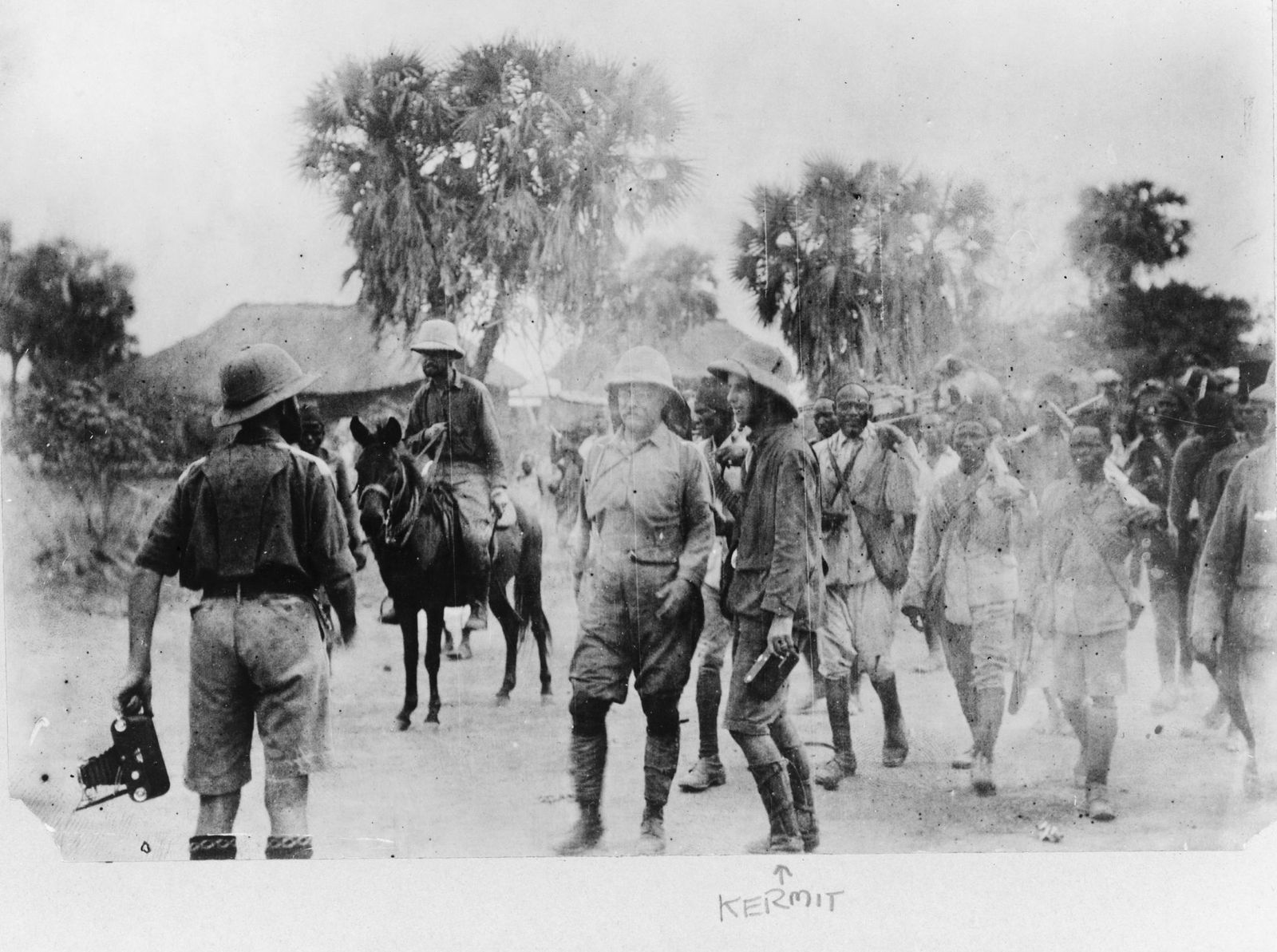
Image: Scott Kraft from USA, Public domain, via Wikimedia Commons

After leaving office in 1909, Roosevelt led a safari expedition in Africa, where he hunted specimens for the Smithsonian Institution. After running for president in 1912 and losing to Woodrow Wilson, Roosevelt and his son Kermit embarked on a seven-month expedition across the jungles of Brazil to explore the Amazon Rive r. During the journey, Roosevelt contracted malaria and suffered from an infected leg wound, which nearly killed him. Back in America, he devoted his time to writing about politics and science, and actively campaigned for the war effort as the U.S. joined World War I.

7
Ulysses S. Grant: Writer
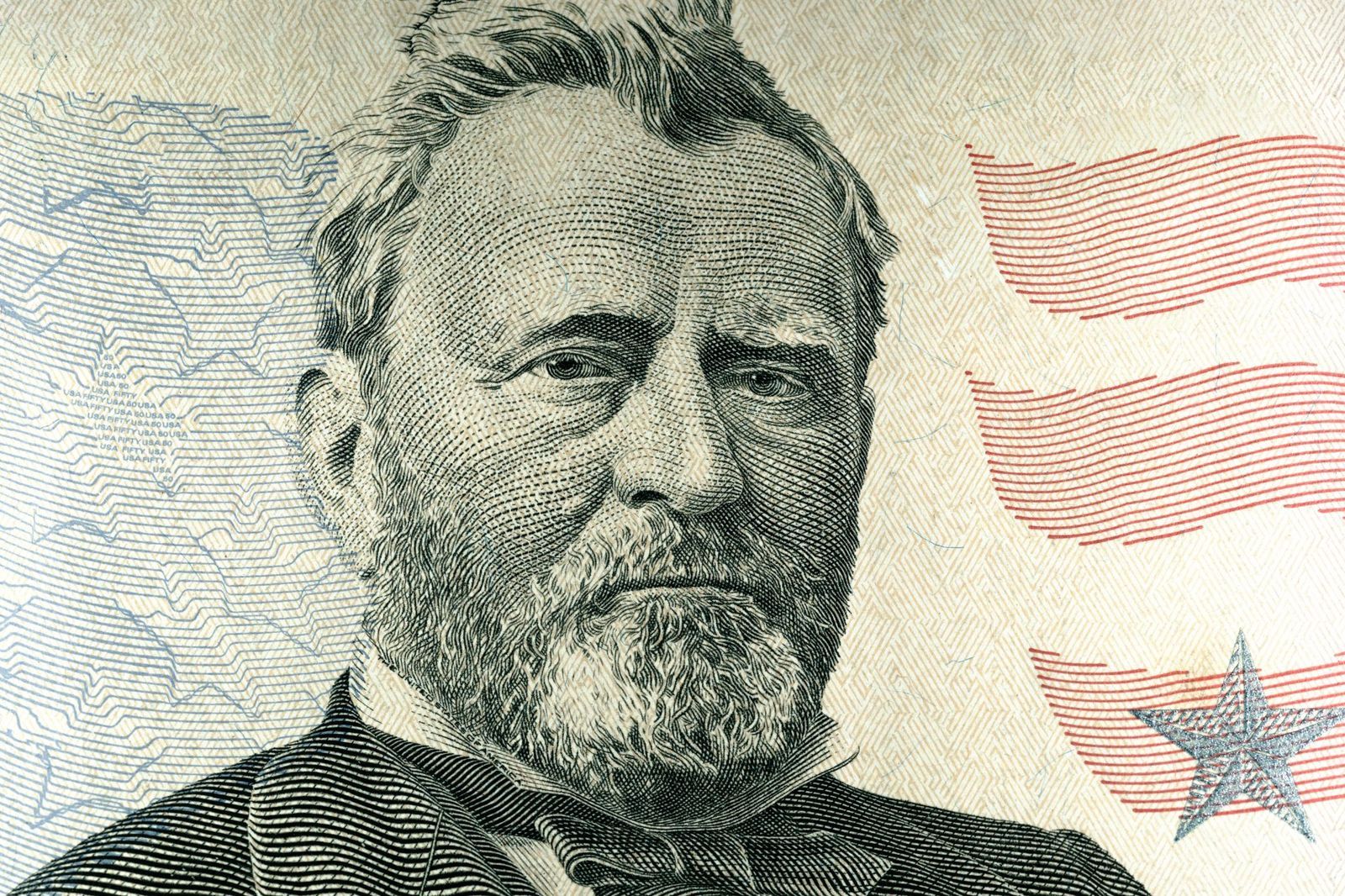
Image: Klochkov SCS

A hero of the Civil War and the Reconstruction era, Grant embarked on a two-year world tour after leaving office in 1877, where he was received by leaders such as Queen Victoria, Chancellor Otto Von Bismarck, and the Japanese Emperor Meiji. Back in America, he invested all of his savings into a Wall Street firm run by his son, but lost all of his money as a consequence of a Ponzi scheme. Penniless and diagnosed with terminal cancer, Grant started writing articles for magazines in order to raise money for his family , while also penning an autobiography, which he finished on his deathbed. The book was a major success, earning his family close to $450,000 and securing their future.

8
John Quincy Adams: Congressman
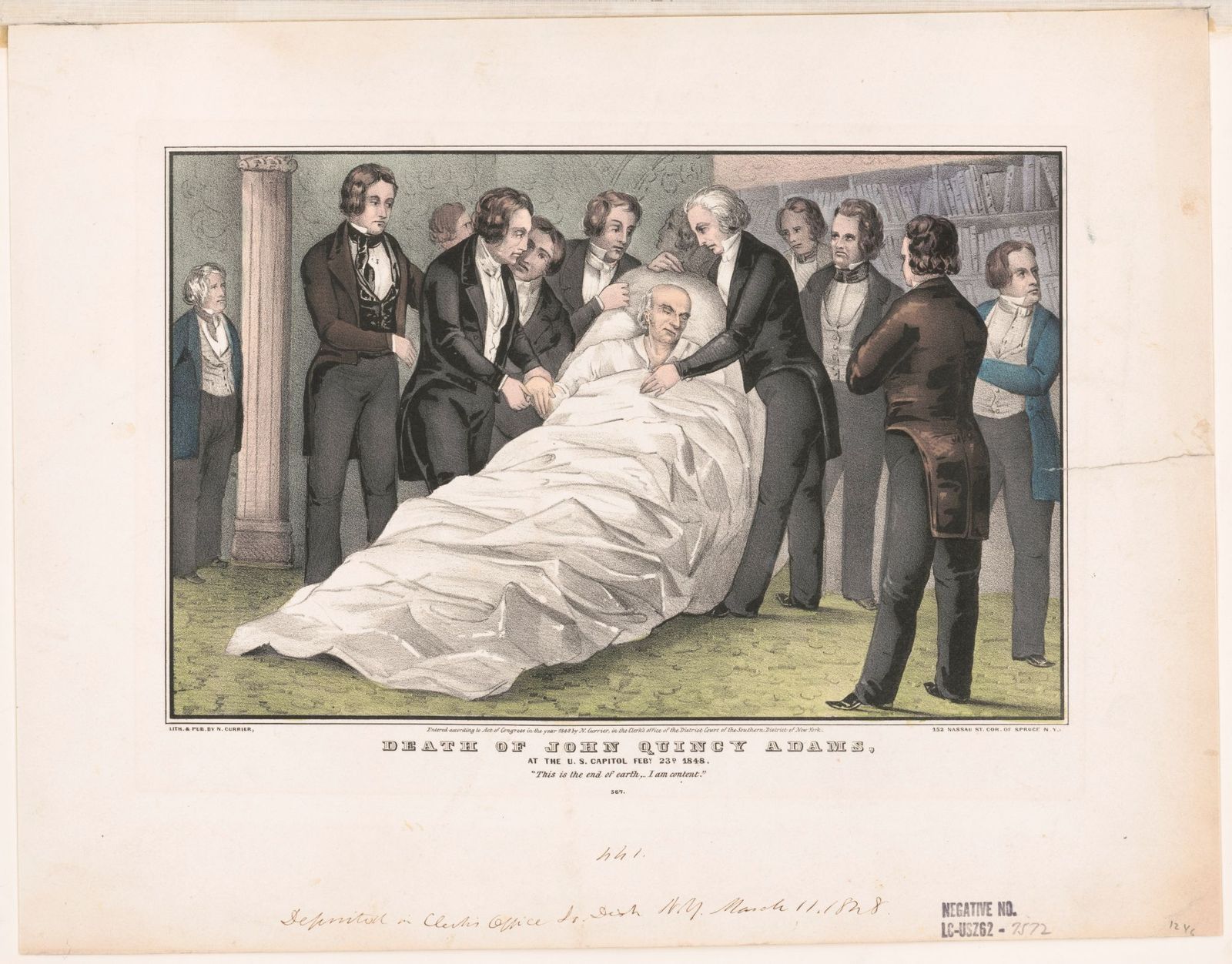
Image: N. Currier (Firm), Public domain, via Wikimedia Commons

After retiring from office in 1829, John Quincy Adams returned to Congress, where he had previously served as senator, but this time as a member of the House of Representatives, being the only U.S. President to do this (Andrew Jackson is the only other former president to go back to Congress, but as a senator). Across 18 years and nine terms as a congressman, he became one of the leaders of the abolitionist cause, fighting to repeal a gag rule that prevented Congress from discussing slavery, and presenting several petitions for the abolition of slavery. Working as a congressman until the end, he died in the Capitol after suffering a stroke during a passionate debate against war.

9
Dwight D. Eisenhower: Cattle rancher
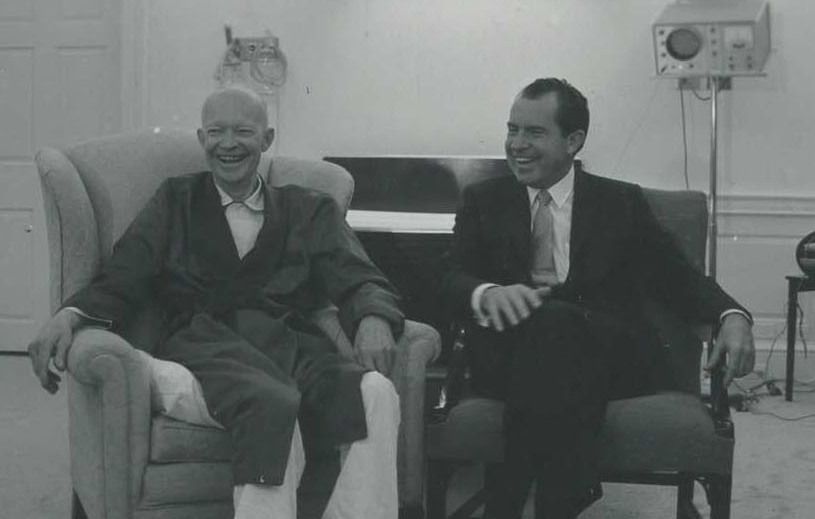
Image: Robert L Knudsen, Public domain, via Wikimedia Commons

As many presidents did before him, Eisenhower retired to his farm after leaving office in 1961. However, he remained involved in politics, serving as an advisor to presidents such as Kennedy, Johnson, or Nixon . Despite having resigned his military commission upon becoming president, Eisenhower had his five-star general rank reinstated by President Kennedy, being the only president —except Washington— to re-enter the armed forces after the presidency.

10
George W. Bush: Oil painter
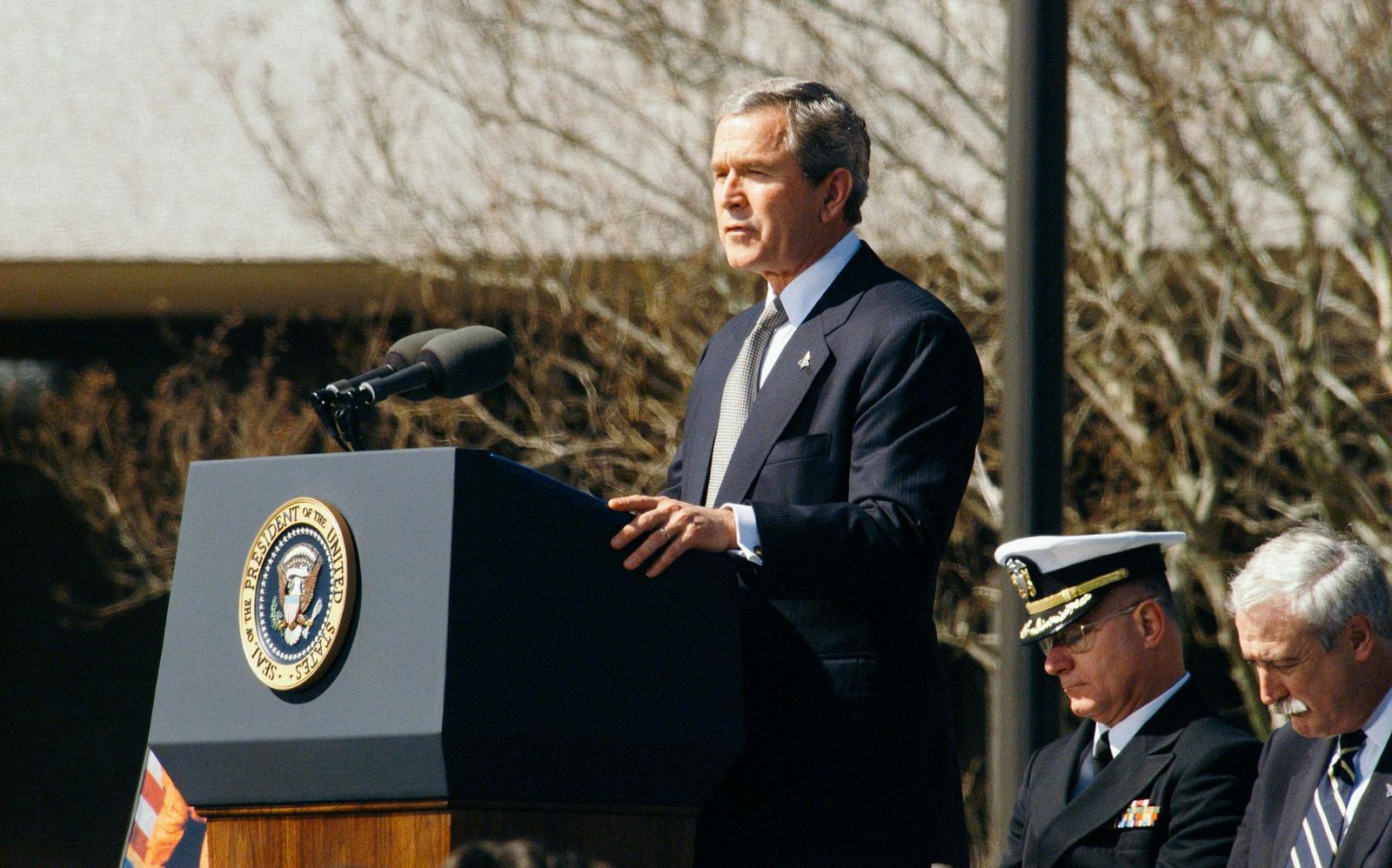
Image: History in HD

After leaving office in 2009, George W. Bush retired to his home in Texas. There, inspired by Winston Churchill’s essay "Painting as a Pastime", he took up oil painting , focusing on portraits of close friends, pets, and world leaders he had met while in office. In 2017, he released an art book focused on portraits of U.S. veterans and their stories.
General General 4 min read

Presidents and protocols

Why do presidents have to buy their own gifts? The reason behind

Image: Jorge Alcala

Once someone becomes president, even the simplest daily habits are no longer simple. Protocols start to overcome routines, wills, and even family responsibilities. Let’s find out what rules presidents in office must follow — and some notable exceptions.

1
Skip Air Force One

Image: Getty Images

Beyond the wishes of any president, flying on a commercial airline is completely forbidden under any circumstances. Due to security concerns, Air Force One is meant to be the only way a president can travel by air. But there is actually a historic exception in this matter. In 1973, during the oil crisis, Richard Nixon flew on a regular United Airlines flight to California . The trip was meant to show support for energy-saving efforts nationwide.

2
Break the two-term rule

Image: Ronda Darby

Did you know that before Franklin D. Roosevelt, presidents were not limited to two terms? They mostly followed a tradition started by George Washington, the first US president in 1789, who decided to step down after his second term. It wasn’t until the 22nd Amendment in 1951 that two terms became the official legal limit to moderate the accumulation of power in one person.

Roosevelt, who was president from 1933 to 1945 , was the only president to break that tradition because of the country's exceptional situation: During the Great Depression and World War II, many Americans wanted solid leadership. He ended up winning four elections, but died of a stroke in 1945 during his fourth term.

3
Take diplomatic gifts home

Image: Jeremy Thompson from Los Angeles, California

Presidents have to buy their own gifts? Truth is, they can receive gifts from foreign leaders, but they cannot always keep them as personal presents. If a gift is expensive enough to go over the government’s "minimal value" limit, it is treated as a gift to the American people. From there, the White House Gift Unit helps decide what happens to it. In fact, the president or First Lady can still keep the gift, but only if they buy it at fair market value. This rule exists so that a diplomatic gift does not appear to be a personal favor.

4
Own their official speeches

Image: Zoshua Colah

A president can stand at a podium and deliver a speech heard around the world, but that does not mean he is the private author of those words. Under U.S. copyright law, official presidential speeches are usually considered part of the public record because they are part of the job. That means people can quote them, share them, and reuse them more freely than a normal copyrighted text. You could say that the speech belongs less to the president and more to the country.

5
Enjoy a simple breeze

Image: Tabrez Syed

Picture the president’s reaction on his first day of office when he is advised that he is prohibited from opening windows. The White House and presidential vehicles keep their windows sealed to prevent the president from being attacked.

Michelle Obama once shared that there was one small break from those strict rules . During a short drive to Camp David, her Secret Service agent allowed her to open the car windows for a few minutes. She later described it as a feeling of normal people's luxury.

6
Block followers from official pages

Image: camilo jimenez

What about the president’s digital life? Technology advances quickly, and presidential security must keep up; presidents cannot simply use personal social media without being monitored. In 2018, a federal judge ruled that a president cannot block people from official social media spaces, because those accounts can be treated as public forums. So even online, presidents have some restrictions to follow.

7
Hit the road by themselves

Image: edward stojakovic from chicago, United States

While in office, presidents and vice presidents are not allowed to drive on open roads. What’s more, the Secret Service must control their transportation in real time . There are some exceptions, though: inside personal properties, and in places like Camp David, they can drive, walk, and even ride a bike.

8
Throw away their own papers

Image: Donghun Shin

Presidents also cannot treat their office like a normal workspace. Under the Presidential Records Act, letters, notes, and emails may count as official records. That means presidents are discouraged from simply cleaning up or throwing mail away on their own. Instead, White House staff must sort everything carefully first, so no important piece of history ends up in the trash by accident.

9
Join normal family outings

Image: YiChuan Li

Imagine the scene of the president casually arriving at his child’s school one morning. As we would assume, there are security restrictions that prevent presidents from attending a child or grandchild's concert or sporting event. These restrictions affect the entire First Family, but they also keep everyday situations from turning chaotic.

10
Scroll through a normal inbox

Image: Brett Jordan

Even the president’s inbox has personal security. People can send a message to the president online, but it does not go straight to a personal email account; it actually goes through the official White House contact form first. Then staff members read it, sort it, and decide where it should go. Since presidential emails can become part of the public record, they must be saved and handled carefully.

General General 6 min read

Hidden from the public

What's hidden beneath the National Mall? It's not what you think

Image: Sonder Quest

Cities like Washington, DC, Philadelphia, and Boston feel so famous that it’s easy to think there’s nothing left to discover in them. But with centuries of history behind them, they’re full of secrets most people never learn about. From underground tunnels linking iconic buildings to hidden rooms inside famous landmarks, today we’re uncovering 10 hidden spots and historical secrets of the cities you thought you knew.

1
National Mall’s hidden tunnel (Washington, DC)

Image: Samuel Girven

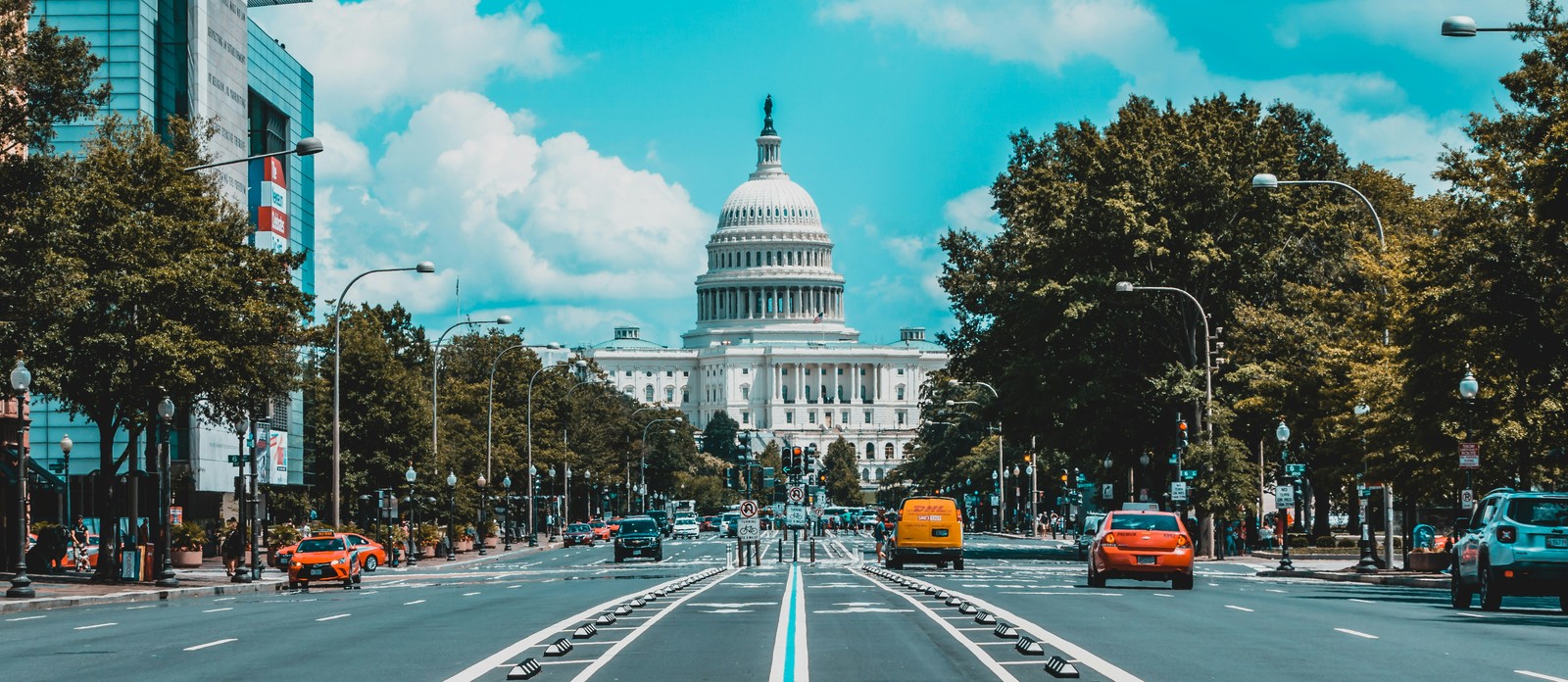
The National Mall landscape in Washington, DC, is so familiar that it’s hard to imagine anything hidden beneath it, but there is more going on below the surface than most visitors realize.

Beneath parts of the Mall, a network of underground tunnels connects buildings like the Smithsonian Institution Building, a.k.a "The Castle", with other Smithsonian facilities, including the National Museum of Natural History. They’re mainly used for utilities, secure staff access, and behind-the-scenes operations that keep the museums running smoothly.

2
Mount Rushmore’s secret chamber (Keystone, SD)

Image: Uniq Trek

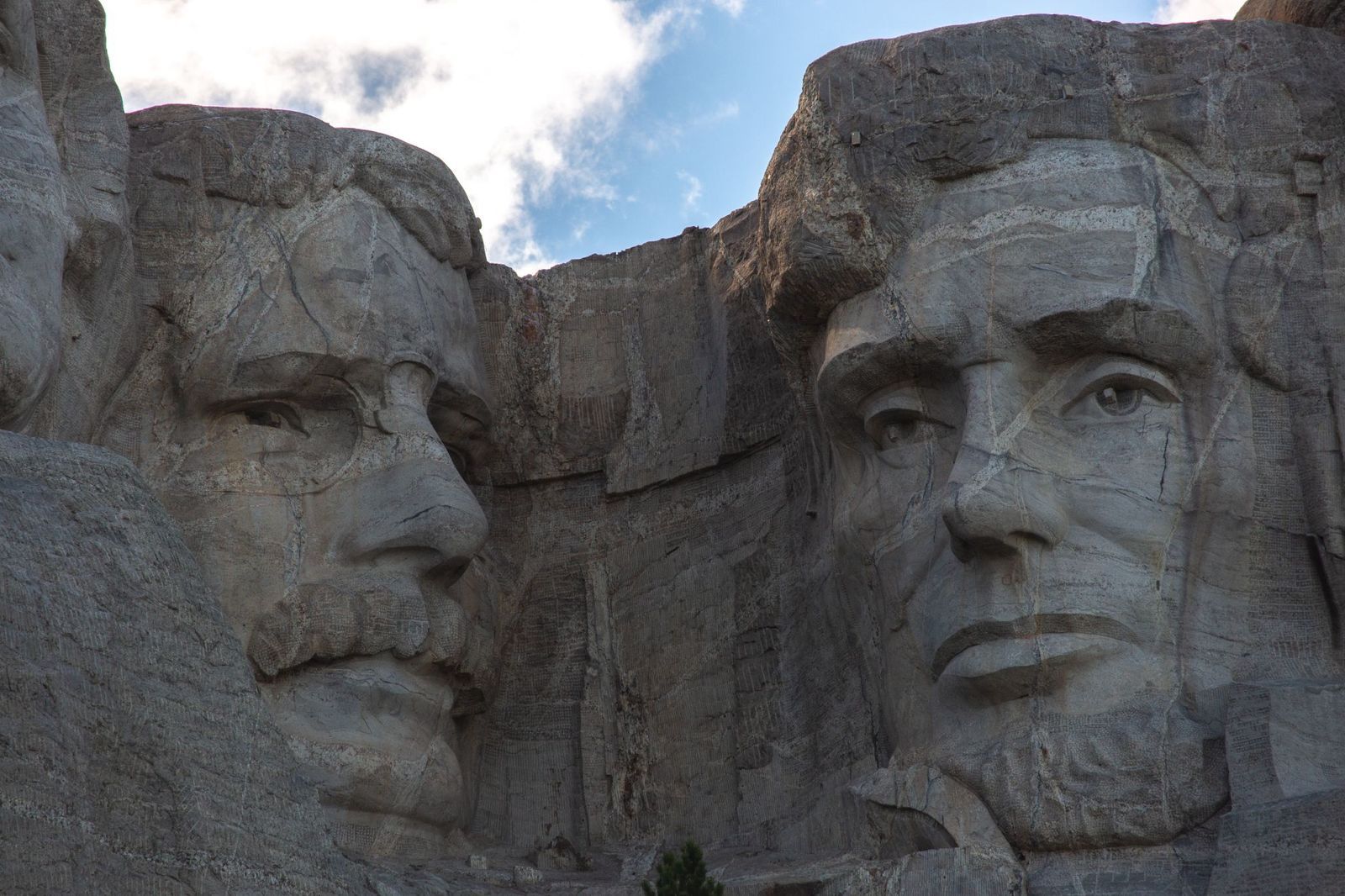
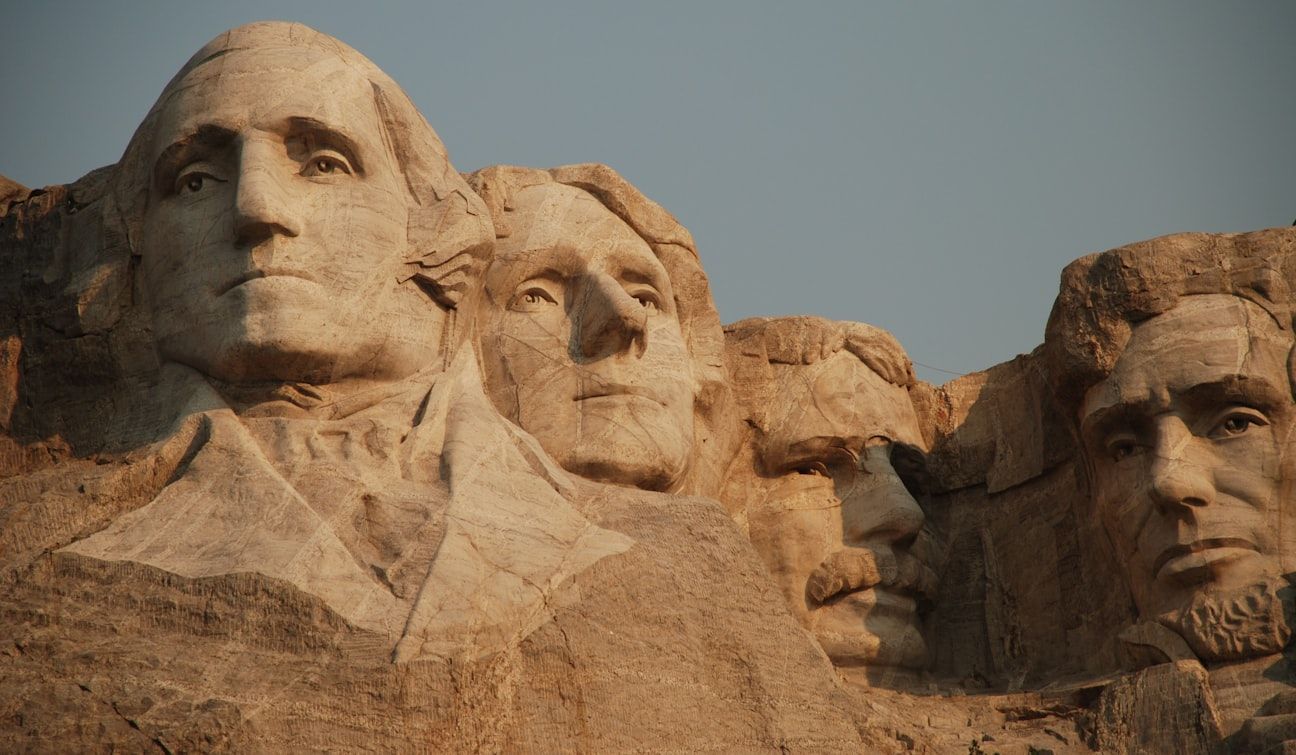
When you look at Mount Rushmore, the first thing you notice is the four faces of George Washington, Thomas Jefferson, Theodore Roosevelt, and Abraham Lincoln, but there’s more than meets the eye. Hidden behind Lincoln’s head is a secret chamber known as the "Hall of Records," a place visitors have rarely ever seen. It was the idea of sculptor Gutzon Borglum, who imagined it as a grand room to hold important US documents and tell our story as a country. Construction began with that goal, but the project was never completed. Today, the chamber remains unfinished, but it's there, waiting to be visited someday.

3
The Las Vegas sign is in another city (technically, Paradise, NV)

Image: Sung Shin

Do you have the classic picture in front of the iconic "Welcome to Fabulous Las Vegas" sign? If you snapped it and then drove to another city, we hate to break it to you, but you weren’t in Las Vegas.

The famous sign, installed in 1959, actually sits a couple of miles outside the city limits. In fact, the sign and most of the Strip are technically located in the towns of Paradise and Winchester, unincorporated communities in Clark County, Nevada, not within Las Vegas itself. And that’s no accident: much of the Strip and its casinos were originally developed outside the city in the 1950s to avoid municipal taxes and regulations.

4
Fragments of the Antarctic ice sheets (Denver, CO)

Image: Marco Bianchetti

Did you know that the Mile High City stores miles of ice from Greenland and Antarctica? Ok, but how?

At Denver’s National Ice Core Laboratory, part of the Federal Science Center, the ice is kept at around -32.8°F. Researchers study it not just to understand Antarctica itself, but also to inspect Earth’s history. Some of these blocks of ice are hundreds of thousands of years old, and from them, scientists can reconstruct ancient temperatures, track greenhouse gas levels, and even identify major volcanic eruptions preserved in the layers.

5
The hatch at the top of City Hall Tower (Philadelphia, PA)

Image: Miscellaneous Items in High Demand, PPOC, Library of Congress, Public domain, via Wikimedia Commons

Counting the statue of William Penn at its summit, the tower of Philadelphia City Hall rises about 548 feet, making it the tallest municipal building in the United States. But hidden high above the street, the statue conceals a little-known secret.

At its base is a small hatch, originally built to give workers access for maintenance. It offers an incredible vantage point over the city, but getting there isn’t easy. To reach it, you have to climb narrow stairways and walk through tight, elevated passageways. Would you dare give it a try?

6
A 112,544 square-foot underground bunker (White Sulphur Springs, WV)

Image: Kberg115, CC BY-SA 3.0, via Wikimedia Commons

The tense atmosphere and threats of the Cold War led to the construction of thousands of underground bunkers across the US. And one of the most impressive is right beneath the Greenbrier Resort in White Sulphur Springs, West Virginia.

Buried 720 feet into the hillside, this 112,544-square-foot bunker was created to shelter all 535 members of the US Congress in the event of a nuclear attack. Built between 1958 and 1961, it was sealed behind a 25-ton blast door, and it remained a protected secret for more than 30 years.

7
Catacombs underneath City Market (Indianapolis, IN)

Image: Richie Diesterheft, CC BY-SA 2.0, via Wikimedia Commons

In downtown Indianapolis, the City Market has been a gathering place since 1886, filled with local vendors, cafés, and shops. But there’s more to it than what you see above ground. Beneath the market lies a network known as the City Market’s "catacombs."

Despite the name, the reality isn't quite so macabre; they’re a series of brick archways that once supported Tomlinson Hall, a huge market building demolished in the mid-20th century. Today, this underground space remains as a hidden piece of the city’s past, but unlike many places on this list, it’s occasionally open for guided tours.

8
One of history's biggest art heists (Boston, MA)

Image: King of Hearts, CC BY-SA 4.0, via Wikimedia Commons

We all know Boston as the "birthplace of the American Revolution," home to events like the Boston Massacre and the Boston Tea Party. But there’s another chapter of its history you don’t hear about as often.

Just over 30 years ago, Boston was the scene of one of the biggest art heists in history. In the early hours of March 18, 1990, two men disguised as police officers entered the Isabella Stewart Gardner Museum, overpowered the guards, and stole 13 invaluable works of art, including pieces by Vermeer, Degas, Rembrandt, and Manet. To this day, the case remains unsolved, and a multi-million-dollar reward is still offered for information.

9
One of the quietest places on Earth (Minneapolis, MN)

Image: Togabi, CC BY-SA 4.0, via Wikimedia Commons

Where do you think the quietest places on Earth are? You might imagine remote landscapes far from civilization, but one of them is actually right in Minneapolis, Minnesota.

Inside Orfield Laboratories, there’s a room with no windows or natural light, an anechoic chamber that absorbs nearly all sound. That’s right: it blocks almost every noise, making the space even quieter than a vacuum. Visitors say the silence is so intense that you can hear your own heartbeat and even the faintest movements of your body. Simply incredible.

10
A strange law (Los Angeles, CA)

Image: Sean Krieg, CC BY 4.0, via Wikimedia Commons

Why would a city actually pass an ordinance saying that licking toads is a bad idea? That’s Los Angeles, a place full of quirks, some charming, some downright strange. Even its laws can be unusual.

The Colorado River toad, found in parts of California, secretes chemicals that can have powerful psychoactive effects on humans. Because of the risks, both possession and use of this substance are illegal statewide. In 1994, cases occurred, including a teacher who was arrested for possessing the toad substance. But Los Angeles went a step further, passing an ordinance that specifically bans licking these amphibians. And let’s be honest, the poor toad probably doesn’t enjoy it either.

Explore more American facts

Choose your favorite category!

General
General

As American as apple pie—the very best America has to offer!

Culture
Culture

Delve into the astounding richness of American lore.

Geography
Geography

Hop in and explore vast and diverse American landscapes.

History
History

Discover the key moments that shaped the United States.