History History 5 min read

Do you believe?

Extraterrestrial America: 10 famous unexplained incidents
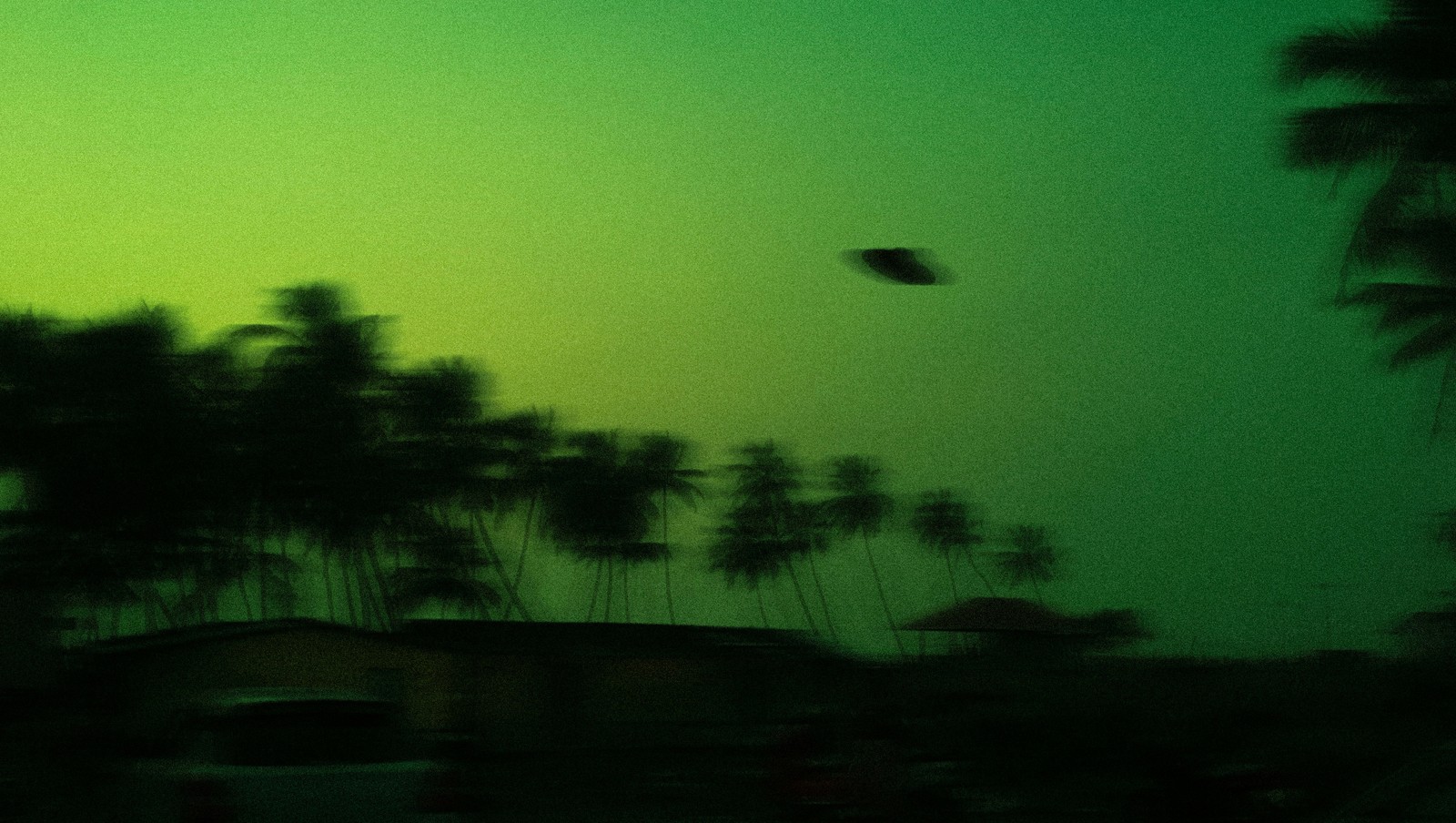
Image: Albert Antony

Humans have long wondered about the existence of beings from other worlds and civilizations more advanced than ours. While no conclusive evidence has been presented, strange sightings have always sparked our collective curiosity. The U.S. is no stranger to these mysterious incidents, and government interference has done little to theories and conspiracies, fueling the rumors instead. Here are 10 famous sightings.

1
Roswell Incident
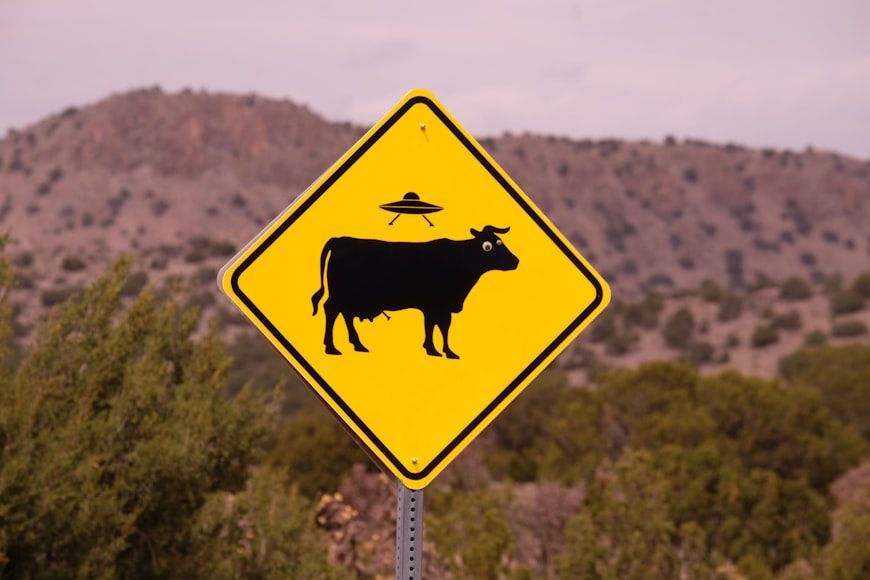
Image: Bruce Warrington

In June 1947, a rancher in Roswell, New Mexico, found strange metallic debris in a field. Soon after, military personnel from a neighboring air base gathered all the evidence and announced they had recovered a flying disc . The following day, however, they retracted their statement, claiming instead that the debris was part of a weather balloon — and suspicions of a conspiracy were born

Years later, government officials stated that the balloon story had been a cover, but there are still disputes about what actually happened. Military sources have since said the balloon was part of a program to detect Soviet nuclear weapons , but the contradicting stories have led many to believe that we don’t know the whole truth about the incident.

2
Washington, D.C. UFO Incident
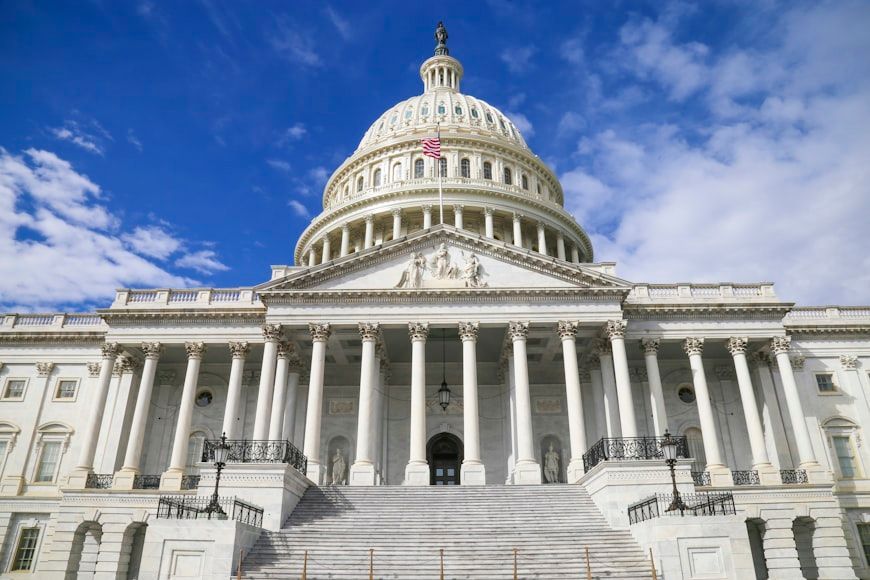
Image: Louis Velazquez

In July 1952, a series of UFO sightings in Washington, D.C., was reported over two consecutive weekends near the White House and the Capitol. These objects were seen visually by pilots and air traffic controllers, and they were also tracked by radar.

Though the air force deployed jets to intercept the UFOs, the pilots reported that these objects had incredible speed and that they were easily outmaneuvered. The incident sparked attention from the media, which led President Truman to create the Robertson Panel, a scientific committee dedicated to investigating UFO sighting reports.

3
Cash–Landrum incident
Image: Noah Silliman

In December 1980, Betty Cash and Vickie Landrum, alongside Landrum’s grandson, spotted what they initially thought was an airplane near Dayton, Texas, but was actually a diamond-shaped object, emitting a bright light and hovering near the ground . After getting out of their vehicle to inspect the object, they returned to the car to find it was extremely hot to the touch.

After the alleged UFO left, Cash and Landrum claimed to have seen a military aircraft following it. The three of them experienced burns, nausea, and other symptoms similar to those of radiation sickness , and Cash spent a month hospitalized. The government denied any involvement in the situation, but many investigators and researchers believe this could have been a secret military experiment.

4
The Westchester Boomerang
Image: USDAgov, Public domain, via Wikimedia Commons

From 1983 to 1984, residents of Hudson Valley in New York and Fairfield County in Connecticut reported the appearance of large objects that emitted bright lights , flying in a circle or V-shaped formation.

The police later claimed that these were actually a group of Cessna 152s from a neighboring town , and the alleged pilots expressed their amusement at the confusion. However, witnesses claimed that the flying objects could not have been small aircraft, as they made no sound and were able to hover in one spot for extended periods of time.

5
Travis Walton incident

Image: Sebastian Unrau

On November 5, 1975, Travis Walton, a logger working in Heber, Arizona, was reported missing by his crew. They claimed that, returning from work, they had stopped because they saw an unusual light. Walton had walked into the forest following it and had been struck by a beam . Afraid that he had died, his companions fled and alerted the police, but Walton was not found despite intense searches.

Five days later, Walton appeared in Heber, confused and disoriented. He claimed to have been abducted by humanoid aliens, who kept them in their aircraft . He and other witnesses passed the lie detector test, but many people believed the incident was an elaborate hoax.

6
Kenneth Arnold UFO sighting
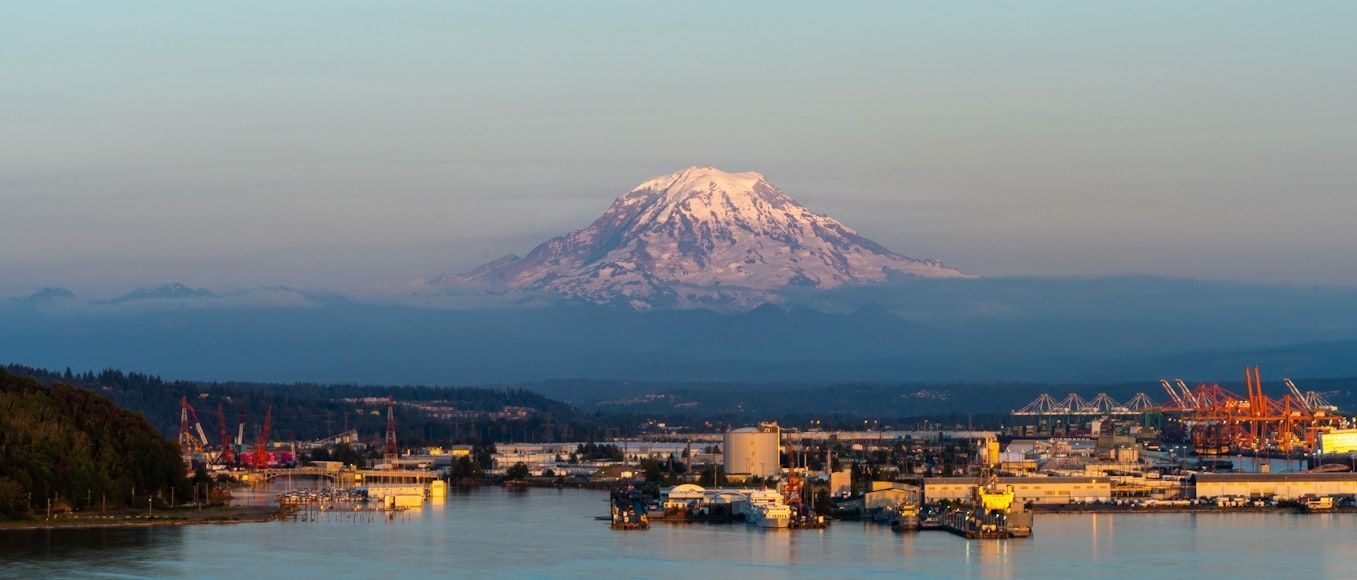
Image: Wei Zeng

In June 1947, Kenneth Arnold, a pilot flying near Mount Rainier in Washington State, reported sighting of several flying objects, which he believed were experimental military aircraft. After an investigation by military officials, they found several witnesses who reported sightings at a similar time and location to Arnold.

Arnold described these aircraft as round objects that moved as a "saucer would if you skipped it across the water". The popularity of the story, the first UFO sighting after World War II, first popularized the term "flying saucer."

7
Stephenville, Texas sighting

Image: Dynamic Wang

Residents of Stephenville, Texas, reported in January 2008 that they had seen a massive flying object, moving at high speed and emitting lights. The witnesses, including a pilot and a police officer, claimed the object was up to a mile long and made no sound.

Though the U.S. Air Force initially denied having planes in the area , they later explained that training maneuvers for 10 F-16 jets had been conducted; this contradiction sparked rumors of a classified military aircraft.

8
Marfa Lights, Texas
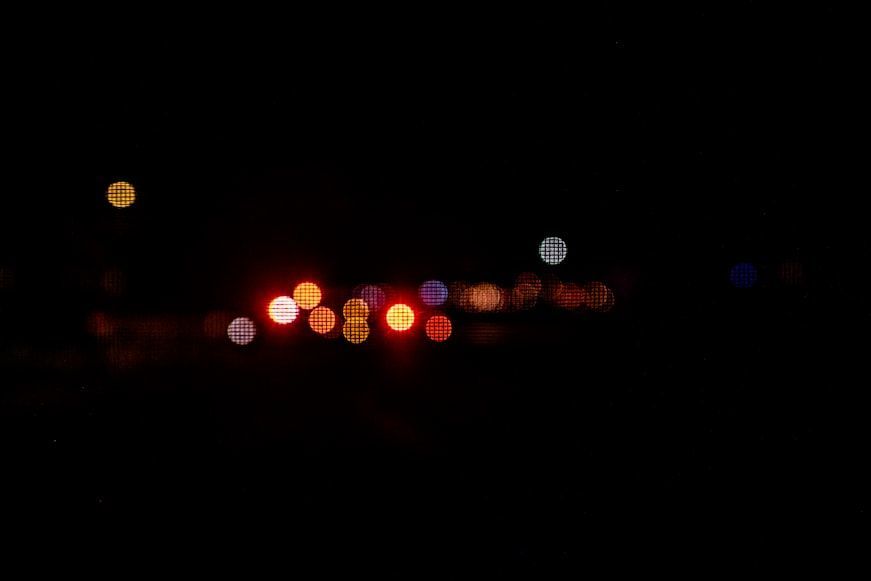
Image: Osman Rana

One of the oldest alleged sightings in America, the first record of the Marfa lights dates back to 1883. These light orbs appear sporadically on the horizon, and their color varies between blue, red, and white. Appearing around 30 times a year, the Marfa lights can still be seen to this day.

Scientists have tried to explain these appearances as an atmospheric phenomenon similar to a mirage, or the reflection of car lights from a highway, but they have failed to reach a definite conclusion. Marfa has become a popular destination for UFO aficionados , which has led the Texas Department of Transportation to build a dedicated viewing area.

9
Japan Airlines Cargo Flight 1628
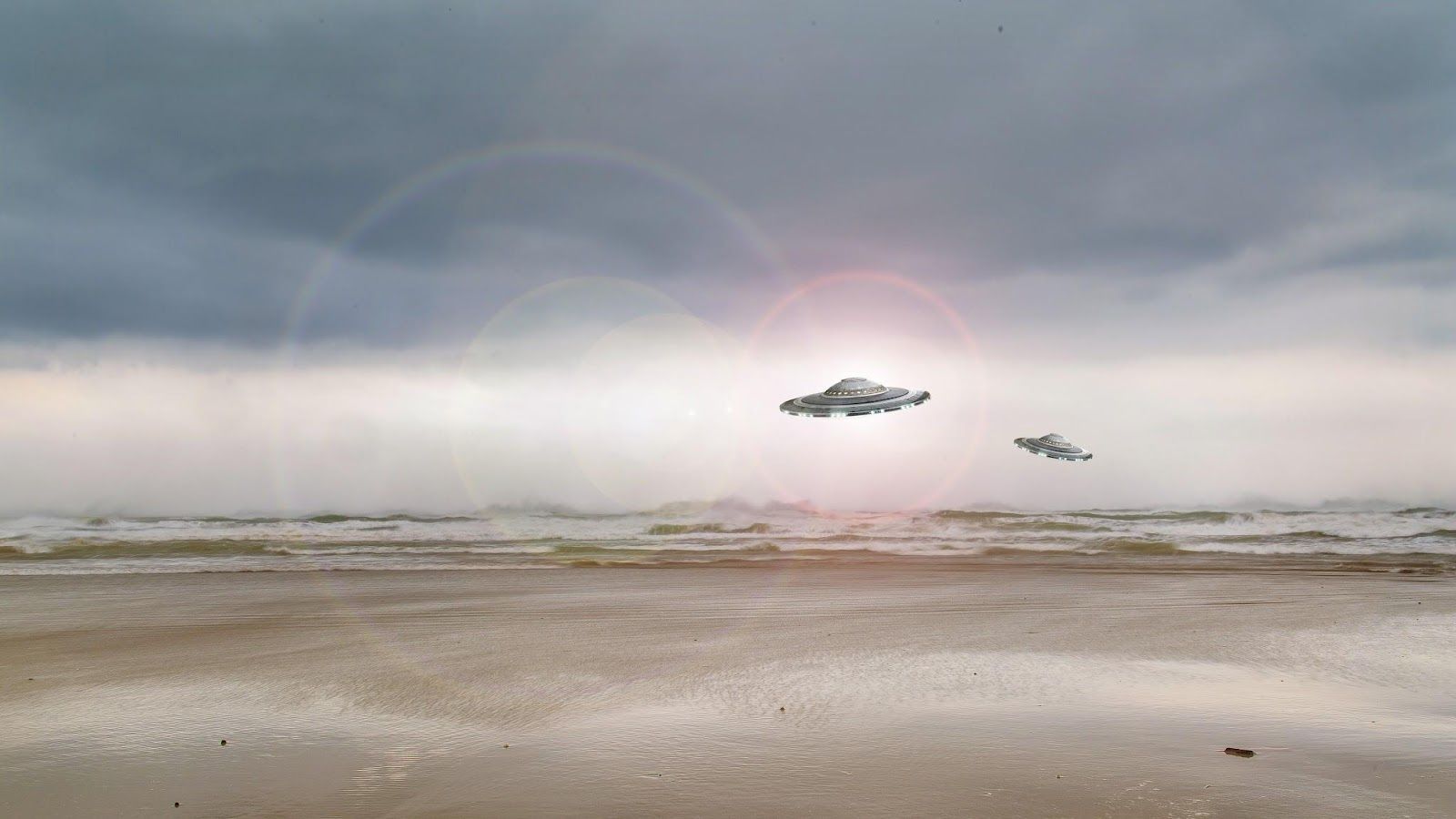
Image: maxime raynal from France, CC BY 2.0, via Wikimedia Commons

On November 17, 1986, the crew of a Japanese cargo plane claimed to have been followed by three flying objects —one massive and two smaller ones— as they flew over Anchorage, Alaska. Media outlets reported that these objects had been captured on a military radar, but government officials later discredited the claims.

After landing in Anchorage, the crew was interviewed by the FBI and the CIA, who allegedly confirmed a radar sighting. However, the agencies have since denied that the meeting ever took place.

10
USS Nimitz "Tic Tac" incident
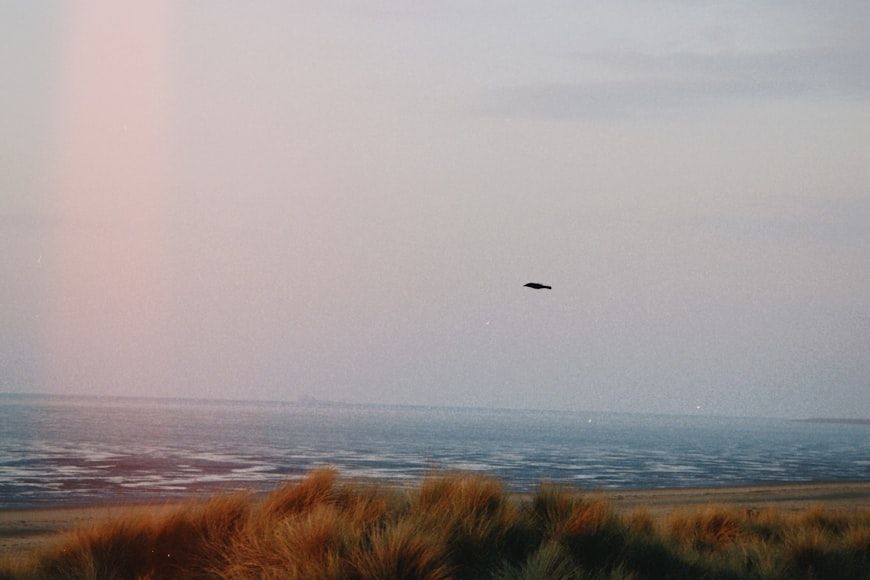
Image: Tanya Barrow

In November 2004, jet pilots from the USS Nimitz aircraft carrier reported encountering a ‘tic tac-shaped’ object with remarkable flying capabilities. Besides the eyewitnesses, the object was captured by the jets’ cameras and tracked by the radar of another aircraft carrier for two weeks.

The videos were classified until 2020, when they were released by the Pentagon after a series of reports by the New York Times . Though several theories have been postulated, there is no official explanation for this incident.
History History 6 min read

Numbers that made history

The “infamous” presidential address that broke radio records

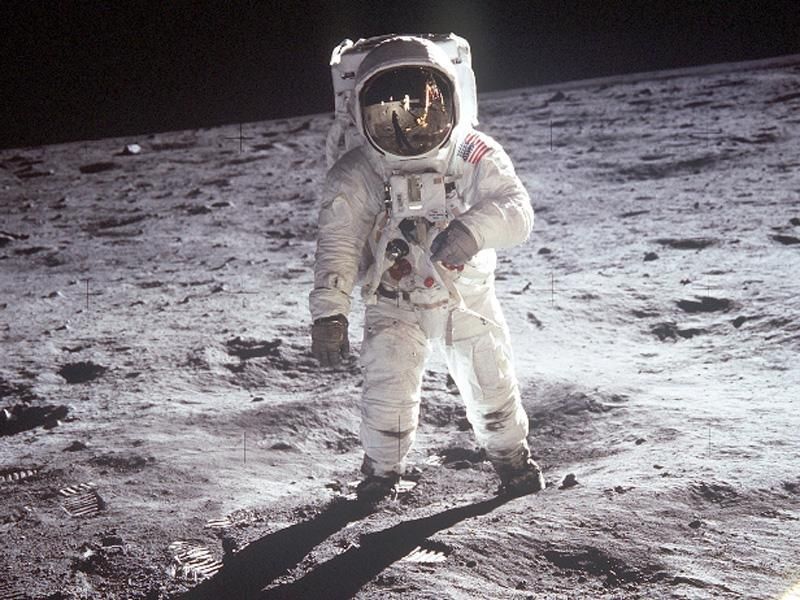
Image: NASA

Were you one of the lucky ones who saw the moon landing live on TV? Or maybe you know someone who witnessed the first televised presidential debate? The popularization of radio and later TV during the 20th century meant that millions of people were able to experience historic milestones together , no matter their situation or location. Here are the seismic television and radio events that gathered the biggest audiences in 20th-century America.

1
The Moon landing (July 20, 1969)

Image: NASA on The Commons, No restrictions, via Wikimedia Commons

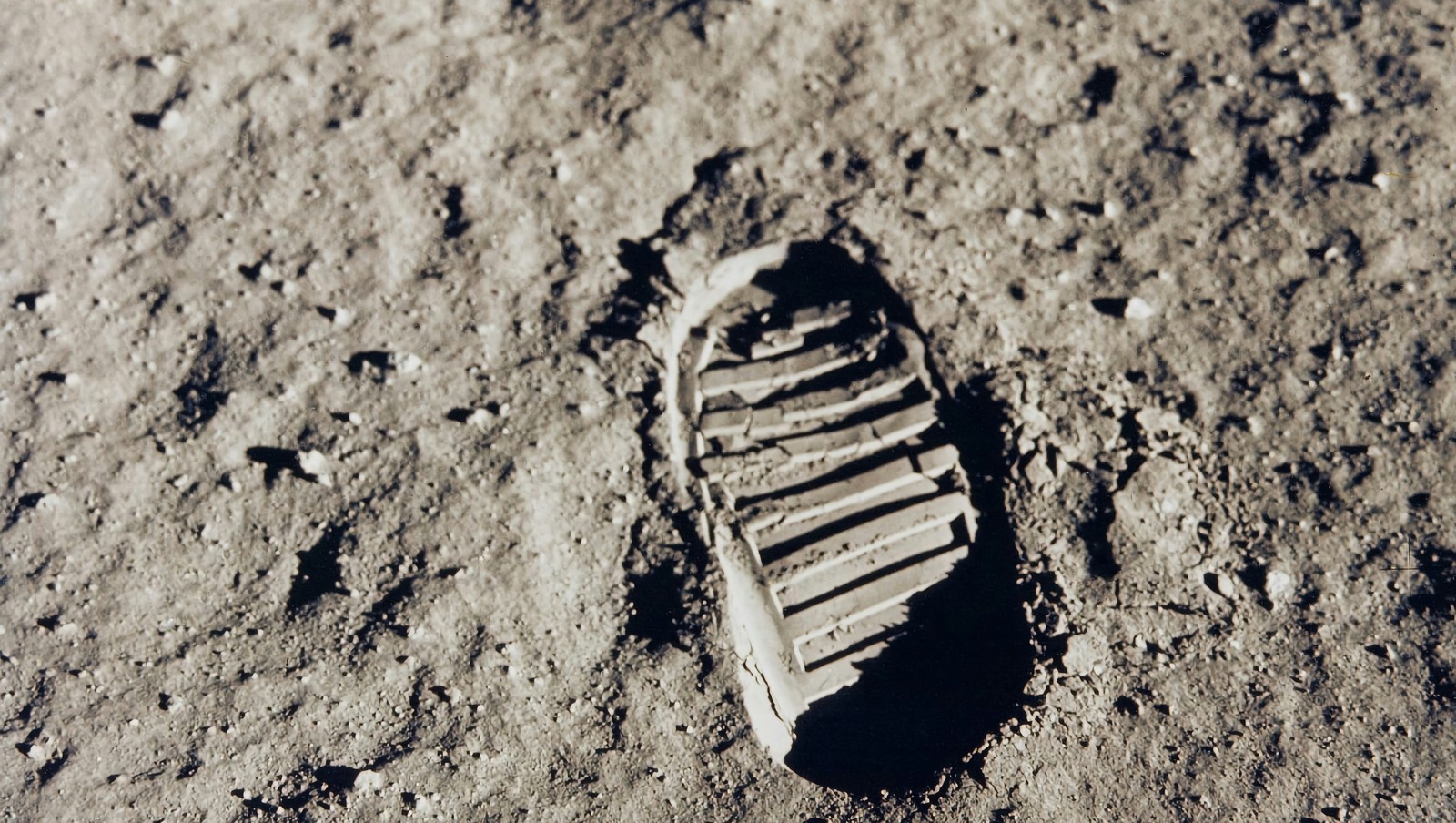
The moment Neil Armstrong set foot on the lunar surface, he had millions of eyes upon him across millions of TV screens. Considered the television event of the decade, t he July 20, 1969 Moon landing broke records at a national and international level. Gathering an estimated 600 to 650 million viewers worldwide, "the small step for man, giant leap for mankind" was watched by around 125 to 150 million American viewers, representing around 93% of households with a TV. This record was not surpassed until the 1981 wedding of Lady Diana and Prince Charles.

2
"Day of Infamy" speech (December 8, 1941)

Image: National Museum of the U.S. Navy, Public domain, via Wikimedia Commons

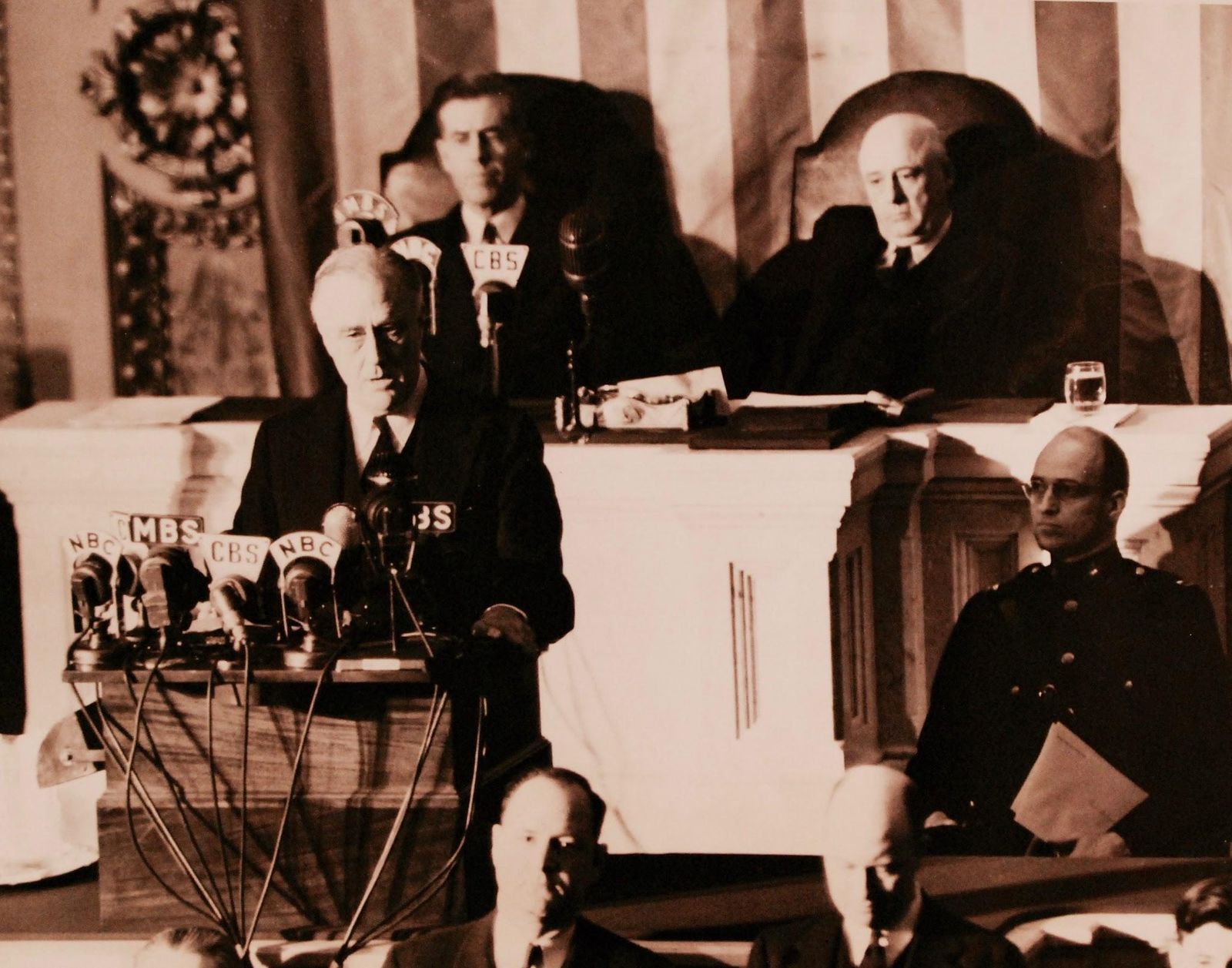
A day after the December 7, 1941 attack on Pearl Harbor by the Japanese Imperial Navy, President Franklin D. Roosevelt addressed the U.S. Congress during a joint session. His speech, which started by describing the day before as "a date which will live in infamy", was not meant to convince Congress about declaring war —which it did shortly after—but to rally a distressed and shocked nation. One of the most famous political speeches of all time, this address attracted the biggest radio audience in American history, with more than 100 million people (an estimated 81% of the adult population) tuning in.

3
The first Kennedy-Nixon debate (September 26, 1960)

Image: Associated Press, Public domain, via Wikimedia Commons

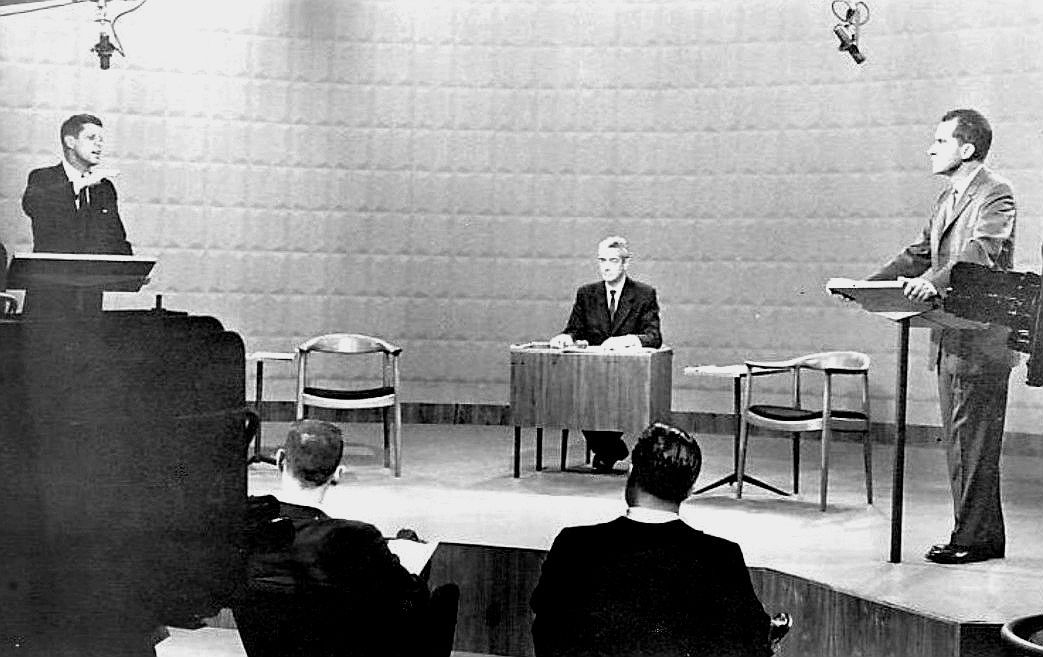
The first of the 1960 presidential debates between Senator John F. Kennedy and Vice President Richard Nixon does not hold the record for the most viewed debate of the century (held by the 1980 Carter-Reagan debate), but it’s nonetheless a landmark event in American television. The first televised presidential debate ever, it attracted between 66 and 77 million viewers , and it is considered one of the main reasons for the shift in public opinion in favor of Kennedy. Nixon, aged 47, the leading candidate before the broadcast, appeared exhausted and pale compared to the much younger-looking and more telegenic Kennedy, aged 43.

4
"I have a dream" speech (August 28, 1963)

Image: National Park Service, Public domain, via Wikimedia Commons

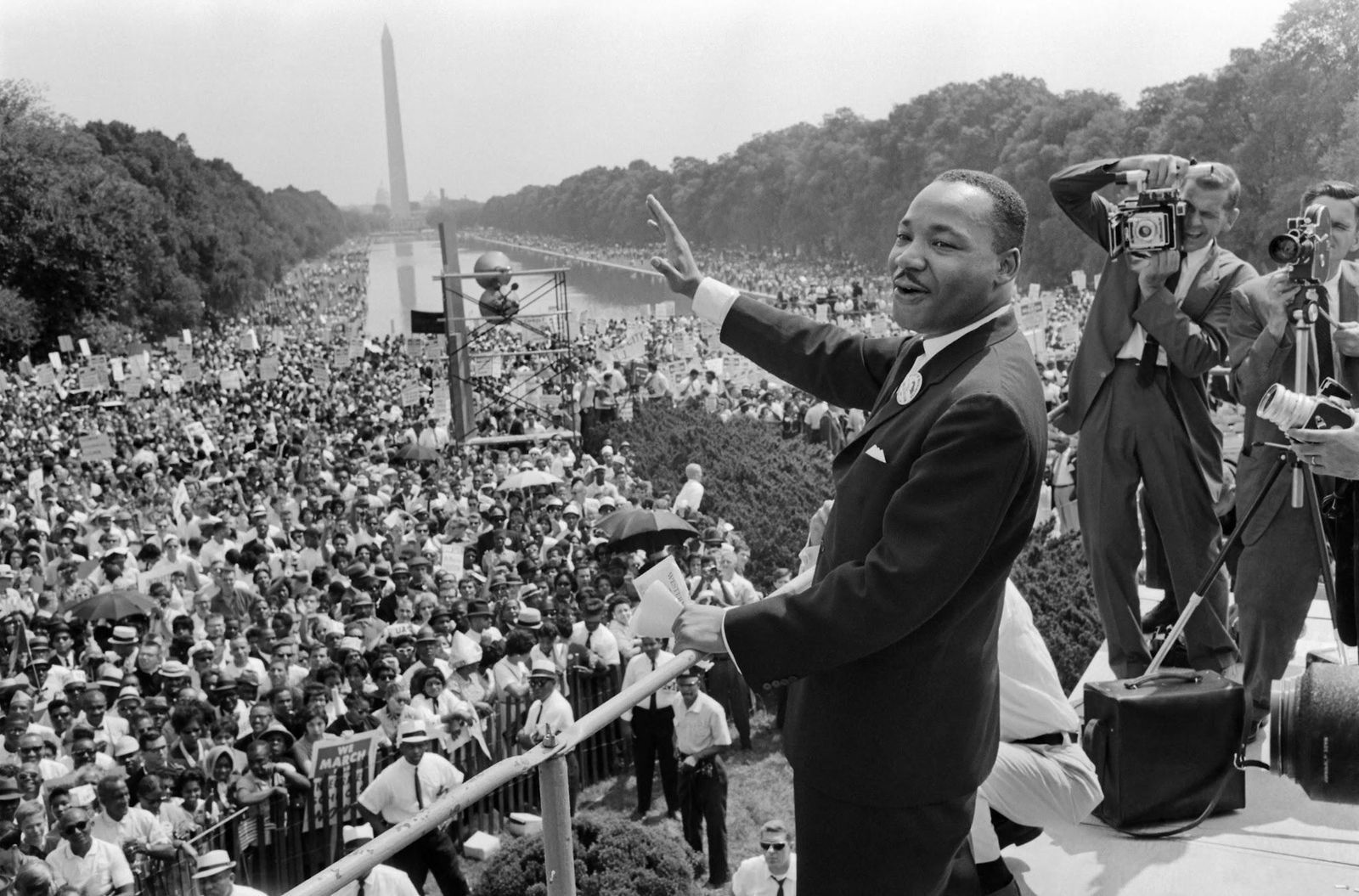
The date and location of Martin Luther King Jr.’s most famous speech were not accidental. As part of the marches in support of President Kennedy’s proposed civil rights legislation, it coincided with the centennial of the 1863 Emancipation Proclamation made by Abraham Lincoln, at whose memorial King gave his speech. Besides the massive live audience (around 250,000 people), the speech was broadcast by the three major television networks and by major radio stations in the country . Although there are no official numbers recorded, it is estimated that there were millions of viewers and listeners, including the First Family at the White House.

5
The War of the Worlds broadcast (October 30, 1938)

Image: The Express, Public domain, via Wikimedia Commons

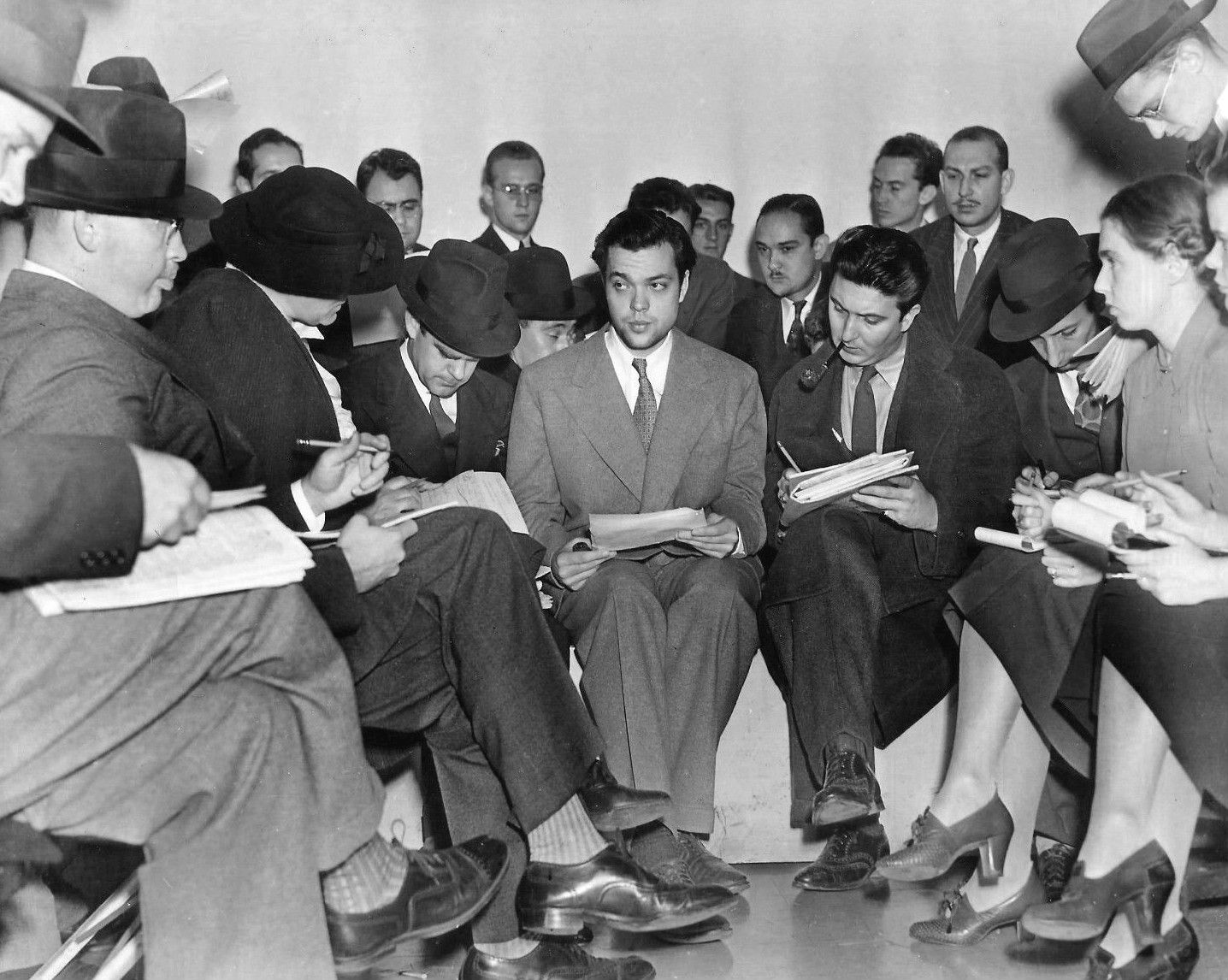
On October 30, 1938, CBS Radio Network broadcast a radio adaptation of H. G. Wells' The War of the Worlds , directed and narrated by Orson Welles. The first part of the broadcast was delivered as a realistic news broadcast, with reporters breaking the news about an alien invasion, which led part of the audience to panic and believe that an actual invasion was taking place. The episode had an estimated audience of 6 million, and it is thought that more than a million listeners believed it was a real broadcast.

6
The Beatles’ first U.S. television performance (February 9, 1964)

Image: United Press International, Public domain, via Wikimedia Commons

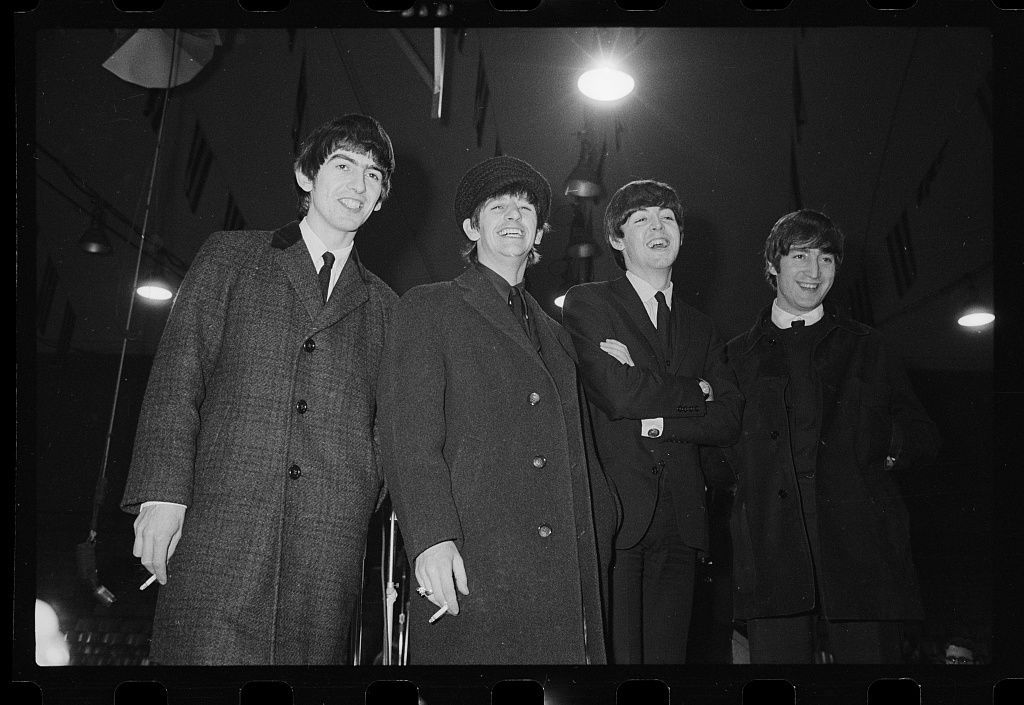
The most famous British band of all time made their American TV debut on February 9, 1964, on The Ed Sullivan Show , with an audience of 73 million viewers. The performance was highly anticipated —the broadcast network received 50,000 applications for the 728 seats available in the studio— and it is considered the starting point of American Beatlemania and the so-called "British invasion" of American music.

7
FDR's first Fireside Chat (March 12, 1933)

Image: Unknown or not provided, Public domain, via Wikimedia Commons

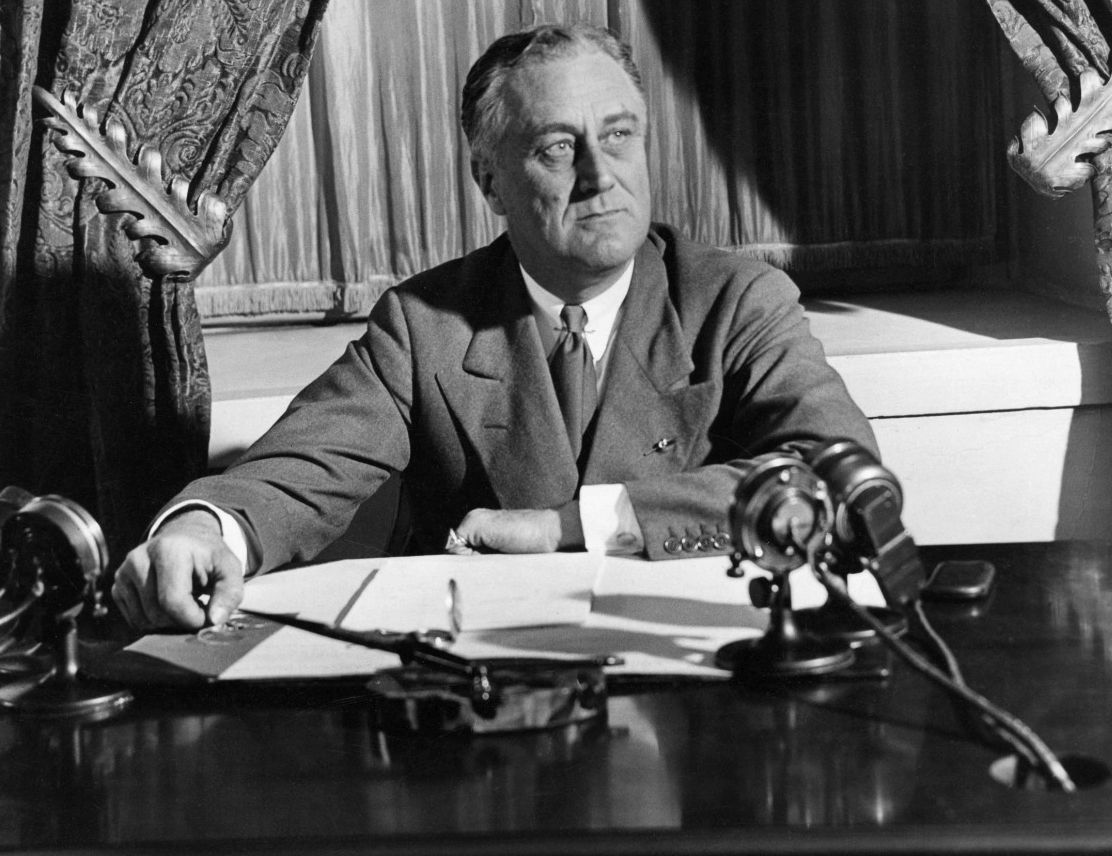
In the 1930s, during the Great Depression, the radio became one of the main sources of entertainment and news. President Roosevelt’s Fireside Chats used the radio format as a way to connect directly with millions of weary Americans , explaining the policies that were being implemented to combat the crisis, dispelling rumors, and encouraging them to trust in the government. The friendly, informal tone of these broadcasts was highly effective in raising the nation’s morale and reducing general anxiety. With the first broadcast reaching an audience of 60 million, the Fireside Chats attracted more listeners than most of the popular radio shows, with numbers rising as America entered World War II.

8
Nixon’s resignation speech (August 8, 1974)

Image: The Nixon library, Public domain, via Wikimedia Commons

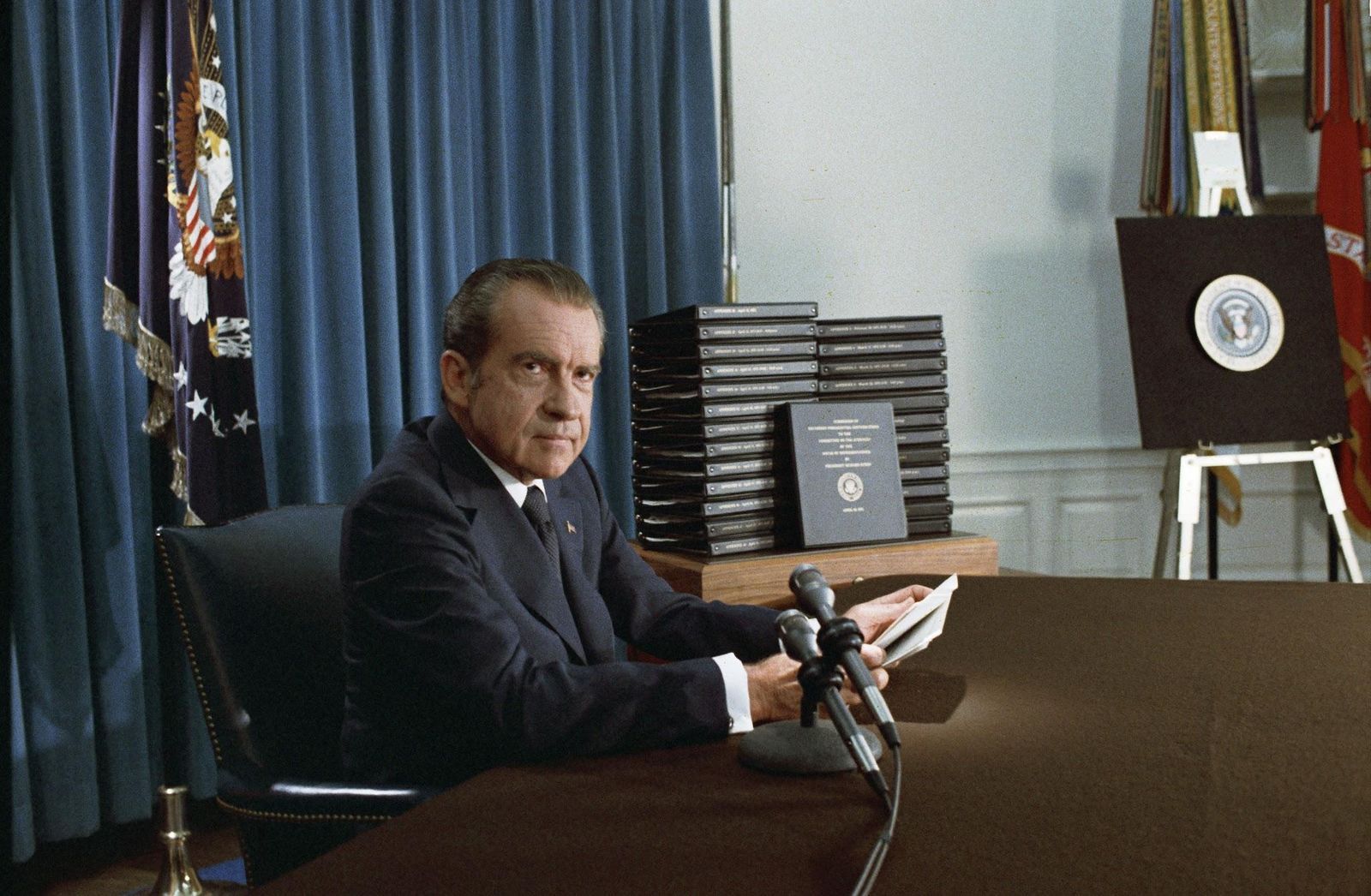
On August 8, 1974, President Nixon addressed the American public from the Oval Office to announce his decision to resign the following day as a result of the Watergate scandal and under the threat of an impending impeachment. Besides an ample radio audience, the televised speech was watched by 90 to 110 million television viewers. While the reactions of the public were mixed, the speech had an unprecedented impact and is considered one of the most important political speeches of that era.

9
_Roots_’ final episode (January 30, 1977)

Image: Stephen Monterroso

The production and broadcast of the 1977 Roots miniseries was a milestone in itself. Only a few years before, tensions around the Civil Rights movement had shaken America, and some thought that airing a story that put the enslavement of Black people in the spotlight was a huge risk. But audience numbers proved them wrong: with around 29 million households tuning in for the first episode, the series became a cultural phenomenon that sparked conversations about race, ancestry, and American history. The final episode, with more than 100 million viewers —more than half of the U.S. population— was the most-watched TV episode of the time, and the second-most-watched overall series finale in U.S. history.

10
Super Bowl XVI (January 24, 1982)

Image: Gerald R. Ford Presidential Museum, Public domain, via Wikimedia Commons

Nowadays, it’s not surprising that sports events like the Super Bowl have a huge television audience, but things were different in the 1980s. Super Bowl XVI, played on January 24, 1982, in Michigan, with the San Francisco 49ers facing the Cincinnati Bengals, was watched by more than 85 million people, breaking all broadcasting records of the time .

11
Louis-Schmeling rematch (June 22, 1938)

Image: Associated Press, Public domain, via Wikimedia Commons

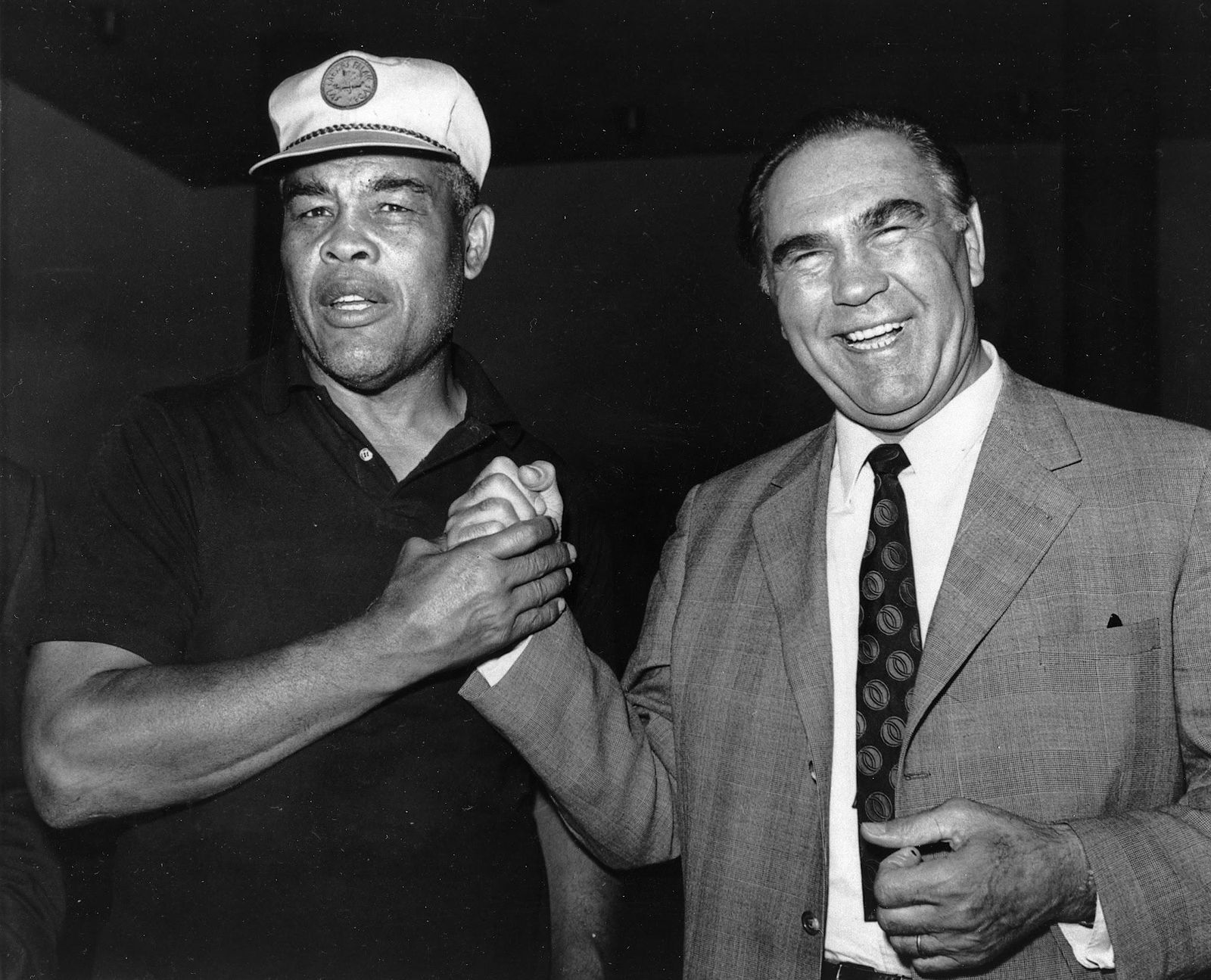
When Joe Louis faced the German boxer Max Schmeling for the first time in 1936, everyone predicted that Schmeling would lose against the undefeated and rising Louis. To the world’s surprise, Schmeling won by knockout. Their rematch two years later was not only Louis’ opportunity to change the result and defeat Schmeling , but it was also charged by the increasing political tensions between Hitler’s Germany and the U.S. Besides its huge live audience at Yankee Stadium, the fight had a record audience of 70 million people in America, with an additional 30 million estimated listeners from other countries.

General General 4 min read

Hidden stories and unexpected details from across the U.S.

How well do you know the US? These 10 facts might surprise you

Image: Jametlene Reskp

America is made up of 50 states, each with its own history, culture, and unique quirks. While many people know about their capitals, nicknames, and most famous landmarks, there are plenty of lesser-known facts that make each state stand out. Unusual laws, surprising geographic features, and record-breaking claims reveal a side of the country that many are unfamiliar with. Here are 10 surprising facts about different states that might shine a new light on what you know about America.

1
Alaska has more coastline than the rest of the U.S. combined

Image: Rod Long

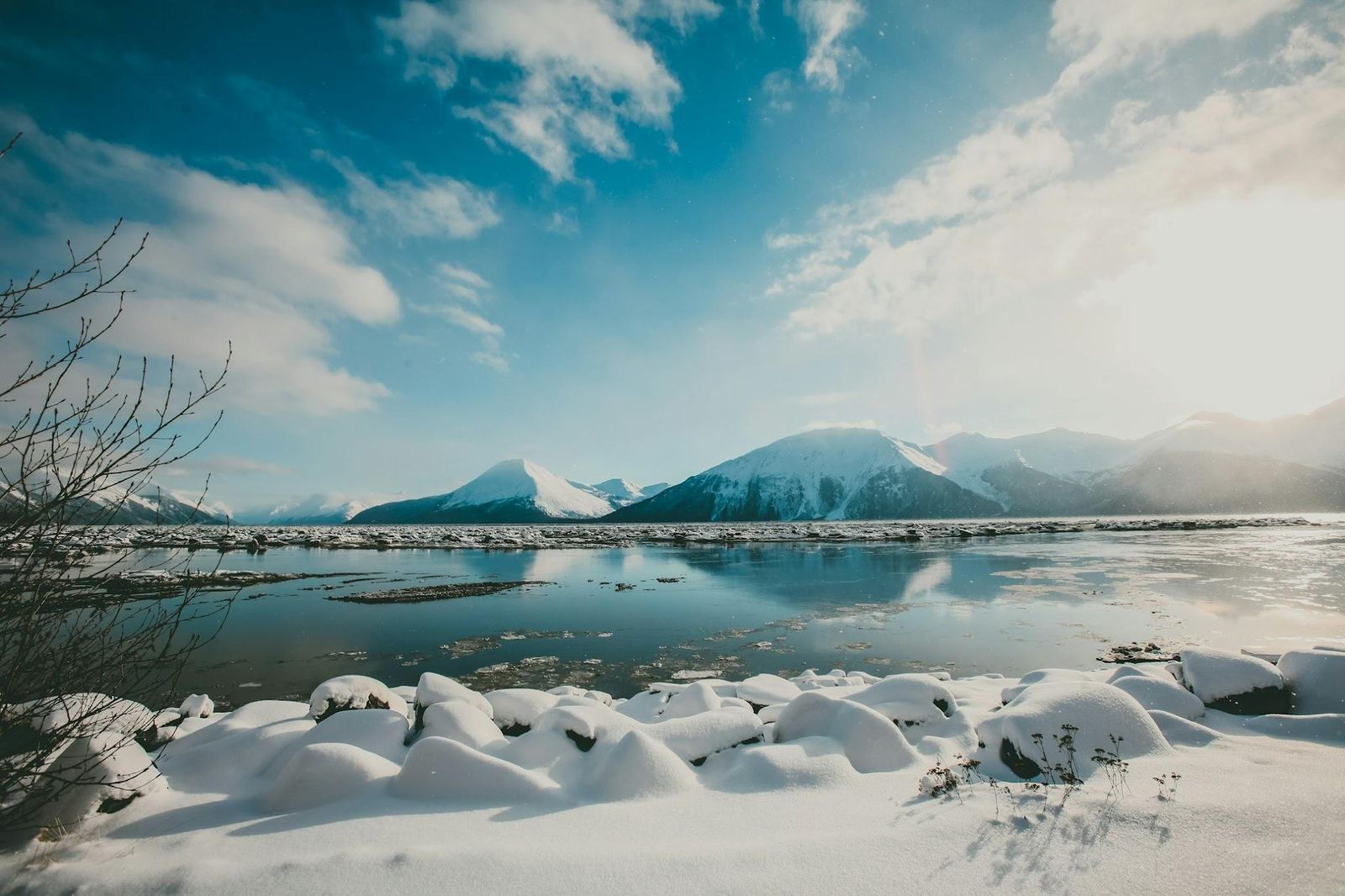
Alaska’s size is already impressive: it’s the largest state in the country by far, over twice the size of Texas (the second largest state by area). But what surprises many people is just how much coastline it has.

With over 33,900 miles of shoreline, including islands, Alaska has more coastline than all the other U.S. states combined. Its rugged shores stretch along the Arctic Ocean, the Pacific Ocean, and the Bering Sea.

2
Arizona is home to one of the best-preserved meteor craters

Image: John Ballem - a collection of personal photos

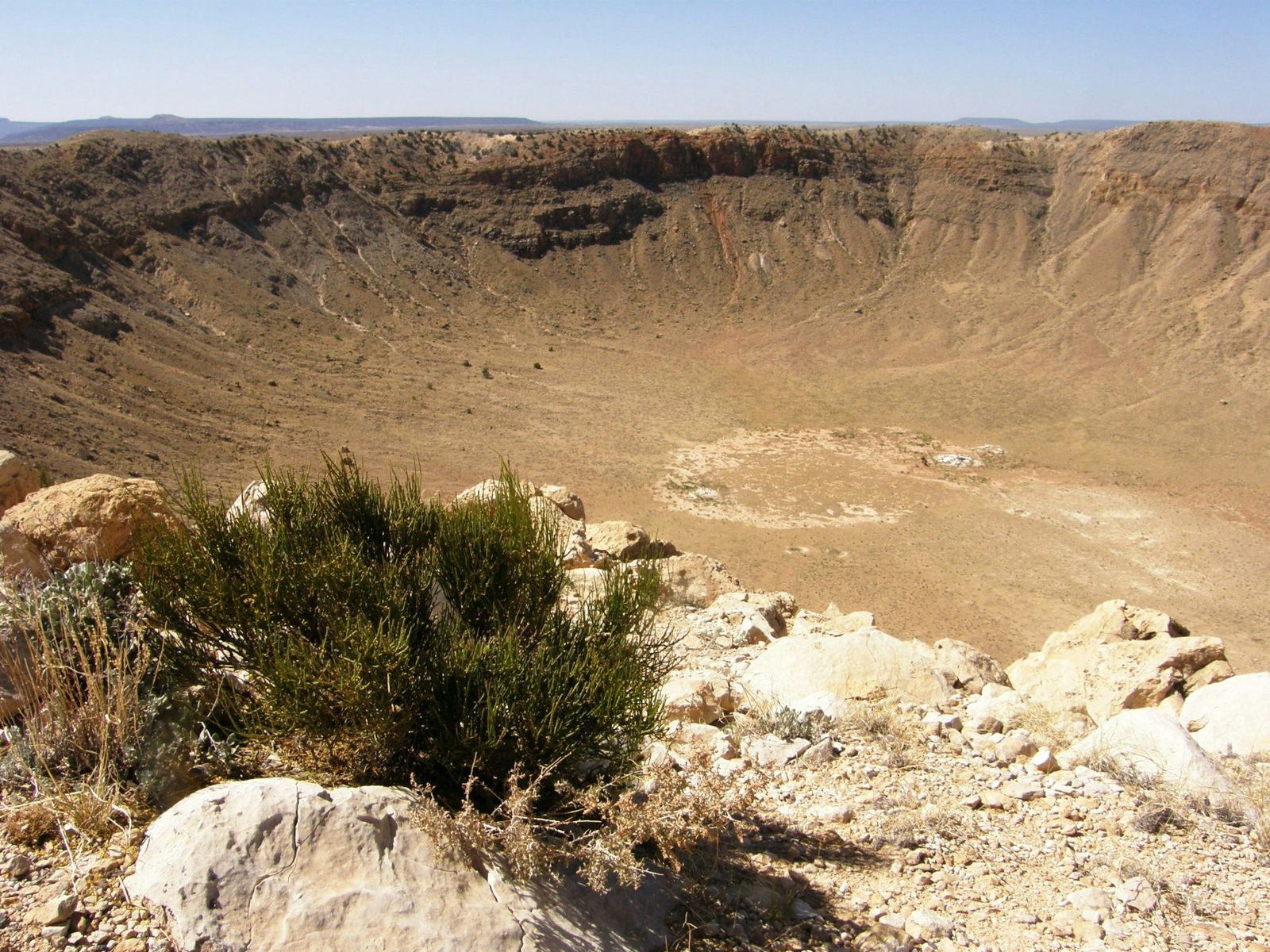
Arizona’s desert landscape holds one of the most famous impact sites on Earth: Meteor Crater. This massive depression, measuring about 3,900 feet across and more than 500 feet deep, was formed around 50,000 years ago when a large iron meteorite struck the ground with unimaginable force. It’s so well preserved that scientists have used it to study planetary impacts for decades.

3
California has the tallest, largest, and oldest trees

Image: Venki Allu

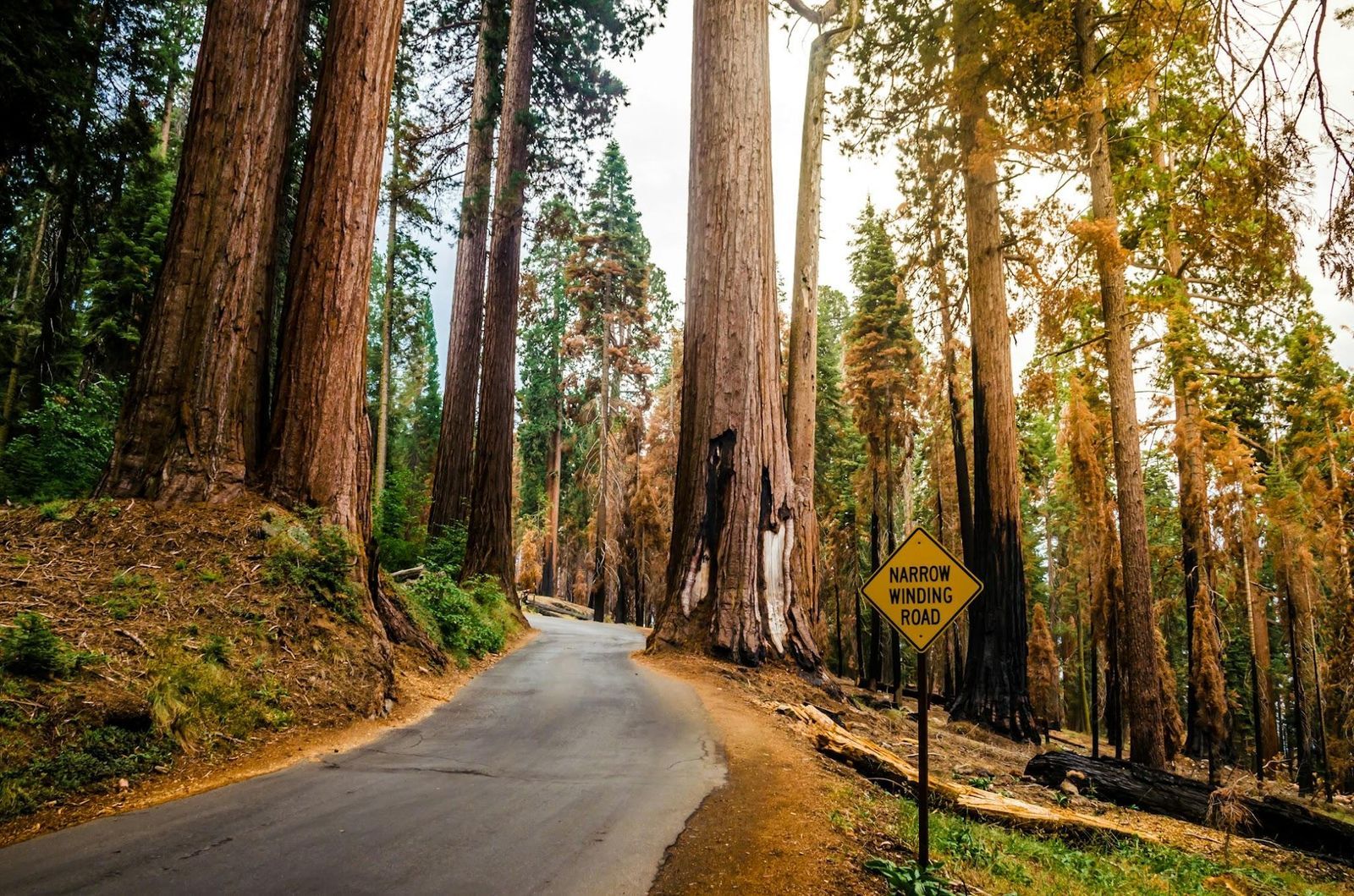
California is home to some incredible tree-based records. On the northern coast, redwoods grow routinely over 300 feet, and represent the tallest tree species on Earth. In addition, giant sequoias hold the record for the largest trees by volume, and bristlecone pines in eastern California are among the oldest living trees on the planet, some reaching more than 4,800 years of age.

4
Colorado contains the highest paved road in North America

Image: Jonathan Speek

Colorado’s mountainous terrain makes it a paradise for scenic drives, but one road stands above all the rest. Literally.

The Mount Blue Sky Scenic Byway climbs to over 14,000 feet above sea level, making it the highest paved road in North America. It visits Echo Lake Park, the Mount Goliath Natural Area, the Dos Chappell Nature Center, and Summit Lake Park, and culminates in the highest peak of the region, Mount Blue Sky (formerly known as Mount Evans). A fee is charged to travel State Highway 5 to the summit, and vehicles over 30 feet long are not allowed for safety reasons.

5
Florida is the only state that borders both the Atlantic and the Gulf

Image: Igor Oliyarnik

Florida’s location gives it a special geographic distinction. It is the only U.S. state that borders both the Atlantic Ocean and the Gulf of America, known globally as the Gulf of Mexico.

This unique positioning helps explain why Florida has so many beaches, marine ecosystems, and one of the longest coastlines in the country, second only to the aforementioned Alaska.

6
Hawaii grows coffee commercially

Image: Clint McKoy

Coffee production in the United States is rare, but Hawaii, sitting in the Pacific Ocean about 2,000 miles southwest of the U.S. mainland, is one of the few places where it happens on a large scale. The state’s volcanic soil and tropical climate make perfect conditions for growing coffee, especially the famous Kona coffee grown on the slopes of volcanoes on the Big Island.

7
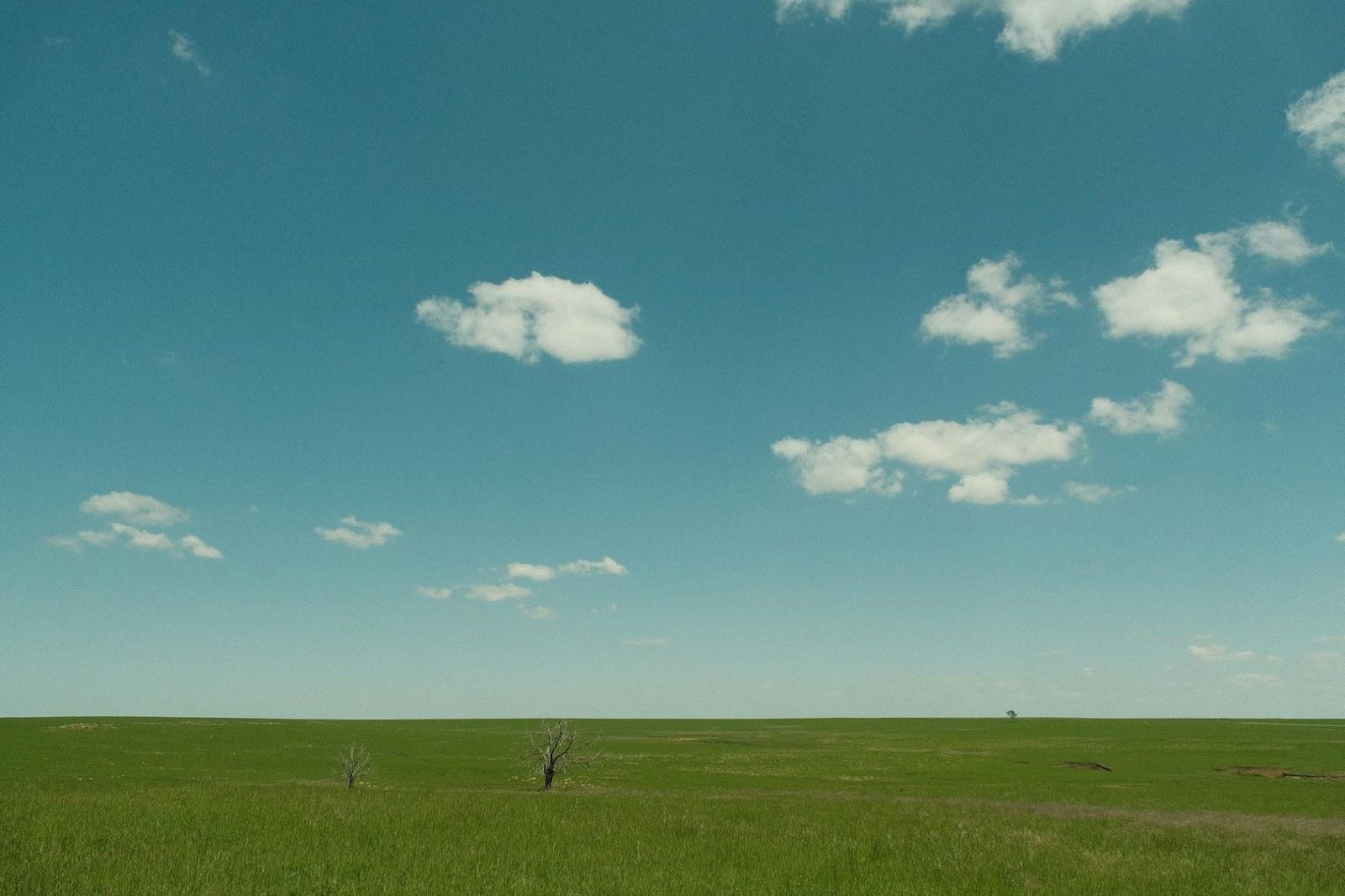
Kansas is flatter than a pancake

Image: Joel Heaps

Kansas has long been joked about as being extremely flat. But, in 2003, researchers from the geography departments of Texas State University and Arizona State University took the matter to the lab. They worked to mathematically determine if Kansas is actually flatter than a standard pancake purchased from IHOP.

The researchers concluded that, mathematically speaking, Kansas is actually flatter than a pancake when measured over large distances. The study became famous for both its humor and its unusual approach.

8
Louisiana has parishes instead of counties

Image: Heather Doty

48 of the states divide their local governments into counties. Alaska uses the term boroughs. Louisiana, however, is divided into parishes . The reason lies with the state's early history with the Roman Catholic Church.

A parish , in many Christian denominations, is a territory under the care and jurisdiction of a priest. Before the Louisiana Purchase in 1803, the region had been under both French and Spanish influence, both Catholic countries. When the state of Louisiana joined the Union in 1812, it had already inherited an organized system of administrative units derived from those used by the Catholic church. Eventually, when a new state constitution was ratified in 1845, local tradition won, and the name parish stuck.

9
Nevada is the most mountainous state

Image: joel protasio

When people think of Nevada, they often picture either endless deserts or the chaotic energy of Las Vegas, with its world-famous hotels and casinos. But Nevada is a very large state (the 7th largest overall), and its 110,572 square miles are filled with mountains.

Nevada contains more mountain ranges than any other state in the country, over 300 of them, thanks to the geological stretching of the Basin and Range region. These mountain ranges create isolated valleys that serve as refuges for endemic species.

10
Oregon has a lake inside a volcano

Image: Jeff Hopper

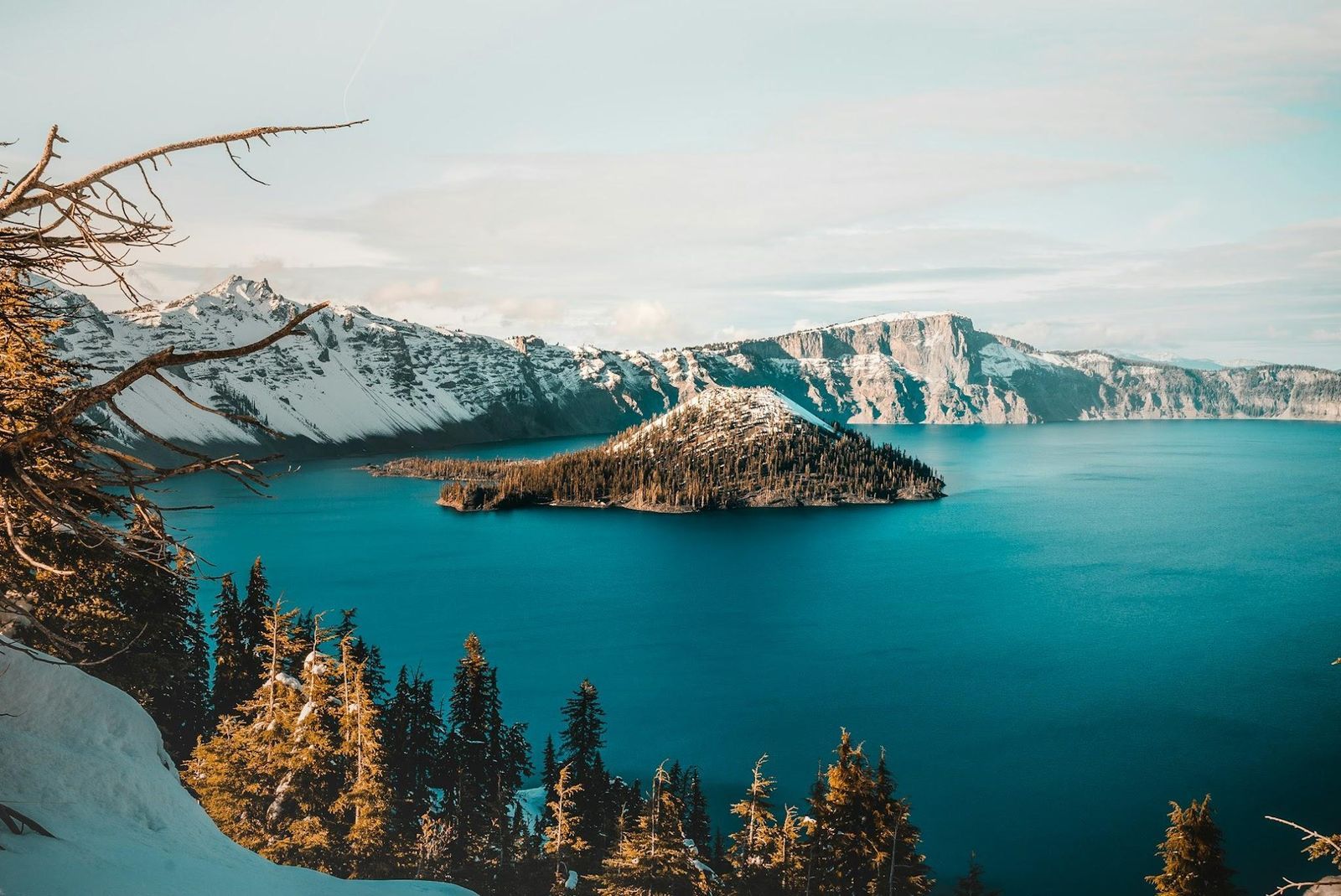
Oregon is home to Crater Lake, one of the many stunning natural sights in the US. It formed inside the collapsed caldera of an ancient volcano called Mount Mazama. No river flows in or out of the lake; the system stays stable because evaporation is compensated by rain and snowfall.

Crater Lake is the deepest lake in America, reaching depths of nearly 2,000 feet, and its intense blue and water clarity solidify it as one of the country's most sought-after tourist destinations.

Explore more American facts

Choose your favorite category!

General
General

As American as apple pie—the very best America has to offer!

Culture
Culture

Delve into the astounding richness of American lore.

Geography
Geography

Hop in and explore vast and diverse American landscapes.

History
History

Discover the key moments that shaped the United States.