Geography Geography 3 min read

American wonders

Awesome facts about Mt McKinley (Denali) that will leave you speechless
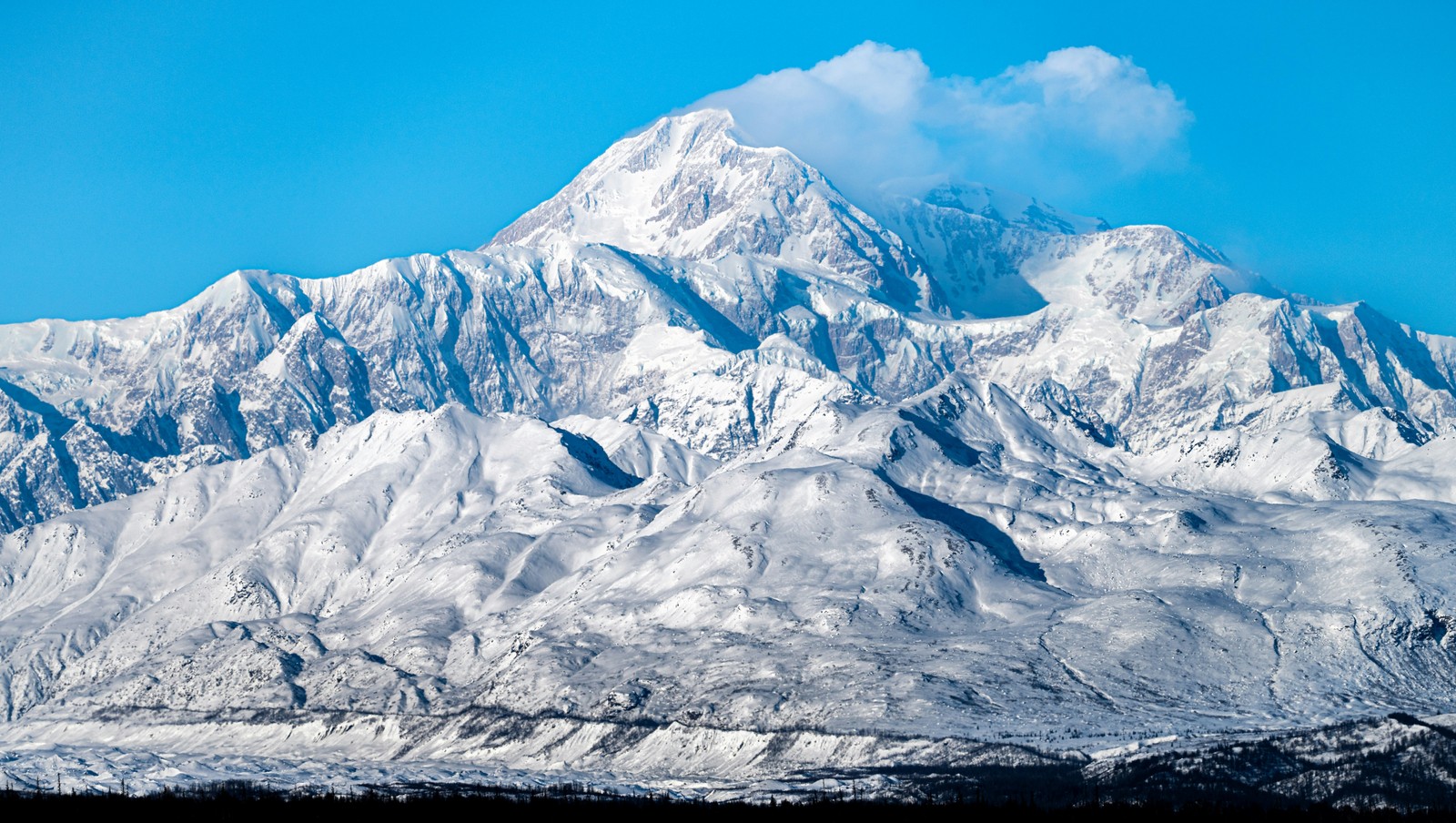
Image: John Feng

Alaska is a land of incredible natural wonders. Its lakes and mountains come together to form stunning landscapes that look almost otherworldly. But the true star is Mount McKinley, the tallest peak in the United States and all of North America. Join us as we explore 10 amazing facts about this mountain that you might not know.

1
Earthquakes

Image: Sue Henderson

As if the incredible altitude and extreme temperatures weren't enough, Mount McKinley faces another challenge: earthquakes. Due to tectonic plate activity, this type of natural disaster is common in the area, with an estimated 600 earthquakes of varying strength occurring there each year.

2
Always dressed in white
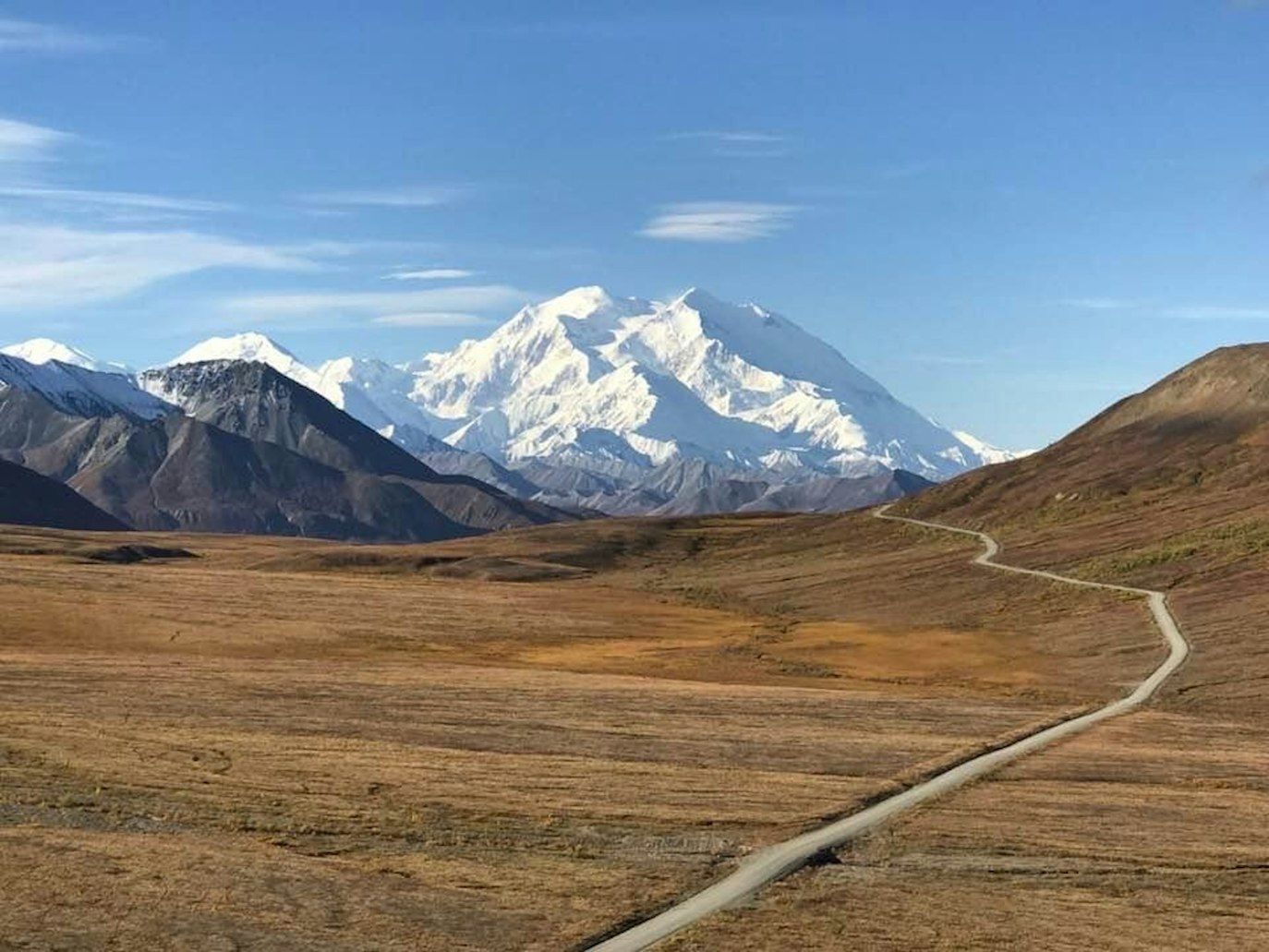
Image: Dillon Groves

The summit of Mount McKinley is always painted white. Even during the warmer months, when grass and plants flourish in the surrounding park, the mountain's upper half remains permanently covered in snow and massive ice formations.

3
Life thrives
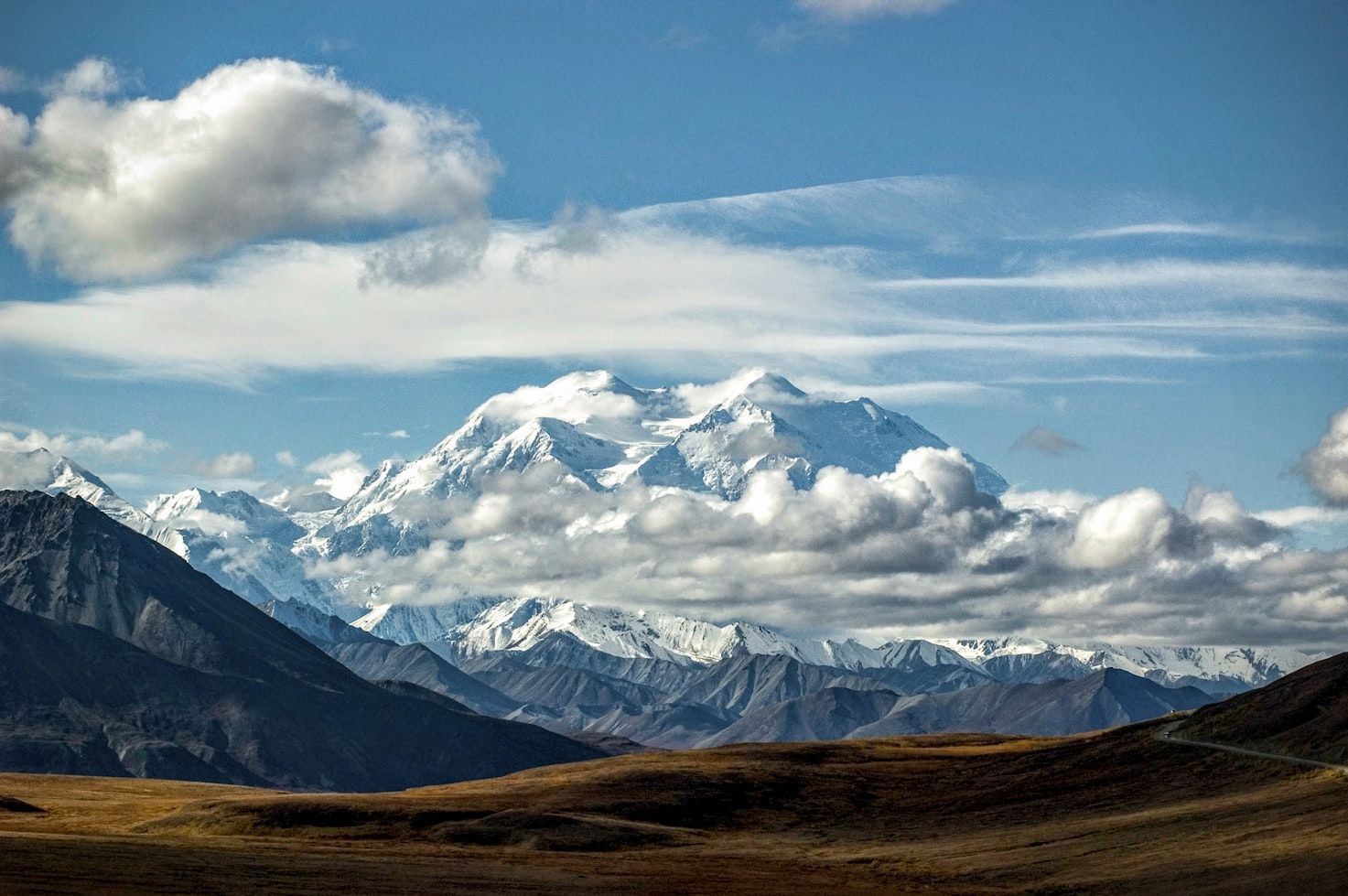
Image: Patrick Federi

It's not just snow around Mt. McKinley. In the area, you'll find about 160 bird species, 39 types of mammals, 14 kinds of fish, and even one species of amphibian. That's a surprising amount of life for such a cold region.

4
Super frog

Image: Stanisław Krawczyk

If you're curious about this unique amphibian, here's the answer: it's the wood frog, a tiny species that can survive even the harshest winters. How? By almost freezing its entire body. While the frog's cells don't actually freeze, the fluids between them do. Its heart and lungs stop working until spring returns.

5
Millions of years ago
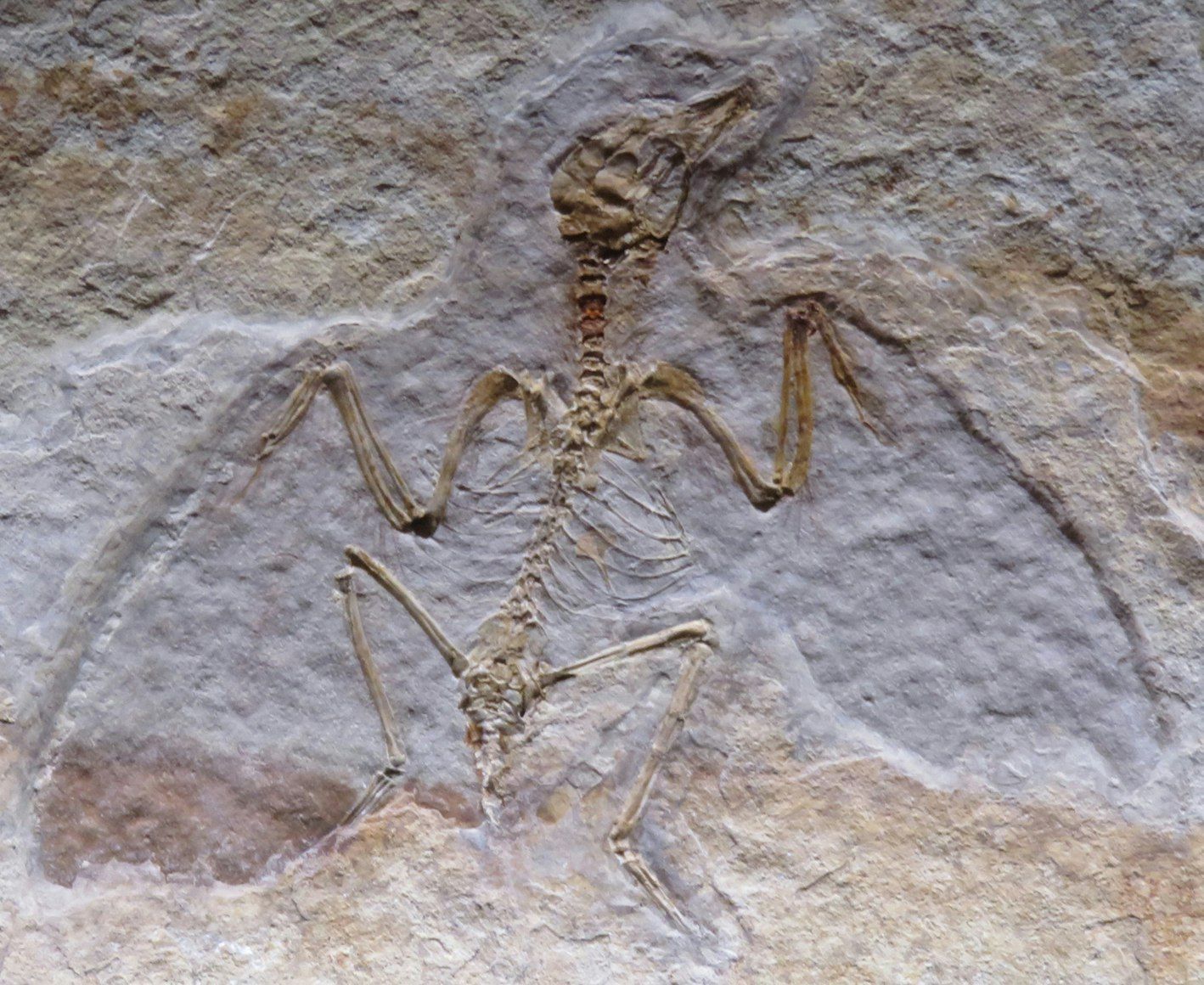
Image: Lisa Yount

There was a time when giant reptiles roamed what is now the Mount McKinley area. In 2005, the first dinosaur footprints were discovered in the area, followed by fossil remains. The region was once home to three-toed theropods (carnivorous dinosaurs similar to Velociraptors) and winged pterosaurs that soared through the skies above.

6
Harsh weather
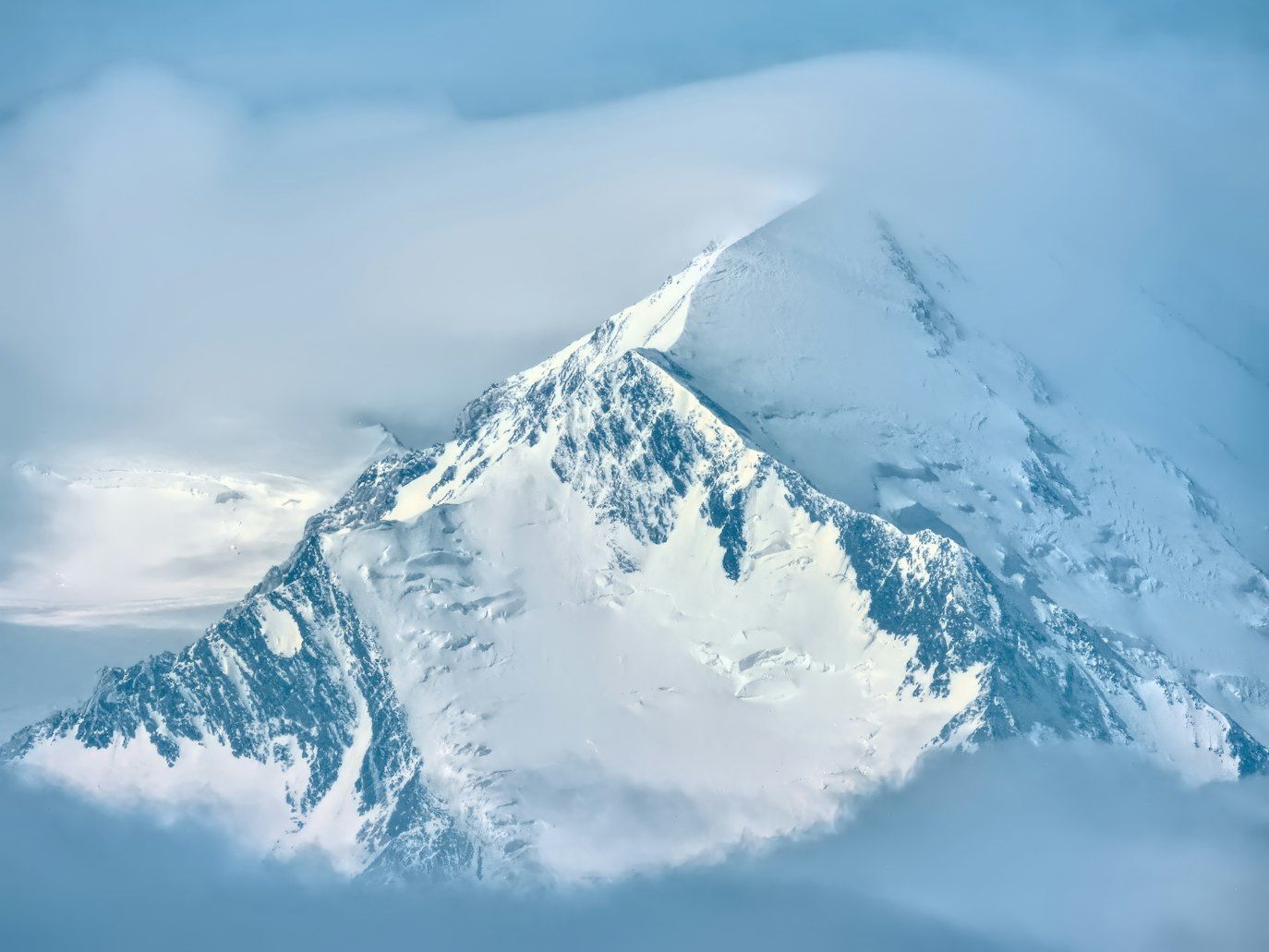
Image: John Peters

If you're a fan of summer, Mount McKinley might not be the best choice for you, as it's famous for its extreme cold. Temperatures at the summit can drop as low as -75.5°F, with wind chills plunging to -118.1°F.

7
Not an easy task

Image: Fabrizio Conti

Climbing McKinley is not for everyone. In fact, it's considered extremely difficult and dangerous due to the harsh weather conditions. On average, only about half of those who attempt the climb succeed.

8
Alone
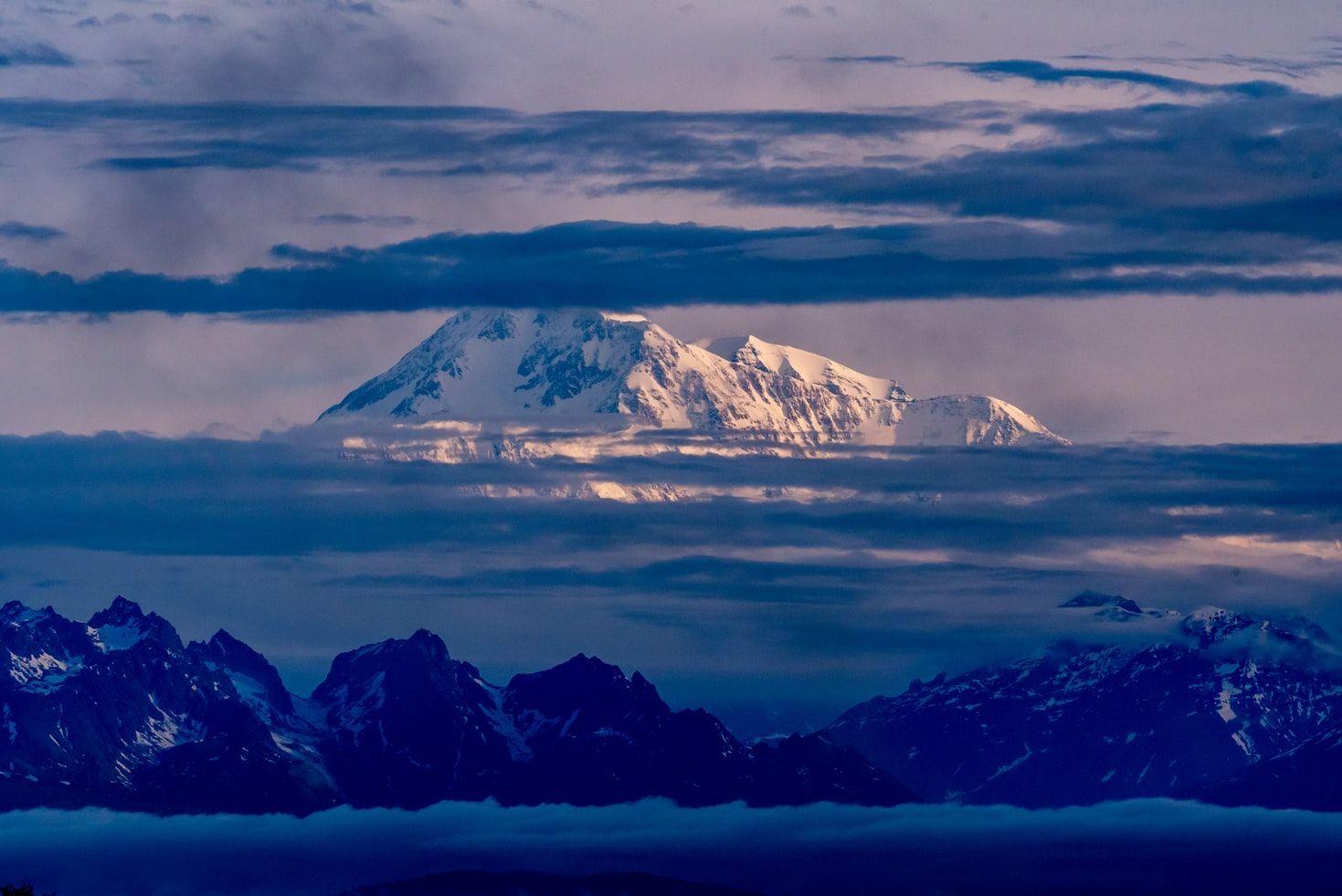
Image: Barth Bailey

Mount McKinley is lonely. While that may sound sad, it actually means it's one of the most topographically isolated peaks on Earth. In other words, it's far from any other mountain of similar height, which makes it even more striking and impressive.

9
The first
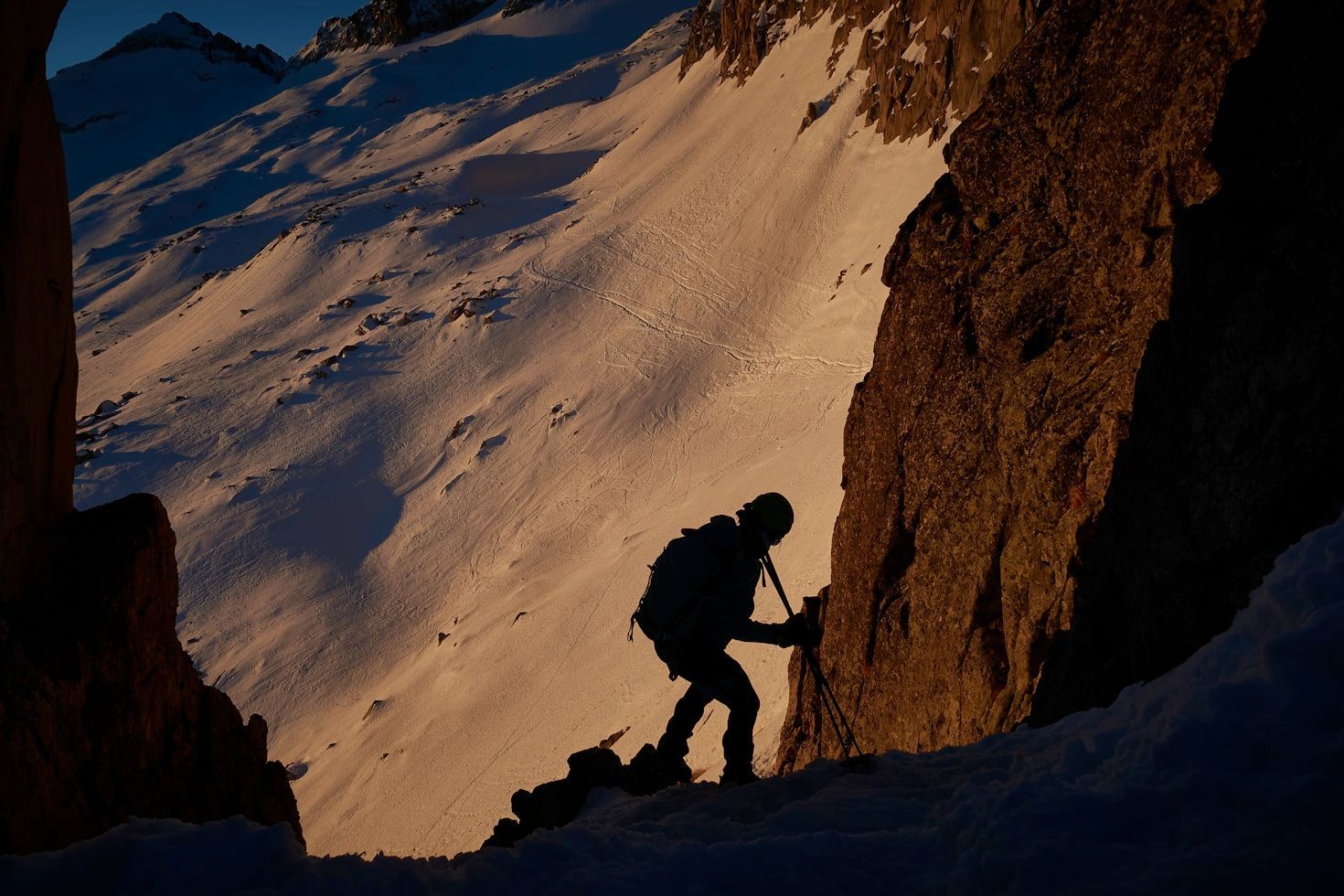
Image: Tim Oun

In 1913, Mount McKinley was successfully climbed for the first time. Walter Harper, a native Alaskan, is credited with the honor of being the first person in history to reach the summit of North America’s tallest peak. He was followed by his teammates: Harry Karstens, Hudson Stuck, and Robert Tatum.

10
America's "Big 5"
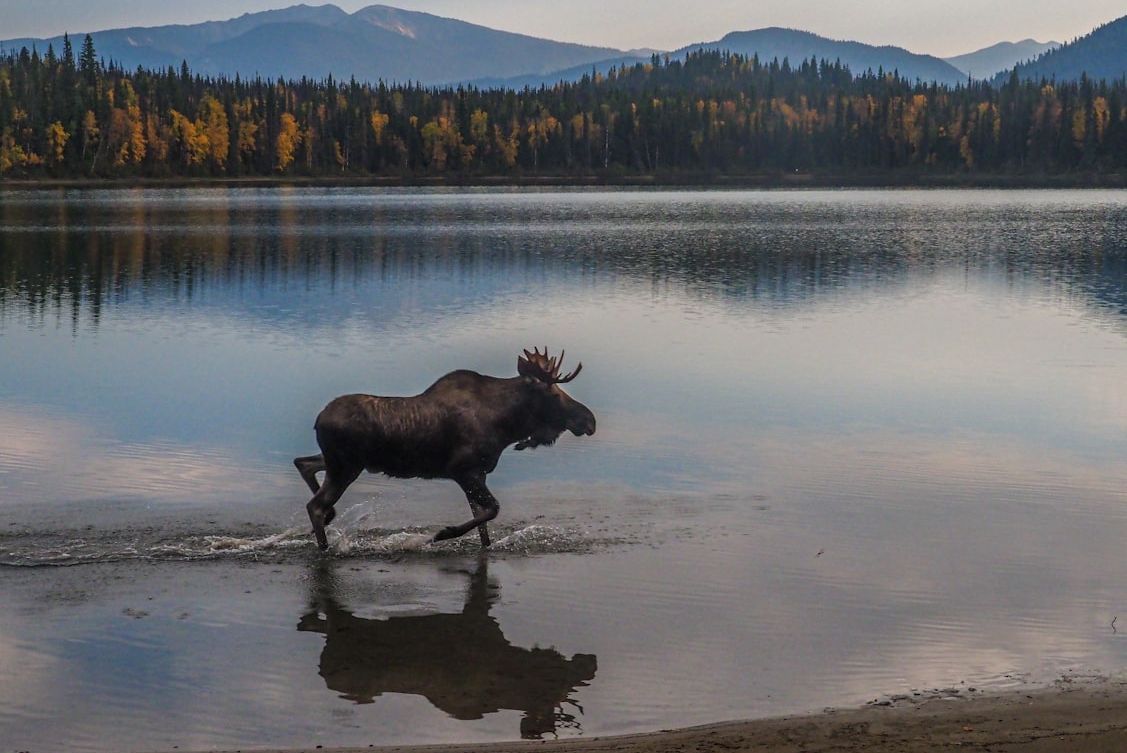
Image: Lesly Derksen

When it comes to mammals, Mount McKinley and its surrounding park are home to what's known as the "Big Five." These are the most powerful mammals in the region: moose, caribou, Dall sheep, grizzly bears, and wolves.


Geography Geography 3 min read

Which is your favorite season?

Beyond Vermont: Discover 12 amazing places to watch the fall foliage

Image: Pixabay

Everybody knows that Vermont is a popular destination for watching the leaves change color in the fall. However, as locals know, there are many other places in our gorgeous country where one can marvel at the rainbow created by nature during the autumn months. Did you know about these 12?

1
McKenzie River Scenic Byway, Oregon

Image: Atanas Malamov

Oregon is famous for its stunning landscapes, and autumn months are no exception. The McKenzie River Scenic Byway stretches from the vineyards of the Willamette Valley to the forests of the Cascade Mountains .

The best time of the year to visit if you want to enjoy the vibrant colors is mid-to-late October.

2
Charlottesville, Virginia

Image: Mitchell Kmetz

The endless forests and rolling hills of Virginia, especially in the foothills of the Blue Ridge Mountains, create breathtaking landscapes painted in red, orange, yellow, and green during October and November.

3
French Lick West Baden, Indiana

Image: Adam Bouse

Nestled in the hills of Hoosier National Forest, French Lick West Baden is a resort town that showcases some amazing views when it comes to fall foliage . The best time to visit is from mid-October to early November.

4
Mississippi River Valley, Minnesota

Image: Josh Hild

The Mississippi River Valley in southern Minnesota is home to vibrant forests, steep hillsides, and picturesque river towns , waiting to be explored by those eager to make the trip.

The best time to see the foliage change is from late September to mid-October.

5
Breckenridge, Colorado

Image: Thomas Morse

Breckenridge, Colorado, bursts into vivid colors every late September, with the changing leaves of the aspen trees creating a gold, red, and orange rainbow in the heart of the Rocky Mountains.

6
Northwoods, Wisconsin

Image: Dave Hoefler

Thousands of lakes and vast forests that stretch across five counties can be found in the Northwoods of Wisconsin. From mid-September to early October, visitors are treated to some of the best foliage in the region, with vibrant shades of orange, red, yellow, and purple.

7
Highlands, North Carolina

Image: Wes Hicks

Imagine a lush rainforest with waterfalls, rivers, and lakes to explore, combined with the typical colors of the leaf change season. Such a place exists in North Carolina. The mountain town of Highlands, perched at over 4,100 feet on the Highlands Plateau in Nantahala National Forest, offers breathtaking fall foliage, with the best viewing time in mid-October.

8
Whidbey Island, Washington

Image: Toan Chu

Washington’s ultimate road trip, the Cascade Loop, winds along the Puget Sound via the Whidbey Island Scenic Byway . Peak fall colors along this drive commonly occur between late September and mid-October showcasing brilliant shades of gold, orange, and red.

9
Tunnel of Trees, Michigan

Image: AJ Yorio

A place known as the Tunnel of Trees will hardly disappoint visitors who come during the foliage change season. This 20-mile scenic route follows the historic Michigan 119 highway between Harbor Springs and Cross Village . The canopy of gold, orange, yellow, and purple leaves is typically on display from late September to mid-October.

10
North Lake Tahoe, California & Nevada

Image: Ben Carless

The stunning Lake Tahoe is framed by the peaks of the Sierra Nevada range on its north shore. Its hundreds of hiking trails wind through diverse tree species that display vivid red, orange, and yellow foliage from mid-September to late October.

11
The Ozarks, Arkansas

Image: Derek Livingston

The Ozark Mountains are most famous for their neighboring lake of the same name, but the amazing autumn colors are a spectacle that deserves all the attention during October. The palette of bright golds, reds, and oranges is especially stunning in the Buffalo National River area near the small town of Ponca.

12
Anchorage to Kenai drive, Alaska

Image: Derek Livingston

Alaska is nothing short of breathtaking, and fall is no exception. Its vast landscapes come alive with vibrant shades of red, purple, yellow, and orange from late August through September.

One of the best ways to experience the season is on the 160-mile drive along the Seward and Sterling highways from Anchorage to Kenai, following two National Scenic Byways.

General General 5 min read

Sing it proudly!

Patriotic beats: do you know our anthem’s backstory?

Image: Tim Mossholder / Christina Petsos

The US national anthem, "The Star-Spangled Banner," is more than just a patriotic tune; it symbolizes American history, resilience, and unity. And that’s natural, it has a backstory dating back over two centuries, so you can imagine all the interesting, fun details it carries with it. It is filled with historical moments and a few surprises . In this article, we’ll explore 10 intriguing facts about the anthem that you may not know. Let’s dive into the journey of this iconic song and discover how it became a central part of American identity.

1
A song born from the battle

Image: Benjamin Faust

Our anthem was written in mid-September 1814 by Francis Scott Key. But what was it that brought those words to his mind? Well, the lyrics were inspired by the sight of the American flag flying after the British navy was defeated at the Battle of Baltimore.

Key penned the words while observing the conflict at Fort McHenry during the War of 1812. Originally, the anthem began as a poem, not as a song.

It celebrated the fort’s resilience, symbolizing hope for a young nation. Key’s words quickly gained popularity and were eventually set to the tune of an old British song. Little did he know, it would go on to become the anthem we sing today.

2
What’s in a name?

Image: Joshua Woods

Considering what we said before, it’s logical to think The Star-Spangled Banner wasn’t the original title, do you know what it was?

Key’s poem was originally titled "The Defence of Fort McHenry," a clear reference to the conflict that served as his inspiration.

It wasn’t until October or November of 1814, when the first sheet music was printed, that the title changed to the more poetic "The Star-Spangled Banner."

The new name broadened its appeal, allowing it to reach a larger audience who quickly embraced it. It was a name that spoke not just to the battle, but to the pride of the entire nation. This small change made a big difference in how the song was received.

3
A song for all languages

Image: Etienne Girardet

You probably already knew part of these details, but what about this one? Did you know the anthem was translated into German?

During the Civil War, Key’s anthem found a new life: Union supporters translated it into German to recruit German-speaking volunteers for the militia.

That was just the beginning, but it certainly wasn’t the last time it was translated. Over the years, the song has been translated into more than a dozen languages, making it accessible to Americans from diverse backgrounds. This highlights the anthem’s flexibility, which adapts to the times and reaches new groups. After all, freedom and perseverance aren’t exclusively American traits, don’t you think?

4
Baseball’s favorite tune

Image: Wade Austin Ellis

We are all very much used to starting important ceremonies or sporting events by proudly singing the national anthem, but, as you can imagine, there was a first time for that too. Do you know about it?

"The Star-Spangled Banner" made its debut at a sporting event in 1862 during the opening of a baseball stadium in Brooklyn, New York. This marked the first time it was played at a professional game.

Its connection to sports grew stronger over the years, and now it’s a tradition to hear the anthem at nearly every major sporting event. It’s the perfect way to kick off the game, uniting fans in a shared moment of patriotism before the competition begins.

5
Congress made it official… eventually

Image: Joshua Sukoff

The military had already embraced it as an inspirational song, and it had become a tradition to play it at sporting events, but it wasn’t really official until Congress said so and that didn’t happen until 1931. What about that?

The process wasn’t simple, either. Congress debated the decision, facing opposition from various groups—Prohibitionists, pacifists, and even music teachers—but we’ll explore those details in the next section.

Alternatives like "America, the Beautiful" were suggested, but in the end, Key’s song won out. President Herbert Hoover signed the act, and the rest was history: we finally had a national anthem!

6
It’s not easy to sing!

Image: Laith Abuabdu

Remember we said teachers were against it? Can you imagine why? On their side, one of the main complaints about "The Star-Spangled Banner" was that it’s too difficult to sing . And we have to hand it to them, the anthem is notoriously hard to perform.

In terms of scales, the original melody spans an octave and a fifth, a range that challenges even professional vocalists. This explains why many groups struggle with the anthem during public performances. How many can say they’ve truly mastered it—are you one of them?

In any case, the tune, originally a British drinking song, wasn’t designed for mass sing-alongs. No wonder it’s become a patriotic rite of passage to attempt singing it!

7
Women fought for its adoption

Image: Library of Congress

Although it’s not always mentioned first when narrating our history, women have been instrumental in many key moments, and the story of "The Star-Spangled Banner" is no exception.

Women played a significant role in pushing for the anthem’s adoption as the national anthem, how so? The Daughters of the War of 1812, a patriotic women’s organization, were among the most vocal advocates. While some groups opposed it, this organization was very much in favor of it.

Their activism helped build momentum for the 1931 legislation that ultimately led to the anthem’s adoption. In an era when political opportunities for women were limited, this cause offered them a platform to engage in national issues. They succeeded, of course, because persistence pays off!

8
There is no "official" version

Image: Alessio Fiorentino

This might sound far-fetched, but it doesn’t mean there are alternate lyrics to our anthem. Rather, there’s no single, official version of "The Star-Spangled Banner." While various states have tried to legislate performance styles and etiquette, there isn’t a definitive version set in stone.

This flexibility has allowed for creative interpretations, ranging from traditional orchestral performances to more modern adaptations, depending on the context and the event.

And even if it would be nice to have an official version, this gives everyone the possibility to bring new aspects to our national hymn!

9
Jimi Hendrix’s legendary performance

Image: Aditya Wardhana

Proof of what we just said, that the lack of an official version gives place to create amazing new interpretations is Jimi Hendrix’s legendary performance. The psychedelic rock guitarist brought a fresh, rebellious spin to "The Star-Spangled Banner" when he performed it at the 1969 Woodstock Festival . While many are familiar with his electrifying Woodstock rendition, Hendrix actually performed the anthem in concert many more times, over 60 times to be specific.

His interpretation added a new layer of meaning, capturing the turbulent spirit of the era. And even though not everyone liked it, no one can deny that, given the context, it was a powerful message!

10
Do you know the four verses?

Image: Towfiqu barbhuiya

Most of us are familiar with only the first verse of "The Star-Spangled Banner," but did you know the anthem actually has four verses ?

Now, four verses were enough and we can understand that tradition is to sing only the first due to time constraints. But, as it turns out, in 1861, Oliver Wendell Holmes Sr. added a fifth verse, advocating for the end of slavery.

While the additional verses are rarely sung, they tell a richer story of American values and challenges. So, even if you never sing it, you can read the full version and enjoy learning about American ideals!

Explore more American facts

Choose your favorite category!

General
General

As American as apple pie—the very best America has to offer!

Culture
Culture

Delve into the astounding richness of American lore.

Geography
Geography

Hop in and explore vast and diverse American landscapes.

History
History

Discover the key moments that shaped the United States.