Culture Culture 4 min read

The night Elvis Presley reclaimed his crown as the King of Rock
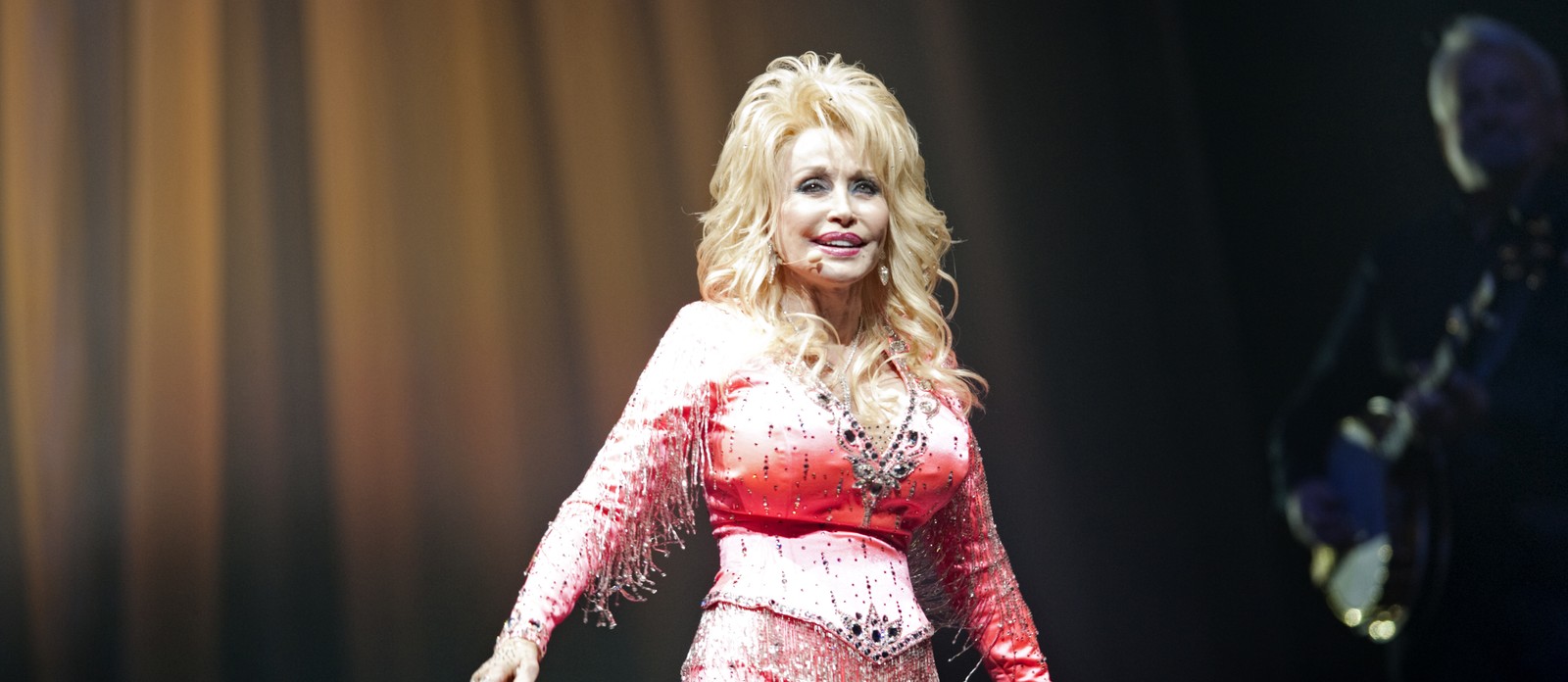
Image: Jack Fordyce

Isn’t it amazing when an artist performs one of their hits live and it turns out even better than the studio recording? The star’s give-and-take with a roaring crowd, the improvisation, the moments that don’t go according to plan all make a live moment unforgettable: From Dolly to Elvis to Whitney , here are 10 live performances we still can’t get over.

1
Dolly Parton – "Jolene," Glastonbury 2014
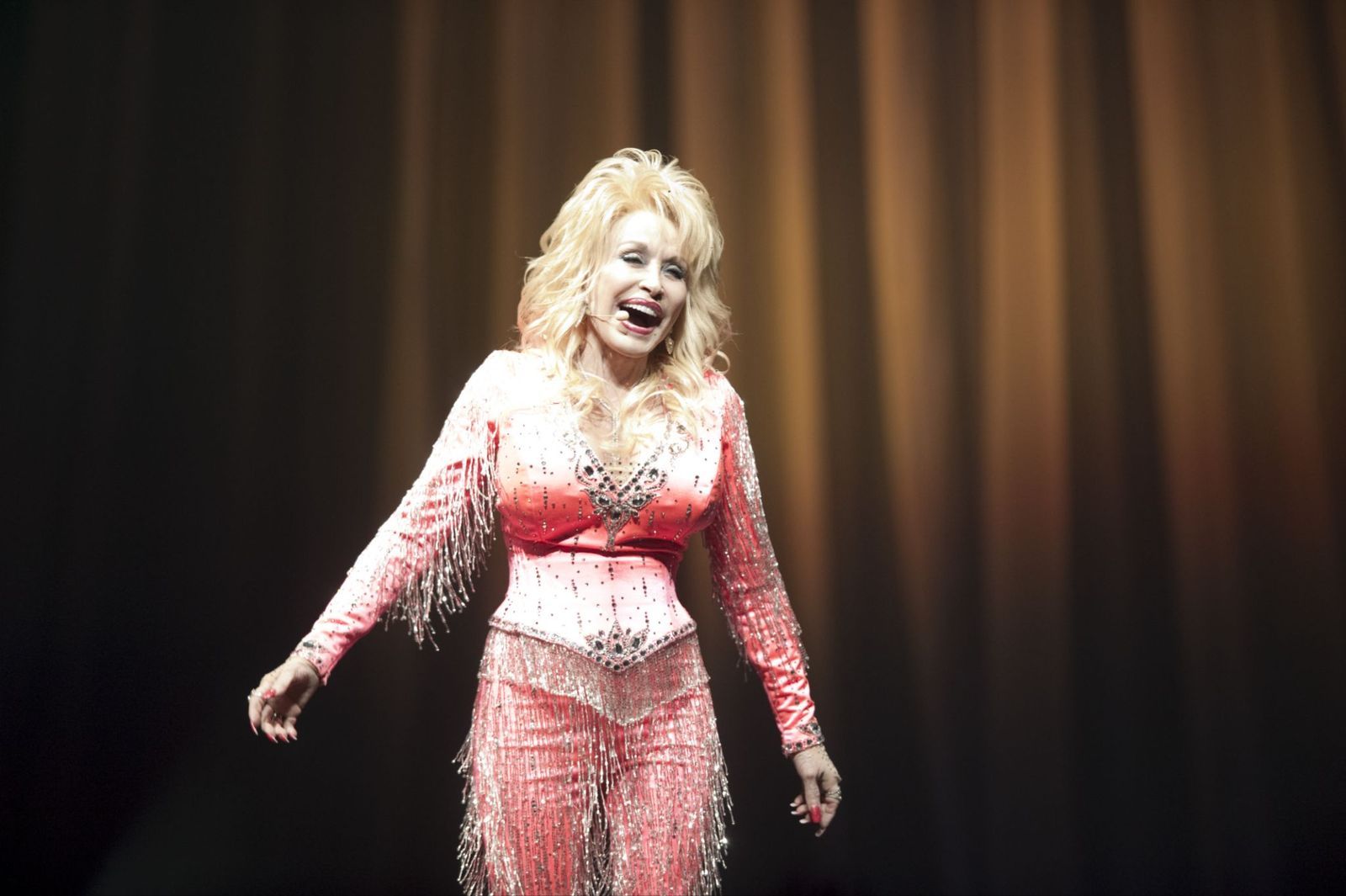
Image: Jack Fordyce

It’s hard to pick one iconic Dolly Parton live performance, as the Queen of Country knew exactly how to win over an audience with her extraordinary voice and charisma. But her unforgettable 2014 "Jolene" performance at Glastonbury Festival in England certainly has a special place in our hearts.

Playing in front of more than 180,000 people on the Pyramid Stage, she turned her 1973 classic song into a full-on spectacle, moving around the stage and joking as she and the audience belted out the chorus together. Only Dolly Parton could turn a British rock festival into a joyful country singalong.

2
Queen – Live Aid, 1985
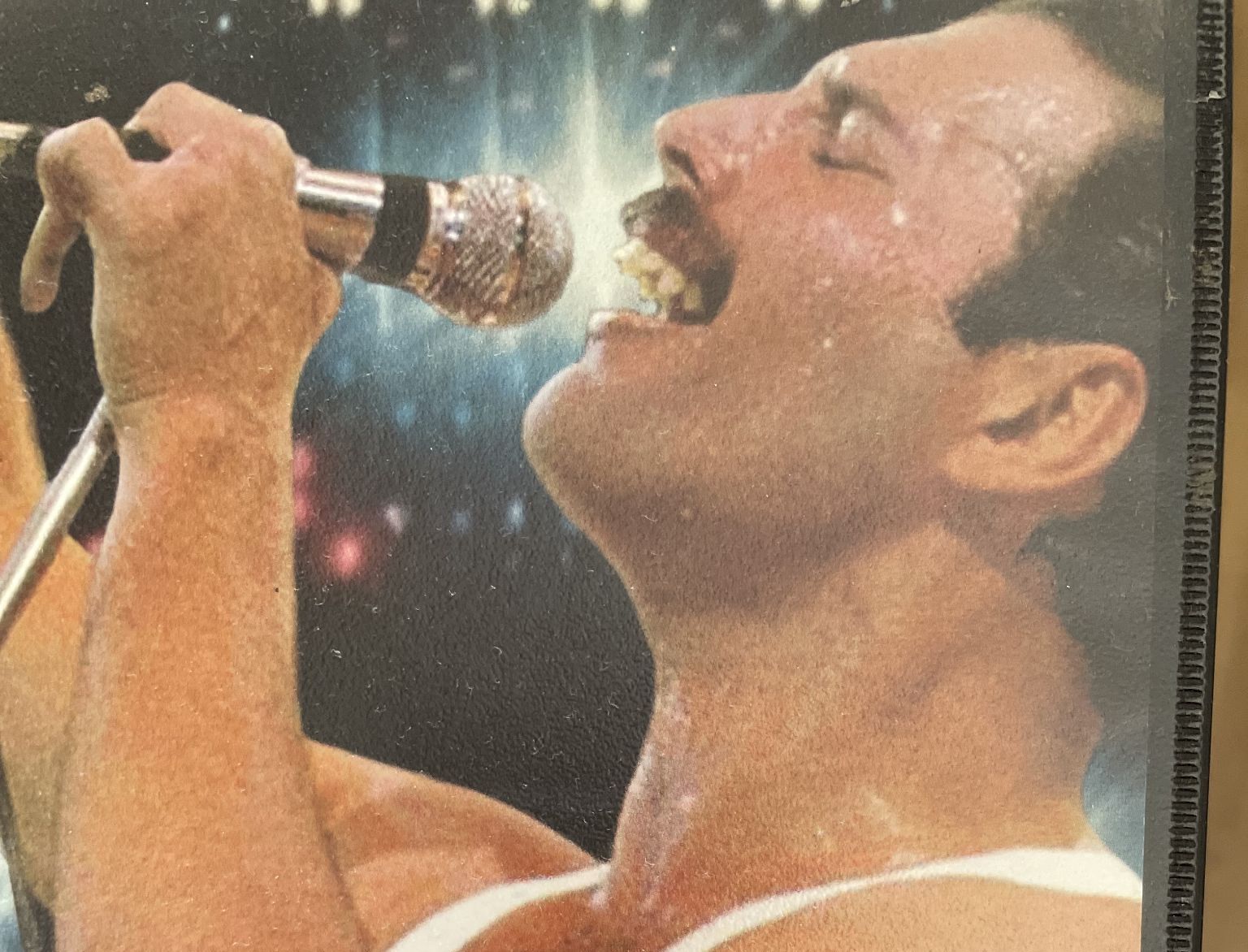
Image: alexeyart1

Queen needed only 20 minutes at 1985 Live Aid to deliver one of the most memorable live performances in history. The band played "Bohemian Rhapsody," "Radio Ga Ga," "Hammer to Fall," and "We Are the Champions" at the massive charity concert, with 72,000 people filling every corner of Wembley Stadium in London.

Frontman Freddie Mercury delivered a spectacular musical performance, masterfully commanding the crowd and making them part of the show.

3
Elvis Presley – ’68 Comeback Special, 1968
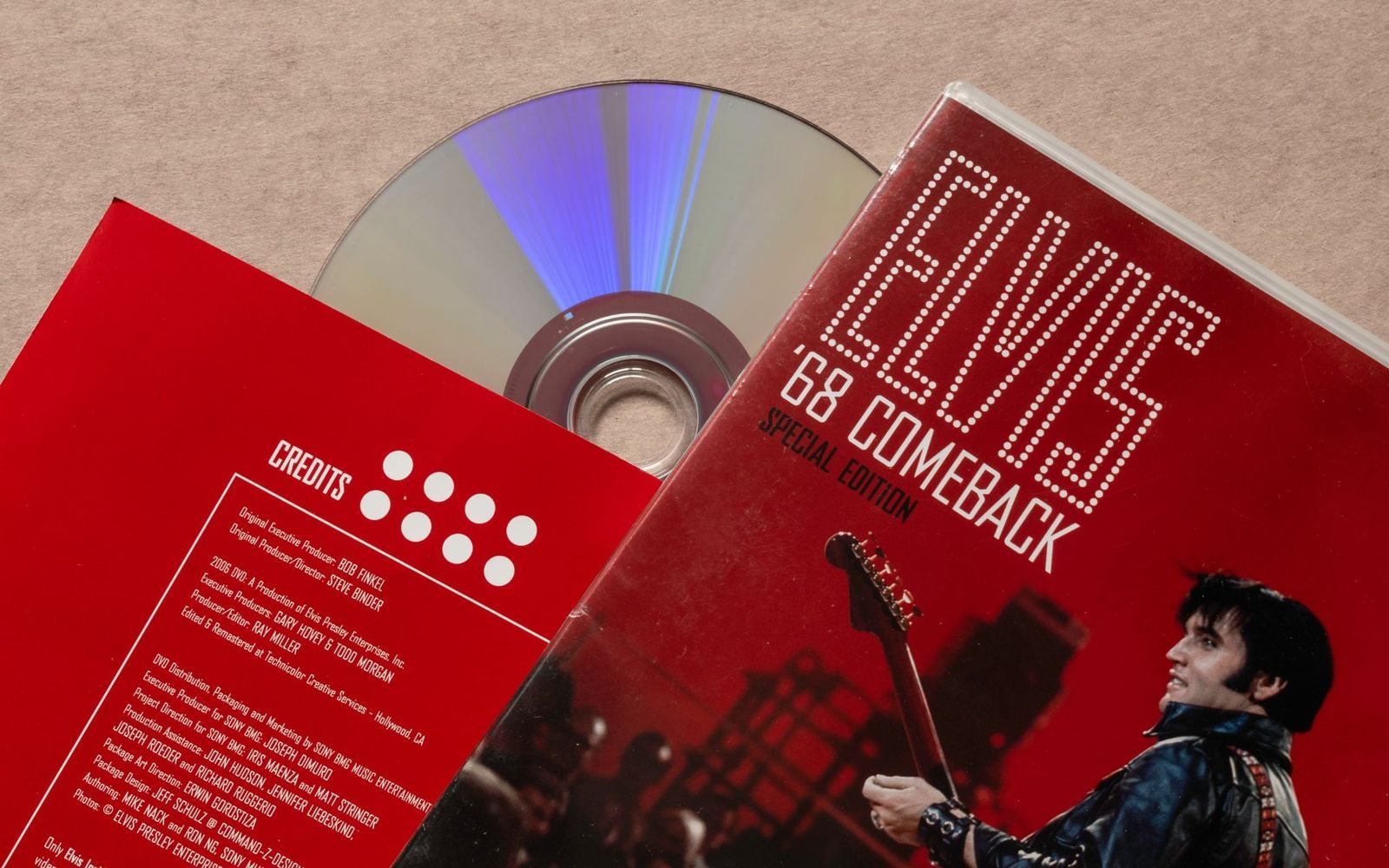
Image: Snap Spot

After seven years away from the stage, the King of Rock and Roll made a legendary comeback on December 3, 1968, when NBC aired Elvis Presley’s television special. Wearing a black leather outfit in an intimate sit-down session, Elvis marked his return to live music after years of focusing on Hollywood movies.

He performed some of his most popular songs, including "That’s Alright," and closed the show with "If I Can Dream," a song inspired partly by the assassination of Martin Luther King Jr. earlier that year.

4
Johnny Cash – Folsom Prison, 1968
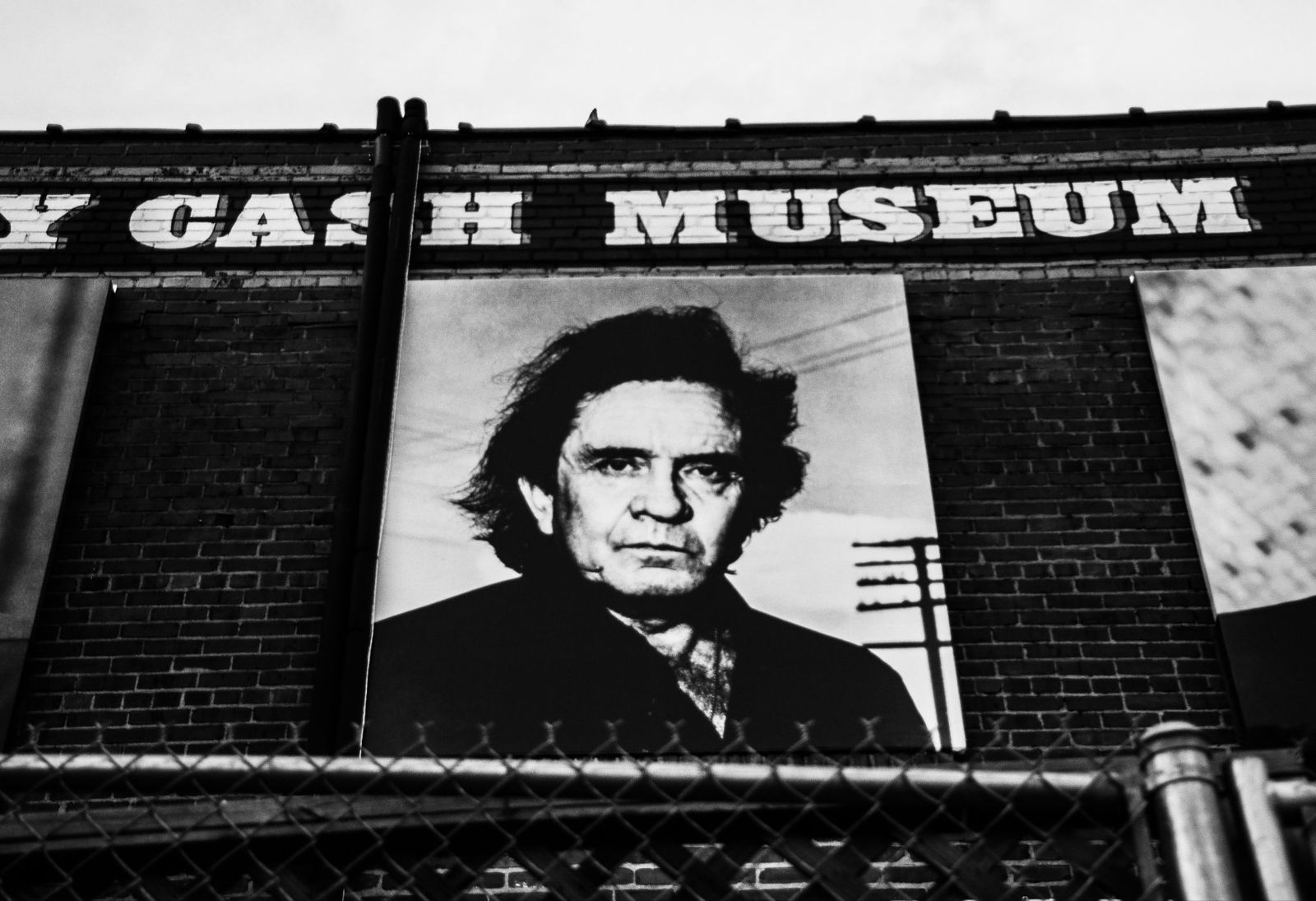
Image: Pedradosol

The "Man in Black" had long been fascinated by prison life, and on January 13, 1968, he performed two concerts inside Folsom State Prison in California — and the inmates were animated throughout the show, especially when Cash performed "Cocaine Blues" and "Folsom Prison Blues."

Beyond the unusual location, the Folsom Prison concert, recorded for a legendary album, epitomized Cash’s iconoclastic stance as he entertained fellow outlaws and outsiders.

5
Whitney Houston – Super Bowl XXV, 1991
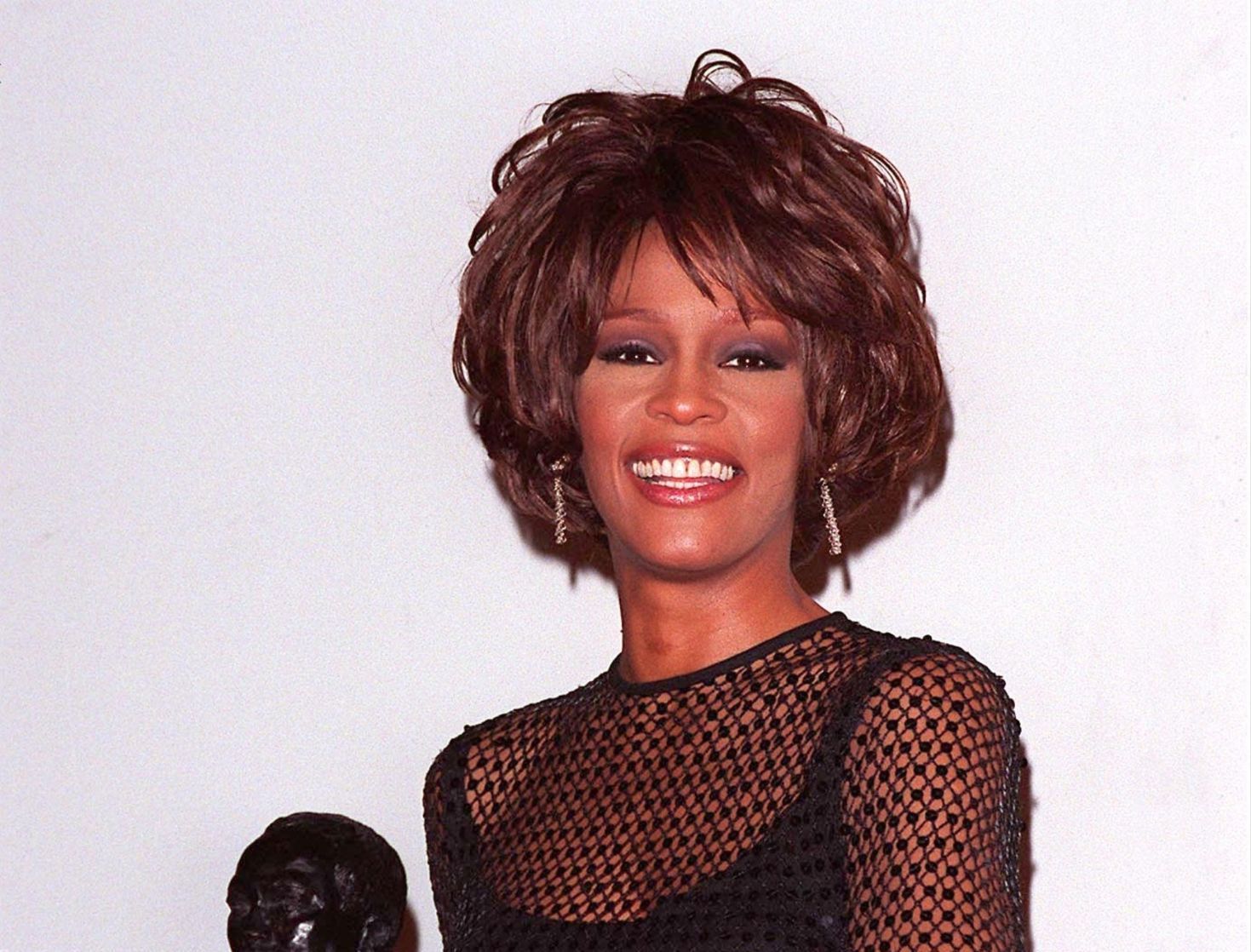
Image: Featureflash Photo Agency

Whitney Houston's exceptional voice was already legendary, and she was one of the most famous and successful singers on the planet in 1991. But she stunned everyone when she sang "The Star-Spangled Banner" at Tampa Stadium in Florida, during the ongoing Gulf War.

The patriotic performance was a soulful showcase of Houston's vocal range and power in front of 73,000 people plus hundreds of millions more watching from home. The song reached the top 20 on the Billboard Hot 100, and all the revenues went to the Gulf Crisis Fund.

6
Tina Turner – "Proud Mary," Amsterdam Arena in 1996
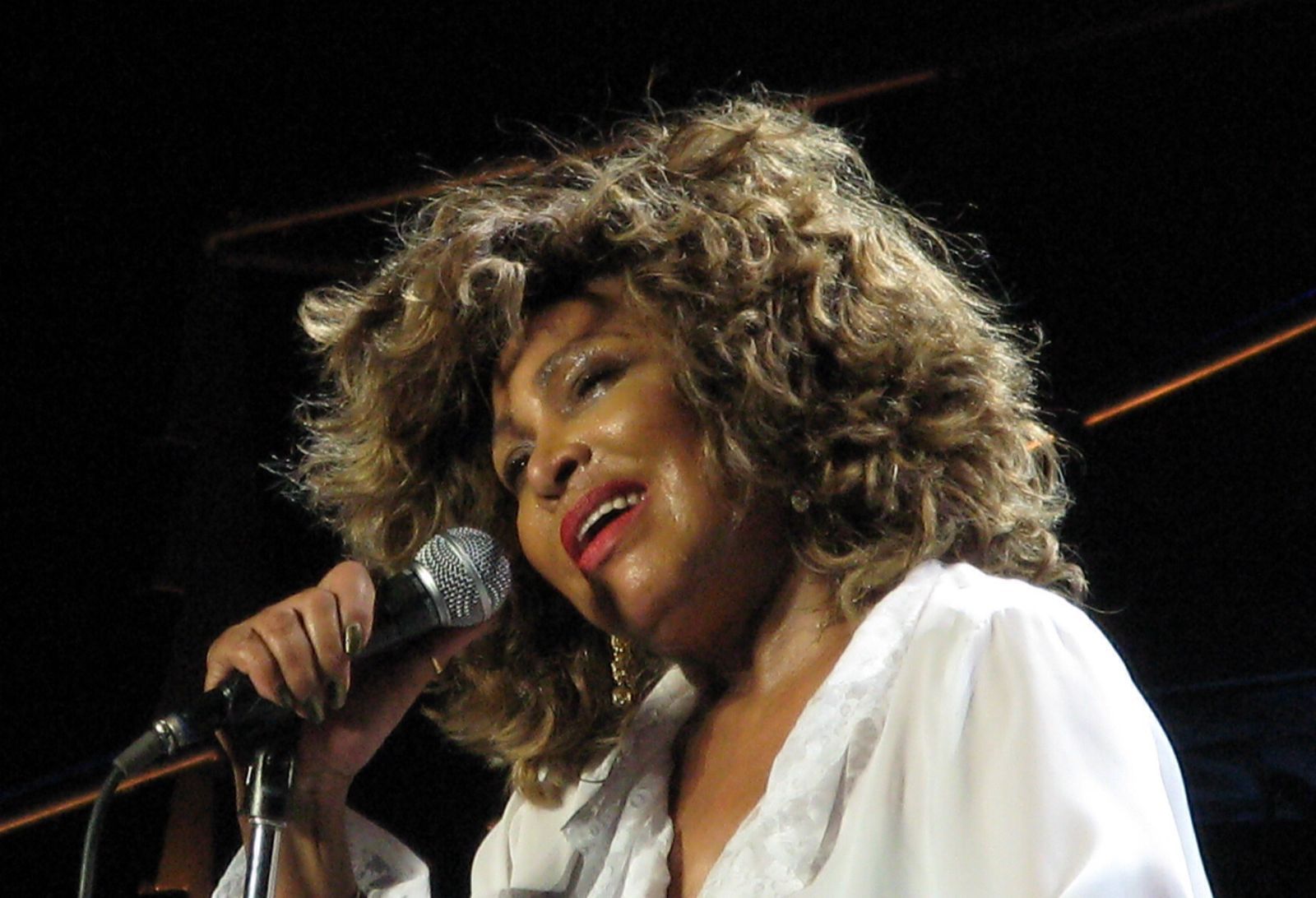
Image: Philip Spittle, CC BY 2.0, via Wikimedia Commons

Tina Turner's explosive performances of "Proud Mary" had long been a signature number in her live shows, a song where she showed off everything that made her such a fantastic performer. But her performance of "Proud Mary" at Amsterdam Arena in 1996 was something else.

Her nonstop dancing and roaring voice at the peak of her solo superstardom tore the roof off the place and drove the audience crazy.

7
The Beatles – Shea Stadium, 1965
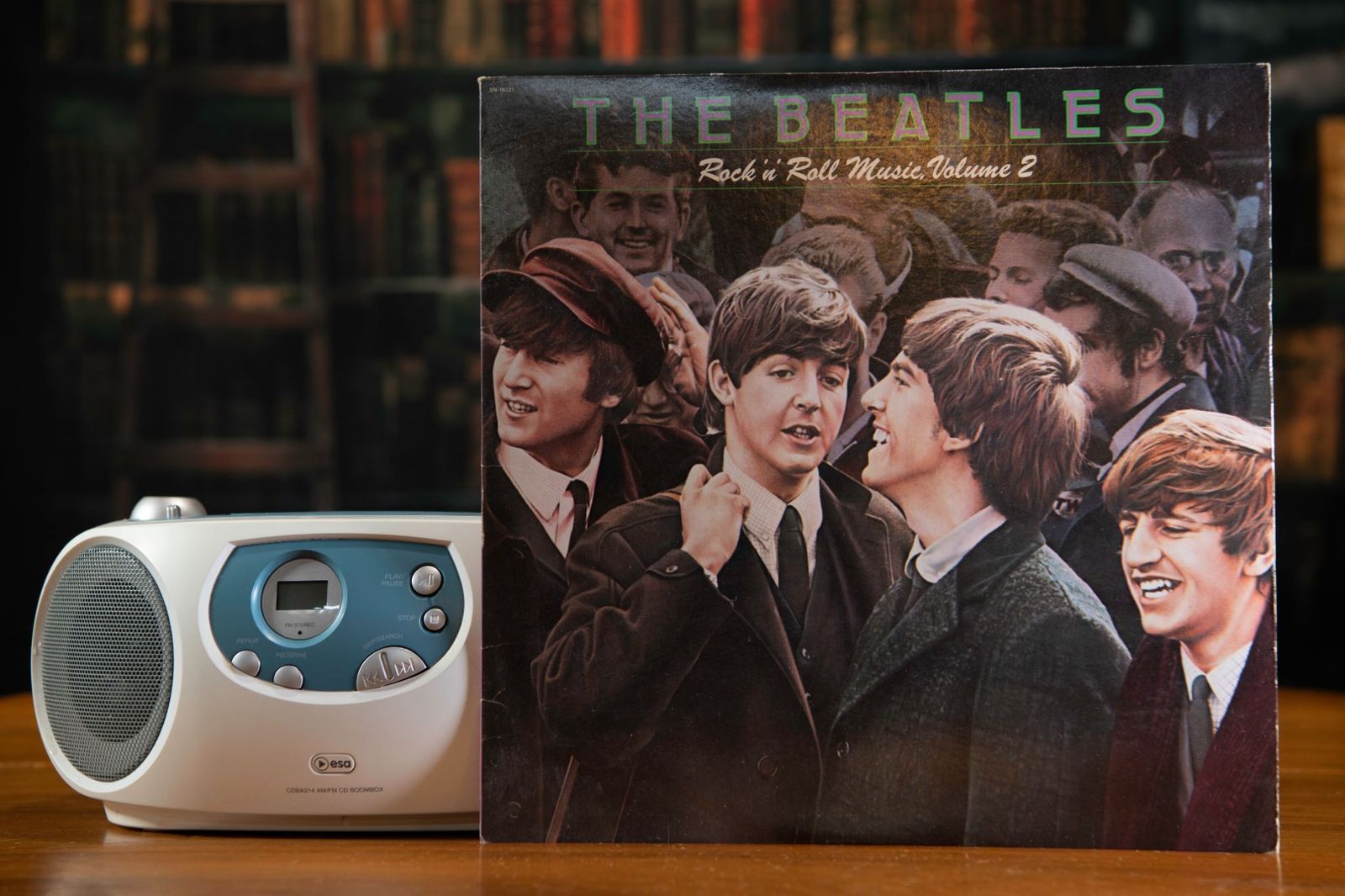
Image: Robert Hale

In front of roughly 55,600 fans in New York City at the peak of Beatlemania , John Lennon, Paul McCartney, George Harrison, and Ringo Starr performed one of the first major stadium rock concerts in history.

The audience got so loud during the show that The Beatles later reported they had trouble hearing themselves, as the band’s regular amplifiers weren’t enough for that crowd.

8
Madonna – Blond Ambition Tour, 1990
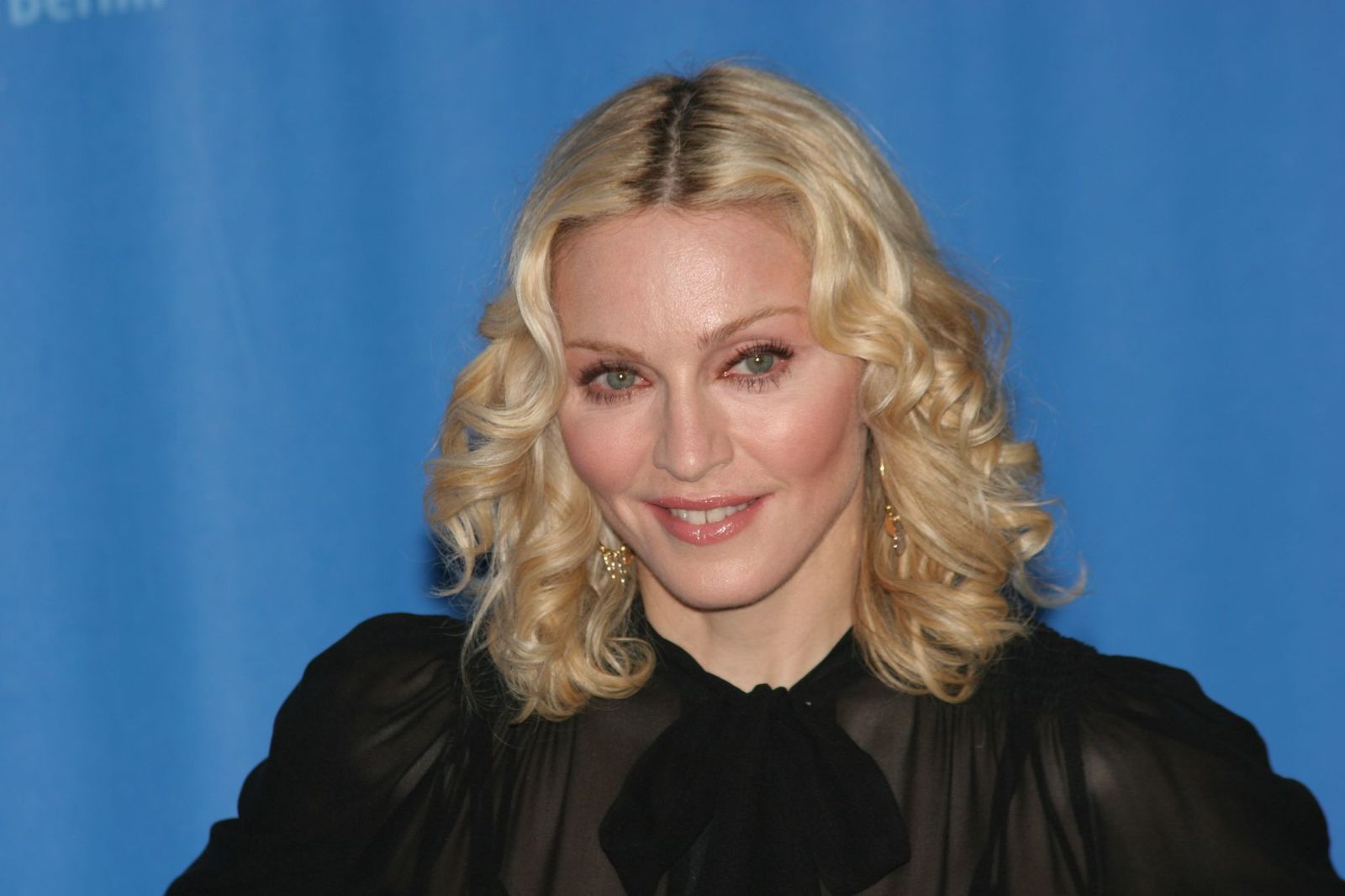
Image: Denis Makarenko

Madonna’s remarkable 1990 Blond Ambition Tour had it all: singing, choreography, costumes, and provocative themes and imagery that ruffled some feathers. She was at the peak of her global fame, and her hypersexual performance of "Like a Virgin" raised some eyebrows, especially the choreography involving an iconic cone bra design by Jean Paul Gaultier.

The Blond Ambition Tour was a theatrical full-scale visual production that influenced generations of performers who followed.

9
Goo Goo Dolls – "Iris" in the rain, 2004
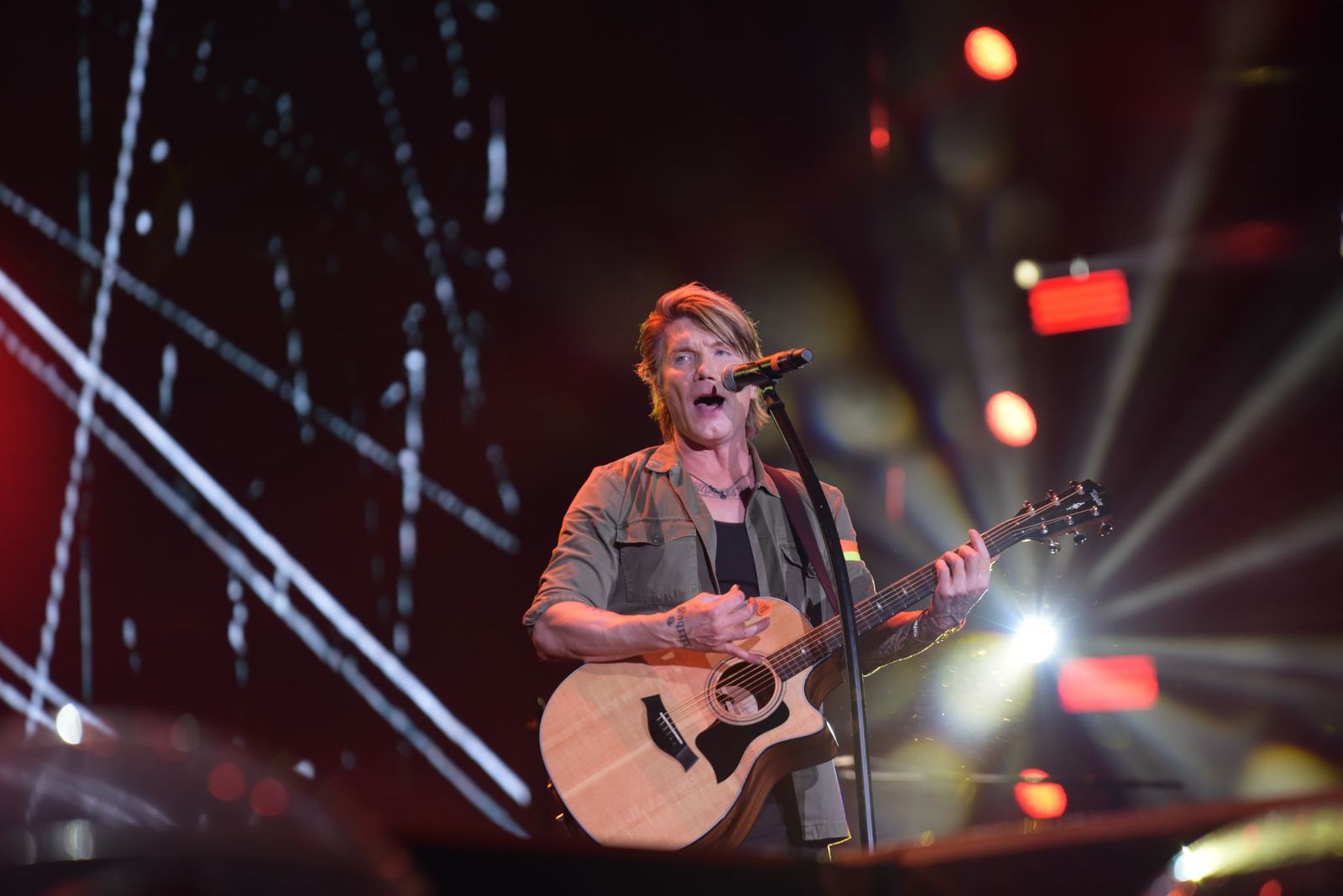
Image: Shutter Photo Press

Although the Goo Goo Dolls are technically not one-hit wonders, the ballad "Iris" is by far the band’s most iconic song. And if anything could make it even more memorable, that was the epic 2004 performance in the rain in Buffalo, New York.

Just as the band began to play "Iris," a massive thunderstorm rolled in, pouring rain onto the stage ; but instead of stopping, lead singer John Rzeznik simply embraced the weather and used it to his advantage to deliver a cinematic performance in which the rain actually enhanced the song’s emotional climax.

10
Beyoncé – Coachella, 2018
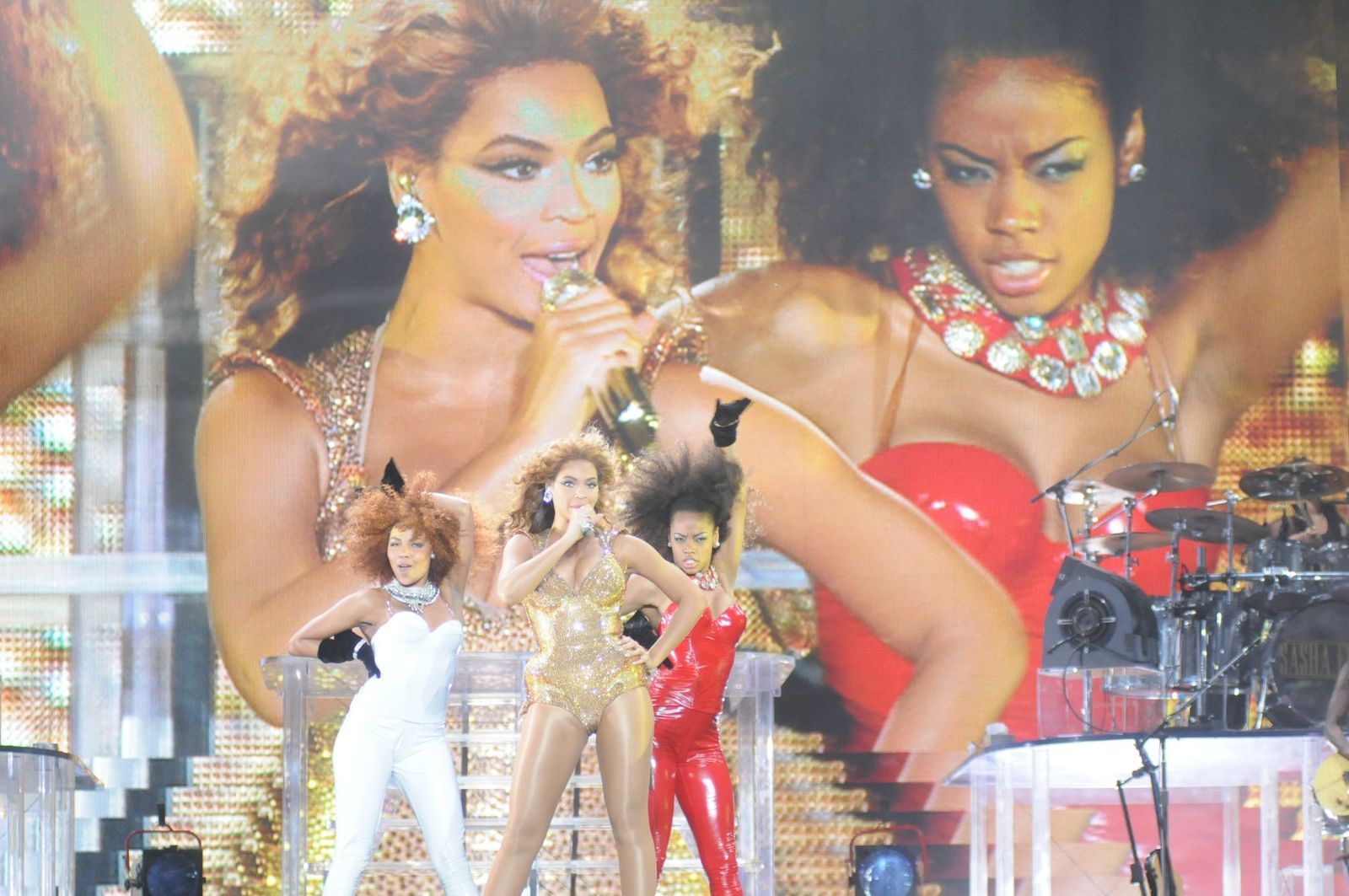
Image: A.RICARDO

On April 14, 2018, during a nearly two-hour concert packed with dancers, musicians, and even a marching band, Beyoncé became the first Black woman to headline Coachella . She played songs from throughout her career, including "Crazy in Love," "Formation," "Drunk in Love," and, of course, "Single Ladies."

The performance was so famous that fans even renamed it " Beychella " and turned it into a celebration of Black American musical tradition.

Culture Culture 4 min read

Debunking myths

Famous Americans: The myths everyone believes and why they’re wrong

Image: JR Harris

No doubt, we love a good legend. Give us a glamorous movie star, a sports hero, or a cultural icon, and we’ll happily embroider the facts to make a story sparkle. But many of the tales we repeat with total confidence never actually happened . Here are some of the most stubborn myths about famous Americans, and (hopefully) the real stories behind them.

1
Elizabeth Taylor had purple eyes

Image: Studio publicity still, Public domain, via Wikimedia Commons

Elizabeth Taylor’s stare really did look otherworldly, so fans started saying she had naturally violet eyes, calling it a genetic rarity fit for a Hollywood goddess.

In reality, her eyes were a deep blue that photographed with an unusual richness, especially when paired with lavender clothing, dramatic lighting, or the era’s film stock.

2
There was a long-standing feud between Venus and Serena Williams

Image: Jimmie48 Photography

The Williams sisters have faced each other on the world’s biggest tennis stages, which naturally fueled talk of a bitter, lifelong rift. The truth is far less dramatic.

Their relationship, by their own accounts, has been a mix of intense competitiveness and unwavering loyalty, exactly what you’d expect from two elite athletes raised side by side.

3
Michael Jackson bought the Elephant Man’s bones

Image: RJA1988

During the height of his fame, Michael Jackson couldn’t sneeze without generating rumors. One of the wildest was that he purchased the bones of Joseph Merrick, the "Elephant Man," a Victorian-era Englishman who had been famous in his life due to his severe, rare physical deformities.

But this whole story had been a publicity stunt released by his own team to promote the album Bad in 1987. Jackson later denied the claims, but he did admit that he had always felt a kinship for Merrick and that more than once he had visited his remains, which had been kept at Royal London Hospital since his death in 1890.

4
Many listeners panicked during the "War of the Worlds" broadcast

Image: Muhammed ÖÇAL

For generations, many have repeated the tale of Americans running into the streets in terror after Orson Welles’s 1938 broadcast about a fictional Martian invasion.

While some listeners were confused or alarmed, the supposed nationwide chaos was wildly exaggerated. Newspapers of the era had a vested interest in making radio look irresponsible, and they pumped the story up accordingly.

5
Judy Garland made less than Toto in "The Wizard of Oz"

Image: Stainless Images

This rumor survives because it’s shocking and symbolic: In this 1939 production, Hollywood underpaid its young star so badly that even the dog earned more.

But Judy Garland was paid roughly $500 a week , which would be equivalent to $12,000 today. That was four times what was given to Carl Spitz, owner and trainer of the female Cairn Terrier named Terry, who played Toto. Spitz earned about $125 a week ($3,000 today). Some background actors did earn less than the dog, which may be the fact that gave birth to the myth.

6
Harrison Ford was discovered while working as a carpenter for George Lucas

Image: Craft Kitties

Hollywood loves an "accidental discovery" story, so Harrison Ford supposedly landing Star Wars while hammering nails for George Lucas became an instant classic.

The real version is less exciting. Ford did work as a carpenter to support his family, and he had already acted for Lucas in American Graffiti . When Star Wars came around, his talent and his existing relationship with the director mattered far more than his toolbox.

7
Marilyn Monroe was fragile and camera-shy

Image: Europeana

Marilyn Monroe is often dismissed as a pretty face who could barely get through a scene, but that stereotype hides a more complicated reality. The superstar did struggle with intense anxiety, insomnia, and low self-esteem. Anecdotes report that she was often late to set or that she requested dozens of takes.

But the blanket claim that she was incapable is debunked by her collection of performances. Some of her directors defended that she was undeniably magnetic and mastered camera presence. Her struggles were born from relentless perfectionism and a fight to be taken seriously in a system that constantly patronized her.

8
Elvis Presley once gave a blind fan concert tickets for life

Image: Lara Wehbe

Over the years, an irresistibly sweet story surfaced about Elvis gifting a blind girl a lifetime of free concert tickets and a large check. It’s touching, but as far as anyone can verify, it never actually happened.

There’s no record of the alleged gift in estate archives, major biographies, or credible reporting. What is true is that Elvis was famously generous, which probably helped this seem like something he could have done.

9
Babe Ruth was orphaned as a young boy

Image: Steshka Croes

Babe Ruth’s larger-than-life charisma lent itself to rags-to-riches storytelling, and somewhere along the way, people began claiming he grew up as a true orphan.

In reality, Ruth was sent to St. Mary’s Industrial School for Boys in Baltimore, Maryland, because his parents struggled with his behavior, not because they had died. The institution played a huge role in shaping both his childhood and his baseball skills, but his parents remained alive during those early years.

10
Walt Disney is cryogenically frozen

Image: serjan midili

A die-hard urban legend! The idea that Walt himself is frozen in a hidden chamber under Disneyland might be the most famous of them all. The truth is much more ordinary: he was cremated shortly after his death in 1966.

The cryonics rumor appeared almost immediately, likely because the technology was making headlines and Disney’s legacy already felt larger than life.

History History 5 min read

FORGING OF A NATION

10 Key Moments in the Fight for American Independence

Image: John Trumbull

A pivotal period in our history, the American Revolutionary War saw the original thirteen colonies break free from British rule and establish an independent nation. This era was crucial not only for the struggle that liberated the country from colonial rule but also because it was when the nation and its ideals were conceived and envisioned. Here are 10 key moments that defined the American Revolution, shedding light on our forefathers' immense bravery and genius.

1
No Taxation Without Representation

Image: Board of Stamps

After the French and Indian War in 1763, American colonists were surprised to find that, instead of being rewarded for their efforts, the British Parliament raised their taxes and enacted new ones, such as the Stamp Act and Townshend Acts. Soon, these burdensome laws sparked widespread protests and boycotts under the rallying cry of "No Taxation Without Representation."

Initially, most colonists only wanted to be recognized as rightful British citizens. However, the brutal reaction of the Crown—sending troops to contain the unrest and force compliance—convinced many that independence was the only way to achieve their rights. The tragic incident known as the Boston Massacre on March 5, 1770, was the tipping point in this chain of events, inflaming anti-British sentiment.

2
Boston Tea Party

Image: W.D. Cooper

The Tea Act, enacted on May 10, 1773, granted the British East India Company a monopoly on tea sales in the colonies, further enraging the already weary colonists. This led a group of rebel colonists, known as the Sons of Liberty, to take matters into their own hands. In direct response to the Tea Act, they boarded British ships and dumped 342 chests of tea into Boston Harbor, worth £9,659 (equivalent to $1,700,000 today).

This act of defiance, later known as the Boston Tea Party , was a bold statement against British taxation and control. However, it also prompted the British government to further restrict colonial autonomy by implementing the Intolerable Acts (also known as the Coercive Acts).

3
The Midnight Ride

Image: National Archives and Records Administration

The British government's punitive measures only fueled the burgeoning revolutionary movement. In 1774, the First Continental Congress was convened, with representatives from each colony attending. During these meetings, the delegates agreed to coordinate militia training and resistance.

The situation remained tense for a year until King George ordered British troops to seize the rebels' weapons and arrest their leaders. However, the colonial militia was warned of the approaching British forces the night before, thanks to the heroic midnight ride of Paul Revere and other patriots. Their ride was crucial in mobilizing the Minutemen and ensuring they were prepared for the British assault.

4
Shot Heard 'Round the World

Image: William Barnes Wollen

The first shots of the American Revolutionary War were fired on April 19, 1775, in Massachusetts. British troops aimed to seize colonial arms, but the Minutemen refused to comply and confronted them, leading to a series of skirmishes known as the Battles of Lexington and Concord. These clashes demonstrated the colonies' determination to fight for their rights and ignited an all-out war.

The first significant military encounter of the American Revolutionary War, it resulted in a resounding American victory that encouraged other colonists to support and join the revolutionary efforts. Due to its significance and lasting consequences, the event was later referred to as the "shot heard round the world," a phrase that stems from the first stanza of Ralph Waldo Emerson’s 1837 commemorative poem.

5
Raising the Banner

Image: Winthrop Chandler

The Battle of Bunker Hill, fought on June 17, 1775, proved that the colonists could stand up to the British army. As Loyalist forces sought to capture the strategically important hills surrounding the besieged city of Boston, Patriot Colonel William Prescott directed his troops to occupy these positions in advance.

Though the battle was technically a British victory, the colonial forces inflicted heavy casualties on the British—approximately 1,000 British soldiers compared to around 500 American casualties. This showed the Crown that quelling the fight for independence would be a long and costly campaign, while simultaneously boosting American morale and convincing many that victory was within reach.

6
A Declaration of Independence

Image: John Trumbull

Emboldened by their success, on July 4, 1776, the Continental Congress—at the time the de facto unified colonial government representing each of the former colonies—adopted the Declaration of Independence .

Drafted primarily by Thomas Jefferson, the document declared the colonies' separation from Britain and articulated a vision of liberty and democracy , rejecting monarchy and aristocracy. It was a bold assertion of the colonies' right to self-governance, inspiring similar revolutionary movements around the world and influencing future generations.

7
Crossing the Delaware

Image: Emanuel Leutze

On Christmas night of 1776, General Washington led a daring and successful surprise attack across the icy Delaware River. This bold maneuver demonstrated both Washington's genius and leadership, as well as the Continental Army's resolve to defeat the British forces at any cost.

The subsequent victory at the Battle of Trenton significantly boosted morale and reinvigorated the revolutionary cause across the continent. Despite the British having considerable advantages, including a highly trained and battle-tested army, they systematically underestimated the revolutionaries, believing them to be merely a group of renegades whose defeat would restore loyalist allegiance to the Crown.

8
Turning the Tide

Image: John Trumbull

The American victory at the Battle of Saratoga in late 1777 marked a turning point in the war. Not only did American forces manage to capture a large British invasion army and halt the British advance in the north, but the triumph also resonated across Europe.

When news of General Burgoyne's surrender reached France, it convinced King Louis XVI to join the conflict as an ally to the Americans, providing much-needed military support and resources. This alliance significantly bolstered the American cause and forced the British to view the war as part of a larger global campaign, further straining their already depleted resources.

9
The French Connection

Image: Eugène Delacroix

The Siege of Yorktown in 1781 was the last major land battle of the Revolutionary War. American and French forces, led by General Washington and General Rochambeau, successfully trapped British General Cornwallis's army.

The Franco-American alliance proved decisive, compelling Cornwallis to surrender and prompting the British government to negotiate an end to the increasingly costly conflict. This effectively ended major combat operations and marked the beginning of the end for British rule in America.

10
Negotiating Peace

Image: John D. Morris & Co. after Wilhelm Anton Seiler

The Treaty of Paris , signed on September 3, 1783, officially ended the Revolutionary War. Negotiated by American diplomats Benjamin Franklin, John Adams, and John Jay, it recognized American independence and established borders for the new nation. The treaty delineated the boundaries between British North America, later known as Canada, and the nascent United States.

Although British efforts to undermine the American colonies persisted for decades, eventually leading to the War of 1812, the treaty granted legitimacy to the revolutionaries' efforts on the world stage and marked the beginning of a new era.

Explore more American facts

Choose your favorite category!

General
General

As American as apple pie—the very best America has to offer!

Culture
Culture

Delve into the astounding richness of American lore.

Geography
Geography

Hop in and explore vast and diverse American landscapes.

History
History

Discover the key moments that shaped the United States.