General General 5 min read

Culinary influences

Discover 10 "foreign" foods that are actually American

Image: Dyana Wing So

In the United States—the great melting pot—we have embraced countless delicious dishes brought by immigrants when they arrived in America. At the same time, this cultural exchange gave rise to new recipes that, while borrowing elements from cuisines around the world, were created entirely on American soil. For example, did you know that no one in Italy would serve meatballs and pasta in the same course? Or that there isn’t a single restaurant in Cuba where you can order an authentic Cuban sandwich? Read on to discover 10 dishes you thought were foreign but are, in fact, American!

1
Chimichangas
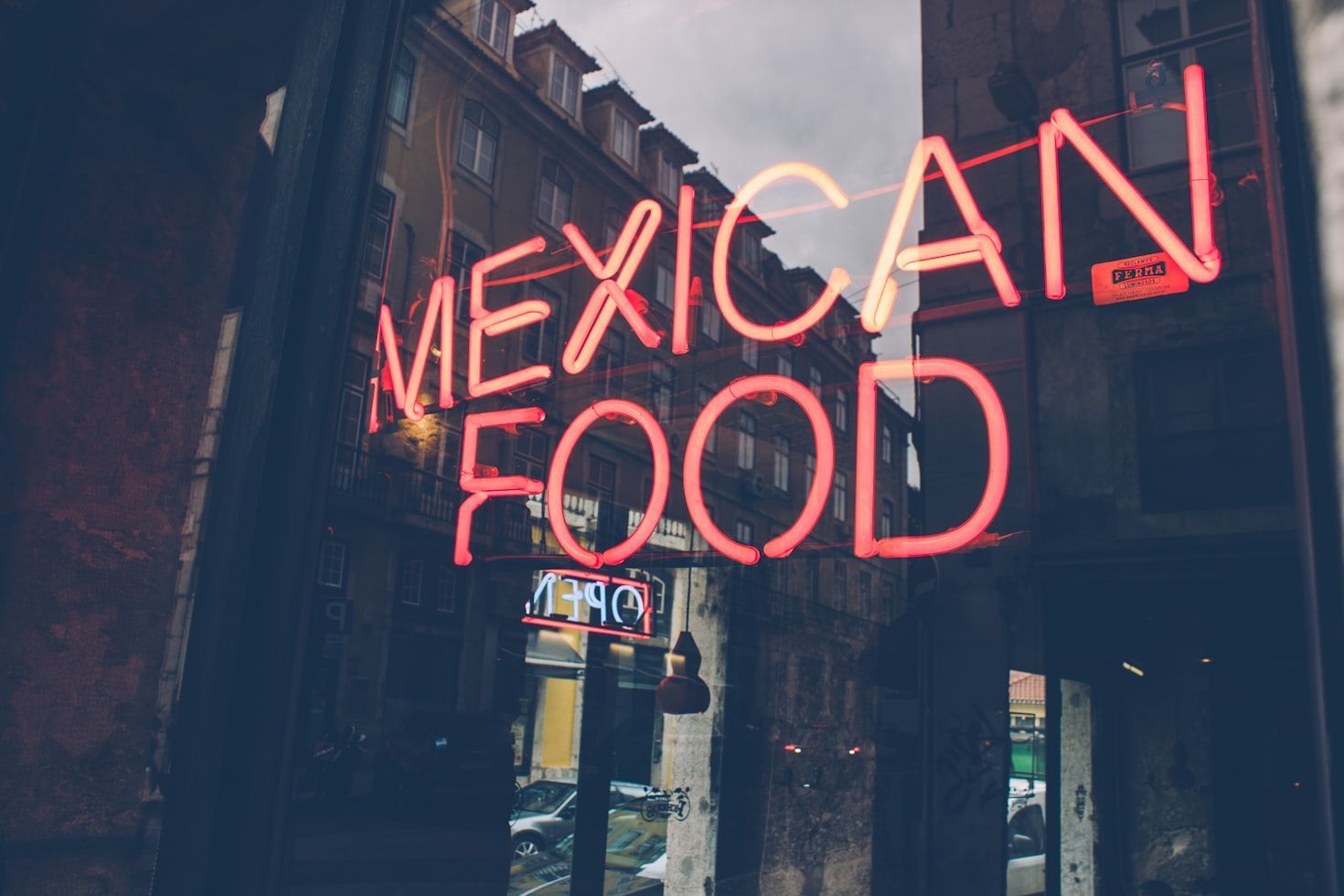
Image: Pedro Gil

What do you mean it’s not a Mexican dish? The name sounds Mexican!" While two Mexican-American restaurants—one in Tucson and the other in Phoenix—dispute the authorship of this dish, one thing is certain: it originated in the United States, more specifically in Arizona .

Today, chimichangas— a stuffed burrito fried in oil or butter —are one of America’s favorite dishes. And although they could never have existed without the culinary influence of our southern neighbor, we also had a lot to do with their creation.

2
Chop suey
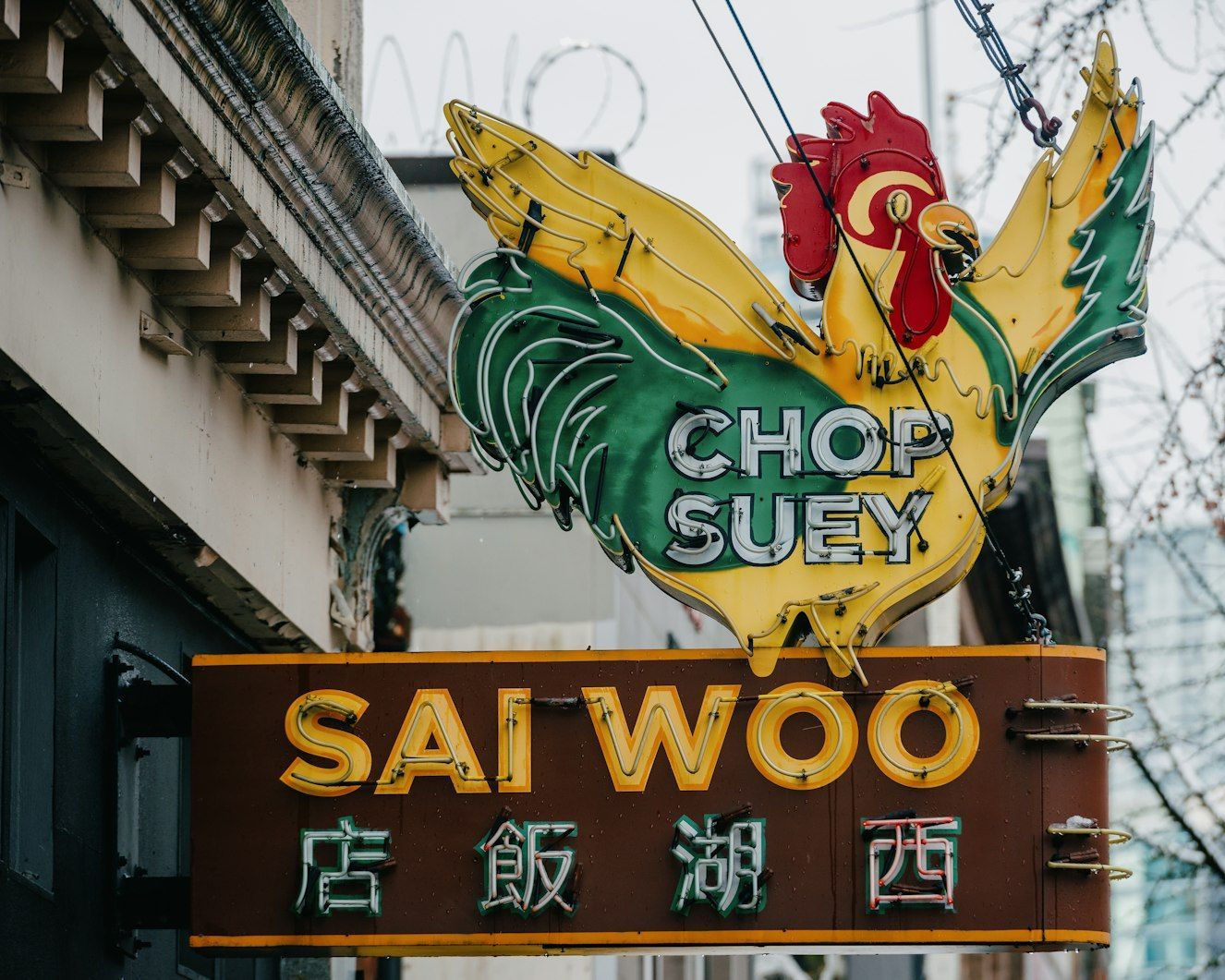
Image: Albert Stoynov

There are many theories about the origin of this popular dish, but one of the most widespread is particularly intriguing. According to lore, chop suey was invented in 1896 by the cook of the Chinese ambassador to the United States . Apparently, the diplomat, who was hosting a dinner for American guests, instructed the chef to prepare a dish that would appeal to both Eastern and Western palates.

While there is no dispute that similar dishes exist in Asian cuisine, this particular moment of cultural and culinary exchange is said to have sparked the American public's fascination with Asian flavors . Soon after, Chinese restaurants began to proliferate across the country, with chop suey as their signature dish.

3
Russian dressing

Image: Rachel Claire

Did you know that nobody in Russia has ever seasoned their salad with Russian dressing? It doesn't exist there! This popular condiment is a completely American invention. It’s believed to have been created by a New Hampshire butcher in the early 20th century , who originally called it "Russian mayonnaise." Interestingly, he had no known ties to Russia, so it is unclear why he chose that name.

Perhaps the answer lies in one of the dressing’s original ingredients: black caviar, one of Russia’s most famous exports . Unfortunately, we’ll probably never know the full story. One thing is certain, though—Russian dressing was born in the United States!

4
Chili con carne
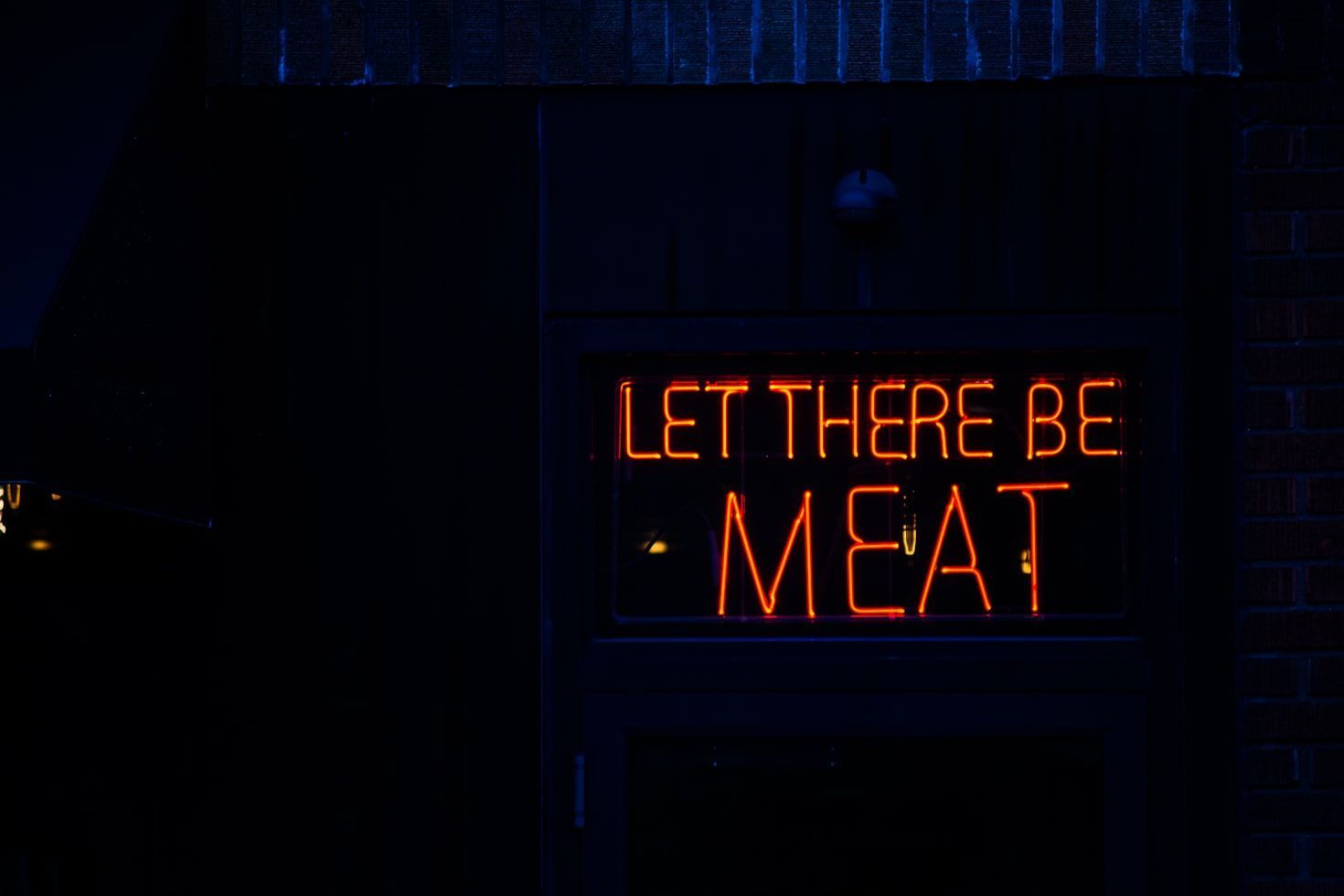
Image: https://images.unsplash.com/photo-1545433243-0a87e3fed9b4?q=80&w=1470&auto=format&fit=crop&ixlib=rb-4.0.3&ixid=M3wxMjA3fDB8MHxwaG90by1wYWdlfHx8fGVufDB8fHx8fA%3D%3D

Okay, chili may sound like a traditional Mexican dish, but this meaty version, chili con carne , was actually created in South Texas in the late 19th century . Not only did it feature added animal protein, but one of the key ingredients often associated with chili today—beans—was originally left out.

Chili con carne quickly became a national favorite. Families across the country began experimenting with their own versions, and soon, nearly every state had its own take on the dish . But nothing quite compares to the original Texan chili—the one that started it all!

5
Fortune cookies
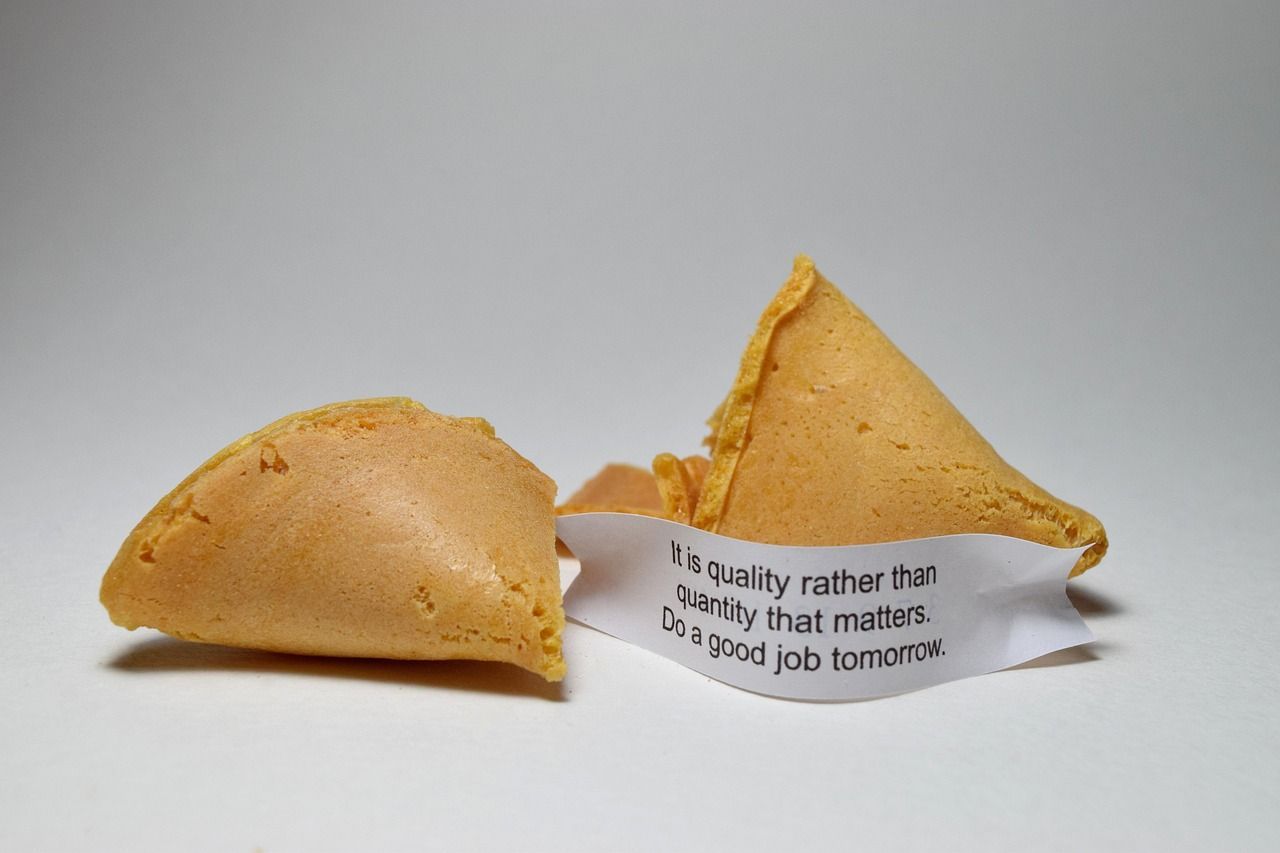
Image: hannahlouise123

If you asked someone where fortune cookies come from, they’d probably say China. After all, they’re the quintessential treat served at Chinese restaurants around the world. But surprisingly, fortune cookies were invented in the United States —and they’re not even Chinese !

They were first created in the early 20th century in San Francisco , one of the American cities with the largest Asian immigrant populations. Even more surprisingly, they were invented by a Japanese man as a gesture of gratitude to the mayor who had hired him as a designer. He was inspired by a Kyoto tradition called omikuji , which involves offering a treat that contains a random fortune written on a slip of paper.

After World War II, many Chinese entrepreneurs took over Japanese bakeries in the Bay Area, helping to spread the cookie's popularity—and contributing to the common misconception about their origin.

6
Cuban sandwich
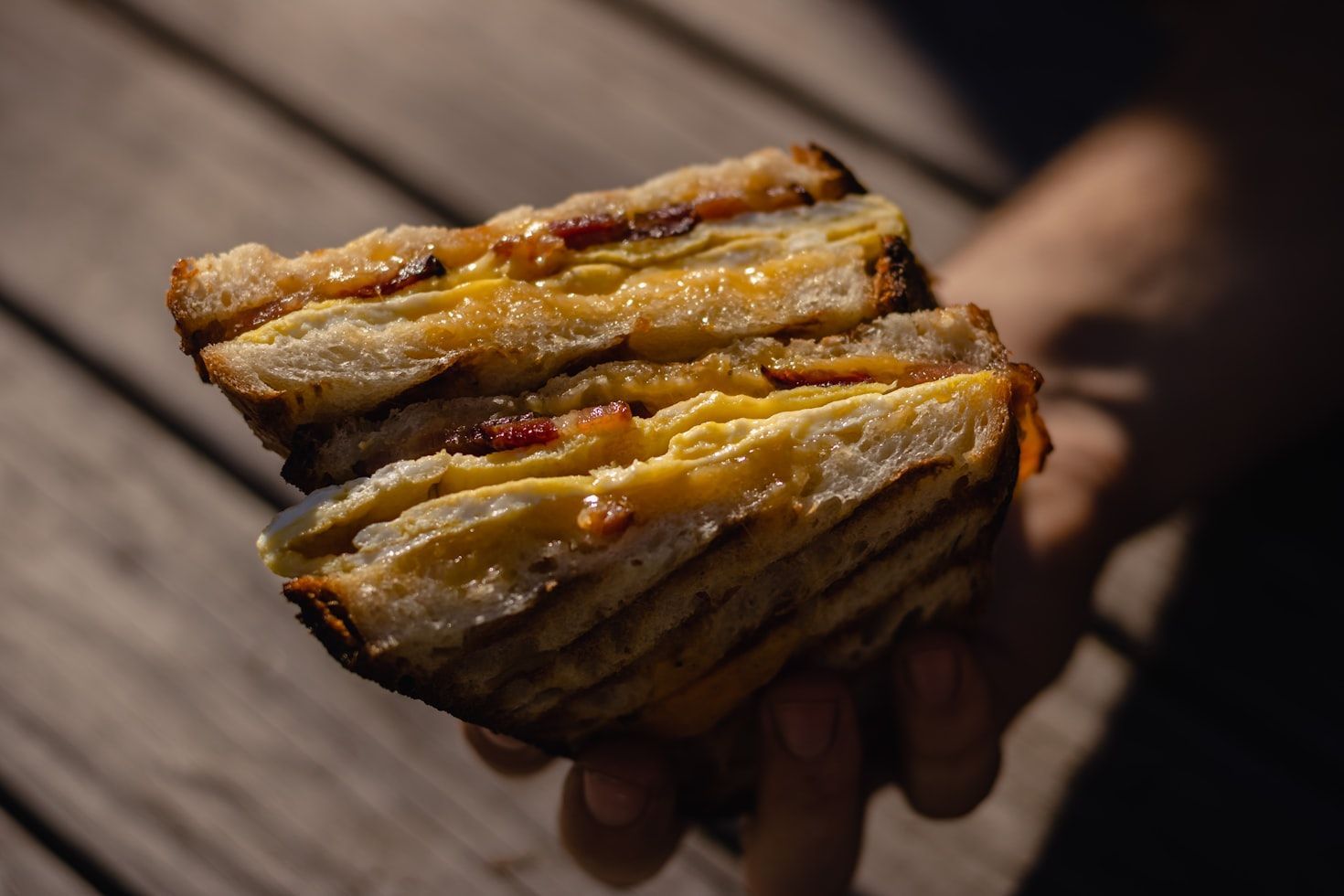
Image: Conor Brown

Despite its name, the Cuban sandwich originated in the Cuban-American communities of Ybor City, Key West , and Plant City , Florida , in the early 20th century. It later became popular in Miami and other American cities with large Cuban populations.

Interestingly, the ingredients vary from place to place. What all versions share, however, is Cuban bread —similar to a French baguette but made with slightly different ingredients and a unique baking method. So, is this bread authentically Cuban? Not exactly. It was actually created alongside the sandwich, right here in the United States!

7
German chocolate cake
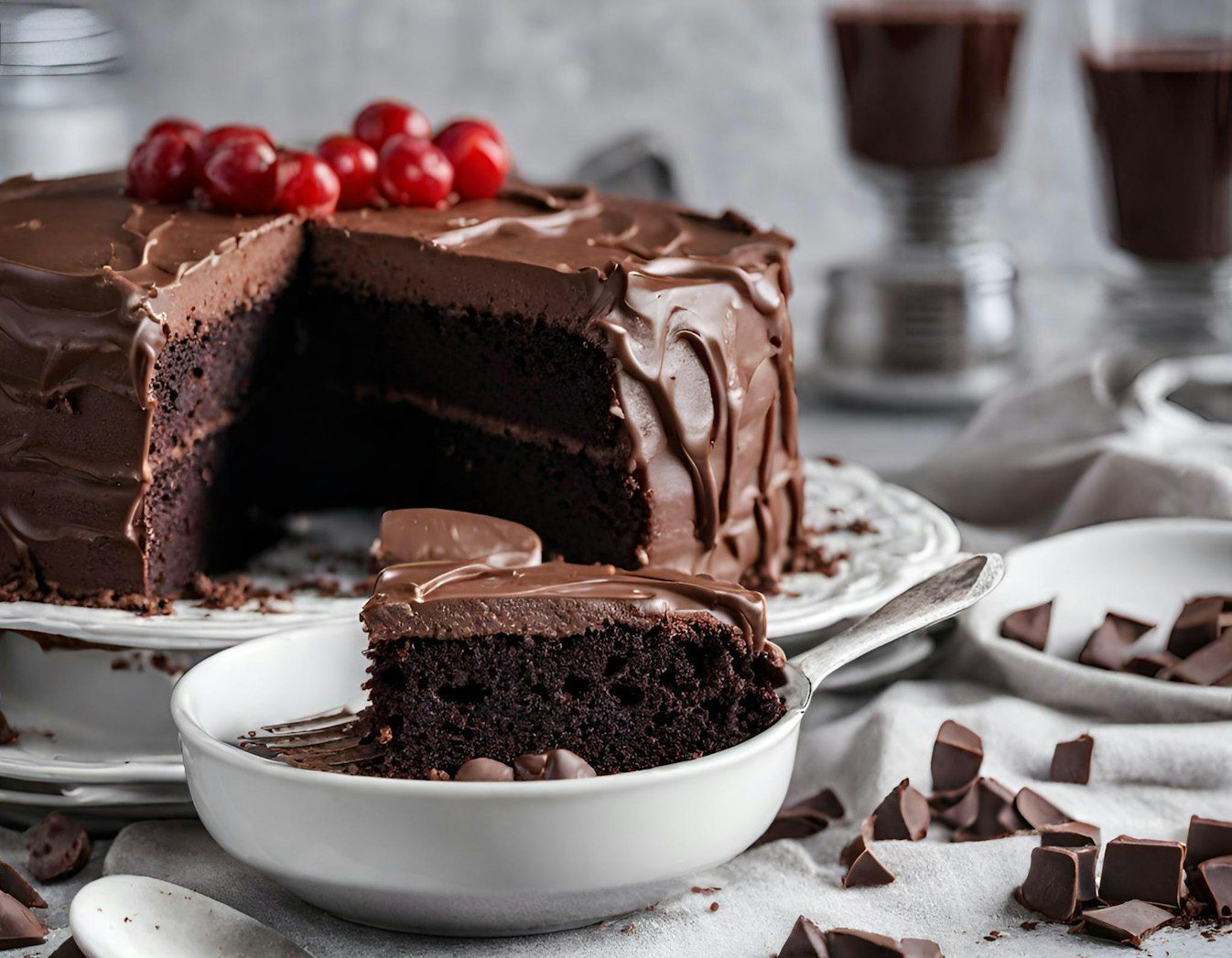
Image: BraggsDiner

Despite its name, German chocolate cake has no culinary ties to Germany, nor is it named in honor of the country. In fact, it takes its name from Samuel German , a confectioner who, in the mid-1850s, developed a type of baking chocolate for the Baker's Chocolate Company of Boston, Massachusetts.

A century later, a recipe using German’s Sweet Chocolate appeared in the Dallas Morning News and became an instant hit among homemakers. Before long, Baker's Chocolate sales soared, marking a strong comeback for German's baking bar. Today, German chocolate cake is an American classic —and now you know its true origin!

8
Spaghetti and meatballs

Image: Ivy Farm

You probably thought this dish was authentically Italian your whole life. Well, we hate to break it to you, but spaghetti and meatballs are a hundred percent American invention, though it is, to be fair, a product of early 20th-century Italian immigration.

Meatballs were likely inspired by Italian polpette , a stew made of small balls of breadcrumbs mixed with meat or fish. However, in the Old World, polpette was never served with pasta and marinara sauce; it was a dish on its own. When Italian immigrants discovered how easy it was to buy beef in America, they began incorporating it into many dishes. And thank goodness they did!

9
Garlic bread
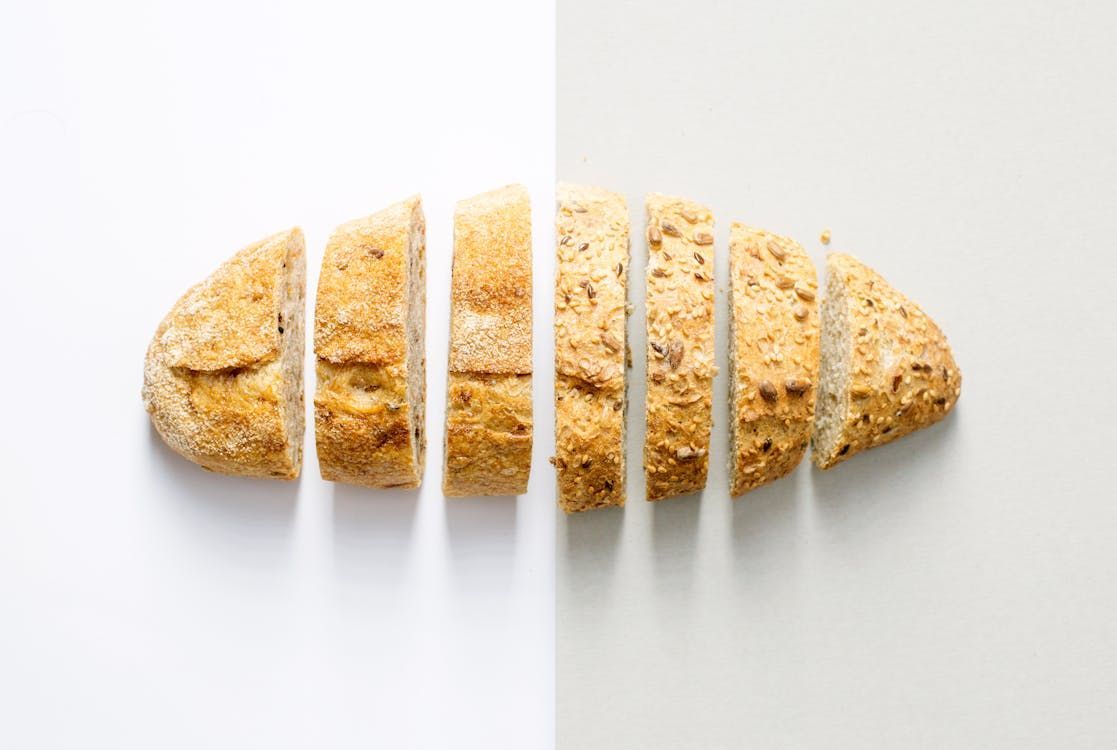
Image: Mariana Kurnyk

Another food with Italian influences but created in the United States is garlic bread. A staple of Italian restaurants, this side dish was introduced by immigrants who were likely trying to emulate the famous bruschetta .

However, they ran into an obstacle that led to the invention of something totally new—but just as delicious. Olive oil, so abundant in the mother country, was scarce and difficult to obtain in America. Therefore, they resorted to an ingredient found in abundance here: butter . And the rest is history!

10
Vichyssoise

Image: Julia Kicova

With such a name, you might think this dish is purely French! Well, not exactly. Although it was created by a French-born chef, it was first made in Manhattan, New York. In 1917, feeling a bit homesick for his homeland, Louis Diat, head chef of the Ritz-Carlton Hotel, wanted to recreate a potato and leek soup his mother used to make when he was growing up in Montmarault, France.

But there was a problem: it was summer. Finally, he came up with a brilliant idea—to thin down the hot soup with cold milk and cream . He named his invention after Vichy, the famous spa town near his hometown. The dish was an instant hit among the restaurant’s guests, who soon asked for it to be available year-round.

History History 5 min read

Myth-busting America

Fact vs. fiction: 10 myths that shaped American history

Image: Markus Spiske

American history is loaded with stories—some true, some half-true, and many others pure myth. Despite historians' best efforts, a few tales have been repeated so often they’ve become almost inseparable from real events. Today, we’re separating fact from fiction with a look at 10 of the most common myths and misconceptions in American history. From young Washington's cherry tree to the actual date of the Declaration of Independence, the truth behind these historical myths may surprise you. But wouldn’t the Founding Fathers say that the truth is always worth knowing?

1
The first Thanksgiving feast

Image: Claudio Schwarz

The story of the first Thanksgiving is often heavily romanticized, but it was largely rooted in political and survival needs. Wampanoag leader Ousamequin reached out to the English at Plymouth not out of inherent friendship, but because his people had been devastated by epidemic disease and needed allies.

Moreover, English Thanksgivings were originally solemn occasions of fasting and prayer —quite different from today’s feasts of abundance and celebration. The truth is that around the 1760s, Pilgrim descendants in Plymouth, concerned about their declining cultural influence, began promoting the idea that the original Pilgrims were America’s founding fathers. The notion of a holiday symbolizing unity and friendship between colonists and natives gained traction, eventually shaping the Thanksgiving tradition we know today.

2
Paul Revere’s "Midnight Ride"

Image: Priscilla Du Preez

Though "The Midnight Ride of Paul Revere" is legendary, Revere certainly didn’t act alone. The famous silversmith was only one of several riders, including William Dawes and Samuel Prescott, who warned of the British army’s approach. To be fair, much of the well-known story was fabled by Henry Wadsworth Longfellow’s poem "Paul Revere’s Ride," which is far from a historically accurate account.

Additionally, Revere would have never shouted "The British are coming!"—that wouldn’t have made much sense, as most Massachusetts colonists still identified as British. The actual alert was closer to "The Regulars are coming," referring to British troops.

3
The frontier was lawless

Image: Idean Azad

Popular culture paints the American West as a wild, lawless frontier, but crime was actually lower in many Western towns than in Eastern cities at the time. Local codes, vigilante groups, and early forms of law enforcement helped keep order, even in the most remote pioneer towns.

Many towns established designated areas where firearms were off-limits, requiring visitors to put away their weapons before entering. Of course, cities like Dodge City and Tombstone had their rowdy moments, but local communities established governance quickly. In many cases, justice in the West was rough but effective, and it helped establish America’s early legal backbone.

4
Washington chopped down a cherry tree

Image: Terence Starkey

Though it’s deeply etched in American memory, the story of young George Washington confessing to chopping down a cherry tree is entirely fictional. This tale was fabricated by Parson Weems, Washington’s biographer, to depict him as morally upright and honest from an early age.

While the story is charming and has contributed to America’s sense of ethos, it underscores the tendency in early American history to create heroic, almost mythical personas for its leaders. Yet, Washington’s legacy hardly needs fabricated childhood anecdotes to shine; his real courage and dedication to his country speak for themselves.

5
The Liberty Bell rang on Independence Day

Image: Dan Mall

The story of the Liberty Bell ringing for independence traces back to a fictional tale by George Lippard in an 1847 issue of The Saturday Courier. In this story, an elderly bellman in the State House steeple anxiously awaited news of Congress’s decision. Doubting their resolve, he suddenly heard his grandson’s triumphant shout: "Ring, Grandfather! Ring!"

This story captivated the public and cemented the Liberty Bell’s association with the Declaration of Independence. However, historians now doubt that the bell actually rang in 1776; at the time the State House steeple was reportedly in poor condition, and the bell may not have been in use. Though many bells rang throughout Philadelphia on July 8 to celebrate the Declaration, whether the Liberty Bell itself rang remains uncertain due to a lack of contemporary accounts.

6
Betsy Ross made the first American flag

Image: Luke Michael

The story of Betsy Ross sewing the first American flag is one of America’s favorite tales, but the sad truth is that there’s no historical evidence to support it. The story only emerged nearly a century after the Revolution, when her grandson published the account in a paper for the Historical Society of Pennsylvania in 1870.

While the Continental Congress did approve a flag design in 1777, it’s unclear who actually made it. However, despite historians' doubts, the early flag design with 13 stars in a circle is still popularly known as "the Betsy Ross flag."

7
Orson Welles’ broadcast induced mass panic

Image: Muhammed ÖÇAL

It’s widely believed that Orson Welles’ 1938 radio adaptation of The War of the Worlds caused widespread panic across the United States, with listeners mistaking it for real news of an alien invasion. However, the actual extent of the panic was greatly exaggerated by newspapers looking to discredit radio as a rival news source.

While the broadcast did unsettle some listeners, most of the audience knew it was a dramatic performance. Reports of mass hysteria were largely fabricated, and ironically, the media’s reaction to the broadcast may be a greater testament to its power than Welles’ fictional invasion ever could be.

8
Cowboys wore big, flashy hats

Image: Brice Cooper

While movies and TV shows often show cowboys wearing wide-brimmed, flashy hats, most cowboys actually wore bowler or derby hats until the late 19th century. These hats were more practical and better suited for riding. Men also wore flat wool caps, Mexican sombreros, or even old Civil War hats like the kepi.

The wide-brimmed "cowboy hat" only became popular later and evolved into a cultural icon thanks to cinematic depictions of the Wild West. As with most things, in truth practicality ruled the range, and the stereotype of the cowboy hat developed more from fiction than reality.

9
Benjamin Franklin discovered electricity

Image: Felix Mittermeier

Benjamin Franklin’s famous kite experiment didn’t really "discover" electricity but rather demonstrated that lightning was a form of electrical energy. In fact, historians aren’t even sure whether he performed the famous experiment himself. At the time, scientists in Europe had been experimenting with electricity for decades.

That being said, Franklin’s findings did help advance science, and laid the groundwork for future innovations. His research not only led to the practical study of electricity, but his invention of the lightning rod also helped save both people and structures. In any case, Franklin never patented any of his inventions, believing that "products of the human imagination belonged to no one person," so he likely wouldn’t have wanted credit as the discoverer of electricity either.

10
The Fourth of July marks the signing of the Declaration

Image: Trent Yarnell

The Declaration of Independence is celebrated on July 4th, but the actual timeline of events is a bit more complex. Independence was formally approved by Congress on July 2, 1776, through the Virginia resolution, which officially severed ties with Britain. However, the text of the Declaration was subjected to intense debate and revisions before Congress approved the wording on July 4.

Further complicating things, the Declaration wasn't publicly read until July 8, and it took several more weeks before all signers had added their names. While some Founding Fathers, like John Adams, initially advocated for celebrating on July 2, the public ultimately gravitated toward July 4—the date displayed on the final document.

Culture Culture 4 min read

Ominous Hollywood

Is your favorite on this list? 10 iconic apocalyptic movies

Image: Max Ovcharenko

Alien invasions, nuclear accidents, or major natural disasters… The end of the world has been depicted countless times in cinema. Whether for their spectacular visuals or their realistic portrayal of humanity’s demise, some of these films have become icons that most of us have likely seen and remember vividly. Join us as we explore the most popular American apocalyptic films.

1
Independence Day

Image: Jason W

Nothing beats a classic apocalyptic alien invasion, where extraterrestrials arrive to destroy the planet, but encounter a group of humans willing to give everything to save humanity. This is the premise of Independence Day (1996), one of the most famous disaster films. Starring Will Smith, the movie marked a turning point in science fiction, showcasing visual effects that, although they may not be as surprising today, set a new standard at the time.

2
Armageddon

Image: Javier Miranda

It’s hard to keep track of how many explosions light up the screen in Armageddon (1998), but rest assured, there are a lot of them. This film follows the classic natural disaster formula: a massive asteroid threatens Earth, and the only hope for survival is to destroy it. When the planet’s at risk, who better to call than Bruce Willis? Alongside Ben Affleck, he steps up to risk everything in a race against time.

Do you also remember this movie every time you hear Aerosmith's "I Don't Wanna Miss a Thing"? You are one of us!

3
The Day After Tomorrow

Image: Mason Mulcahy

A new Ice Age threatens humanity after a series of devastating storms strike the planet in The Day After Tomorrow (2004), a film that takes climate change and pushes its possible consequences to the extreme. With spectacular disaster sequences and visuals, the movie became a total box office success worldwide.

4
I Am Legend

Image: Natalya Letunova

Imagine waking up one day and realizing that you are, as far as you can tell, the last survivor in the city. This is what happens to scientist Robert Neville, played by Will Smith, in I Am Legend (2007). The now-classic apocalyptic theme is a deadly virus that has devastated humanity, and it is Dr. Robert Neville who appears to be the only one capable of doing something to reverse the effects of this.

5
Interstellar

Image: Guillaume Le Louarn

In 2014, we saw one of the most exciting movies to hit the big screen: Christopher Nolan's Interstellar . Acclaimed by audiences and critics alike for its visual effects and its complex and thrilling plot, this film is one of those you’ll find hard to forget. Set on an Earth that is becoming uninhabitable, Matthew McConaughey plays Cooper, a former NASA pilot who joins a mission to travel through a wormhole near Saturn in search of a new place for humanity.

Fun fact: It’s not surprising that it has been well received even by the scientific community, since a Nobel Prize–winning physicist collaborated on the script.

6
Planet of the Apes

Image: Mateusz Suski

In the original Planet of the Apes (1968), the story takes us to a distant future planet where chimpanzees, gorillas, and orangutans have evolved to possess human-like intelligence and social structures, dominating that world while humans are reduced to an oppressed species. Featuring one of the most shocking and unforgettable plot twists in cinema history, the film stands as an essential classic of dystopian science fiction.

7
Night of the Living Dead

Image: Daniel Jensen

We couldn’t leave Night of the Living Dead off this list, the 1968 film that changed cinema forever. While the concept of "zombies" may feel familiar today, this George A. Romero’s film was the first to present the idea of the dead rising again and becoming a real threat to the living.

8
12 Monkeys

Image: Liam Andrew

Bruce Willis is once again called upon to help humanity (or what remains of it) in the 1995 film 12 Monkeys , this time alongside none other than Brad Pitt, who earned an Oscar nomination for this role. Set in a dark future, most of humanity has been wiped out by a deadly virus, and Willis’s character must travel back in time to gather information about its origins and help find a way to stop it.

9
Dawn of the Dead

Image: airci K

Of course, George A. Romero wasn’t going to appear just once on this list. In 1978, Dawn of the Dead was released, once again portraying the end of the world brought on by the return of the undead. A group of survivors takes refuge in a shopping mall, but human conflicts soon emerge as a threat equal to, or even greater than, that posed by the zombies themselves.

10
The Day the Earth Stood Still

Image: Michael Herren

The Day the Earth Stood Still (1951) is definitely a science fiction classic. Unlike the other films on this list, its catastrophe is not inevitable; disaster can still be avoided. Rather than centering on spectacular destruction, the film delivers a philosophical warning to humanity. An alien visitor arrives on Earth to deliver a stark message: abandon nuclear violence, or face devastating consequences.

Explore more American facts

Choose your favorite category!

General
General

As American as apple pie—the very best America has to offer!

Culture
Culture

Delve into the astounding richness of American lore.

Geography
Geography

Hop in and explore vast and diverse American landscapes.

History
History

Discover the key moments that shaped the United States.