Geography Geography 5 min read

Stories carved by the Colorado River

The missing pieces of the Grand Canyon: 10 incredible facts
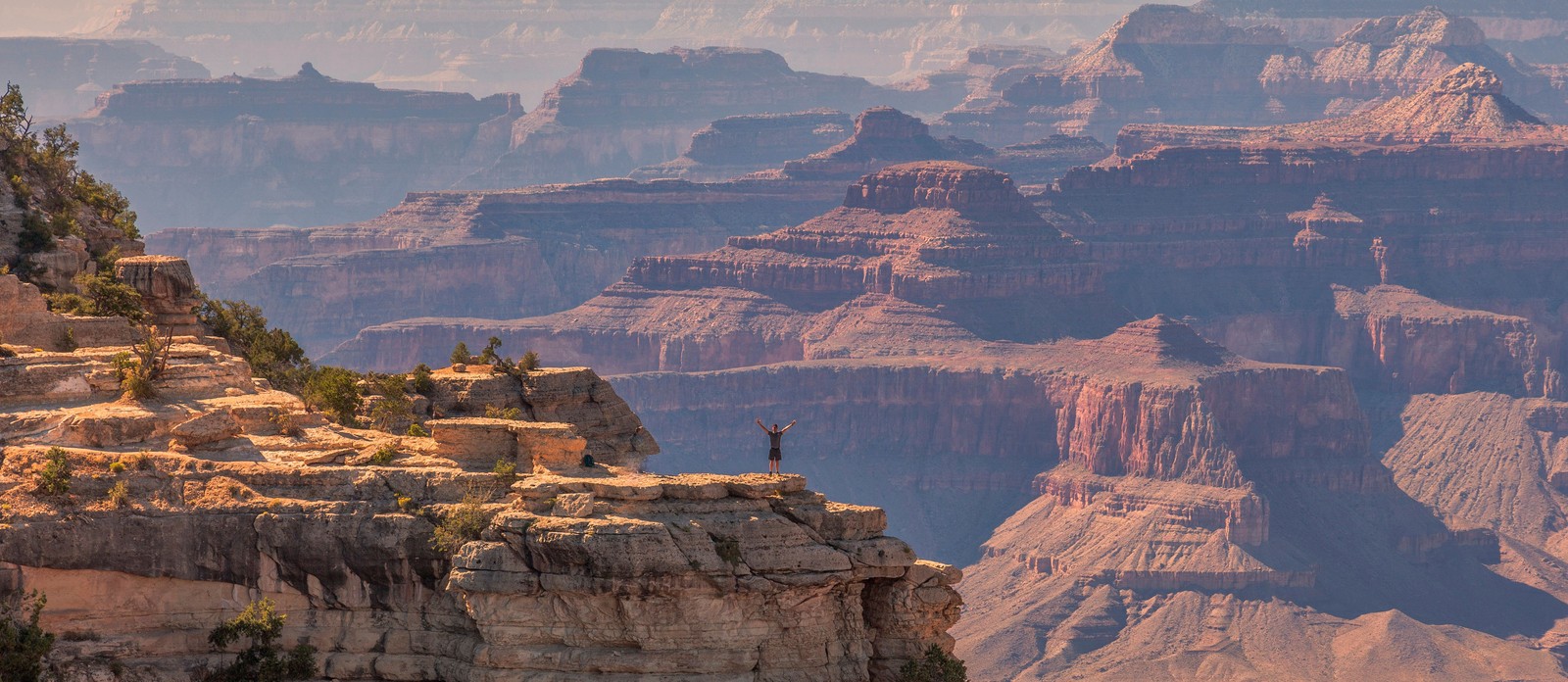
Image: jesus esteban

The Grand Canyon is bigger than Rhode Island. It's deeper than four Empire State Buildings stacked end to end. Its rocks are older than dinosaurs. But those stats alone don’t quite capture its immensity — and are hardly the most shocking. There are nuclear shelters, hidden villages, and billion-year mysteries involved. Read on to learn 10 lesser-known facts about the Grand Canyon.

1
There's an unexplained billion-year gap
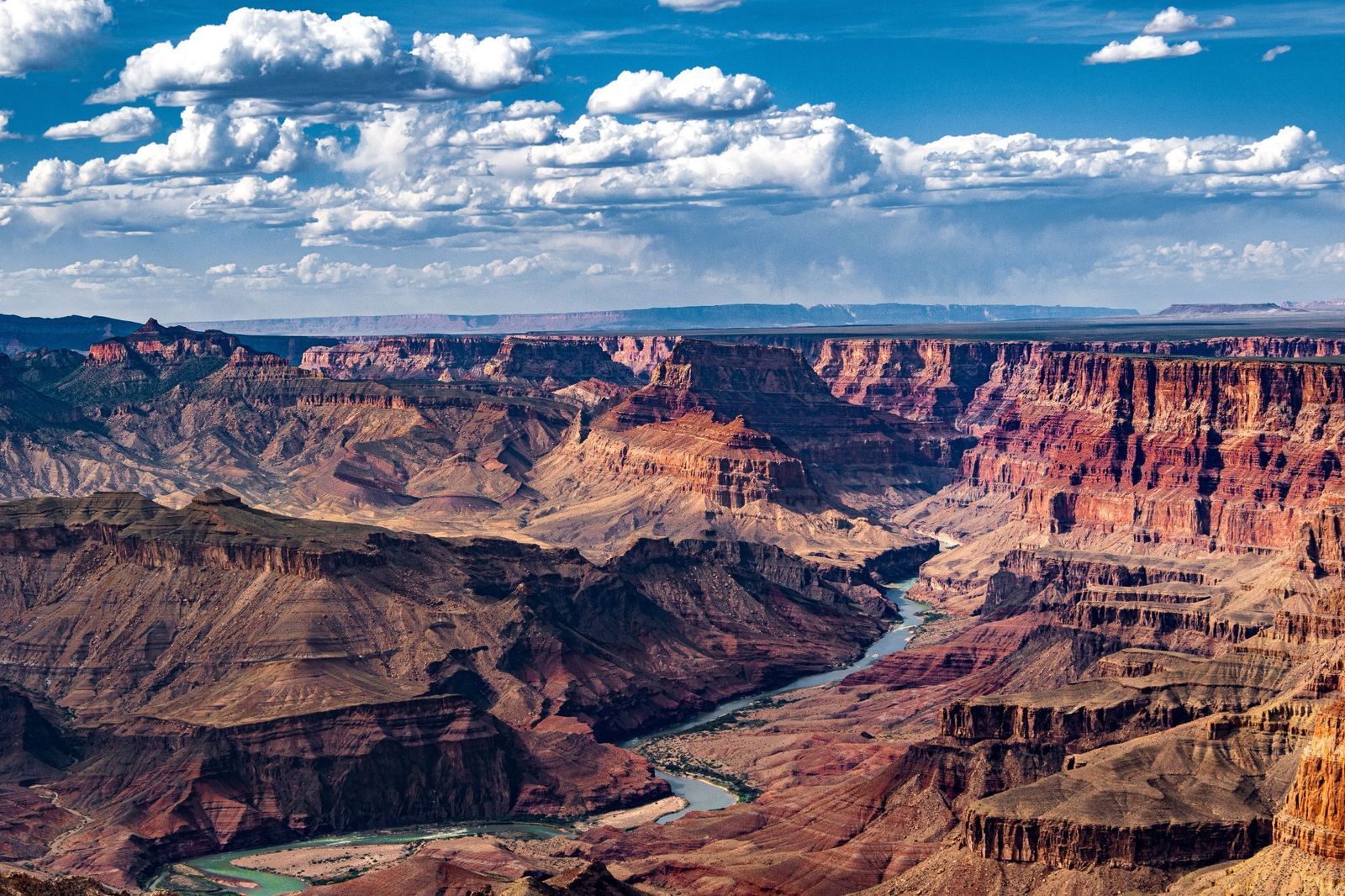
Image: John Graybosch

Look closely at the canyon walls, and you'll notice something strange: a clean, sharp line where ancient rock simply stops, and a much younger layer begins directly above it.

This geological puzzle is called the "Great Unconformity," and it represents over a billion years of rock layers that are simply absent , as though that stretch of time never happened. In some spots, rock dated 1.8 billion years old sits directly beneath rock that is only 520 million years old. Where did the missing billion years go?

The leading theory involves the violent breakup of an ancient supercontinent, but scientists are still piecing it together.

2
During the Cold War, it hid a nuclear fallout shelter
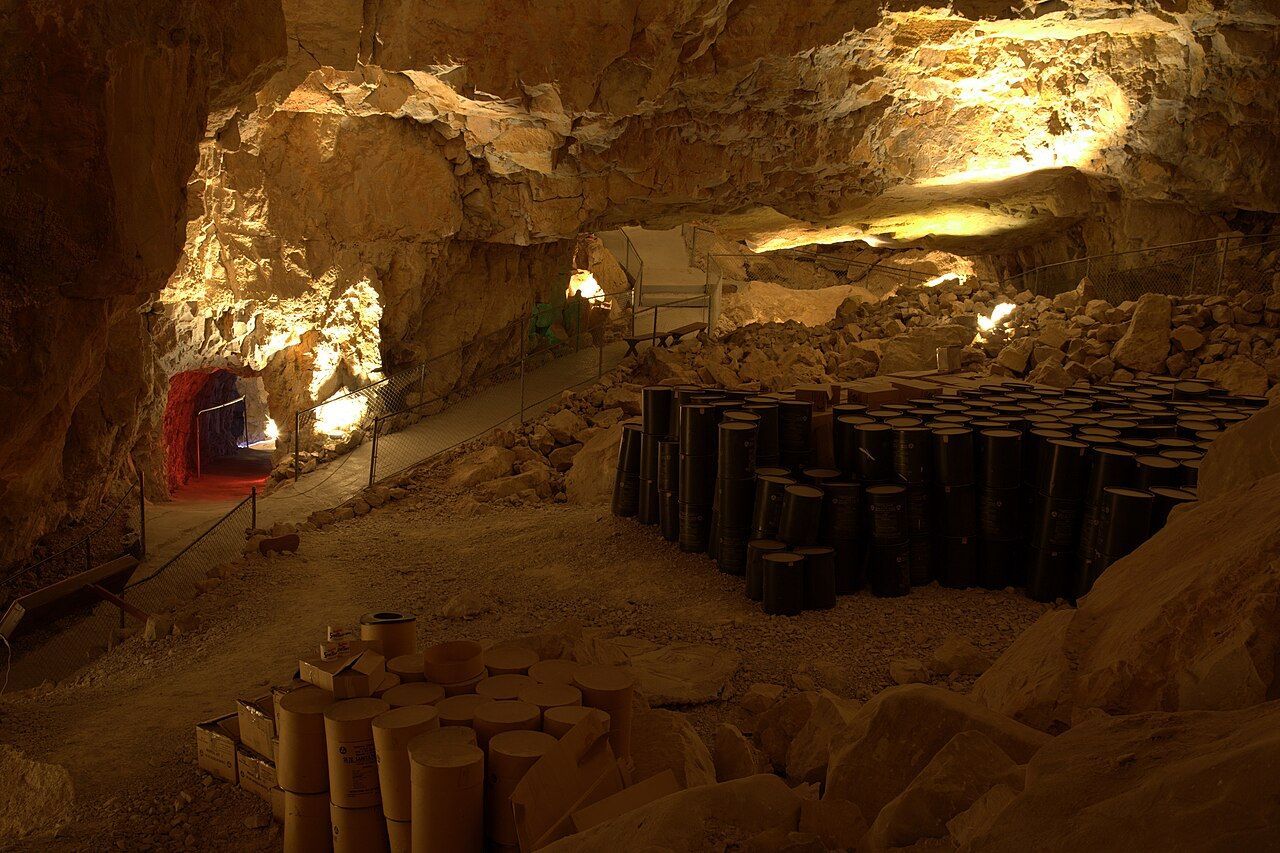
Image: Lauri Väin from Tallinn, Estonia, CC BY 2.0, via Wikimedia Commons

During the Cuban Missile Crisis in 1962, the U.S. government converted part of the Grand Canyon Caverns into a fallout shelter. This dry cave system, more than 200 feet underground, was stocked with enough food and water to sustain 2,000 people. Naturally, it was never occupied, and the supplies were never used.

The caverns have since been transformed into a tourist attraction, with organized tours winding through the same underground chambers that were once intended as a refuge from nuclear war. You can even book a night's stay there.

3
The Federal Aviation Administration was founded after a crash over the canyon
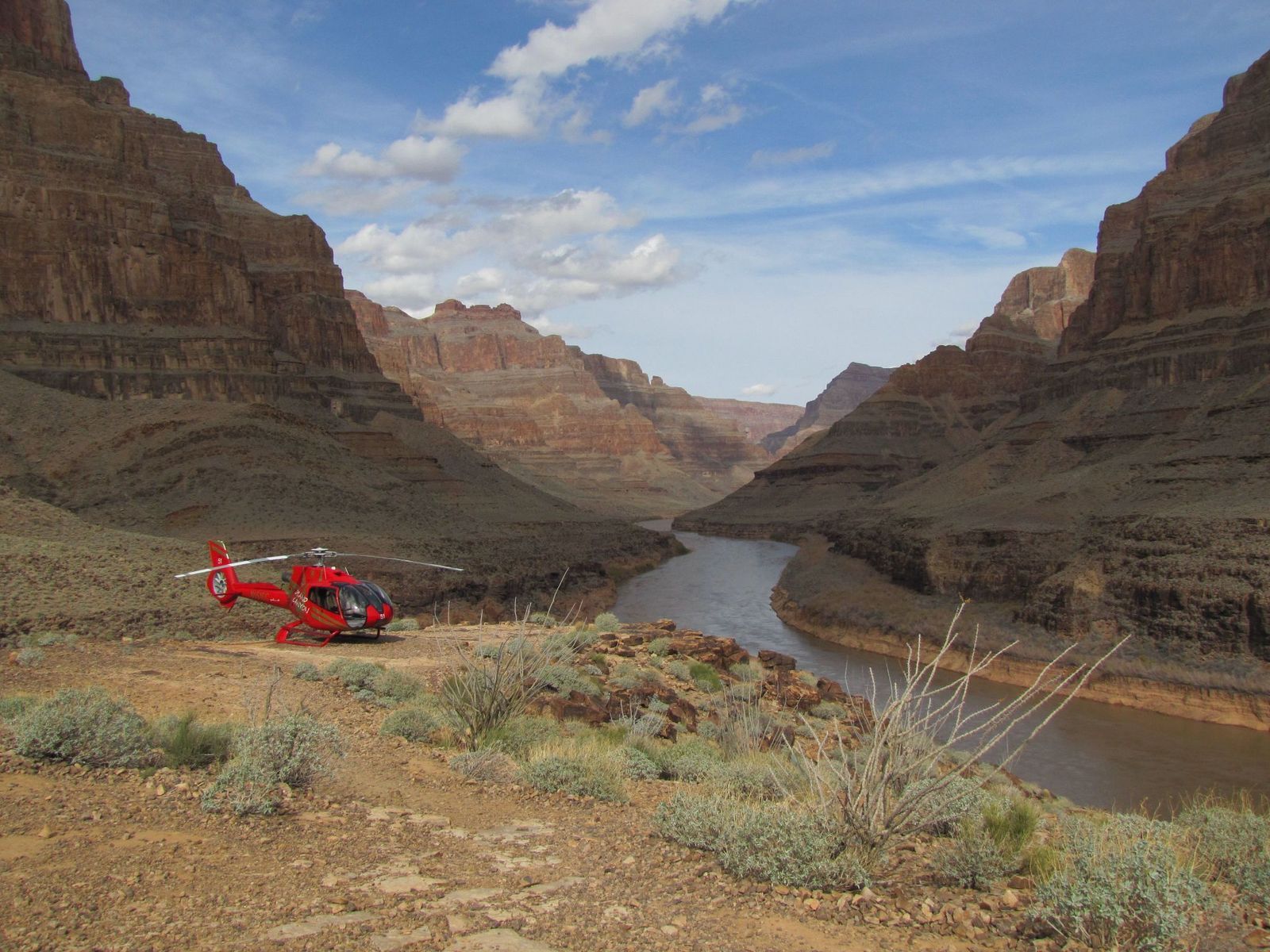
Image: Alexandre Henry Alves

In 1956, two commercial passenger planes collided in midair over the eastern Grand Canyon, killing all 128 people on board both crafts. Rescue teams struggled to reach the wreckage deep inside the canyon, and the extreme heat of the crash had caused the planes' aluminum to fuse with the bedrock. There were no survivors.

The disaster exposed a terrifying truth: the U.S. air traffic control system was dangerously outdated, relying on pilots' visual estimates and rough guesswork from controllers , with no way to separate fast-moving aircraft from slow ones, or instrument-flying planes from those navigating by sight. Congress responded by passing legislation that created both the Federal Aviation Administration (FAA) and the National Transportation Safety Board.

4
A hoax suggested that an Egyptian civilization had lived there
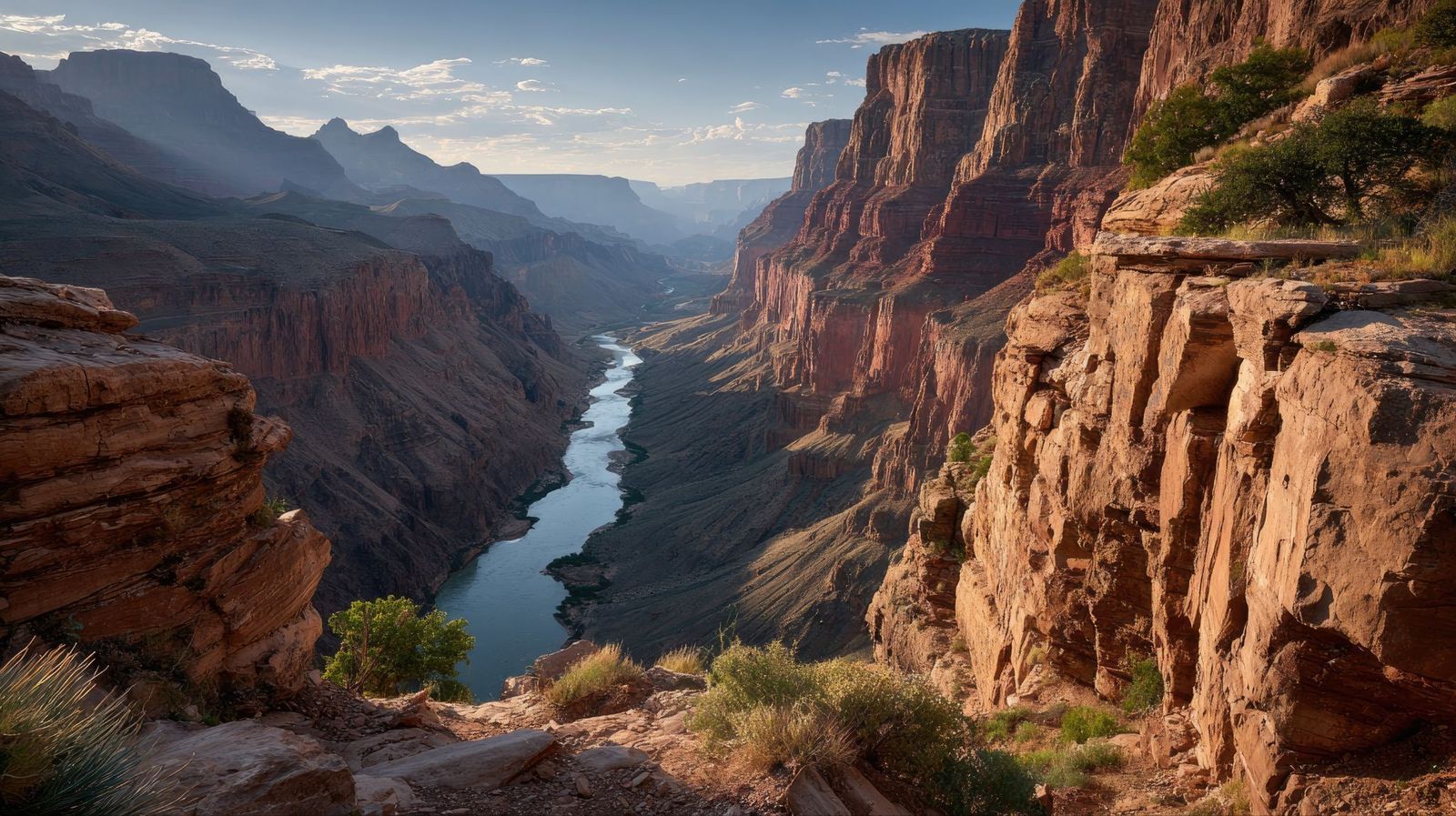
Image: abdurrohman dzar

In 1909, the Arizona Gazette reported that an explorer named G. E. Kinkaid had discovered a vast underground citadel inside the canyon, filled with artifacts linked to ancient Egyptian civilization. He even claimed the expedition had been funded by the Smithsonian.

This story described hieroglyphics on the walls, mummies in the chambers, and relics pointing to a direct connection with the Egypt of the pharaohs. It was incredibly detailed, and it was, of course, a hoax. No evidence for any of Kinkaid's claims ever surfaced.

5
Fewer than 100 people have ever hiked its full length
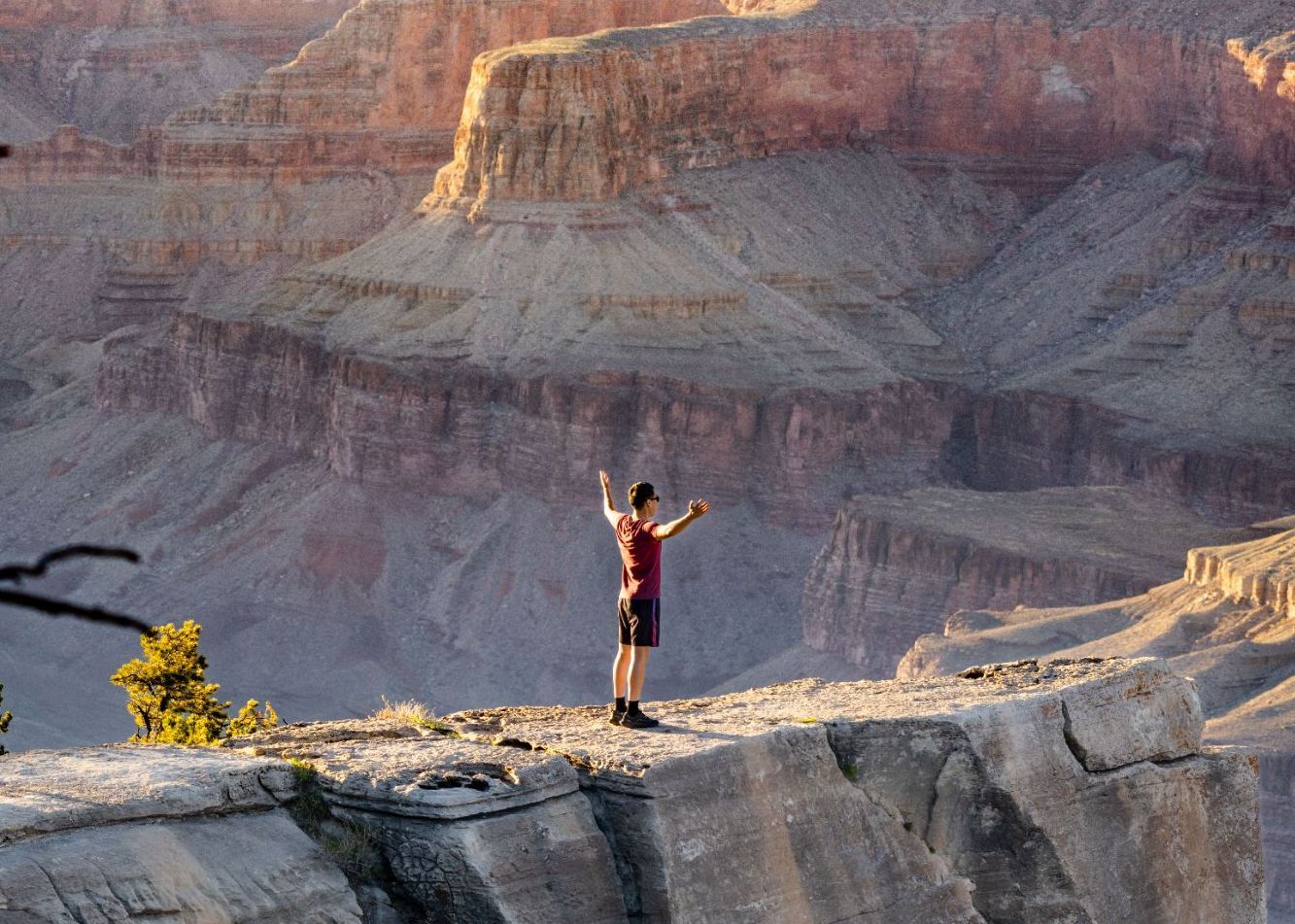
Image: Abhishek Navlakha

Among the few people who have completed the through-hike of the Grand Canyon is Jen Hogan, the first woman to accomplish it, finishing her journey in 2021–2022.

It’s a full 800-mile length below the rim. The route involves extreme heat, flash floods, near-impassable areas, and stretches with no water or trail whatsoever. Around 60 or 70 people have reportedly accomplished it. This makes it one of the most exclusive feats on Earth.

6
The Grand Canyon's rocks predate dinosaurs entirely
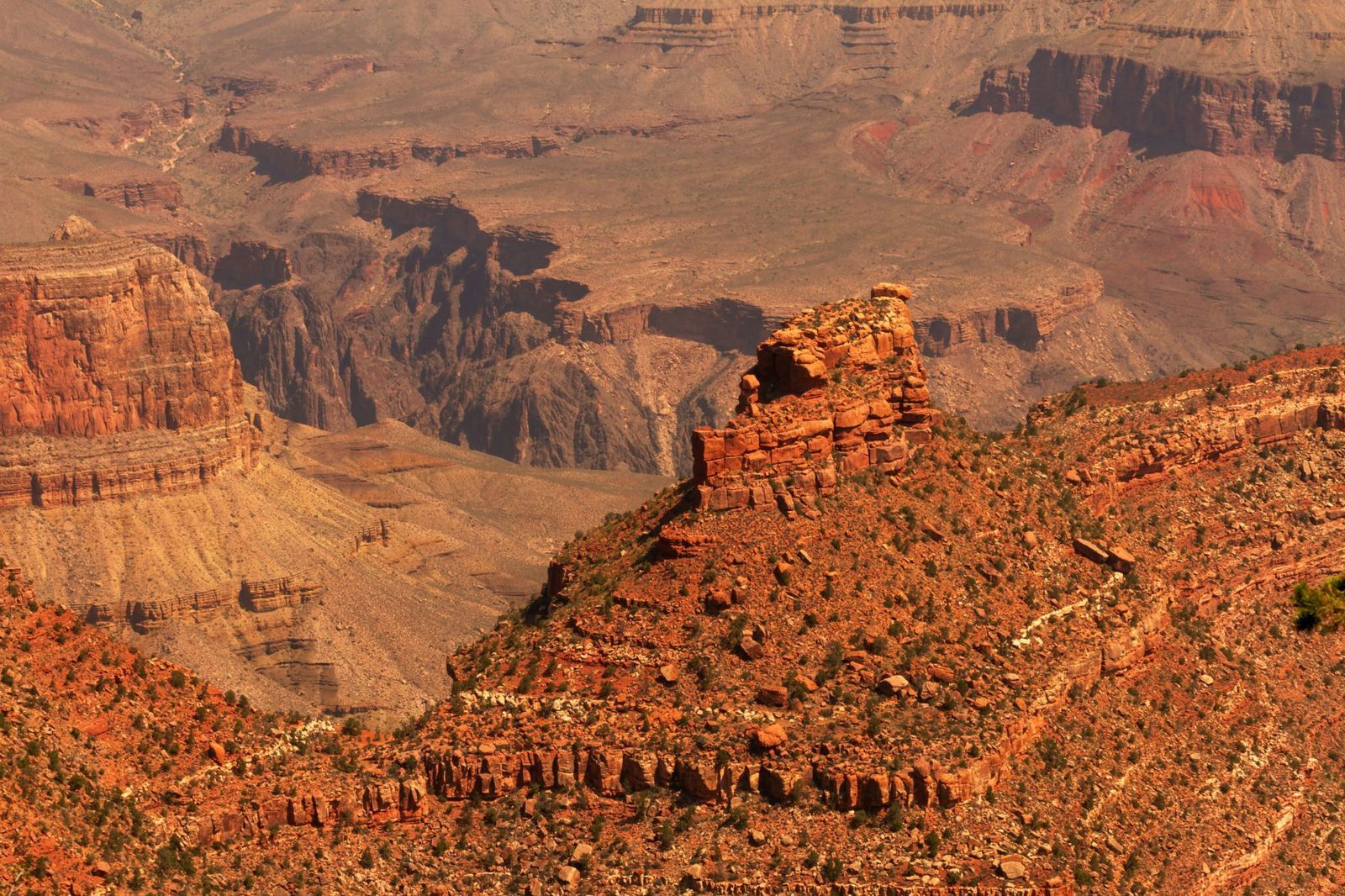
Image: MARIOLA GROBELSKA

Visitors scanning the canyon walls for fossils are often surprised to learn they won't find any dinosaur bones here. The rock layers of the Grand Canyon are simply older than dinosaurs. This fact alone can be shocking: staring at its walls means staring at marine fossils from as far back as 1.2 billion years ago. Some of its caves hold the remains of ancient mammals. The canyon is a window into a world that existed long before the dinosaurs, when the land that is now Arizona lay beneath a shallow sea.

7
The park is bigger than Rhode Island
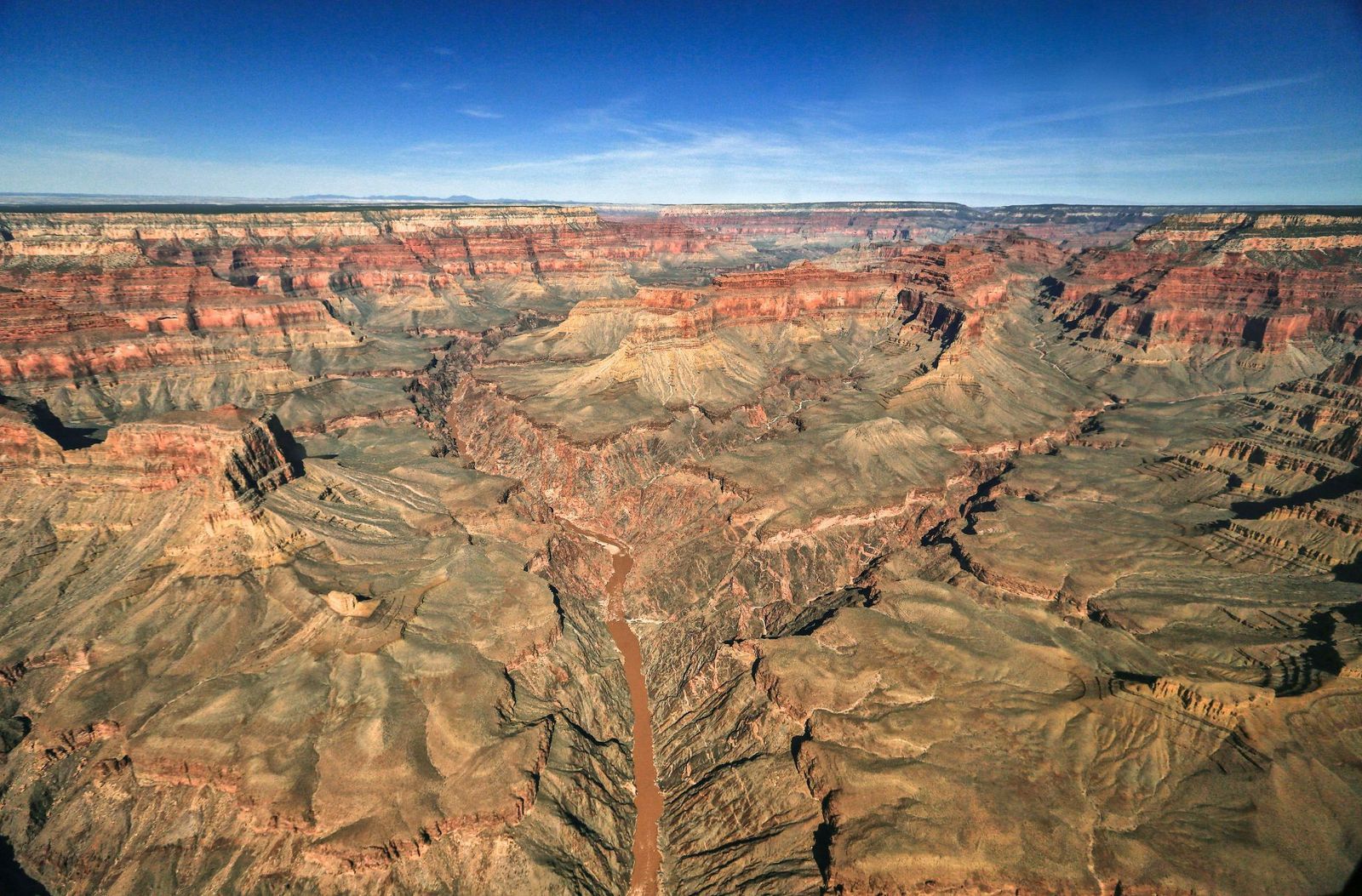
Image: AussieActive

Numbers alone rarely capture the Grand Canyon's scale, so here's a different approach. Rhode Island covers about 1,214 square miles, and the Grand Canyon National Park spans 1,904 square miles.

The canyon's depth exceeds four Empire State Buildings (which is 1,454 feet) stacked on top of one another. That’s 6,093 feet at its deepest point.

8
But it's not the deepest canyon on Earth
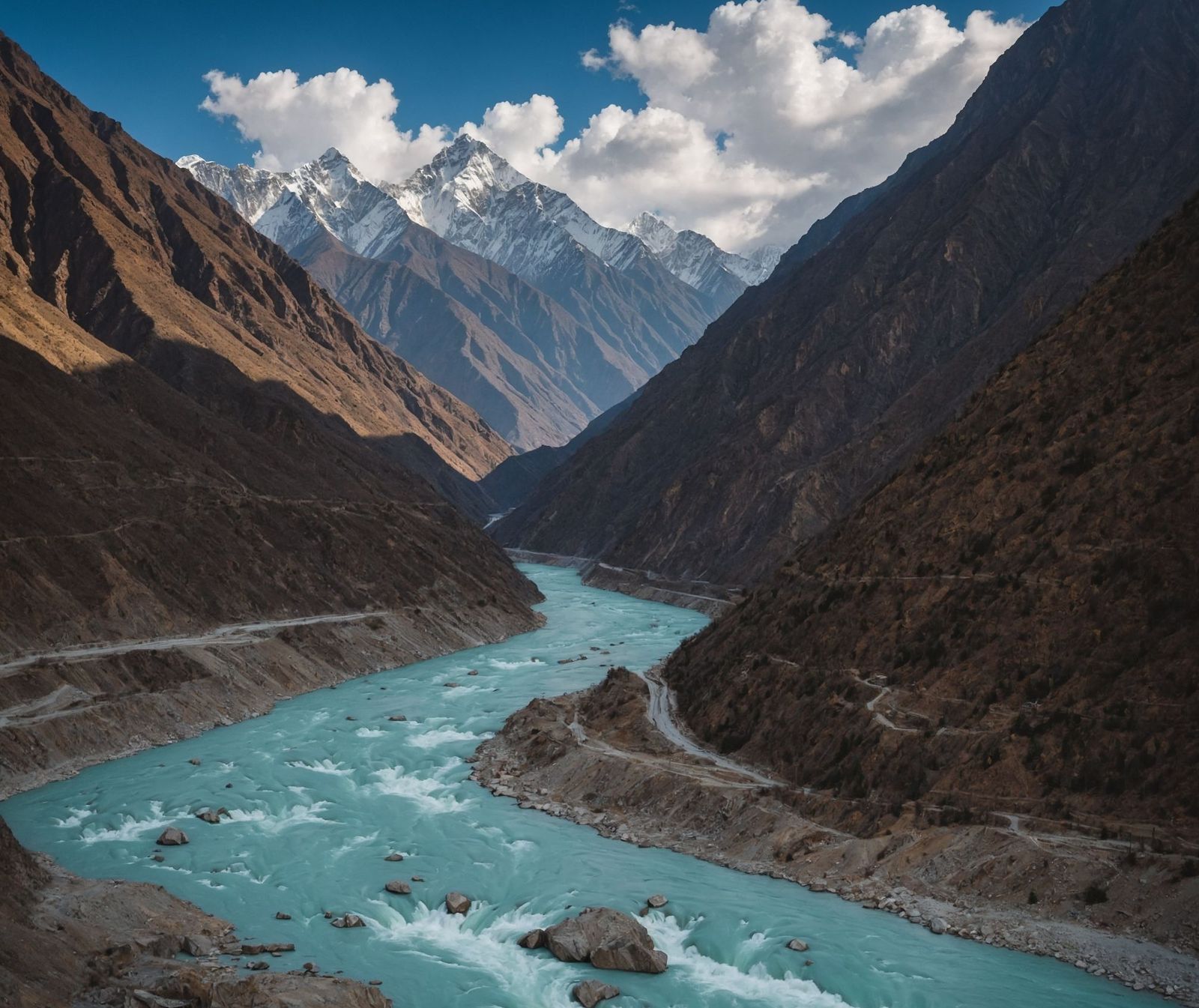
Image: Naeemphotographer2

For all its grandeur, the Grand Canyon does not hold the depth record. Pictured above, the Yarlung Tsangpo Grand Canyon in Tibet, China, plunges to 17,567 feet, which is nearly three times deeper. Carved by the Yarlung Tsangpo River as it cuts through the eastern Himalayas, that canyon is so remote and extreme that it remained largely uncharted until the late 20th century.

9
It is home to a pink rattlesnake found nowhere else on Earth
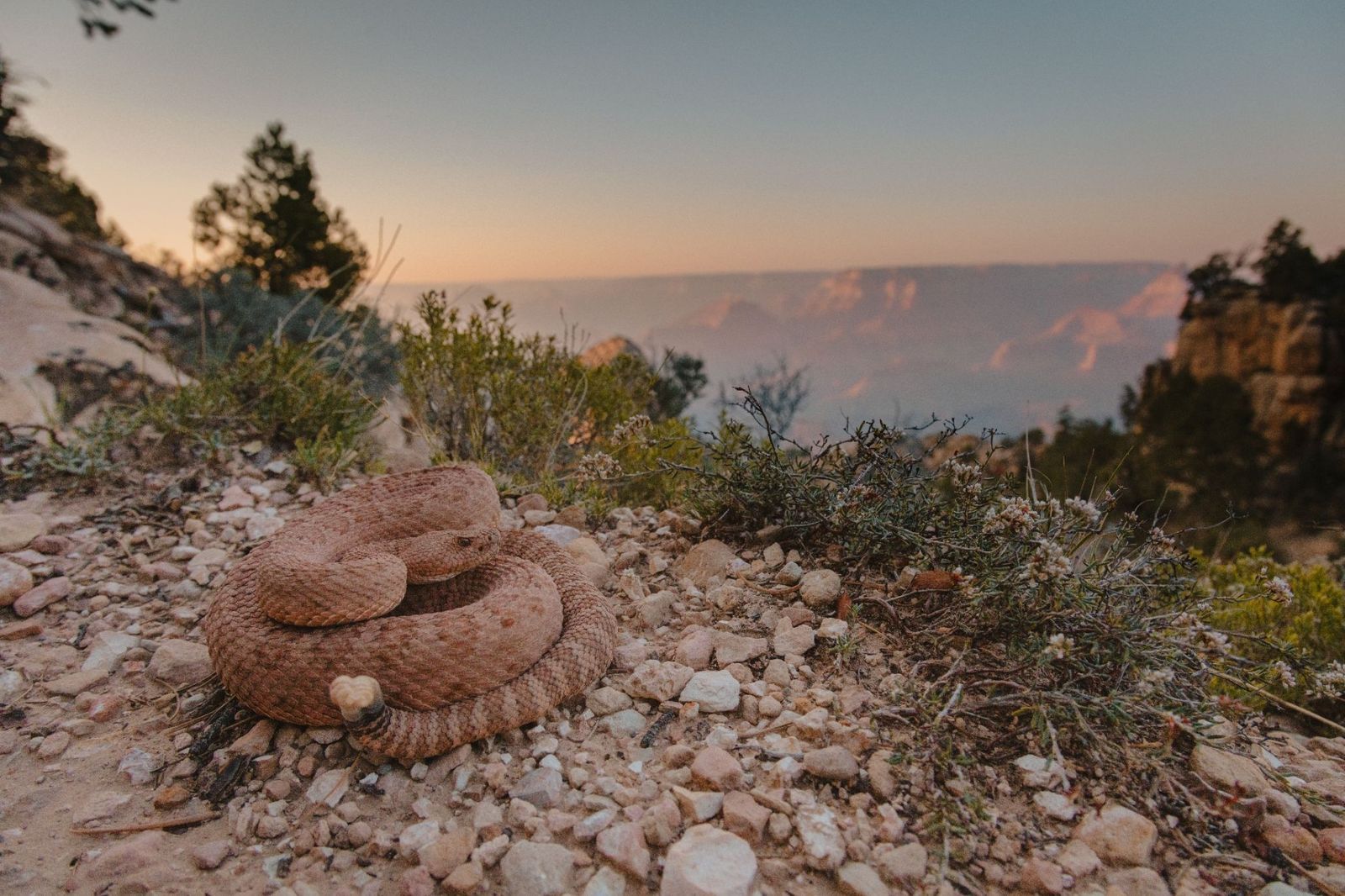
Image: Alexander Wong

The Grand Canyon Pink Rattlesnake has a pinkish-red coloring that matches the canyon's own distinctive rock walls so closely that it's nearly invisible. It is found nowhere else in the world. Officially classified as Crotalus oreganus abyssus , it has darker diamond-shaped markings along its back that deepen the camouflage further.

10
There's a village at the bottom: Supai Village
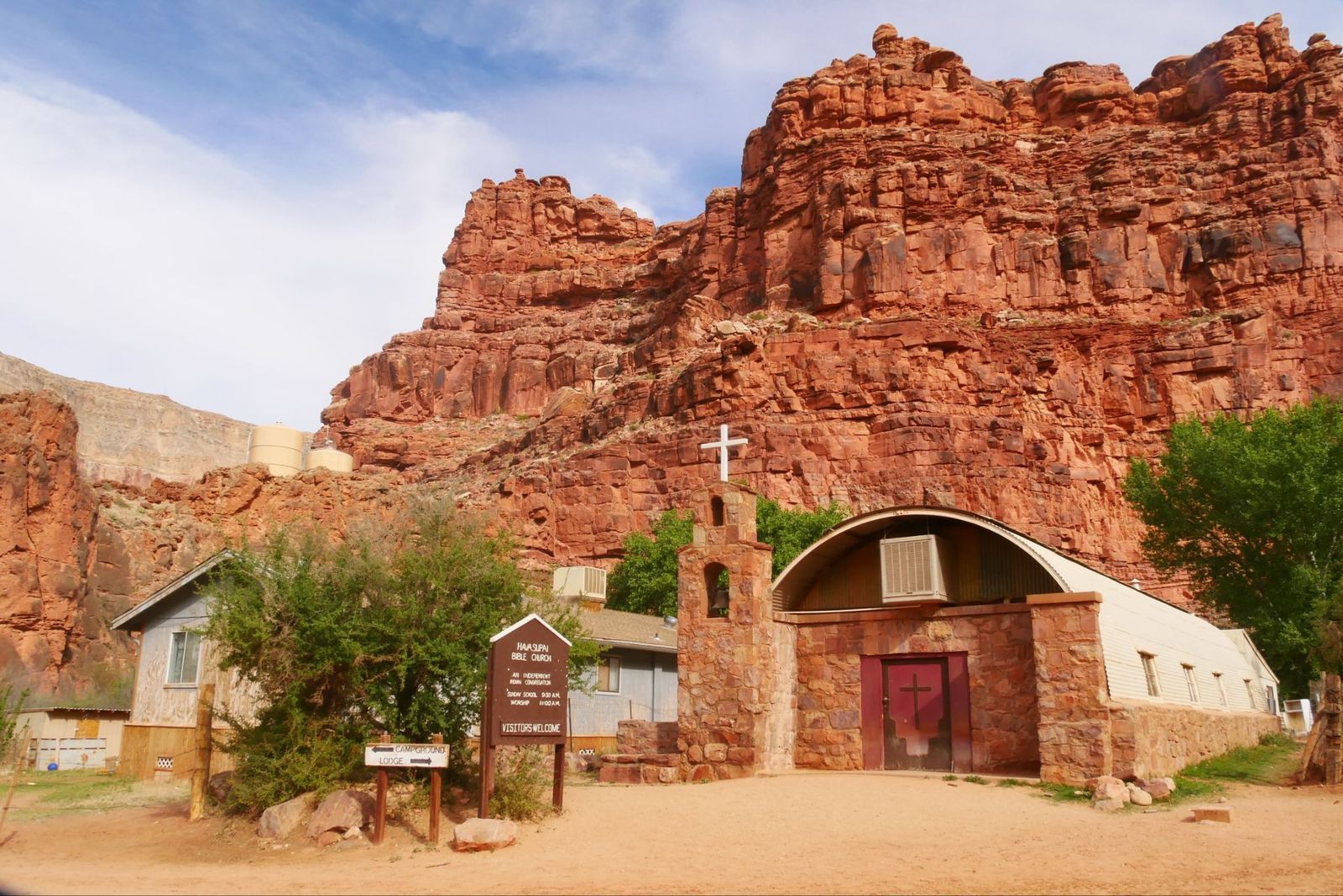
Image: joojoob27

For over 1,000 years, the remote village of Supai has been home to the Havasupai Tribe, the People of the Blue-Green Waters. It is located an eight-mile hike from the rim, but sits roughly 3,000 feet deep inside the Grand Canyon.

The U.S. Department of Agriculture has called it the most remote community in the contiguous United States, and it has no automobiles and no road access. The only ways in are on foot, by mule, or by helicopter. It is also the only place in the United States where the postal service still delivers mail by mule train.

General General 6 min read

Curious keepsakes

America’s Quirkiest Artifacts Hidden in the Library of Congress

Image: Iñaki del Olmo

History has seen all kinds of objects come and go—some more fascinating than others, of course. Some were worth saving and preserving. The Library of Congress is home to some of the most fascinating historical artifacts from across time. Among the millions of items housed within its walls are treasures that range from quirky to iconic. From antique board games to century-old maps, each artifact tells its own story and connects both locals and visitors to specific moments in history. Today, we’ll take a lighthearted look at 10 of the most interesting finds . Sit back and let’s dive into history!

1
Movie etiquette slides: The "don’ts" of early cinema

Image: Alex Litvin

Long before "silence your phones" became a common phrase, the audience was advised to mind their manners with whimsical "movie etiquette" slides. These slides, from the early 1900s, reminded theatergoers to behave properly while in the establishment. Suggestions like "Applaud with hands only" were a gentle nudge to stay courteous—after all, what else would one applaud with, right?

Another classic recommendation: "If annoyed when here, please tell the management," a precursor to modern customer service advice.

2
America’s birth certificate: The map that named a continent

Image: Chris Lawton

Does America have a birth certificate? Not exactly, but something like that—hear this out. It’s actually a map that holds the unique honor of using the name "America" for the very first time . Created by Martin Waldseemüller in 1507, it has a lengthy Latin title and shows an emerging understanding of the globe, especially the newly discovered Western Hemisphere and Pacific Ocean.

For the first time, a cartographer separated the Americas from Europe and Asia, recognizing them as distinct continents. The Library of Congress acquired the map in 2003 and is often referred to as America’s "birth certificate."

3
A Monopoly prequel: The Office Boy

Image: Jaciel Melnik

Before Monopoly was monopolizing (pun intended) family game nights, Parker Brothers tested the waters with a lesser-known board game called "The Office Boy." Released in 1889, this early game was all about climbing the corporate ladder , reflecting the "American Dream" narrative popular at the time.

Players began as humble stock boys and had to work their way up to the head of the firm, with virtues like integrity and promptness helping them along, while carelessness could set them back. Pretty much like real life, huh?

Although "The Office Boy" never reached the same iconic status, it’s a fascinating precursor to Monopoly and you can take a look at it at the Library of Congress.

4
Locks of famous hair: A snip of history

Image: Taylor Smith

It might sound strange today, but saving locks of hair from notable figures was a common practice in the past. The Library of Congress holds strands from historical figures like Thomas Jefferson, Walt Whitman, and James Madison.

Along with the locks, you can also learn some interesting facts. For example, Jefferson’s hair was cut at his deathbed by his family, while Whitman’s came courtesy of his housekeeper, who took the liberty of snipping a few strands. These tiny, personal (maybe too personal) belongings have lost their shine over the years, but they still connect visitors to some of the most influential figures in history.

5
Bizarre health labels: Fat-Ten-U tablets, anyone?

Image: Jenelle

We might find it hard to believe at times, but societies do change. Want to see how? Take a look at advertisements from a certain era, and you’ll notice the early 20th century had its fair share of questionable health products—some of them can be found at the Library of Congress.

For example, one product you can take a look at is "Loring’s Fat-Ten-U Food Tablets," which promised to help skinny folks gain weight quickly . The accompanying ads featured dramatic before-and-after illustrations of people plumping up into "rosy" health with these tablets.

Compare that with today, and you’ll see that marketing, fads, and science have certainly come a long way, don’t you think?

6
The first road map: Paving the way for American travelers

Image: LouisMoto

We’ve mentioned the first map to name America as a continent, but have you ever wondered who the first person to draw a roadmap of the US was? Well, you can learn about that at the Library of Congress.

Back in 1789, when George Washington became president, Christopher Colles published what is now considered the first road map of the United States . His guide, titled A Survey of the Roads of the United States of America , helped travelers navigate the relatively new nation. Rather than displaying large swathes of territory, each page zoomed in on short stretches of road, making it much easier to navigate.

Of course, if you look at it today, it is outdated, but back then, it made traveling around the country a lot easier!

7
Culinary advice for motorists: Gourmet on the go

Image: Debby Hudson

One doesn’t usually—or immediately—place a motorist in a kitchen, right? But we guess this is here to prove us wrong!

When early motorists hit the road, there weren’t fast-food chains or convenience stores on every corner. This posed a problem, but the solution came around rather quickly: The Motorist’s Luncheon Book by May Southworth, published in 1923, provided travelers with the advice they needed to plan their meals on the go. The book suggested packing emergency supplies like sardines, canned frankfurters, and even "bacon in jars" and some recipes to cook on the road.

If you’re ever out of ideas in the kitchen, you might want to get a quick look at this book!

8
Jefferson’s vanilla ice cream recipe: Founding Father of desserts

Image: Hidden

Wait, Jefferson—as in the Founding Father? That’s right. Thomas Jefferson may have helped write the Declaration of Independence, but he also knew how to make a mean vanilla ice cream.

Among his vast collection of papers at the Library of Congress is his personal recipe for the classic dessert . The recipe is as simple as it gets: just "good cream," egg yolks, sugar, and vanilla. Jefferson, known for his love of French cuisine, likely picked up this ice cream-making skill while serving as a diplomat in Paris. While the recipe is quite detailed, it’s a reminder that even the most powerful figures in history had a sweet tooth. You could honor him by making this for your loved ones tonight!

9
The first known book printed in America: The Bay Psalm Book

Image: Aaron Burden

We all know what the first printed book in the world was, right? But what about the first printed book in America? Here’s what you need to know about it.

North America’s first printed book, The Whole Booke of Psalmes , also known as The Bay Psalm Book , dates back to 1640, just two decades after the Mayflower landed. This hymnal was created in the Massachusetts Bay Colony and contains psalms translated from Hebrew into English—but with a twist: the spelling and grammar were, well… creative by modern standards.

The book has no music notes, just the lyrics for worshippers to follow along with. Though simple in appearance, it pretty much marks a milestone in American printing and religious history.

10
Helen Keller’s plea to Alexander Bell: A message of hope

Image: Anne Nygård

As you probably already know, Hellen Keller was both deaf and blind. But that was never an obstacle to her journey of self-improvement and activism for the rights of the disabled. She is, still today, one of the most influential figures in history.

Now, concerning this article, here’s the fascinating artifact’s history: In 1907, Helen Keller sent a telegram to Alexander Graham Bell, the inventor of the telephone and an advocate for the deaf. In it, Keller, who was both deaf and blind, asked Bell to join her in delivering a speech , hoping he would repeat her words aloud for the audience. This small but powerful telegram is now part of the Library of Congress’s collection and you can take a look at it to learn about the deep bonds formed between two icons of American history.

Geography Geography 2 min read

Back to the roots

10 great American trees that shaped our history—and you never knew

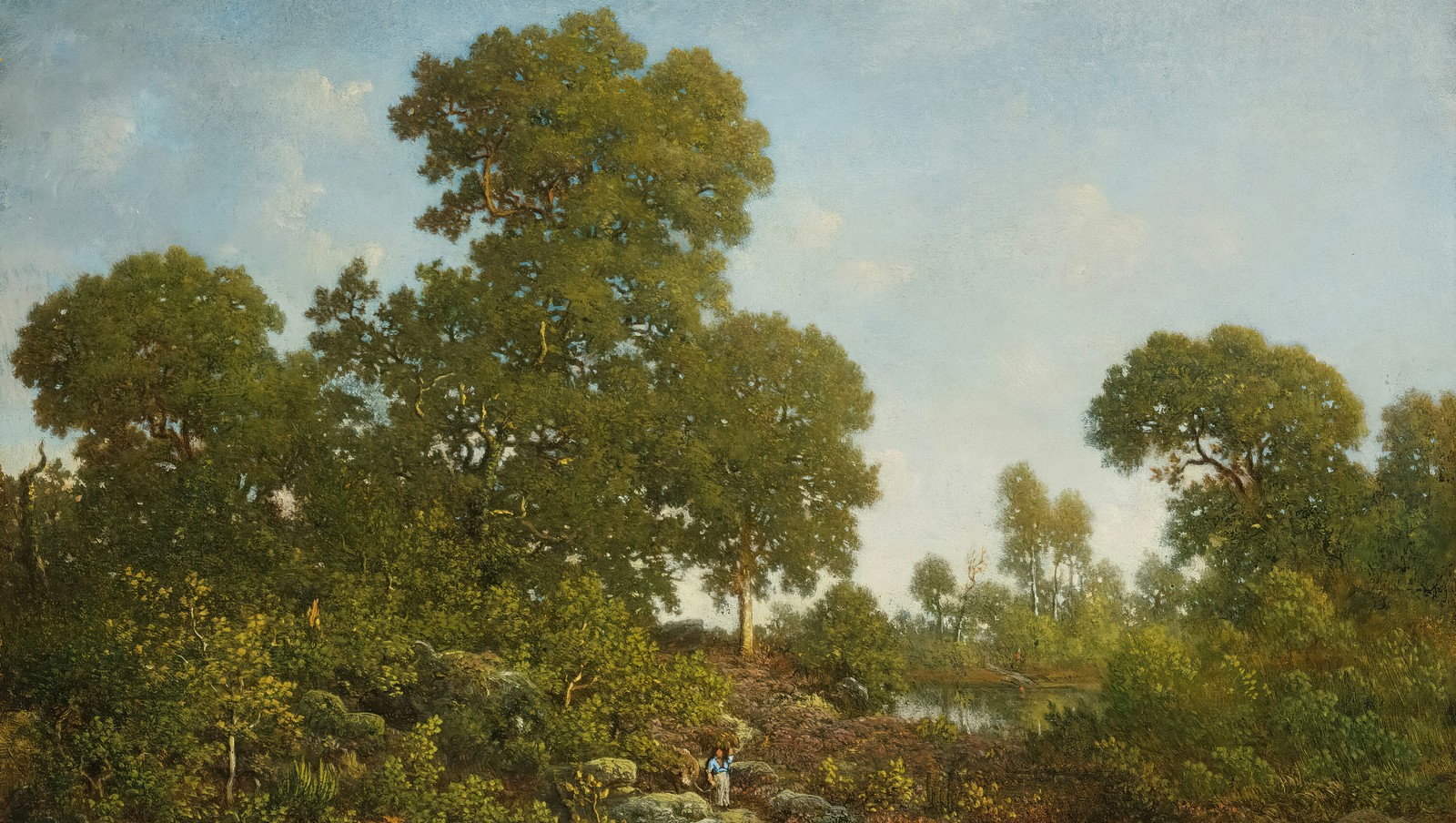
Image: Art Institute of Chicago

From towering forests to city streets, American trees have shaped culture, commerce, and the environment. Many provided food, medicine, and building materials, while others played a role in history. This list explores 10 iconic American trees and the surprising ways they’ve been used, preserved, and celebrated.

1
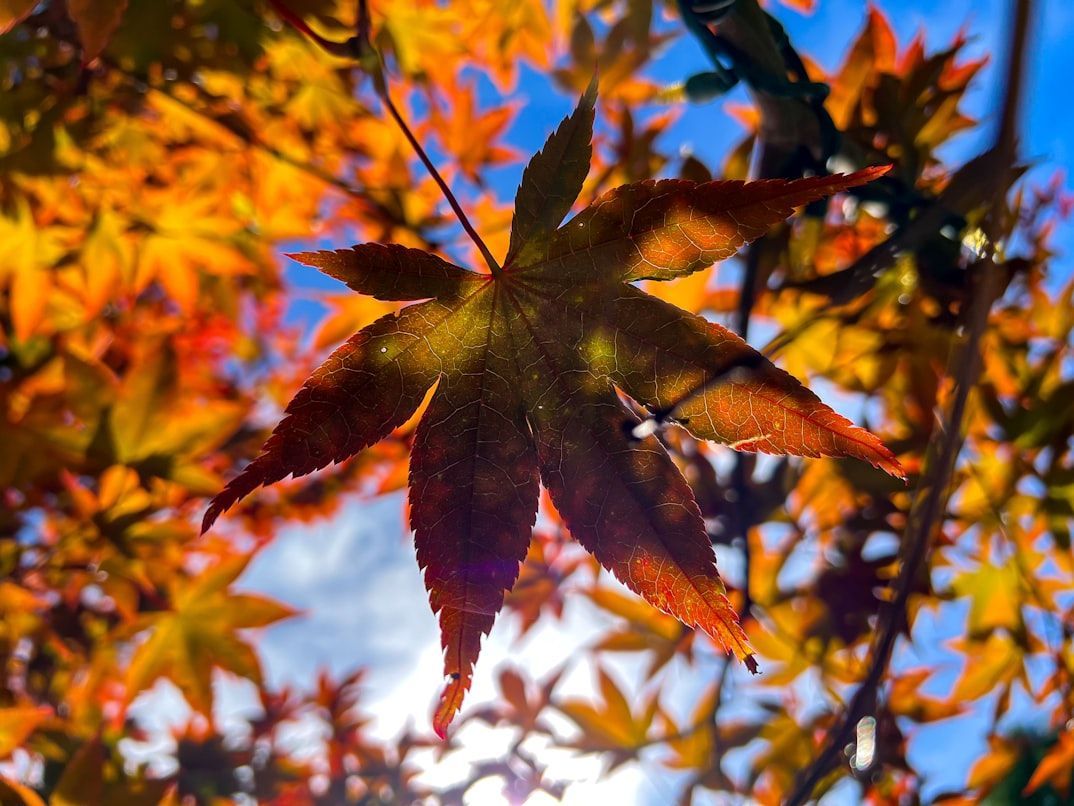
Sugar Maple (Acer saccharum)

Image: GraceHues Photography

The sugar maple produces the sap that becomes maple syrup, a North American staple. Its hardwood is also prized for furniture and flooring.

Native to the northeastern U.S. and Canada, sugar maples support both culinary traditions and forestry industries. They can live for over 200 years and are crucial to fall foliage tourism.

2
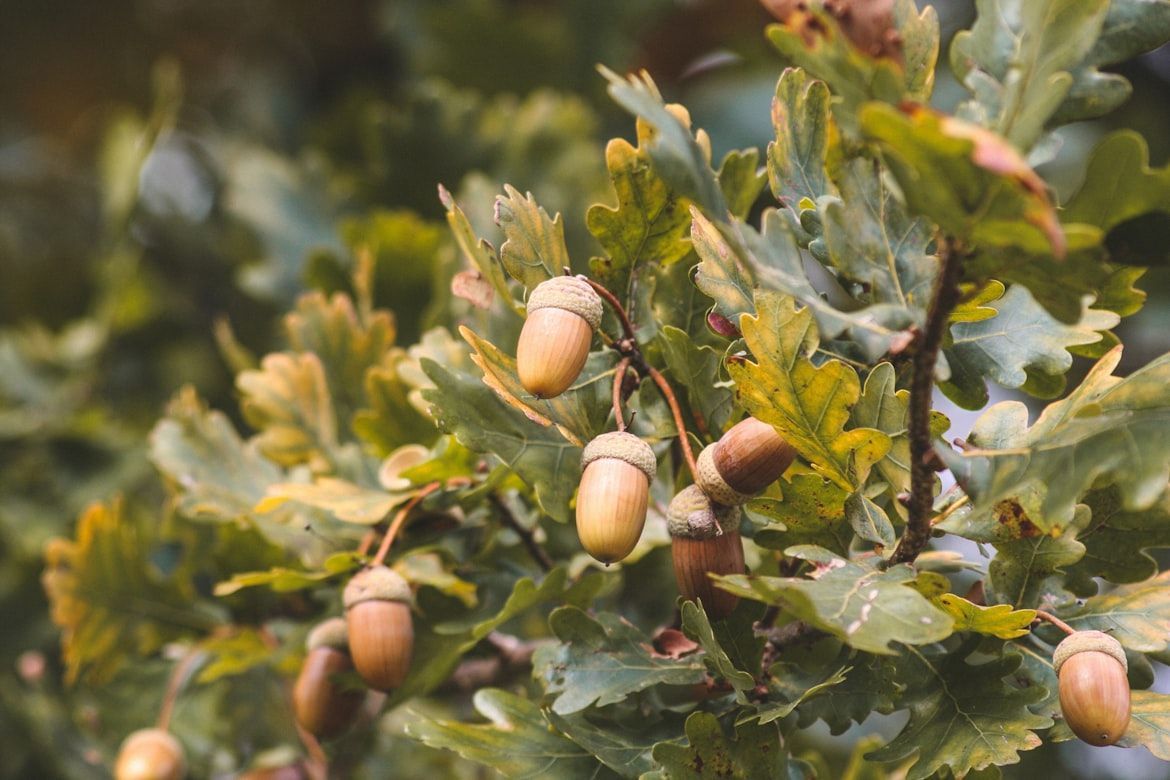
White Oak (Quercus alba)

Image: Tina Xinia

White oak wood is valued for barrels, furniture, and flooring due to its strength and natural rot resistance.

Historically, it was used in shipbuilding during colonial times. White oak forests also support diverse wildlife, and their acorns feed deer, squirrels, and birds.

3
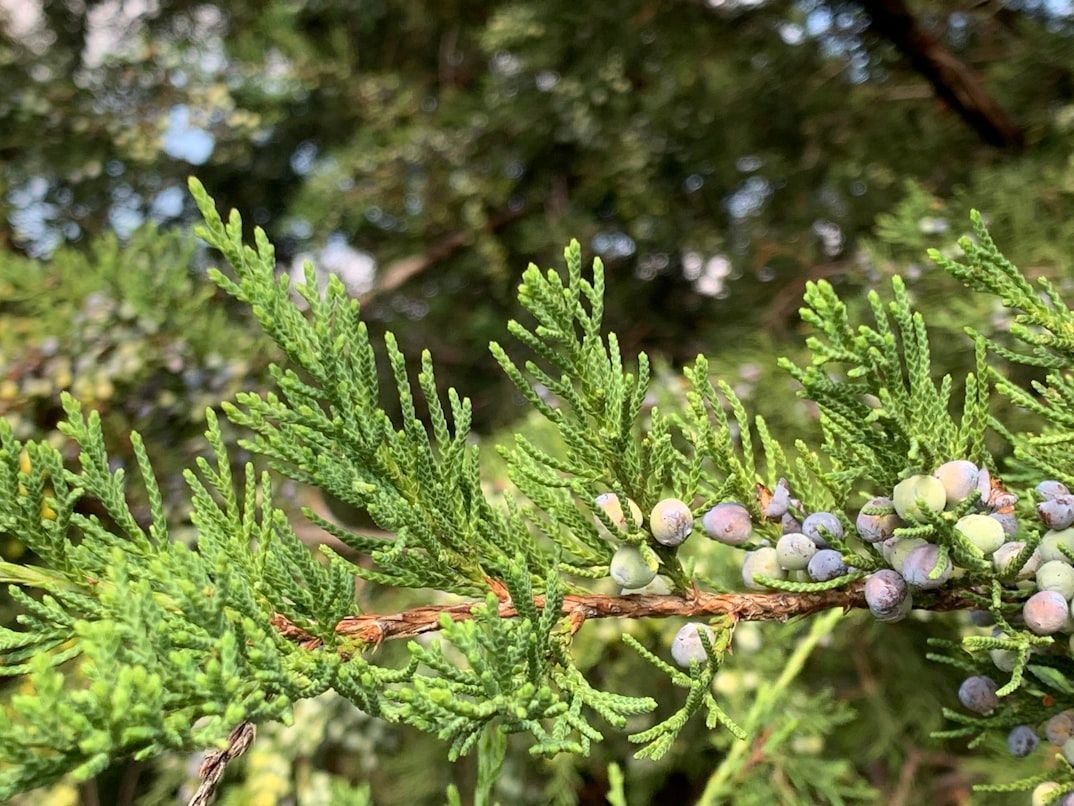
Eastern Red Cedar (Juniperus virginiana)

Image: Aimee Summers

This tree’s wood is aromatic and naturally repels moths, making it a good choice for closets and storage chests.

Red cedar oil was also used in medicine by Native Americans. Its dense wood has been extensively used for fence posts and small-scale construction.

4
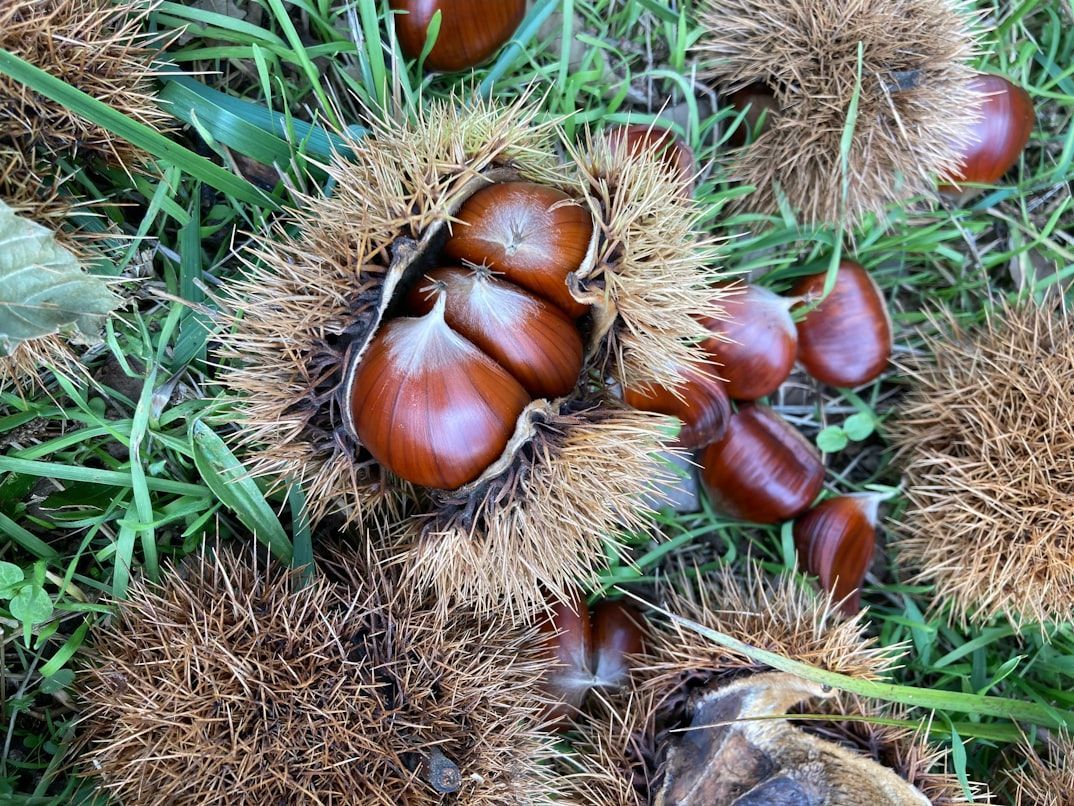
American Chestnut (Castanea dentata)

Image: Marta Reis

Once dominant in eastern forests, the American chestnut was devastated by blight in the early 20th century.

Its wood was lightweight yet strong, ideal for furniture and building. The nuts were a staple food for wildlife and humans alike. Breeding programs now aim to restore it.

5
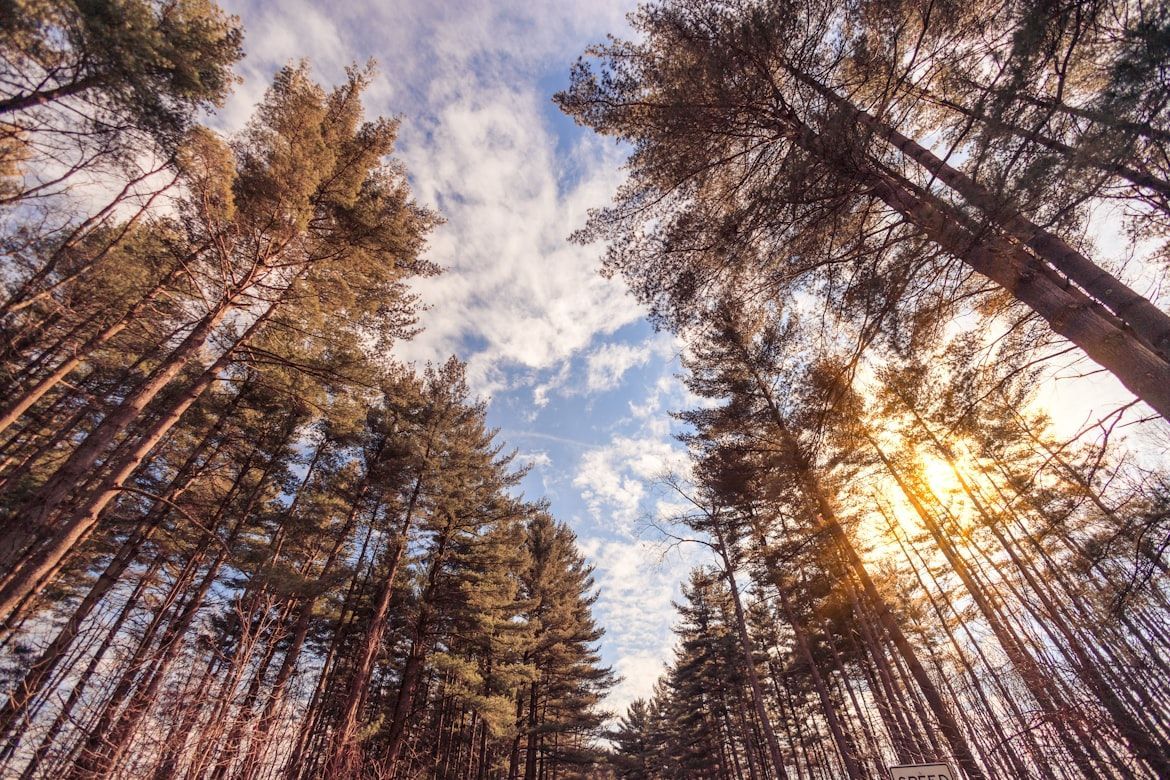
Ponderosa Pine (Pinus ponderosa)

Image: benjamin lehman

Ponderosa pines dominate the western U.S. and are a major timber source.

Their wood is used for construction, paper, and fuel. Native Americans also used the bark and resin for medicinal purposes and ceremonial practices.

6
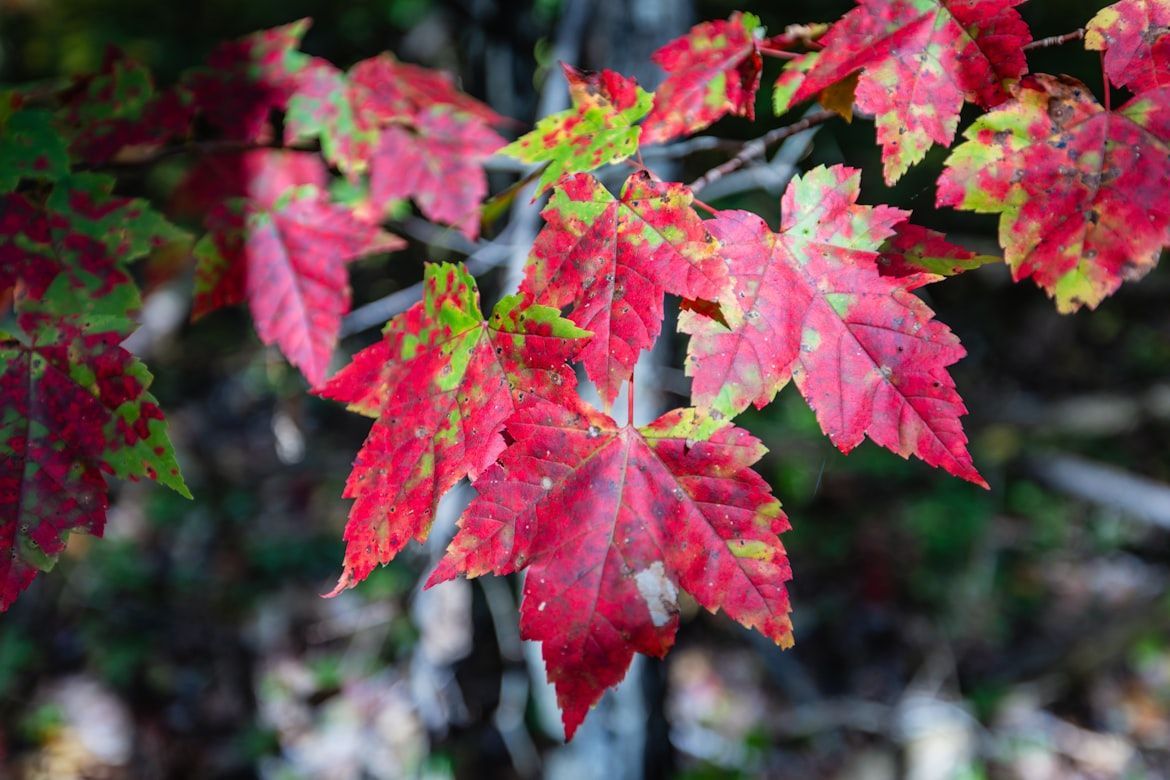
Red Maple (Acer rubrum)

Image: Edmond Lau

Red maples are adaptable trees that provide timber and spectacular fall colors.

Like the sugar maple, their sap can also produce syrup, and the wood is used in furniture and flooring. The species thrives in wetlands, supporting a wide range of ecological diversity.

7
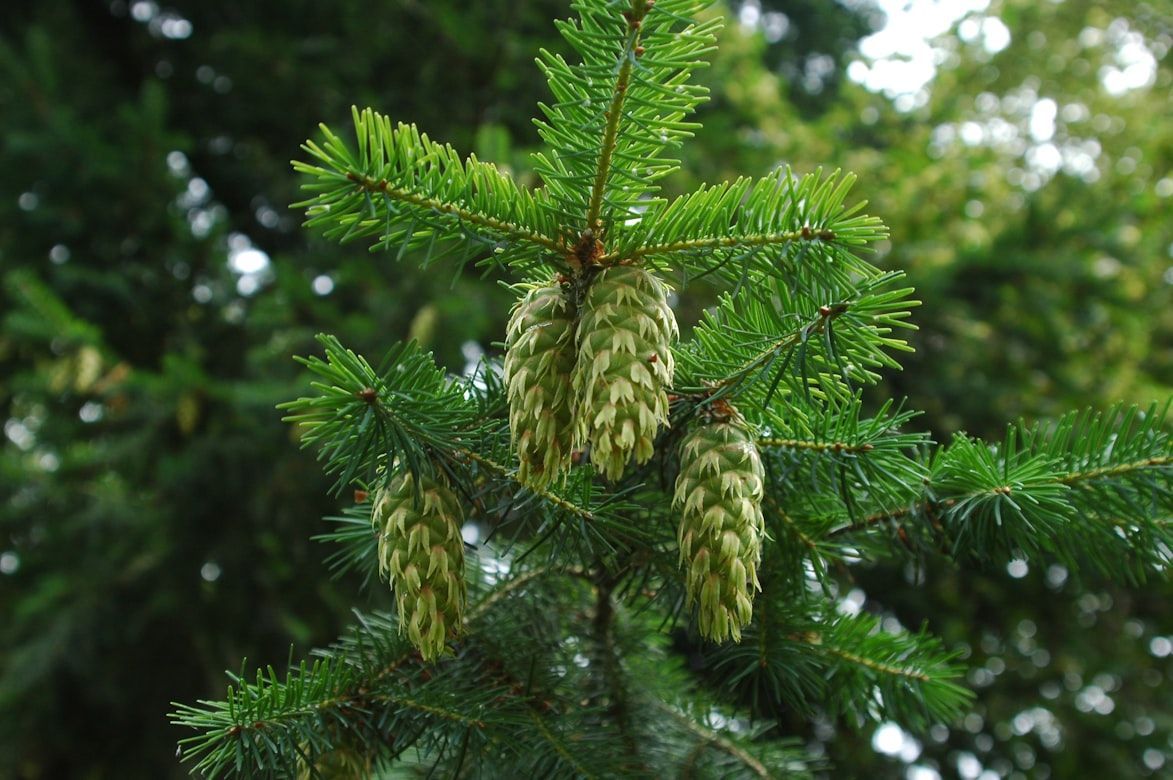
Douglas Fir (Pseudotsuga menziesii)

Image: Ulrike R. Donohue

A key timber species, the noble Douglas fir is used for construction, plywood, and paper.

It’s also one of the most popular Christmas trees. Native Americans used the bark and needles for medicinal purposes.

8
Black Walnut (Juglans nigra)

Image: Ross Domke

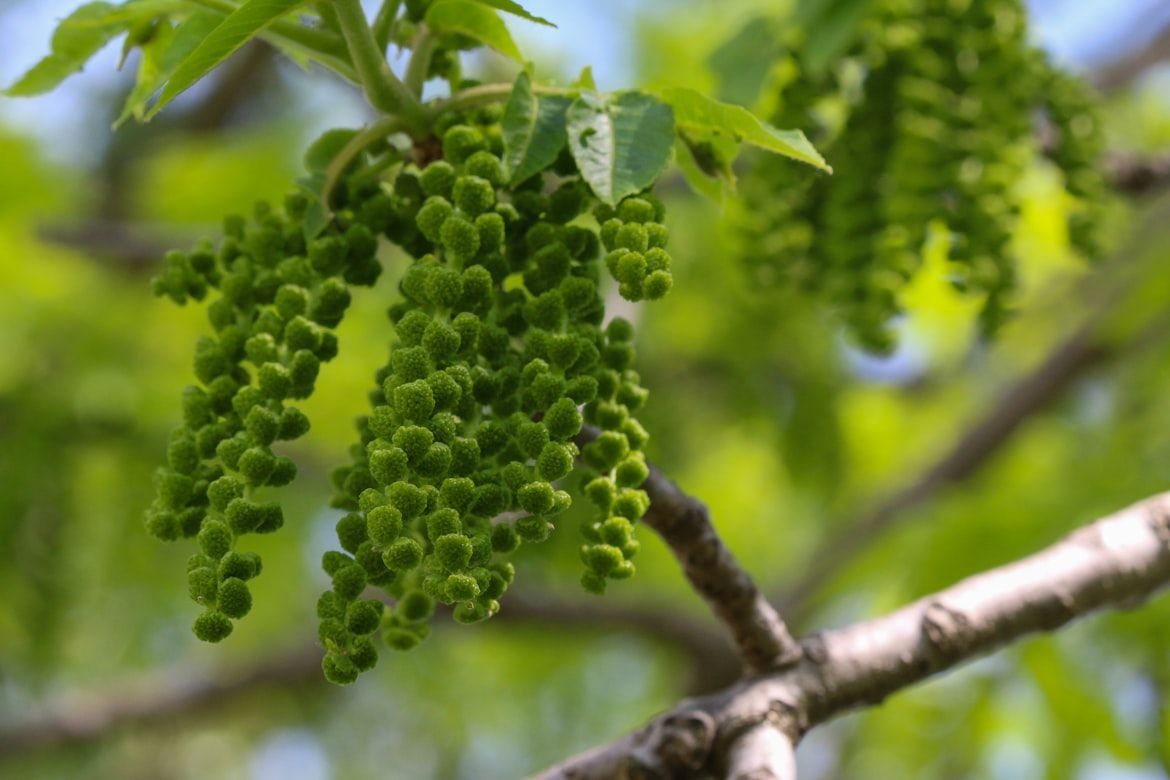
Black walnut produces edible nuts and dark, durable wood for furniture and gunstocks.

Its wood is highly prized by woodworkers for fine cabinetry. The nuts support wildlife, while the husks can be used for natural dye.

9
American sycamore (Platanus occidentalis)

Image: Heather Wilde

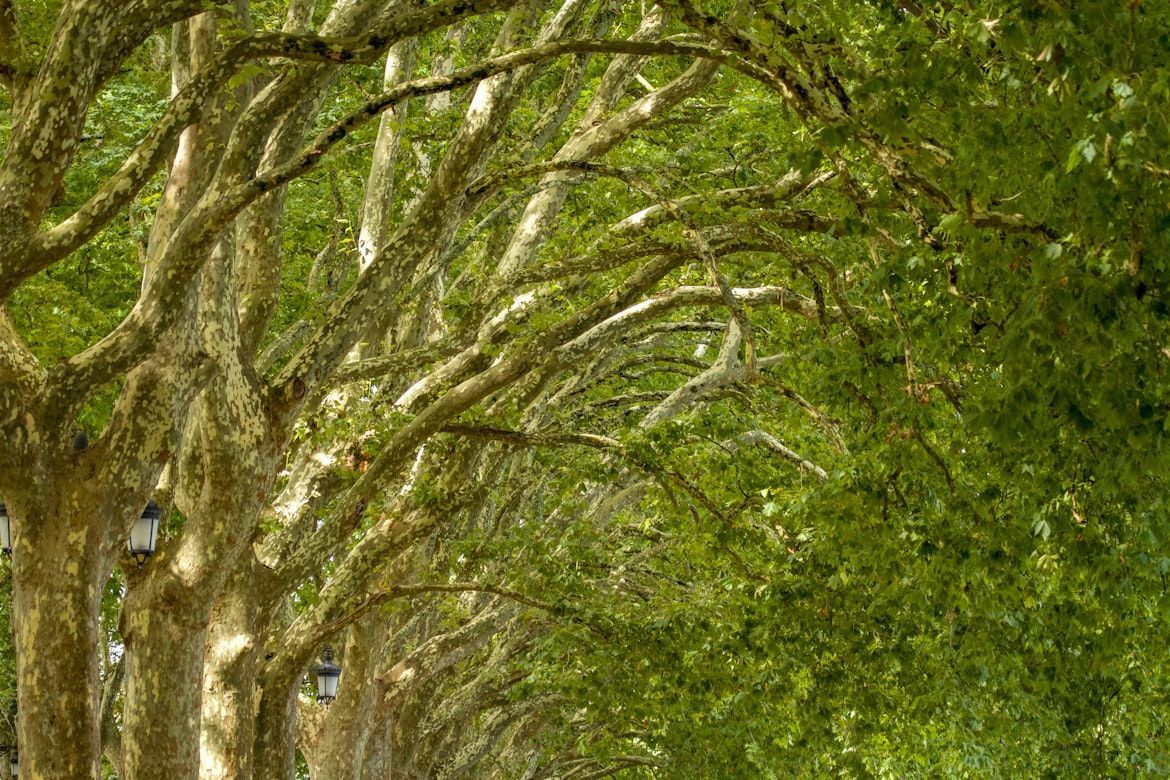
American sycamores are found along rivers and lakes, stabilizing soil and preventing erosion.

Their large, patchy bark makes them visually distinctive. Historically, their wood was used for butcher blocks, furniture, and veneers.

10
White Spruce (Picea glauca)

Image: Joel Cross

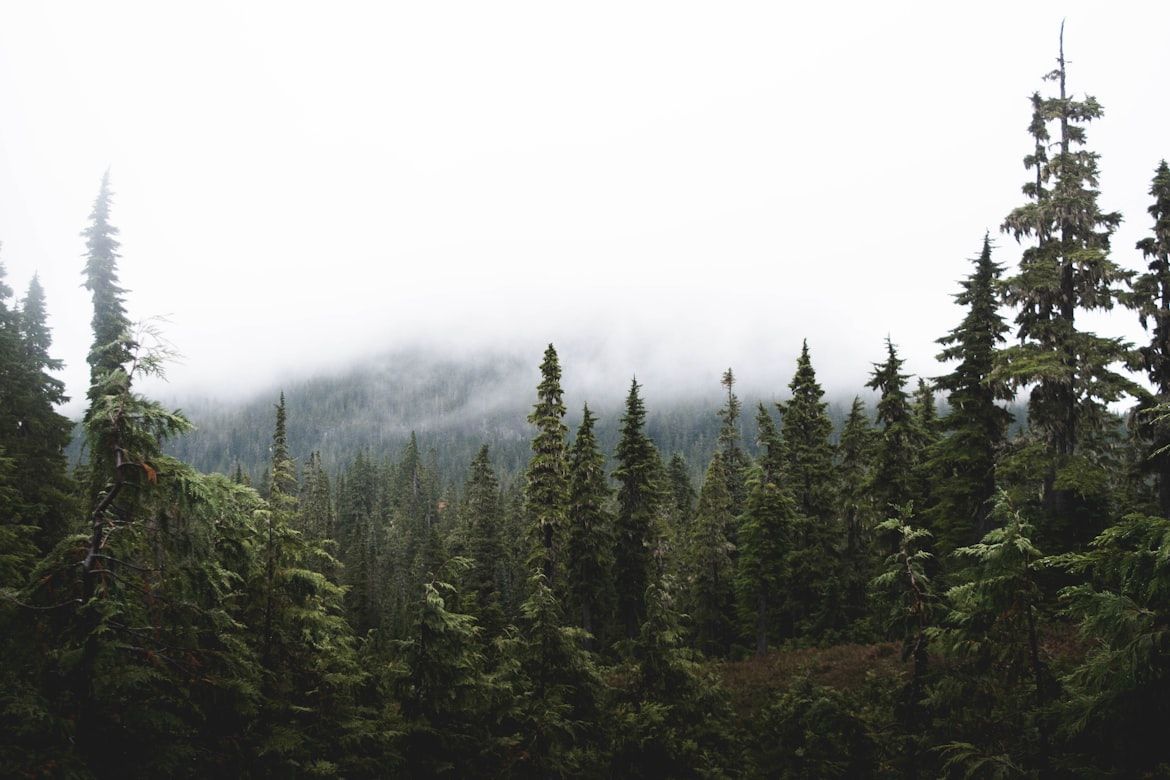
White spruce supports timber, paper, and pulp industries in northern forests.

Its wood is lightweight yet strong, ideal for construction and musical instruments. Spruce forests are also critical habitats for migratory birds and wildlife.

Explore more American facts

Choose your favorite category!

General
General

As American as apple pie—the very best America has to offer!

Culture
Culture

Delve into the astounding richness of American lore.

Geography
Geography

Hop in and explore vast and diverse American landscapes.

History
History

Discover the key moments that shaped the United States.