History History 4 min read

More than small steps

Fascinating facts you probably didn't know about the Apollo missions
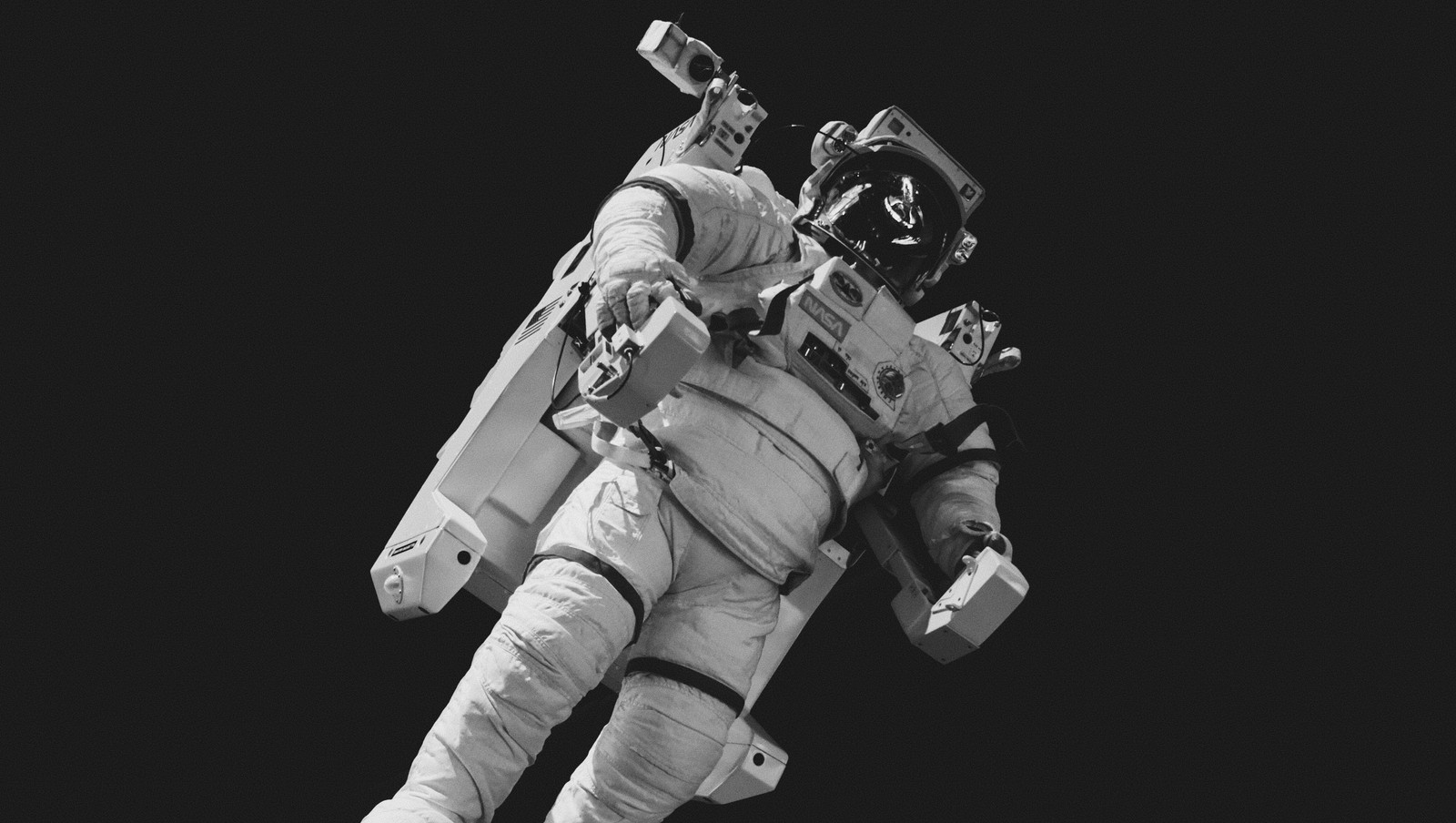
Image: Brian McGowan

There are dozens of movies about the Apollo missions –and with good reason! Sure, we all know the legendary anecdotes about Apollo 11, like how many people were watching or the by-now-legendary words that Armstrong uttered. But what happened in the rest of the missions? Here are some of the most interesting stories from the twelve men who walked on the Moon and the teams who got them there!

1
"One small step" vs. "Man, that may have been a small one…"
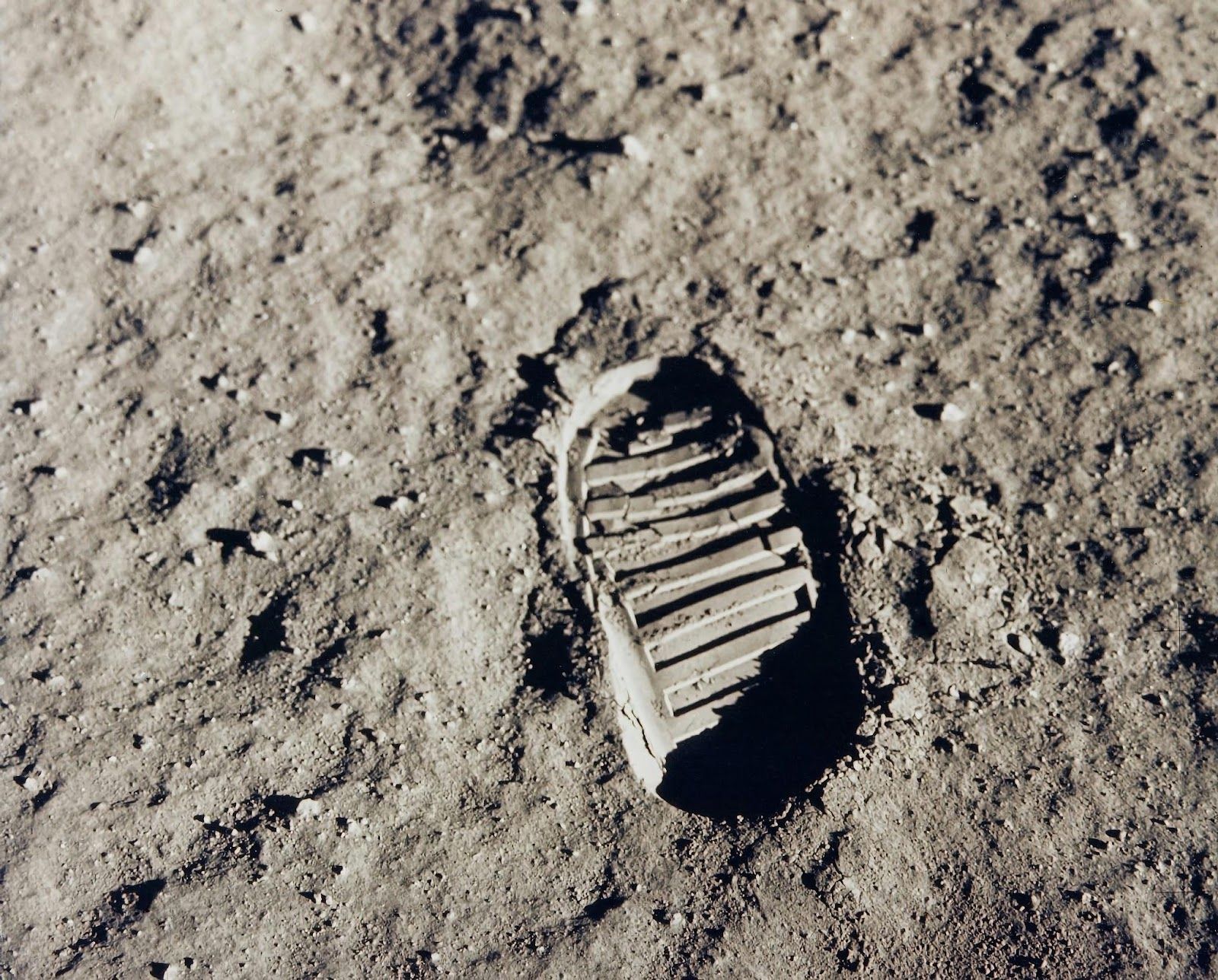
Image: NASA

Neil Armstrong stepped onto the lunar surface with his carefully planned line: "That is one small step for a man , one giant leap for mankind." Pete Conrad from Apollo 12 decided to have some fun with that.

Conrad was short, and he had bet a reporter five hundred dollars that he could say whatever he wanted when he stepped down. This is the line he went for, as documented in NASA transcripts: "Whoopie! Man, that may have been a small one for Neil, but that is a long one for me ."

2
Apollo 12 and the lightning strike that tried to end everything
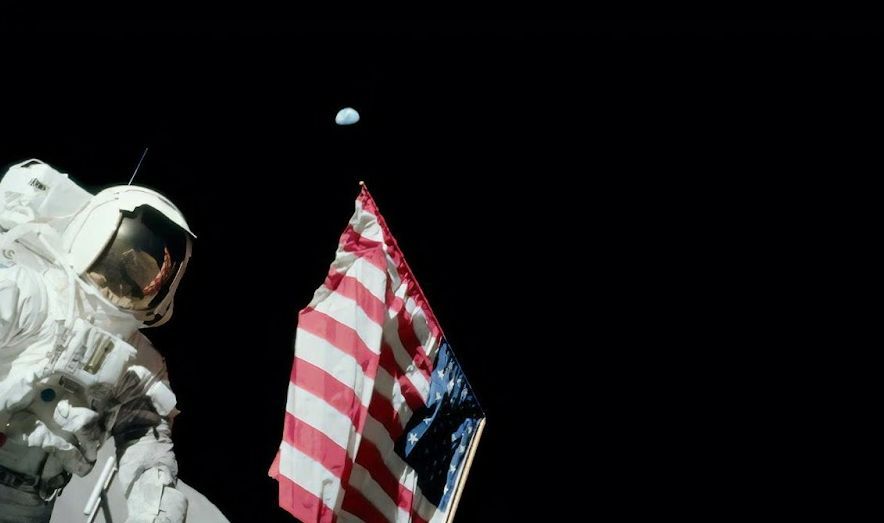
Image: USGS

Apollo 12 was struck by lightning not once but twice, only 36 seconds after launch. The electrical surge wiped out telemetry in Mission Control.

The flight looked doomed until flight controller John Aaron said the now legendary instruction: "Try SCE to Aux." Conrad responded with, "What the hell is that?" because almost no one remembered what SCE meant.

Luckily, Alan Bean understood what to do. He flipped the switch, the instruments rebooted, and Apollo 12 kept flying.

3
Apollo 13 was just as dramatic as the movie showed
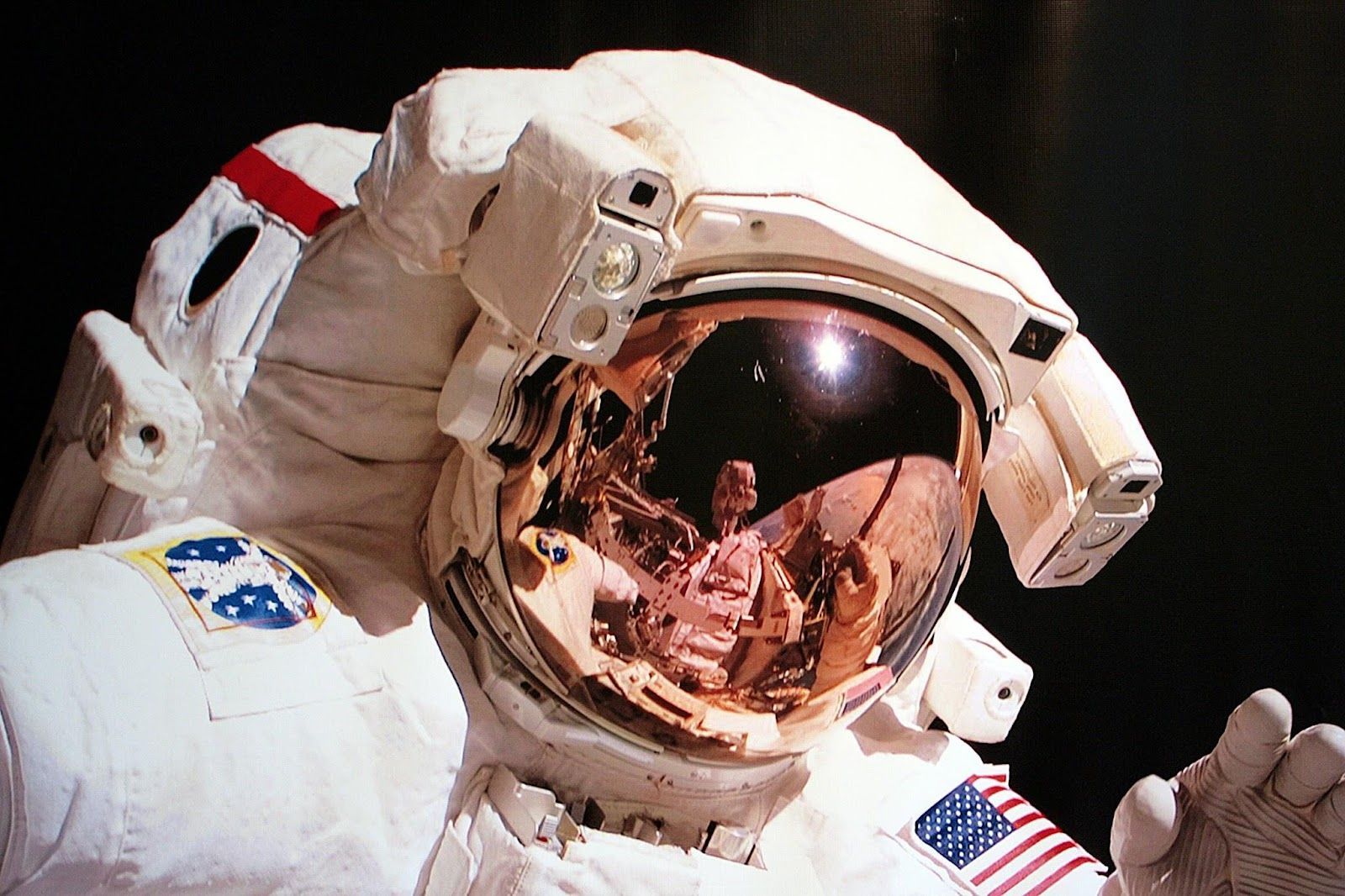
Image: David Trinks

The explosion of an oxygen tank in Apollo 13’s service module really did turn the mission into a race against time. The line "Houston, we have a problem" is Hollywood’s adaptation, however. The real line, spoken by Jack Swigert and repeated by Jim Lovell, was "Houston, we have had a problem."

Other real drama: the crew used the Lunar Module as a lifeboat, battled rising CO₂ levels, manually aligned the spacecraft using Earth’s horizon, and returned home with only a sliver of battery life left.

4
Apollo 16 astronauts drove a moon rover like teenagers with a new car
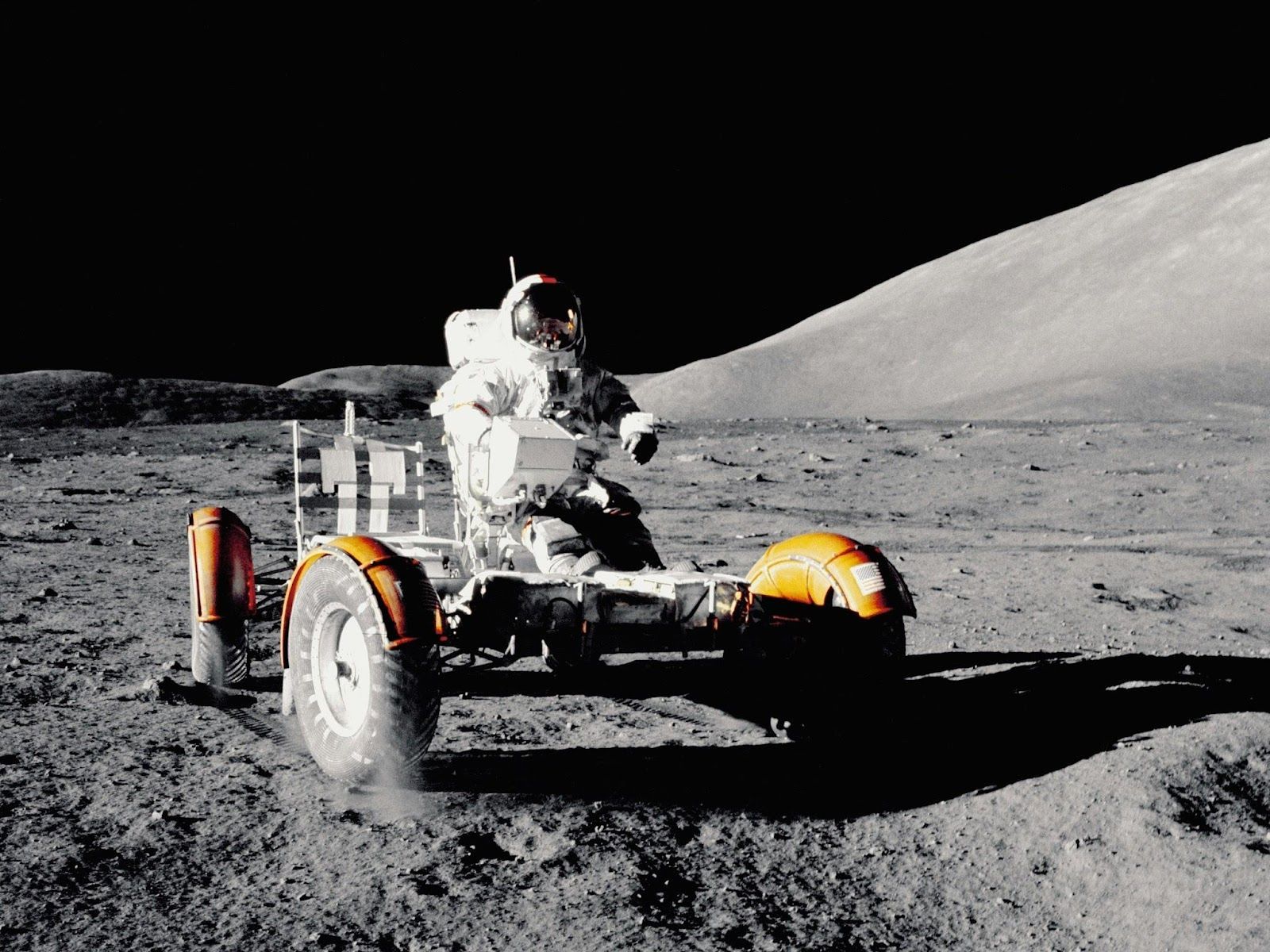
Image: NASA

The lunar rover was a marvel: lightweight, foldable, and capable of reaching 13 to 18 km/h depending on conditions.

John Young and Charlie Duke from Apollo 16 were so thrilled with it that Mission Control had to repeatedly remind them not to drive too fast on uneven terrain.

Duke even recorded one of the wildest moments of the program when Young yelled, "Look at that… look at that!" as dust flew up behind them.

5
The dust that drove astronauts nuts
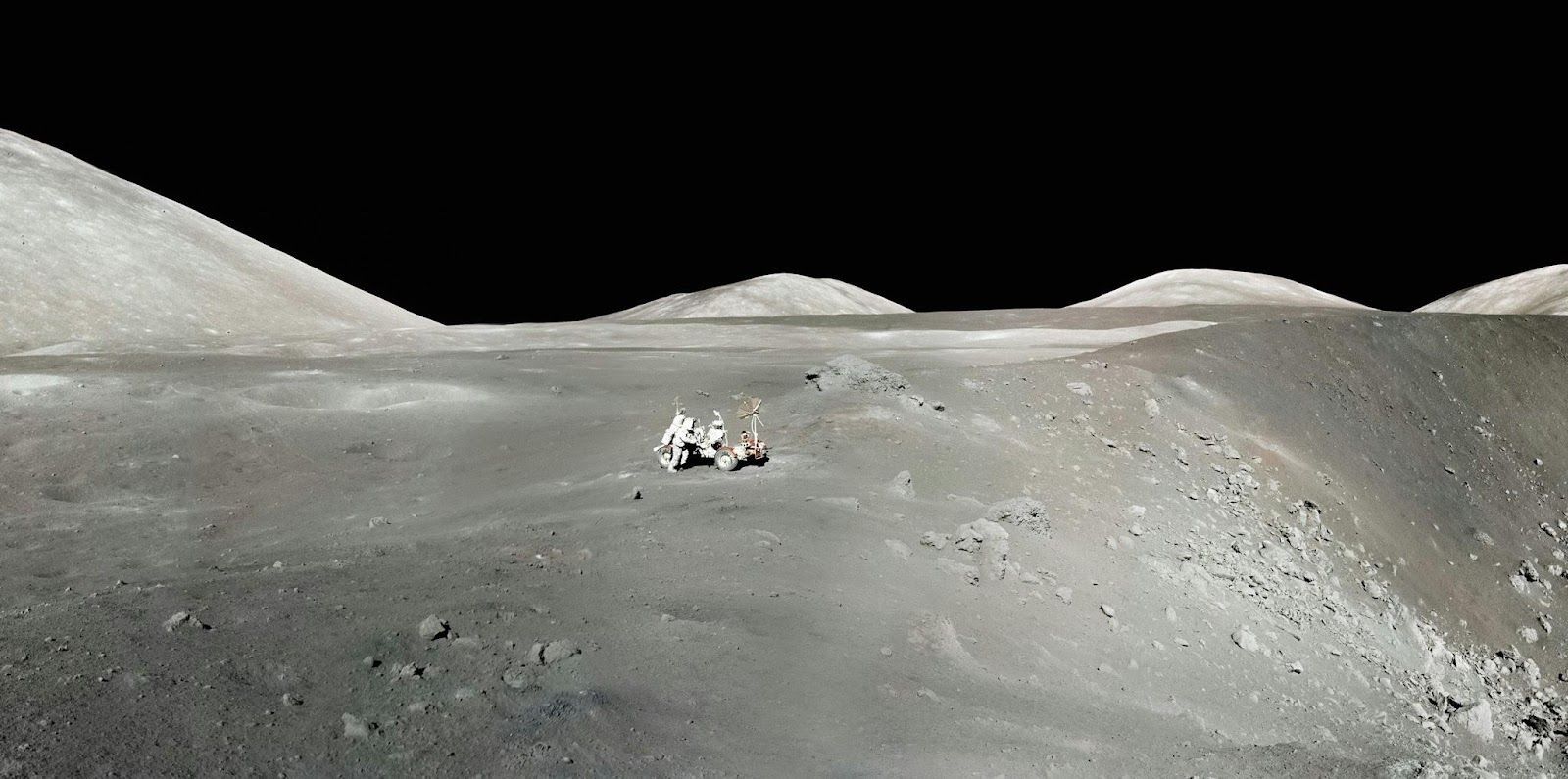
Image: NASA Hubble Space Telescope

Moon dust is sharp, sticky, and electrostatically clingy. Astronauts from Apollo 11 onward complained that it smelled like burnt gunpowder and got everywhere. Harrison Schmitt from Apollo 17 suffered "lunar hay fever" after breathing dust tracked into the cabin.

NASA later became mildly obsessed with studying how dangerous that dust might be… and it turns out it is genuinely abrasive to suits and could be risky to lungs.

6
Apollo 11 and the computer that said "nope"
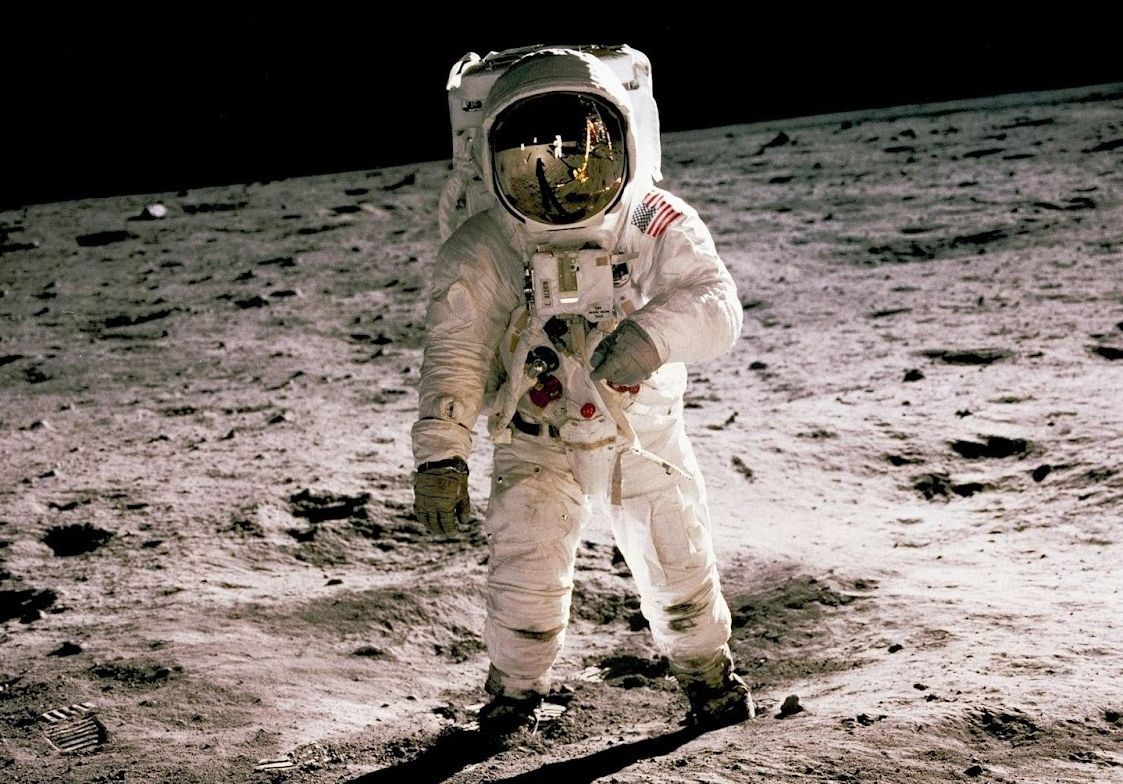
Image: History in HD

Just minutes before landing on July 20, 1969, the Apollo Guidance Computer flashed a "1202" program alarm. In non-NASA terms, the computer was overloaded and essentially panicking .

But guidance officer Steve Bales had trained for this exact situation and cleared the crew to proceed. Armstrong later said this call was one of the mission’s most decisive moments. So yes, the first Moon landing almost got canceled by a stressed-out computer.

7
The golf shot that echoed through history

Image: Stockholm Paris Studio

On Apollo 14, Alan Shepard smuggled a makeshift golf club head along with two golf balls.

On the moon, he attached it to a sample collection tool and made the most famous swing in the Solar System. The ball truly did travel far, although probably not the "miles and miles" Shepard joked about. Still, it remains the only round of lunar golf ever played.

8
Apollo 15’s postal controversy
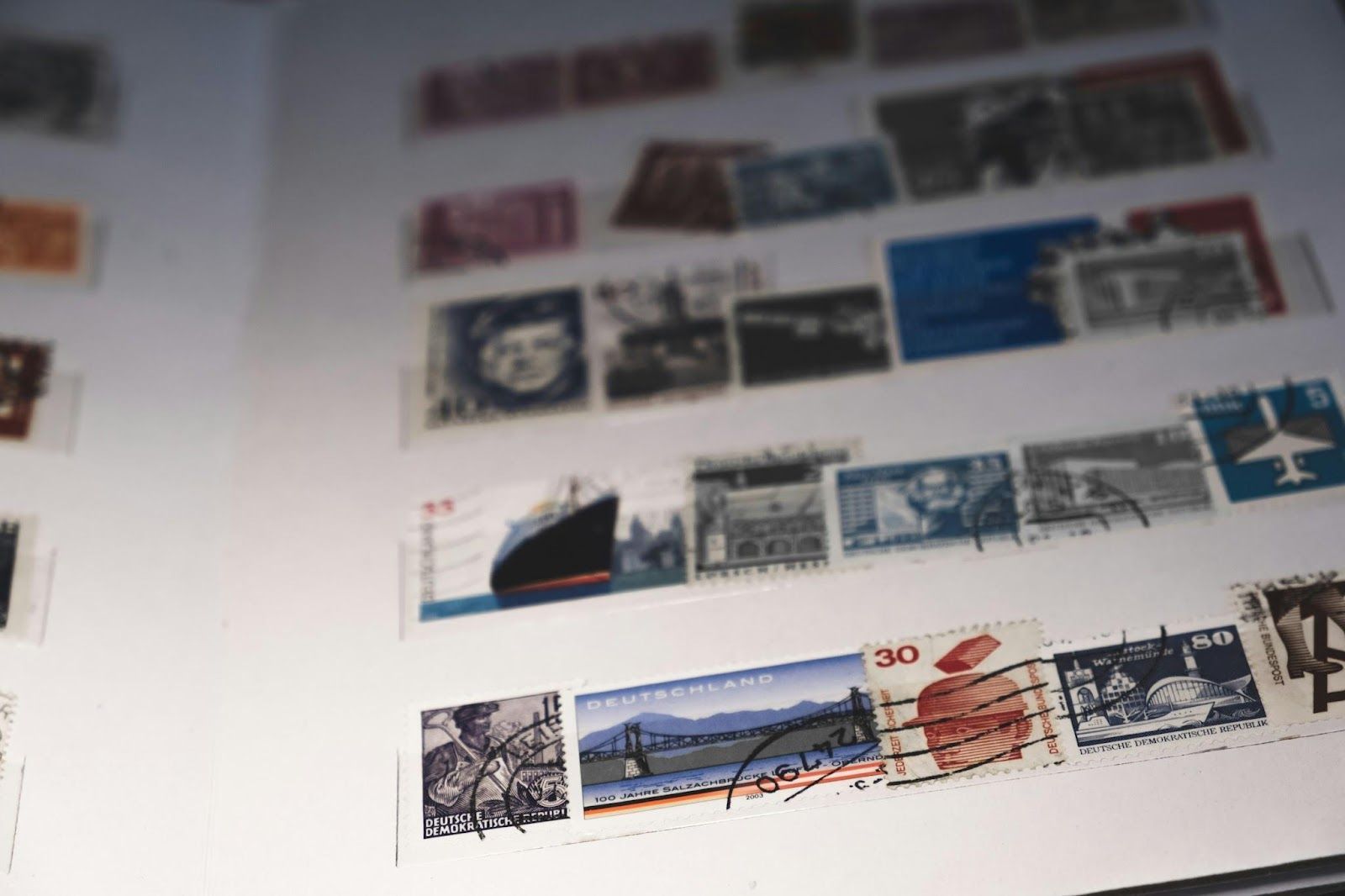
Image: Tolga deniz Aran

The Apollo 15 astronauts carried unauthorized stamped envelopes to sell to collectors later.

This became a scandal when the deal came to light. NASA was furious, the crew was reprimanded, and the agency tightened rules on what astronauts could take to space.

The event is fully documented and remains one of the strangest side stories of the program.

9
Twelve people walked on the moon
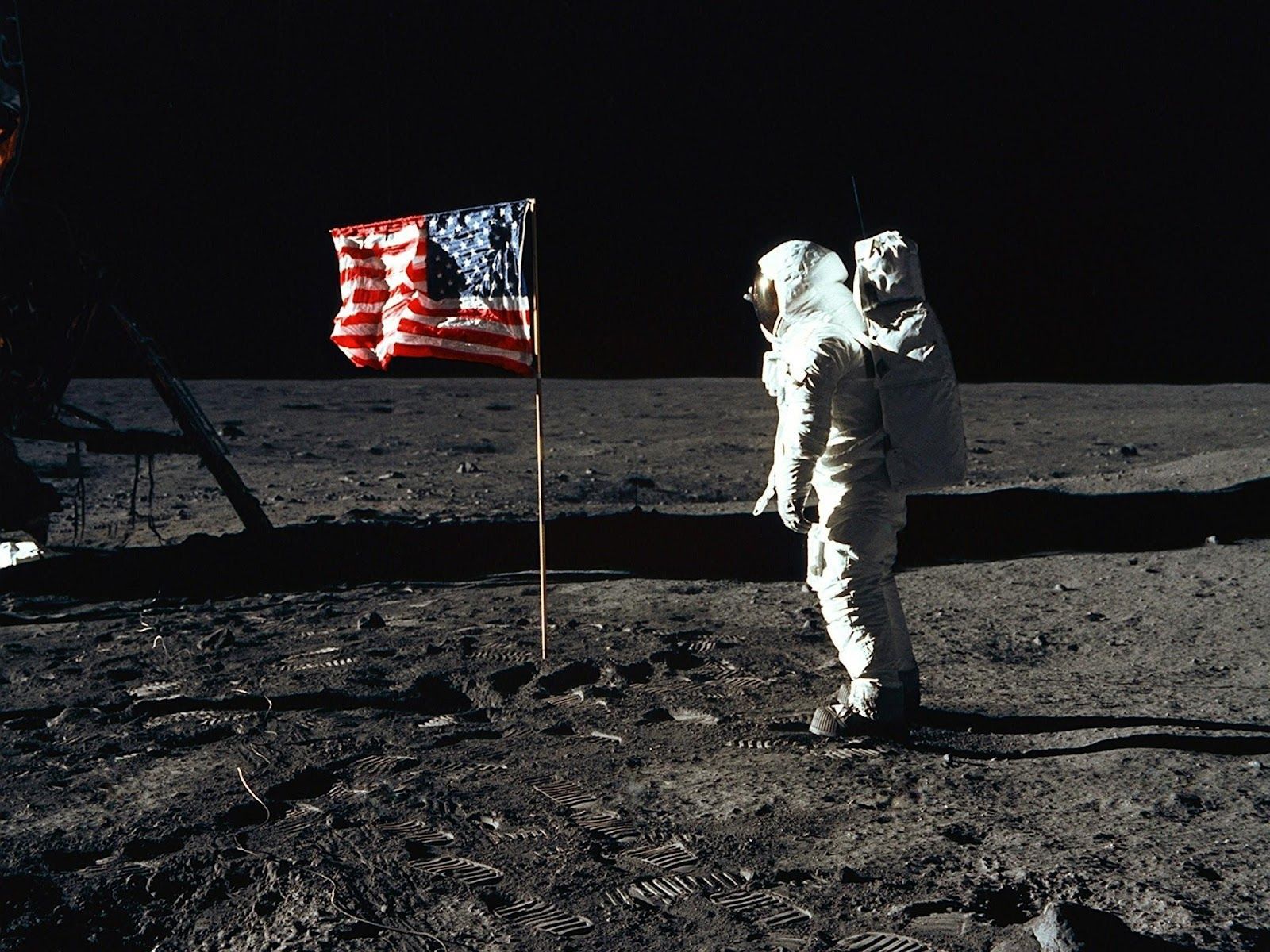
Image: NASA

Between 1969 and 1972, exactly twelve astronauts walked on the lunar surface.

The list, in chronological order, is: Armstrong, Aldrin (Apollo 11), Conrad, Bean (Apollo 12), Shepard, Mitchell (Apollo 14), Scott, Irwin (Apollo 15), Young, Duke (Apollo 16), and Cernan and Schmitt (Apollo 17). Cernan remains the last human to have walked on the Moon.

10
The last moonwalk included a love letter
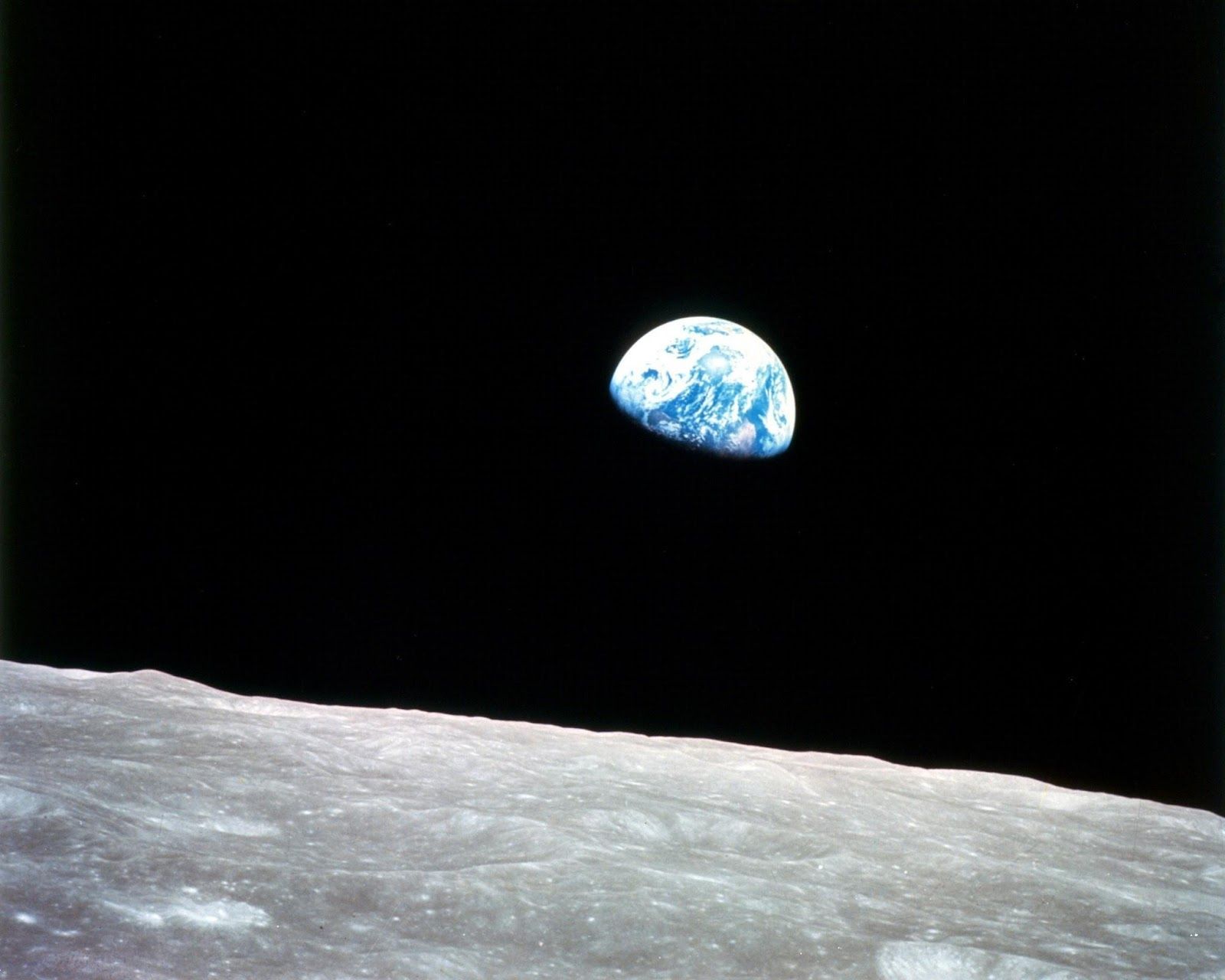
Image: NASA

During Apollo 17, Gene Cernan traced his daughter’s initials TDC on the lunar dust.

As he said his farewell words on the Moon, he hoped the world would continue exploring. His last line: "We leave as we came and, God willing, as we shall return, with peace and hope for all mankind."

History History 2 min read

We did it first!

Few people know that these massive inventions were created here. Do you?

Image: Vitaly Gariev

America has been witness to many firsts in history, from protecting natural sites to creating everyday conveniences, from founding cultural institutions to achieving industrial breakthroughs. Some are famous, others barely remembered. Here are 10 of those pioneering firsts, each marking a moment when America led the way.

1
World’s first national park

Image: Kedar Gadge

In March 1872, Congress passed the law establishing Yellowstone National Park as a protected public reservation: the first national park ever created on Earth.

By dedicating 2.2 million acres to preservation rather than development, the U.S. set a precedent for conservation worldwide, inspiring national park systems around the world.

2
First sustained and controlled, powered airplane flight

Image: History in HD

In 1903, the Wright brothers successfully flew a powered, heavier-than-air controlled aircraft , known as the Wright Flyer, at Kitty Hawk, North Carolina.

That breakthrough marked the beginning of the aviation age and forever redefined travel, warfare, and global communication.

3
Self-service grocery store

Image: Raul Gonzalez Escobar

In 1916, American grocers opened the self-service supermarket. Instead of clerks fetching food, customers helped themselves to the items they wanted from the shelves.

This change transformed retail: it lowered costs, sped up shopping, and laid the foundation for modern supermarkets all over the world.

4
First cinema house

Image: Elijah Mears

New York City saw the first public "movie theater" in 1894, when a parlor opened using the Kinetoscope, a peep-box device for viewing short motion pictures .

That small parlor marked the beginning of the cinema business, an idea that would grow into a global film-making and entertainment industry.

5
Drive-in movie theater

Image: Josh Sanabria

One could argue that with the rise of cinemas and the boom in automobiles, the drive-in theater was an obvious business idea. But somebody had to do it first.

In 1933, Richard Hollingshead Jr. opened the first drive-in theater in New Jersey , where people watched films from their cars.

6
First affordable and mass produced car

Image: Andrew Lancaster

In 1908, the U.S. auto industry delivered the Ford Model T, the first reliable, affordable automobile that was mass-produced for everyday Americans (and not just millionaires).

It revolutionized transportation by enabling mobility for the masses, reshaping how Americans lived, worked, and traveled across the country.

7
Fast food

Image: Jonathan Borba

As it couldn’t be otherwise, this concept was born in America. In 1916, a Wichita stand began selling hamburgers prepared hygienically and cooked quickly : The foundation for what became the fast food culture.

That modest stand evolved into larger chains and helped launch a global phenomenon of quick and affordable meals.

8
Film studios

Image: Vincentas Liskauskas

Another concept spawned from a previously mentioned American first, the commercial moving pictures studio was all ours. During the late 19th century, the U.S. saw the creation of the first film studio system .

This early film production set the stage for storytelling, entertainment, and cultural exports that would spread worldwide.

9
Diving flippers

Image: Jakob Owens

In 1717, long before modern diving became common, the U.S. saw the first patent for swim-fins (flippers) , attributed to none other than the great Benjamin Franklin.

A small invention, perhaps, but one that revolutionized swimming, diving, and underwater exploration equipment worldwide.

10
Standardized patent-office system

Image: Ray Shrewsberry

When the U.S. patent law was reformed in 1836, a central patent office was established, creating a system to review, grant, and catalogue inventions in a formal and systematic manner .

This institutional framework helped make the U.S. a global hub of invention and innovation, sustaining centuries of technological growth.

General General 4 min read

Hear them out!

Words of wisdom: These patriotic quotes will speak to your heart

Image: WikiImages

Patriotism isn’t just about fireworks and flags; it’s also about values, courage, and unity. From the Founding Fathers to modern leaders, American history is filled with powerful words and phrases that inspire reflection on freedom, bravery, and responsibility. These quotes speak to the American spirit, reminding us of who we are and what we stand for. Let’s explore these timeless expressions of patriotism and the wise people who said them!

1
Ralph Waldo Emerson

Image: Samantha Jean

Emerson, a celebrated essayist and poet, found joy in trying to describe the essence of the American spirit. His quote "America is another name for opportunity" reflects the belief that America is a land of boundless possibilities where dreams can take root and flourish.

His phrase is from the 19th century, and it resonates with the idea that hard work and determination can turn aspirations into reality. For many, this phrase embodies the American Dream—the promise of a better life through opportunity and perseverance. What do you think about it?

2
Elmer Davis

Image: Wesley Tingey

Elmer Davis, a journalist and WWII-era director of the Office of War Information, deeply understood the connection between freedom and bravery.

His quote "the land of the free… and the home of the brave," emphasizes that liberty doesn’t come without courage. In turn, it’s the bravery of those who defend it that keeps freedom alive.

Quite accurate if we think of the sacrifices many made to build the nation we cherish today. Don’t you agree?

3
John F. Kennedy

Image: History in HD

In his 1961 inaugural address, JFK delivered this unforgettable line: "Ask not what your country can do for you, but what you can do for your country." Do you remember who were the recipients of such a call?

This was a direct appeal to all Americans, to prioritize service over self-interest. It was a rallying cry during a time of change and uncertainty, inspiring citizens to contribute to the greater good. The underlying message? Patriotism isn’t passive, it’s about active participation.

4
Benjamin Franklin

Image: Adam Nir

Benjamin Franklin, one of America’s founding fathers, believed that liberty was the cornerstone of a great nation and we all agree with him! His quote, "Where liberty is, there is my country," underscores his commitment to freedom, wherever it might be found.

During the Revolutionary War, Franklin’s words carried immense weight, symbolizing the fight for independence. For Franklin, protecting freedom wasn’t just a right; it was a responsibility.

5
Calvin Coolidge

Image: William Rudolph

Coolidge, the 30th US president, had a no-nonsense approach to patriotism. To him, it wasn’t about grand gestures or flashy displays but about taking care of your community and nation. His quote, " Patriotism means looking out for your country ," reflects a practical, everyday kind of patriotism—one rooted in responsibility and mutual care.

From lending a hand to a neighbor to preserving natural resources, it’s all about the small acts of kindness that add up to a stronger country.

6
Frederick Douglass

Image: Tim Mossholder

Freedom and bravery are common in patriotic quotes, but Frederick Douglass, a former enslaved man turned abolitionist leader, understood the moral backbone a nation needs to thrive too.

His quote, "Honesty keeps the nation secure," reminds us that truthfulness and virtue are essential for lasting security and justice. His words challenge us to strive for integrity in our actions and decisions. After all, a nation built on truth is a nation that endures, don’t you agree?

7
Thurgood Marshall

Image: Jason Richard

Thurgood Marshall, the first Black Supreme Court Justice, spoke these powerful words about democracy: "Make it. Protect it. Pass it on."

His message is quite clear: democracy and responsibility go hand in hand. It requires effort to build, vigilance to protect, and a commitment to pass it down to future generations. In just three simple steps, he captured the essence of what it takes to sustain democracy—and it’s all up to us.

8
Eleanor Roosevelt

Image: Thomas Park

It was only right to include a woman in this article. Eleanor Roosevelt, First Lady, and human rights advocate, redefined the definition of patriotism to include dignity and equality for all.

Her quote, "True patriotism knows no borders," challenges us to think beyond national lines and embrace universal values like freedom and respect. Her words are a call to take patriotism—and the American ideals of dignity and growth—wherever we go, ensuring that everyone has the opportunity to thrive.

9
Thomas Wolfe

Image: Ian MacDonald

Novelist Thomas Wolfe had a poetic way of capturing the magic of America—and we love it. His quote, "Miracles happen all the time in America," celebrates the idea that this country is a land of endless possibilities, where the extraordinary can feel quite ordinary.

From scientific breakthroughs to everyday acts of kindness, Wolfe saw America as a place where hope and wonder flourish. No wonder we developed the whole concept of the American Dream, huh?

10
Robert Frost

Image: Wilson Hobbs

Another poet makes an appearance in this article—our beloved Robert Frost. He wasn’t afraid to speak his mind, and his quote, "Freedom lies in being bold," is all about that!

For him, freedom is closely tied to courage, and the willingness to take risks and stand firm in the face of adversity. Both in personal choices or collective action, Frost’s words value independence and self-expression.

11
Franklin D. Roosevelt

Image: Daniele La Rosa Messina

This might be the most powerful quote in the article. While the other phrases speak of freedom as something granted, FDR—a president who led America through the Great Depression and WWII—understood the hard work behind true freedom.

His quote, "Freedom must be achieved, not given," takes a step back and makes sure nobody takes it for granted!

Explore more American facts

Choose your favorite category!

General
General

As American as apple pie—the very best America has to offer!

Culture
Culture

Delve into the astounding richness of American lore.

Geography
Geography

Hop in and explore vast and diverse American landscapes.

History
History

Discover the key moments that shaped the United States.