General General 5 min read

Presidents with surprising first jobs

The jobs our presidents held before the White House will surprise you
Image: Igor Link

Before they became immortalized figures in American history, these men were ordinary people trying to make their way in life . Everybody has to start somewhere, and some of their early jobs might surprise you. Abraham Lincoln split fence rails and kept a store, while Harry Truman sold shirts and neckties. Let's take a look at 10 presidents and the jobs they held before destiny came calling.

1
Abraham Lincoln
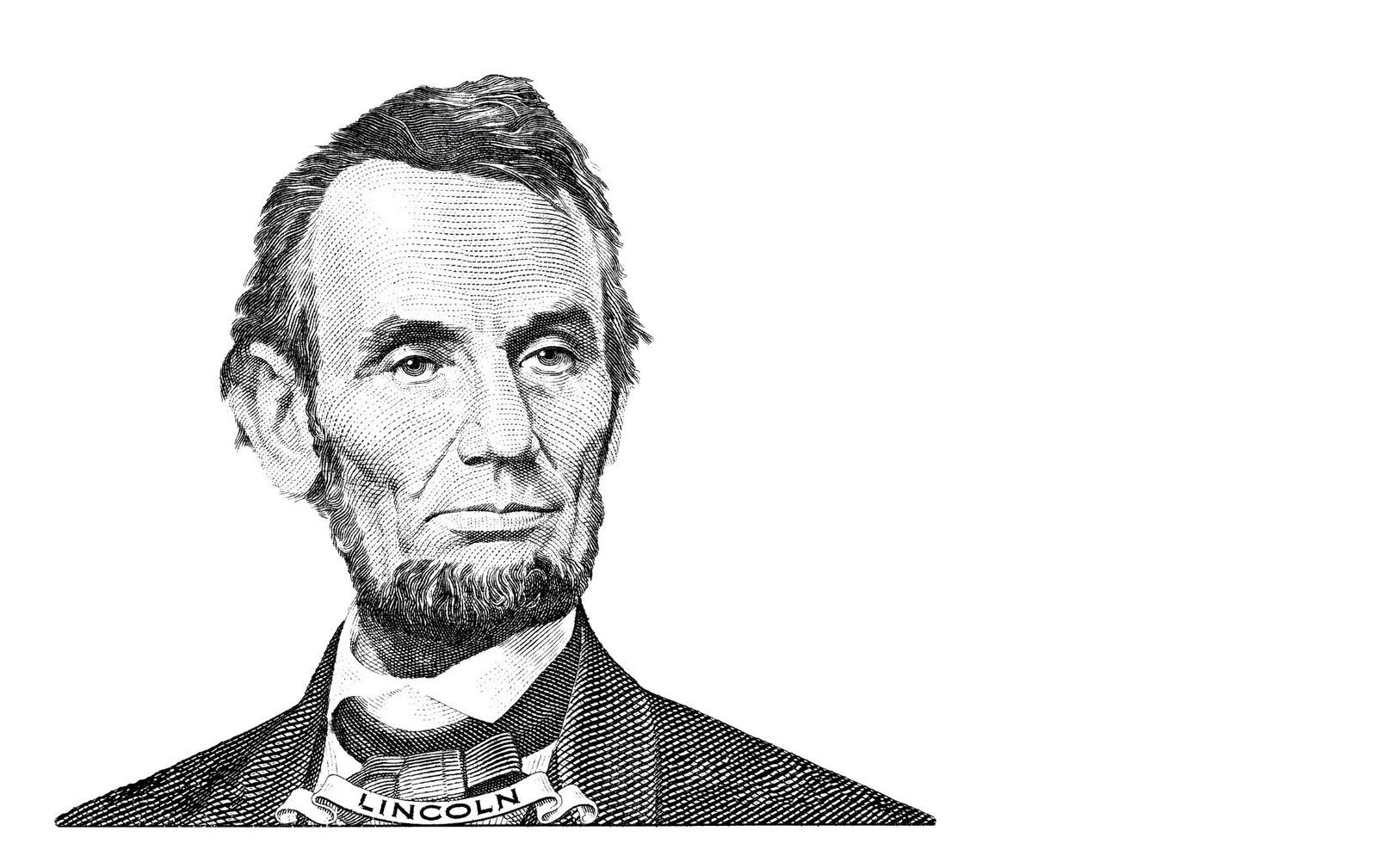
Image: Ruslan Lytvyn

Abraham Lincoln (1809-1865) arrived in New Salem, Illinois, in 1831 with empty pockets. He clerked in a general store, then split logs into fence rails, a skill from his frontier boyhood, and became postmaster in 1833. He also taught himself surveying to map land for settlers. Decades later, during his 1860 campaign, supporters nicknamed him "the Rail-Splitter" because of those early days swinging an ax.

According to legend, during his mailman days, he carried letters in his hat, but that's unproven. Not bad for the future titan who delivered the Gettysburg Address.

2
John F. Kennedy
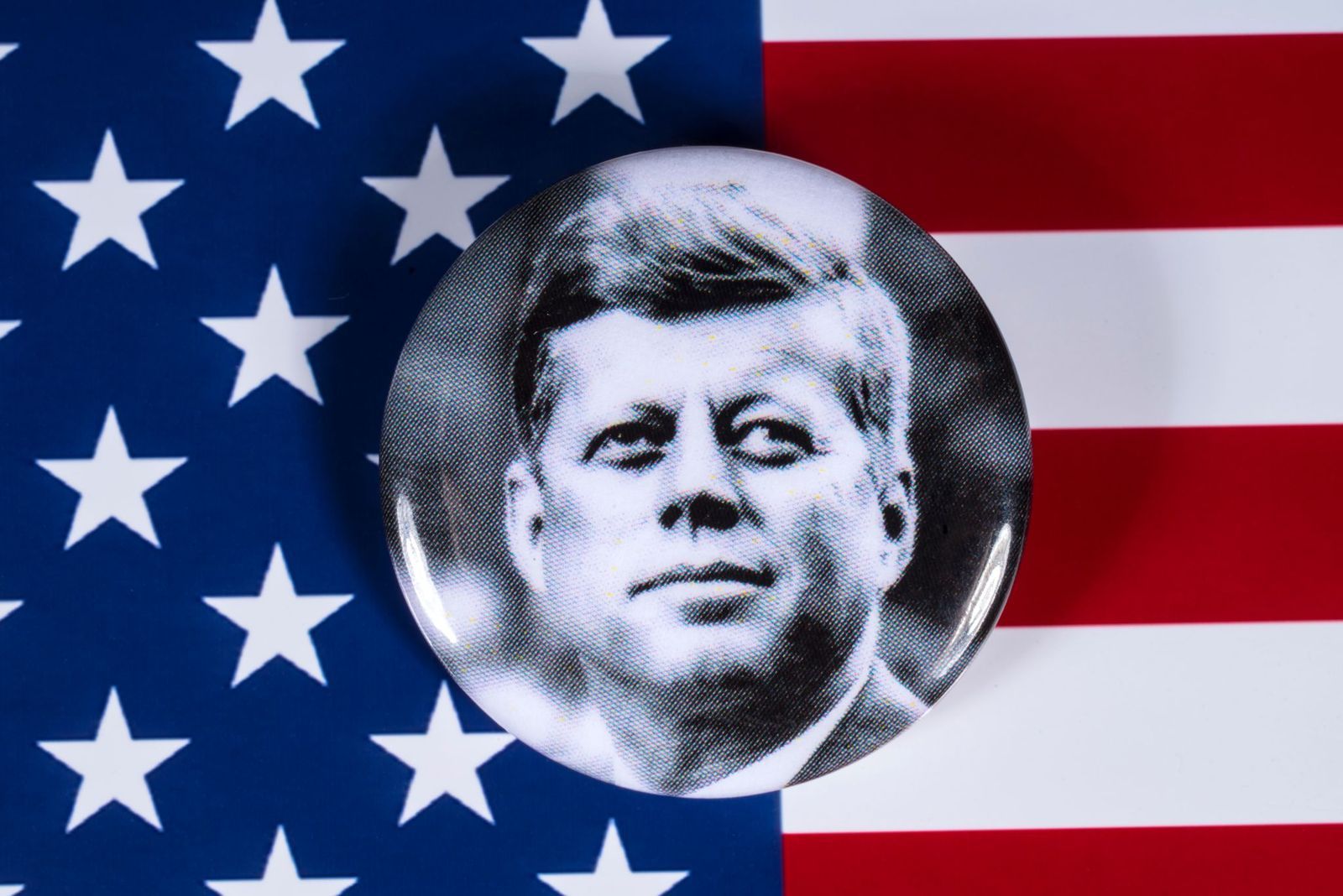
Image: chrisdorney

John F. Kennedy (1917-1963) came home from World War II a Navy hero after a Japanese destroyer rammed his PT-109 patrol boat in 1943. In 1945, partly thanks to his father's connections, Hearst newspapers hired him as a special correspondent , and he covered the founding of the United Nations and the Potsdam talks.

In 1946, he won a seat in Congress representing Massachusetts, and in 1960 he became, at 43, the youngest person ever elected president.

3
Franklin D. Roosevelt
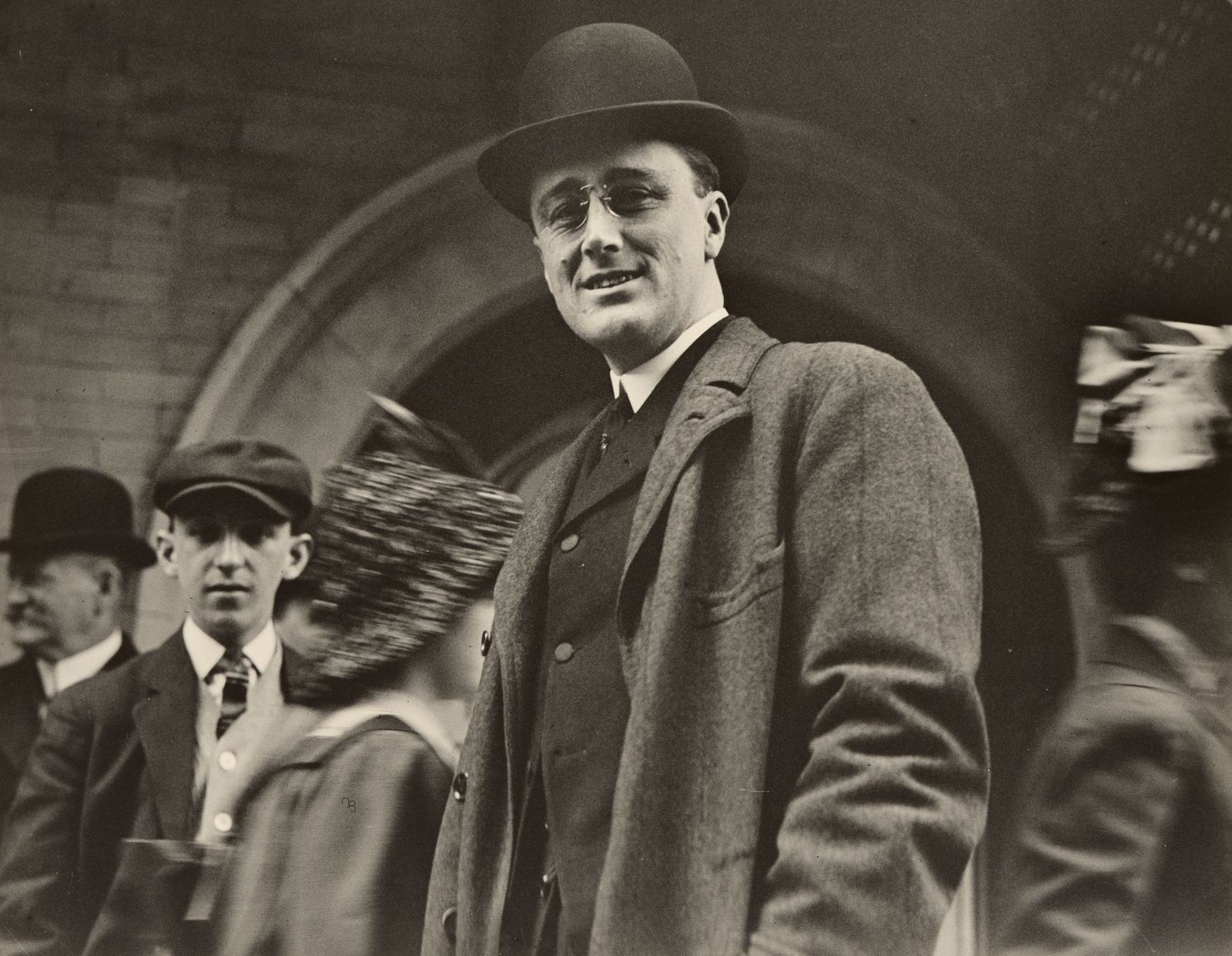
Image: Rawpixel.com

Franklin D. Roosevelt (1882-1945) passed the bar exam in 1907 but left Columbia Law School without a degree. He then clerked at the Wall Street firm Carter , Ledyard & Milburn, handling routine cases he reportedly found dull. A popular tale says he told coworkers he planned to reach the White House, just like his cousin Teddy, but that hasn’t been confirmed.

He won a New York State Senate seat in 1910 and would later become the only president elected four times.

4
Richard Nixon
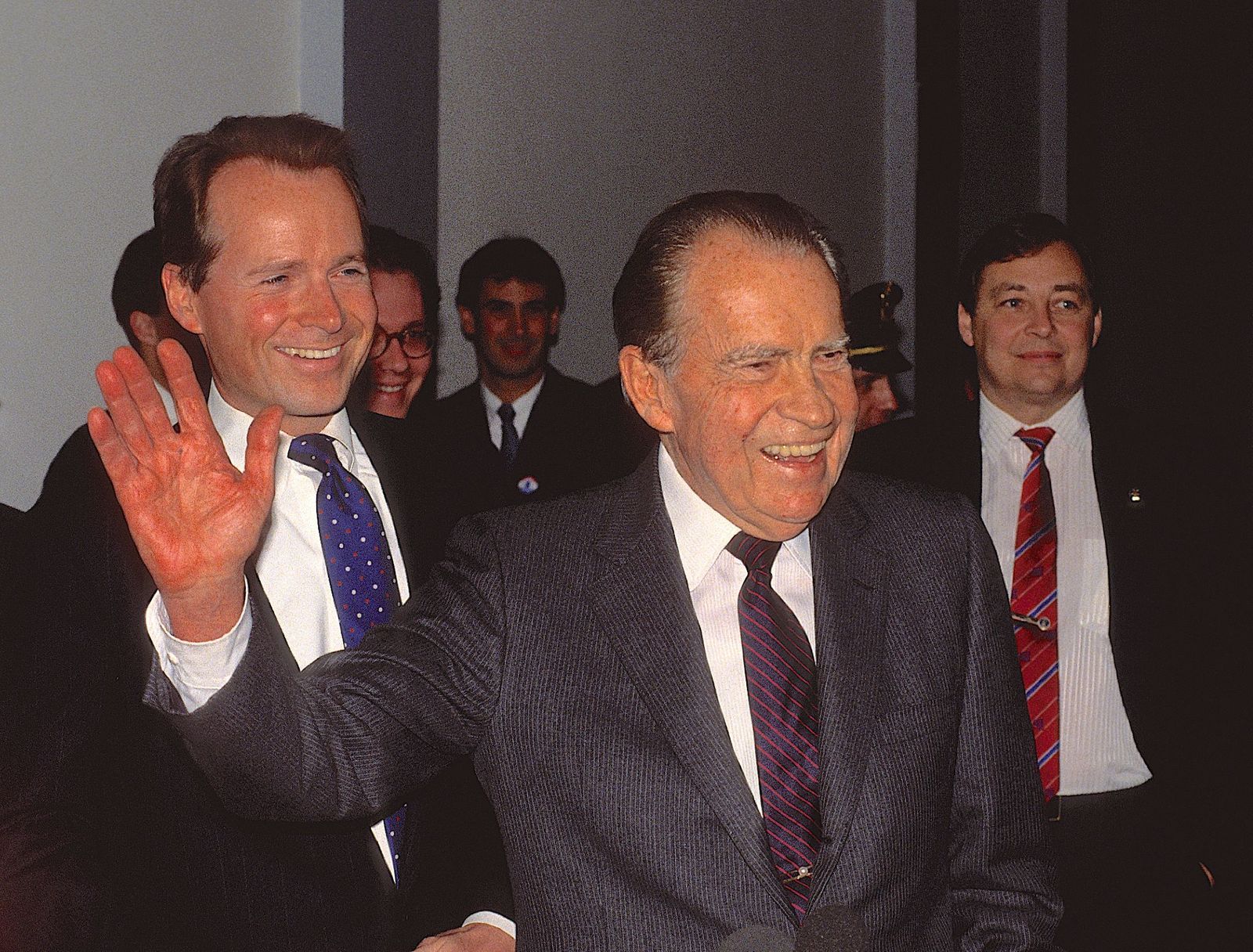
Image: mark reinstein

Richard Nixon (1913-1994) grew up working at his family's grocery store and gas station in Whittier, California, during the Depression. He pumped gas, stocked shelves, and woke before dawn to buy fresh vegetables at the Los Angeles market. After Duke Law School, he practiced law in Whittier.

He entered politics in 1946 and later became famous for the "Checkers" speech about his dog. In 1974, following the Watergate scandal, he became the only president ever to resign.

5
Ronald Reagan
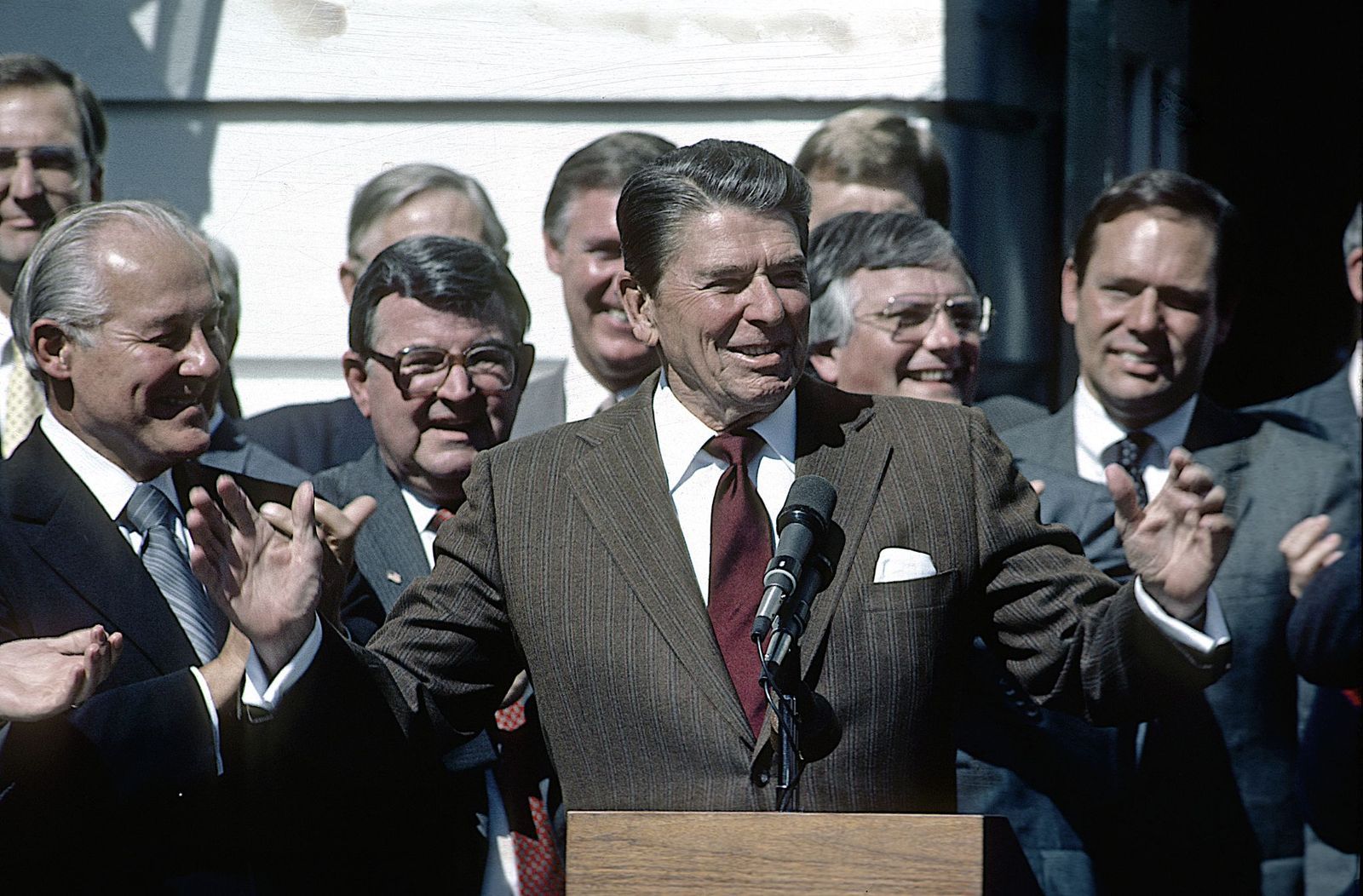
Image: mark reinstein

From 1927 to 1932, teenager Ronald Reagan (1911-2004) spent summers as a lifeguard at Lowell Park on the Rock River near Dixon, Illinois. He sat on a tall chair, watched swimmers, and pulled people from trouble. The story goes that he saved 77 lives, marked by notches on a log, though that count came mostly from Reagan himself.

He later became a Hollywood actor , then the 40th president (elected in 1980), nicknamed "The Gipper."

6
Harry Truman
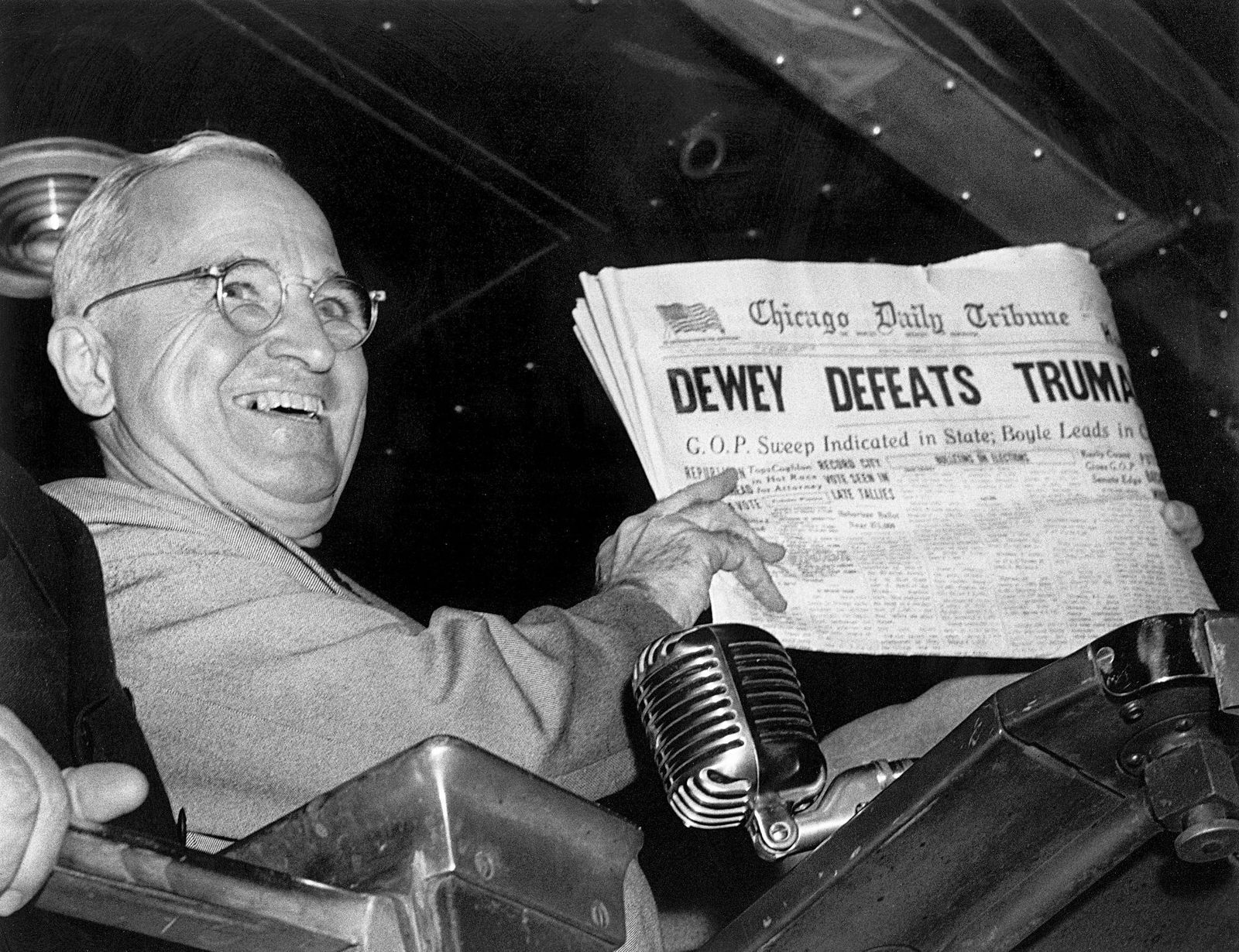
Image: Byron H. Rollins, Public domain, via Wikimedia Commons

Harry Truman (1884-1972) came home from World War I and, in 1919, opened a men's clothing store in Kansas City, Missouri , with his Army buddy Eddie Jacobson. They sold shirts, ties, and socks to local gentlemen. But a recession hit in 1921, and the shop closed by 1922, leaving Truman deep in debt.

Broke but not beaten, Truman turned to politics in 1922, winning a county judge post with help from the Pendergast machine, the powerful Kansas City political organization run by boss Tom Pendergast, which delivered votes in exchange for loyalty and jobs. He paid off his debts over many years and refused to declare bankruptcy. As president, he kept a sign on his desk reading "The Buck Stops Here," his way of saying the president can't pass the blame to anyone else.

7
Theodore Roosevelt
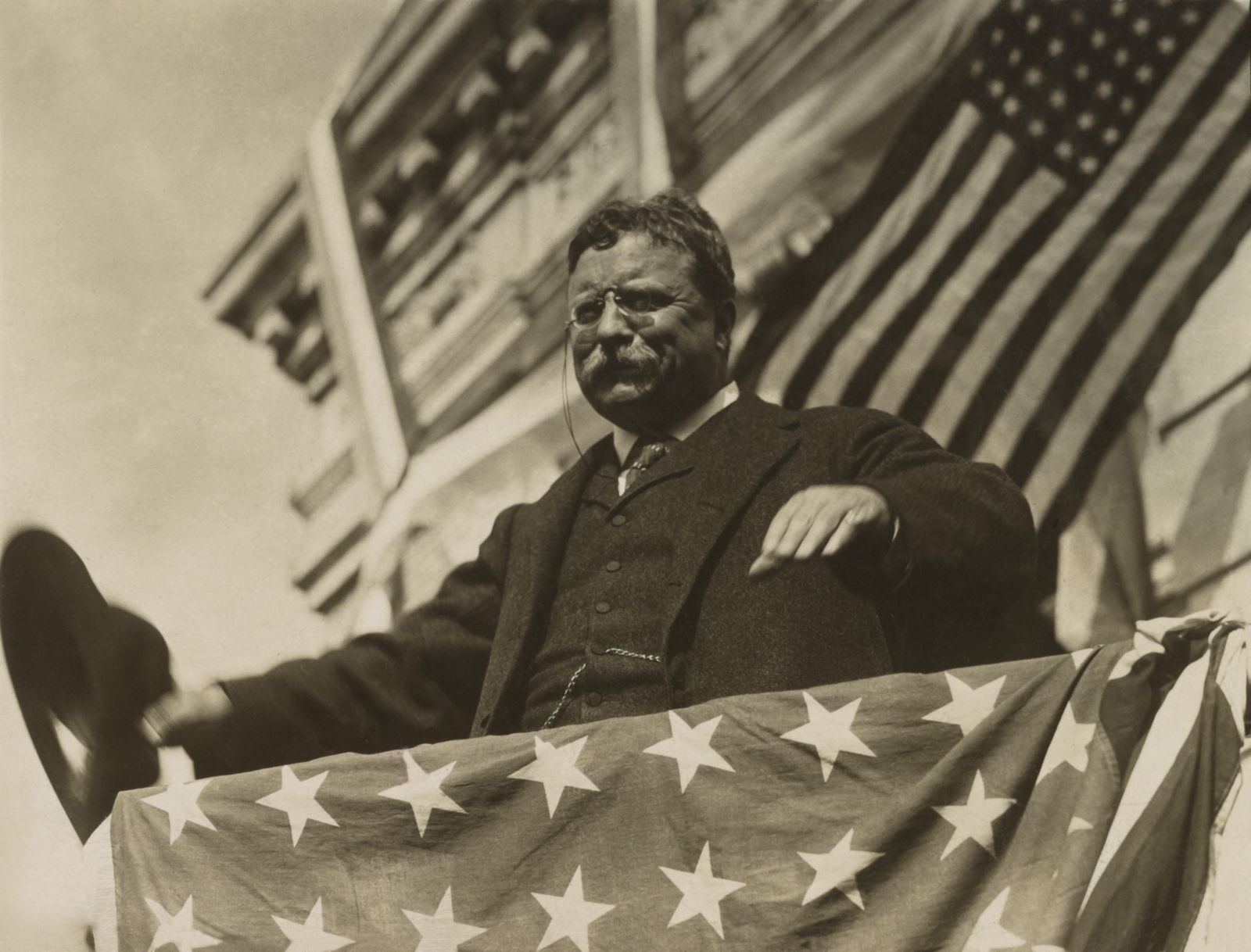
Image: Everett Collection

Theodore Roosevelt (1858-1919) headed to the Dakota Badlands in 1884 to hunt bison and soon bought a cattle ranch. Then tragedy struck: his wife and mother died on the same day that February. Heartbroken, he threw himself into ranch life , riding herds, roping steers, and living like a cowboy.

That tough image followed him to the White House (serving from 1901-1909), where he gave us the Rough Riders and the teddy bear, named after him.

8
Jimmy Carter
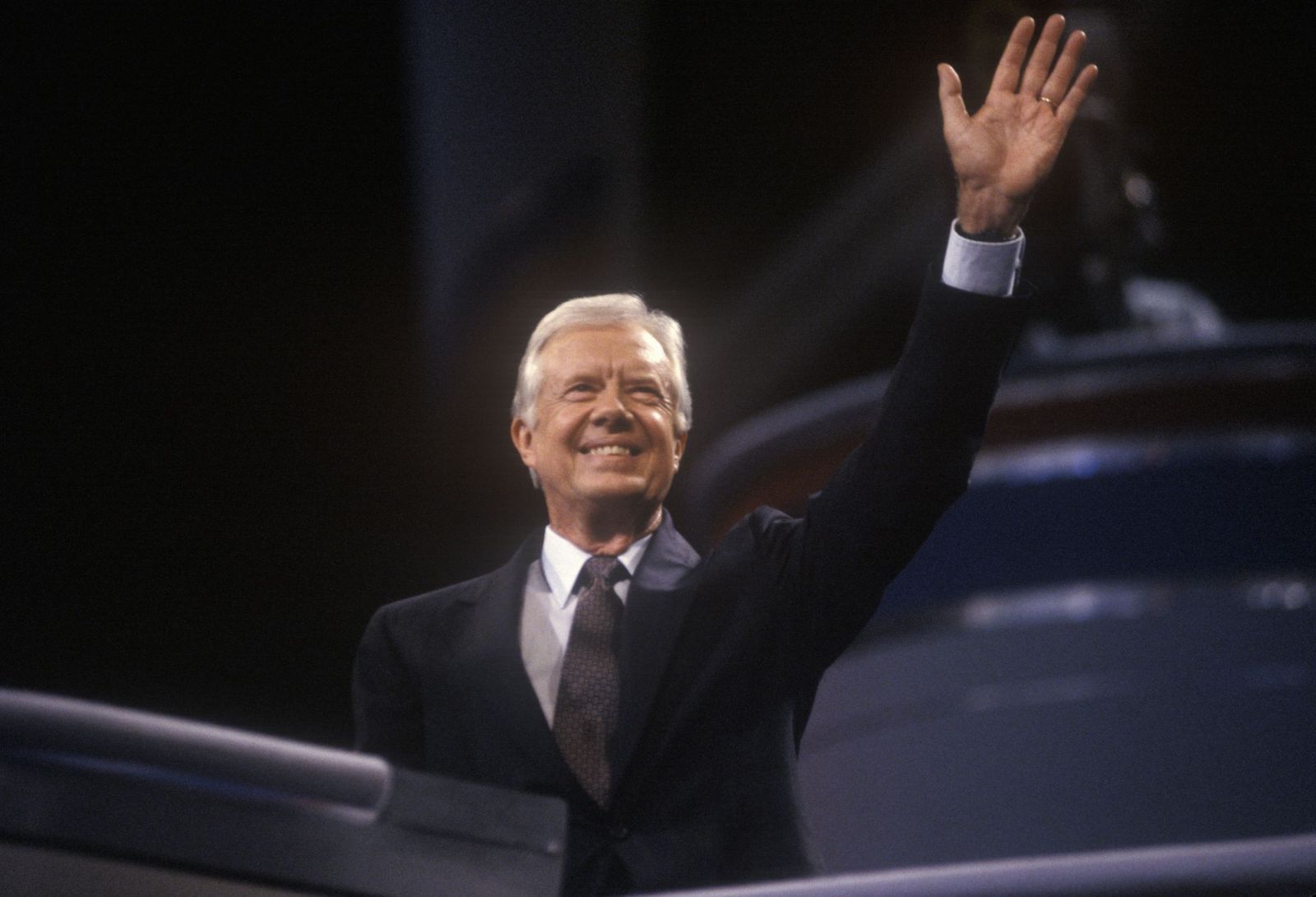
Image: Joseph Sohm

Jimmy Carter (1924-2024) graduated from the Naval Academy in 1946 and later joined the submarine program , working with Admiral Hyman Rickover's nuclear team in the early 1950s. When his father died in 1953, he left the Navy and went home to Plains, Georgia, to run the family peanut farm .

As president (1977-1981), he famously helped negotiate the Camp David Accords between Egypt and Israel.

9
Gerald Ford
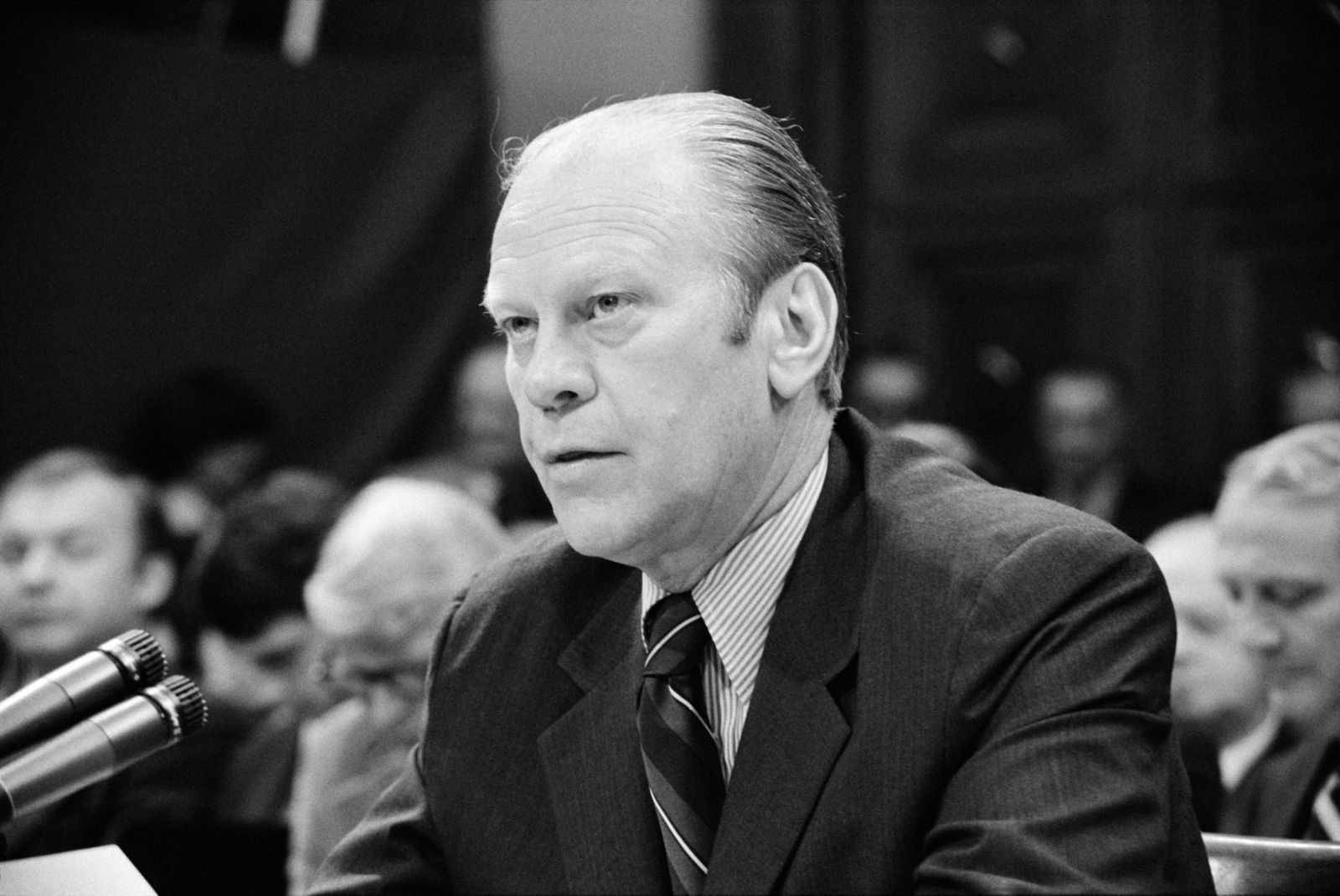
Image: Thomas J. O'Halloran, photographer, Public domain, via Wikimedia Commons

Gerald Ford (1913-2006) was a football star at Michigan and later studied law at Yale in the early 1940s. Good looks helped pay the bills: he modeled for Look magazine and appeared on a 1942 Cosmopolitan cover.

He became president in 1974 after Nixon resigned, and he’s the only one never elected as either president or vice president: When Vice President Spiro Agnew resigned in a scandal in 1973, Nixon appointed Ford to replace him, and Congress approved the pick. Then Nixon himself resigned.

10
Barack Obama
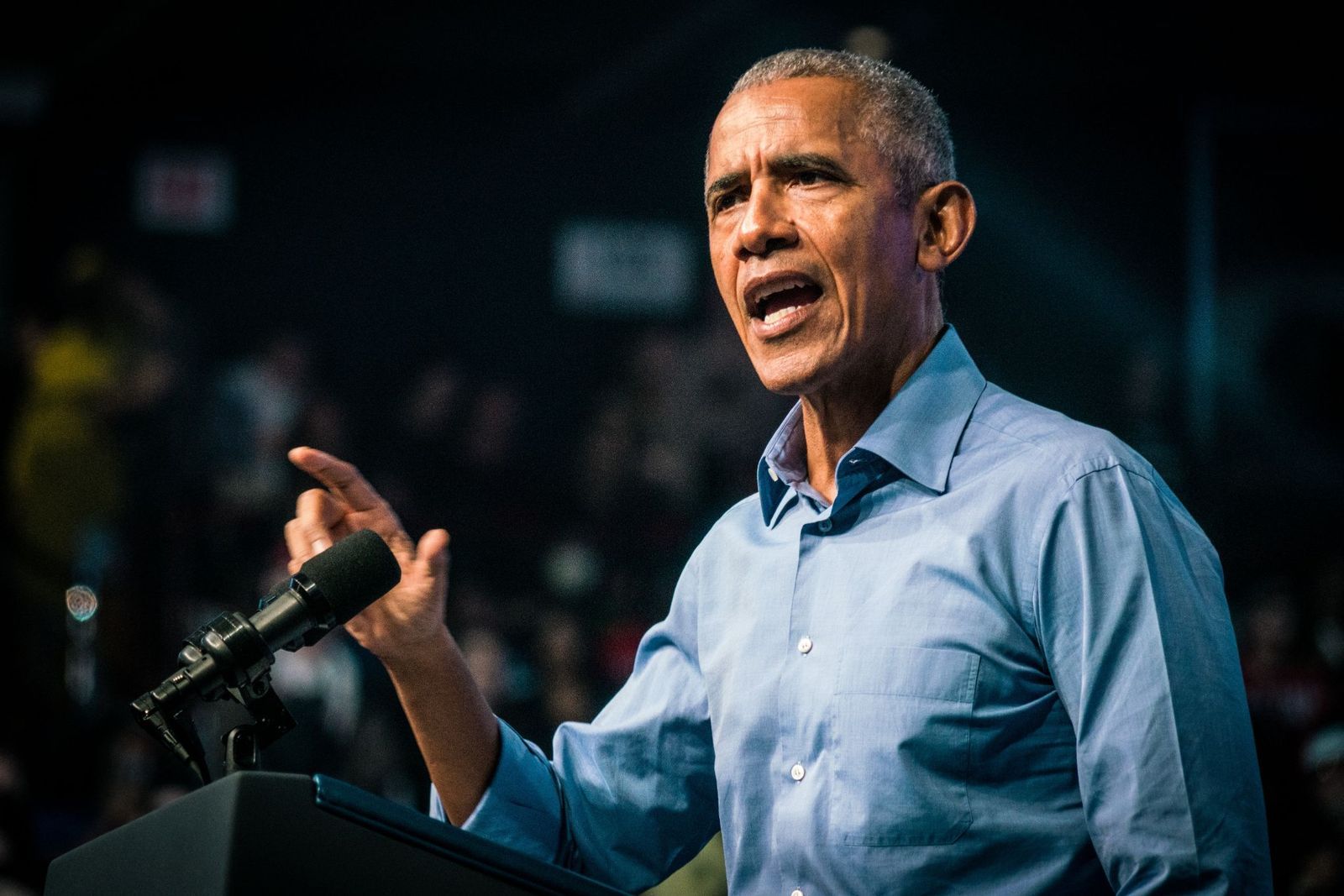
Image: ZB Photos

Barack Obama (born 1961) took his first job at age 16, scooping ice cream at a Baskin-Robbins in Honolulu, Hawaii. He wore the uniform, handed out cones, and later joked that the job soured him on ice cream. Like plenty of American teens, he worked to earn spending money.

In 2008, he became the first Black president, and in 2009 he was awarded the Nobel Peace Prize.

11
Lyndon B. Johnson
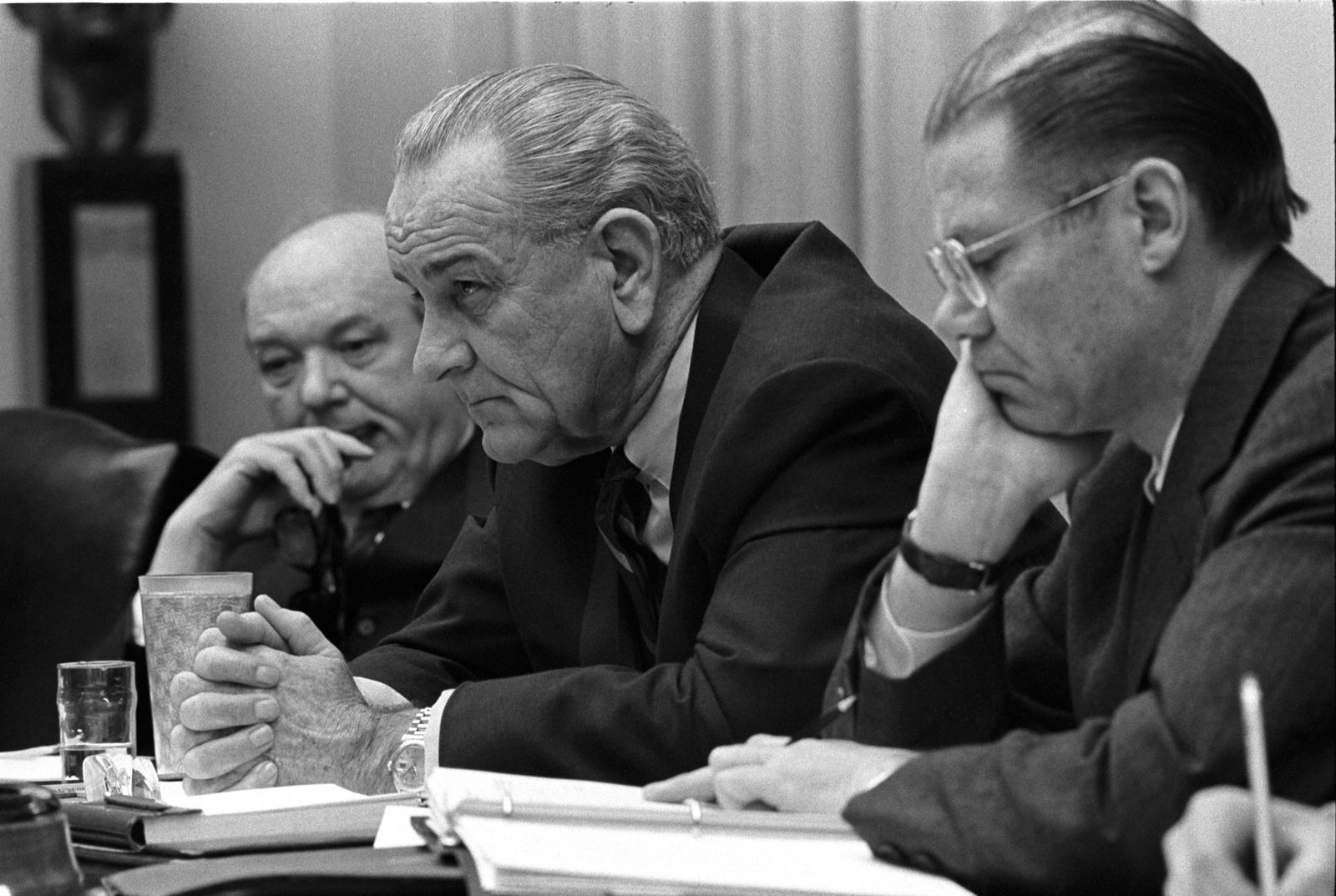
Image: Yoichi Okamoto, Public domain, via Wikimedia Commons

In 1928, before finishing college, Lyndon Johnson (1908-1973) took a year off to teach at a small school in Cotulla, Texas . His students were poor Mexican-American children, many arriving hungry and speaking little English. He pushed them hard, organized games and a debate club, and reportedly spent his own money on supplies.

As president (1963-1969), he signed the Civil Rights Act after taking office following JFK's assassination.

Culture Culture 6 min read

An urban musical journey

The ultimate New York playlist: 12 iconic songs about the Empire City

Image: Olga Fil

New York is a city of luxurious skyscrapers, yellow cabs, and wild dreams. The Big Apple has been the cradle, home, and inspiration for hundreds of musicians who have dedicated lines—and even entire songs—to its spirit and people. In this article, we've selected 12 tunes about New York City that have helped fuel the myth of the world’s most iconic metropolis . Read on to discover songs beyond Sinatra’s "New York, New York"!

1
"New York, New York" - Frank Sinatra

Image: Adrian Falcon

Of course, when we think of songs about the Big Apple, the first that comes to mind is the iconic "New York, New York," popularized by Frank Sinatra. Perhaps this is because it’s the tune that best captures the essence , resilient spirit, and unwavering magnetism of the city that never sleeps.

It was written in 1977 by John Kander and Fred Ebb as the theme song for New York, New York , a film directed by Martin Scorsese and starring Robert De Niro and Liza Minnelli. Minnelli performed the song in the film, but it wasn’t very successful at the time. It was The Voice 's 1980 version that would turn it into the city's unofficial—yet unquestionable—anthem .

2
"Chelsea Hotel #2" - Leonard Cohen

Image: Thought Catalog

The Chelsea Hotel is one of the most emblematic hotels in New York City. Artists such as William S. Burroughs, Bob Dylan, and Chet Baker, among many others, have stayed there. So, it makes perfect sense that some of these stars were inspired by the iconic building to create some of their most famous works.

Such is the case with Leonard Cohen’s "Chelsea Hotel #2," released in 1974. The lyrics not only recount a romantic encounter between the singer-songwriter and Janis Joplin but also capture the city’s bohemian atmosphere at the time.

3
"New York State of Mind" - Billy Joel

Image: Stefano Zocca

In the mid-1970s, after a long stint in Los Angeles, Bronx-born songwriter Billy Joel was terribly missing his hometown. During a return trip to the Big Apple while on tour, the Piano Man wrote his tribute to the city he loved most: "New York State of Mind."

At the time, the song wasn’t even released as a single and went largely unnoticed. However, over time, it became one of Joel’s signature songs . Decades later, the timeless tune would go on to inspire a hip-hop version—the next one on our list.

4
"Empire State of Mind" - Jay-Z & Alicia Keys

Image: ian dooley

With its evocative lyrics, Jay-Z’s modern rhythm, and Alicia Keys’ poignant backing vocals, "Empire State of Mind" captures the essence, energy, and resilient spirit of those who inhabit the city of New York. Released in 2009, the song was an instant hit. It achieved commercial success worldwide and has been featured on multiple critics' top 10 lists of best songs.

As mentioned earlier, the song’s title nods not only to Billy Joel’s "New York State of Mind," but also to rapper Nas’s 1994 single "N.Y. State of Mind."

5
"Autumn in New York" - Billie Holiday

Image: Josh Couch

Did you know that the famous "Autumn in New York" was originally conceived as a poem rather than a song? Its composer, Vernon Duke, wrote it in 1934 while vacationing in Westport, Connecticut, and added the music sometime later. Since then, many artists have recorded their own renditions, including Frank Sinatra, who helped popularize it in 1949.

But perhaps the version that best conveys the haunting melancholy of this iconic jazz standard is Billie Holiday’s, recorded in 1952. With her deep, raspy voice, the Angel of Harlem (see the next song on our list) delivers this love letter to the Empire City like no one else.

6
"Angel of Harlem" - U2

Image: The New York Public Library

"Angel of Harlem," a 1988 single by the Irish band U2, alludes to several New York City landmarks but is also a heartfelt tribute to Billie Holiday.

According to Bono, the song was inspired by the band’s first trip to the Big Apple . When they landed at JFK Airport, a limousine picked them up, and the driver had the radio tuned to Lady Day’s voice. They were so captivated by her sound that they couldn’t help but compose a song in honor of one of the city’s most influential musical figures.

7
"Englishman in New York" – Sting

Image: George Bakos

Bono wasn’t the only foreign artist who was inspired by the Empire City to pen a song. In the late 1980s, Sting released the single "Englishman in New York" as part of his second solo album after the dissolution of The Police. The song quickly became a global hit.

The "Englishman" in question is Sting’s friend, British writer and LGBTQ+ icon Quentin Crisp, who had recently relocated to New York. The singer-songwriter said that the different musical references in the song seek to capture the mood of someone walking down the street and listening to different styles, representing what it's like to walk around New York.

8
"Chelsea Morning" - Joni Mitchell

Image: Dan Braga

One of the most celebrated voices in American folk music, Joni Mitchell, wrote this song about her apartment in New York City’s Chelsea neighborhood. The song was inspired by the colorful reflections that danced on her walls when sunlight filtered through a mobile made of colored glass she had found in the street.

"Chelsea Morning" is part of her second album Clouds from 1969. Her sweet voice, merry acoustic guitar chords, and hopeful lyrics convey the deep emotions of the hippie lifestyle of a young woman living in 1960s New York.

9
"The Only Living Boy in New York" – Simon & Garfunkel

Image: Camila Fernández

Many songs about New York City explore the loneliness of living in a vast metropolis—and "The Only Living Boy in New York" is no exception. Paul Simon wrote the track when his musical partner, Art Garfunkel, left him behind in the city to film a movie in Mexico.

The song is part of the duo's fifth studio album, Bridge over Troubled Water released in 1970. The song blends bittersweet lyrics with a gentle, introspective melody. Its themes of solitude and longing have resonated with many over the years, inspiring a variety of heartfelt covers by artists who connected with its quiet sorrow.

10
"New York City Serenade" – Bruce Springsteen

Image: Danny Lyon, Public domain, via Wikimedia Commons

While Bruce Springsteen is known for being a New Jersey native, his prolific career also allowed him to write about the city across the Hudson River. "New York City Serenade" is part of the 1973 album The Wild, the Innocent & the E Street Shuffle , considered by some critics to be one of the greatest albums in rock n' roll history.

The song tells the tormented love story of Billy and Diamonds Jackie as they wander the dark streets of Gotham in the 1970s. Blending Springsteen’s signature suburban rock with elements of jazz and gospel , "New York City Serenade" is one of his most atmospheric and musically ambitious pieces—a sprawling homage to the city’s grit, soul, and romance.

11
"Rhapsody in Blue" – George Gershwin

Image: rosanna17

Although it has no lyrics, we can all agree that this composition is a true musical portrait of 20th-century New York City. Written by George Gershwin in 1924, the piece blends classical tradition with jazz-inflected flourishes, capturing the vibrant, chaotic spirit of the Big Apple in full swing.

The speed and rhythm of the tune perfectly reflect the frenetic life of one of the world's greatest metropolises. "Rhapsody in Blue" is so quintessentially New York that even Woody Allen used it for the opening sequence of his film Manhattan alongside gorgeous vistas of the most iconic locations and buildings in the city.

12
"Downtown Train" – Tom Waits

Image: Erik Calonius, Public domain, via Wikimedia Commons

You may know this song best from Rod Stewart’s 1989 hit version, but "Downtown Train" was originally written and performed by Tom Waits for his 1985 album Rain Dogs . Without leaving behind his jazz and blues influences —and his trademark avant-garde style—this tune has an unmistakable pop touch.

Set against the backdrop of New York’s restless nightlife, the song paints a wistful portrait of longing and unattainable love—particularly for the elusive Brooklyn girls. Through his gravelly voice and poetic imagery, Waits cements his place as one of the great modern chroniclers of the Big Apple .

Culture Culture 7 min read

Foreign gems

These 12 iconic Americans weren't actually born in the U.S.

Image: cytis

Alexander Hamilton wasn’t the only prominent American to be born abroad. Some personalities are so ingrained in American culture that we just assume they were born in the United States. However, many of the major contributors to American science, art, and politics didn’t begin life in our country. Although some iconic figures of American history were immigrants, their stories are absolutely inspirational. Continue reading to learn more about the lives of 12 great Americans you might not have realized were born outside the U.S.

1
Alexander Hamilton

Image: John Trumbull, CC0, via Wikimedia Commons

On January 11, 1757, in the remote Colony of Nevis, British Leeward Islands, a boy was born. He went from having nothing to being a key player in the history of the United States of America. Alexander Hamilton, the illegitimate son of a Scottish trader and a French-English woman, would become George Washington's right hand and one of the nation's Founding Fathers.

At the age of 16, he landed in New York, where he began to study law. But his studies were interrupted when the Revolutionary War broke out. During his lifetime, Hamilton was an influential promoter of the U.S. Constitution, as well as the founder of the nation's financial system, the Federalist Party, the U.S. Coast Guard, and The New York Post .

2
Bob Hope

Image: d

"I left England when I realized I couldn't be king," Bob Hope liked to say. Leslie Townes Hope was so American that his audience was unaware he was actually born in London. When he was five years old, however, his family emigrated to the United States and settled in Cleveland, Ohio.

He began working in show business when he finished high school, appearing in countless Broadway plays, Hollywood films, and television shows. Throughout his more than 60-year career, Hope was not only one of the most influential comedians of his time; he was also one of the most awarded actors in history, the unofficial entertainer of the American troops, and the presenter who hosted the Oscars ceremony the most times.

3
Henry Kissinger

Image: White House Photographic Office, Public domain, via Wikimedia Commons

During the 20th century, this controversial diplomat played a key role in American politics. However, Heinz Alfred Kissinger was born into a Bavarian Jewish family on May 27, 1923. Escaping Nazi Germany, he emigrated to the United States, where his name was changed to Henry.

Henry Kissinger soon obtained citizenship. He served in the Army, studied at Harvard University, and had a long and active life in our country's politics. During the Eisenhower, Kennedy, and Johnson administrations, he worked as a security consultant for various agencies. His reputation led him to be appointed National Security Advisor by President Richard Nixon in 1969, and Secretary of State in 1973, the first person in history to hold both positions simultaneously.

4
Charlie Chaplin

Image: Bain News Service, publisher.Library of Congress, Prints & Photographs Division, Public domain, via Wikimedia Commons

Charles Chaplin, one of the greatest Hollywood legends, was born in London in 1889. At the age of 20, Chaplin crossed the Atlantic to try his fortune in the United States. It was here that he came up with his signature character, Charlot, an endearing tramp who has become a universal icon.

From then on, Charlot appeared in dozens of films that allowed Chaplin to consolidate his reputation as one of the industry's most beloved actors. In 1972, the Academy of Motion Picture Arts and Sciences awarded him an Honorary Oscar for his outstanding career. The audience applauded for twelve uninterrupted minutes.

5
Alexander Graham Bell

Image: Harris & Ewing, photographer, Public domain, via Wikimedia Commons

​​Known for being the inventor of the first patented telephone, Alexander Graham Bell also worked on the development of deaf-friendly systems, was one of the founders of the National Geographic Society, and made great contributions to the U.S. telecommunications industry. Yet, he was born in 1847 in Edinburgh, Scotland.

In 1871, Bell settled in Boston, Massachusetts, where he worked as a teacher and tutor of deaf students. His influence on American science and culture was so important that on the day of his death, all telephone services in the United States stopped for one minute in his honor.

6
Samuel Goldwyn

Image: Metro-Goldwyn-Mayer, Public domain, via Wikimedia Commons

Films, perhaps the most representative industry of American culture, would not be the same without the contribution of numerous foreigners who settled in California since the beginning of the 20th century. This is the case of Samuel Goldwin, one of the most influential magnates in the history of Hollywood, born in Warsaw, Poland, in 1879.

During his more than 50 years of activity, Goldwyn founded several film studios and produced the first feature film entirely made in Hollywood. His reputation in the industry grew steadily, based on his incredible eye for finding great talent. There is a theater named after him in Beverly Hills, and he received a star on the Hollywood Walk of Fame for his invaluable contributions to cinema.

7
Joseph Pulitzer

Image: Allen & Ginter, CC0, via Wikimedia Commons

This self-made, foreign man became an American media mogul and inspired the world's most prestigious journalism award. Born in 1847 in Hungary, young Joseph Pulitzer emigrated to the United States at the age of 17 without knowing a word of English.

After fighting in the Civil War, Pulitzer began to study law. He soon discovered his talent for journalism. Within a few years, he became a leading national figure in the U.S. Democratic Party, began running the New York World newspaper, and became a pioneer of tabloid journalism.

8
Albert Einstein

Image: Archivo General de la Nación, Public domain, via Wikimedia Commons

Despite being born in Germany, the most famous scientist of the 20th century ended his days in the United States, where he was able to continue his research after Nazism took power. In 1933, Albert Einstein was visiting our country, and given the context in Europe, he decided not to return to the old continent and renounced his German citizenship.

Einstein accepted a position at the Institute for Advanced Study in Princeton, where he continued his scientific work until his death. During his stay in America, he remained active in the academic world and received multiple awards. His scientific legacy remains fundamental to modern physics and the understanding of the cosmos.

9
Madeline Albright

Image: U.S. Department of State, Public domain, via Wikimedia Commons

Madeleine Albright was the first woman in the history of the United States to serve as Secretary of State. What you may not know is that the diplomat was born in Prague, Czechoslovakia, as Marie Jana Korbelová. In 1948, Albright immigrated with her family to America and settled in Denver, Colorado.

After graduating from Wellesley College, she worked as a journalist and editor for different newspapers. She later earned her doctorate and began her political career working in the White House. She was a senior advisor to the Democratic Party, and when Bill Clinton became president, she was first appointed Ambassador to the United Nations. A few years later, she became Secretary of State.

10
Alfred Hitchcock

Image: Shamley Productions , Paramount Pictures, Public domain, via Wikimedia Commons

The great Alfred Hitchcock began his film career in England, where he was born, but it was in the United States where he was really able to display all his genius. While in Hollywood, he directed more than 30 films, some of which are considered masterpieces to this day.

Although Hitchcock was relatively successful in his country, in 1939, producer David O. Selznick convinced him to cross the pond and settle in our country. And thank goodness he did! The master of suspense is considered one of the most influential directors of all time and is regarded as one of the most important artists of the seventh art.

11
Meyer Guggenheim

Image: Joe Dudeck

The patriarch of the Guggenheim family, known for playing a decisive role in the transformation of the American mining and smelting industries, was actually born in Lengnau, Canton Aargau, Switzerland. Meyer Guggenheim emigrated to the United States in 1847, where he started working as a salesman.

After earning a considerable sum of money buying and selling stocks, he began investing in silver mines. In a short time, he amassed one of the largest fortunes of the 19th century. Meyer died in 1905 in Palm Beach, but his legacy still influences many sectors today, from industry to philanthropy.

12
Levi Strauss

Image: manusama

Is there anything more American than a pair of blue jeans? What started as a strong and durable pair of pants became the garment that revolutionized the fashion market. Worn by miners, cowboys, rock stars, presidents, and men and women all over the world, blue jeans have been a favorite for generations. However, their creator was not born in the United States.

Levi Strauss, the founder of the first jeans manufacturing company, was born in 1829 in Buttenheim, Germany, as Loeb Strauss. In 1847, he emigrated to New York, but when the California gold rush began, he decided to move to the West Coast and open a branch of the family business in San Francisco. And the rest is history!

Explore more American facts

Choose your favorite category!

General
General

As American as apple pie—the very best America has to offer!

Culture
Culture

Delve into the astounding richness of American lore.

Geography
Geography

Hop in and explore vast and diverse American landscapes.

History
History

Discover the key moments that shaped the United States.