General General 3 min read

All about the Great White Way

Why is Broadway called the Great White Way?
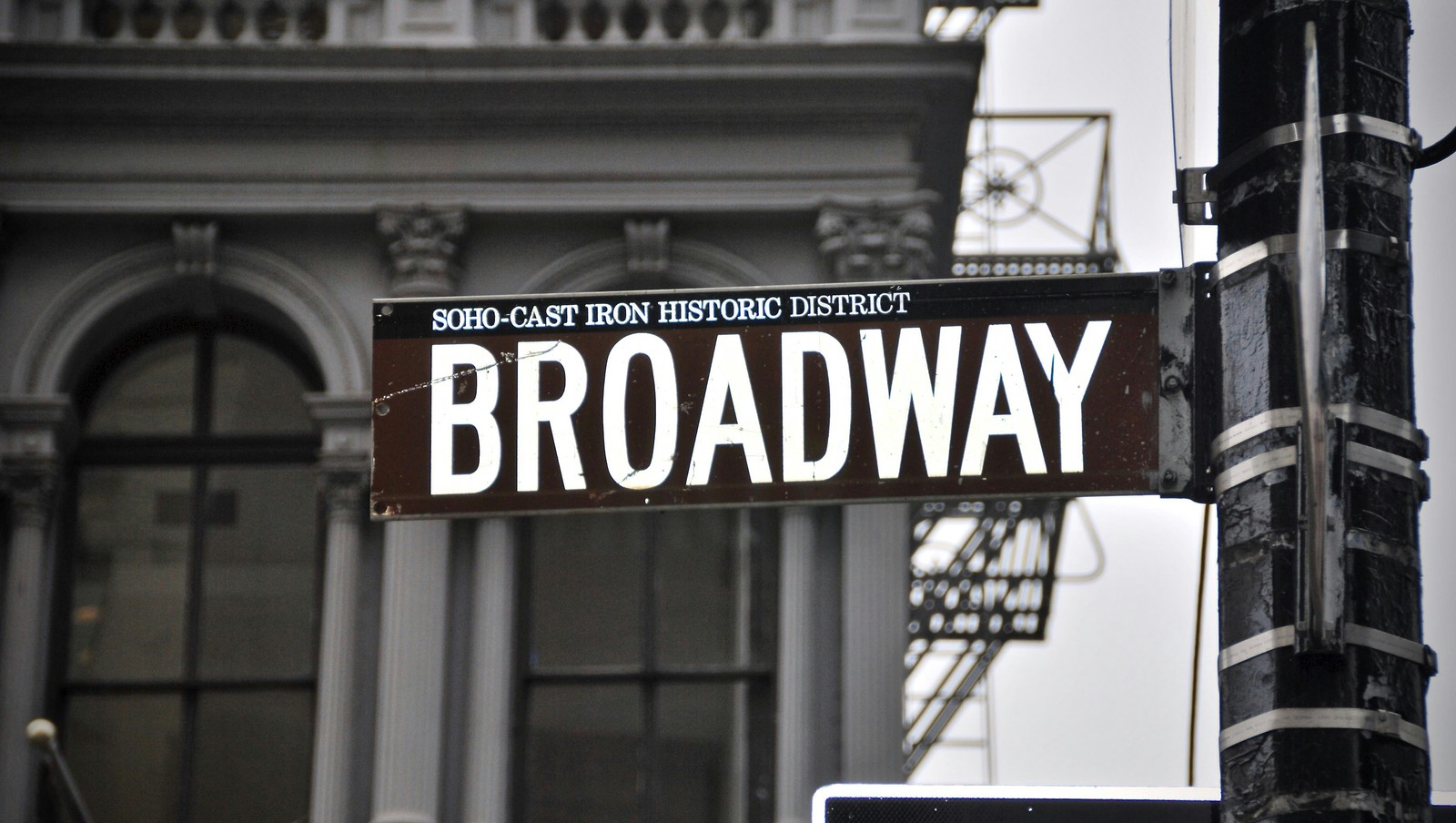
Image: Jordhan Madec

You say Broadway, and all the marquees and red curtains come to mind. But behind them, you’ll also find history, facts, and interesting records you probably didn’t know about. Drama happens both onstage and offstage in this particular place of our beloved country. So, here are some gems for you!

1
From trail to theater capital
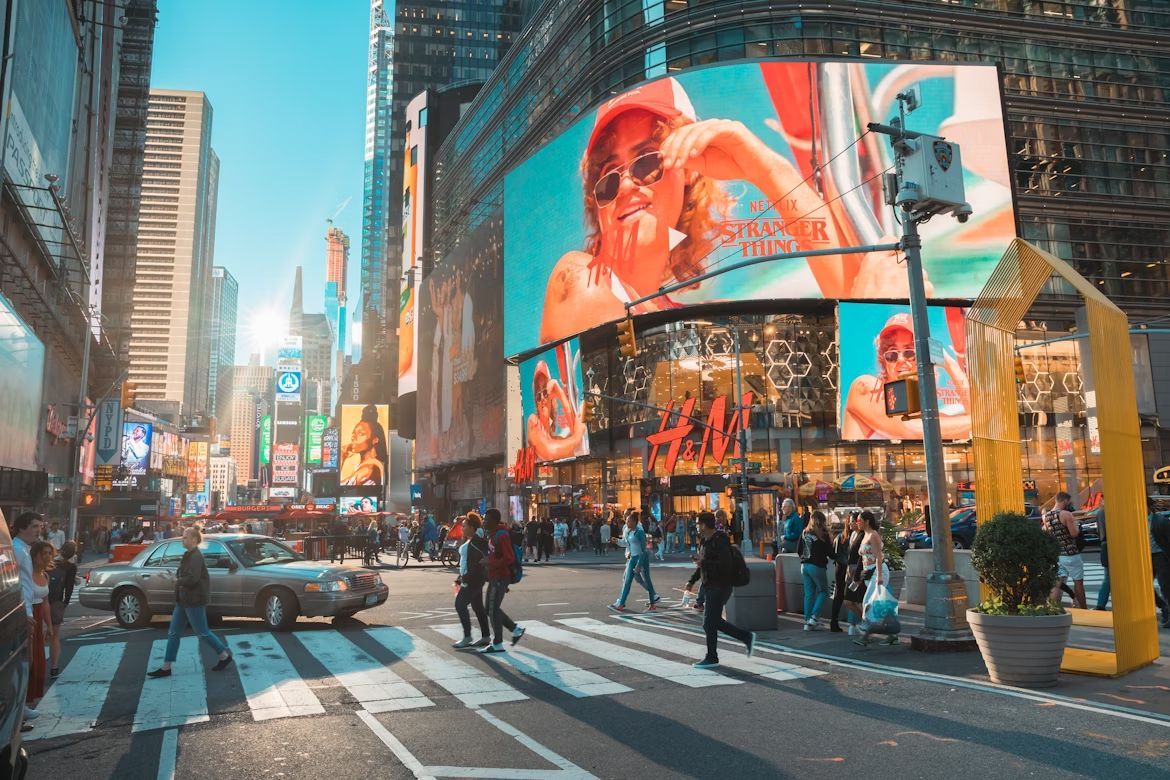
Image: Christian Lendl

Before Broadway was packed with theaters, it was a Native American trail cutting across Manhattan. The Dutch later called it "the Gentlemen’s Street," and eventually the name "Broadway" stuck because of its unusual width. Did you know that?

2
Theater superstitions
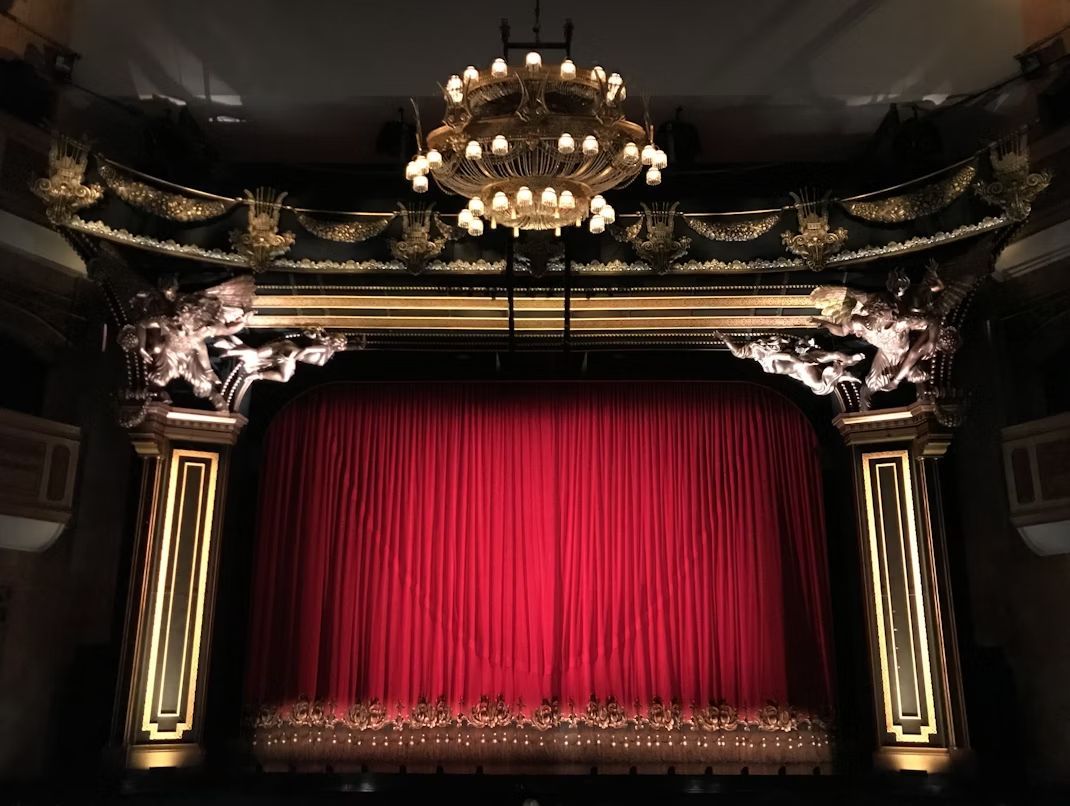
Image: Gwen King

Broadway has its own share of taboos. For example, whistling backstage was once a no-no, since stagehands used whistles as signals. Saying the word "Macbeth" inside a theater is also believed to bring bad luck , so actors usually call it "the Scottish Play." Even in modern times, performers still keep these superstitions alive—just in case.

3
Why it’s called the Great White Way

Image: Martin Sanchez

All those glowing signs around Times Square gave Broadway its sparkling nickname. Starting in the early 1900s, electric lights lit up the blocks between 41st and 53rd Streets, dazzling visitors and creating the famous "Great White Way." Today, it’s still one of the brightest spots in New York City.

4
The first Broadway musical
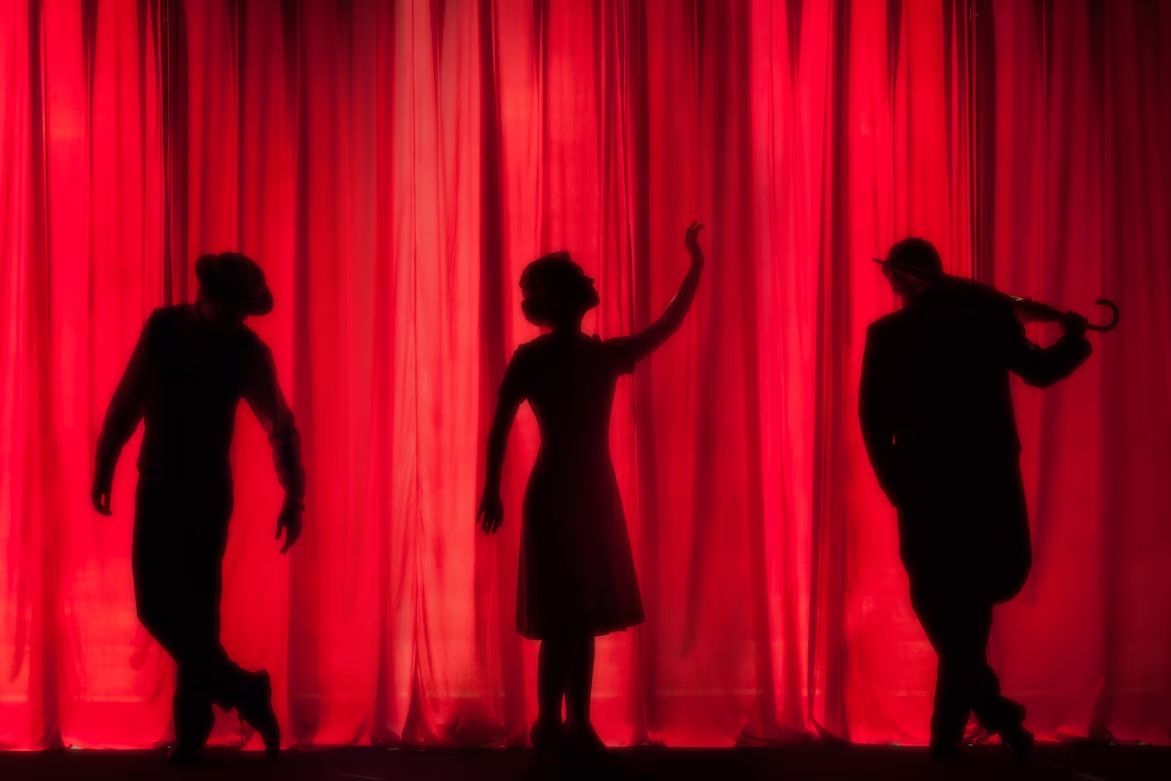
Image: Kyle Head

In 1866, a play called The Black Crook made history. After a fire destroyed another theater, producers combined a ballet and a melodrama , creating a six-hour spectacle of music, dancing, and over-the-top staging. It became a runaway success and is often called the very first Broadway musical.

5
What counts as "on Broadway"
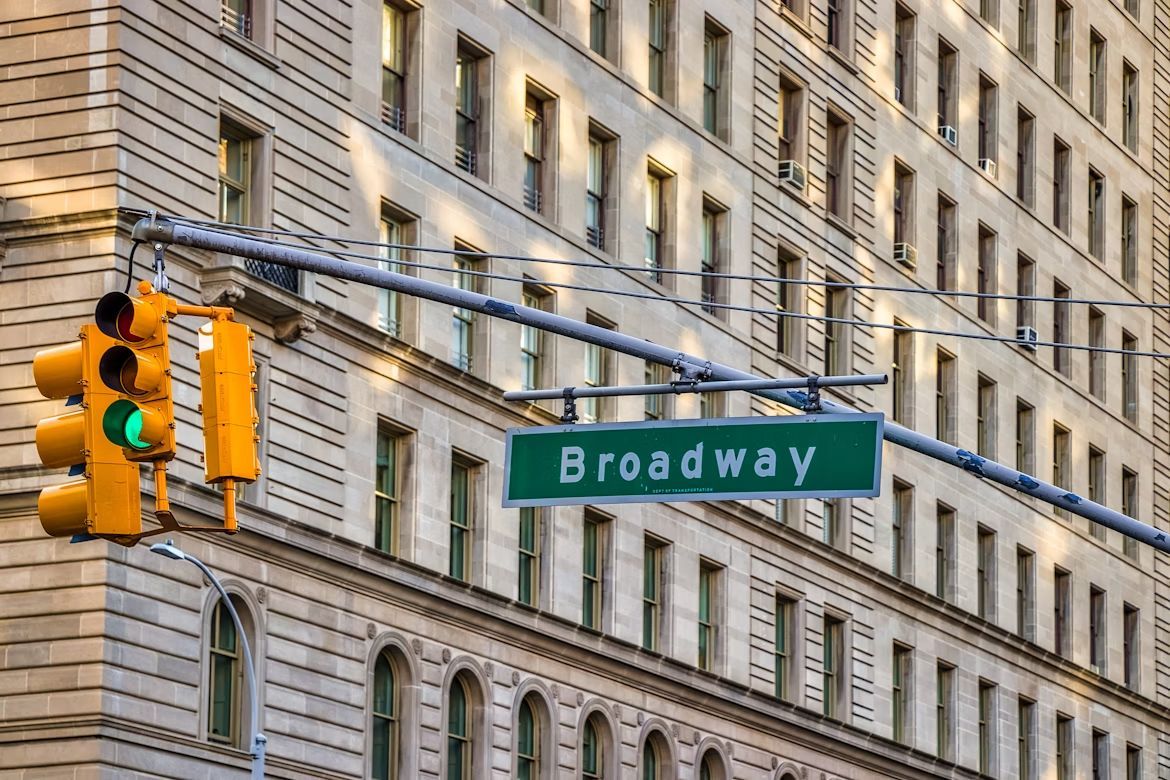
Image: Andreas M

People often think "on Broadway" just means any theater on that street, but it’s actually trickier than that . A show is considered Broadway if the theater has 500 or more seats and meets certain contract rules. Only a handful of actual Broadway theaters are physically on Broadway itself, which can be confusing for first-time visitors.

6
Phantom holds the record
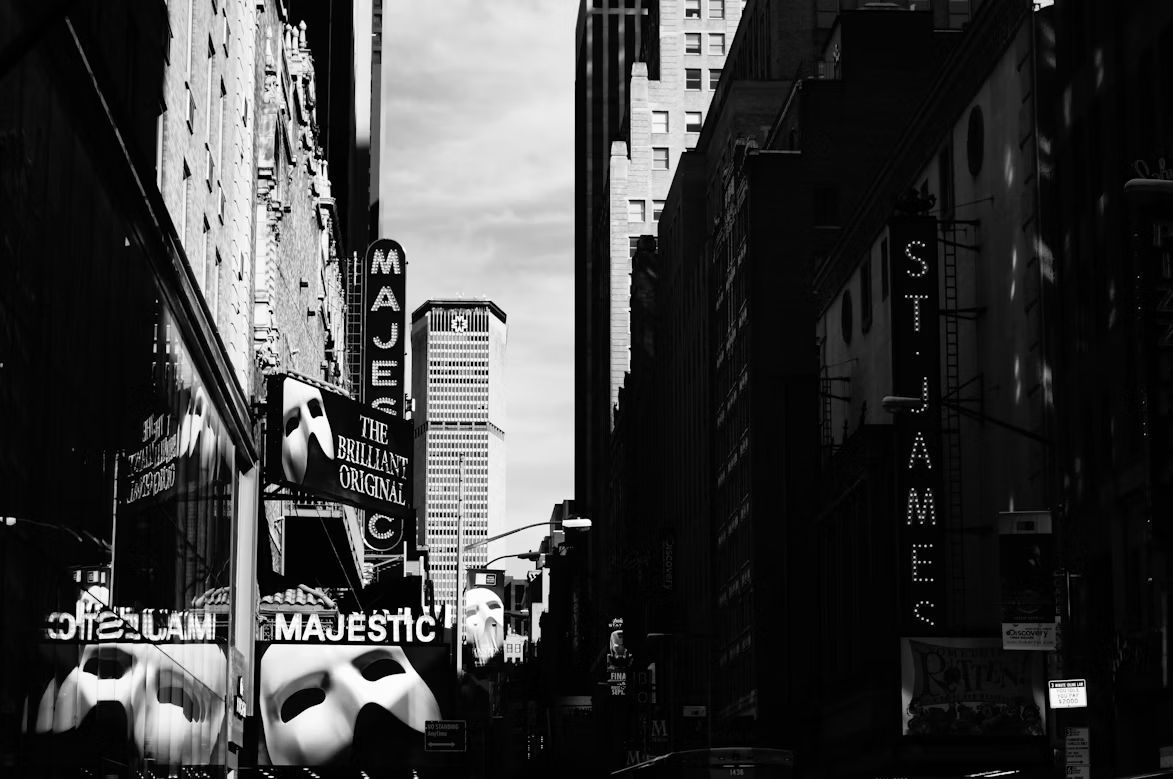
Image: Rodrigo dos Santos

Andrew Lloyd Webber’s The Phantom of the Opera holds the crown as Broadway’s longest-running show. With more than 13,000 performances , it kept audiences hooked for decades. Some orchestra members even played the same music eight times a week for years, perfecting their own unique coping routines. Can you imagine doing that?

7
Cats and its mountain of yak hair

Image: Roman Suslov

During its long run, Cats became famous for something other than the catchy songs. The costume crew went through over 3,200 pounds of yak hair for wigs alone . It certainly paid off, as the play also became one of the biggest shows in Broadway’s history. Talk about commitment to authenticity.

8
The Lion King roars the loudest at the box office

Image: Iván Díaz

Since its 1997 debut, The Lion King has been Broadway’s biggest earner , pulling in over a billion dollars in ticket sales. With its breathtaking puppetry and Elton John’s music, it managed to win over both theatergoers and families who grew up with the movie.

9
Carrie, the musical failure
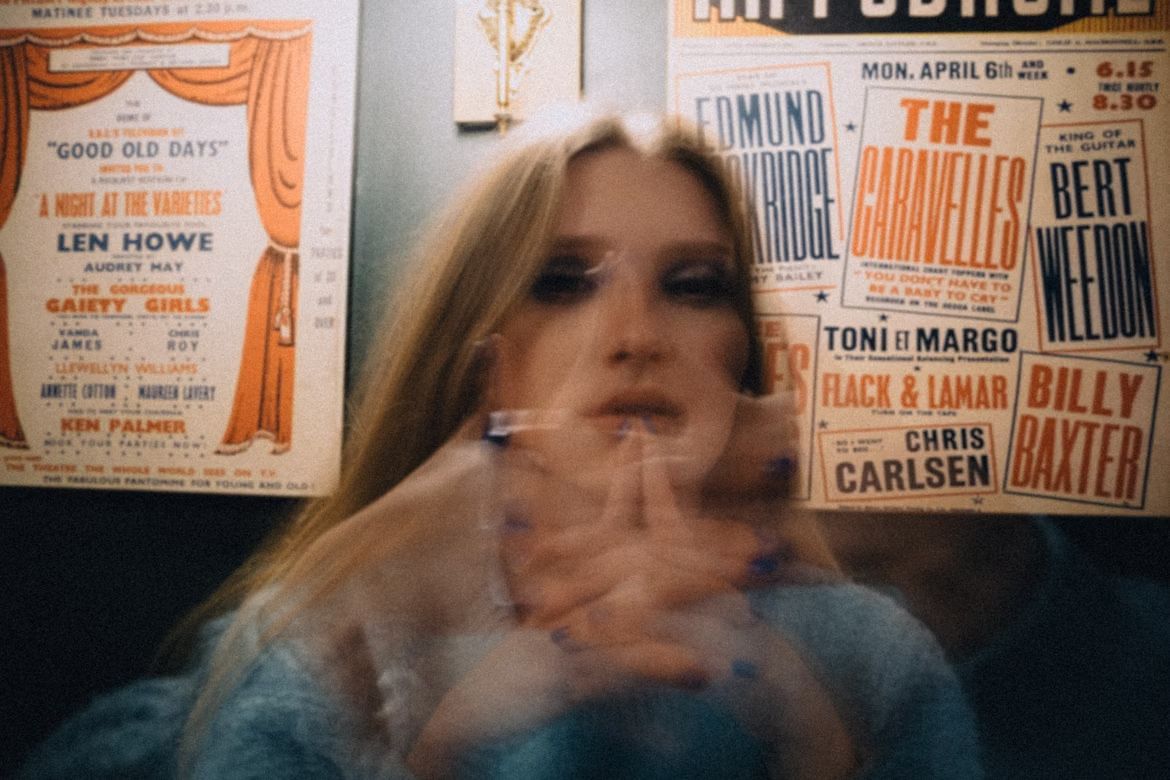
Image: Samuel Regan-Asante

Even if we’ve mentioned the greatest on Broadway, we must say not every show becomes a hit . In 1988, Broadway tried to turn Stephen King’s horror novel Carrie into a musical. Let’s just say it didn’t land, and if you’ve read the book, you can imagine why. Critics compared it to disasters of epic scale, and it closed after only five performances. One thing is for sure: Even the flops are big on Broadway.

10
Chicago’s real inspirations
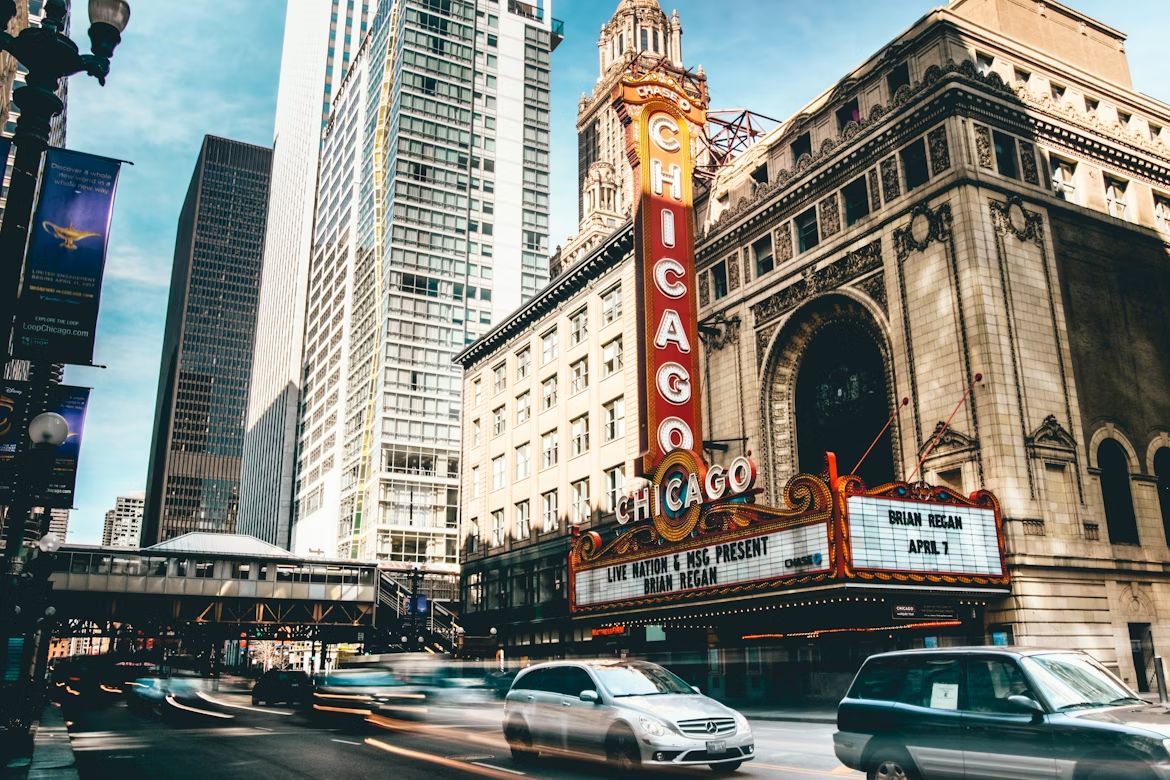
Image: Sawyer Bengtson

The hit musical Chicago may feel like pure entertainment, but its leading ladies were inspired by real 1920s women accused of murder. Beulah Annan and Belva Gaertner were both acquitted after trials that captured the public’s imagination. Their stories of crime, fame, and scandal became the backbone of the show.

11
Why theaters skip row I
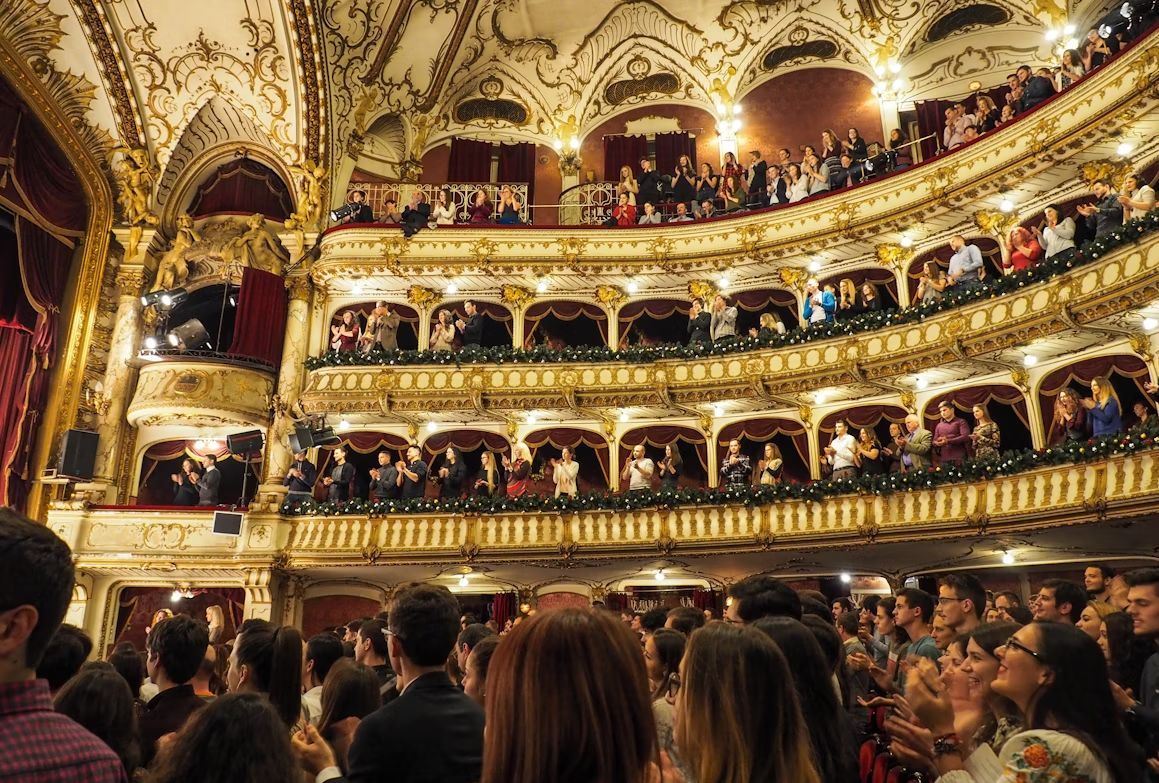
Image: Vlah Dumitru

Maybe you’ve never noticed, but many theaters go from row H to J, and that’s not because of superstition. The reason is that the letter I looks too much like the number 1 , which can make ticketing confusing in dimly lit theaters. Some places also skip O or Q for similar reasons. It’s all about keeping the seating simple for audiences. Do you agree with this policy?

Geography Geography 6 min read

America's weirdest, wildest, and raddest

Thomas Edison’s last breath? 10 odd roadside attractions across the U.S.

Image: Alvaro Reyes

If there’s one thing we Americans love, it’s things that are bigger, louder, and better than anyone else’s. This might explain why we are home to the largest egg in the world or why we keep Thomas Edison’s last breath in a museum. While it’s true that some of these strange places may seem odd and slightly cringeworthy, each one is interesting in its own right. And while they may not all be worth going out of your way to see, they are certainly worth reading about. Join us to discover 10 roadside attractions that will leave you speechless!

1
Miniature Graceland

Image: Florian Herzog

If you are on the East Coast and you are not planning a trip to the South to visit the real Graceland in Memphis anytime soon, you can always settle for Roanoke, Virginia's miniature version.

The handcrafted structures at Miniature Graceland include the mansion itself, a replica of the Elvis Presley Car Museum, as well as the King's birthplace in the city of Tupelo. This magical tribute was built in 1980 by Don Epperly, an Elvis fan, on the property next to his home. Over time, the attraction deteriorated, but a local group is now in charge of maintaining the site, which can still be visited.

2
World’s largest Christmas store

Image: Brandi Alexandra

Bronner's Christmas Wonderland in Frankenmuth, Michigan, is the self-proclaimed world's largest Christmas store. And no wonder—the amount of electricity required to run the 100,000 lights that illuminate the sales floor costs approximately $1,250 per day.

The salesroom showcases more than 350 decorated trees, and you can find decorations and gifts from 70 countries, as well as over 150 styles of nutcrackers. Also, Bronner's has in-house artists who customize over 100,000 ornaments annually. This place is so fantastic that hundreds of celebrities have visited it. So, now you know—if you're ever in Frankenmuth, chances are you'll be rubbing elbows with a Hollywood star while shopping for your next Christmas tree.

3
Missouri’s Mount Rushmore

Image: Takefreebies

Although often overshadowed by the original Mount Rushmore in South Dakota, Missouri’s Mount Rushmore with Fake Celebrity Heads still manages to attract a crowd. The "monument," located in Branson since 1996, includes sculpted faces of John Wayne, Elvis Presley, Marilyn Monroe, and Charlie Chaplin.

This attraction is part of the Hollywood Wax Museum and is featured on the exterior of the building. Inside, you can find wax replicas of dozens of iconic stars —a true photo opportunity! But, if you get bored, Branson offers plenty of other attractions for the curious tourist. Just next door to the museum, you’ll find the Castle of Chaos, the world's first 5D ride and game, as well as Hannah's Maze of Mirrors.

4
World’s Largest Egg

Image: Daniele Levis Pelusi

There have been four versions of the "World's Largest Egg" throughout the history of Winlock, Washington, where it is displayed. The current version is made of fiberglass, weighs 1,200 pounds , and sits atop a ten-foot steel pole in the center of town. But why an egg?

Until the 1950s, Winlock was America's second-largest egg-producing town, and its residents were very proud of this distinction. In fact, the first "big egg" they built to celebrate it, a canvas version, dates back to 1923. In 1944, it was replaced by a plastic version, and in the 1960s, a fiberglass model took its place. The current version, crafted in 1993, was made possible thanks to a local chicken hatcheryman.

5
Virginia’s Dinosaur Kingdom

Image: Fausto García-Menéndez

If you ever wondered what would happen if giant dinosaurs had fought during the Civil War, look no further than the Dinosaur Kingdom in Natural Bridge, Virginia. Visitors to this quirky destination are treated to scenes of giant plastic lizards devouring Union soldiers in re-enactments of famous battles.

But it’s not all fantasy—there's some truth to it all. The park's 30 fiberglass statues are built around the premise that paleontologists discovered dinosaurs in 1863. This unique attraction was created in 2005 by local artist Mark Cline, who was inspired by the movie The Valley of Gwangi, in which cowboys discover living dinosaurs in a Mexican valley.

6
Thomas Edison’s Last Breath

Image: Zach Lucero

Who wouldn’t want to capture the soul of a loved one before they passed away? Believe it or not, that's what American industrialist Henry Ford did in 1931. Ford considered Thomas Edison a hero and a role model. In fact, as a young man, he took a job at the Edison Illuminating Company while working on his first experimental automobile. Edison, impressed by young Ford’s inventiveness, eventually became his friend.

As the legend goes, Ford asked Edison's son to sit by the inventor's deathbed. Believing that the soul left the body with one’s dying breath, Ford captured the final gasp of his dear friend in a test tube. The artifact, labeled "Edison’s Last Breath?", is now on display at Henry Ford’s Museum in Dearborn, Michigan. If you ever visit, you'll find other interesting memorabilia, like George Washington's camp bed and the rocker in which Lincoln was shot.

7
The Golden Driller

Image: Zbynek Burival

To celebrate the discovery of vast oil reserves in the area, the city of Tulsa, Oklahoma, created a statue depicting an oil worker and presented it at the International Petroleum Exposition in 1953. The monument became so popular that in 1966, a new twenty-two-ton concrete and iron statue of a golden man standing next to an oil derrick was permanently installed in front of the Tulsa Expo Center.

The Golden Driller stands seventy-six feet tall and can withstand a 200 mph tornado. In 1979, it was declared Oklahoma’s official state monument. A plaque at its base reads: "To the men of the petroleum industry who by their vision and daring have created from God’s abundance a better life for mankind."

8
Glass Beach

Image: Kevin Lanceplaine

From 1950 to 1967, the citizens of Fort Bragg, California, dumped tons of garbage onto a nearby beach. Over the decades, the ocean transformed the refuse into thousands of small, smooth, colored glass pebbles that still litter the shoreline today.

Now known as Glass Beach, this area adjacent to MacKerricher State Park attracts thousands of treasure seekers each year. The beach is accessible by foot via a short climb down the cliffs, although collecting the remaining glass is discouraged by State Park Rangers.

9
Hometown of Superman

Image: Zachariah Aussi

Although the rural town of Metropolis, Illinois, is a far cry from the bustling, imaginary city featured in the Superman comics, it has fully embraced its superhero ties. In 1972, Metropolis proudly declared itself the "Hometown of Superman."

A fifteen-foot bronze statue of the Man of Steel stands on Main Street in front of the county courthouse, while Lois Lane has her own statue just a few blocks away. If this inspires you to visit Metropolis, mark your calendar for the second weekend of June. Every year, Superman fans from around the world gather here for the Superman Celebration , which features discussion panels, costume contests, and appearances by celebrity guests.

10
Wonder Tower

Image: Martin Podsiad

One hundred miles east of Denver, in Genoa, Colorado, sits the World’s Wonder View Tower, a tribute to all things weird and obscure. In reality, it was a roadside attraction built in the mid-1920s by American showman P.T. Barnum as a sort of tourist trap. The promoters claimed that if guests climbed to the top, they could allegedly view six different states: Colorado, Kansas, Nebraska, Wyoming, New Mexico, and South Dakota.

For years, the sixty-five-foot tower housed a museum and gift shop featuring stuffed two-headed animals, a collection of 50,000 glass bottles, rooster eyeglasses, and scores of other curiosities. Unfortunately, today the tower is closed to the public due to the owner’s death. Nevertheless, visitors can still admire the weird-looking structure from the outside and, we assure you, it’s totally worth it!

General General 3 min read

Big names for small creatures

Bird is the word: 10 American bird names explained

Image: Dulcey Lima

A world without birds would be a gloomy one, indeed. These feathered friends grace our skies and brighten our days with their songs, not to mention the important environmental roles they fulfill. The names we give them often showcase their characteristics or pay homage to the people who discovered them. Scroll on to learn about ten of the most common birds and their names. How many of these did you know?

1
Mourning Dove

Image: Anish Lakkapragada

The melancholic name of the mourning dove comes from its sad call , which the casual listener might mistake for an owl. Mourning Doves inhabit a wide range of open habitats, including suburbs and urban parks.

Their call is generally referred to as the "perch coo," a song sung by an unmated male from a perch. These birds have other well-known nicknames, such as "turtle doves" and "rain doves."

2
Northern Mockingbird

Image: Tyler Jamieson Moulton

More than just mockers, mockingbirds are expert singers, continuously adding new imitations of other birds' songs to their repertoires and sometimes mimicking unnatural sounds, such as car alarms. Northern mockingbirds may learn up to 200 different sounds.

These medium-sized, long-tailed gray songbirds prefer open habitats with a scattering of shrubs and small trees. They eat a wide variety of fruits, invertebrates, and even small vertebrates, such as lizards.

3
White-breasted Nuthatch

Image: Patrice Bouchard

You can recognize this bird by its white face and underside, bluish back and wings, dark crown, nasal "yank-yank" call, and its habit of creeping down tree trunks headfirst.

The name "nuthatch" is derived from "nut hacker," reflecting the bird's method of opening up nuts by jamming them into a crevice and then hammering at them.

4
Downy Woodpecker

Image: Joshua J. Cotten

The smallest woodpecker in North America, the Downy Woodpecker is a stubby-billed, black-and-white bird that inhabits deciduous woods and tree-filled urban and suburban parklands. It forages on trees, shrubs, and large weeds for insects and other arthropods.

The "downy" in this bird's common name refers to the soft, white feathers of its long, white back stripe . The "woodpecker" part refers to the fact that this bird pecks bark, looking for termites hidden underneath it.

5
House Finch

Image: Patrice Bouchard

Originally found only in the West, the House Finch was introduced to the eastern U.S. in 1939, when a few individuals were released from a pet store. The word "finch" comes from the German idiom fink , which refers to a lively or cheerful person —a description that certainly fits this active and gregarious songbird. The term "house" refers to the bird’s tendency to hang around human dwellings.

6
Song Sparrow

Image: Patrick Fobian

Song Sparrows, as their name suggests, sing a cheerful and recognizable song. Although these birds can be found in a wide range of habitats, their favorite spots are often close to streams and other sources of fresh water.

The English word "sparrow" derives from the Anglo-Saxon word spearwa . This term means "flutterer," an apt description for this active songbird.

7
Ruby-throated Hummingbird

Image: Joshua J. Cotten

The only hummingbird that regularly breeds in the eastern U.S. is the Ruby-throated Hummingbird. The male's metallic-looking red throat, or "gorget," explains the first part of the name. And the hummingbird part comes from the humming sound their wings make as they fly.

8
Blue Jay

Image: David Bridle

The "bullies" of the birdfeeder, Blue Jays' name comes from the bird's noisy, garrulous nature. This term has also been applied to other birds of the same family, which are generally gregarious as well.

Before approaching a feeder, Blue Jays often give harsh calls that sound like those of hawks, perhaps to scare off other birds that might compete for access to the bird seed.

9
Tufted Titmouse

Image: Paul Crook

These curiously named birds form longer-lasting family units than many other songbirds, with their younglings sometimes even hanging around for a second year to help raise younger siblings. The "titmouse" name has nothing to do with rodents, but instead comes from an Old English phrase meaning "small bird."

10
Spotted Towhee

Image: Anish Lakkapragada

Spotted Towhees are members of the sparrow family. These birds have dark heads and backs, white spots on their wings, rusty sides, and striking red eyes. Their song is a simple trill.

The name "towhee" is a simulation of the bird's call and it was coined in 1731 by the naturalist and bird artist, Mark Catesby.

Explore more American facts

Choose your favorite category!

General
General

As American as apple pie—the very best America has to offer!

Culture
Culture

Delve into the astounding richness of American lore.

Geography
Geography

Hop in and explore vast and diverse American landscapes.

History
History

Discover the key moments that shaped the United States.



