History History 6 min read

Numbers that made history

The “infamous” presidential address that broke radio records
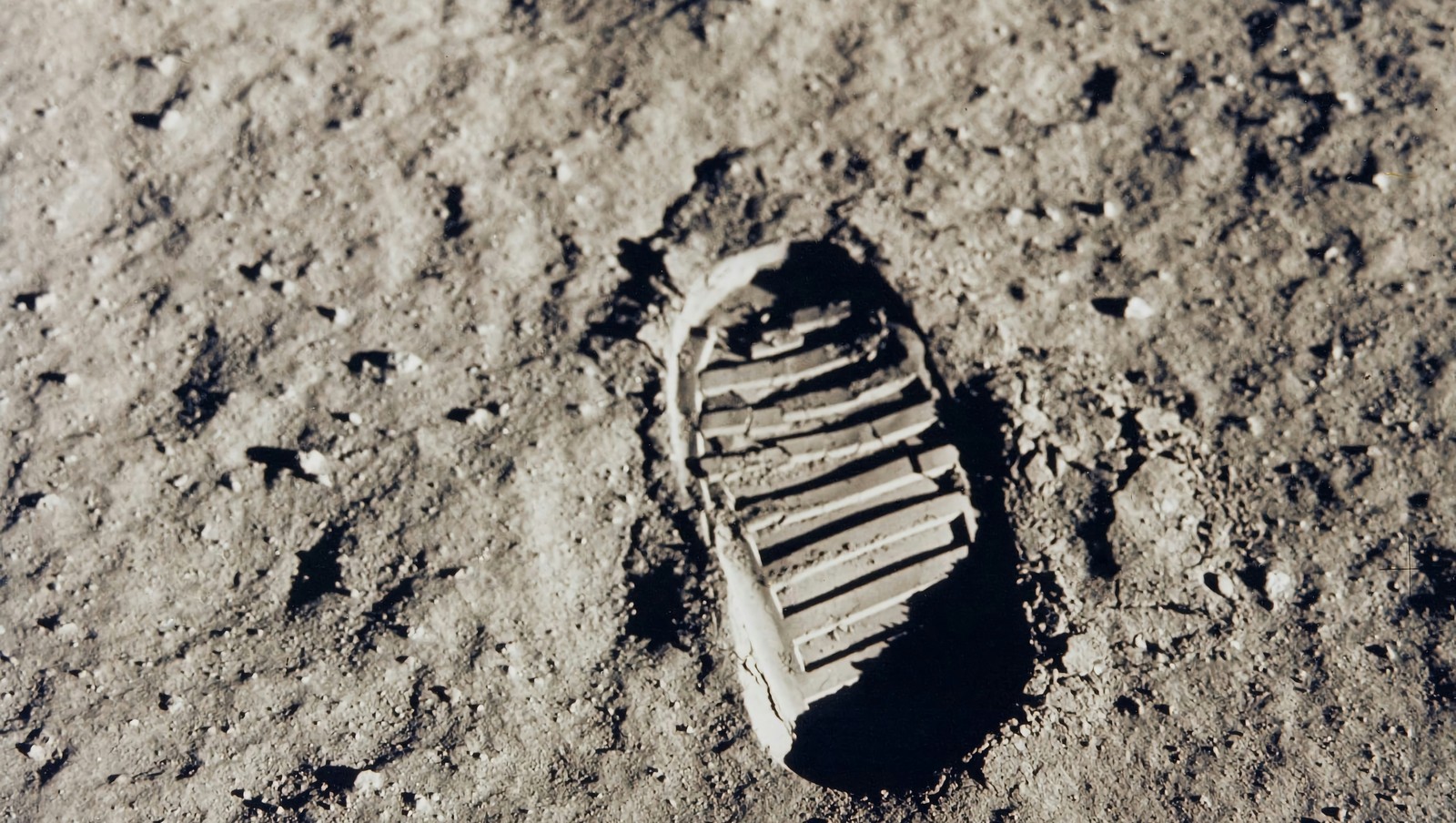
Image: NASA

Were you one of the lucky ones who saw the moon landing live on TV? Or maybe you know someone who witnessed the first televised presidential debate? The popularization of radio and later TV during the 20th century meant that millions of people were able to experience historic milestones together , no matter their situation or location. Here are the seismic television and radio events that gathered the biggest audiences in 20th-century America.

1
The Moon landing (July 20, 1969)
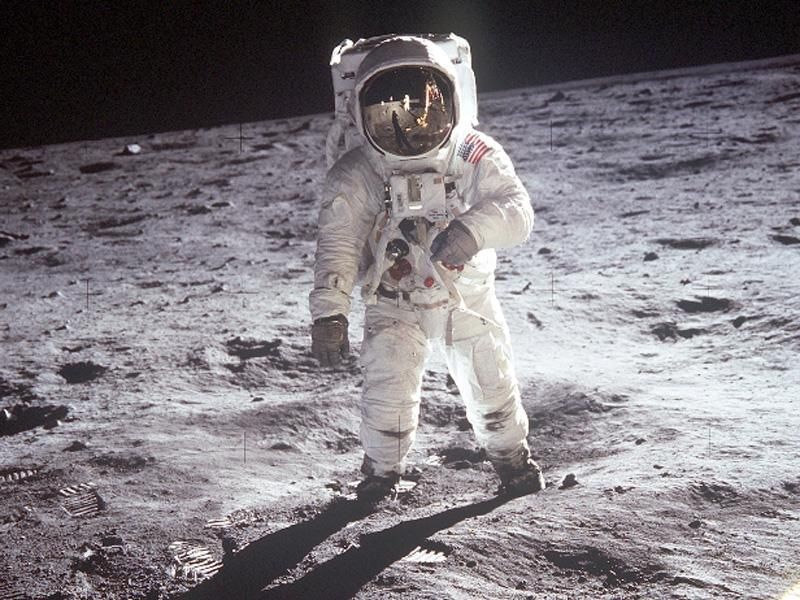
Image: NASA on The Commons, No restrictions, via Wikimedia Commons

The moment Neil Armstrong set foot on the lunar surface, he had millions of eyes upon him across millions of TV screens. Considered the television event of the decade, t he July 20, 1969 Moon landing broke records at a national and international level. Gathering an estimated 600 to 650 million viewers worldwide, "the small step for man, giant leap for mankind" was watched by around 125 to 150 million American viewers, representing around 93% of households with a TV. This record was not surpassed until the 1981 wedding of Lady Diana and Prince Charles.

2
"Day of Infamy" speech (December 8, 1941)
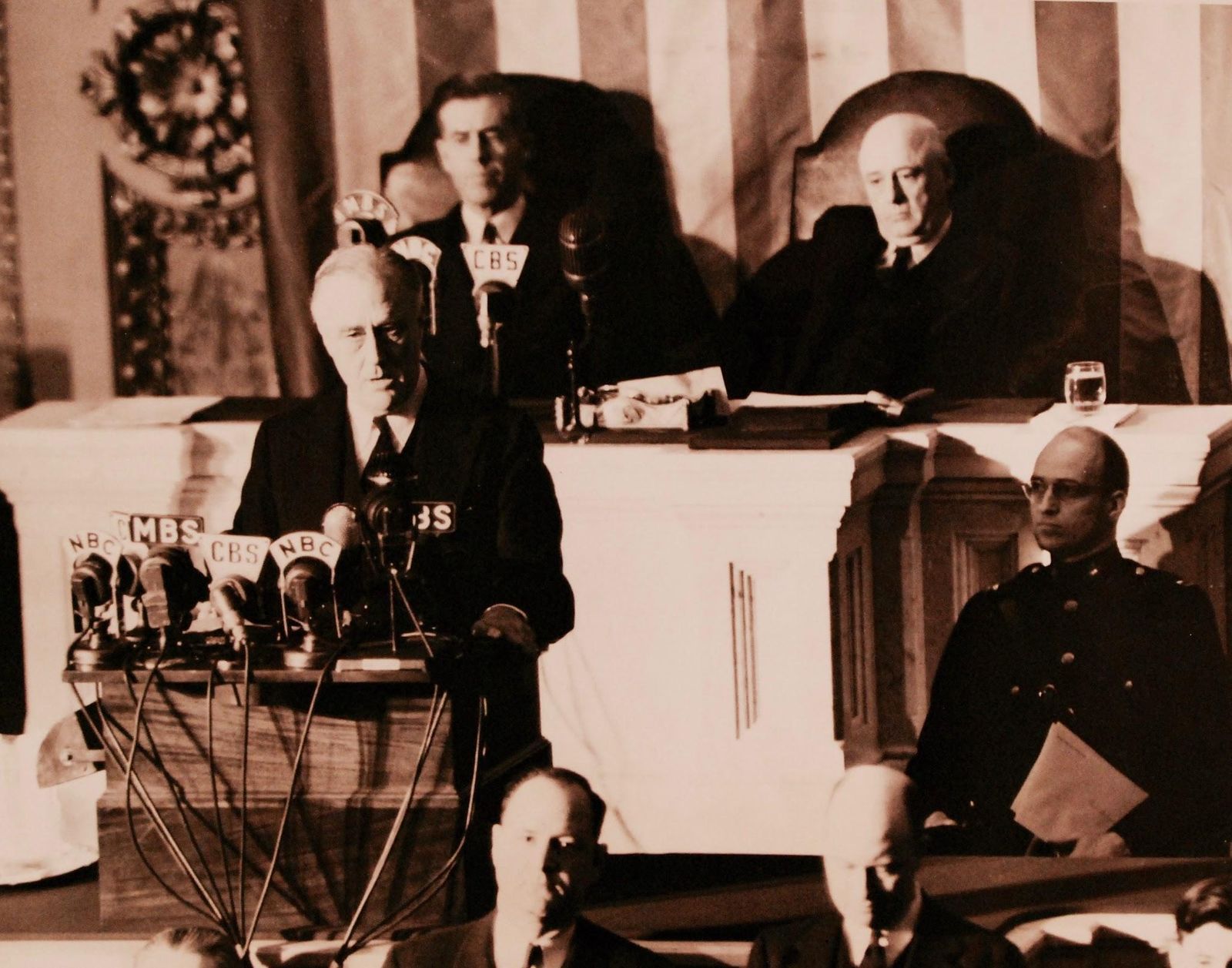
Image: National Museum of the U.S. Navy, Public domain, via Wikimedia Commons

A day after the December 7, 1941 attack on Pearl Harbor by the Japanese Imperial Navy, President Franklin D. Roosevelt addressed the U.S. Congress during a joint session. His speech, which started by describing the day before as "a date which will live in infamy", was not meant to convince Congress about declaring war —which it did shortly after—but to rally a distressed and shocked nation. One of the most famous political speeches of all time, this address attracted the biggest radio audience in American history, with more than 100 million people (an estimated 81% of the adult population) tuning in.

3
The first Kennedy-Nixon debate (September 26, 1960)
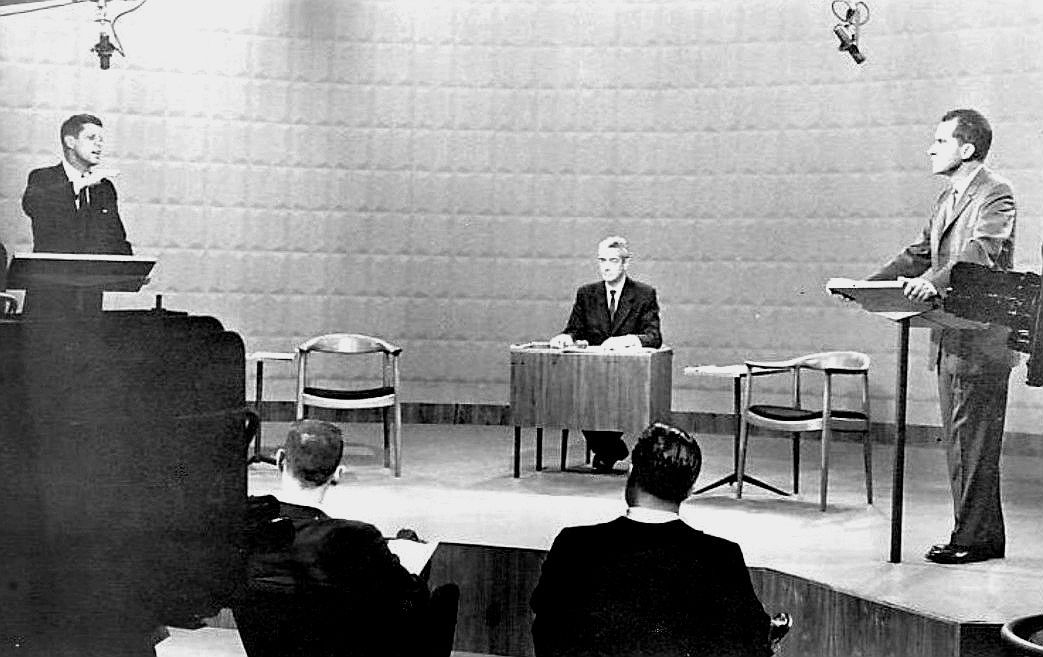
Image: Associated Press, Public domain, via Wikimedia Commons

The first of the 1960 presidential debates between Senator John F. Kennedy and Vice President Richard Nixon does not hold the record for the most viewed debate of the century (held by the 1980 Carter-Reagan debate), but it’s nonetheless a landmark event in American television. The first televised presidential debate ever, it attracted between 66 and 77 million viewers , and it is considered one of the main reasons for the shift in public opinion in favor of Kennedy. Nixon, aged 47, the leading candidate before the broadcast, appeared exhausted and pale compared to the much younger-looking and more telegenic Kennedy, aged 43.

4
"I have a dream" speech (August 28, 1963)
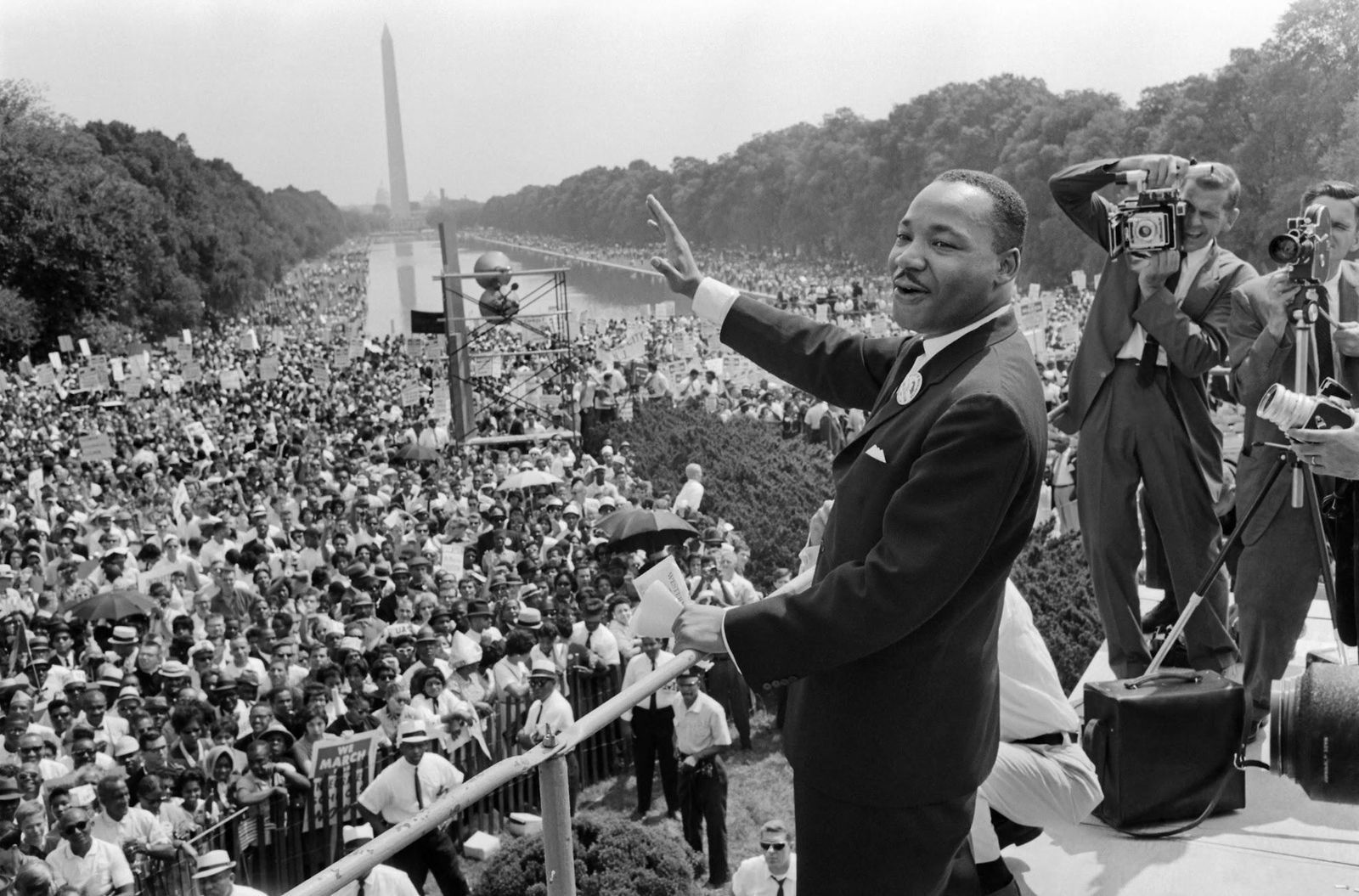
Image: National Park Service, Public domain, via Wikimedia Commons

The date and location of Martin Luther King Jr.’s most famous speech were not accidental. As part of the marches in support of President Kennedy’s proposed civil rights legislation, it coincided with the centennial of the 1863 Emancipation Proclamation made by Abraham Lincoln, at whose memorial King gave his speech. Besides the massive live audience (around 250,000 people), the speech was broadcast by the three major television networks and by major radio stations in the country . Although there are no official numbers recorded, it is estimated that there were millions of viewers and listeners, including the First Family at the White House.

5
The War of the Worlds broadcast (October 30, 1938)
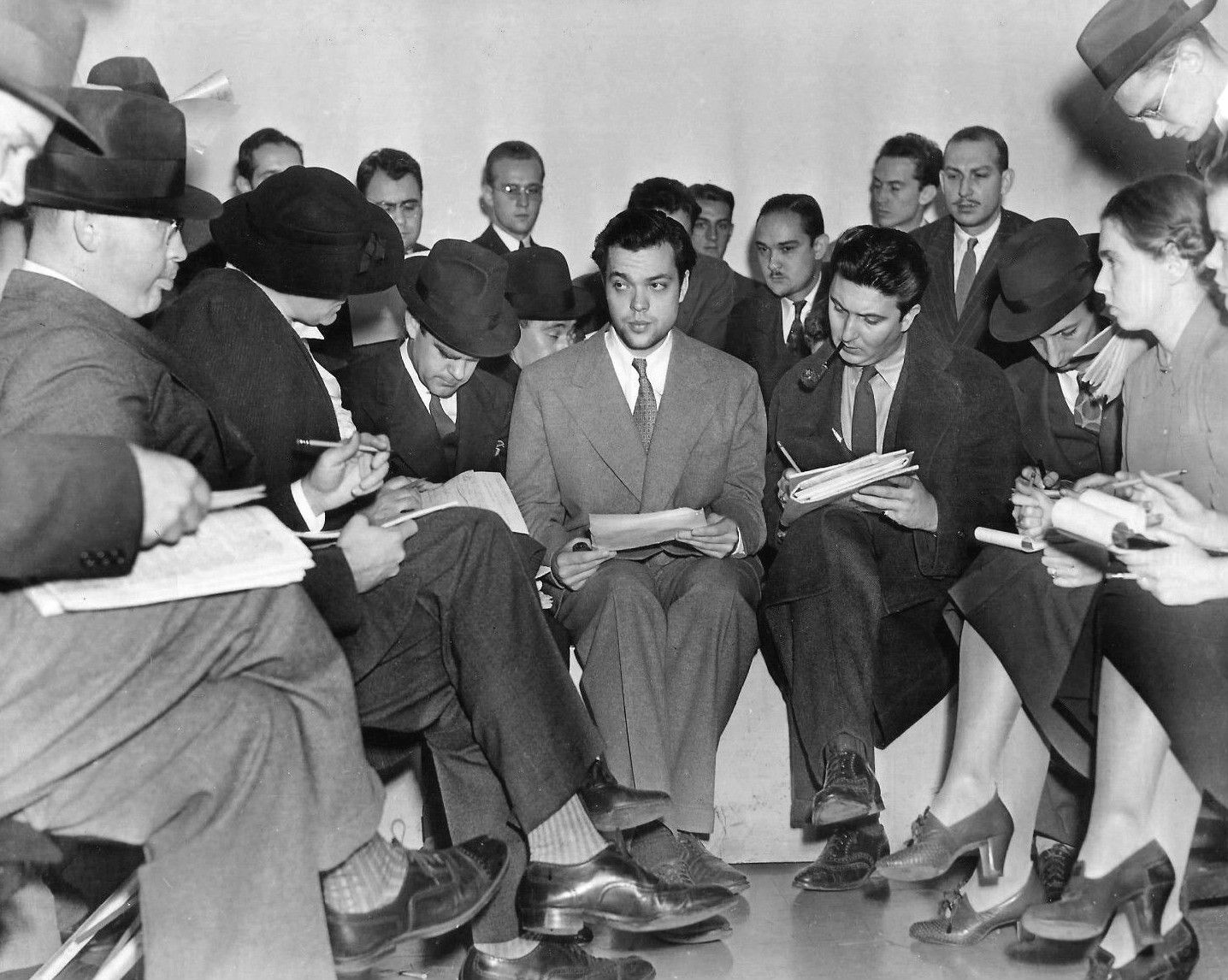
Image: The Express, Public domain, via Wikimedia Commons

On October 30, 1938, CBS Radio Network broadcast a radio adaptation of H. G. Wells' The War of the Worlds , directed and narrated by Orson Welles. The first part of the broadcast was delivered as a realistic news broadcast, with reporters breaking the news about an alien invasion, which led part of the audience to panic and believe that an actual invasion was taking place. The episode had an estimated audience of 6 million, and it is thought that more than a million listeners believed it was a real broadcast.

6
The Beatles’ first U.S. television performance (February 9, 1964)
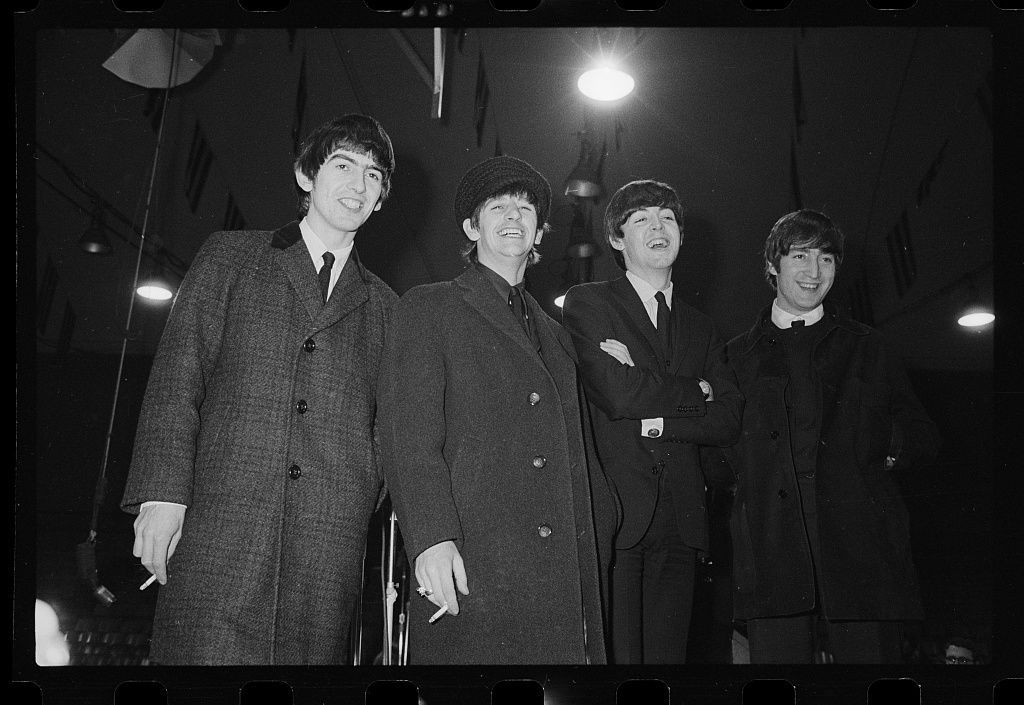
Image: United Press International, Public domain, via Wikimedia Commons

The most famous British band of all time made their American TV debut on February 9, 1964, on The Ed Sullivan Show , with an audience of 73 million viewers. The performance was highly anticipated —the broadcast network received 50,000 applications for the 728 seats available in the studio— and it is considered the starting point of American Beatlemania and the so-called "British invasion" of American music.

7
FDR's first Fireside Chat (March 12, 1933)
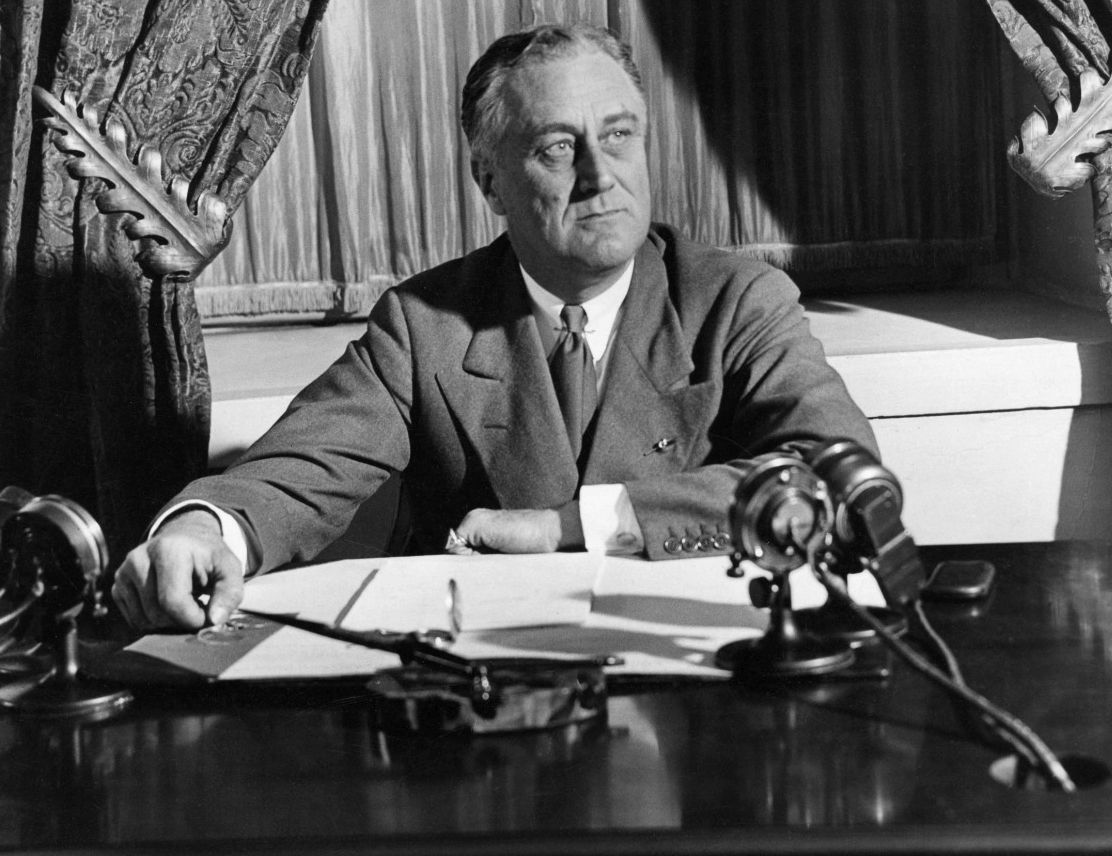
Image: Unknown or not provided, Public domain, via Wikimedia Commons

In the 1930s, during the Great Depression, the radio became one of the main sources of entertainment and news. President Roosevelt’s Fireside Chats used the radio format as a way to connect directly with millions of weary Americans , explaining the policies that were being implemented to combat the crisis, dispelling rumors, and encouraging them to trust in the government. The friendly, informal tone of these broadcasts was highly effective in raising the nation’s morale and reducing general anxiety. With the first broadcast reaching an audience of 60 million, the Fireside Chats attracted more listeners than most of the popular radio shows, with numbers rising as America entered World War II.

8
Nixon’s resignation speech (August 8, 1974)
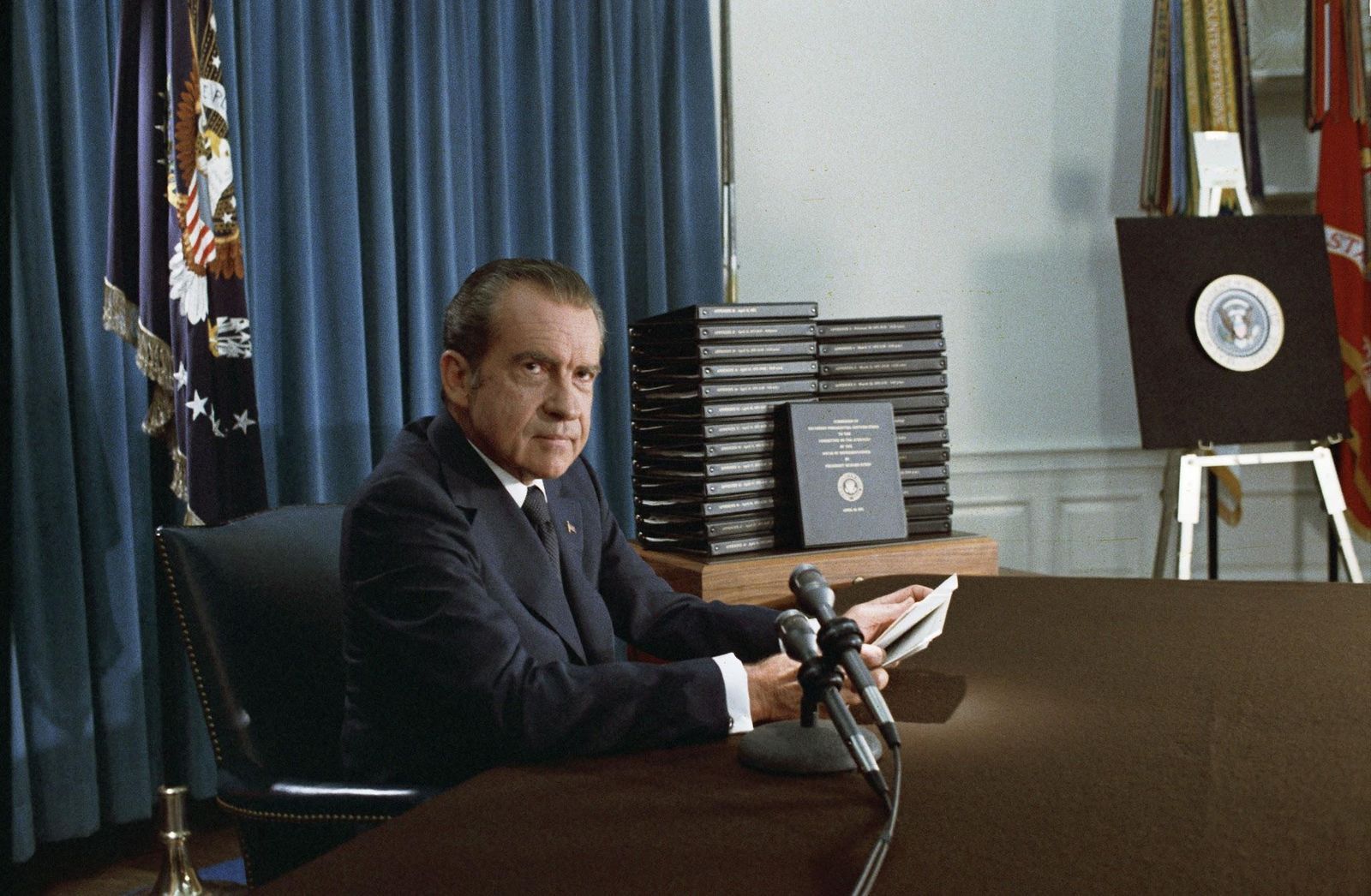
Image: The Nixon library, Public domain, via Wikimedia Commons

On August 8, 1974, President Nixon addressed the American public from the Oval Office to announce his decision to resign the following day as a result of the Watergate scandal and under the threat of an impending impeachment. Besides an ample radio audience, the televised speech was watched by 90 to 110 million television viewers. While the reactions of the public were mixed, the speech had an unprecedented impact and is considered one of the most important political speeches of that era.

9
_Roots_’ final episode (January 30, 1977)

Image: Stephen Monterroso

The production and broadcast of the 1977 Roots miniseries was a milestone in itself. Only a few years before, tensions around the Civil Rights movement had shaken America, and some thought that airing a story that put the enslavement of Black people in the spotlight was a huge risk. But audience numbers proved them wrong: with around 29 million households tuning in for the first episode, the series became a cultural phenomenon that sparked conversations about race, ancestry, and American history. The final episode, with more than 100 million viewers —more than half of the U.S. population— was the most-watched TV episode of the time, and the second-most-watched overall series finale in U.S. history.

10
Super Bowl XVI (January 24, 1982)
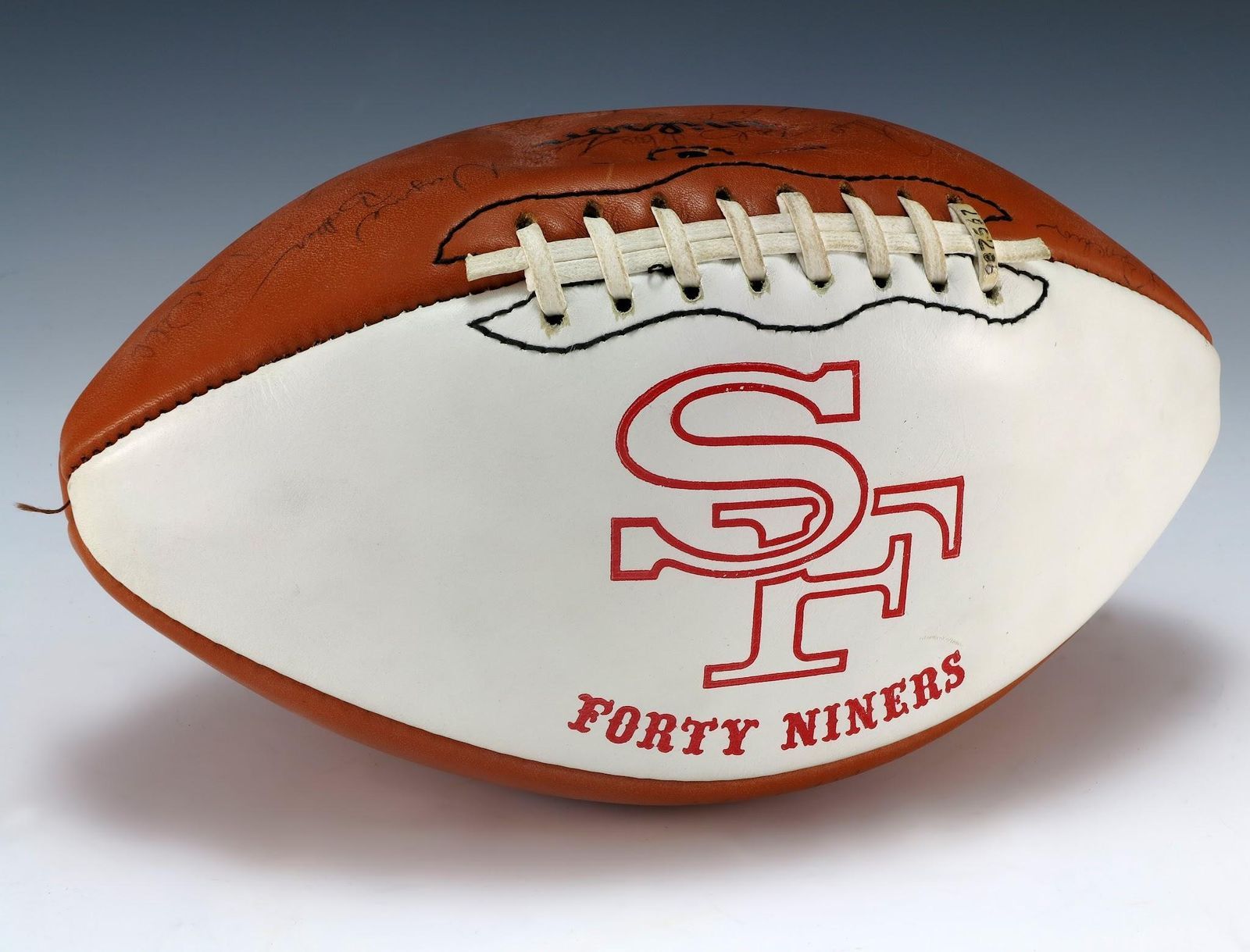
Image: Gerald R. Ford Presidential Museum, Public domain, via Wikimedia Commons

Nowadays, it’s not surprising that sports events like the Super Bowl have a huge television audience, but things were different in the 1980s. Super Bowl XVI, played on January 24, 1982, in Michigan, with the San Francisco 49ers facing the Cincinnati Bengals, was watched by more than 85 million people, breaking all broadcasting records of the time .

11
Louis-Schmeling rematch (June 22, 1938)
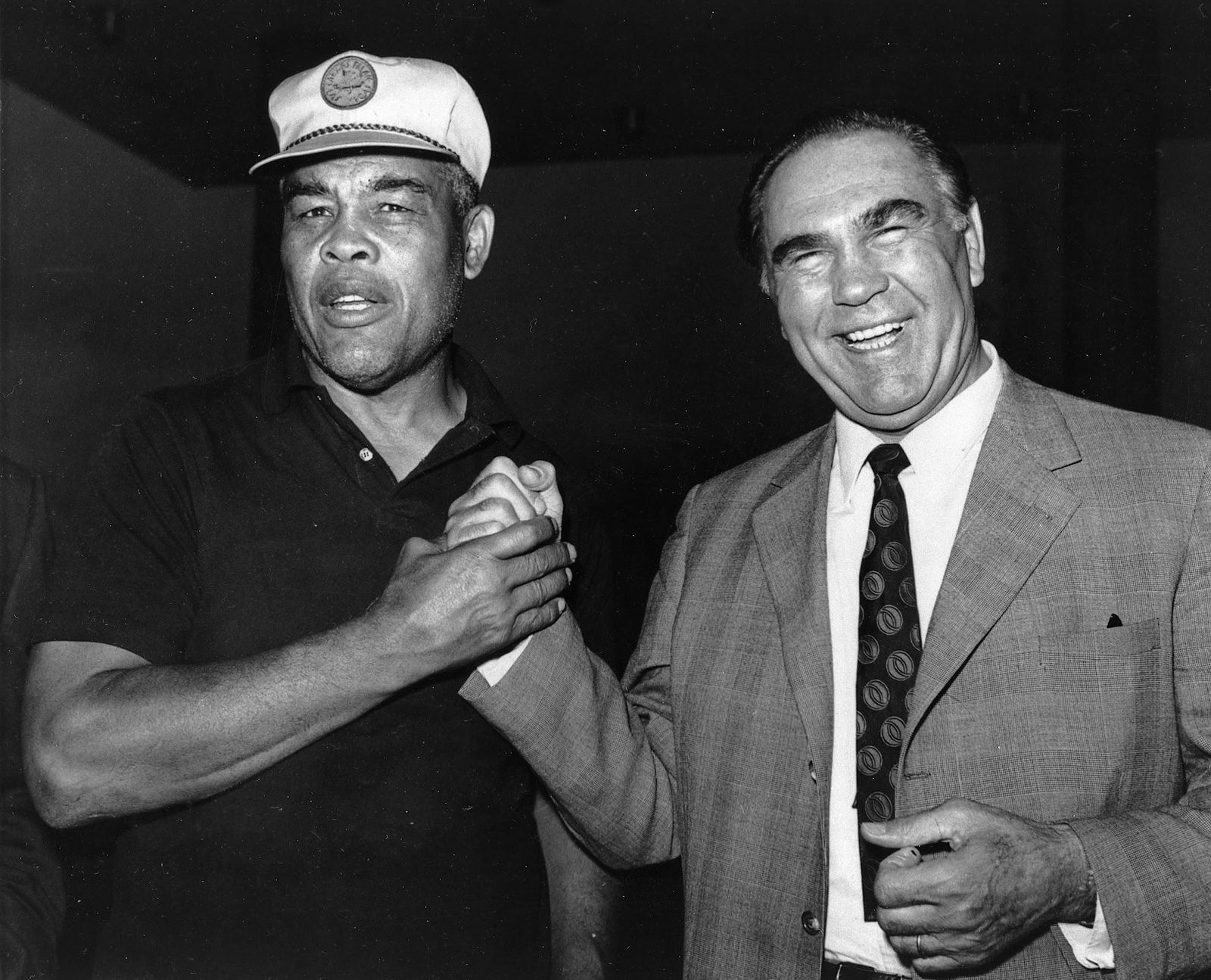
Image: Associated Press, Public domain, via Wikimedia Commons

When Joe Louis faced the German boxer Max Schmeling for the first time in 1936, everyone predicted that Schmeling would lose against the undefeated and rising Louis. To the world’s surprise, Schmeling won by knockout. Their rematch two years later was not only Louis’ opportunity to change the result and defeat Schmeling , but it was also charged by the increasing political tensions between Hitler’s Germany and the U.S. Besides its huge live audience at Yankee Stadium, the fight had a record audience of 70 million people in America, with an additional 30 million estimated listeners from other countries.


General General 3 min read

Organized living is always better

Most Americans store these 10 items incorrectly. How about you?

Image: Alicia Christin Gerald

Most Americans store household items wherever they seem convenient. Of course they do, why wouldn’t they, right? But as it turns out, over time, heat, humidity, and clutter can quietly shorten an object’s lifespan or make it harder to use. Organizing experts say many common habits are actually working against us. The good news is that small storage changes can make everyday items last longer. Here are some of the most commonly misplaced ones.

1
Books

Image: Ed Robertson

Many of us stash books in closets or basements to save space , but these areas often trap moisture. Over time, humidity can warp covers, yellow pages, and encourage mold growth, especially in older homes.

A better option is open shelving in a living area where air can circulate freely. Keeping books visible not only helps protect them but also encourages reading and makes it easier to enjoy them regularly.

2
Medicine

Image: Joanna Stołowicz

Bathrooms are the most common place Americans store medication, yet heat and steam can reduce a drug’s effectiveness over time . Moisture can also cause pills to break down faster or labels to peel off.

A cool, dry place like a bedroom drawer or hallway cabinet is generally safer. Keeping medication out of the bathroom helps preserve its potency and makes expiration dates easier to track.

3
Important documents

Image: Sear Greyson

Birth certificates, insurance policies, and property deeds are frequently scattered across drawers or stacked in filing piles . This makes them hard to find during emergencies and leaves them vulnerable to damage.

Experts suggest using a dedicated fire-resistant file or document box kept in a consistent location. Centralizing paperwork saves time and reduces stress when documents are suddenly needed.

4
Photo albums and loose photographs

Image: Roman Kraft

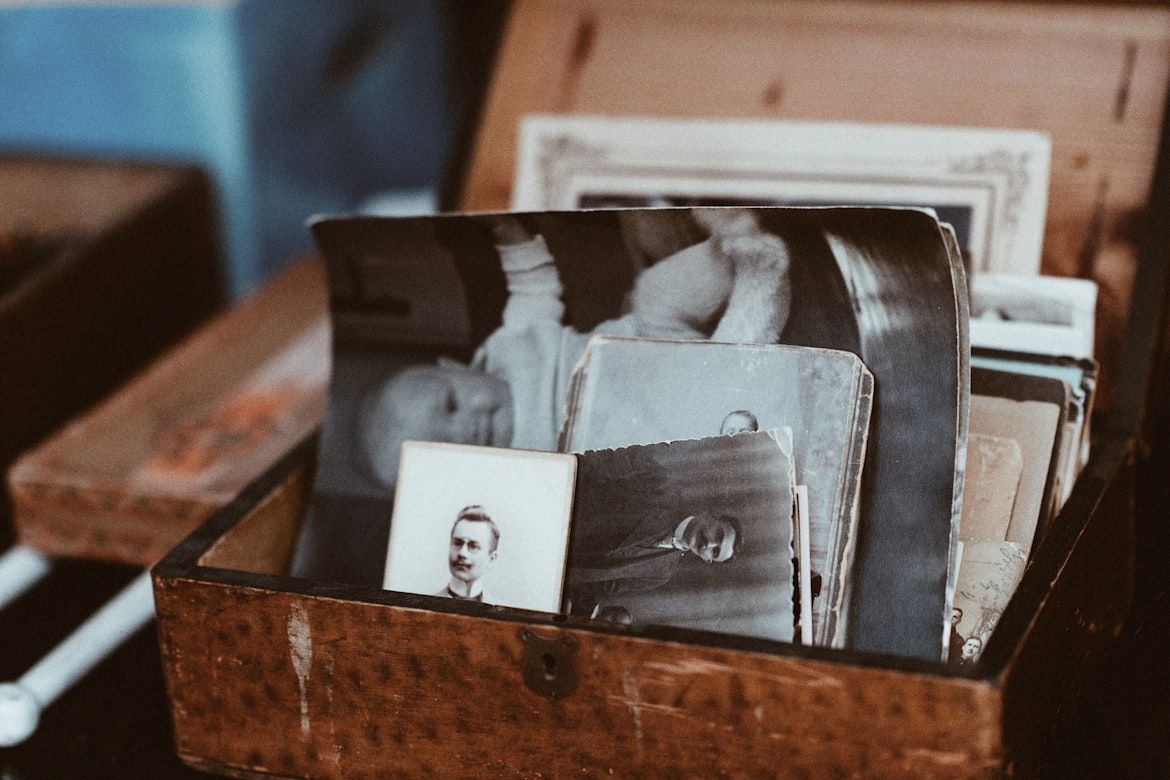
Many families store photos in garages or basements, where temperature swings and moisture can cause fading and curling . Once damaged, photographs are often difficult or impossible to restore.

Photos last longest when stored in acid-free boxes kept in interior closets. Proper storage preserves memories and ensures future generations can enjoy family history without deteriorating.

5
Olive oil

Image: Dimitri Karastelev

Many Americans keep olive oil next to the stove for convenience. Unfortunately, exposure to heat, light, and air causes oil to turn rancid faster , affecting flavor and nutritional value.

A cool, dark cabinet away from appliances is ideal. Storing olive oil in a tightly sealed, opaque container further slows degradation. Proper storage helps olive oil retain its taste longer and prevents waste caused by premature spoilage.

6
Coffee

Image: Aldino Hartan Putra

Coffee is often kept in its original bag on the counter or in the pantry. Exposure to air, light, heat, and moisture gradually degrades its aromatic compounds, dulling its flavor , even if the beans are freshly roasted.

An airtight container stored in a cool, dark place is generally best for preserving aroma and taste. This simple change keeps coffee fresher and makes each cup more enjoyable.

7
Bread

Image: Vicky Ng

Many people refrigerate bread to keep it fresh, but cold temperatures actually dry it out faster . The result is a dry, stale texture and often unnecessary food waste.

Freezing bread preserves freshness far more effectively. When wrapped tightly to prevent freezer burn, sliced loaves can be toasted straight from the freezer, extending shelf life without sacrificing quality.

8
Spices

Image: Heather McKean

Spice racks near the stove are common, but heat and steam weaken flavors over time . Spices may still look fine while losing much of their potency and taste.

A drawer or cool cabinet away from heat helps spices last longer. Keeping containers tightly sealed further protects against moisture and oxidation. Better storage keeps meals flavorful and reduces how often spices need replacing.

9
Toothbrushes

Image: Peng Liu

Left uncovered near sinks or toilets, toothbrushes are exposed to moisture and airborne bacteria . This can lead to hygiene issues and faster wear.

Storing brushes upright in a well-ventilated holder that allows them to air-dry completely is generally recommended. Cleaner storage improves longevity and supports better personal hygiene.

10
Batteries

Image: John Cameron

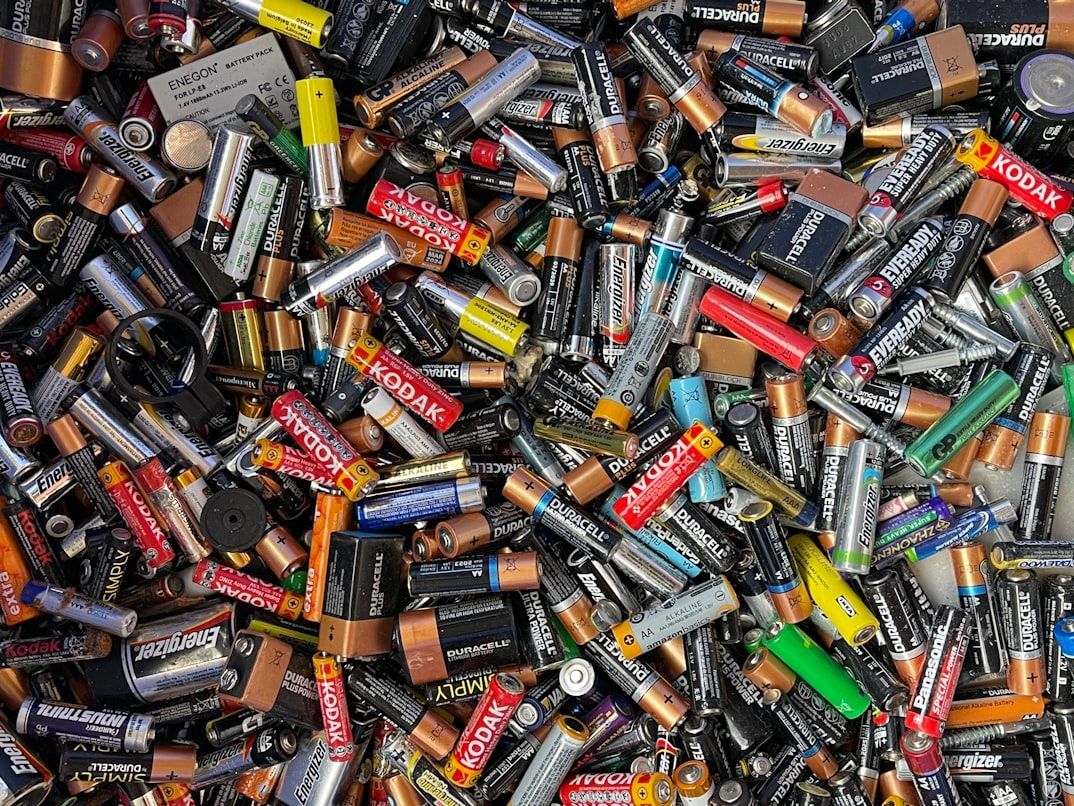
Loose batteries tossed into junk drawers can rub against metal objects such as coins or paper clips, potentially causing short circuits, leaks, or loss of charge . Damaged batteries may ruin devices later.

Keeping batteries stored by type in a labeled container prevents contact issues. Organized storage extends battery life and makes replacements easy to find.

General General 6 min read

Beloved American brands

Why did Kodak and Woolworth's disappear? The real reason

Image: pony rojo, CC BY-SA 2.0, via Wikimedia Commons

Blockbuster, Kodak, Woolworth’s… just hearing those names can bring back many memories, even though the brands have long since gone. T hese weren’t just brands; they were part of our routines, our weekends, and our family vacations. For decades, these companies seemed unstoppable. Then, they disappeared. So what happened? Here’s the story behind 10 iconic American brands that once stood at the top, and the real reasons they faded away.

1
Blockbuster

Image: RegionalQueenslander, CC BY-SA 4.0, via Wikimedia Commons

During the 1980s and 1990s, Friday night often meant one thing for American families: a trip to Blockbuster. Browsing the aisles for a movie, debating what to watch, and grabbing popcorn at the counter became a weekly routine. But nothing lasts forever.

Born in 1985, Blockbuster conquered the massive home-video market with thousands of stores by the late 1990s and early 2000s, catering to families with at-home VCRs. Then technology changed everything. First came DVD-by-mail services like Netflix, followed by streaming, which left Blockbuster struggling. Late fees and inconvenience only pushed more customers away. The company filed for bankruptcy in 2010. Today, just one official store remains in Bend, Oregon, where visitors still stop by for a dose of the video-store era.

2
Kodak

Image: 多多123, CC BY 4.0, via Wikimedia Commons

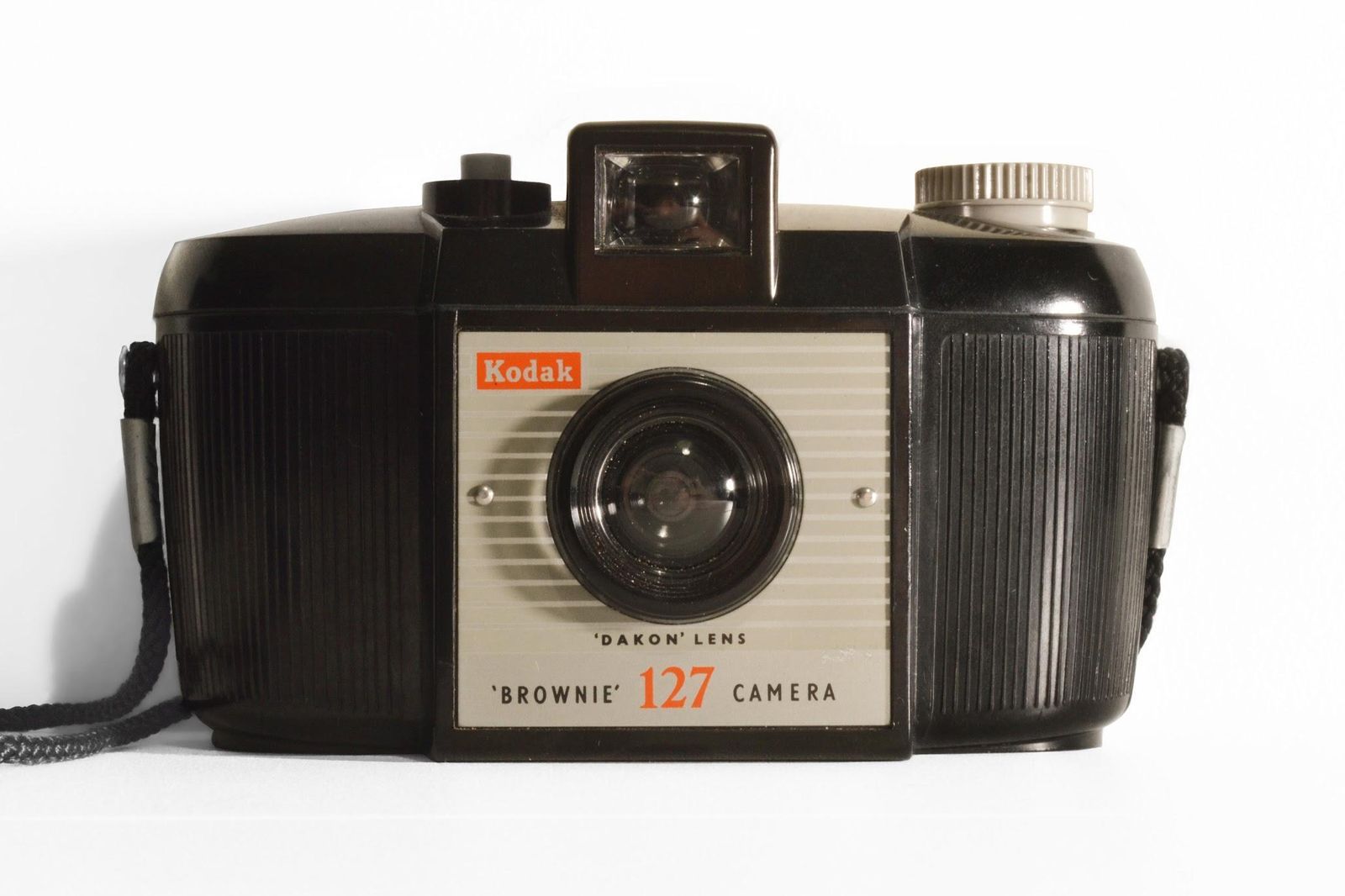
Back in the day, almost every vacation, birthday, wedding, or holiday gathering seemed to include a Kodak camera, or at least a roll of Kodak film. Founded in 1881, Kodak helped keep the moments that filled family photo albums for generations.

From the 1960s through the 1990s, Kodak dominated the world of film and photography. But that success also made the company slow to accept that technology was changing. Ironically, Kodak helped invent one of the first digital cameras in 1975, yet it hesitated to embrace the future. By the 1990s and 2000s, digital cameras (and later camera phones) quickly replaced traditional film. In 2012, the company declared bankruptcy.

3
Pan Am

Image: Felix Goetting (GFDL 1.2 or GFDL 1.2), via Wikimedia Commons

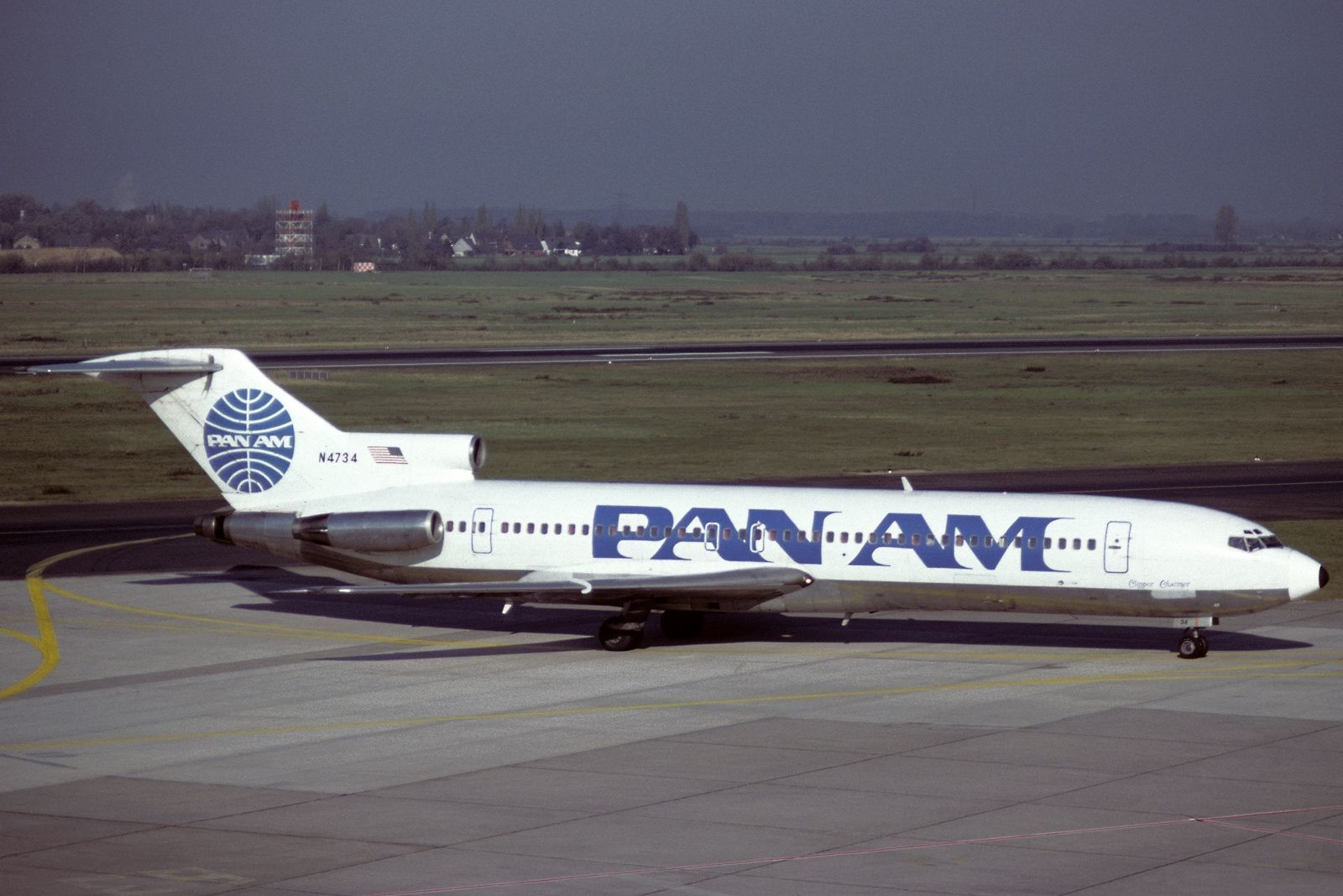
Long before flying became an everyday experience, Pan American World Airways, better known as Pan Am, was already carrying Americans across the world. It was founded in 1927, and during the 1960s and 1970s, the airline became a symbol of glamorous air travel.

Its famous blue globe logo was instantly recognizable, even to those who rarely flew. But by the late 1970s, rising competition, fuel costs, and financial troubles began weakening the company. After years of mounting losses and debt, Pan Am shut down in 1991. Even so, its fame was such that even today, more than 30 years later, we still remember it.

4
Woolworth’s

Image: Warren LeMay from Cullowhee, NC, United States, CC0, via Wikimedia Commons

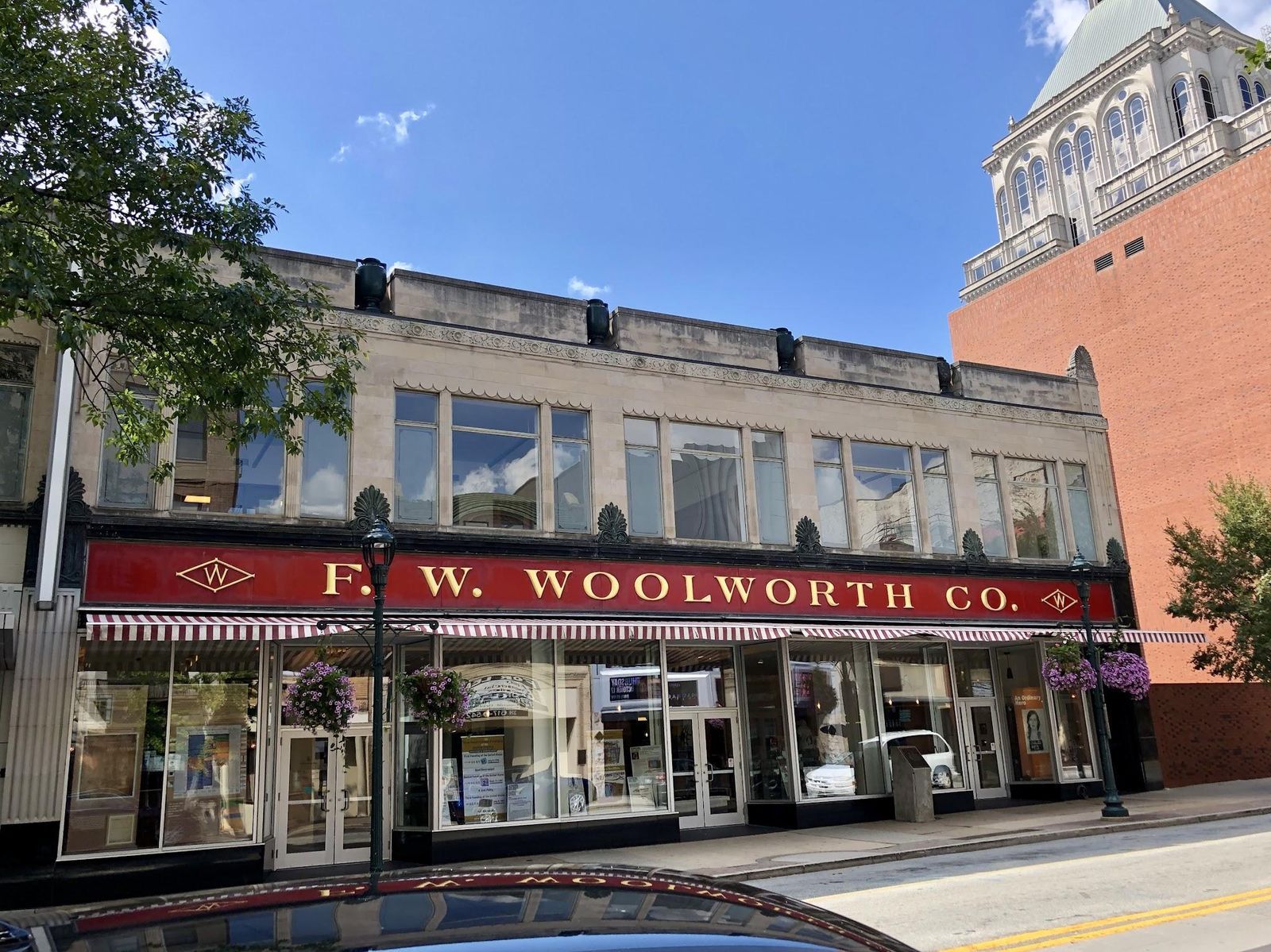
Before Woolworth's made the "five-and-dime" famous, shopping in America looked very different. For decades, Americans visited Woolworth’s for everything from toys and school supplies to household goods and everyday essentials. By the 1960s, the brand had become a familiar part of American life.

Created in 1879 by Frank Winfield Woolworth, the chain grew into one of the country’s largest retailers. But in the 1970s, malls and discount giants like Walmart changed the way Americans shopped, and Woolworth struggled to keep up. By the 1980s, the iconic chain was slowly disappearing. Most stores closed during the 1990s, and the Woolworth retail chain officially ended in 1997.

5
Circuit City

Image: kennejima, CC BY 2.0, via Wikimedia Commons

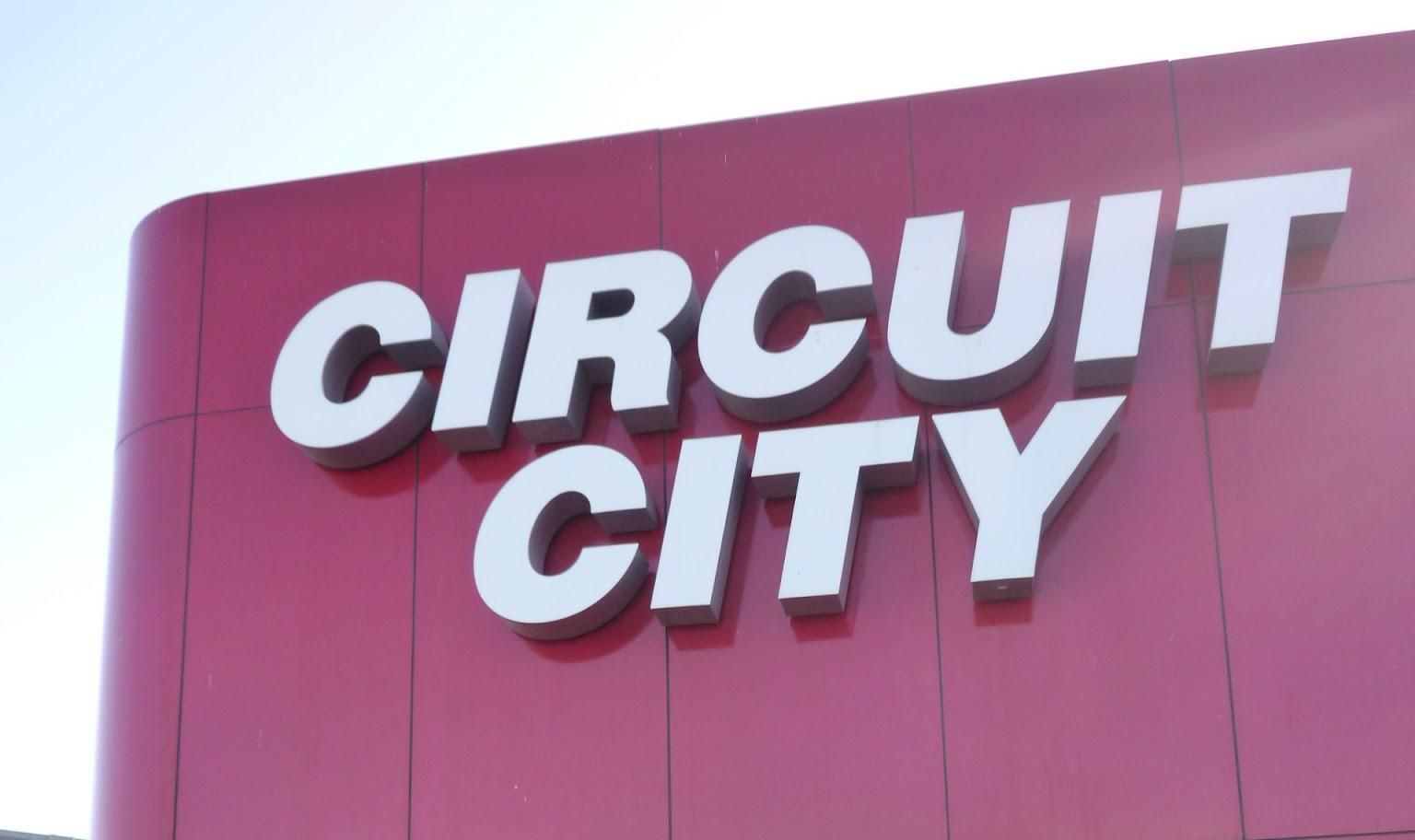
Testing giant stereo systems, browsing rows of CDs and video games, and shopping for the newest TV were all part of the experience at Circuit City, once one of America’s biggest electronics chains.

Founded in 1949 by Samuel S. Wurtzel in Richmond, Virginia, as "Wards Company," the retailer adopted the Circuit City name in 1984. During the 1980s, 1990s, and early 2000s, it became the go-to place for Americans buying a TV, stereo, computer, or any electronic device. But like many companies on this list, Circuit City struggled as shopping habits changed and online stores became more convenient. A controversial 2007 decision to lay off thousands of experienced employees further hurt the company’s reputation. Circuit City couldn’t survive mounting losses and closed all remaining stores in 2009.

6
Borders

Image: Bindydad123, CC BY-SA 4.0, via Wikimedia Commons

Remember Borders? Born in 1971, its huge stores, filled with books, music, magazines, and cozy reading spaces, invited customers to spend entire afternoons there.

During the 1990s and early 2000s, the rise of large shopping malls actually helped Borders thrive, turning its bookstores into popular destinations inside malls across the US. But eventually, the company ran into a challenge it couldn’t overcome: online shopping and digital reading. Competitors like Amazon surged ahead, while Borders struggled to adapt and made costly business decisions, including outsourcing its online sales to Amazon for years. The company collapsed financially in 2011 and soon closed all remaining stores.

7
Bugle Boy

Image: Claire Abdo

In the late 1980s and early 1990s, teenage fashion became almost synonymous with Bugle Boy. Famous across the country for its casual jeans and memorable TV commercials, the brand became a major part of American mall culture and was sold in department stores nationwide.

But fashion never stands still, and brands have to constantly adapt to survive. By the late 1990s, newer youth-oriented labels had taken over with fresh styles that quickly made Bugle Boy seem outdated. Sales began to fall, and after years of struggling to keep up with changing trends, the company closed its stores in 2001.

8
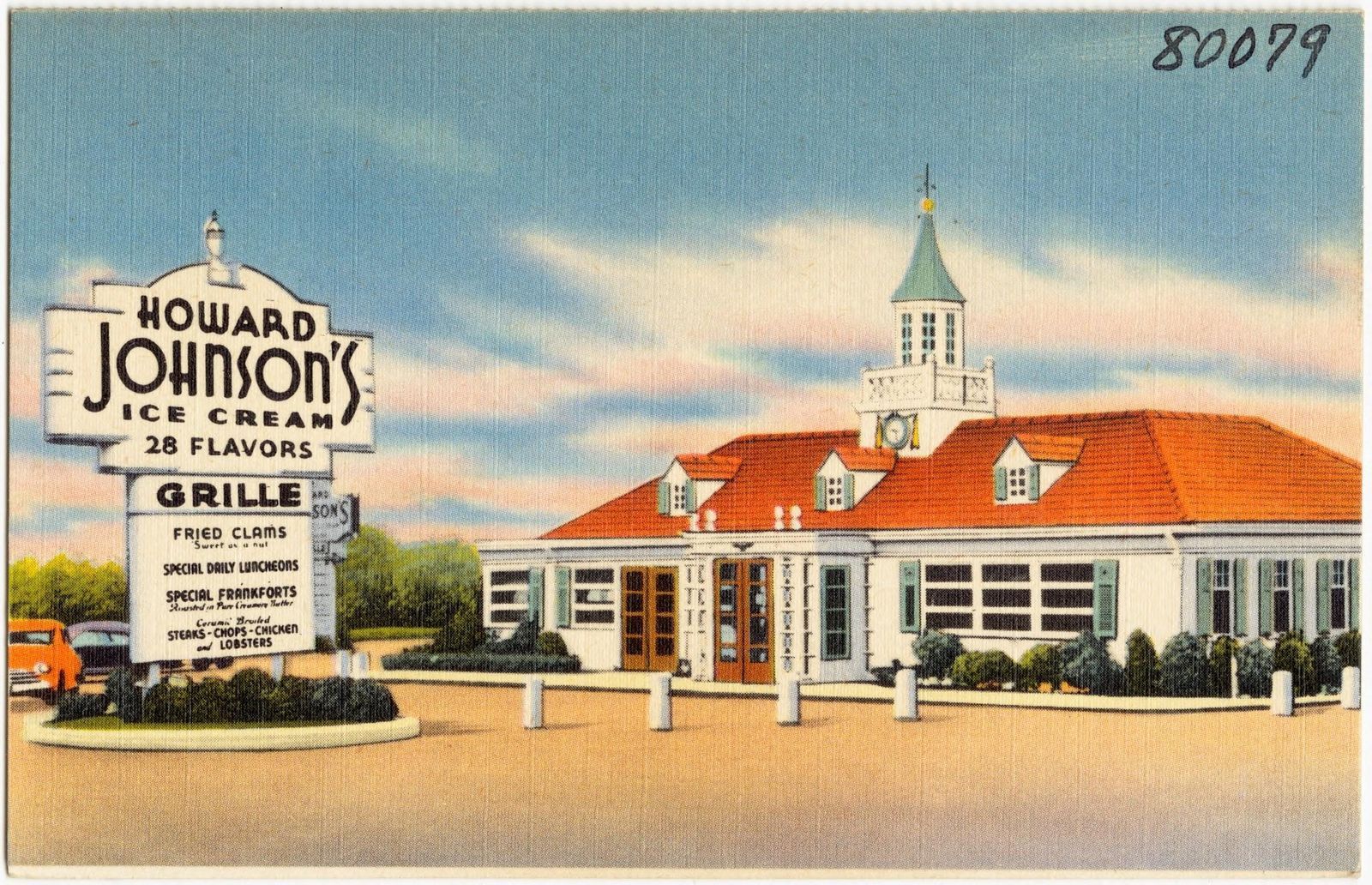
Howard Johnson’s restaurants

Image: Tichnor Quality Views, Made Only by Tichnor Bros., Inc., Boston, Mass., Public domain, via Wikimedia Commons

During the 1960s and 1970s, a stop at Howard Johnson's was part of the classic American road-trip experience for many families, and that was no accident.

Founded in 1925 in Quincy, Massachusetts, the famous orange-roofed chain reached its peak when America’s expanding highways and booming car culture made roadside travel more popular than ever. But by the late 1970s and early 1980s, the growing popularity of fast-food chains like McDonald's began changing the way Americans ate on the road. Drivers increasingly wanted meals that were faster, cheaper, and more standardized, while interstate highways also redirected traffic away from many older roadside locations. Unlike some other brands on this list, Howard Johnson’s faded away slowly over the decades. The last restaurant finally closed in 2022.

9
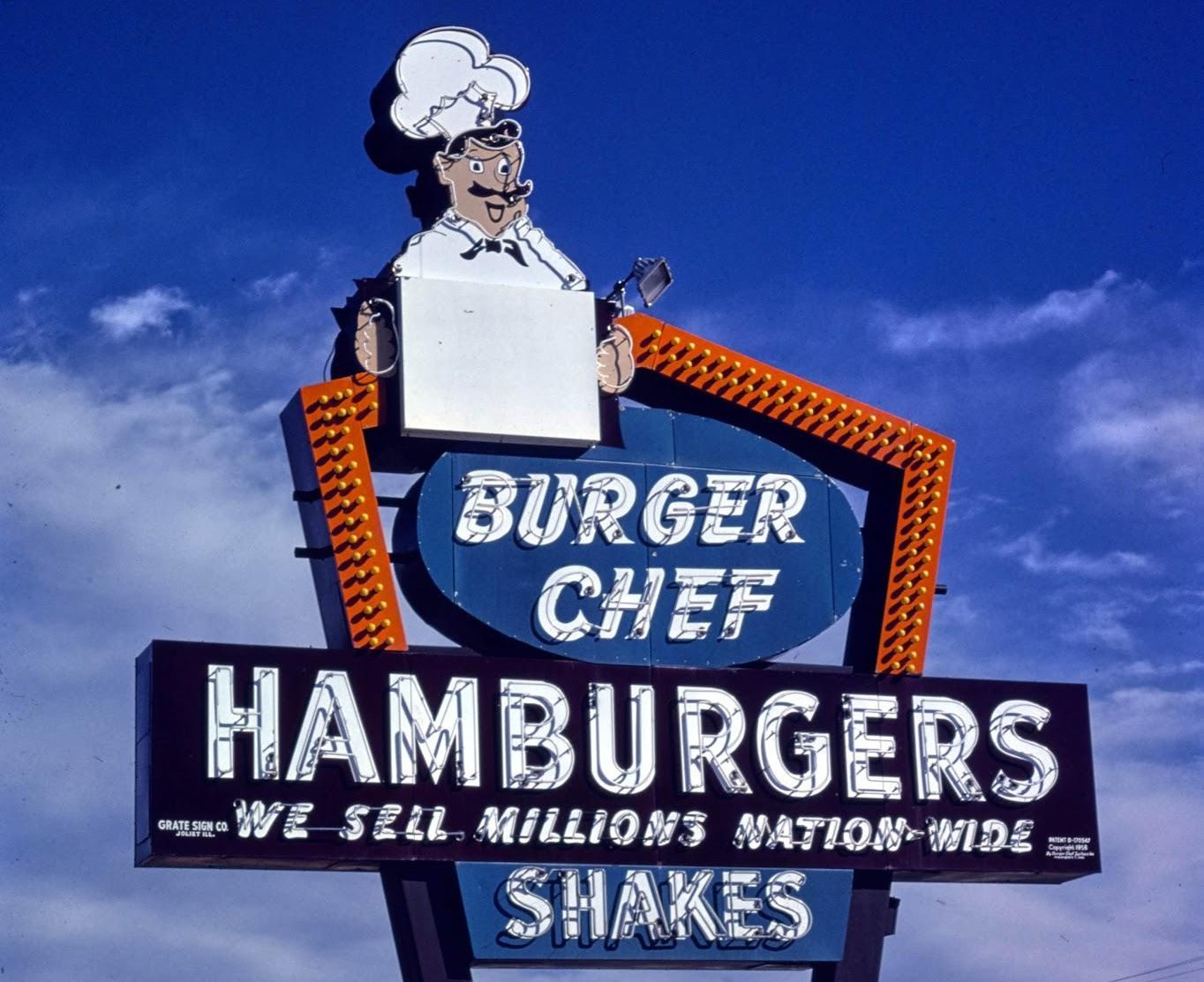
Burger Chef

Image: John Margolies, Public domain, via Wikimedia Commons

In 1958, a name emerged as one of the pioneers of America’s growing fast-food industry: Burger Chef. By the late 1960s, the chain had more than 1,000 locations across the country and had become one of McDonald's’s biggest competitors.

Long before Happy Meals became famous, Burger Chef helped popularize the idea of marketing meals directly to children with toys and themed publicity. But during the fast-food wars of the 1970s, competition became fiercer than ever. While McDonald’s and Burger King expanded by leaps and bounds, Burger Chef struggled with financial problems and changing consumer tastes. In 1982, the company was sold to Hardee's, which gradually converted most Burger Chef locations into Hardee’s restaurants.

10
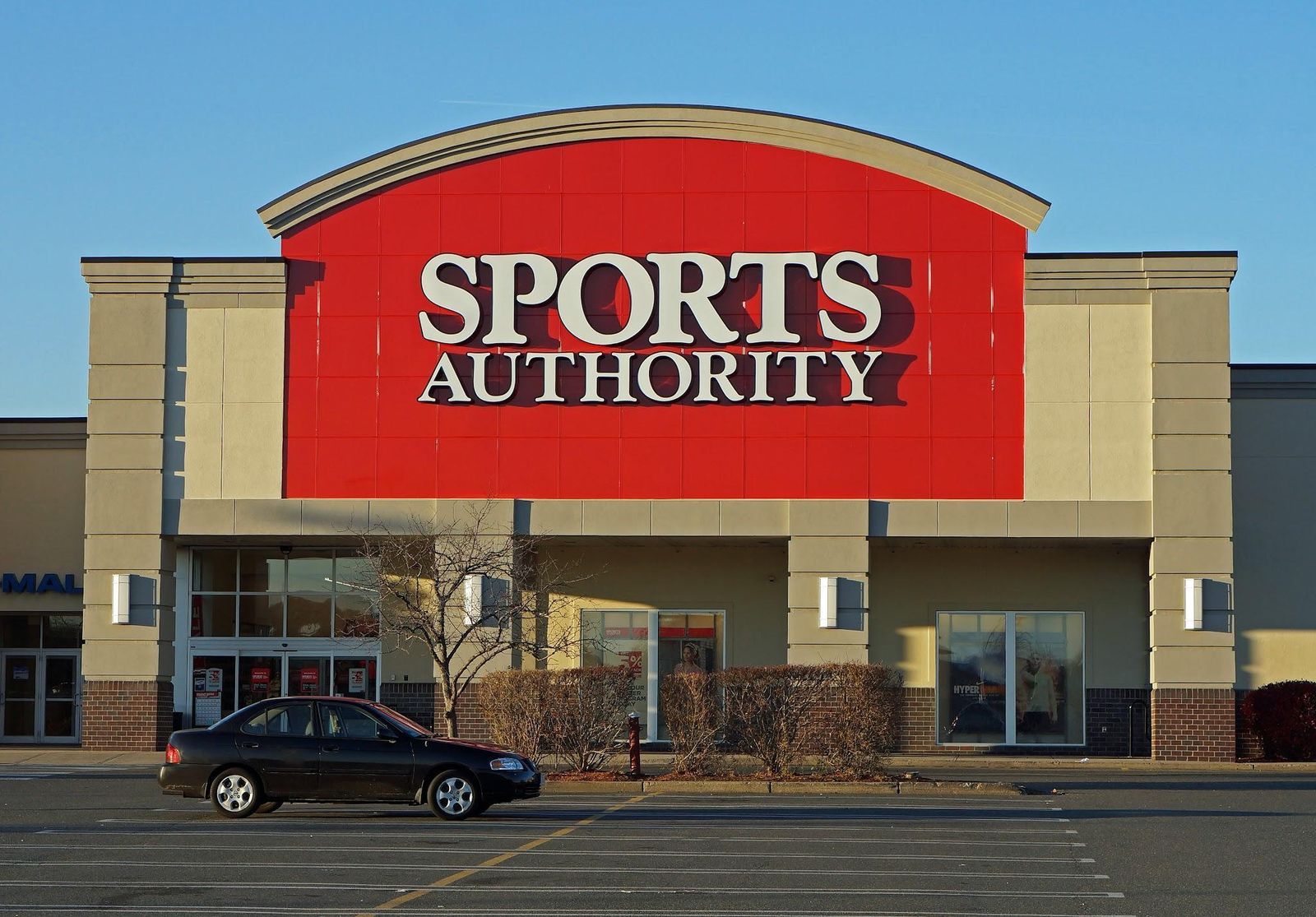
Sports Authority

Image: Anthony92931, CC BY-SA 3.0, via Wikimedia Commons

Throughout the 1990s and 2000s, many Americans looking for running shoes, gym shorts, and sports gear headed straight to Sports Authority.

Known for its huge stores packed with athletic apparel, exercise equipment, bicycles, camping gear, and team sports products, Sports Authority became the ideal shopping destination for families and athletes across the US. But as online shopping rapidly changed retail in the 2000s, the company struggled to adapt. Heavy debt from expansion efforts and a slow shift to e-commerce eventually caught up with the chain. Sports Authority declared bankruptcy in 2016 and closed all remaining stores later that year.

Explore more American facts

Choose your favorite category!

General
General

As American as apple pie—the very best America has to offer!

Culture
Culture

Delve into the astounding richness of American lore.

Geography
Geography

Hop in and explore vast and diverse American landscapes.

History
History

Discover the key moments that shaped the United States.