General General 5 min read

12 alternative Coca-Cola flavors that are as crazy as delicious!
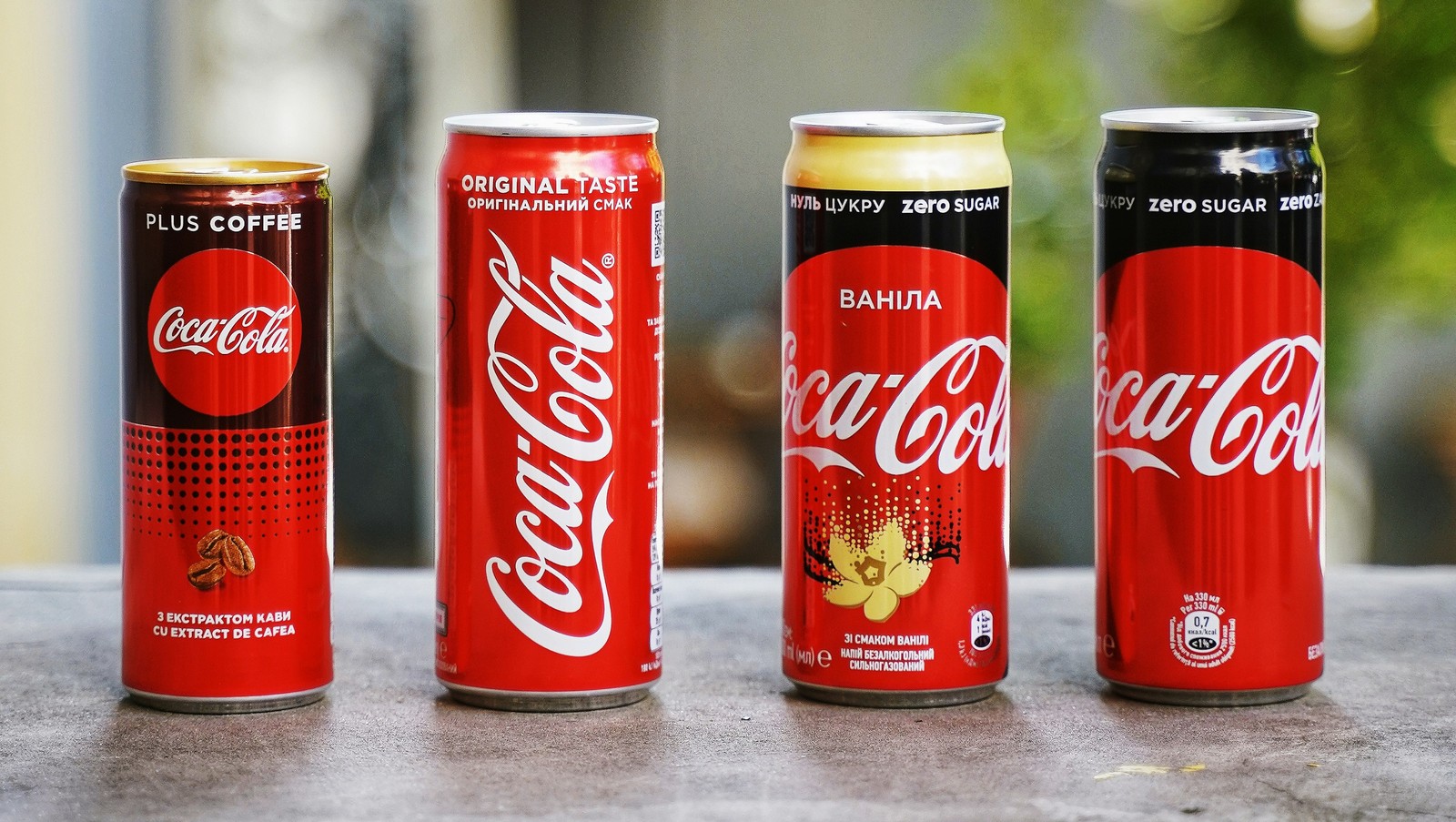
Image: Olena Bohovyk

Just when we think we know the brand like the back of our hand, Coca-Cola surprises us with a new flavor that reminds us there is always room for creativity and originality. One of the most successful American companies, Coca-Cola is so much more than just a secret recipe. Throughout its history, it has introduced different versions of its signature drink. Some were a success —as is the case with Cherry Coke and Vanilla Coke— and others were more audacious and lasted only a short time in the market. Join us as we look back at 12 alternative Coca-Cola flavors that transformed a legendary beverage into a taste adventure. Check out if your favorites made it to the list!

1
Original Coke
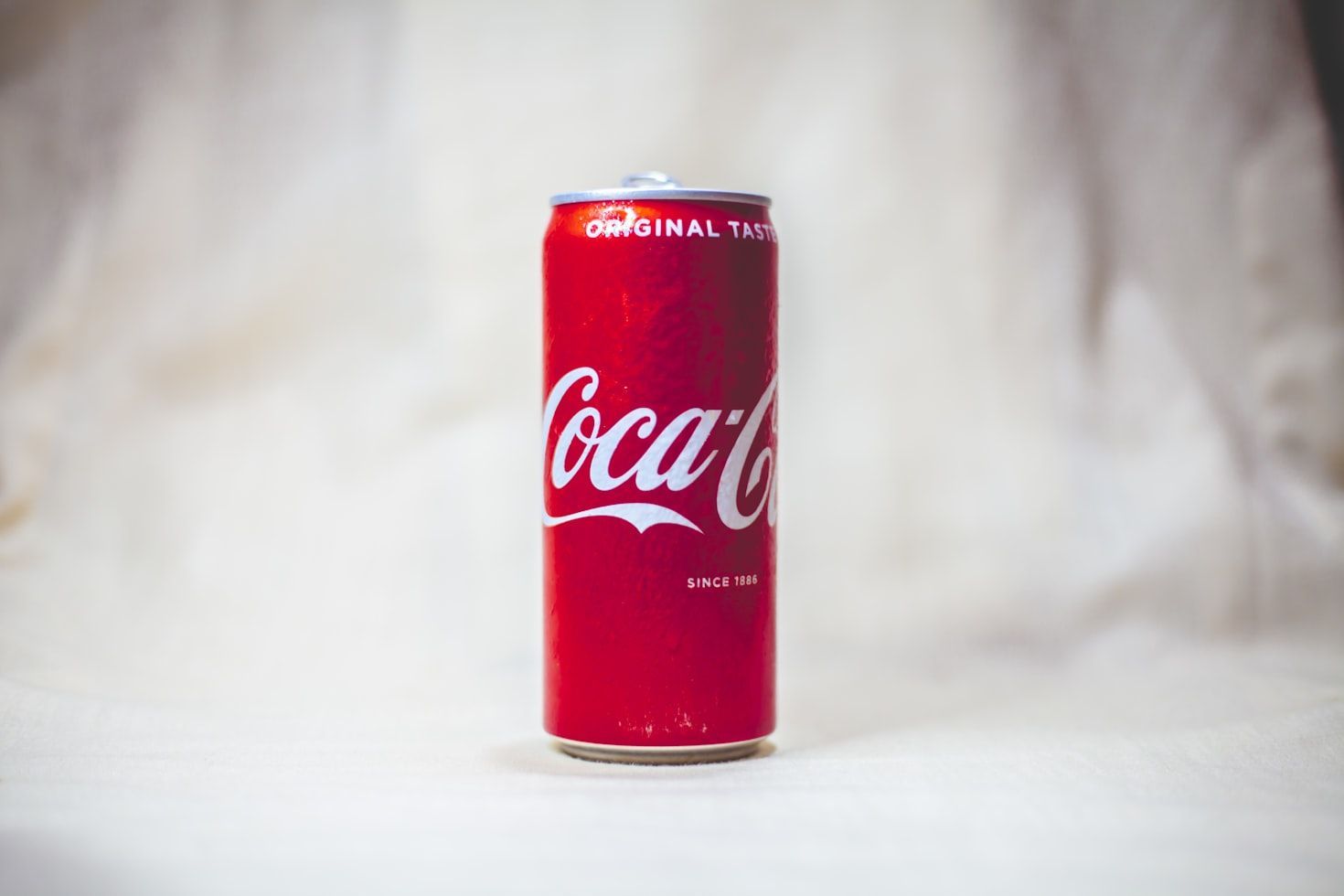
Image: Deepal Tamang

How it all started. On May 8, 1886, Dr. John Pemberton served the world's first Coca-Cola at Jacobs Drug Store in Atlanta, Georgia, and American life would never be the same again. Based on coca leaf and cola nut, the recipe for the original Coke is one of the best-kept secrets in history. Since its invention almost 140 years ago, this mysterious, dark, sweet, bubbly, and stimulating liquid has become one of the world's most widely known and consumed soft drinks.

2
Vanilla Coke
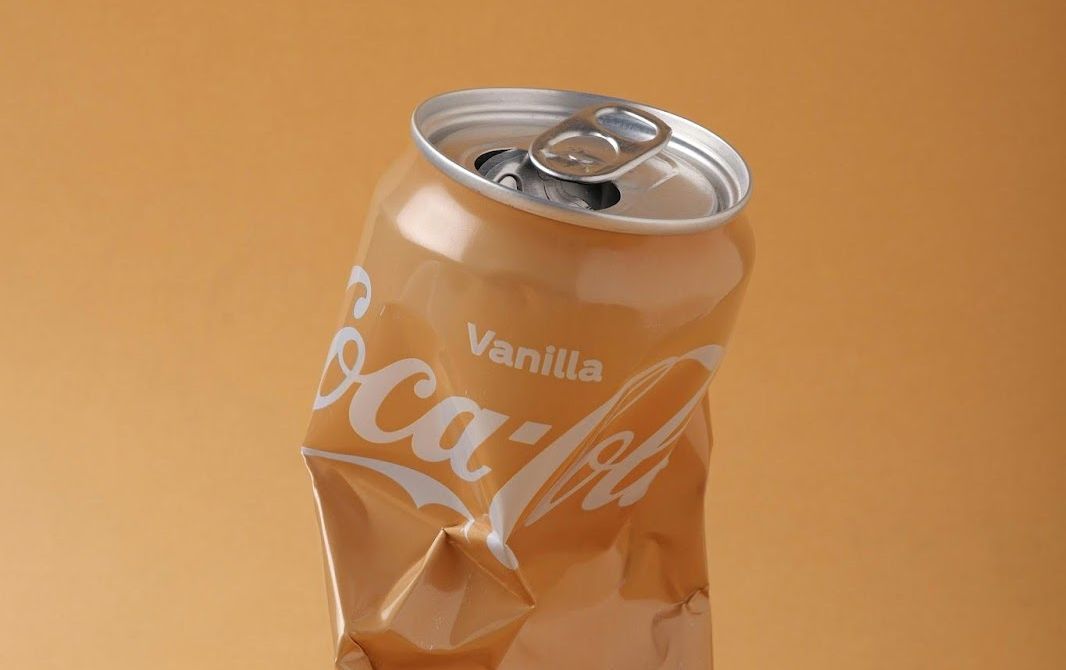
Image: kkk

Vanilla Coke was first introduced in the United States in 2002. The new drink consisted of original Coca-Cola flavor with natural vanilla extract added to the formula. Shortly after its launch, the vanilla soft drink became a success, selling millions of units. However, by 2006, sales had dropped considerably, and the product was eventually withdrawn from the market.

Yet, Vanilla Coke would not give up so easily. Its fans began to campaign online to make the company reintroduce it. Luckily for them, the drink eventually returned to the shelves in 2007.

3
Coca-Cola with Lime
Image: stevepb

​​Many people add a few drops of lime to their glass of Coke, so why wouldn't the company launch a ready-to-drink product? Coca-Cola with Lime was first introduced in the United States in 2005 during a broadcast of American Idol. As the name suggests, it has the taste of Coca-Cola with the addition of lime flavor. Did you like it, or were you one of the many naysayers?

4
Starlight

Image: Joey Csunyo

A Coke inspired by space? Believe it or not, in 2022, Coca-Cola launched —no pun intended— a variant of the drink to bring the taste of space down to Earth. You're probably wondering what it tastes like, and so are we! According to the company, Coca-Cola Starlight’s taste "includes additional notes reminiscent of stargazing around a campfire, as well as a cooling sensation that evokes the feeling of a cold journey to space." Would you dare to try it?

5
Dreamworld
Image: Marjan Blan

Like Starlight, Dreamworld was a 2022 limited edition. In this case, Coca-Cola wanted people to be able to taste dreams. We have no idea what that means exactly, but it sure has sparked our curiosity. Not convinced yet? According to the company, Coke Dreamworld "bottles up the technicolor tastes and surrealism of the subconscious." If only we could travel back in time to put it to the test!

6
Cherry Coke
Image: Frank Tunder

Based on a mix of cherry syrup and Coca-Cola, Cherry Coke was first introduced in 1982 at the World's Fair in Knoxville, Tennessee. It wasn’t until three years later that the new soft drink officially hit supermarket shelves worldwide. Cherry Coke was the first flavored Coca-Cola, and its success was so great that in the following years not only did Light and Zero versions emerge, but it also has a large and strong cult fan base.

7
Coca-Cola Blāk
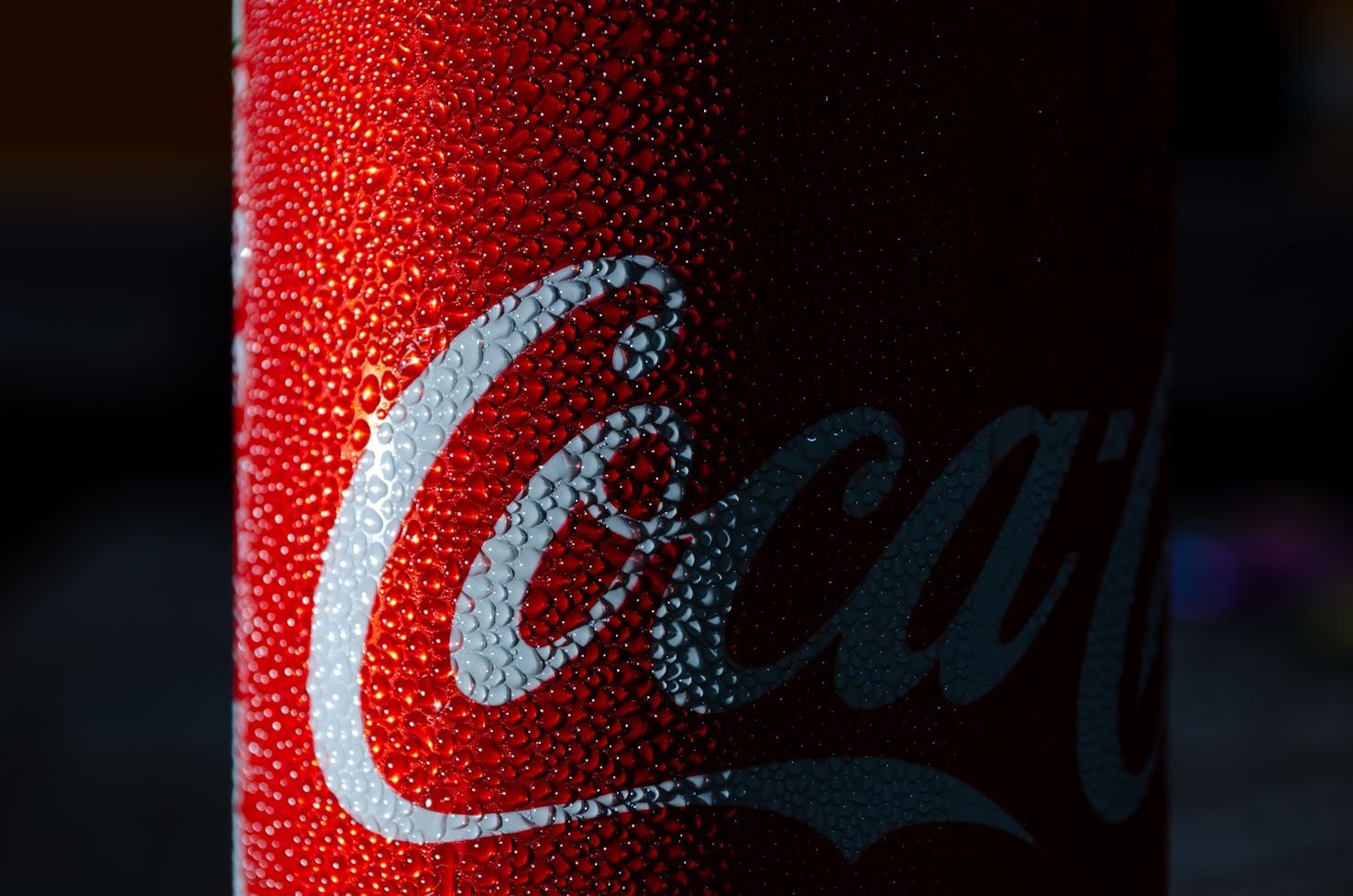
Image: himanshu Chaudhary

As if the caffeine already in Coca-Cola wasn't enough to wake up any sleepyhead, in 2006 the company launched Coca-Cola BlāK. This soft drink that blends the taste of Coke with coffee was introduced in response to the overwhelming success of the early 2000s energy drinks and coffee chains. Despite its novel and sophisticated packaging design, consumers didn't quite like the sweetener’s artificial aftertaste, and it was finally discontinued just 2 years after its launch.

8
Coke Plus Coffee
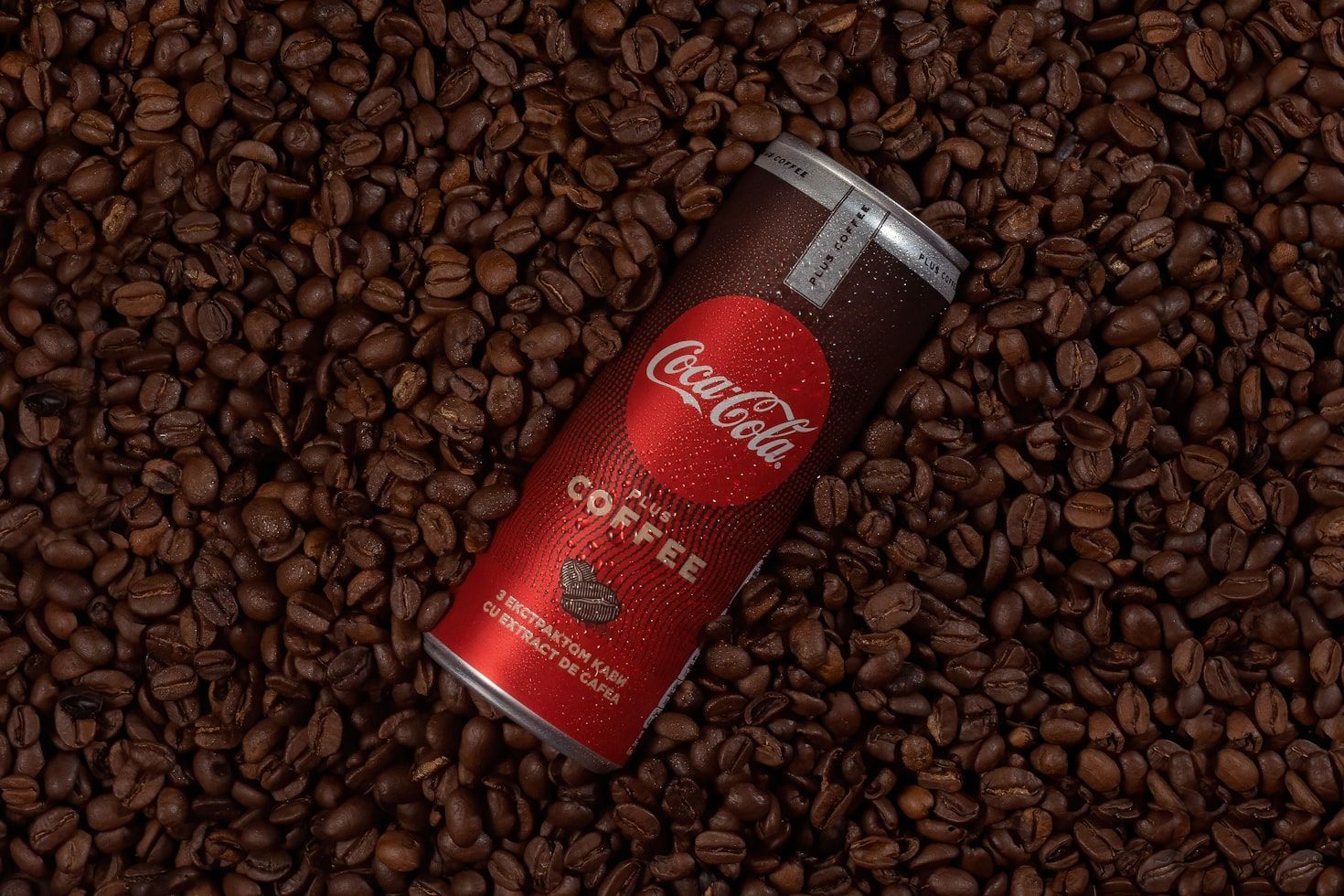
Image: Nikolai Chernichenko

Coca-Cola Wouldn’t give up and, despite Coca-Cola BlāK's fiasco, in 2021 introduced a new product that paired the legendary soft drink with coffee. The difference with its predecessor was that Coke Plus Coffee contained more real coffee, specifically 100% Brazilian coffee. If you think the company got the experiment right this time, you're wrong. Coke Plus Coffee barely lasted a year on American shelves.

9
Coca‑Cola Zero Sugar OREO
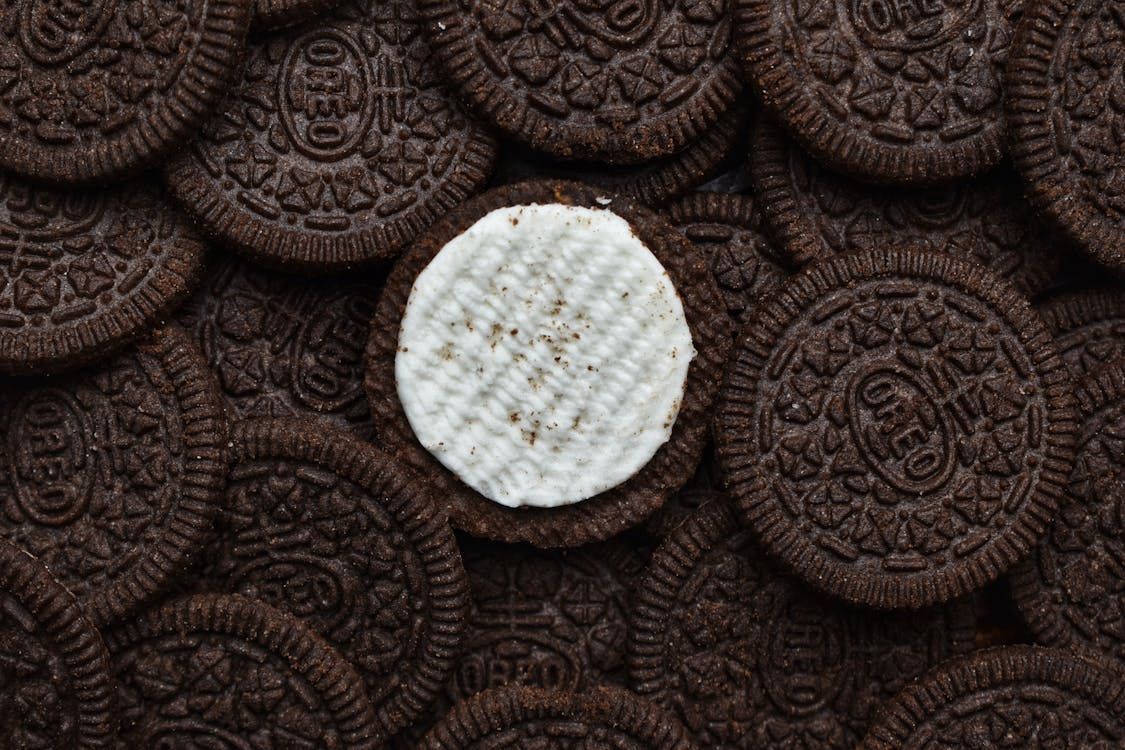
Image: Shubham Kumar

Soda that tastes like cookies and cookies that taste like soda? Coca-Cola and Oreo thought this was a good idea and in 2024 launched a limited edition collaboration that included an Oreo-flavored Coca-Cola and a Coca-Cola-flavored cookie. According to the companies, the products are "a delicious duo that celebrates friendship with every sip". Those who have tried them claim that indeed the drink tastes like Oreo and the cookies like Coke —whatever that means. The Oreos even contain popping candy for a real fizzy vibe! Would you be willing to try them?

10
Coke Cinnamon
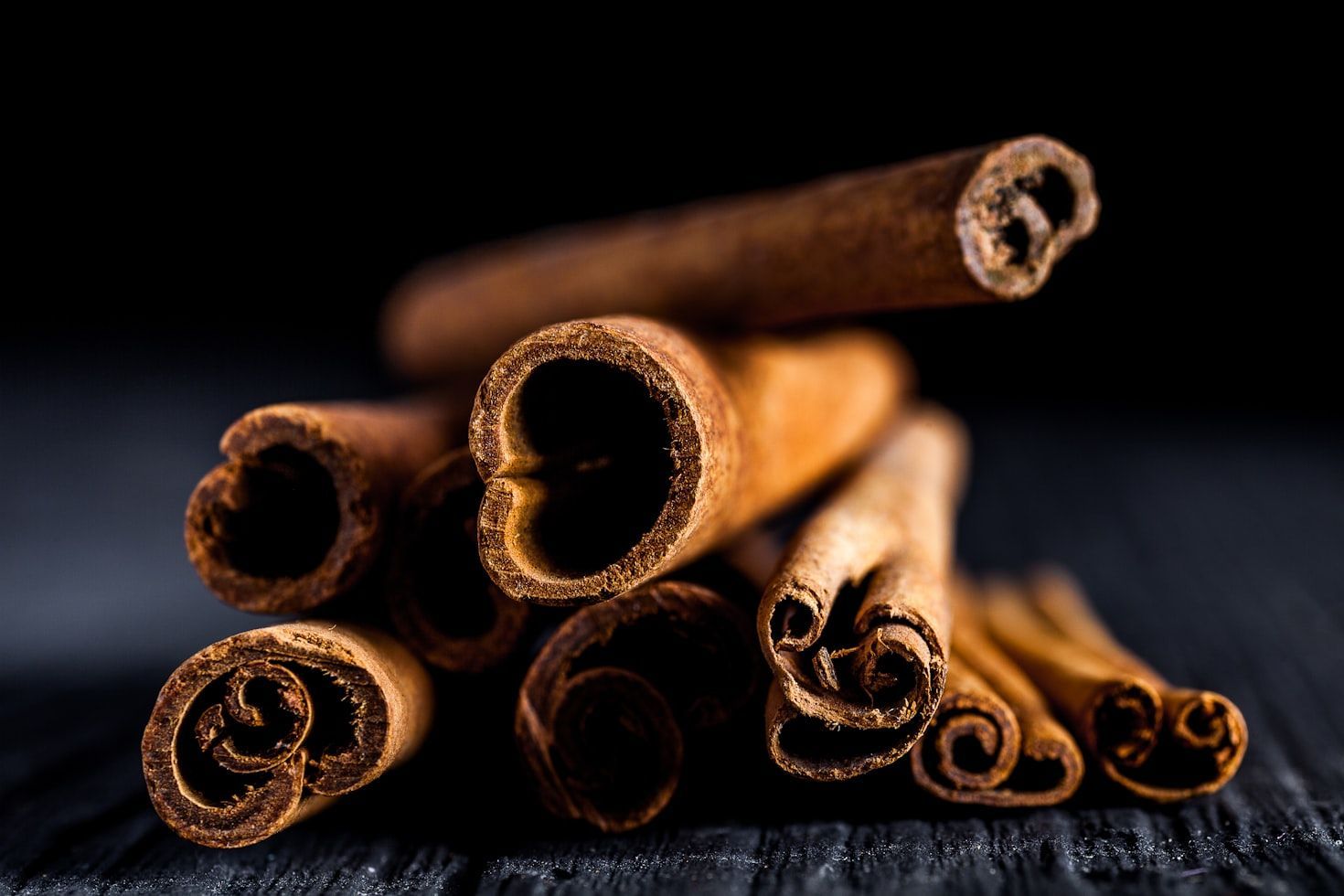
Image: Alex Bayev

If they tried cherry, lime, and vanilla, cinnamon was the obvious next step. Coca-Cola Cinnamon was introduced in September 2019, just in time for the holiday season. It was supposed to be a limited edition, but it was such a success that it was re-released the following winter. The taste? As expected!

11
Diet Coke Plus
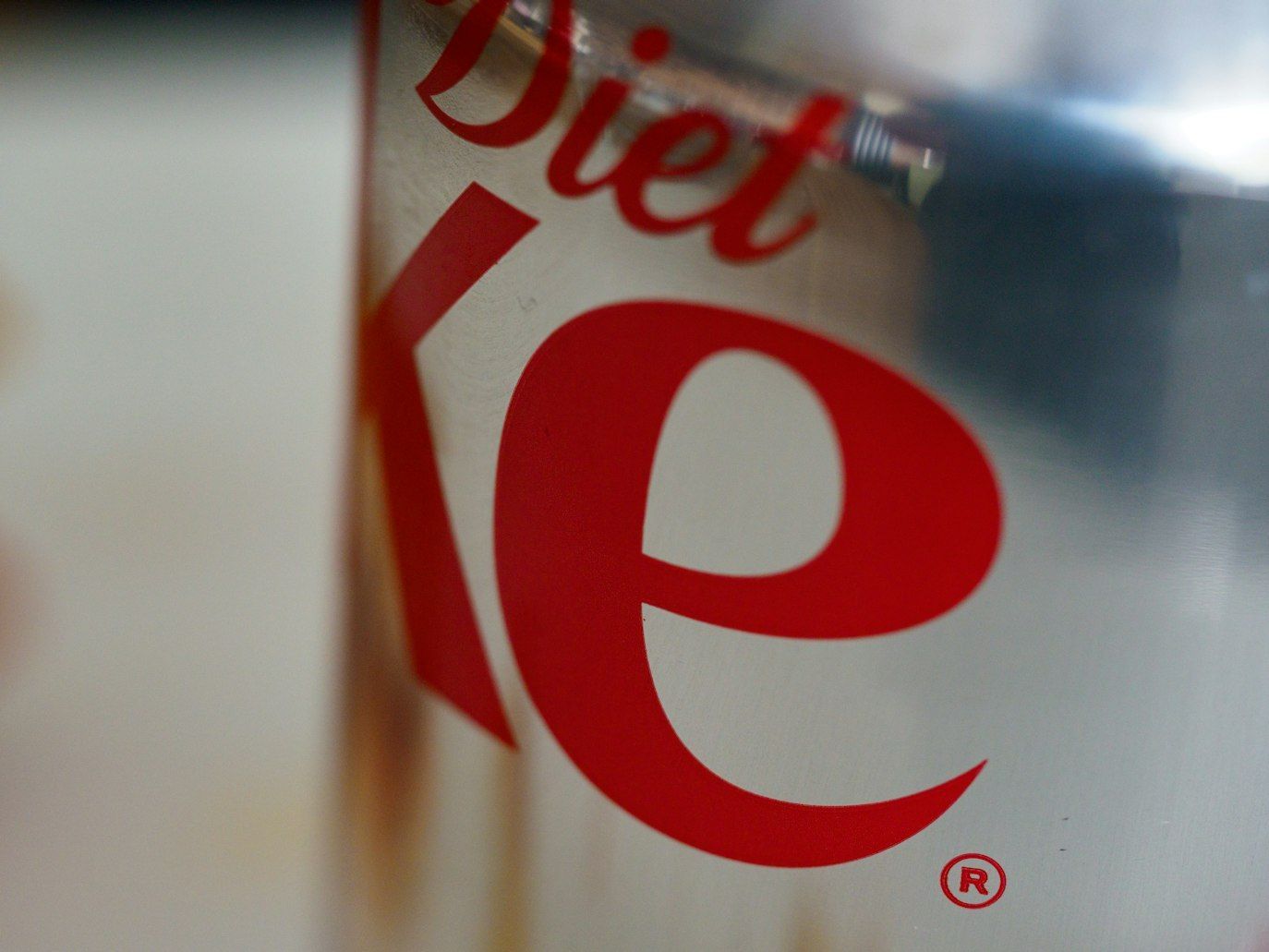
Image: Brett Jordan

With the turn of the century, sugary drinks got a backlash from groups advocating healthier eating. In an attempt to improve its image, in 2007, Coca-Cola launched Diet Coke Plus, a drink that, they claimed, was enriched with vitamins and minerals. The attempt ended up backfiring: the United States Food and Drug Administration wrote a warning letter to the company for violating its guidelines. Coca-Cola stated that Diet Coke Plus didn’t involve any health or safety issues, but the product was eventually discontinued.

12
California Raspberry and Georgia Peach
Image: One Day

Locally inspired by these states' signature fruits, California Raspberry and Georgia Peach were the first new Coca-Cola flavors since 2002. Launched in 2018 to compete with craft sodas, these new drinks promised to " add a pop of local flavor to the timeless taste you love." Although many people actually loved the new beverages, the company pulled them from the market in 2020. Ever got the chance to try them?

History History 5 min read

MILLION DOLLAR ARTICLE

10 Fun Facts about American Currency

Image: Jp Valery

We bet you have never stopped to think about the dollar bills and coins you carry in your pocket, even if you do use them every day. The U.S. currency has purchasing power, of course, but it is also full of interesting facts and quirky details that are a testimony of the nation’s culture, history, and values.

Do you know how many folds it takes for a U.S. bill to tear? Do you know what the bills are made of? In this article, we’ll go through some of the most interesting facts about the history of our money. Read on and find them out!

1
Money Materials

Image: Jorge Salvador

We call them paper bills, but do they undergo the same process as any other paper? Naturally, they don’t. U.S. bills are mainly made of two materials: 75% of their composition is cotton and the 25% left is linen. Besides, they have randomly disbursed red and blue security fibers embedded in the paper.

This special blend is made by only one company in America and that is Crane & Co . The company, based in Massachusetts patented this special blend and it has been the sole provider of paper for currency since 1879.

2
Origin of the U.S. dollar symbol

Image: Paris Bilal

The dollar sign is a matter of debate. One line or two across a capital S, the symbol is today a worldwide sign for money, but where does it come from?

Even if there are several theories as to where the U.S. dollar symbol comes from, all of them agree that it was derived from the Spanish peso . When the time came, and the new nation needed its own currency, the basis was that of the Spanish coinage, which was the most common currency in the colonies before the country’s independence.

The adoption of the sign was made official in 1785, and today, the United States is not the only country that uses this symbol, Canada, Australia, and New Zealand do too!

3
Who appears on the bills?

Image: AR

Having your face forever stamped on the little piece of paper that rules the world should be a milestone in your career, right? However, there were certain rules as to who qualifies to be granted this honor .

Probably, the most surprising, yet the most logical one is that no living person can be portrayed in American currency. Since the Founding Fathers considered it unpatriotic to be portrayed while alive, this was first a tradition and then made official in an Act of Congress in 1866 .

However, contrary to popular belief, this honor is not only reserved for presidents! Anyone who contributes to the nation can be portrayed.

4
Folding Papers

Image: Emilio Takas

Bills come and go all the time. We take them out of our pockets and put them in our purses only to take them out again a few hours later and give them to the shop assistant. For a life that busy, we can only hope the paper is tough enough , right?

Well, as a matter of fact, it is. Compared to regular paper, which can only be folded 400 times before it breaks, money paper can be folded up to 8,000 times before it breaks .

It's not that you’re going to try it out and see, but you can rest assured: Fold your bills away, they can handle it!

5
Damaged Goods

Image: Jp Valery

Even if they can be folded that many times, the life of bills is limited, not to mention accidents happen. Who hasn’t sent a bill to the washing machine by chance?

So, what happens when a bill is damaged? Well, at least 50% of it has to be clearly identifiable for the bank to replace it , otherwise, you’ll just lose your money. You don’t feel like folding them much now, right?

On the other hand, and mainly due to time damage, at least 70% of the new bills are used to replace old bills . These bills, once taken out of circulation are shredded and sent to companies that can recycle them!

6
Security Features

Image: Colin Watts

Counterfeiting has been a problem ever since paper money was created and statistics about which countries counterfeited most of the money are simply shocking. But we won’t get into that.

What we will say is that thanks to technological advancement, the U.S. bill is getting harder and harder to counterfeit. In modern bills, there are at least six security features which are: UV security ribbon, raised printing, microprinting, 3D security ribbon, color-shifting ink, and traditional watermarks. Do you pay attention to them?

7
U.S. Coins

Image: Kenny Eliason

Coin production in America is in charge of the U.S. Mint and there are four production facilities across the country. They are located in Philadelphia, Denver, San Francisco, and West Point.

It is estimated that every year the Mint produces about 16 trillion coins which are valued at over $1.09 billion dollars. What is truly impressive is that Americans throw away an estimated 62 million dollars worth of coins every day!

They may not be worth much alone but don’t throw them away, all of them together can make you rich!

8
Green Ink

Image: maria pagan

Have you ever wondered why the U.S. dollar bills were green? It is not about design or aesthetics, even if we think they look pretty.

The decision to use green ink was a matter of security, in order to prevent counterfeiting. Back then, black and white ink made it easier to create photographic fakes. For that reason, green was the color of choice, and, when paper money was standardized in 1929, it had great acceptance due to the positive connotations of the color . Do you like it?

9
Andrew Jackson’s Take on Paper Money

Image: Elsa Olofsson

Every denomination has an important figure stamped on the front. In the case of the 20-dollar bill, Andrew Jackson was the chosen one.

Jackson was the seventh president of the United States and, even if it is not a rule that only presidents can be portrayed, his contributions gained him this honor.

Ironically, Jackson was not in favor of using paper money. For him, only gold and silver coins should have remained legal tender. After learning this, one can only assume he wouldn’t be so happy to be the face of the 20-dollar bill, right?

10
Facelifts and redesigns

Image: Kenny Eliason

One of the ways of keeping paper money safe and hard to counterfeit is by giving the bills new designs.

New faces were expected to appear in future bills, but, in the meantime, the changes always had to do with the proportions of the elements within each denomination. Bigger faces, rearrangement of the signatures, stuff like that.

Now, these changes and facelifts haven’t reached all the bills. 1-dollar bills haven’t been changed or redesigned ever since 1929. Why is that? Because it is not worth the trouble for criminals to counterfeit. One dollar won’t take them too far!

Geography Geography 3 min read

Michigander, Michigoose?

10 unofficial American demonyms (that should be official)

Image: Hans

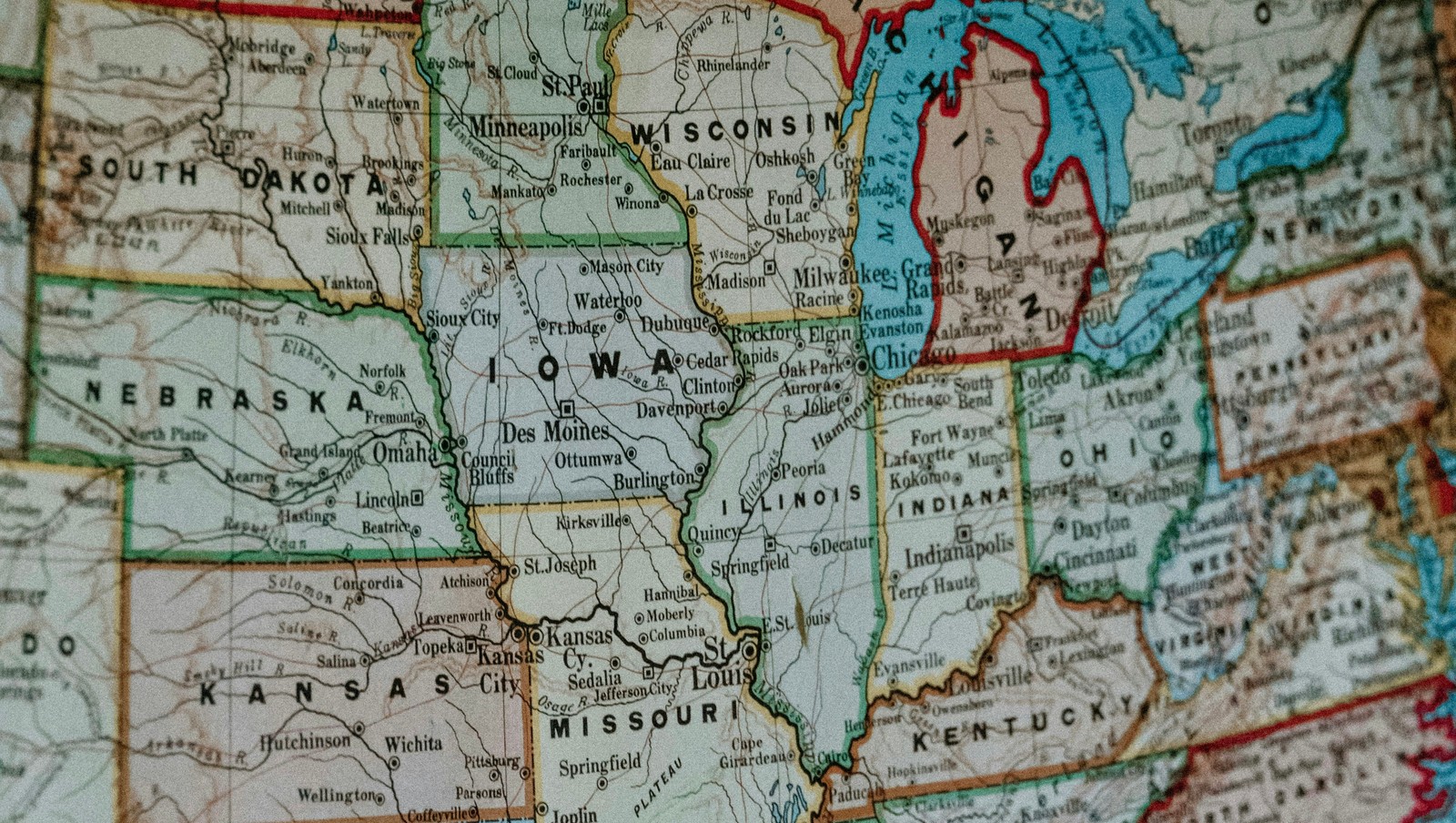
Demonyms, or the names that identify your place of origin, can be tricky. In the United States, some demonyms have an official status —those of states, for example—while others are a product of use and tradition. Unofficial demonyms or nicknames are also common, and sometimes more widely used than the official version. Let’s have a look at some of them!

1
Hoosier

Image: Corbin Mathias

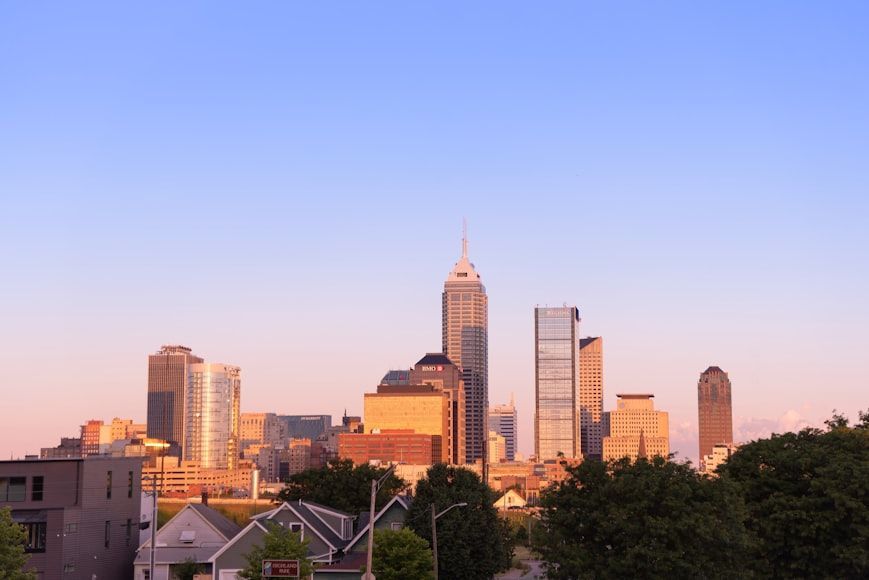
Until recently, the United States Government Publishing Office (or USGPO) still recommended Indianian as the demonym for the state of Indiana, but its residents have been calling themselves Hoosiers for nearly two centuries. While no one really knows where the term originated, it was popularized by John Finley’s poem "The Hoosier's Nest", and Indiana has long been known as "The Hoosier State".

2
Bay Stater

Image: Pascal Bernardon

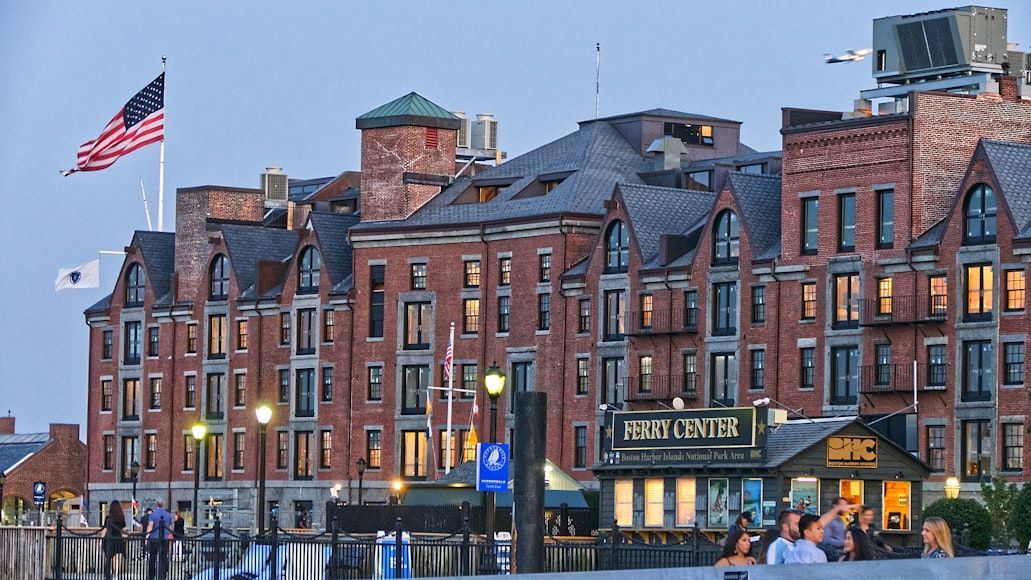
The USGPO might recommend the use of Massachusettsan , but the people of Massachussets strongly disagree. State laws and regulations officially refer to its residents as Bay Staters , after a common nickname for the state. Given that Massachusetts is formally a Commonwealth, the law also uses the phrase Citizen of the Commonwealth , but it's kind of a mouthful for everyday purposes. We’ll stick with Bay Stater.

3
Accidental

Image: Jeff McLain

One of the earliest settlements in Maryland, the town of Accident is not very big, but it makes up for it with its peculiar name. Naturally, the corresponding demonym for its residents is Accidental , though some sources also claim that the citizens of Accident are to be called Accidents .

4
Granite Stater

Image: Mark König

Much like Bay Staters, the residents of New Hampshire tend to disagree with the USGPO when it comes to their demonym. The official version is New Hampshirite (for the Federal Government, at least ), but locals favor the term Granite Stater , derived from New Hampshire’s nickname, "The Granite State".

5
Truth-or-Consequencesan

Image: Lachlan Donald

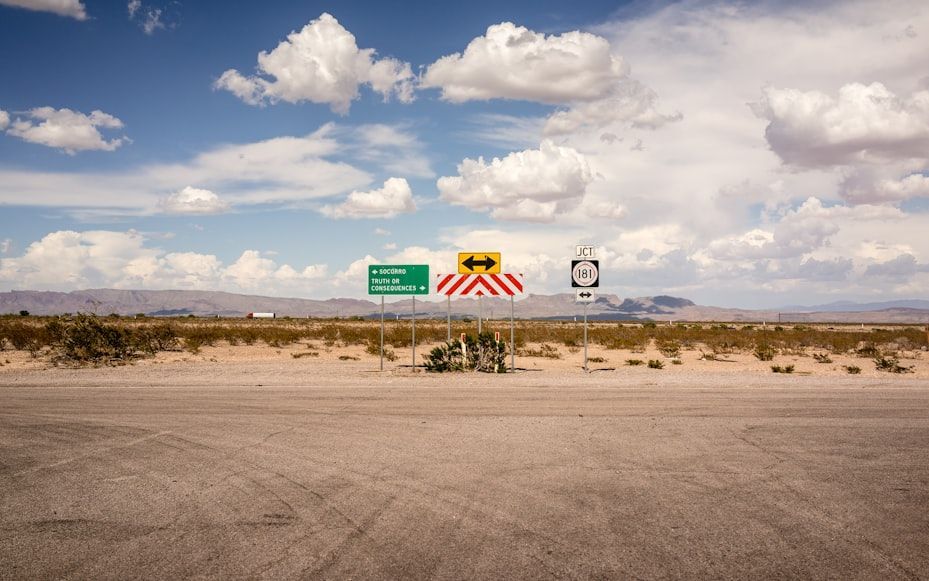
When the town of Hot Springs, New Mexico, decided to change its name to Truth or Consequences for a radio show contest, they either forgot to consider their new demonym or didn’t really care. While they are technically Truth-or-Consequencesans , they refer to the town as T or C, so they say that they are Residents of T or C .

6
Phoenician

Image: iStrfry , Marcus

Weren’t the Phoenicians an ancient civilization that created the earliest form of our alphabet? Yes, but those lived in ancient Phoenicia. The Phoenicians we are talking about are the residents of Phoenix, Arizona. Some claim that Zoner and Zonan are also common nicknames, but those could be used for any Arizona resident.

7
Nutmegger

Image: julio angel berroa

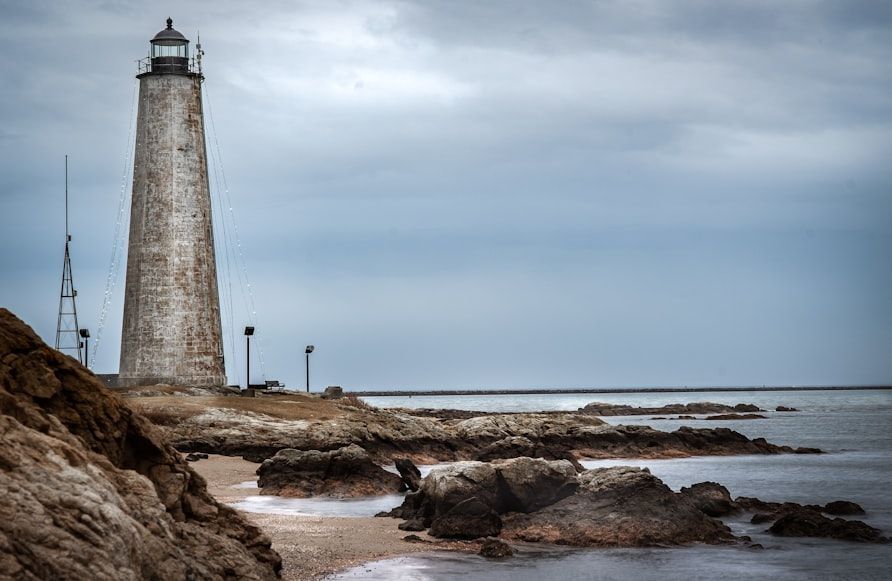
Connecticut might be officially known as "The Constitution State", but it’s also called "The Nutmeg State". The origin of this nickname varies according to the sources, but most point to a common scam where Connecticut peddlers would sell wooden nutmegs as the real thing. No matter the story, many Connecticut residents favor the demonym Nutmegger over the USGPO-recommended Connecticuter .

8
Yoopers

Image: Brad Switzer

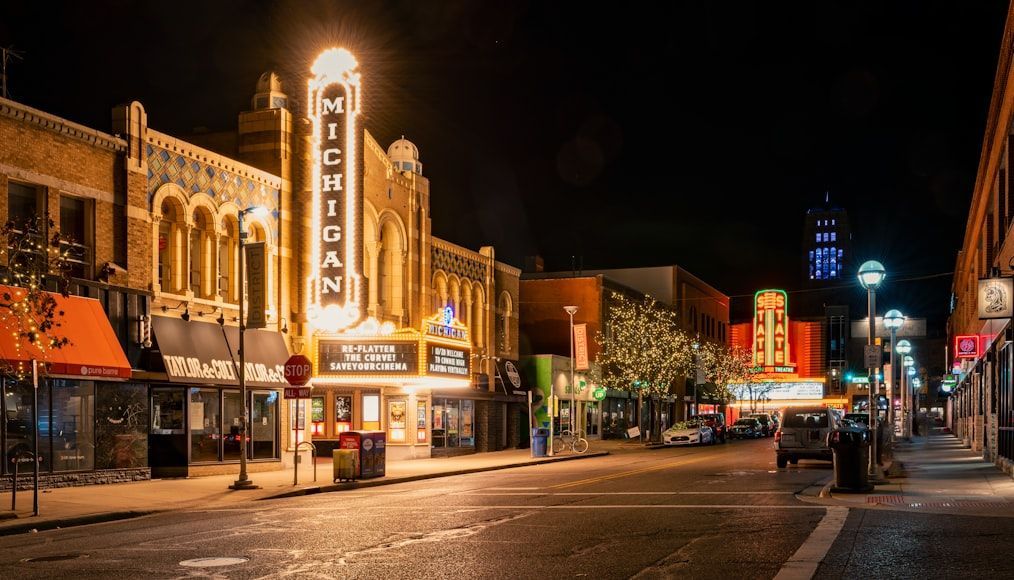
Let’s be frank, some of the less-used variants for Michigan’s demonym sound really funny: think Michiganese , Michigine , and Michigoose (as a female version for Michi_gander_). But official names aside, residents of Michigan’s Upper Peninsula commonly refer to themselves as Yoopers , a derivative of U.P. (Upper Peninsula). Rumor has it that they call those from the Lower Peninsula Trolls , because they live ‘under the bridge’, but we can’t attest to this being true.

9
Jayhawk

Image: Nils Huenerfuerst

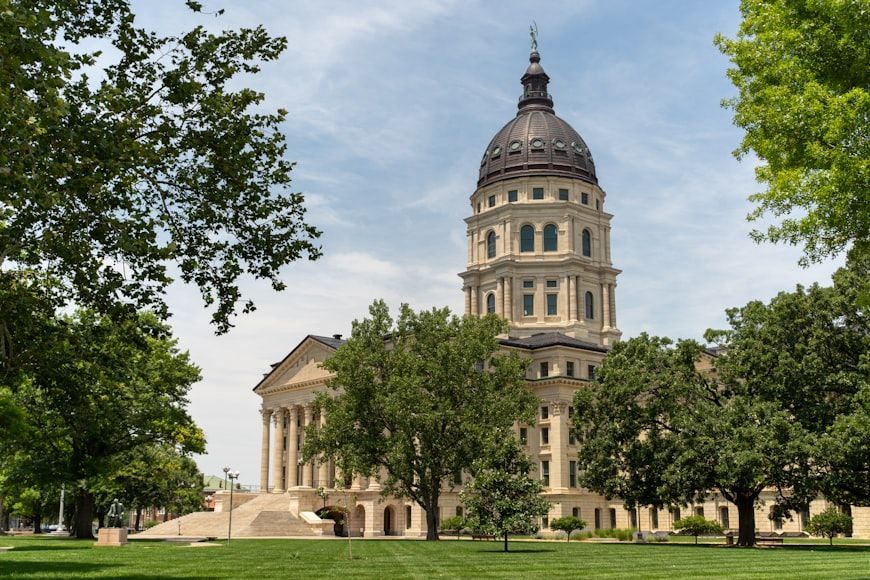
Nowadays, Jayhawk is a common way to refer to residents from Kansas, but this term didn’t always have a positive connotation. Its original form, Jayhawker, used to refer to thieves, and was used derogatively by Confederates to talk about the anty-slavery militias from Kansas. After the Civil War, Kansans appropriated the term as a memento of their state’s contributions to the war.

10
Lanstronaut

Image: Mick Haupt

Officially, if you live in Lansing, Michigan, you are a Lansingite . However, many Lansing residents have taken to using the term Lanstronaut in recent years, despite Lansing having more to do with the car industry than with space.

Explore more American facts

Choose your favorite category!

General
General

As American as apple pie—the very best America has to offer!

Culture
Culture

Delve into the astounding richness of American lore.

Geography
Geography

Hop in and explore vast and diverse American landscapes.

History
History

Discover the key moments that shaped the United States.