Culture Culture 7 min read

A true city of stars

These 10 famous idols were born in Chicagoland

Image: Chait Goli

When Chicagoans mention which city they come from, the same big names are always brought up: Oprah Winfrey, Michael Jordan, and even Al Capone. These are huge public figures known worldwide, of course. But none of them were born anywhere near Chicagoland ! In an attempt to highlight the city’s ability to produce incredible talents, here is a list of 10 icons who were indeed born in the Chicago area—whether they made history there or elsewhere.

1
Harrison Ford

Image: Chris Nguyen

The face of Indiana Jones was born in 1942 in the Windy City. A Boy Scout from Illinois , he attended school in the suburbs before moving to Wisconsin for college and later to California to pursue acting. There, he became a self-taught professional carpenter to support his family. Everything changed for him when writer and director George Lucas took a liking to him and started including him in small roles in his films. Lucas finally gave him a leading role as Han Solo in his space opera, Star Wars (1977).

Ford is one of the most recognizable actors in the world. His long career includes critically acclaimed performances in films like Blade Runner (1982), The Fugitive (1993), and Witness (1985), for which he earned an Academy Award nomination for Best Actor .

2
Walt Disney

Image: Charlottees

Yes, the father of Mickey Mouse was born far from California’s Disneyland. Walt Disney was born in 1901 in the Hermosa neighborhood of Chicago. He grew up in the city until his family moved to Missouri when he was a young boy, but he later returned to study at the then-called Chicago Academy of Fine Arts (now the School of the Art Institute of Chicago). In 1956, Disney purchased his birth home in Chicago with the intention of restoring it, though his plans for the house were never fully realized.

Of course, the founder of The Walt Disney Company was an imaginative mind who led projects that revolutionized the film industry . His endeavors pioneered the introduction of synchronized sound in animation, the production of full-length animated films, and, most notably, the creation of Disneyland, the world’s first theme park of its kind.

3
Bob Fosse

Image: Pixabay

Bob Fosse was one of the most celebrated choreographers and directors in both Broadway and film history. He was born in 1927 on the North Side of Chicago and grew up in the Ravenswood neighborhood. A revolutionary creator who brought a signature Chicago-jazz style to musical theater, Fosse had been exposed to the city’s vaudeville and burlesque scenes, which were popular in the 1930s and 1940s and attended many dance studios in the city during his youth.

His experience as a performer in Chicago probably influenced the recurring theme of showbiz’s dark side , evident in musicals like Cabaret , Chicago , and Sweet Charity , which he directed and choreographed. He also won an Academy Award for Best Director for the film Cabaret and is the only person to have ever won an Oscar, a Tony, and an Emmy in the same year (1973).

4
Quincy Jones

Image: sam99929

Quincy Delight Jones Jr., one of the most influential musicians of modern times, was born on the South Side of Chicago , a rich cultural hub in the city. Though his family moved from Chicago when he was 10, it was in the city that he was first exposed to musical neighbors and the culture of religious singing. Later, as a teen, he picked up a trumpet and thus began his incredible musical career.

Quincy Jones is most famous for producing Michael Jackson’s albums , not least of which is Thriller , the best-selling album of all time. He’s also known for his work as a film and TV producer, creating the music for iconic films like The Color Purple and The Wiz , as well as TV shows like The Fresh Prince of Bel-Air . In 1985, he produced and conducted the charity single "We Are the World" to fight famine in Africa. Jones has won 28 Grammy Awards.

5
Ray Bradbury

Image: Vanessa Sezini

Ray Bradbury, the author of Fahrenheit 451 (1953) and The Martian Chronicles (1950), was also a Chicagoland native. He was born in Waukegan , about 35 miles north of Chicago, in 1920. Despite leaving Chicago early in life, his childhood in Waukegan is reflected in some of his work, particularly in scenes depicting small-town America—nostalgic, yet sometimes eerie.

Bradbury managed to weave Waukegan repeatedly into his fiction by transforming it into his imagined Green Town, Illinois . This fictional town serves as the setting for his semiautobiographical trilogy consisting of Dandelion Wine , Something Wicked This Way Comes , and Farewell Summer , and it appears in several of his short stories. Most of the narrations set in Green Town evoke summer scenes led by children in a small town at the beginning of the century.

6
Bill Murray

Image: Blake Guidry

The famous comedic actor Bill Murray was born in Evanston, Illinois, a suburb north of Chicago. He grew up nearby, attending Loyola Academy, and in the early '70s, he was invited by his brother Brian to join the improvisational comedy troupe The Second City . This helped launch the career of a talented comedic writer and actor, known for his roles in Saturday Night Live , which he joined in 1977, as well as films like Ghostbusters (1984), Groundhog Day (1993), and Lost in Translation (2003).

Murray is a devoted fan of several Chicago sports teams, including the Chicago Cubs , the Bears, and the Bulls . In the '80s, he served as a guest commentator for a Cubs game, and he was famously emotional in 2016 when the Cubs won the World Series after a 108-year drought.

7
Michelle (Robinson) Obama

Image: Sonder Quest

Michelle Obama, née Robinson, was born in the South Shore neighborhood of Chicago. She grew up in a working-class family and attended Whitney M. Young Magnet High School, a prestigious public school in Chicago, where she excelled academically. She later went on to study at Princeton University and Harvard Law School before returning to Chicago to work at a law firm, where she met future President Barack Obama.

While she is most famous for being First Lady of the United States from 2009 to 2017, before having that role she held several positions in Chicago’s public service . For instance, she served as an assistant commissioner for the city mayor and she directed the city’s office for Public Allies, a leadership development organization. She also worked at the University of Chicago and at the University of Chicago Medical Center.

8
Robin Williams

Image: V

The late and beloved actor Robin Williams was originally from the Lake View neighborhood of Chicago, where he was born in 1951. He spent his childhood in the North Shore, where his father was a senior executive at Ford until the family relocated to Michigan. Williams's legendary quick wit and his knack for improvisation and making people laugh landed him one of his first gigs, a TV commercial for Illinois Bell, shown in the Chicago area, in which he already showcased his talent for goofy voices. He also made guest appearances at the Second City stage where he performed memorable improvisational acts.

Williams had an incredible ability to jump from character to character in an instant, and he soon won the hearts of the audience as both a comedic and dramatic actor in films like Aladdin (1992), Mrs. Doubtfire (1993), and Good Will Hunting (1997).

9
Ernest Hemingway

Image: Dan Price

Another writer from the suburbs of Chicago was Ernest Hemingway, born in 1899 in Oak Park. He spent his early years in this upper-middle-class neighborhood. Though he left Chicago as a young man, the Hemingway Birthplace Museum in Oak Park still stands as a tribute to his legacy, and the area honors him with numerous literary festivals and events every year.

During his childhood, he spent summer days in the woods and lakes of Northern Michigan, experiences that likely forged his love for nature and adventure, which are reflected in many of his works. Hemingway is best known for his timeless contributions to American literature, including The Old Man and the Sea (1952) and For Whom the Bell Tolls (1940). In 1954, he was awarded the Nobel Prize for Literature.

10
Betty White

Image: Day_Photo

The "Golden Girl," Betty Marion White, was born in Oak Park, just like Hemingway. Even though she was still a toddler when her family moved to California, and she was considered a national treasure, she liked to remind people that her roots were at Oak Park , which made fans from the area very happy.

The village had prepared to celebrate her 100th birthday on January 17, 2022, but sadly, the star passed away just weeks before. Oak Park then proceeded to celebrate her life and career at an event that gathered hundreds of fans despite the freezing weather. White held the Guinness World Record for the longest TV career by an entertainer, starred in iconic shows like The Mary Tyler Moore Show and The Golden Girls , and was also a pioneering female producer behind the camera.
Geography Geography 8 min read

Big cities’ secrets

There's a city buried under Seattle, and most people never see it

Image: Stefan Steinbauer

You probably think you’ve seen everything America has to offer, from the bright lights of the Big Apple to the Hollywood sites in Los Angeles. But hidden in the big cities are places that don’t get much of the spotlight but deserve more. Beneath Seattle are buried streets frozen in time. In Chicago, engineers actually made a river flow backward. And in Portland, there’s a tiny park supposedly built for leprechauns. These and more unusual spots are hiding in plain sight. Here’s the story behind them and where you can find them.

1
Seattle: The Seattle Underground

Image: Ronincmc, CC BY-SA 4.0, via Wikimedia Commons

People usually visit Seattle for the seafood, waterfront views, coffee culture, and the famous Space Needle. But underneath the busy sidewalks lies part of the city most tourists never realize exists. Beneath Pioneer Square sits the Seattle Underground, a network of old streets and storefronts buried below modern Seattle.

This area dates back to the Great Seattle Fire of 1889, which destroyed much of downtown. City leaders decided to rebuild the streets one story higher to improve drainage problems that had plagued the city for years. For a while, businesses operated below street level, but eventually this lower level was abandoned. Today, guided tours take visitors through the underground passageways and old sidewalks and mix ghost stories and old city legends with the real story below Emerald City.

2
Chicago: The Chicago River

Image: Alex Azabache

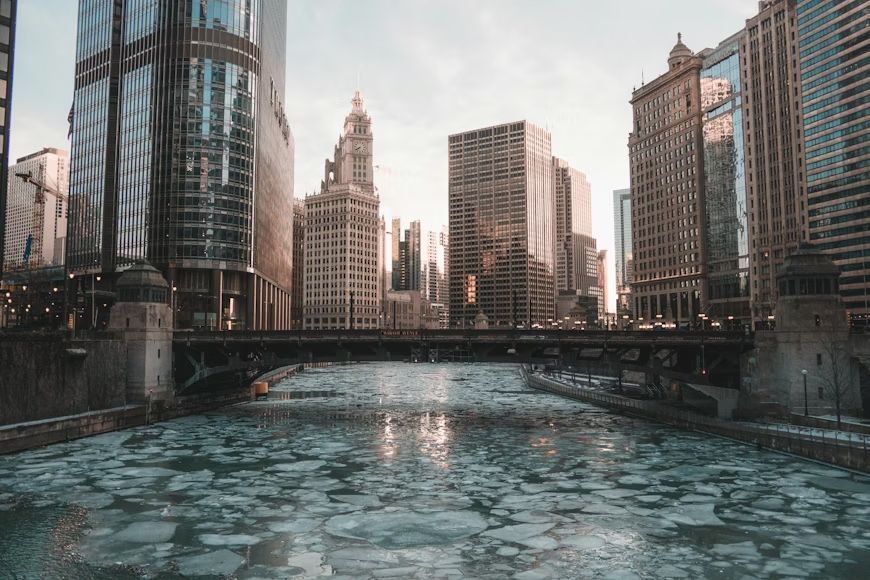
Between deep-dish pizza, Wrigley Field, jazz clubs, and the towering skyscrapers, few cities feel more American than Chicago. It’s also home to the magical Chicago River, which, in 1900, actually flowed backwards.

Back in the late 1800s, Chicago faced a dangerous problem. The river carried sewage and industrial waste into Lake Michigan, the same lake supplying the city’s drinking water. Disease outbreaks of typhoid and cholera became increasingly serious, and engineers realized something drastic had to happen. In 1900, after years of planning and digging canals, they built a series of canals and locks, like the prominent Chicago Sanitary and Ship Canal, connecting the Chicago River to the Des Plaines River, forcing the water to flow toward the Mississippi River watershed. That way, they reversed the river’s direction so the contaminated water would flow away from the lake instead of into it. The natural flow was forever altered, but it remains central to city life, especially during St. Patrick’s Day when, according to tradition, it’s dyed bright green every year.

3
New York City: NYPL hidden apartment

Image: Detroit Publishing Company, Public domain, via Wikimedia Commons

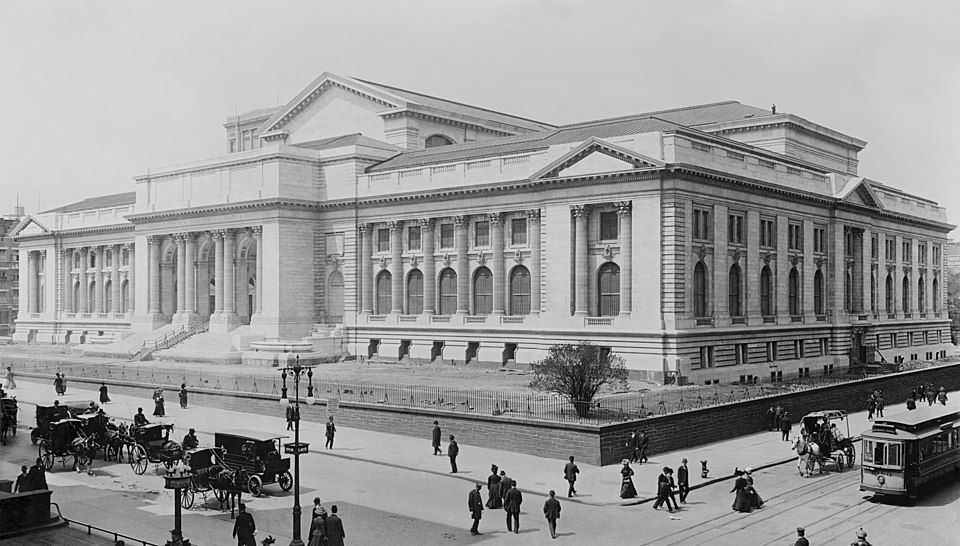
Yellow taxies, Central Park, Broadway shows, and nonstop energy have made New York City feel magical. The Big Apple hides many secrets, and the apartment inside the New York Public Library Main Branch is just one of them.

In 1910, the library superintendent, John Fedeler, and his family moved into a private eight-room apartment tucked inside the library. This was so that someone would always be available to maintain the huge building. With bedrooms, a kitchen, and a living area, a full home is hidden behind doors that most visitors passed by. The family lived there until 1941, when the space was converted into offices and storage areas. However, the library still offers tours where visitors can learn about its history.

4
Portland: Mill Ends Park

Image: daveynin, CC BY 2.0, via Wikimedia Commons

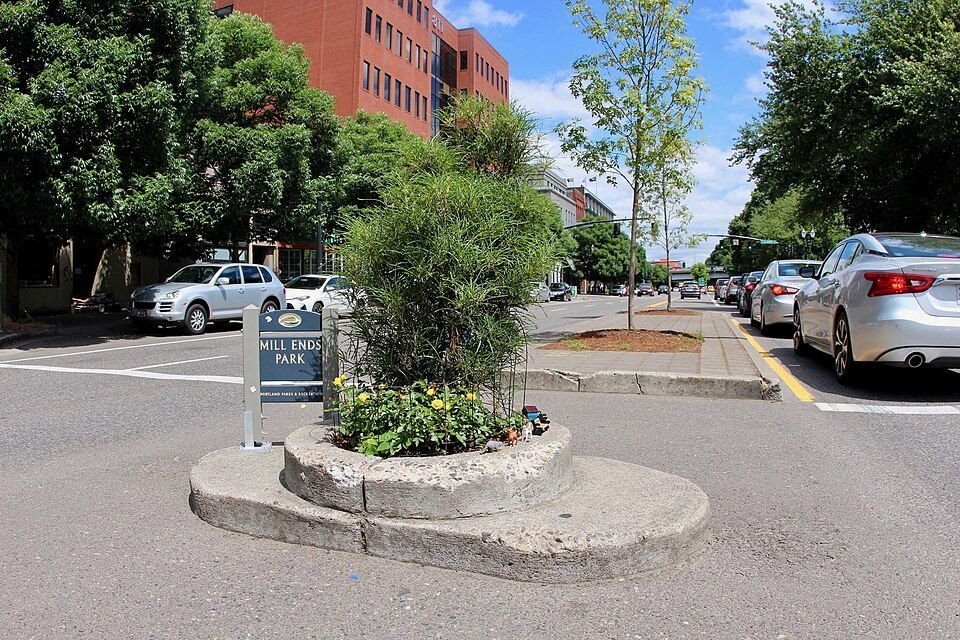
When you think of Portland, you may think of Washington Park or Forest Park. But if you pay close attention, you can also visit Mill Ends Park. At just two feet across, it holds the Guinness World Record as the world’s smallest park.

At first glance, it looks more like a flowerpot than a public landmark, but the story goes back to 1948, when journalist Dick Fagan noticed an empty hole that had been meant for a light pole. Tired of staring at it from his office window, he planted flowers there and jokingly claimed that, since it was so small, it was a park for leprechauns. The joke took on a life of its own, and in 1976, it was dedicated on St. Patrick's Day. Today, it’s a must-do for travelers going through Portland, and locals continue treating it with surprising seriousness.

5
Houston: The Beer Can House

Image: Andrew Wiseman, CC BY-SA 3.0, via Wikimedia Commons

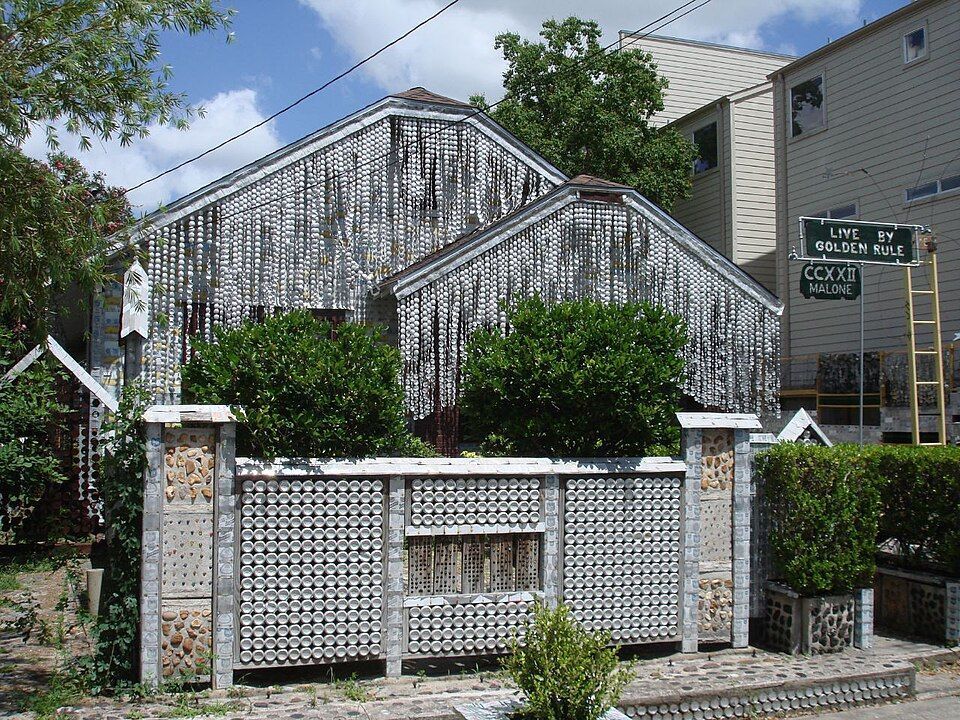
Everything is bigger in Texas, and Houston is no exception. If you’ve been there, you’ve probably visited NASA, the Museum District, and tried a local barbecue joint. But you’ve probably missed a quirky house hidden among the neighborhoods. Located at 222 Malone St, sits the Beer Can House. The name is self-explanatory, since it’s a house covered with beer cans.

In 1968, John Milkovish decided he was tired of painting and maintaining the exterior of his property. Instead, he began flattening beer cans and attaching them to the house. What started as a hobby slowly turned into a full-blown obsession involving more than 50,000 cans. The house went from being a neighborhood curiosity to a roadside attraction to finally being a protected local landmark in 2001. In 2010, Time magazine even ranked it as one of America's top 50 roadside attractions. True to his Texan blood, John Milkovish built something big.

6
San Francisco: The Wave Organ

Image: The wub, CC BY-SA 4.0, via Wikimedia Commons

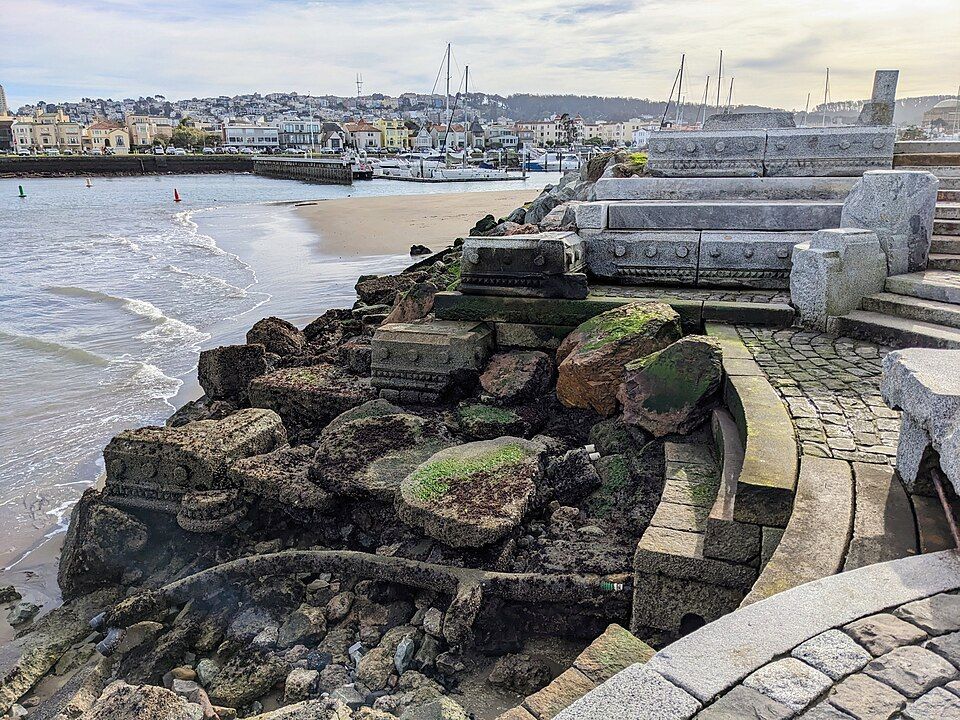
No trip to San Francisco is complete without taking the cable car or a picture at the Golden Gate. But tucked away near the Marina District is an attraction many tourists completely miss. The Wave Organ is a gigantic acoustic sculpture that turns ocean waves into music.

Completed in 1986 by artist Peter Richards, t he installation consists of a series of pipes extending into the bay. As tides rise and waves move through the pipes, they create eerie sounds ranging from soft bubbling to deep echoes. Richards was inspired by recordings of artist Bill Fontana, made of sounds coming from a vent pipe of a floating concrete dock in Sydney, Australia. In 1980, he received a grant from the National Endowment for the Arts and tested the first prototypes during the 1981 New Music Festival. Five years later, he completed this sonic sculpture that runs entirely on nature.

7
Los Angeles: La Brea Tar Pits

Image: WikiWhens, CC BY-SA 4.0, via Wikimedia Commons

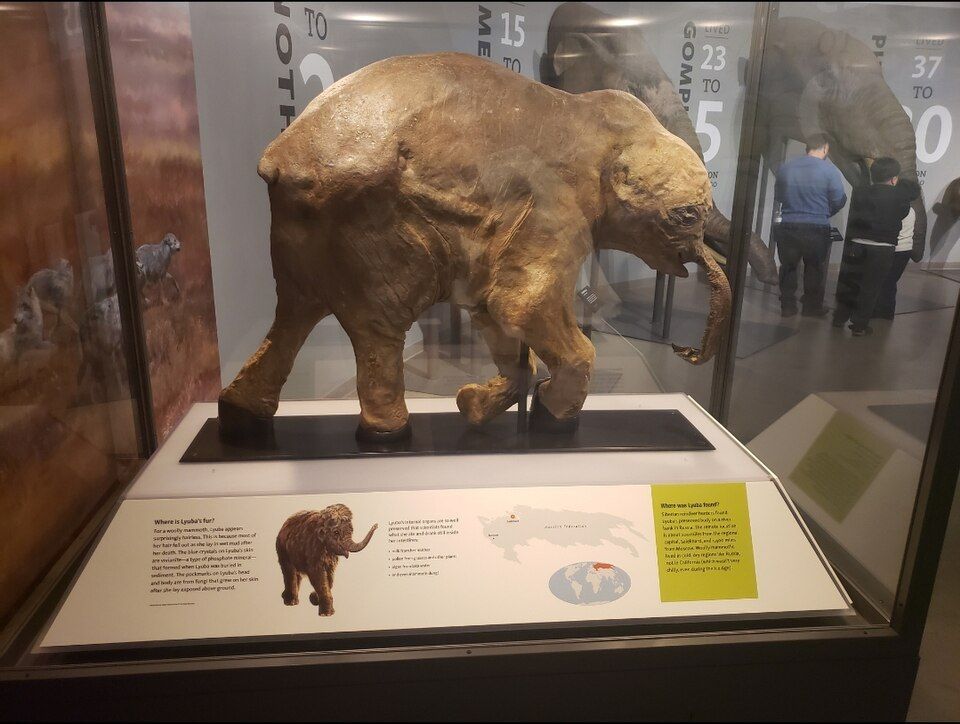
Los Angeles is all about Hollywood, palm trees, and the beaches. But it’s also home to one of the world’s most important prehistoric sites. The bubbling black pools at La Brea Tar Pits have been trapping animals for tens of thousands of years.

Long before Los Angeles was the city it is today, natural asphalt constantly came up from underground. Mammoths, saber-toothed cats, dire wolves, and other Ice Age animals became trapped there, preserving their skeletons remarkably well. Scientists began excavating fossils in the early 1900s, and discoveries continue to this day. The fossils recovered from the site are countless. Visitors can explore the museum for $18 and watch active excavations while surrounded by modern office buildings and traffic.

8
Seattle: The Giant Shoe Museum

Image: Another Believer, CC BY-SA 4.0, via Wikimedia Commons

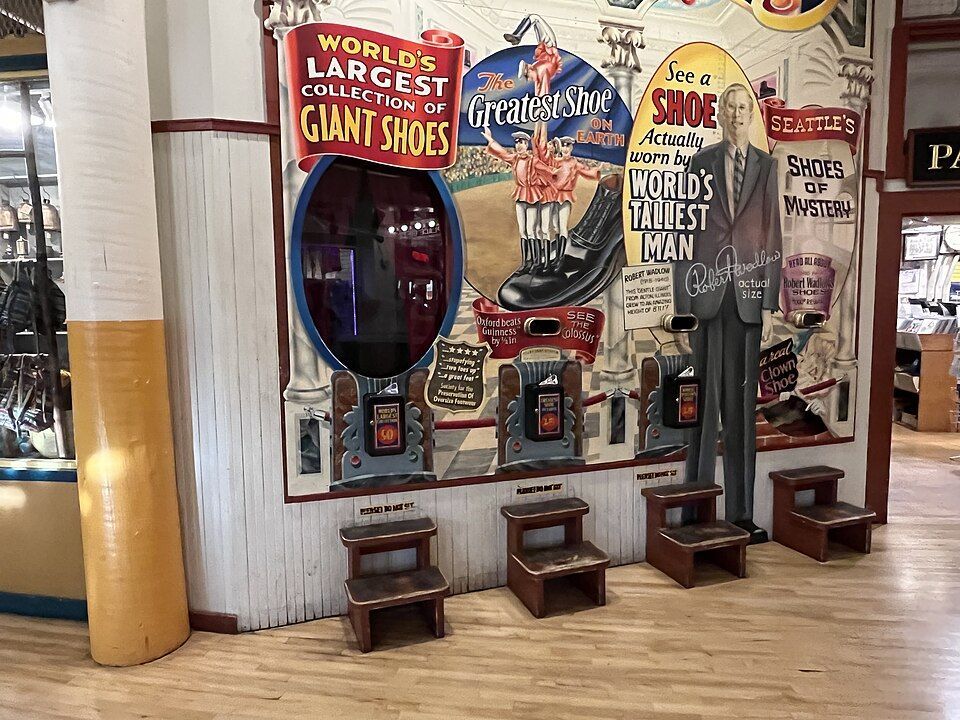
Seattle already has its share of unusual attractions, especially around Pike Place Market, where fishmongers toss salmon through the air, and crowds line up for fresh pastries. But the Giant Shoe Museum, located there, is even stranger. A single exhibit wall dedicated to oversized footwear , the museum works like an arcade peep show. Visitors drop coins into viewing slots to reveal displays featuring enormous boots, giant clown shoes, and other gigantic footwear.

The museum was founded in 1997 by Danny Eskenazi after he became obsessed with his grandfather’s missing item: the shoe of Robert Wadlow, the tallest man in history. He even offered $1,000 to anyone who could find that Wadlow shoe. Sadly, the shoe remains lost, but his obsession led to the discovery of other shoes worn by Wadlow and more footwear that is now displayed in the museum.

9
Boston: Great Molasses Flood Site

Image: MLHalsey, CC BY-SA 3.0, via Wikimedia Commons

Boston's most popular spots blend colonial and Revolutionary War history with vibrant neighborhoods that feature top attractions like the Freedom Trail, Fenway Park, and the Boston Public Garden. But it’s also home to the remains of a disaster.

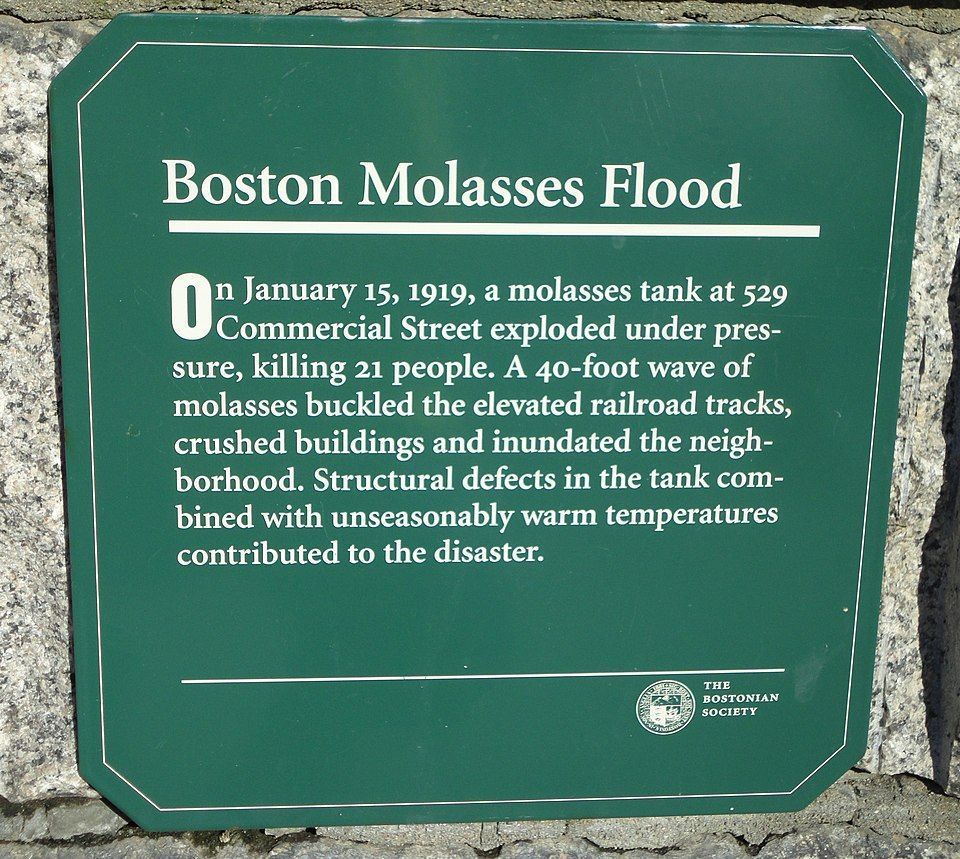
In 1919, Boston experienced the Great Molasses Flood. A massive molasses storage tank burst in the North End neighborhood, unleashing more than two million gallons of syrup into the streets. After 21 people lost their lives, the disaster led to stricter construction safety regulations across the country, and the tank was never rebuilt. Today, visitors can still walk through the neighborhood where it happened. There’s no giant syrup wave anymore, thankfully, but plaques and local tours continue telling the story.

10
Lake Havasu City: The London Bridge

Image: Ken Lund from Las Vegas, Nevada, USA, CC BY-SA 2.0, via Wikimedia Commons

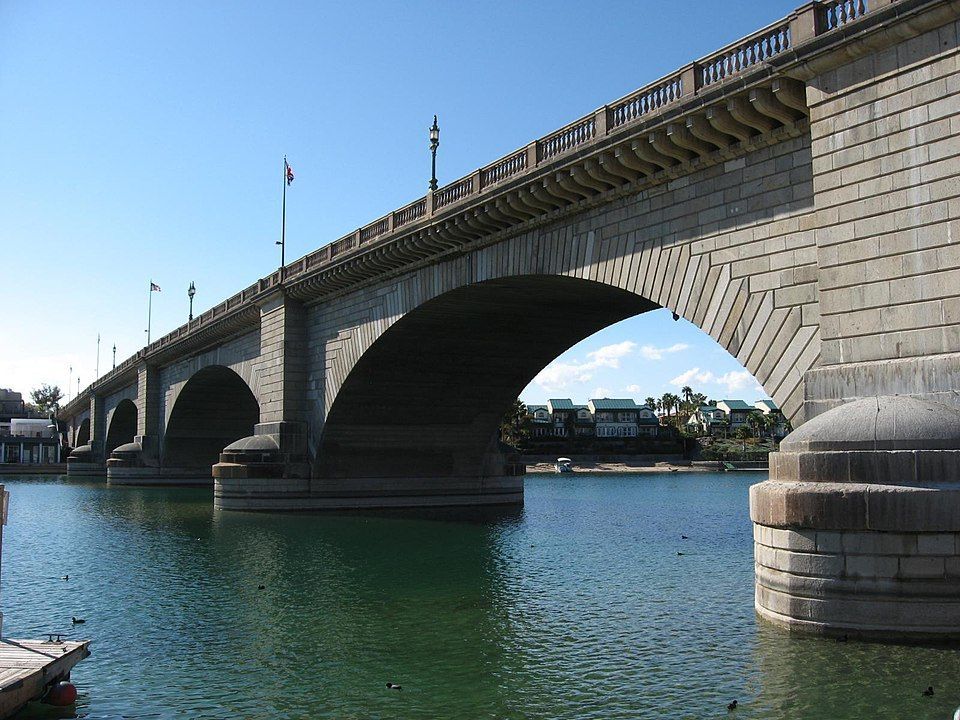
Driving through Lake Havasu City in Arizona, you expect desert landscapes, boating, and blazing summer heat. You probably don’t expect to stumble across a famous bridge from England, especially not the original London Bridge itself.

In 1831, John Rennie designed and opened the London Bridge spanning the River Thames. By the 1960s, the bridge started sinking under the weight of modern cars and traffic. Robert P. McCulloch, founder of Lake Havasu City, saw this as an opportunity and, in 1968, he purchased the bridge for $2.4 million. The bridge was dismantled and reconstructed in the Arizona desert, and completed in 1971. What once connected two sides of London now links mainland Lake Havasu City with Pittsburgh Point that visitors and locals enjoy every day.

11
Atlanta: The Center for Puppetry Arts

Image: Tyler Lahti, CC BY-SA 4.0, via Wikimedia Commons

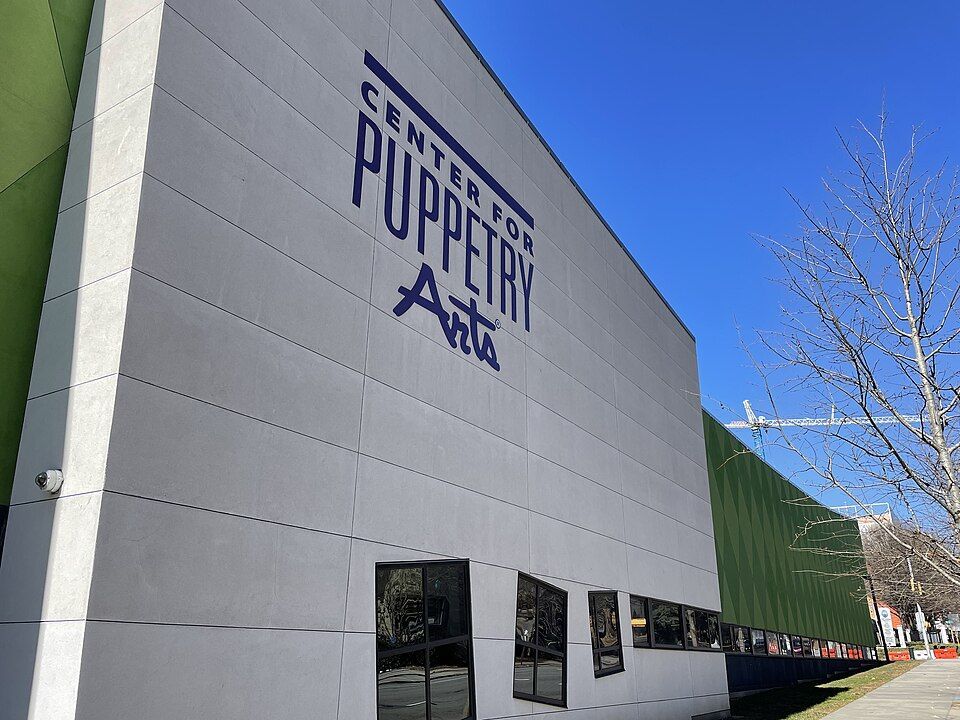
Atlanta is often associated with Southern cooking, a busy airport, and its important role in the Civil Rights Movement. But tucked inside the city is also the Center for Puppetry Arts, which houses the world’s largest collection of Jim Henson’s original Muppets.

The center opened in 1978, when puppeteer Vincent Anthony transformed a former elementary school into a home for puppet arts. From the very beginning, the project had a special connection to Jim Henson himself. He and Kermit the Frog helped inaugurate the center, and over the years, Henson became one of its biggest supporters. The center expanded significantly between 2007 and 2015, adding the permanent Jim Henson Collection and the impressive Worlds of Puppetry Museum. Unlike many museums, this place is hands-on. Guests can watch live performances, explore exhibits from puppet traditions, and revisit characters that shaped generations of childhood memories.

General General 5 min read

Which would you attend first?

Would you try Garlic Ice Cream? 10 unusual festivals held in the U.S.

Image: Matt Benson

Would you rather attend a subaquatic music concert or sail in a hollowed-out pumpkin? Or maybe you’d prefer to watch a jousting tournament or try garlic ice cream? These are just a few of the quirky activities that were or are still offered in some of the strangest and dearest festivals held annually around the country. Read on to find out if you’ve heard of them—or if one of them happens to be a festival you've attended!

1
Bay to Breakers

Image: Cecep Rahmat

Back in 1986, Bay to Breakers set the Guinness World Record for the largest footrace, with 110,000 registered participants. If you want to understand what type of sports event would summon so many athletes, you need to picture a unique blend of a race and an all-out costume parade.

This 7.5-mile course stretches from the San Francisco Bay (at Howard Street) to the Pacific Ocean. Held every third Sunday of May, the event is a local party where people wear elaborate costumes —think cartoon characters, colorful animals, and even synchronized group outfits. Bay to Breakers began in 1912 as a way to boost morale in San Francisco after the devastation of the 1906 earthquake.

2
Running of the Bulls

Image: San Fermin Pamplona - Navarra

You’d be wrong to think that the San Fermin Festival is only held in Pamplona, Spain. In 2007, New Orleans created its own version of the "Running of the Bulls." Here in the U.S., participants dress in all-white clothing with red accessories, as per tradition. But they don’t run from bulls: they run from roller derby skaters wearing horned helmets , wielding plastic bats, and chasing them around the streets.

Held in the summer to coincide with Pamplona's festival dates, this event is accompanied by food, drinks, live music, and a lively atmosphere that blends Spanish and New Orleans styles.

3
Goffstown Pumpkinboat Regatta

Image: Kris Møklebust

Did you know that you can sail inside a pumpkin ? This is standard procedure at Goffstown Pumpkin Regatta, held every autumn in New Hampshire. In the year 2000, local growers envisioned an event that would turn oversized pumpkins—some weighing as much as 1,000 pounds—into something fun and unusual.

Their challenge? Hollowing out massive pumpkins to turn them into boats, to then paddle them in a regatta down the Piscataquog River. Over the years, more and more contestants signed up to participate with flamboyant pumpkin designs and matching costumes. Of course, the event also features a pumpkin weigh-off , craft and food vendors, as well as live music and games.

4
Twins Days

Image: Keisha Montfleury

Twinsburg, Ohio, decided many decades ago that it was the perfect location to hold a yearly celebration of twin siblings. After all, the town was named after identical twin brothers who owned most of the land in the 1800s. Over the years, the festival has grown to become the world’s largest annual gathering of twins, triplets, and other multiples.

Traditionally, all participating twins show up dressed either identically or mismatchedly. Some of them even showcase their talents, ranging from music to comedy. Among food stalls, carnival rides, and live music, there is also a "Research" spot. There, scientists and researchers attend to study willing twins for insights into genetics, biometric data, and their health conditions.

5
Houston Art Car Parade

Image: Christopher Osten

Houston’s Art Car Parade began in the 1980s as a way to promote unconventional creativity and art . Back then, only 40 vehicles participated, but today the festival has become one of the most colorful art car parades in the world.

Participants transform their cars, bikes, and other vehicles into mobile artworks for this yearly parade held every April. Cars with the most outrageous designs—styled to look like dragons, unicorns, fruits, or even structured to appear to be stacked on top of one another—have been featured in past celebrations. Nowadays, the parade attracts over 250 art cars from across the U.S., as well as an audience of 250,000 lined up to watch.

6
Corgi Beach Day

Image: huoadg5888

A beach invaded by corgis sounds like a heavenly sight for dog lovers . Every year at Huntington Beach, California, this event gathers corgi enthusiasts and their furry friends to celebrate their love for the breed.

Sometimes the dogs wear costumes, and contests are run with categories like "Best Themed Outfit" and "Cutest Corgi." Short races are also organized, though owners know their corgi's legs aren't built for speed, so the event is held in good humor to watch the corgis happily walk around. Mr. Pickles the Corgi, the mascot of the event, has become an internet sensation. Of course, the beach day features merchandise stands with corgi-themed products for dogs and their humans to take home.

7
Fremont Solstice Parade

Image: Jordan Crawford

Organized on the Saturday closest to the summer solstice in Seattle’s Fremont neighborhood, this celebration has become a symbol of creativity, self-expression, and community . It was conceived in the late ‘80s to counter corporate-sponsored parades, which locals found cold and generalistic. They decided to combat it by organizing a parade that would showcase warmth and individuality.

The parade prohibits motorized vehicles, written words, and commercial logos. Only handmade arts and crafts are allowed. Puppets, dance troupes, musicians, and giant kinetic sculptures are often seen parading the streets of Freemont under the sun. The event usually wraps up at sunset with picnics and music at Gas Works Park.

8
Underwater Music Festival

Image: Victoria Ballesteros

You read that correctly. There’s an underwater music festival held every summer at Looe Key Reef , off the coast of the Florida Keys. The event was designed to combine two things the region is known for: the preservation of marine life and laid-back music.

Don’t worry, the music is not played directly underwater. Musicians pre-record the performances and these are transmitted through waterproof speakers placed along the reef. The playlist also often includes water-themed hits like "Yellow Submarine" by The Beatles and "Fins" by Jimmy Buffett. Many participants show up to dive in wearing fanciful costumes, like mermaids or sea creatures.

9
Texas Renaissance Festival

Image: Matt Benson

Some of the most famous festivals across the country are Renaissance fairs that draw visitors into an immersive celebration of medieval and fantasy culture . The largest of these is the Texas Renaissance Fair, which takes place on a former strip-mining site near Houston.

Hundreds of thousands of fans flock to this festival. It features a 55-acre village with cobblestone streets, themed buildings, and costumed performers. In it, fans can wander through medieval taverns , blacksmith shops, and artisan booths. Different shows add to the atmosphere, including jousting tournaments and falconry demonstrations. The event is held over several weekends, each with a different theme, such as Oktoberfest, Pirate Adventure, or Celtic Christmas.

10
Garlic Festival

Image: Min An

We conclude with the only festival in the country where you could ask for garlic ice cream . Until 2019, every July in Gilroy, California, garlic growers and lovers would gather for the Gilroy Garlic Festival, which had become a world-renowned event. Sadly, after 2020, the event was discontinued.

Of course, you could approach the food stands and ask for your typical garlic fries or garlic bread. But there was much more to do. You could attend cooking demonstrations, and garlic-themed contests (like the garlic-braiding competition), and enjoy live music across several stages. There was also a Miss Gilroy Garlic Queen pageant, where contestants were judged not only on traditional pageant criteria but also on their knowledge of garlic.

Explore more American facts

Choose your favorite category!

General
General

As American as apple pie—the very best America has to offer!

Culture
Culture

Delve into the astounding richness of American lore.

Geography
Geography

Hop in and explore vast and diverse American landscapes.

History
History

Discover the key moments that shaped the United States.