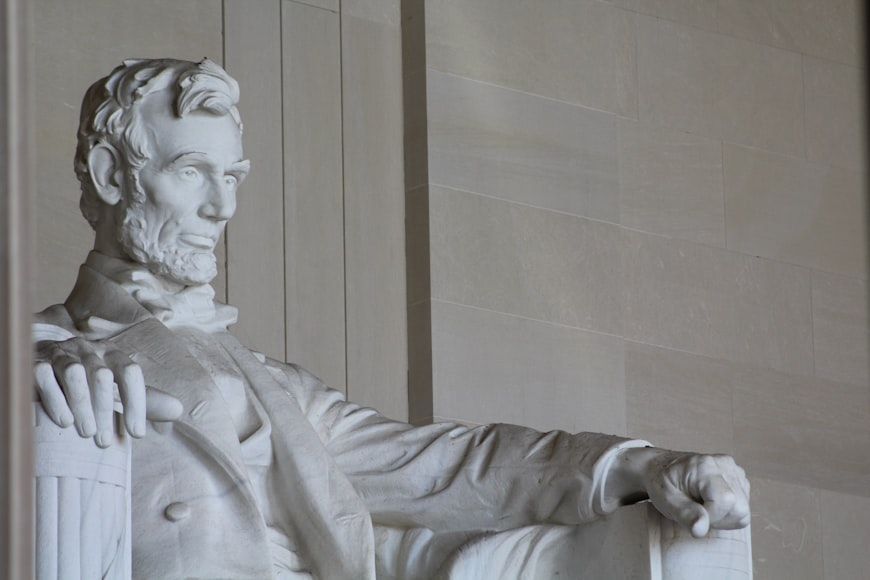
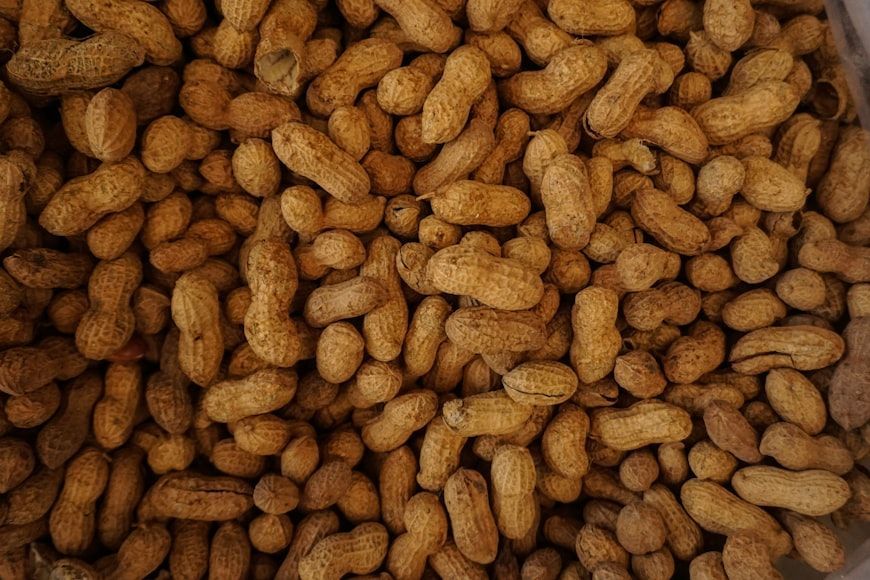
Geography Geography 5 min read

From farm to fame

The fruits that put these states on the map
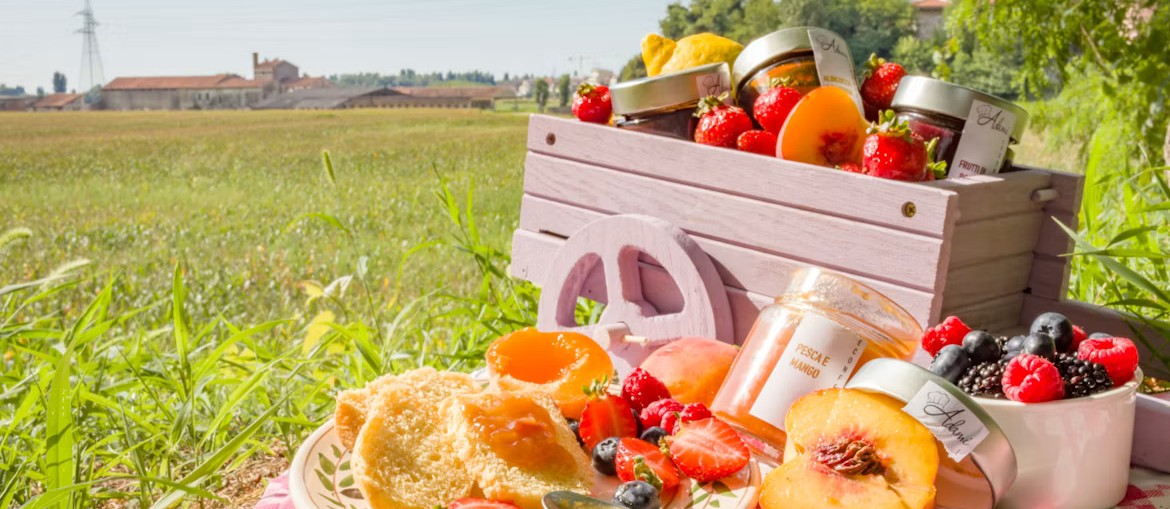
Image: Massimo Adami

From Georgia peaches to Florida oranges, there are certain U.S. states synonymous with a particular fruit. These tasty crops have helped shape local economies, traditions, and how we think about certain parts of the country. They’ve become so closely tied to their home states, in fact, that they’ve become part of the American landscape.

1
Peaches: Georgia
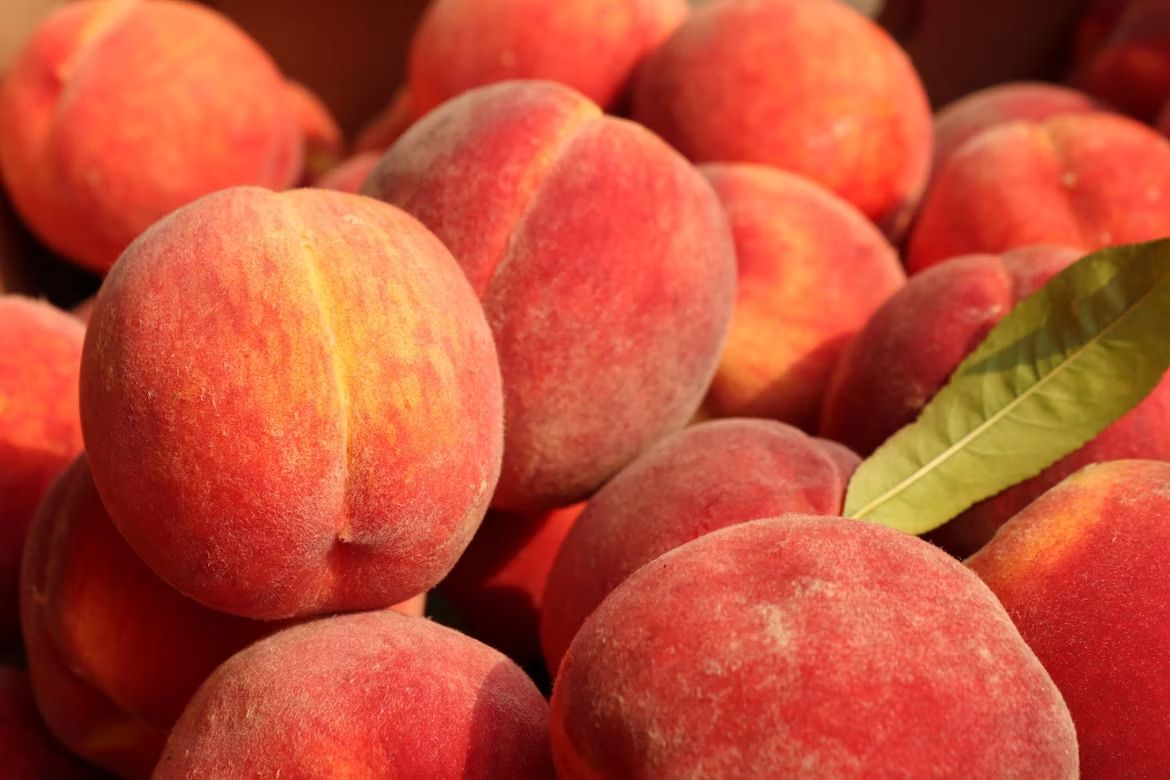
Image: NisonCo PR and SEO

Georgia has been associated with peaches for centuries. Its warm climate, long growing season, and sandy, well-drained soils create ideal conditions for producing sweet, juicy peaches. After the Civil War, peaches also became an important alternative to cotton, giving farmers another profitable crop as Georgia's agricultural economy changed.

Better transportation helped Georgia peaches reach markets far beyond the South, strengthening the stone fruit's reputation. The peach became so closely tied to the state that Georgia earned its famous nickname, the Peach State . Interestingly, Georgia now ranks third in the nation for peach production, behind California and South Carolina.

2
Oranges: Florida
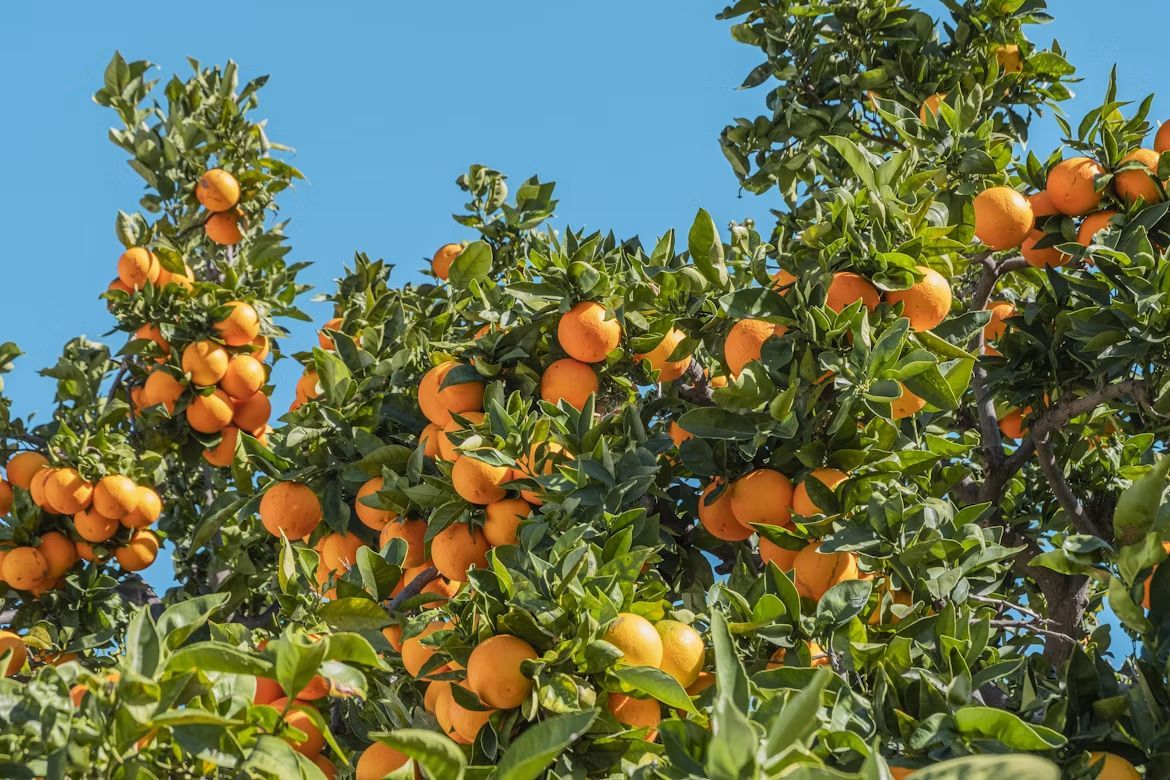
Image: Philippe Gauthier

Florida's identity as a citrus state starts with the orange. Spanish explorers brought citrus to the state in the 1500s, and commercial orange farming took off in the 19th century as railroads made it easier to ship fruit across the country. Today, Florida is the nation's leading citrus-producing state, with oranges at the heart of its industry.

Florida's warm, sunny climate makes it ideal for growing oranges, which became especially important for the state's famous orange juice industry. The fruit is even featured on Florida's state license plate, a fitting symbol of the state's long-standing connection to oranges.

3
Apples: Washington
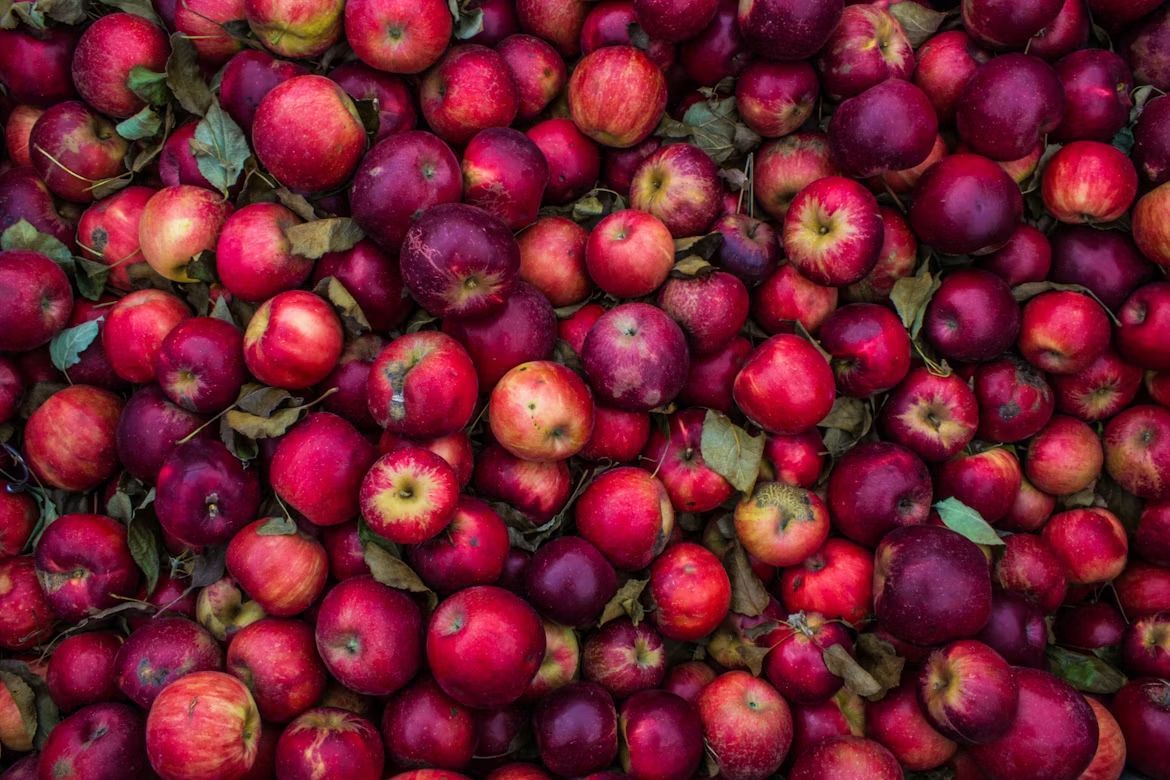
Image: sydney Rae

Washington's cool winters, dry summers, and extensive irrigation create ideal conditions for apple orchards. The state leads the nation in apple production and is also the country's top producer of sweet cherries, making fruit a major part of its agricultural identity.

The Wenatchee and Yakima valleys are especially well known for their orchards. From familiar varieties like Red Delicious and Granny Smith to sweet cherries picked in summer, Washington's fruit crops are enjoyed across the country.

4
Cherries: Michigan
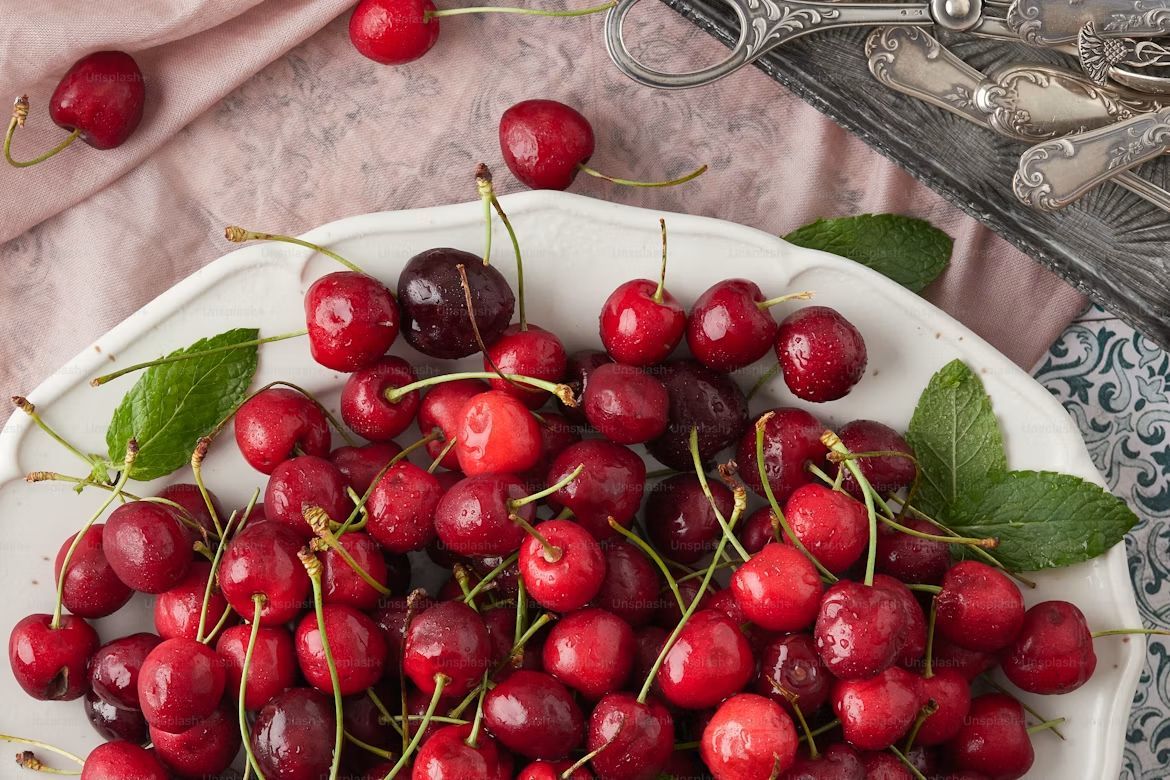
Image: Olivie Strauss

Michigan's Great Lakes climate has proved remarkably well suited to cherries, especially tart cherries. The state's northwestern Lower Peninsula became a major growing region, with Traverse City eventually earning the nickname "Cherry Capital of the World."

Michigan is the nation's leading producer of tart cherries, which are widely used in pies, jams, juices, and other processed foods. Every summer, the cherry harvest becomes part of the state's culture, celebrated with the annual National Cherry Festival in Traverse City.

5
Pineapples: Hawaii
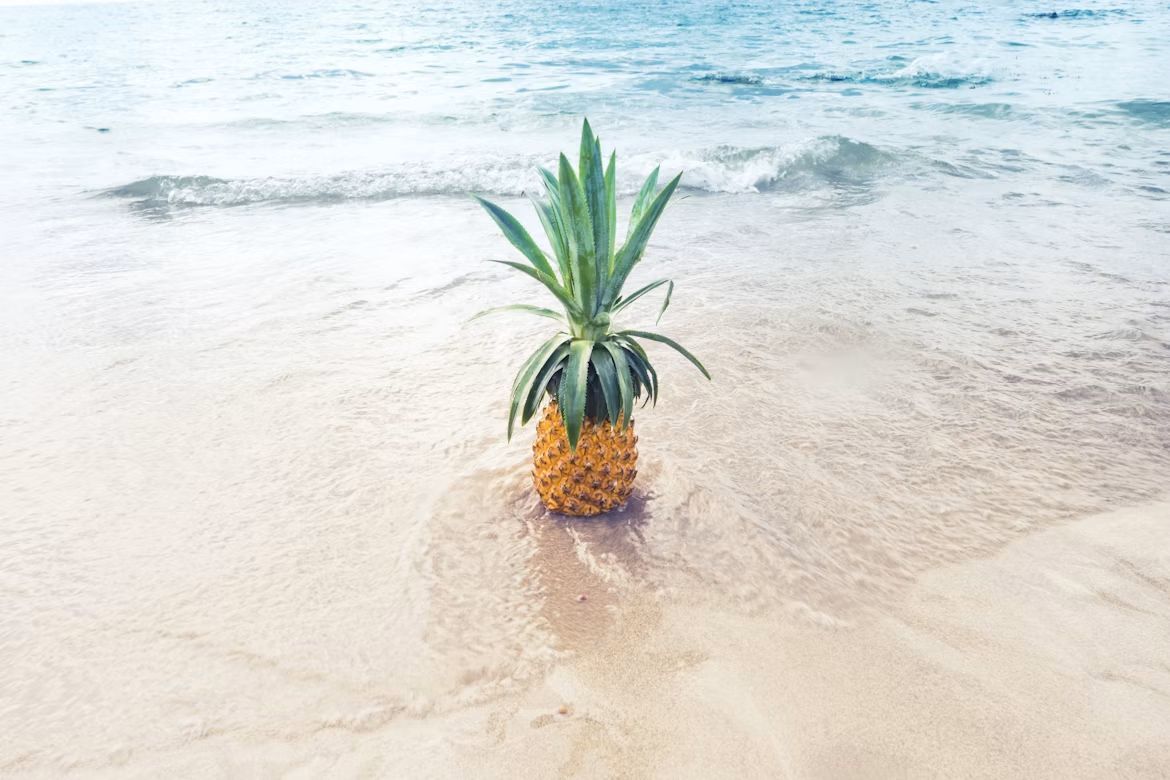
Image: Evi Radauscher

Pineapples were being grown in Hawaii by the early 1800s, and the islands' warm, tropical climate proved ideal for the crop. By the late 19th century, pineapple plantations had expanded into a major industry, with companies growing, processing, and canning the fruit for markets in Hawaii and on the mainland. Production peaked in the 1950s, but rising production costs eventually made Hawaii less competitive.

Hawaii is no longer the pineapple powerhouse it once was, but the fruit remains closely tied to the state's agricultural history. Pineapples are still grown on Oahu and Maui, and the fruit continues to be one of the foods most strongly associated with Hawaii.

6
Grapes: California
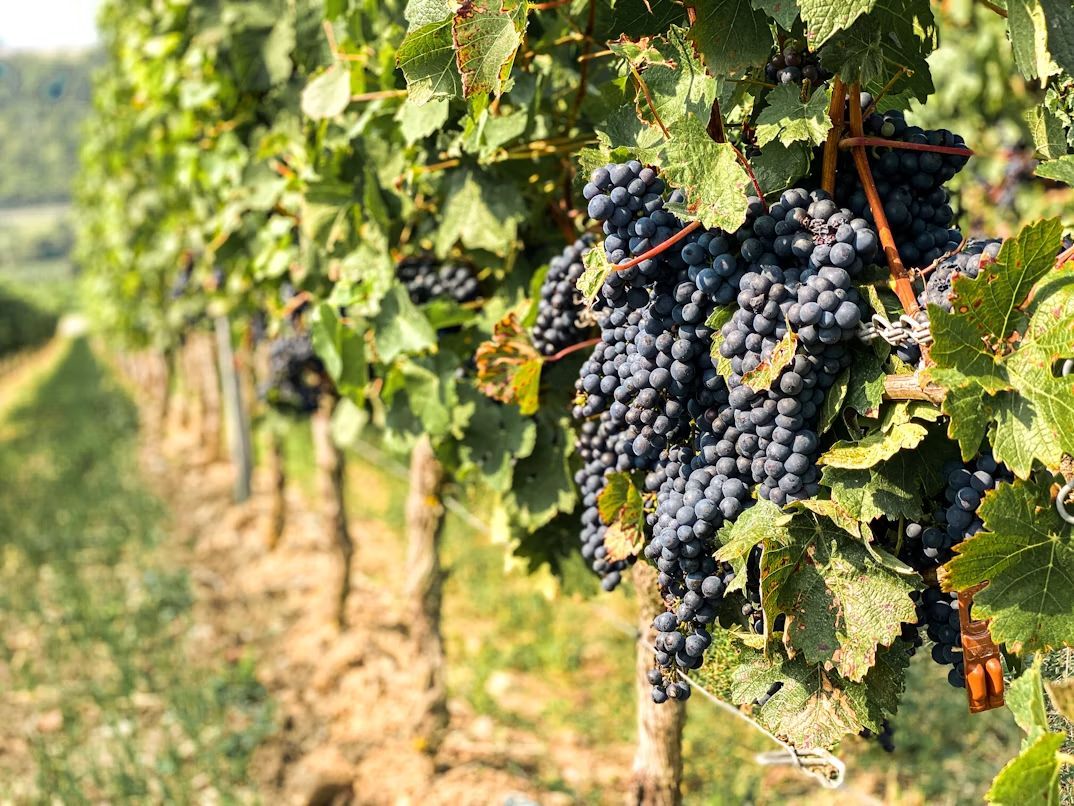
Image: Sophie Backes

California's connection with grapes goes back to the state's earliest days of commercial agriculture. Its combination of abundant sunshine, varied climates, and fertile farmland proved ideal for growing them, helping vineyards spread across the state in the 19th century. That same agricultural advantage has made California a powerhouse for fruit production overall: the state leads the country not only in grapes, but also in strawberries, nectarines, and kiwifruit.

Grapes, however, have a special place in California's identity. From the famous vineyards of Napa and Sonoma to the large agricultural valleys farther south, the state produces grapes for both wine and fresh consumption. Together, these vineyards have helped make California one of the most recognizable fruit-growing regions in the country.

7
Cranberries: Wisconsin
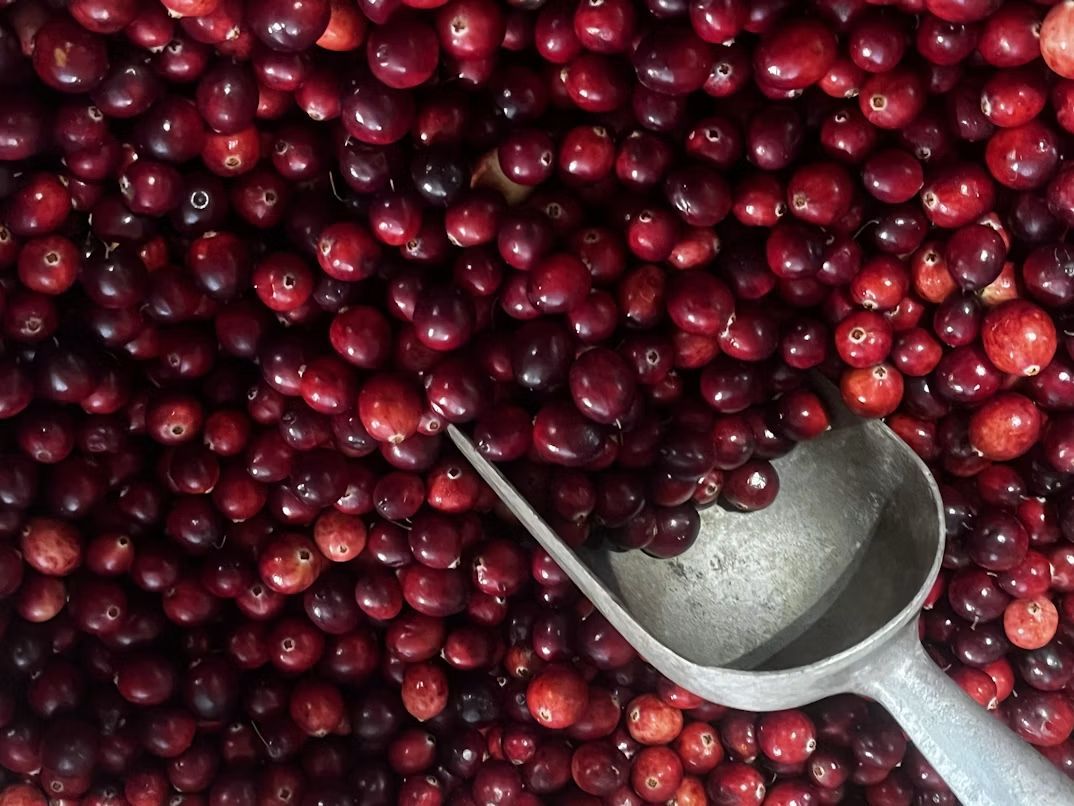
Image: Jeannette de Beauvoir

Wisconsin is the nation's top cranberry producer and has even designated the cranberry as its official state fruit. The state's sandy soils, wetlands, and cool climate provide ideal conditions for growing the berries , which are harvested in bogs each fall.

Massachusetts and New Jersey are also strongly associated with cranberries. Massachusetts has deep historical ties to the fruit dating back to the colonial era, while New Jersey has grown cranberries in the Pine Barrens since at least the 1840s. While both states are also strongly associated with cranberries, Wisconsin stands out as the nation's leading producer.

8
Blueberries: Maine
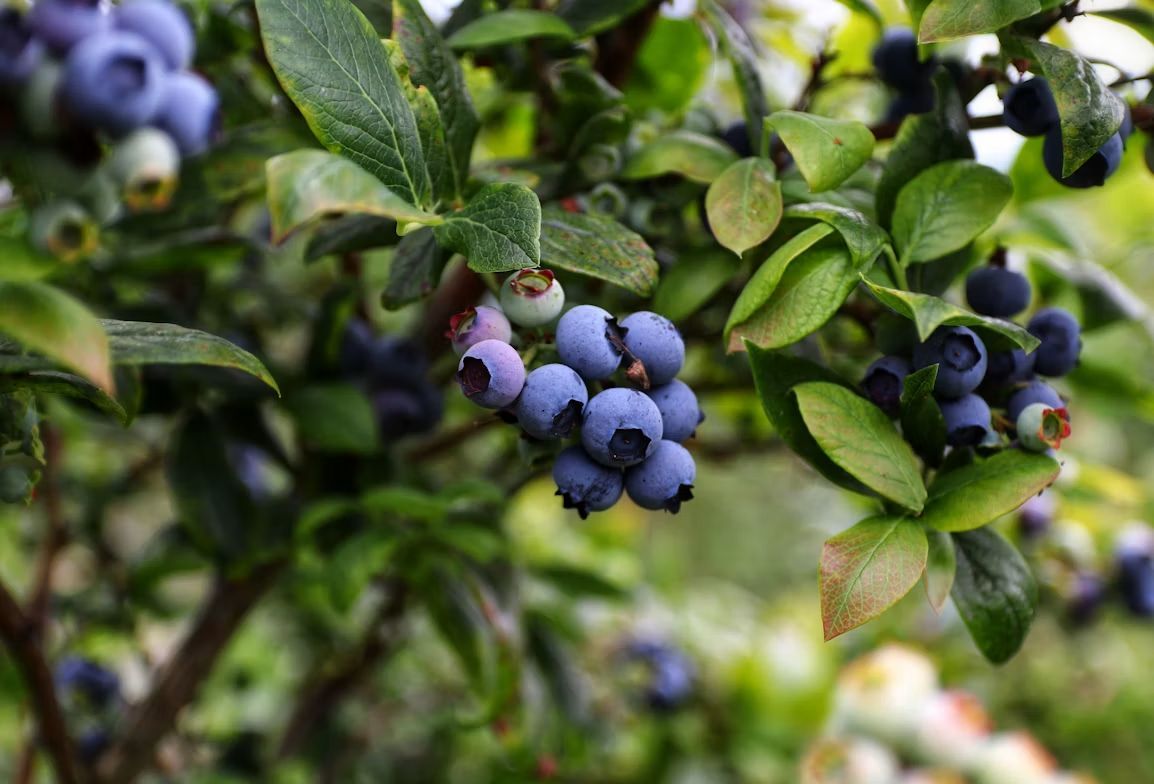
Image: Mario Mendez

Maine is especially famous for its wild blueberries, which are quite different from the larger cultivated berries commonly found in supermarkets. These small berries grow naturally across Maine's rocky fields and coastal barrens, where they have adapted to acidic soils and harsh winters.

Rather than being planted in neat rows like many commercial crops, Maine's wild blueberry fields are naturally occurring landscapes shaped by thousands of years of glacial history. Their distinctive flavor has made them a signature Maine product, turning the tiny berry into a big part of the state's food identity.

9
Pears: Oregon
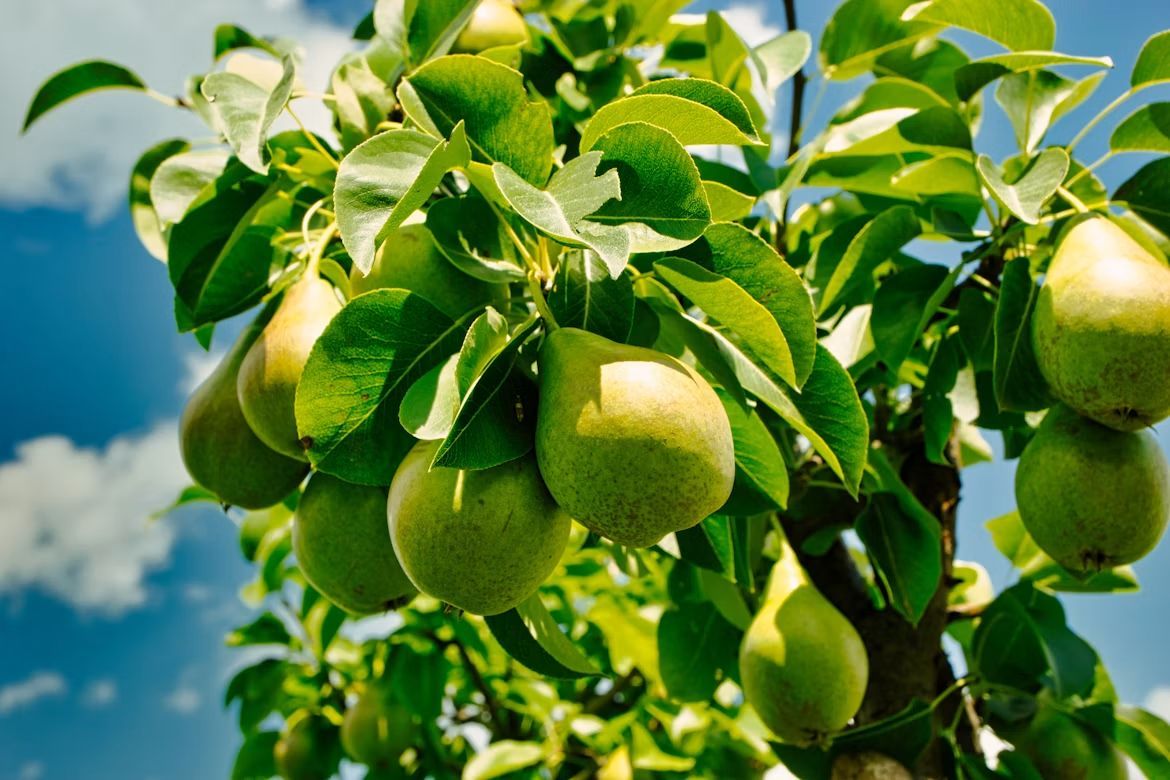
Image: Олександр К

Oregon's Hood River Valley is particularly famous for pears. The area's fertile valley and favorable climate helped establish a thriving orchard industry, and today Hood River County is known for producing more pears than any other U.S. county.

The region is especially renowned for Anjou pears, and pears remain an important part of Oregon's agricultural identity. Drive through the Hood River Valley during blossom season, and the connection becomes easy to see: orchard after orchard covers the landscape, turning the fruit into part of the scenery as well as the economy.

10
Watermelons: South Carolina
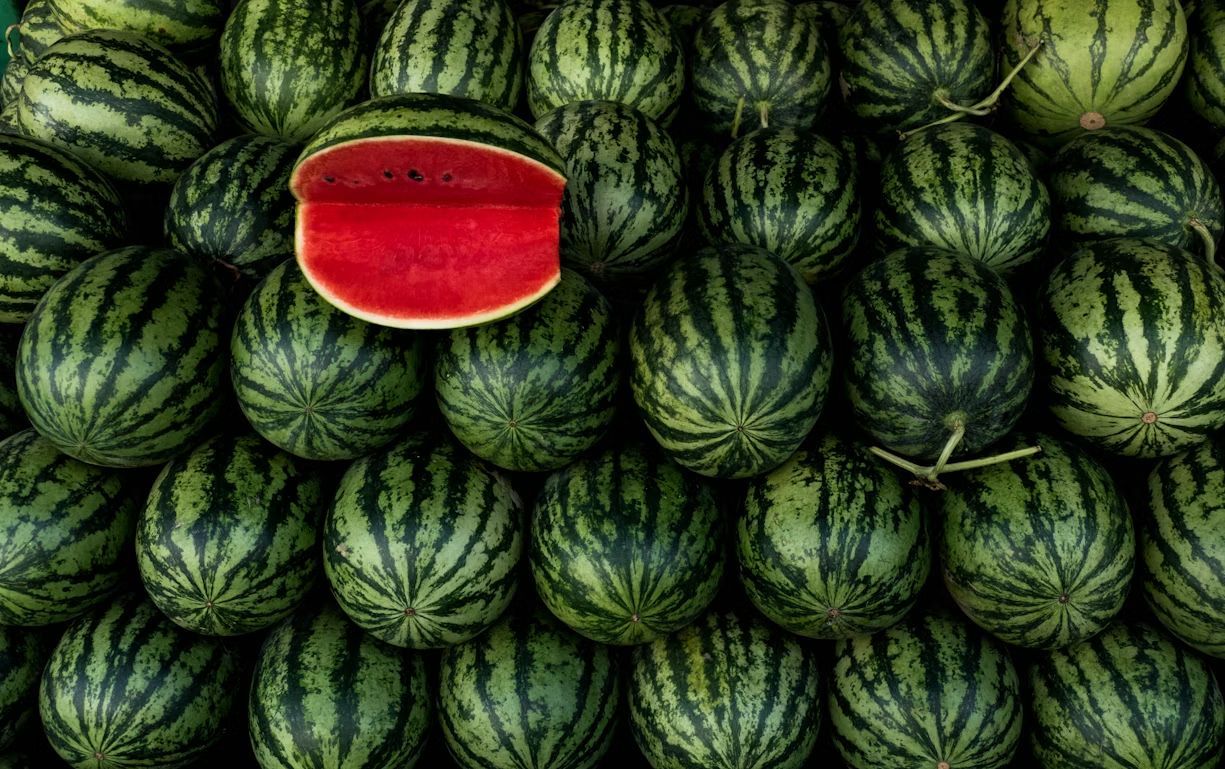
Image: Crina-Miriam Cretu

South Carolina has a long history with watermelon farming, dating back to the 18th century. The state's warm climate and fertile farmland provide good conditions for growing the summer favorite , and watermelons became an important commercial crop in the Lowcountry and other agricultural regions.

The fruit has also become part of South Carolina's summer traditions, appearing at farmers' markets, roadside stands, and local celebrations. For generations of Southerners, a cold slice of watermelon on a hot summer day has been a simple pleasure closely connected with the region's agricultural heritage.
History History 3 min read

Lesser-known tales

California's Grizzly is extinct? 10 stories behind American symbols

Image: Fr. Daniel Ciucci

It’s one thing to be acquainted with American symbols, but it’s another to learn—years later—the unexpected, hidden stories behind them! Did you know that California’s subspecies of grizzly bear (yes, the one on the flag) has been extinct for over a hundred years ? Or that Texas’s state dish was allegedly invented by prisoners? Maybe you know some of the facts listed here—but we’re sure you don’t know them all!

1
California’s state animal is extinct

Image: Levi Meir Clancy

The California grizzly bear adorns the state flag, but you won’t find one in the wild anymore. Once abundant throughout the region, this was a subspecies of Grizzly also known as "California golden bear."

By the 1920s, this majestic animal had disappeared from the wild, but it has remained a powerful symbol of the state, featured on the flag since the Bear Flag Republic’s short-lived attempt to break from Mexico in 1846.

2
The American flag was (probably) designed by a teenager

Image: Sharefaith

In 1958, around the time Alaska and Hawaii were being added to the Union, an Ohio high schooler named Robert Heft stitched a 50-star flag for a class project . His teacher gave it a B–, scoffing that the brand-new design "lacked imagination."

However, not long after, Heft’s design was selected from thousands of submissions sent to President Eisenhower to determine the official flag. That teacher later changed the grade to an A.

3
Texas’s state dish may have been invented by prisoners

Image: Zak Chapman

Chili con carne is the Lone Star State’s official dish. While its exact origins are uncertain, some say that Texan prisoners in the 1800s were the minds who concocted the dish. According to this version, the stew—made with beans, thin strips of beef, and chili peppers—was the local equivalent of bread and water: a kind of Texan gruel .

4
Alabama's state nut was once a life-saver

Image: Antoni Shkraba

Pecans aren’t just Alabama’s official nut—they’re also symbols of resilience from the Depression era. When cotton crops failed in the 1930s, families turned to harvesting pecans to survive. The nuts became a form of currency , traded for goods, and even used to make mortgage payments. Today, Alabama produces over 30 million pounds annually.

5
The Star-Spangled Banner was once a drinking song

Image: JosephHershMedia

You may know that America’s anthem has a boozy British past. The melody originated as "To Anacreon in Heaven," a raucous 18th-century tavern tune sung by a London gentlemen’s club. A relative of Francis Scott Key noticed that his poem fit perfectly with the melody—and thus, the anthem as we know it was born.

6
The Great Seal almost had a turkey

Image: Roman Manshin

Can you imagine if the Great Seal of the United States featured not a mighty eagle, but a turkey? It was none other than Benjamin Franklin who proposed the turkey as America’s symbol, calling it " a bird of courage ."

Instead, he dismissed the bald eagle as "a lazy scavenger." Congress ultimately overruled him, but Franklin did have a point: turkeys are known to be fiercely protective.

7
The flag’s colors weren’t meant to mean anything—at first

Image: Jon Tyson

Red, white, and blue may seem deeply symbolic today, but in 1775, the Continental Navy chose them simply to match the British flag’s palette. A rebellious decision, if you think about it. The "valor, purity, justice" meanings were tacked on later by poets and politicians.

8
Is South Carolina’s flag really what it seems?

Image: Jaden Dessureault

South Carolina’s flag features a blue background with a palmetto tree and what appears to be a crescent moon. But there are stories that sustain that the silver symbol isn’t a moon at all —it’s a gorget, the curved neck armor worn by 18th-century soldiers. Historians have searched for records to back this theory, but no nods to gorgets have officially been found.

9
Colorado’s flag was once a confusing disaster

Image: Olga Kovalski

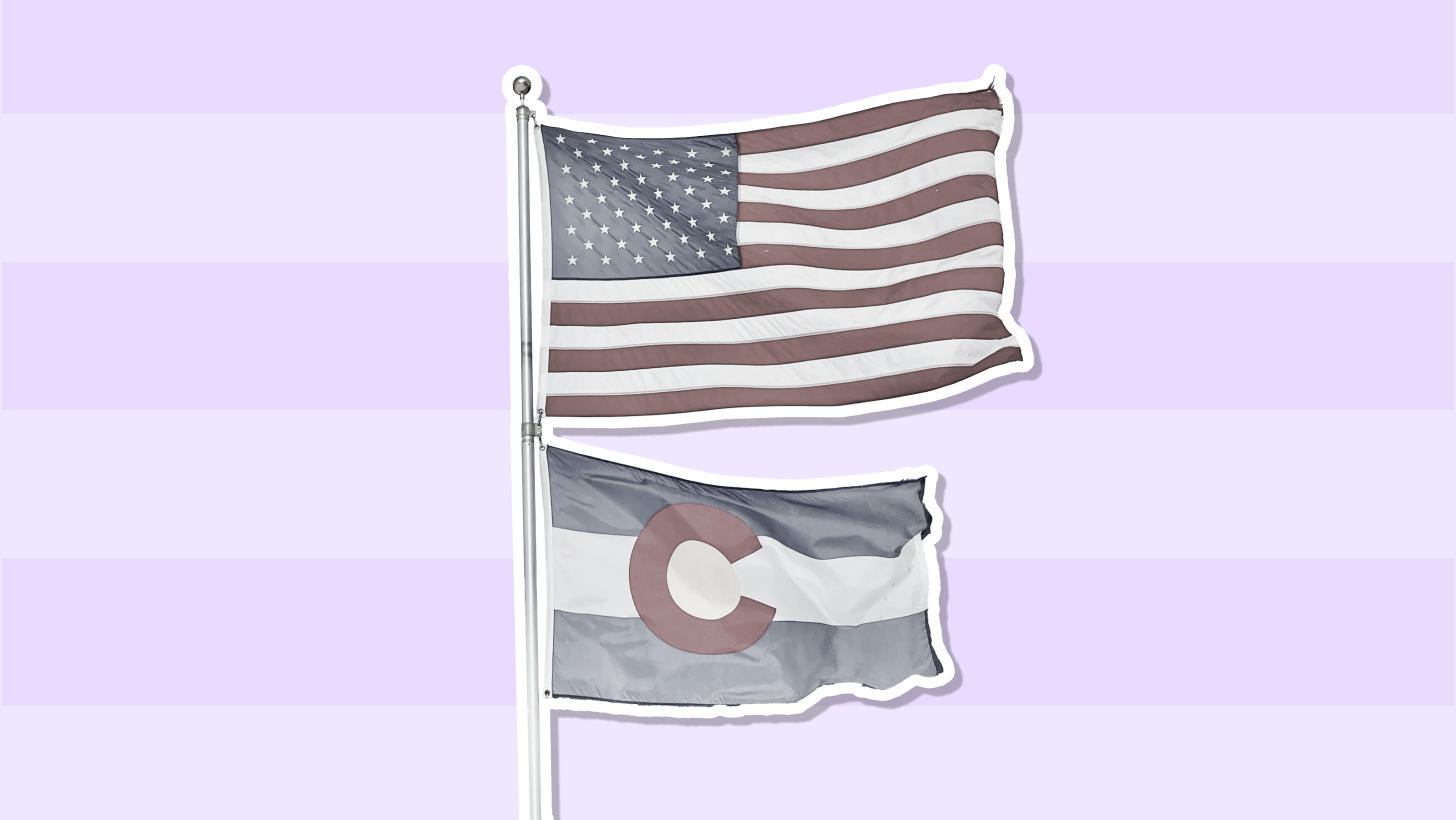
When Colorado unveiled its bold "C" design in 1911, it forgot one crucial detail: specifying which shade of blue to use for the background. For 26 chaotic years, flags fluttered in everything from pale sky blue to deep navy—until officials finally standardized the hue in 1937.

10
One of Illinois’ state symbols was chosen by… kids

Image: Peter Schad

Illinois’ state snack was chosen by the most powerful lobbyists of all: children. When a group of fourth graders learned their state produced a large portion of America’s popcorn , they launched a 2003 campaign so persuasive that lawmakers had no choice but to make it official.

History History 3 min read

Slogans that stuck

Remember "I like Ike"? 10 unforgettable campaign slogans in US history

Image: Sora Shimazaki

Election campaigns can get wild, and a big part of that is the slogans . These catchphrases stick with candidates all the way to election day—and, in many cases, long after. Few would argue with the lasting power of Eisenhower’s "I Like Ike" or Reagan’s "It’s Morning Again in America." Join us as we take a tour through 10 of the most memorable campaign slogans used by American presidents.

1
"I like Ike" – Dwight D. Eisenhower (1952)

Image: Adam Bouse

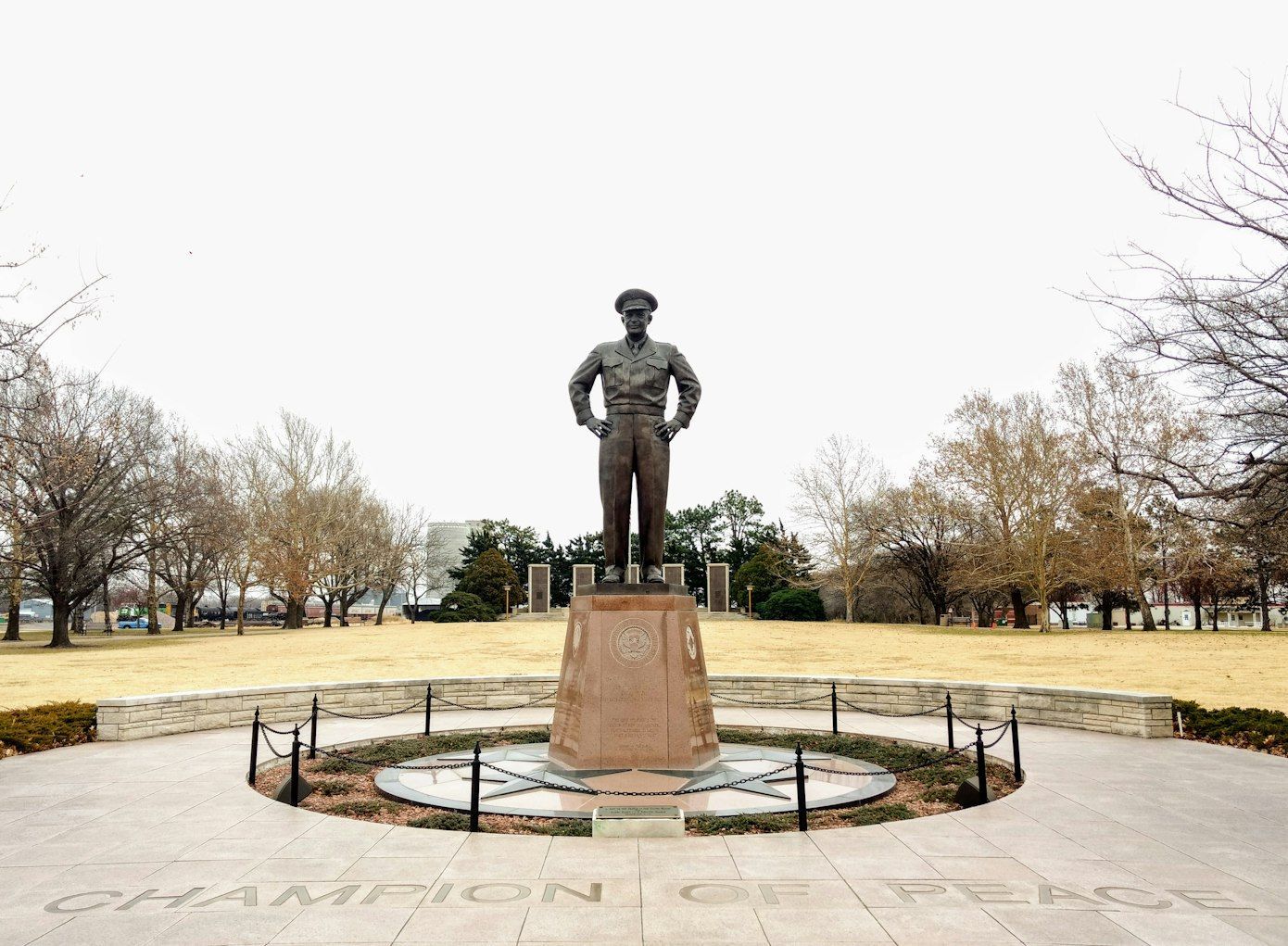
Often referenced in pop culture, "I Like Ike" was Dwight D. Eisenhower's slogan during his 1952 campaign. "Ike" was his nickname, and the slogan’s catchy and effective simplicity helped power Eisenhower to victory in '52 and again in his 1956 re-election.

2
"It's morning again in America" – Ronald Reagan (1984)

Image: Nicolas HIPPERT

In 1984, Ronald Reagan launched his re-election campaign with a slogan that was as powerful as it was optimistic: "It's morning again in America." Symbolizing a nation back on its feet, the slogan made a strong impact, helping Reagan win a landslide in the 1984 election, taking 49 out of 50 states.

3
"A chicken in every pot and a car in every garage" – Herbert Hoover (1928)

Image: John Paulsen

Herbert Hoover’s 1928 slogan, "A chicken in every pot and a car in every garage," remains one of the most memorable campaign slogans in American history. Although it wasn't official, it resonated with the middle class by promising abundance and comfort. Hoover won the election, but his administration was only a few months old when the Great Depression suddenly began in 1929.

4
"Yes we can" – Barack Obama (2008)

Image: History in HD

One of the most memorable slogans of the early 21st century is undoubtedly "Yes We Can," from Barack Obama’s 2008 campaign. Short, clear, and powerful, the phrase delivered a message of unity that resonated with millions and helped secure victory for the Democratic candidate that year.

5
"Make America Great Again" – Donald Trump (2016)

Image: History in HD

When it comes to recent history, the 2016 election was unforgettable. Without a doubt, the slogan that captured the nation’s attention was "Make America Great Again." With its strong appeal to nostalgia, the phrase helped Donald Trump secure victory over Hillary Clinton.

6
"Happy days are here again" – Franklin D. Roosevelt (1932)

Image: Element5 Digital

"Happy Days Are Here Again" was the theme song of Franklin D. Roosevelt's 1932 presidential campaign. Though not originally written as a campaign slogan, the upbeat tune became strongly associated with Roosevelt’s message of hope during the Great Depression. The song spread quickly across the country and is still remembered today. He won the election and went on to serve four terms, the only US president in history to do so.

7
"Tippecanoe and Tyler Too" – William Henry Harrison (1840)

Image: The New York Public Library

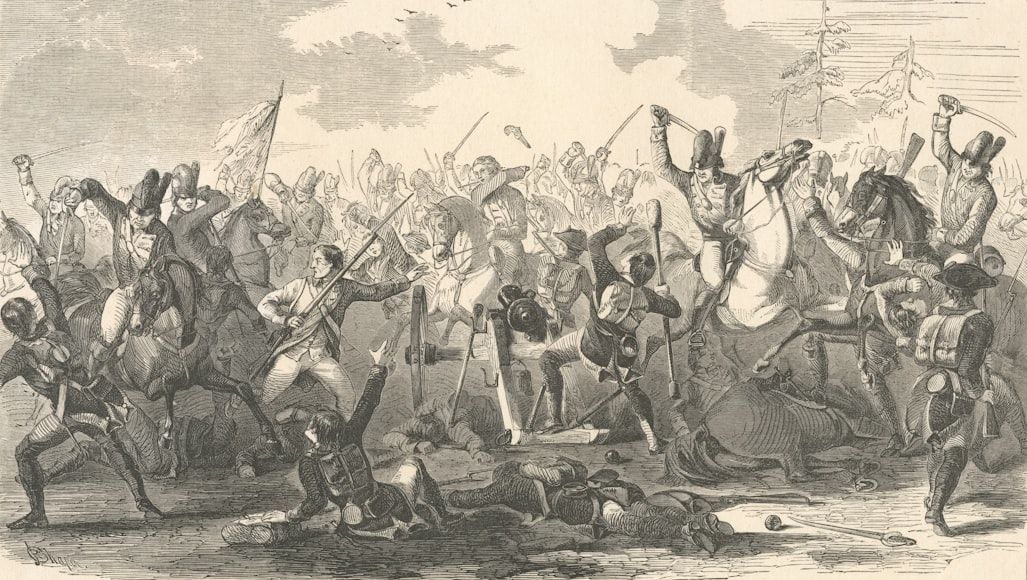
We could say this slogan started it all. Widely regarded as the first hugely successful presidential campaign slogan in US history, its message was surprisingly powerful. On one hand, "Tippecanoe" highlighted Harrison's reputation as a war hero from the 1811 Battle of Tippecanoe. While adding "Tyler too," the slogan introduced voters to his running mate, John Tyler.

8
"Keep Cool with Coolidge"- Calvin Coolidge (1924)

Image: Will Ma

Calvin Coolidge became president in 1923 after the death of President Warren G. Harding.

Coolidge’s calm, steady demeanor was one of the most memorable aspects of his first time in office. In 1924, he capitalized on this reputation by adopting the slogan "Keep Cool with Coolidge" for his re-election campaign, and it worked!

9
"Don't swap horses in the middle of the stream" – Abraham Lincoln (1864)

Image: Ed Fr

The Civil War was far from a quiet time in American history. Amid this national division, Lincoln was leading the country and running for re-election in 1864. His iconic campaign catchphrase, "Don't Swap Horses in the Middle of the Stream," encouraged voters to give his administration more time and place their trust in his vision for the country. And they did!

10
"Not just peanuts" – Jimmy Carter (1976)

Image: Tom Hermans

When critics pointed to Jimmy Carter’s background as a peanut farmer, he didn't ignore it— he turned it to his advantage. Though not an official campaign slogan, "Not Just Peanuts" helped him connect with everyday Americans while also highlighting that he brought much more to the table. The message was clear: farming was part of his story, but Carter was also experienced and capable of leading the nation.

Explore more American facts

Choose your favorite category!

General
General

As American as apple pie—the very best America has to offer!

Culture
Culture

Delve into the astounding richness of American lore.

Geography
Geography

Hop in and explore vast and diverse American landscapes.

History
History

Discover the key moments that shaped the United States.