History History 3 min read

Inside museums

The coconut that saved JFK's life is now in a museum—and you can see it!
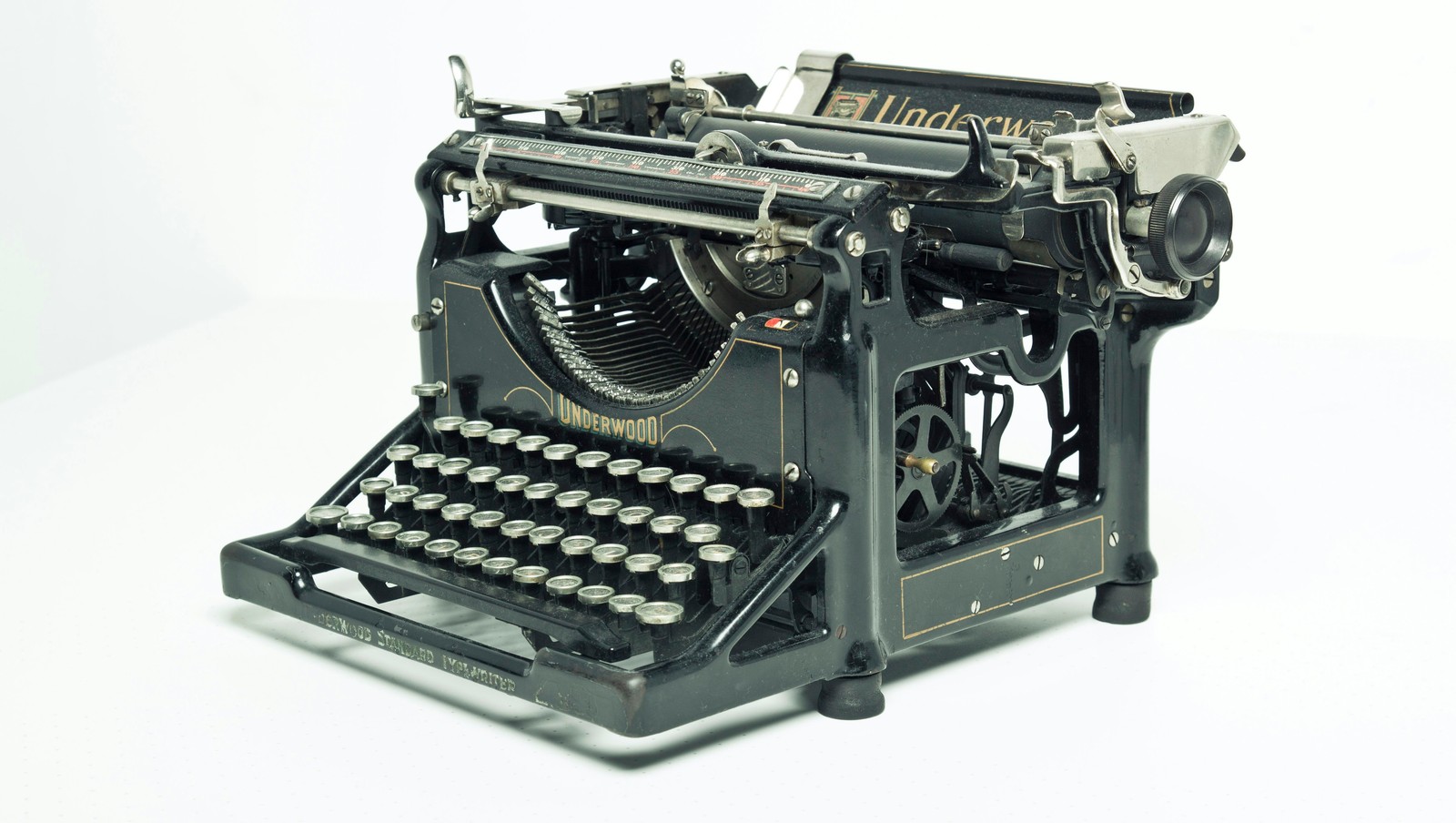
Image: Milada Vigerova

Many US presidents are remembered for their service and sacrifices, some even giving their lives for the nation. But sometimes, we forget they were also ordinary people, with lives full of both extraordinary moments and everyday routines, just like the rest of us. And part of that story lives on in these 10 personal items that belonged to presidents and are still on display in museums today.

1
John F. Kennedy’s PT-109 coconut

Image: 🇻🇪 Jose G. Ortega Castro 🇲🇽

In 1943, John F. Kennedy commanded the PT-109, a torpedo boat, in the Solomon Islands during World War II . When a Japanese destroyer sank his boat, JFK carved a rescue message on a coconut, which local islanders delivered to Allied forces, saving him and his crew. 18 years later, Kennedy became the US president and kept the coconut as a paperweight in his office. Today, it’s preserved at the John F. Kennedy Presidential Library and Museum in Boston.

2
George Washington's dentures
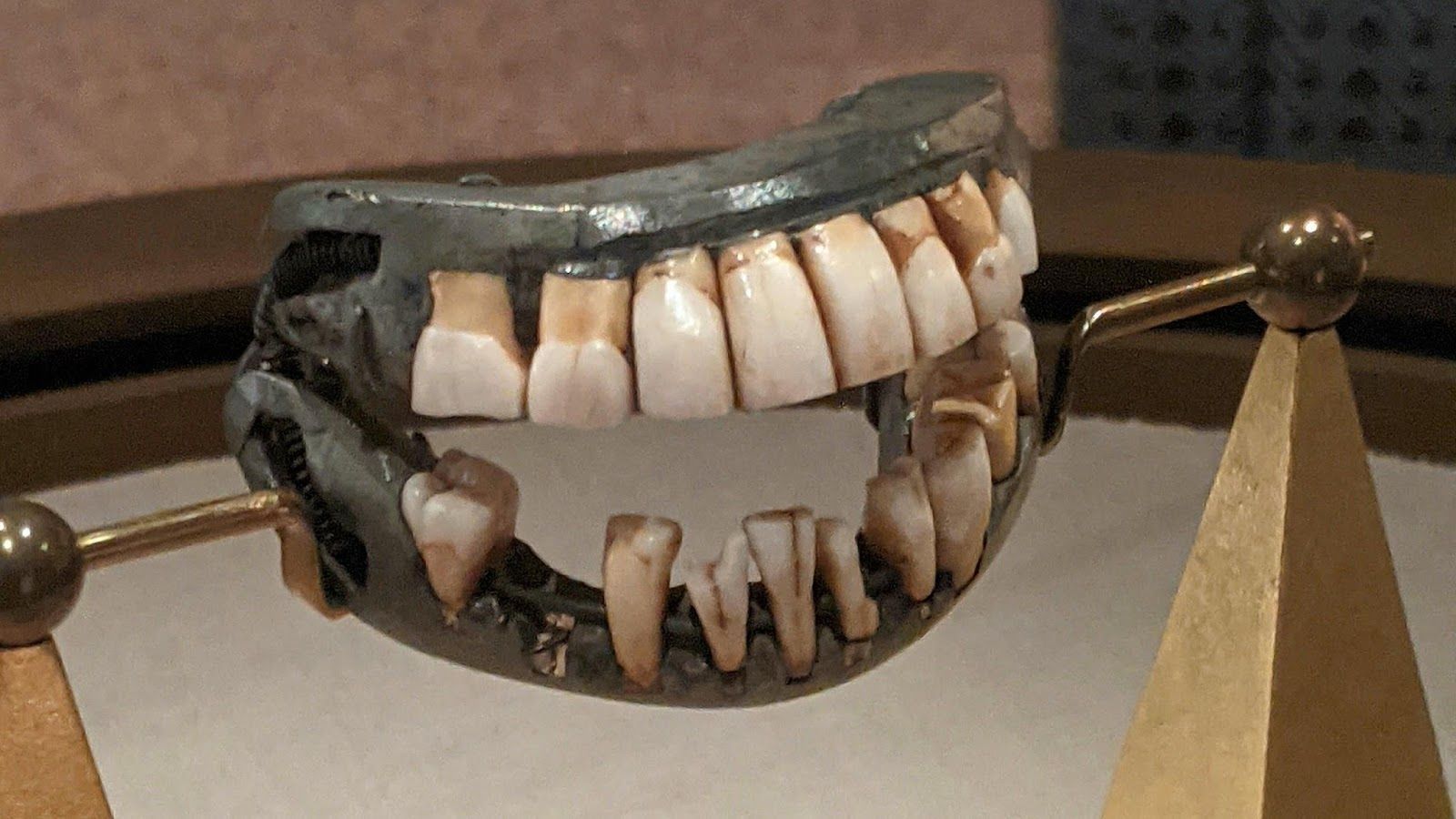
Image: BakedintheHole, via Wikimedia Commons

Everyone knows George Washington struggled with dental problems throughout his life. And while the old myth about his wooden teeth isn’t true, our first president did wear dentures made from different materials. One of his most complete sets has been carefully preserved and is now on display at George Washington's Mount Vernon estate and museum.

3
Abraham Lincoln’s top hat
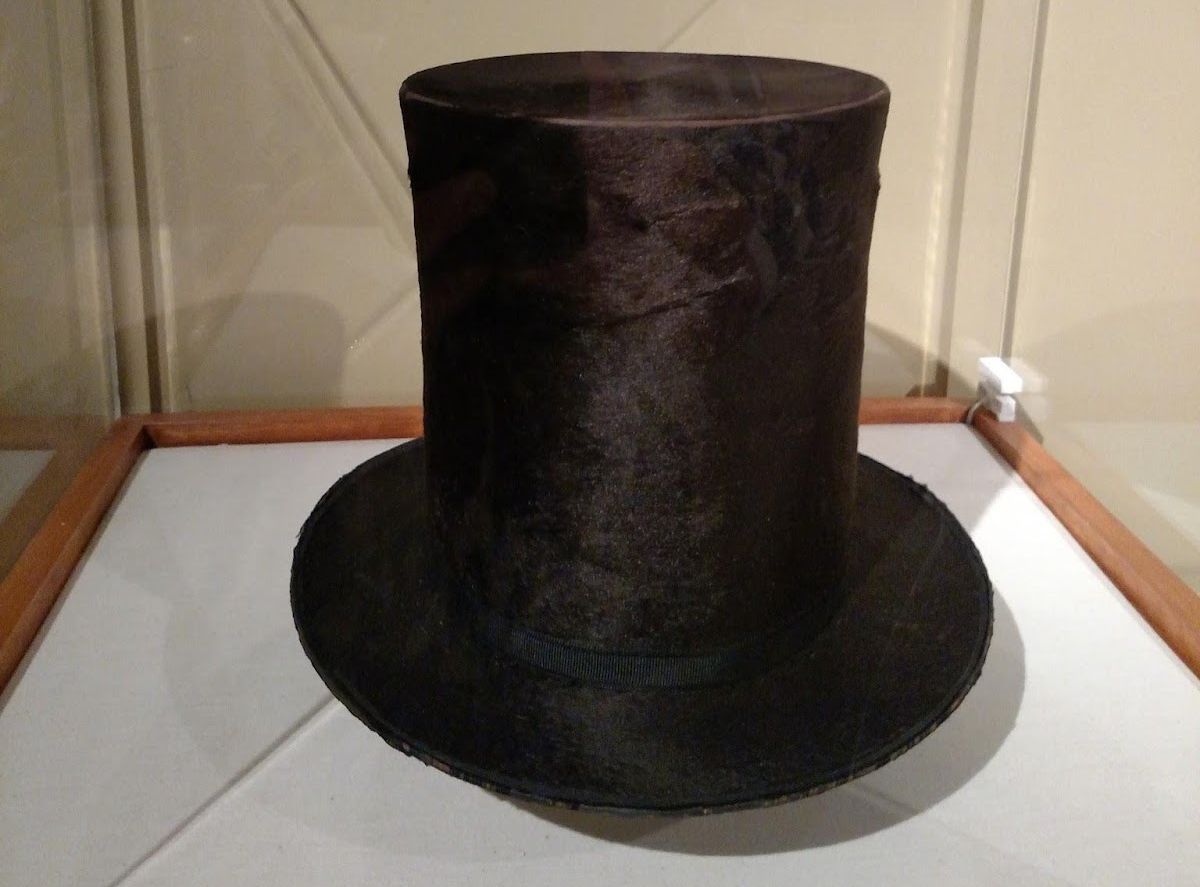
Image: Brewbooks from near Seattle, USA, via Wikimedia Commons

It’s easy to picture Abraham Lincoln with his signature top hat. To get a little closer to Honest Abe, you can visit the National Museum of American History in Washington, D.C., where the very hat he wore the night he was fatally shot is on display.

4
The contents of Lincoln's pockets
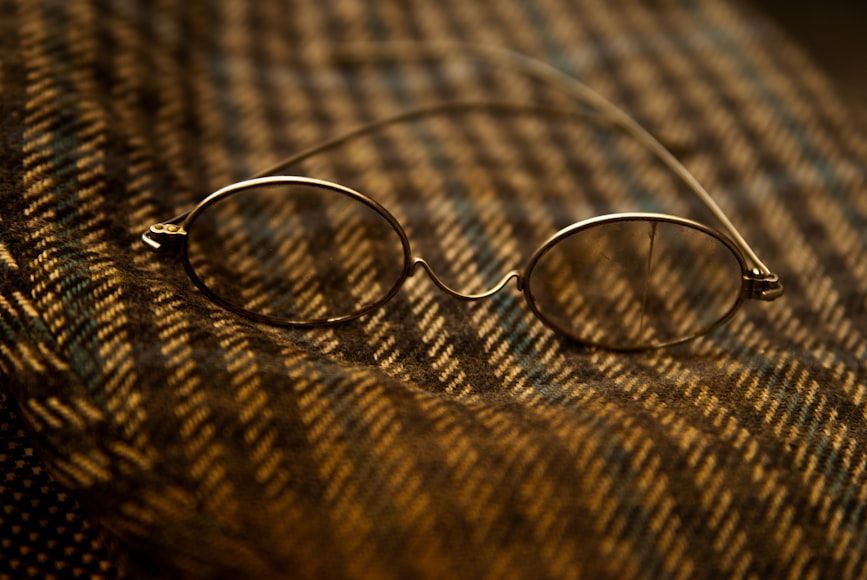
Image: Jorien Loman

The hat isn’t the only relic that remained from that tragic night. Everything Abraham Lincoln had in his pockets —two pairs of glasses, a pocketknife, a Confederate $5 bill, a linen handkerchief, and a gold pocket watch—is preserved and on display at the Library of Congress in Washington, D.C.

5
Thomas Jefferson’s inkwell
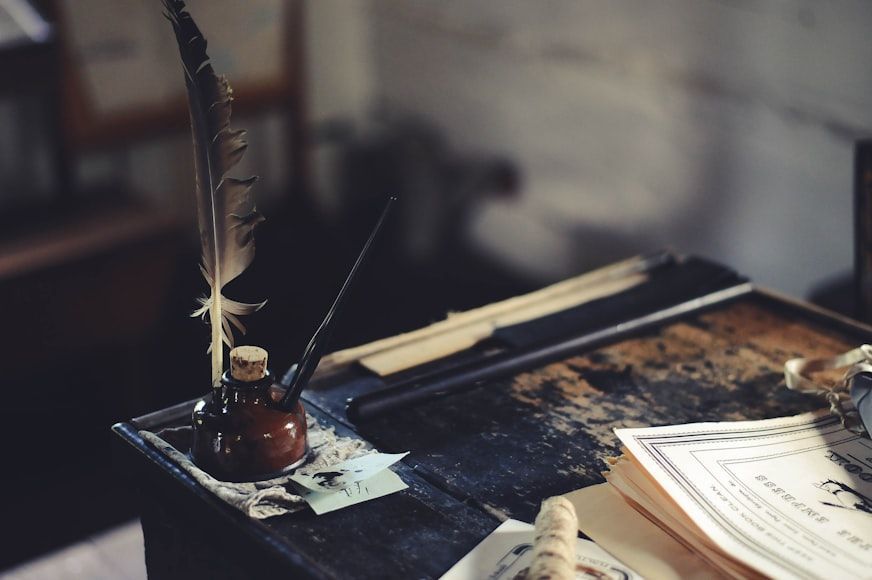
Image: Clark Young

Fortunately, you can still see with your own eyes two of the inkwells that belonged to the man who penned nothing less than the Declaration of Independence. That’s right! The first, a ceramic inkwell shaped like Enlightenment philosopher Voltaire’s head, is housed at the Thomas Jefferson Foundation at Monticello. The second, made of bronze and engraved with "T. Jefferson, 1804," is part of the White House Collection.

6
Theodore Roosevelt's pince-nez glasses
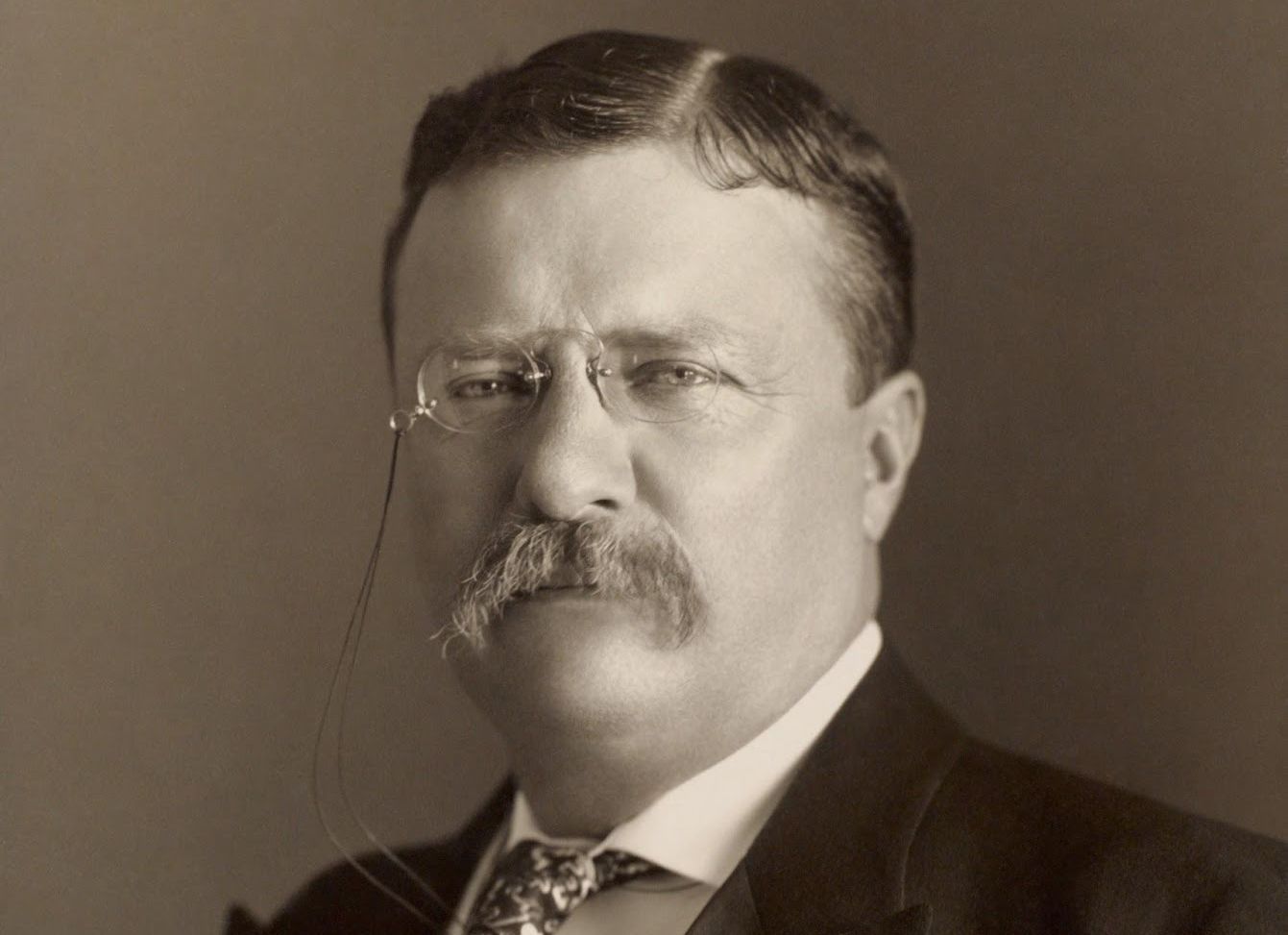
Image: via Wikimedia Commons

Teddy Roosevelt is practically synonymous with his pince-nez glasses; even the giant sculpture of his face on Mount Rushmore shows him wearing them. But did you know they once saved his life? In 1912, while campaigning, Roosevelt was shot, but the bullet struck the steel case holding his glasses and didn’t penetrate it. Today, both the case and the 50-page manuscript he carried in the same pocket are on display at the Theodore Roosevelt Birthplace National Historic Site in New York City.

7
John F. Kennedy's rocking chair
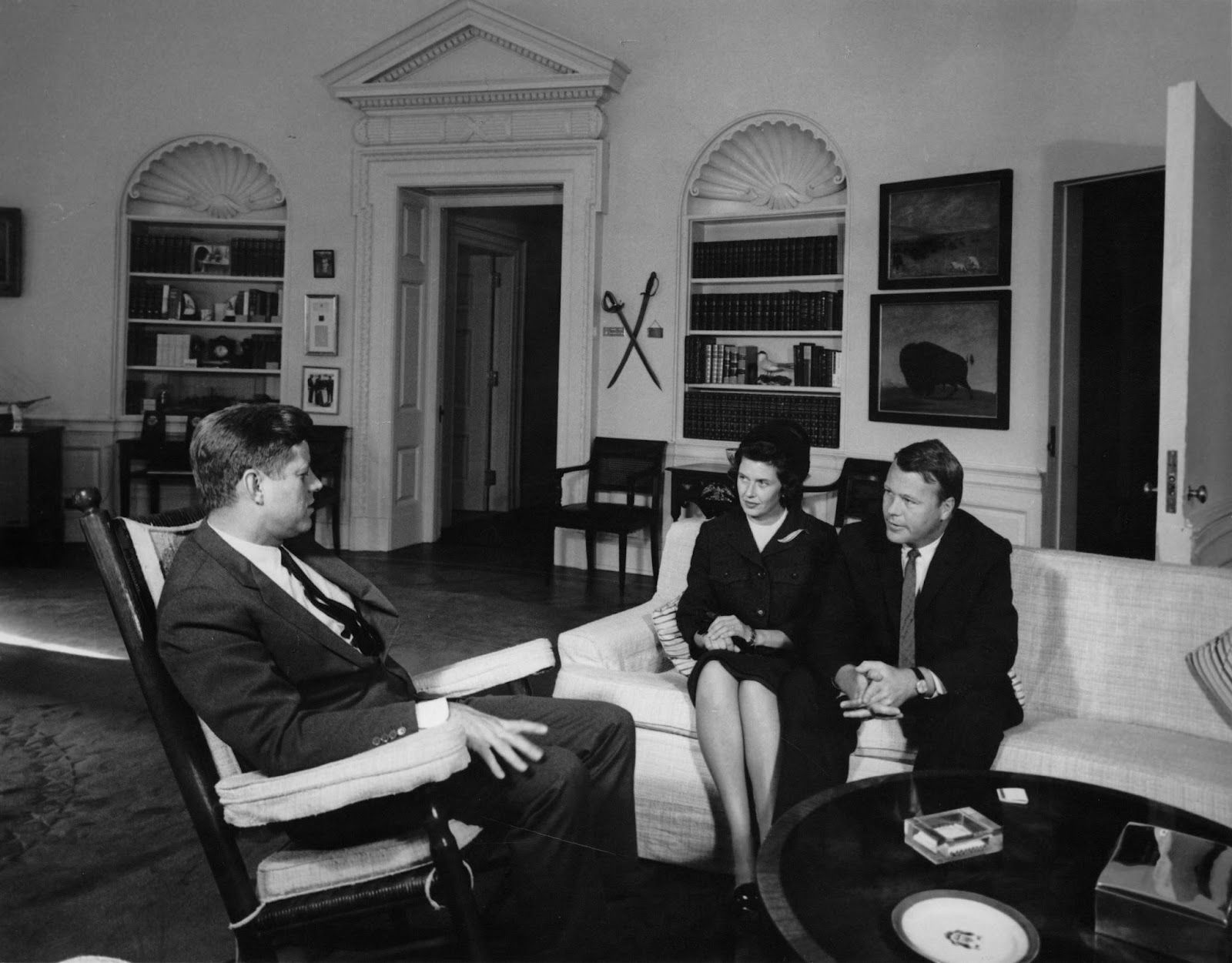
Image: Abbie Rowe. White House Photographs. John F. Kennedy Presidential Library and Museum, Boston, Public domain, via Wikimedia Commons

President Kennedy’s rocking chair appeared in many photos of him with important visitors in the White House. Recommended by his doctor to ease his back pain, the iconic chair is now part of the collection at the John F. Kennedy Presidential Library and Museum.

8
George Washington’s Revolutionary War bedstead
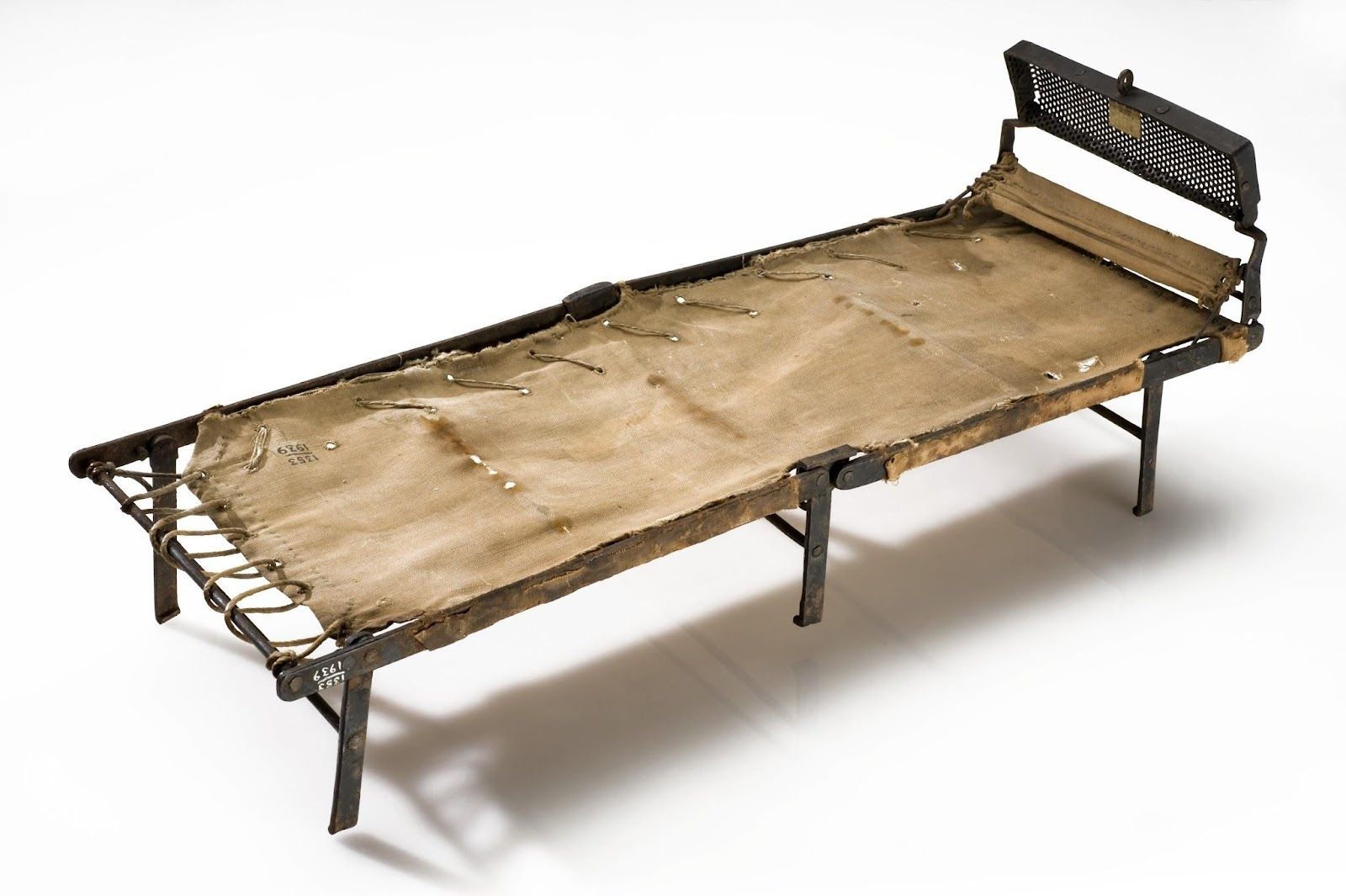
Image: Wikimedia Commons

If you thought this list was just about small objects, think again. Two of George Washington’s folding field beds from the Revolutionary War have also been preserved. One is displayed at the Henry Ford Museum in Michigan, and the other can be seen at the Mount Vernon Museum in Virginia.

9
Franklin D. Roosevelt’s stamp collection
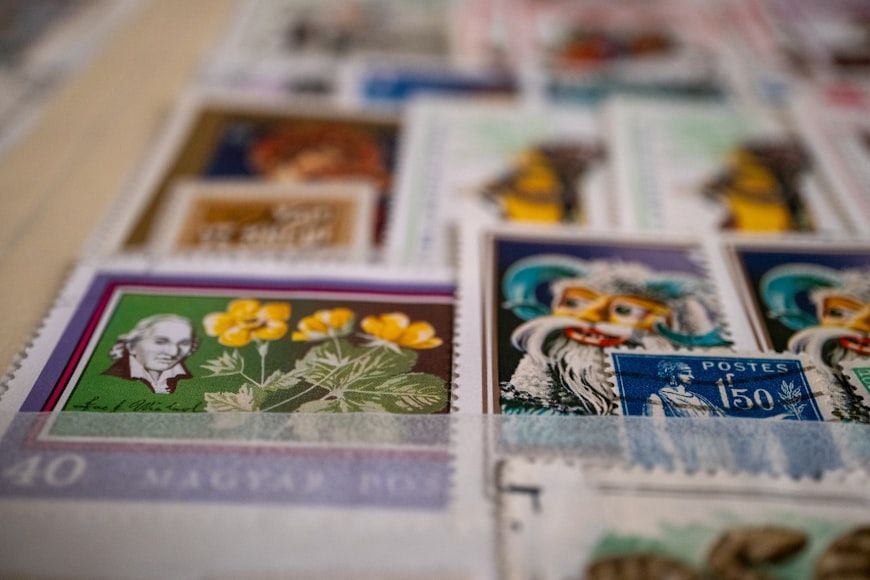
Image: Tolga deniz Aran

F. D. Roosevelt was an avid stamp collector, amassing a collection of over 1.2 million stamps. After his death, his family sold most of them, but some—especially those he received officially from foreign governments—are preserved at the Franklin D. Roosevelt Presidential Library and Museum in Hyde Park, New York. The museum also houses items related to his hobby, including a magnifying glass, a perforation gauge for measuring stamps, and his portable wooden stamp box.

10
George Washington’s dress sword
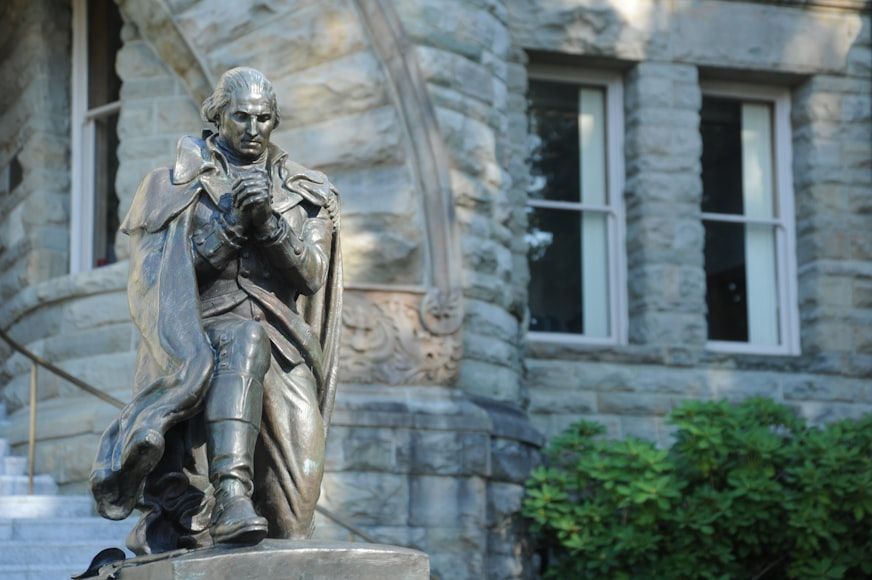
Image: Wonderlane

In addition to his dentures, Mount Vernon preserves many other personal items that belonged to George Washington. Among them are several of his swords, and it is believed that one of them may be the very dress sword he wore at his inauguration as the first American president in 1789!


General General 4 min read

Championed bestsellers

Can you guess the most famous books set in these states?

Image: lil artsy / Morgan Lane

Books surely transport us. Particularly those with stories entwined with the landscapes and culture of real places. Some novels have become so famous that they are the top-of-mind when

we think of certain U.S. states. Which book do you remember when we mention Alaska, Alabama, or Missouri? Let’s see if you can guess which titles are the most famous set in these states!

1
Alaska – Into the Wild

Image: Joris Beugels

Surely a top choice! Into the Wild recounts the real and tragic story of Christopher McCandless, who ventured to the north Alaskan wilderness seeking freedom and self-discovery.

As thought-provoking as heart-breaking, this non-fiction by Jon Krakauer takes readers on a journey with vivid descriptions of Denali and the Stampede Trail.

2
Colorado – The Shining

Image: Luke Scarpino

Maybe not the most flattering, but consensus says that the most famous novel set in Colorado is Stephen King’s iconic The Shining .

After all, the story about troubled Jack Torrance and his family unravels inside the fictional Overlook Hotel, imagined as a high-altitude, secluded retreat in Colorado. King was inspired to write it after his stay at Stanley Hotel, in the same state.

3
Kansas – The Wonderful Wizard of Oz

Image: V

Is it fair? Most of the action in Frank L. Baum’s novel occurs in Oz, not Kansas. But the one famous line, made unforgettable by the movie, was enough to link The Wonderful Wizard of Oz to the state forever.

"Toto, I have a feeling we are not in Kansas anymore " and later on "There’s no place like home" have made people resolve that Kansas is underlying in the plot of the famous fantasy.

4
Louisiana – Interview with the Vampire

Image: Katelyn Greer

The luxurious vampires created by Anne Rice for Interview with the Vampire would not be the same if not draped in Louisiana’s gothic mystique. That’s why people defend this as the Pelican State’s most famous book.

From shadowy bayous to grand Creole mansions, the stories of Louis and Lestat redefined vampire lore and turned them into rock stars of literature.

5
Missouri - The Adventures of Tom Sawyer

Image: Lawrence Chismorie

Mischievous Tom Sawyer might be the quintessential American boy, and he certainly was from the Show-Me State.

Mark Twain's classic tale, set in the fictional town of St. Petersburg, Missouri, follows Tom and his pals, Huckleberry Finn and Becky Thatcher. Who could forget the iconic fence-painting scene or the thrilling cave exploration?

6
Georgia - Gone with the Wind

Image: Ника Алексеева

Frankly, we do give a damn about this sweeping epic set in Georgia during the Civil War and Reconstruction era. Margaret Mitchell's Pulitzer Prize-winning novel, Gone with the Wind , tells the story of Scarlett O'Hara, a headstrong Southern belle.

From the grand plantation of Tara to the bustling streets of Atlanta, the novel paints a vivid portrait of a bygone and controversial era.

7
Vermont - Pollyanna

Image: Tuyen Vo

Sweet Pollyanna was voted the most famous novel set in Vermont, known for its picturesque landscapes and charming towns.

Eleanor H. Porter's children’s classic tells the story of an optimistic girl who invents a "glad game", which teaches herself and her neighbors to find joy in every situation.

8
Washington - Twilight

Image: Alex Moliski

The craze set on by Stephenie Meyer’s Twilight saga was hard to miss. But few people remember that this vampire romance was distinctly set in Forks, Washington.

Unraveling in a misty, rainy city lined by looming forests, the series of novels lodged itself in the memory of millions of fans as an emblem of this northern state.

9
Texas - No Country for Old Men

Image: Damien Snyers

Another Pulitzer Prize-winner: No Country for Old Men is set in the desolate landscape of West Texas. This work by Cormac McCarthy was the first that many mentioned when asked about the state.

It follows a Vietnam veteran turned hunter, who stumbles upon a drug deal gone wrong. The film adaptation, directed by the Coen brothers, was also critically acclaimed, earning four Academy Awards and more fame to the title.

10
Oregon - One Flew Over the Cuckoo's Nest

Image: Aleksandar Pasaric

Author Ken Kesey used to work the graveyard shift at a mental facility in California. But this did not stop him from setting One Flew Over the Cuckoo's Nest in Oregon, where he grew up.

This powerful novel, a satire of the mental healthcare system, also became a multi-awarded film starring Jack Nicholson.

11
Alabama – To Kill a Mockingbird

Image: Brian Forsyth

Who could forget the story of Atticus Finch, the moral compass of Maycomb, Alabama? Harper Lee’s classic told from the perspective of young Scout Finch is a moving tale of justice and humanity.

Although Maycomb is fictional, this Pulitzer Prize-winning novel has enough renown to turn it into the most famous set in Alabama, even internationally.

12
New York - The Great Gatsby

Image: Billy Huynh

Surely New York state had many strong contenders —from Breakfast at Tiffany’s to The Catcher in the Rye . But the winner was F. Scott Fitzgerald's The Great Gatsby .

This iconic novel captures the glamour and excess of the Roaring Twenties, as well as a version of the American Dream gone awry. It’s not only New York’s most famous fiction , some have gone so far as to call it the quintessential American novel!

General General 6 min read

12 American inventions that shaped modern life

Image: National Gallery of Art, CC0, via Wikimedia Commons

From life-saving medical developments to groundbreaking technologies, American inventors have transformed how we live, work, and communicate. These innovations not only transformed everyday life but also ignited the flame of progress across the globe. Let’s dive into our selection of the 12 inventions that best reflect American creativity and ingenuity.

1
The light bulb

Image: Zach Lucero

Delivering electricity to the masses was one of the greatest technological advances in human history. The mid-1800s saw great competition in this area, as inventors around the world raced to invent their own electric light. The first filament bulb was developed by British inventor Warren de la Rue in 1840, but his use of a platinum filament made it expensive and impractical.

A few years later, Joseph Swan in the UK and Thomas Edison in the US each independently invented bulbs using cheaper elements. However, Edison received a patent on his bulb in early 1880, slightly before Swan. The light bulb, an invention that quickly reached every home, revolutionized life around the world, led to the development of the electrical grid, and set the stage for our modern electricity-dependent society.

2
The telephone

Image: viarami

In this modern era of emails and text messages, it can be hard to appreciate that the telephone was once revolutionary. The telegraph, the phone’s predecessor, only transmitted brief written messages. The telephone, however, allowed people to speak with one another in real time over long distances.

Inventor, scientist, and engineer Alexander Graham Bell invented the electric telephone in 1876. Although Bell was Scottish-born and also lived in Canada, he patented his invention in the US . The telephone was a game-changing technology that improved business efficiency, enabled instant global connections, and allowed emergencies to be reported as they occurred. It effectively made the world more connected and faster-paced.

3
The fire escape

Image: Lewis J Goetz

When we think of US inventions, the first things that come to mind are usually the light bulb or the telephone. But did you know that the modern fire escape was also a US innovation? Designed in 1887, this simple yet life-saving invention changed building safety forever.

In the late 1800s, fires were devastating cities across America. One woman, Anna Connelly, saw this horror up close and decided to do something about it. She designed an external iron staircase system, and in 1887, she patented it. At a time when women couldn’t even vote, Anna’s invention became a safety standard in most major cities, saving thousands of lives. Today her name is barely known, but next time you see a fire escape, remember the woman who made them possible.

4
The cash register

Image: Di Du

The first mechanical cash register for calculating and recording sales transactions was invented by saloonkeeper James Ritty following the American Civil War. He was looking for a way to stop cashiers from stealing, and finally patented his novel invention in 1879.

When a transaction was completed, Ritty's Incorruptible Cashier made a bell sound, and the amount was displayed on a large dial on the front of the machine. During each sale, a paper tape was hole-punched so the vendor could keep track of sales. Pretty ingenious, don’t you think?

5
Interchangeable parts

Image: gayulo

Standardized interchangeable parts for machines are now a staple of modern manufacturing, but it’s not a new idea. There’s evidence that thousands of years ago, ancient Carthage used them to build warships, and ancient China applied the idea to crossbows. Many centuries later, French experimentation with interchangeable musket parts inspired Thomas Jefferson.

In 1798, President George Washington and his Congress finally agreed to Jefferson’s idea of implementing the technology in America. They awarded a contract to Eli Whitney—the inventor of the cotton gin—to supply the government with 20,000 muskets. Whitney recognized the potential of developing firearms with identical parts and mechanisms. His advancements in interchangeable parts laid the foundation for modern manufacturing, enabling improved quality control, reduced costs, and faster production of goods.

6
The assembly line

Image: Public domain, via Wikimedia Commons

For most of human history, manufactured goods were custom-made. Every model of a machine, piece of clothing, or tool was unique. The development of interchangeable parts was a huge advancement, but automobile manufacturer Ransom Olds took it a step further with the assembly line in 1901. By standardizing and automating many aspects of manufacturing, uniform goods could be created faster and at lower costs.

Olds’ vehicle, the Oldsmobile Curved Dash, became the first mass-produced car . His method was later adopted and perfected by Henry Ford, whose moving assembly line for the Model T in 1913 revolutionized manufacturing. Today, the assembly line combines human labor and automation to produce nearly every mass-market product on Earth. Many experts agree it was one of the most significant technological developments of the 20th century.

7
The airplane

Image: Wright Brothers, Public domain, via Wikimedia Commons

People have always observed birds and insects and dreamed of flying. The Greeks told the story of Icarus and Daedalus, who crafted wings of wax and feathers; Leonardo da Vinci sketched and theorized flying machines, but it wasn’t until 1903 that the airplane became a reality in Kitty Hawk, North Carolina.

Wilbur and Orville Wright experimented with aeronautics for several years before achieving their successful first flight. A few years later, airplanes were first used in warfare. Within seven decades, their technology evolved and took us to the Moon. Today, the airplane is an indispensable technology that allows us to transport goods and people around the world in no time.

8
GPS

Image: Stanislav Kondratiev

It’s hard to imagine life without GPS—but do you know how it began? When the Soviet Union launched Sputnik in 1957, American physicists realized they could track the satellite’s radio transmissions using the Doppler effect.

Soon after, the U.S. military began testing and launching the Navstar Global Positioning System satellites. In 1983, President Ronald Reagan approved GPS for civilian use, and by the start of the 21st century, GPS devices were widely available in vehicles and mobile phones . Today, GPS is an essential technology for business, travel, and military operations.

9
Personal computers

Image: Unidentified U.S. Army photographer, Public domain, via Wikimedia Commons

The first electronic general-purpose computer, ENIAC, was built in 1946 at the University of Pennsylvania. It occupied 1,800 square feet of floor space and weighed 30 tons. At the time, imagining a consumer-grade computer small enough to fit in every home would have seemed impossible. Yet, just one generation later, the impossible became reality.

Over the years, computers became smaller, cheaper, and more powerful than the ENIAC’s creators could have imagined. In 1971, John Blankenbaker developed the first PC, the Kenbak-1. Fifty years later, it is clear that personal computing has fundamentally shaped the modern world.

10
The internet

Image: Lorenzo Herrera

Revolutionary technologies such as the wheel, the internal combustion engine, the telephone, and the airplane have forever changed the way we travel and communicate. The internet is no exception; it gives people access to the entirety of human existence with just a few clicks.

In 1969, computer scientists at the Advanced Research Projects Agency (ARPA) created the first network connecting labs at UCLA and Stanford. Over time, their network expanded, connecting anyone with a device. Since then, the internet has revolutionized the way human beings access resources and share information.

11
E-mail

Image: Brett Jordan

After the personal computer and the Internet, we only needed to invent a modern method of sending messages and letters to each other. The Advanced Research Projects Agency Network, known as ARPANET, sent the first email in 1971. Within five years, the majority of exchanges within the ARPANET community were via email.

With the introduction of attachments in the early 1990s, electronic mail became the fastest and easiest way to send information from point to point. By the start of the 21st century, email enabled people around the world to communicate quickly and inexpensively, and the technology quickly became one of the primary tools for global communications.

12
Magnetic resonance imaging

Image: MART PRODUCTION

The impact of the MRI machine on medicine is invaluable. The principles behind nuclear magnetic resonance (NMR) have been known since at least the end of World War II. Yet, two researchers in the late 1960s and early 1970s recognized the potential of this technology to revolutionize medicine forever.

American chemist Paul Lauterbur and physician Raymond Damadian separately experimented with NMR in scanning for cancer cells. After publishing the promising results of their experiments, a patent was filed. By 1977, the first full-body scanner was developed. Since then, millions of lives have been saved by the MRI machine. For his contributions, Lauterbur was awarded the Nobel Prize in Physiology or Medicine in 2003.

Explore more American facts

Choose your favorite category!

General
General

As American as apple pie—the very best America has to offer!

Culture
Culture

Delve into the astounding richness of American lore.

Geography
Geography

Hop in and explore vast and diverse American landscapes.

History
History

Discover the key moments that shaped the United States.