General General 2 min read

No country like this one

10 uniquely American ideas the world tried to copy (and failed)

Image: Jean-Philippe Delberghe

From its bold founding to its modern innovations, the United States has carved a path few nations have followed. From the Revolution to the Space Race, this list traces 10 unique ways in which America has stood out, decade by decade, showing how our country became a global force for change, invention, and cultural transformation.

1
Revolutionary birth

Image: The New York Public Library

America was the first modern nation to declare independence based on Enlightenment ideals. The Declaration of Independence introduced the concept of inherent rights and government by consent, inspiring revolutions in France, Haiti, and Latin America. No other nation at the time had so explicitly tied its founding to liberty and self-rule.

2
Written constitution

Image: Larry Alger

The U.S. Constitution is the oldest still in use today. It created a blueprint for federalism, checks and balances, and individual rights, influencing over 100 countries’ constitutions. The inclusion of the Bill of Rights further established protected freedoms.

3
Peaceful power transfer

Image: Louis Velazquez

The Election of 1800 set a world precedent with a peaceful transfer of power between rival parties. When Thomas Jefferson defeated John Adams, it proved that democracy could endure without bloodshed. Many nations had never witnessed a nonviolent regime change.

4
Emancipation Proclamation

Image: J. Amill Santiago

Lincoln’s executive order helped end legal slavery in the U.S. and energized abolition movements abroad. It didn’t immediately free all slaves but made ending slavery a Union war aim. It shifted the Civil War’s moral weight and added global pressure on slaveholding powers.

5
Industrial giant

Image: Birmingham Museums Trust

Post-Civil War, America rapidly became the world’s top industrial power. Fueled by railroads, steel, and oil, U.S. output surpassed Britain’s by 1890. Titans like Rockefeller and Carnegie built vast enterprises and modern corporate models.

6
National Parks system

Image: Jeremy Bishop

Yellowstone became the world’s first national park. America led the way in setting aside land for preservation rather than exploitation. Over time, the U.S. developed the largest and oldest park system in the world.

7
The melting pot

Image: Ferdinand Stöhr

By 1910, nearly 15% of the U.S. population was foreign-born. No other country absorbed as many immigrants in such numbers. Ellis Island processed over 12 million people, and cities transformed with many cultural layers.

8
Cultural exports

Image: Jake Blucker

Jazz, Hollywood, and consumer culture became dominant American exports. By the 1920s, U.S. movies, music, and fashion shaped global tastes. Hollywood became the world’s storytelling engine, and jazz introduced a uniquely American sound.

9
Internet birthplace

Image: Kimberly Nguyen

The U.S. Defense Department developed ARPANET, the precursor to the Internet. By the 1980s, American tech hubs like Silicon Valley were driving digital transformation. Companies like Apple, Microsoft, and later Google reshaped how the world communicates.

10
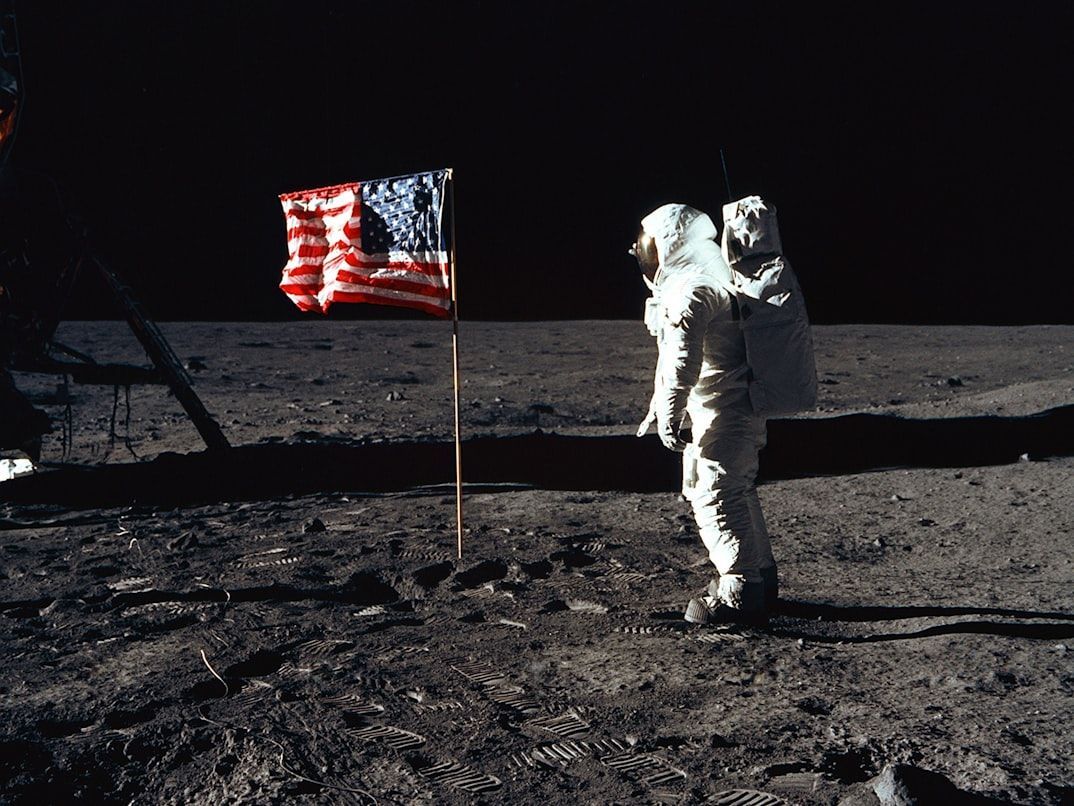
Space leadership

Image: NASA

America remains the global leader in space exploration and private spaceflight. More than 50 years after the U.S. became the first—and still only—nation to land humans on the Moon, it continues to push the frontier.


Culture Culture 5 min read

It’s called popular wisdom for a reason

What should you do in the woods? Popular wisdom has the answer

Image: Peter Burdon

The United States of America is a melting pot of cultures and traditions, which means many superstitious beliefs can be traced back to other places. Think, for example, of beliefs around black cats or cemeteries. But some superstitions were born here, out of the unique idiosyncrasies of each American region. Why is the color of a porch such a big deal? Why are the woods dangerous? Is it crucial where I place my hat? Popular wisdom has an answer for all these questions, and more.

1
The cowboy hat on the bed

Image: Olivier Piquer

For a proper cowboy, a hat is as important as their horse or saddle. This means that there’s a protocol around this garment that needs to be followed, one important rule being that a hat should never be placed on top of a bed.

Why? There are several explanations, including the idea of bad spirits living in your hair, the old custom of placing a deceased person’s hat on top of their coffin, or the more practical reasoning of wanting to avoid lice. No matter the origin, no respectable cowboy would place his hat on the bed unless he wanted to attract misfortune his way.

2
The Appalachian woods

Image: Elijah Mears

The Appalachian Mountains are filled with myths and legends, and certain rules are passed down and followed by nearly everyone, even those most skeptical about the supernatural. Many of these rules concern the woods and how one should behave in them : don’t go into the woods from dusk till dawn, don’t leave the marked trail, ignore any unknown voice calling you, and don’t look too closely into the trees.

While these rules could be explained by the simple reason of the woods being the hiding place of bandits in the past, and a difficult place to navigate in the dark, they have also been regarded as a place filled with spirits and supernatural beings, which no one wants to come across.

3
Seeing Mothman

Image: James Wainscoat

A local cryptid celebrity in Point Pleasant, West Virginia, the Mothman has allegedly been sighted several times since the 1960s. Many legends and beliefs have formed around his figure, one of them being that coming across the Mothman is a sign of an impending tragedy .

This belief gained strength after several reported sightings occurred just before the collapse of the Silver Bridge in 1967. Since then, the Mothman has been considered a harbinger of doom and a bad omen.

4
A mirror to ward off the devil

Image: Denny Müller

Louisianans have many myths and beliefs, especially those rooted in Cajun culture. Influences from French Acadia, Spain, and Western Africa have been incorporated into popular wisdom in a distinctly unique way.

One Cajun custom advises the use of a mirror to repel M’su Diable or "Mr. Devil." M’su Diable is known for being very vain, so he will never waste the opportunity to admire himself. If you hang a mirror in the porch, next to the door, he will stay there all night instead of entering the house, and the sunrise will scare him off.

5
Eating black-eyed peas on New Year’s Eve

Image: Nguyen Dang Hoang Nhu

Each holiday has certain foods associated with it, many of which are considered non-negotiable. For many Southern households, New Year’s Eve is synonymous with black-eyed peas, which are said to attract good luck and prosperity for the coming year.

While it’s a popular belief, this custom has distinctly historical origins. After the Civil War, black-eyed peas became a staple food across the South and saved more than one family from starvation. Today, they are often paired with collard greens, which are said to represent dollar bills.

6
Rocking an empty chair

Image: Robin Jonathan Deutsch

Irish and Scottish settlers brought with them a deeply rooted belief: you shouldn’t rock an empty cradle, cause you might wake the spirits. Across the South and the Appalachians, this belief transformed over time and became attached to another object: the rocking chair.

Often placed on porches or near the fire, a rocking chair moving on its own was believed to be occupied by a supernatural being . If someone rocked an empty chair, the spirits might consider this an invitation into the house.

7
The color of the porch

Image: Thomas Park

If you like the look of Southern front porches, you may have noticed that they often feature a pale blue ceiling. The use of haint blue—a collection of pale blue-green shades —is not an aesthetic choice, but a spirit-warding custom stemming from the enslaved Gullah Geechee people.

By painting the ceiling (and sometimes doors, windows, and shutters) blue, spirits might confuse it with the sky and pass through it, or with water, and avoid it. Over time, the tradition of haint blue— haint being an alternative spelling of _haunt_—spread throughout the South.

8
Bananas on a boat

Image: Ian Talmacs

Bananas are a pretty convenient fruit: they’re tasty, nutritious, and come naturally prepackaged. But don’t try saying that to Alaskan fishermen. They’ll tell you that bananas should never be brought on a boat, or no fish will be caught.

There are two possible origins of this belief. Some say the aversion to bananas stems from the old ships that carried this fruit—they sailed as fast as possible to prevent the cargo from spoiling, which disturbed the water and scared away fish. Others say that overripe bananas attract fruit flies and were believed to cause other food to spoil.

9
The tail of the cow

Image: Screenroad

Florida has historically been the state most prone to hurricanes, which has led to the development of superstitions and beliefs around the subject. A common belief involves cows, or more specifically, their tails.

If a cow holds its tail straight up, many Floridians say it means a hurricane is on the way . There are many scientific reasons for cows to hold their tail upright, and none have to do with weather prediction, but as far as we know, Floridians have not been proven wrong yet.

10
Whistling at night

Image: Lukas Robertson

Many cultures across the world refrain from whistling at night to avoid attracting spirits and malevolent beings. For Hawaiians, it is not just any spirit**. A whistle after dark might attract the** Huakaʻi pō or Nightmarchers , the ghosts of ancient Hawaiian warriors.

If you happen to come across them, your only hope is to lie on your stomach and avoid looking at them as a sign of respect. If you are lucky enough to be a descendant of a warrior, they will recognize you and protect you. But just to be on the safe side, it’s best to leave the whistling for daytime.

History History 5 min read

10 US presidents who changed the course of history

Image: David Trinks

Some presidents don’t leave much of a mark, while others manage to reshape the whole path a nation walks on. Across different generations, certain leaders made choices or introduced ideas that nudged the country in a new direction. In this list, we take a simple, easy look at 10 presidents whose steady hands, practical decisions, and clear vision helped guide the United States into the future.

1
George Washington

Image: Priscilla Gyamfi

America’s first president had no guidebook to follow, so George Washington ended up writing the first chapters of the office himself. With calm judgment and a focus on fairness, he set the tradition of serving only two terms, showing that leadership should be about duty rather than personal power.

Washington organized the very first Cabinet, established the tone for presidential addresses, and worked hard to promote unity among different regions and viewpoints. His steady approach helped turn a young, uncertain nation into a stable and functioning republic. The patterns he created became the model for every subsequent president.

2
James Madison

Image: Tara Winstead

Often called the "Father of the Constitution," James Madison helped shape the foundations of the United States long before he stepped into the presidency. He played a central role in writing the Constitution and co-authored the Federalist Papers, a series of essays that explained how the new government was meant to work.

Once in office, Madison continued to support the development of stronger federal systems that could serve a growing country, and he oversaw the admission of new states into the expanding Union. His steady leadership helped reinforce the structure laid down by the founders and proved that the nation’s early ideas—balance, stability, and cooperation—could stand the test of time.

3
Abraham Lincoln

Image: Jacob Thorson

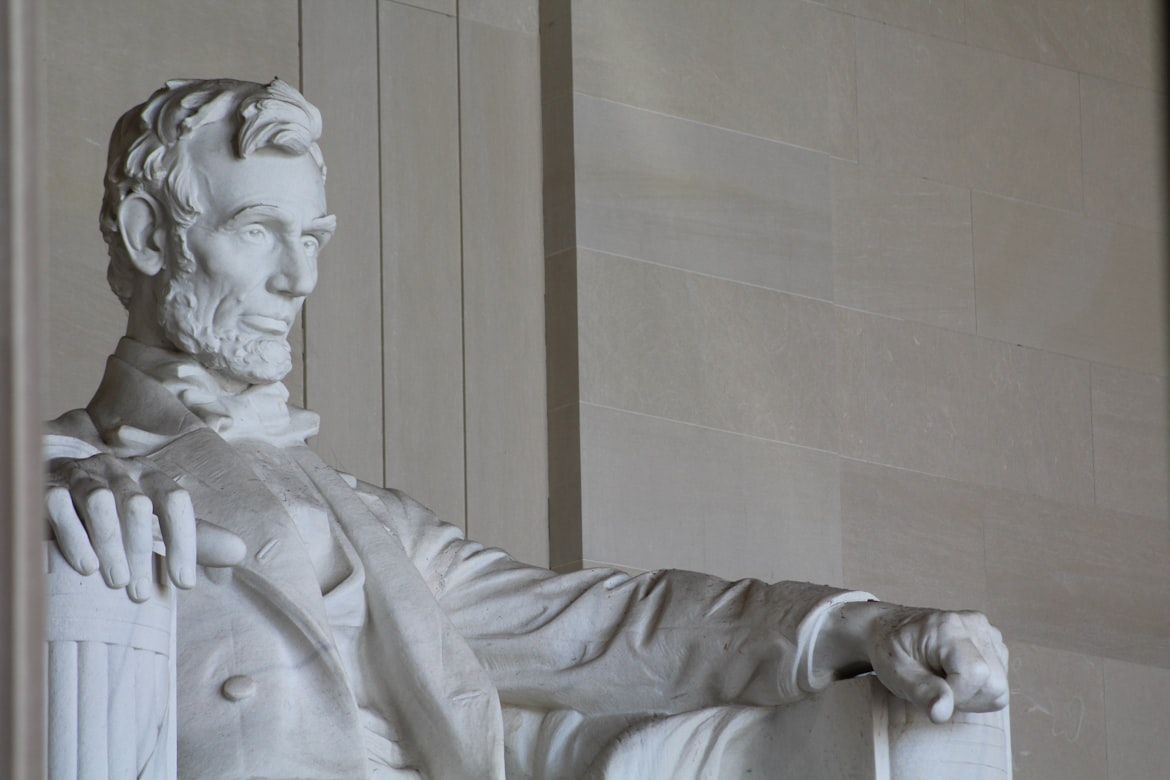
The 16th U.S. president guided the nation through a time of deep division with a calm, steady determination and a clear sense of purpose. He held firmly to the belief that all people are created equal, and he worked to bring those principles to life in practical, lasting ways.

During his presidency, Lincoln supported major constitutional changes that broadened personal freedoms and strengthened the role of the federal government in protecting those rights. He emphasized unity, fairness, and the idea that the country could emerge stronger if it stayed true to its core values. His dedication to these ideals has made him one of the most admired figures in American history, remembered for his integrity and his hope for a more united nation.

4
Theodore Roosevelt

Image: Ryan Stone

Theodore Roosevelt was known for his enthusiasm, his adventurous spirit, and his deep love of the outdoors. He became one of the nation’s strongest voices for conservation, helping to create and expand national parks, forests, and wildlife areas.

His domestic program, the "Square Deal," aimed to make sure consumers, workers, and businesses were treated fairly, and he pushed for stronger rules that protected everyday Americans from unfair practices. Roosevelt also encouraged the nation to step forward with confidence, backing improvements in transportation and modern infrastructure that helped connect the United States more smoothly with the world.

5
Woodrow Wilson

Image: Đào Thân

Woodrow Wilson arrived in Washington with a plan to give everyday Americans a fairer, more balanced system, and his wave of domestic reforms—known as the "New Freedom"—reflected that goal. During his presidency, the nation saw the creation of the Federal Reserve System and the Federal Trade Commission, two major institutions designed to keep the economy steady and well-regulated.

Wilson also encouraged the idea that countries should work together through organized cooperation rather than standing apart, a view that later influenced the formation of important international organizations. His belief in self-determination and his preference for diplomacy over isolation helped guide the United States toward a long-term vision of global partnership and shared responsibility.

6
Franklin D. Roosevelt

Image: Pedro Gutierrez

Franklin Roosevelt guided the nation through one of its toughest economic periods with a wide-ranging effort known as the "New Deal." This collection of policies helped support workers, steady the banking system, and strengthen protections for consumers. It also introduced Social Security, a program that quickly became a key element of retirement planning for millions of Americans.

Roosevelt understood the importance of keeping the public informed, so he spoke directly to families through his regular radio broadcasts, the famous "Fireside Chats." In these simple, calm conversations, he explained what the government was doing and why, helping people feel more confident in uncertain times. His clear, steady communication made him one of the most trusted and familiar voices of his era.

7
Harry S. Truman

Image: WikiImages

When Harry Truman took office in 1945, both the world and the United States were undergoing a period of rapid change. With a practical mindset, the 33rd president helped launch broad programs aimed at rebuilding European economies and encouraging stronger international cooperation.

He also set a new long-range direction for American policy, one that emphasized stability, democratic principles, and economic support beyond U.S. borders. Truman’s meaningful efforts helped shape how nations worked together and signaled the beginning of important social changes that would continue to unfold in the decades ahead.

8
John F. Kennedy

Image: Florida Memory

John F. Kennedy brought a fresh sense of youth and optimism to the early 1960s. His speeches often called on Americans to lend a hand, serve their communities, and think beyond themselves—captured in his well-known line, "Ask not what your country can do for you, ask what you can do for your country."

Kennedy supported important civil rights efforts and encouraged steady progress in science and technology. He also pushed the nation to look toward the future through expanded space exploration and created the Peace Corps, giving young Americans opportunities to volunteer and make a difference overseas. His steady promotion of learning, service, and innovation helped spark a spirit of national progress that defined much of the decade.

9
Lyndon B. Johnson

Image: LBJ Library photo by Yoichi Okamoto Restored by: Bammesk, Public domain, via Wikimedia Commons

Lyndon Johnson arrived in the White House with a far-reaching plan he called the "Great Society," a vision aimed at improving everyday life for people across the country. Under his leadership, Congress passed major civil rights legislation that strengthened equality and safeguarded voting rights, setting new standards for fairness.

The 36th president also approved the creation of Medicare and Medicaid, programs that gave millions of older adults and low-income families reliable access to health care for the very first time. Additionally, he supported initiatives to improve education, preserve natural resources, and strengthen local communities.

10
Ronald Reagan

Image: White House Photographic Collection, Public domain, via Wikimedia Commons

Ronald Reagan stepped into the 1980s carrying a message of confidence and renewal, offering Americans a sense of fresh direction after a challenging period. His economic approach—later known as "Reaganomics"—was centered on lowering taxes, easing federal regulations, and giving businesses more room to grow. For many people, this era became associated with rising optimism.

Reagan also spoke often about national pride and traditional values, presenting a steady, recognizable voice on the world stage. His leadership style—straightforward, good-humored, and easy to understand—left a lasting mark on how political ideas were discussed and helped shape the country’s tone for years to follow.

Explore more American facts

Choose your favorite category!

General
General

As American as apple pie—the very best America has to offer!

Culture
Culture

Delve into the astounding richness of American lore.

Geography
Geography

Hop in and explore vast and diverse American landscapes.

History
History

Discover the key moments that shaped the United States.