Culture Culture 3 min read

You say bark, I say bite

Take a look at 12 of America’s most famous rivalries in history
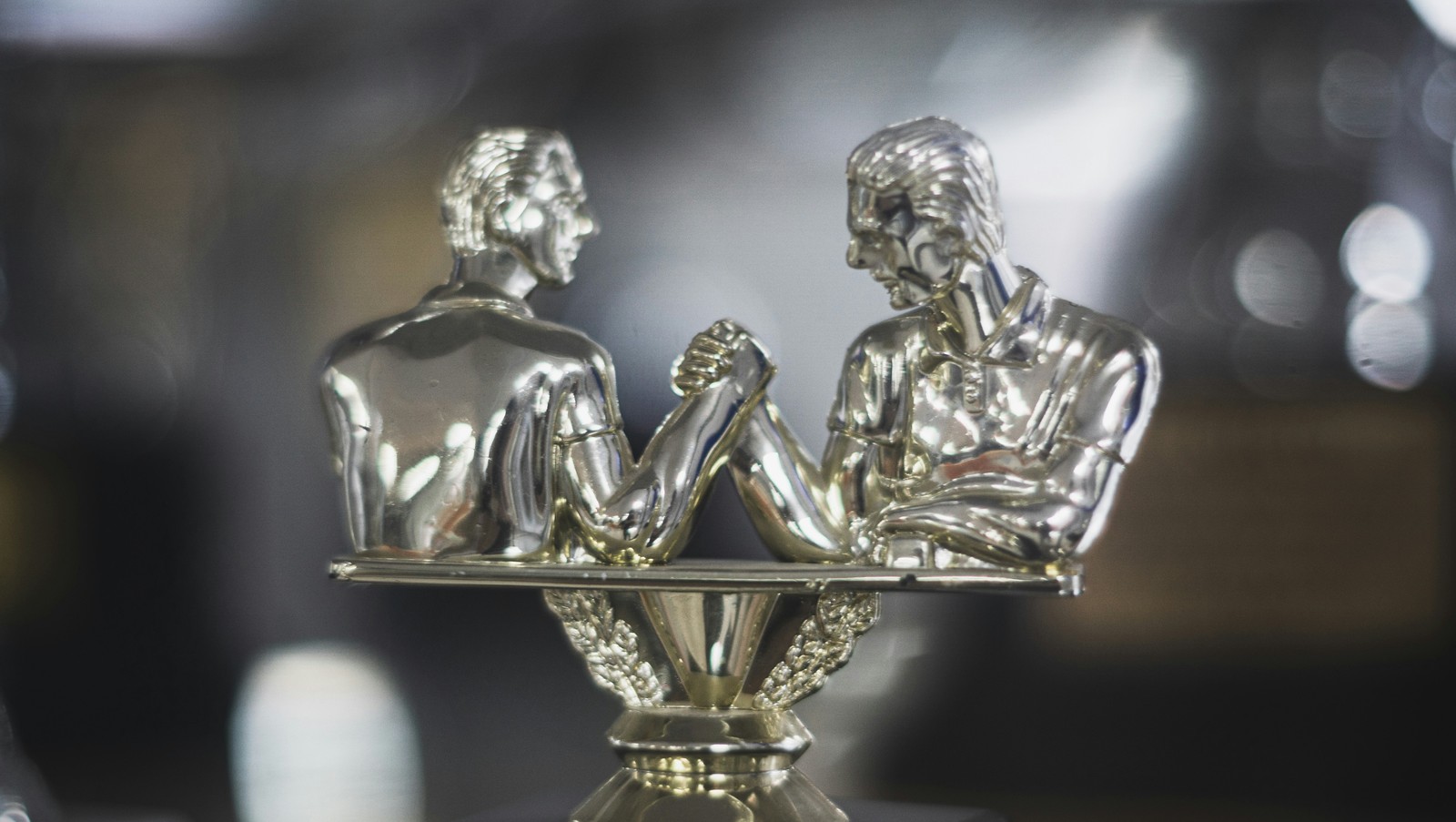
Image: maks_d

Whether we are talking about sports, politics, soda, sneakers, or even families (and, sometimes, especially families), rivalry runs deep in American culture. Some of these feuds built industries; others shaped history or pop culture. These 12 famous rivalries helped shape this country’s history. Which ones are more important to you?

1
Coca-Cola vs. Pepsi

One could say that the "Cola Wars" began in the early 1900s, but in all truth, they exploded during the TV ad boom of the 1970s and 1980s . Both brands poured millions into marketing, celebrity endorsements, and taste-test campaigns.

While Pepsi tried to appear youthful and rebellious, Coke leaned on its classic Americana image. Everyone has a favorite. Which one is yours?
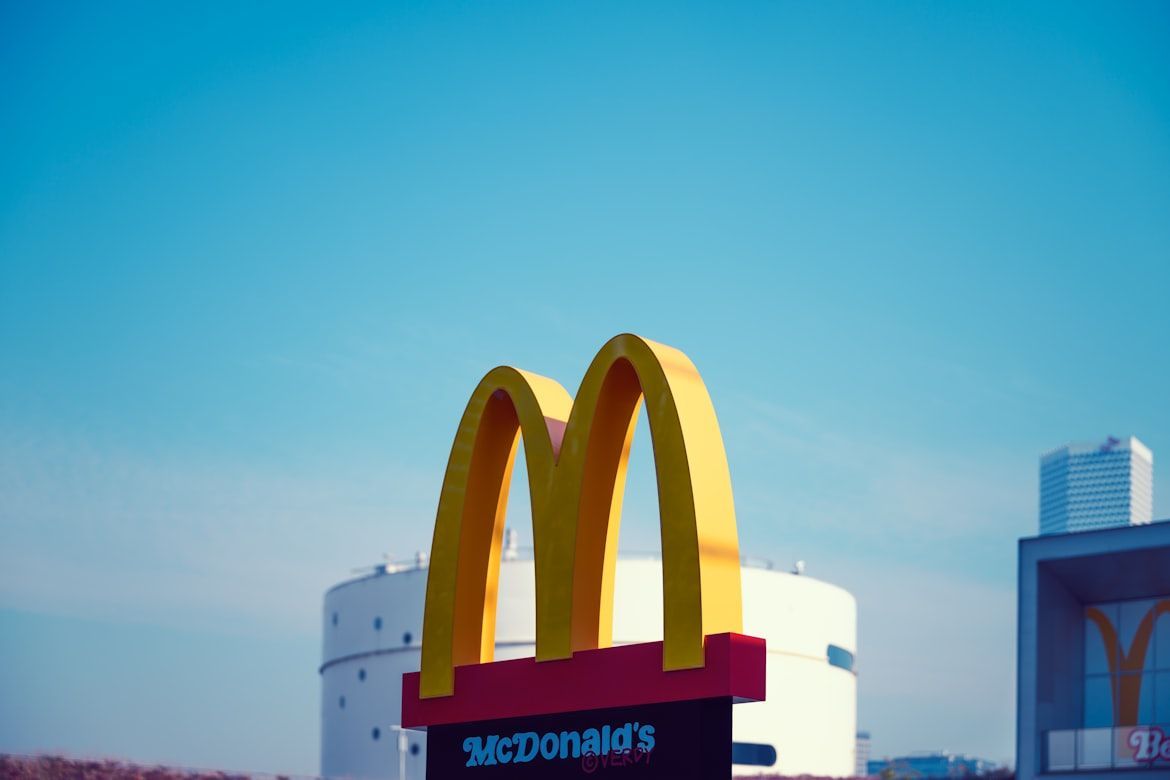
Image: Declan Sun

2
McDonald’s vs. Burger King

Since the 1950s, these two massive burger chains have fought to define the American fast-food experience. McDonald’s boasted consistency and golden arches recognized worldwide, while Burger King prided itself on flame-grilled flavor .

Each tried to outdo the other with catchy slogans and mascots. Even today, "Have it your way" and "I’m lovin’ it" can be heard and seen from locations all over the world.
Image: P Kara

3
Hatfields vs. McCoys

In the hills along the border between Kentucky and West Virginia, two families embarked on a bloody feud after the Civil War. What began as a dispute over land and livestock transformed into years of violence and revenge .

The feud became a national symbol of rural grudges and lawlessness. Thankfully, today, descendants have made peace.
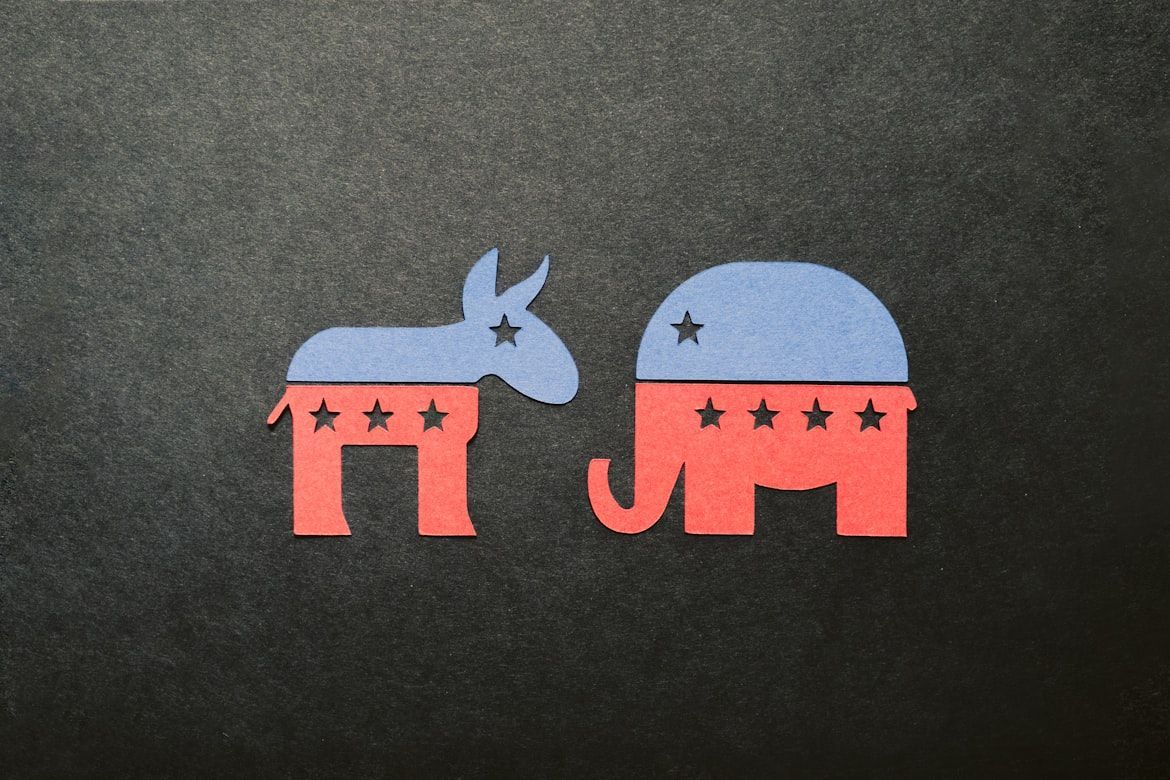
Image: Kelly Sikkema

4
Democrats vs. Republicans

Since the 19th century, America’s two main political parties have clashed over nearly everything : economics, social policy, and even the role of government itself. Their competition defines national elections.

Though the issues evolve, the rivalry remains constant. Campaign slogans change, but the fight for America’s political throne never ends.
Image: Zoshua Colah

5
Ford vs. Chevrolet

In garages and racetracks across the country, Ford and Chevy fans have argued for generations . From muscle cars to pickup trucks, their rivalry helped shape the American auto identity.

Each brand claimed better performance, style, or reliability. "Built Ford Tough" and "Like a Rock" became slogans that shaped the automobile industry in America.

Image: Dimitri Karastelev

6
Apple vs. Microsoft

Two tech titans named Steve Jobs and Bill Gates , fought for control of the personal computer revolution for decades. Microsoft’s software dominated offices, while Apple excelled in design and innovation .

Their contrasting visions fueled decades of progress and shaped modern computing. Today, the rivalry continues in phones, tablets, and the cloud.

Image: Sahej Brar

7
Nike vs. Adidas

What began as a sneaker battle grew into a global pop culture competition . Nike’s swoosh symbolized American innovation, while Adidas built on European craftsmanship and sport heritage.

Athletes, rappers, and fashion icons fueled the feud. From basketball courts to runways, the feud is very much alive and well.
Image: Malia Moore

8
Yankees vs. Red Sox

Baseball’s most storied rivalry dates back to 1919, when Boston sold Babe Ruth to New York . The "Curse of the Bambino" haunted Red Sox fans for generations.

Decades of heartbreak and dramatic comebacks ensued, and the fans make sure to keep it that way, at least for the fun of it.
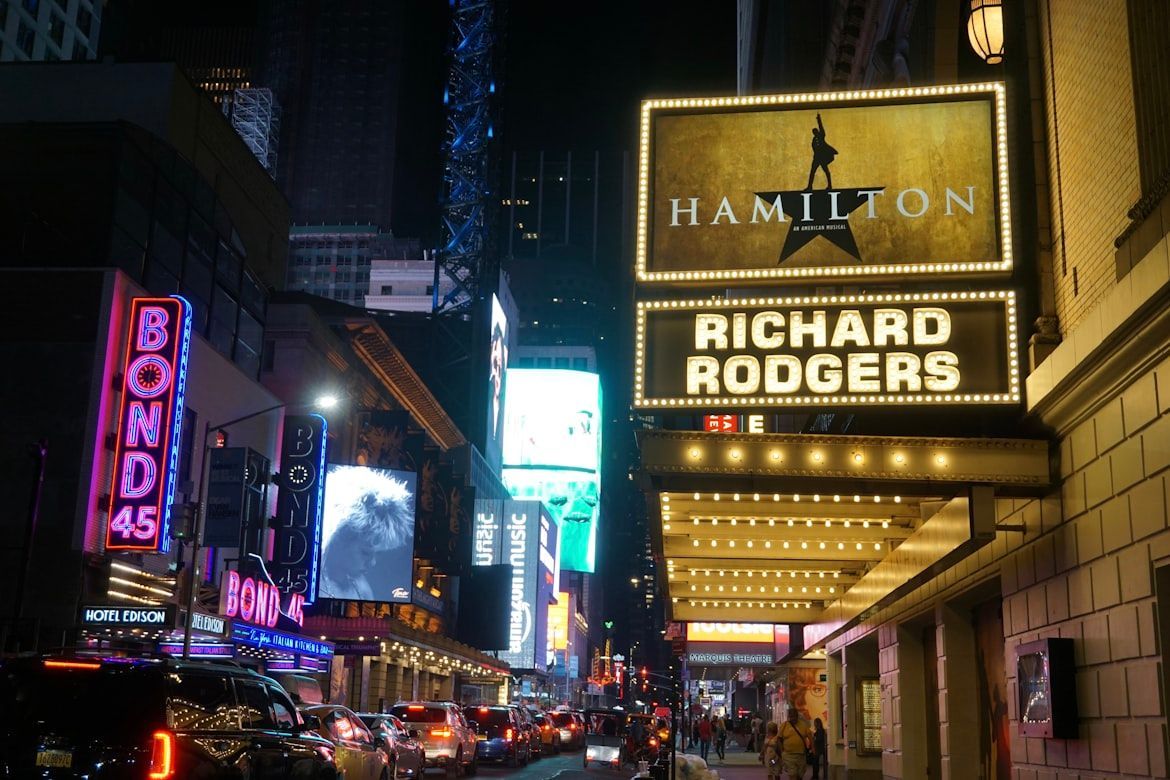
Image: Sudan Ouyang

9
Hamilton vs. Burr

In the early days of the country, Alexander Hamilton and Aaron Burr’s political rivalry turned into personal hatred. Their ideological clashes came to a head in 1804.

They met for a duel in New Jersey, where Hamilton was fatally shot . The tragic encounter became one of early America’s defining stories.
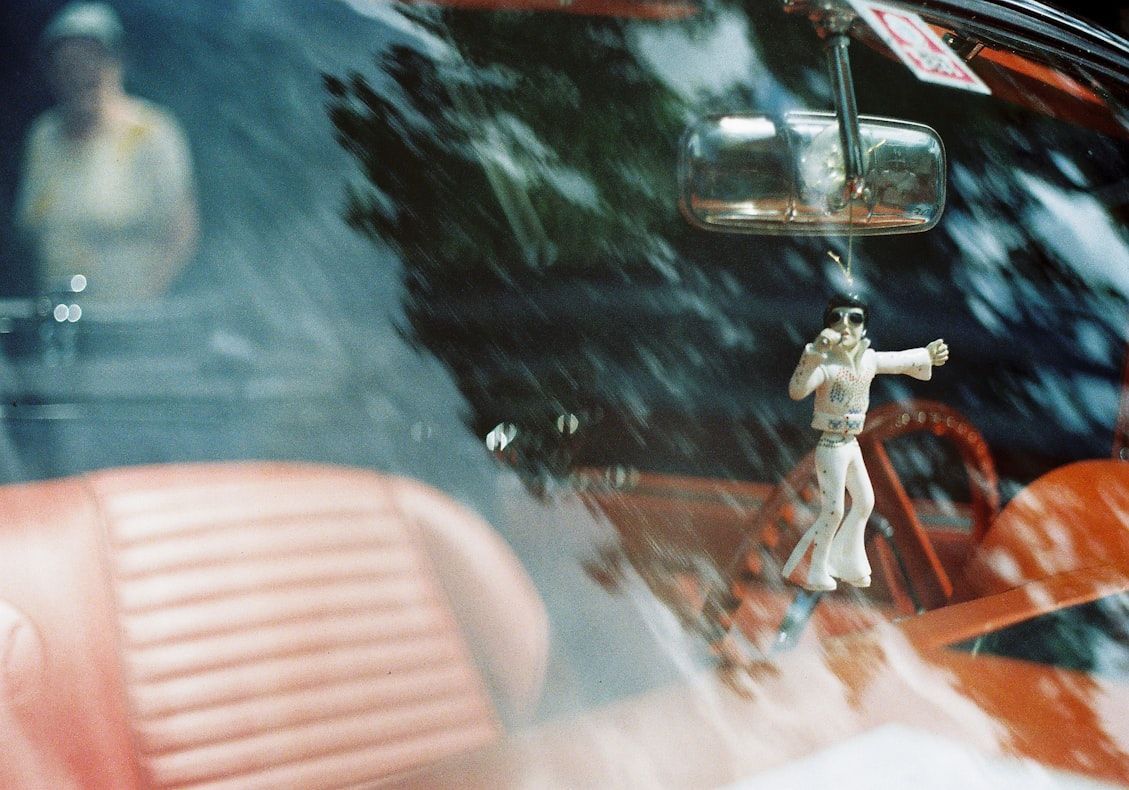
Image: Florian Herzog

10
Elvis Presley vs. The Beatles

When The Beatles first came to America in the 1960s, f ans drew lines between the King of Rock ’n’ Roll and the Fab Four . Each represented a cultural moment and a musical evolution.

Though they met once, their contrasting styles symbolized changing generations, and the fictitious rivalry was fueled by the fans.

Image: Max Kukurudziak

11
Edison vs. Tesla

The famous "War of Currents" placed inventor Thomas Edison’s direct current against Nikola Tesla’s alternating current . Both dreamed of lighting up America, but only one system could win.

Their competition sparked demonstrations, smear campaigns, and innovation. In the end, Tesla’s AC prevailed, but Edison’s legacy lives to this day.

Image: Alex Haney

12
Lakers vs. Celtics

For a long time, the NBA’s biggest rivalry has crossed coasts and generations. The Celtics dominated the early years, while the Lakers reigned in more recent decades.

From Russell vs. Chamberlain to Magic vs. Bird, their clashes created unforgettable moments in basketball history.

History History 4 min read

AMERICAN PIONEERS

Old West Tales: 10 Key Moments of the Wildest Frontier

Image: Eniko Polgar

The Westward expansion that defined the American frontier during most of the 19th century was a time of daring pioneers and boundless possibilities, which ultimately shaped the nation in profound ways.

This expansion of our Nation’s territory to the vast lands of the American West brought about innovation, and progress, but also conflict. From the Louisiana Purchase to the Dawes Act, let’s take a deep dive into the moments that defined the frontier spirit and solidified America's path to greatness.

1
Louisiana Purchase (1803)

Image: Nik Shuliahin

It sounds crazy today, but the Louisiana Purchase almost doubled the size of the United States overnight. Thomas Jefferson, at the time, the third to occupy the position of President of the United States, bought the massive 828,000 sq mi territory from France for $15 million, securing vital land and resources.

The purchase, however, didn’t mean that the United States also gained control of the totality of the territory, as it was inhabited by Native Americans. But in any case, the acquisition paved the way for westward expansion, providing a vast area for exploration and settlement, while enhancing America's geopolitical influence.

2
Lewis and Clark Expedition (1804-1806)

Image: Charles Marion Russell

Commissioned by Jefferson, Meriwether Lewis and William Clark then embarked on a mission to map the newly acquired lands and find a viable route to the Pacific. Their legendary journey revealed the rich diversity of the western territories and established crucial relationships with Native American tribes.

Sacagawea, a Shoshone woman, played a crucial role as an interpreter and guide, helping the expedition navigate difficult terrain and gain trust with native tribes, significantly contributing to the mission's success. Ultimately, their detailed reports opened the frontier to future explorers and settlers.

3
The Oregon Trail (1811-1869)

Image: Dana Davis

Originally laid around 1811 by fur trappers and traders, the Oregon Trail soon became a critical route for thousands of emigrants moving west. Spanning over 2,000 miles from Missouri to Oregon, it was a perilous journey marked by harsh landscapes and, more often than not, disease.

Despite the hardships, the trail was improved to become passable by wagons, and it facilitated the mass migration of over 400,000 settlers during its peak, significantly contributing to the population growth and development of the Western United States.

4
California Gold Rush (1848-1855)

Image: Viviana Rishe

The discovery of gold at Sutter's Mill in 1848 triggered a massive influx of fortune seekers to California. The Gold Rush not only boosted the economy but also accelerated California's admission claim as the 31st state in 1850.

While prospectors initially used simple techniques like panning, the increasing complexity of gold extraction eventually required significant financing, favoring mining companies. And though the gold rush generated wealth worth tens of billions in today's dollars, only a few became rich; most participants earned little more than they had started with.

5
Homestead Act (1862)

Image: Kevin Butz

Signed by President Abraham Lincoln, the Homestead Act offered 160 acres of public land to settlers willing to farm it for five years. The policy primarily encouraged individual farmers who were looking to operate their own farms, as opposed to slave owners who sought to buy large tracts of land and use slave labor.

The legislation encouraged widespread migration to the Great Plains, accelerating agricultural development and expanding American settlements across the West.

6
Building of the Transcontinental Railroad (1863-1869)

Image: Johannes Plenio

The completion of the first Transcontinental Railroad in 1869 revolutionized transportation in the United States. Connecting the East and West coasts, it facilitated trade, travel, and communication.

The extensive railroad network was built by three private companies on public lands, financed with federal bonds and various subsidies. Instrumental in the nation's economic growth, the Transcontinental Railroad also helped forge a sense of national unity and identity in the American consciousness.

7
The Great Sioux War (1876-1877)

Image: Popular Graphic Arts

Also known as the Black Hills War, the Great Sioux War was a series of conflicts between the United States and the Sioux tribes. The war was sparked by the encroachment of settlers and gold prospectors on Native lands, a conflict that had been escalating since the early 19th century.

Despite many Native American victories, such as the Battle of Little Bighorn - better known as Custer's Last Stand -, the war ultimately ended in the tribes' displacement. The conflict officially finished with the Agreement of 1877, in which the Sioux tribes were forced to cede property rights of their lands to the federal government, while clearly demarcated Indian reservations were established.

8
Oklahoma Land Rush (1889)

Image: Raychel Sanner

On April 22, 1889 - soon after the signing into law of the Indian Appropriations Act, which freed over two million acres of land for settlement - thousands of settlers raced to claim land in the Oklahoma Territory during the first of several land rushes.

Those who followed the rules and waited for the official start of the land rush were known as "boomers," while "sooners" sneaked into the territory before the designated time, risking penalties but gaining advantageous claims. This sparked hundreds of legal contests that had to be settled at local land offices or even by the U.S. Department of the Interior.

9
The Dawes Act (1887)

Image: Boston Public Library

The Dawes Act aimed to assimilate Native Americans by dividing tribal lands into individual allotments. While intended to promote agriculture and integration, it resulted in the loss of tribal lands and culture.

The act was a controversial effort to reshape Native American society in the image of European-American settlers. It wasn’t until the Indian Reorganization Act, passed during the Franklin D. Roosevelt administration, that Native Americans regained some of their rights to own land collectively and form self-government.

10
Closing of the Frontier (1890)

Image: Aaron Burden

In 1890, the U.S. Census Bureau declared the frontier closed, as there was no longer a discernible frontier line. This marked the end of a significant era of American expansion.

The closing of the frontier signified the nation's transition from a period of exploration and settlement to one of modernization and industrialization.

Culture Culture 5 min read

Stage names

Even if you know her by another name, you know Norma Jean Mortenson!

Image: BarbeeAnne

Stage names are very common among celebrities. While names like Cher or Demi Moore are iconic, their real names might surprise you with their elegance or rarity! Do you enjoy a good challenge? If so, keep reading and try to match each celebrity with their birth name!

1
Norma Jeane Mortenson

Image: Juliane Liebermann

She’s the iconic blonde from 1950s cinema, famously portrayed by artists like Andy Warhol! Films like Some Like It Hot (1959) and Gentlemen Prefer Blondes (1953) catapulted her to stardom.

Here’s another hint: This was the real name of the woman who famously sang, " Happy birthday, Mr. President! " You got it?

2
Frances Ethel Gumm

Image: Chau Le

If we say " red ruby slippers, " who comes to mind? Remembered, among other things, for her melodious voice, this actress starred in classics like A Star Is Born (1954) and Meet Me in St. Louis (1944). But the role that made her truly unforgettable was Dorothy in The Wizard of Oz (1939). Have you guessed it yet?

3
Marion Robert Morrison

Image: Ashim D’Silva

A true gem of Hollywood’s Golden Age, this actor became a legend in Westerns and war films. His commanding presence and deep voice made him the perfect fit for roles like Ringo Kid in Stagecoach (1939) and Ethan Edwards in The Searchers (1956). His birth name was Marion Robert Morrison, but in our hearts, he'll forever be "The Duke."

4
Bernard Herschel Schwartz

Image: Jordan Whitfield

With his bright smile and clean-cut style, he was considered one of the most handsome actors of the 20th century. Bernard Herschel Schwartz starred alongside the blonde from our first entry in the legendary Some Like It Hot (1959) . One of the highlights of this blue-eyed star’s career was his versatility, as he showcased his talent in both dramatic and comedic roles.

5
Margarita Carmen Cansino

Image: Brady Bellini

If anyone ever blended talent and beauty to perfection, it was her! One of the most celebrated stars of the 1940s, she rose to fame with the 1942 film You Were Never Lovelier , but her most iconic role was in Gilda (1946) . Her elegant presence and striking red hair made her an unforgettable symbol of the silver screen. In addition, she also had a short marriage to the very famous Orson Welles. Who is she?

6
Issur Danielovitch

Image: Austrian National Library

Maybe his real name might not ring a bell, but his stage name is legendary! His career took off in the 1940s and 1950s, with tough-guy roles that made him stand out, like his performance in Champion (1949), where he portrayed a talented boxer. As a final clue, we can't forget his unmistakable cleft chin!

7
Norma Jeane Mortenson: Marilyn Monroe

Image: Susi Kleiman

Norma Jeane Mortenson was the birth name of the iconic and incomparable Marilyn Monroe! That’s right—the famous actress was born with that name on June 1, 1926, in Los Angeles, California. As her Hollywood career took off, she changed her name to Marilyn Monroe, inspired by Broadway star Marilyn Miller , a celebrated actress and dancer of the 1920s and early 1930s.

8
Frances Ethel Gumm: Judy Garland

Image: Aman

The legendary star we know as Judy Garland was actually born Frances Ethel Gumm on June 10, 1922, in Grand Rapids, Minnesota. Coming from a show-business family, she received a stage name at the tender age of 13. That's right—by that age, she had already signed her contract with MGM.

9
Marion Robert Morrison: John Wayne

Image: Eniko Polgar

Marion Robert Morrison was the birth name of one of Hollywood's most beloved and famous actors—the incredible John Wayne . He changed his name when he was still young in the early 1930s , at the start of his career, something that was very common at the time. And who chose his legendary stage name? That would be Fox Studios !

10
Bernard Herschel Schwartz: Tony Curtis

Image: Levi Meir Clancy

Bernard Herschel Schwartz may be a difficult name to remember, which is why this iconic actor changed it to Tony Curtis. Born in New York in 1925, he had a passion for acting from a young age. However, Hollywood wasn't his first career path—before pursuing acting, Curtis joined the Navy during World War II!

11
Margarita Carmen Cansino: Rita Hayworth

Image: Unseen Histories

We all remember the iconic Rita Hayworth , but many don’t know her real name—Margarita Carmen Cansino! Quite different, right? Why did she change her name? Well, when Margarita signed a contract with Columbia Pictures in the late 1930s, the studio believed she needed a shorter, more artistic, and memorable stage name. And so, Rita Hayworth was born—a star who would become an indelible part of American film history.

12
Issur Danielovitch: Kirk Douglas

Image: Natalie Parham

"Issur Danielovitch" may sound exotic, but it was the birth name of the legendary star we know as Kirk Douglas . Before rising to fame as an actor and film producer, Issur worked various jobs to help support his family. In 1940 , he made the bold decision to move to Hollywood and pursue his dream career: acting. It was then that his great stage name was born.

Explore more American facts

Choose your favorite category!

General
General

As American as apple pie—the very best America has to offer!

Culture
Culture

Delve into the astounding richness of American lore.

Geography
Geography

Hop in and explore vast and diverse American landscapes.

History
History

Discover the key moments that shaped the United States.