Culture Culture 5 min read

Awe-inspiring facts

The First Influencer: 10 times Eleanor Roosevelt was groundbreaking
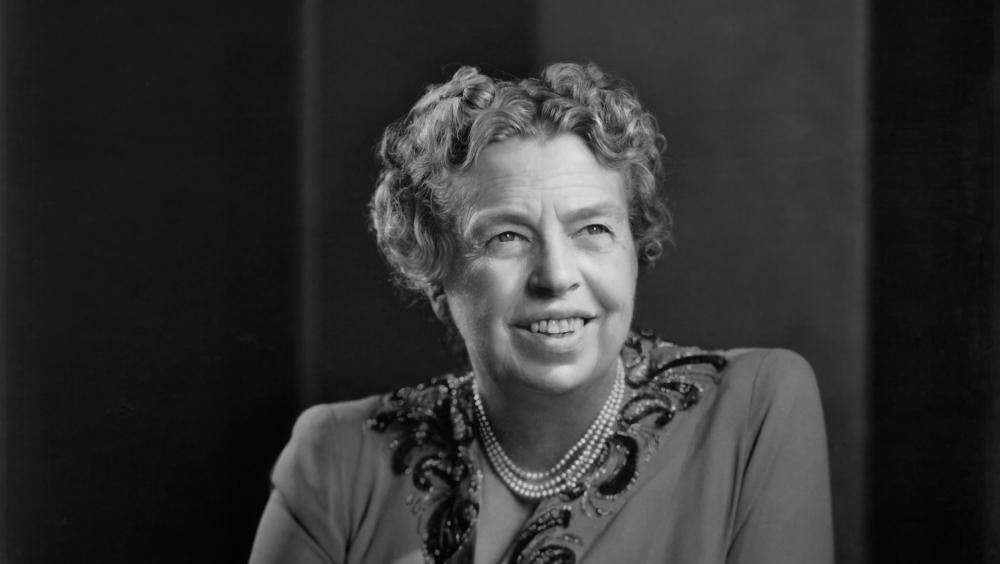
Image: Yousuf Karsh, Public domain, via Wikimedia Commons

Eleanor Roosevelt led an exciting life and was a groundbreaking figure in many ways. She redefined the role of First Lady and went on to become the U.S. delegate to the newly created United Nations. Her lifetime achievements are almost too numerous to list, yet these 10 facts serve as a reminder of why she's still celebrated as one of America's most influential First Ladies and diplomats. Keep reading to learn more!

1
Early childhood
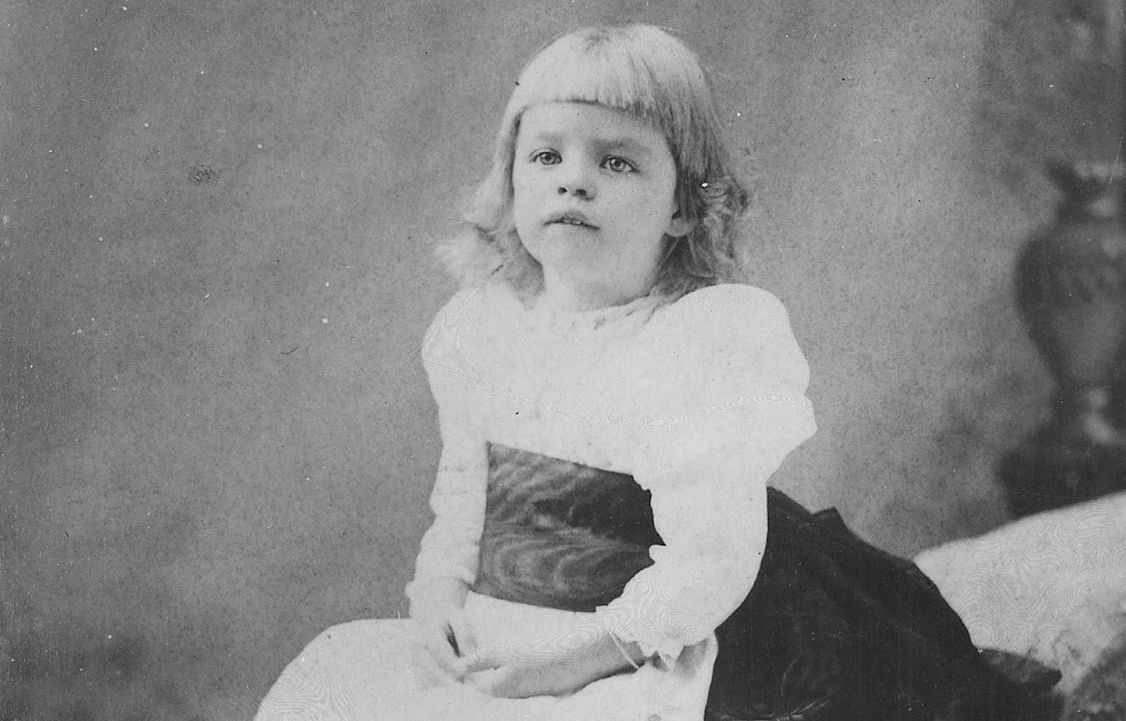
Image: National Archives and Records Administration, Public domain, via Wikimedia Commons

Despite being born into a prominent family, Eleanor Roosevelt’s childhood was not easy. She became an orphan when she was still very young. Her mother, Anna Hall, passed away in 1892, and her father died in 1894 from injuries sustained during a suicide attempt.

Following these tragic events, young Eleanor was left in the care of her maternal grandmother, Valentine Hall, before she was sent to a school for girls in England at the age of 15.

2
Family ties
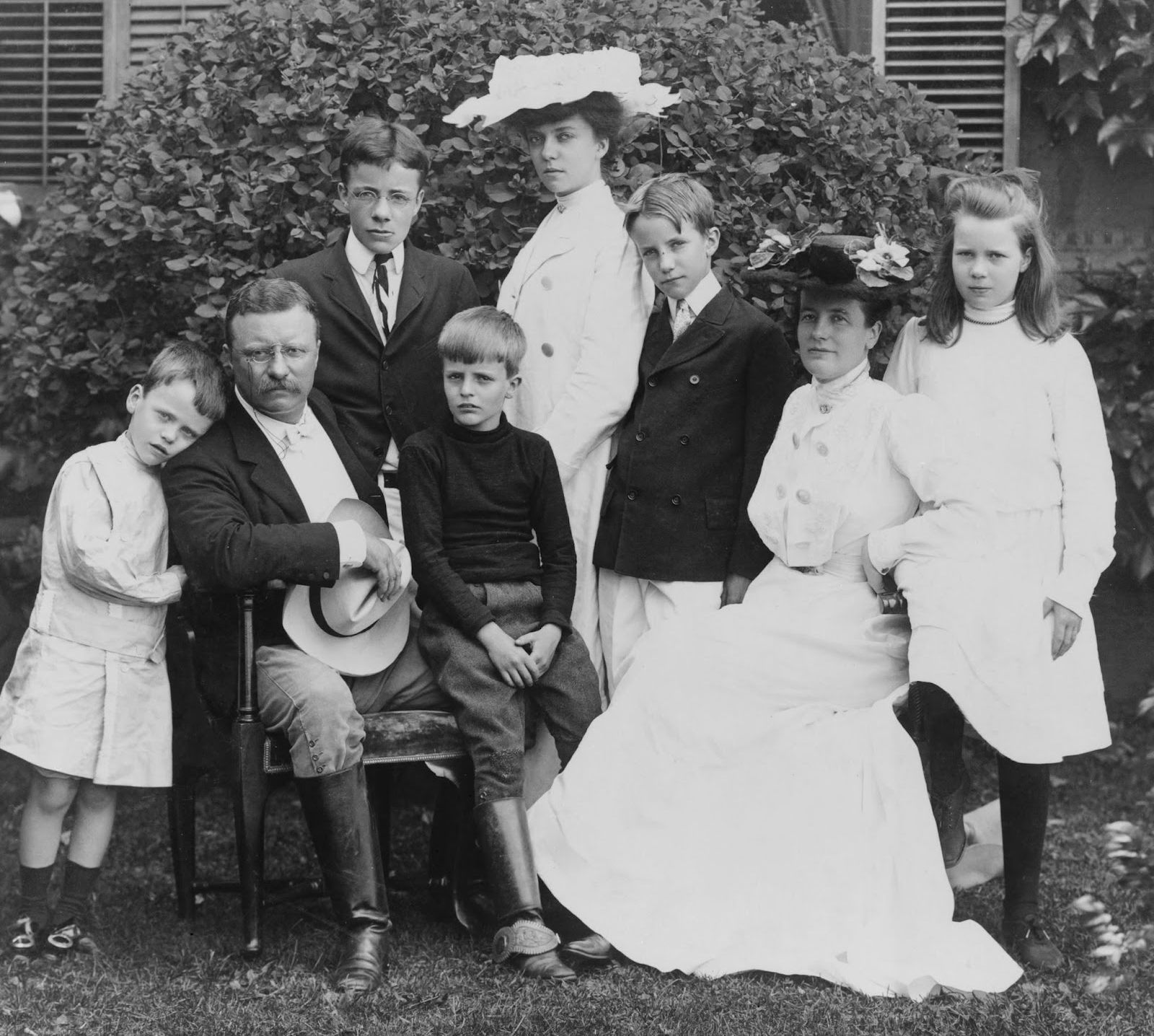
Image: Public domain, via Wikimedia Commons

Eleanor had presidential connections way before her marriage to FDR. Her father was Elliott Roosevelt, the younger brother of former President Theodore Roosevelt. Franklin D. Roosevelt, in turn, comes from a different branch of the Roosevelt family. The family was divided into two distinct clans, both based in New York, each with its own unique culture. Franklin belonged to the Hyde Park Roosevelts and was Theodore Roosevelt’s fifth cousin, while Eleanor was Theodore’s fifth cousin once removed .

Theodore was very fond of his niece and treated Eleanor like a daughter. In fact, in 1905, just a few months into his second term, the president gave her away at her wedding to Franklin D. Roosevelt. There’s nothing like keeping the name in the family!

3
American Red Cross volunteer
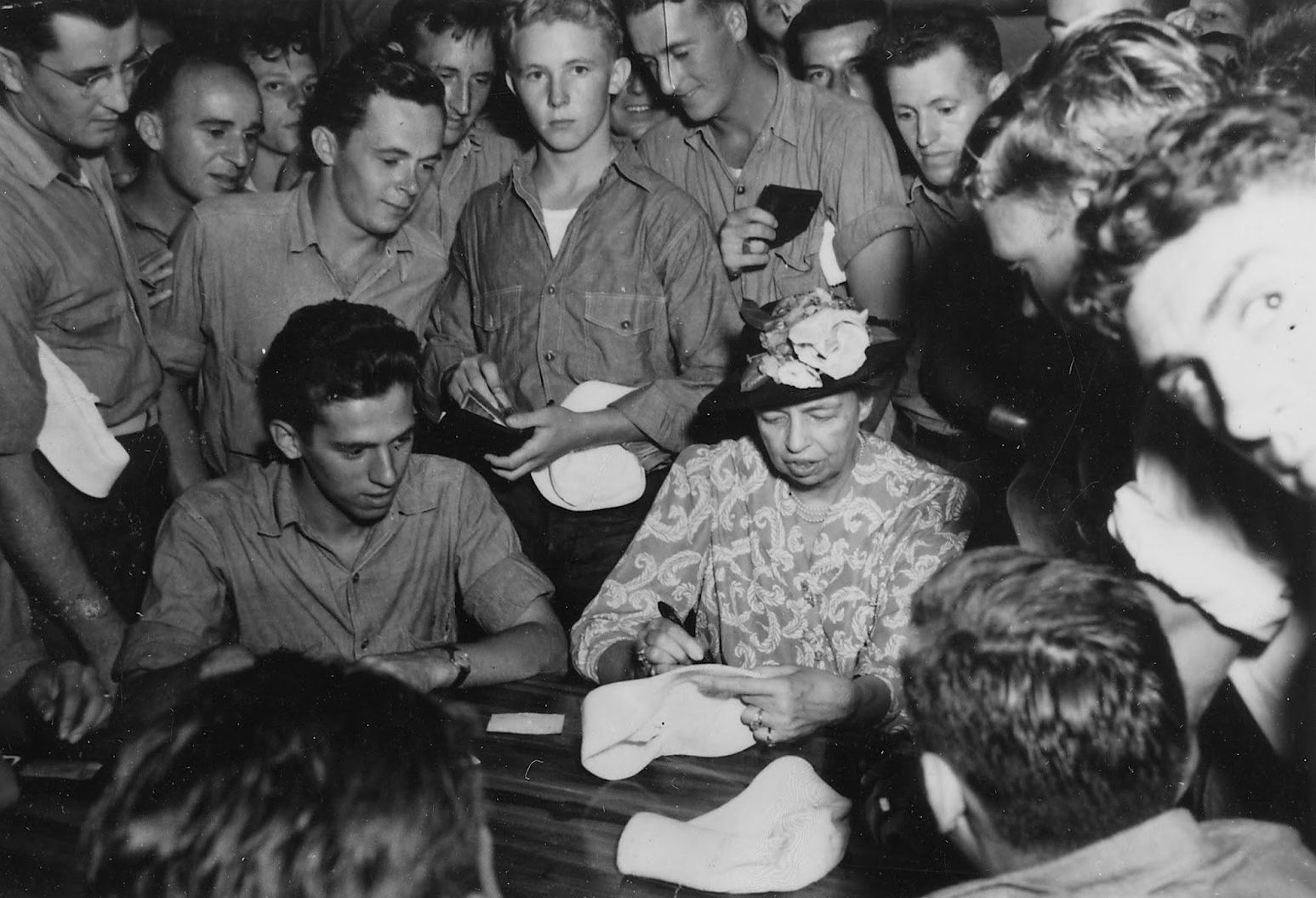
Image: National Archives and Records Administration, Public domain, via Wikimedia Commons

From a young age, Eleanor Roosevelt was actively involved in volunteer work. In 1917, when the United States entered World War I, women’s roles shifted dramatically. For Eleanor, this meant volunteering with the Red Cross and visiting wounded naval soldiers.

During her husband’s presidency, in the midst of World War II, Eleanor would inspire others to join the Red Cross and help raise funds to improve care and assistance for soldiers and their families. In August 1943, she even embarked on a month-long journey through the South Pacific to visit hospitals and infirmaries on military bases and ships.

4
An adventurous First Lady
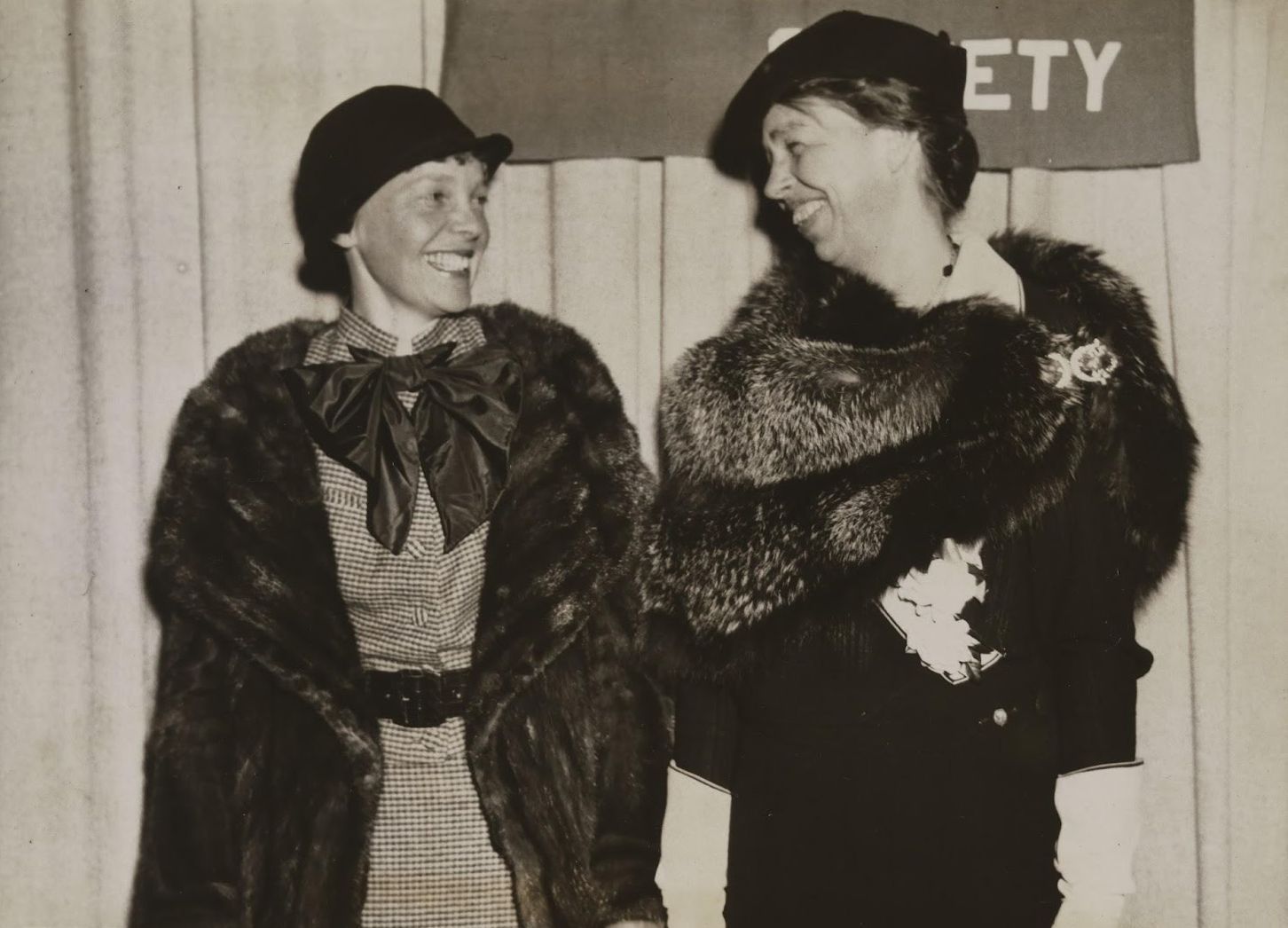
Image: National Portrait Gallery, CC0, via Wikimedia Commons

Despite being an introvert, Eleanor Roosevelt was an adventurer at heart. She liked to travel and throughout her life practiced different sports. What did Eleanor consider the happiest day of her life? The day she made the field hockey team at her private school!

During the 1930s, she became close to American aviator Amelia Earhart . The pilot took the First Lady on a flight from Washington, D.C., to Baltimore in 1933 and even inspired Eleanor to apply for her own pilot’s license. After Earhart vanished during her attempt to fly around the world, Roosevelt told reporters, "I am sure Amelia’s last words were ‘I have no regrets.’"

5
Women's advocate
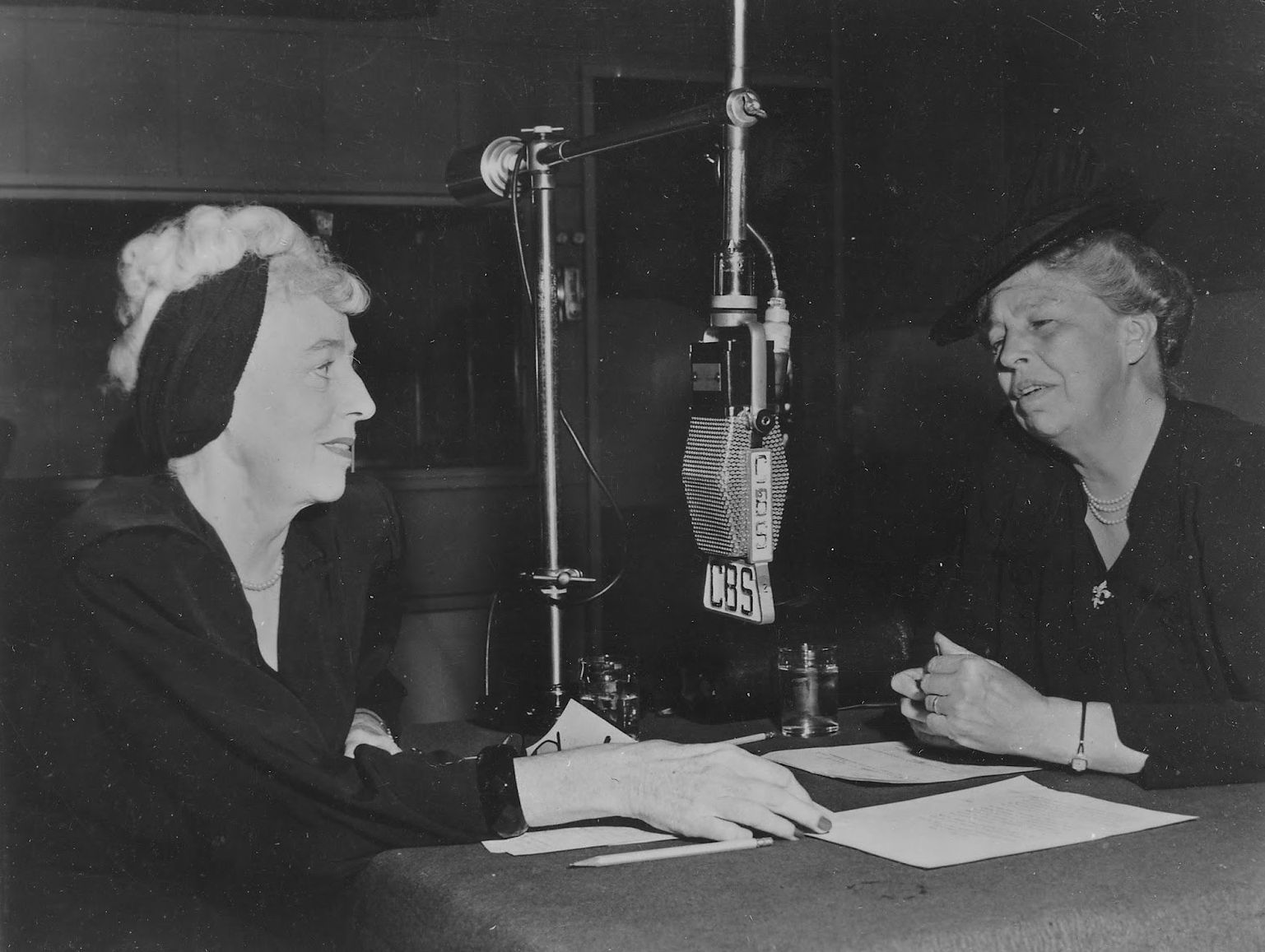
Image: National Archives and Records Administration, Public domain, via Wikimedia Commons

When Franklin D. Roosevelt was elected President of the United States, Eleanor redefined the role of the First Lady. Unlike her predecessors, she led a very active political life, participating in a multitude of events advocating for women's rights.

For example, before FDR’s presidency, female journalists were often excluded from media events at the White House. Eleanor helped reverse this injustice by hosting a series of women-only press conferences . This courageous and revolutionary act eventually pressured newspapers to hire more female reporters and helped Eleanor win over female voters on behalf of her husband.

6
Newspaper columnist
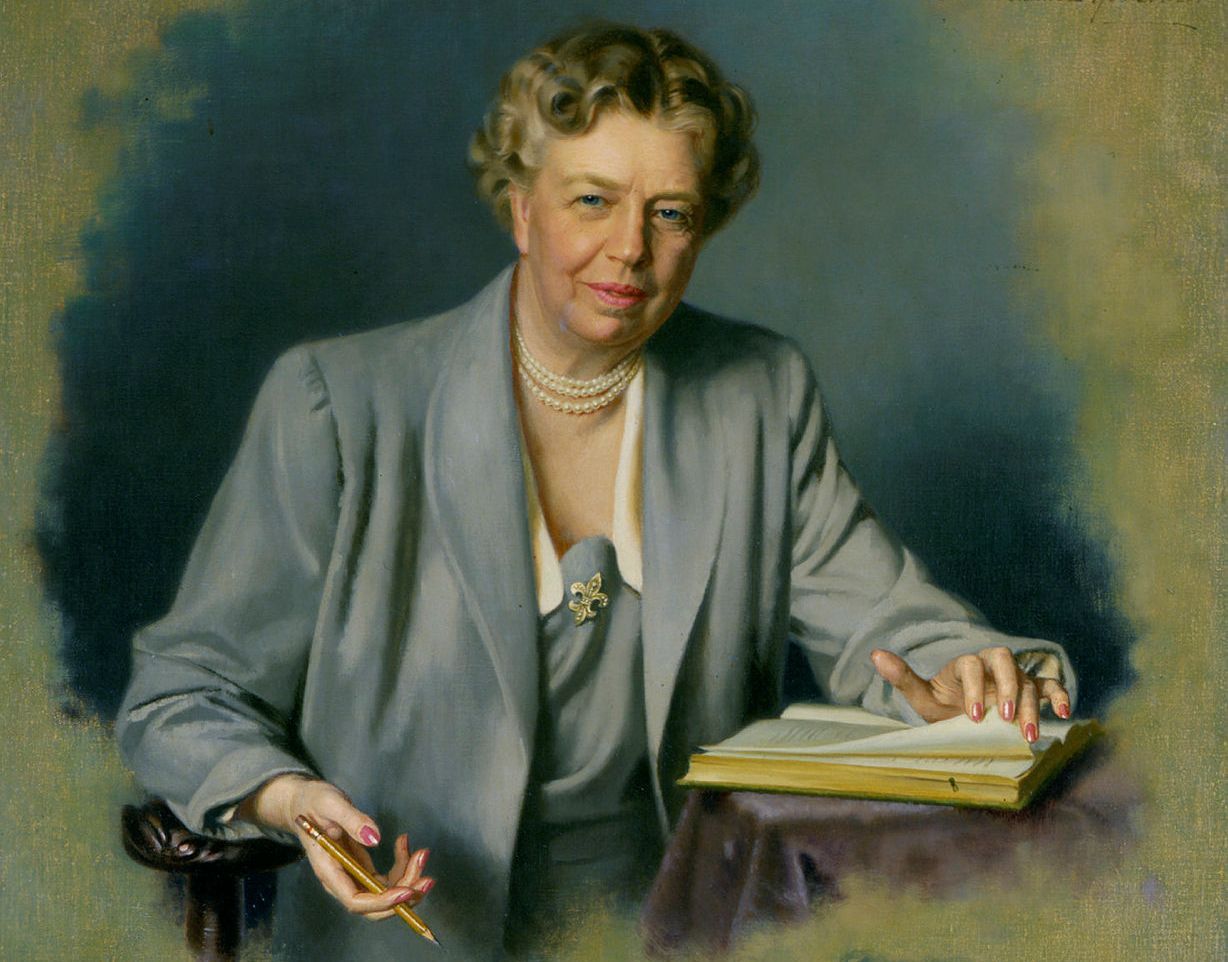
Image: Douglas Chandor, Public domain, via Wikimedia Commons

Did you know Eleanor Roosevelt wrote a syndicated newspaper column for 27 years? From 1935 until her death in 1962, Roosevelt penned six articles a week about her political views and personal life.

Simply titled "My Day," the column featured her thoughts on hot topics such as prohibition, Pearl Harbor, and Joseph McCarthy’s communist witch hunt. In all that time, Eleanor missed only a single week's worth of deadlines after her husband died in 1945.

7
Civil rights activist
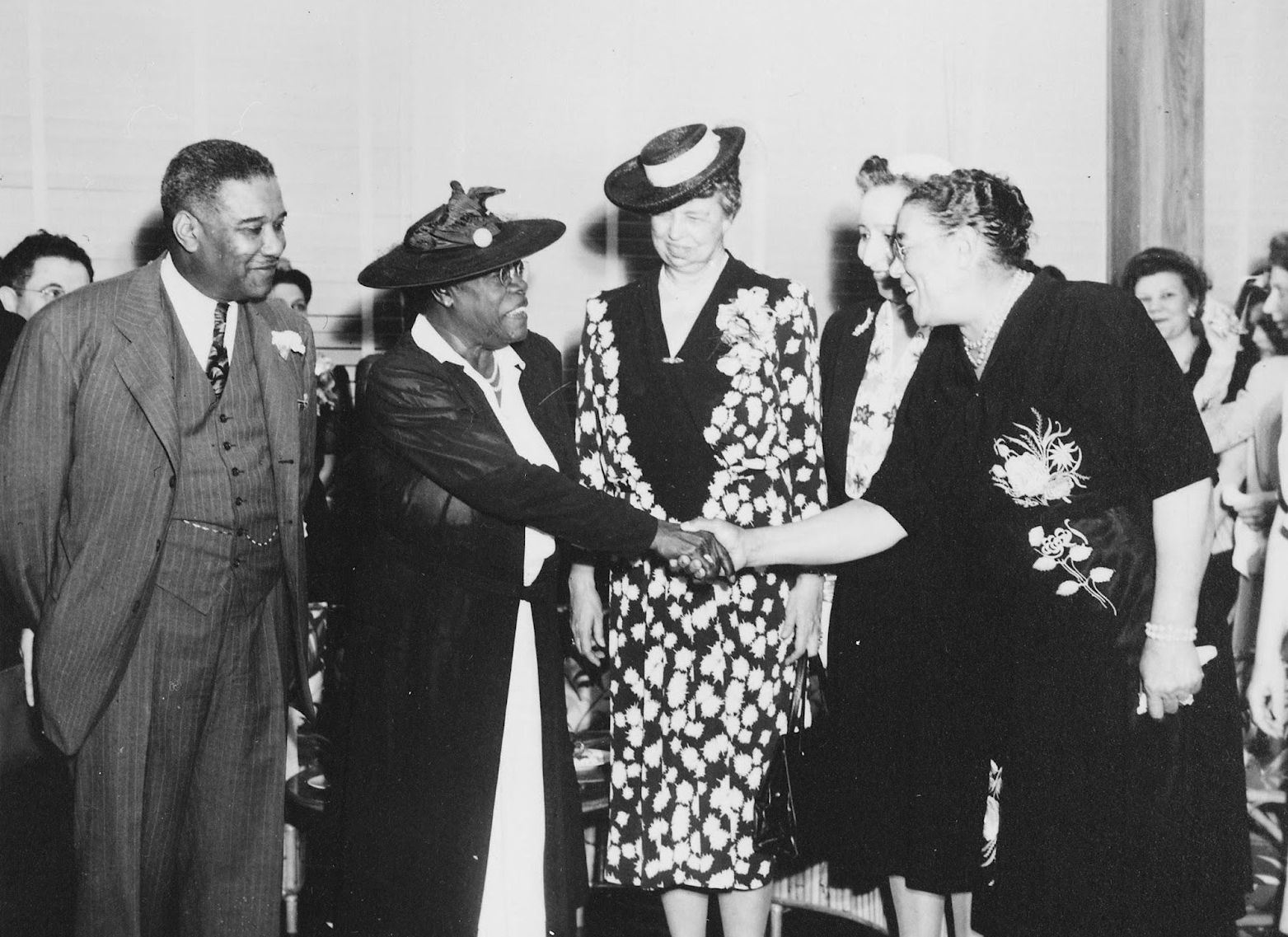
Image: National Archives at College Park, Public domain, via Wikimedia Commons

Eleanor Roosevelt was notably more progressive on civil rights than her husband. During the era of segregation, the First Lady became a crucial ally to the African-American community .

For example, she regularly invited African-American guests to the White House, breaking established protocols. In 1938, she even attended the inaugural meeting of the Southern Conference for Human Welfare in Birmingham, Alabama. On that occasion, after learning that segregationist policies prohibited white and African-Americans from sitting together at public functions, Eleanor protested. "They were afraid to arrest her," one witness recalled.

8
J. Edgar Hoover's public enemy
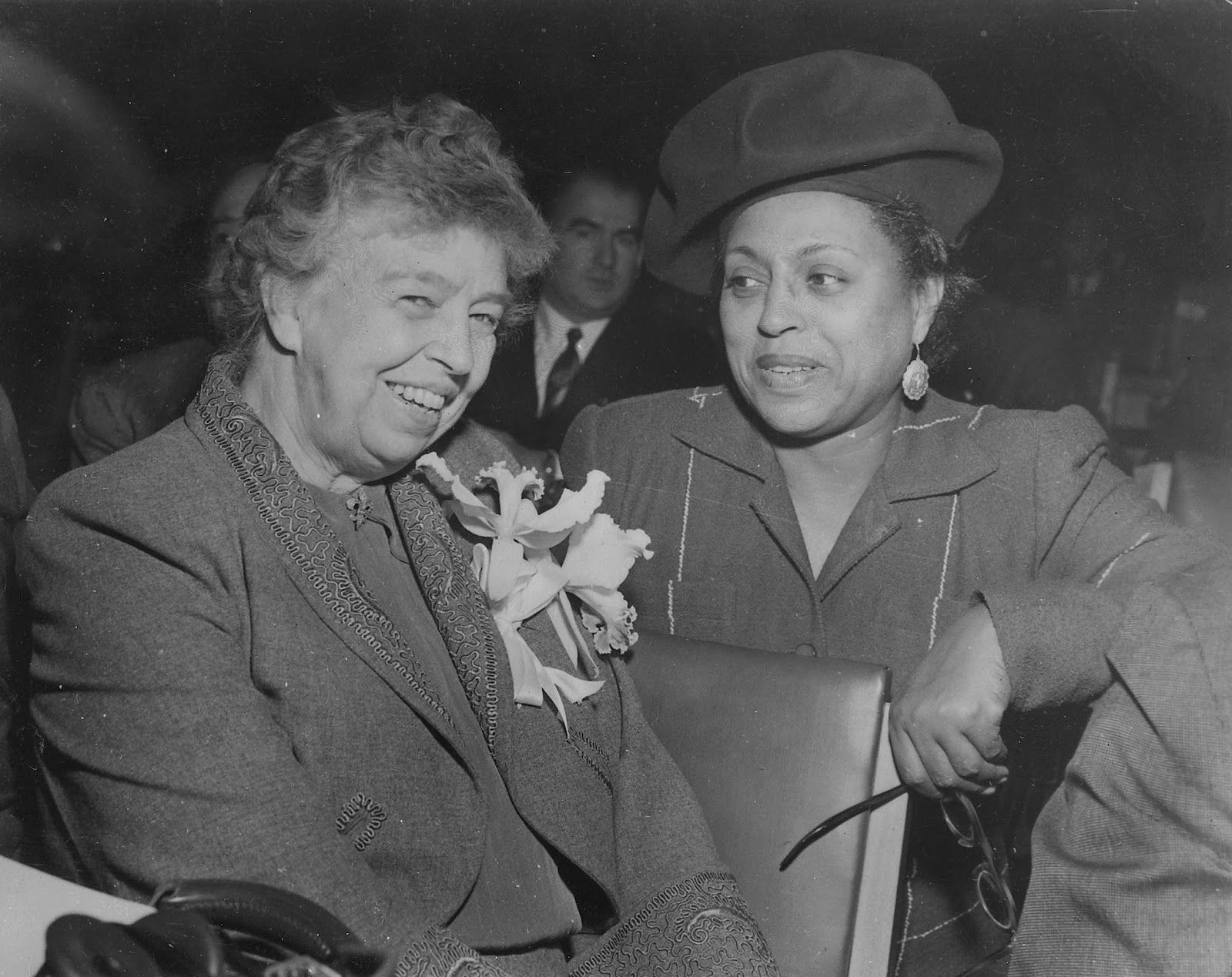
Image: National Archives and Records Administration, Public domain, via Wikimedia Commons

Because of her support for civil liberties and promotion of social programs, Eleanor Roosevelt was labeled a communist by the most conservative wing of American society. She was especially unpopular with J. Edgar Hoover’s FBI, which viewed her as a threat to the status quo.

In fact, the First Lady was the subject of one of the largest single FBI files, totaling around 3,000 pages . She publicly criticized Hoover’s abusive tactics, calling them "Gestapo-ish."

9
The first influencer
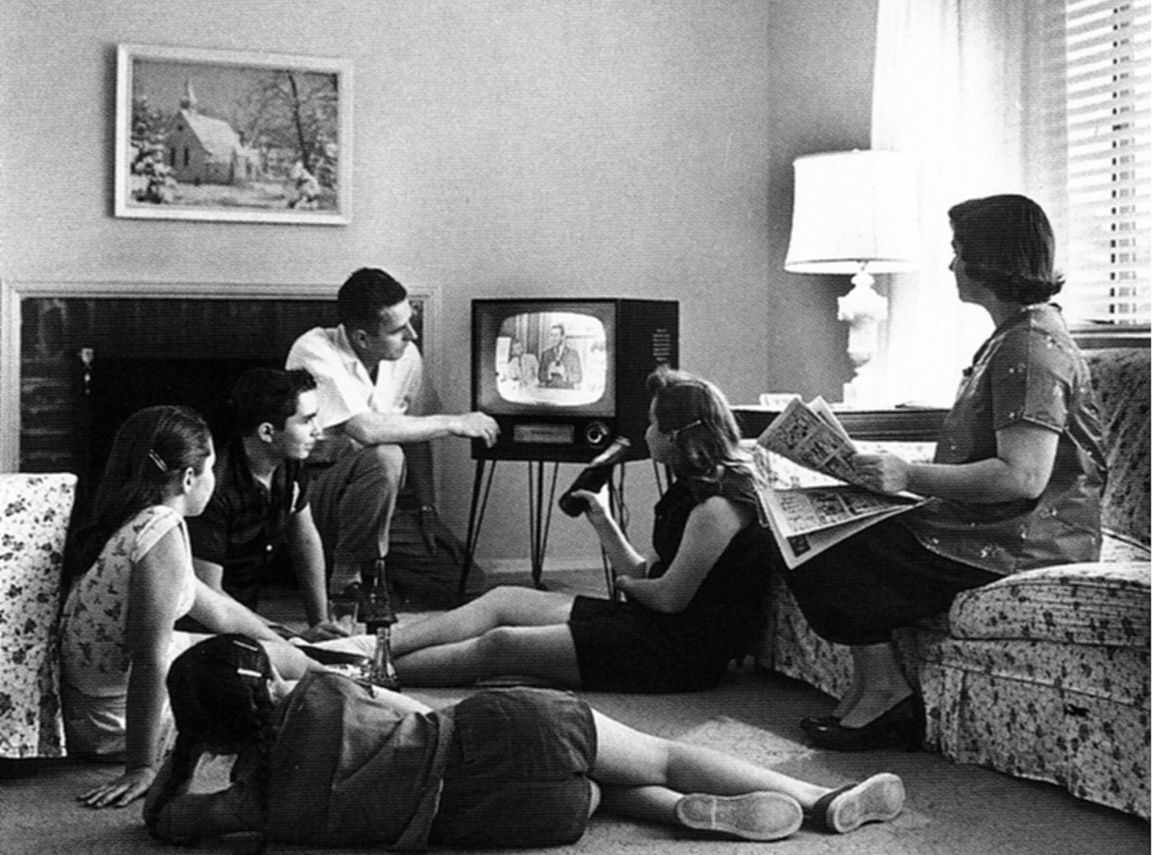
Image: Evert F. Baumgardner, Public domain, via Wikimedia Commons

In 1959, Eleanor Roosevelt made a surprising appearance in a TV commercial that helped popularize margarine as a preferred spread in America.

Her endorsement of the product not only had a significant impact on consumer choices but also earned her a substantial income of $35,000. As evidence of her commitment to social causes, Eleanor used the earnings to purchase 6,000 care packages for families in need , providing critical support and assistance.

10
Universal Declaration of Human Rights
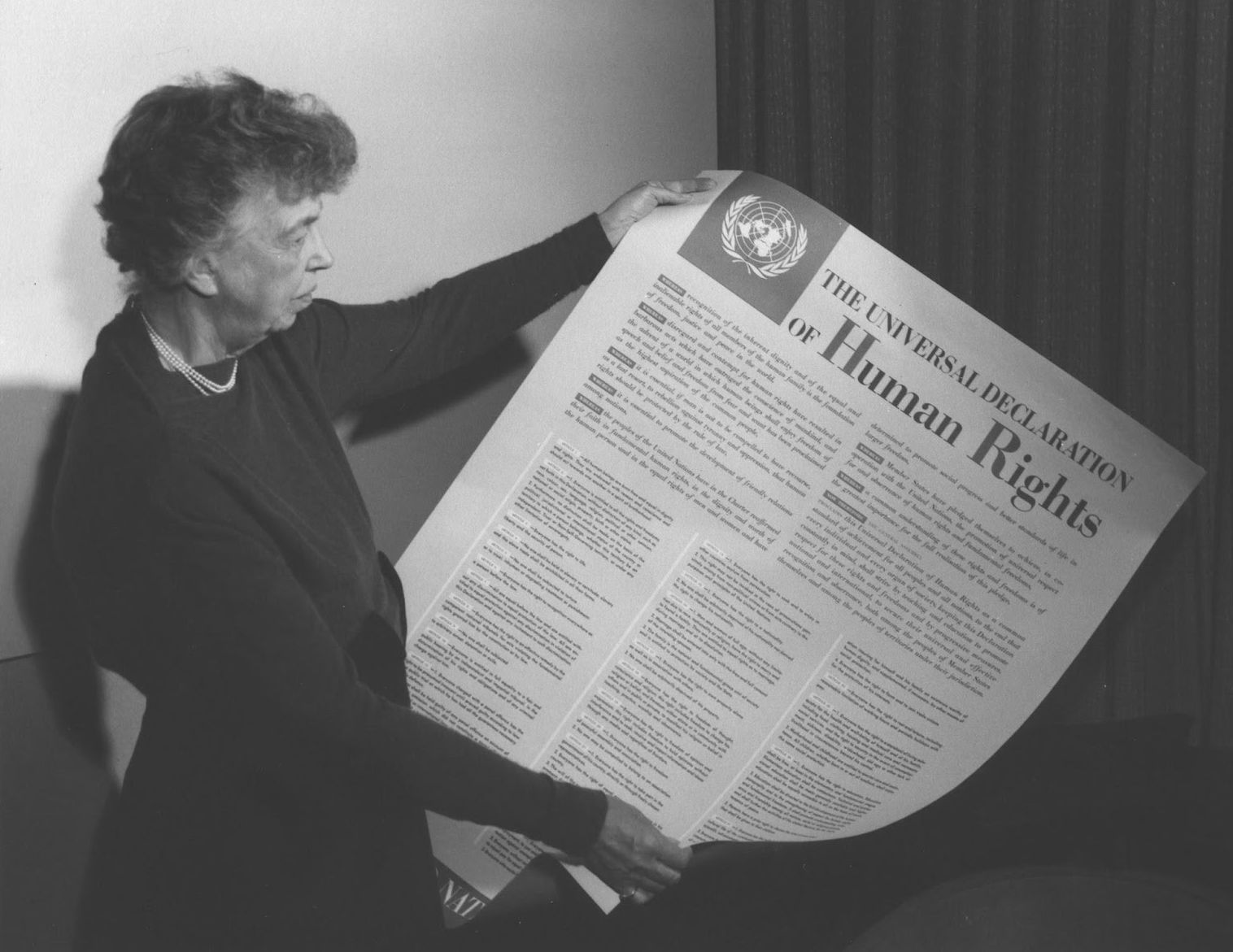
Image: Franklin D. Roosevelt Presidential Library and Museum, Public domain, via Wikimedia Commons

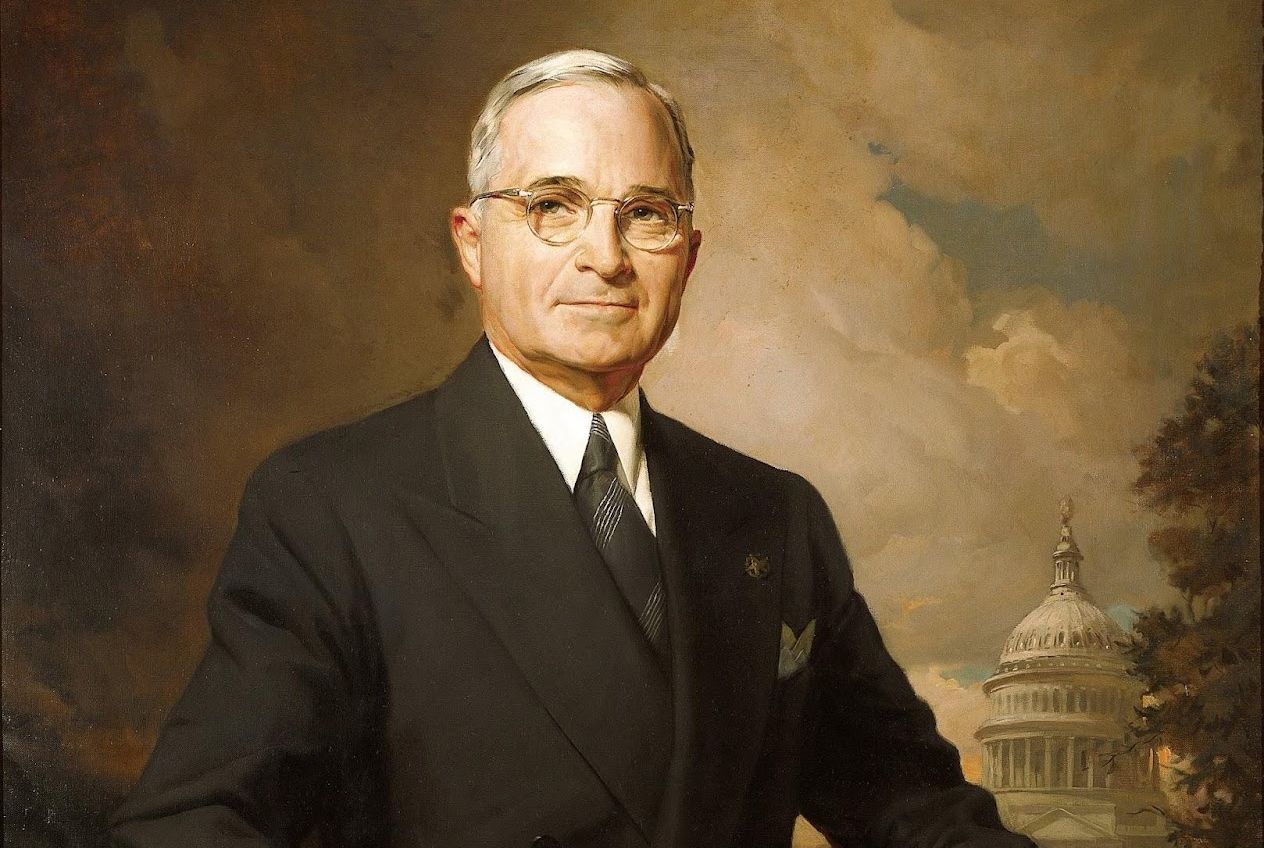
In 1946, President Harry S Truman appointed Eleanor Roosevelt as the U.S. representative to the United Nations Human Rights Council. In this influential role, she played a key part in shaping the Universal Declaration of Human Rights.

Along with 50 other members, Eleanor worked tirelessly to establish a comprehensive framework that protected and upheld the fundamental rights and dignity of individuals worldwide. Her dedication to this important endeavor marked a significant milestone in the advancement of human rights on a global scale. The Universal Declaration of Human Rights remains, without a doubt, one of Eleanor Roosevelt’s greatest legacies.
History History 4 min read

Stories of Hollywoodland

12 things you didn't know about the Hollywood Sign

Image: Clément Proust

The Hollywood Sign is full of history, sponsorships, drama, and reinventions. Did you know that it was originally not only a longer word but also physically larger? And like the Eiffel Tower, it was originally intended to be a temporary structure. Read on to learn more interesting facts about LA’s most famous backdrop !

1
It was originally an advertisement

Image: Emma Timmers

Have you ever wondered why the sign exists at all? After all, not many cities display neighborhood names on a nearby hill . When the sign was first erected in 1923, it was simply a billboard promoting a real estate development, and it was supposed to stand for only about 18 months.

2
It used to be longer

Image: Sarah Sheedy

The sign originally read "Hollywoodland" , the name of a new housing development that promised wealthy buyers unique views of the sunny hills of Los Angeles. So, they stuck a gigantic sign on Mount Lee. Just temporary , they said. Just for marketing .

Over 20 years later, the district had become more culturally relevant than the housing development, but people had grown used to the sight by then. So, they decided to let go of four letters. Each cost a fortune to maintain anyway.

3
It used to be bigger

Image: Eliot

The original "Hollywoodland" sign was massive. Each letter stood 43 feet tall and stretched 30 feet across. They were made from thin metal panels slapped onto wooden frames and held up by telephone poles.

It dazzled from afar, but up close, it was a wobbly mess . The construction was so flimsy that by the 1930s, some of the letters were already tilting, cracking, or sliding out of place.

4
It’s appeared in more movies than most actors

Image: Ramaz Bluashvili

Doesn’t that fact make you giggle? It’s not Bette Davis, and it’s not Anthony Hopkins—it’s the Hollywood Sign that has more movie credits .

Aliens have blown it up. Earthquakes have toppled it. Sharks have flown right through it. But it’s also been the backdrop for kisses, chases, and friendship montages. Directors love it because it screams "L.A." in three seconds flat.

5
Technically, it’s not in Hollywood

Image: RDNE Stock project

The Hollywood Sign doesn’t actually sit within the neighborhood of Hollywood—it stands atop Mount Lee, inside Griffith Park, which is managed by the City of Los Angeles . So while it may say Hollywood , it’s not technically in Hollywood.

6
It’s been rebuilt twice

Image: Gerald Schömbs

By the 1940s, the city stepped in and gave the sign a minor facelift. After the crumbling "LAND" was scrapped, the remaining letters were patched up.

But by 1978, the sign was in serious trouble again—rusted, leaning, and on the verge of collapse, it was deemed beyond repair. This time, Hollywood did what it does best: rebooted it entirely . A new sign was built from scratch, using steel beams and concrete foundations.

7
Celebrities "sponsored" letters

Image: Joseph Menjivar

When Hollywood cried for help in the late ’70s, it was Playboy founder Hugh Hefner who stepped in. The city didn’t have the funds to rebuild the sign, so Hefner threw a glitzy fundraiser to find sponsors for each of the nine letters, at $27,777 apiece.

And it worked. Alice Cooper funded the "O" in memory of Groucho Marx. Gene Autry sponsored the second "L." Even Warner Bros. chipped in.

8
No public trail leads directly to it

Image: Venti Views

Perhaps you’ve heard a disappointed tourist complain about this before: You can hike near it. You can pose below it. But actually walking up to the letters is a no-go. The trails in Griffith Park will get you close, with plenty of Instagram-worthy views. But conservation efforts mean you’ll never legally stand between the "L"s.

One reason is that decades ago, it was easier to reach the sign—and some fans even climbed the letters.

9
The land surrounding it was once nearly sold for development

Image: izayah ramos

In the early 2000s, developers had their eyes on the land behind the sign. The plan was to construct luxury homes in the hills with killer views. But the public response was pure outrage.

Enter Hugh Hefner (again), along with celebrities and conservation groups , who raised over $12 million to save the land. Today, those hills are permanently protected.

10
It has its own security team

Image: Lukas Geck

As mentioned earlier, you can’t get a selfie next to the "H" because the sign is off-limits to the public. It’s monitored 24/7 with infrared cameras, motion sensors, microphones, and regular patrols. Some hikers still try their luck, but trespassing can lead to citations, fines, and in some cases, arrest.

11
It’s copyrighted; you can’t just slap it on a T-shirt

Image: Simon Ray

Call a lawyer before you print the Hollywood Sign on your merch. Some trademark rights to the sign are owned by the Hollywood Chamber of Commerce. That means any commercial use—like shirts, mugs, or movie scenes— requires a license . Even photographers have to tread carefully.

12
Helicopters were used to move the letters

Image: Somchai Kongkamsri

The letters have been helicoptered off before. In 1978, when the new sign was being installed, the old, rusted letters had to go. But since you can’t exactly wheel 50-foot steel slabs down a hiking trail, helicopters came to the rescue.

One by one, the original letters were airlifted off the mountain in a strange, sky-high farewell. It was quite an event, and crowds gathered to watch.

Geography Geography 6 min read

A BREATH OF FRESH AIR

Urban retreats: America’s most beloved city parks

Image: Emily Kessler

City parks are extremely important for communities: they encourage exercise, promote contact with nature, revitalize local economies, and, above all, they are a way to bring people together. In most U.S. cities, there are incredible parks and green spaces worth discovering. Whether you are traveling for business or pleasure, we recommend you take a little break and visit one of these 10 urban parks that make cities a better place.

1
Griffith Park, Los Angeles

Image: Venti Views

Covering over 4,000 acres, Griffith Park is one of the largest urban parks in the U.S. Located in the hillside neighborhood of Los Feliz, this park is full of natural spaces , with hiking and biking trails, picnic areas, baseball fields, tennis courts, and golf courses.

Probably the two most famous attractions in Griffith Park are the Griffith Observatory at the top of the hillside and the Hollywood Sign on the southeastern slope of Mount Lee. Griffith Park also features a number of museums and themed gardens, including the Los Angeles Live Steamers Railroad Museum, the Autry Museum of the American West, and the Los Angeles Zoo.

2
City Park, New Orleans

Image: Farah Almazouni

Imagine a spring afternoon sitting on a bench by the lagoon, in the shade of an 800-year-old oak tree, reading your favorite book. Is there a more delightful plan? This pleasant dream can come true if you visit City Park in New Orleans!

In addition to its 1,300 acres of woodlands, waterways, and wildlife, this park is full of cool attractions. From amusement and theme parks (Carousel Gardens and Storyland) to a 1930s Art Deco-influenced Botanical Garden, an art museum with 40,000 objects in exhibition, and a sculpture garden. Trust us, it's worth leaving the French Quarter for a little while to take a stroll around this majestic city park!

3
Sculpture Garden, Minneapolis

Image: Paul Esch-Laurent

Built in 1988 and spanning 11 acres, Sculpture Garden in Minneapolis is one of the top urban sculpture gardens in the country. The garden is an ongoing collaboration between the city's parks department and the Walker Art Center.

In 2017, Sculpture Garden underwent an extensive renovation. A few pieces by contemporary artists such as Theaster Gates and Katherina Fritsch were added, a former wetland was restored, and native flora was planted to help feed essential and endangered pollinators.

While most visitors are drawn to the garden's inaugural centerpiece, "Spoonbridge and Cherry," the park features 40 permanent art installations and many temporary pieces that rotate periodically.

4
National Mall, Washington D.C.

Image: Jacob Creswick

The National Mall is often considered the political heart of the United States. This landscaped park in downtown Washington, D.C., is surrounded by impressive monuments, iconic government buildings, and amazing museums. Nearly two miles long, it stretches from the Lincoln Memorial to the Capitol.

At the center of the National Mall is the Washington Monument. This obelisk, the highest point in the city, is surrounded by 56 flags representing the 50 states plus Washington D.C. and 5 U.S. territories.

Throughout this iconic park, you can also find 10 Smithsonian museums. For example, the National Museum of American History, which houses the first version of the American flag, and the National Museum of Natural History, with rooms full of dinosaurs and the Hope Diamond.

5
Forest Park, St. Louis

Image: Keran Yang

If you're looking for a peaceful place to relax after a busy day in the big city, Forest Park is the best option. It is visited by 13 million people a year for a reason! This 143-year-old park covers 1,326 acres of meadows and wetlands that are home to a great variety of birds and wildlife. It also features a six-mile bike ride, paddle boats, a golf and tennis center, an amphitheater, a skating rink, and a restaurant.

In addition, Forest Park is an important cultural hub . As well as housing the Saint Louis Art Museum, it hosts events such as the Great Forest Park Balloon Race, the Shakespeare Festival of St. Louis, and the LouFest Music Festival. But perhaps the most visited place in the park is the Saint Louis Zoo, which has a collection of 18,000 animals. It's impossible to get bored in Forest Park!

6
Balboa Park, San Diego

Image: Leslie Yu

Balboa Park is a must-see for anyone visiting the city of San Diego. This huge 1,200-acre cultural and urban park was built in 1868, making it one of the oldest public spaces in the United States. Moreover, in 1977, it was declared a National Historic Landmark.

Balboa Park's 15 museums play a predominant role in the city's cultural life. These include the Museum of Natural History, the Museum of Us, and the Museum of Art. Secondly, you can ' t miss the themed gardens, especially the Japanese Friendship Garden. Finally, the San Diego Zoo is one of Balboa Park's star attractions. This 99-acre zoo is considered one of the most important in the world, both for its diversity and its concern for the protection of animal species.

7
Golden Gate Park, San Francisco

Image: Jeffrey Eisen

Golden Gate Park is huge. At 1,017 acres, it is the largest park in San Francisco. Almost anything you can think of can be done in Golden Gate Park; from hiking and biking to disc golf and archery. But don’t worry if you are not a sports buff; this National Historic Landmark also has many relaxing spots to discover.

Some of the most interesting features you can visit are: the picturesque Dutch Windmill; the Garden of Fragrance, specially designed for blind visitors; the Japanese Tea Garden, decorated with bonsai and pagodas; or Shakespeare's Garden, with more than 200 flowers mentioned across the author’s works. Oh, and don't forget to head to the top of Strawberry Hill for an iconic view of the Golden Gate Bridge!

8
Patterson Park, Baltimore

Image: Aaron Burden

Patterson Park was once a key defense site for Americans fighting the British during the War of 1812. Today, this historic park, nicknamed "Best Backyard in Baltimore," is busy with bikers, joggers, and strollers who enjoy 137 acres of 50 different species of trees, smooth pathways, lakes, picnic areas, and sports fields.

In addition, during the summer, people can cool off in the swimming pool and, during the winter, have fun skating on the ski rink. But perhaps the park's main attraction is the Patterson Park Observatory, a gorgeous 1890s pagoda that serves as an observation tower and reflects Baltimoreans' fascination with the Orient.

9
Boston Common Park, Boston

Image: Josephine Baran

Boston Common was founded in 1634, making it the oldest public park in the United States. The site has great historical significance since many events related to American independence took place here. Today, the park is used primarily for recreational purposes and is the perfect spot to relax after a busy day.

Every spring, the famous swan-shaped boats sail away, as they have done for more than 140 years. In summer, the go-to place is the Frog Pond, which offers a refreshing wading pool for children. During winter, this same pond becomes a skating rink enjoyed by both kids and adults.

Fun fact: did you know that Boston Common sits on top of Boylston Station, the first subway station in the U.S.? Lots of "firsts" for this amazing site!

10
Central Park, New York City

Image: Michael Matloka

You may be thinking, what else can anyone tell me about Central Park that I don't already know? Yet, this city park is so iconic that it still has some secrets to reveal. For example, did you know Central Park is larger than the entire city-state of Monaco? Often referred to as "The Green Lung", this oasis in the heart of Manhattan is also the most filmed public park in the world, appearing in more than 500 movies.

With an extension of 843 acres, Central Park has a large number of attractions worth visiting, such as the Belvedere Castle, the "Imagine" mosaic, the Bethesda Fountain, the Alice in Wonderland Statue, the Central Park Zoo, lakes, 58 miles of pedestrian paths, many green areas to relax, two ice skating rinks and, in the warm season, outdoor theater and cinema. So, next time you visit New York City, you might want to check one of these out!

Explore more American facts

Choose your favorite category!

General
General

As American as apple pie—the very best America has to offer!

Culture
Culture

Delve into the astounding richness of American lore.

Geography
Geography

Hop in and explore vast and diverse American landscapes.

History
History

Discover the key moments that shaped the United States.